
Electric vehicles have become a significant part of the automotive market, capturing the attention of drivers who are increasingly concerned about environmental impact, fuel costs, and the future of mobility.
The promise of electric cars includes quiet operation, instant torque, and lower emissions, which makes them an appealing choice for many.
However, one aspect of electric vehicles that often sparks debate is their driving range. The range of an EV is not just a number on a sticker but a crucial factor that determines how practical the vehicle is for daily use and long trips.
Consumers frequently encounter two types of range estimates: optimistic estimates, often provided by manufacturers, and more realistic or honest ranges experienced by drivers in real-world conditions. This distinction can make a substantial difference in decision-making for potential buyers.
Optimistic range estimates tend to be derived from controlled laboratory tests under ideal conditions. They typically assume moderate speeds, consistent temperatures, flat terrain, and minimal use of accessories like air conditioning or heating.
While these numbers may be technically accurate under specific circumstances, they rarely match everyday driving experiences. Honest or realistic range estimates attempt to reflect the conditions that drivers are more likely to encounter, including traffic congestion, climate variations, hills, acceleration and braking, and the use of climate control.
These numbers often reveal a gap between expectation and reality, which can influence trust in the technology and the adoption rate of EVs.
Another important factor in evaluating EV ranges is battery technology and capacity. Batteries are sensitive to temperature extremes, rapid charging, and age, all of which can reduce the effective range over time.
Drivers who rely on optimistic estimates may find themselves stranded or forced to charge more frequently than anticipated. On the other hand, those who consider honest range estimates are better prepared for the demands of real-world driving.
Understanding the difference between optimistic and realistic ranges can also help consumers budget for charging costs, plan trips efficiently, and reduce anxiety about battery limitations.
This article will examine five electric vehicles commonly associated with honest range estimates and five that are frequently advertised with optimistic ones. Each section will include detailed descriptions of their real-world performance, battery capabilities, and practical considerations for drivers.
By comparing these vehicles side by side, readers will gain a clearer perspective on what to expect from electric cars, how to interpret manufacturer claims, and how to make informed decisions when choosing their next vehicle.
The goal is to provide clarity on a subject that is often muddled by marketing language and testing discrepancies, offering an honest view of electric vehicle performance in everyday conditions.
Five EVs with Honest Range Estimates
1. Nissan Leaf
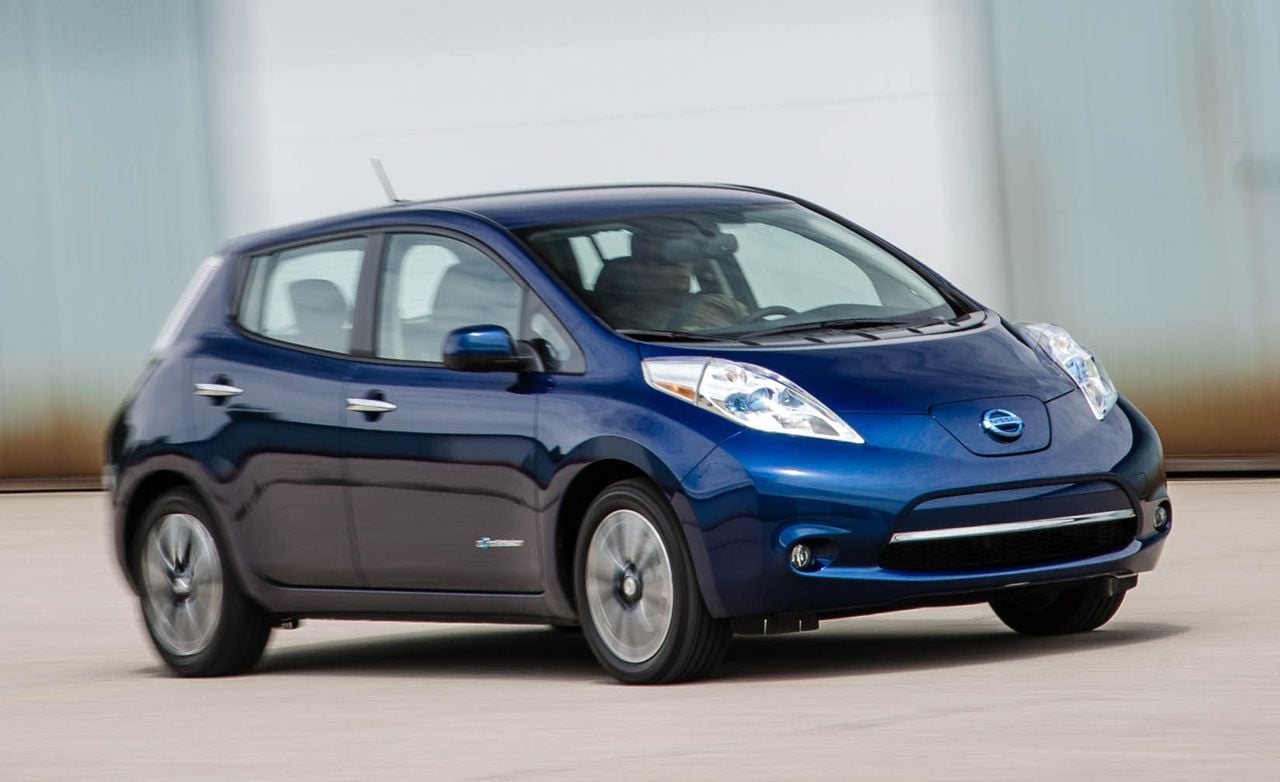
The Nissan Leaf has long been a cornerstone of the affordable electric vehicle market, offering a practical entry point for drivers considering a switch from gasoline-powered cars. Its range has historically been modest compared to newer, higher-end EVs, but this modesty is precisely why it has earned a reputation for honesty in real-world driving.
The standard Leaf provides an EPA-rated range of approximately 149 miles, which many drivers find achievable in city and suburban driving conditions. The Leaf Plus, with a larger battery, pushes that range to around 226 miles, still remaining realistic for a compact EV.
Drivers report that these estimates hold true even when the car is subjected to typical urban traffic, occasional highway travel, and moderate use of climate control systems. The conservative nature of these figures reflects Nissan’s approach to ensuring that expectations align with what the average driver is likely to experience day-to-day.
A major factor contributing to the Leaf’s honest range is the transparency regarding battery degradation. Over time, especially in hot climates, older Leaf models can experience a measurable decrease in usable battery capacity, and Nissan has historically acknowledged this limitation rather than obscuring it with idealized numbers.
Efficiency also plays a significant role in the Leaf’s dependable range. Its electric powertrain is designed for smooth and moderate acceleration, emphasizing consistent energy use over high performance.
The regenerative braking system is effective at capturing energy during stops, particularly in city driving, which can slightly improve mileage without any conscious effort from the driver. Furthermore, the Leaf’s relatively lightweight design compared to larger EVs reduces the energy demand, which contributes to maintaining a real-world range that aligns closely with what is advertised.
Drivers appreciate this predictability, as it allows them to use the car without constantly monitoring energy consumption or worrying about unexpectedly running low on charge.
Finally, the Leaf’s widespread charging infrastructure enhances the practicality of its range. Being able to access a network of public chargers without extreme planning means drivers can comfortably rely on the car for both daily commutes and occasional longer trips.
Because Nissan provides conservative and realistic range estimates, owners are less likely to encounter range anxiety, which can be a major concern for first-time EV buyers.
This combination of predictable range, practical battery performance, and accessible charging networks positions the Leaf as a dependable vehicle for those who prioritize reliability and day-to-day usability over cutting-edge performance or maximum mileage claims.
2. Chevrolet Bolt EV
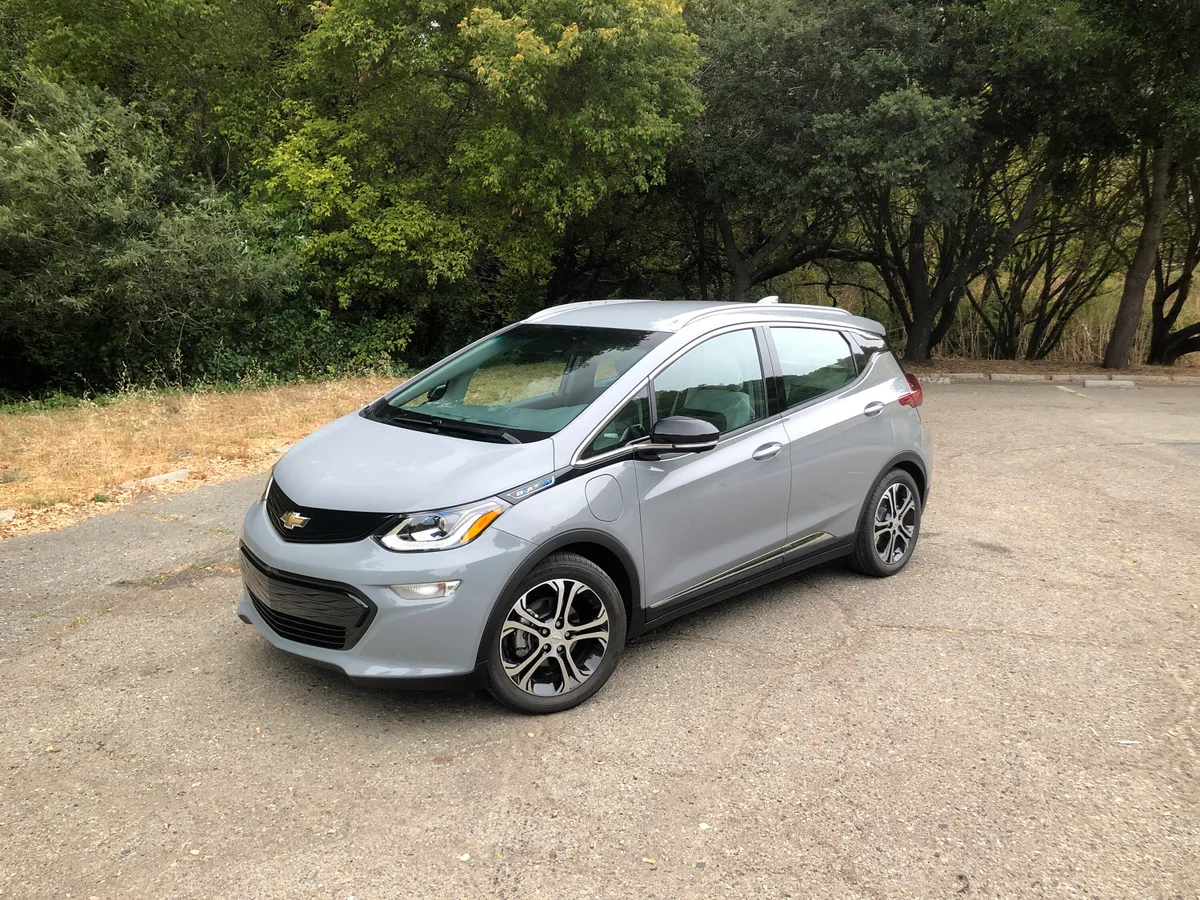
The Chevrolet Bolt EV is widely regarded as a compact electric vehicle that strikes a balance between affordability, performance, and practical range. Its advertised range of 259 miles is considered one of the more realistic figures in the EV segment, with many drivers reporting that they achieve near this distance under everyday driving conditions.
The Bolt’s reputation for reliability in this area stems from Chevrolet’s commitment to conservative range estimates and a well-balanced energy management system.
Unlike some manufacturers who present idealized figures without considering real-world variables, Chevrolet’s approach gives buyers confidence that their expectations will align with experience, whether navigating city streets or traveling longer distances on the highway.
The Bolt’s realistic range can also be attributed to its battery chemistry and thermal management system. The vehicle uses a battery optimized for longevity and consistent performance rather than peak energy output, meaning that range is maintained over time even as the battery ages.
Unlike high-performance vehicles that may see a substantial decrease in mileage after a few years of use or frequent rapid charging sessions, the Bolt’s battery retains its capacity relatively well, allowing drivers to rely on its range estimates over a longer period.
This consideration is particularly important for those who intend to use the vehicle as a primary daily driver, as it reduces the risk of unexpected drops in mileage that could disrupt commuting or travel plans.
Another reason for the Bolt’s honesty in range reporting is Chevrolet’s emphasis on driver education and energy monitoring tools. The car includes features that provide real-time feedback on energy consumption, range estimation, and driving efficiency.
These tools help drivers understand how speed, climate control, terrain, and driving behavior impact range, empowering them to make informed decisions and plan trips effectively.
By offering an accurate baseline rather than a best-case scenario, Chevrolet ensures that drivers are not misled by inflated numbers, which can be a source of frustration and mistrust for EV owners elsewhere.
Finally, independent testing and long-term owner experiences confirm the Bolt’s alignment with advertised range figures. Numerous reviews and real-world tests demonstrate that the vehicle rarely falls significantly short of its EPA-rated 259 miles, which is an achievement given the variability of real-world driving conditions.
The combination of a reliable battery, effective energy management, and a conservative but accurate range estimate makes the Chevrolet Bolt a strong choice for drivers seeking an EV that delivers consistent and predictable performance, reducing the stress associated with planning for longer trips or charging stops.
3. Hyundai Kona Electric
The Hyundai Kona Electric is widely praised for its combination of affordability, efficiency, and realistic range. With an advertised range of approximately 258 miles, the Kona consistently meets or comes close to this figure in real-world driving, making it one of the few small SUVs that delivers both practicality and dependability.
Hyundai’s focus on creating a vehicle that performs reliably under ordinary conditions, rather than one that relies on idealized testing scenarios, has earned the Kona a strong reputation among drivers.
This predictability is particularly important for commuters and small families who rely on the vehicle for daily transportation and occasional road trips.
The Kona Electric’s efficiency stems from both its powertrain and its design. Its electric motor delivers smooth acceleration and energy use that is optimized for everyday driving rather than high-performance scenarios.
Additionally, the vehicle is equipped with a well-tuned regenerative braking system that captures energy during deceleration, which can modestly extend range without requiring significant driver intervention.
Intelligent climate control systems are also designed to minimize energy consumption, further contributing to the vehicle’s ability to match advertised mileage. Together, these features ensure that the Kona operates efficiently under a variety of driving conditions, including stop-and-go traffic, highway cruising, and moderate hills.
Transparency in communication regarding driving conditions is another factor that enhances the Kona Electric’s credibility. Hyundai provides drivers with realistic guidance on how factors like extreme temperatures or aggressive driving can impact range, allowing owners to plan trips with confidence.
This honesty contrasts sharply with vehicles that advertise peak range under laboratory conditions, leaving drivers to discover for themselves that real-world mileage is often lower. By clearly outlining expected performance, Hyundai reduces the risk of range anxiety and fosters trust in both the vehicle and the brand.
Finally, the Kona Electric’s long-term performance reinforces its reputation for realistic range. Drivers who have owned the vehicle for thousands of miles report that the battery continues to deliver consistent mileage, with minimal unexpected degradation.
Durable battery management, combined with an energy-efficient drivetrain and conservative range estimates, ensures that the Kona remains a practical and dependable choice for drivers seeking a compact SUV that reliably meets the demands of everyday driving and short-to-medium distance travel.
4. Kia Niro EV
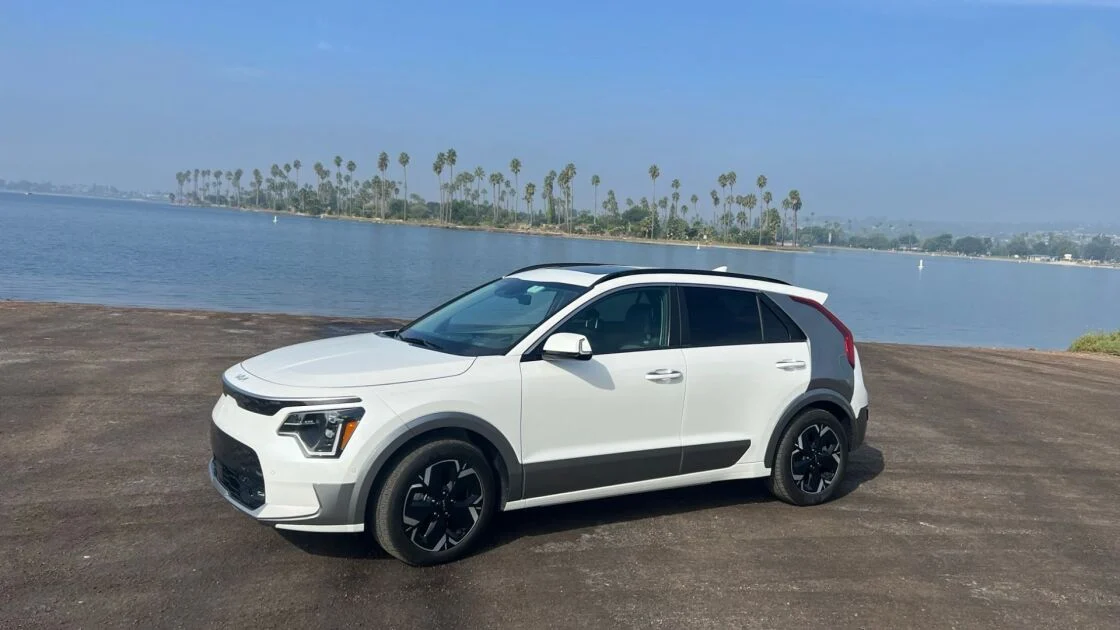
The Kia Niro EV is another vehicle where advertised ranges are closely aligned with real-world performance. With an official EPA-rated range of around 239 miles, the Niro typically delivers what drivers can reasonably expect during both city and highway driving.
Kia’s approach to estimating range focuses on practical usability rather than marketing-driven exaggeration, providing a trustworthy benchmark for planning trips and daily commutes.
For families or individuals who rely on an EV as their primary vehicle, this transparency is invaluable, as it minimizes surprises and allows drivers to manage their driving and charging habits effectively.
A key contributor to the Niro EV’s accurate range estimates is its highly efficient drivetrain and aerodynamic design. The car’s powertrain is engineered to minimize energy waste, and its sleek exterior reduces drag, which is particularly important for maintaining range at highway speeds.
Additionally, the vehicle employs regenerative braking and intelligent climate control to further conserve energy, ensuring that the effective range remains consistent even under variable driving conditions. These features make it easier for drivers to achieve advertised mileage without needing to adopt extreme energy-saving practices.
Battery longevity and reliability are also important factors in the Niro’s realistic performance. Kia has invested in thermal management systems and durable battery chemistry, which help preserve capacity over time and prevent sudden reductions in range.
This contrasts with some performance-oriented EVs where the battery may degrade more quickly, creating a significant gap between manufacturer estimates and what drivers can actually achieve. By focusing on long-term usability, Kia ensures that the Niro EV remains predictable and practical for everyday driving over the lifespan of the vehicle.
Finally, the Niro EV’s realistic range facilitates straightforward trip planning. Drivers can rely on the advertised numbers when scheduling commutes, errands, or weekend outings, reducing stress and the need for constant charging stops.
This reliability, combined with efficient energy use and transparent communication, positions the Niro EV as a practical, trustworthy option for anyone seeking an electric vehicle that meets the demands of daily life without requiring constant monitoring or cautious driving.
5. Volkswagen ID.4
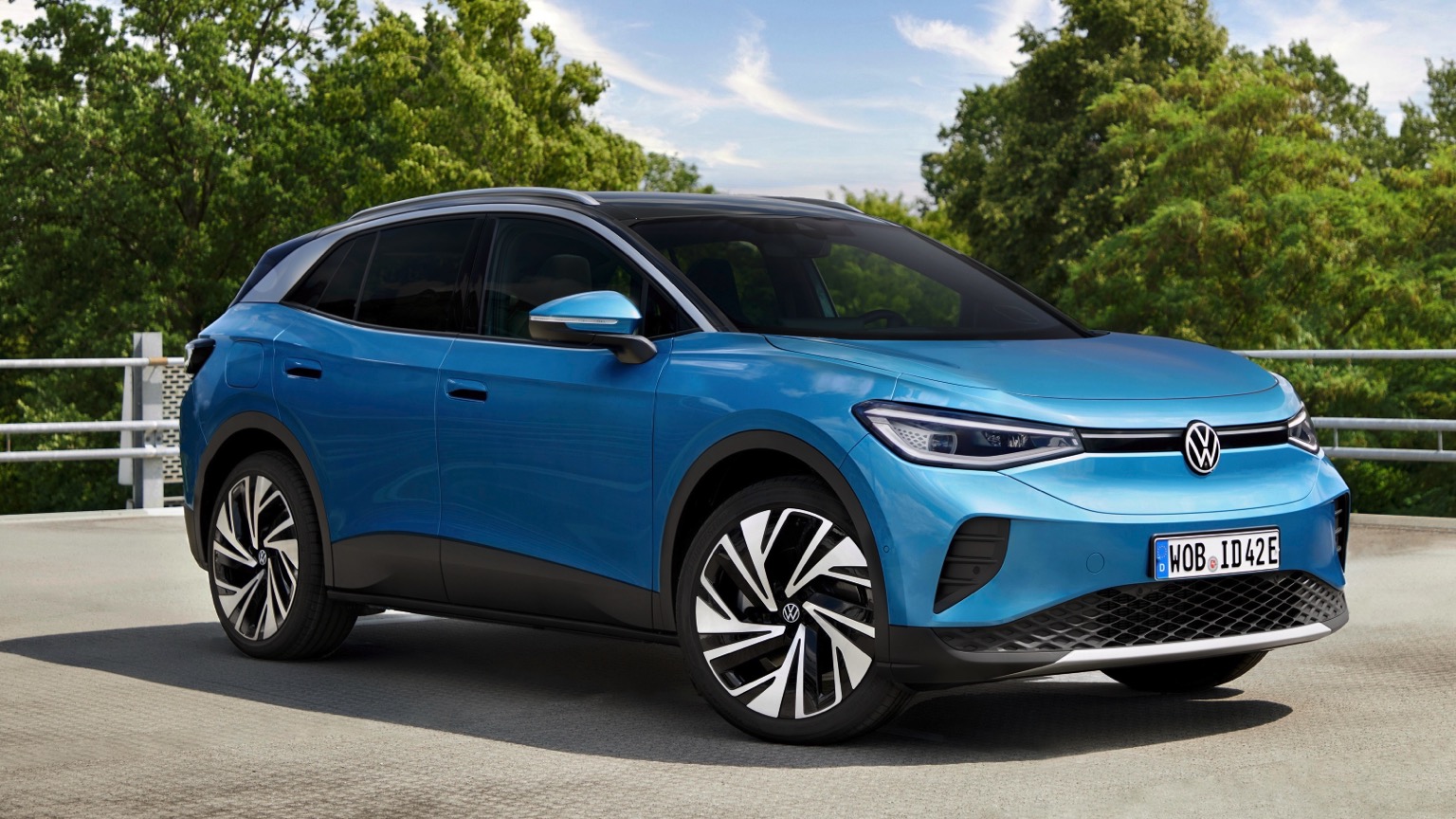
The Volkswagen ID.4 is a compact SUV that emphasizes mainstream appeal and practicality. Its advertised range of roughly 250 miles is generally achievable in everyday driving scenarios, which contributes to its reputation as an honest and dependable EV.
Volkswagen has consistently provided estimates that account for a realistic mix of city and highway conditions, as well as typical accessory use, allowing drivers to plan trips with confidence. This approach contrasts with some EVs marketed with inflated numbers that are difficult to achieve in normal driving conditions.
Efficiency is central to the ID.4’s performance and realistic range. The vehicle employs a streamlined powertrain and lightweight construction that optimize energy use, while regenerative braking systems recover energy during stops to extend range further.
These features, combined with a practical driving profile, help maintain mileage close to what is advertised, even when navigating hilly terrain or moderate highway speeds. For drivers, this means fewer surprises and a more predictable driving experience compared to vehicles with optimistic claims.
The ID.4’s battery management system is designed to maintain capacity over time, which reduces the gap between advertised and real-world range. Volkswagen has focused on providing consistent performance, ensuring that owners can rely on the vehicle to meet expectations over several years of use.
This focus on durability and efficiency makes the ID.4 particularly appealing for families or commuters who need a dependable vehicle for both daily driving and occasional longer trips.
Finally, Volkswagen’s clear communication regarding range expectations enhances driver confidence. The company emphasizes that factors such as high-speed driving, extreme temperatures, or aggressive acceleration can reduce mileage, giving owners a realistic understanding of what to expect.
This transparency, combined with efficient engineering and practical energy management, makes the ID.4 a strong example of an EV where advertised and real-world ranges align, providing a reliable and stress-free driving experience for everyday use.
Five EVs with Optimistic Range Estimates
1. Tesla Model S Long Range
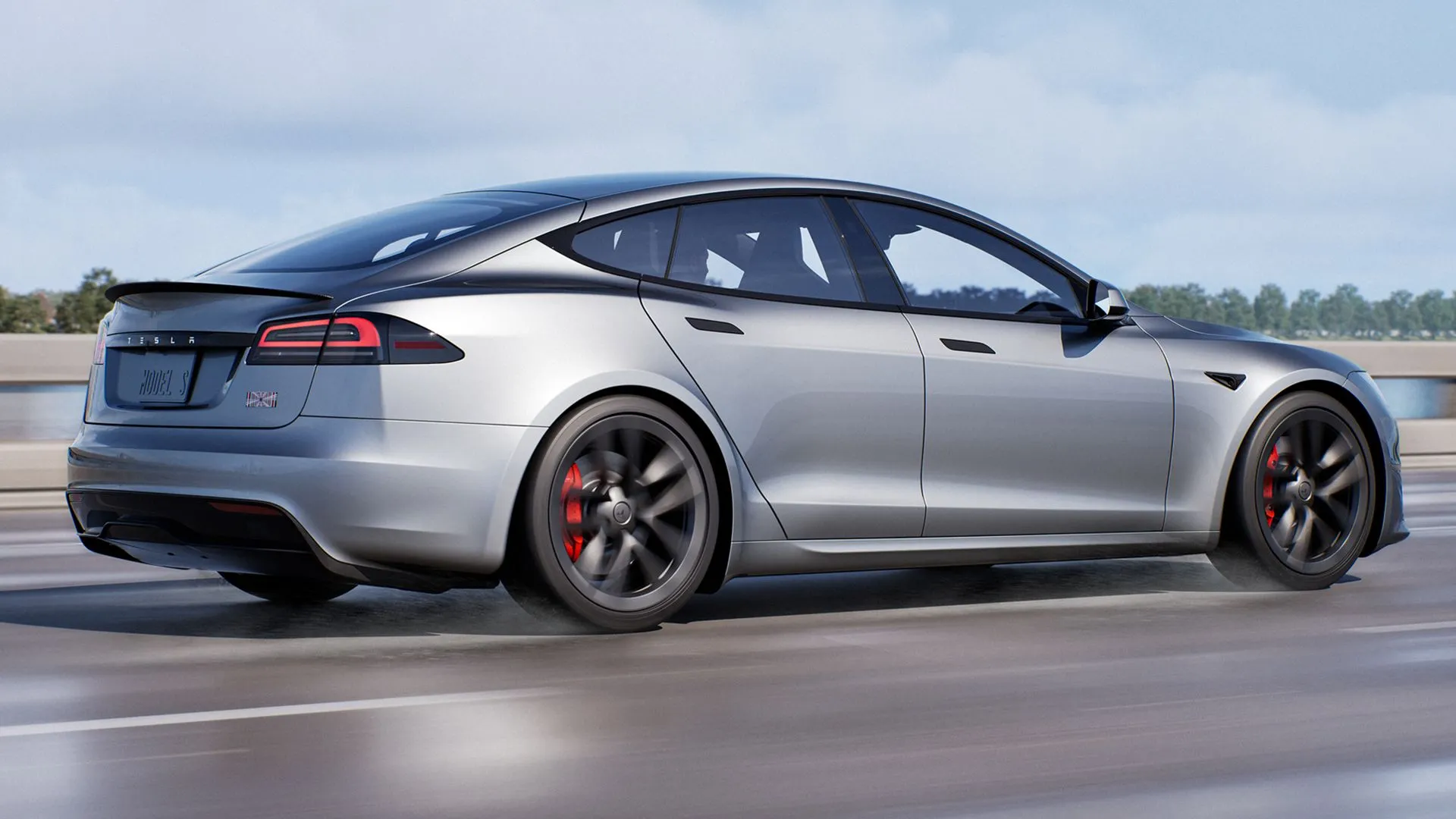
The Tesla Model S Long Range is often cited as a benchmark for electric vehicle mileage, boasting a manufacturer-claimed range of up to 405 miles.
While this number is technically achievable under optimal conditions, many drivers find that their real-world experience falls short, typically around 350 to 370 miles.
Even highway driving at speeds above 65–70 mph can result in noticeable reductions in mileage. The vehicle’s aerodynamic design and low drag coefficient help offset some energy loss, but the real-world range is still sensitive to driving style and environmental conditions.
Marketing considerations further amplify the optimism in Tesla’s range estimates. The company positions itself as a leader in electric mobility, and high advertised ranges reinforce this perception, attracting customers looking for cutting-edge technology.
While technically achievable under specific circumstances, the claimed 405 miles is aspirational for most owners. Drivers need to understand that practical planning for trips should factor in a buffer below the maximum figure to avoid unexpected stops and range anxiety.
Despite this optimism, the Model S Long Range remains one of the most capable and efficient EVs on the market. Its large battery pack, high-capacity charging network, and efficient drivetrain allow drivers to approach the advertised numbers if conditions are favorable.
Even when the real-world range is lower than claimed, the vehicle provides sufficient distance for long commutes, road trips, and daily use. However, buyers must be aware that achieving the maximum range typically requires careful attention to speed, temperature management, and driving habits.
2. Lucid Air Dream Edition
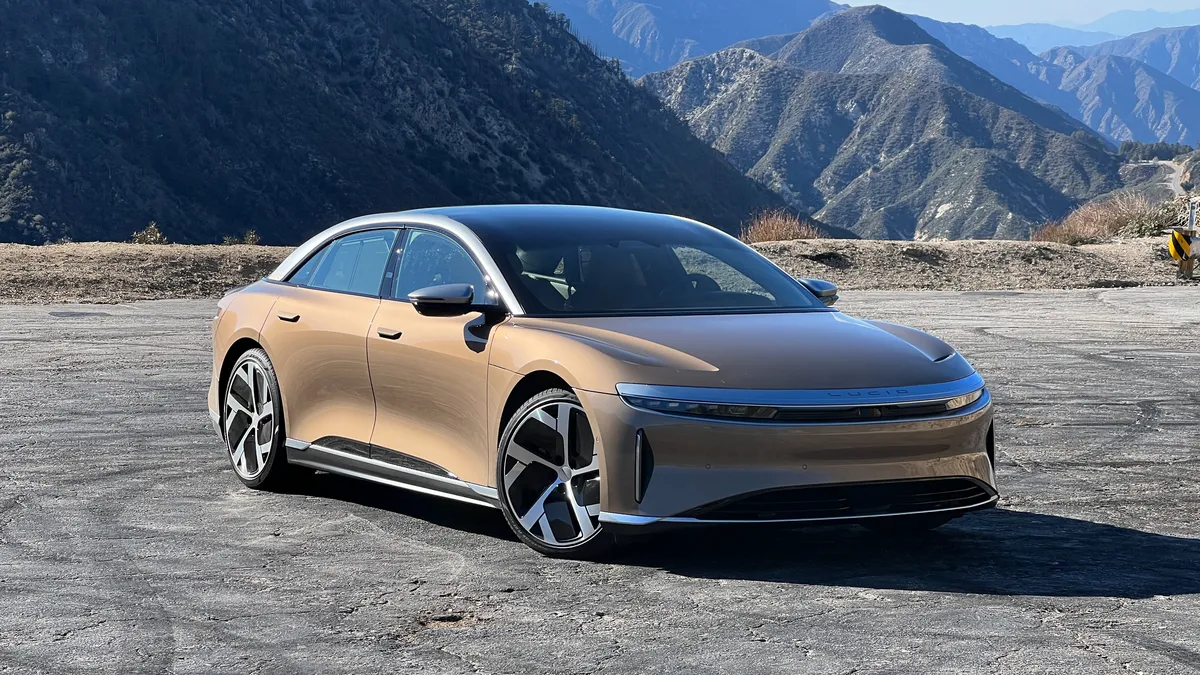
The Lucid Air Dream Edition is marketed as one of the longest-range electric vehicles available, with a manufacturer-claimed range of up to 520 miles. Real-world testing, however, usually yields slightly lower numbers, typically around 470 to 490 miles under mixed driving conditions.
Lucid’s range estimates are also influenced by the vehicle’s performance capabilities. The Air Dream Edition is a luxury EV that emphasizes both speed and efficiency, and drivers who take advantage of its rapid acceleration and high top speeds may see energy consumption increase significantly.
Additionally, temperature extremes, frequent use of the air conditioning or heating systems, and heavy cargo can further reduce effective range. While the Air Dream Edition is undoubtedly impressive in terms of mileage, the advertised figure is closer to a best-case scenario rather than a consistently achievable number.
Marketing strategy plays a key role in the optimistic range estimates. Lucid positions the Air Dream Edition as a technological marvel, and emphasizing its extraordinary range reinforces the brand’s reputation for innovation and performance.
These figures serve to attract attention in a competitive EV market but can create unrealistic expectations for prospective buyers. Understanding the potential gap between advertised and real-world range is crucial for planning long trips and managing energy consumption.
Despite the optimism in Lucid’s claims, the Air Dream Edition delivers an impressive real-world range that surpasses most other electric vehicles.
The combination of a large, energy-dense battery, advanced thermal management, and highly efficient drivetrain allows drivers to cover significant distances on a single charge.
While the maximum 520-mile range is rarely achieved under normal conditions, the vehicle’s effective mileage is still remarkable and more than sufficient for extended travel with thoughtful planning.
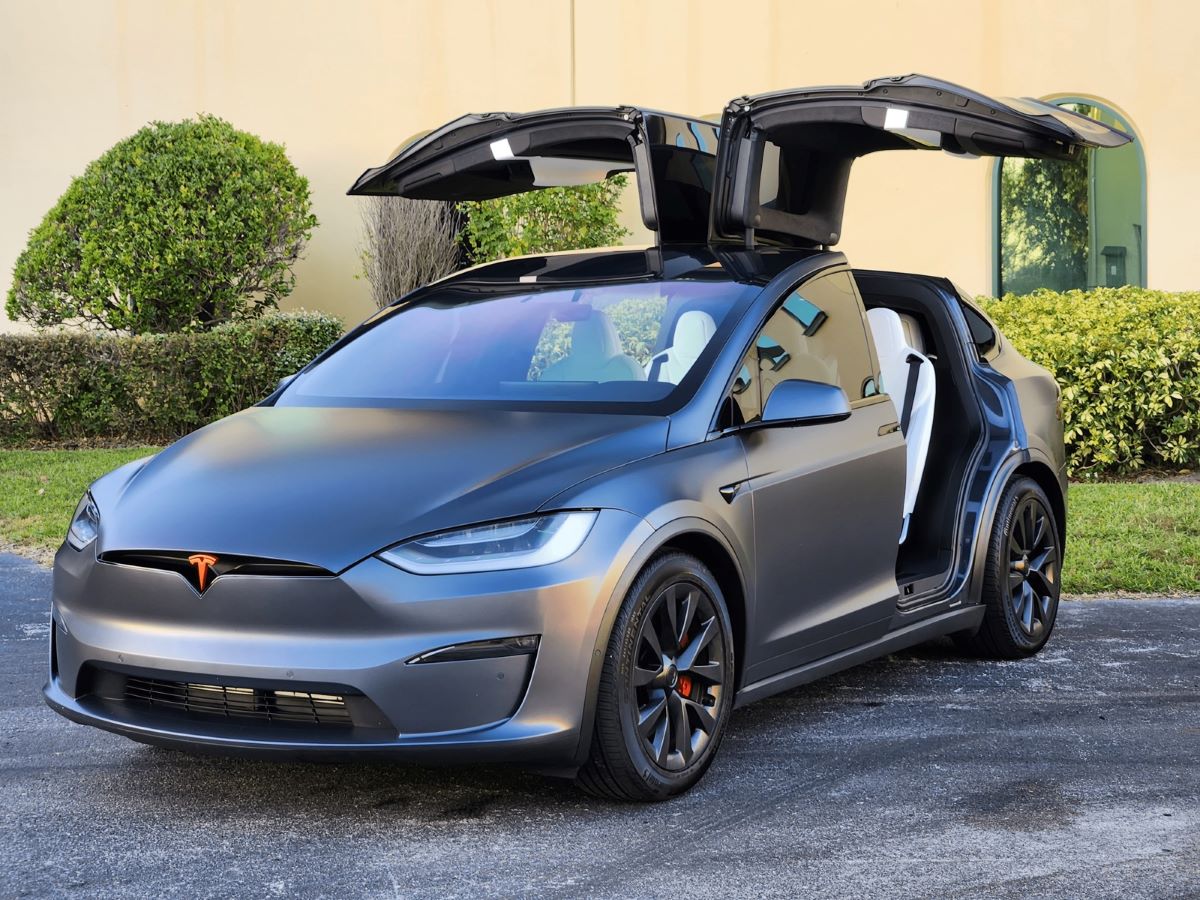
3. Tesla Model X Plaid
The Tesla Model X Plaid SUV advertises a range of up to 348 miles, yet most drivers report achieving between 300 and 320 miles under typical driving conditions. The discrepancy arises because Tesla’s estimates are based on idealized scenarios that assume constant speeds, minimal accessory usage, and flat terrain.
Real-world factors such as traffic congestion, elevation changes, and the use of climate control systems reduce efficiency, resulting in lower actual mileage. The vehicle’s high-performance nature amplifies this effect, as the powerful motors are capable of delivering extreme acceleration that consumes energy more rapidly than standard driving.
Tesla’s marketing approach emphasizes both performance and efficiency, which contributes to optimistic range estimates. The Model X Plaid is designed to showcase Tesla’s engineering capabilities, and the manufacturer communicates peak range under optimal conditions to highlight the vehicle’s potential.
While these numbers are technically achievable, they require careful driving and controlled conditions. Without this consideration, owners may experience a noticeable discrepancy between advertised and real-world mileage.
Despite the optimism in the Model X Plaid’s range, the vehicle still offers substantial capability for long trips and daily use. Its advanced battery technology, aerodynamic design, and high-capacity charging network allow drivers to cover hundreds of miles without significant inconvenience.
By understanding the difference between the advertised and practical range, owners can plan their journeys more effectively and make the most of the vehicle’s performance without encountering unexpected charging interruptions.
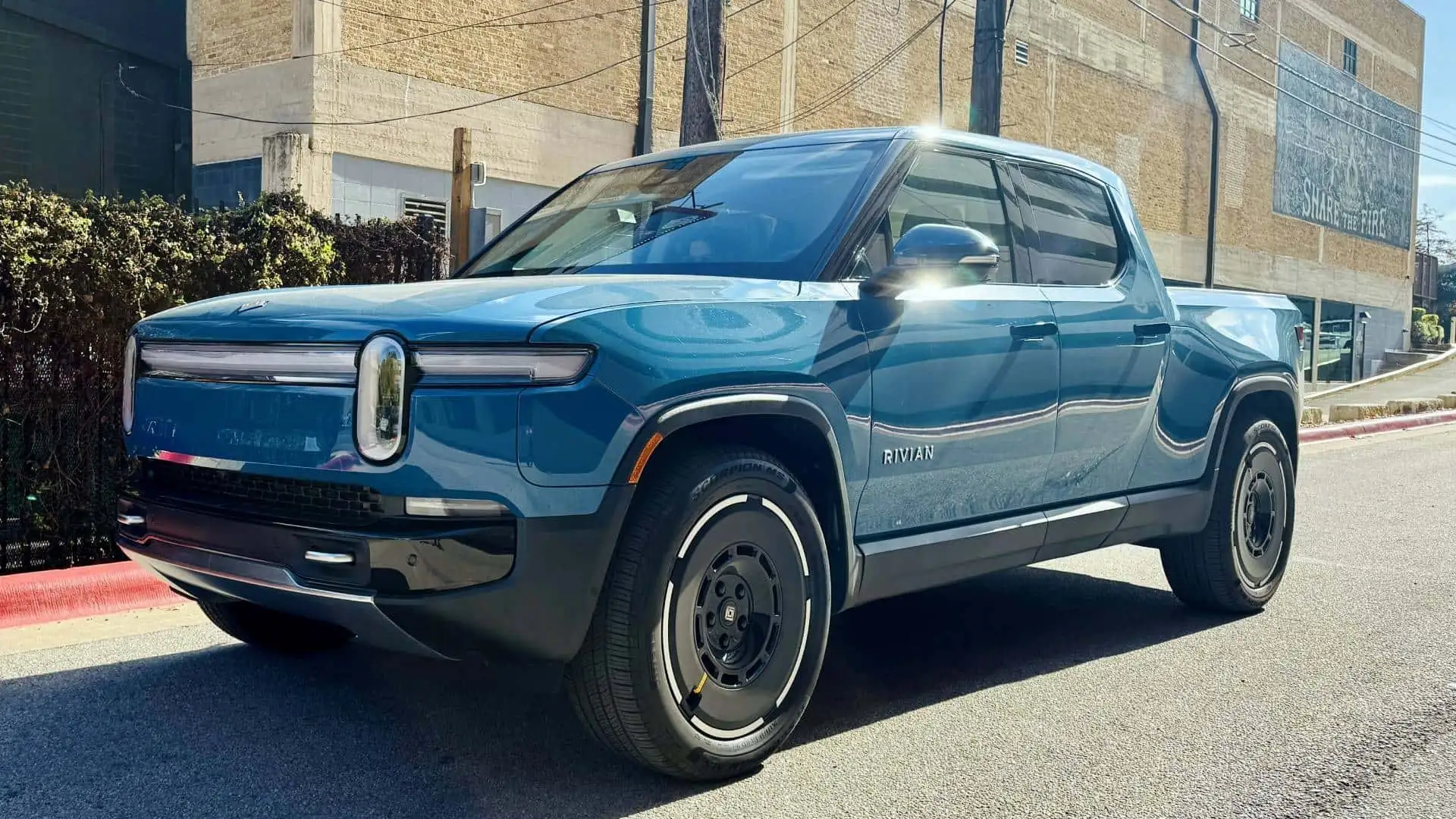
4. Rivian R1T
The Rivian R1T, an electric pickup truck, is advertised with a range of around 314 miles. In practice, most drivers report achieving closer to 270 to 290 miles, depending on terrain, load, and driving habits.
The optimistic estimate is derived from controlled testing conditions that assume moderate speeds, minimal accessory use, and relatively flat terrain, all of which differ from the variable environments in which a pickup truck is typically used.
Off-road driving, towing, or carrying heavy cargo can significantly reduce range, meaning the advertised figure is rarely achieved under challenging conditions.
The R1T’s performance-oriented design also influences range expectations. The truck is capable of rapid acceleration and high towing capacity, which are energy-intensive activities. Even moderate use of these capabilities can reduce range below the manufacturer’s claims.
Additionally, factors such as temperature extremes, terrain variations, and the use of climate control systems can further decrease real-world mileage. For drivers who prioritize utility and adventure, understanding the gap between advertised and achievable range is crucial for effective planning and avoiding unexpected charging stops.
Rivian’s marketing emphasizes the R1T’s versatility and technological sophistication, which contributes to optimistic range estimates. By highlighting the potential maximum range, the company showcases the truck’s capabilities and positions it as a competitive alternative in the EV market.
While these claims generate excitement, buyers must recognize that the advertised 314 miles assumes ideal conditions that are rarely met in everyday use, particularly for drivers who regularly use the truck for heavy-duty or recreational purposes.
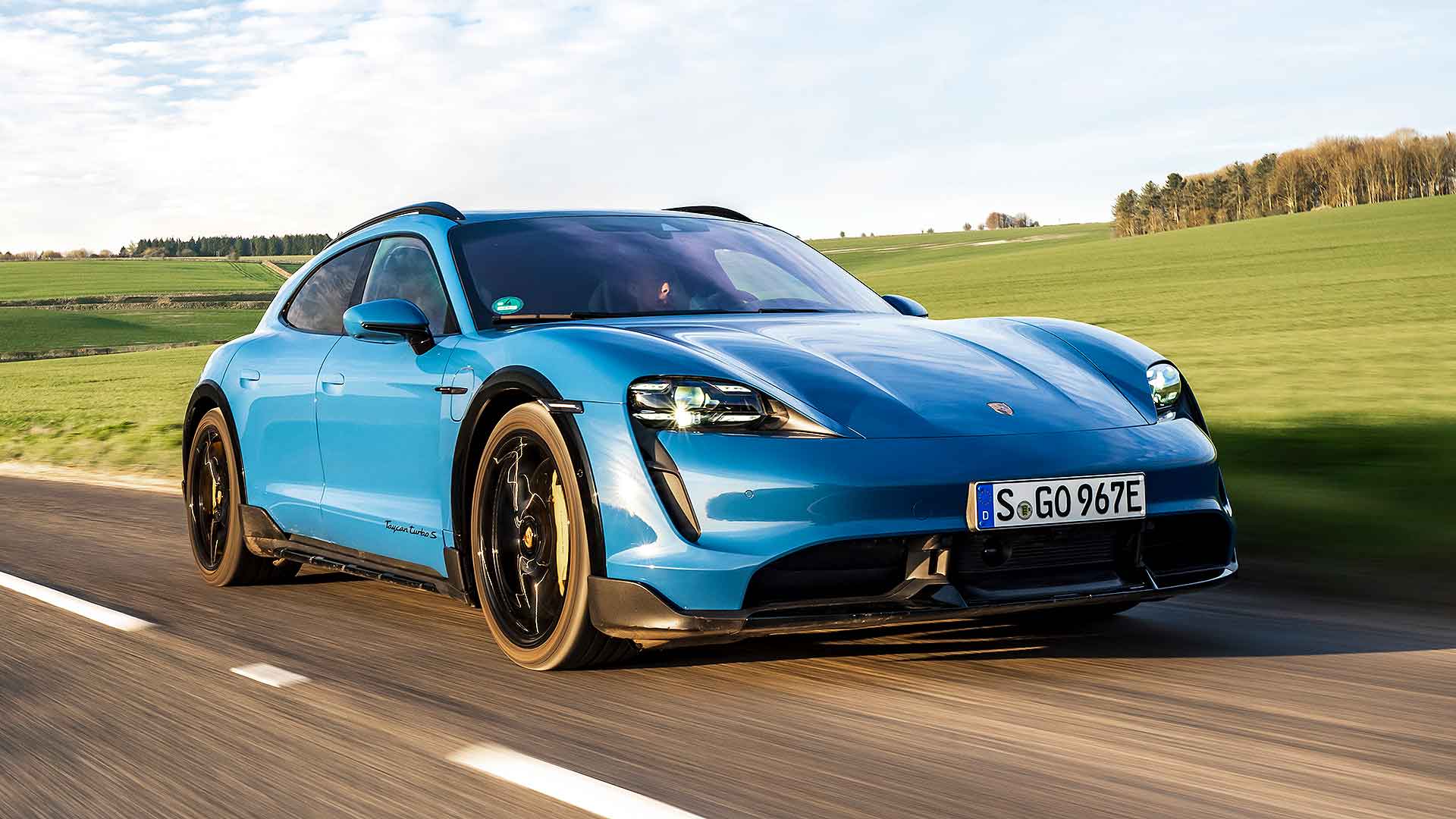
5. Porsche Taycan Turbo S
The Porsche Taycan Turbo S advertises a range of up to 300 miles, yet real-world driving often results in 240 to 260 miles depending on conditions. The optimistic estimate is based on laboratory testing under ideal circumstances, including constant speed, moderate temperature, and minimal accessory use.
In everyday driving, the vehicle’s energy consumption increases due to frequent acceleration, use of climate control, traffic conditions, and variations in terrain, leading to lower achievable mileage than advertised.
High-performance driving is a key factor in the discrepancy between advertised and real-world range. The Taycan Turbo S is designed to deliver exhilarating acceleration and dynamic handling, both of which significantly increase energy usage.
Marketing considerations also play a role in optimistic range estimates. Porsche emphasizes the Taycan’s advanced engineering, luxury features, and performance capabilities, which attracts buyers seeking both speed and electric mobility.
The advertised 300 miles is intended to demonstrate potential rather than guarantee practical everyday mileage. Prospective owners must understand that the figure represents an upper limit achievable under ideal conditions rather than a consistent baseline for planning daily use.
Despite these optimistic claims, the Taycan Turbo S remains an impressive and capable electric vehicle. Its advanced battery technology, powerful electric motors, and efficient thermal management allow drivers to cover substantial distances, even if slightly below the advertised maximum.
By accounting for real-world conditions and understanding the factors that influence range, owners can enjoy the performance and luxury of the Taycan while making informed decisions about charging and trip planning.
