
Choosing the right SUV often comes down to how it feels on the road, and one of the most noticeable factors is ride height. The height of an SUV not only affects its presence on the road but also impacts comfort, visibility, and ease of entry and exit.
For drivers who spend hours behind the wheel or frequently carry passengers, a comfortable ride height can make all the difference between a smooth, enjoyable drive and a constant struggle with awkward seating positions.
SUVs with well-balanced ride height provide a sense of security and stability, allowing drivers to navigate traffic confidently while enjoying a commanding view of their surroundings. They also often make getting in and out less of a hassle, which is particularly important for families, older drivers, or anyone with limited mobility.
On the other hand, some SUVs sit unusually low for their class, which can lead to discomfort despite other advantages such as sporty handling or sleek aesthetics.
While lower SUVs may appeal to buyers looking for car-like handling or a more aggressive look, the trade-offs can include awkward entry and exit, reduced visibility, and an increased feeling of being close to the road surface.
These vehicles may also present challenges over rough surfaces or speed bumps, making long drives less pleasant and limiting their appeal for those who value comfort above all else. Comparing SUVs based on ride height is therefore more than just a question of style; it reflects practical considerations that affect day-to-day usability, safety, and enjoyment.
In this article, we will examine ten SUVs, five that provide a comfortable ride height and five that feel low and less accommodating. The goal is not to rank them in terms of luxury or performance but to focus specifically on how their stance affects comfort, ease of use, and driver confidence.
By highlighting the strengths of SUVs with a higher, more practical ride height and contrasting them with models that feel low to the ground, prospective buyers can make more informed decisions tailored to their personal preferences and lifestyle needs.
Understanding these differences can help anyone, whether commuting daily, taking long road trips, or carrying passengers regularly, to choose a vehicle that enhances comfort, convenience, and driving confidence.
SUVs with Comfortable Ride Height
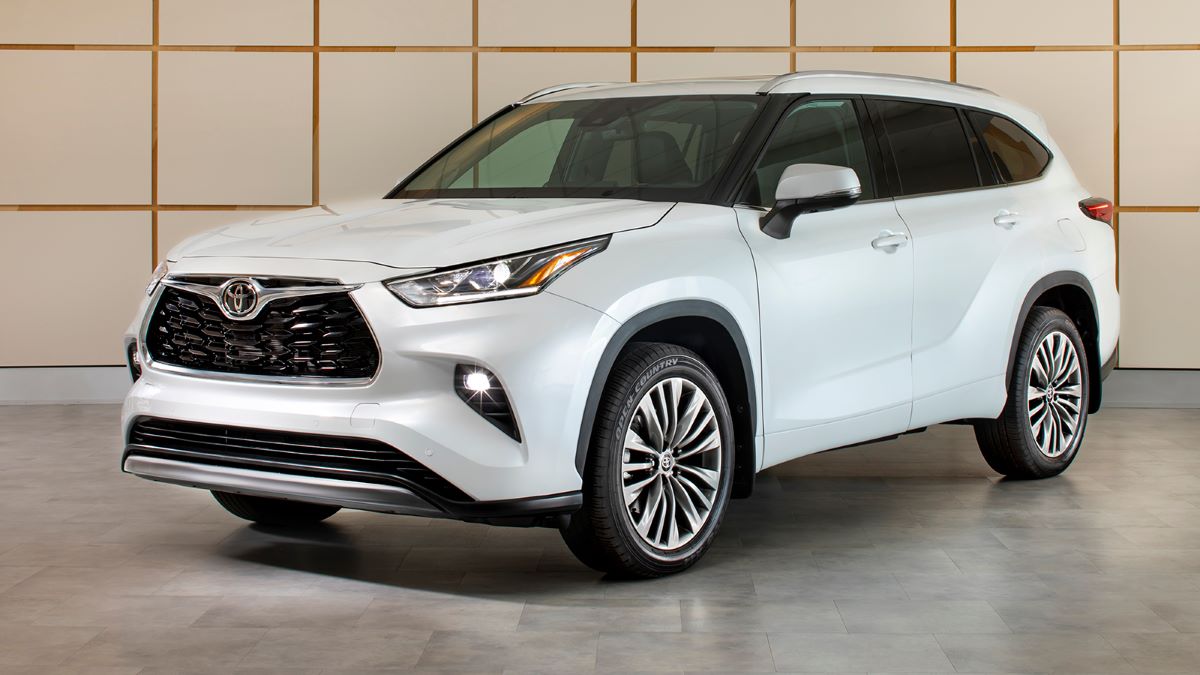
1. Toyota Highlander
The Toyota Highlander offers a mid-size SUV experience that prioritizes comfort, practicality, and ease of use. Its ride height is designed to give passengers a sense of confidence while driving, making it feel commanding without being overly tall.
Entering the Highlander is straightforward, thanks to its moderate step-in height, which allows occupants to avoid the strain of climbing into the cabin or crouching awkwardly.
This is particularly advantageous for families with children, older passengers, or anyone who needs a vehicle that is easy to access daily.
The ride height also contributes to an elevated driving perspective, allowing the driver to have a clear line of sight over surrounding vehicles, which enhances both confidence and safety.
In addition to accessibility, the Highlander’s suspension complements its ride height by smoothing out bumps and imperfections on the road. The vehicle maintains a composed ride even when traveling over uneven surfaces, which reduces fatigue for both the driver and passengers on long journeys.
Its suspension is tuned to strike a balance between softness and control, ensuring that it doesn’t feel floaty or disconnected from the road while still delivering a cushioned ride. This level of comfort is particularly appreciated on long commutes or weekend trips, where the cumulative effect of road imperfections can otherwise cause discomfort.
The Highlander also offers practical advantages that stem directly from its elevated stance. Ground clearance is sufficient to handle minor obstacles such as speed bumps, rough pavement, and driveway transitions without the undercarriage scraping or becoming damaged.
Finally, the interior design of the Highlander enhances the benefits of its ride height. Seats are positioned to maximize comfort and reduce strain on the back and legs, while the dashboard and controls are within easy reach, allowing drivers to maintain proper posture over long trips.
Rear passengers also benefit from generous headroom and legroom, which is made possible in part by the SUV’s elevated chassis.
The combination of thoughtful seating, practical ground clearance, and smooth ride makes the Highlander an SUV that consistently delivers a comfortable, confidence-inspiring experience for both drivers and passengers.
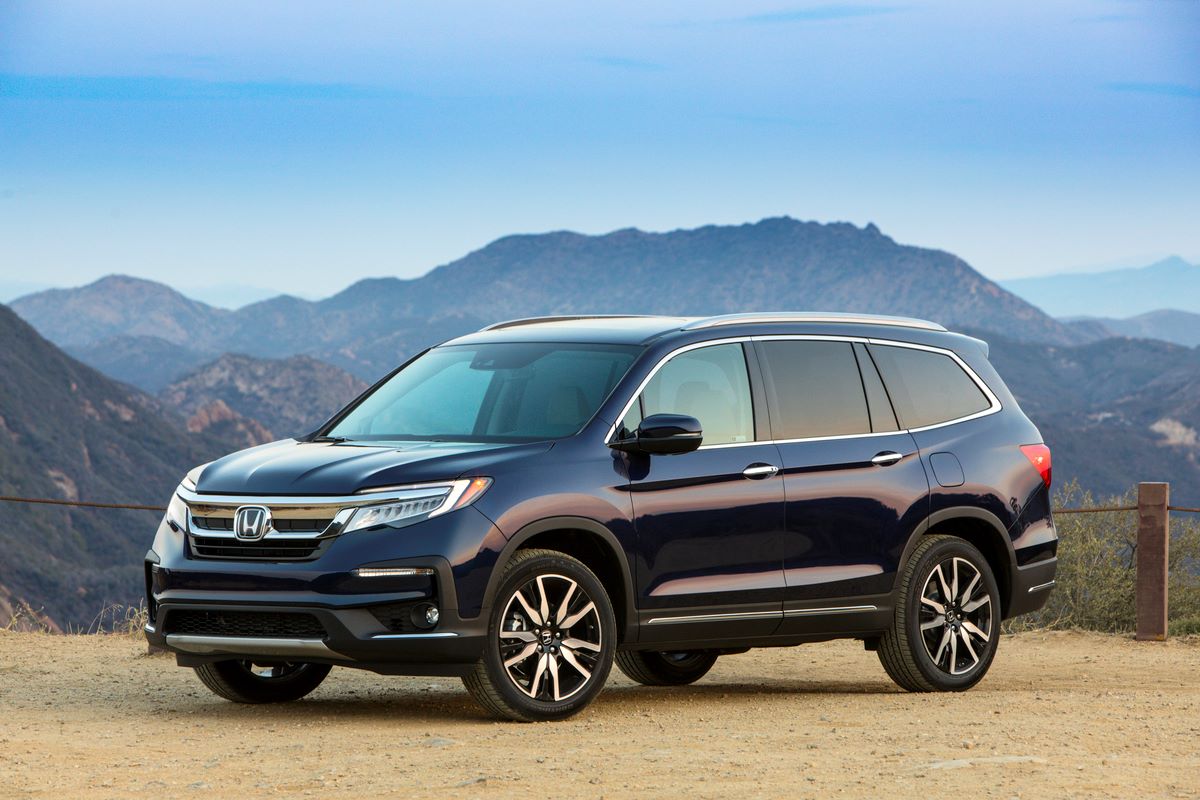
2. Honda Pilot
The Honda Pilot is a three-row SUV that successfully combines elevated ride height with spacious interior design, making it ideal for families and frequent travelers. Its elevated stance ensures that the driver has a clear view of the road ahead, which improves safety in traffic-heavy conditions.
Passengers entering and exiting the vehicle benefit from a well-calibrated step-in height that eliminates the need for awkward movements, making it more accessible for children, elderly occupants, or anyone with limited mobility.
This focus on accessibility, paired with the SUV’s size, gives the Pilot a practical advantage over lower vehicles, especially in daily urban and suburban driving scenarios.
The Pilot’s suspension system is designed to prioritize passenger comfort while maintaining stable handling. Unlike sport-focused SUVs that compromise ride quality for sharp cornering, the Pilot absorbs bumps and rough patches efficiently, delivering a soft yet controlled ride.
This is especially noticeable during long drives, where prolonged exposure to road imperfections can cause fatigue. The suspension works in tandem with the elevated ride height to ensure that passengers feel insulated from minor disruptions, providing a sense of ease and relaxation that enhances the driving experience.
The interior ergonomics of the Pilot further complement its elevated design. Drivers are positioned higher than in most compact SUVs, which provides a better vantage point for monitoring surrounding traffic. This elevated seating reduces strain on the neck and shoulders during long drives and allows for a more natural posture.
Practicality is another key strength of the Honda Pilot, especially when considering its ride height. Elevated ground clearance allows the vehicle to navigate speed bumps, potholes, and other minor obstacles without difficulty, which is particularly beneficial in suburban or semi-rural environments.
The combination of elevated stance, well-tuned suspension, and spacious interior makes the Pilot a versatile SUV that balances comfort, accessibility, and driving confidence. For families or daily commuters seeking a vehicle that accommodates a range of passengers comfortably, the Pilot remains a dependable choice.
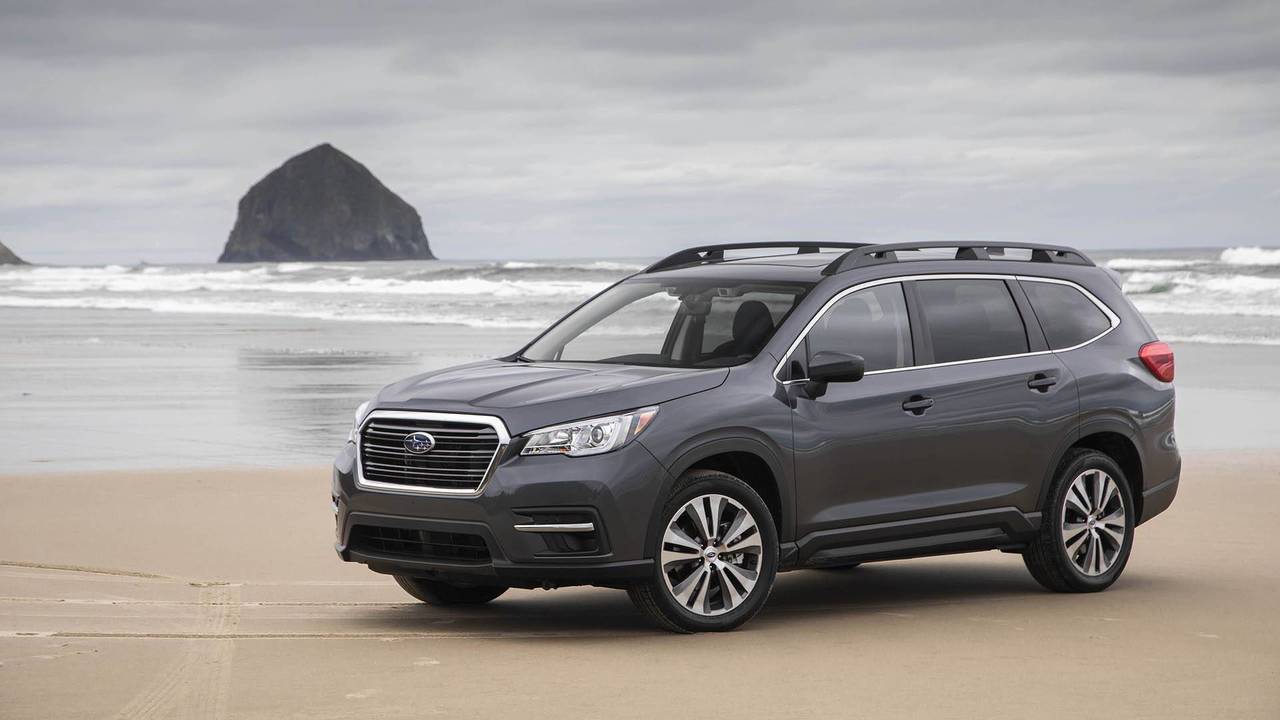
3. Subaru Ascent
The Subaru Ascent is an SUV designed to combine practicality, safety, and comfort, with an elevated ride height that contributes significantly to its appeal. The moderate yet noticeable elevation provides a commanding view of the road, which enhances the driver’s awareness and confidence while navigating traffic.
Passengers benefit from easy access into the cabin, with doors that open wide enough and a step-in height that avoids awkward crouching or climbing. This feature is especially important for families and those who often carry multiple passengers, as it improves usability and comfort in everyday scenarios.
Subaru has tuned the Ascent’s suspension to complement its ride height, resulting in a smooth, well-controlled experience over varied road surfaces. The suspension absorbs bumps efficiently without feeling overly soft or disconnected from the road.
This ensures that both driver and passengers experience a ride that is comfortable even on longer trips, while the vehicle remains stable during turns and lane changes.
The combination of elevated ride height and tuned suspension contributes to a confident driving experience, particularly in challenging conditions such as uneven roads, rain-soaked streets, or light off-road trails.
The interior design of the Ascent is spacious and ergonomic, further enhancing the comfort provided by the elevated ride. Higher seating positions improve visibility for the driver, reducing strain and creating a natural, commanding perspective of the road.
In addition to comfort, the Subaru Ascent’s ride height improves its versatility. Drivers can navigate minor obstacles without fear of scraping the undercarriage, and the vehicle can handle light off-road conditions or snowy roads with greater confidence.
This elevated stance, combined with smooth suspension and spacious interior, makes the Ascent an SUV that balances practicality, comfort, and adaptability, ensuring that passengers remain comfortable while the driver feels in control.
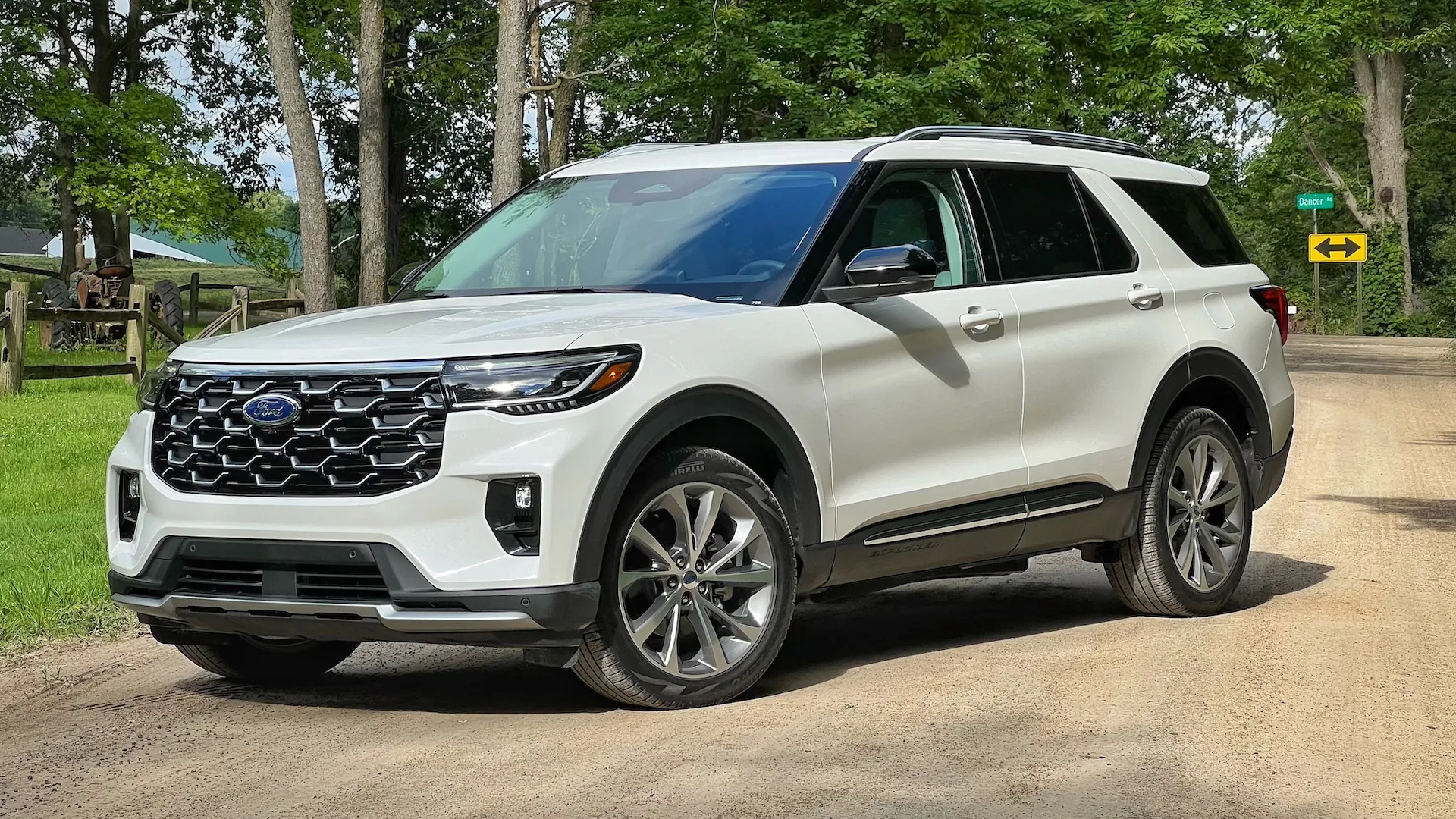
4. Ford Explorer
The Ford Explorer has long been recognized as a mid-size SUV that blends elevated ride height with family-friendly features and a spacious interior. Its elevated stance provides a commanding view of the road, which improves driver confidence in traffic and enhances safety.
The step-in height is accessible without being too low or overly high, making entry and exit convenient for passengers of varying ages and mobility levels.
The elevated ride also enhances the perception of space inside the cabin, allowing passengers to feel less confined and more comfortable during trips of any length. The step-in height is accessible without being too low or overly high, making entry and exit convenient for passengers of varying ages and mobility levels.
The Explorer’s suspension is designed to complement its ride height, absorbing road imperfections while maintaining composure during cornering and highway driving. Passengers experience a smooth ride even on uneven streets or longer journeys, which reduces fatigue and increases satisfaction.
Interior ergonomics further enhance the Explorer’s comfort and usability. Seats are positioned at a height that reduces strain and allows for a natural posture, while the dashboard and controls are within easy reach.
Rear passengers also benefit from ample headroom and legroom, making long trips more comfortable. The elevated ride height contributes to these advantages by creating additional space within the cabin, ensuring that passengers do not feel cramped even when the vehicle is fully occupied.
Finally, the Ford Explorer’s practical ride height provides versatility that extends beyond paved roads. Elevated ground clearance allows drivers to navigate minor obstacles such as curbs, speed bumps, and uneven terrain with confidence.
This combination of comfort, elevated stance, and interior space ensures that the Explorer can accommodate families and daily commuters alike, making it a dependable choice for those who prioritize accessibility, practicality, and comfort in an SUV.
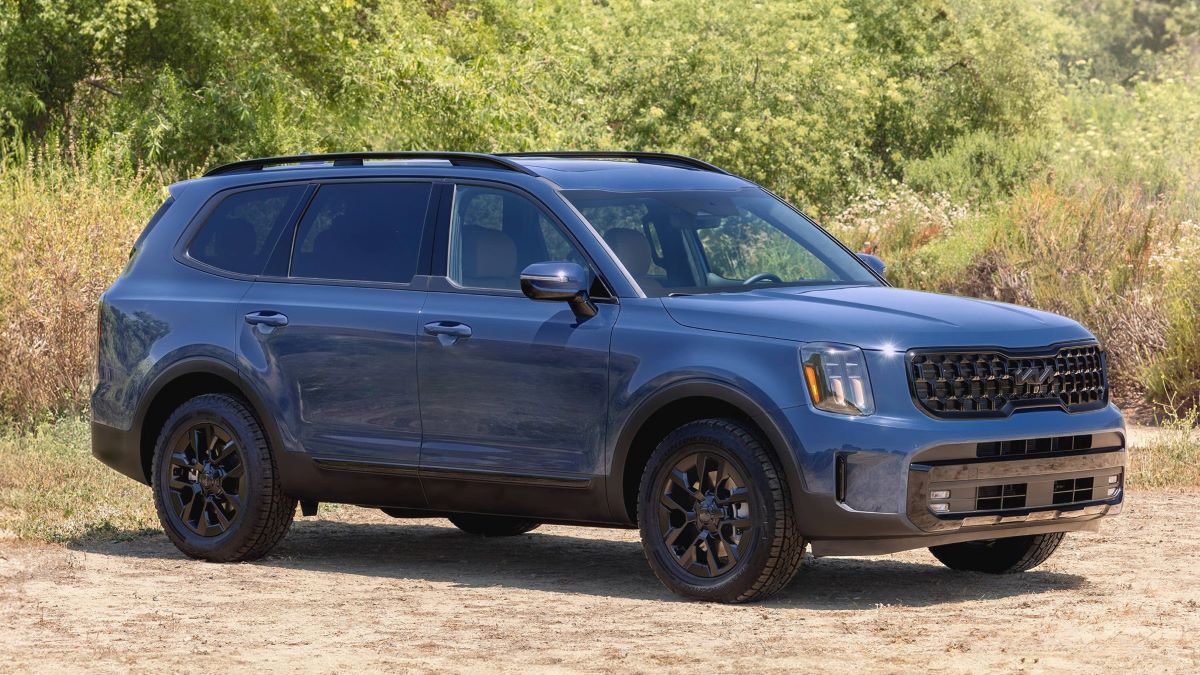
5. Kia Telluride
The Kia Telluride has quickly gained a reputation for offering a spacious, comfortable SUV experience with an elevated ride height that enhances both accessibility and driver confidence. Its height allows passengers to enter and exit easily, without the awkward crouching or climbing associated with taller vehicles.
The elevated seating also improves visibility for the driver, creating a commanding perspective that enhances awareness of surrounding traffic and potential hazards. This practical height contributes to safety, making the Telluride a comfortable choice for families and daily commuters alike.
The Telluride’s suspension complements its ride height, providing a smooth, stable ride over varied road conditions. Bumps, potholes, and uneven pavement are absorbed efficiently, minimizing discomfort for passengers. This makes longer drives less tiring and improves travel quality.
The combination of ride height and suspension tuning creates a vehicle that feels planted and secure, without sacrificing comfort or accessibility. It offers the benefits of an elevated SUV stance while avoiding the feeling of instability sometimes associated with higher-riding vehicles.
The elevated chassis also makes it easier to accommodate cargo and child seats, improving practicality for families. This careful balance between height, interior space, and ride quality ensures that passengers remain comfortable under a variety of conditions.
Finally, the Telluride’s ride height improves its versatility in everyday driving. Elevated ground clearance allows it to navigate obstacles, curbs, and light off-road conditions with confidence, while maintaining a smooth and comfortable ride.
This combination of features makes the Telluride a standout option for those who prioritize accessibility, passenger comfort, and confidence on the road. Its elevated stance, spacious interior, and well-tuned suspension contribute to an SUV experience that is both practical and highly enjoyable.
SUVs That Feel Too Low
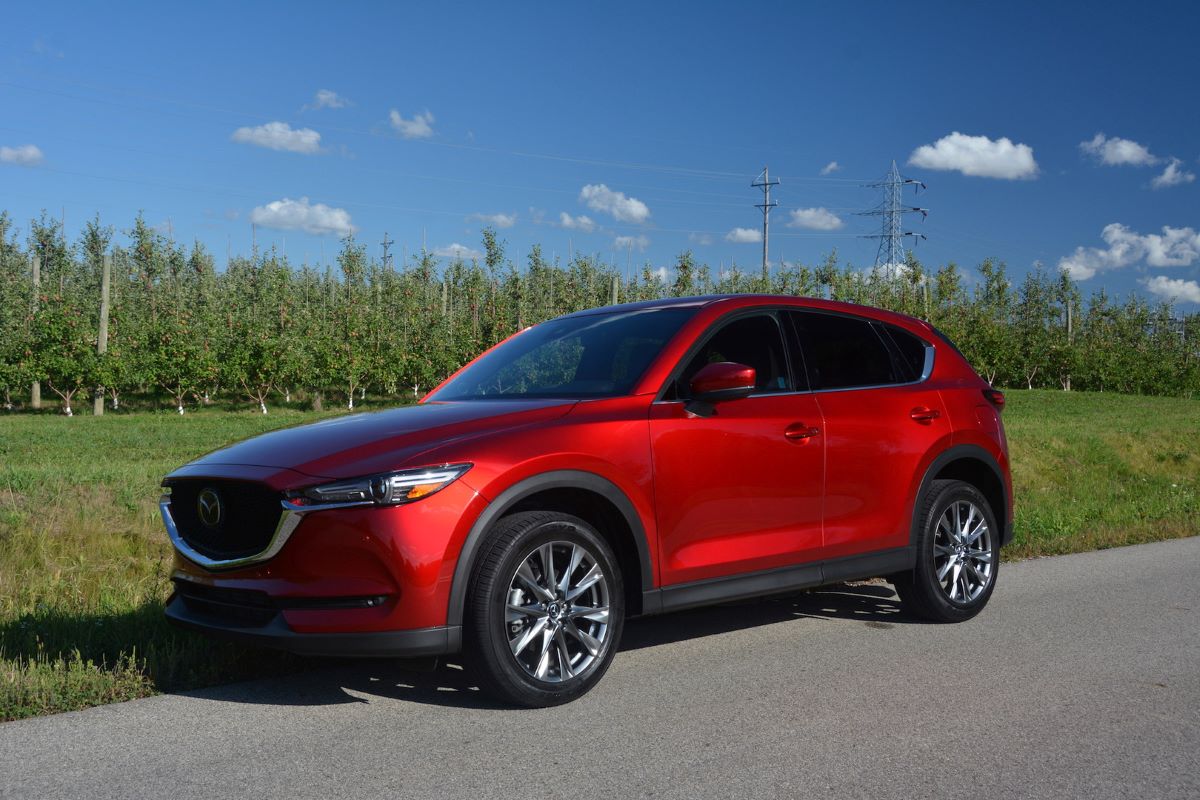
1. Mazda CX-5
The Mazda CX-5 is widely recognized for its stylish design and agile handling, but its lower ride height can make the vehicle feel less accommodating compared to taller SUVs. The entry and exit process is noticeably less comfortable, as passengers must bend more or step down, which can be inconvenient over time.
While this lower stance contributes to the CX-5’s sporty appeal, it comes at the cost of accessibility, making it less ideal for older adults, children, or anyone who prioritizes ease of use.
The compactness of the cabin, combined with the reduced height, can sometimes make getting in and out of the vehicle feel cumbersome, particularly in busy parking lots or tight urban spaces.
Visibility is another aspect impacted by the lower stance. The driver sits closer to the ground, reducing the sense of command over traffic that taller SUVs provide. Smaller vehicles, pedestrians, and obstacles may not be immediately visible, especially in crowded conditions, which can require additional attention and adjustment from the driver.
While advanced driver-assistance systems help compensate, they cannot fully replace the natural advantage of a higher seating position. This can affect confidence in both city driving and highway scenarios, particularly for those who prefer the elevated perspective that SUVs typically offer.
Ride comfort is another area where the lower height of the CX-5 becomes evident. The suspension is tuned to favor sporty handling over plush comfort, resulting in a ride that transmits more bumps and vibrations into the cabin.
Finally, practical ground clearance is limited in the CX-5, which reduces versatility. Speed bumps, steep driveway entries, or minor obstacles on rural or urban roads may pose a risk of scraping the underside of the vehicle.
While the CX-5 excels in maneuverability, styling, and driving enjoyment, its lower stance introduces trade-offs in comfort, accessibility, and obstacle navigation. Drivers who value a more traditional SUV experience with higher seating and easier handling of everyday road obstacles may find this lower ride height less practical for their needs.
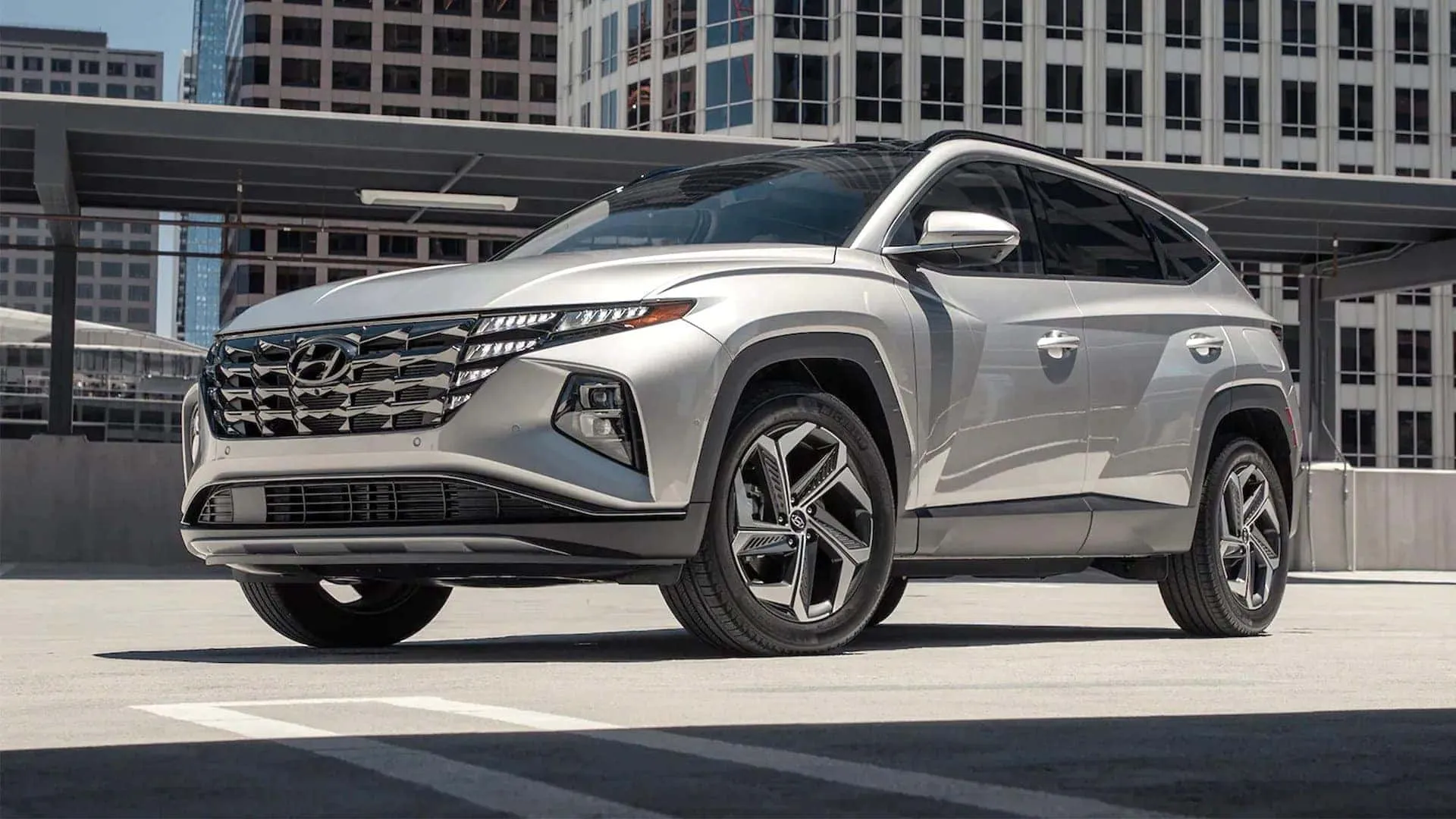
2. Hyundai Tucson
The Hyundai Tucson is a compact SUV designed for urban and suburban driving, offering a lower ride height that emphasizes sporty handling and car-like responsiveness. While these qualities improve maneuverability and driving enjoyment, they come at the expense of entry and exit comfort.
Passengers must bend slightly more to enter the cabin, which can feel inconvenient during daily use or for those with limited mobility. The lower stance makes the vehicle less accessible compared to taller SUVs, reducing its practicality in scenarios where quick and effortless entry is desirable.
The lower seating position also affects visibility on the road. Sitting closer to surrounding vehicles makes it harder to judge traffic and obstacles, especially in dense urban environments. Drivers may feel less in control when navigating around taller vehicles such as trucks or other SUVs.
Although mirrors, rearview cameras, and driver-assistance technology provide support, the natural advantage of an elevated seating position is diminished. In situations requiring quick decisions or sudden braking, this reduced perspective can impact confidence and make driving slightly more stressful.
While this tuning enhances steering responsiveness, it reduces the forgiving nature of the ride that taller, more comfort-focused SUVs offer. This makes the Tucson better suited to drivers who prioritize sporty performance rather than a soft, accommodating ride.
Ground clearance limitations further restrict the Tucson’s versatility. Even minor obstacles, such as raised curbs, speed bumps, or uneven driveways, require cautious navigation to avoid scraping.
The lower stance can also make driving on poorly maintained roads more challenging, limiting the SUV’s appeal for buyers who anticipate a mix of urban and light off-road use. Despite its strong handling and modern styling, the Tucson’s lower height introduces practical trade-offs that can impact comfort, usability, and confidence behind the wheel.
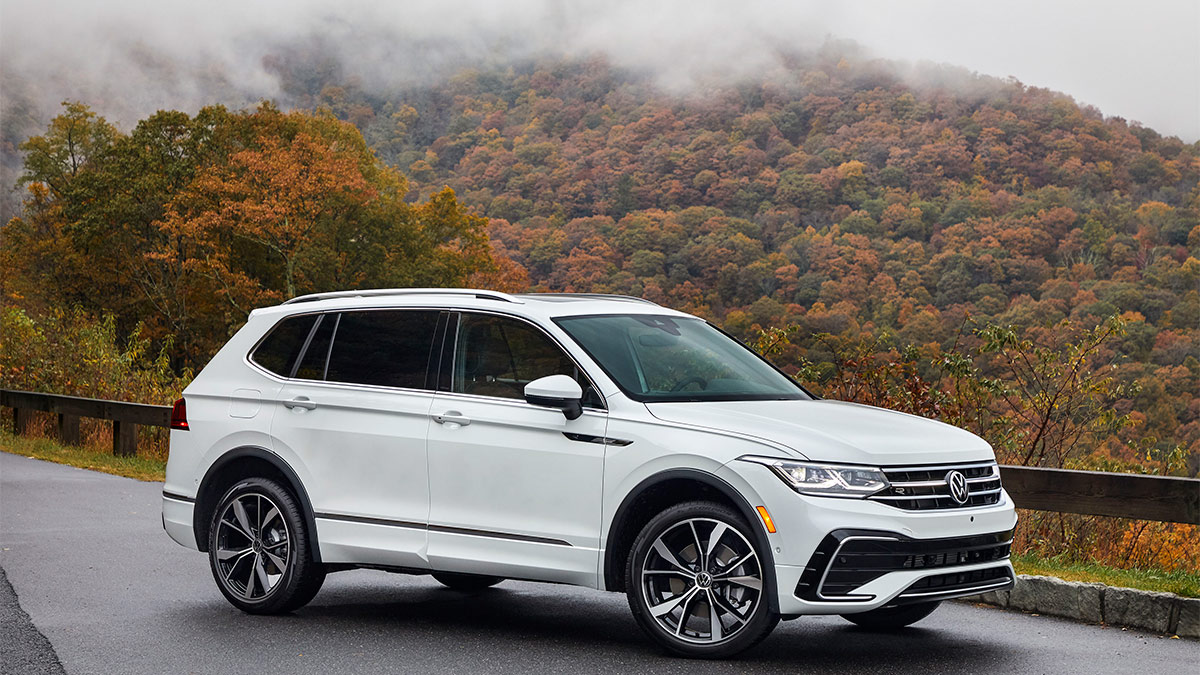
3. Volkswagen Tiguan
The Volkswagen Tiguan is a compact SUV that emphasizes refined handling and a sleek design, but its lower ride height affects comfort and accessibility. Passengers entering the vehicle may find the process slightly awkward due to the reduced step-in height, which can be particularly noticeable for taller individuals, elderly passengers, or families with children.
While the lower stance improves the Tiguan’s sporty road feel and cornering ability, it reduces the ease of everyday usability, particularly in situations where frequent entry and exit are required.
The lower seating position also impacts driver visibility. Compared to taller SUVs, the Tiguan positions the driver closer to the road, which can reduce awareness of smaller cars, curbs, and pedestrians.
In urban settings or during highway merging, this diminished vantage point can require extra attention and make the driving experience slightly more stressful. While modern sensor technology and camera systems can help, they do not replace the natural advantage of an elevated seating position, which provides greater perspective and confidence on the road.
Ride comfort is affected by the Tiguan’s suspension tuning, which favors sporty handling. While the vehicle feels responsive and agile, it transmits more bumps and vibrations from uneven surfaces into the cabin.
Practical ground clearance is limited in the Tiguan, reducing its versatility in everyday scenarios. Obstacles such as speed bumps, raised driveways, or uneven terrain require careful navigation to avoid scraping the undercarriage.
While the Tiguan excels in maneuverability and modern aesthetics, the low stance introduces constraints in comfort, convenience, and obstacle management. Buyers who prioritize elevated seating, accessibility, and a forgiving ride may find the Tiguan less practical compared to higher-riding competitors.
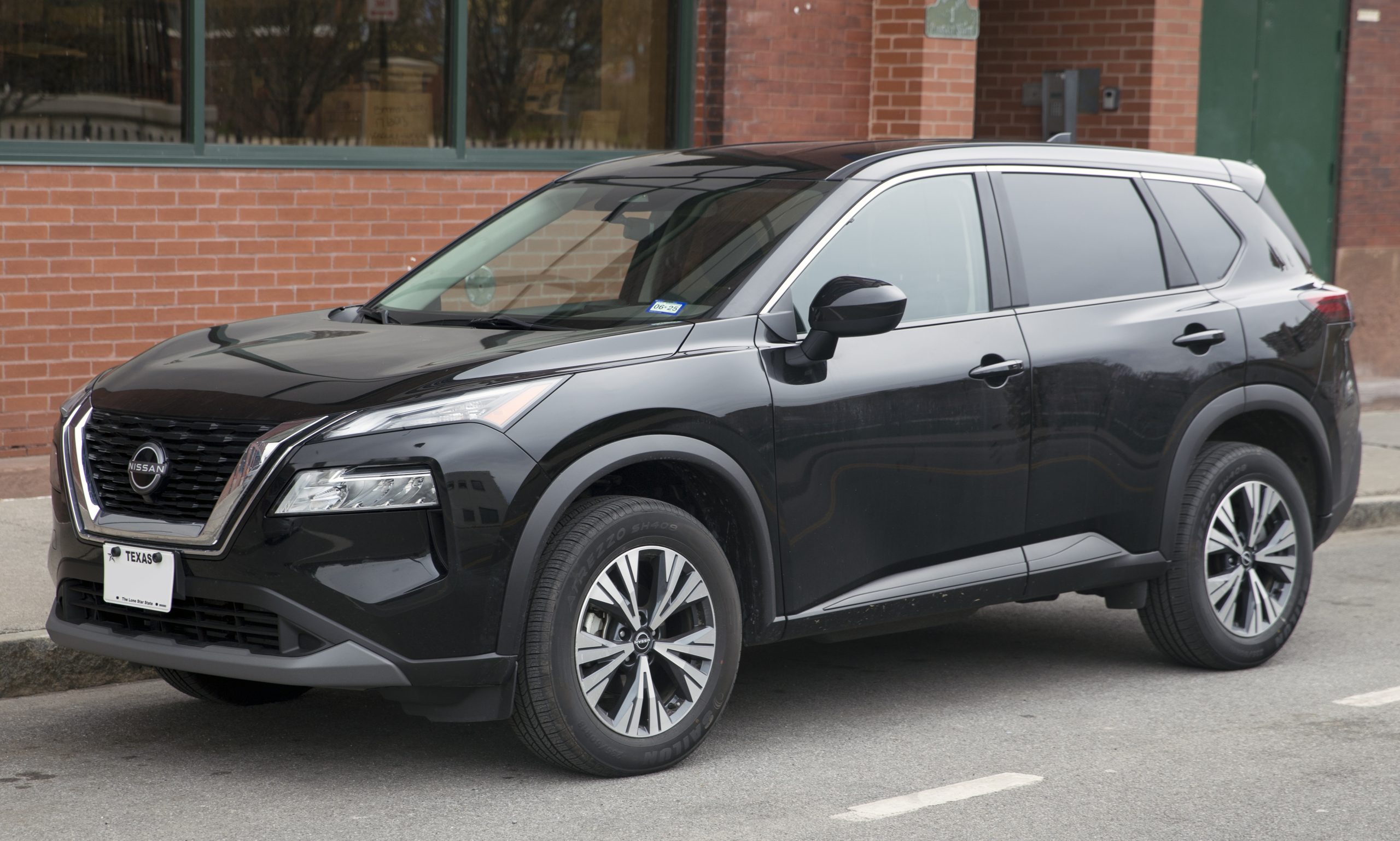
4. Nissan Rogue
The Nissan Rogue is a popular compact SUV that emphasizes efficiency and city-friendly dimensions, but its lower ride height can reduce comfort and practicality. The step-in height requires passengers to bend slightly more than in taller SUVs, which may be inconvenient for daily use or for families with children and older adults. While the vehicle is easy to drive and maneuver in urban environments, its lower stance limits the commanding presence and ease of access that many drivers expect from an SUV.
Driver visibility is affected by the Rogue’s lower position on the road. Sitting closer to the ground makes it harder to see over smaller cars, pedestrians, and obstacles, which can reduce confidence in congested traffic or parking scenarios.
Although mirrors, sensors, and cameras assist, the driver’s natural perspective is compromised, requiring extra attention to maintain awareness. In certain situations, such as merging on highways or navigating crowded intersections, this can make driving feel slightly more stressful and less instinctively safe than in a higher-riding vehicle.
Ride comfort is another area where the lower height has an impact. The Rogue’s suspension, while balanced for general driving, is less effective at isolating passengers from road imperfections. Potholes, uneven pavement, and minor bumps are felt more prominently, which may lead to fatigue during longer drives or rougher conditions.
The lower stance contributes to this sensation, as there is less elevation to absorb impacts effectively, making the vehicle feel less accommodating than taller SUVs.
Ground clearance limitations also restrict the Rogue’s versatility. Minor obstacles, such as curbs, driveways, or speed bumps, require careful navigation to avoid contact. This lower stance reduces confidence when encountering uneven roads, making it less practical for light off-road use or suburban streets with varied surfaces.
While the Rogue remains efficient, maneuverable, and stylish, its lower ride height introduces compromises in comfort, accessibility, and adaptability, which are important considerations for buyers seeking a more traditional SUV experience.
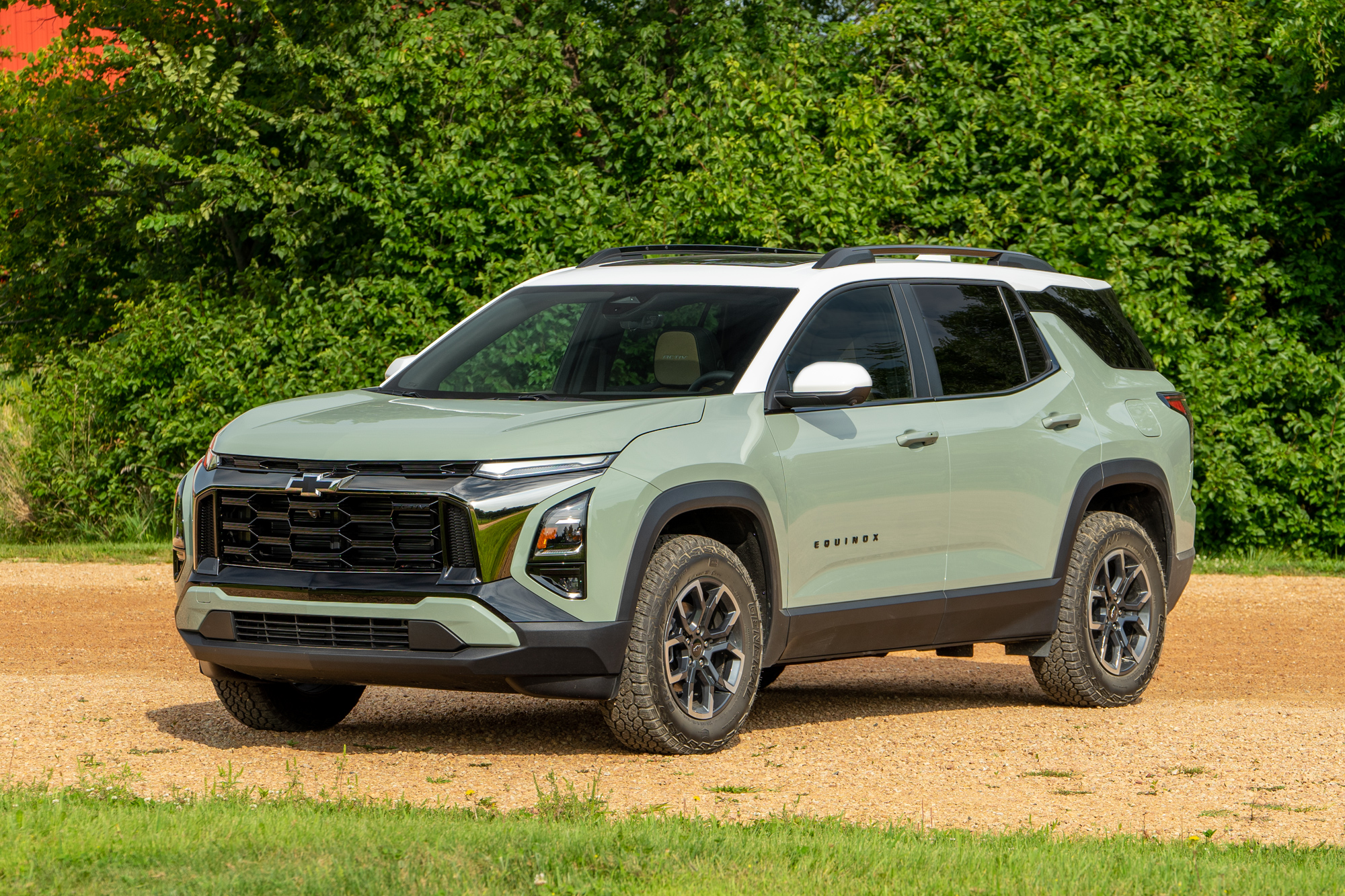
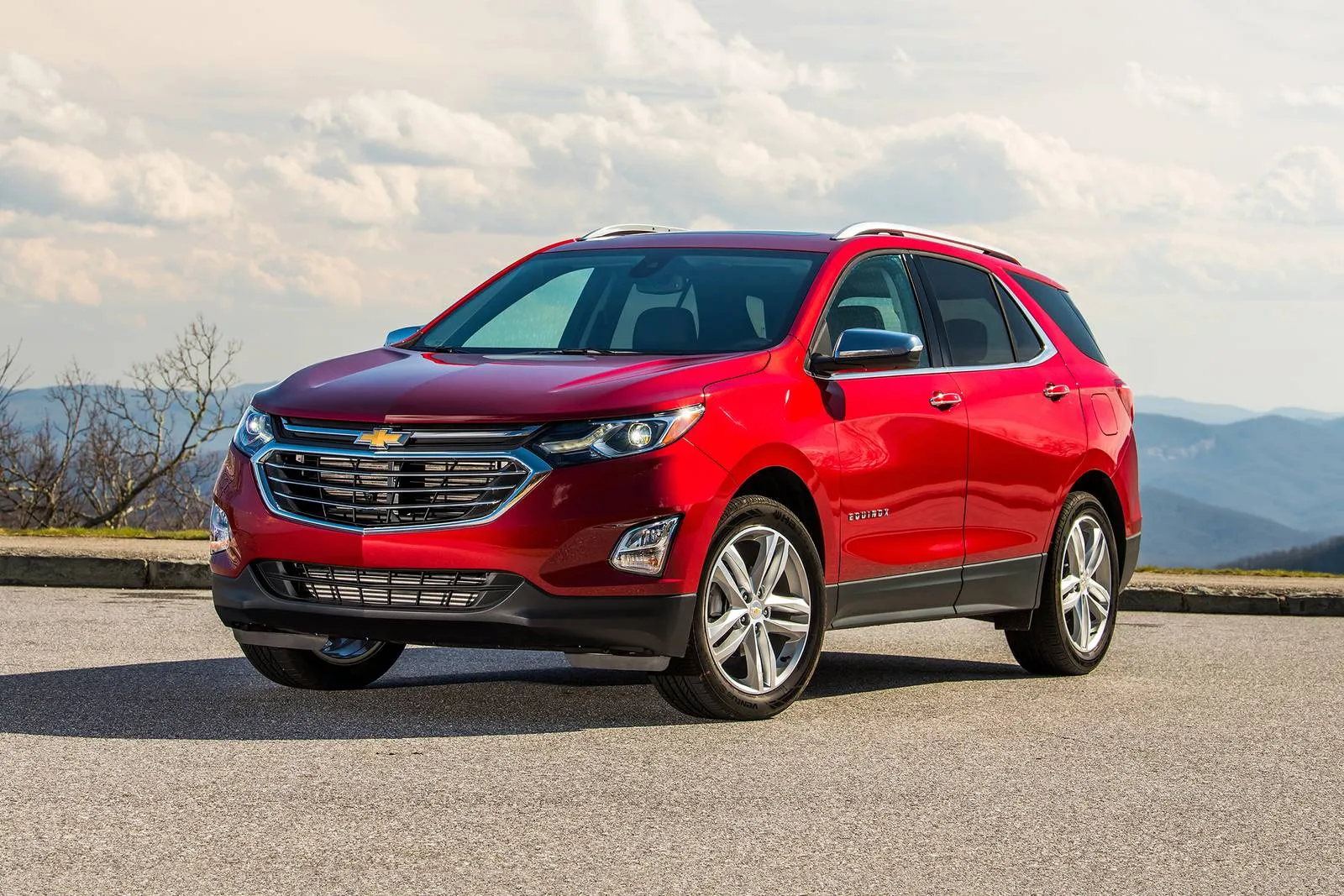
5. Chevrolet Equinox
The Chevrolet Equinox is a compact SUV that emphasizes smooth driving dynamics and fuel efficiency, but its lower ride height impacts comfort and versatility. The step-in height is lower than in many mid-size SUVs, making entry and exit less convenient for some passengers.
Tall passengers, elderly individuals, or families with small children may find the process slightly awkward over time. While the lower stance contributes to a car-like driving experience, it comes at the expense of accessibility and ease of use, particularly in urban or suburban settings where frequent stops are common.
The lower seating position reduces the driver’s perspective on the road. Sitting closer to the ground limits the natural vantage point, making it more difficult to see over other vehicles and anticipate obstacles.
This can impact confidence, especially when navigating through congested streets, parking lots, or intersections. While mirrors and cameras assist, they cannot fully replicate the sense of command that comes from a higher seating position, which may affect both safety perception and driving comfort.
Ride comfort is affected by the Equinox’s suspension tuning, which prioritizes handling and efficiency. Road imperfections, such as bumps, potholes, and uneven surfaces, are more noticeable in the cabin than in taller SUVs.
Passengers may feel more vibration and jostling during longer drives, which can lead to fatigue and reduce comfort. The combination of low ride height and firm suspension makes the Equinox less forgiving than higher-riding competitors, highlighting the trade-offs inherent in a lower SUV stance.
Ground clearance is also limited, restricting the vehicle’s ability to handle obstacles. Speed bumps, uneven driveways, and minor terrain variations must be navigated carefully to avoid scraping, reducing versatility in real-world driving conditions.
While the Equinox excels in urban maneuverability and efficiency, its lower ride height compromises comfort, practicality, and confidence in situations where a higher SUV stance would provide a clear advantage. Drivers seeking greater ease of entry, elevated visibility, and a smooth, accommodating ride may find the Equinox less suitable for their needs.
