
Sedans have always carried a certain charm for drivers who appreciate balance, comfort, and a sense of poise that is harder to find in other segments. When someone steps inside a sedan, the first impression often forms before the key is even turned.
The design of the dashboard, the touch of the materials, the flow of the cabin, and the placement of controls all contribute to a sense of occasion. Some sedans manage to create a feeling that is closer to what one might associate with higher-tier luxury models, even when they are priced more modestly.
Others might meet expectations on the outside yet present a cabin that feels sparse or simplified. This contrast between sedans that feel premium inside and those that feel a bit bare is something drivers talk about frequently, because the interior is where the relationship with the vehicle actually develops.
The conversation around premium ambiance does not rely on expensive features alone. While soft leather, contrast stitching, patterned trim, and quiet cabins certainly help, the idea of feeling premium also includes layout logic, thoughtful ergonomics, and coherence in how materials are combined.
A sedan with synthetic materials can still feel premium if the surfaces feel substantial and if the environment feels cohesive. By contrast, a sedan that technically uses decent materials might still feel bare if the layout is plain or the design choices are uninspired.
This is why the difference can be surprising. Some affordable sedans surpass expectations, while some higher-priced ones present interiors that seem a bit too plain.
When judging whether a sedan feels premium, drivers often rely on sensory impressions more than manufacturers realize. The feel of a button, the weight of a control knob, the color choices, and the balance between physical controls and screens all shape the experience.
Sound insulation plays a role too. A cabin that minimizes road noise makes a mid-tier sedan feel as though it belongs to a higher class. A bare cabin, on the other hand, might use hard plastics extensively or might rely too much on screens without thoughtful tactile feedback.
In this article, we compare five sedans that tend to feel premium inside and five that often feel bare. None of this is based on current market data or specific research; instead, it reflects patterns and general impressions that many drivers and reviewers have expressed in the past.
The goal is to look at these cars as examples of how interior design can influence perception rather than to provide a definitive market ranking. Each of the sections below contains four detailed paragraphs to give shape to the subjective differences between the two groups.
Five Sedans That Give a Premium Interior Impression
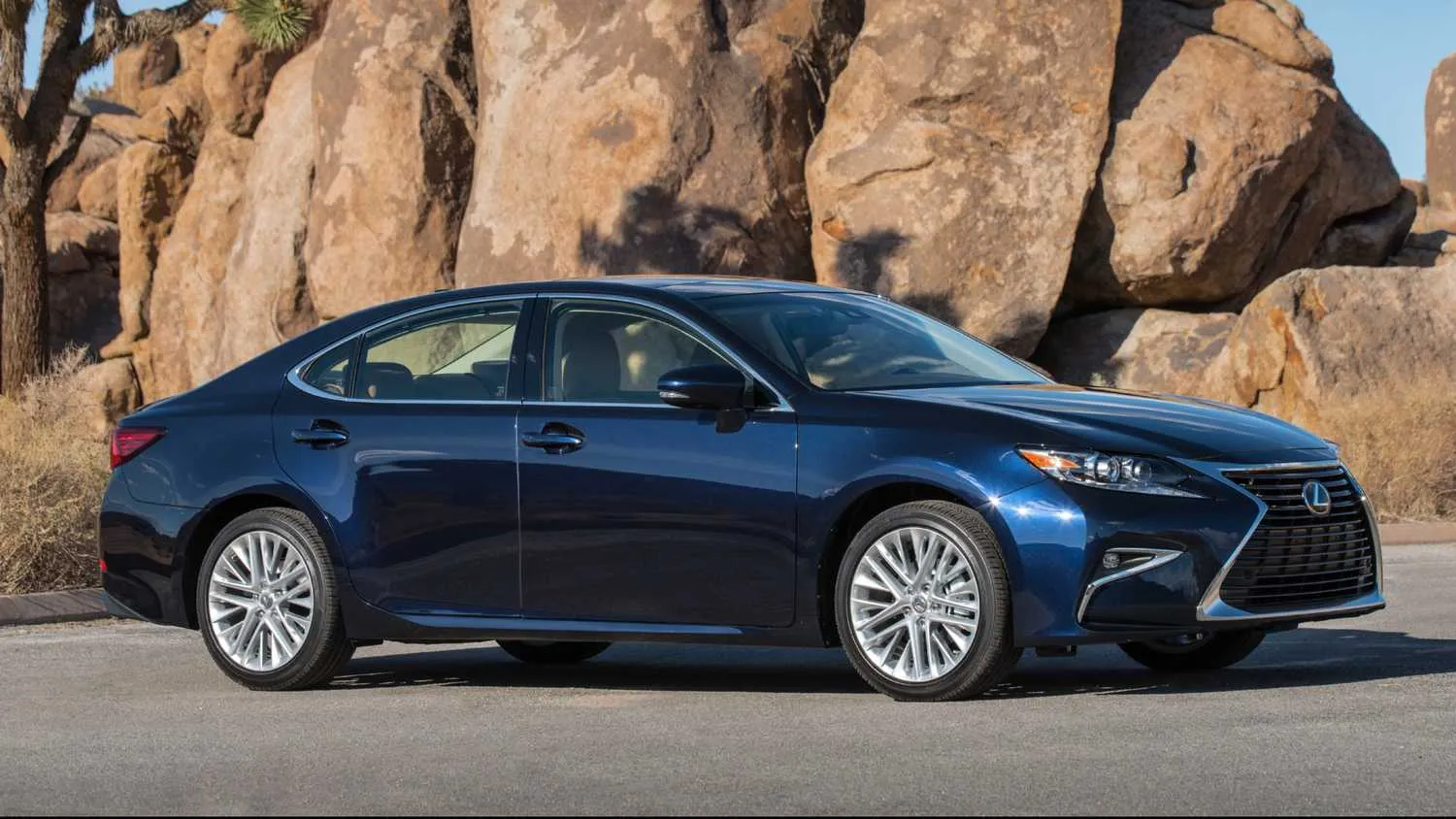
1. Lexus ES
The Lexus ES has long been celebrated for creating a calm and refined interior space, one that can make a driver feel that they have entered a vehicle of higher-tier luxury. From the moment the door closes, there is a noticeable sense of solidity and comfort, reinforced by the careful selection of materials.
The seats are often thickly cushioned, providing support that conforms well to the body without feeling overly firm or soft, striking a balance that is rare in this segment. Leather surfaces, even in base trims, tend to have a smooth texture with a tactile quality that communicates quality at a glance and touch.
The dashboard and door panels flow seamlessly, giving the impression of thoughtful continuity throughout the cabin rather than a collection of disjointed pieces. Subtle design cues, like stitched patterns or layered trim, add visual interest without being ostentatious.
A significant factor in the ES’s premium feel is the attention to detail in the arrangement of controls and displays. The dashboard is carefully sculpted to offer a clear line of sight, ensuring that information is easily readable and that the driver does not feel overwhelmed.
The physical controls have a pleasing resistance and weight, giving each adjustment a sense of precision. This combination of tactile satisfaction and visual coherence makes operating the vehicle feel intentional rather than mechanical.
Small details, such as the feel of the gear selector, the way air vents glide smoothly, and the alignment of buttons, contribute to a sense that every element has been carefully considered. Even features like ambient lighting or trim highlights are applied sparingly but thoughtfully, enhancing the mood without appearing forced.
The choice of materials in the ES further strengthens the cabin’s upscale atmosphere. Soft touch surfaces dominate the driver’s area, and even plastic elements are often given a textured or matte finish to reduce glare and create a more substantial feel.
The combination of materials, such as wood, metal, and stitched leather, is carefully balanced to avoid clutter while maintaining richness. Storage areas are designed with convenience in mind, featuring lined compartments and well-conceived cup holders that integrate seamlessly into the design.
This attention to both aesthetic and practical elements reinforces the impression that the interior is luxurious yet functional, creating a space where occupants feel pampered without excess.
Acoustic refinement also plays a pivotal role in the ES’s cabin experience. Road and wind noise are minimized through careful insulation, allowing conversations or music to be heard clearly without the need to raise voices. The suspension contributes to a sense of smoothness, ensuring that the cabin feels tranquil even over uneven surfaces.
Combined with the supportive seating, the coherent design, and the thoughtful integration of technology, the ES creates a holistic premium experience. Drivers often remark that the interior communicates calm, stability, and meticulous craftsmanship, which together make the ES a standout example of a sedan that feels more expensive than its price might suggest.
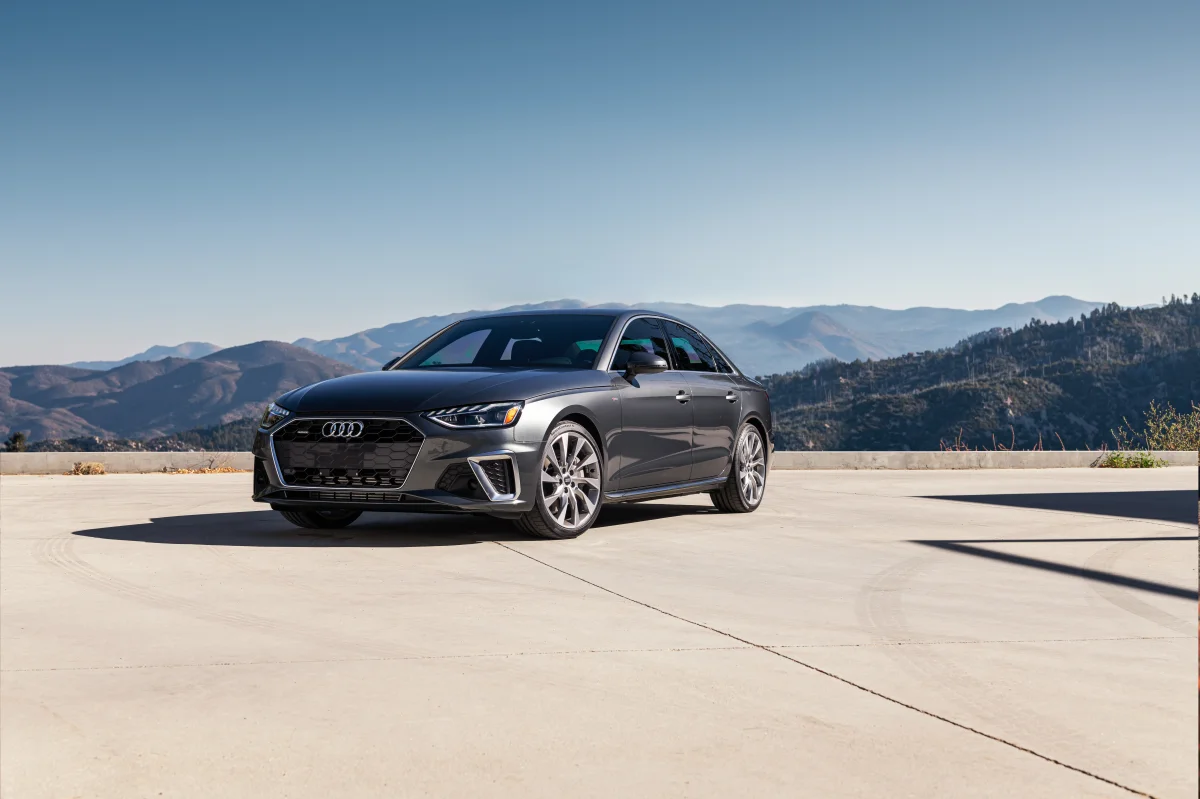
2. Audi A4
The Audi A4 is widely appreciated for its combination of modern design and attention to craftsmanship, giving it an interior that consistently feels premium. The horizontal lines of the dashboard and the uncluttered placement of controls contribute to a spacious and composed feeling, allowing the cabin to feel broader than its actual dimensions.
Seats are designed with a focus on ergonomics, often offering excellent lateral support while maintaining cushioning that makes long drives comfortable.
Materials, even in mid-level trims, usually have a pleasing density, and the tactile quality of surfaces, from door panels to the dashboard, suggests careful design. Every detail, from the shape of air vents to the alignment of stitching on the seats, seems intentional, creating a sense of cohesion throughout the interior.
One of the defining characteristics of the A4’s cabin is the tactile satisfaction of its controls. Rotary knobs, buttons, and switches are engineered to provide a measured response, which makes adjusting climate settings, audio levels, or driving modes feel purposeful.
The integration of technology in the A4 supports its premium identity. Digital displays are crisp and visually comfortable, with menus and graphics designed to be both functional and elegant. The center display is positioned to minimize eye movement from the road, and the physical controls surrounding it provide additional ease of use.
Together with intuitive menus and responsive systems, the result is a cabin that feels seamless, where technology enhances rather than dominates the experience. The placement of features seems carefully planned, reinforcing a sense of order and logical flow that adds to the upscale feeling of the interior.
Noise reduction and cabin quietness are also integral to the A4’s refined atmosphere. With carefully designed insulation and thoughtful engineering, the interior remains serene even at highway speeds, enhancing the sense of calm and composure.
When combined with supportive seating, tactile controls, and carefully chosen materials, the A4’s cabin exemplifies how design and engineering can come together to make a mid-range sedan feel far more premium than its class might suggest. Every detail, from acoustics to material texture, communicates sophistication and attentiveness.
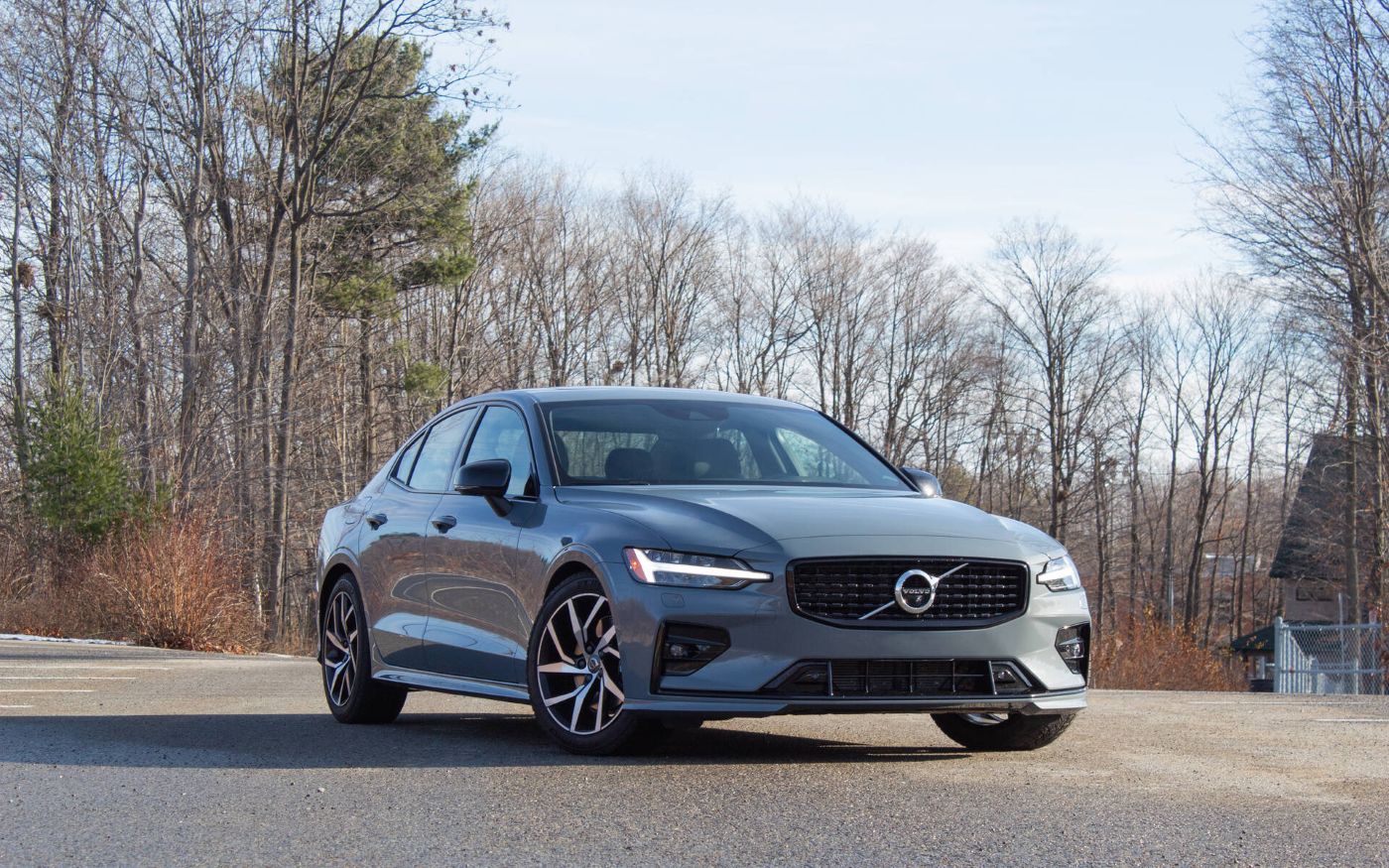
3. Volvo S60
The Volvo S60 delivers a cabin experience that is defined by calmness and Scandinavian simplicity, creating an atmosphere that is simultaneously luxurious and understated. The interior design emphasizes clean lines and a minimalist aesthetic, reducing visual clutter while giving every element a purpose.
Materials are chosen for both feel and visual appeal, often incorporating soft surfaces, brushed metals, and subtle textures that reinforce a sense of quality. Even color choices follow a restrained palette, enhancing the impression of harmony. This sense of calm is not just visual but tactile, as surfaces and controls tend to feel carefully crafted and balanced.
Seat comfort is one of the S60’s standout interior features. The seats are ergonomically designed with deep support for the back and thighs, providing long-distance comfort without sacrificing posture. Cushioning is generous yet controlled, contributing to a sense of stability and ease.
The attention to ergonomics extends beyond the seats themselves; controls are positioned intuitively, allowing drivers to access essential functions with minimal effort. The placement of the steering wheel, center console, and door-mounted controls is optimized to reduce fatigue, reinforcing the perception that the interior is designed with human comfort in mind.
Physical controls remain present for essential functions, striking a balance between modern digital interaction and traditional tactile reassurance. This careful integration contributes to a sense of cohesion and refinement, where technology supports the premium experience rather than dominating it.
Acoustic engineering and quietness play a critical role in the S60’s interior impression. Road, wind, and engine noise are effectively minimized, creating an environment where conversation and music feel untroubled.
When combined with the supportive seating, minimalist design, and high-quality materials, the cabin gives the impression of being well thought out and intentionally serene. The S60’s interior communicates a sense of order, comfort, and subtle luxury, showing that refinement does not always rely on flashy details but rather on consistency, ergonomics, and attention to sensory experience.

4. Acura TLX
The Acura TLX provides a cabin that blends sportiness with premium refinement, delivering a driving environment that feels purposeful and upscale. The dashboard tends to wrap around the driver, creating a cockpit-like feel without being constraining. Materials in the TLX include soft trims, leather-like surfaces, and metallic accents that create a sense of depth and tactility.
Stitching and textured panels add subtle sophistication, giving the cabin character while avoiding overcomplication. Even storage compartments are designed thoughtfully, appearing integrated rather than bolted on, which reinforces the cohesive sense of design.
Seating in the TLX is engineered for dual functionality, supporting spirited driving while offering comfort for long commutes. Bolsters provide lateral support during turns, while cushioning ensures extended comfort on highways. The arrangement of controls is similarly driver-focused, with clear separation of physical and digital elements.
Technology in the TLX interior is integrated to balance modernity and usability. Screens are present but do not overwhelm, and menus are logically arranged for ease of operation. Physical controls for climate and media remain accessible and responsive, adding tactile satisfaction to digital convenience.
The pairing of high-quality materials with thoughtful tech placement strengthens the feeling of sophistication, creating a cabin that feels coherent and intentional. The interior communicates confidence, demonstrating that refinement can coexist with a sporty driving personality.
Acoustic control and cabin quietness enhance the TLX’s premium feel. Road and wind noise are well managed, helping maintain calm within the interior even under spirited driving conditions. Paired with supportive seating, refined materials, and logically arranged technology, this creates an immersive driving environment that feels upscale.
Drivers often remark on the sense of balance and completeness in the TLX interior, where each component contributes to a cohesive premium impression rather than standing out individually. This holistic approach elevates the cabin experience beyond mere functionality.
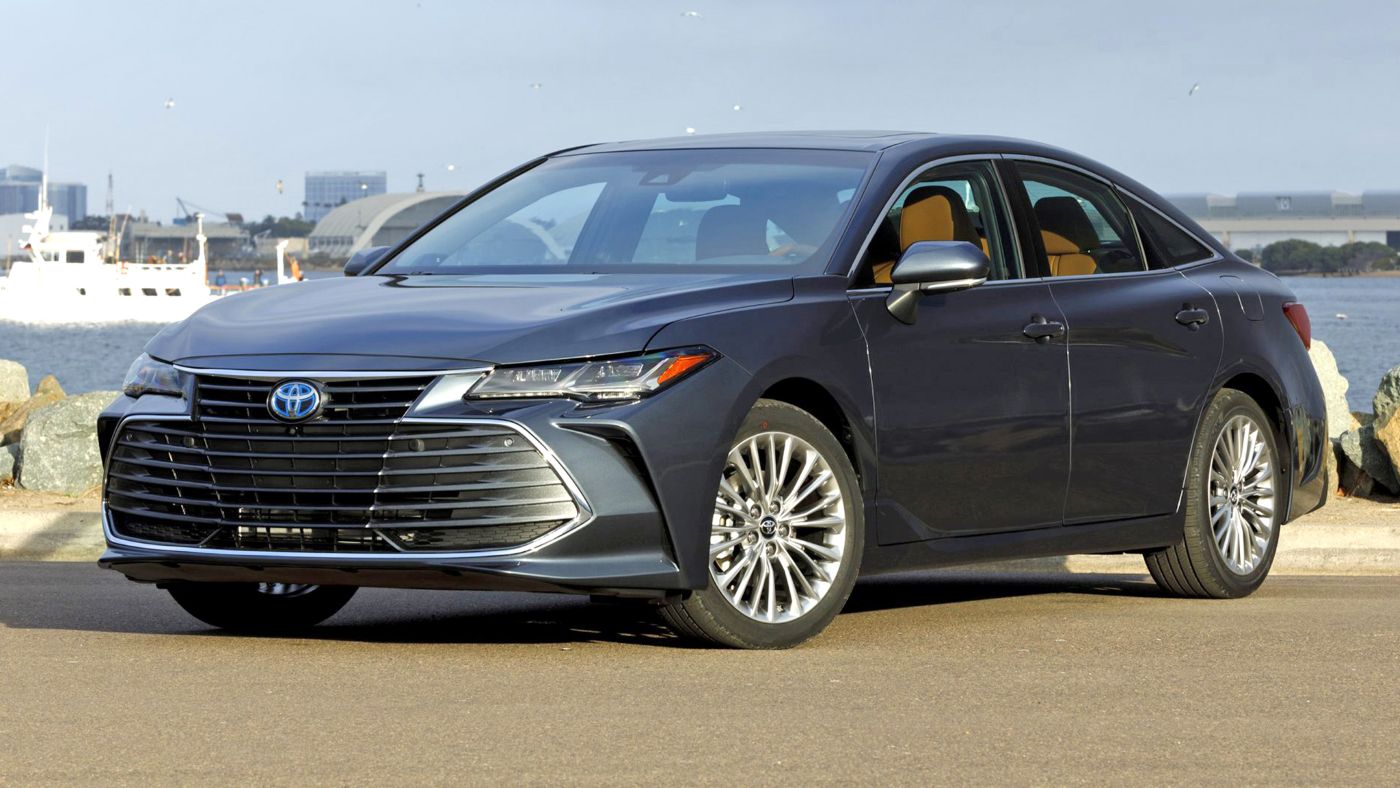
5. Toyota Avalon
The Toyota Avalon provides a cabin that emphasizes spaciousness and comfort, resulting in an interior that feels premium despite its mainstream positioning. The dashboard layout typically emphasizes horizontal width, creating a sense of openness and balance.
Materials used throughout the cabin include soft-touch plastics, leather-like surfaces, and subtle trim accents, which combine to create a tactile and visually pleasing environment. The seats are generously sized, providing ample support and cushioning for all passengers. This sense of spaciousness contributes to a perception of luxury, making the cabin feel more expensive than it is.
Materials and finishes in the Avalon reinforce the premium feeling. Door panels, center console, and dashboard surfaces often include layering, stitching, and contrasting textures, all of which add depth without appearing flashy. Storage spaces are thoughtfully integrated, maintaining an open and uncluttered environment.
The combination of practicality and aesthetic attention helps the interior feel cohesive and deliberate. Even small details, such as the fit and finish of panels and the quality of trim edges, contribute to the sense of refinement.
Technology in the Avalon is designed to be accessible and user-friendly, supporting a sense of convenience without overcomplication. The central touchscreen is often sized for clarity and ease of use, and important controls remain available through physical buttons or knobs.
Acoustic comfort is another defining element of the Avalon interior. Road, wind, and engine noises are effectively muted through careful insulation, providing a calm environment for both driver and passengers. Combined with spacious seating, soft materials, and an organized layout, this creates an interior that is both relaxing and refined.
The Avalon demonstrates that a mainstream sedan can achieve a sense of premium quality through thoughtful design, materials, and attention to the sensory experience of occupants, offering a cabin that consistently impresses with its quiet sophistication and comfort.
Five Sedans That Tend to Feel Bare Inside
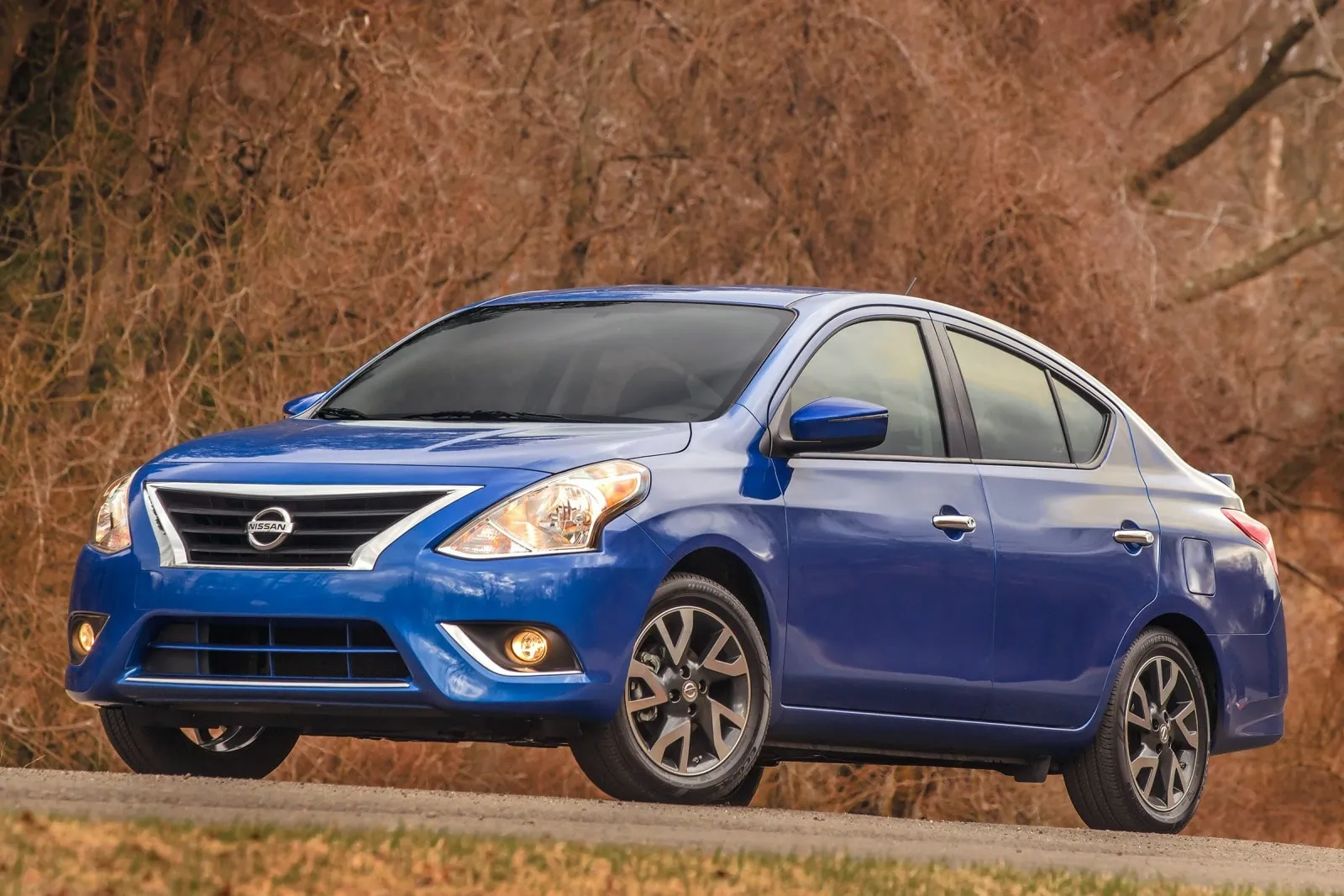
1. Nissan Versa
The Nissan Versa is designed with affordability as a primary goal, and this focus is immediately apparent when stepping inside the cabin. Hard plastics dominate the dashboard, door panels, and center console, creating a surface environment that feels utilitarian rather than welcoming.
Technology integration in the Versa is modest, reflecting the model’s economy-focused nature. Infotainment screens, when present, are small and basic, with graphics that feel dated or simplistic. Many functions rely on physical buttons, which can feel lightweight and cheap to the touch.
Even when the car is equipped with more advanced options, the interface does not feel particularly polished, which emphasizes the interior’s bare characteristics. The simplicity of the technological layout, while functional, reinforces the impression that the cabin lacks refinement or luxury, giving a stark contrast to more premium-feeling sedans.
Acoustic quality inside the Versa is limited, which amplifies the bare impression. Road noise, tire sounds, and engine vibrations are more noticeable than in competitors, and the cabin does not provide the sense of insulation that would enhance comfort.
Combined with the sparse materials, thinly padded seating, and minimal design detailing, the interior feels stark and utilitarian. While the Versa succeeds in delivering value and practicality, the cabin experience makes it clear that premium comfort and richness were not priorities in its design, resulting in a space that feels sparse and functional rather than indulgent.
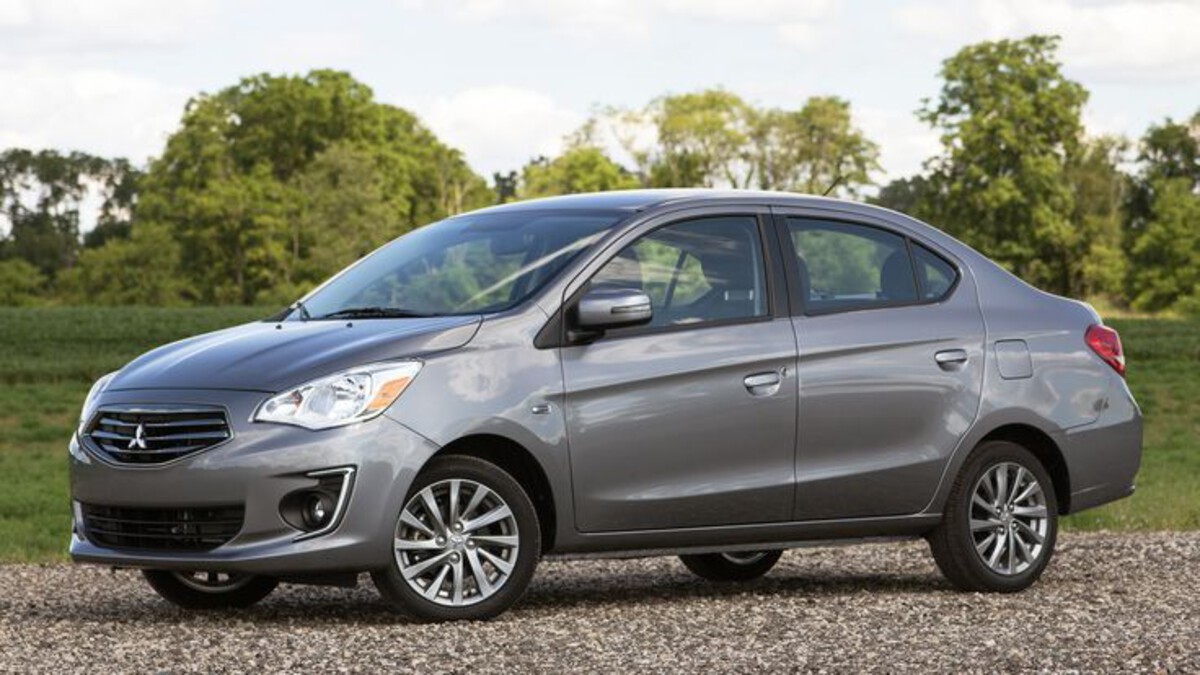
2. Mitsubishi Mirage G4
The Mitsubishi Mirage G4 is a sedan that clearly emphasizes cost efficiency, and this priority is reflected in its bare interior. The cabin is dominated by hard plastics that cover most surfaces, from the dashboard to the door panels. These plastics are functional but feel hollow to the touch, contributing to an impression of minimalism that borders on austerity.
The dashboard and center console design are plain, with little in the way of visual interest or texture, creating a feeling of emptiness. Even decorative elements, when present, are minimal and often appear superficial, failing to create depth or richness in the cabin.
Technology in the Mirage G4 is limited and minimalistic. The infotainment system is basic, often featuring a small screen with limited graphical polish. Physical controls are lightweight and may lack the responsiveness or weight that conveys quality.
Although the simplicity of the system can make it easy to operate, it also accentuates the sparse interior, giving the impression that little thought was given to the tactile or visual experience of using the cabin’s features. The focus on essential functions over comfort or sophistication reinforces the car’s economy-oriented character.
While the vehicle provides basic transportation efficiently, the interior lacks the warmth, tactile appeal, and quiet ambiance that would make it feel more inviting or refined, highlighting the difference between this class of economy sedan and models that prioritize a premium interior experience.
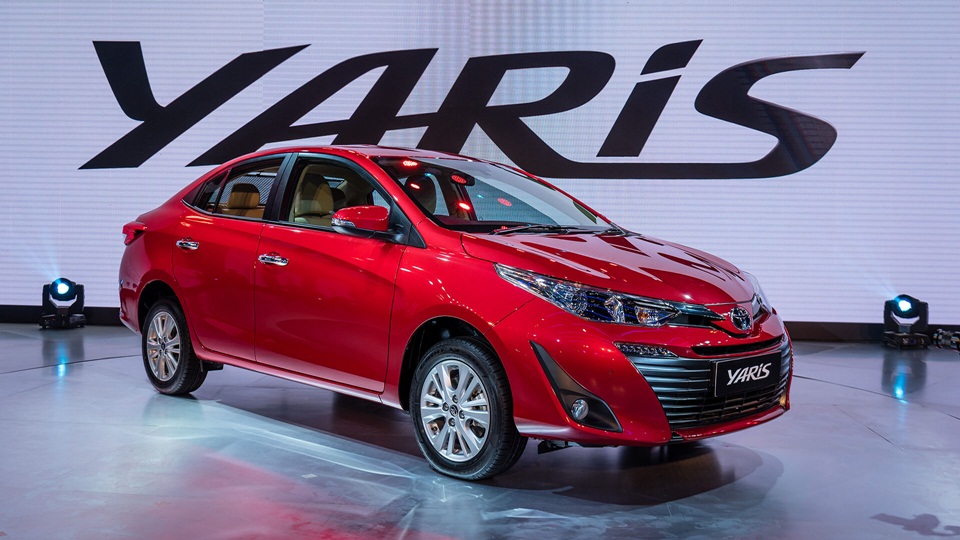
3. Toyota Yaris Sedan (base trim)
The base trim of the Toyota Yaris sedan offers a cabin that is practical but noticeably bare in its presentation. Hard plastics dominate the surfaces, creating a touch environment that is functional but uninspiring. The dashboard design is flat and unadorned, with limited curvature or depth, and decorative accents are minimal or absent.
Even the color scheme tends to be conservative, further contributing to the sense of austerity. The simplicity of the interior, while cost-effective, leaves the cabin feeling stark, as if the design focus was on economy rather than the sensory experience of the occupants.
Seating in the base Yaris sedan reflects a similar philosophy of minimalism. Cushions are thin, with limited contouring or support, and fabric covers emphasize durability over softness. While adequate for short commutes, the seats offer little in the way of comfort during extended driving sessions.
Acoustic quality in the base Yaris sedan is modest, leaving occupants more exposed to road and engine noise. With minimal insulation, sounds from tires and the engine are noticeable, making the cabin feel more utilitarian than comfortable.
When combined with thin seats, hard plastics, and a flat, plain dashboard, the interior environment feels bare. It fulfills its primary goal of economy and reliability, but lacks the tactile, visual, and acoustic qualities that would create a more refined or enjoyable experience for drivers and passengers alike.
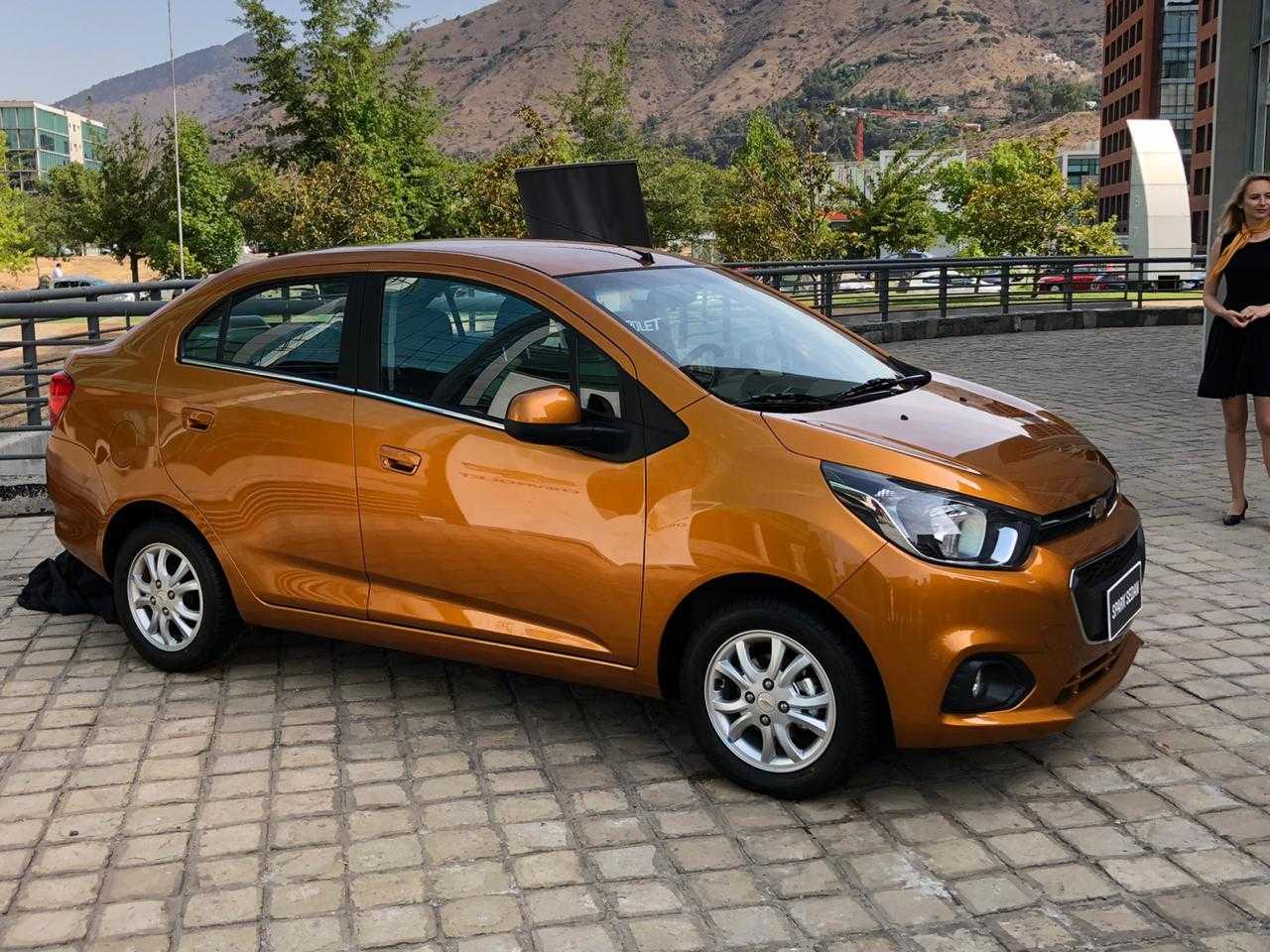
4. Chevrolet Spark Sedan Variant
The Chevrolet Spark sedan variant presents an interior that is minimal and functional, emphasizing cost efficiency over comfort or visual appeal. Hard plastics cover nearly every surface, from the dashboard to the doors, giving the cabin a hollow or lightweight feel.
Technology in the Spark is basic and functional, reflecting the sedan’s economy-oriented design. Infotainment screens are typically small, with limited visual polish, and essential functions are controlled by lightweight, minimal-feel buttons or knobs.
While this simplicity ensures easy operation, it also highlights the interior’s lack of sophistication. The minimal technology integration, paired with the basic tactile and visual experience, underscores the sense that the cabin is stripped down to essentials, with little attention to refinement.
Acoustic insulation in the Spark is limited, leaving occupants more exposed to external noise. Road, engine, and wind sounds are easily heard, which enhances the perception of a stark and unrefined cabin.
When combined with hard plastics, thin seats, and a simple dashboard layout, the interior feels basic and minimally engaging. The Spark sedan fulfills its role as an affordable vehicle but provides little sensory or tactile satisfaction, leaving the interior feeling bare and functional rather than comfortable or refined.
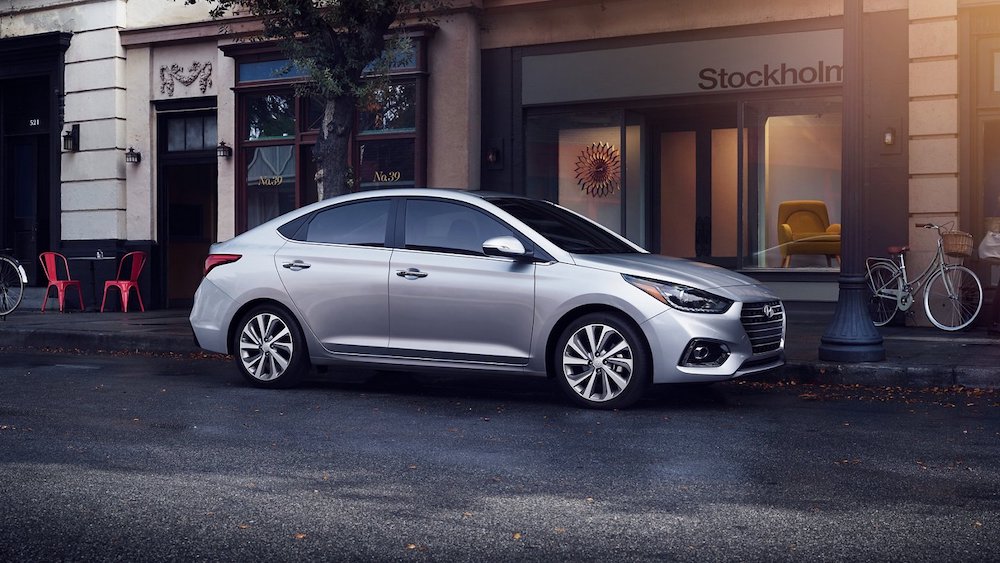
5. Hyundai Accent (base trim)
The Hyundai Accent in its base trim offers a cabin that prioritizes practicality and affordability, resulting in a noticeably sparse interior. Hard plastics dominate the dashboard, doors, and center console, creating a tactile environment that feels lightweight and flat. The design of the dashboard is simple and utilitarian, with few contours or layers to add depth.
Decorative elements are minimal, and color choices are typically subdued, which contributes to the perception of austerity. This straightforward approach makes the interior feel basic and functional, but it lacks the richness or presence of more refined sedans.
Technology in the base Accent is limited to fundamental features, with small infotainment screens and basic physical controls. Buttons and knobs feel lightweight and lack tactile feedback, reducing the sense of satisfaction when interacting with them.
While the simplicity of the interface can be convenient, it also highlights the absence of sophistication or thoughtful design elements that might make the cabin feel richer. The interior, therefore, communicates economy and function rather than refinement or luxury.
Noise insulation in the base Accent is modest, making road, engine, and wind noise more apparent than in more premium sedans. This exposure contributes to the impression of a bare interior, as the cabin lacks the quiet ambiance that enhances comfort.
Combined with thin seats, hard plastics, and minimal design features, the Accent’s interior feels sparse and utilitarian. It achieves its primary goal of affordability and functionality but provides little sensory or tactile satisfaction, making it clear that the interior environment prioritizes cost over richness or refinement.
