
Teen drivers are often associated with higher insurance rates, but the type of car they drive can have a substantial impact on premiums. Insurance companies evaluate cars based on multiple factors, including safety features, repair costs, performance capabilities, and accident risk.
Cars that are considered safe, reliable, and modest in power generally lead to lower insurance rates for teen drivers. These vehicles often have strong crash-test ratings, include essential safety technologies, and are inexpensive to repair or replace in the event of damage.
By contrast, cars with high horsepower, luxury status, or expensive repair parts tend to drive insurance rates up. Teen drivers are statistically more likely to get into accidents than older drivers, and insurers use the car’s characteristics as a way to mitigate risk.
Understanding which cars can keep insurance premiums manageable can save families hundreds or even thousands of dollars annually.
Another consideration is that insurance companies track historical data on claim frequency and repair costs for different vehicles. Cars with a history of low accident claims and inexpensive repairs are rewarded with lower rates.
Factors such as anti-lock brakes, electronic stability control, airbags, and other advanced safety systems play a role in determining how much a teen driver will pay.
Some manufacturers focus on producing small, fuel-efficient cars with safety as a priority, making them ideal choices for first-time drivers. On the other hand, vehicles that appeal to young drivers because of speed, style, or brand reputation can be much more expensive to insure.
Parents often underestimate how much car choice affects premiums, focusing instead on price or aesthetics. Choosing the right vehicle from the start helps establish a responsible driving habit while also controlling insurance expenses.
Cost is not the only factor influencing insurance rates for teen drivers. Insurance companies also consider repair costs and replacement values.
Cars with widely available and inexpensive parts are generally cheaper to insure, whereas models with rare components or imported parts can significantly increase premiums. Additionally, some vehicles are prone to theft, which also affects insurance costs.
Teen-friendly cars are usually those that are modest, reliable, and equipped with standard safety technology. Conversely, vehicles with high-performance engines, large displacement, or sporty modifications attract higher insurance rates because they are statistically more likely to be involved in accidents or stolen.
Recognizing the relationship between car type and insurance can guide families in making practical and financially sound decisions for their teen drivers.
Beyond safety and repair costs, insurance companies also assess the potential behavior of teen drivers behind the wheel. Cars that are easy to handle, with limited acceleration and manageable size, tend to keep teen drivers safer and reduce the likelihood of risky driving.
Larger sedans or compact SUVs with modern safety features are often recommended for insurance purposes. Cars that may encourage aggressive driving, such as sports cars or high-powered coupes, are labeled as rate-raisers because insurers expect them to be associated with more claims.
Selecting a car that keeps insurance manageable for teens involves balancing safety, practicality, and financial considerations. Understanding which vehicles are insurer-friendly versus which ones raise rates can make a tangible difference in costs for families.
5 Cars That Keep Insurance Friendly for Teens
1. Honda Civic
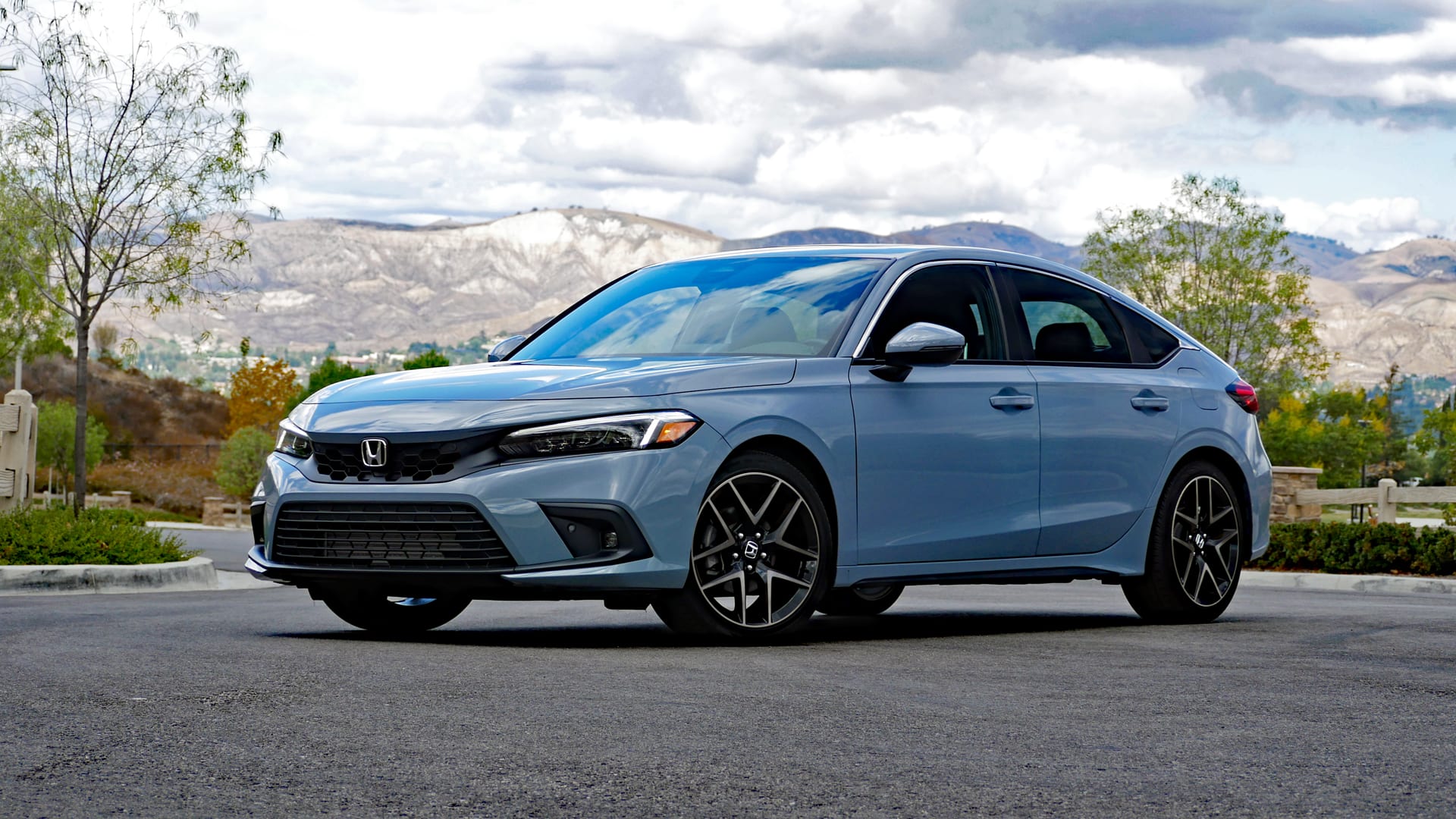
The Honda Civic has long been recognized as a solid choice for teen drivers, and for good reason. Its reputation for reliability makes it a favorite among families looking to provide a safe, practical vehicle without incurring high insurance costs.
The Civic is equipped with multiple safety features such as anti-lock brakes, electronic stability control, and numerous airbags, all of which contribute to a lower likelihood of severe accidents. The car’s compact design makes it easy to handle for new drivers, especially in urban settings with tight streets and heavy traffic.
Insurance companies also consider the Civic’s historical safety records and low accident claims, making it one of the most affordable vehicles to insure for teen drivers. Furthermore, the wide availability of parts means repairs are simpler and less expensive, a factor that insurers take seriously when calculating premiums.
Families can even find reliable used Civics, allowing teens to drive safely without forcing parents to make a significant financial investment in a brand-new vehicle.
Another important consideration is the Civic’s engine and performance characteristics. Most Civic models come with a modest engine that prioritizes efficiency over high speed.
Unlike sporty or performance-oriented vehicles, the Civic does not encourage aggressive driving, which reduces the likelihood of accidents and traffic violations among inexperienced drivers.
Its handling is intuitive, and braking responsiveness is predictable, making it forgiving for teenagers still developing their driving skills. Insurance companies reward this predictability because they can reasonably expect the vehicle to be involved in fewer claims.
Additionally, the Civic appeals to a wide demographic that prioritizes safety and practicality, rather than speed or luxury, which further positions it as a low-risk car in the eyes of insurers. Families can rely on the Civic not only to provide a safe introduction to driving but also to keep insurance costs manageable over several years.
Fuel economy and affordability are also factors that indirectly influence insurance friendliness. The Civic’s efficient engines reduce the cost of daily driving, allowing families to allocate more resources to safe vehicle maintenance.
Regular maintenance contributes to the car’s reliability, preventing mechanical failures that could otherwise lead to accidents or insurance claims. Insurance companies recognize that vehicles that are well-maintained and low-cost to operate often result in fewer claims.
In addition, the Civic’s strong resale value ensures that families are making a practical long-term investment. Even when considering potential accidents or repair needs, the combination of cost efficiency, reliability, and safety technology makes the Honda Civic a consistently favorable choice for teen drivers.
Finally, the Civic offers flexibility in terms of trim levels and options, which allows families to prioritize safety without dramatically increasing insurance costs.
Many newer models include additional safety technologies like lane departure warnings or adaptive cruise control, but even older models maintain core safety equipment. Parents can select a Civic that balances affordability with advanced safety features, ensuring that teens have a vehicle that is both safe and economical.
Over time, the Civic’s combination of reliability, low repair costs, and favorable insurance history creates a compelling case for families looking to provide a responsible, low-risk driving experience for their teens.
Its long-standing reputation and widespread availability make it an easy recommendation for any parent focused on minimizing insurance premiums.
2. Toyota Corolla
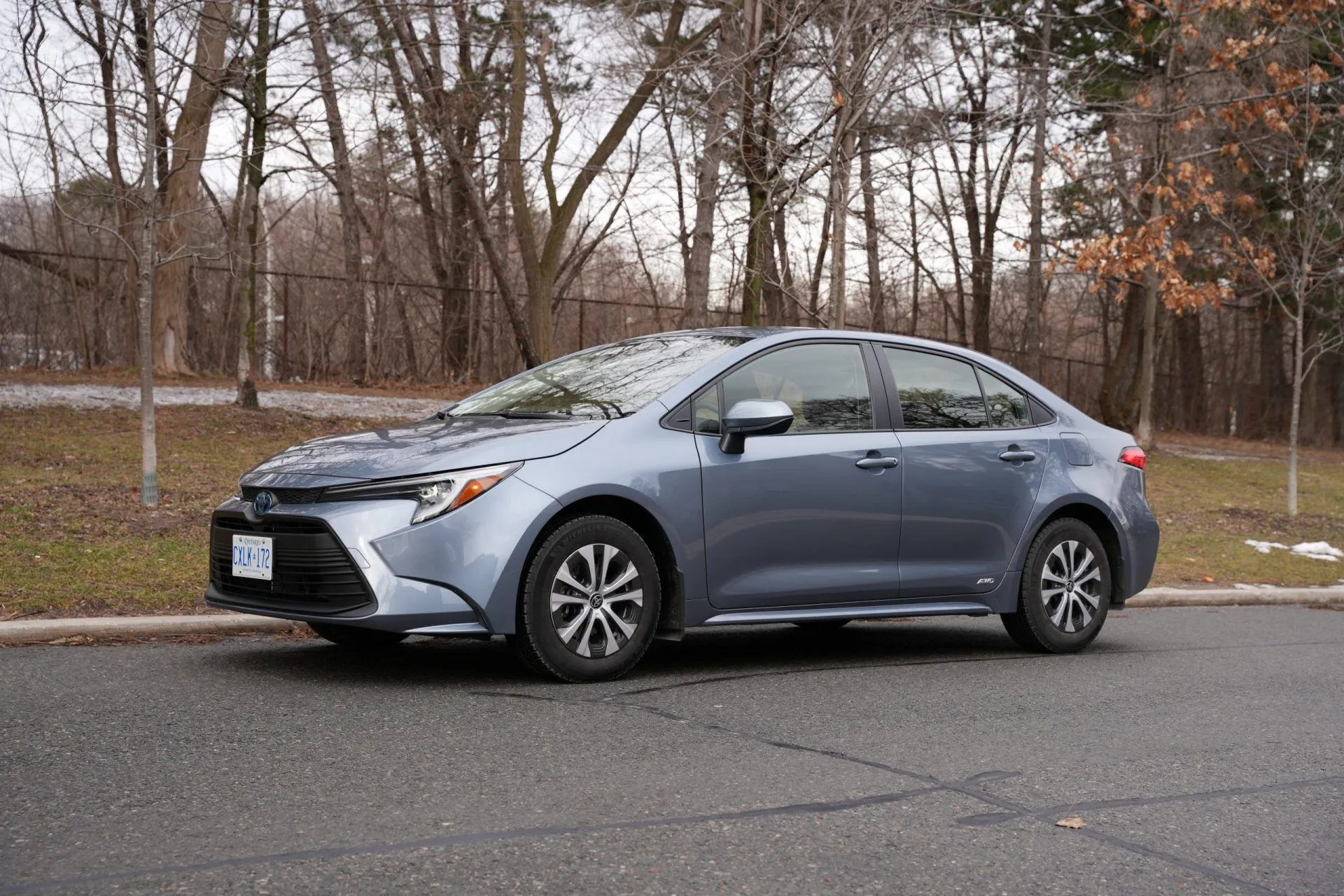
The Toyota Corolla is another top recommendation for teen drivers due to its consistent reliability and strong safety record. For decades, the Corolla has been recognized as one of the most dependable compact cars, often lasting well over a decade with minimal maintenance issues.
The vehicle’s safety features, which include traction control, multiple airbags, anti-lock brakes, and modern stability systems, are all standard across most models. Insurance companies consider these attributes heavily, knowing that vehicles with strong safety performance reduce the likelihood of severe accidents and claims.
Furthermore, the Corolla’s modest repair costs make it more affordable to insure compared with high-end vehicles. Parts are widely available and reasonably priced, allowing for low-cost repairs after minor accidents or mechanical failures, which insurers factor into premiums.
The Corolla’s consistent performance and handling also make it particularly suitable for teen drivers. Its predictable acceleration, braking, and steering response provide a forgiving driving experience that helps new drivers build confidence behind the wheel.
Unlike high-powered cars, the Corolla does not encourage aggressive driving habits, which are a major factor in teen accident statistics. Insurance providers recognize that vehicles with lower power output and stable handling are generally involved in fewer claims.
Families also benefit from the Corolla’s reputation for reliability, meaning teens are less likely to encounter mechanical failures that could result in accidents or insurance claims. This combination of safe operation and mechanical dependability makes the Corolla a smart choice for parents.
Another advantage of the Corolla is its fuel efficiency, which contributes to the affordability of the car. A vehicle that is inexpensive to operate encourages regular use, careful maintenance, and mindful driving, all of which can indirectly reduce insurance costs.
Families are more likely to keep a well-maintained vehicle in good condition, lowering the chances of accidents caused by mechanical failures.
Additionally, older Corolla models often include essential safety equipment, allowing families to purchase a used vehicle without sacrificing protection. Insurance companies often provide lower premiums for vehicles that have demonstrated long-term safety and reliability, making the Corolla an excellent insurance-friendly option.
Finally, the Corolla’s accessibility and availability add to its appeal for teen drivers. The car is easy to find in both new and used markets, providing families with multiple options that fit different budgets.
Many insurance companies also offer discounts for vehicles that are considered safe, reliable, and cost-effective to repair, all qualities exemplified by the Corolla.
By choosing a Corolla for a teen driver, families not only provide a secure driving experience but also significantly reduce potential insurance expenses. Its balance of affordability, safety, and reliability ensures that the Corolla remains one of the most practical cars for keeping insurance rates low for teens.
3. Mazda3
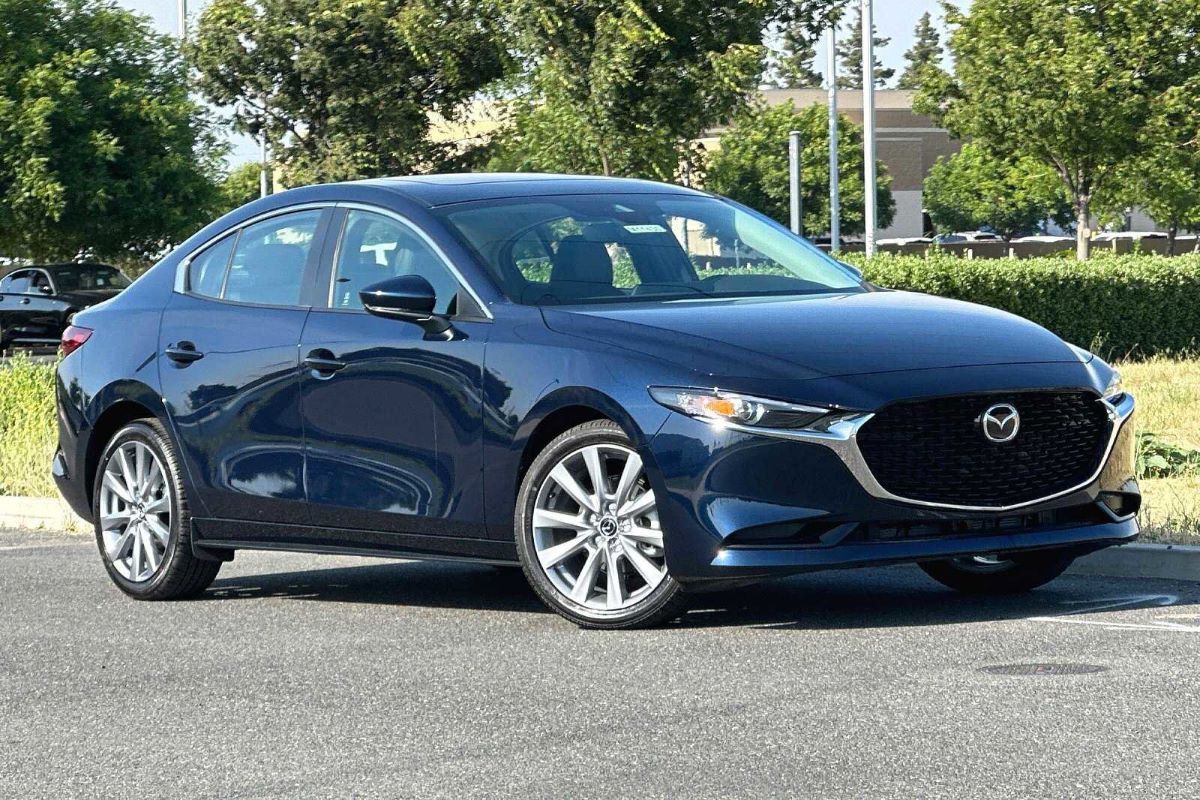
The Mazda3 is a compact car praised for its reliability, safety, and user-friendly handling, making it an excellent option for teen drivers. Its range of safety features, including multiple airbags, traction and stability control, and anti-lock braking systems, reduces the risk of serious accidents.
The car’s design emphasizes predictable handling and responsive braking, which helps new drivers navigate both city streets and suburban roads with confidence. Insurance companies value vehicles with these characteristics because they are associated with fewer claims.
The Mazda3 also has moderately priced replacement parts, making repairs affordable and further contributing to lower insurance premiums. Its strong track record of durability and dependability makes it a favored choice for families looking for a practical, insurance-friendly vehicle.
Fuel efficiency and reliability further enhance the Mazda3’s appeal. Its economical engines encourage low-cost operation, and regular use often correlates with proper maintenance. Cars that are well-maintained are less prone to mechanical failures, which can lead to insurance claims.
Older Mazda3 models often include the core safety technologies necessary for teen-friendly insurance ratings, allowing families to purchase a cost-effective used car without compromising safety. Insurance providers recognize the combination of safety, reliability, and low repair costs as favorable, often reflecting it in reduced premiums.
Finally, the Mazda3 offers a range of trims and options that allow families to choose additional safety features without drastically increasing insurance costs. Higher trims may include advanced technologies such as blind-spot monitoring or lane departure warnings, enhancing safety further.
Even without premium features, standard Mazda3 models provide ample protection and affordability. This balance of practicality, reliability, and safety ensures that the Mazda3 remains a strong contender for families seeking to minimize insurance costs for teen drivers while providing a responsible driving environment.
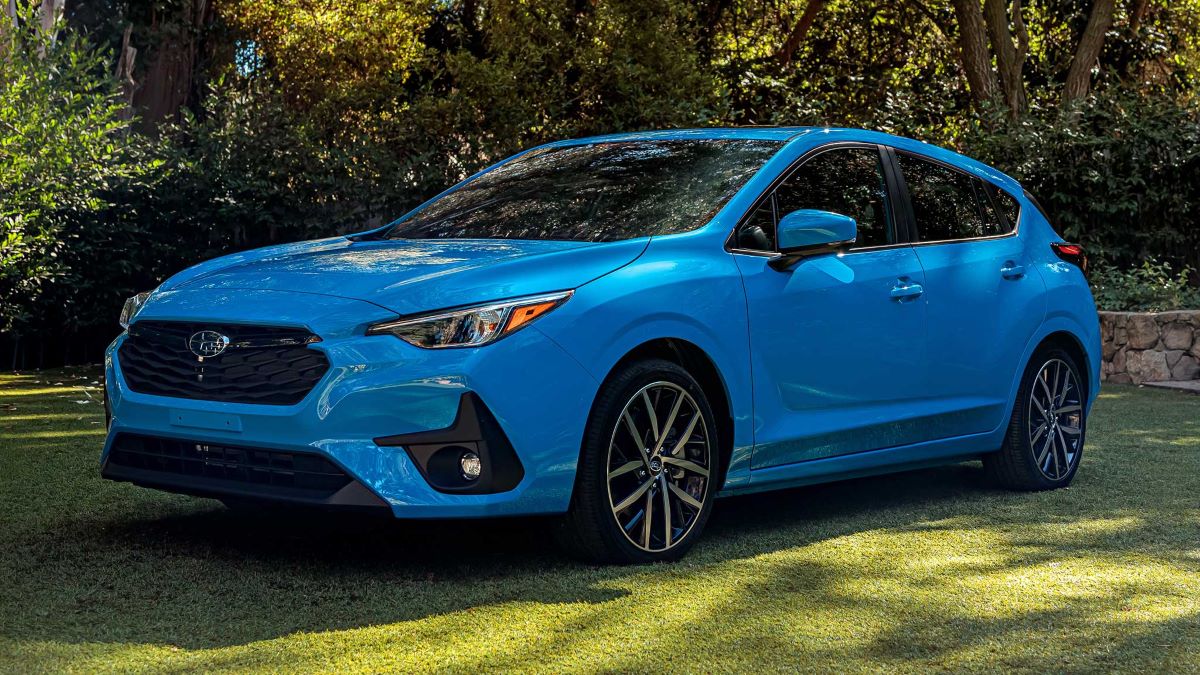
4. Subaru Impreza
The Subaru Impreza is a compact vehicle celebrated for its safety, all-wheel-drive capability, and reliability. These characteristics make it an excellent choice for teen drivers, particularly in regions with variable weather conditions.
The all-wheel-drive system improves traction and stability on wet or snowy roads, reducing the likelihood of accidents. Standard safety equipment such as multiple airbags, traction control, and advanced braking systems, further contributes to the vehicle’s low-risk profile.
Insurers consider these factors heavily, as all-wheel-drive vehicles with strong safety ratings tend to have fewer claims.
Repair costs are generally manageable, and parts are widely available, further enhancing its insurance-friendly status. Families benefit from the Impreza’s combination of safety, performance, and reliability, all of which help lower premiums.
Fuel efficiency and repair accessibility are additional advantages of the Impreza. While all-wheel-drive systems sometimes increase maintenance requirements, the Impreza’s reputation for durability keeps costs reasonable. Insurers recognize that vehicles with low failure rates and widely available parts result in fewer costly claims.
Families can purchase an Impreza with confidence, knowing that both routine maintenance and potential accident repairs are unlikely to create financial strain.
Finally, the Impreza provides versatility and long-term value. Its all-weather capability ensures safe driving in different climates, and the strong safety features remain beneficial even as teens gain experience. Insurance companies reward this combination of reliability, performance, and safety with lower premiums.
The Impreza’s package of all-wheel-drive traction, manageable engine output, and comprehensive safety features makes it one of the most insurance-friendly options for teen drivers, providing families with a practical and secure vehicle choice.
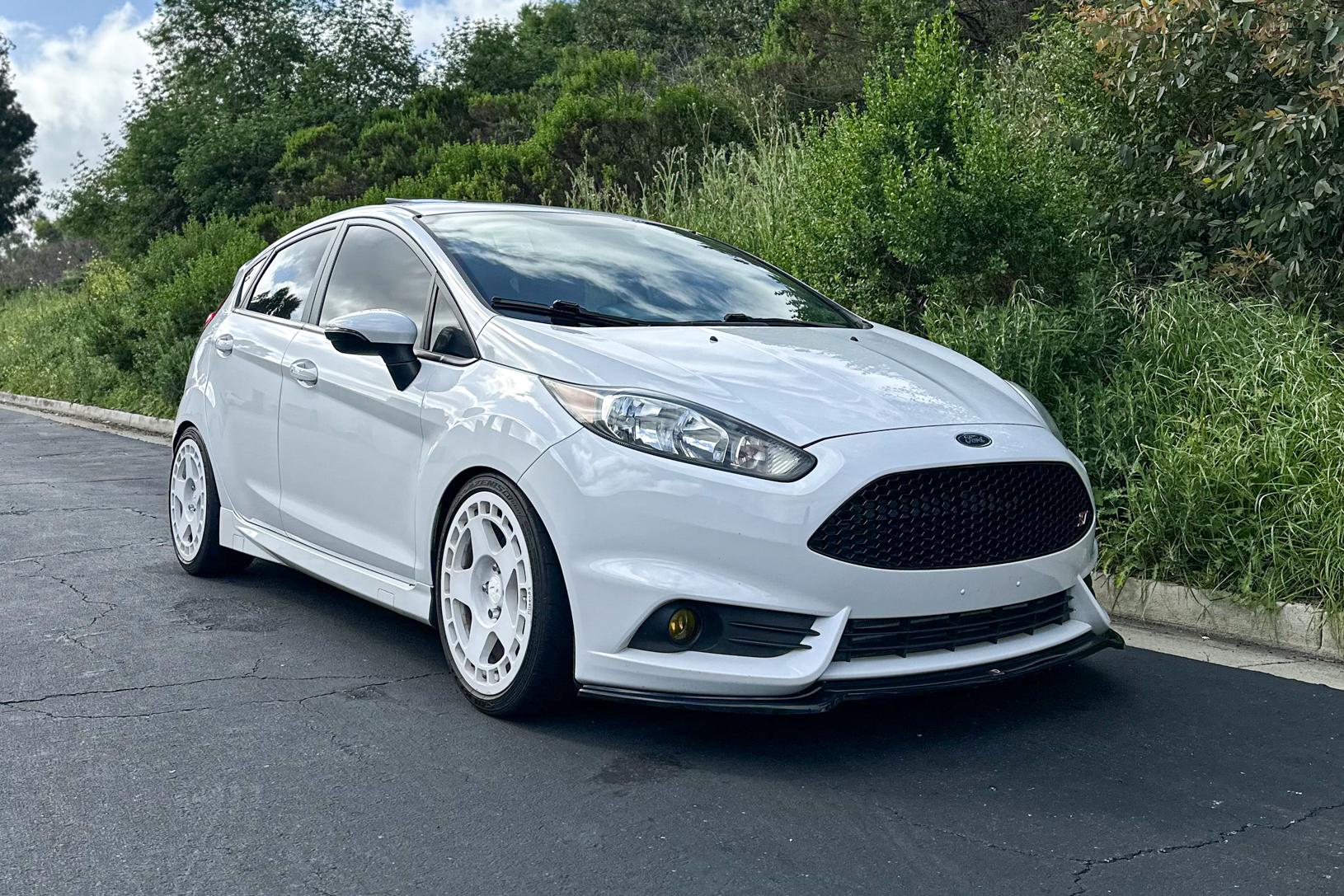
5. Ford Fiesta
The Ford Fiesta is a compact and affordable car that offers a balance of safety, efficiency, and easy handling, making it suitable for teen drivers. Its small size and lightweight design make navigating traffic, tight streets, and parking spaces simpler for inexperienced drivers.
Standard safety equipment includes multiple airbags, anti-lock brakes, and electronic stability control, which work together to reduce the likelihood of accidents.
Insurance companies consider these features alongside the vehicle’s low repair costs, resulting in favorable premiums. Parts are readily available, and repairs tend to be affordable, which makes the Fiesta a cost-effective choice for families with teen drivers.
Fuel efficiency adds another layer of practicality to the Fiesta. Lower operating costs mean that families are more likely to maintain the vehicle regularly, reducing the chances of mechanical failures or accidents caused by neglected upkeep.
Additionally, the Fiesta’s affordability allows families to consider newer models with enhanced safety technology without significantly increasing the initial purchase price. This balance between cost, safety, and maintainability makes the Fiesta particularly insurance-friendly.
Finally, the Fiesta is versatile in terms of model availability. Families can choose either a used or new Fiesta to match their budget while still benefiting from low insurance premiums. Even older models maintain essential safety features, while newer versions offer additional technological enhancements.
The combination of reliability, affordability, and safety ensures that the Ford Fiesta remains a strong candidate for parents seeking a practical vehicle that keeps insurance costs manageable for teen drivers. Its compact size, predictable handling, and safety profile make it a dependable choice for new drivers learning to navigate the road responsibly.
5 Cars That Raise Insurance Rates for Teens
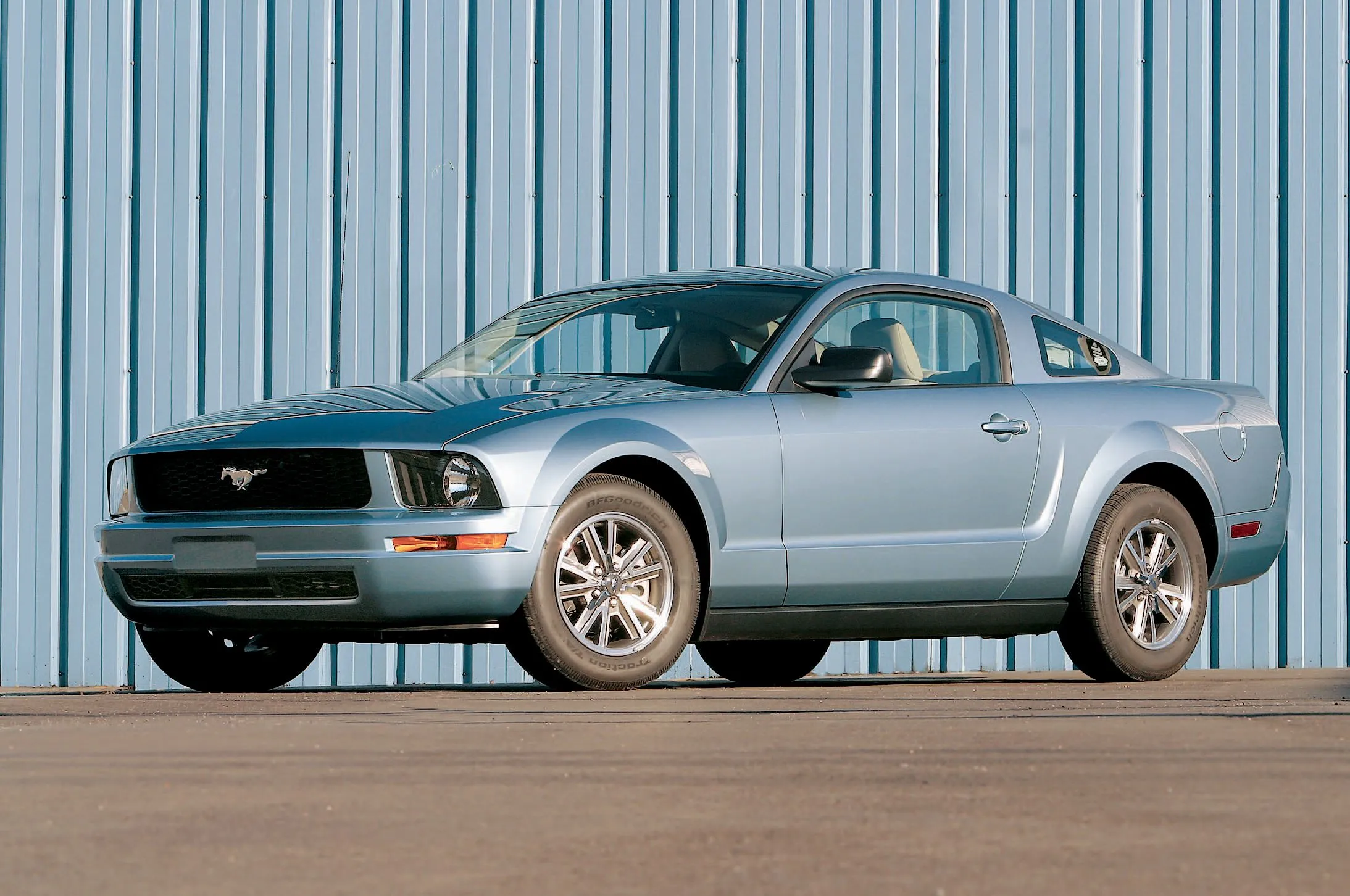
1. Ford Mustang
The Ford Mustang is a classic example of a sports car that significantly raises insurance rates for teen drivers. Its powerful engines, ranging from turbocharged four-cylinders to high-performance V8s, make it inherently riskier for inexperienced drivers.
Insurance companies view this power as a potential hazard because teens are statistically more likely to engage in aggressive driving behavior, particularly when behind the wheel of a vehicle with high acceleration capabilities. The Mustang’s large horsepower and torque enable rapid speeds, which can lead to more severe accidents.
Repair costs also contribute to the elevated insurance premiums, as performance parts and specialized labor make even minor repairs costly. Combined with its high desirability among young drivers, the Mustang becomes a classic rate-raising vehicle that families should carefully consider before purchase.
High-speed potential is another reason the Mustang is considered a rate-raiser. Teen drivers are more prone to underestimate stopping distances, overestimate their handling abilities, and misjudge curves or road conditions.
A car like the Mustang, which responds quickly to throttle input and accelerates rapidly, can magnify mistakes and increase the severity of collisions.
Even with modern safety systems such as electronic stability control or traction management, insurers understand that the risk inherent to high-powered cars is difficult to offset. This translates into substantially higher premiums for families with teens behind the wheel.
Finally, the cost of repairing a Mustang makes it even less insurance-friendly. The bodywork, suspension components, and performance upgrades can be expensive to replace, and labor costs are higher than for standard sedans or compacts. Even minor fender benders may result in costly claims that impact insurance premiums.
This combination of high accident risk, attractive appeal to teens, and expensive repair costs solidifies the Mustang’s status as a car that substantially raises insurance rates. Families often find that opting for a smaller, safer vehicle is more practical and financially responsible for teen drivers.
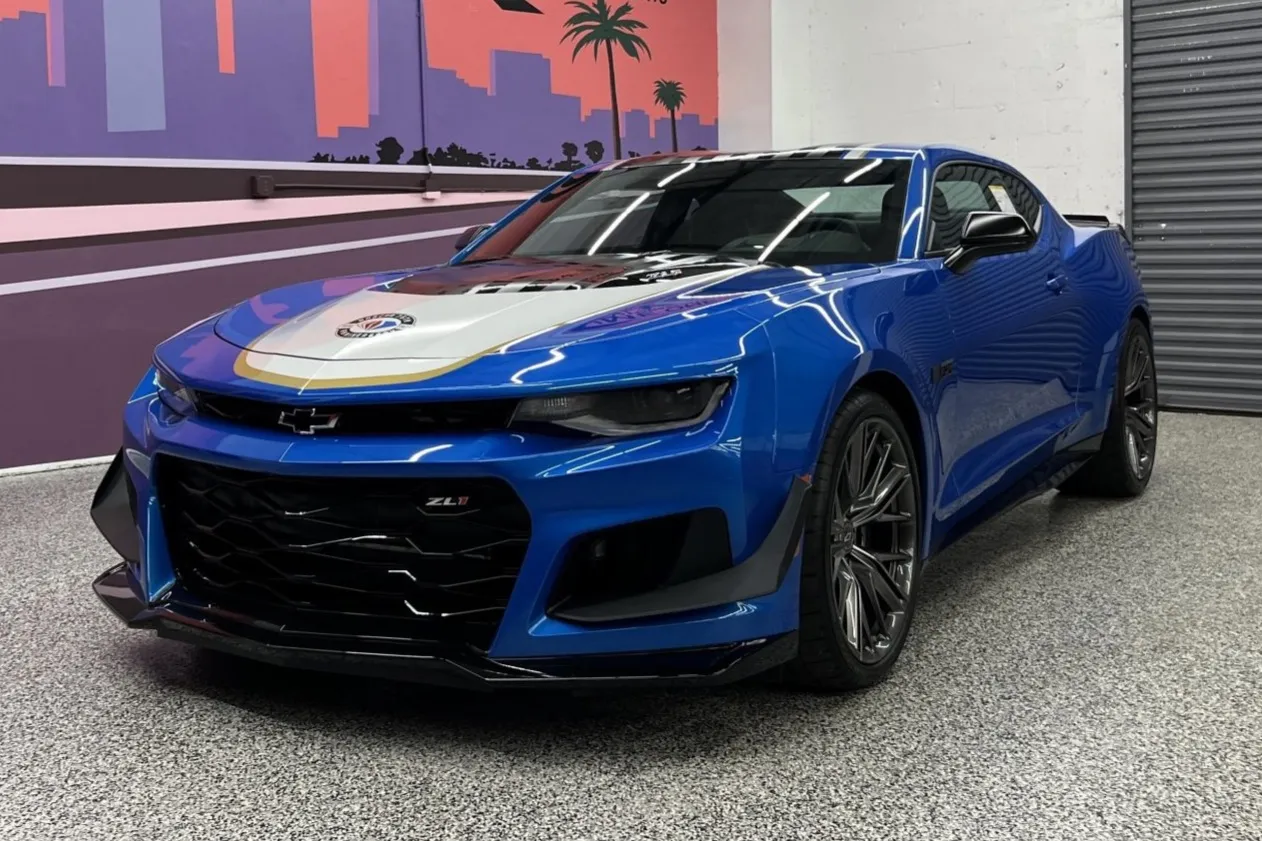
2. Chevrolet Camaro
The Chevrolet Camaro is another high-performance sports car that is notorious for increasing insurance premiums for teen drivers. Its aggressive styling, powerful engines, and fast acceleration make it more prone to accidents, especially among younger drivers who are still learning risk assessment and vehicle control.
Insurance providers consider the Camaro’s performance characteristics and potential for high-speed driving, which translates into a higher frequency of claims.
In addition, repair costs for Camaros tend to be higher than average because of specialized parts, performance components, and labor. These factors combine to create a vehicle that is far less practical for teen drivers when considering insurance affordability.
Performance potential plays a key role in the Camaro’s insurance classification. Its acceleration and handling capabilities can be challenging for inexperienced drivers, who may struggle to control the vehicle at high speeds or during emergency maneuvers.
Teen drivers often underestimate the risks associated with such cars, and insurers recognize this pattern in claims data. Even with advanced safety features, the combination of power, acceleration, and appeal to young drivers makes the Camaro a high-risk choice in the eyes of insurance providers.
Finally, repair and replacement expenses further drive up insurance costs. Performance parts, body components, and specialized labor can make even minor collisions expensive to fix.
The Camaro’s high repair costs, combined with the greater likelihood of claims from teen drivers, create a cumulative effect that results in significantly higher premiums.
Families seeking to manage teen insurance costs typically avoid vehicles like the Camaro, as the potential financial burden far outweighs the benefits of style or performance.
3. Dodge Challenger
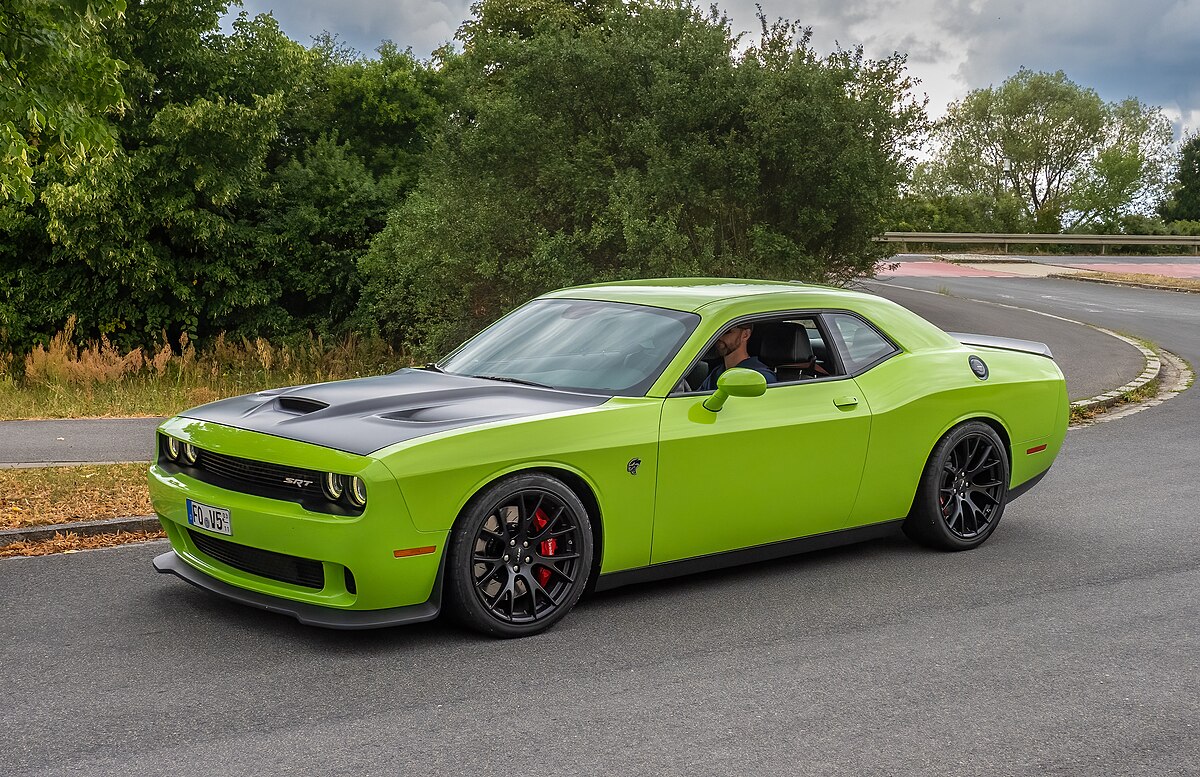
The Dodge Challenger is a full-sized muscle car that is widely considered a rate-raiser for teen drivers due to its combination of high power, size, and performance characteristics. The car’s engines, often V6 or V8, deliver rapid acceleration and high torque, making it challenging for inexperienced drivers to control safely.
Insurance companies consider the Challenger’s acceleration and handling as potential risk factors, as teens are more likely to misjudge stopping distances or overestimate their driving abilities.
Repair costs are also high, as the muscle car’s parts and labor require specialized attention, even for minor damage. These factors collectively make the Dodge Challenger a vehicle that significantly increases insurance premiums for young drivers.
Performance and speed further elevate the Challenger’s insurance costs. Its heavy weight combined with high horsepower increases the severity of collisions when accidents occur. Teen drivers may struggle to handle emergencies safely, especially in inclement weather or urban traffic conditions.
Even though newer models feature advanced safety technologies like adaptive brakes or electronic stability control, the inherent risk associated with muscle cars is difficult to mitigate. This combination of high power, mass, and accident potential makes the Challenger a textbook example of a rate-raising vehicle for teens.
Repair costs are a final factor that reinforces the Challenger’s high insurance premiums. Components such as suspension, brakes, and bodywork are more expensive to replace than those of standard compact cars.
Labor costs for muscle cars are often higher due to the specialized skills required, making even small accidents financially significant. Insurance companies anticipate higher claims costs for vehicles like the Dodge Challenger, which is reflected in substantially increased premiums for teen drivers.
4. BMW 3 Series
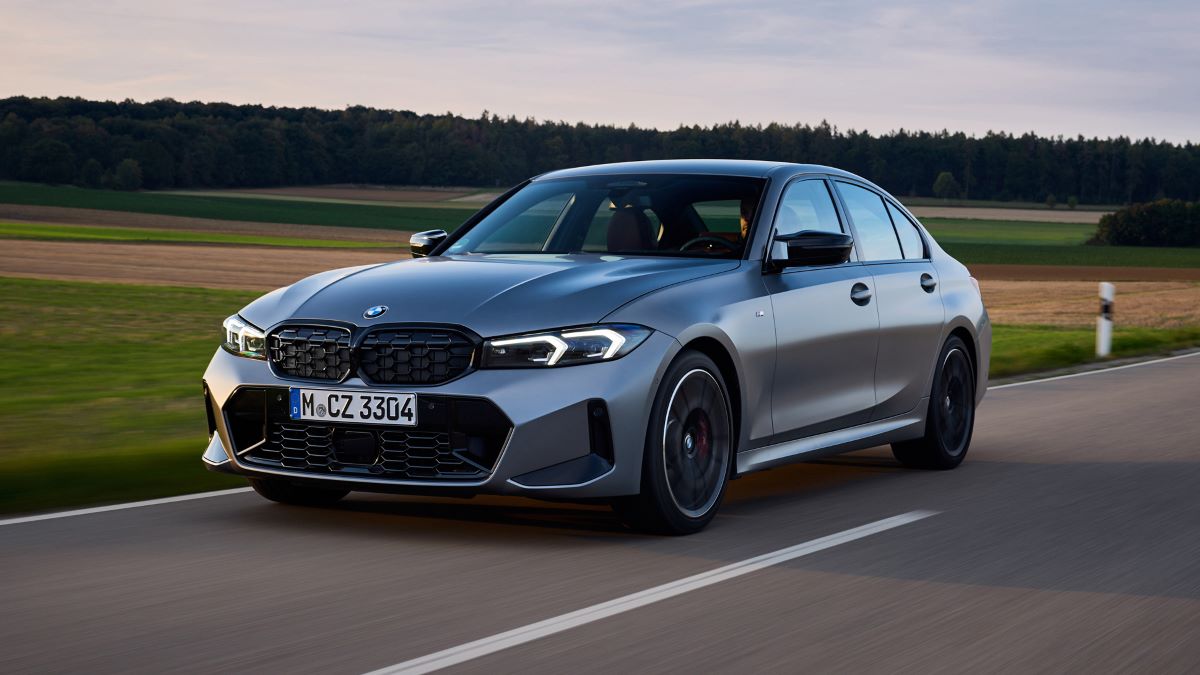
The BMW 3 Series is a luxury sedan that consistently results in higher insurance rates for teen drivers due to a combination of brand prestige, repair costs, and performance capabilities. Luxury vehicles are generally more expensive to repair, with parts often being rare or requiring specialized labor.
Even lower-powered models of the 3 Series carry higher premiums because insurance companies account for the likelihood of expensive claims in the event of collisions. The car’s responsive handling and sporty nature can also be challenging for inexperienced drivers, further increasing risk.
Families purchasing a BMW 3 Series for a teen driver should be prepared for significantly higher insurance costs compared with non-luxury alternatives.
The 3 Series’ appeal to young drivers contributes to its insurance classification. BMWs are often associated with status, and teens may be attracted to the brand for its style and performance image.
Insurance providers adjust premiums accordingly, as they statistically observe that vehicles with strong brand appeal to teens are more likely to be involved in claims or risky driving behavior. Even cautious teen drivers face higher rates simply due to the vehicle’s profile, reputation, and potential for misuse.
Repair and maintenance expenses solidify the 3 Series as a rate-raising vehicle. Luxury components, such as electronic systems, suspension parts, and premium body panels, are expensive to replace. Labor costs for BMW repairs are also higher due to specialized service requirements.
Even minor accidents can result in costly claims, making insurance premiums significantly higher for teens. This combination of risk factors, performance, brand appeal, and repair cost makes the BMW 3 Series a less practical option for insurance-conscious families with teen drivers.
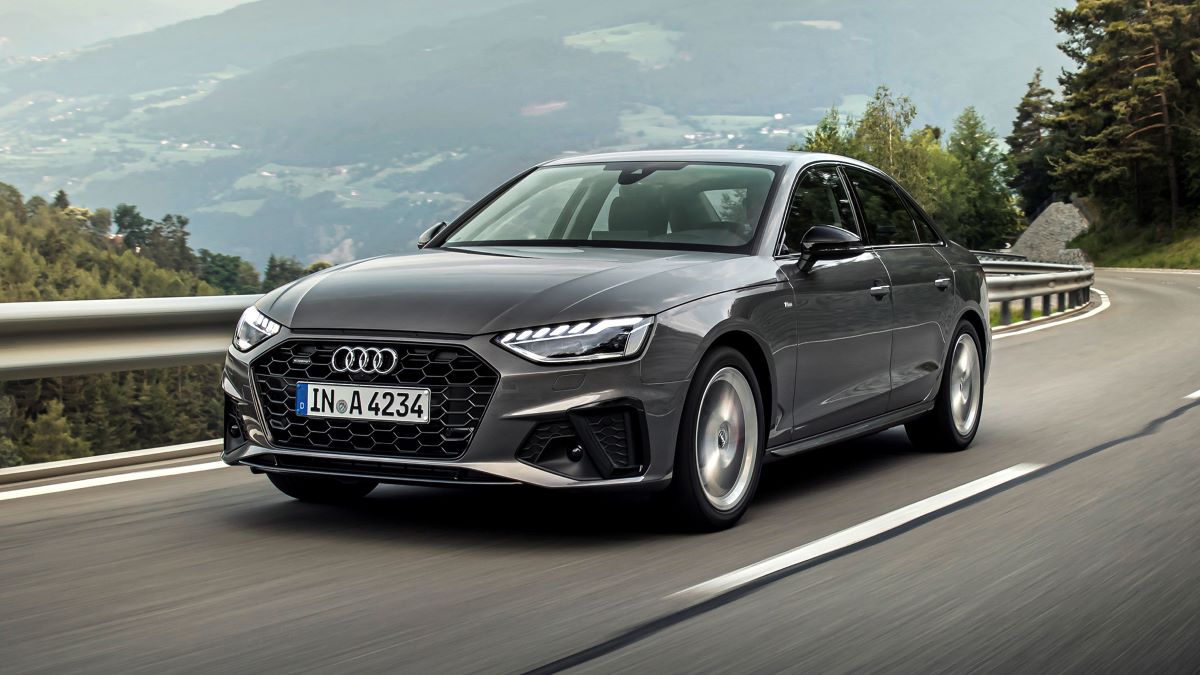
5. Audi A4
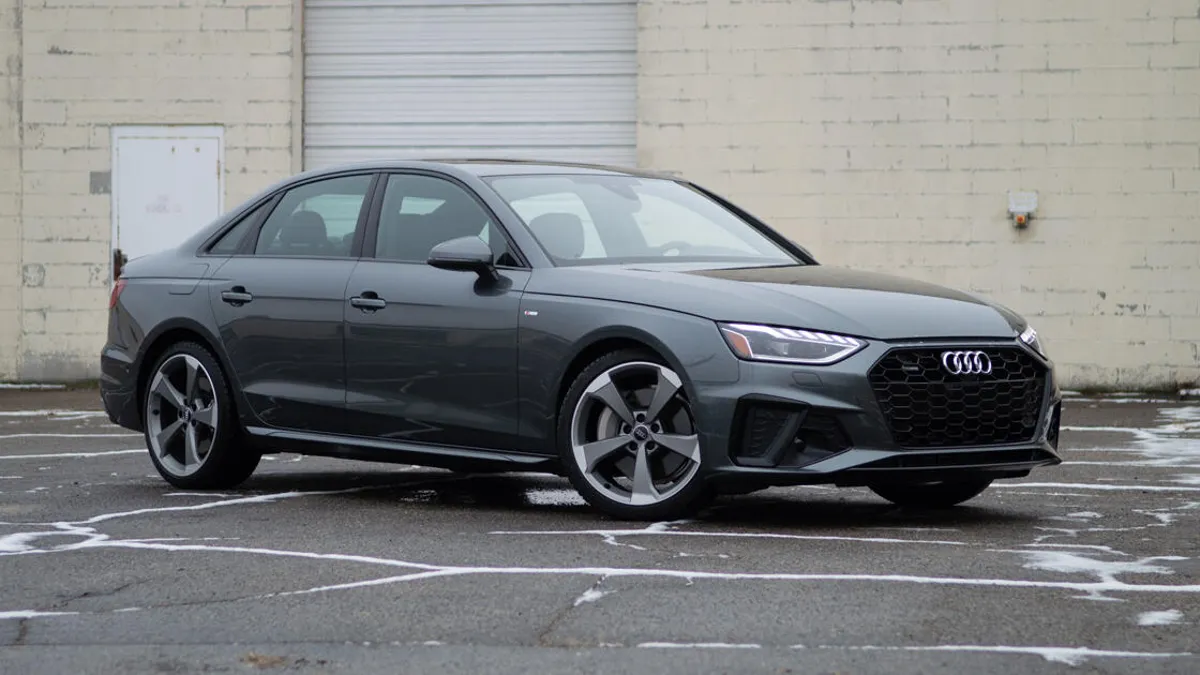
The Audi A4 is a premium sedan that raises insurance rates for teen drivers due to its combination of luxury, performance, and repair costs. The car’s turbocharged engines and sporty handling can be challenging for inexperienced drivers, leading insurers to view it as a higher-risk vehicle.
Additionally, replacement parts for Audi models are often expensive, and labor costs at authorized repair centers add to repair expenses. Insurance companies factor in these costs, resulting in significantly higher premiums for teen drivers compared with non-luxury vehicles.
Families considering the Audi A4 for their teen must account for both the performance-related risk and the financial implications of repairs or claims. Insurance companies factor in these costs, resulting in significantly higher premiums for teen drivers compared with
Performance features such as turbocharged acceleration and agile handling contribute to higher insurance premiums. Teen drivers may not have the experience to manage these capabilities safely, increasing the likelihood of collisions or oversteering incidents.
Even advanced safety features cannot completely mitigate the risks associated with higher-powered, luxury vehicles. Insurance companies account for this elevated risk when setting rates for teen drivers.
Finally, the cost of repairing or maintaining an Audi A4 adds to its insurance impact. Premium components, electronic systems, and specialized labor make repairs costly even for minor accidents.
Combined with the higher probability of claims due to the car’s appeal and performance, this leads to significantly higher insurance premiums for teen drivers. Families seeking to manage insurance expenses are generally advised to choose more modest, practical, and repair-friendly vehicles instead of the Audi A4 for new drivers.
