
Children bring joy, laughter, and energy into the lives of parents, but they also bring mess. Snacks drop, drinks spill, and little hands transfer sticky fingerprints across seats and dashboards. For many parents, the daily challenge of keeping a car clean can feel overwhelming, especially when children are involved in long trips, school commutes, or weekend outings.
While every vehicle will eventually see crumbs, spills, and dirt, some cars are far better equipped to handle these challenges. Families often seek cars with interiors designed to be wiped down easily, materials that resist staining, and layouts that minimize the accumulation of debris in hard-to-reach places.
On the other hand, some cars, despite their performance or style, quickly become crumb-filled territories where every journey feels like a cleanup mission afterward. Understanding which cars fall into these two categories can make a significant difference in day-to-day family life, saving both time and stress.
Choosing a car for a family involves more than fuel efficiency, safety ratings, or cargo space. Interior materials and design play a vital role in daily usability. Leather or leatherette seats, water-resistant fabrics, and minimal seams are much easier to clean than cloth or textured surfaces that trap crumbs and stains.
Certain features such as removable floor mats, wide door openings, and rear seat ventilation also contribute to keeping a car interior manageable.
Parents who spend hours managing school runs, playdates, and weekend trips benefit enormously from interiors that simplify maintenance. Conversely, vehicles with complicated seat designs, deep crevices, or non-resistant fabrics often turn into crumb cities within weeks of regular family use.
In this article, we will examine five cars that offer easy-clean interiors, making family travel less stressful, and contrast them with five vehicles that tend to accumulate crumbs, stains, and dirt despite the owner’s best efforts.
We will discuss the features that make certain interiors easy to maintain, from seat materials to storage solutions, as well as the elements that make some cars more prone to mess.
By providing this comparison, parents can make informed decisions based not only on aesthetics and performance but also on the practical realities of living with children.
Whether you are in the market for a new family vehicle or simply want to understand why certain cars handle mess better than others, this guide offers detailed insight.
Selecting the right car for families is about balancing many factors, but ease of cleaning is often overlooked until parents experience the frustration of sticky seats and spilled snacks firsthand.
Vehicles with thoughtful designs can drastically reduce the time and effort required for daily maintenance, while poorly designed interiors often exacerbate the challenges of parenthood on the go.
By evaluating the characteristics of both easy-clean interiors and crumb-prone vehicles, families can save time, maintain hygiene, and enjoy more comfortable trips.
The following sections highlight examples of both categories and explain why they perform as they do, providing practical guidance for those navigating the sometimes messy world of family driving.
Five Cars with Easy-Clean Interiors

1. Honda CR-V
The Honda CR-V has long been a favorite among families, and one of the key reasons is its thoughtful interior design that makes cleaning remarkably simple. The seating materials play a huge role in this, as many trims feature leatherette upholstery that can be wiped down quickly after a spill or sticky snack incident.
Even the cloth versions are designed with tightly woven fabrics that resist absorbing liquids immediately, which can give parents a few extra minutes to respond to an accident without permanent staining.
Beyond the seats themselves, the CR-V’s dashboard and door panels are made from smooth, durable plastics that can be cleaned with a damp cloth in just a few minutes.
Parents often report that even after weeks of heavy use, including children spilling juice or dropping cereal, the interior still looks surprisingly neat due to these material choices.
The CR-V’s interior layout is another factor that contributes to its easy-clean credentials. Wide rear doors and ample legroom allow parents to reach back easily to retrieve toys, wipe down surfaces, or adjust car seats without struggling in tight spaces.
Cup holders, storage bins, and door pockets are positioned thoughtfully, meaning that small items such as juice boxes, crayons, or small snack packets are less likely to tumble into hard-to-reach crevices.
Additionally, the rear seats are elevated slightly in a way that prevents crumbs from slipping into deep gaps, which is a common issue in many other vehicles.
These small but significant design choices make day-to-day cleaning much more manageable, reducing frustration for parents and keeping the car organized even during long trips with multiple children.
Another reason the Honda CR-V excels is the practicality of its cargo area. The flat, low-floor design accommodates protective mats or trays, which are particularly useful for transporting groceries, sports gear, or strollers without allowing spills or dirt to reach the carpet underneath.
The fold-flat rear seats also provide flexibility, making it easier to vacuum or wipe down areas that would otherwise be difficult to reach. Parents who regularly carry a variety of items appreciate that these features prevent debris from being trapped in corners or under seats, significantly reducing the amount of time spent on cleaning and maintenance.
The CR-V’s attention to detail ensures that even families with highly active children can maintain a tidy environment with minimal effort.
Finally, the Honda CR-V is designed with surfaces that resist staining and wear, which is a major benefit for families with kids. Synthetic leather and high-quality plastics are both resilient and forgiving, capable of withstanding repeated wiping without discoloration or damage.
This resistance to wear is particularly important for parents who face daily exposure to juice, snacks, and mud. Combined with a smart interior layout, accessible seating, and easy-to-remove floor mats, the CR-V provides a solution for families seeking a practical and low-maintenance vehicle.
The result is a car that remains visually appealing and functional, even in the face of the inevitable messes that accompany family life.
2. Toyota RAV4
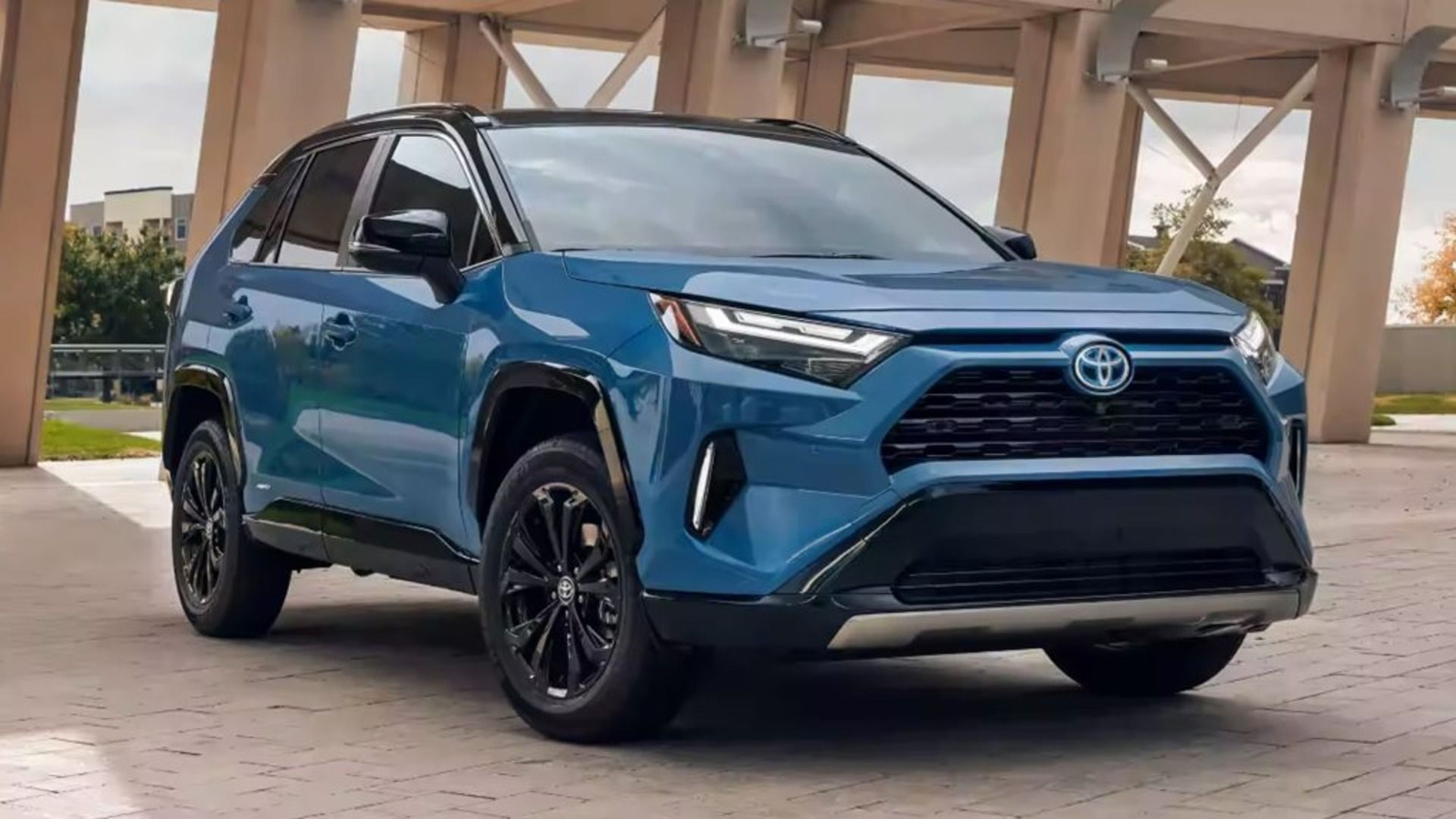
The Toyota RAV4 has earned widespread acclaim for its combination of reliability, style, and family-friendly features, and its interior is no exception. Many trims offer leather or synthetic leather seating surfaces that are extremely easy to wipe down after spills, while fabric seats are often treated with stain-resistant coatings to prevent liquids from soaking in.
Rubber or all-weather floor mats are either standard or easily installed, which makes them ideal for handling muddy shoes, wet clothing, or dropped snacks. The RAV4’s cabin materials are not only durable but also forgiving, meaning parents can address spills quickly without worrying about permanent stains or damage to the surfaces.
The vehicle’s layout adds another layer of convenience for families. Rear seats have flat backs and minimal seams, which helps prevent crumbs, small toys, and other debris from becoming lodged in hard-to-reach areas.
Cup holders are deep and strategically located to minimize tipping and accidental spills, and door pockets and center console compartments are smooth and easy to clean. Parents find that the wide openings of the rear doors make reaching back to clean or retrieve items straightforward, even when car seats or booster seats are installed.
The combination of thoughtful layout and practical storage solutions makes the RAV4’s interior significantly easier to maintain than many competing vehicles in its class.
The cargo area is another aspect where the RAV4 excels. The flat floor and low lift-over height allow for easy addition of rubber or vinyl liners that protect the carpet from dirt, moisture, or accidental spills.
Fold-flat rear seats create extra space for cleaning or organizing protective covers, allowing parents to reach corners and crevices that are often overlooked in other vehicles.
This setup also makes it easier to transport strollers, sports equipment, or groceries without creating messes elsewhere in the cabin. Many families appreciate how these design choices prevent dirt from accumulating in hidden spaces, saving time and effort during routine cleaning.
Durability is a final advantage for families considering the RAV4. Door panels, dashboard, and seat surfaces resist scratches, fading, and staining, which allows for repeated cleaning without compromising appearance or functionality.
Even frequent exposure to children, pets, or outdoor adventures does not significantly degrade the quality of the materials, meaning parents can maintain a visually appealing interior with minimal stress.
With its combination of practical layout, stain-resistant materials, and thoughtful cargo solutions, the Toyota RAV4 is a reliable choice for parents seeking a family vehicle that stays cleaner longer.

3. Subaru Outback
The Subaru Outback combines rugged utility with practical family-oriented interior features that make cleaning a far less daunting task than in many other vehicles. Leather or synthetic leather seats, standard in many trims, can be wiped down quickly after spills, while tightly woven fabric options resist liquids and crumbs from embedding deeply into the fibers.
Rubber floor mats fit snugly within the footwells, preventing dirt, sand, or wet debris from spreading to the carpet. Parents who take their children on outdoor adventures appreciate that the Outback’s materials are both durable and forgiving, with surfaces that withstand repeated cleaning without showing wear.
The interior layout of the Outback is highly functional for families. Wide rear doors, flat seat bases, and ample legroom allow parents to reach back easily for cleaning or adjusting car seats. Storage compartments, cup holders, and door pockets are positioned for maximum accessibility, reducing the likelihood of snacks or small toys being lost in hard-to-reach places.
Smooth trim panels and flush surfaces further enhance ease of cleaning, as dust, crumbs, and spills can be quickly wiped away. These thoughtful design choices minimize the effort required to maintain a clean interior, making it an ideal vehicle for parents managing busy family routines.
The cargo area is another area where the Outback stands out. The low lift-over height and flat load floor make it easy to install protective mats or liners that catch dirt and moisture, particularly useful after outdoor excursions.
Fold-flat rear seats allow parents to vacuum or clean large areas without obstruction, making the process faster and more efficient. Families who frequently transport groceries, sports gear, or pets benefit from the flexibility and durability of the cargo area, as debris can be contained and cleaned with minimal effort.
Subaru also prioritizes materials that endure frequent cleaning. Seat surfaces, door panels, and dashboards resist staining and scratches, maintaining a clean and polished appearance even after repeated exposure to spills, sticky hands, and crumbs.
The combination of durable materials, practical layout, and accessible design makes the Outback a vehicle that consistently supports families who want to keep their cars tidy without sacrificing comfort or utility.
Parents often find that this balance of rugged capability and easy maintenance makes the Outback one of the most stress-free vehicles for families on the move.
4. Kia Sorento
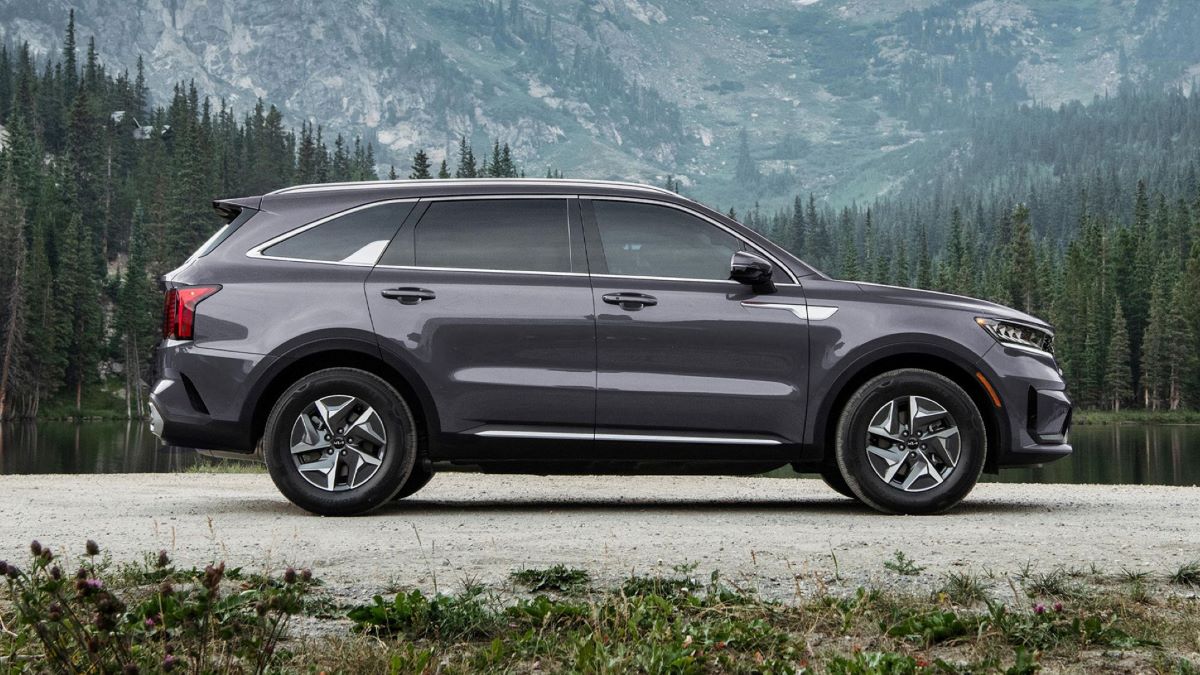
The Kia Sorento offers a spacious, versatile, and family-oriented interior designed to simplify cleaning and reduce stress. Many trims feature leatherette or high-quality synthetic seats that can be wiped down quickly, while cloth options are tightly woven and treated to resist absorbing liquids and crumbs.
Rubber or washable floor mats are easy to remove and clean, making them ideal for managing muddy shoes, spilled snacks, or wet clothing. These thoughtful material choices ensure that parents can address messes quickly and efficiently, reducing the frustration that comes with regular family use.
Interior layout further enhances the Sorento’s practicality. Rear seats have smooth backs, minimizing areas where crumbs or small items can become trapped. Wide rear doors allow parents to reach children easily and clean around car seats without awkward stretching.
Cup holders, door pockets, and center console areas are designed to be accessible and easy to wipe, reducing the chance that liquids or food debris will accumulate. These small but important design choices contribute significantly to reducing daily maintenance time for parents.
The cargo area is another standout feature of the Sorento. Rubber or vinyl liners can be added to prevent dirt and spills from reaching the carpet.
Fold-flat rear seats create flat surfaces that make vacuuming or wiping down the cabin easier, and the wide rear hatch allows for effortless loading and unloading of groceries, strollers, and sports equipment.
Parents consistently report that this combination of cargo flexibility and accessible interior surfaces simplifies the cleaning process and helps maintain order even in a busy family environment.
Finally, the Sorento emphasizes durability and longevity in its materials. Seat surfaces, door panels, and dashboards resist staining, scratches, and fading, allowing repeated cleaning without visible wear.
Coupled with its spacious layout, accessible storage, and practical features, the Kia Sorento provides an environment that supports families in keeping their cars clean and organized.
Parents often note that this durability, combined with user-friendly design, reduces the stress of family travel while ensuring a tidy, comfortable space for all passengers.
5. Chrysler Pacifica
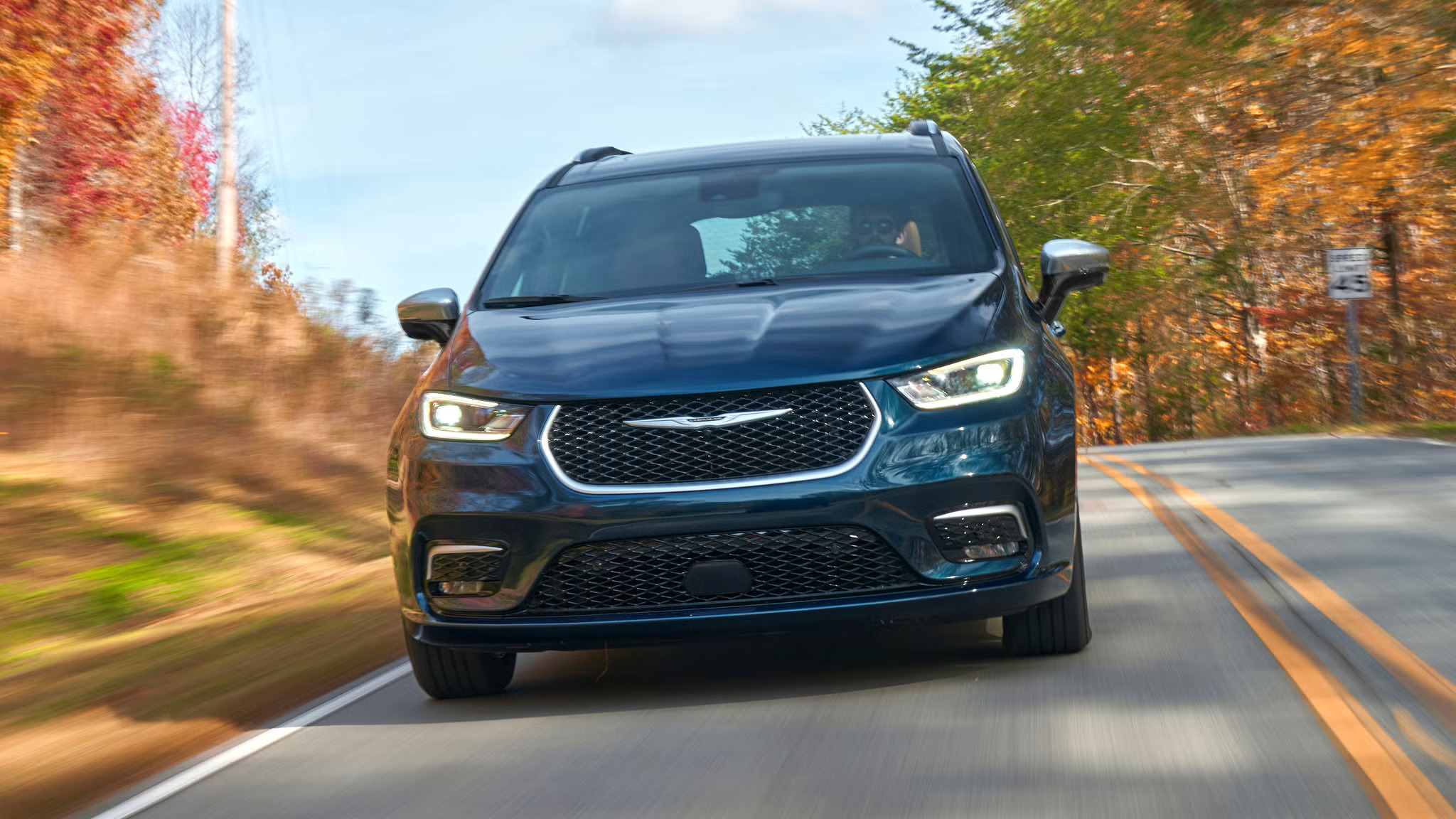
The Chrysler Pacifica minivan is widely recognized for its family-friendly interior, particularly for ease of cleaning and organization. Many trims offer Stow ‘n Go leatherette seating, which can be wiped down quickly after spills or sticky messes. Rubberized floor mats are removable and water-resistant, perfect for muddy shoes, spilled drinks, or dropped snacks.
The design minimizes deep crevices between seats, making it less likely for crumbs, small toys, or debris to become trapped. Parents consistently praise the Pacifica for maintaining a clean interior even after weeks of heavy use by children.
The layout of the Pacifica is especially practical. Wide sliding doors allow parents to reach rear seats without difficulty, while smooth dashboard surfaces, center consoles, and door panels are simple to wipe clean.
Cup holders and storage compartments are strategically positioned to reduce spills and allow children easy access without creating unnecessary mess.
These features contribute to the minivan’s reputation as a low-maintenance family vehicle, particularly in comparison to many SUVs or smaller cars that require frequent cleaning of tight or awkward spaces.
Finally, the Pacifica’s materials are built to endure frequent cleaning. Leatherette surfaces, high-quality plastics, and durable trim resist staining, scratches, and fading, ensuring that the interior remains visually appealing over time.
The combination of practical layout, accessible storage, and family-oriented features makes the Pacifica an excellent choice for parents seeking a minivan that stays clean and organized.
With this vehicle, parents can focus less on cleaning and more on enjoying time with their children, confident that the interior is equipped to handle everyday messes.
Five Crumb Cities

1. Jeep Wrangler
The Jeep Wrangler is renowned for its rugged style and off-road capability, but when it comes to family use, its interior can quickly become a crumb city. Cloth seats, while comfortable, tend to have deep textures and seams where crumbs, dirt, and sand can easily lodge.
Children eating snacks in the back can deposit debris into the fibers, making vacuuming a tedious task. Even minor spills can soak into the fabric, leaving stains that require repeated cleaning or specialized products to remove.
The Wrangler’s carpeted floor, combined with uneven surfaces around the footwells, also contributes to the accumulation of dirt and small debris.
The cargo area presents additional challenges. The wheel wells intrude into the storage space, creating corners that trap dirt, sand, and crumbs. Rubber mats may be available, but the uneven floor and small dimensions limit their effectiveness.
Fold-flat rear seats are limited in some Wrangler models, meaning that vacuuming or wiping down hard-to-reach areas can be difficult. Families who frequently transport sports gear, grocery bags, or outdoor equipment often find debris accumulating in these challenging spaces.
Durability is another concern for parents seeking a family-friendly vehicle. While the Wrangler’s materials are designed for rugged outdoor use, they are not optimized for cleaning sticky spills, melted chocolate, or juice.
Fabric seats can absorb liquids quickly, and some plastic panels have textured surfaces that catch crumbs and dirt. Combined with the narrow access points and irregular storage compartments, this makes the Wrangler an interior that can deteriorate in cleanliness rapidly when used by children, earning its reputation as a crumb city.
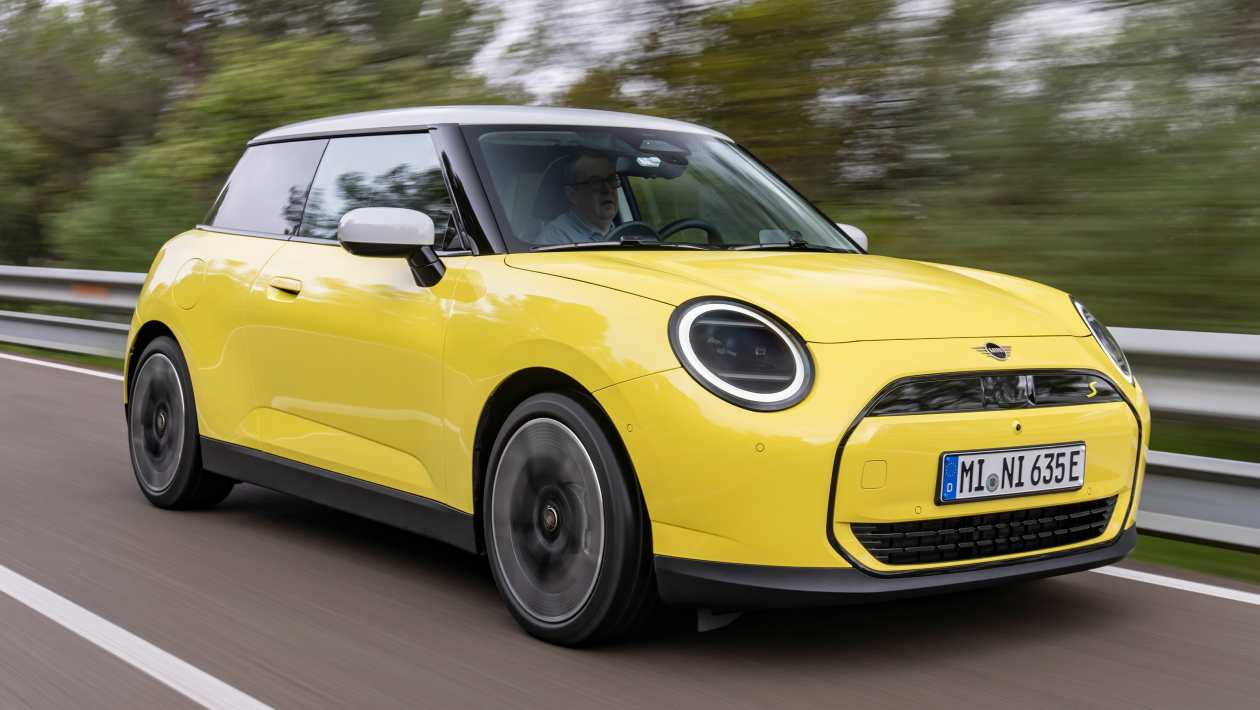
2. Mini Cooper
The Mini Cooper is stylish, compact, and fun to drive, but its small size and interior layout make it difficult to maintain when children are passengers. Cloth seats are common in base trims and tend to absorb crumbs and liquids quickly, while leatherette versions have numerous seams that can trap small debris.
The limited floor space means that crumbs, dirt, and snack remnants often end up wedged between seats or under the mats. Even small spills require precise attention to prevent staining, which is challenging in a vehicle with such tight dimensions.
Access to the rear seats is another factor that contributes to mess. The rear doors are small, making it hard to reach back to clean surfaces or retrieve dropped items.
Cup holders are shallow and awkwardly positioned, leading to frequent spills when children use drinks or snack containers. Storage compartments are minimal, and what exists is often difficult to clean due to narrow openings and tight corners. Parents quickly notice that the interior becomes cluttered and crumb-filled after even a short trip.
Finally, the Mini Cooper’s materials are not optimized for heavy family use. Plastic trim surfaces may show fingerprints and smudges easily, and fabric seats quickly trap crumbs and liquids.
While the vehicle is celebrated for its compact size and driving experience, these design elements make it particularly prone to becoming a crumb city for families with children, requiring frequent and detailed cleaning to maintain order and hygiene.
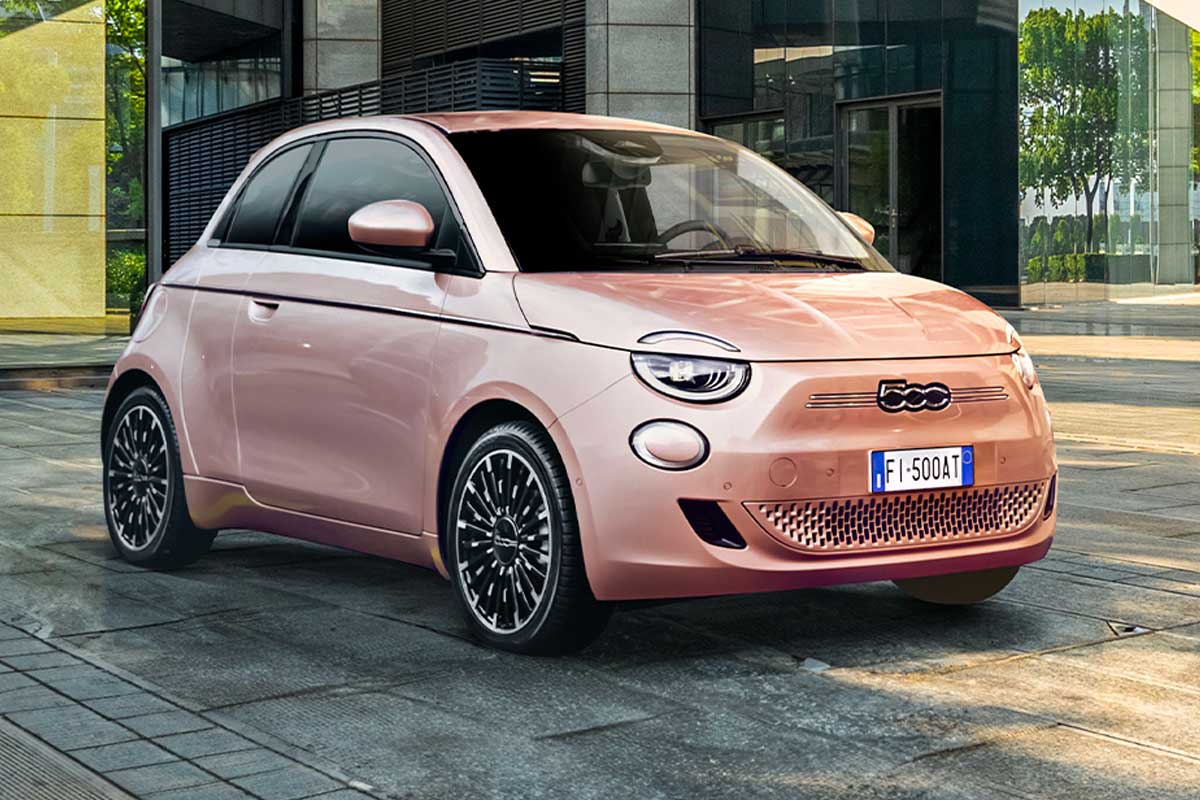
3. Fiat 500
The Fiat 500 is another small, stylish car that struggles with family-friendly practicality, particularly when it comes to cleanliness. Its compact interior and fabric seats with multiple seams create numerous places for crumbs and small debris to hide.
Children eating in the back can quickly scatter food particles into these tight spaces, making cleaning time-consuming and difficult. The limited seat padding and proximity of passengers also mean that spills spread easily across surfaces. Even minor snack accidents can create stains that are hard to remove completely.
Access to the back seats in the Fiat 500 is particularly challenging. Narrow doors and limited legroom make reaching children or cleaning seats an awkward process. Cup holders and storage areas are shallow and small, which increases the likelihood of tipped drinks or snacks spilling onto the floor.
Small compartments, while designed to maximize space, often catch crumbs and dust, creating hidden messes that require a detailed and methodical cleaning approach. Parents frequently report that despite best efforts, dirt and food remnants accumulate in hard-to-reach areas.
Finally, the Fiat 500’s materials make cleaning more difficult. Fabric seats, textured plastics, and tight seams resist easy wiping, meaning that crumbs, juice, and dust can linger despite repeated cleaning attempts.
While the car is praised for its compact and fun design, these interior characteristics make it poorly suited for families with young children, and it often earns the label of a “crumb city” due to the difficulty of maintaining a tidy, hygienic interior.
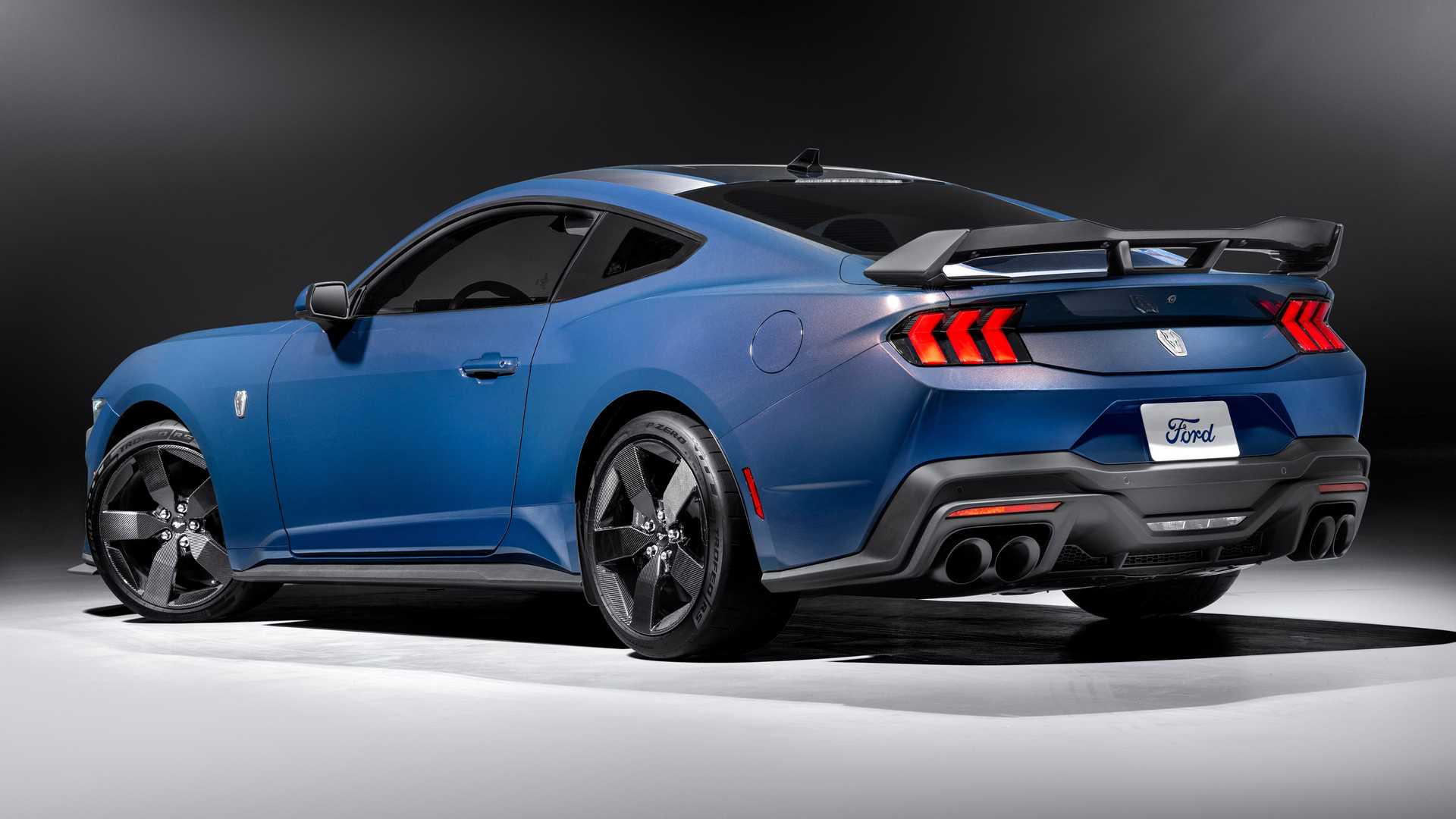
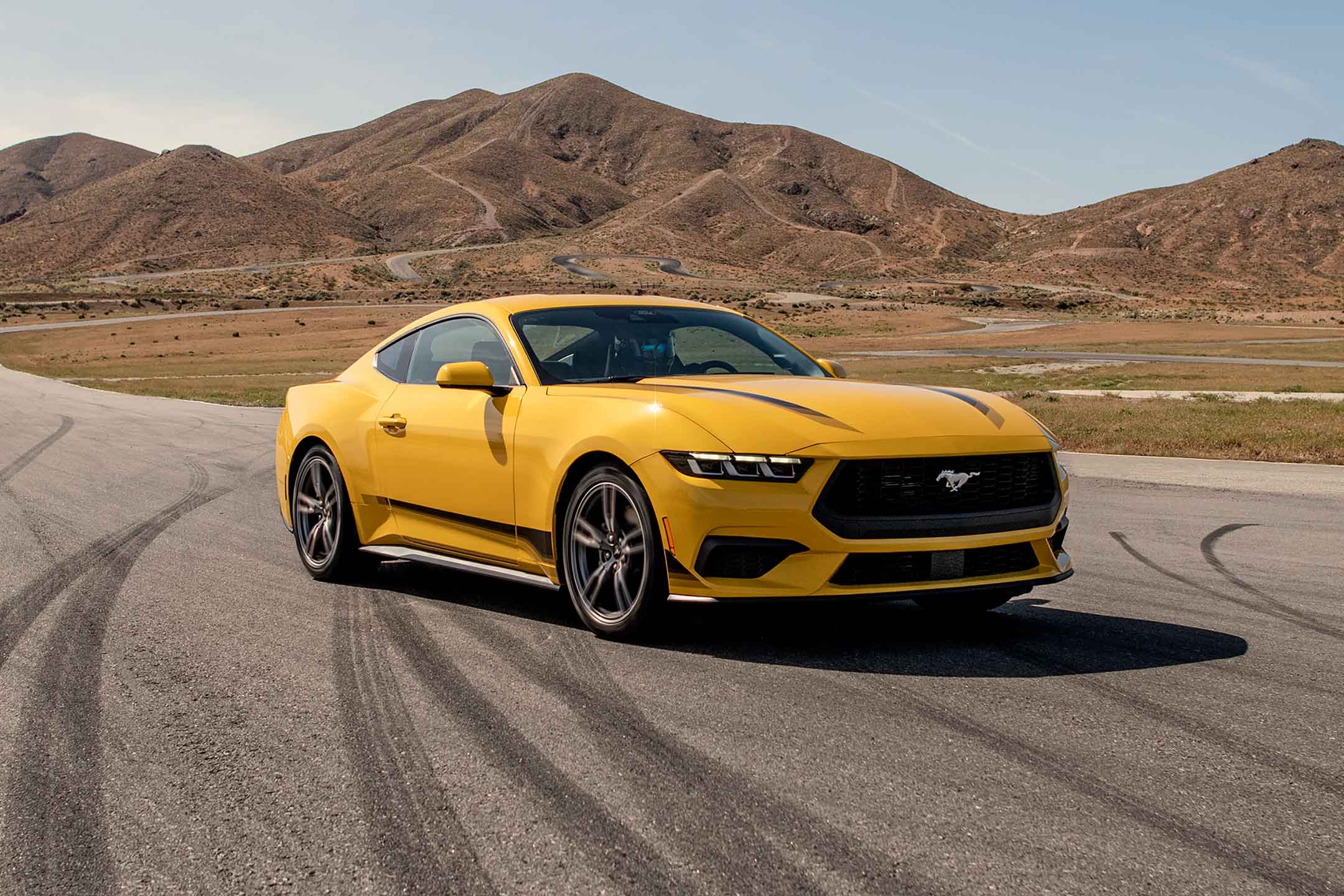
4. Ford Mustang
The Ford Mustang is a performance-focused vehicle with a sporty interior, but families quickly find that it is not ideal for keeping clean with children. The seats, especially in cloth or standard trims, have textured surfaces and multiple seams that trap crumbs, dirt, and small debris.
Leather options, while slightly easier to clean, often have intricate stitching that can catch crumbs and food particles. Floor mats may cover only part of the footwell, leaving exposed carpet that absorbs spilled liquids and crumbs, creating additional cleaning challenges.
Access to the rear seats is extremely limited, making it difficult to manage messes in the back. The shallow, small rear doors and minimal legroom prevent parents from reaching back to clean or retrieve dropped items without contorting themselves.
Cup holders and storage compartments are also limited, resulting in drinks and snacks spilling onto seats or floor areas. Even with careful supervision, the Mustang interior tends to accumulate crumbs and sticky residues that require frequent vacuuming and spot cleaning to maintain a clean environment.
Finally, the Mustang’s materials are designed for style and sportiness rather than family practicality. While leather and plastics are attractive, textured surfaces and small crevices make it hard to clean crumbs and spills effectively.
Even with careful maintenance, the vehicle tends to accumulate mess quickly, earning a reputation as a crumb city for families. Parents who prioritize cleanliness often find the Mustang’s interior less than ideal for children due to these inherent design limitations.
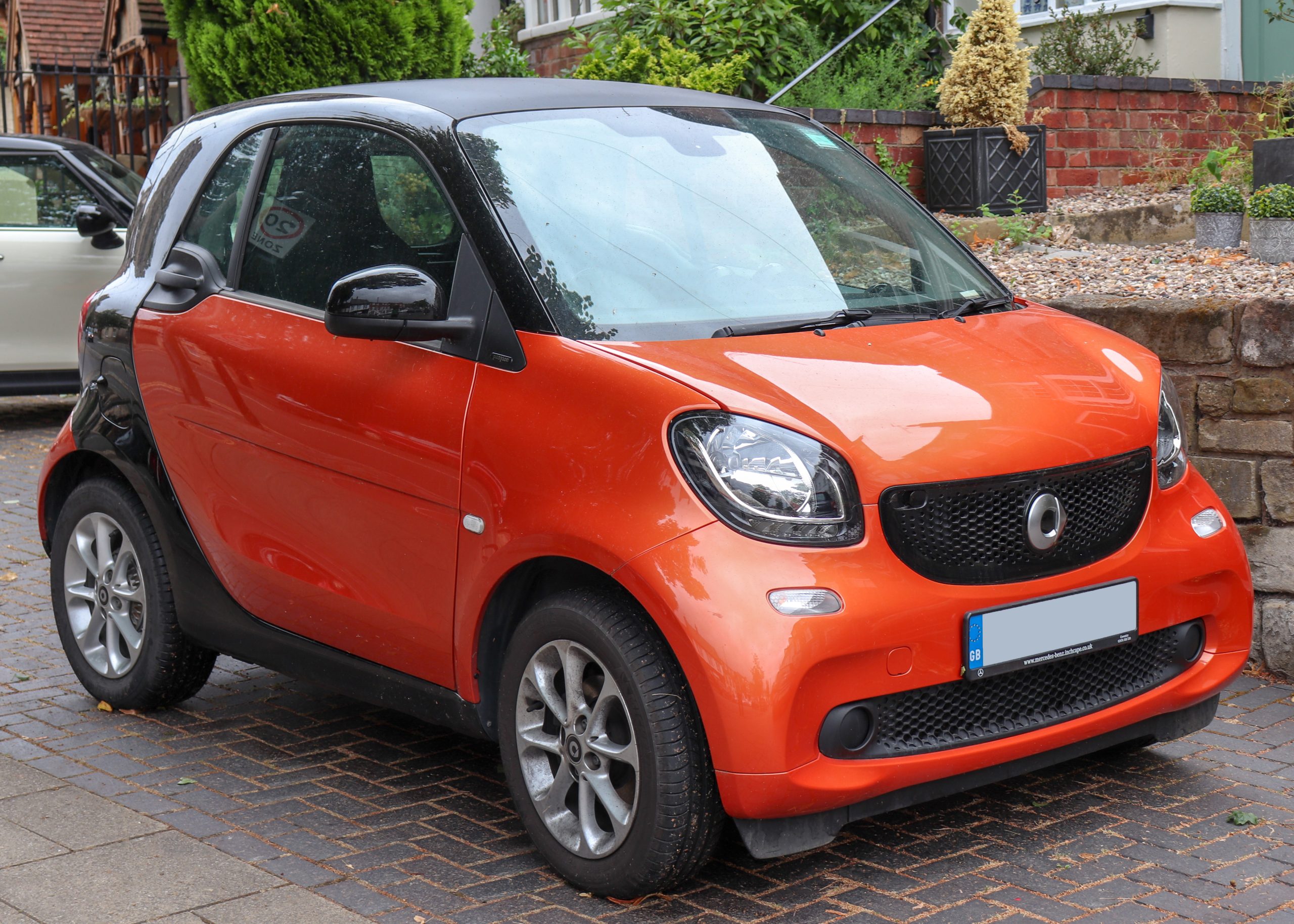
5. Smart Fortwo
The Smart Fortwo is a tiny, urban-focused vehicle that prioritizes compact design and maneuverability, but it is extremely challenging to maintain a clean interior with children.
The two-seater layout leaves very little space for anything beyond the essentials, meaning that any spilled food, drink, or crumbs end up concentrated in the limited floor area.
Fabric seats with seams and textures trap dirt and debris quickly, and spills can spread across both the seats and small floor mats, creating persistent messes that are difficult to clean thoroughly.
Access to the seats is challenging due to narrow doors and extremely tight legroom. Parents trying to reach the back or adjust child seats often struggle, making it difficult to clean spills immediately or remove debris efficiently.
Cup holders and storage compartments are minimal, shallow, and awkwardly positioned, which increases the likelihood of spills or dropped items landing on the floor or under seats. These limitations make day-to-day maintenance considerably more time-consuming and frustrating for families.
Finally, the materials used in the Smart Fortwo, while durable for city driving, are not optimized for frequent cleaning or family use.
Fabric and textured plastics trap crumbs and dust, making thorough cleaning difficult due to the small interior. For parents trying to maintain a tidy car with children, the Fortwo quickly becomes a crumb city, highlighting the challenges of combining compact design with family practicality.
