
Choosing the right car as a student can be one of the most practical decisions you make, but it can also be one of the trickiest. For many students, a car is more than just a means of transportation; it is a tool that offers freedom, convenience, and a measure of independence.
Yet, at the same time, owning a car comes with costs, responsibilities, and considerations that can quickly overwhelm someone on a tight budget. Between tuition, books, living expenses, and personal spending, adding a vehicle to the mix requires careful planning.
One of the key challenges students face is balancing affordability with reliability. The ideal student car must not only be within financial reach but also cost-effective in terms of fuel efficiency, insurance, and maintenance. Choosing poorly can turn a car into a financial burden rather than a helpful companion.
Small cars often fit this role perfectly because they are generally cheaper to purchase, easier to park in crowded urban areas, and consume less fuel. Additionally, small vehicles are often easier to handle for younger drivers, which can provide peace of mind for students and their families.
Yet, not every small car is a good choice. Some models may appear budget-friendly at first glance but come with hidden expenses that can quickly drain a student’s finances. Conversely, some slightly more expensive options can offer long-term savings and reliability, making them better investments despite the initial price tag.
Another important factor is insurance. Student drivers often face higher premiums due to age and experience, so choosing a car that is inexpensive to insure can significantly reduce monthly costs.
Understanding the difference between practical choices and potential money traps is essential. While the market offers countless options, there are clear examples of vehicles that combine affordability, reliability, and efficiency, making them excellent student cars.
On the other hand, there are vehicles that, despite being small or cheap initially, come with expensive repairs, poor fuel efficiency, or higher insurance rates. Evaluating these factors thoughtfully can prevent students from making regrettable decisions that affect their finances for years.
This article will provide a comparison by listing five small cars that are ideal for students and five vehicles that tend to become money traps, highlighting what makes them advantageous or problematic.
By examining both sides, students and parents can make informed decisions and enjoy the benefits of car ownership without the burden of excessive costs or stress.
5 Small Cars Perfect for Students
1. Honda Fit
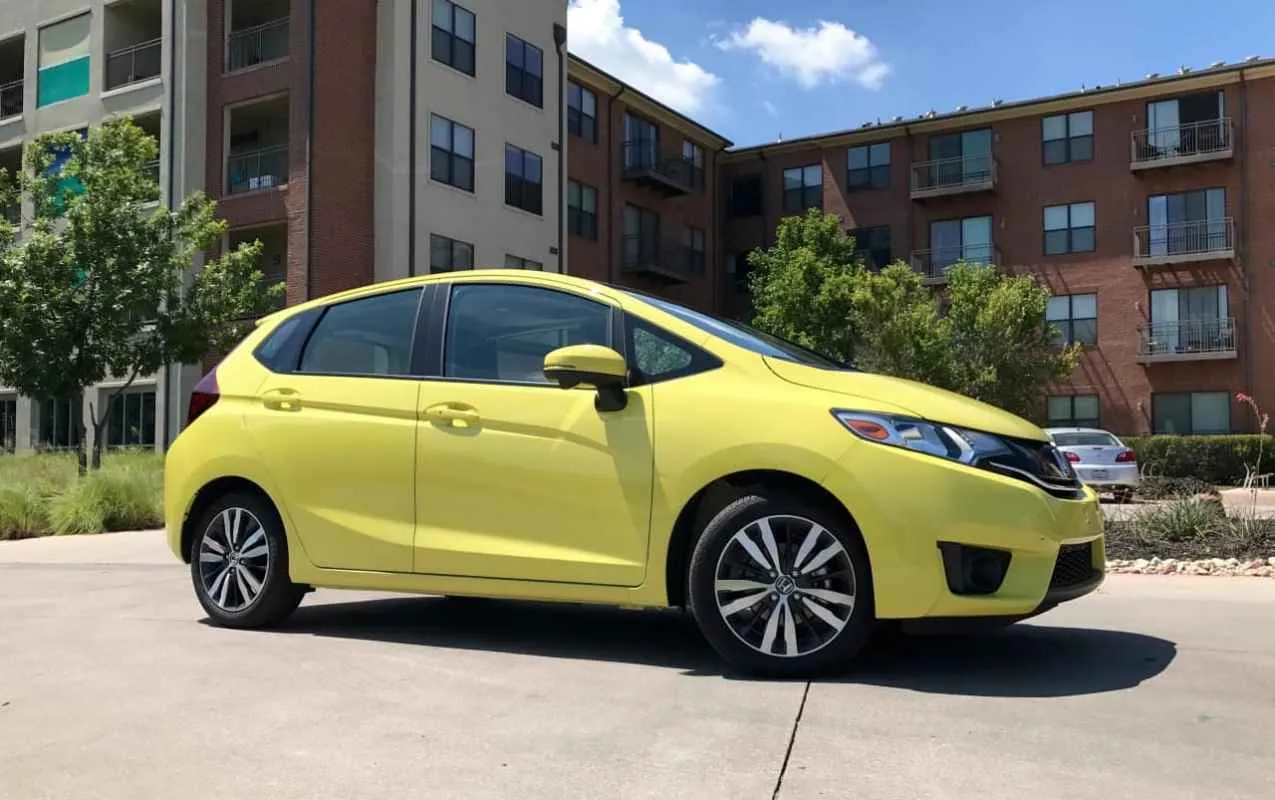
The Honda Fit has earned a reputation as one of the most practical small cars for students due to its combination of reliability, versatility, and thoughtful engineering. Its compact size makes it ideal for navigating tight city streets, avoiding traffic congestion, and parking in limited spaces, which can be a real lifesaver in urban campuses or crowded college towns.
The hatchback design adds a layer of practicality that many other small cars lack. Students often find themselves moving items such as bicycles, sports equipment, boxes of books, or even furniture during moves, and the Fit’s flexible interior allows the rear seats to fold in multiple configurations, creating more cargo space than one would expect from a car of its size.
This adaptability makes the vehicle not just a mode of transportation but a functional tool for everyday student needs, balancing convenience with practicality.
Fuel efficiency is another key strength of the Honda Fit, with many models providing impressive mileage both in city driving and on the highway. Students typically have tight budgets, and a car that consumes less fuel is a practical advantage that can directly translate into monthly savings
. The small engine does not compromise comfort or drivability, as the Fit offers smooth handling, responsive acceleration for city streets, and stability at higher speeds. Additionally, its intuitive controls and strong visibility make it easier for new drivers to feel confident on the road.
These features collectively create a vehicle that is manageable, safe, and budget-conscious, all qualities that are particularly important for younger drivers navigating their first experiences with car ownership.
The Honda Fit is also recognized for its low maintenance and repair costs. Its well-built engine and durable components mean fewer unexpected breakdowns, which is crucial for students who cannot afford frequent or costly repairs. Replacement parts are widely available and relatively inexpensive compared to many other cars, reducing both downtime and expenses.
Insurance costs are also generally reasonable for the Fit, making it a realistic option for student drivers who might otherwise face higher premiums due to age and driving experience.
Combined, these factors ensure that the Fit is not just affordable upfront but continues to provide long-term value, minimizing the financial strain often associated with owning a car while in school.
Taken as a whole, the Honda Fit delivers a balance of affordability, reliability, practicality, and low ongoing costs that make it an ideal choice for students.
Its compact yet versatile design, excellent fuel economy, and manageable maintenance needs allow students to focus on academics and extracurricular activities without worrying about transportation issues.
For anyone seeking a small car that meets daily demands, fits within a budget, and maintains dependable performance over time, the Fit stands out as a clear and sensible option.
Its combination of features provides a level of utility and peace of mind that makes it more than just a small vehicle; it becomes a dependable companion throughout the student years.
2. Toyota Yaris
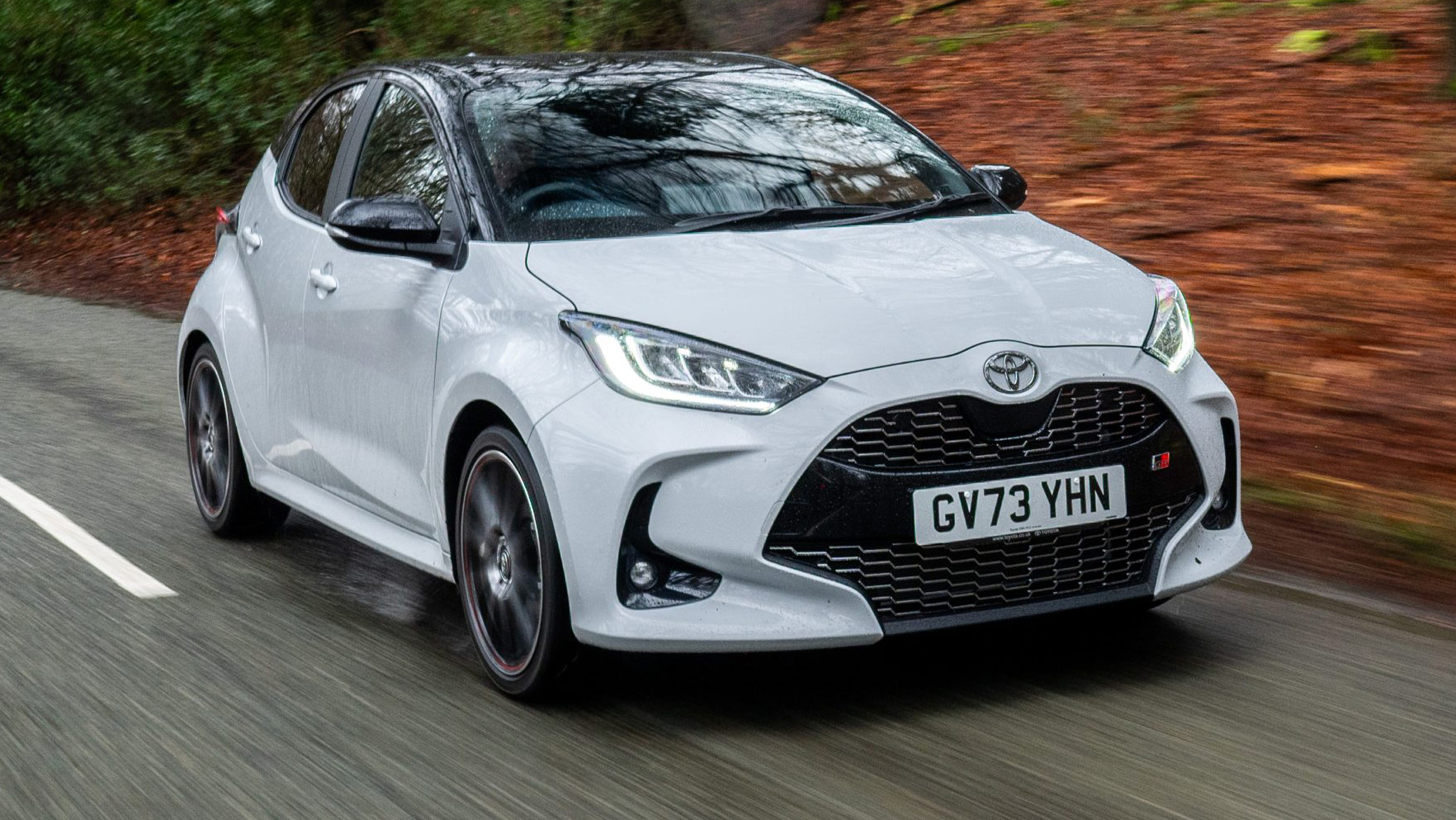
The Toyota Yaris is widely regarded as one of the most dependable and cost-effective small cars available for students. Its compact size makes it a practical option for navigating urban areas, where traffic congestion and limited parking can be daily challenges.
The Yaris is simple to operate, which is especially helpful for first-time car owners who may not have extensive experience with vehicle maintenance or advanced technology features.
The vehicle’s design focuses on functionality without unnecessary complexity, which reduces the learning curve for new drivers and increases safety by allowing them to focus on the road rather than complicated controls or displays.
Its compact dimensions also make it easy to maneuver, providing confidence to students who may be sharing the road with larger vehicles or driving in busy city centers.
Fuel efficiency is a particularly important advantage of the Yaris, especially for students who are managing tight monthly budgets and rely on their cars for daily commuting. Many models achieve excellent miles per gallon in both city and highway driving, which minimizes expenses on gasoline over time.
The car’s performance is stable and predictable, offering sufficient power for highway merging and city acceleration without sacrificing efficiency.
Inside, the Yaris provides comfortable seating for two or three passengers, with enough legroom and headroom for daily commutes, study group trips, or occasional rides with friends. Even though it is compact, it does not feel cramped, and the cabin layout contributes to a comfortable driving experience.
Maintenance costs for the Yaris are generally lower than many other small cars in its class. Toyota’s reputation for reliability means that major repairs are uncommon, and when service is required, it is often straightforward and reasonably priced.
Parts are widely available, which reduces downtime and expense for students who need consistent transportation.
Additionally, the vehicle tends to retain value relatively well, which can be advantageous if a student plans to sell or trade the car after graduation. Low insurance costs further enhance the vehicle’s affordability, making it accessible for younger drivers and those with limited funds.
The Toyota Yaris combines affordability, dependability, and practicality, making it one of the best small cars for students. Its low operating costs, easy maneuverability, and fuel efficiency address the key concerns of student drivers who need reliable transportation without overwhelming their budgets.
For those seeking a car that balances everyday convenience with long-term reliability, the Yaris offers a solid solution that provides comfort, utility, and peace of mind.
3. Hyundai Accent
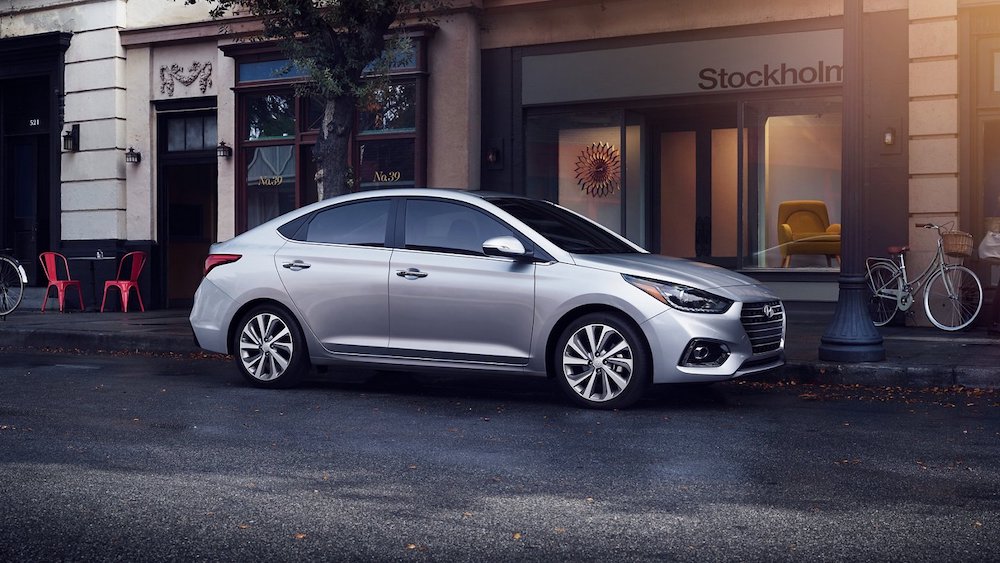
The Hyundai Accent is a small car that successfully balances affordability, fuel efficiency, and modern styling, which makes it a popular choice among students. Its compact size allows for easy navigation in tight city streets and crowded parking lots, while its interior design maximizes passenger comfort and usable space.
The car seats are comfortable and ergonomically designed, providing a smooth ride even over longer commutes or trips between home and campus.
The Accent also manages to offer a stylish appearance without significantly increasing the cost, allowing students to enjoy a modern and appealing vehicle while remaining within budget. Its practicality is enhanced by a straightforward layout of controls and displays, which makes operating the car simple for inexperienced drivers.
Fuel economy is a major advantage of the Accent, which helps students save money on gasoline while commuting or running errands. The engine is engineered for efficiency rather than speed, which aligns well with the needs of a student driver focused on reliability and low operating costs.
Many models are also backed by Hyundai’s generous warranty, which provides coverage for several years and reduces concerns about unexpected repairs.
The combination of a fuel-efficient engine and extended warranty makes the Accent a particularly attractive choice for young drivers looking to maximize value and minimize financial risk.
The Accent also scores well in terms of insurance and maintenance. Insurance premiums for this vehicle are typically reasonable, reflecting its small size and good safety ratings.
Routine maintenance is straightforward and affordable, and parts are generally easy to source, reducing both cost and inconvenience for students who cannot afford frequent trips to the repair shop.
Hyundai’s reputation for building reliable vehicles adds an extra layer of confidence, reassuring students that they are less likely to encounter unexpected breakdowns or costly repairs.
With its mix of affordability, style, and efficiency, the Hyundai Accent provides a strong option for students seeking a small car that can meet all the demands of daily life. Its combination of practicality, low operating costs, and dependable performance makes it ideal for navigating the challenges of student life.
The Accent is not just a vehicle to get from point A to point B; it is a practical and economical solution that helps students manage their limited budgets without compromising comfort or convenience.
4. Ford Fiesta
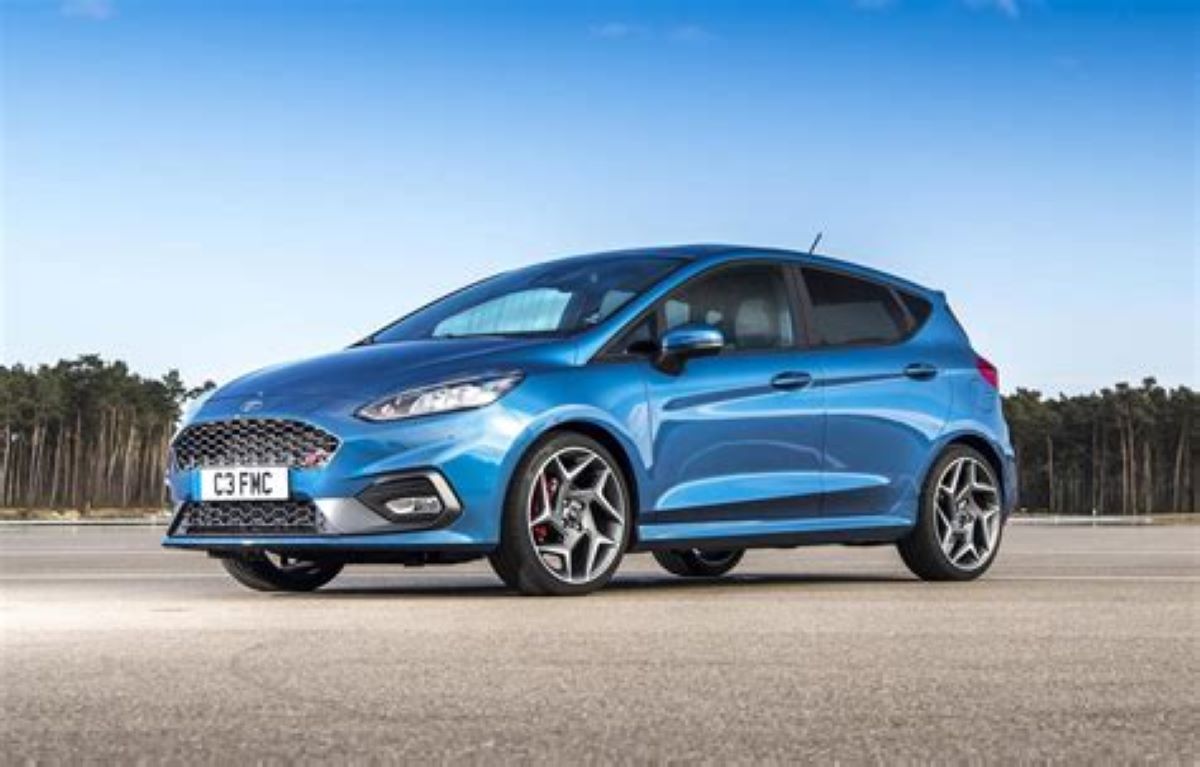
The Ford Fiesta is a compact car that offers a blend of affordability, maneuverability, and enjoyable driving experience, making it a practical choice for students. Its small footprint allows it to navigate city streets with ease, fitting into tight parking spaces and making daily commuting less stressful.
The Fiesta is recognized for its responsive steering and handling, which gives drivers a sense of control and confidence, particularly beneficial for younger drivers who may be less experienced behind the wheel.
Its hatchback versions also provide usable cargo space, allowing students to transport groceries, school supplies, sports equipment, or luggage for trips with minimal difficulty.
Fuel efficiency is one of the Fiesta’s standout features. Its smaller engine consumes less gasoline than many larger or older vehicles, helping students save on one of the more significant ongoing costs associated with car ownership.
The car’s suspension is tuned to provide a smooth ride, which is particularly useful for navigating uneven roads or commuting over long distances.
Additionally, the compact design does not compromise passenger comfort entirely, allowing two or more occupants to travel comfortably for short to medium distances. This combination of economy and functionality contributes to the Fiesta’s strong appeal as a student-friendly vehicle.
Maintenance and repair costs for the Fiesta are generally manageable, especially compared to vehicles with more complex or high-performance designs. Parts are widely available, and routine servicing is straightforward, making it easier for students to maintain the car without incurring high costs.
Insurance premiums are moderate, reflecting the vehicle’s small size, low engine power, and solid safety ratings. These factors collectively help reduce the financial burden of ownership, which is a critical consideration for students managing tight budgets.
The Ford Fiesta stands out as a practical, cost-effective, and enjoyable car for students. Its combination of small size, fuel efficiency, and manageable maintenance costs allows students to maintain mobility without creating unnecessary financial strain.
The vehicle’s balance of reliability, affordability, and ease of driving makes it a dependable option for those seeking a compact car that can handle everyday responsibilities and occasional adventures alike.
5. Kia Rio
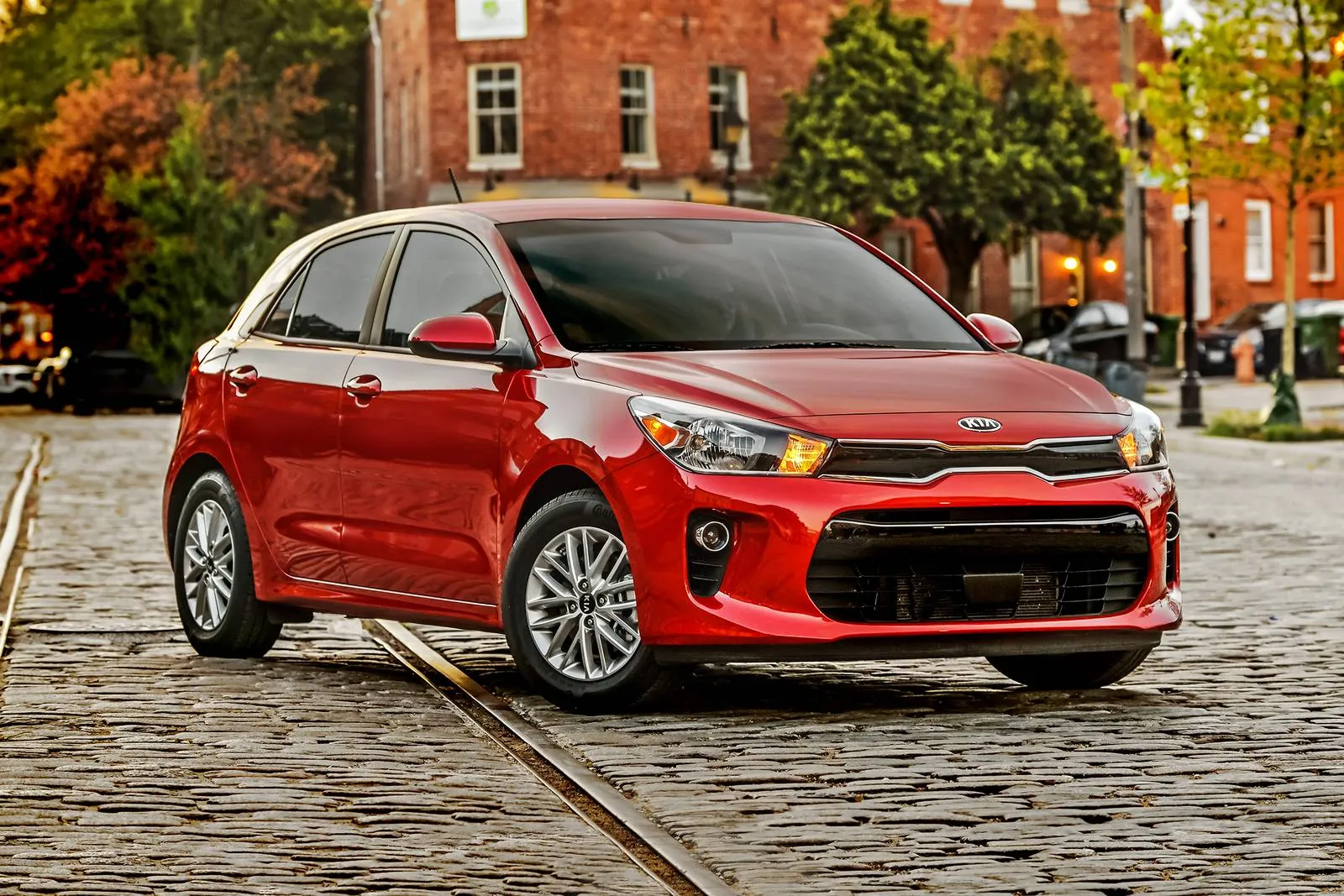
The Kia Rio is a small car that successfully combines affordability, fuel efficiency, and modern convenience features, making it a strong contender for students in need of a reliable vehicle. Its compact size makes it easy to navigate through congested city streets, park in limited spaces, and operate comfortably for those who are newer to driving.
Despite its small footprint, the Rio provides a surprisingly spacious interior, offering adequate seating and cargo space for students who may need to transport friends, groceries, or school supplies.
Its simple, intuitive controls allow drivers to focus on the road rather than adjusting complicated systems, which enhances both safety and confidence for young drivers.
Fuel efficiency is another defining feature of the Kia Rio, allowing students to reduce monthly expenses by consuming less gasoline. Many models are equipped with efficient engines designed to provide optimal mileage without sacrificing essential performance, making the vehicle suitable for both city commutes and longer trips.
Safety features such as airbags, anti-lock brakes, and stability control enhance the vehicle’s reliability and help lower insurance costs, which is important for students who are often considered higher-risk drivers by insurance providers. The combination of safety and efficiency makes the Rio a practical option for daily student use.
Maintenance and repair costs for the Rio are generally manageable, and the availability of replacement parts is relatively good, reducing downtime and ensuring the vehicle remains reliable. Kia’s warranty coverage adds additional reassurance for students, offering protection against costly repairs during the first few years of ownership.
Insurance premiums are reasonable for most models, further reducing the financial burden associated with owning a car. The low cost of ownership makes the Rio particularly attractive for students who need reliable transportation without overspending.
The Kia Rio offers an excellent balance of affordability, practicality, and reliability. Its compact design, efficient fuel consumption, and dependable performance make it an ideal vehicle for students who need a car that can handle everyday demands while remaining financially manageable.
By providing comfort, convenience, and economic efficiency, the Rio is a small car that meets the core needs of student drivers without adding unnecessary stress or expense.
5 Money Traps for Students
1. Mini Cooper
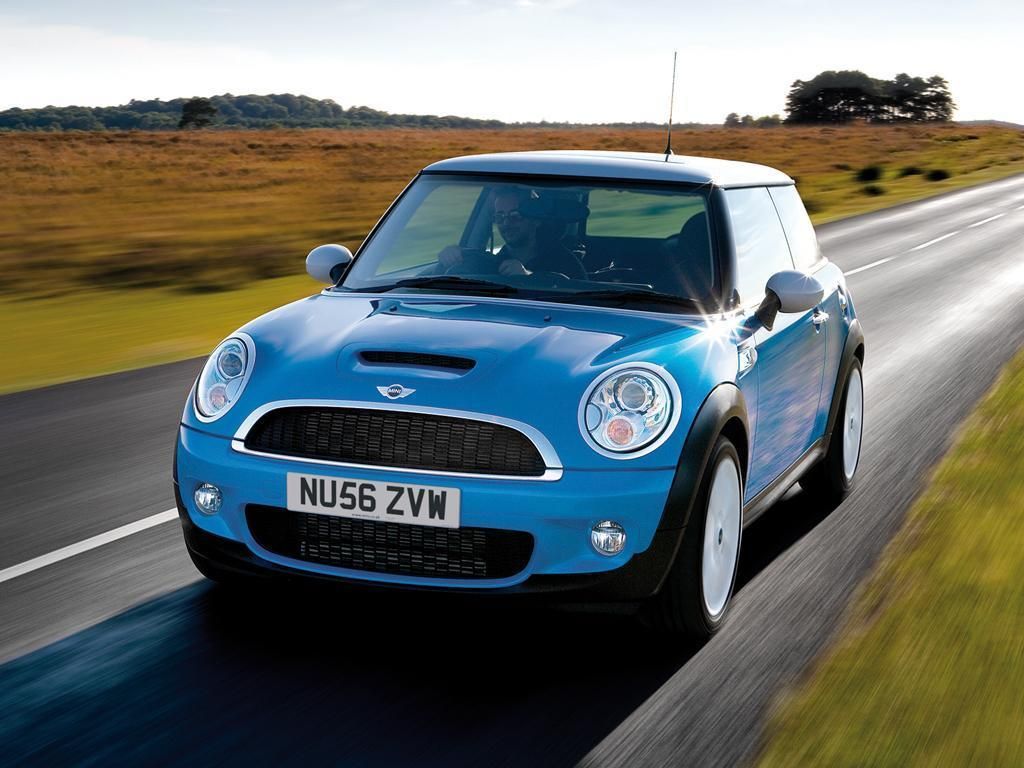
While the Mini Cooper is widely admired for its distinctive design and fun driving experience, it is often a significant financial burden for students. The initial purchase price is considerably higher than that of most other small cars, which can immediately strain a student’s budget.
Beyond the upfront cost, insurance premiums are expensive, particularly for young drivers who are considered higher risk by insurers.
The sporty nature of the car, combined with its powerful engine options, further increases premiums, which can make monthly payments difficult for students balancing tuition, rent, and other living expenses.
Maintenance and repair costs add another layer of financial concern. Mini Coopers require specialized parts, many of which must be imported, resulting in higher costs and longer wait times for repairs.
Even minor repairs, such as replacing a brake line or suspension component, can be substantially more expensive than similar work on mainstream small cars.
Fuel efficiency is also lower than comparable vehicles in the same size category, meaning ongoing costs for gas can add up more quickly than expected. For students who rely on a car for commuting to campus, these combined costs can become overwhelming over time.
The Mini Cooper also has issues with reliability, particularly in older models or vehicles with high mileage. Frequent maintenance needs and potential for unexpected breakdowns create stress and can result in unplanned expenses that interfere with a student’s budget. Furthermore, the small interior, while stylish, limits practicality for carrying groceries, moving boxes, or transporting multiple passengers, which reduces the everyday usefulness of the vehicle.
The Mini Cooper represents style and driving enjoyment at a high financial cost. While it can be appealing for students seeking a trendy or sporty car, it lacks the affordability, practicality, and low maintenance that make a vehicle truly suitable for student life.
For budget-conscious students, the Mini Cooper often proves to be more of a liability than an asset, making it a clear example of a money trap in the small car category.
2. Fiat 500
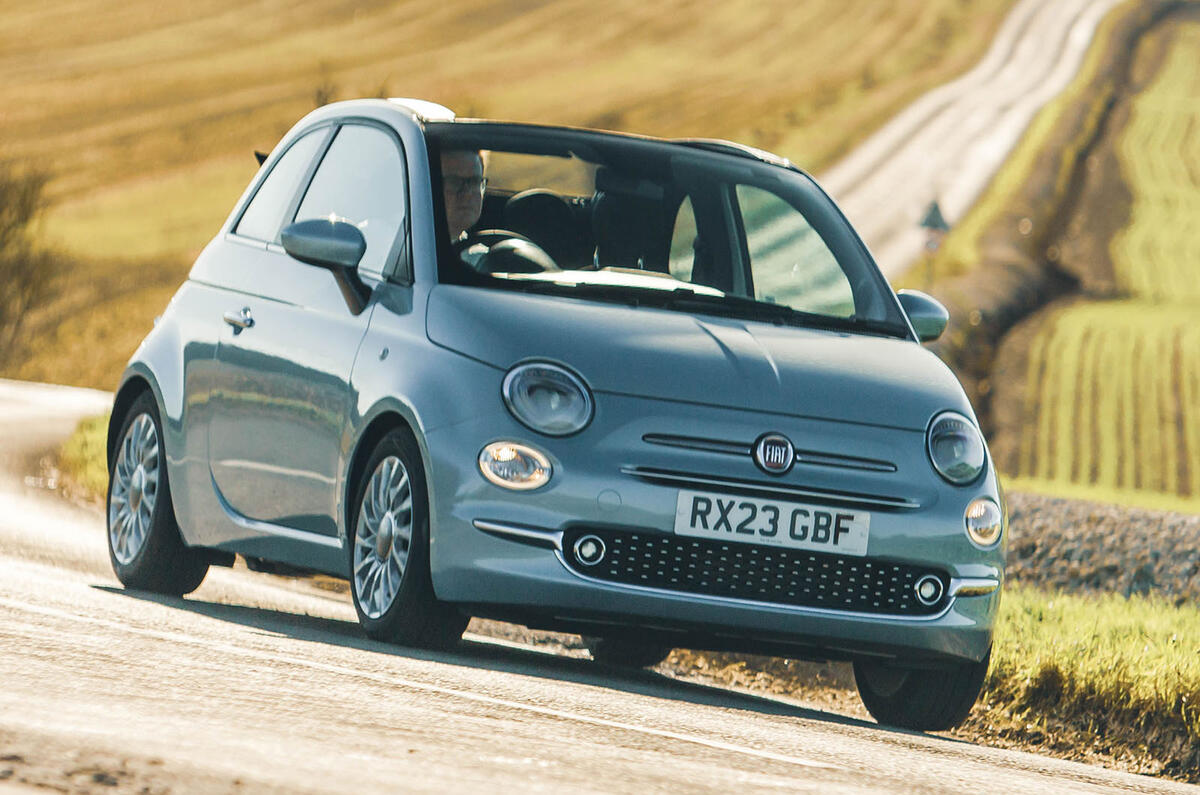
The Fiat 500 is a compact car that draws attention for its unique style and compact dimensions, but it often ends up being a financial burden for students. Although the initial purchase price may seem reasonable, the ongoing costs associated with insurance, maintenance, and repairs can quickly outweigh the initial savings.
Insurance premiums are higher for this model because of its small size and sporty appeal, which insurers associate with increased risk. Students, who typically fall into the high-risk age category, can find these costs prohibitive.
Maintenance can be surprisingly expensive for a Fiat 500, as parts may need to be sourced from specialized suppliers rather than widely available generic parts. This adds both cost and wait time for repairs, making routine maintenance more inconvenient and costly than with more mainstream vehicles.
Mechanical issues are not uncommon, and some models have reported recurring problems with electrical components, transmission, or engine performance, which can result in repeated trips to the mechanic. These unexpected repair costs are particularly challenging for students with limited financial flexibility.
The Fiat 500’s compact interior and limited cargo space further reduce its practicality. While it is easy to park in tight spaces, carrying groceries, textbooks, or personal belongings can be inconvenient, forcing students to make compromises in their daily routines.
Long trips or transporting multiple passengers may also be uncomfortable due to the tight seating arrangement, limiting the vehicle’s usefulness for everyday student life.
Despite its charming appearance, the Fiat 500 is not an ideal choice for students seeking an economical and practical small car. Its higher insurance rates, frequent maintenance needs, and limited space make it a money trap, as the initial appeal of low cost and style is overshadowed by ongoing expenses and limited functionality.

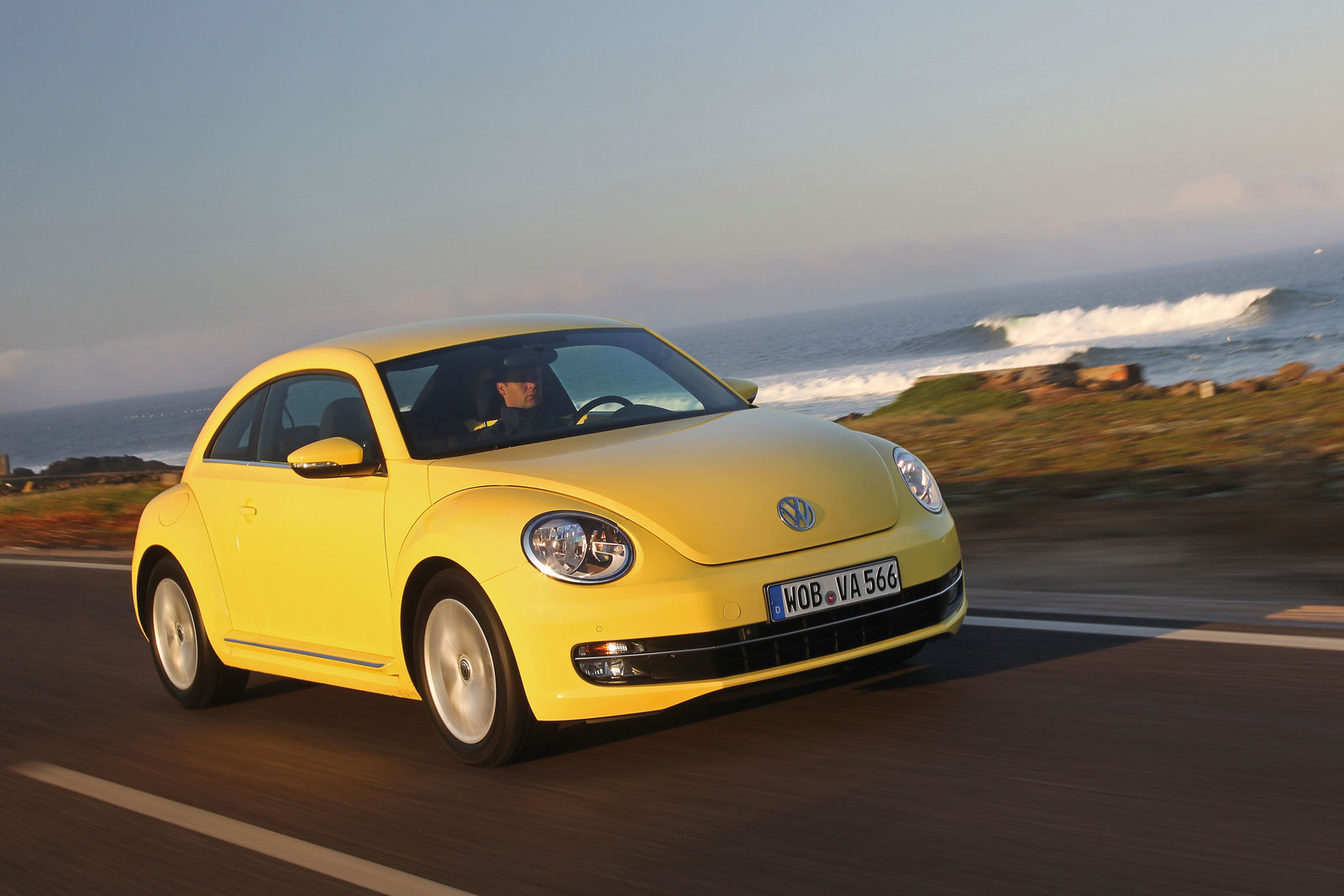
3. Volkswagen Beetle
The Volkswagen Beetle is an iconic vehicle known for its nostalgic design, but it often proves to be a poor financial choice for students. Its purchase price is higher than most other small cars, which can be a barrier for students trying to manage tuition and living expenses.
Insurance premiums for the Beetle are also elevated due to its distinctive design and replacement parts costs. The combination of a higher initial price and elevated ongoing costs makes it difficult for students to keep the car financially sustainable over time.
Maintenance can be challenging and costly. Older models of the Beetle, in particular, are prone to mechanical issues, including engine and transmission problems.
Replacement parts are often specialty items and not as widely available as components for more common small cars, resulting in higher costs and longer repair times. Routine servicing is more expensive as well, which can place a heavy financial burden on students who may not have disposable income for unexpected vehicle expenses.
Fuel efficiency is another concern, as the Beetle’s mileage is modest compared to other small cars, leading to higher gasoline expenses.
Combined with higher insurance and maintenance costs, this can make day-to-day operation expensive. Additionally, the car’s small interior limits practicality, making it inconvenient for carrying books, groceries, or friends, which reduces its usefulness for students who need a versatile and functional daily driver.
Although the Volkswagen Beetle is appealing for its design and brand recognition, it is not well-suited to the financial and practical needs of student life. The combination of higher ownership costs, maintenance challenges, and limited practicality makes it an example of a small car that may look desirable but functions as a money trap.
4. Mini Paceman
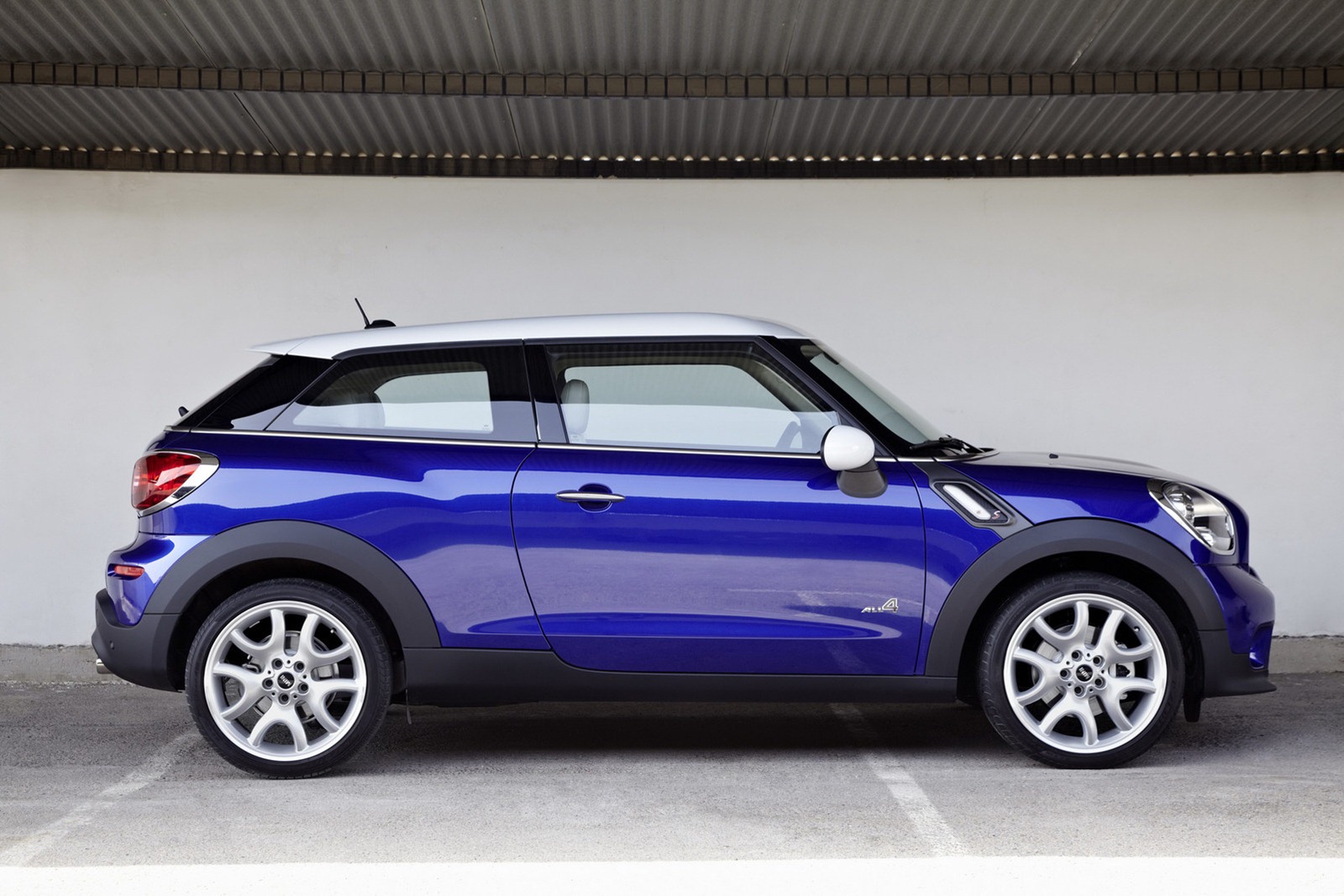
The Mini Paceman shares many of the financial drawbacks of the standard Mini Cooper, but it is even more expensive to maintain and insure. While the car’s appearance and sporty features may appeal to students, these attributes come at a significant cost.
Insurance premiums are particularly high due to the car’s SUV-like profile, sporty performance, and higher perceived risk. Young drivers often face the highest insurance rates, which makes ownership even less practical for students managing limited budgets.
Fuel efficiency is also lower than other small cars, which adds to the ongoing expenses. The car’s small cargo area does not offer much flexibility for hauling groceries, textbooks, or personal items, reducing its practicality.
Maintenance is costly because parts are specialized and often need to be imported or sourced from brand-specific suppliers, which adds both expense and wait times for repairs. Even minor maintenance tasks can become a financial burden, making it difficult for students to manage a consistent budget.
Students may be attracted to the Paceman for its trendy appearance and perceived status, but the reality is that the car does not deliver sufficient practicality to justify the financial strain. Owning this vehicle can lead to frequent, unexpected expenses, making it difficult for students to balance car costs with tuition, rent, and other living expenses.
In essence, the Mini Paceman represents a situation where style and image outweigh practical value. For students, this car is a poor choice because it imposes high ongoing costs without offering the utility or reliability that a small car should provide. It is a textbook example of a money trap where aesthetics take precedence over budget-conscious practicality.
5. Smart Fortwo
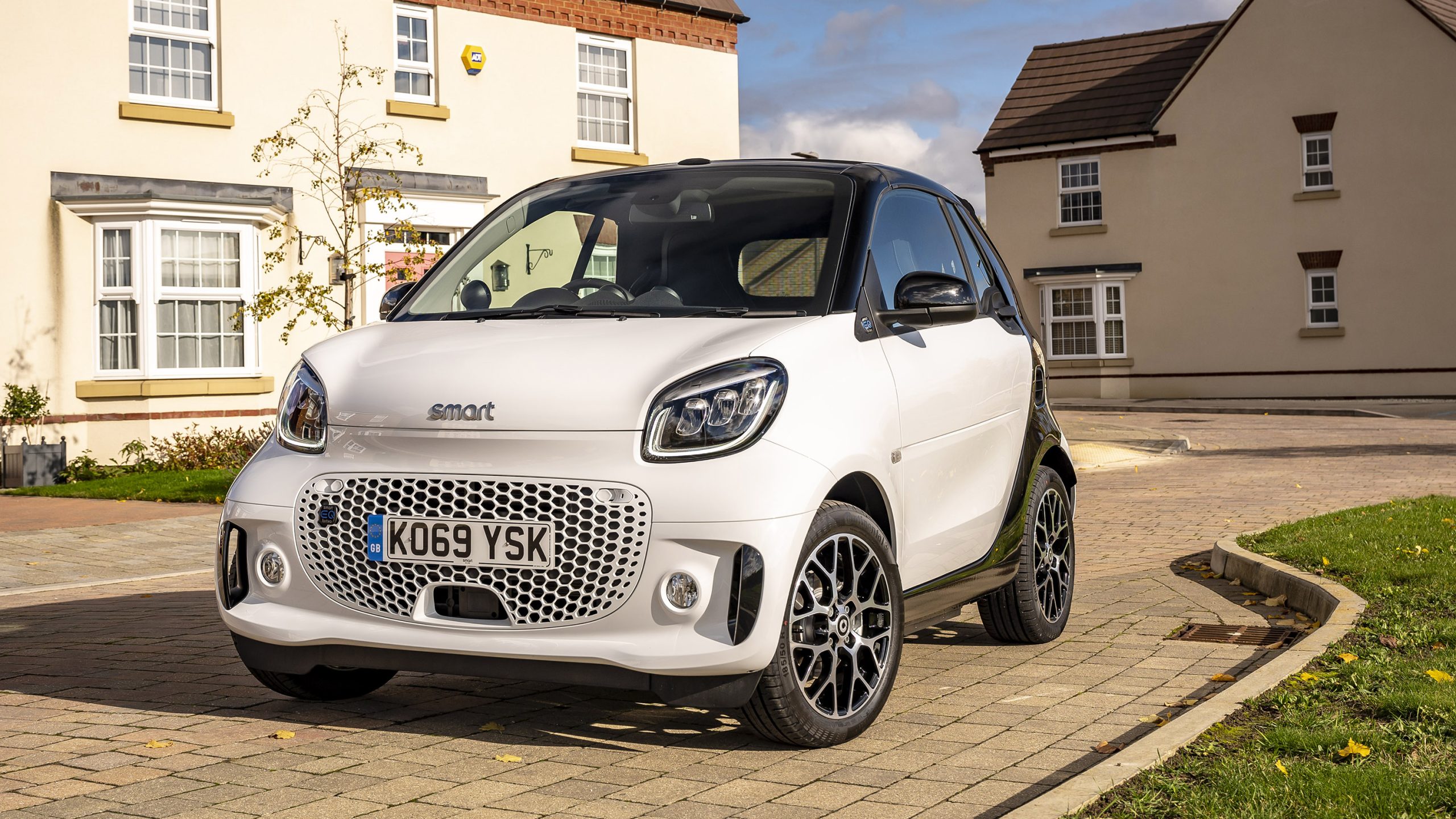
The Smart Fortwo is known for its extreme compactness and unique design, but it presents several financial and practical challenges that make it a poor choice for students. Its small size can be appealing for city driving and parking, yet this same feature reduces stability on highways and limits both passenger and cargo space.
For students who may need to transport groceries, school materials, or friends, the vehicle is often too small to be convenient. While it saves on fuel in some cases, ongoing costs for insurance, maintenance, and potential repairs often outweigh the savings.
The Fortwo’s practicality is limited due to its tight interior and minimal cargo space. Students who rely on a vehicle for daily commuting, shopping, or transporting friends may find the car inconvenient for regular use. Longer trips or carrying multiple passengers can become uncomfortable, making the car less suitable for typical student life.
While the Smart Fortwo may appear innovative and economical, the combination of higher insurance, maintenance costs, limited space, and potential reliability issues creates a situation where the vehicle is more of a financial liability than a benefit.
For students looking for a small, dependable, and budget-friendly car, the Fortwo often functions as a money trap, highlighting the importance of evaluating total ownership costs rather than just fuel savings or purchase price.
