
Spending long hours behind the wheel is a reality for many people, whether for work, travel, or leisure. The comfort of a car seat can make the difference between arriving relaxed or feeling like every muscle in your back is screaming for relief.
Some vehicles are designed with ergonomics in mind, providing support that aligns with the spine, reduces fatigue, and allows the driver and passengers to remain seated for extended periods without discomfort.
On the other hand, some cars, even those with luxurious exteriors, fail in the design of their seating, often leading to sore backs, stiff shoulders, and tension that can last long after the ride is over.
The choice of car is not just about performance, aesthetics, or technology; the way seats are designed and how they support the human body is crucial.
Seats that are supportive, adjustable, and cushioned with quality materials can turn a long commute or cross-country journey into a manageable and even pleasant experience. Features such as lumbar support, seat depth adjustment, and flexible cushioning can prevent slouching, reduce pressure points, and encourage better posture.
These qualities are often found in vehicles that prioritize comfort in their design philosophy, especially in certain sedans, SUVs, and luxury cars. Meanwhile, cars with flat, hard seats, limited adjustments, or poorly positioned controls can turn even a short drive into a painful ordeal.
Repetitive strain, tension in the lower back, and a feeling of being “scrunched” can accumulate, especially for drivers who spend hours on the road.
Understanding the differences between supportive and unsupportive car seats can save both money and physical strain over time.
A car that feels uncomfortable after an hour may indicate design compromises that affect long-term comfort. Conversely, cars designed for comfort often consider ergonomics, cushioning, and adjustability from the ground up.
Some seats even incorporate materials that distribute weight evenly and reduce vibration from the road. Knowing which cars are generally better or worse for back support can guide purchasing decisions and help drivers avoid unnecessary pain.
This article will highlight five cars known for being exceptionally comfortable for long-term seating and five that are notorious for causing back discomfort, giving readers a practical guide to choosing a vehicle that aligns with their comfort needs.
Five Cars You Can Sit in All Day
1. Volvo XC90
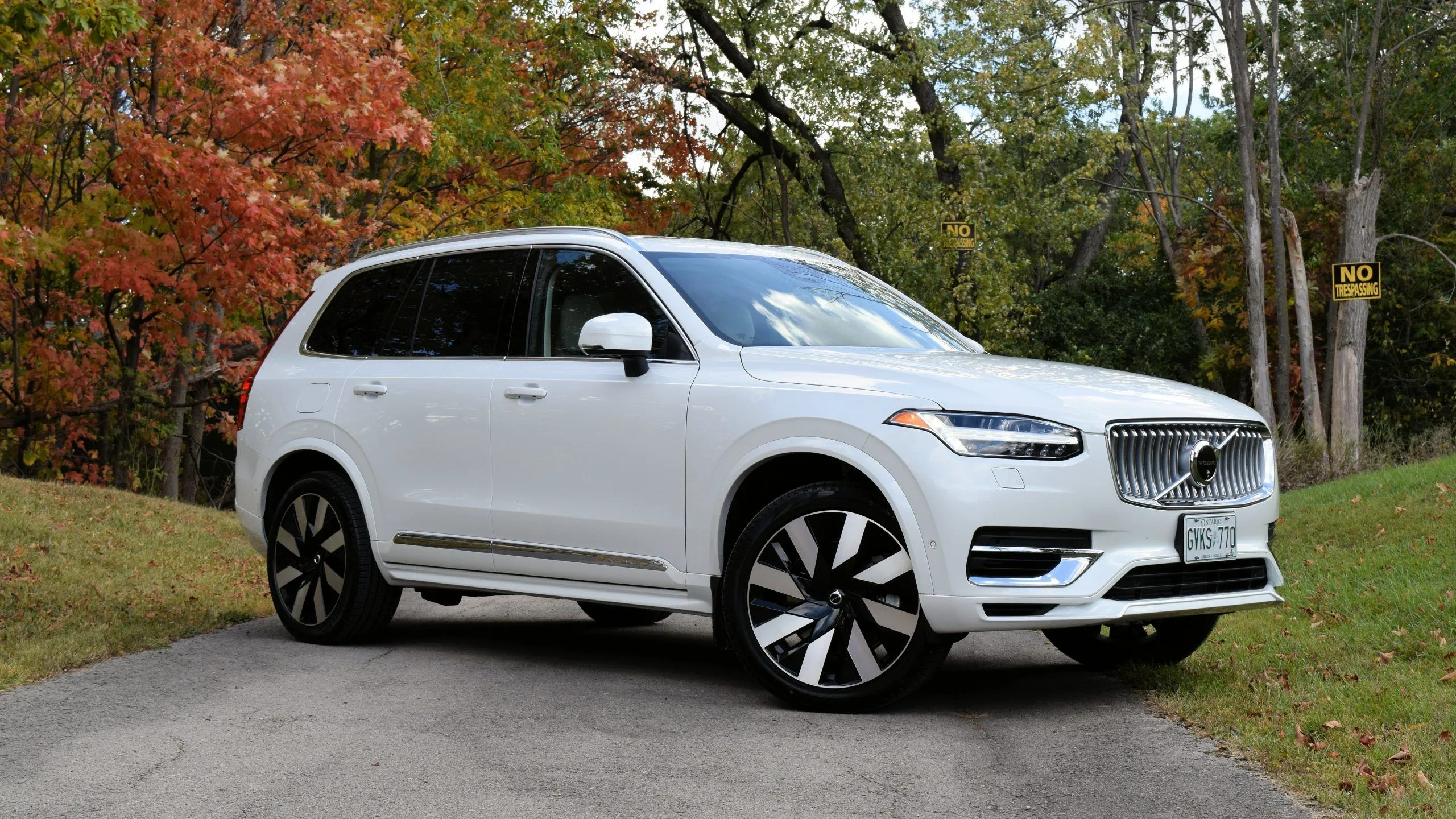
The Volvo XC90 is widely recognized for its commitment to occupant comfort, particularly for drivers and passengers who spend significant time on the road. Its seats are generously padded and shaped to follow the natural curvature of the spine, offering support in both the lumbar and upper back regions.
The design ensures that pressure is distributed evenly, which is crucial during long-distance drives. The cushioning is firm enough to maintain posture without becoming rigid, yet soft enough to absorb minor vibrations from the road.
Even after several hours, occupants rarely feel the fatigue or soreness that typically accompanies long periods of sitting. The headrests are sculpted to support the neck fully, preventing tension from creeping into the cervical spine during extended trips.
The adjustability of the XC90 seats enhances their long-term usability and makes it highly adaptable to individual body types. Drivers can fine-tune the seat height, tilt, depth, and backrest angle, ensuring that legs, lower back, and shoulders are fully supported.
The lumbar support is adjustable both in firmness and position, which allows it to be tailored precisely to a person’s spinal curvature. This feature is particularly beneficial for individuals with mild pre-existing back issues, as it reduces strain and fatigue.
The second-row seats are equally comfortable, providing sufficient legroom and recline options for passengers, making the vehicle ideal for families or anyone who needs to carry multiple occupants without compromising comfort.
Another feature that contributes to the XC90’s comfort is its advanced climate control system integrated directly into the seats. Heated and ventilated functions maintain an ideal body temperature, reducing muscle stiffness caused by cold or excessive heat.
The seat materials are carefully chosen to be both breathable and resilient, preventing sweat accumulation while still providing a feeling of warmth when required.
This combination of features ensures that the occupants remain relaxed and alert, even during extreme weather conditions or in heavy traffic, where prolonged sitting can easily exacerbate fatigue.
Finally, the driving position in the XC90 encourages a naturally balanced posture, which is vital for long-term comfort. Adjustable pedals and steering wheel positioning allow the driver to maintain a neutral spine alignment, reducing unnecessary strain on the shoulders, neck, and lower back.
Combined with the soft yet supportive suspension, the vehicle absorbs road imperfections without transferring shocks to the cabin, further reducing tension and fatigue.
The attention to ergonomics and thoughtful integration of technology and seat design makes the XC90 one of the most comfortable SUVs available for extended travel, providing relief and support for drivers and passengers alike.
2. Mercedes-Benz S-Class
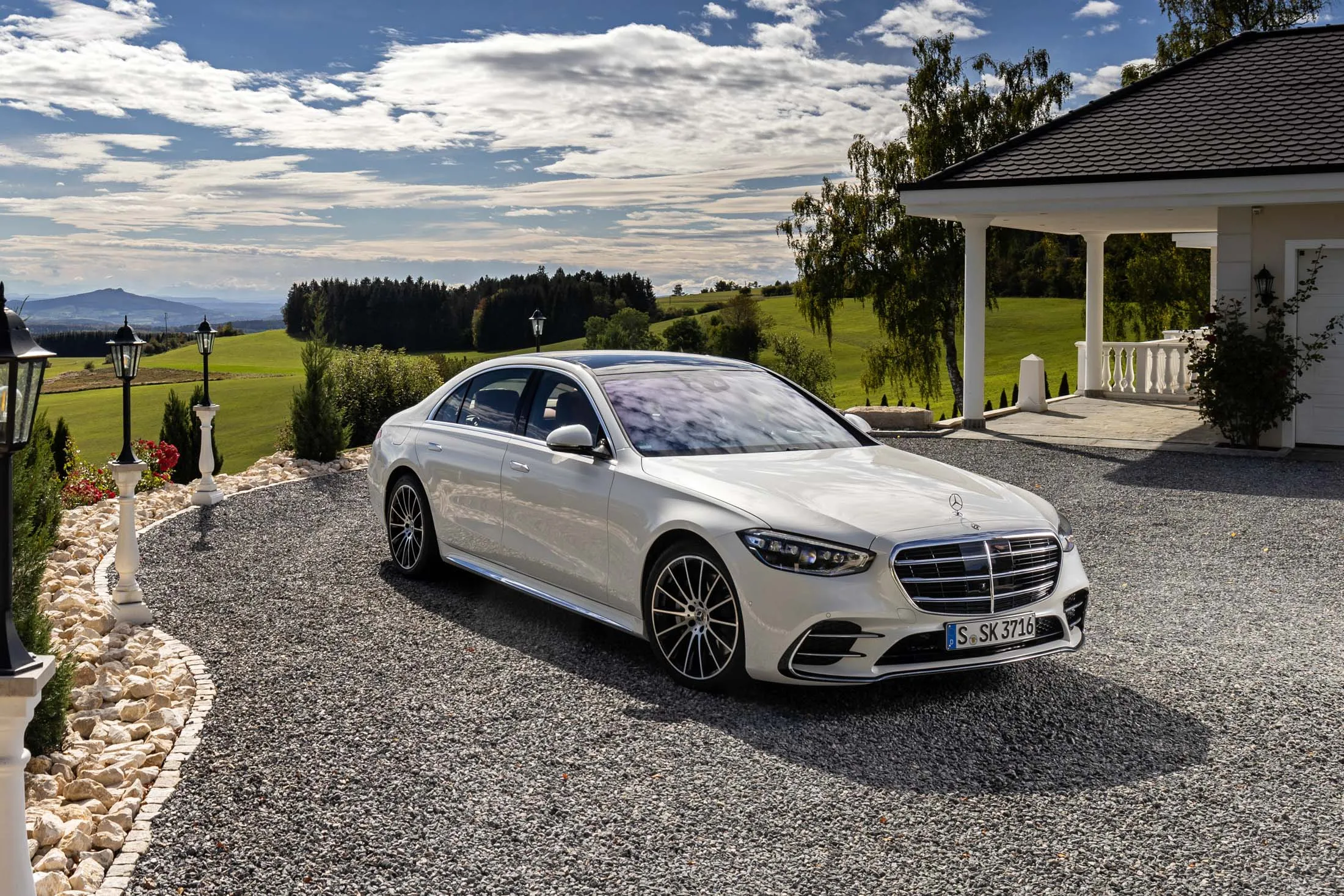
The Mercedes-Benz S-Class has long been synonymous with luxury, but it also excels in seating comfort and ergonomic design. The seats are engineered to cradle the human body, offering exceptional support in all critical areas, including the lumbar region, lower back, and thighs.
The cushioning distributes weight evenly across the seating surface, which prevents soreness from forming in common pressure points.
Even on long drives, the combination of ergonomic shape, high-quality padding, and durable leather upholstery ensures that the body remains relaxed and supported. Road vibrations are minimized, and seat structure maintains consistent support over time, making extended trips far less taxing.
Adjustability is a defining feature of the S-Class, allowing every occupant to find a perfectly tailored position. The seats offer multiple angles of recline, side bolster adjustments, and headrest positioning.
Memory functions allow drivers to store personalized seating settings, ensuring that comfort is consistent even after switching drivers.
Some models go further by integrating advanced pneumatic systems that dynamically adjust lumbar and thigh support during a journey, accommodating minor shifts in posture and maintaining optimal alignment.
Optional massage functions are highly effective, gently stimulating muscles and improving circulation, which can significantly reduce stiffness and fatigue during lengthy travel.
The materials and craftsmanship of the S-Class also play a major role in comfort. Premium leather offers a luxurious feel while remaining supportive and resilient over time. Ventilated and heated seats provide climate control at the individual level, helping occupants stay comfortable in any weather.
Rear-seat passengers are not overlooked, as they enjoy equally generous legroom, recline features, and adjustable support. Even in traffic jams or on uneven surfaces, the cabin environment is insulated from road noise and vibrations, which reduces mental fatigue and enhances physical relaxation.
Finally, the S-Class interior design complements the seating experience by ensuring that drivers can maintain a natural, stress-free posture. Controls are logically placed, and the steering wheel, pedals, and armrests are adjustable to match the seat position, allowing the body to remain relaxed and aligned.
This thoughtful combination of ergonomics, cushioning, and technology creates an environment where both drivers and passengers can endure long journeys without discomfort. For anyone seeking the pinnacle of comfort for extended periods in a car, the S-Class offers one of the most comprehensive solutions available.
3. Audi A8
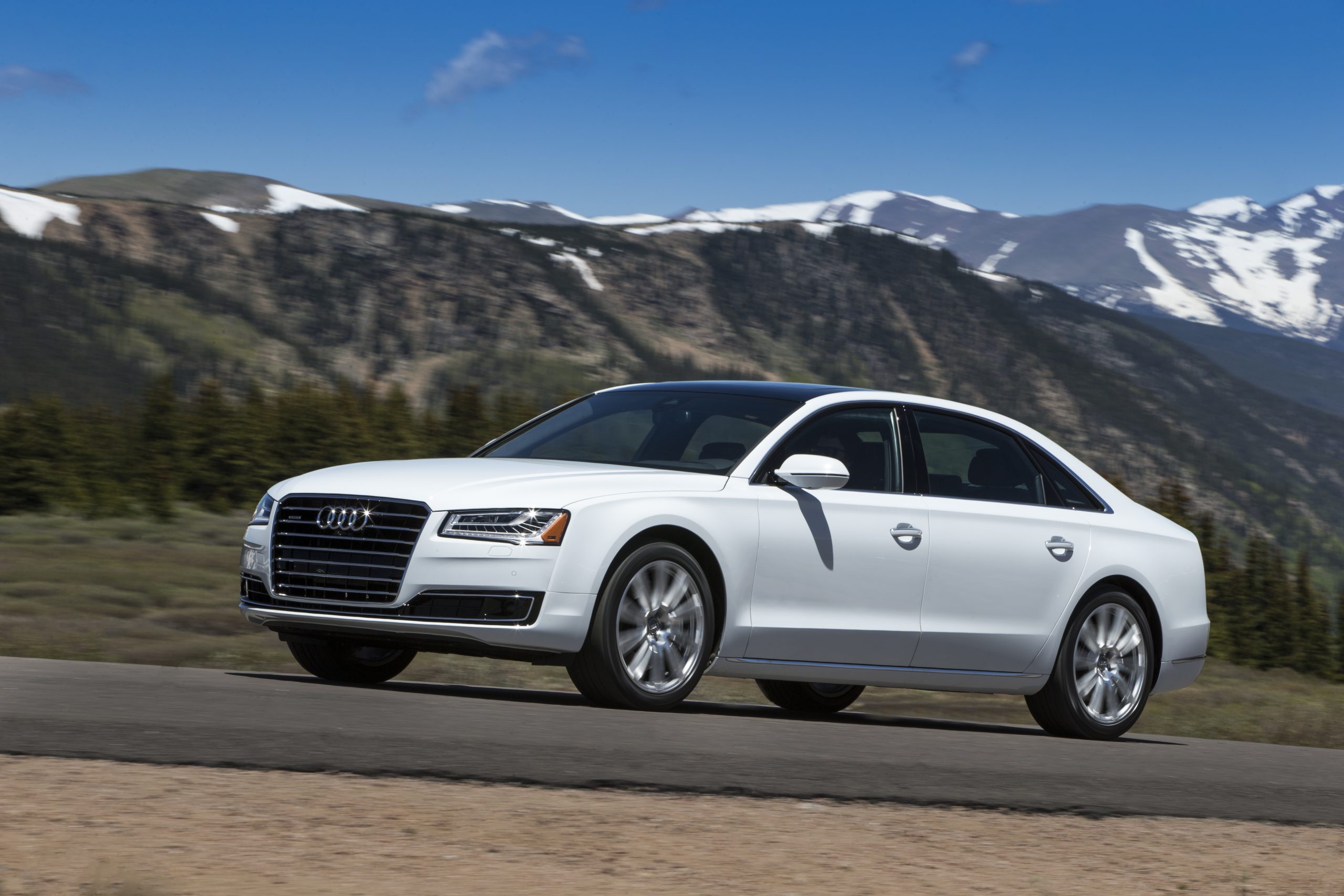
The Audi A8 is a luxury sedan designed with meticulous attention to comfort and ergonomics. Its seats are layered with high-density foam and soft padding, providing a balance between support and cushioning that allows passengers to remain comfortable for hours on end.
The lumbar area is particularly well-contoured, following the natural curve of the spine to reduce slouching and fatigue. The side bolsters provide gentle lateral support, preventing the body from sliding during turns while maintaining a relaxed posture.
Extended drives in the A8 rarely lead to stiffness or soreness, making it a strong contender among long-distance vehicles.
Seat adjustability in the A8 is extensive, allowing drivers and passengers to modify every aspect of their seating position. Height, tilt, backrest angle, and lumbar support can all be finely tuned, accommodating a wide variety of body types.
Some models include dynamic support systems that adapt automatically to posture changes during the drive, offering subtle adjustments that enhance comfort without requiring manual intervention.
This adaptability is particularly beneficial for drivers who spend hours in one position, as it reduces the risk of developing pressure-related discomfort or spinal strain.
The cabin design and ride quality further enhance comfort in the A8. Its suspension absorbs minor road imperfections, ensuring that vibrations do not transmit to the body. Noise insulation minimizes auditory fatigue, allowing the occupants to relax more fully.
Ventilated and heated seating options add climate control at the personal level, keeping occupants at an optimal temperature and preventing stiffness caused by temperature extremes. Every element of the cabin, from seat materials to suspension tuning, works together to reduce physical strain on long trips.
Finally, Audi’s emphasis on ergonomics in the A8 ensures that the driver maintains a natural posture. The adjustable steering wheel and pedals complement the seat adjustments, promoting an upright, relaxed position. Controls are intuitively placed, reducing unnecessary twisting or reaching.
Combined with generous interior space and thoughtful cabin layout, the A8 allows drivers and passengers to remain seated comfortably for long periods, making it an excellent choice for long-distance travel or professional use where extended hours in a vehicle are common.
4. Lexus LS
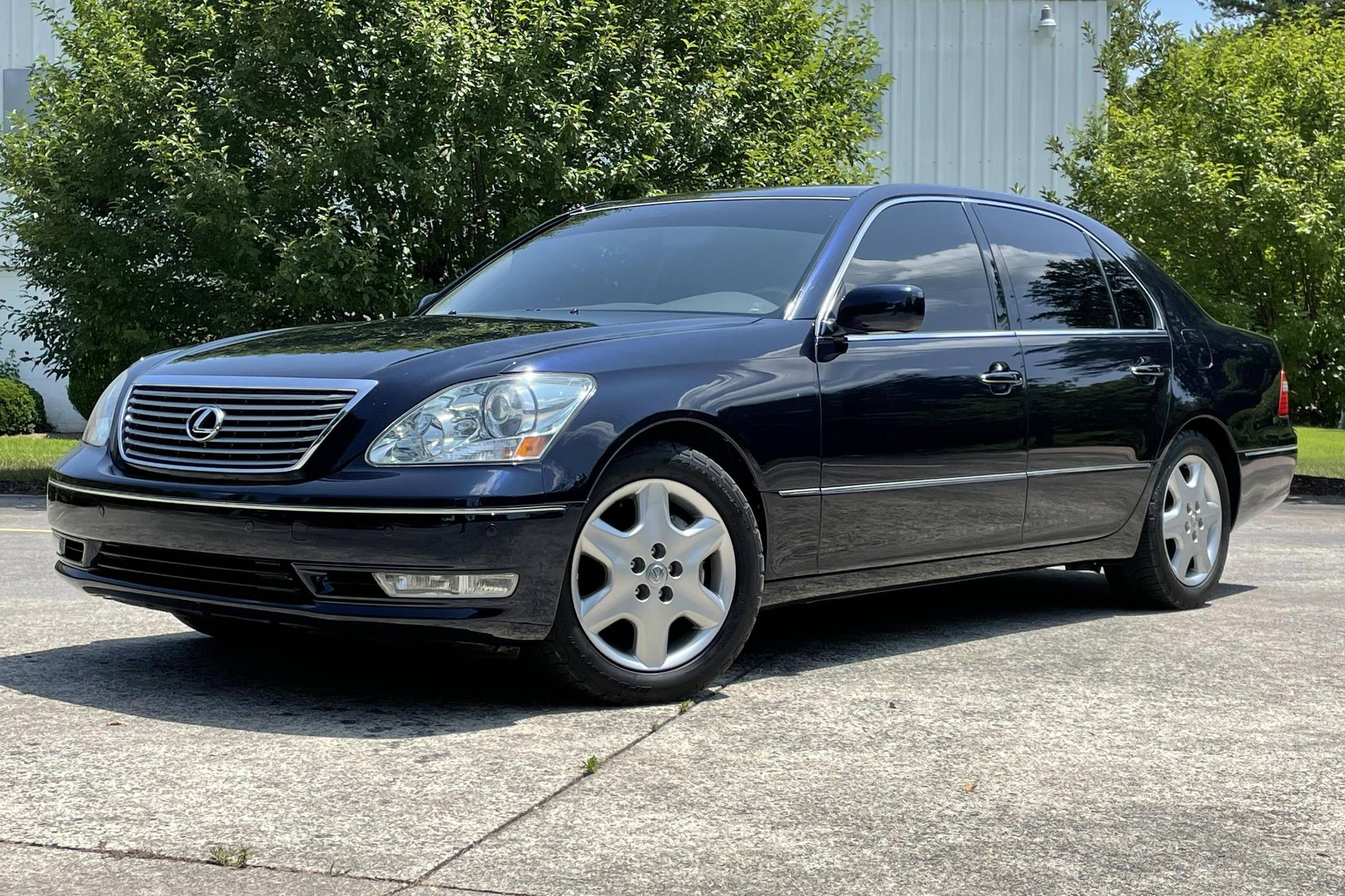
The Lexus LS provides a seating experience that prioritizes comfort and ergonomic support for all occupants. The seats are carefully sculpted with high-density foam and supportive cushions, designed to distribute weight evenly and reduce pressure points.
Special attention is paid to the lower back, thighs, and shoulder area, ensuring that extended sitting does not lead to fatigue. Even on uneven roads or during longer commutes, the seats maintain their form and continue to provide consistent support, reducing the risk of back discomfort.
The headrests and side supports further enhance stability, keeping the spine in alignment while preventing tension in the neck and shoulders.
Adjustability is a standout feature in the LS, with multi-way adjustments for height, backrest angle, seat tilt, and lumbar support. Many models offer massage features, which help stimulate blood flow, relieve muscle tension, and prevent stiffness during long drives.
Rear passengers are not neglected; seats recline, provide ample legroom, and are equipped with lumbar and head support, ensuring that the entire cabin experience is relaxing. This attention to ergonomic detail is rare in sedans and contributes significantly to comfort during long-distance travel.
The materials used in the LS complement the ergonomic design, providing a combination of softness and resilience. Premium leather covers the seats, and ventilation ensures that occupants remain comfortable in hot or cold conditions.
The firmness of the padding is optimized to support the body without creating points of pressure, allowing both short and long drives to remain comfortable. This careful balance of materials and engineering makes the LS ideal for drivers who need to stay alert yet physically relaxed during extended journeys.
Finally, the LS’s driving ergonomics reinforce its seating comfort. Adjustable steering wheel and pedal positions allow the driver to find a natural posture that reduces strain on the arms, shoulders, and lower back.
Coupled with smooth suspension and refined ride quality, the Lexus LS ensures that fatigue is minimized even during prolonged highway or city driving.
For individuals who prioritize comfort above all else, the LS delivers a complete package, combining thoughtful design, advanced features, and high-quality materials to create an environment where sitting for hours feels effortless.
5. Honda Accord
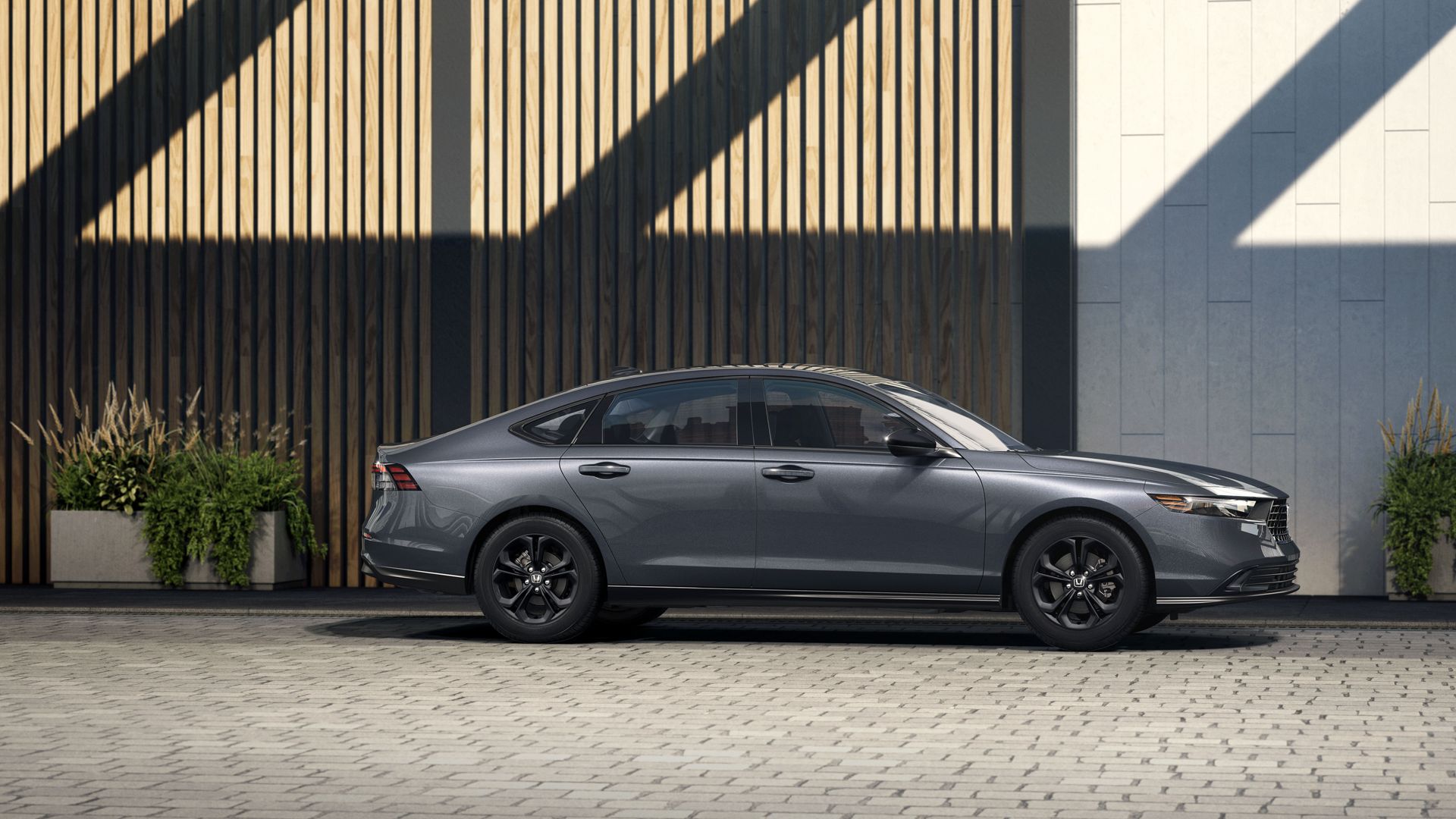
The Honda Accord may not carry the same luxury connotations as the vehicles previously mentioned, but its seats are surprisingly well-suited for long periods of sitting. Practical and thoughtfully designed, the seats provide firm support for the lower back and thighs while offering sufficient cushioning to prevent discomfort.
The ergonomic contours encourage good posture, reducing slouching and minimizing fatigue on long drives. Unlike some soft, overly cushioned seats that can cause the body to sink uncomfortably, the Accord maintains balance, supporting the body effectively for hours on end.
Adjustability in the Accord is practical and highly effective. Drivers can modify seat height, backrest angle, and lumbar support to achieve a comfortable position.
While it lacks the advanced features of luxury vehicles, such as massage or pneumatic support systems, the basic ergonomic adjustments go a long way toward maintaining comfort during prolonged drives.
The seat design is intuitive, allowing users to find a natural posture that supports the spine, hips, and legs. This makes it a practical choice for those who spend long hours commuting or traveling on highways.
The cabin layout also contributes to the comfort of the Accord. Controls are positioned within easy reach, minimizing awkward twisting or stretching.
The driving position encourages an upright, relaxed posture, which is further complemented by the car’s smooth suspension that reduces the impact of bumps and irregularities on the road. Rear passengers also benefit from well-cushioned seats and adequate legroom, ensuring that comfort is not limited to the driver alone.
Finally, the Honda Accord demonstrates that comfort does not necessarily require luxury. Its ergonomic seat design, practical adjustability, and supportive cushioning make it an excellent vehicle for long-term sitting. Whether for commuting, family trips, or cross-country travel, the Accord offers an experience that minimizes fatigue and strain, proving that a well-designed seat can make all the difference in driving comfort.
Five Back-Ache Makers
1. Fiat 500
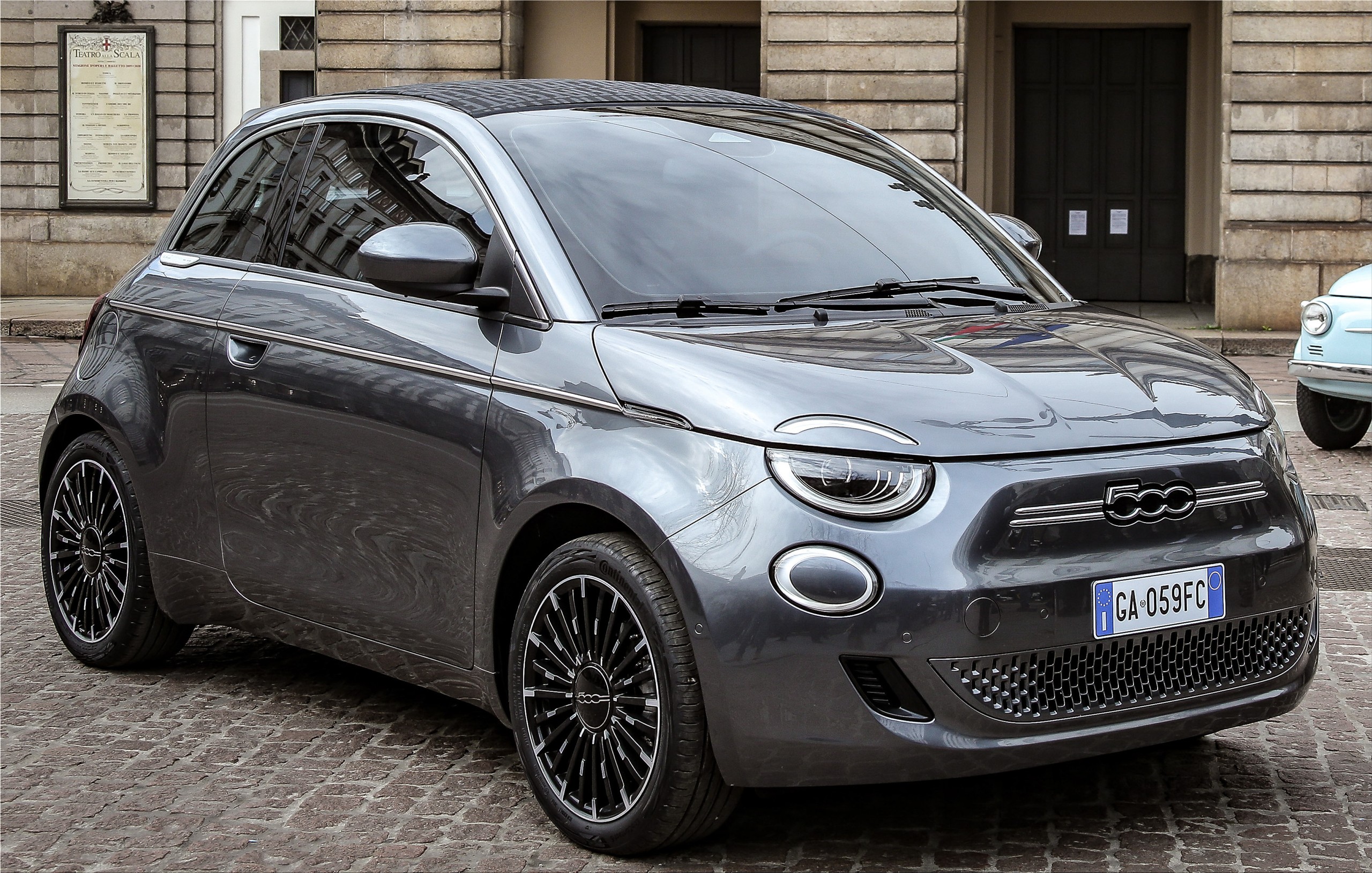
The Fiat 500 is often praised for its compact design and urban maneuverability, but it is notorious for seating that is uncomfortable over long periods. Its seats are relatively small and thinly padded, which can create pressure points in the lower back and thighs after just an hour or two of driving.
The lack of depth in the seat cushion means that the thighs are inadequately supported, forcing the spine to bear more weight than it should.
Additionally, the low and upright seating position can contribute to slouching, particularly for taller drivers, which increases tension in the lumbar and upper back regions. On longer trips, this discomfort tends to accumulate, leaving drivers and passengers with sore muscles and stiffness.
Adjustability in the Fiat 500 is very limited, making it difficult for drivers to customize their seating position for optimal spinal support. While the backrest angle can be adjusted, the seat base itself cannot be moved forward or backward significantly, and lumbar support is minimal or absent in most models.
Taller individuals often find themselves leaning forward slightly to reach pedals comfortably, which adds strain to the lower back, shoulders, and neck.
Passengers experience similar issues, as the compact interior restricts legroom and prevents stretching or repositioning during extended drives. Over time, these factors contribute to significant discomfort and a higher risk of back pain.
The materials used in the Fiat 500’s seats do little to mitigate these ergonomic shortcomings. Thin cushioning and firm padding provide insufficient shock absorption, meaning that every bump or uneven road surface transmits directly to the body. The limited padding can lead to pressure points forming along the spine and thighs, accelerating fatigue.
While the compact cabin is advantageous for city driving, it does little to relieve long-term discomfort. Additionally, the absence of ventilation or heating in basic models may exacerbate muscle stiffness in colder weather or contribute to sweating in hot conditions, further increasing discomfort.
Finally, the driving position in the Fiat 500 tends to encourage tension over longer periods. The compact steering wheel and short pedal travel are convenient for city maneuvering but do not compensate for the lack of support in the seat itself.
2. Mini Cooper
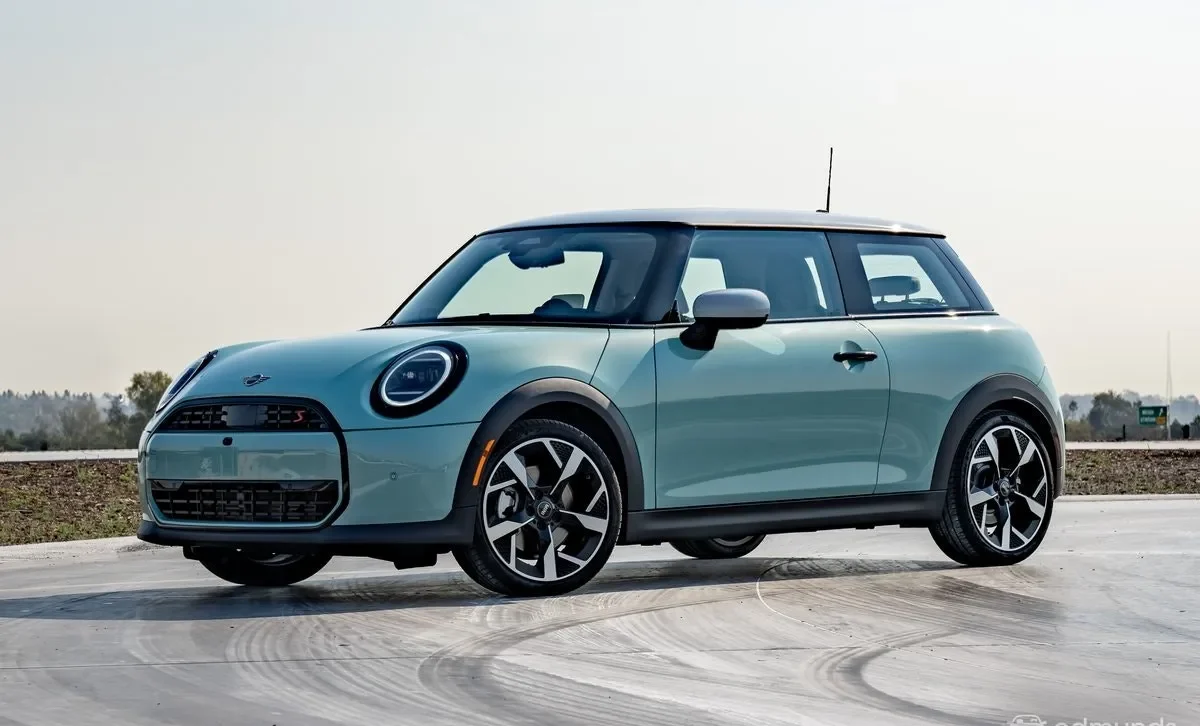
The Mini Cooper is celebrated for its sporty handling and distinctive style, but its seating design leaves much to be desired for long-term comfort. The seats are often narrow, firm, and shallow, providing minimal cushioning to absorb vibrations and road irregularities.
While these characteristics may enhance a “connected” driving feel for short trips, they are detrimental during long hours behind the wheel. Drivers may experience pressure points along the lower back, hips, and thighs, while the upright seatback can force the spine into an unnatural posture. These factors combine to create discomfort that intensifies with driving time.
Adjustability is another limiting factor in the Mini Cooper. Though the seats can tilt and slide to some extent, lumbar support is either minimal or non-existent, leaving drivers to rely on their core muscles for posture maintenance.
The shallow seat depth can leave taller drivers struggling to find proper thigh support, forcing them to hunch forward or adjust frequently.
Rear-seat passengers are similarly restricted, with cramped legroom and limited seat padding, which makes long trips especially uncomfortable. Over time, these constraints can contribute to stiffness, tension, and back discomfort.
The materials used in the Mini Cooper’s seats also play a role in the lack of comfort. Firm, narrow padding does little to absorb road vibrations, meaning that even minor bumps can result in jolts traveling through the spine.
Finally, the Mini Cooper’s compact cabin can inadvertently force awkward seating positions. The short distance between pedals and steering wheel may seem convenient for small drivers, but taller drivers often need to overreach or bend their knees at sharp angles.
This creates tension in the lower back and hips while also stressing the knees. The tight interior prevents repositioning during extended trips, which is essential for maintaining circulation and reducing pressure points.
While the Mini Cooper remains a fun, agile city car, it is one of the less forgiving options for those who prioritize comfort during long periods of driving.

3. Jeep Wrangler
The Jeep Wrangler is iconic for off-road capability and rugged style, but it is widely criticized for uncomfortable seating on regular roads. The seats are generally upright, firm, and designed more for off-road stability than long-distance comfort.
This upright position can cause tension in the lower back and shoulders, especially during long drives on highways where the body experiences constant vibration from tires and uneven surfaces. Thigh support is often minimal, and the cushioning does not absorb shocks well, leaving passengers with sore hips and lower back after extended trips.
Adjustability in the Wrangler is limited compared to modern sedans and SUVs. While the seats can recline slightly, there is little flexibility in terms of depth, height, or lumbar support. The limited adjustments mean that drivers must often adopt a posture that is less than ideal for spinal alignment.
Over time, the inability to find a naturally supported position leads to muscle fatigue and discomfort. Rear passengers face similar challenges, with flat, upright seats and minimal padding contributing to stiffness in the legs and lower back.
Finally, the driving position and interior layout exacerbate discomfort in the Wrangler. The upright stance and tall dashboard make long drives physically tiring, especially when combined with heavy steering and a firm suspension. Long trips can leave drivers feeling tense in the back, shoulders, and neck.
Rear passengers are similarly affected, with limited legroom and inadequate seat cushioning making multi-hour journeys a challenge. While the Jeep Wrangler excels in off-road performance, it ranks poorly for comfort, making it a classic back-ache maker for extended on-road driving.
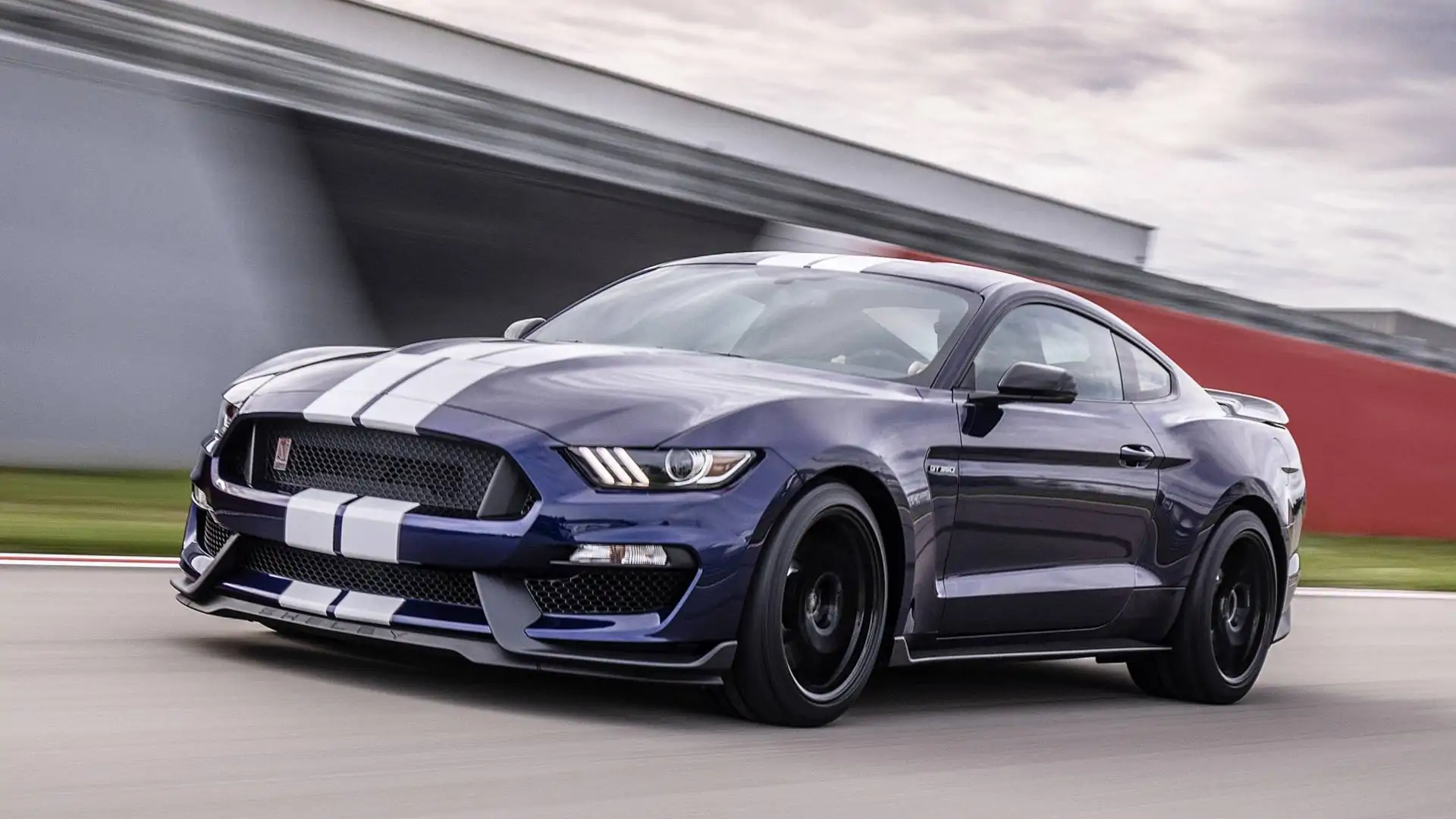
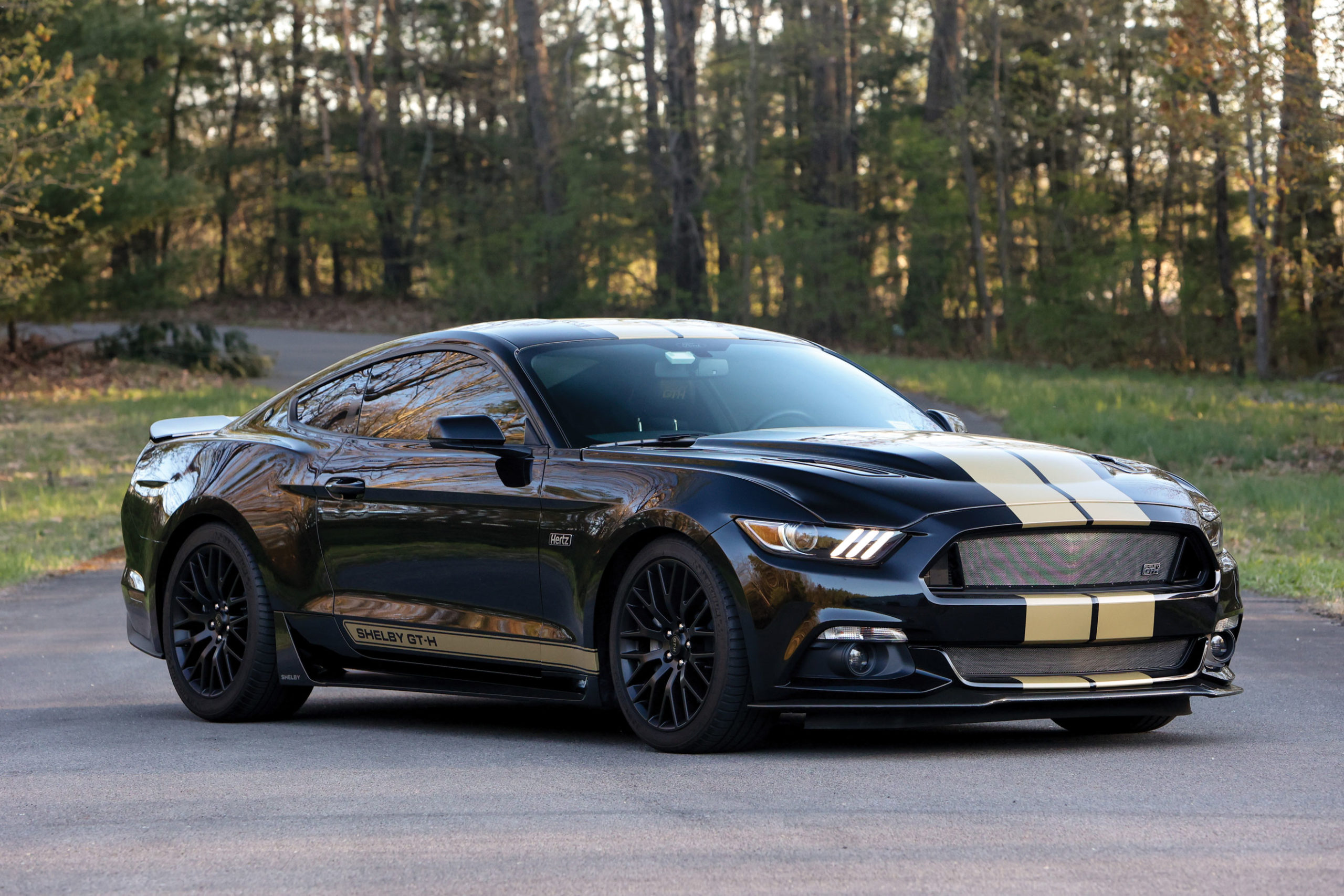
4. Ford Mustang
The Ford Mustang is an iconic sports car, but its seating design prioritizes performance and style over long-term comfort. Seats are often low, firm, and heavily bolstered to hold the driver during aggressive maneuvers.
While this is advantageous for short, spirited drives, it can be detrimental on longer journeys. The low seating position can place additional stress on the knees, hips, and lower back. Combined with limited lumbar support and thin padding, extended drives often result in fatigue, soreness, and tension along the spine.
Adjustability is moderate but insufficient for many drivers. While the driver’s seat can tilt and slide, lumbar support is minimal, and thigh support is limited due to the shallow seat depth. Taller individuals frequently struggle to maintain a natural posture, often bending forward or twisting slightly to reach pedals comfortably.
Passengers experience similar issues, with firm seats and narrow dimensions making long drives increasingly uncomfortable. Over time, these factors can lead to stiffness in the lower back, hip discomfort, and even shoulder tension.
Finally, the low driving position and long cabin design make it difficult for drivers to maintain an upright, neutral posture. The combination of firm seats, shallow cushioning, and restricted adjustability requires constant micro-adjustments to remain comfortable, which can be physically exhausting over time.
For passengers in the back, the limited legroom and upright seating exacerbate discomfort on longer trips. While the Mustang excels as a performance vehicle, it is not suited for prolonged seating, making it a classic example of a car that can produce back pain during extended drives.
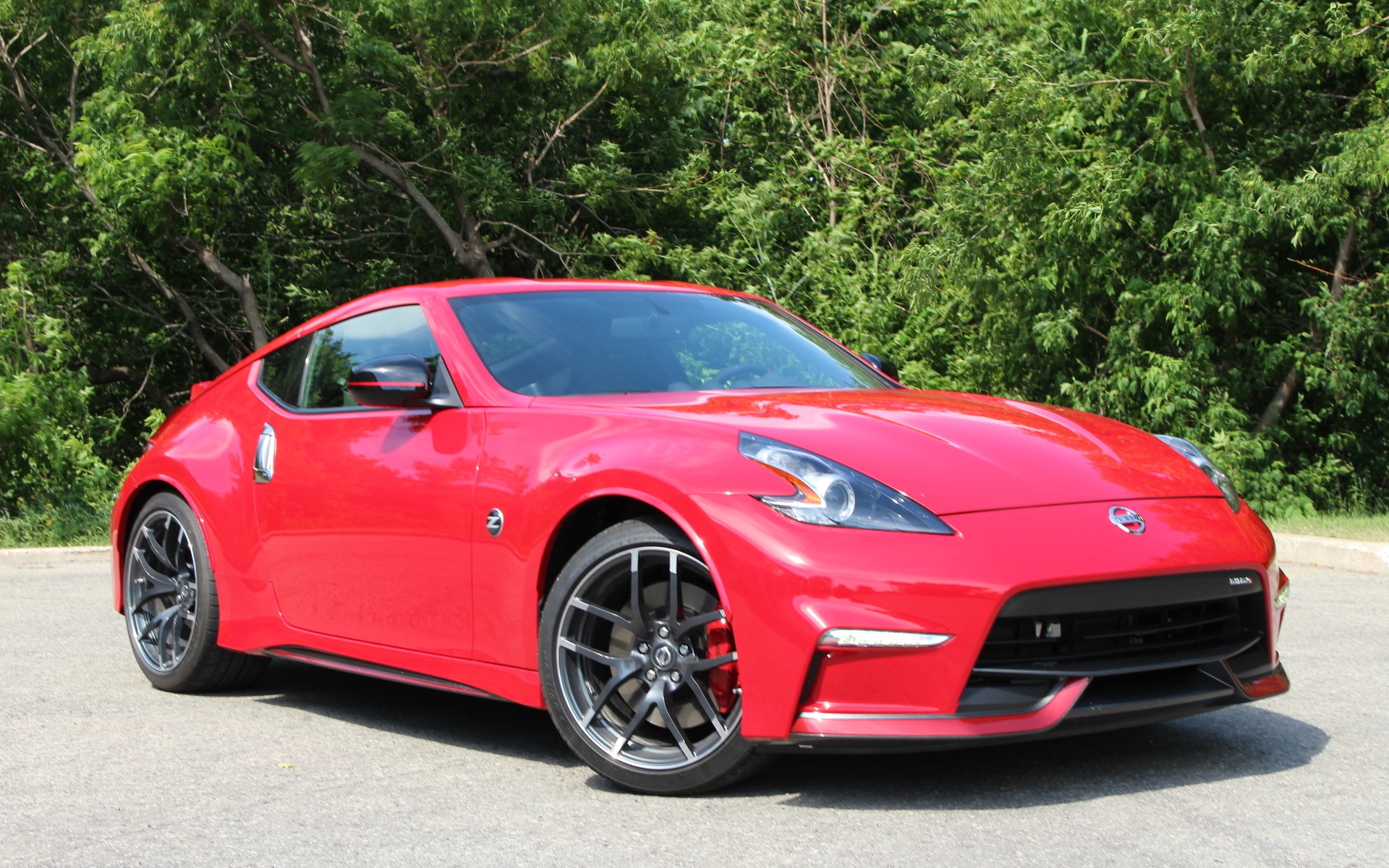
5. Nissan 370Z
The Nissan 370Z is a sporty two-seater designed for performance, but its seating design is one of the least forgiving for long-term comfort. The seats are low, firm, and heavily bolstered, emphasizing lateral support at the expense of lumbar and thigh cushioning.
While this setup is ideal for spirited driving or track use, it becomes uncomfortable for extended periods on highways or city streets. Drivers may experience pressure points along the spine, lower back, and thighs, while the seat’s aggressive bolsters can restrict natural movement, leading to stiffness and tension.
Adjustability in the 370Z is limited. The seat can move forward and backward and recline slightly, but lumbar support and height adjustments are minimal or nonexistent. This lack of customization makes it difficult for drivers of varying heights to achieve an ergonomically balanced position.
For taller individuals, knees may be bent at sharp angles, forcing the pelvis and lower back into an unnatural posture. Passengers, while seated in a similarly restrictive position, may experience discomfort in the legs and lower back after even moderate-length drives.
Finally, the cabin layout compounds the seating challenges. The low seating position, limited legroom, and firm construction of the seats make it difficult to maintain a relaxed posture for extended periods.
The steering wheel and pedal layout may be ideal for sport driving but do not compensate for the physical strain caused by prolonged sitting. The 370Z demonstrates that vehicles designed primarily for performance often compromise comfort, making them back-ache makers for daily commuting or long-distance travel.
