

A door slam might seem like a small detail, but for many drivers, it shapes the first emotional connection they feel with a car. The moment a door closes, the cabin seals, and the echo settles, something very specific happens in the mind.
That sound can suggest refinement, structural strength, and a sense of careful construction that goes beyond the visible surfaces.
An expensive-sounding door slam is not simply the result of adding weight or padding. It often comes from careful tuning of hinges, latch designs, reinforcement points, seal materials, and body stiffness.
Engineers devote considerable attention to the way a door closes, partly because it becomes a signature moment. It communicates substance the instant someone interacts with the vehicle, long before the engine starts or any feature is explored.
Many people have unexpectedly formed strong opinions about a car after closing the door once, even when they did not realize why the sound had such an influence.
This topic gains significance because car doors are one of the few parts of a vehicle that everyone touches regardless of how the car is used. Passengers might never adjust the suspension settings or operate the infotainment system, but they will always close the door.
The quality of the door slam often shapes expectations about the rest of the car. Even individuals with little knowledge of engineering can sense the difference between a hollow sound and a firm, controlled thud. The sound can imply luxury, durability, or thoughtful manufacturing.
Some drivers feel more at ease when the door closes with a confident tone, because it makes the cabin feel secure. Others associate the sound with craftsmanship and prestige, and they enjoy the sense of importance it brings to routine interactions.
Automakers have learned that this detail is powerful enough that certain brands tune their door slam acoustics carefully so they match the emotional identity of the model.
Performance-oriented cars often aim for a strong and assertive tone, while comfort-oriented luxury models usually aim for a hushed yet weighty sound that implies serenity.
Hearing that kind of sound gives the impression that the car’s structure is solid and well assembled. Even after decades of technological changes, the door slam remains one of the least replaced rituals of car ownership.
This list highlights ten models known for a satisfying and premium-sounding door closure, showing how small acoustic details can shape the larger experience of a vehicle.

1. Mercedes S Class
The Mercedes S Class has long been associated with craftsmanship that borders on meticulous, and its door slam is a prime example of this attention to detail. The sound of the door closing is not just a simple thud; it carries a weighty, controlled resonance that signals precision engineering.
When the door shuts, it creates an almost ritualistic feeling of security, as if the entire structure of the car is reinforcing the cabin around you.
This is a subtle but powerful indicator of luxury. Passengers often comment on how the door does not merely close but rather “lands” in place with purpose, reflecting a harmony between material quality and design philosophy.
The emotional impact of this moment is often underestimated, yet it sets the tone for the driving experience, signaling that the car is built with patience, intention, and a clear understanding of comfort.
The engineering behind this sound is complex and requires careful balancing of multiple components. The door’s weight distribution, hinge friction, latch tension, and the type of sealing material all combine to produce a satisfying acoustic signature.
Mercedes engineers focus on creating a slam that is firm enough to indicate solid construction but controlled enough to avoid a jarring impact.
Every aspect, from the stiffness of the frame to the damping in the door panels, is calibrated to produce a sound that suggests both strength and elegance. The result is a slam that conveys reassurance, letting passengers feel that the vehicle is robust yet inviting, a space where comfort and security coexist seamlessly.
Another factor contributing to this experience is the fluidity of the door’s movement. The hinges are engineered to provide smooth articulation with minimal effort, allowing the door to glide effortlessly before settling into a firm, satisfying closure.
This motion, combined with the tonal quality of the slam, reinforces the perception that every detail has been considered.
Even individuals with little knowledge of car engineering can intuitively sense that this is a vehicle where quality is not superficial but embedded in every aspect of construction.
This small interaction between hand and machine becomes a tactile and auditory testament to the car’s craftsmanship, enhancing the impression of luxury before the engine even starts.
Passengers also notice the effect of the cabin acoustics once the door closes. The moment the door settles, exterior noise diminishes almost instantaneously, reinforcing the sense that the S Class is a haven of calm.
This acoustic transition is critical because it reinforces the perception of a carefully engineered, sound-insulated cabin.
The combination of the slam’s weight, the smooth hinge motion, and the sudden quiet creates a memorable experience that distinguishes the S Class from other luxury sedans.
Even casual passengers intuitively recognize that this sound is a signature of thoughtful design, one that subtly communicates the brand’s commitment to excellence.

2. BMW 7 Series
The BMW 7 Series produces a door slam that communicates both precision and confidence. Unlike some vehicles that rely solely on heavy panels to achieve a solid closure, the 7 Series uses a combination of material engineering and hinge alignment to create a slam that is perfectly balanced.
The tone is firm but not aggressive, suggesting strength without being overbearing. This creates a psychological sense of security for passengers, as if the door is a carefully engineered interface between the interior sanctuary and the outside world.
A single closure can leave a lasting impression, signaling to anyone stepping into the vehicle that every detail has been meticulously considered.
One of the key factors in achieving this sound is the interaction between the door and the frame. The seals, strategically positioned along the edges, compress in a way that softens the impact while maintaining the impression of a strong, deliberate closure.
This creates an auditory experience that is neither hollow nor excessively loud, producing a tone that is reassuring yet refined.
BMW engineers focus on making the slam feel intentional, as though the car itself is responding to the passenger’s touch with a controlled, confident affirmation of the car’s quality.
Even without consciously analyzing the design, occupants often perceive the alignment and resonance as an indication of superior engineering.
The interior noise insulation further enhances the effect of the door slam. Once the door shuts, road and environmental noise fade quickly, creating a noticeable acoustic boundary that separates the cabin from the outside world.
This soundscape makes the slam feel consequential, reinforcing the sensation of entering a space designed for comfort and focus.
The tonal quality of the closure, combined with the swift shift in acoustic environment, contributes to the 7 Series’ reputation as a sedan that balances luxury with technological sophistication. It is an experience that signals attention to detail before any other vehicle features are even activated.
In addition to sound and insulation, the motion and ergonomics of the door contribute to its appeal. The hinge design allows the door to move fluidly with minimal effort, giving the passenger a sense of control while still communicating structural authority.
The combination of a smooth swing and a confident slam turns a simple action into a small but meaningful interaction.
This moment embodies BMW’s philosophy of driver-centric design, where tactile and auditory feedback work together to create a feeling of premium quality. The door slam is not merely functional but a demonstration of the brand’s ability to combine engineering precision with sensory satisfaction.

3. Audi A8
The Audi A8 delivers a door slam that embodies quiet sophistication and understated refinement. Unlike cars that rely on weight alone, the A8 achieves its luxurious closure through the careful calibration of materials, frame rigidity, and seals.
When the door shuts, the sound is composed and deliberate, suggesting structural integrity and attention to detail.
It is a subtle auditory cue that communicates quality without drawing unnecessary attention. Passengers often find that this small interaction provides a psychological sense of comfort, as if the car’s engineering is welcoming them into a space designed for tranquility and purpose.
The body rigidity of the A8 contributes significantly to the door’s acoustic signature. The structural stiffness prevents unwanted vibration, ensuring that the slam does not produce rattles or hollow tones. This consistency allows the sound to convey solidity and reliability.
The door feels as though it is meeting a fixed point, yet the motion remains smooth, demonstrating a balance between strength and elegance.
This sense of controlled motion is reinforced by carefully tuned hinges that guide the door effortlessly into its final position, creating a sense of harmony between human touch and mechanical design.
Sealing technology plays a crucial role in shaping the door slam’s character. Audi employs multilayer seals that dampen high frequencies while allowing the tonal qualities of the slam to be heard clearly.
This engineering ensures that the sound is rich but not harsh, maintaining a refined quality that aligns with the A8’s identity as a luxury sedan.
Passengers perceive this immediately as they close the door, experiencing a subtle transition from exterior noise to the serene interior. The combination of seal design, frame rigidity, and hinge performance ensures that the moment of closure is both audible and emotionally satisfying.
The effect of the door slam is amplified by the cabin’s acoustic design. Once the door closes, the interior becomes an isolated, calm environment, allowing the occupants to feel separated from the outside world. This transition not only emphasizes the quality of the slam but also enhances the driving experience.
The Audi A8 turns a simple, everyday interaction into a subtle demonstration of engineering excellence, where sound, motion, and tactile feedback converge to create a memorable and satisfying moment that defines the first impression of the vehicle.

4. Lexus LS
The Lexus LS is renowned for its serene cabin experience, and the door slam exemplifies this philosophy. When the door closes, the sound is gentle yet resolute, conveying a sense of careful engineering and attention to passenger comfort. It is neither hollow nor abrupt, producing a refined tone that communicates quiet confidence.
This acoustic quality reflects Lexus’ meticulous approach to design, where every interaction is crafted to feel deliberate and luxurious.
For occupants, the door slam serves as a subtle introduction to the calm and composed nature of the vehicle, reinforcing its status as a luxury flagship.
The cabin’s soundproofing enhances the door slam’s effect. Once the door settles, external noise fades quickly, creating an immediate impression of calm.
The tone of the slam is complemented by the quiet that follows, reinforcing the car’s identity as a sanctuary on the road.
Passengers are able to sense a clear boundary between the interior and the external environment, a subtle but powerful reinforcement of luxury. This creates an immersive experience where sound, motion, and space converge harmoniously.
Finally, the motion of the door is carefully engineered to feel effortless. The hinges provide smooth, controlled movement, and the latch mechanism engages without requiring excessive force. This creates a sense of grace that mirrors the quiet elegance of the LS interior.
The door slam, therefore, is not just a mechanical function; it is a sensory introduction to the vehicle’s philosophy of calm, precision, and premium comfort. Every closure conveys a reassuring blend of refinement and structural integrity that resonates with the car’s character.

5. Porsche Panamera
The Porsche Panamera produces a door slam that strikes a unique balance between performance and refinement.
The closure is crisp and deliberate, yet it avoids any harshness or excessive volume. This tonal quality conveys a sense of precision engineering, signaling that the vehicle has been carefully tuned to meet both driving and comfort expectations.
The slam communicates purpose, giving passengers a clear indication that the car’s structure is robust and designed for controlled performance. It is a moment where sound and substance meet to leave a lasting impression on both driver and passenger.
The Panamera’s strong chassis is a primary contributor to this sound. With minimal flex in the body, the door interacts firmly with the frame, creating a closure that is assertive but controlled. The resulting tone feels consistent regardless of how gently or firmly the door is closed.
This quality reinforces the perception of durability and meticulous assembly. Passengers sense that the car has been engineered to deliver an engaging yet secure experience, with the door slam acting as the first tactile confirmation of this balance.
Seal placement and material choices further refine the acoustic signature. The rubber and foam seals absorb harsh vibrations while allowing the natural resonance of the door and body to emerge.
This produces a sound that is clean, controlled, and purposeful, echoing the Panamera’s identity as a performance sedan with luxury sensibilities.
Once the door closes, the cabin’s noise isolation accentuates the sound’s impact, providing a satisfying transition from exterior chaos to interior calm and focus.
The ergonomics and hinge design also contribute to the slam’s quality. The door swings smoothly, requiring minimal effort to close, while the latch engages with a confident click that communicates precision.
This combination of effortless motion, controlled sound, and tactile feedback embodies Porsche’s philosophy of engineering excellence.
The door slam is not a mere functional requirement but a deliberate part of the Panamera’s sensory experience, reinforcing the vehicle’s dual identity as both athletic and refined.

6. Range Rover
The Range Rover delivers a door slam that immediately communicates a sense of commanding presence and substantial build quality.
When the door closes, the sound carries a deep, resonant tone that reflects both the vehicle’s considerable size and its carefully engineered structural integrity.
This acoustic signature gives passengers an impression of solidity, suggesting that the vehicle is capable of handling rough terrain while keeping its occupants safe and comfortable.
It is more than just a mechanical interaction; it is a tactile and auditory promise of luxury paired with durability, signaling that every element of the vehicle has been thoughtfully designed to support its dual-purpose identity.
The height and size of the doors contribute significantly to the slam’s character. The elevated position relative to the ground, combined with the dense materials used in the door panels, results in a sound that feels grounded and substantial.
This sensation reinforces the vehicle’s reputation for robustness and conveys a psychological sense of protection, as if the cabin is securely anchored within a reinforced shell.
The feeling of the door settling firmly into place with minimal effort enhances the perception of engineering excellence, turning a simple act of closing the door into a meaningful interaction that reflects confidence and strength.
Seals and insulation play an equally crucial role in shaping the Range Rover’s acoustic presence. The multilayer seals dampen unwanted vibrations and prevent sharp, harsh tones, producing a rich, satisfying closure. As the door settles, external noise fades quickly, creating a distinct separation between the interior sanctuary and the world outside.
This transition accentuates the vehicle’s luxury credentials and reassures passengers that they are entering a space designed for both comfort and protection. The door slam becomes a subtle yet powerful signal of the thoughtful balance between utility and sophistication that defines the Range Rover experience.

7. Bentley Continental GT
The Bentley Continental GT showcases a door slam that radiates craftsmanship and sophistication. The sound produced is deep, full, and resonant, reflecting the car’s high-quality materials and meticulous assembly.
The moment the door closes, it conveys a tangible sense of luxury, as though the vehicle itself is making a deliberate statement about its refinement and exclusivity.
Passengers often describe the experience as both satisfying and reassuring, highlighting how this subtle interaction communicates the brand’s dedication to superior engineering and attention to detail.
Door weight plays a crucial role in shaping this acoustic impression. The panels are substantial, yet they are balanced carefully with precision-engineered hinges, allowing the door to close smoothly and effortlessly while still producing a commanding, controlled sound.
The interaction between latch and frame ensures that the closure resonates with clarity and depth, giving the passenger a sense of substance and solidity.
This refined motion exemplifies Bentley’s philosophy, where mechanical engineering, design, and sensory experience work together seamlessly to enhance the impression of luxury.
Finally, the attention to detail in hinge and latch mechanics ensures consistency and precision in every slam. The controlled motion, weight, and tonal response all combine to create a multi-sensory interaction that feels deliberate and luxurious.
The Continental GT’s door closure is more than functional; it is an expression of the car’s identity and a subtle reminder of Bentley’s heritage of combining artful craftsmanship with cutting-edge engineering. This refined interaction turns a routine motion into a memorable and defining aspect of the vehicle.
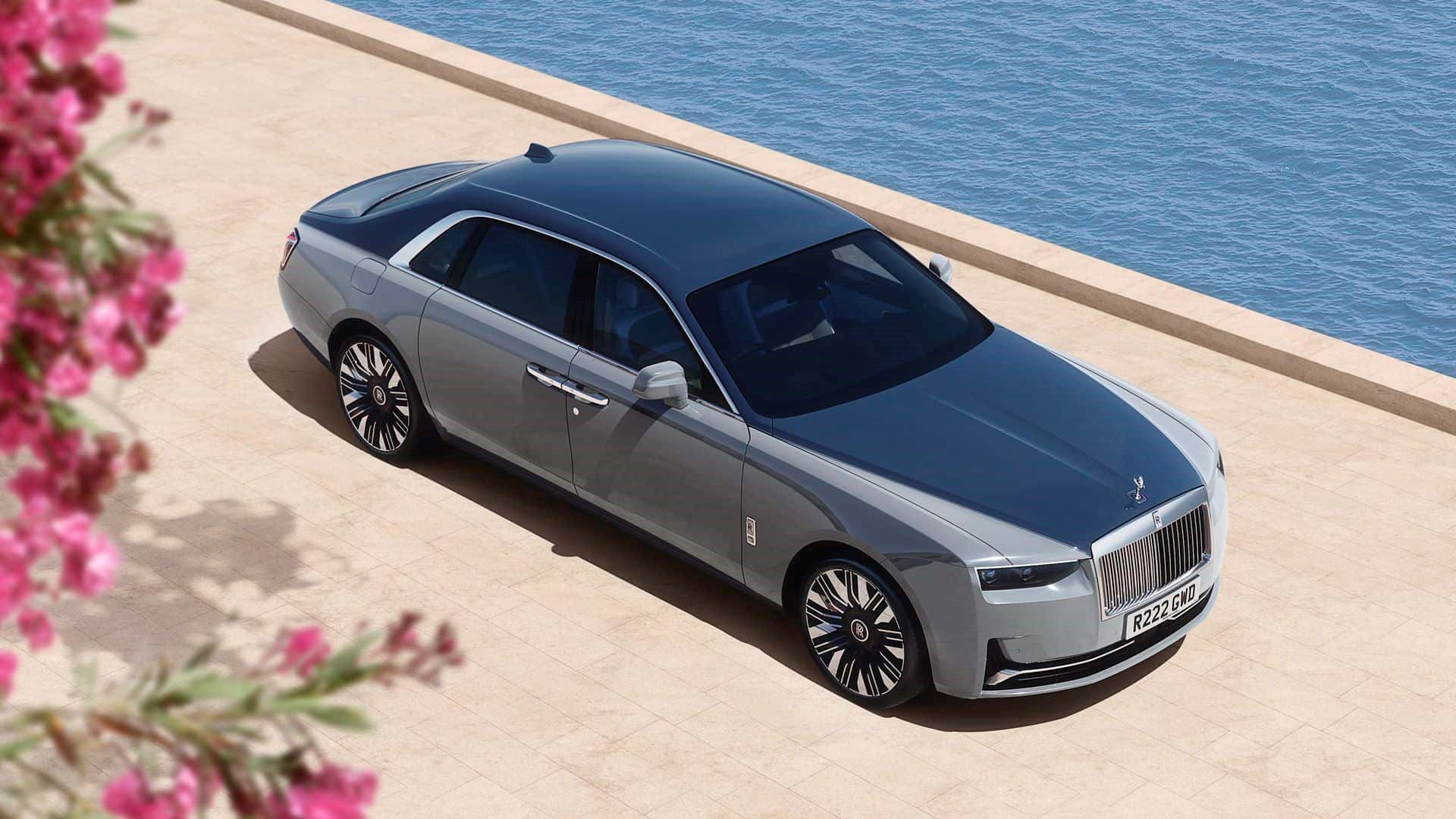
8. Rolls-Royce Ghost
The Rolls Royce Ghost is renowned for its unmatched focus on serenity, and the door slam reflects this philosophy with remarkable subtlety.
The closure is soft, measured, and quiet, yet it conveys a sense of controlled confidence that suggests both strength and refinement.
The sound is more like a statement than a mechanical action, creating the impression that the cabin is a sanctuary shielded from the outside world.
This gentle, yet purposeful, slam perfectly mirrors the brand’s identity and sets the tone for the Ghost’s luxurious driving experience from the very first interaction.
Engineering precision is at the heart of this door’s behavior. The Ghost’s doors are constructed to move smoothly and effortlessly, with hinges designed to provide a near-gliding motion that minimizes friction and mechanical resistance.
The latch engages in a manner that produces a subdued yet satisfying acoustic signal, carefully balancing softness with perceptible weight.
The result is an elegant, understated sound that reassures passengers that the vehicle is built to exacting standards without the need for heavy-handed audibility.
The interior’s acoustic treatment amplifies the effect of the door slam. Once closed, the cabin transforms into a near-silent environment, creating a stark and pleasing contrast with the external world.
The soft, rich tonal quality of the slam is complemented by the immediate drop in ambient noise, which reinforces the Ghost’s reputation for calmness and comfort.
This combination of quiet authority and tactile satisfaction provides passengers with an unmistakable sense of entering a refined, controlled, and prestigious space.

9. Volvo XC90
The Volvo XC90 produces a door slam that communicates stability, safety, and thoughtfulness in design. The sound is firm without being harsh, delivering an impression of structural strength that aligns perfectly with the brand’s reputation for safety.
As the door closes, passengers feel a sense of reassurance, as if the car itself is reinforcing the protective environment within. This acoustic cue complements the XC90’s broader focus on passenger welfare, turning a simple action into a meaningful signal of quality and reliability.
Cabin insulation further enhances the XC90’s door slam, creating an immediate auditory transition from the outside world to a quiet interior. The noise reduction emphasizes the vehicle’s focus on comfort and passenger well-being, reinforcing the perception that the interior is a protected sanctuary.
This acoustic shift makes the door slam more than just a mechanical motion; it becomes an essential part of the sensory experience, highlighting Volvo’s dedication to functional luxury and safety combined.
Finally, the ergonomics of the door contribute to its satisfying closure. The hinges and latches are engineered to provide smooth, effortless motion while maintaining a perceptible sense of solidity.
Each slam feels consistent and confident, enhancing tactile satisfaction and reinforcing the vehicle’s reassuring personality. In the XC90, the door slam exemplifies how even functional elements can reflect a brand’s philosophy, providing an audible and physical testament to safety, strength, and thoughtful design.

10. Cadillac Escalade
The Cadillac Escalade’s door slam communicates presence, confidence, and premium quality, perfectly complementing the vehicle’s commanding size.
The deep, resonant tone produced when the door closes reflects the substantial construction of the panels and the precise engineering of the hinge and latch systems.
The sound is both powerful and controlled, offering passengers an immediate impression of luxury and durability.
From the first closure, occupants sense that they are entering a vehicle built for comfort, protection, and prestige, where every detail contributes to the impression of refinement.
Acoustic insulation within the cabin further emphasizes the impact of the door slam. Once the door is closed, exterior noise is reduced noticeably, creating a distinct sense of separation between the vehicle’s interior and the outside world.
This transition enhances the perception of a refined, quiet, and protected environment, reinforcing the Escalade’s luxury credentials. The combination of rich tonal quality and immediate interior calm makes the slam a key element in shaping the first impression of the vehicle.
Finally, the ergonomics of the hinges and latches ensure a smooth, controlled motion that complements the sound. The door requires minimal effort to close, yet each slam feels deliberate and substantial, enhancing the feeling of confidence and sophistication.
In the Escalade, the door slam is more than a functional necessity; it is a statement of quality and presence, reflecting the brand’s focus on combining size, luxury, and craftsmanship in a way that is immediately perceptible to every passenger.
