
Some machines arrive with thunderous potential yet leave barely a trace despite possessing serious performance, dramatic shapes, and a sense of ambition that deserves recognition.
The automotive market is full of strange stories where extreme engineering, bold styling, and tremendous horsepower cannot guarantee commercial success.
Sometimes, timing is poor. Sometimes pricing misses the mark. Sometimes a company lacks the reputation needed to gain trust from wealthy buyers who expect not only speed but also a long term sense of security when purchasing something rare and expensive.
Even the most visually arresting or fiercely engineered supercars can end up sitting in showrooms, waiting for customers who never arrive.
This mixture of ambition and market reality creates a remarkable collection of machines that offered tremendous promise yet stumbled once they finally reached production.
This article looks at ten such cars that arrived with intense personality but ended up struggling for attention.
None of these cars suffered from a lack of imagination. Some had absurd horsepower, dramatic bodywork, or exotic configurations that rivaled anything from major brands.
Others aimed to disrupt the industry through creative approaches that might have worked if they had launched at a different moment. What connects them all is that each one carried a spark of greatness yet still failed to reach buyers in significant numbers.
Supercar buyers can be surprisingly cautious. When someone is paying a small fortune for a machine intended to push mechanical limits, they want confidence in engineering quality, long-term support, and brand prestige.
Without those elements, even the most flamboyant creation risks becoming a hard sell. Limited production sounds enticing, yet sometimes limited production is not a marketing choice but a harsh reality caused by low demand.
The following ten supercars remind us that speed alone does not guarantee success. They carry passion, ambition, and impressive specifications, yet each found itself overshadowed by competitors with stronger reputations or more predictable reliability.
These stories highlight the unpredictable nature of a marketplace shaped as much by perception as by performance.
1. Vector W8
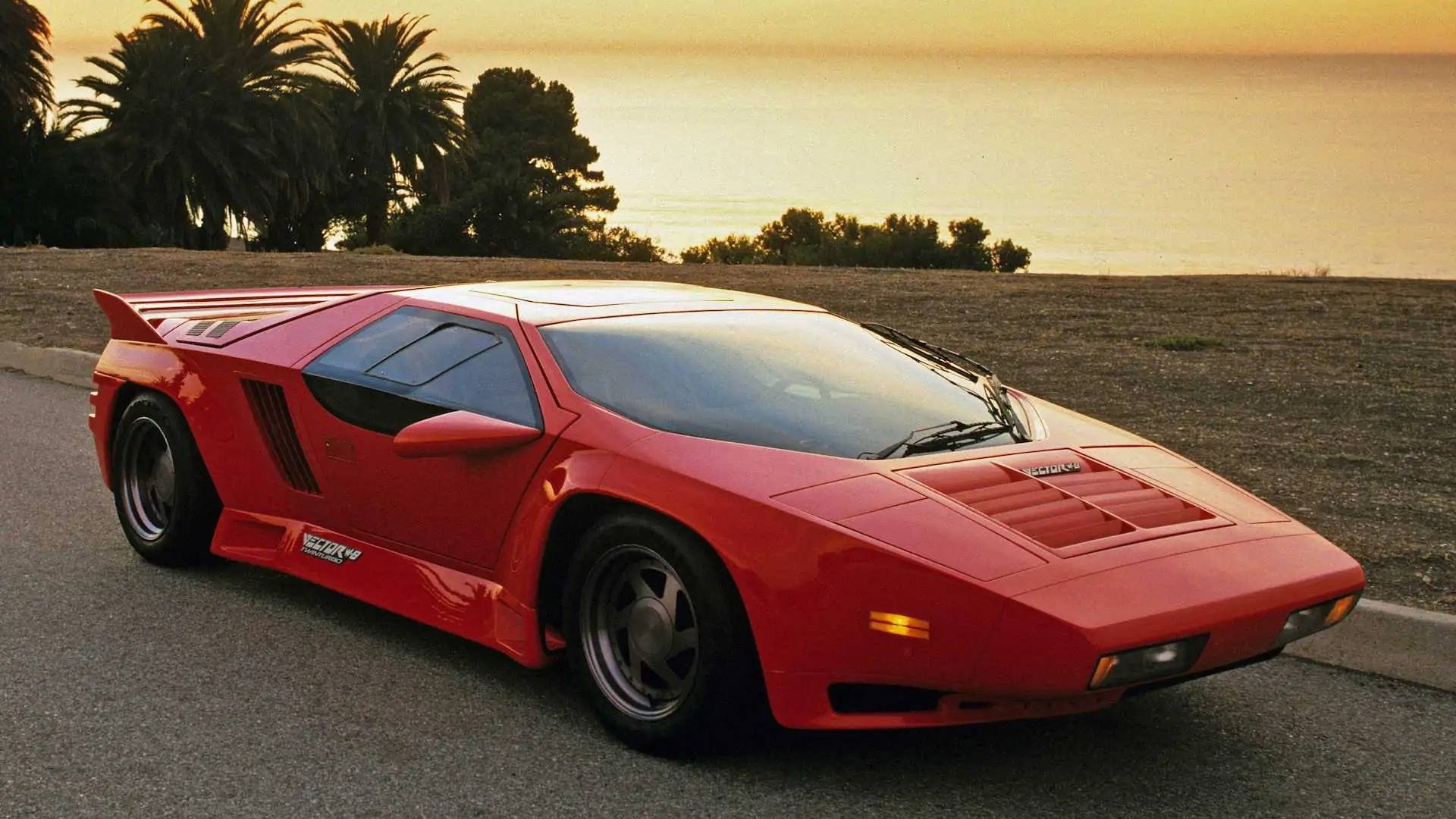
The Vector W8 arrived with a presence that felt almost unreal, shaped by sharp panels and intense proportions that refused to blend into any established category.
Its interior looked more like a military cockpit than a luxury cabin, filled with switches, screens, and unusual layouts that fascinated enthusiasts but worried buyers who wanted reliability.
Even though the car produced serious power through its twin turbo engine, many potential customers saw it as a risky purchase from a company without a long history.
The performance was never the issue. The fear came from uncertainty. People who spent this kind of money did not want to feel like they were helping fund an experiment. They wanted reassurance that the machine would not become impossible to maintain a few years later.
The asking price placed it directly against major European brands with decades of experience and global support networks. When buyers compared a bold but unproven American supercar to trusted names with deep racing heritage, many felt the safer choice was the established option.
Even if the Vector offered numbers that excited the imagination, it lacked the comfortable sense of predictability that wealthy customers expected.
Supercar purchases are emotional, but they are also practical to a surprising degree. No one wanted to risk owning a machine that might require rare parts or specialized care that only a handful of technicians understood.
Manufacturing challenges only heightened the hesitation. Building a high-performance machine requires precision, consistency, and long term planning.
The company behind the W8 struggled to maintain stable production levels, which fed rumors that the project lacked proper financial grounding.
Buyers wanted reassurance before committing, but each delay or complication pushed interest away. Even a small issue became magnified when dealing with a boutique brand attempting to charge prices similar to Ferrari or Lamborghini.
Despite the commercial disappointment, the W8 eventually earned respect among collectors and enthusiasts who admired its vision. It represented daring creativity rather than cautious engineering.
Today people view it as a symbol of ambition, yet many of those admirers admit they would not have purchased one when it was new because the risks were too high.
The market simply was not ready to reward a company that tried to leap straight into the same arena as legendary manufacturers.
2. Jaguar XJ220
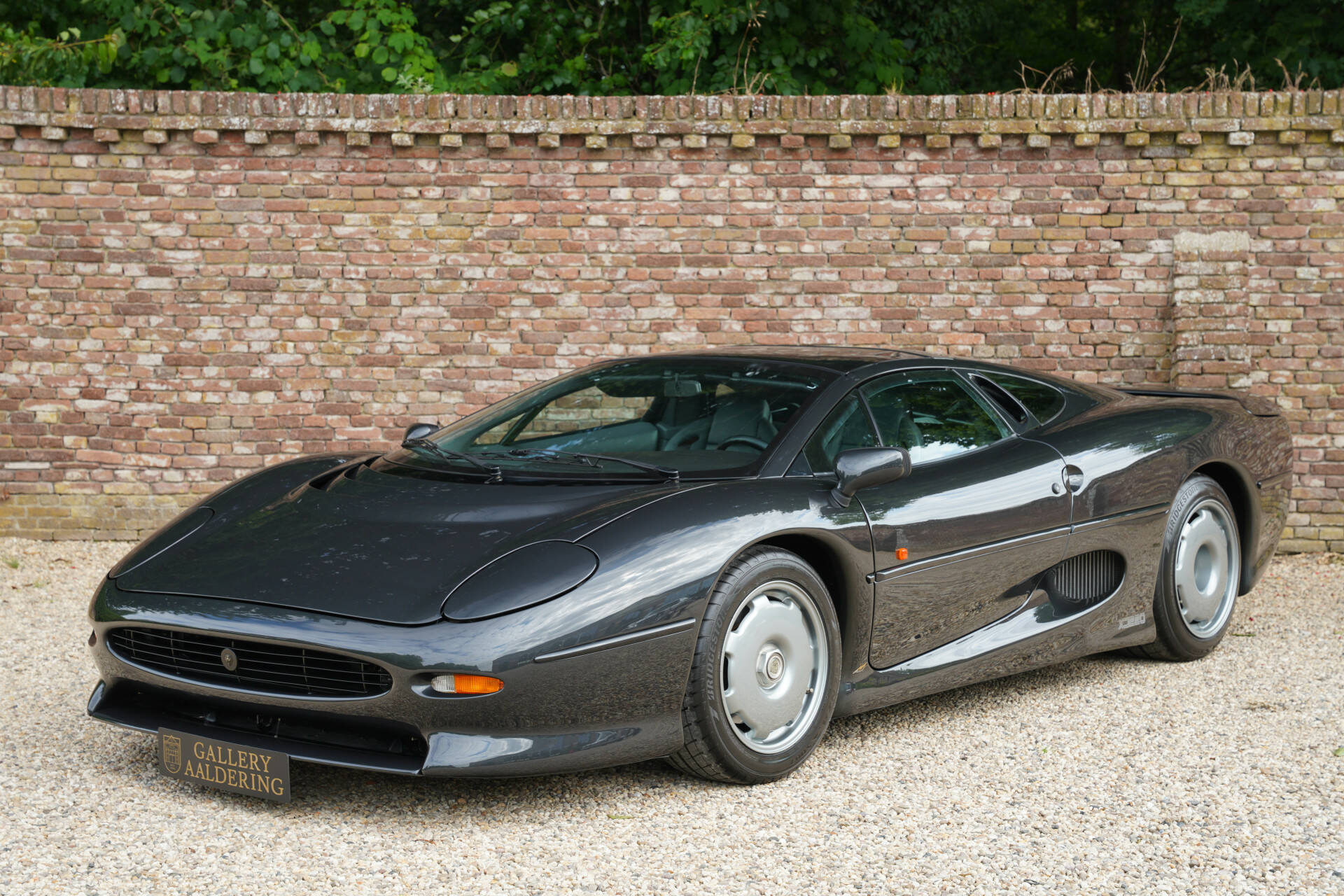
The Jaguar XJ220 began life as a concept that electrified the public with promises of a massive V12 engine and cutting edge all wheel drive.
The finished production model arrived with a twin turbo V6 and Rear Wheel Drive instead, which disappointed many early supporters who felt the company had abandoned its original vision.
While the actual car remained incredibly fast, the shift in configuration created a sense of mistrust that lingered throughout its launch.
Buyers who placed deposits expected a certain type of machine, and even though the new engine produced impressive performance, it did not match the dream that had been advertised earlier.
Economic timing only added to the difficulty. A global downturn arrived just as the car reached customers, and luxury purchases became far more scrutinized.
Spending such an enormous amount on a supercar suddenly felt irresponsible to many wealthy individuals who had initially shown interest.
Even the heritage of the Jaguar brand could not overcome the pressures of uncertain financial conditions. The market for extreme performance vehicles shrank almost overnight, leaving the XJ220 stranded at the worst possible moment.
Ownership concerns presented another barrier. Maintaining the vehicle required specialized care that was expensive and sometimes complicated. Word spread quickly among collectors that the car demanded more attention than expected, which discouraged additional buyers.
People feared that long term stewardship would become a challenge, especially since only a limited number of technicians understood the mechanical details fully. Potential customers wanted both speed and ease of ownership, yet the XJ220 seemed to offer one without the other.
Over time the car gained a renewed appreciation. Its sleek shape aged gracefully, and enthusiasts began to admire its performance with fewer expectations tied to the original concept. However, this improved perception arrived long after the production run.
The struggle during its launch serves as a reminder that even companies with respected histories can miscalculate market conditions and customer expectations, leading to slow sales despite strong engineering.
3. Bugatti EB110
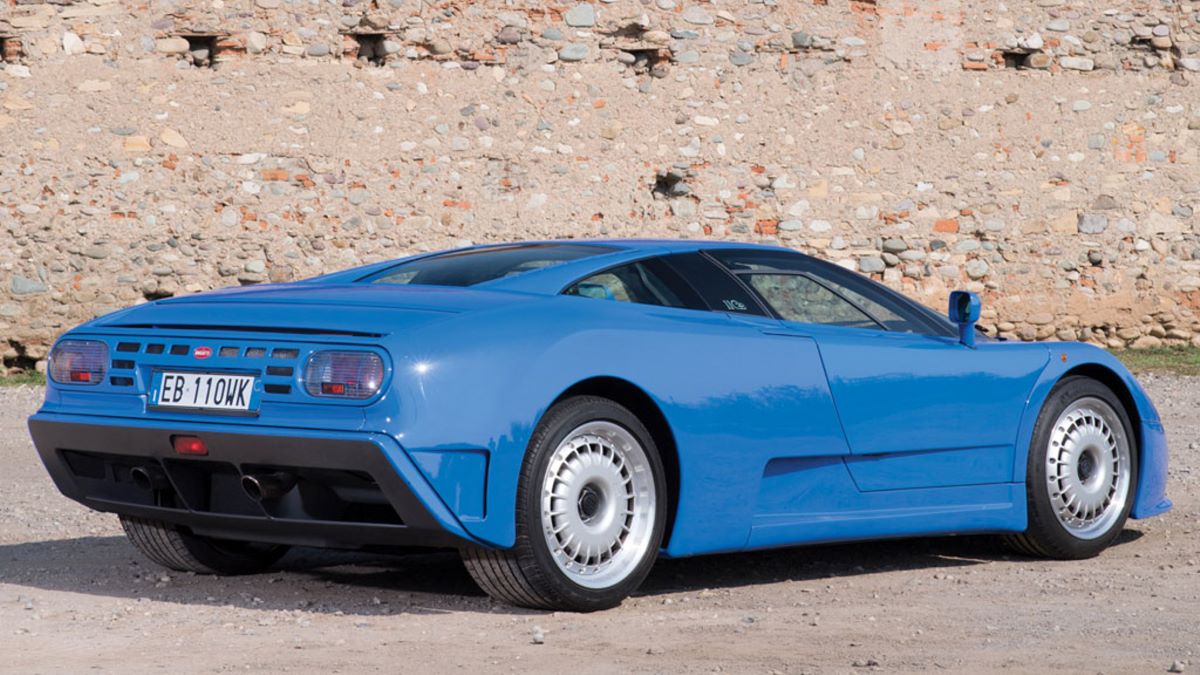
The EB110 emerged from a revived company determined to reclaim one of the most storied names in automotive history. Equipped with a quad turbo V12, advanced all wheel drive, and an exotic chassis, it presented engineering that rivaled anything on the planet.
Yet potential buyers hesitated, unsure whether the new company had the stability required to support such a complex machine. A supercar purchase involves more than the thrill of raw performance.
It requires trust that the manufacturer will exist long enough to provide maintenance, spare parts, and future updates. The revived Bugatti lacked this foundation, which made many enthusiasts admire the car from a distance without making a purchase.
Even though the original Bugatti name carried prestige, decades had passed without any modern production. Wealthy customers often rely on consistency when choosing high performance machines, preferring companies that have established long term reliability.
The EB110 might have been a technological marvel, but the uncertainty surrounding the company overshadowed its abilities.
Buyers had to ask themselves what would happen if the business failed. Who would service the car? Who would provide replacement parts? Such questions lingered and discouraged commitment.
Competition also limited interest. Established brands offered models with similar capabilities but with far more predictable ownership experiences. When customers compared the choices, they often preferred familiarity over innovation.
Buying a supercar is rarely about choosing the most technically advanced option. It is about choosing a machine that inspires confidence in both performance and support. The EB110 could match or exceed its rivals in speed, but it could not match them in financial stability or brand continuity.
In time the car became cherished by collectors who recognized its significance and admired its design.
Once the pressure of early uncertainties faded, people viewed the EB110 with greater appreciation. However, this renewed respect arrived long after the commercial opportunity had passed.
The car’s struggle was not caused by a lack of capability, but by circumstances that prevented buyers from taking a chance on a company still finding its footing.
4. Saleen S7 Twin Turbo
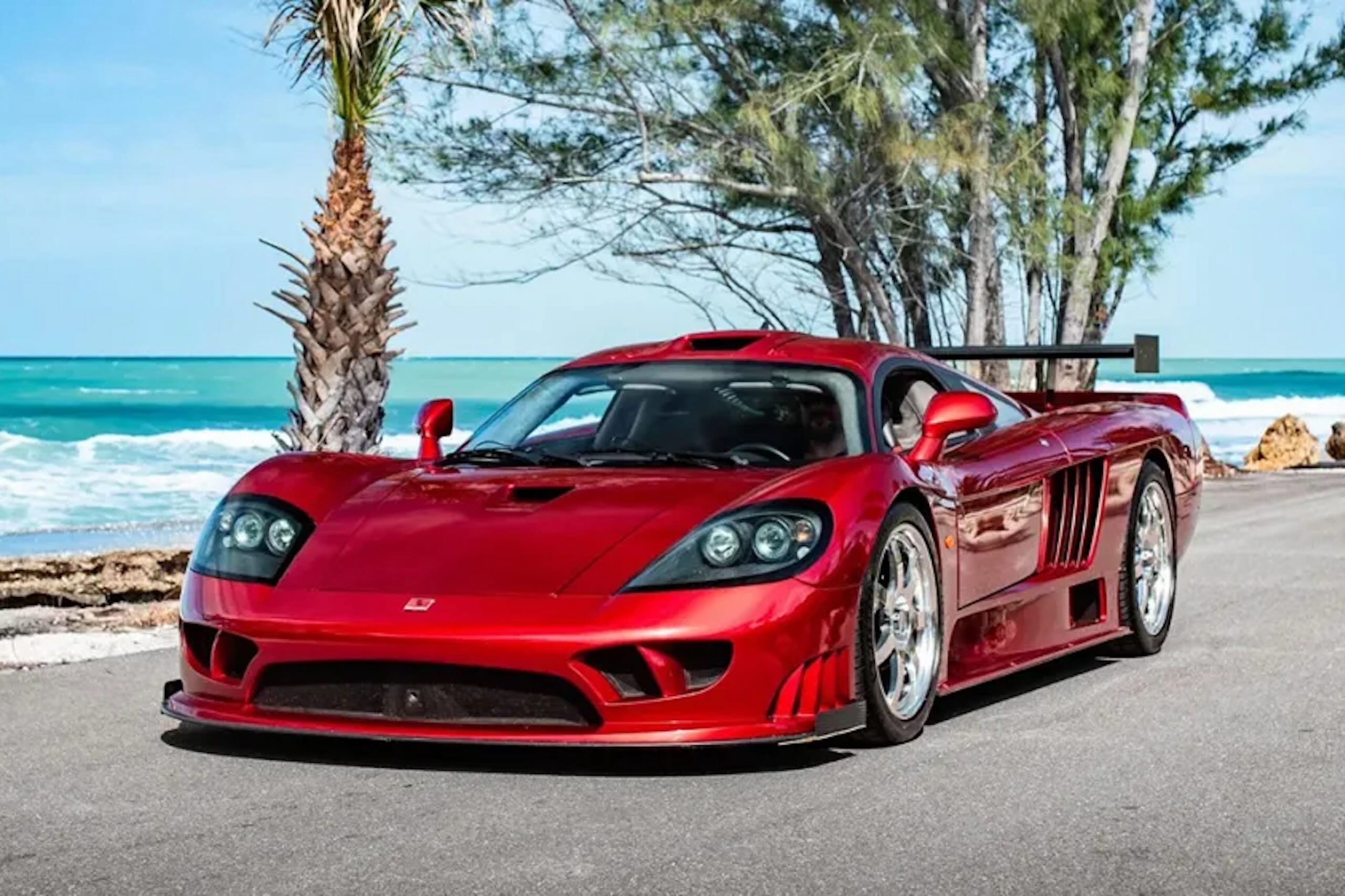
The Saleen S7 captured attention with a dramatic shape that looked aggressive from every angle. Its long body, large intakes, and fierce stance made it clear that the car prioritized performance above all else.
The twin turbo version delivered immense power capable of challenging the best known supercars of its era.
Yet this extreme focus on speed came with trade-offs that limited its appeal. Many buyers admired the numbers but questioned whether such a raw machine fit into their lifestyle, especially compared to smoother, more refined competitors.
A major obstacle was brand reputation. Saleen had credibility in the tuning world but lacked the long-lived heritage found in European supercar manufacturers.
Wealthy customers spending large sums wanted a sense of tradition behind their purchase. They wanted to feel part of something established.
While the S7 offered an exciting alternative, it did not provide the lineage or global recognition that influenced many decisions. Buyers often appreciated the car but stopped short of placing an order because they worried about how ownership would unfold.
Maintenance also became a concern. The S7 required careful attention, and its race-inspired layout meant that even routine tasks could be complicated. Some customers enjoyed this level of interaction, but many others preferred machines that balanced excitement with ease.
The interior, while functional, lacked the luxurious warmth that many high-end buyers expected. Comfort mattered, even in a machine built for speed, and the S7 leaned heavily toward performance at the expense of refinement.
Despite these challenges, the car earned admiration among enthusiasts who respected its ambition and capability. Over time it became a symbol of American performance potential, though its commercial success remained modest.
The limited sales reflected not the quality of engineering, but the market’s preference for brands with broader support systems and more versatile personalities. The S7 showed that pure speed alone is seldom enough to attract a wide customer base in the supercar world.
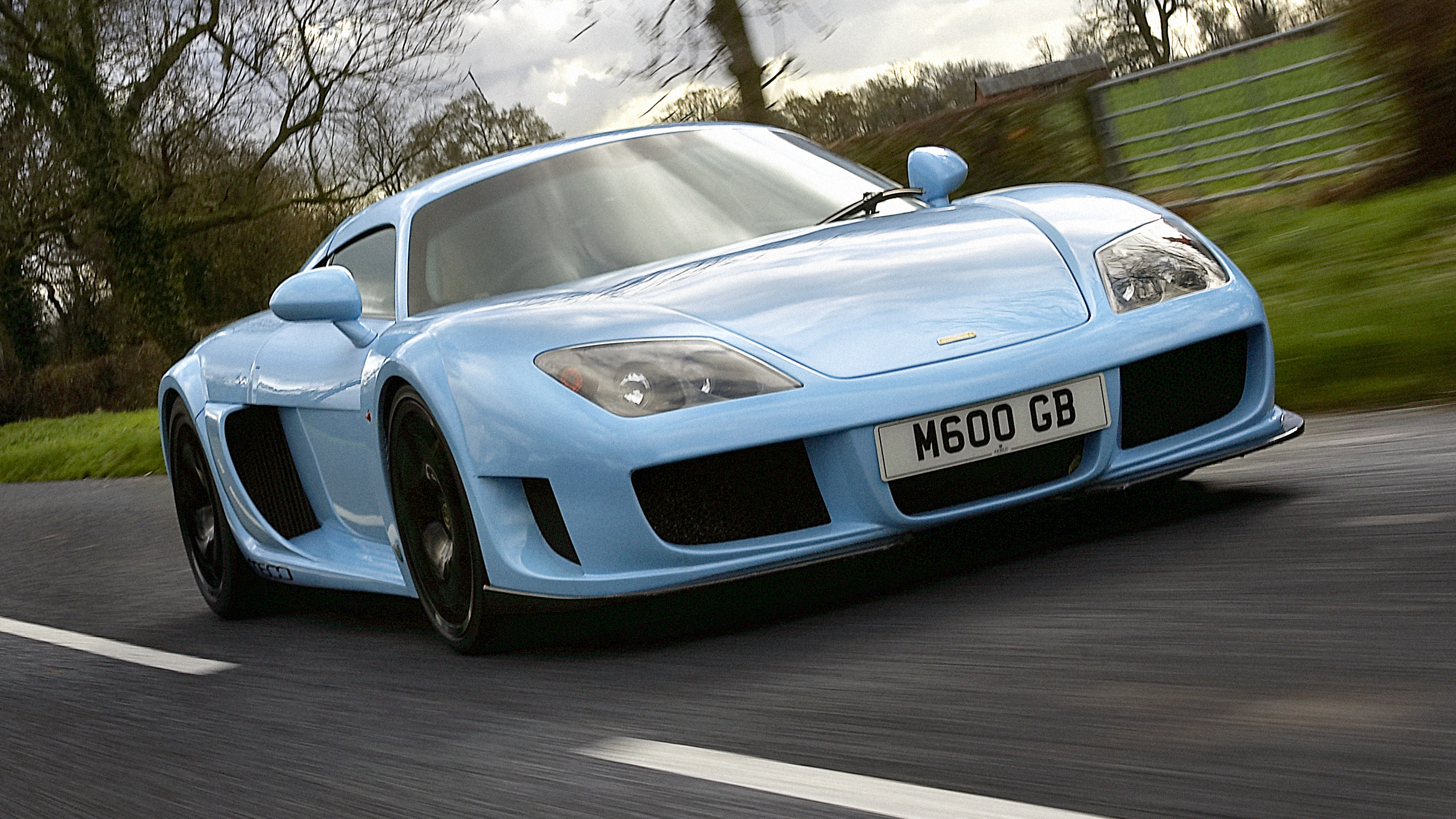
5. Noble M600
The Noble M600 presented a refreshing alternative to the growing trend of driver assistance technology. Built with an intense focus on mechanical purity, it provided a driving experience that demanded attention and rewarded skill.
Its powerful engine delivered massive performance, but the absence of extensive electronic safety systems intimidated many potential buyers.
People who could afford such a car often preferred stability and reassurance rather than a machine that relied entirely on driver input. The M600 offered excitement but lacked the sense of security found in many of its rivals.
The manufacturer’s small size created additional hesitation. Buyers relied heavily on service networks, warranty resources, and global presence. Noble, despite producing capable cars, did not possess the infrastructure needed to comfort customers who might worry about long-term support.
A supercar is an investment as much as a toy, and without firm backing from a recognizable brand, people questioned whether ownership would remain manageable over the years.
Pricing placed the M600 among competitors that offered both strong performance and luxury features. While the car matched or exceeded these rivals in raw speed, it did not match them in comfort or prestige.
Buyers willing to spend that level of money often sought a complete package that blended craftsmanship, technology, convenience, and reputation.
The M600 delivered thrilling driving sensations but lacked several elements that high end customers expected as part of the experience.
Despite its limited commercial success, the car earned admiration among enthusiasts who valued its honesty and character. It represented a philosophy centered around driver involvement rather than electronic assistance.
Many people appreciated its approach but still avoided purchasing one due to concerns about practicality and support. The M600 stands as an example of how a brilliant machine can struggle in a market that favors well known badges and modern conveniences.
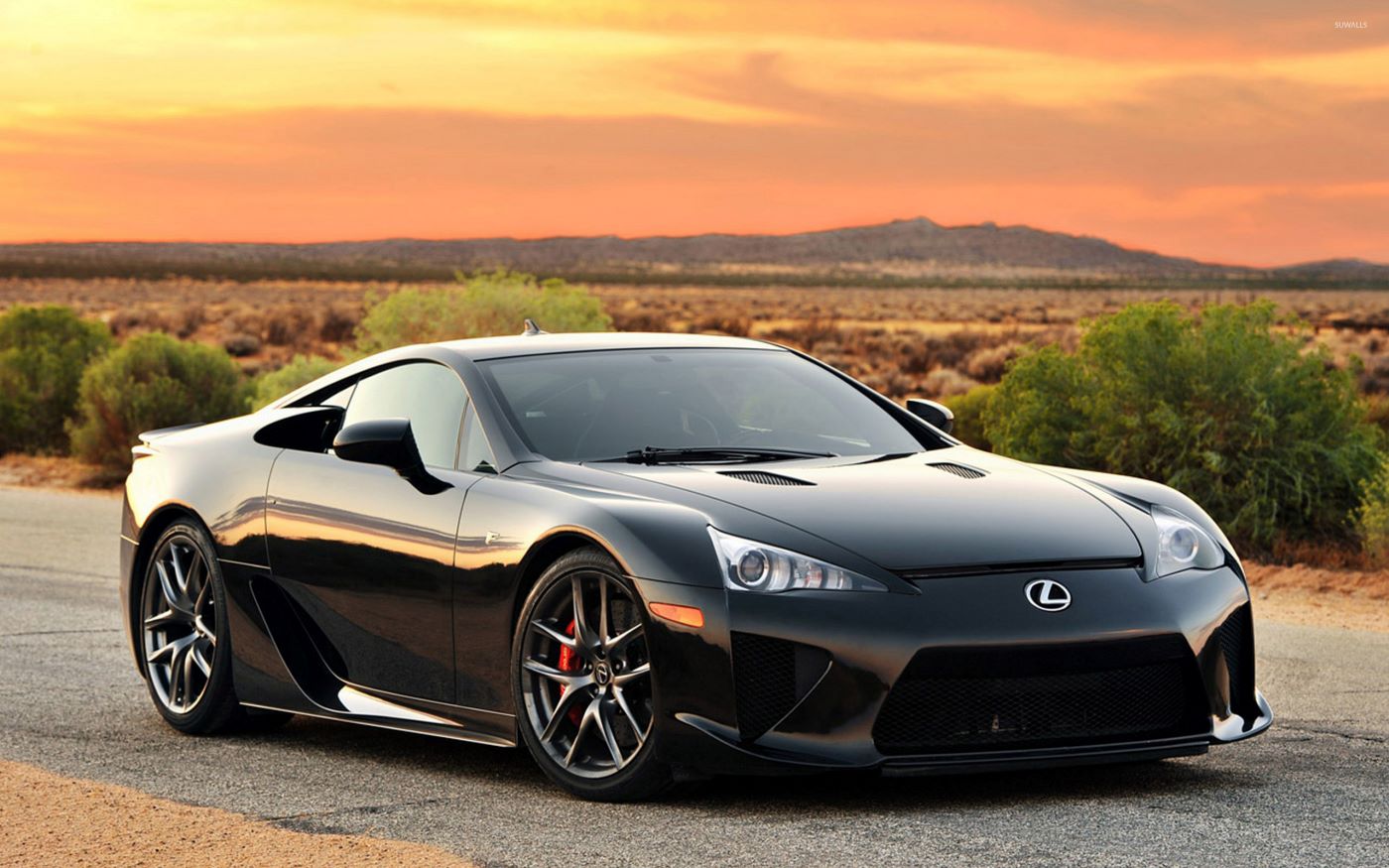
6. Lexus LFA
The Lexus LFA represented a remarkable engineering achievement, combining a naturally aspirated V10 engine with a chassis and materials built to the highest standards.
Every detail of the car was crafted for precision, from its carbon fiber body to the exhaust that produced a spine-tingling sound.
Despite these extraordinary attributes, many buyers hesitated due to the brand’s perception. Lexus had long been associated with reliable, sensible luxury sedans, and the thought of spending millions on a high revving supercar from a company without a racing pedigree caused doubt among some potential customers.
They questioned whether a machine with such technical brilliance could carry the same prestige as a Ferrari or McLaren, even if it delivered similar performance.
Another challenge was the price tag, which placed the car in the very high end of the supercar spectrum. Wealthy buyers weighing options often compared the LFA to more established European alternatives.
While the LFA’s performance figures were extraordinary, including a near-limitless rev range and exceptional handling, the car offered less historical prestige than the brands it competed with.
Supercar buyers often value not only performance but also the story behind the machine. The LFA’s relative novelty made it harder for people to justify investing in such a rare and expensive object.
Maintenance and long-term ownership concerns also played a role. While Lexus engineered the car to extraordinary standards, potential owners worried about sourcing parts, servicing, and retaining value over time.
Even the most devoted enthusiasts sometimes hesitate when a vehicle requires unique attention or specialized knowledge. In a market where peace of mind is almost as important as thrill, these concerns weighed heavily against the LFA.
Over time the LFA has gained considerable respect and recognition. Collectors now value its engineering, sound, and rarity, and its price continues to climb on the secondary market.
While initial sales may have been slower than anticipated, the car has proven its worth, demonstrating that brilliance in design and execution eventually earns its place, even if the market initially resisted it.
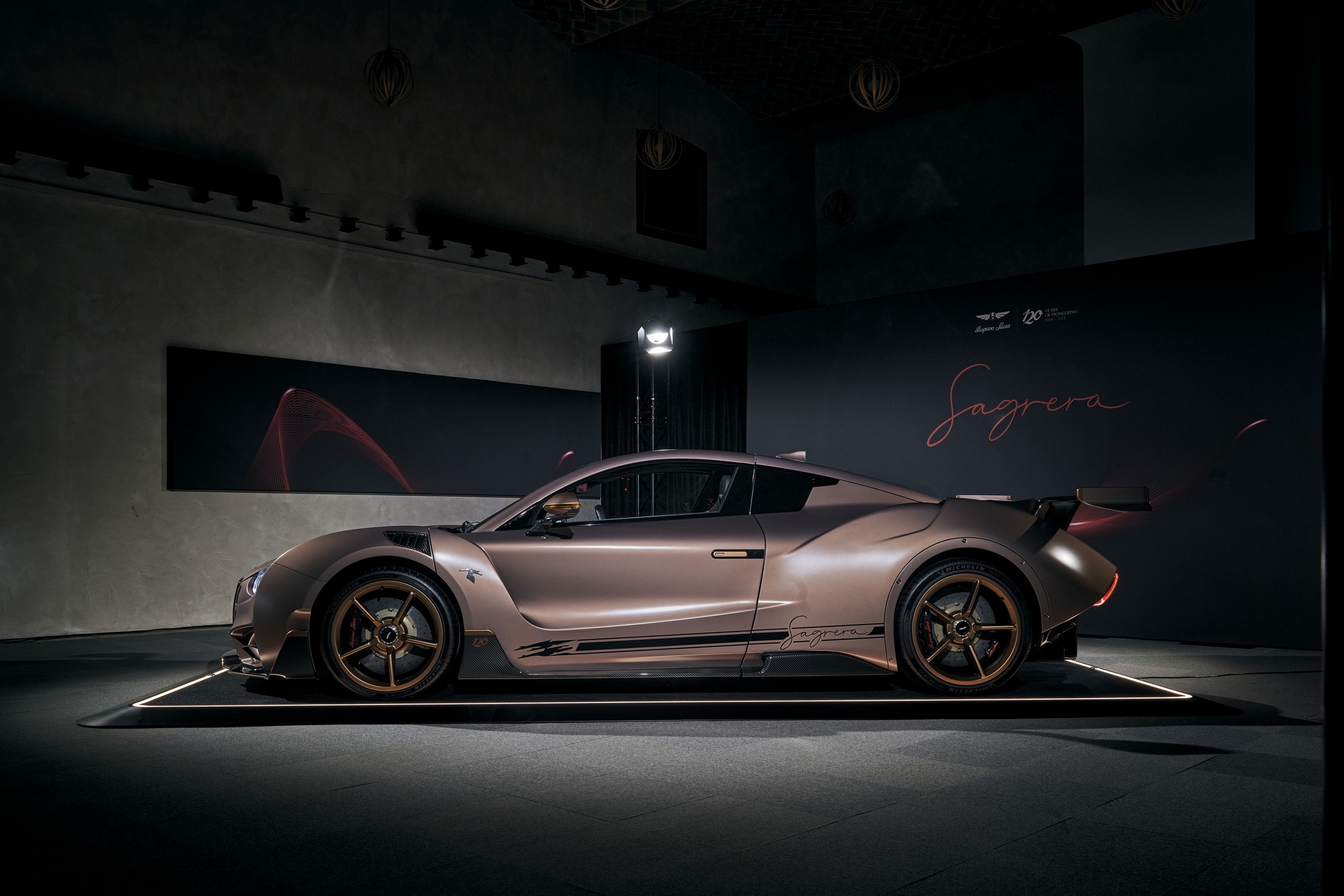
7. Hispano Suiza Carmen
The Hispano Suiza Carmen sought to revive one of the most luxurious and innovative marques in automotive history. Drawing inspiration from classic models while embracing modern electric propulsion, the car offered stunning acceleration and a uniquely elegant design.
Yet the revived brand faced significant challenges. Many buyers were unfamiliar with its history and uncertain about whether the company could support a high-end electric supercar in the long term.
Trust in brand stability plays an outsized role when deciding to invest in a multimillion-dollar machine, and without a recent track record, hesitation was understandable.
The design of the Carmen divided opinion. Its sweeping curves, elaborate rear styling, and intricate details attracted attention and admiration from some enthusiasts, while others found it unconventional or difficult to appreciate.
Supercar buyers often prefer designs that balance aggressive aesthetics with timeless proportions.
A polarizing visual presence, no matter how technically impressive, can limit appeal and reduce potential sales to a narrower demographic, which is exactly what happened with this model.
Pricing also played a crucial role in limiting sales. Positioned at the top of the luxury electric market, the Carmen faced competition from companies with stronger reputations and more extensive service networks.
Buyers often favored a machine with both the performance they desired and the reassurance that comes from a brand they could trust.
For many, the Carmen offered the first but left doubts about the second unresolved, discouraging purchases despite its exceptional acceleration and craftsmanship.
The Carmen illustrates how challenging it can be to revive a historic brand in today’s high-end market. Even with groundbreaking technology and striking design, overcoming buyer skepticism requires time, consistent success, and a clear demonstration of long-term viability.
While collectors now appreciate the Carmen’s ambition and engineering, the car struggled to achieve significant commercial success at launch.
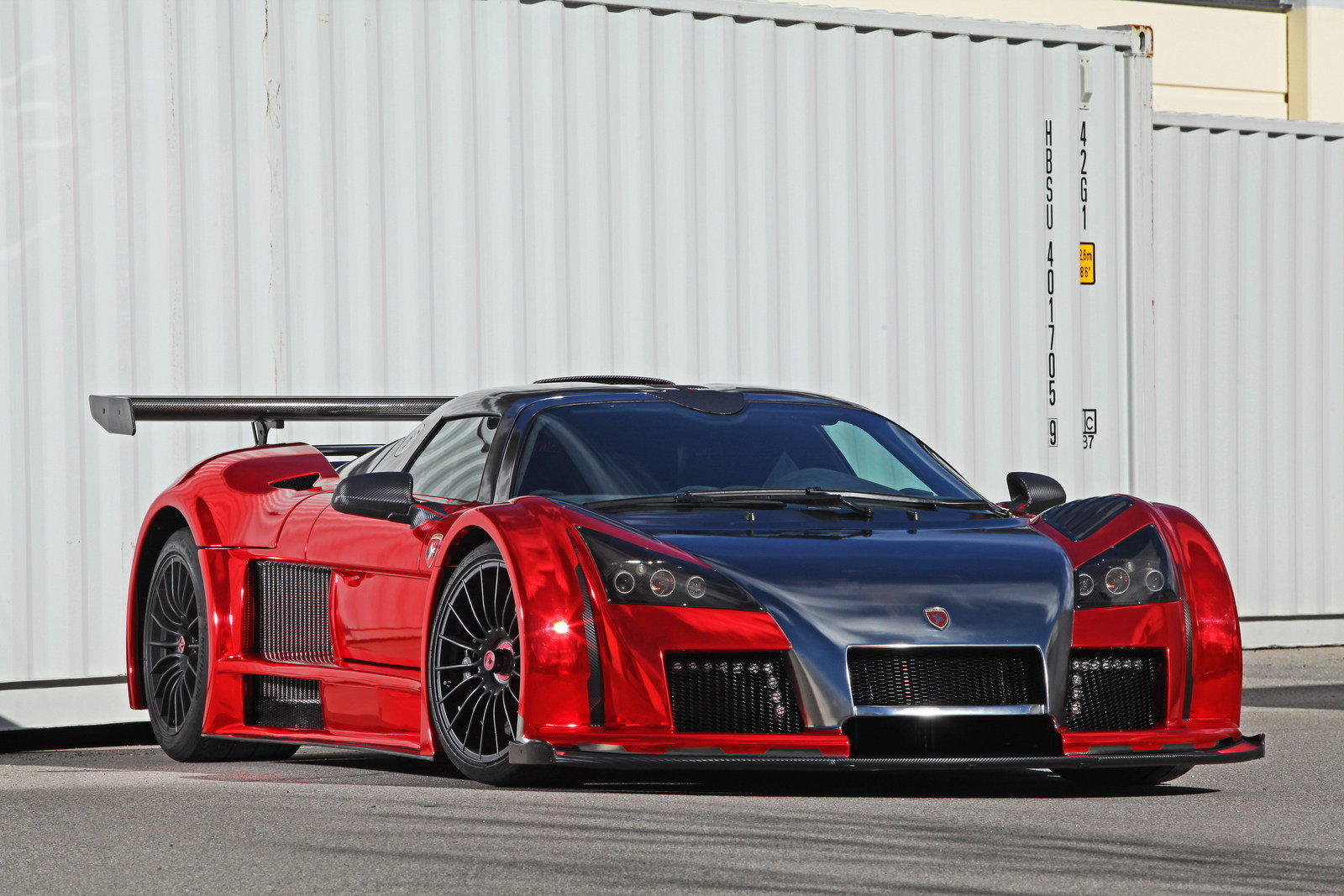
8. Gumpert Apollo
The Gumpert Apollo was unapologetically focused on performance, built as a track-oriented machine with minimal concessions to luxury or comfort. Its exterior design prioritized aerodynamics, resulting in a sharp, angular look that some admired but many found severe.
While its engineering allowed for blistering speeds and precise handling, the extreme focus on performance limited its appeal to a small group of buyers.
Those seeking a supercar that combined speed with refinement often looked elsewhere, leaving the Apollo confined to a niche segment of the market.
The interior reinforced this impression. Sparse and functional, it emphasized driver engagement over convenience.
While enthusiasts who valued raw feedback and connection appreciated the simplicity, it was intimidating to buyers accustomed to modern amenities and advanced driver assistance.
The Apollo demanded respect, skill, and commitment, narrowing the audience to a relatively small, highly focused group of buyers willing to embrace the car’s uncompromising nature.
Company stability also influenced sales. Gumpert was a small manufacturer with limited global reach, which caused some potential customers to question whether parts, servicing, and long-term support would be reliably available. In high-value purchases, confidence in the manufacturer is as important as the car’s specifications.
A lack of clear infrastructure and a small production network amplified doubts about ownership, discouraging many buyers despite the car’s remarkable capabilities.
Despite limited commercial success, the Apollo gained recognition for its engineering excellence and dedication to performance. It remains a symbol of uncompromising design philosophy and track-first mentality.
The car’s story highlights how even extraordinary engineering can be insufficient when comfort, design appeal, and brand assurance are not aligned with buyer expectations.
9. Devon GTX
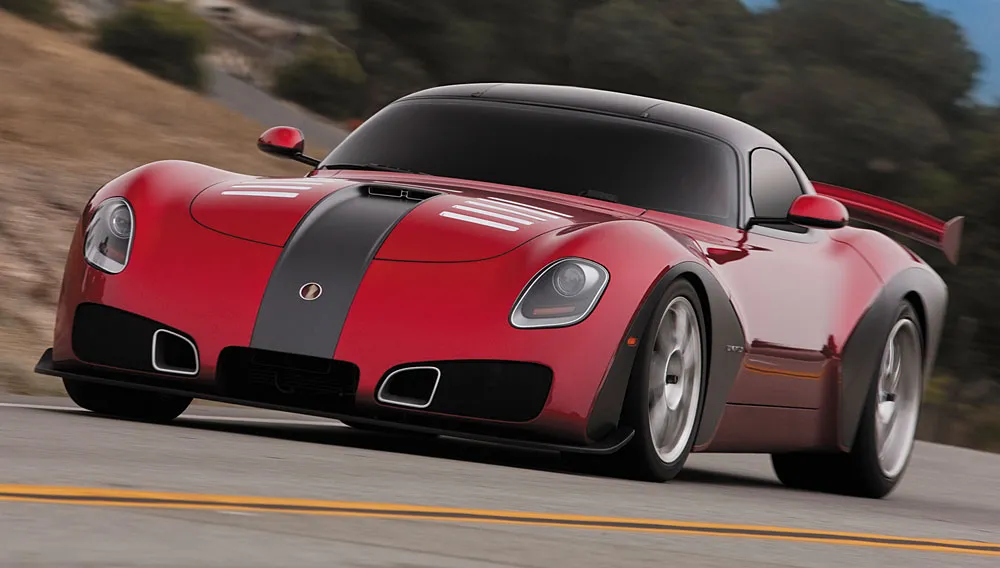
The Devon GTX aimed to create an American alternative to established European supercars. Its design was bold, with aggressive lines, muscular proportions, and an unmistakable presence. Power was abundant, allowing the car to challenge many of its rivals on paper.
Yet Devon faced substantial hurdles before the car could even reach buyers in meaningful numbers.
The dependence on components from a discontinued platform created logistical challenges and caused delays that undermined customer confidence. In a market that expects reliability and continuity, these issues were damaging.
Brand perception further complicated the GTX’s prospects. Competing against manufacturers with decades of racing pedigree and global recognition, Devon struggled to convince buyers that its machine was both exciting and dependable.
Wealthy customers often choose based on reputation as much as raw performance, and a newcomer with limited exposure faces an uphill battle in convincing people to invest heavily.
No matter how fast or visually impressive the car, buyers want reassurance that ownership will be smooth and supported.
Pricing placed the GTX alongside some of the most respected supercars in the world, intensifying comparisons. While its specifications were competitive, the brand had not yet earned the credibility that would justify spending at the same level as Ferrari, Lamborghini, or McLaren.
Enthusiasts admired the GTX’s ambition and styling, but hesitation due to unfamiliarity prevented the car from achieving significant sales.
In the end, the Devon GTX is remembered more for ambition than for widespread adoption.
Its limited numbers and rarity now give it some appeal among collectors, yet the initial commercial challenges serve as a cautionary tale about how even technically impressive machines struggle when timing, perception, and resources do not align with market expectations.
10. Wiesmann MF5
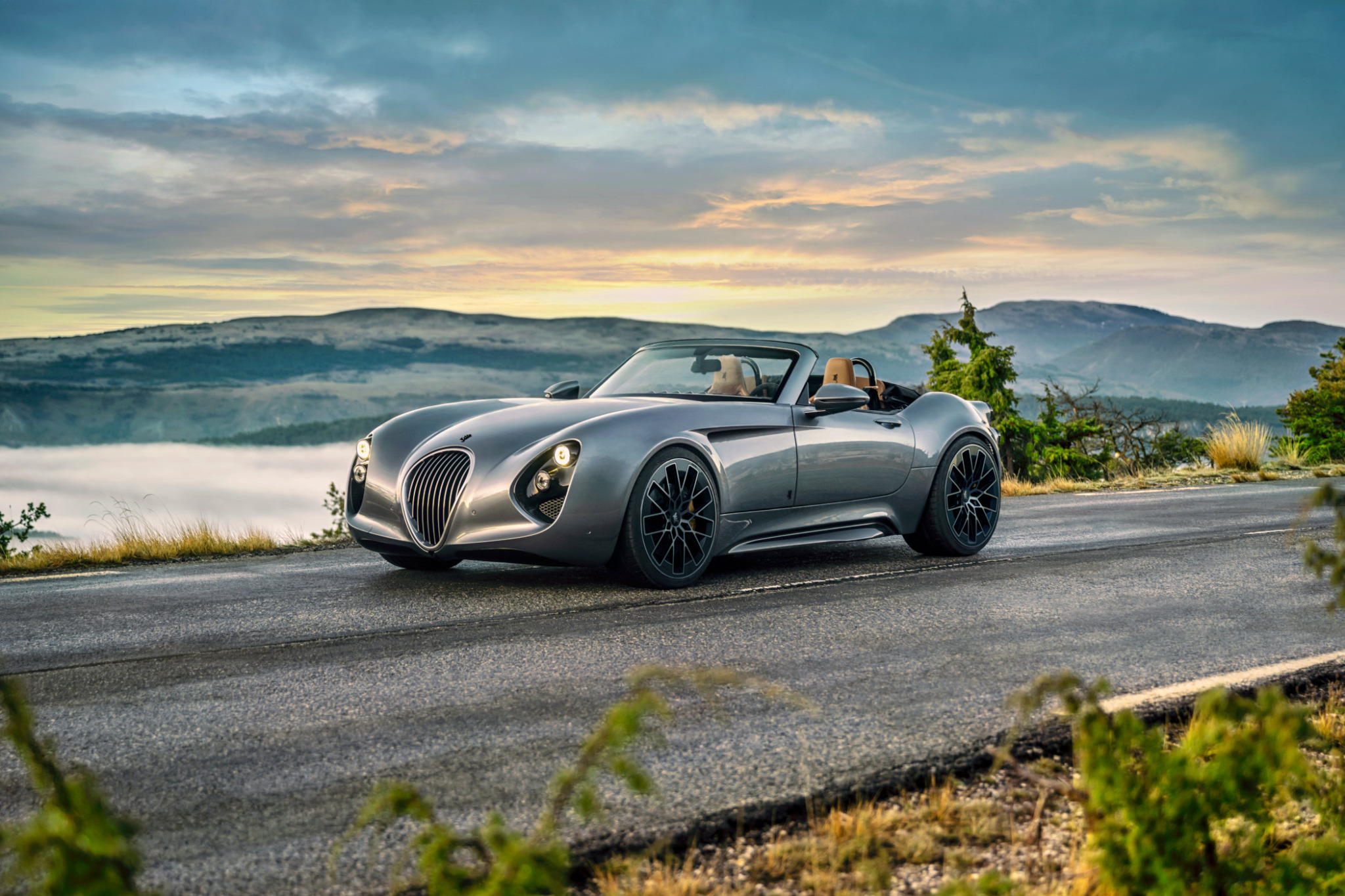
The Wiesmann MF5 blended classic styling cues with modern performance, producing a car that was immediately recognizable and full of character. Its long hood, rounded fenders, and retro-inspired details gave it a charm that appealed to a niche audience.
Underneath, however, it packed a potent engine and performance package capable of competing with contemporary supercars.
Despite this impressive combination, the company’s small size and limited reach created concerns among potential buyers. Questions about long term support, parts availability, and dealer access made committing to a purchase more daunting.
Aesthetic choices also narrowed the car’s appeal. The MF5’s retro-inspired look divided opinion; some enthusiasts celebrated the unique design, while others felt it lacked the aggressive flair or contemporary edge found in competing machines.
In a market dominated by buyers seeking both performance and prestige, polarizing styling can reduce sales even when the mechanical package is outstanding. The MF5’s distinctive character was a strength in one sense but also a barrier in the broader supercar marketplace.
Competition from larger manufacturers presented another challenge. Buyers with the resources to consider the MF5 had multiple options from brands that offered modern amenities, global support, and established reputations.
Although the MF5 delivered driving excitement and individuality, it struggled to match the assurance and luxury offered by these competitors. Many customers opted for a safer choice despite the MF5’s charm and capability.
The MF5 remains a collector’s item admired for its personality and engineering. Its limited commercial success reflected the realities of boutique manufacturing in a competitive supercar environment.
It demonstrates that even machines with character, speed, and uniqueness can struggle when buyers prioritize brand prestige, service availability, and a sense of long-term security.
