
Chevy small block machines have kept their reputation for accessible power, easy maintenance, and a simple thrill that many newer cars struggle to match.
Even in a market where prices rise and fall with little warning, there are still cars that remain within reach for someone who wants the sound of a strong V8 without exhausting every last dollar.
When people talk about affordable muscle, they usually picture rough projects sitting in a driveway, but many Chevy small block cars still appear in private listings, swap meets, local auctions, and informal channels.
These cars do not always carry perfect paint or spotless interiors, yet they carry something better for the budget-minded driver.
They bring the sort of mechanical character that makes every start of the engine feel like the first page of a new story.
Buyers who look carefully can still find ten or more strong options, each with qualities that keep them fun and attainable.
Some are older base trim models that never gained the same fame as the high-performance variants, while others are slightly worn examples of well-known badges that simply need a patient owner.
Each of these vehicles benefits from the wide support network that Chevy small block engines enjoy.
Parts remain reasonably priced, instructions can be understood even by someone new to engines, and there is always someone nearby who has turned wrenches on one of these cars. That combination creates opportunities for anyone willing to take on a practical project.
Even better, many of these cars still run, drive, and idle with no need for complex electronic intervention. Their behavior depends on mechanical tuning and thoughtful upkeep rather than hard to source components. This simplicity keeps purchase prices low and long-term costs manageable.
The phrase for sale right now is broad in this context, because the market for these cars moves mostly through community spaces rather than major platforms. In that sense, right now refers to the constant presence of these models in local buy and sell circles.
Anyone curious about owning one only needs time, basic mechanical interest, and a willingness to inspect what is available.
Below are ten options frequently found at the lower end of the price range. They do not promise perfection or collector grade polish, but they offer character, sound, and an affordable way to get behind a Chevy small block V8.
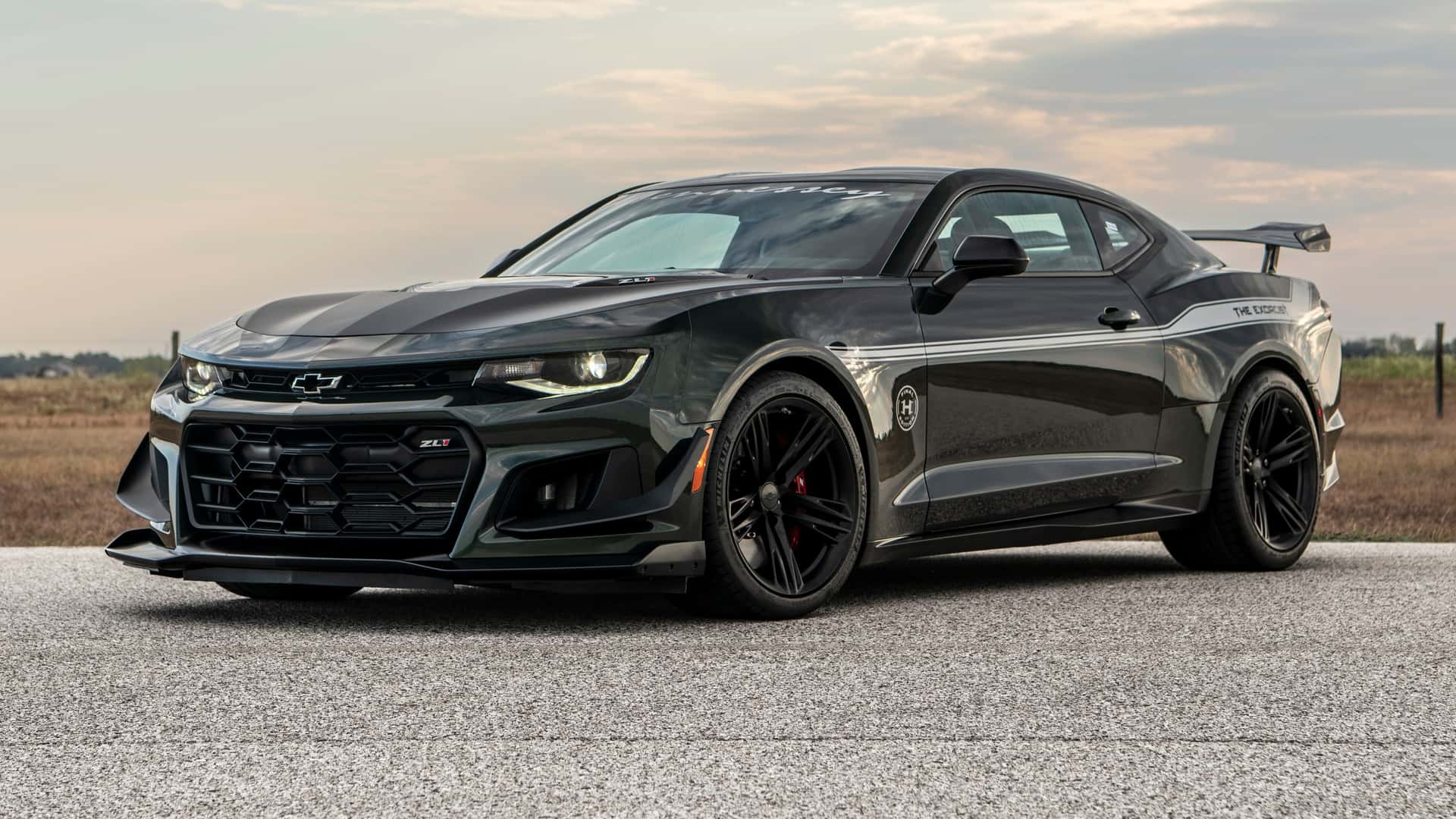
1. Chevy Camaro Late Second Gen
Late second-generation Camaros continue to stand out as a smart choice for buyers seeking small block power at a reasonable cost. Their pricing remains accessible because they sit between earlier collectible models and newer designs that attract a different crowd.
Many examples show faded paint, worn upholstery, or dated mechanical components, which keeps asking prices friendly even when the car still runs well. Under all that cosmetic wear, the small block V8 usually maintains the steady reliability it is known for.
This reassures potential owners that they can step into a classic Chevy without an overwhelming financial commitment. The mechanical layout is simple, the parts are available, and the repairs are largely manageable for anyone with a little patience and interest.
Finding one typically involves local listings, small auction events, or private sellers who simply no longer use the car. These Camaros usually remain functional thanks to their durable construction and decades of repair knowledge passed through generations.
They may need attention such as fuel system cleaning, cooling system refreshes, or brake work, but none of these items tend to stretch the budget.
Their straightforward engineering lets new owners learn as they go without facing overly complex systems. This makes the late second gen Camaro a supportive first project that helps build mechanical confidence.
Interior condition varies dramatically depending on the car’s history. Some have cracked dashboards or tired seats, while others remain surprisingly intact.
Fortunately, interior pieces can be replaced or restored without excessive expense. Seat covers, carpet sets, and dashboard panels are still produced, and many can be installed without professional help.
Even small improvements inside the cabin transform the feel of the car, making it more enjoyable to drive and giving the new owner a sense of progress. This mix of affordability and potential makes the interior refresh process an engaging part of ownership.
On the road, the late second gen Camaro still delivers a satisfying experience. Once worn suspension parts are replaced and the steering system receives fresh components, the car regains much of its original character.
Even versions with modest horsepower provide a bold V8 tone and enough torque to make every drive engaging.
These qualities help the Camaro feel more substantial than its price suggests. For anyone wanting the presence of a classic American coupe paired with small block reliability, this model remains a standout option.
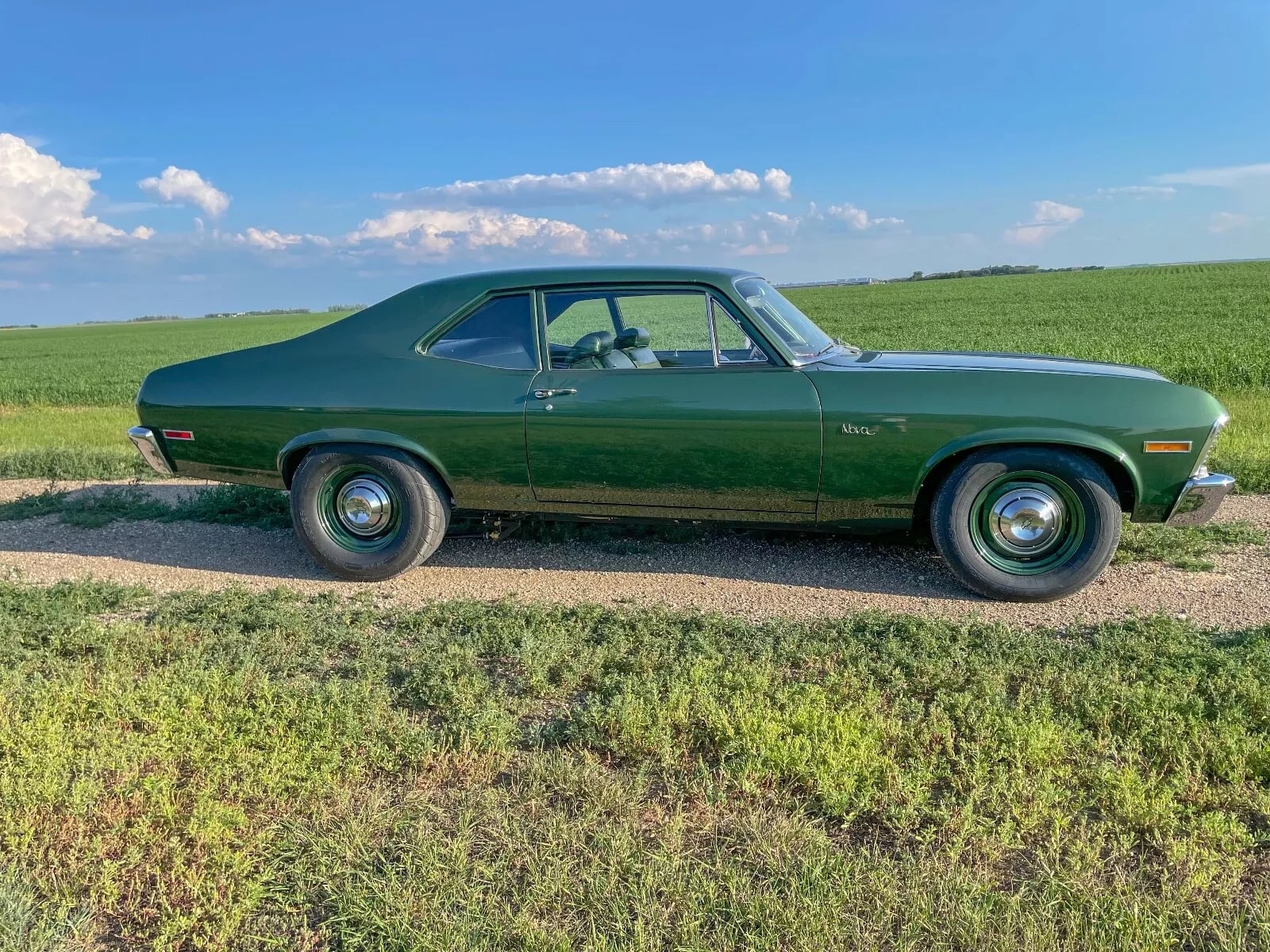
2. Chevy Nova Mid Seventies
The mid-seventies Nova is often regarded as one of the best values for small block enthusiasts who want affordability without sacrificing personality. Because this era lacks the showmanship and premium reputation of the late sixties versions, the prices regularly remain approachable.
Many Novas from these years were purchased as family cars or daily drivers, and that history of consistent use usually helps preserve their mechanical health.
Their small block engines are straightforward, dependable, and friendly to both newcomers and experienced owners. This combination of simplicity and durability creates a car that stays within the budget of most hobbyists.
When searching for one, buyers usually come across Novas that show typical aging issues. These may include minor rust spots, fuel system wear, or tired suspension components. Thankfully, these items rarely cause financial strain because parts are still inexpensive and easy to find.
The engine bay layout offers plenty of room, allowing owners to work comfortably and understand how everything fits together. This ease of access encourages hands-on maintenance rather than expensive shop visits, which keeps long term ownership costs low.
The body sometimes displays rust, especially around lower sections and wheel arches. Even so, many of these issues are manageable for someone who wants to enjoy the car without worrying about show-quality perfection.
Owners often choose to focus on mechanical reliability first, leaving cosmetic upgrades for another time.
Because the mid seventies Nova does not command high collector prices, buyers do not face harsh expectations regarding originality or flawless bodywork. This helps keep the car attainable and stress free for those who simply want a classic they can drive.
On the road, the Nova presents a calm yet responsive character. The ride is soft but stable, the steering is relaxed, and the small block engine provides a steady rumble that adds personality to every outing.
These characteristics make the Nova an enjoyable cruiser that does not require constant attention or specialized parts. Its reliability, reasonable purchase price, and friendly nature firmly establish it as a top choice for anyone wanting a dirt cheap entry into classic Chevy muscle.
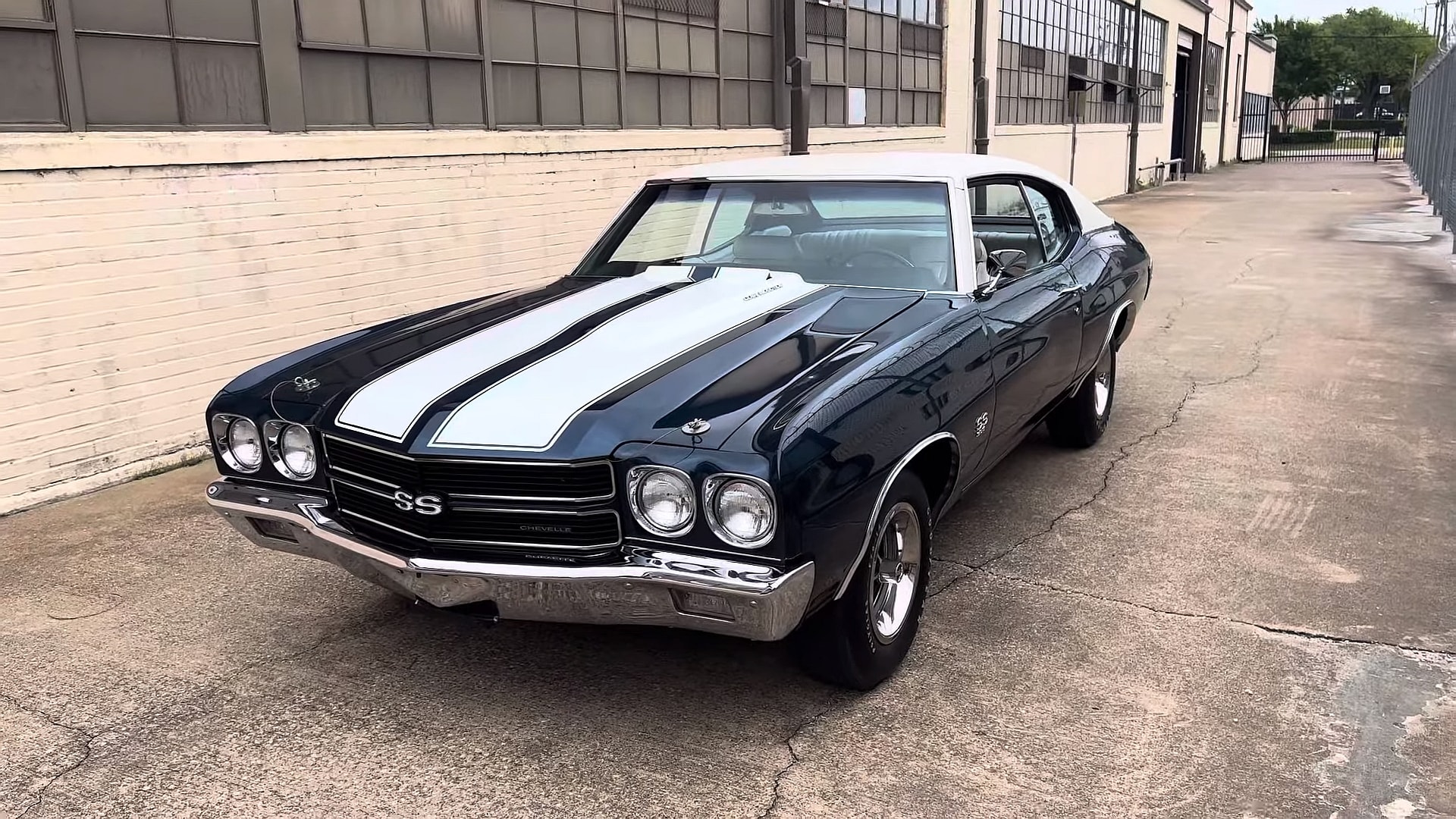
3. Chevy Chevelle Early Seventies Base Models
Early seventies Chevelle base models remain significantly undervalued compared to the high performance versions that dominate collector circles.
This lower demand creates a perfect opportunity for buyers who want the Chevelle name and the small block experience without paying premium prices.
Many base trim Chevelles used modest small block engines known for longevity and easy maintenance. These engines respond well to basic tune ups, making them ideal for someone who wants a dependable driver rather than a garage queen.
Even with simpler styling and fewer performance badges, the early seventies Chevelle keeps a strong muscle car presence that appeals to classic car fans.
Most base Chevelles available today will show their age, but the good news is that the issues are often manageable.
Common maintenance tasks include refreshing the cooling system, replacing hoses, addressing mild oil leaks, or servicing the brakes. None of these repairs typically push the limits of a modest budget.
Buyers willing to spend time learning and turning wrenches can improve these cars significantly without major expense.
Restoring a Chevelle in this category is less about chasing rare parts and more about practical repair work that gradually brings the car back to strong condition.
Interior condition in base models varies widely. Some have worn bench seats, cracked dash pads, or sagging headliners, yet these problems are easy to fix compared to more specialized classics. Replacement upholstery and interior kits remain available at predictable prices.
Many owners start with basic cleaning and targeted replacement of damaged pieces, which quickly improves the car’s livability. This steady improvement process adds enjoyment to ownership while keeping costs sensible.
Driving an early seventies Chevelle base model brings a smooth, steady feel with enough torque to provide satisfying acceleration. The chassis offers stability and comfort on longer trips, making it a practical cruiser.
While it may not match the performance of its top tier counterparts, it provides the unmistakable sensation of classic American muscle at a fraction of the usual price.
For someone seeking an iconic Chevy nameplate with genuine affordability, these base model Chevelles remain one of the smartest options.
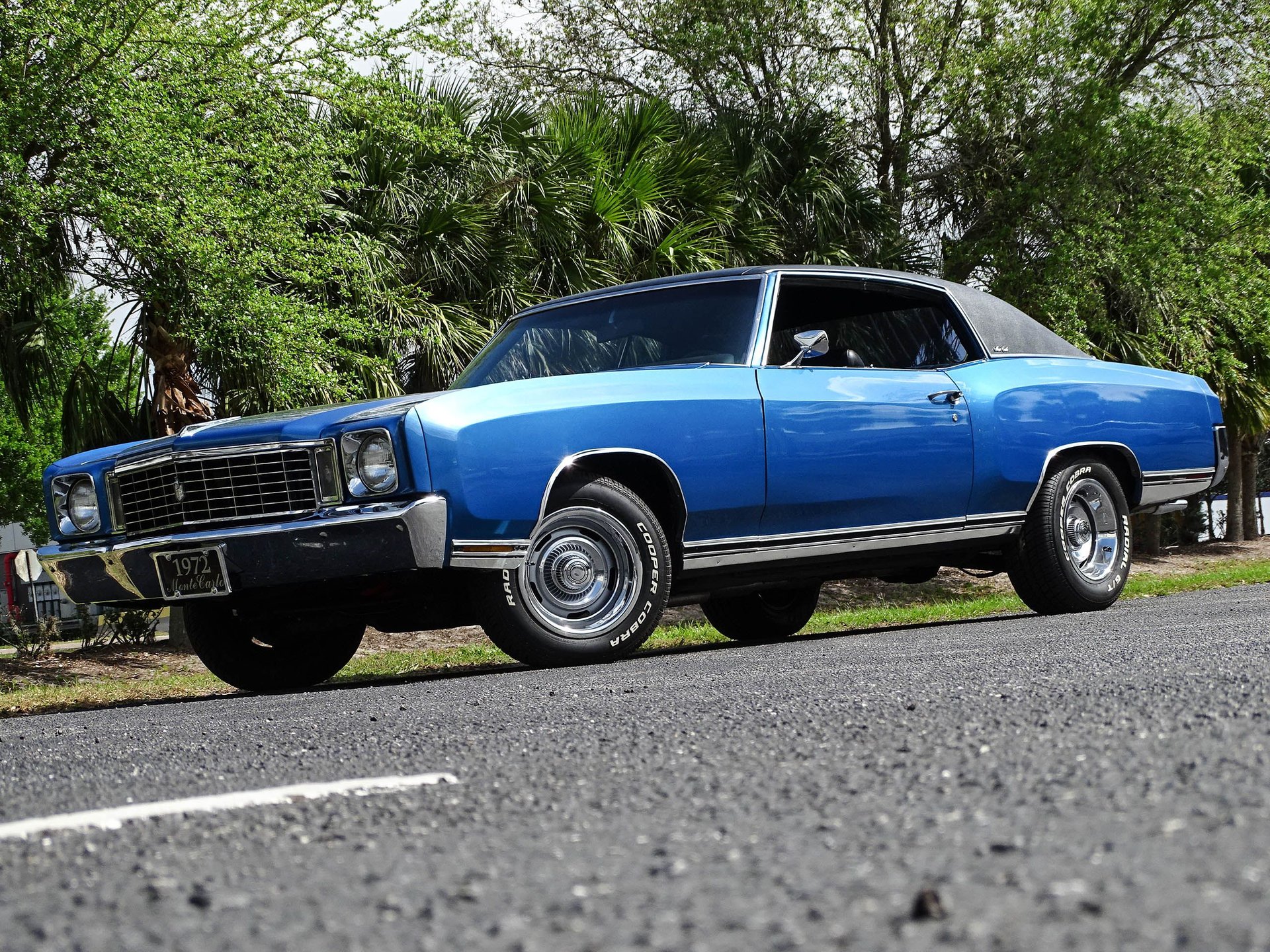
4. Chevy Monte Carlo Late Seventies
Late seventies Monte Carlos continue to appear frequently in budget listings because they occupy a unique space in Chevy history. They are stylish without being overly sporty, comfortable without being bland, and powerful without carrying collector inflated prices.
Many of these cars came with small block engines that age gracefully when given basic maintenance.
Their long hood and distinctive roofline give them a confident appearance even when the paint has faded or the chrome has lost its shine. Buyers appreciate how much presence these cars maintain at such modest prices.
In most affordable examples, the suspension and braking systems need attention, but these repairs remain within a reasonable cost range. Replacing worn shocks, bushings, or brake components provides immediate improvements to handling and ride comfort.
The Monte Carlo’s design makes these tasks simple for anyone willing to handle basic mechanical work.
Once refreshed, the car transforms from a soft, tired cruiser into a smooth and steady highway companion. This ability to improve the car with modest investments adds to its appeal.
Inside the cabin, the late seventies Monte Carlo excels in comfort and space. Wide seats and a traditional dash layout give the interior a welcoming feel. Worn upholstery or aged trim can be replaced or restored using widely available parts.
Many owners enjoy tailoring the interior to their style because the car responds well to customization. Whether the goal is comfort, originality, or a mild upgrade, the Monte Carlo offers plenty of flexibility without high cost.
Behind the wheel, the Monte Carlo delivers a relaxed yet confident ride. The small block engine produces steady power, and the car’s long wheelbase keeps it stable over uneven roads.
It is not built for aggressive driving, but it performs admirably as a classic cruiser. Its affordability, comfort, and dependable small block power make it an excellent choice for buyers who want a classic V8 without dealing with inflated pricing or difficult maintenance.
5. Chevy Caprice Eighties Models
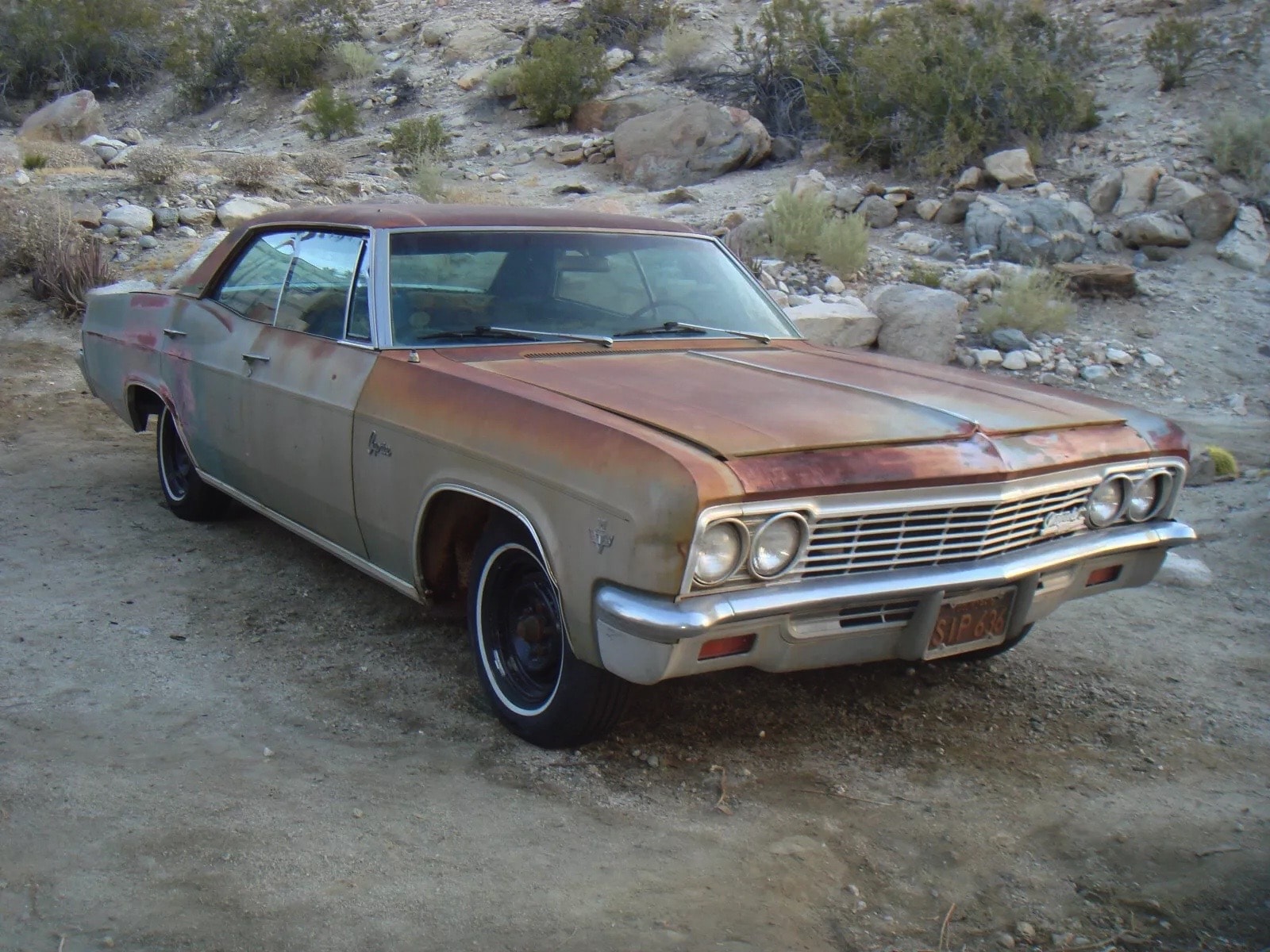
Eighties Caprices continue to stand out as some of the most affordable V8 Chevys available today. These cars spent much of their lives as family vehicles, fleet cars, or daily commuters, which means many received regular service.
Their modest styling and practical reputation keep them off the radar of most collectors, allowing the small block-powered versions to remain inexpensive.
For someone who wants a reliable V8 without exaggeration or inflated expectations, the Caprice provides a dependable and budget-friendly choice.
Mechanically, these cars tend to experience predictable wear. Alternators, water pumps, sensors, and hoses may need replacement, but all of these parts remain cheap and accessible.
The Caprice engine bay offers excellent working room, making it easy for novice mechanics to learn and perform their own repairs.
This reduces the long term cost of ownership and helps turn the car into a valuable learning tool rather than a burden. Owners often comment on how straightforward the mechanical layout feels, especially compared to newer vehicles packed with electronics.
Inside, the Caprice typically offers generous seating space and a comfortable layout. Years of use may leave the upholstery faded or the trim cracked, but salvage yards and aftermarket suppliers continue to support these models.
New seat fabrics, dash covers, and interior trim pieces can revive the cabin without draining the budget.
Even basic cleaning and repair work can make an inexpensive Caprice feel surprisingly pleasant to drive. The ease of interior improvement adds to the car’s value for hobbyists.
On the road, the Caprice delivers smooth, calm handling with the steady pull of a reliable small block engine. Its long wheelbase absorbs bumps with ease, making it an excellent highway cruiser.
It lacks the aggressive performance image many associate with muscle cars, yet it provides a satisfying V8 experience at a price that remains comfortably low.
Its simple engineering, consistent reliability, and widespread availability make it one of the most sensible and accessible small block powered options today.
6. Chevy El Camino Late Seventies
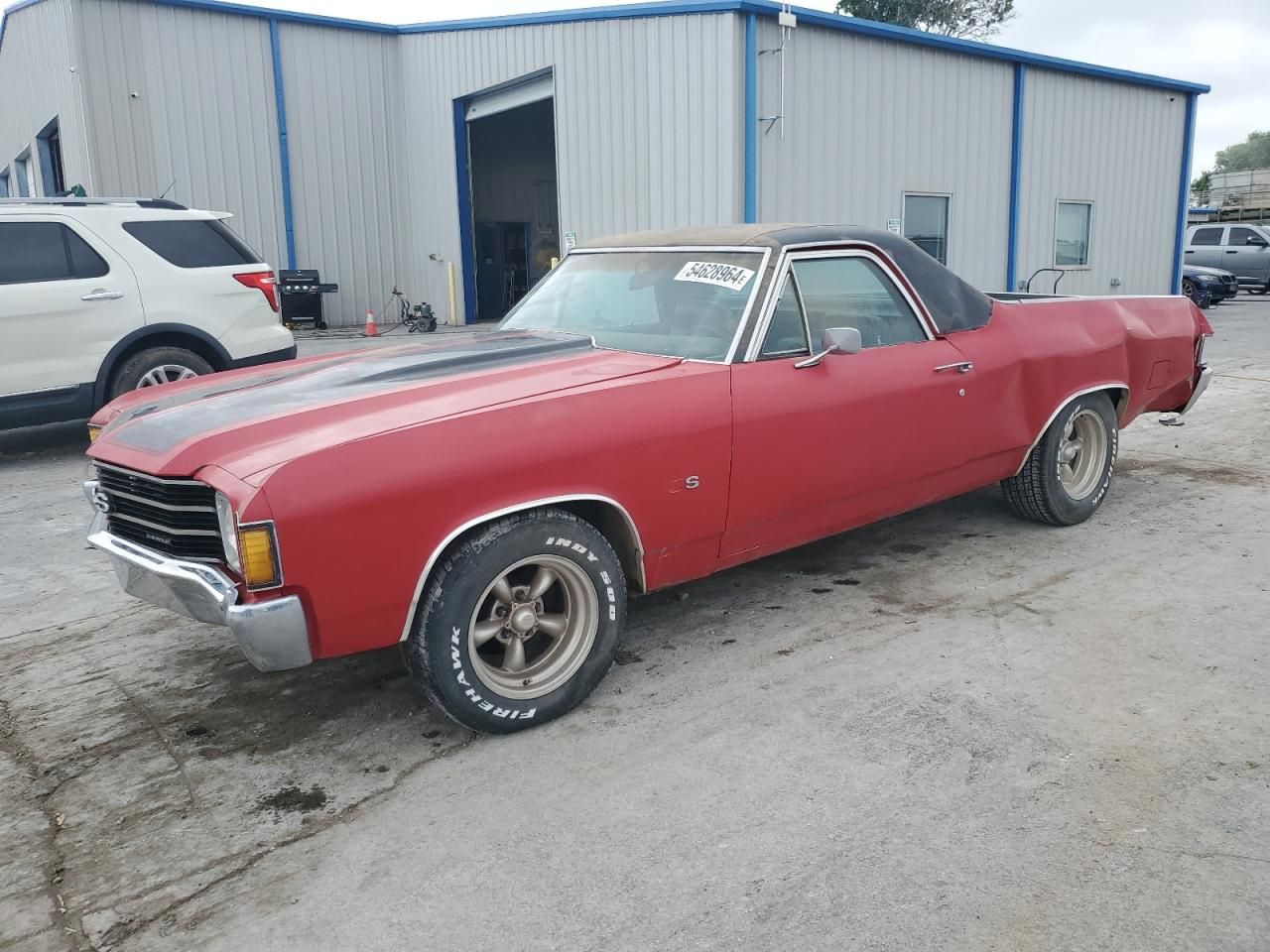
The late seventies El Camino is a unique option for buyers looking for small block V8 power with practical versatility. Blending the styling of a coupe with the utility of a pickup bed, it remains affordable in the market due to its niche appeal.
Many examples still house small block engines that perform reliably with regular maintenance.
Their combination of style and function makes them a compelling choice for buyers who want a classic American vehicle that can serve multiple roles without demanding collector-level investment.
Mechanically, many El Caminos in this price range require attention to suspension components, brake systems, or the bed area. Rust often appears superficially in the cargo area or around rear wheel wells, but it is usually easy to repair with basic materials.
Bushings, shocks, and springs can be replaced to restore smooth handling. These repairs are accessible to someone with modest mechanical skills and provide significant improvement to both ride quality and durability.
Inside, the El Camino shares a layout similar to Chevy coupes of the same era. Seats, dashboards, and door panels may show wear, but replacement parts are widely available and often inexpensive.
Many owners take small steps to refresh the interior, which enhances daily comfort without breaking the budget. Even minor improvements, like fixing a sagging headliner or replacing worn trim, dramatically elevate the feel of the car, making it more pleasant to drive.
Driving a late seventies El Camino delivers a satisfying blend of muscle car feel and utility. The small block engine produces dependable torque, and the chassis accommodates both comfortable cruising and light hauling.
Its versatility adds value, making it an engaging option for those who want a car they can enjoy on weekends but also use for practical purposes. Its presence in low priced listings underscores its enduring appeal as a fun and functional classic.
7. Chevy Impala, Early Eighties
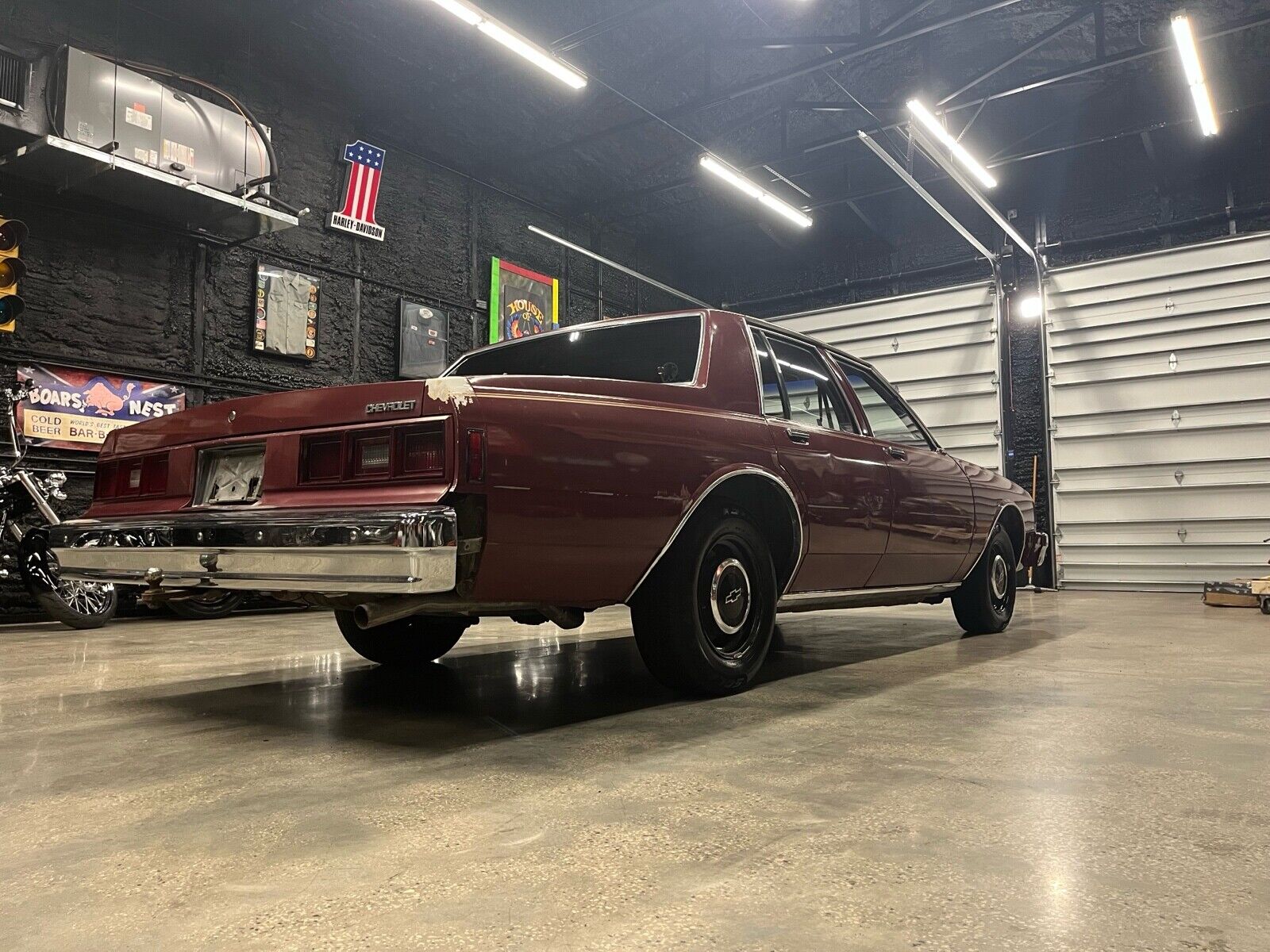
Early eighties Impalas equipped with small block engines are often among the most affordable V8 Chevys available.
Their understated appearance and reputation as family vehicles keep prices low. Despite their lack of high performance branding, these cars offer a solid platform for reliable V8 ownership.
Buyers interested in comfort, simplicity, and durable mechanics often find the Impala particularly appealing. Its combination of affordability and practicality makes it an excellent choice for someone entering the world of classic Chevy muscle without committing to a rare or high-priced model.
Mechanically, early eighties Impalas are forgiving and straightforward. Common service needs include replacing belts, gaskets, hoses, or ignition components. These tasks are inexpensive and often manageable by a new owner with basic tools.
The small block engine layout is spacious, which allows easy access to most critical components. This simplicity lowers the cost of ownership and gives buyers confidence that they can maintain the vehicle without specialized knowledge.
Inside, the Impala provides a spacious and comfortable cabin, though it often shows signs of age. Seats may be worn, carpets faded, and plastics cracked, but many parts remain widely available.
Even minor upgrades such as new seat covers, cleaned dash components, or replacement floor mats can improve the experience.
Owners often appreciate that small, affordable changes can significantly enhance comfort and usability, making the Impala feel more like a cared-for classic rather than a low-end purchase.
On the road, the early eighties Impala delivers a steady, composed ride with smooth handling. The small block engine offers dependable acceleration, and the long wheelbase contributes to a stable cruising experience.
While not designed for aggressive performance, the car performs admirably in city or highway driving. Its combination of comfort, reliability, and low cost continues to make it a popular choice for buyers seeking an affordable entry into V8 Chevy ownership.
8. Chevy Malibu Late Seventies Base Trims
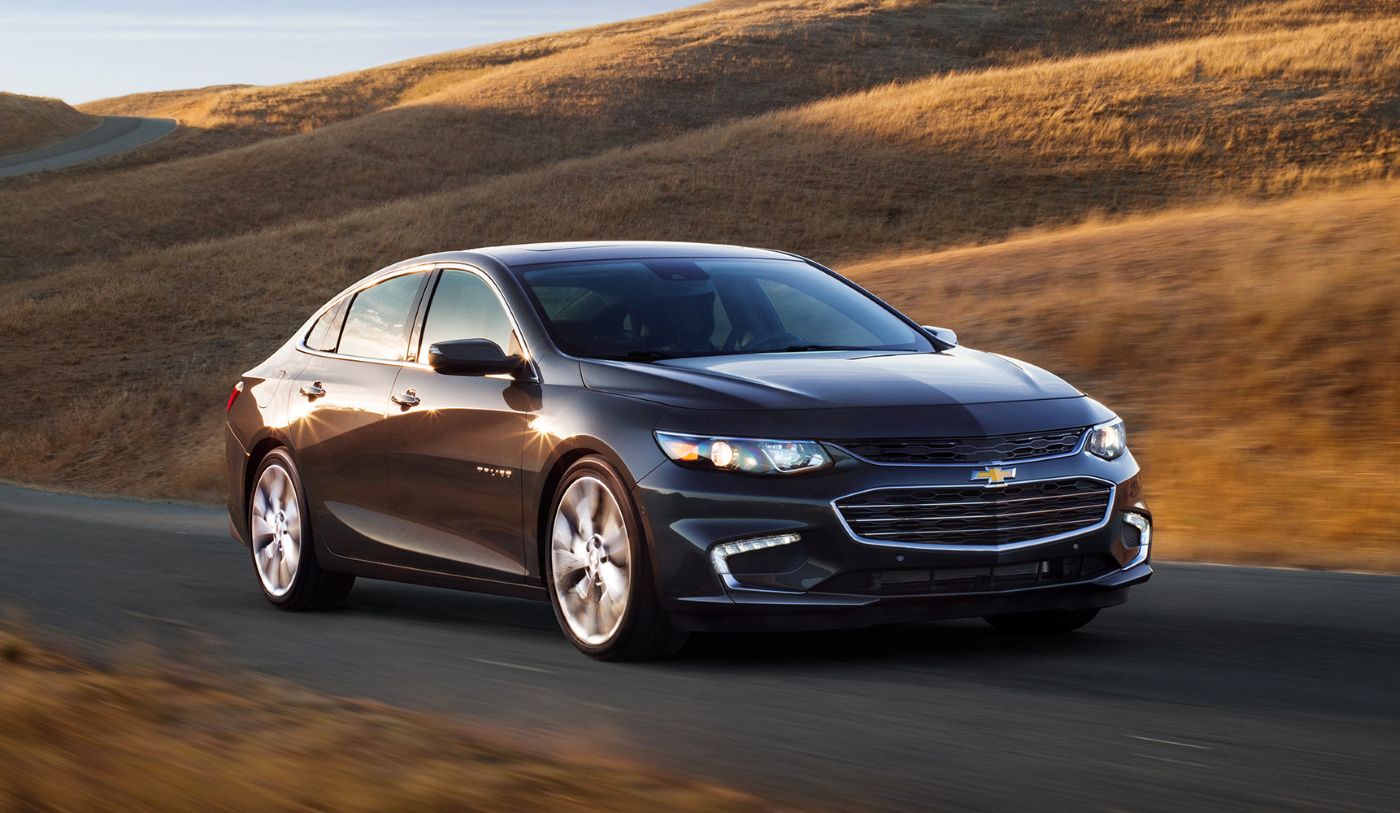
Late seventies Malibu base trims remain a practical and budget friendly option for small block enthusiasts.
While they lack the prestige of high-performance versions, these models provide the same reliable engine architecture. Many are still in running condition, and most require only basic maintenance to keep them roadworthy.
The styling is unpretentious yet classic, appealing to buyers who value function and reliability over flashy trim levels. Their affordability continues to make them a strong choice for first-time classic owners or budget conscious enthusiasts.
Mechanically, these Malibus benefit from straightforward engineering. Typical work includes replacing hoses, brake components, or ignition system parts, all of which remain inexpensive.
The simplicity of the engine bay allows new owners to perform basic maintenance without difficulty.
These characteristics help ensure that ownership remains practical and do not create financial surprises. Anyone willing to invest some time can restore the car’s reliability while learning valuable mechanical skills.
Interior wear is common, especially on seats, dashboards, and door panels. Replacement pieces are still available, allowing buyers to refresh the cabin at a reasonable cost.
Even modest improvements like cleaning the upholstery or fixing trim pieces dramatically improve comfort and usability. Many owners find satisfaction in incremental upgrades that bring the car back to a more pleasant daily driving experience without overextending their budget.
Driving a late seventies Malibu provides a predictable, steady experience. The small block engine delivers reliable torque, while the suspension offers a smooth ride on most surfaces.
Though it may not provide aggressive muscle car thrills, the Malibu provides the satisfaction of driving a classic Chevy V8 with manageable operating costs.
Its combination of affordability, reliability, and simple maintenance ensures it remains a solid choice for enthusiasts seeking a practical entry into small block ownership.
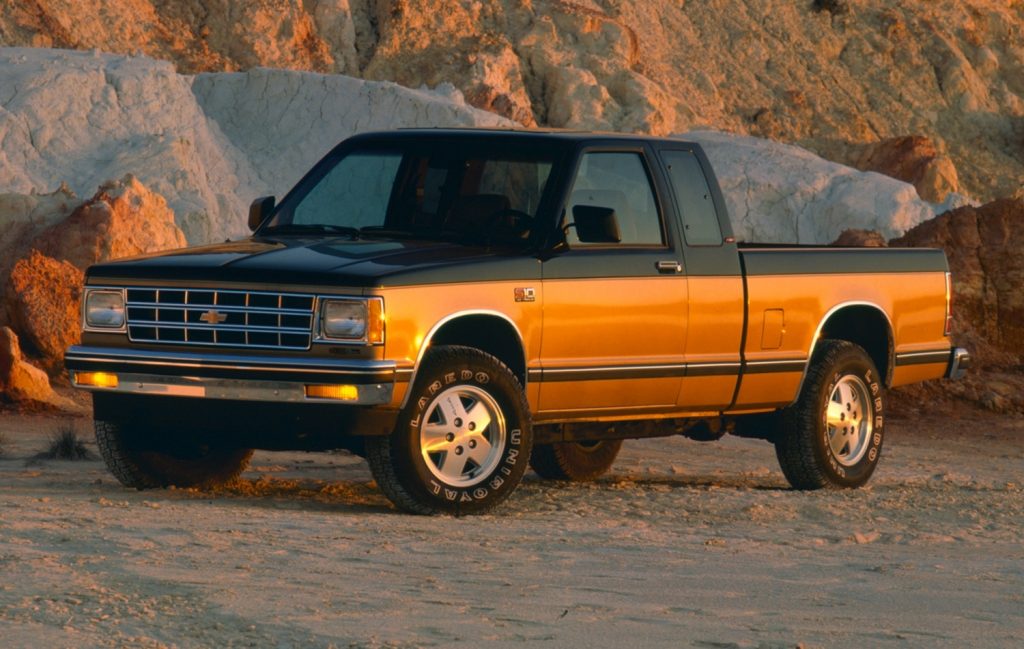
9. Chevy C10 Early Eighties Small Block Trucks
Early eighties Chevy C10 trucks with small block engines offer a practical alternative for those seeking a V8-powered vehicle that also serves as a utility vehicle. Many examples are still affordable due to their history as work trucks or daily drivers.
Their rugged construction and simple mechanical design make them resilient and relatively easy to maintain. Buyers who want a durable vehicle with small block power and a functional bed often find the C10 to be an ideal compromise between classic style and practicality.
Mechanical needs typically include suspension attention, minor brake work, and sometimes emissions component replacement. Fortunately, parts are widely available and generally inexpensive.
The straightforward construction allows owners to address issues themselves with basic tools, keeping maintenance costs low. These features make the C10 approachable for both hobbyists and first-time small block owners who want a dependable, functional classic truck.
Interior wear is expected, with vinyl seats, dashboards, and trim often showing age. Replacement parts remain available from salvage yards and aftermarket suppliers, and minor updates can make a significant difference in comfort and usability.
Many owners enjoy improving the interior incrementally, which enhances the driving experience without substantial expense. This process allows the truck to remain both functional and enjoyable over the long term.
On the road, the C10 drives with predictable handling and steady torque delivery. Its durable chassis and reliable small block engine make it well-suited for both daily driving and light hauling.
The combination of affordability, mechanical simplicity, and practical utility ensures the C10 remains one of the most accessible small block Chevy vehicles. It appeals to those who want classic V8 power in a versatile, dependable package.
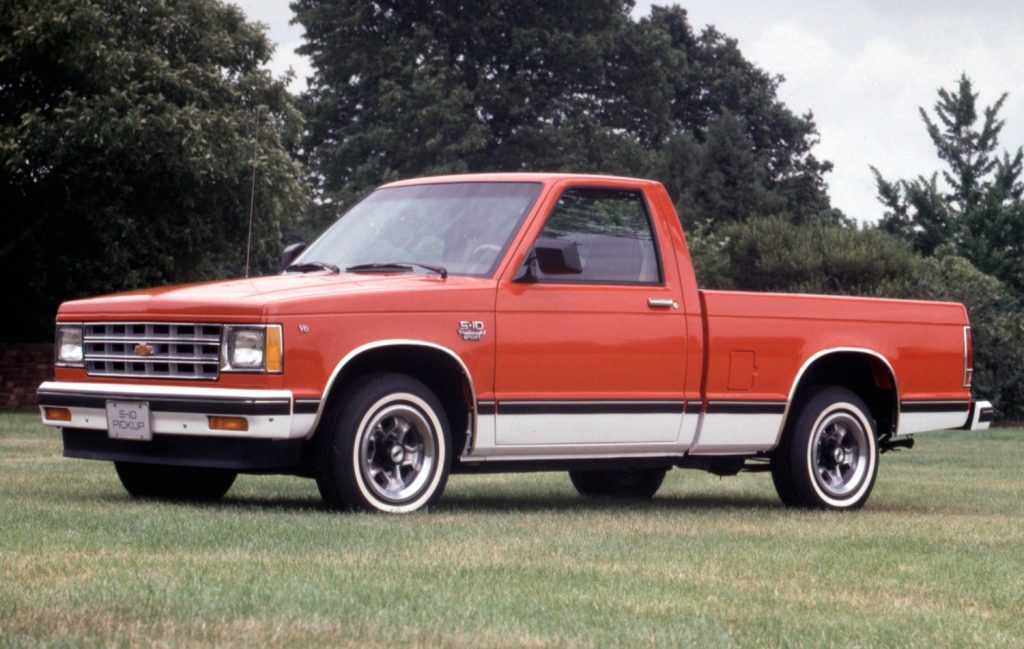
10. Chevy S10 V8 Swaps on a Budget
Chevy S10 trucks with small block V8 swaps are an appealing option for enthusiasts seeking low cost performance in a compact platform. Many appear in affordable listings because they were built by hobbyists rather than professionals, resulting in a variety of conditions.
These trucks offer a lightweight chassis paired with strong V8 torque, creating a lively driving experience. While some examples need refinement or tuning, they present an opportunity to enjoy a fun, unique, and accessible small block vehicle without paying premium muscle car prices.
Mechanical requirements vary depending on the swap quality, but common improvements include cooling system upgrades, wiring cleanups, and mount adjustments.
The S10’s engine bay is accommodating, which simplifies installation and ongoing maintenance. These vehicles reward buyers with patience and basic tools, as minor improvements often translate into noticeable gains in reliability and performance. This flexibility makes the S10 swap a budget-friendly platform for creativity.
The interior condition of swapped S10s can differ dramatically. Some remain close to stock, while others feature aftermarket gauges, upgraded seats, or modified dashboards. Fortunately, the S10 benefits from widespread parts availability, making it possible to restore or customize the cabin affordably.
Even small interior improvements significantly enhance comfort and the ownership experience. This allows owners to enjoy a vehicle that is both mechanically capable and personally tailored.
Driving a V8 swapped S10 delivers an energetic and engaging experience. The combination of lightweight truck chassis and a strong small block engine produces lively acceleration and a responsive feel.
While these trucks are rarely perfect, their playful character and low price make them very appealing to enthusiasts.
The frequent presence of these trucks in affordable listings demonstrates how accessible small block V8 power can be in unconventional platforms with creativity and mechanical effort.
