
Some of the most thrilling experiences behind the wheel come not from cars that announce their presence with aggressive body kits, massive wings, or roaring exhausts, but from those that look innocuous at first glance and then silently surprise you with fierce performance when you press the throttle.
These are the sleeper models. Slepers are vehicles that hide real power under a modest exterior. They allow owners to enjoy speed and handling without drawing attention, or to surprise people who judge only by looks.
Over the decades, a number of carmakers, both from specialty performance houses and mainstream brands, have quietly engineered sedans, wagons, and coupes that blend everyday usability with hidden potential.
This article highlights ten of those car brands whose sleeper offerings stand out, either because of a surprising combination of power and discretion or because they managed to embed performance in everyday family car bodies.
The brands discussed here include high-end European makers, Japanese engineers, and even American muscle brands that don’t broadcast their strength.
What unites them is the capacity to surprise: to deliver quick acceleration, confident handling, and usable speed, all while their exterior remains subtle or even understated.
For owners who prefer to avoid attention, for casual daily driving that occasionally turns serious, or for those who appreciate cunning engineering more than flashy badges, sleepers represent a distinct type of automotive artistry.
In the sections below, each brand is grouped under a broader category that reflects its heritage or design culture.
Together these categories illustrate how widely the sleeper phenomenon spans, from precision-crafted German wagons to modest Japanese sedans, and even to American cars that hide brute force in plain sight.
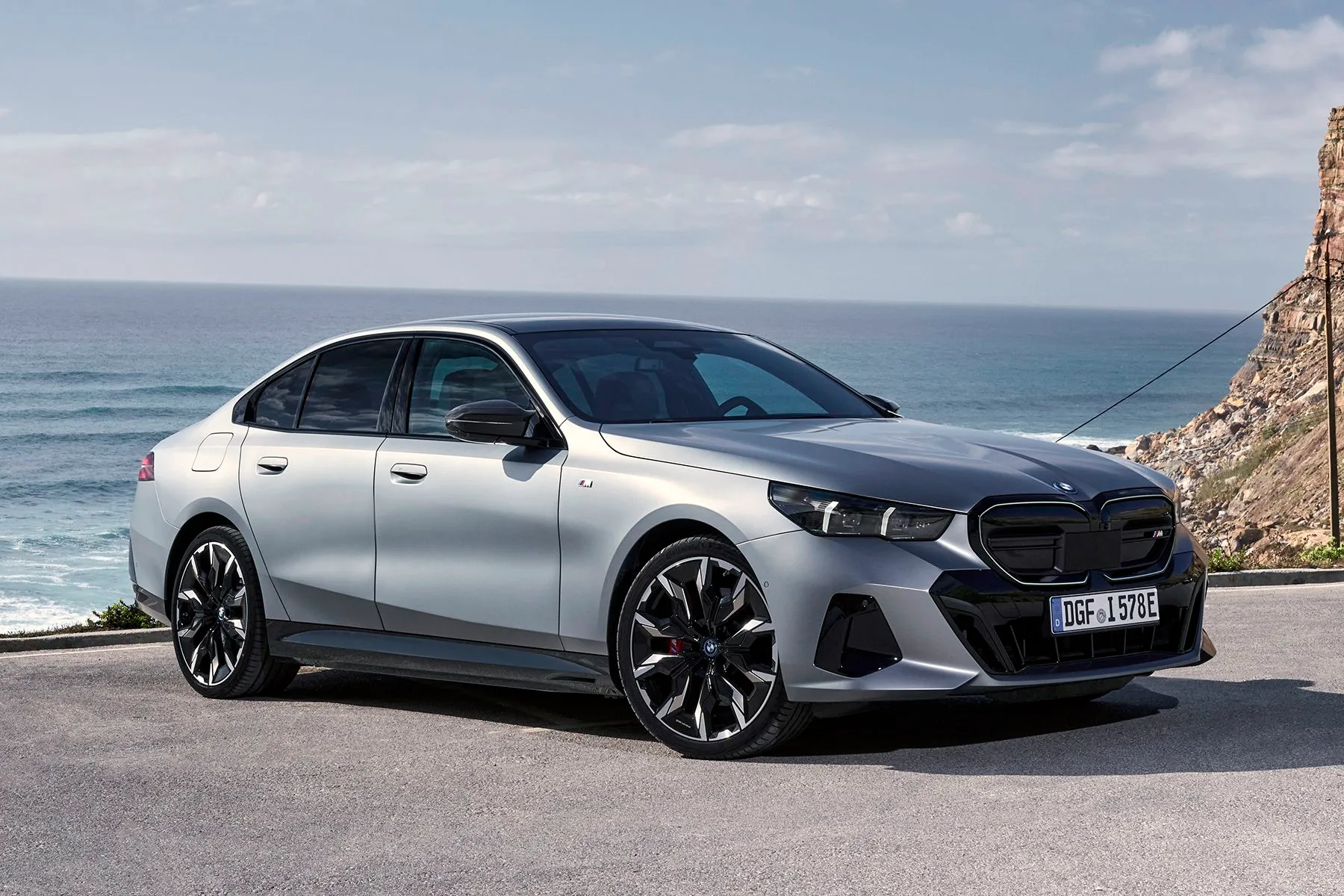
German Powerhouses
The German automakers have long mastered the art of building cars that combine refinement, performance, and solidity.
Their sleepers often take the form of sedans or wagons that, to the untrained eye, appear as conservative executive cars, but beneath the skin carry engines and chassis systems that allow them to outrun far sportier-looking rivals.
That quiet menace, understated design with potent performance, is a hallmark of their finest sleeper models.
One of the best examples comes from a company known for balance and quality: BMW. The M5 Touring (wagon) and E60 M5 sedan stand out.
The Touring looks like a practical, premium family car, with useful luggage space, subtle styling, yet hides a powerful V8 or V10 engine, advanced suspension, and superb braking.
It offers the usability and comfort expected from a luxury wagon, with performance that rivals sports cars. The E60 M5, similarly, combines a four-door format with unexpectedly brutal acceleration.
For those who appreciate understated strength, these BMW models are perfect: no aggressive spoilers or loud exhausts, just precision engineering and a hidden punch.
Audi, another major German name, delivers sleepers with the smoothness and build quality associated with the brand.
Models like the S6 or RS6 Avant (when available) fit this mold. The RS6 Avant, for example, combines the shape of an everyday estate car with a powerful engine, all-wheel drive, and a refined interior.
It blends practicality with serious pace. The S6 sedan, while more reserved than its “S” badge suggests, offers strong acceleration and balanced handling. The result is a car that seldom angers the neighbors but commands respect when pushed.
Meanwhile, Mercedes‑Benz approaches sleeper design from a different angle: understated luxury that happens to hide serious muscle.
Models such as the E63 AMG Estate or the C63 sedan can easily be mistaken for regular luxury sedans by casual observers.
They carry high-output engines, dynamic suspension, and formidable braking, yet their outward appearance remains classy, composed, and often modest. These are cars for drivers who value comfort and discretion, but still want to leave other cars behind when the time is right.
German sleepers usually share a similar philosophy: merge everyday usability with high performance.
These cars don’t shout about their capabilities but instead rely on engineering confidence, balanced dynamics, and stealth. For many drivers, that combination, luxury, refinement, power, and subtlety, represents the purest form of automotive sophistication.
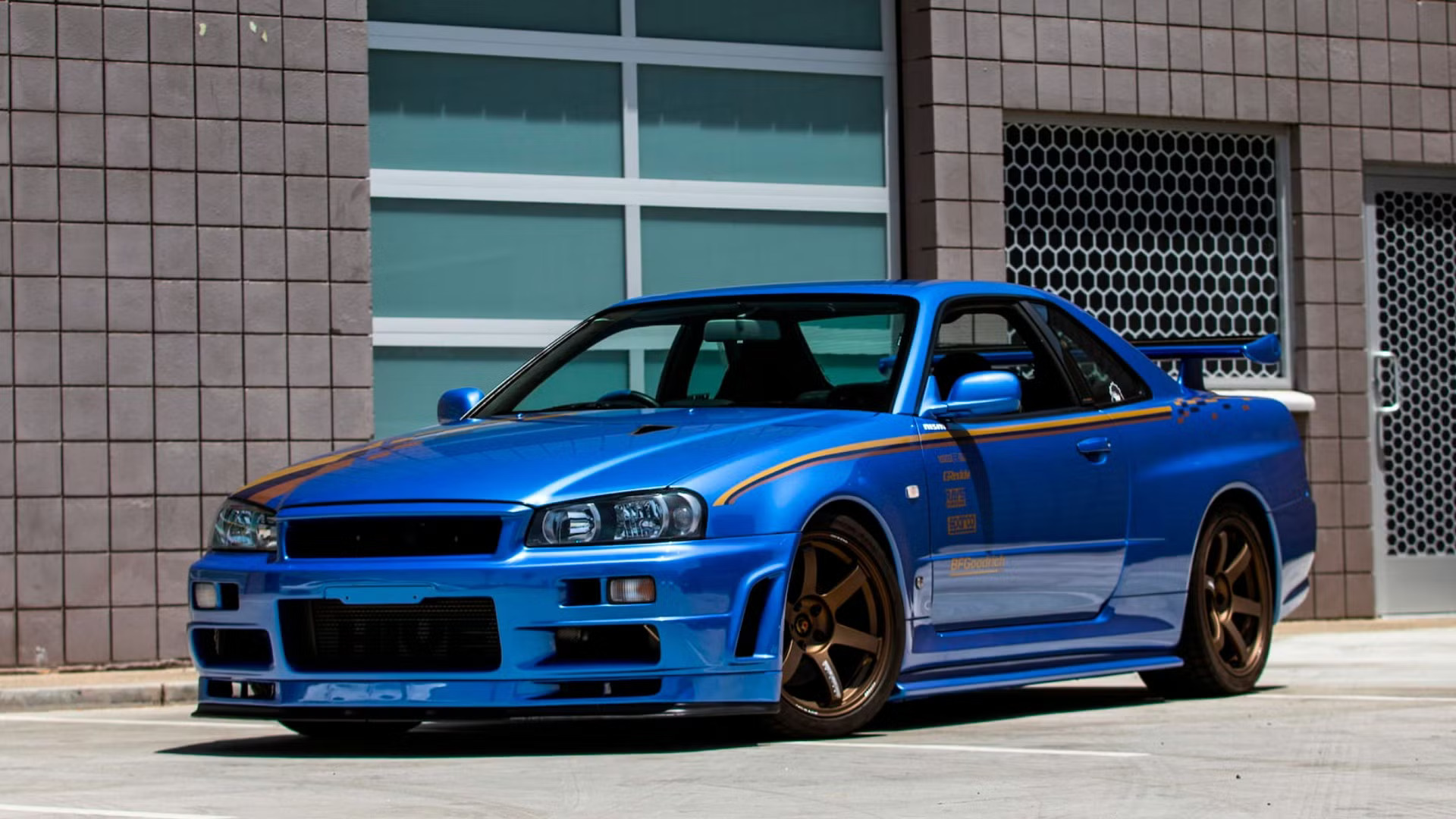
Japanese Undercover Racers
Japan’s automakers have a long tradition of producing cars that under promise and over deliver.
Many of their sleepers began life as simple sedans or modest wagons, but when fitted with turbocharged engines and refined chassis upgrades, they quietly became legends of the underground tuning and street‑performance scene. Their low‑profile exteriors often belie the serious engineering lying beneath.
One brand delivering such surprises is Toyota (and its luxury division Lexus). Vehicles like the Toyota Mark II and in the Lexus sphere, the IS F or GS F, can appear as everyday sedans or executive cruisers.
The Mark II, when modified or equipped with a powerful 2JZ engine, gained cult status for its blend of reliability and speed.
Lexus models like the IS F integrate potent V8 engines and sport‑tuned suspensions while maintaining a discreet silhouette, thus delivering performance that catches many by surprise. For drivers who want smooth luxury and hidden strength, Toyota and Lexus offer a compelling balance.
Nissan has also built some of the world’s most revered models. The legendary Skyline GT-R variants, especially those from earlier generations, excel at this.
In particular, street-ready versions of the R34 GT-R could be mistaken for regular sedans by the untrained eye, yet their performance and handling capabilities often exceeded expensive, purpose-built supercars.
Another example is the Stagea wagon: a practical family car body paired with performance gear, creating what many call the “wagon that eats sports cars for breakfast.”
Nissan’s ability to blend everyday form factors with serious speed gave rise to a passionate fan base for those who value performance without attention.
Another strong contributor is Subaru. Cars like the Impreza WRX wagon or the Legacy GT wagon marry all-wheel drive, turbocharged engines, and roomy interiors. Externally, they look like humble family transporters: modest stance, sensible proportions, no exaggerated styling.
Yet behind that simplicity sits a rally-bred drivetrain capable of delivering sharp acceleration, confident cornering, and high-speed stability. For drivers in varied weather or road conditions, this blend of practicality, stealth, and performance makes Subaru’s offerings particularly appealing.
Japanese sleepers prove that true performance doesn’t require loud styling or flashy colors.
With careful engineering, modest shapes, and a focus on balance, these cars deliver speed and excitement while retaining a low profile. For many enthusiasts, that hidden capability matters more than overt aggression.
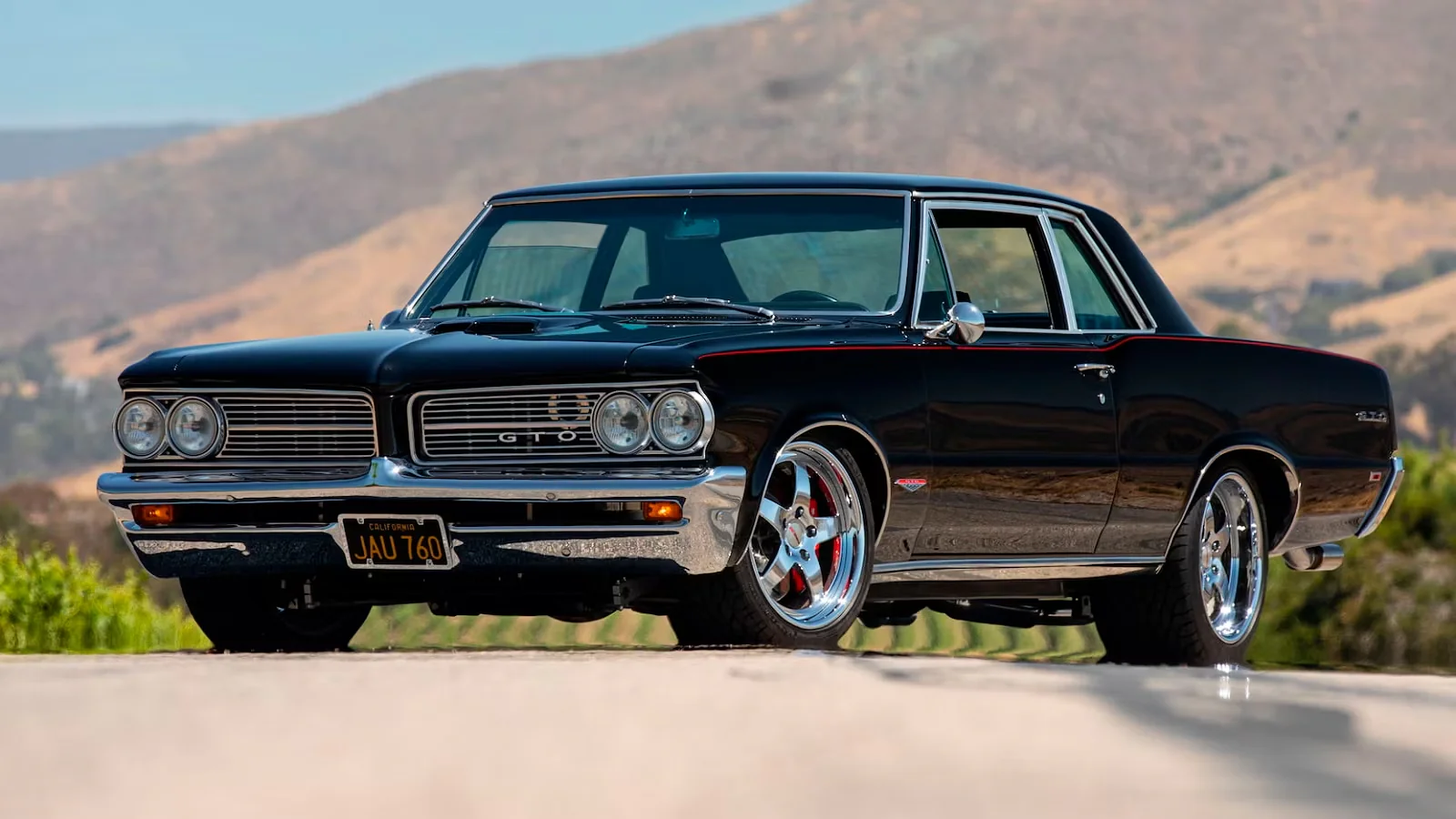
American Muscle With Refined Skin
When thinking of American muscle cars, most imagine loud exhausts, bold styling, and aggressive lines. Yet a subset of American manufacturers recognized the value in wrapping performance in less-obvious packaging.
These models combine strong engines and robust drive trains with understated styling or unexpected form factors, resulting in sleepers that offer power without drawing unsolicited attention.
An excellent example comes from Cadillac, especially with models like the CTS‑V wagon or ATS‑V. These cars look like conventional luxury sedans or family cars, but beneath the surface they carry powerful engines and well‑tuned suspensions.
The CTS‑V wagon, for instance, hides a V8 and solid performance capabilities behind the unassuming shape of a practical estate vehicle. It delivers straight‑line speed and usable space, a combination few European sport wagons matched at the time.
The ATS‑V sedan, similarly, offers high-output power and sharp handling while retaining a clean, elegant exterior. Cadillac’s approach shows that American power can be sophisticated, blending into daily use without fanfare.
Chevrolet also contributed to the sleeper domain when it equipped relatively plain sedans with potent engines. The Caprice PPV (pursuit package vehicles converted for civilian use) or LS-engined Caprices represent this idea.
From the outside, they could pass for unremarkable large sedans, the kind meant for comfortable cruising, but once the throttle is pressed, their V8 guts and hefty torque become evident. They show that it’s possible to embed brute force in a body meant for quiet transport.
Dodge offers another variation on this theme. While many of its muscle cars are loud and conspicuous, certain Charger or Challenger variants, especially when subtly treated, can serve as effective sleepers.
A Charger R/T with modest appearance modifications or a Challenger with dark paint and standard badging might not attract attention, yet their engines and drivetrains possess enough potential to surprise. For those who want muscle power without the muscle‑car spotlight, Dodge provides an interesting option.
American sleepers combine raw power and torque with an inconspicuous outer shell. That makes them appealing for those who want a powerful, capable car for daily driving without caricaturing themselves as “muscle car guys.” The surprise factor when these cars are unleashed is often part of the appeal.
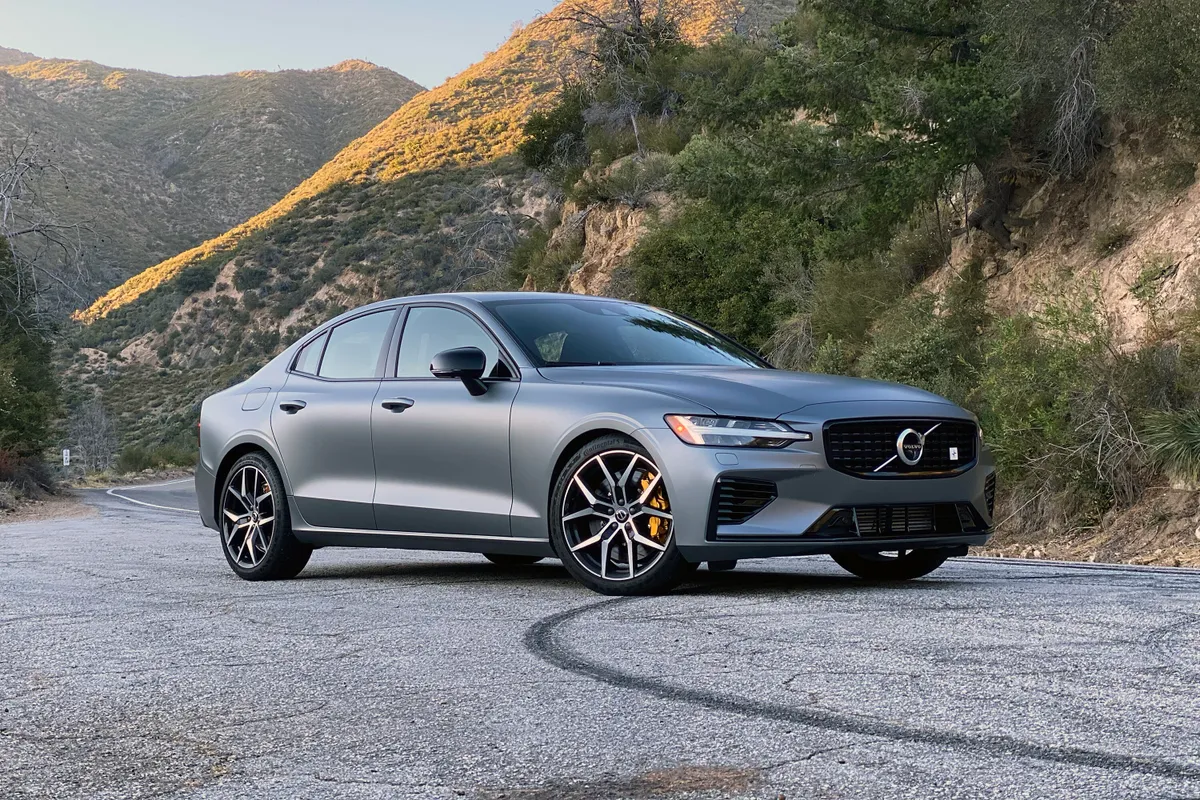
European Unexpected Gems
Apart from Germany, other European manufacturers, often overlooked in the performance conversation, have quietly built some of the best sleeper cars.
These models tend to present modest exterior styling or persona, but offer corners, acceleration, or value that punch well above their apparent class.
Volvo is one such brand. Known for safety and understated Scandinavian design, Volvo has quietly produced cars like the V70R estate or the S60 Polestar sedan that challenge expectations.
The V70R looks like a plain, useful family wagon. Yet with a turbocharged five-cylinder engine, all‑wheel drive, and sharpened suspension, it can accelerate with authority and handle corners with agility uncommon in wagons of similar age.
The S60 Polestar, while subtle compared to typical high‑performance sedans from other European makers, offers a driving experience that surprises those who expect a sedate cruiser. Volvo’s sleeper offerings reveal how comfort, practicality, and sportiness can coexist without conflict.
Volkswagen also deserves mention. Vehicles such as the Golf R or certain Passat estate/wagon configurations have gained reputations as understated yet potent performers.
The Golf R, with all‑wheel drive and a turbocharged engine, blends a compact hatchback form with rapid acceleration and capable handling. It doesn’t shout about its capabilities; it simply delivers.
The Passat wagon, especially in versions featuring VR6 or higher-output engines, offers surprising performance in a body designed for practicality. For buyers who prioritize everyday usability but don’t want to sacrifice fun when the road opens up, Volkswagen’s sleeper models offer a balanced solution.
Next, consider brands from countries not always associated with high performance. Some smaller European manufacturers, or divisions of larger ones, have engineered models that perform beyond their modest looks.
For example, certain sedans and wagons from lesser-known performance wings or special tuning divisions (sometimes factory, sometimes aftermarket with high OEM‑spec parts) manage to combine comfort, refinement, and discreet speed. These cars tend to fly under the radar, avoiding the flash of sports cars, yet deliver engaging driving dynamics when pushed.
The appeal of these unexpected European gems lies in subtlety. They don’t rely on aggressive design cues or overt branding. Instead, they trade in confidence and engineering competence.
For drivers who want a car that blends into normal traffic but transforms into a responsive, quick machine on demand, these models represent a compelling middle ground.
What Makes a Sleeper Great
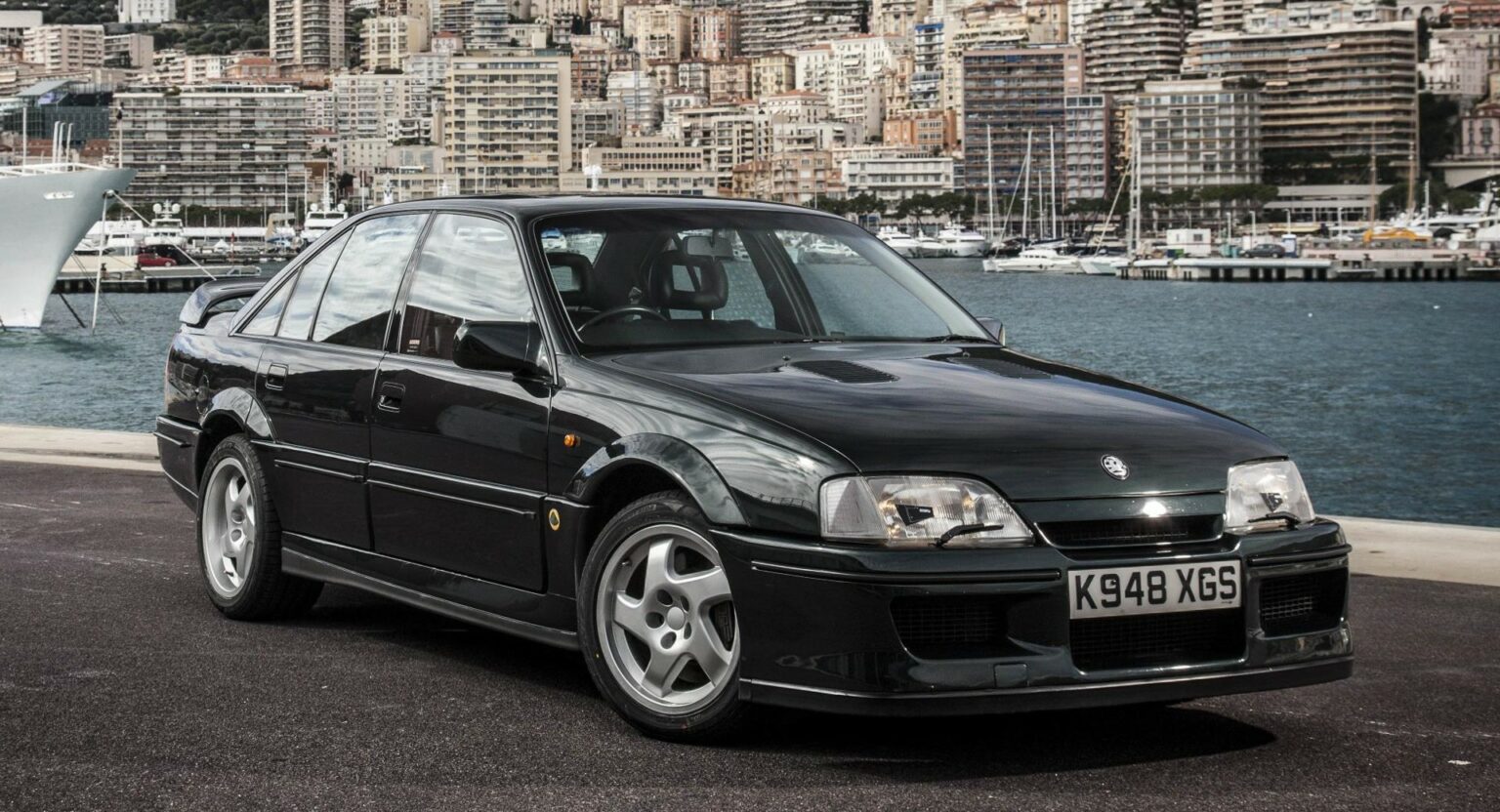
A great sleeper manages a balance between everyday usability and hidden performance. First, it maintains a low-key exterior. Owners prize cars that don’t draw attention until they’re ready to reveal what’s underneath.
Second, the mechanical performance must be real. Underpowered cars that rely on cosmetic tweaks don’t qualify. The engine, drivetrain, suspension, brakes, and chassis all have to contribute.
A proper sleeper will accelerate confidently, handle corners with composure, and provide braking and stability that match what its outward appearance does not suggest.
Whether turbocharged straight‑six under a wagon hood or a big V8 beneath a sedan, the performance must suit the expectations being defied.
Third, the car must remain usable. Part of the sleeper appeal lies in its dual personality: ordinary one moment, thrilling the next. If a car sacrifices comfort, practicality, reliability or everyday drivability for speed, it loses its sleeper spirit and becomes a stripped-down track toy.
The best sleepers serve as daily drivers, long-distance cruisers, or even family cars, while still carrying reserve power for spirited drives. Finally, there is an element of surprise and user satisfaction. A sleeper provides a form of automotive stealth.
Whether it’s the understated elegance of a German estate, the utility of a Japanese wagon, or the lounge‑like comfort of an American sedan, the hidden power becomes a personal secret, a privilege for the driver. The real joy comes from owning something that appears modest but performs well beyond its outward promise.
German Powerhouses (Extended)
German automakers have a reputation for precision engineering that goes beyond the surface. Their sleeper models embody the philosophy that performance does not need to announce itself loudly to be felt. The E60 M5, for instance, is widely regarded as one of the quintessential examples of this approach.
At first glance, it appears as a sleek, executive four-door sedan, with a conservative design language that aligns with corporate sensibilities. However, beneath its unassuming exterior lies a 5.0-liter V10 engine capable of producing over 500 horsepower.
The transmission, an automated manual, provides rapid shifts, allowing drivers to reach speeds that would rival purpose-built sports cars of the same era.
The suspension system is tuned for a balance of comfort and agility, making the car capable of handling high-speed corners without losing composure. This combination of brute force and refinement is what gives German sleepers their understated authority.
BMW has also demonstrated that stealth and performance can coexist in everyday vehicles beyond the M5. The 3 Series, particularly in higher-performance trims, can be a quiet achiever.
Models such as the E46 330i or E90 335i, when tuned or equipped with the sport package, reveal a chassis and engine capable of handling spirited driving far better than their conservative looks suggest.
The engines are responsive, turbocharged in later generations, and paired with precise suspension systems. Inside, the cabin remains elegant and restrained, giving no clue to the performance lurking underneath.
This balance makes these vehicles highly desirable for enthusiasts who prefer discretion over flamboyance, blending seamlessly into everyday traffic while delivering exhilarating acceleration when needed.
Audi’s approach to sleeper cars emphasizes all-wheel drive stability and smooth power delivery. The RS6 Avant, for example, has earned a reputation as one of the fastest wagons in the world. Outwardly, it is a practical estate car, perfect for families or those needing cargo space.
Yet it houses a twin-turbo V8 engine capable of catapulting the vehicle from zero to sixty in under four seconds.
The quattro all-wheel drive system ensures grip in a variety of conditions, making the RS6 both fast and secure. Audi combines understated styling with technical sophistication, achieving a vehicle that surprises onlookers with its performance while maintaining day-to-day usability.
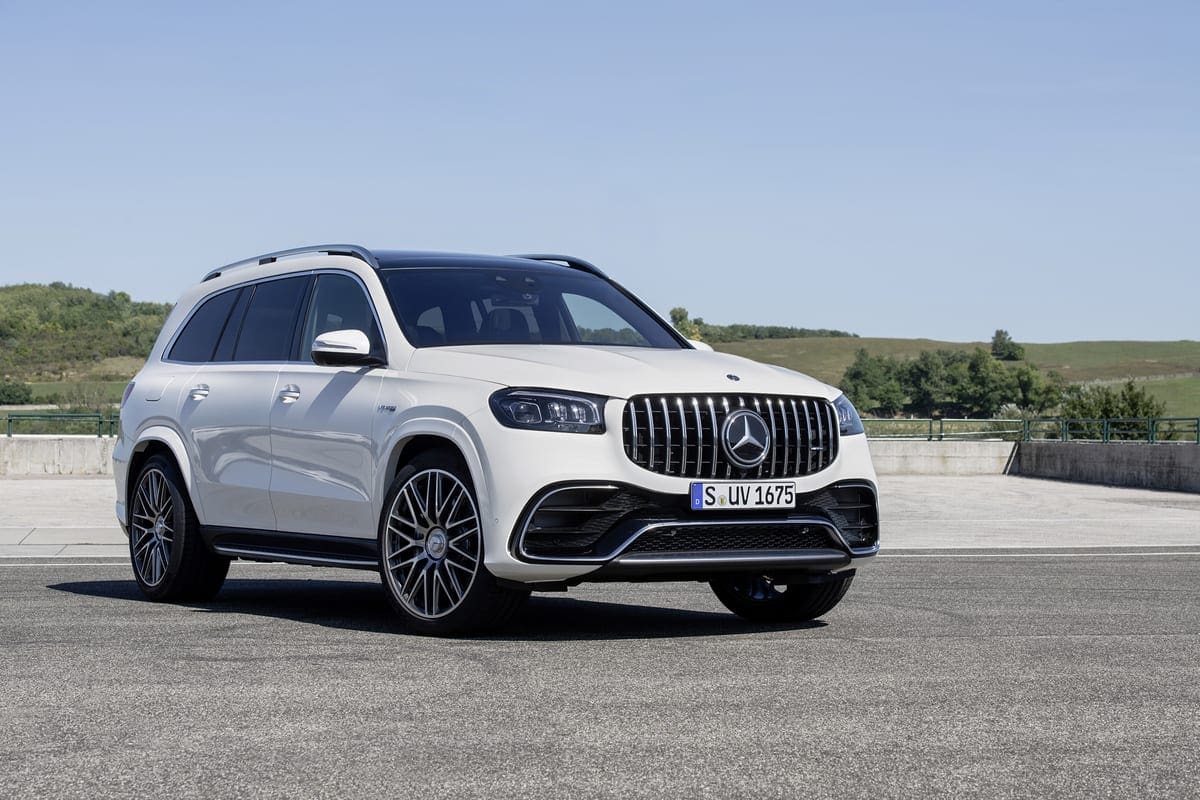
Mercedes-Benz takes a slightly different route, focusing on luxury and presence that can be deceptive. The E63 AMG, particularly in estate form, remains one of the best examples of a sleeper capable of merging refinement with raw performance.
A casual observer might mistake it for a standard E-Class wagon, yet the car houses a hand-built V8 engine capable of astonishing acceleration. AMG’s tuning extends to the suspension, transmission, and braking systems, creating a car that performs as aggressively as it looks refined.
Mercedes sleepers showcase the brand’s ability to balance comfort, luxury, and performance, proving that high-powered vehicles do not need exaggerated styling or over-the-top details to impress.
Japanese Undercover Racers (Extended)
Japanese automakers have long been innovators in creating vehicles that combine reliability with hidden performance potential.
The culture of modification in Japan, particularly during the 1990s and early 2000s, emphasized cars that could outperform expectations without requiring attention-grabbing appearances.
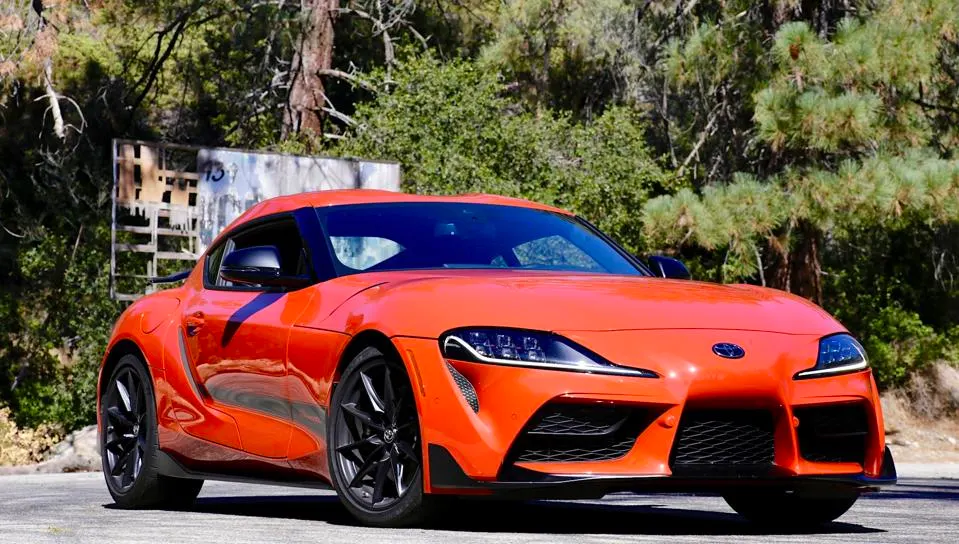
The Toyota Supra, particularly the Mark IV generation, is a prime example. While certain models gained fame for their tuning potential, the standard version maintained an elegant, aerodynamic profile that suggested sporty but not extreme performance.
Beneath the hood, the 2JZ-GTE engine offered immense tunability, allowing drivers to dramatically increase horsepower without sacrificing reliability.
Its lightweight body and precise handling made it a versatile platform for both street and track use, creating a sleeper that could compete with exotic cars while remaining approachable for everyday driving.
Nissan’s Skyline series also exemplifies Japanese stealth performance. The R33 and R34 generations are celebrated for their advanced technology, including all-wheel drive systems, active differentials, and turbocharged inline-six engines.
On the surface, these vehicles appear as compact sedans or coupes, modest compared to Western sports cars.
However, when the turbo system is fully engaged, the car delivers acceleration and handling that rival far more expensive sports vehicles.
Japanese sleepers often achieve this through intelligent engineering rather than purely raw power, focusing on balance, chassis dynamics, and drivetrain sophistication to deliver performance that surprises.
Subaru’s contributions to sleeper culture often take the form of practical vehicles with rally heritage. The Impreza WRX and Legacy GT wagons exemplify this.
These vehicles appear functional, suited for family life or commuting, but their turbocharged engines and symmetrical all-wheel-drive systems make them extremely capable under spirited driving conditions.
Suspension tuning borrowed from rally applications allows these cars to corner confidently and maintain stability at high speeds, while the engine provides strong acceleration with minimal fuss.
The understated exterior is intentional, allowing drivers to enjoy performance without drawing attention, particularly in urban environments where flashier sports cars might be inappropriate.
Lexus, as Toyota’s luxury division, has also perfected the art of the sleeper sedan. The IS F and GS F models combine refined interior craftsmanship with V8 engines capable of high output.
These cars are often mistaken for standard luxury sedans at first glance, yet they can compete with much more overtly sporty competitors in acceleration, handling, and braking.
Lexus sleepers demonstrate how understated design, combined with high-quality engineering, can provide drivers with confidence, comfort, and the satisfaction of hidden speed.
Japanese manufacturers have thus created a distinct category of vehicles that reward knowledge, technical understanding, and a willingness to surprise both the driver and the observer.
American Muscle With Refined Skin (Extended)
American manufacturers have traditionally been associated with large, bold, and aggressive vehicles.
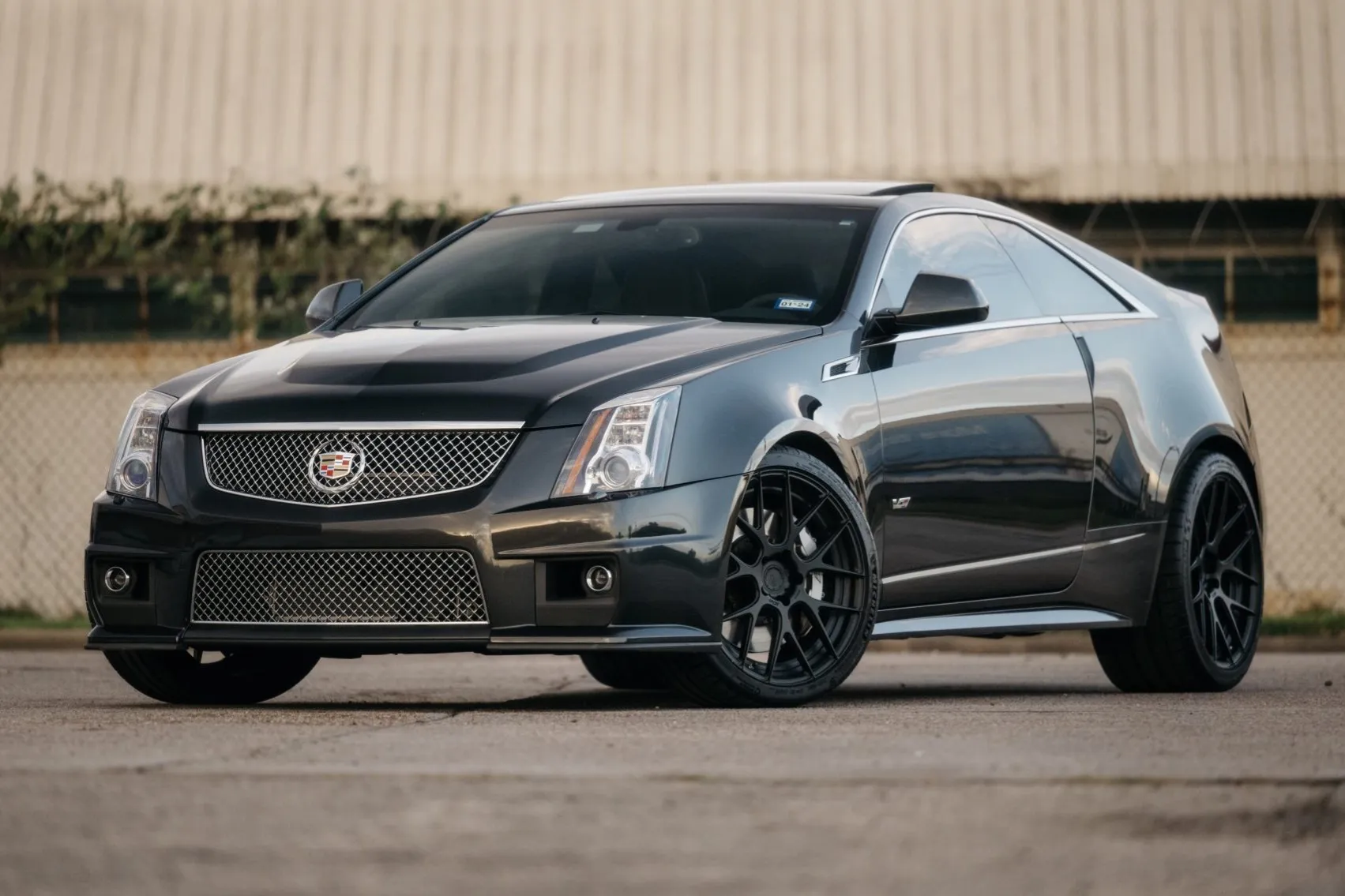
However, certain models reveal a more subtle approach, blending power with understated styling to produce sleeper cars that surprise at first glance. Cadillac’s V-series sedans and wagons exemplify this philosophy.
The CTS-V, in particular, is a vehicle that combines the aesthetic restraint of a luxury sedan with the performance of a sports car. Its supercharged V8 engine produces hundreds of horsepower, while the chassis and braking system are engineered for aggressive driving.
Despite its size and understated design, the CTS-V can outperform many sports cars on both the track and the open road. Its combination of comfort, interior quality, and raw power creates a dual personality that defines the American sleeper concept.
Chevrolet has similarly embraced the sleeper ethos through models like the Caprice and SS sedans. These vehicles, often overlooked due to their conventional styling, house powerful V8 engines with modern suspension and handling systems.
The Caprice SS, for instance, offers a smooth ride for daily driving while retaining the capacity to deliver rapid acceleration and strong performance when pushed.
Chevrolet’s approach emphasizes the integration of muscle car performance into practical body styles, making them ideal for those who value discretion but still crave power.
Dodge contributes to the sleeper culture with certain Charger and Challenger trims. While these cars are known for their muscular presence in some trims, models with minimal badging and conservative color schemes can easily blend into urban streets.
The underlying performance, however, is substantial. Engines such as the 6.4-liter HEMI V8 provide significant horsepower and torque, while advanced suspension tuning ensures capable handling.
These vehicles demonstrate that American muscle can be delivered in a form that is both practical and stealthy, offering drivers the thrill of hidden performance without the constant glare of attention.
Even Ford has had moments of subtle performance with the Taurus SHO and certain Mustang trims.
The Taurus SHO, with its Yamaha-designed V6, offered impressive acceleration within a conventional sedan body. These cars emphasize smooth power delivery, reliability, and an unassuming exterior.
Ford’s approach to sleeper performance highlights how traditional muscle car brands can diversify their offerings to produce vehicles that are powerful, practical, and low-profile simultaneously.
The essence of American sleepers lies in raw energy, combined with subtle presentation and everyday usability, creating a blend of thrill and convenience that is uniquely appealing.
