

Albuquerque, New Mexico, sits at an elevation of approximately 5,312 feet above sea level, making it one of the highest major cities in the United States. This combination of elevation and the hot, dry climate during the summer months presents unique challenges for vehicles.
Engines perform differently when the air is thinner because there is less oxygen available for combustion. This results in a reduction in power output, often noticeable in naturally aspirated engines.
Drivers who are used to sea-level performance may find their vehicles sluggish when climbing the roads that wind through Albuquerque and the surrounding high desert.
In addition to altitude, Albuquerque experiences heat extremes that can affect both mechanical and electrical systems. Temperatures often reach well above 90 degrees Fahrenheit during summer afternoons, and combined with strong sunlight and dry conditions, these temperatures can place additional stress on engines, cooling systems, and transmissions.
Cars equipped with turbochargers, superchargers, or forced induction systems tend to handle these conditions more effectively because they compensate for thinner air by forcing more oxygen into the engine. Vehicles designed with robust cooling systems, high-performance radiators, and adaptive electronic controls can also maintain power and reliability under these harsh conditions.
Conversely, many vehicles with smaller engines, older designs, or naturally aspirated configurations may suffer noticeable power loss, overheating, or reduced efficiency.
Drivers in Albuquerque often notice these differences when accelerating onto highways, climbing hills, or towing loads. Choosing the right vehicle can make a significant difference in comfort, safety, and driving experience.
Understanding how cars respond to high altitude and extreme heat requires looking at engine design, cooling capacity, and transmission behavior. Modern vehicles with advanced electronic engine management systems can adjust fuel and air mixtures to compensate partially for altitude, but these adjustments have limits.
Older vehicles or cars with simple carbureted engines experience more pronounced power losses. Heat also affects other vehicle systems, including tires, brakes, and air conditioning performance, which can indirectly influence how the car feels while driving.
Selecting vehicles with systems built to handle these stresses can lead to a more confident driving experience in Albuquerque.
The best vehicles for Albuquerque are those that combine strong forced induction, efficient cooling, and reliable drivetrain systems. Cars that struggle in these conditions typically rely on smaller engines or lack the technology needed to maintain peak performance at higher elevations.
For anyone living in or frequently visiting Albuquerque, knowing which cars thrive and which lose power can be the difference between smooth highway driving and a frustrating experience where the car feels underpowered and overly stressed.
The following sections provide a detailed look at five cars that handle Albuquerque’s conditions well and five that are more likely to lose power and performance.
Five Cars That Handle Albuquerque Heat and Altitude
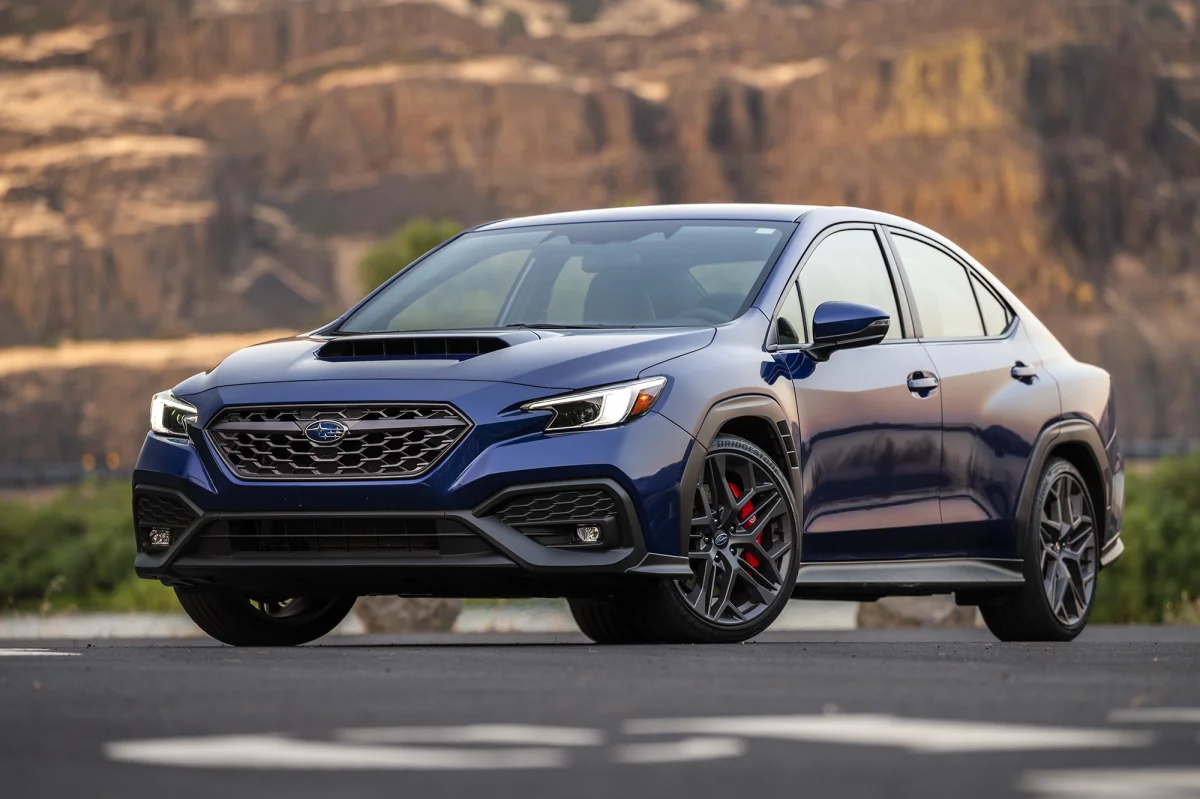
1. Subaru WRX
The Subaru WRX stands out as one of the most capable cars for handling both high altitude and extreme heat. Its turbocharged flat-four engine is designed to maintain strong performance even when oxygen levels in the air are lower, which is common at Albuquerque’s elevation.
The turbocharger compresses the air entering the engine, effectively offsetting the power loss that naturally aspirated engines experience at high altitude. This allows drivers to experience smooth acceleration and consistent power delivery, whether merging onto highways or climbing steep grades.
In addition, the WRX benefits from Subaru’s symmetrical all-wheel-drive system, which distributes power evenly to all four wheels. This provides superior traction on dry, dusty roads and prevents wheel spin during sudden acceleration, giving drivers confidence when driving in both city and rural high-altitude environments.
The vehicle’s cooling system is another reason why the WRX excels in harsh conditions. Equipped with a larger radiator and a robust intercooler, the engine can remain at optimal operating temperatures even during extended periods of hard driving in hot summer weather.
Active engine management adjusts the air-fuel mixture and ignition timing based on environmental conditions, ensuring maximum efficiency while preventing overheating. Drivers often notice that naturally aspirated cars lose significant power under similar circumstances, whereas the WRX maintains acceleration that feels comparable to sea-level performance.
The car’s transmissions, available in both manual and automatic variants, are also optimized for responsive power delivery without placing excessive stress on the engine, which helps extend the vehicle’s longevity.
Interior comfort and heat management are equally impressive. Albuquerque summers can push temperatures well above 90 degrees Fahrenheit, and many cars’ air conditioning systems struggle to maintain cool temperatures under direct sun exposure.
The WRX, however, offers a strong HVAC system that efficiently cools the cabin even during prolonged drives. Additionally, the materials used inside the cabin, including seats, dashboard, and trim, are designed to resist fading and warping from repeated sun exposure, ensuring that both comfort and aesthetics are preserved.
These features make the WRX not only a high-performance vehicle but also a practical choice for everyday driving in challenging climates.
Maintenance and reliability are crucial considerations for turbocharged vehicles operating in demanding environments. Subaru’s WRX has been engineered with durability in mind, incorporating reinforced pistons, strong gaskets, and a well-insulated turbocharger system to handle elevated temperatures and thin air.
While regular maintenance is essential, the car’s robust construction allows it to perform consistently over time without suffering significant wear from heat or altitude.
For drivers in Albuquerque who require both performance and reliability, the Subaru WRX represents a balanced option that maintains power, handling, and comfort even under environmental stress.
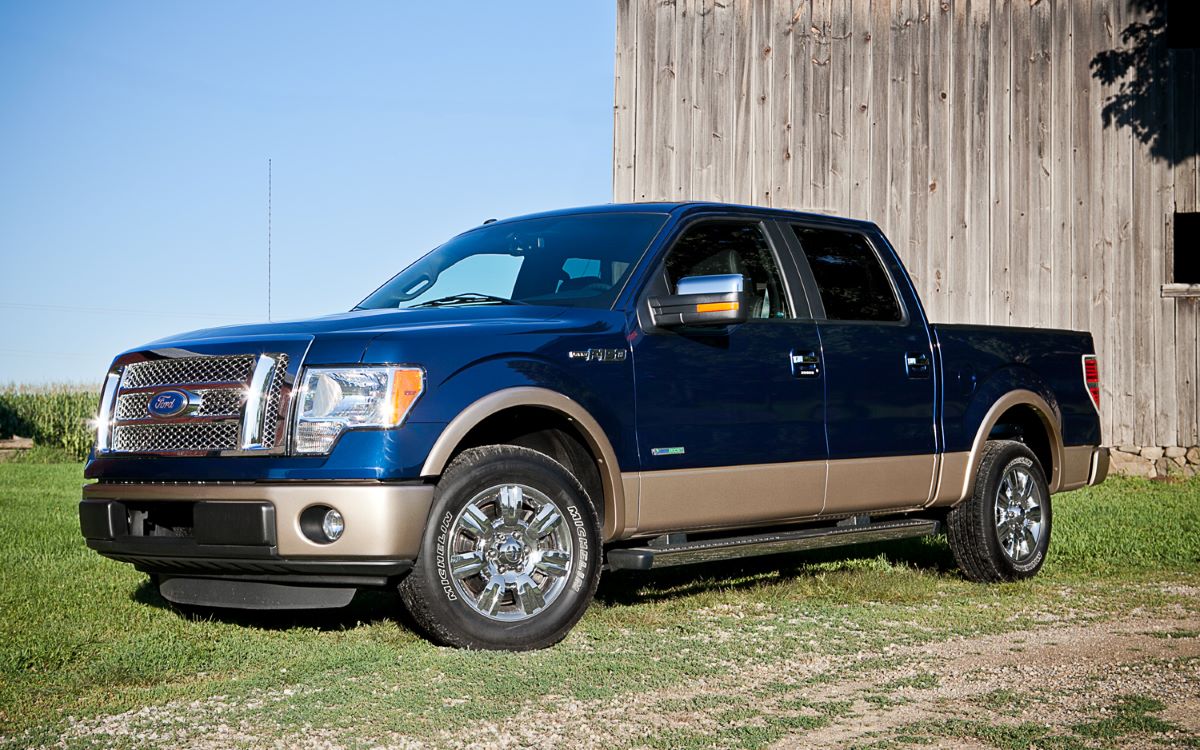
2. Ford F-150 EcoBoost
The Ford F-150 with the EcoBoost engine is highly effective in handling Albuquerque’s heat and altitude challenges. The turbocharged V6 provides strong low-end torque and keeps performance consistent even when air density decreases at high elevation.
This ensures that acceleration remains smooth and reliable, whether hauling heavy loads, towing trailers, or driving on steep inclines. The turbocharger forces more air into the engine, compensating for the reduced oxygen levels that naturally aspirated engines face at similar altitudes.
This allows the EcoBoost F-150 to maintain towing capacity, highway acceleration, and drivability, making it an excellent choice for both work and recreational purposes in high-altitude regions.
The truck’s cooling system is a major factor in its resilience. The F-150 is equipped with a large radiator, transmission cooler, and additional oil cooling features to prevent overheating under high-stress conditions. This ensures the engine maintains optimal temperatures even during long drives in Albuquerque’s summer heat.
Heat soak, which can reduce performance, is minimized thanks to the combination of forced induction and robust thermal management. Drivers who frequently travel highways, climb mountains, or operate under heavy load conditions benefit from the system’s ability to keep engine temperatures stable, which directly supports reliability and performance.
Transmission performance also complements the engine. The automatic transmission is calibrated to handle torque effectively, ensuring that power is delivered smoothly and without hesitation. Drivers experience consistent acceleration across a variety of driving conditions, including stop-and-go city traffic and sustained high-speed driving.
Suspension components, brake systems, and driveline parts are engineered to accommodate higher thermal loads, reducing the risk of overheating or wear during prolonged operation in hot and elevated areas. These mechanical advantages give the EcoBoost F-150 a clear edge over trucks with naturally aspirated engines.
Long-term durability further enhances the truck’s suitability for Albuquerque. The EcoBoost system has been engineered to withstand heat and altitude stress, with reinforced turbochargers, durable intercoolers, and robust engine internals.
Regular maintenance ensures the vehicle continues to operate effectively, but even under challenging conditions, the F-150 maintains both reliability and performance. For those who require a truck capable of hauling, towing, and performing efficiently in hot, high-altitude environments, the EcoBoost F-150 is an exceptional choice.
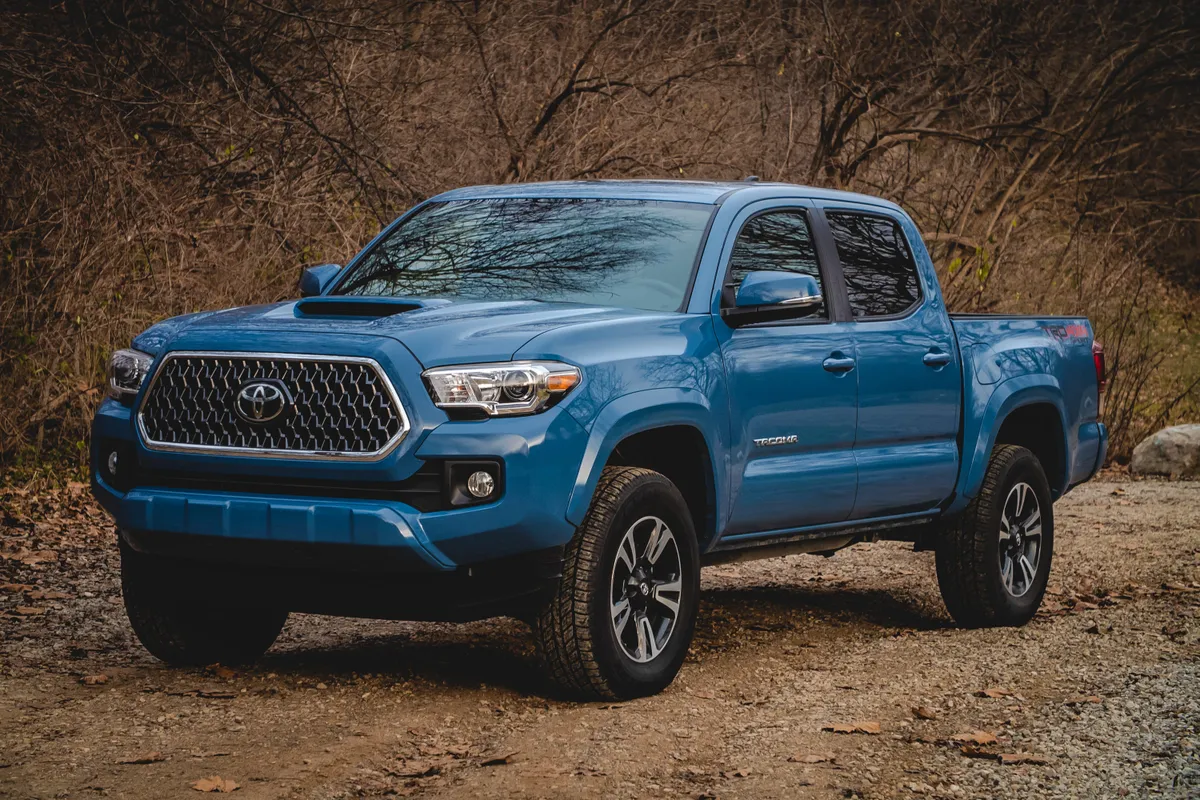
3. Toyota Tacoma TRD Pro
The Toyota Tacoma TRD Pro is a midsize pickup engineered for demanding conditions, making it an excellent choice for Albuquerque drivers. Its naturally aspirated V6 engine is carefully tuned to deliver strong mid-range torque, which helps compensate for power loss at higher elevations.
While turbocharged engines have an advantage in thin air, the Tacoma’s engine design allows it to maintain reliable performance for everyday driving, climbing hills, and maneuvering through desert terrain.
Its TRD suspension and off-road enhancements provide additional confidence when driving on uneven surfaces, making it a versatile option for both urban streets and remote, elevated routes.
Heat management is another reason the Tacoma TRD Pro performs well in Albuquerque. Dual fans, high-capacity radiators, and optimized airflow channels ensure that the engine remains within safe operating temperatures even during extended drives in extreme heat.
Brake and transmission cooling systems are also enhanced, preventing heat buildup that can negatively affect performance. These features ensure that the Tacoma can handle sustained driving at high speeds or over long inclines without risk of mechanical stress or overheating.
While naturally aspirated engines often experience steep declines in miles per gallon at elevation, the Tacoma’s engine and transmission systems help maintain reasonable efficiency, even under load.
This makes it practical for daily commuting, long road trips, and hauling or towing activities. In addition, cabin comfort is supported by a strong HVAC system, which ensures consistent cooling during summer temperatures.
These combined features make the Tacoma TRD Pro a well-rounded choice for drivers who need reliability and comfort in challenging climates.
Reliability and maintenance considerations further enhance the Tacoma’s appeal. Toyota has engineered the TRD Pro variant with reinforced engine components, robust suspension systems, and durable transmission parts to withstand stress from heat and altitude.
Regular maintenance is relatively straightforward, and the truck’s design prioritizes long-term durability. For drivers in Albuquerque who need a capable vehicle that can maintain power and stability under both high temperatures and elevation, the Tacoma TRD Pro is an excellent solution that balances performance, efficiency, and comfort.
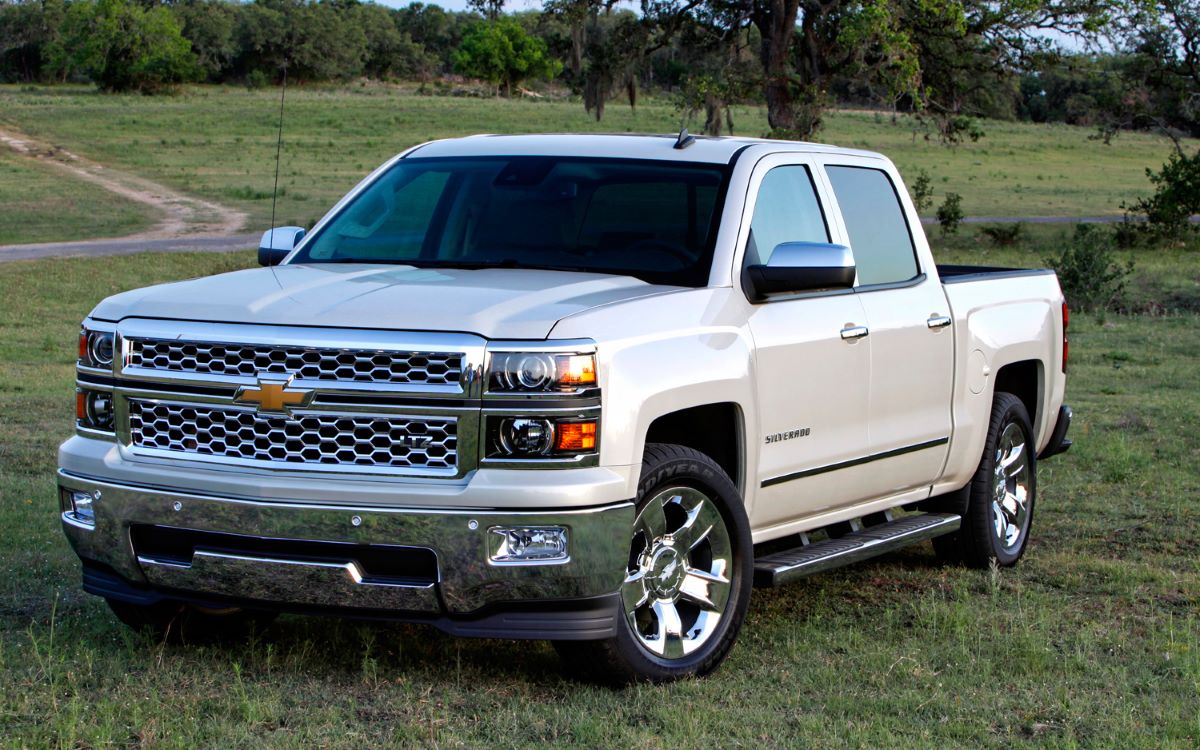
4. Chevrolet Silverado 1500 3.0L Duramax Diesel
The Chevrolet Silverado 1500 equipped with the 3.0L Duramax diesel engine is particularly effective for high-altitude driving. Diesel engines naturally tolerate thinner air better than gasoline engines because they rely on compression ignition rather than spark ignition.
This allows the Duramax to maintain torque and power even when oxygen levels are lower, giving drivers steady performance during climbs and highway acceleration in Albuquerque.
The turbocharger further enhances performance by forcing air into the combustion chamber, offsetting potential losses caused by the city’s elevation. This combination ensures consistent performance even under demanding driving conditions.
The diesel engine’s cooling system is designed to manage heat efficiently. Intercoolers, high-capacity radiators, and robust airflow management prevent overheating even during sustained operation in hot environments.
Diesel engines are thermally efficient, meaning they produce less waste heat relative to gasoline engines, reducing the likelihood of heat-related mechanical issues. This allows drivers to tow trailers, carry cargo, or drive long distances without the engine losing performance or reliability.
Durability is another factor in the Silverado’s effectiveness. Diesel engines are inherently stronger under repetitive stress, and the Silverado’s transmission is engineered to handle high torque outputs without overheating.
Suspension and drivetrain components are designed to support heavy loads while maintaining stability and smooth operation. These mechanical advantages make the truck suitable for both city driving and long-distance highway travel in high-altitude regions.
Cabin comfort and electronics are designed to withstand extreme heat. Air conditioning systems, seat materials, and electronic controls are engineered for durability, preventing heat-related failures or performance degradation.
Routine maintenance keeps the Duramax operating efficiently, but even with minimal intervention, the truck maintains consistent power and reliability. For drivers needing a vehicle that thrives in high-altitude and high-temperature environments, the Silverado 1500 with Duramax diesel offers both performance and long-term dependability.
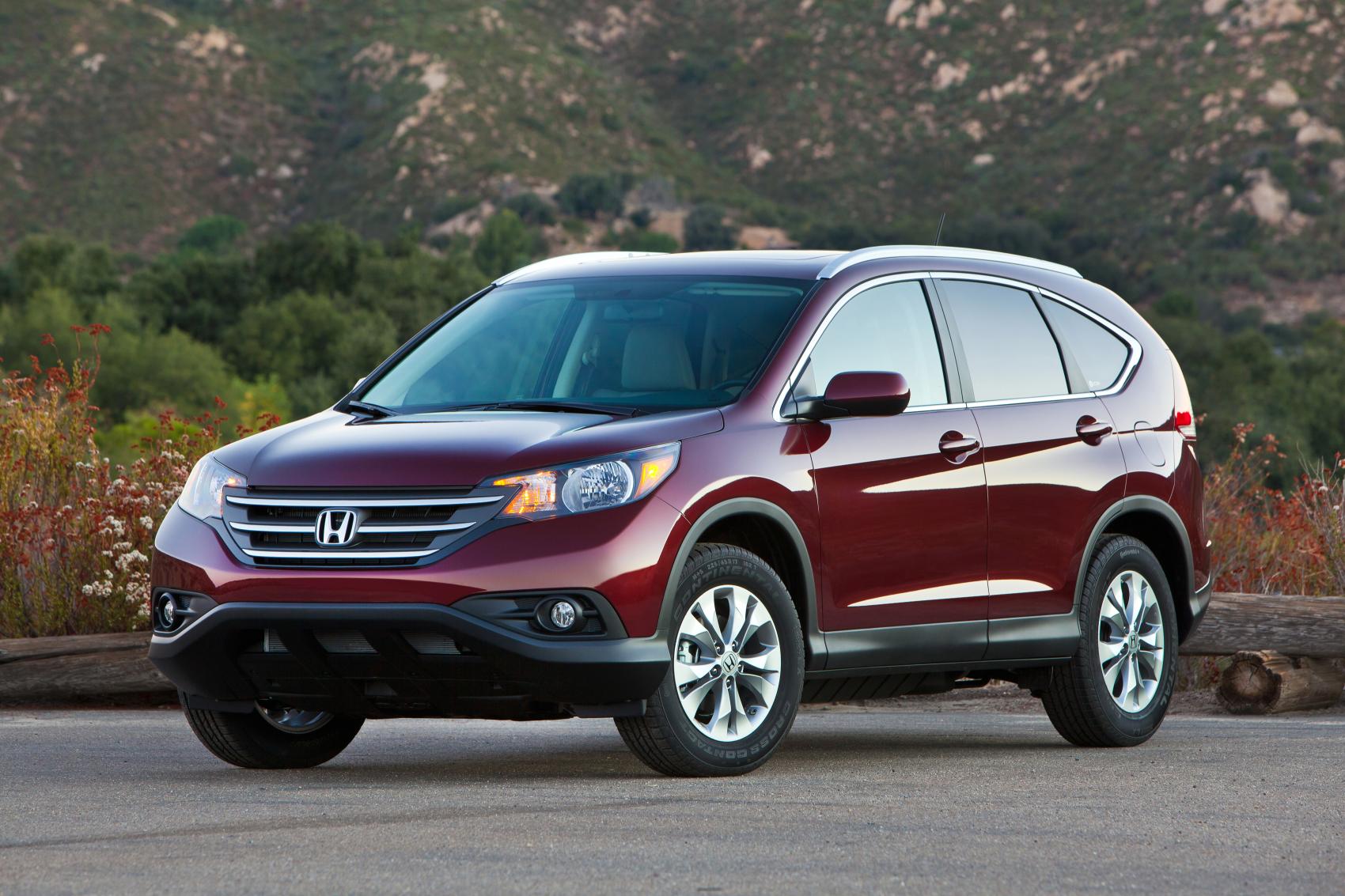
5. Honda CR-V 1.5L Turbo
The Honda CR-V with the 1.5L turbocharged engine combines fuel efficiency, reliability, and strong high-altitude performance. Its small displacement turbo allows for responsive acceleration while maintaining low fuel consumption, which is particularly useful when driving in Albuquerque’s thin air.
The turbocharger forces air into the engine, counteracting the reduced oxygen levels that naturally aspirated engines experience. Combined with Honda’s CVT transmission, the CR-V ensures smooth power delivery across a wide range of driving conditions, making it ideal for both urban and suburban driving in high-elevation areas.
Cooling systems in the CR-V are modern and efficient. Radiators, oil coolers, and strategically designed airflow channels help maintain optimal engine temperatures, even during extended highway driving in the summer heat.
The turbocharged engine produces heat more efficiently, but the vehicle’s design ensures that temperatures remain stable, preventing thermal stress on critical components. Cabin comfort is equally prioritized, with a capable HVAC system that keeps passengers cool while resisting sun-induced fading and wear on interior materials.
The CR-V’s predictable handling further enhances its suitability for high-altitude driving. The turbocharged engine does not require excessive throttle input to maintain speed on inclines, which reduces stress on the drivetrain and transmission.
Fuel efficiency remains stable compared to naturally aspirated alternatives, as the engine maintains proper combustion despite thinner air. These factors make the CR-V both practical and reliable for Albuquerque’s challenging conditions.
Maintenance and durability are consistent with Honda’s reputation. The 1.5L turbo is designed to withstand extended use in hot and elevated environments, with reinforced components and reliable cooling systems ensuring longevity.
For drivers seeking a compact SUV that performs consistently, maintains fuel efficiency, and offers comfort in Albuquerque’s heat and altitude, the Honda CR-V 1.5L turbo is a dependable and well-rounded option.
Five Cars That Lose Power in Albuquerque
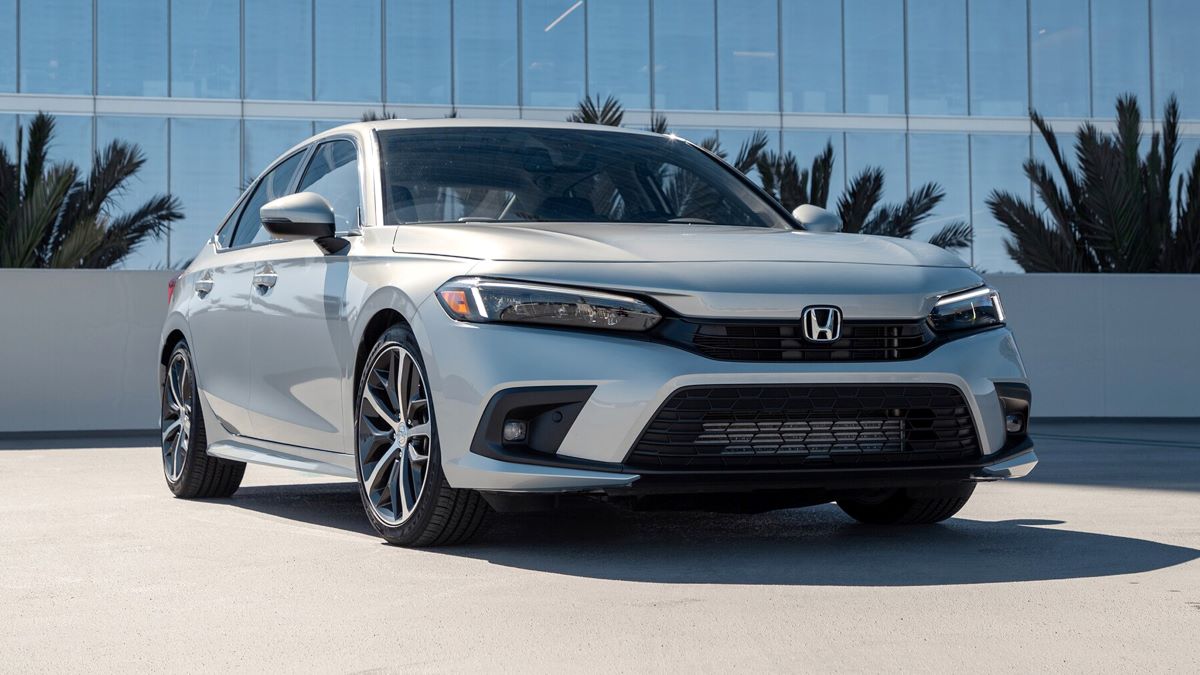
1. Honda Civic 2.0L Naturally Aspirated
The Honda Civic with the 2.0L naturally aspirated engine experiences noticeable performance issues at Albuquerque’s elevation. Without a turbocharger or forced induction, the engine relies solely on ambient air to maintain combustion.
At over 5,000 feet above sea level, the air contains significantly less oxygen than at sea level, which reduces the engine’s ability to generate power. Drivers may notice slower acceleration, especially when merging onto highways or climbing hilly terrain. The Civic’s light and efficient design, which excels at sea-level commuting, becomes less effective in thin air.
Even everyday maneuvers, such as passing slower vehicles or merging onto interstates, require more throttle input than drivers are accustomed to, which can be frustrating for those expecting the responsiveness found at lower elevations.
The car’s cooling system is sufficient for standard urban driving but is not designed for sustained high-load operation under high heat and altitude conditions. Prolonged exposure to Albuquerque’s summer temperatures can lead to the engine running hotter than optimal, which further reduces efficiency and performance.
The Civic’s brakes and transmission are also affected indirectly because the engine requires more effort to maintain speed, which places additional stress on the drivetrain. Drivers may notice that the engine revs higher than usual when trying to maintain normal acceleration, which can lead to both reduced fuel economy and a less comfortable driving experience.
Cabin comfort is maintained, but the increased engine effort to compensate for thinner air can produce more heat under the hood, affecting interior climate control indirectly. The HVAC system has to work harder to keep the cabin at a comfortable temperature during extended highway trips, particularly under high summer heat.
In addition, components near the engine bay, such as hoses and belts, may experience higher temperatures, which could slightly reduce their lifespan over time. While the Civic is reliable under normal conditions, repeated exposure to high-altitude heat stress can make its limitations more apparent.
Fuel efficiency also suffers in these conditions. The engine’s need for additional throttle input and longer acceleration periods increases fuel consumption.
Drivers who frequently traverse Albuquerque’s higher-altitude roads or undertake long trips will notice a drop in miles per gallon, particularly compared to turbocharged or larger engines designed to compensate for thin air.
While the Honda Civic remains an excellent vehicle at sea level or in moderate climates, it is less capable in Albuquerque’s combination of heat and elevation, making it a less ideal choice for drivers prioritizing consistent power and performance.
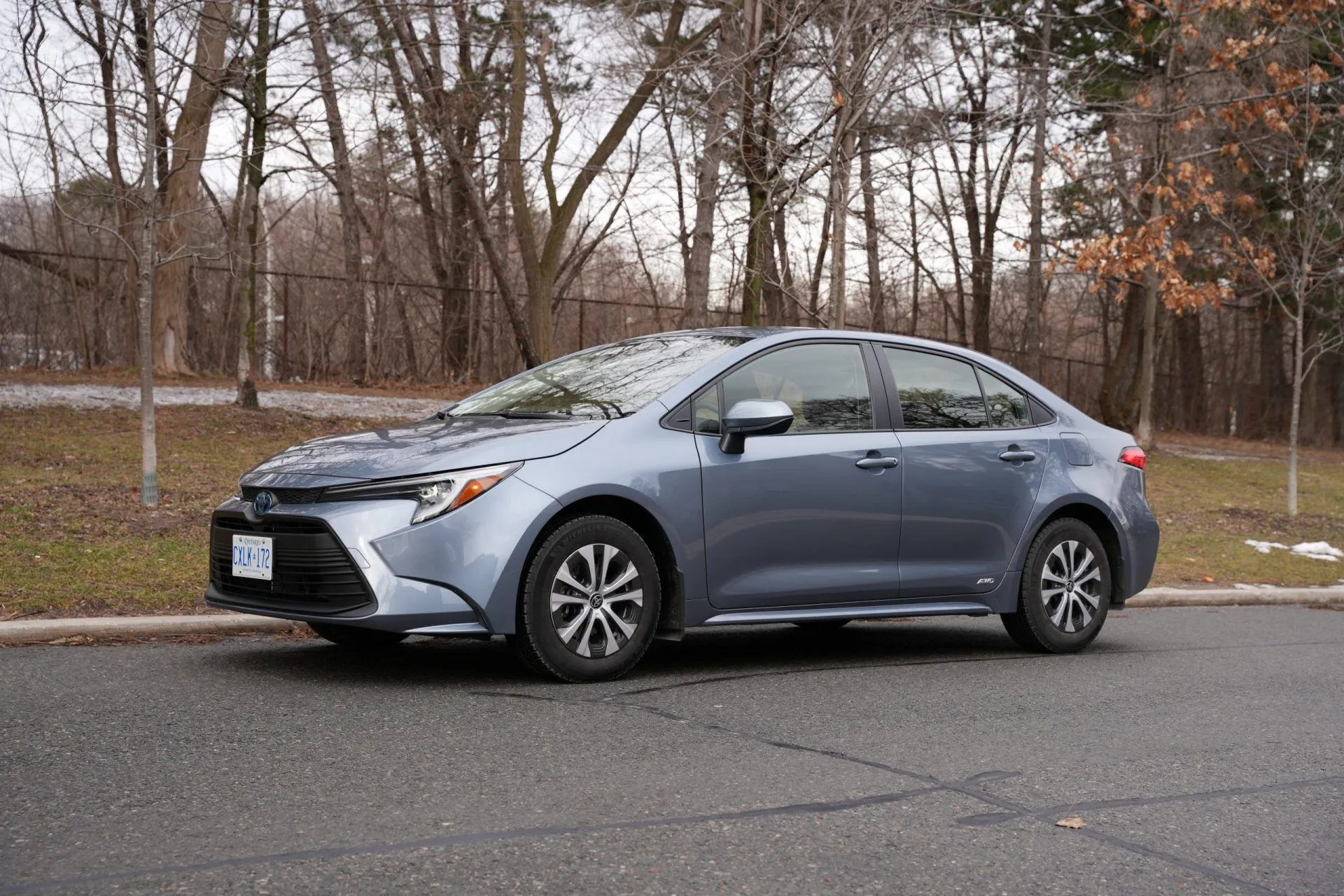
2. Toyota Corolla 1.8L
The Toyota Corolla equipped with a 1.8L naturally aspirated engine also struggles in Albuquerque’s high-altitude environment. Similar to the Civic, the engine lacks forced induction, meaning it cannot compensate for reduced oxygen levels at elevations above 5,000 feet.
Drivers often notice sluggish acceleration when climbing hills or merging onto highways. Passing slower vehicles can require significant throttle input, which may feel underwhelming compared to the performance expectations set by other modern vehicles.
For commuters and city drivers, this may translate into slightly longer travel times and a sense of underperformance in conditions that are common in and around Albuquerque.
Interior comfort remains relatively stable, but increased engine workload indirectly affects cabin climate management. The vehicle’s air conditioning system must compensate for heat generated by both the engine and the outside environment, making it work harder during prolonged summer drives.
Components near the engine, such as belts and hoses, may also be subjected to slightly higher temperatures, which over time can contribute to wear. Fuel consumption similarly increases, as the engine must burn more fuel to deliver adequate performance under reduced oxygen conditions.
Despite its reputation for reliability, the Corolla’s naturally aspirated engine is not optimized for high-altitude performance. Drivers in Albuquerque may experience frustration with the vehicle’s inability to maintain consistent power, particularly when compared to turbocharged alternatives.
While the Corolla remains a practical car for everyday city driving, it does not deliver the same responsiveness or smooth performance expected in regions with higher elevations and extreme summer temperatures.
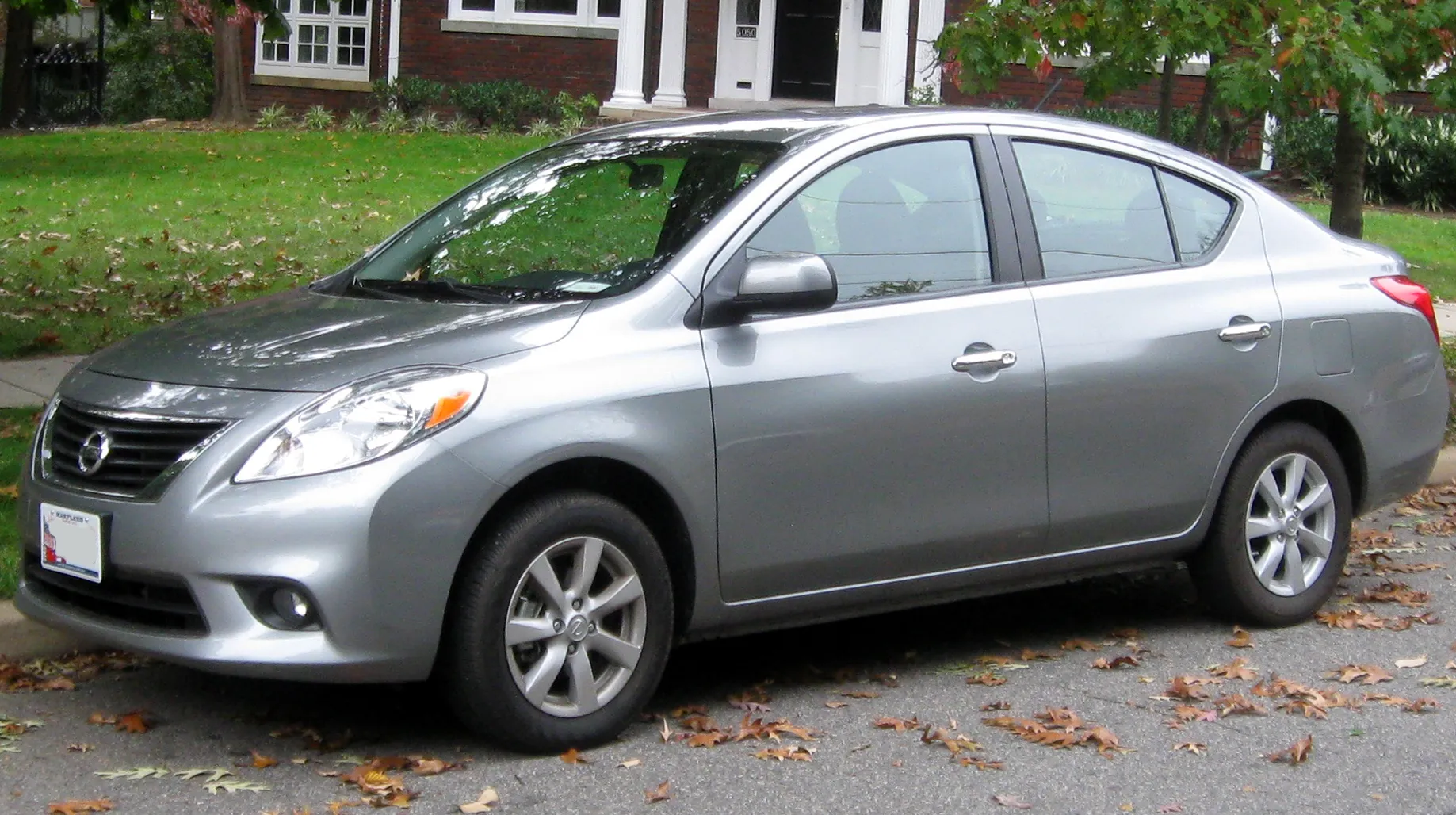
3. Nissan Versa 1.6L
The Nissan Versa with its 1.6L naturally aspirated engine is one of the vehicles most affected by Albuquerque’s combination of heat and altitude. The engine experiences significant power loss due to reduced oxygen levels, which makes acceleration slower and less responsive.
On flat terrain, the car may feel adequate, but when climbing hills, carrying passengers, or merging onto highways, the engine struggles to maintain speed. Drivers often find themselves pressing the accelerator further than usual, which not only affects performance but also increases fuel consumption.
Cabin comfort can remain acceptable, but the engine’s increased workload generates more heat under the hood. This can indirectly affect HVAC performance, requiring more effort to maintain cabin temperatures in the summer.
Additionally, prolonged heat exposure may contribute to minor wear on components near the engine, such as plastic or rubber parts, although serious damage is unlikely with routine maintenance. Fuel efficiency is lower than expected, as the engine consumes more fuel to compensate for thinner air and reduced power output.
For daily commuting, the Versa remains manageable, but in conditions that include steep climbs or sustained highway driving, the car’s naturally aspirated engine proves inadequate.
Drivers who frequently navigate Albuquerque’s higher-altitude roads will notice slower acceleration and reduced confidence compared to vehicles equipped with turbochargers or larger engines. While the Versa is reliable for basic use, it lacks the performance capabilities required for optimal driving in this environment.
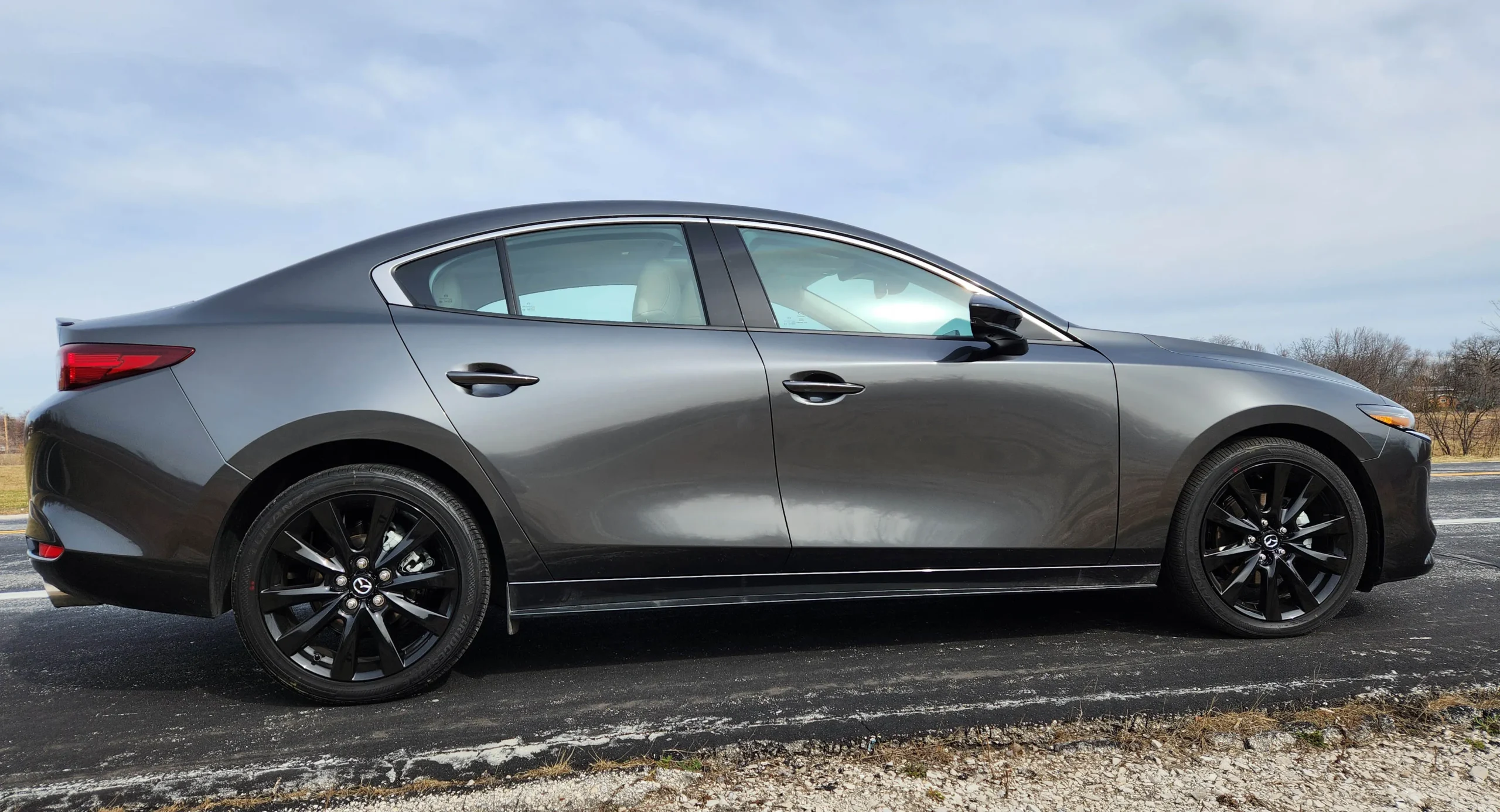
4. Mazda 3 2.0L Naturally Aspirated
The Mazda 3 with a 2.0L naturally aspirated engine experiences noticeable power loss in Albuquerque due to reduced air density at high altitude. Acceleration is slower than expected, particularly when climbing hills or attempting to merge onto highways.
Drivers may need to apply more throttle than usual to maintain normal speeds, which can result in a less responsive driving experience.
Naturally aspirated engines are particularly sensitive to high elevation because they cannot compress additional air into the combustion chamber to offset oxygen loss. This is a common issue for drivers used to sea-level performance who expect similar responsiveness at higher altitudes.
Cabin comfort is generally satisfactory, but the engine’s increased workload may slightly affect climate control performance. The HVAC system must work harder to maintain desired temperatures, particularly during long drives in the summer heat.
Components such as belts, hoses, and other under-hood parts are exposed to higher heat levels, which can accelerate minor wear over time. Fuel consumption also increases, as more fuel is required to generate adequate power at elevation.
While the Mazda 3 is a reliable and efficient vehicle at sea level, its naturally aspirated 2.0L engine is not optimized for high-altitude performance.
Drivers may find themselves frustrated with the vehicle’s inability to maintain consistent acceleration and responsiveness in Albuquerque’s combination of heat and elevation. For those seeking dependable performance in challenging conditions, the Mazda 3’s small engine proves less capable than turbocharged or larger-engine alternatives.
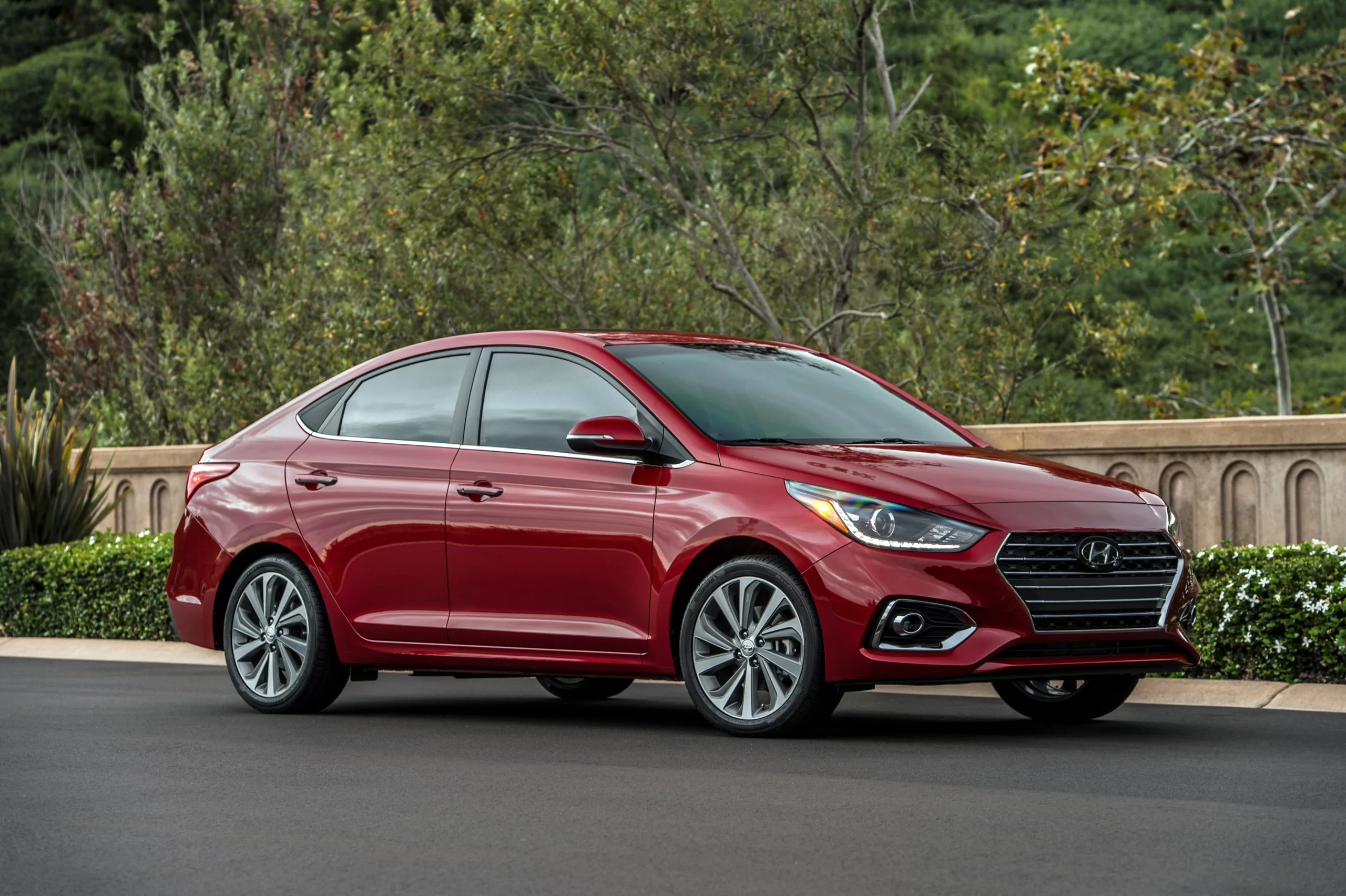
5. Hyundai Accent 1.6L
The Hyundai Accent with a 1.6L naturally aspirated engine struggles significantly in Albuquerque’s high-altitude and hot climate. The small engine experiences a noticeable drop in power output due to thinner air, which affects acceleration, highway merging, and uphill driving.
Drivers may find it difficult to maintain speed when fully loaded or during climbs, as the engine requires more throttle to deliver performance. This results in slower response times compared to turbocharged or larger-engine vehicles and can create a less confident driving experience, particularly in traffic or on steep roads.
Cabin comfort remains acceptable, but the engine’s increased effort indirectly affects climate control performance. The HVAC system must work harder to counteract both the heat from the outside environment and the additional heat generated by the engine, potentially reducing comfort on long drives.
Fuel economy suffers as well, with the engine consuming more fuel than usual to compensate for reduced oxygen levels at elevation.
While the Hyundai Accent is a reliable vehicle for city commuting and light use, it is not suitable for high-altitude driving in Albuquerque, particularly during summer heat or on steep grades.
Drivers seeking consistent power and acceleration will find the Accent underpowered compared to turbocharged vehicles or larger-engine alternatives, making it less ideal for challenging environmental conditions.
