
Boston is a city known for its winding roads, historic neighborhoods, and dense urban layout. Unlike cities with wide boulevards and grid-style planning, Boston presents a unique challenge for drivers. Its streets twist and turn, often dating back centuries, designed for horse-drawn carriages rather than modern vehicles.
The combination of narrow lanes, one-way streets, and heavy pedestrian traffic makes driving here a distinctive experience. Cars that perform well in suburban or rural environments do not always translate to city life, and selecting the right vehicle can make a significant difference in safety, convenience, and overall driving comfort.
Residents often prioritize maneuverability, parking ease, and fuel efficiency over raw power or high-speed performance. In many cases, a car that excels in tight corners and congested traffic is more valuable than one with a large engine or extensive luxury features.
City driving also demands attention to visibility, turning radius, and technology that assists with parallel parking or lane guidance. Features such as compact dimensions, tight suspension, and responsive steering can reduce the stress of navigating crowded streets and narrow parking spaces.
Boston’s older sections, including the North End, Beacon Hill, and parts of Back Bay, frequently have roads too tight for full-size SUVs or trucks to move comfortably.
Drivers often find themselves performing multiple-point turns or squeezing between parked vehicles. This choice of vehicle not just a matter of preference, but a practical necessity for avoiding damage and frustration.
Another factor to consider is traffic patterns. Boston is notorious for its unpredictable congestion, which can make larger vehicles cumbersome to operate. Cars with smaller footprints tend to flow better through bottlenecks, while those with extended lengths may struggle to merge or park efficiently.
Moreover, fuel economy becomes increasingly important for city dwellers who spend a significant amount of time idling at traffic lights or stuck in slow-moving traffic.
Electric and hybrid models have gained attention not just for environmental reasons, but also because their compact designs often suit the city’s street layout.
In this context, understanding which vehicles are suitable for Boston streets versus those that are less practical can save time, reduce stress, and enhance the driving experience. This article examines five cars that excel in the city and five that often prove challenging in Boston.
The comparison focuses on dimensions, maneuverability, fuel efficiency, and overall suitability for navigating tight, historic streets. By reviewing these options, drivers can make informed decisions, avoid unnecessary headaches, and find vehicles that match the unique demands of urban life in one of America’s oldest cities.
5 Cars That Excel on Boston’s Tight Streets
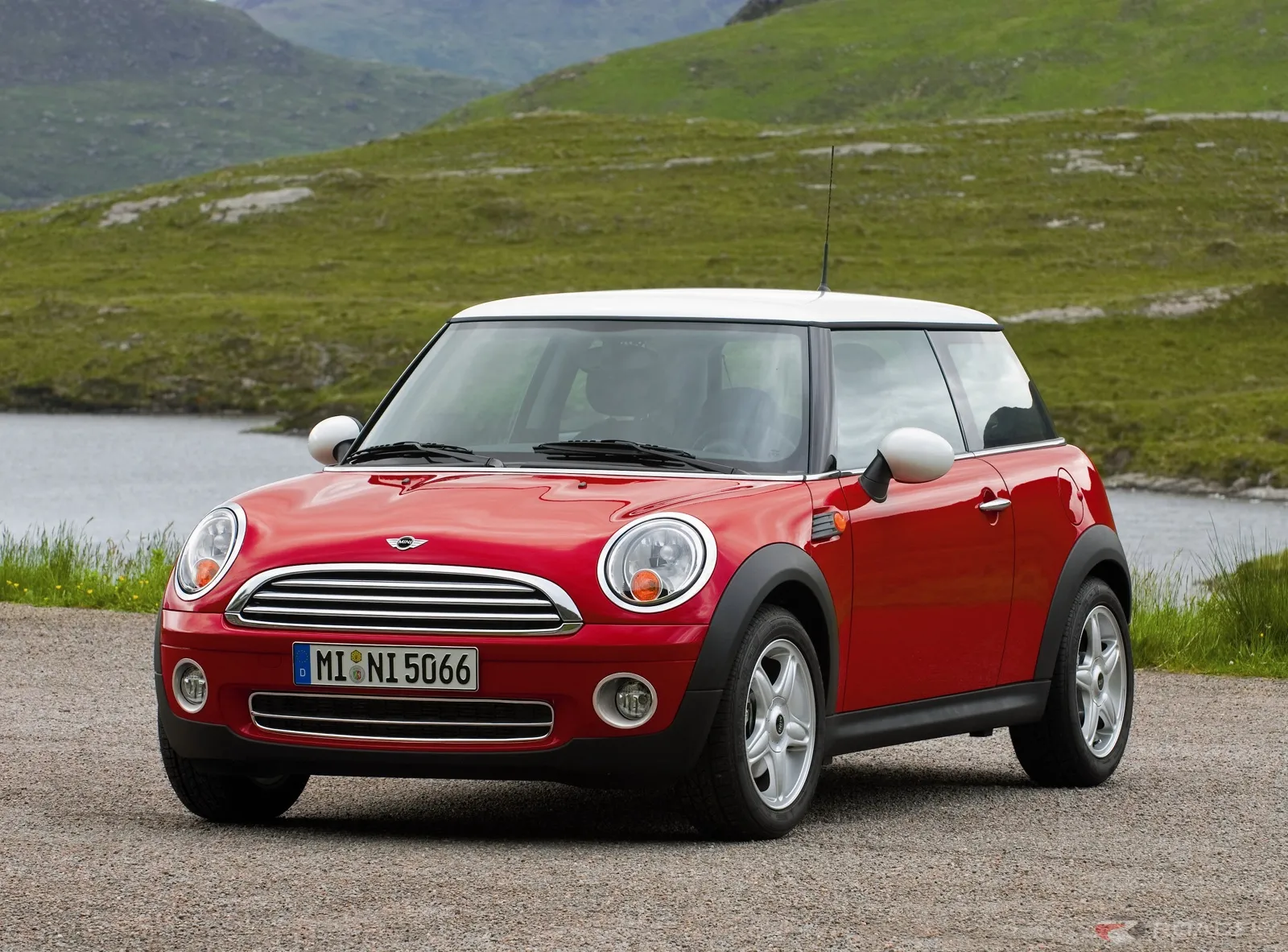
1. Mini Cooper
The Mini Cooper has long been celebrated for its compact design, which makes it ideally suited to crowded urban environments such as Boston. Its short length, combined with a relatively narrow width, allows drivers to navigate narrow lanes that would be difficult or impossible for larger vehicles.
Streets in Boston’s older neighborhoods, such as Beacon Hill and the North End, often feature tight corners and irregular layouts that can frustrate drivers of conventional sedans or SUVs. The Mini Cooper, however, feels at home in these conditions.
It is capable of threading through congested intersections, slipping between parked cars, and handling streets where other vehicles would be forced to slow dramatically. In addition, the car’s overall footprint ensures that parking is simpler and less stressful, which is a critical factor for city residents who often spend significant time searching for spaces.
The compact size of the Mini Cooper reduces the likelihood of accidental scrapes against curbs or other vehicles, a common concern in Boston’s historic streets, making it a safer choice for urban driving.
Fuel efficiency is another strength that makes the Mini Cooper particularly appealing for city dwellers. Many models deliver impressive miles-per-gallon ratings, which is important in a city where stop-and-go traffic is common and gas stations are often limited in number or accessibility.
The compact frame contributes not only to lower fuel consumption but also to reduced wear on components such as brakes and tires. Maintenance costs are generally lower than those of larger vehicles, providing additional financial relief for drivers navigating Boston’s dense urban environment.
Over time, the combination of fuel efficiency, manageable size, and agile handling results in a practical, cost-effective vehicle choice for daily commuting, errands, and navigating congested neighborhoods.
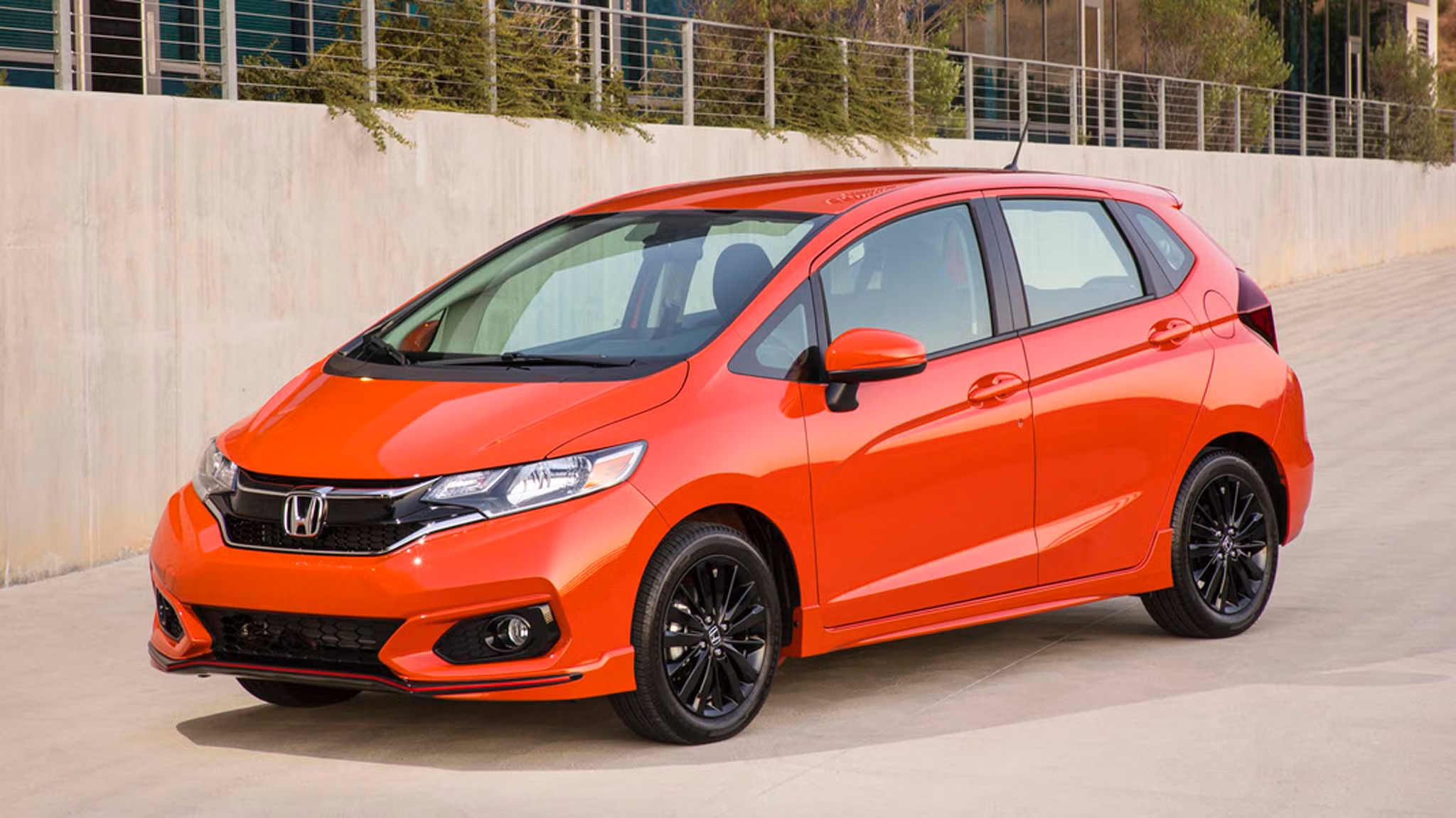
2. Honda Fit
The Honda Fit is another exemplary city car that performs exceptionally well on Boston’s narrow streets. Its hatchback design provides flexibility, allowing drivers to carry larger cargo loads without sacrificing maneuverability.
The Fit is short in length but uses its interior space efficiently, offering a surprising amount of passenger and cargo room relative to its exterior dimensions. For drivers navigating Boston’s older neighborhoods, the Fit’s compact footprint is a significant advantage.
One-way streets, tight intersections, and limited parking spaces are all navigated more easily in a vehicle like the Fit, reducing frustration and the risk of minor collisions.
Its size allows drivers to execute maneuvers that would be difficult or impossible with longer or wider vehicles, such as squeezing into parallel parking spots or performing multi-point turns on constricted streets.
Another strong advantage of the Honda Fit is its interior versatility. The rear Magic Seat system allows for multiple configurations, meaning drivers can fold the rear seats flat, fold them upward, or create different cargo layouts depending on their needs.
This adaptability is especially useful for urban residents who frequently transport groceries, bicycles, small furniture, or other items that might otherwise require a larger vehicle.
The hatchback design also ensures that items are easily accessible, eliminating the hassle of navigating a cramped trunk. In a city like Boston, where multi-purpose vehicles are desirable due to parking constraints, errands, and lifestyle needs, the Fit’s interior flexibility makes it a highly practical choice.
Fuel efficiency further enhances the Fit’s urban practicality. Its small engine is optimized for city driving, delivering excellent miles-per-gallon ratings even in heavy traffic. This reduces operating costs while minimizing environmental impact, a consideration for drivers concerned about emissions in densely populated areas.
The combination of fuel efficiency, small size, responsive handling, and interior versatility makes the Honda Fit a standout vehicle for Boston streets, offering a balance of practicality and convenience without sacrificing usability or comfort.
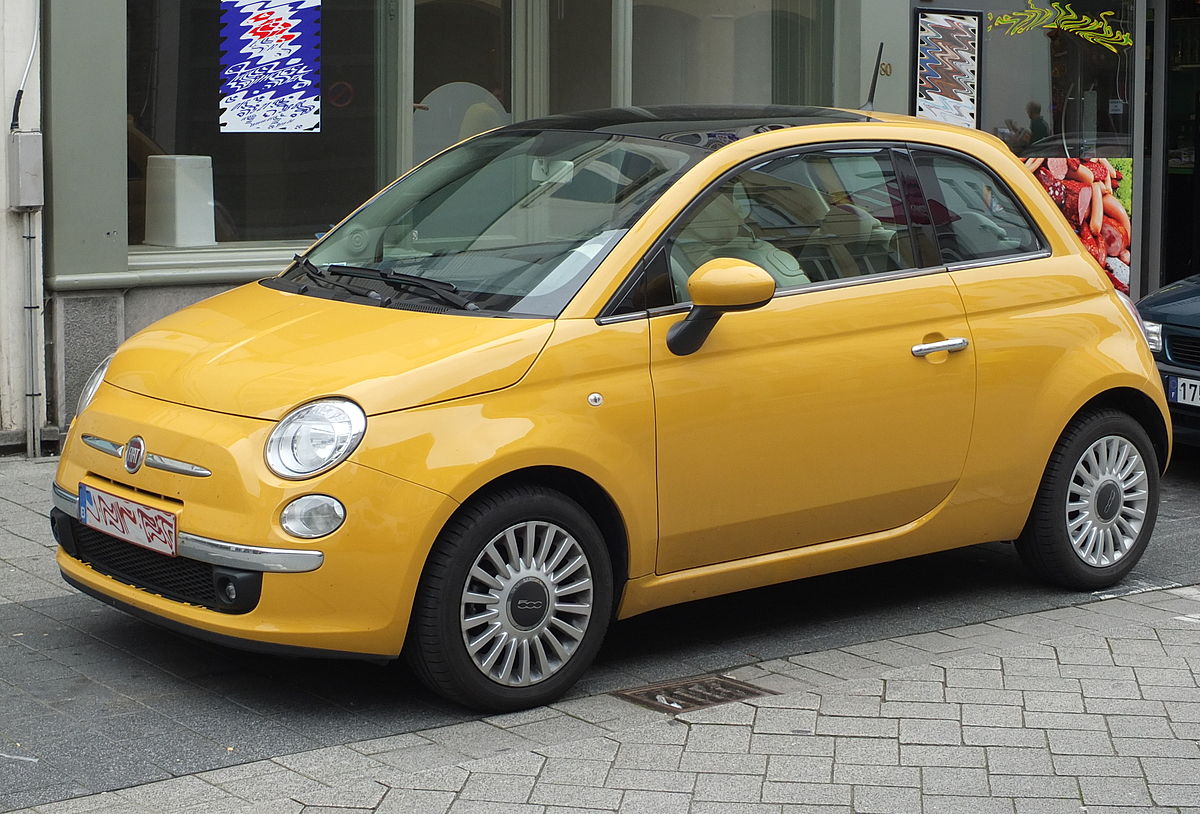
3. Fiat 500
The Fiat 500 is famously compact, making it one of the best options for extremely tight streets and congested areas. Its short length allows it to maneuver through narrow roads and tight corners that challenge even small sedans. Boston’s historic neighborhoods, with their narrow cobblestone streets and irregular layouts, are especially suited to a car of the Fiat 500’s dimensions.
Parking is another significant advantage: its size enables drivers to fit into spaces that would be too small for most vehicles, eliminating the stress and frustration associated with city parking.
The car’s compact footprint allows for easier navigation in crowded areas, making it a practical solution for urban residents who regularly face congested streets.
Maneuverability is a hallmark of the Fiat 500. The vehicle’s steering is light and highly responsive, while the small wheelbase allows drivers to complete tight turns in a single motion rather than requiring multiple adjustments.
Its agility makes it easier to navigate Boston streets where sudden changes in traffic patterns, parked cars, or narrow gaps can disrupt larger vehicles.
The car’s design allows it to weave through complex traffic conditions, which is particularly important in areas with frequent double-parking, construction zones, or irregular intersections. Drivers benefit from the Fiat 500’s ability to react quickly, reducing stress in urban driving situations.
Despite its small size, the Fiat 500 offers a comfortable interior for driver and front passenger. The cabin is designed efficiently, providing sufficient legroom, headroom, and ergonomic controls for urban driving.
While rear seating is more limited, the vehicle’s compact design makes it easier to park and maneuver, a tradeoff that many city drivers willingly accept.
Modern versions include technological features such as infotainment systems, navigation, and safety assistance, enhancing convenience and security. The interior layout ensures that drivers can operate the vehicle comfortably while maintaining awareness of surrounding traffic, pedestrians, and cyclists, all essential for city conditions.
Fuel economy is another critical factor for the Fiat 500. Its smaller engine is optimized for stop-and-go urban traffic, reducing fuel consumption and cost. Electric versions of the Fiat 500 add another layer of practicality for city residents, offering zero-emission driving with exceptional maneuverability.
The combination of extremely compact dimensions, responsive handling, efficient fuel consumption, and comfortable interior design makes the Fiat 500 a highly practical and enjoyable vehicle for Boston streets, balancing convenience and efficiency in an urban package.
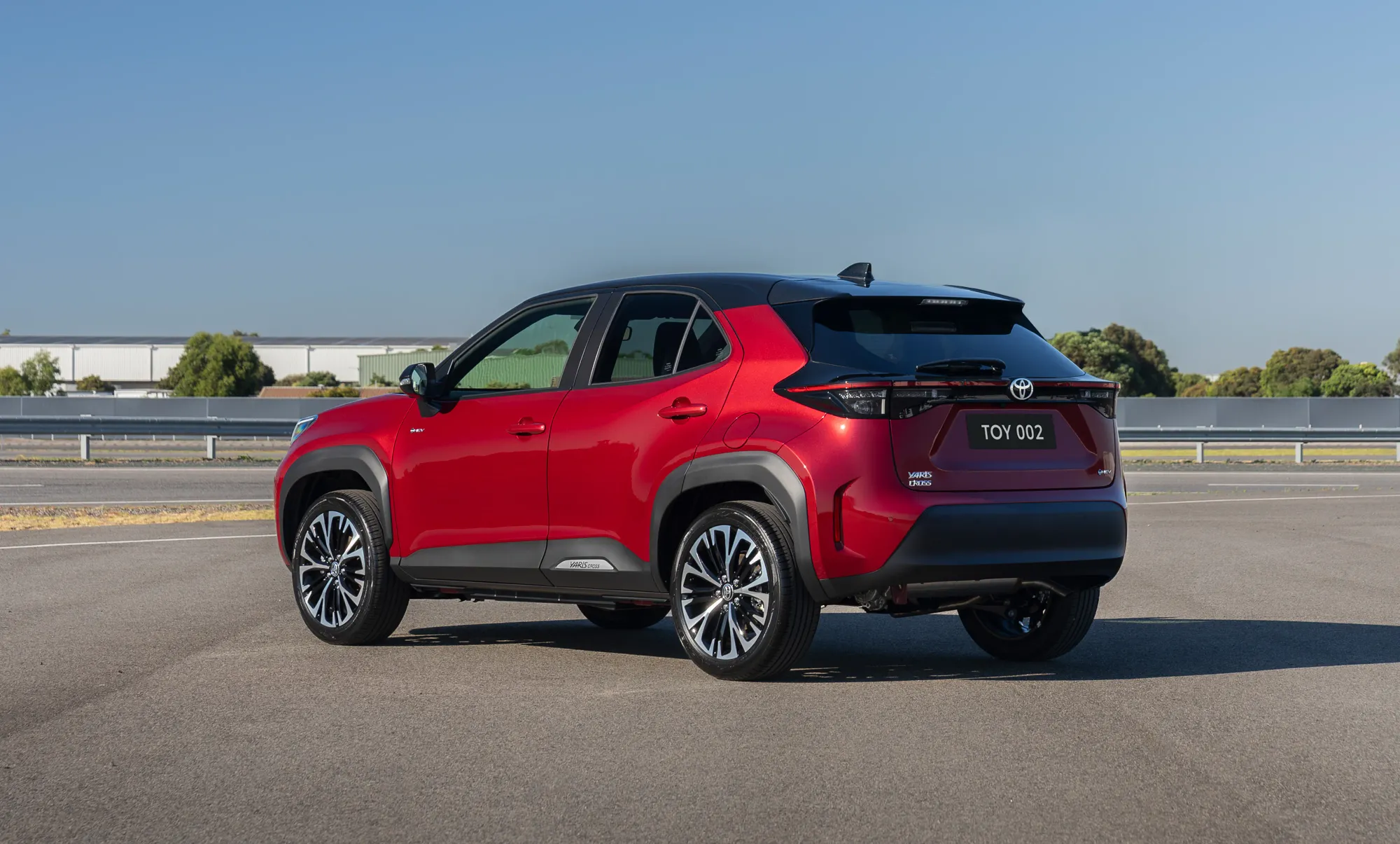
4. Toyota Yaris
The Toyota Yaris is a compact sedan that is highly practical for city driving, particularly in environments with tight streets and heavy congestion. Its dimensions are well-suited to urban roads, allowing drivers to maneuver easily through narrow lanes and tight intersections.
The Yaris is relatively lightweight, which enhances its responsiveness and reduces the effort required to execute quick movements in traffic. Its small footprint also simplifies parking, an important consideration in Boston, where one-way streets and limited space often challenge drivers of larger vehicles.
The vehicle’s efficient design balances maneuverability with enough interior space to accommodate passengers comfortably, making it an ideal urban commuter car.
Handling and performance are key strengths of the Yaris in city conditions. Its suspension system absorbs irregularities in road surfaces while providing adequate stability for sudden stops or lane changes. The precise steering allows for controlled navigation through crowded streets, while braking is responsive and predictable.
These qualities are crucial for urban drivers who frequently encounter unpredictable obstacles, including cyclists, pedestrians, and irregular traffic patterns. The Toyota Yaris instills confidence in its drivers by offering predictable and consistent handling, which is especially important on Boston streets with irregular layouts and sharp corners.
The Yaris also maximizes interior space despite its compact size. The cabin is ergonomically designed, providing sufficient comfort for short- and medium-length commutes.
The trunk offers practical cargo capacity, and the rear seats fold down to expand storage options for larger items, making it versatile for daily errands or occasional hauling. Its interior design focuses on functionality, ensuring that both drivers and passengers experience convenience and comfort without compromising the vehicle’s compact dimensions.
Fuel efficiency is another critical advantage. The Yaris is engineered to minimize fuel consumption, even in stop-and-go traffic common in urban centers. This not only reduces operational costs but also lowers environmental impact, an important consideration for drivers navigating dense urban streets.
By combining compact dimensions, responsive handling, versatile interior design, and excellent fuel efficiency, the Toyota Yaris emerges as one of the most capable and practical vehicles for Boston’s tight, historic streets.
5. Smart Fortwo
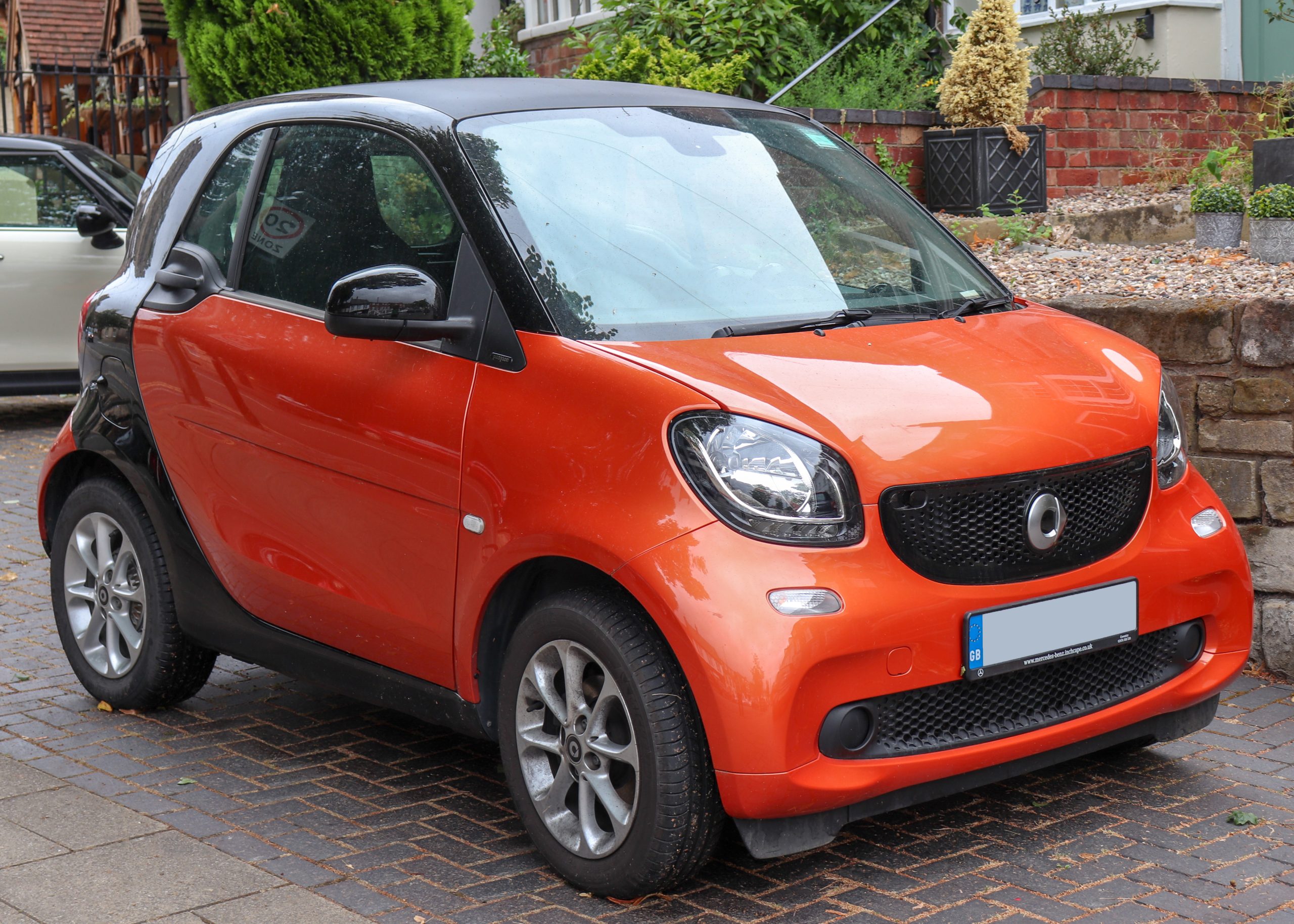
The Smart Fortwo is an extreme example of a city-friendly vehicle, designed specifically to thrive in cramped urban conditions. Its total length is under eight feet, which is shorter than nearly all other passenger vehicles, enabling it to fit into parking spaces that would be unusable for conventional cars.
Boston’s historic streets, with narrow lanes and dense development, create a perfect environment for a vehicle of this size. The Smart Fortwo allows drivers to park closer to their destinations, reduce time spent searching for spaces, and navigate intersections that challenge even small sedans.
Its tiny footprint transforms previously difficult driving scenarios into manageable tasks, providing confidence and convenience in tight urban settings.
Maneuverability is the Fortwo’s defining feature. Its turning radius is exceptionally small, and steering is light and responsive, allowing drivers to execute sharp turns with minimal effort. The vehicle can easily navigate narrow streets, avoid obstacles, and slip through congested traffic with agility unmatched by most other cars.
In a city like Boston, where streets may narrow suddenly or include irregular curves, the Fortwo’s responsiveness is essential. Drivers can react quickly to pedestrians, cyclists, and unpredictable traffic patterns, making urban navigation far less stressful.
Despite being designed for two passengers, the Fortwo maximizes interior usability. The cabin is efficiently arranged, with straightforward controls and sufficient comfort for the driver and front passenger.
Cargo space, while limited, is adequate for small groceries or essential items, and the rear compartment can be adapted for additional storage in certain models. The interior is focused on functionality, allowing drivers to manage daily tasks without the complications of a larger vehicle.
Fuel efficiency is a significant advantage, particularly for city dwellers. Gasoline models consume very little fuel, and fully electric versions eliminate gasoline use entirely, providing zero-emission driving suitable for environmentally conscious urban residents.
The combination of extreme compactness, ease of maneuvering, and efficient energy use makes the Smart Fortwo one of the most practical and stress-free vehicles for navigating Boston’s tight, historic streets, offering unmatched convenience in an urban setting.
5 Cars That Struggle on Boston’s Streets
1. Ford F-150
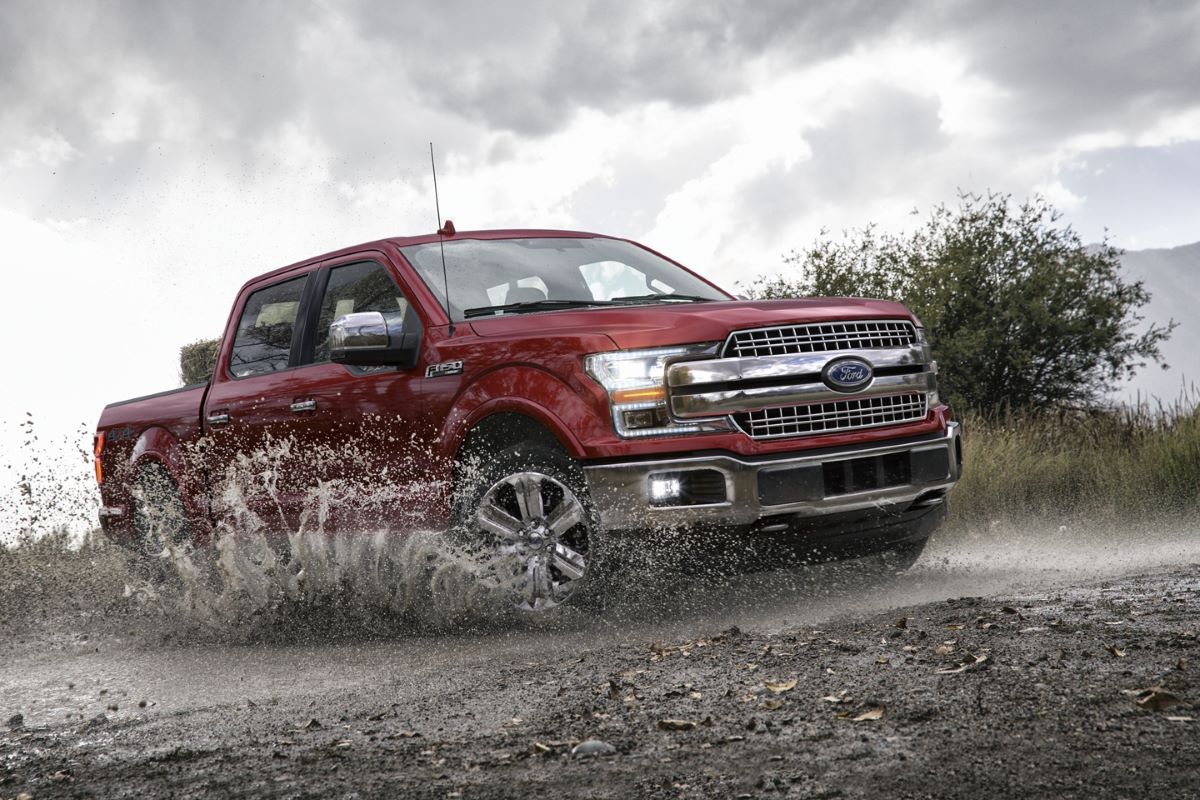
The Ford F-150 is a full-size pickup truck that is extremely popular across the United States for its power, durability, and versatility. However, in Boston, the truck’s strengths often become liabilities. Its long length and wide body make navigating narrow streets and tight intersections particularly challenging.
Multi-point turns are frequently required, and the risk of scraping curbs or parked cars increases dramatically. Boston streets, particularly in historic neighborhoods like the North End, Beacon Hill, and Charlestown, were never designed for vehicles of this size.
Even familiar routes can become stressful when driving an F-150 because the width and length of the truck reduce maneuverability and limit options in traffic. Drivers often find themselves carefully judging space and timing movements to avoid collisions, which can increase stress during everyday commutes.
The F-150’s handling and performance characteristics, while excellent on highways or off-road terrain, do not translate well to congested city driving. Its large turning radius makes navigating tight corners difficult, and the sheer bulk of the vehicle can make merging into traffic slower and more cumbersome.
Boston traffic is notoriously unpredictable, with frequent stop-and-go patterns and irregular intersections. Drivers of an F-150 must remain constantly aware of surrounding vehicles, cyclists, and pedestrians, which can be exhausting over time. In areas with heavy congestion or narrow streets, the truck’s size amplifies the difficulty of driving, making urban travel slower and more stressful than it would be in smaller, more compact vehicles.
Fuel efficiency is another major drawback for city driving. Full-size trucks like the F-150 consume significantly more fuel than smaller sedans, hatchbacks, or crossovers, especially in stop-and-go urban traffic.
Drivers who primarily operate the vehicle within Boston may see their fuel costs rise substantially, and frequent idling in congested areas further worsens efficiency.
Additionally, maintenance costs for larger vehicles are generally higher, with more expensive tires, brakes, and suspension components. When the F-150’s highway-oriented capabilities are combined with poor fuel economy in city conditions, it becomes clear that the vehicle is not optimized for daily urban use.
Despite its capabilities in cargo transport and towing, these strengths rarely align with the needs of Boston drivers. Most residents use vehicles primarily for commuting, errands, and occasional weekend trips, meaning that the F-150’s major advantages are underutilized in a dense city environment.
The combination of bulk, poor fuel economy, and maneuverability challenges makes the F-150 a difficult choice for navigating Boston’s narrow streets, limited parking, and dense traffic. Drivers willing to tolerate these drawbacks may still enjoy its power and durability, but for day-to-day urban commuting, the F-150 is far from ideal.
2. Chevrolet Suburban
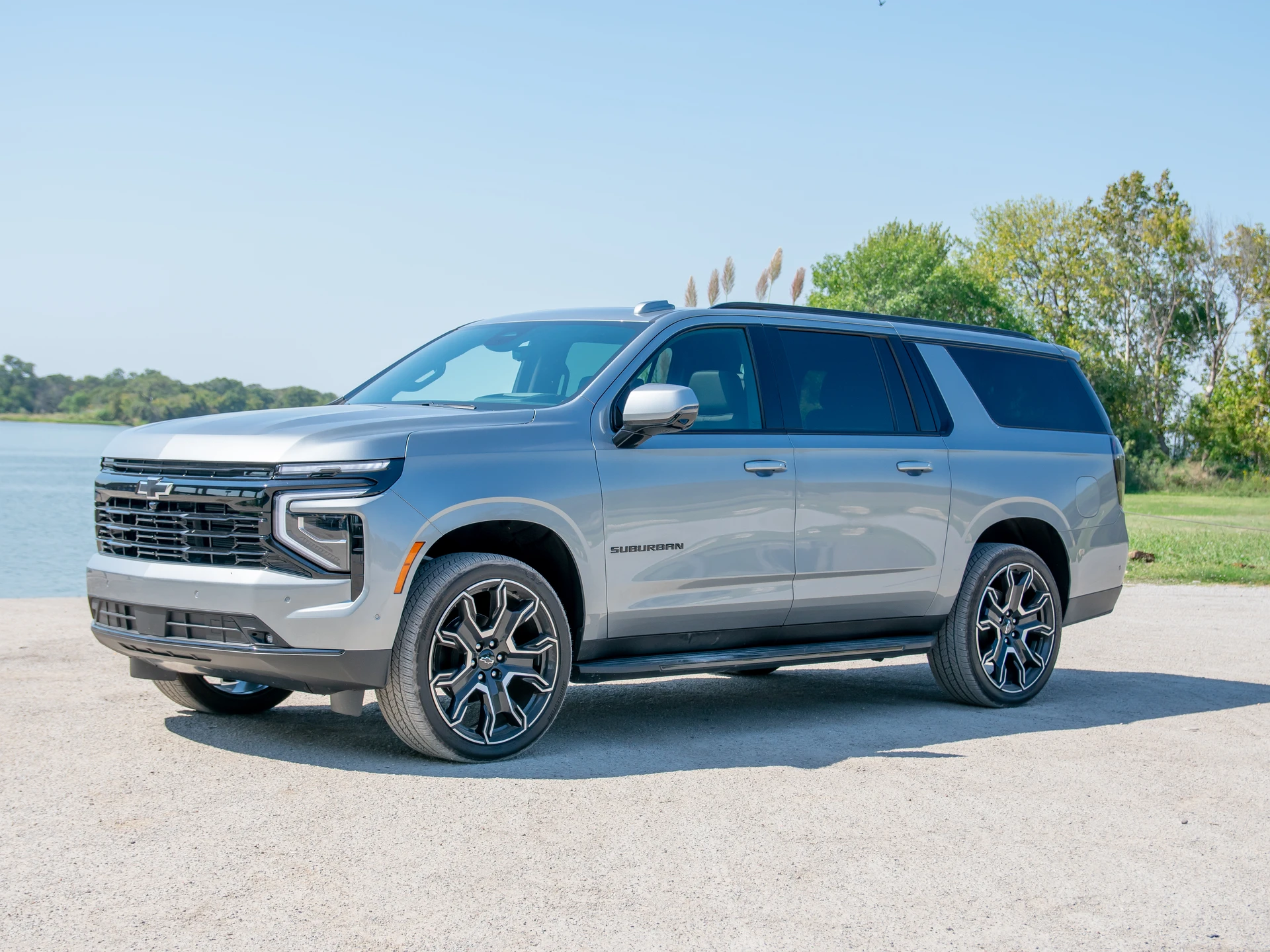
The Chevrolet Suburban is a massive SUV designed for long trips, towing, and large families. While it excels on highways and in open spaces, Boston’s historic streets make this vehicle particularly cumbersome. Its length, often exceeding 18 feet, creates constant challenges when navigating tight intersections, narrow streets, and irregular traffic patterns.
Parking is especially difficult, as parallel spaces and urban garages are rarely large enough to accommodate the Suburban comfortably.
Drivers must often spend extra time finding suitable parking or execute complex maneuvers, increasing stress and frustration. The sheer size of the vehicle also limits visibility in dense neighborhoods, making it harder to judge distances between obstacles, curbs, or pedestrians.
Turning radius and agility present additional issues. Boston streets are known for sharp corners and tight bends, which require multi-point turns even for experienced drivers.
The Suburban’s large turning circle often necessitates careful planning, and any mistake can result in a scrape or collision. Its heavy weight and wide body also make lane changes more difficult in congested traffic.
The need for heightened attention to basic maneuvers makes driving a Suburban in Boston a more tiring experience than driving smaller, more nimble cars.
Fuel efficiency is another concern. Large SUVs consume substantially more fuel than smaller vehicles, particularly in stop-and-go urban traffic.
Boston’s frequent congestion and idling exacerbate this problem, leading to higher monthly expenses for fuel. The Suburban’s low city miles-per-gallon rating also increases environmental impact, an important consideration for drivers living in densely populated areas where emissions and traffic pollution are a concern.
While the Suburban offers luxury, spacious interiors, and advanced safety features, these benefits do not compensate for the challenges it presents in urban environments.
3. Toyota Highlander
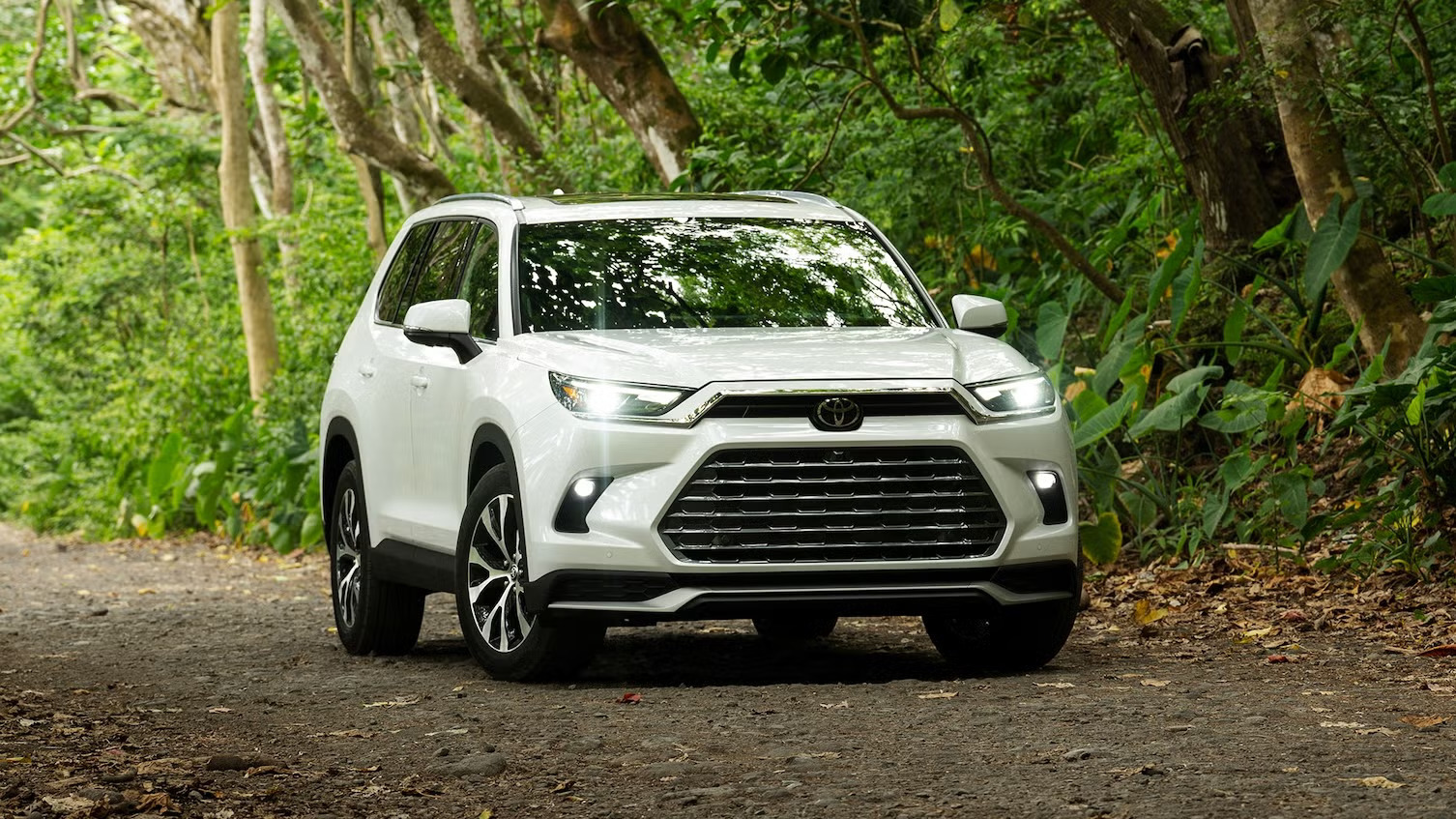
The Toyota Highlander is a mid-size SUV known for comfort, reliability, and family-friendly features. However, when it comes to navigating the streets of Boston, its advantages are overshadowed by practical difficulties.
The Highlander’s larger size means that navigating narrow lanes, tight corners, and congested areas is often more complicated than in smaller vehicles.
While it is smaller than full-size SUVs, it is still considerably larger than city-focused vehicles like the Mini Cooper or Honda Fit.
Boston’s one-way streets, irregular intersections, and tight alleys pose significant challenges for Highlander drivers, who may find themselves forced to execute multi-point turns or avoid certain roads entirely.
Fuel efficiency is another concern for urban driving. The Highlander consumes more fuel than smaller city cars, particularly in stop-and-go traffic common in Boston.
Frequent idling and congestion further reduce efficiency, making it an expensive choice for residents who drive primarily in urban areas. Additionally, the vehicle’s size and weight increase wear on tires and brakes, further adding to maintenance costs over time.
Although the Highlander excels in passenger comfort, safety features, and cargo space, these benefits are less relevant in dense urban conditions. Most Boston drivers prioritize maneuverability, parking ease, and fuel efficiency over extra space or off-road capability.
The combination of size, fuel consumption, and limited agility makes the Highlander a less-than-ideal option for navigating the tight, winding streets that define Boston’s urban environment.
4. Jeep Grand Cherokee
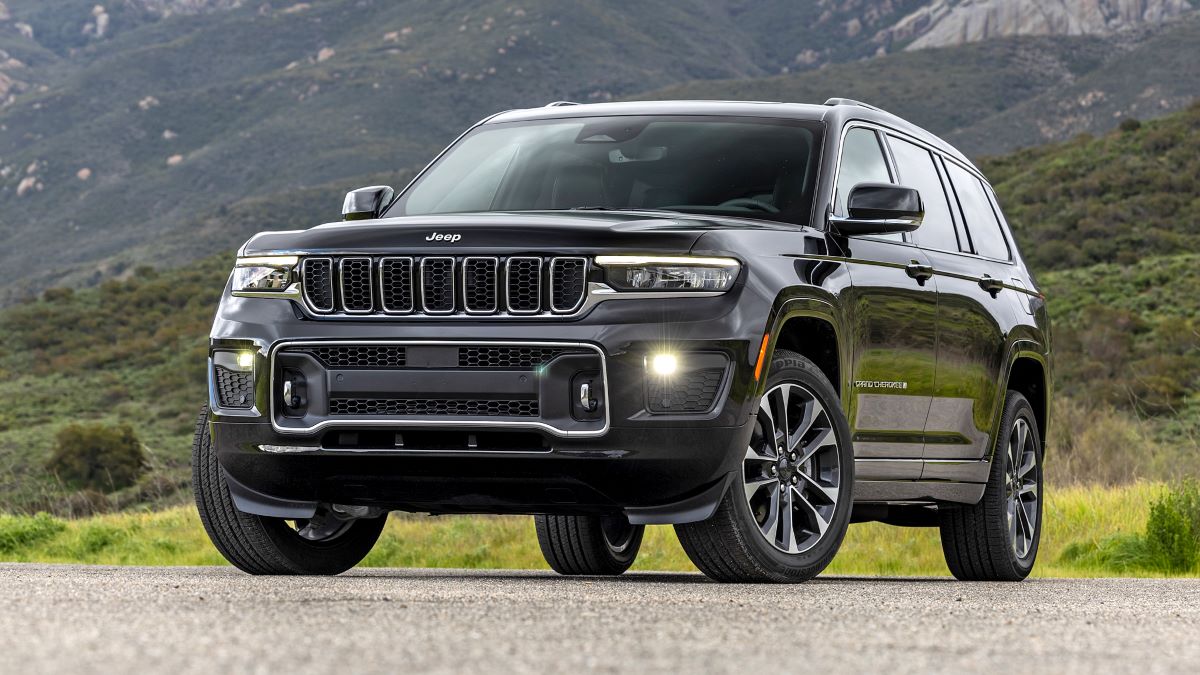
The Jeep Grand Cherokee is designed to combine off-road capability with SUV comfort, offering a powerful engine and spacious interior. However, its dimensions and weight make it challenging for city driving in Boston. Narrow streets, frequent pedestrians, and irregular intersections force drivers to be exceptionally cautious.
While the elevated driving position improves forward visibility, it does not compensate for difficulties in handling or limited turning radius. Maneuvering through tight streets, parking in limited spaces, or performing complex turns often requires more effort and attention than smaller vehicles demand.
Traffic management is another challenge. The Grand Cherokee’s weight and width reduce its agility, making sudden maneuvers or lane changes slower and more difficult.
Boston’s streets often require quick reactions due to sudden stops, cyclists, or construction, and the Grand Cherokee’s size makes these reactions more stressful. Urban drivers must constantly plan ahead, anticipate obstacles, and manage their space carefully, which can increase driver fatigue over time.
Fuel consumption is higher than that of smaller cars, especially in stop-and-go urban traffic. This increases the cost of commuting and adds environmental strain.
While the Grand Cherokee offers advanced technology and comfort features, these benefits do not offset the challenges of navigating city streets. Its design, optimized for off-road performance and highway cruising, is not well-suited for daily urban driving.
The Grand Cherokee’s advantages, spaciousness, power, and luxury, are not fully utilized in Boston. Urban drivers rarely need off-road capability, and the challenges posed by limited maneuverability and tight parking spaces outweigh the benefits.
Its size, weight, and fuel inefficiency make it one of the more cumbersome and impractical options for driving in a city with Boston’s narrow, historic roads.
5. Nissan Titan
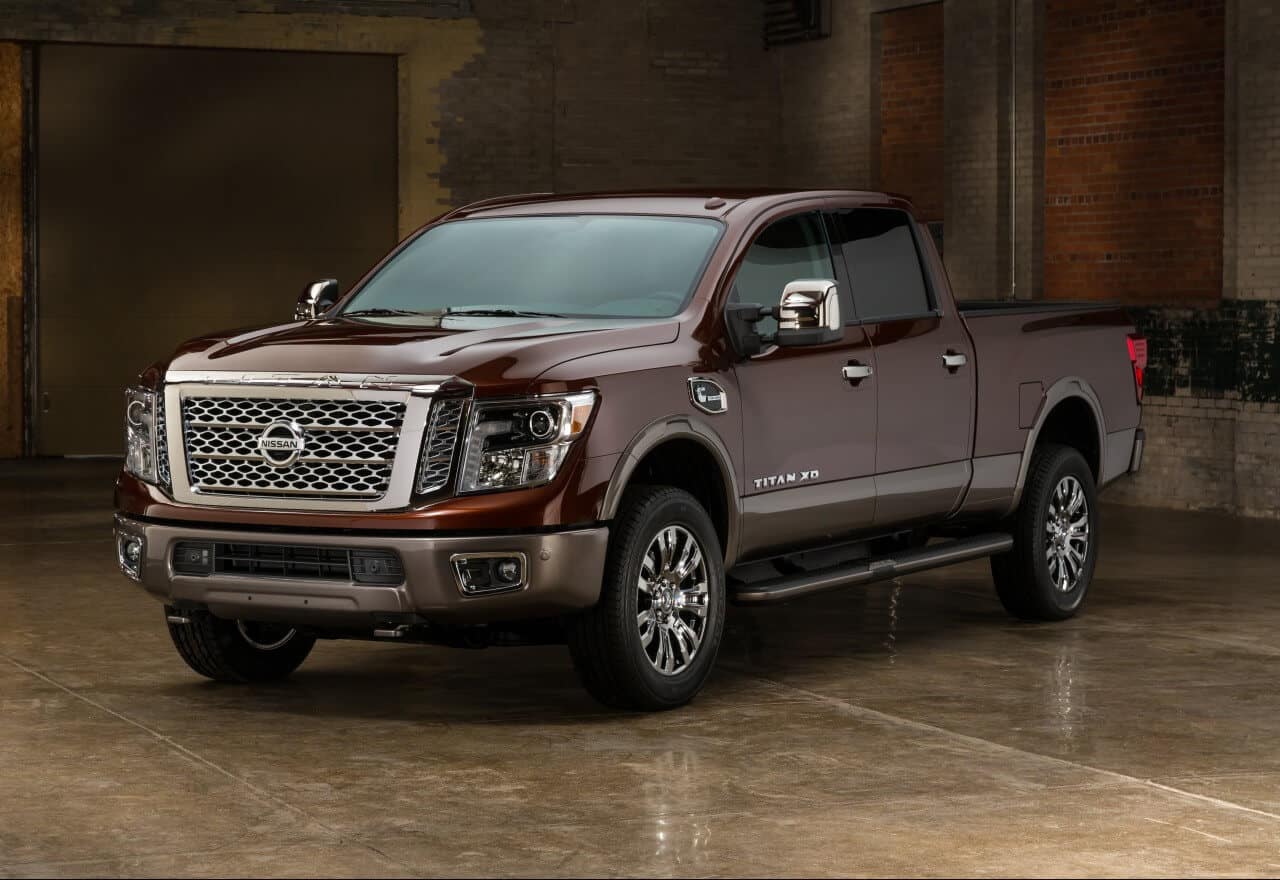
The Nissan Titan is a full-size pickup truck similar in purpose to the Ford F-150, but it is even less suited for urban environments due to its overall size, weight, and length. Boston streets, particularly in older neighborhoods, are narrow, winding, and frequently congested, creating a challenging environment for such a large vehicle.
Maneuvering requires exceptional caution, and drivers often need to execute multiple-point turns to navigate intersections or park in tight spaces. Its sheer bulk reduces flexibility, and any misjudgment in narrow lanes can result in costly scrapes or collisions.
Visibility and handling, while sufficient on highways, present challenges in urban conditions. Drivers must remain highly alert to obstacles, pedestrians, and cyclists at all times, increasing mental fatigue.
Parking is consistently difficult, with limited options for parallel spaces and urban garages, often requiring complex maneuvers or parking farther from destinations.
Although the Nissan Titan excels in towing capacity, cargo hauling, and off-road durability, these benefits are largely unnecessary for typical city driving. Most Boston residents do not require these capabilities on a daily basis.
The combination of bulk, poor fuel efficiency, limited maneuverability, and difficulty in parking makes the Titan one of the least practical vehicles for navigating Boston’s tight, historic streets.
