
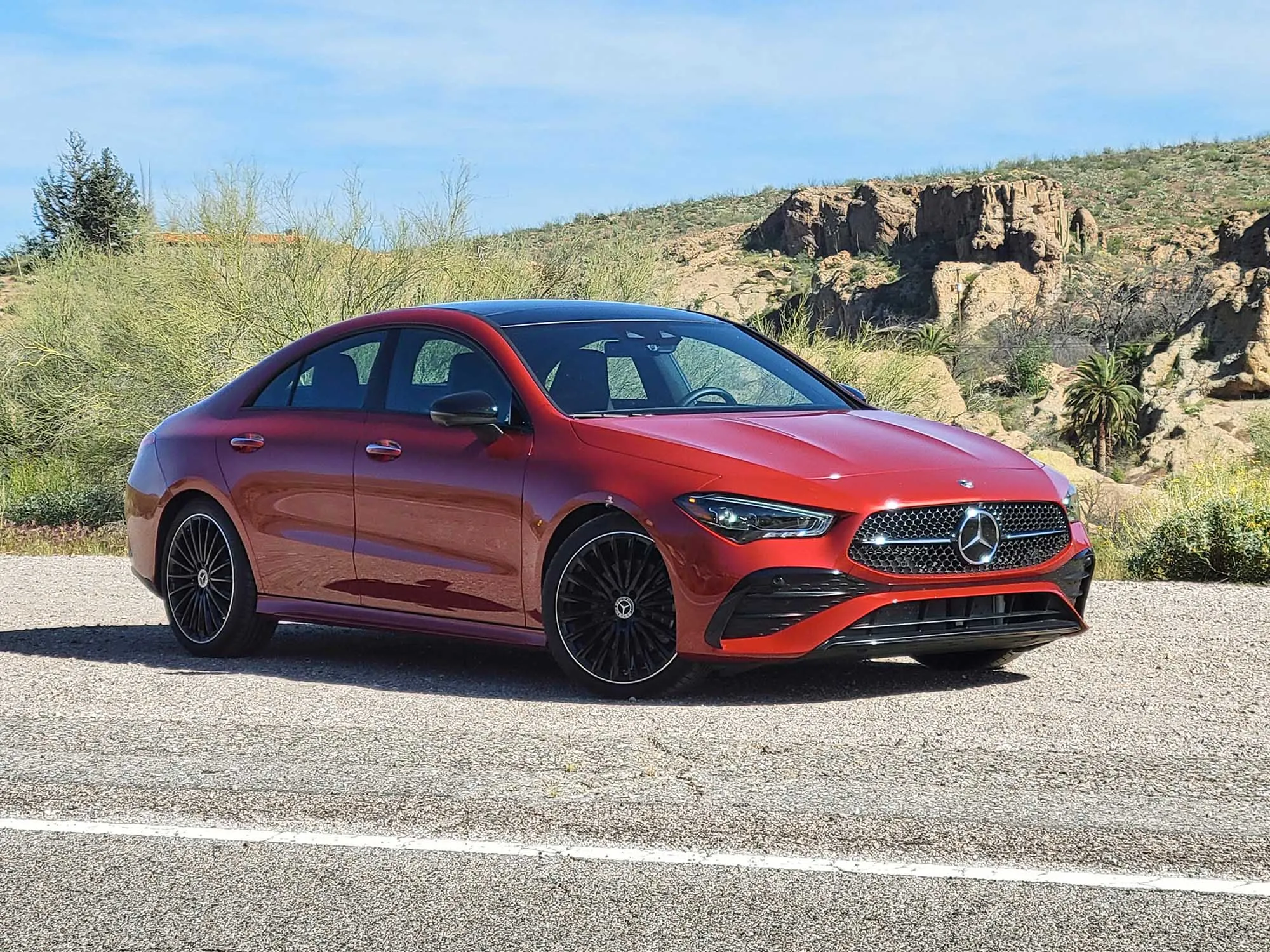
Manual shift sports cars have held a loyal place in the hearts of driving enthusiasts for decades, largely because they allow the person behind the wheel to feel connected to the machine in a way that no automated system truly imitates.
The physical act of working the clutch pedal, timing shifts, and matching gear changes with engine sound creates a bond between driver and car that feels both mechanical and personal. As automatic transmissions, dual clutches, and computerized systems have become more dominant, many brands have slowly moved away from traditional manuals.
Yet several automakers continue to build machines that keep this classic driving skill alive. Their commitment to manual shift models has helped maintain a culture that values the artistry of controlling power through one’s own movements. The companies that stand out in this area do more than simply offer a manual gearbox.
They design their cars from the ground up to work harmoniously with a driver who wants to be part of every moment on the road. This includes choosing the right gear ratios, sculpting pedal layouts that favor heel-to-toe downshifts, and developing engines that respond smoothly to human input.
People who appreciate manual shift sports cars often seek the purity that comes from a mechanical partnership rather than full reliance on electronics, and these automakers understand that passion. Even as technology continues moving forward, these brands recognize that some drivers will always prefer a clutch pedal and a stick.
Their dedication has allowed the manual transmission to remain more than a nostalgic artifact. It continues to thrive as a symbol of skill, engagement, and personal expression.
The following automakers have built a strong reputation for producing some of the most admired manual shift sports cars ever crafted, each bringing its own philosophy, engineering focus, and heritage to the experience.
Their offerings demonstrate how careful attention to mechanical harmony, engine characteristics, and driver feedback can elevate a simple transmission into the heart of a sports car.
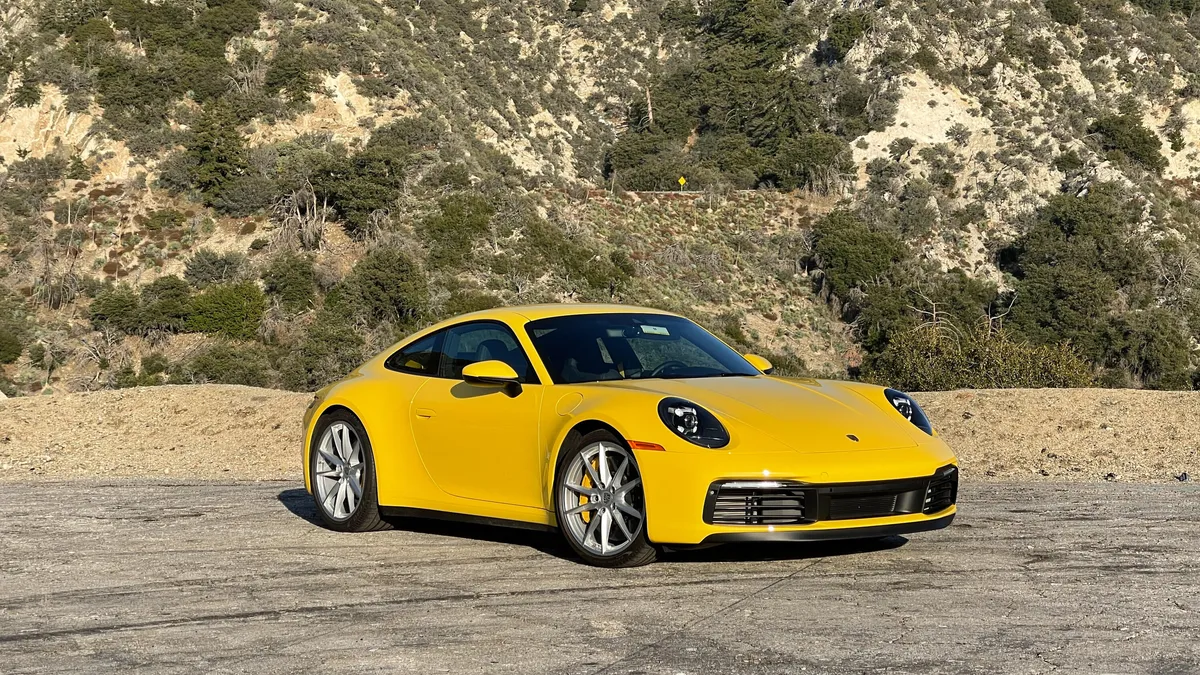
1. Porsche
Porsche has long been associated with precision engineering, and its dedication to manual shift sports cars has kept those models near the top of enthusiast wish lists. The brand understands that many drivers appreciate a tactile connection to the mechanical systems beneath them, which is why it still offers manual options even as other companies move toward automatics.
Porsche manual transmissions tend to have short throws, well-spaced ratios, and a level of refinement that suits the high-revving engines the company is known for. Each gear change is designed to feel purposeful, deliberate, and aligned with the car’s mechanical rhythm. Even the smallest adjustment in the gearstick movement is immediately felt through the linkages, giving drivers a precise sense of control over power delivery.
Porsche’s dedication to these qualities shows a deep understanding of what enthusiasts truly want in a manual sports car, balancing accessibility for everyday driving with the rewarding feel demanded by spirited performance.
Another aspect that adds to the appeal of Porsche manual shift sports cars is the way the company tunes its clutch systems. Drivers often comment on how predictable, responsive, and balanced the pedal feel is, which allows for more controlled takeoffs and more satisfying gear changes.
This attention to pedal weight and engagement consistency ensures that every shift feels natural, reducing fatigue even during longer drives or track sessions. Porsche engineers also carefully match the clutch characteristics to the engine’s power curve, so that low-speed maneuvering, rapid acceleration, and high-speed gear changes all feel cohesive.
This combination of mechanical precision and thoughtful tuning contributes to the driving experience, allowing the driver to feel completely connected to the car rather than merely commanding it through automated systems.
The performance characteristics of vehicles like the 911 and Cayman have further solidified Porsche’s reputation. These sports cars often deliver strong acceleration, remarkable cornering ability, and a mechanical harmony that translates well through a manual transmission.
The gearbox becomes a direct interface between the driver and the powertrain, enhancing the sensation of speed and control. Porsche pays particular attention to how gear ratios interact with engine response, ensuring that every shift optimizes torque delivery while maintaining a consistent rhythm.
Whether cornering on a twisty road or navigating highway merges, the driver can rely on the gearbox to respond in a way that feels deliberate yet exhilarating. This attention to detail makes manual Porsche models more than just a driving tool, they are instruments for a rewarding and immersive experience.
Finally, Porsche’s heritage plays an important role in its connection to manual shift sports cars. Generations of drivers grew up associating the brand with the joy of rowing through gears on winding roads, and this historical association continues to shape modern offerings.
Even as technology continues advancing, Porsche continues to support manual transmissions partly because it honors that tradition and partly because it recognizes the segment of its audience that still wants to play a hands on role in managing power inside a sports car.
This commitment is also reflected in special editions and enthusiast programs that keep the tactile driving experience alive. The result is a lineup that balances innovation with timeless driver engagement, proving that even in a highly technical era, the manual Porsche remains a symbol of mechanical artistry and emotional connection.
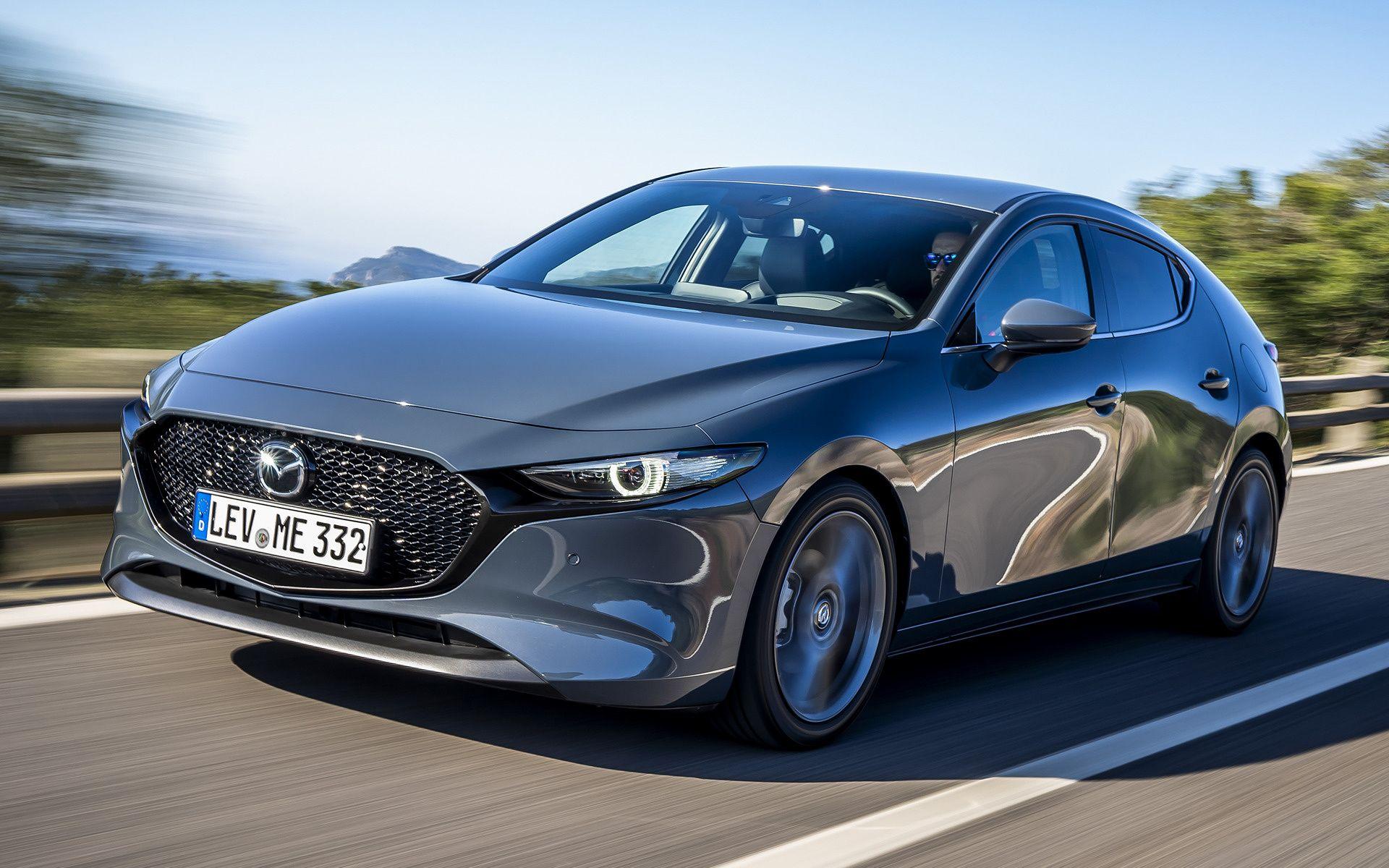
2. Mazda
Mazda has earned a respected place among fans of manual shift sports cars thanks to its consistent approach to designing vehicles that feel light, responsive, and enjoyable. The company often emphasizes a sense of harmony between driver and machine, and its manual transmissions are built around that philosophy.
Mazda gearboxes typically offer smooth engagement and crisp shifts that feel rewarding even at low speeds, making city driving just as satisfying as open road adventures. Their transmissions often feature short throws and precise detents, ensuring that every shift is deliberate without feeling forced. Mazda’s focus on lightweight, responsive vehicles ensures that the manual gearbox enhances the sense of connection rather than simply serving as a mechanical necessity.
One of Mazda’s defining contributions to the manual shift world is its iconic lightweight sports roadster. The car became widely appreciated for its simplicity, balanced weight distribution, and intuitive handling. Its Rear Wheel Drive layout and responsive manual gearbox allowed drivers to develop skills and confidence quickly, creating a sense of accomplishment with every corner navigated or gear selected.
Mazda has consistently refined these transmissions to provide smooth yet tactile shifts that reward careful timing and coordination. These vehicles highlight the philosophy that enjoyment in driving comes not from raw power alone but from the interaction between car and driver, where the manual transmission serves as a central, living element.
Mazda also stands out because it tunes its engines to match well with manual gearboxes. The company emphasizes smooth power delivery and linear throttle response, which allows drivers to feel more in control of how the car behaves.
By aligning engine characteristics with transmission design, Mazda ensures that every shift feels connected to both speed and handling, allowing the driver to anticipate the car’s response intuitively. This coordination also makes heel-to-toe downshifts more precise and less fatiguing, enhancing the feeling of mastery.
The resulting synergy between human input and mechanical feedback makes Mazda manual sports cars a joy for enthusiasts seeking more than just acceleration; they offer a true dialogue between machine and driver.
Another element that sets Mazda apart is its continued push to keep manuals alive even as the industry shifts toward automatics and electric powertrains. The company believes that driving should remain a satisfying, tactile experience, not merely efficient.
Mazda provides options that feel authentic and rewarding, preserving the essence of traditional sports car enjoyment. By designing gearboxes and clutches with careful attention to feel, response, and ergonomics, Mazda ensures that drivers can engage deeply with the car’s performance.
These choices reflect a commitment to sustaining a culture where mechanical skill and personal involvement in driving remain valued, keeping manual transmissions at the heart of the experience.
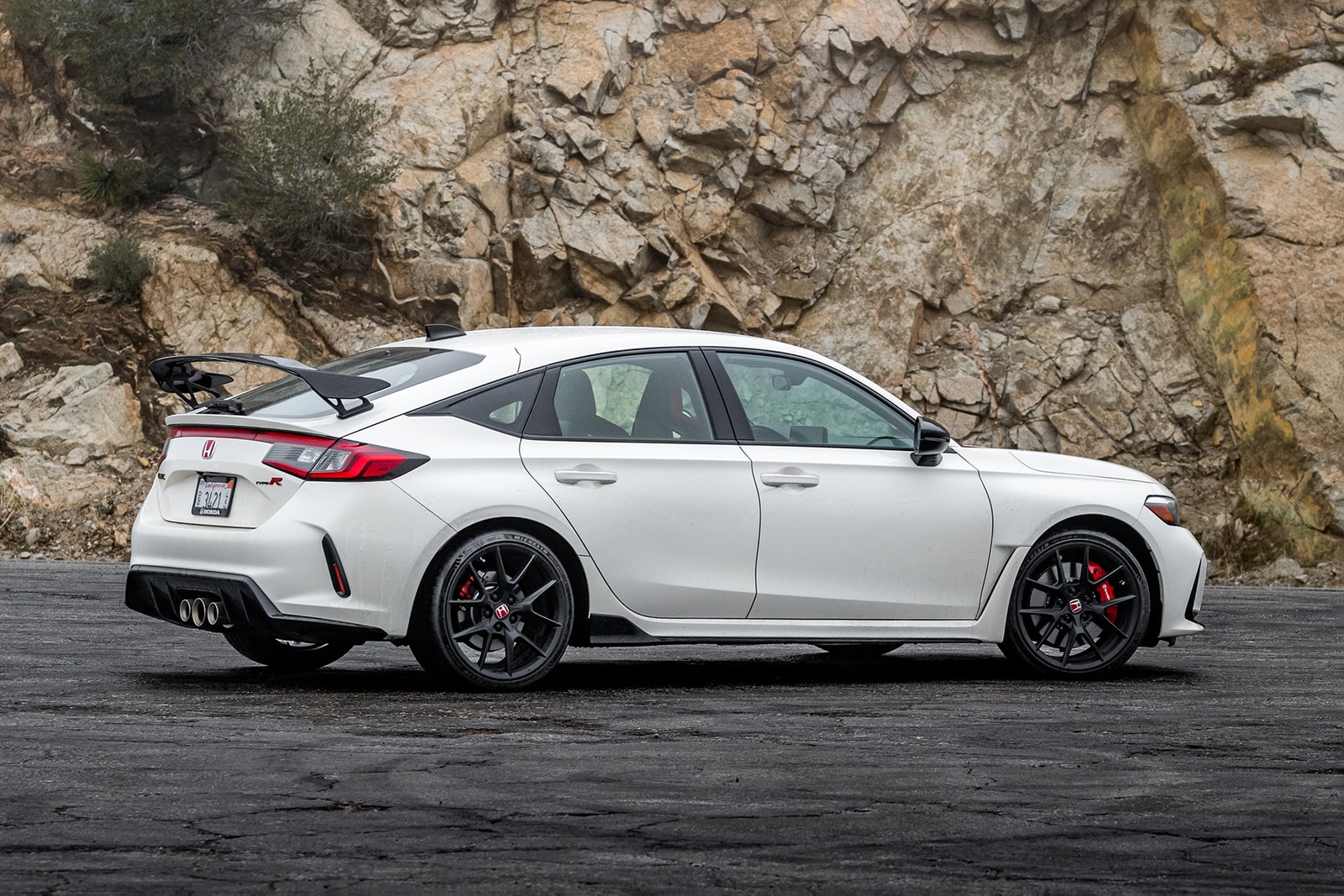
3. Honda
Honda has built a strong reputation for manual shift sports cars thanks to its high revving engines, balanced chassis, and precise transmission designs. Many of the company’s most celebrated performance models gained fame because their manual gearboxes perfectly complemented energetic engines, allowing the driver to control the power in a nuanced, responsive way.
Honda gearboxes often feature short throws, crisp detents, and consistent pedal feel, which together create a sense of engagement that encourages careful timing and precision. This combination makes the driving experience more lively and rewarding, even for enthusiasts who enjoy subtle manipulation of gears rather than aggressive shifts.
Another important characteristic of Honda manual shift sports cars is their approach to engineering balance. Honda consistently ensures that the clutch, gearbox, and engine operate in harmony. This attention to integration allows drivers to anticipate gear engagement, resulting in smoother starts, confident downshifts, and fluid acceleration.
Many enthusiasts praise the intuitive feel of Honda’s manual transmissions, where pedal resistance and shift placement contribute to a sense of control. This careful calibration allows even spirited driving to feel natural rather than intimidating, supporting both performance driving and daily usability in a way few manufacturers manage.
The company’s heritage also plays a significant role in its standing among manual shift sports car builders. Decades of producing engaging, reliable, and mechanically honest vehicles have established a culture of driver involvement that persists today.
Even as automatic transmissions gain popularity, Honda continues offering manual options in many performance models, recognizing that enthusiasts still value tactile control and the satisfaction of precise gear selection. This ongoing commitment ensures that the experience of a Honda manual sports car remains both authentic and enjoyable, reinforcing the brand’s identity as a champion of engaging, mechanically connected driving.
4. BMW
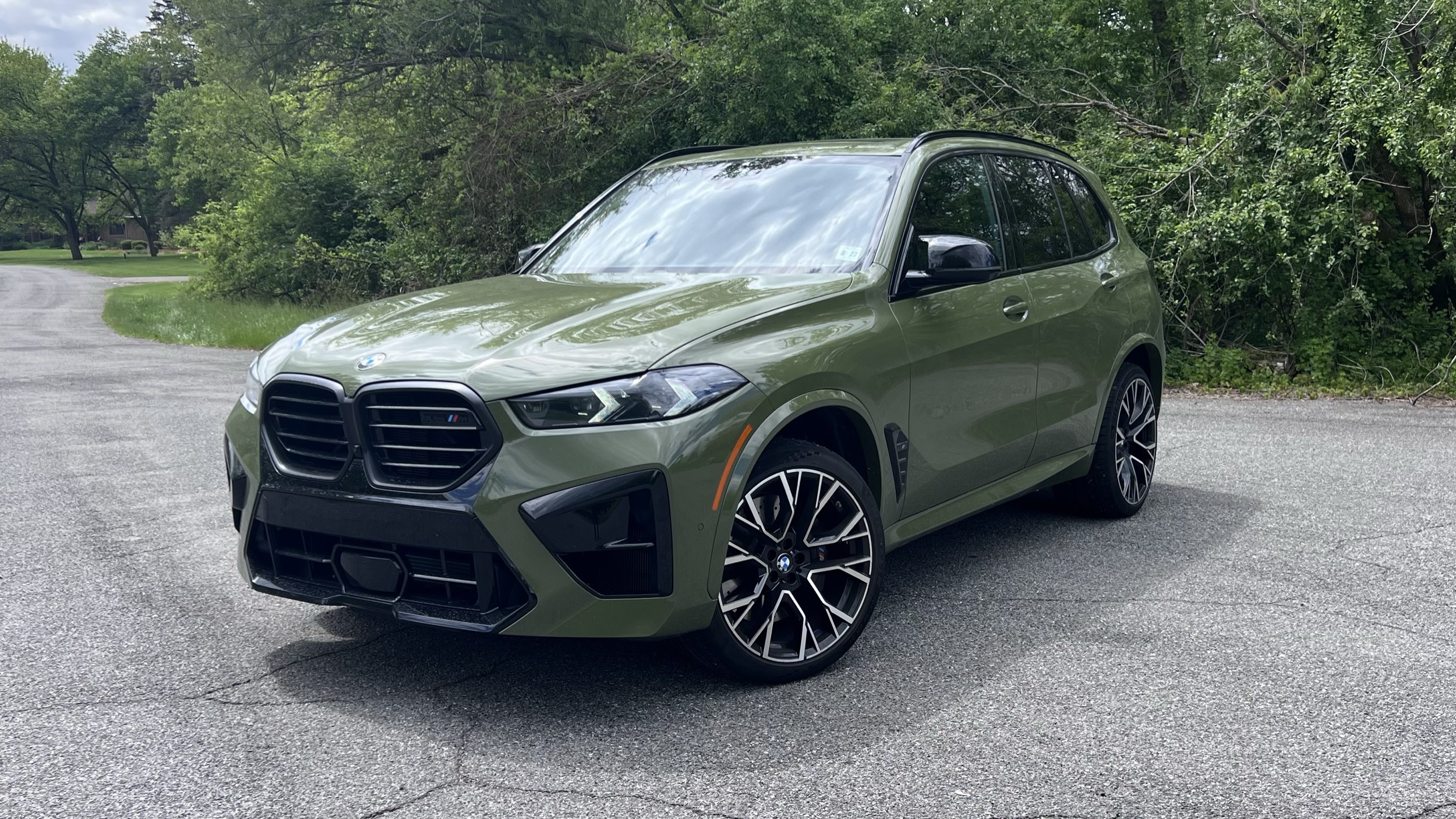
BMW earned its reputation in the manual shift sports car world by producing vehicles that blend strong performance with refined handling, creating a sense of driver-centered design that is difficult to replicate. The company has traditionally built cars with balance and engagement in mind, and the manual transmission enhances that philosophy by allowing the driver to control the timing and rhythm of power delivery.
BMW manual gearboxes tend to feature precise shifter movements, well-calibrated clutch engagement, and a level of mechanical feedback that keeps the driver aware of the car’s behavior at all times. These characteristics make BMW manual cars ideal for both high speed cornering and smooth city driving.
One of BMW’s strengths is its ability to build manual transmissions that complement powerful engines without sacrificing comfort or drivability. Gear shifts are engineered to feel deliberate yet effortless, allowing drivers to feel every stage of power transfer without encountering harsh or unpredictable motion.
BMW engineers also ensure that the clutch works seamlessly with torque delivery, resulting in confident acceleration and smooth deceleration. This harmony between engine and gearbox creates a sense of mechanical precision, where every input from the driver is amplified into a controllable, satisfying response. It is this blend of precision and accessibility that defines BMW’s approach to manual sports cars.
Despite the rise of advanced automatic transmissions in its lineup, BMW continues to offer manual options in select performance models because it values the passionate segment of drivers who enjoy total control over gear selection.
The company recognizes that these enthusiasts are not just seeking speed; they are seeking engagement, connection, and the tactile satisfaction of controlling power through their own input. By maintaining manual transmissions, BMW preserves a lineage of vehicles where skill, timing, and mechanical awareness are rewarded, ensuring that the driving experience remains challenging, immersive, and rewarding for those who choose to embrace it.

5. Ford
Ford has a long history of producing manual shift sports cars that appeal to a wide range of drivers, from casual enthusiasts to seasoned performance aficionados. The company understands that some drivers seek a raw, tactile experience, where each gear change and clutch engagement is an active part of controlling the car.
Many of Ford’s performance models have been praised for their well tuned manual gearboxes, which balance durability with enjoyable mechanical feedback. The gear ratios are often designed to optimize both acceleration and handling, allowing drivers to fully exploit the vehicle’s capabilities in multiple driving scenarios.
Ford’s performance heritage also contributes to its reputation. The company has produced many iconic sports cars that rely on manual gear shifting as a defining characteristic of their identity.
These vehicles often showcase aggressive styling, powerful engines, and performance tuned suspensions, with the manual transmission providing the final link between driver intent and vehicle response. Controlling power manually allows enthusiasts to fully participate in the driving experience, adjusting shift points to suit both road conditions and personal driving style. This engagement transforms the car from a simple machine into an interactive partner.
Despite the growing dominance of automatic transmissions with advanced technologies, Ford continues to offer manual gearboxes because it recognizes the importance of maintaining a connection between driver and machine. Enthusiasts often seek cars that challenge their skill and reward their attention, and the manual transmission embodies that philosophy.
By supporting these options, Ford ensures that drivers who value mechanical involvement, precision, and personal control continue to have vehicles that satisfy those desires, preserving an important element of sports car culture in the process.
6. Chevrolet
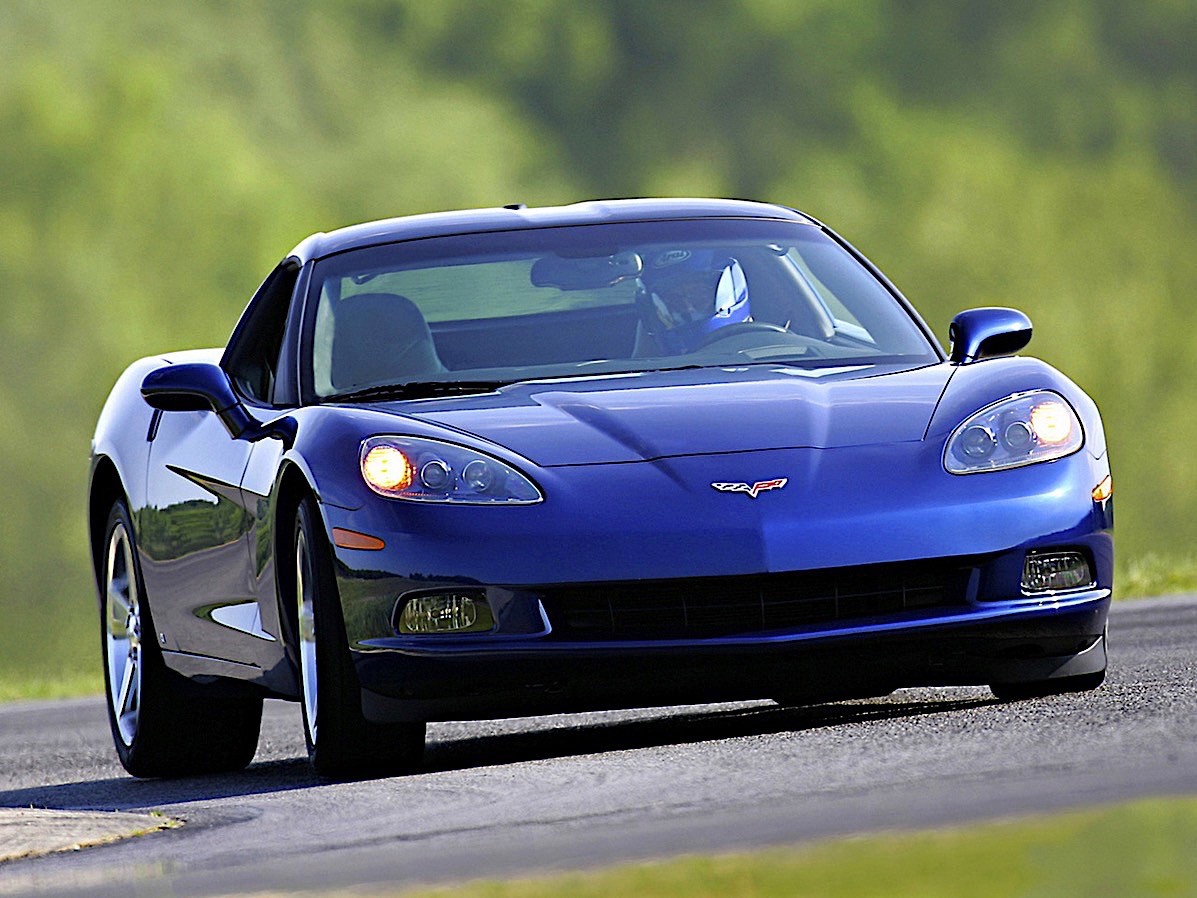
Chevrolet has played an important role in keeping manual shift sports cars relevant in the modern era. Many of its performance models are associated with strong acceleration, aggressive styling, and powerful engines, but the manual transmission versions often appeal to drivers who want more control over how that power is delivered.
The manual gearbox allows enthusiasts to directly manage the connection between engine and wheels, providing a sense of mastery over acceleration and torque distribution that automatic transmissions cannot replicate. For many, shifting manually transforms a high performance Chevrolet into an interactive experience where the driver feels in command of every movement and decision.
One of the strengths of Chevrolet manual equipped sports cars is the way the company tunes gear ratios to match the character of each engine. Whether dealing with a large displacement V8 in a muscle car or a smaller, turbocharged engine in a nimble sports coupe, Chevrolet ensures that the manual gearbox provides the right balance of speed and control.
Drivers can anticipate the engine’s response in each gear, allowing them to optimize acceleration, cornering, and fuel efficiency. The tactile feedback from the shifter and clutch is carefully engineered to provide both firmness and precision, which enhances confidence and enjoyment for drivers of varying skill levels.
The company continues to support manual transmissions because it recognizes that not all enthusiasts want fully automated systems. Some drivers prefer the rhythm and responsibility of controlling every shift, clutch engagement, and power delivery.
Chevrolet’s willingness to provide these options ensures that mechanical involvement remains a core part of the driving experience, keeping the tradition of manual sports cars alive. By balancing modern performance with driver engagement, Chevrolet demonstrates that its vehicles can be both powerful and emotionally satisfying, appealing to enthusiasts who value skillful control over convenience.
7. Subaru
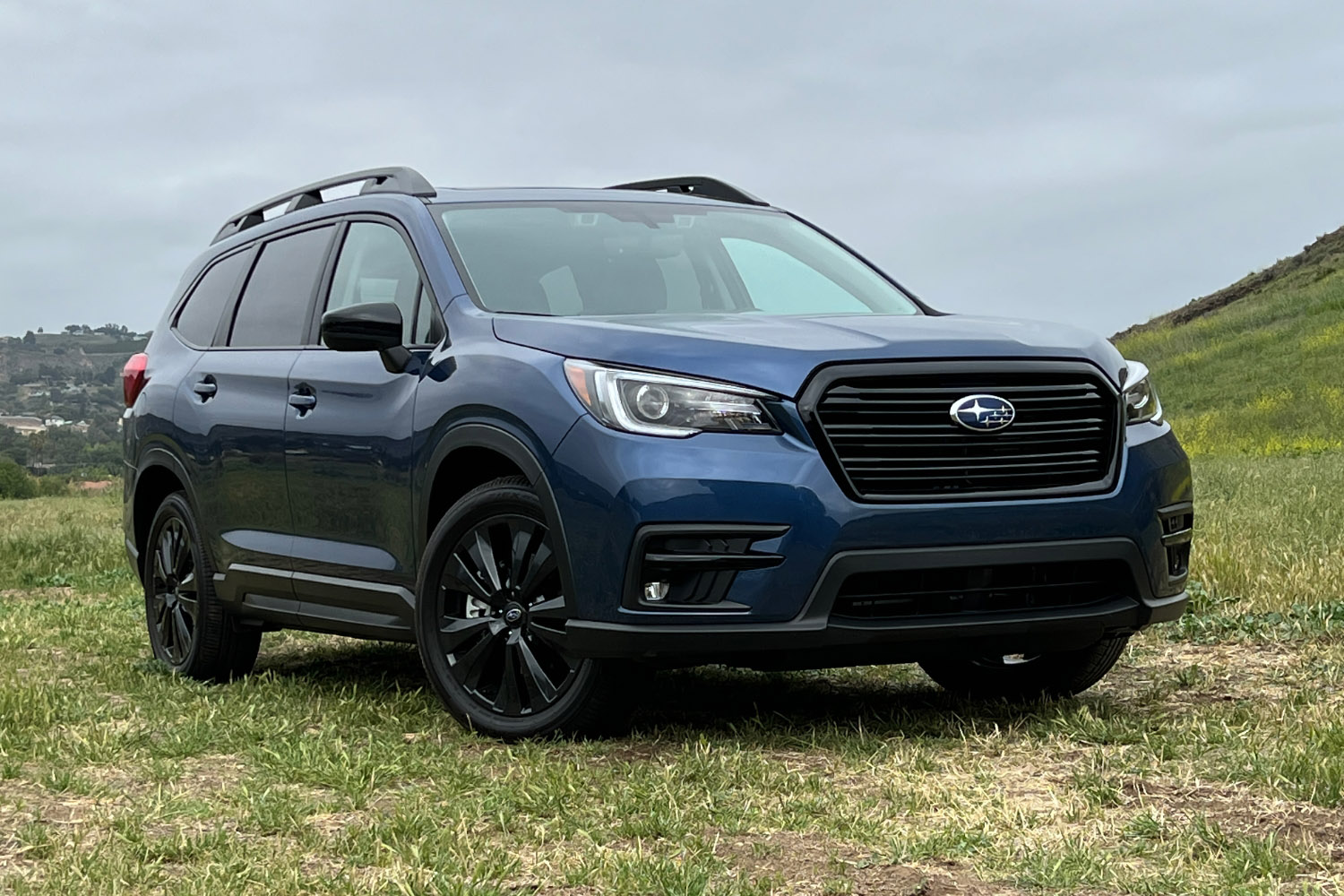
Subaru has built a distinctive identity around manual shift sports cars thanks to its combination of All Wheel Drive systems, balanced chassis, and horizontally opposed engines. The unique layout of Subaru’s performance models provides a particular driving feel that becomes even more engaging when paired with a manual transmission.
Enthusiasts appreciate how the gearbox allows them to manage torque distribution across all four wheels, giving them greater control over traction and responsiveness in a variety of conditions. The result is a mechanical partnership that rewards precision and timing, transforming ordinary driving into a more connected and interactive experience.
One of Subaru’s strongest traits is its commitment to building gearboxes that withstand demanding driving conditions. The manual transmissions in many sports oriented Subaru models are engineered to tolerate aggressive use, including high revs, rapid downshifts, and repeated clutch engagement, which gives drivers confidence during spirited runs.
The precise pedal feel and solid gear engagement allow for better modulation of power, whether on a winding road or slippery surface. Subaru’s dedication to durability combined with responsiveness ensures that the manual sports cars feel both reliable and exciting, creating a unique balance that appeals to enthusiasts who value performance and practicality.
Subaru’s decision to continue offering manual transmissions reflects its respect for enthusiast culture. Many performance oriented drivers appreciate the challenge and satisfaction that come from selecting gears themselves and controlling the engine’s behavior directly.
Subaru’s ongoing commitment ensures that the excitement of a manual driving experience is not lost in an era dominated by automatic and dual clutch transmissions. By combining all wheel drive, balanced design, and tactile gear control, Subaru keeps alive a form of driving that rewards attention, timing, and engagement, securing its place among respected builders of manual shift sports cars.
8. Nissan
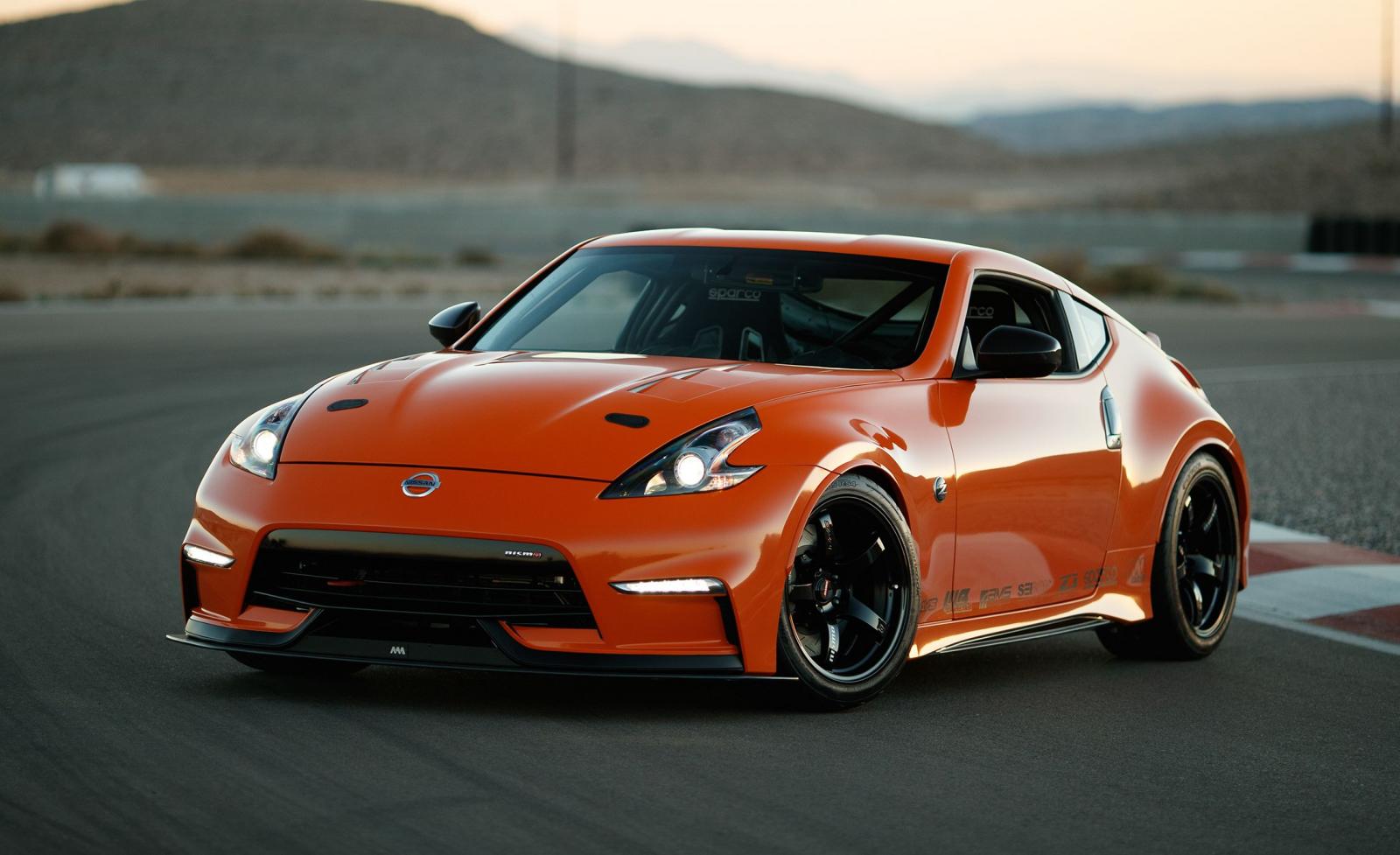
Nissan has long shown interest in producing manual shift sports cars that combine strong performance with accessible, engaging driving dynamics. The company often designs its gearboxes to feel responsive and connected, allowing drivers to precisely manage acceleration, downshifts, and power delivery.
In many of Nissan’s performance models, the manual transmission serves as a central link between human input and machine output, giving the driver an active role in controlling the vehicle’s behavior. This sense of control enhances confidence, making each drive feel purposeful and satisfying.
The brand’s commitment to performance heritage strengthens its reputation in manual sports car circles. Many rear wheel drive models, including high performance coupes, have been praised for handling that is both predictable and exciting when paired with a manual gearbox.
By allowing the driver to control when and how power is applied, Nissan ensures that engine response can be fully exploited. The gearbox ratios are tuned to allow spirited acceleration and precise engine control, making manual-equipped vehicles enjoyable whether navigating tight curves, highways, or everyday traffic. Nissan’s attention to the synergy between engine, chassis, and transmission creates cars that feel mechanically intuitive and consistently rewarding.
Despite the market shift toward automatic systems, Nissan continues to offer manual transmissions because it recognizes the enduring appeal of hands on engagement. The company understands that some drivers value the challenge and enjoyment of controlling power directly and shaping every moment of the driving experience.
By maintaining manual options, Nissan preserves a segment of enthusiast culture, allowing drivers to experience performance through skillful coordination and precision, rather than relying solely on automated assistance. This philosophy keeps the brand relevant in the manual shift sports car world.
9. Toyota
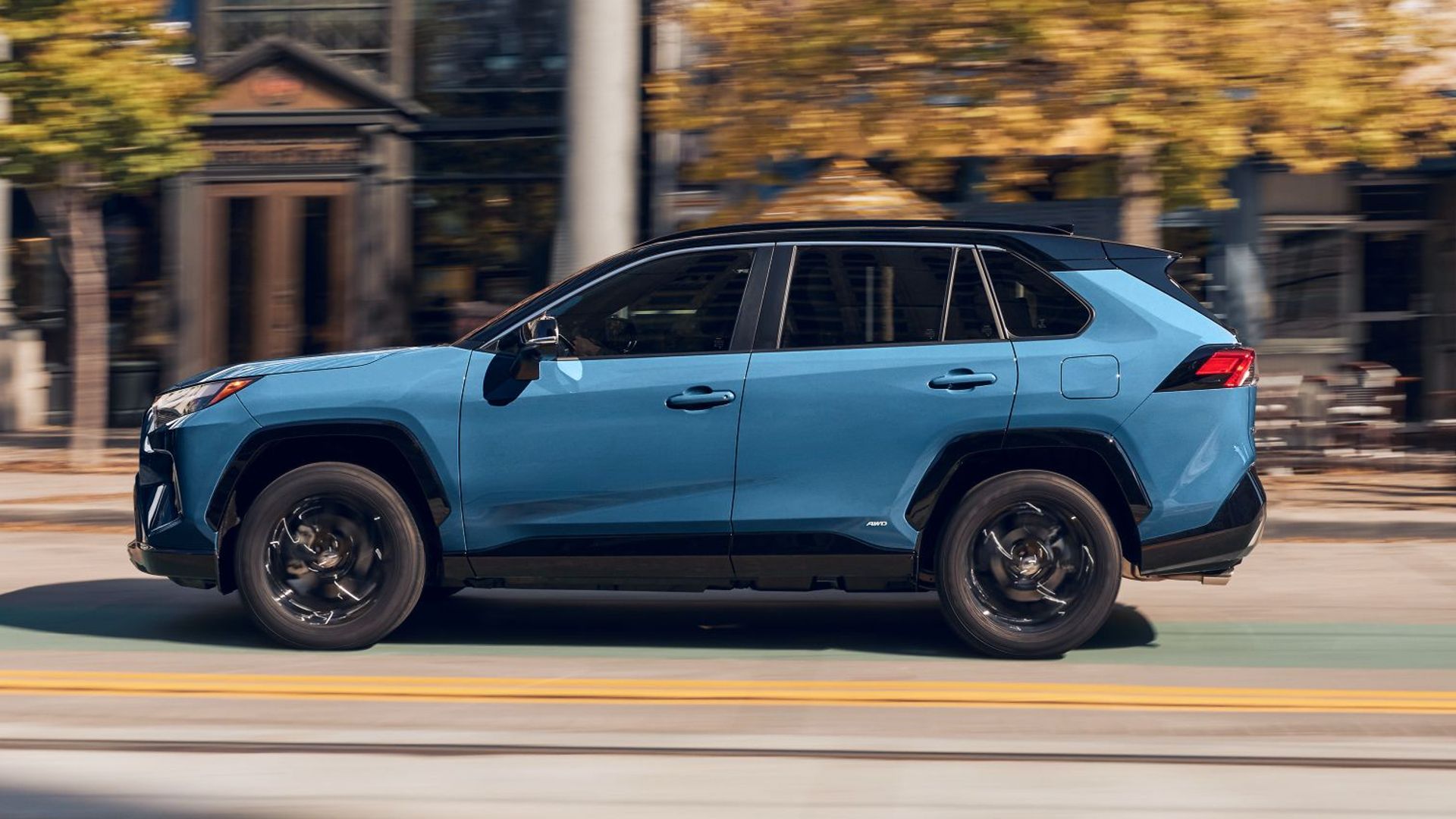
Toyota has strengthened its reputation in manual shift sports cars through a careful blend of performance, reliability, and driver focused engineering. By offering manual gearboxes in selected models, Toyota ensures that driving enthusiasts can experience a tactile, connected driving experience.
The company designs these transmissions with smooth engagement, precise shifts, and comfortable pedal feel, creating an accessible yet satisfying way to interact with the car’s engine. For many drivers, the manual Toyota represents a perfect balance of spirited driving and everyday usability.
One of Toyota’s qualities is its dedication to developing manual transmissions that encourage driver confidence. Gear shifts are engineered to feel deliberate without requiring excessive effort, and clutch pedal resistance is calibrated to allow controlled operation over extended periods.
These design choices make it easier for drivers to manage starts, downshifts, and high rev maneuvers, while providing a satisfying sense of feedback from the vehicle. The balance of tactile control and mechanical precision ensures that Toyota manual sports cars are both approachable for newer drivers and engaging for experienced enthusiasts.
The company’s commitment to manual transmissions is increasingly noteworthy as more manufacturers shift toward automatic or electric vehicles. Toyota recognizes that enthusiasts continue to value the skill and satisfaction associated with hands on shifting.
By designing cars with precise, reliable, and enjoyable manual gearboxes, the brand preserves the essence of driver focused performance. Manual Toyota sports cars allow drivers to maintain control over engine speed, power delivery, and handling, reinforcing the importance of personal engagement and mechanical harmony in a world that increasingly favors automation.
10. Volkswagen
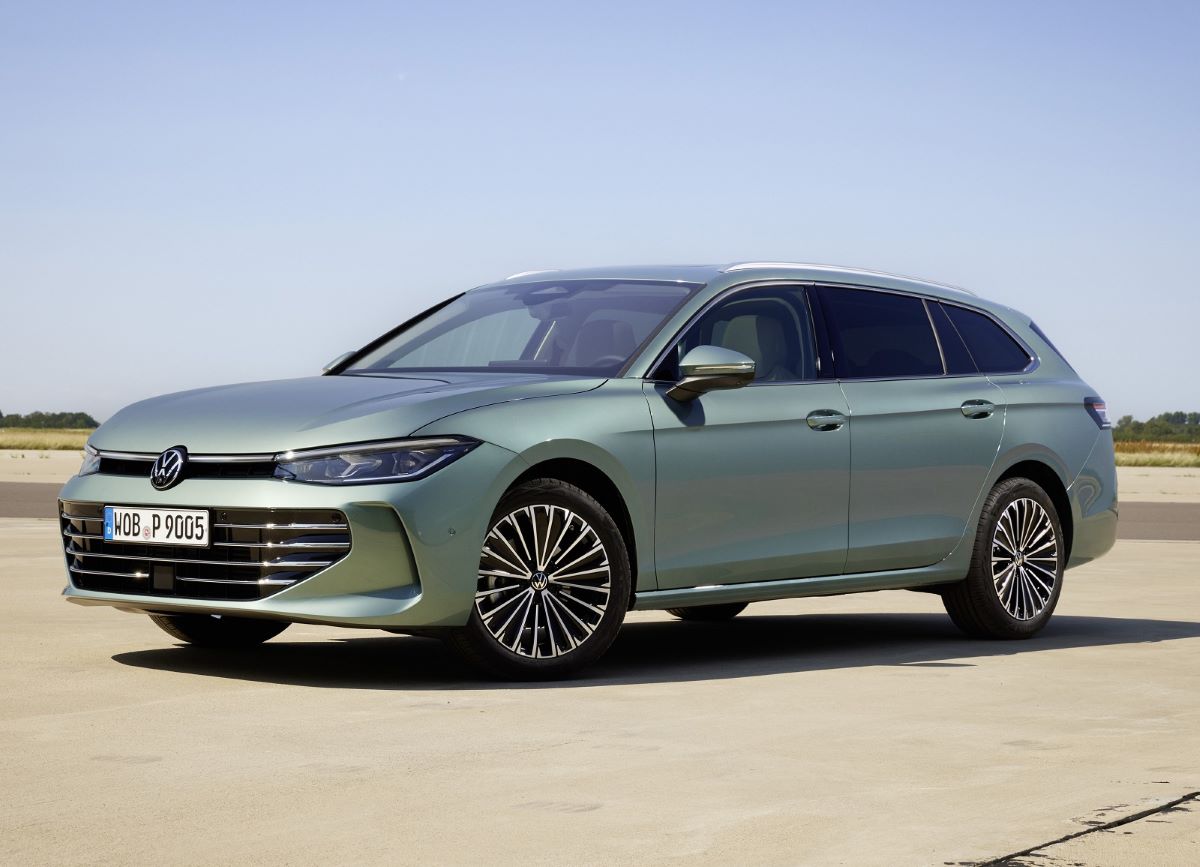
Volkswagen has earned respect among manual shift sports car fans through a combination of versatility, precision engineering, and practical performance. The company often balances everyday usability with spirited driving characteristics, and the manual transmissions are central to that philosophy.
Gear shifts are engineered to feel solid and accurate, while the clutch offers predictable resistance and control. This combination allows drivers to engage with the car’s performance in a meaningful way, whether navigating urban streets, highways, or twisty backroads. Volkswagen’s approach ensures that the manual transmission enhances the driving experience rather than merely existing as an option.
The company emphasizes engineering that supports a responsive driving experience. Many of its sports-oriented models feature engines tuned to deliver smooth power and torque curves compatible with manual gearboxes. Drivers can hold gears longer, manipulate acceleration, and coordinate engine speed with their own input, creating a more personal and interactive relationship with the car.
This design approach encourages drivers to take a proactive role in shaping the behavior of the vehicle, fostering a sense of engagement that reinforces Volkswagen’s reputation among manual sports car enthusiasts.
Volkswagen continues offering manual transmissions because it recognizes the importance of preserving a mechanical connection for drivers who value hands on engagement. The company understands that a portion of enthusiasts prefer the satisfaction of controlling every gear, coordinating power delivery, and managing vehicle behavior personally.
By maintaining these options, Volkswagen ensures that mechanical involvement remains a key part of its sports car lineup, reinforcing the brand’s reputation for producing cars that are practical, versatile, and enjoyable to drive for those who value precision, control, and driver participation.
