
Manual transmission pickup trucks occupy a strange space in the modern vehicle market. Not long ago, they were the dependable default choice for workers, outdoor enthusiasts, and anyone who appreciated the simplicity of a mechanical connection between driver and machine.
Today the market has shifted so strongly toward automatic transmissions that the old three pedal format has drifted into the shadows. As a result, a wide range of once-popular stick shift pickups sit at remarkably low asking prices, even though they still provide reliable performance, steady towing ability, and mechanical honesty that many drivers say feels missing in newer models.
The interesting part is that these trucks are not bottom-of-the-barrel relics with fading usefulness. Many are models that held loyal followings for decades, trucks that were built with sturdy frames, robust drivetrains, and serviceability that rarely intimidates a patient owner with basic tools.
Yet the current marketplace continues pushing buyers toward more modern features, large screens, multipoint camera suites, and complex automatics that diagnose themselves. While plenty of people welcome this level of technology, it causes older manual trucks to seem outdated. This perception pushes prices down while their underlying value remains steady.
There is something special about a stick shift pickup that gives a sense of direct involvement in the driving experience. Drivers who learned on manual transmissions often say it gives them a connection to the truck that no button or knob can replicate.
Downshifting while approaching a hill, choosing just the right gear when towing a loaded trailer, or keeping the revs steady while driving through snow or mud provides a sense of control that many automatics cannot match. Oddly, the very features that bring joy to some drivers cause hesitation in others.
Newer generations of drivers often have little to no experience with manual transmissions, so they avoid these trucks. Sellers see limited interest and adjust prices downward. This chain reaction creates a market where very capable machines are overlooked, allowing patient buyers to take advantage of unusually low costs.
Some of the trucks in this list were once common on farms, construction sites, and family driveways. Others supported small businesses or served as daily runabouts for owners who wanted a tough, simple vehicle. Many of them carry reputations for longevity that rival far more expensive trucks.
Whether someone seeks a basic work truck, a daily driver with character, or a project with potential to shine once again, the manual transmission pickups available today offer tremendous opportunities. With that in mind, here are ten stick shift pickup trucks that can often be found at remarkably low prices, frequently surprising anyone who has not watched this part of the market closely.
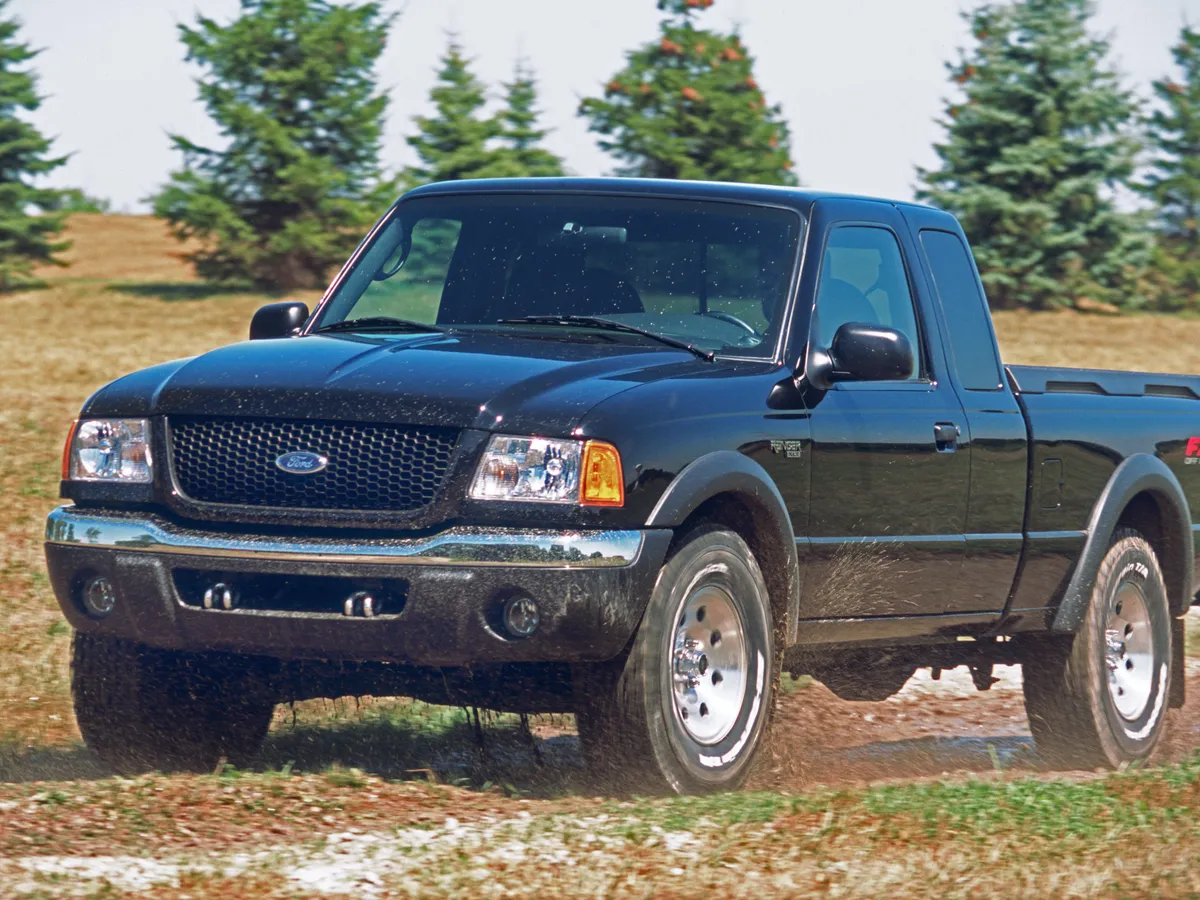
1. Ford Ranger (Early 2000s Models)
The early 2000s Ford Ranger remains one of the most approachable stick shift trucks for budget buyers. These compact pickups were sold in enormous numbers, which means plenty of used examples continue circulating through classifieds, auction sites, and dealer lots.
The manual versions often cost far less than their automatic counterparts, despite being known for stout drivetrains and respectable fuel economy.
Buyers who want a truck mainly for commuting, modest hauling, or occasional weekend projects appreciate how simple and effective these Rangers can be. The four cylinder versions with five speed manuals feel lively enough for daily use, and parts remain easy to find due to their popularity.
A major reason these trucks sell at low prices is their reputation as basic, almost utilitarian machines. Many buyers today prefer extended cabs with plush interiors, large touchscreens, and refined ride quality. The Ranger in its earlier form was intentionally minimalistic.
It did not pretend to be a luxury vehicle. Yet this honesty is what continues to attract enthusiasts. The absence of unnecessary technology often means fewer electrical problems, and the manual gearbox adds durability because it avoids the aging automatic transmissions that can fail with expensive consequences. When viewed through this lens, the Ranger represents value that newer trucks struggle to match.
Another factor contributing to its low cost is the visual aging of the design. The boxy shape, straightforward interior, and simple controls may seem dated to some buyers, which pushes prices downward even though the underlying mechanics remain strong.
Trucks that show cosmetic wear tend to drop further in price, and many Rangers were used as work vehicles, which means plenty of cosmetic wear exists. For a buyer focused on mechanical reliability rather than appearance, this can be a major advantage.
Even with their modest engines, early 2000s Rangers offer durability and a dependable driving experience. The manual models give the driver more direct use of engine power, especially when carrying moderate loads. These trucks are easy to maintain, simple to repair, and forgiving for new manual drivers. For anyone searching for a pickup with real practicality at a low entry cost, this generation of Ranger consistently delivers more than its price suggests.
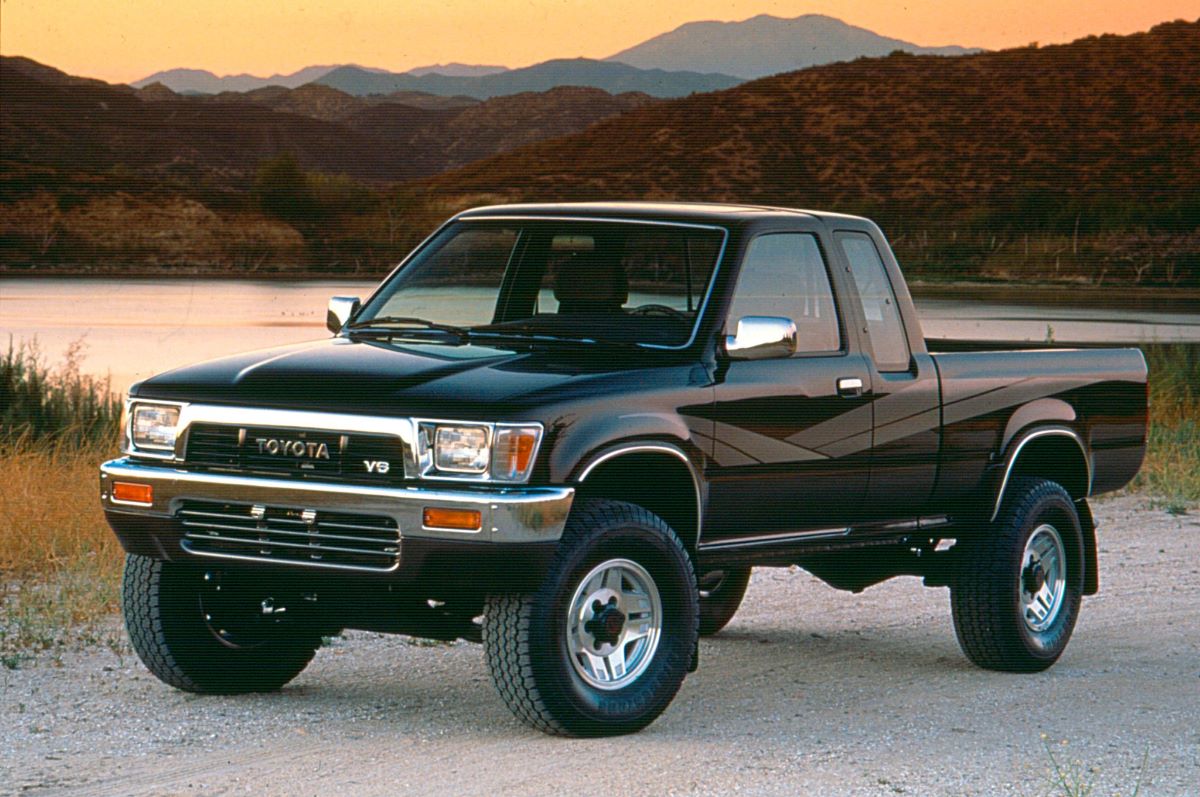
2. Toyota Tacoma (1990s to Early 2000s)
Older Toyota Tacomas, particularly those built before the major redesigns of the late 2000s, hold a strong reputation for endurance. Yet despite this loyalty from enthusiasts, manual transmission versions can often be found at lower prices than expected.
Many buyers assume any Toyota truck commands a premium, but the stick shift models attract a narrower audience. This smaller pool of potential buyers helps keep prices modest, especially for two wheel drive versions. These trucks excel at longevity, and owners often report high mileage with minimal trouble.
One reason these Tacomas remain affordable is their straightforward nature. Earlier models lack many of the comfort features and advanced technology found in modern trucks. While some appreciate simplicity, others see it as a drawback, which keeps prices suppressed.
The manual transmission models also tend to be the base or mid level trims, which avoids the added cost of luxury packages. The lack of splashy features helps the trucks become overlooked on used lots, even when they are mechanically solid.
Another factor working in favor of bargain hunters is cosmetic aging. These trucks often show their age through faded paint, worn seats, or rust on frames in certain climates. None of these issues automatically ruin the truck, but they influence perception and pricing.
The mechanical design remains strong, and the manual gearbox adds to their dependability because it avoids some of the common automatic transmission problems found on vehicles of similar age. A buyer willing to accept some visual wear can end up with a reliable truck at a surprisingly low cost.
Many of these Tacomas continue to serve owners faithfully, especially when kept in good mechanical condition. The manual versions offer better control on steep roads and during towing compared to similar trucks with older automatic transmissions.
While they may not offer the interior comfort of newer Tacomas, they provide a rugged and predictable driving style that appeals to drivers who want an honest, uncomplicated machine. This combination of reliability, simplicity, and modest pricing makes older manual Tacomas a strong option for budget-conscious buyers.
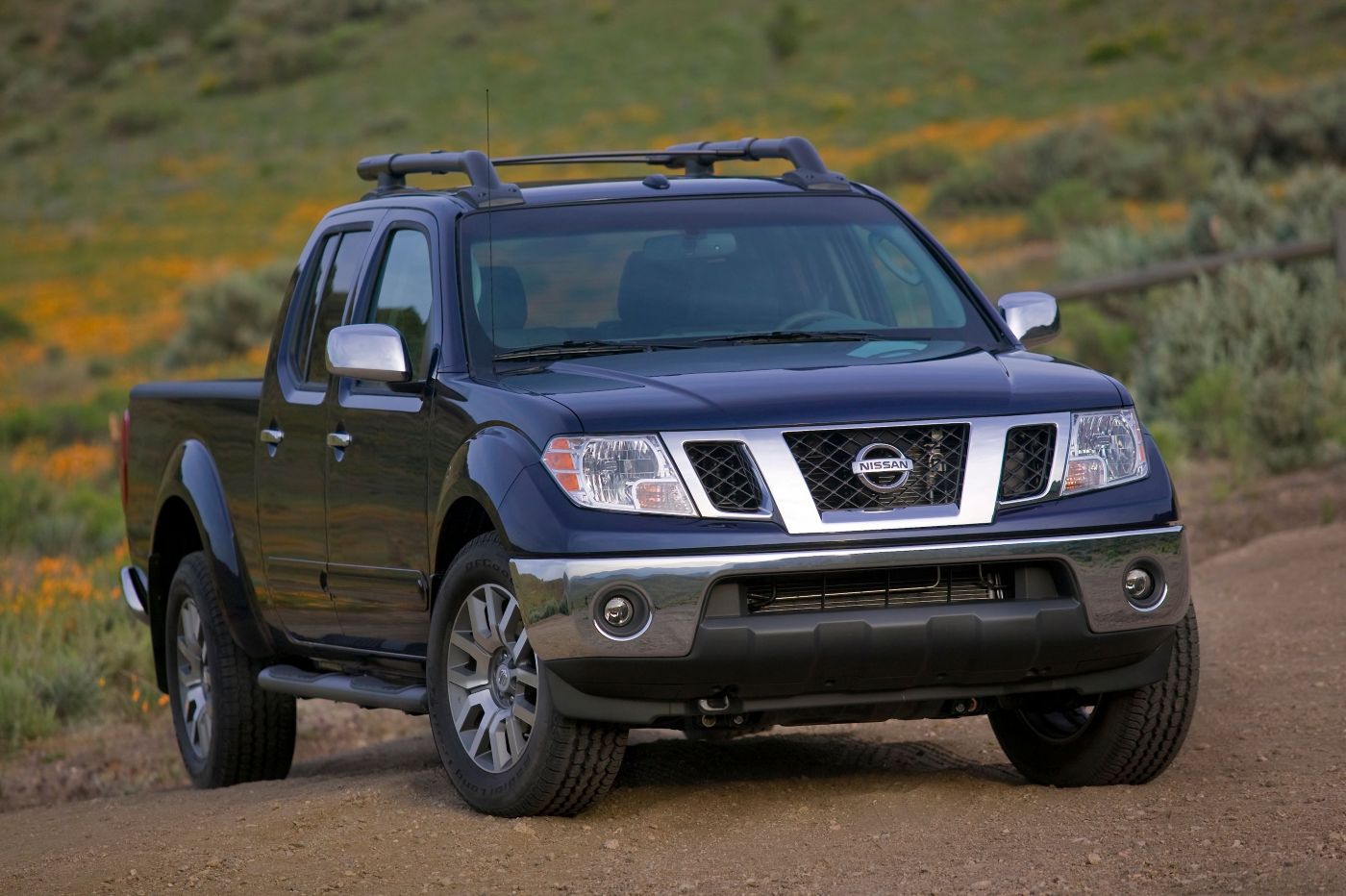
3. Nissan Frontier (Early to Mid 2000s)
The early to mid 2000s Nissan Frontier holds a steady position as one of the most undervalued manual transmission trucks on the market. These Frontiers often fly under the radar because they never achieved the widespread popularity of competitors like the Ranger or Tacoma.
Even though they deliver dependable service and come with a variety of engine options, including efficient four cylinders and more powerful V6 variants, the used market keeps their prices surprisingly accessible. Buyers looking for a manual pickup that offers more cabin space than compact trucks often appreciate the Frontier’s slightly larger feel.
A noticeable reason these trucks remain affordable is their plain styling. The Frontier from this era has a conservative appearance that lacks the aggressive flair many modern buyers want. This understated design works in favor of anyone trying to secure a strong truck without spending heavily.
The manual versions often came in affordable trim levels, avoiding expensive interior packages and complex features that tend to inflate prices. Many of these trucks served as small business vehicles or family haulers, so they appear frequently in used listings at lower-than-expected prices.
Mechanical simplicity also plays a role. The manual versions typically age better than automatics because they avoid common transmission issues that sometimes appear in older vehicles. Owners who maintain the clutch and gearbox properly enjoy long lifespans from these trucks.
The engines are known for reliability, and parts availability remains steady due to the Frontier’s long production run. The combination of reasonable running costs and solid mechanical construction creates value that many buyers underestimate.
Despite their humble appearance, Frontiers from this era still provide capable towing and hauling performance for light to moderate jobs. The manual transmission allows drivers to control gear choices during incline climbs or while carrying loads through rural areas.
These trucks remain comfortable enough for commuting while being tough enough to handle weekend projects. Their low prices result from market perception, not from any critical flaw in the design. For anyone willing to look past brand popularity and focus on mechanical strength, the manual Nissan Frontier represents a strong and affordable purchase.
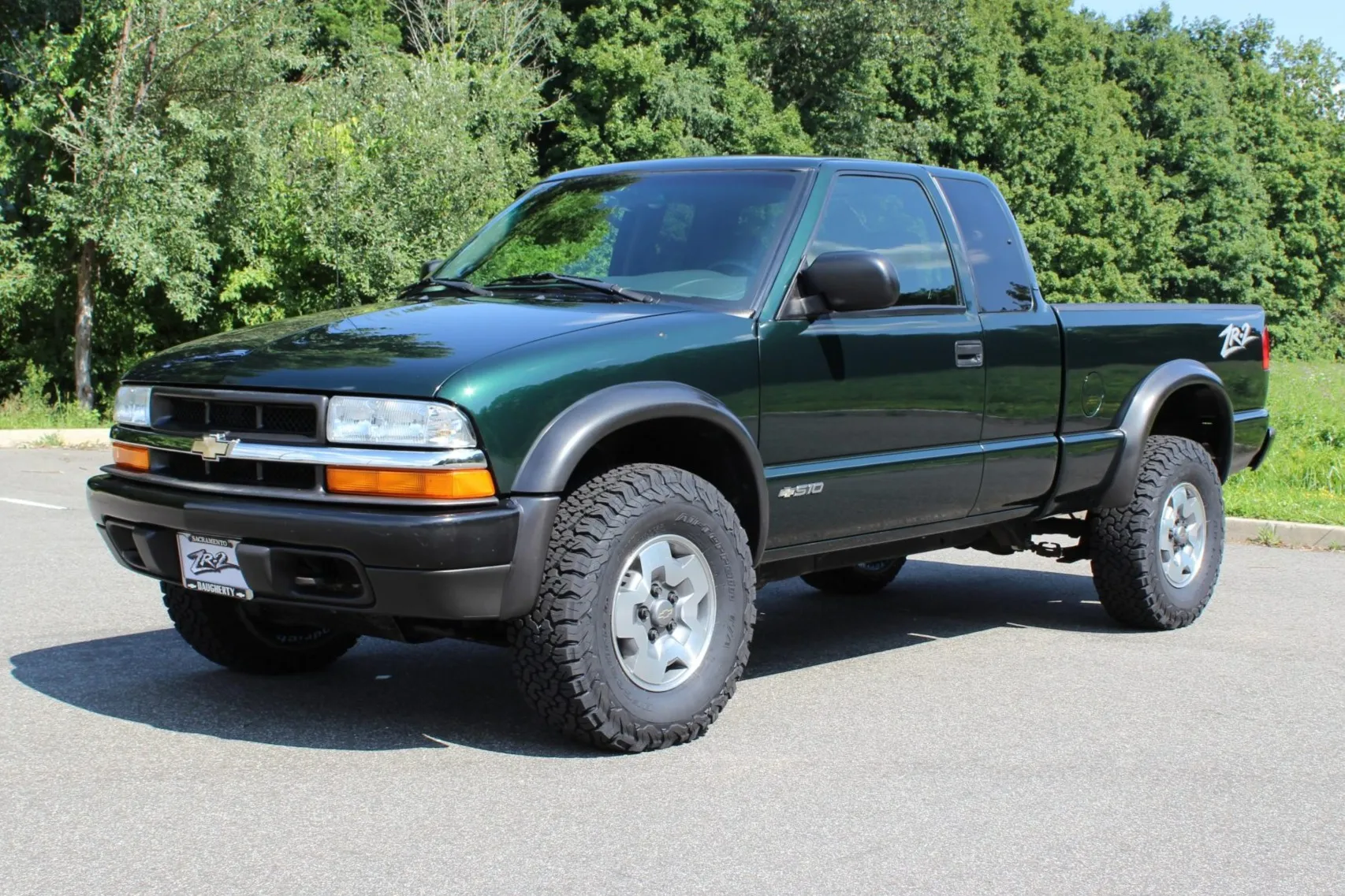
4. Chevrolet S10 (Late 1990s to Early 2000s)
The Chevrolet S10 is a classic small pickup that remains accessible for buyers seeking a stick shift truck at a low price. Produced in high numbers, the S10 offers abundant supply in the used market, which naturally keeps values down. Manual transmission versions are frequently the least expensive because many buyers today prefer automatic trucks.
Yet the manual S10 often provides a more engaging driving experience and can hold its own in reliability when maintained properly. The combination of simple mechanics and wide parts availability helps these trucks remain functional long after their prices fall.
One reason the S10 often sells at low prices is its utilitarian personality. Many of these trucks were used for work, which means cosmetic wear is common. Scratches, faded paint, and worn interiors do not necessarily reflect mechanical condition, but they influence buyer perception.
Because the S10 is often seen as a basic truck for everyday tasks rather than a collectible model, even clean examples remain surprisingly affordable. This creates an appealing situation for buyers who value utility over appearance.
The engines available in the S10, particularly the four cylinder units, often pair well with the manual transmission for fuel efficient local driving. These trucks were not built for high performance, yet they deliver dependable service for commuting, hauling tools, or tackling small projects.
The manual gearbox allows drivers to control power more effectively, especially when the engine is modestly powered. With fewer electronic components than modern trucks, the S10 avoids many electrical problems that increase repair costs in newer vehicles.
Durability also contributes to the S10’s appeal. When regularly maintained, these trucks run reliably for long periods. The manual transmissions are generally sturdy, and clutch replacements are manageable and inexpensive compared to modern repair work.
For buyers looking for a no nonsense truck that offers real value for money, the S10 continues to be one of the best choices. Low prices do not reflect lack of capability but simply the truck’s aging design and current market preferences.
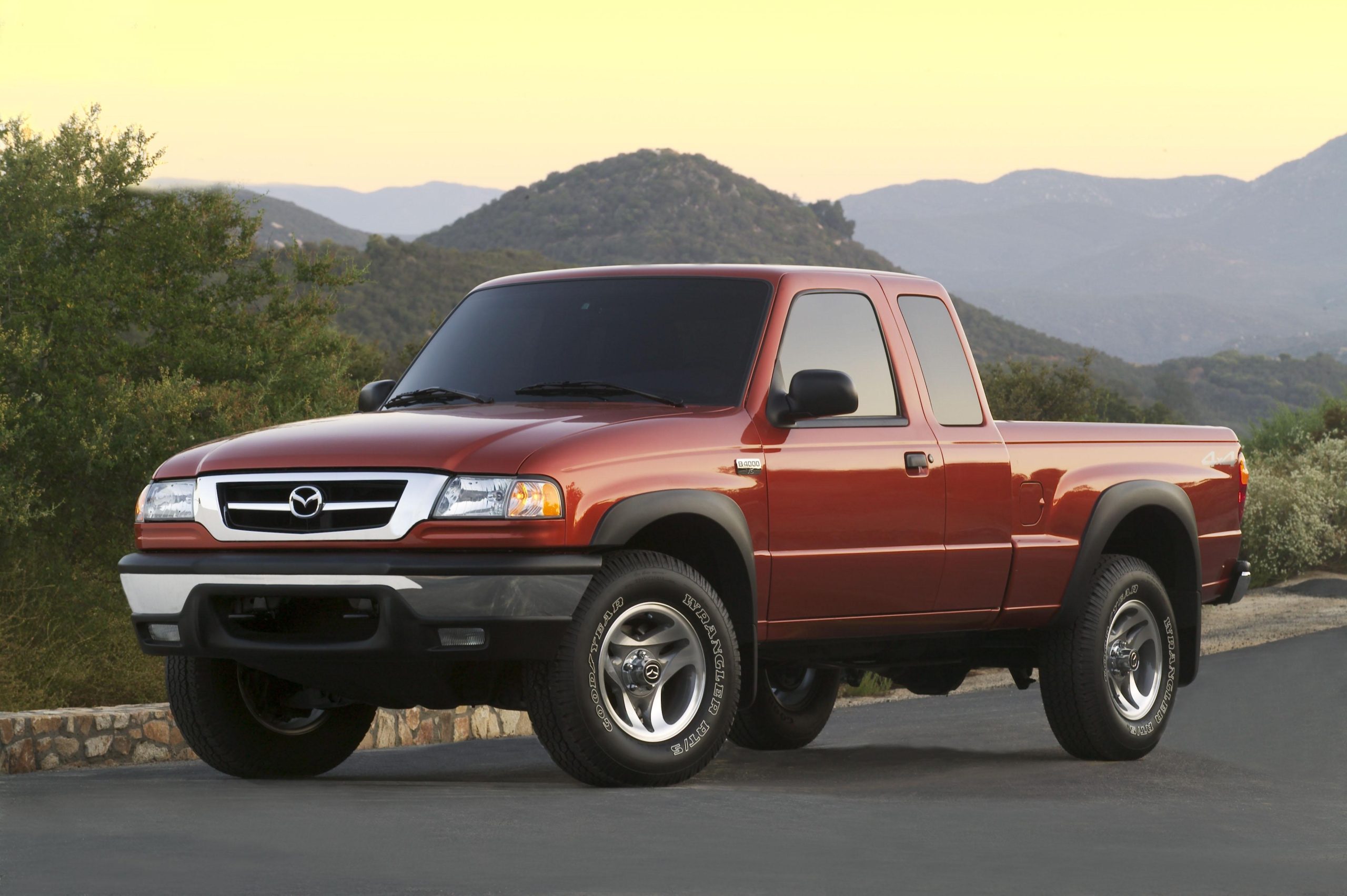
5. Mazda B Series (1990s to Mid 2000s)
The Mazda B Series shares much of its mechanical structure with the Ford Ranger, yet it often sells for even less. This pricing difference arises mostly from brand perception. The B Series trucks never reached the same level of popularity or recognition as their Ford counterparts, so used examples often receive lower asking prices despite sharing many components.
The manual transmission versions are especially affordable because many buyers overlook them due to unfamiliarity with the model.
Another reason for low prices is limited trim variety. Mazda tended to offer fewer upscale options on these trucks, which keeps used prices modest but also keeps the trucks simple.
The manual versions typically came with the four cylinder engines, which are known for longevity and ease of maintenance. Buyers who want a dependable daily truck often appreciate this formula, even though it lacks some of the comfort features found in competitor models.
These trucks also tend to show cosmetic wear, partly because they were frequently used as work vehicles. Paint fading, minor dents, and aging interiors push prices down further. Yet none of these issues affect the truck’s mechanical value when the drivetrain is maintained. Since the B Series uses many Ranger components, parts availability remains strong, and repairs are straightforward for anyone familiar with basic mechanical work.
The driving experience in the manual B Series is simple and direct. The truck responds predictably, making it easy to operate even for those new to manual transmissions. While it may not boast the strongest towing numbers, it delivers steady performance for everyday hauling, small trailers, and household tasks.
For buyers who want a low-cost manual truck that provides dependable service, the Mazda B Series consistently offers more value than its modest price suggests.
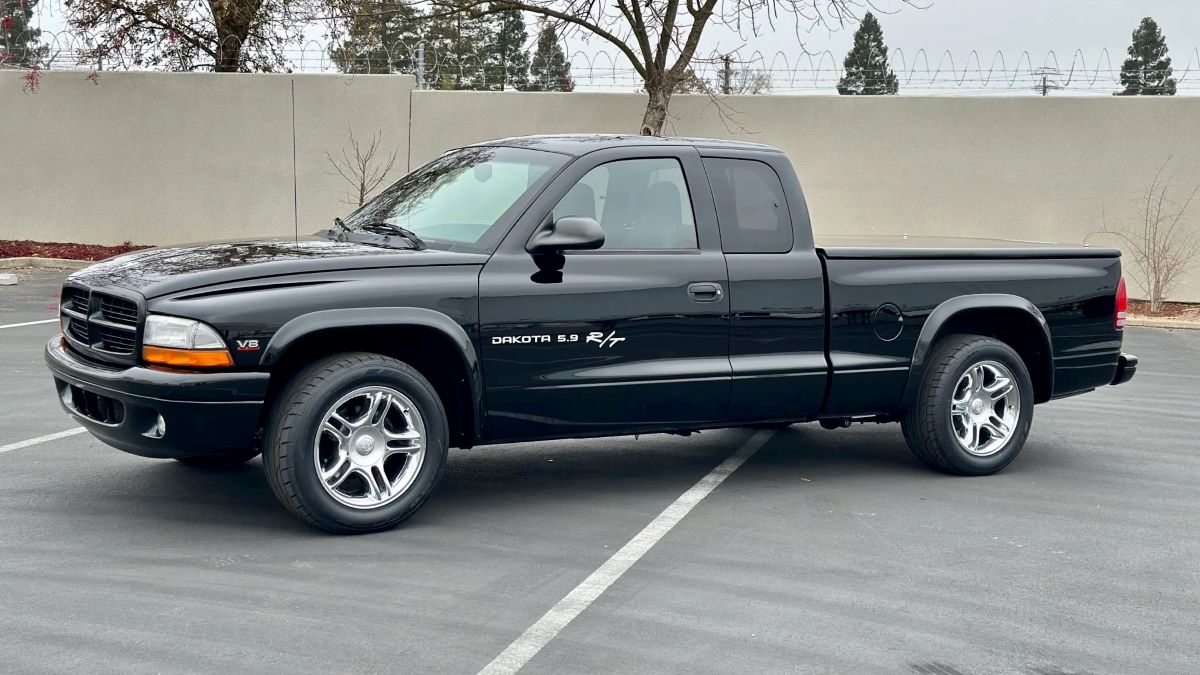
6. Dodge Dakota (Late 1990s to Mid 2000s)
The Dodge Dakota occupies a unique position in the used truck market. It is larger than most compact pickups but smaller than full size trucks, making it an appealing option for buyers wanting extra capability without the bulk of a full sized model.
Manual transmission Dakotas often sell at surprisingly low prices due to limited demand. Many people do not expect a mid sized truck of this era to come with a stick shift, so the audience for these models remains small. As a result, prices drop even when the trucks remain functional and capable.
The styling of this generation Dakota has aged in ways that influence price more than performance. Some buyers view the design as outdated, especially compared to modern trucks with sculpted body lines and large grille shapes.
This perception pushes prices downward even though the frame and mechanical components remain durable. Many Dakotas were used for construction work or towing smaller trailers, so cosmetic wear is common. Vehicles that show wear often sell for less, creating opportunities for buyers willing to overlook appearance.
Mechanically, the manual transmission versions frequently avoid the automatic transmission issues found in older trucks. The clutch and gearbox offer a dependable connection that ages well when maintained.
Engine options in the Dakota, including the V6 models, work smoothly with manual transmissions for a balanced driving feel. These trucks provide enough torque for meaningful hauling while remaining manageable in size for daily driving. Many owners appreciate this versatility, yet the used market still undervalues them.
For buyers searching for a manual truck with more hauling ability than compact pickups, the Dakota stands out. Its low resale prices result mainly from changing market preferences rather than mechanical weaknesses. Anyone willing to consider a slightly older truck without modern technology features can secure a strong value with a manual transmission Dakota.
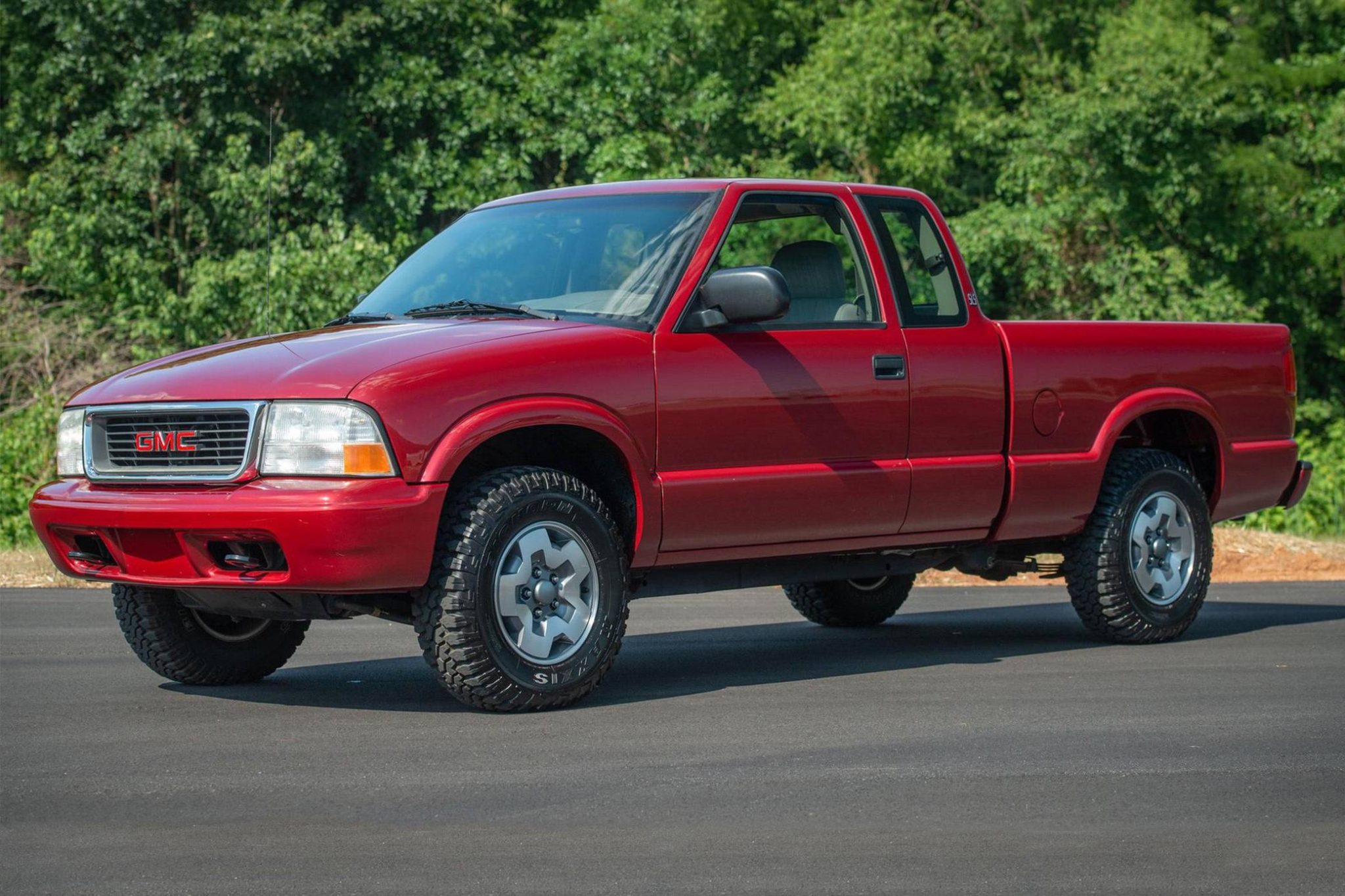
7. GMC Sonoma (Late 1990s to Early 2000s)
The GMC Sonoma, closely related to the Chevrolet S10, offers similar advantages for buyers seeking a low-priced manual pickup. Because the Sonoma was produced in smaller quantities than the S10, it often receives less attention in the used market.
This lack of visibility contributes to surprisingly low prices, especially for manual models. Yet the trucks share many mechanical parts with the S10, making repairs affordable and parts easy to source.
Buyers who inspect used Sonomas often discover trucks that were lightly used by previous owners who relied on them for basic transportation rather than heavy work.
This means some examples remain in better mechanical condition than expected. However, the limited brand reputation compared to competitors like Toyota or Ford keeps prices low. The manual gearbox works well with the available engines, particularly the economical four cylinder models often chosen for daily driving.
Cosmetic aging is another factor keeping prices modest. Many Sonomas show wear on seats, dashboards, and paint. While this affects appearance, it does not diminish value for buyers who prioritize function over aesthetics. Because the Sonoma is not often viewed as a collectible or high status truck, cosmetic issues reduce prices more dramatically than on brands with stronger enthusiast followings.
Despite this, the manual transmission Sonoma remains a capable small truck. It handles routine hauling tasks effectively, fits easily in urban parking spaces, and costs much less to maintain than larger trucks. Its affordability comes from market perception rather than performance limitations, making it one of the best budget friendly manual pickups for buyers who want practicality without significant expense.

8. Toyota Pickup (Late 1980s to Mid 1990s)
The older Toyota Pickup, sold before the Tacoma name was introduced, has a loyal fan base due to its rugged construction and legendary reputation for longevity.
Yet even with this strong reputation, some manual versions can be found at modest prices, especially those with high mileage or cosmetic wear. These trucks were built with simple mechanical systems that age gracefully, and the manual transmissions often outlast automatics from the same era.
A major reason for low prices is age. Buyers often hesitate to consider vehicles older than twenty years, even when those trucks still run reliably. The older Toyota Pickup has a straightforward appearance that shows its age clearly, and many examples have faded paint, worn interiors, or small rust spots. These issues lower asking prices even though mechanical parts remain durable. Buyers who focus on function rather than appearance can secure significant value.
Another factor influencing price is the widespread use of these trucks. Many were employed for farming, construction, or outdoor activities, which means they experienced tough conditions.
Sellers price them lower when cosmetic wear appears, yet the mechanical parts often continue working without trouble. The manual transmissions in these trucks are known for smooth engagement and impressive durability, allowing drivers to get many more years of service from them.
For buyers who want an older truck that offers mechanical honesty, low running costs, and dependable performance, the manual Toyota Pickup remains one of the best bargains. These trucks command respect from enthusiasts yet sometimes slip through the market at low prices simply due to age and cosmetic condition.
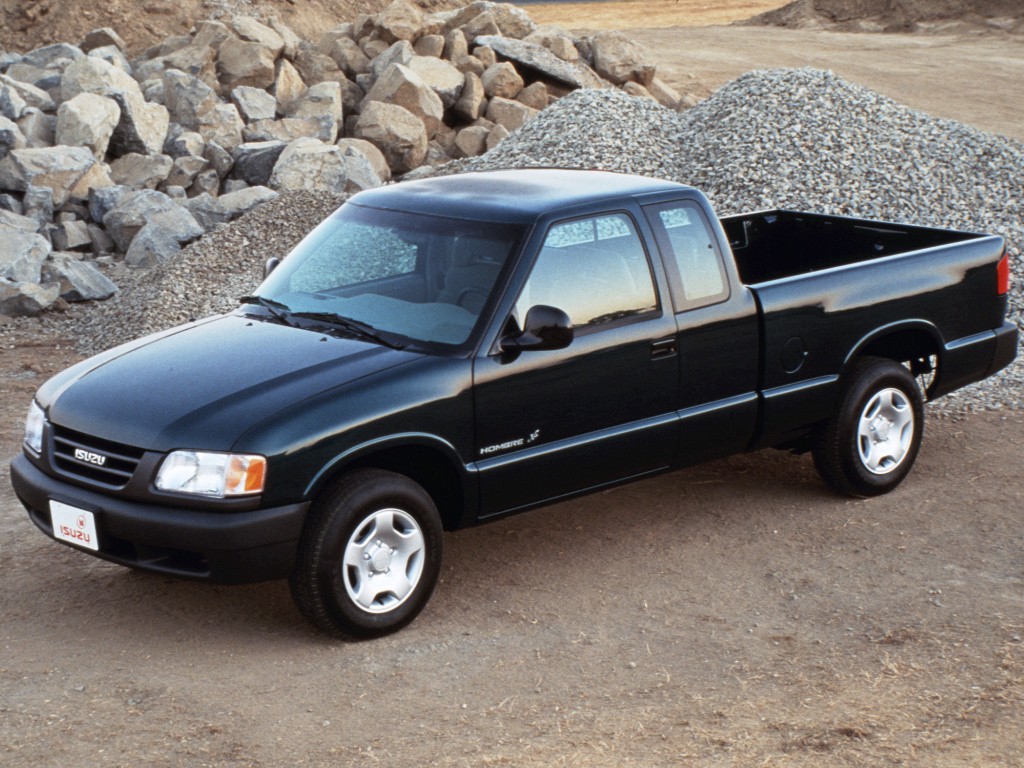
9. Isuzu Pickup and Hombre (1990s Models)
Isuzu’s presence in the pickup market diminished over time, yet the older Isuzu Pickup and its rebadged counterpart, the Chevrolet Hombre, remain surprisingly affordable. These trucks rarely top buyer wish lists, so sellers often lower their prices to attract attention.
Manual versions are particularly inexpensive, even though they provide reliable performance when maintained. Their low profile in the market keeps prices modest.
The engines available in these trucks pair well with manual transmissions, offering predictable power delivery and decent fuel efficiency. Parts availability remains better than many expect because of shared components with other General Motors products. Many buyers overlook these models simply due to unfamiliarity, creating excellent opportunities for those willing to consider less common brands.
Cosmetic wear and aging also push values down. These trucks were often used for everyday hauling or small business tasks. As a result, many show scratches, fading, or small dents. However, these visual issues do not change the mechanical capability of the truck. A buyer willing to clean up the interior or apply cosmetic repairs can end up with a dependable and inexpensive pickup.
Even though these trucks lack the recognition of Toyota or Ford, they offer solid mechanical value at a fraction of the price. The manual transmission versions tend to be especially durable and offer a straightforward driving experience. For buyers on a tight budget, the Isuzu Pickup or Hombre represents a smart choice.
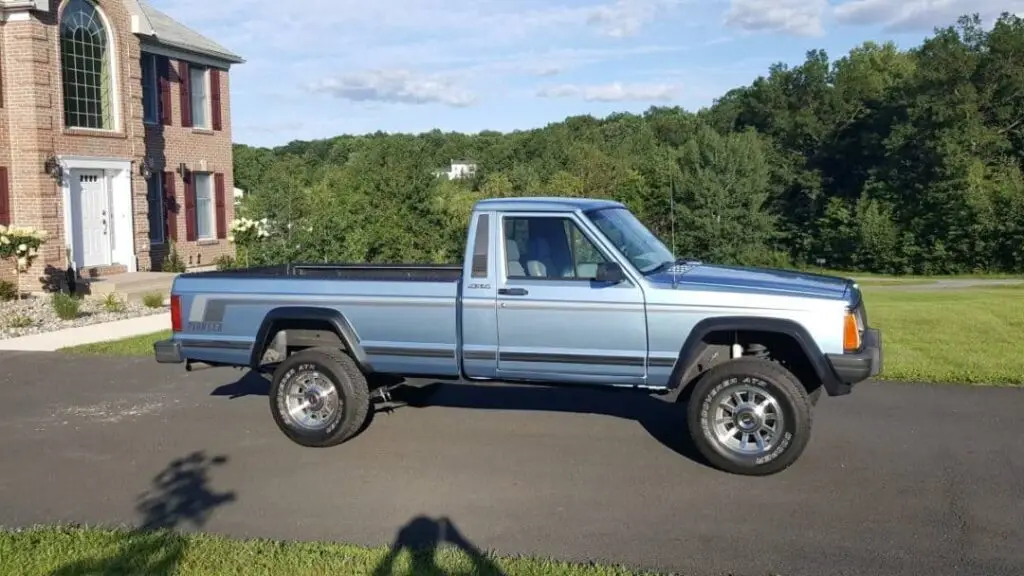
10. Jeep Comanche (Late 1980s to Early 1990s)
The Jeep Comanche is a unique entry in the world of pickup trucks because it shares many components with the Jeep Cherokee. Manual transmission versions often appear for surprisingly low prices due to the truck’s age, modest production numbers, and mixed market recognition.
While some enthusiasts seek these trucks out, many buyers are unaware of their capabilities, which lowers demand and allows determined buyers to secure good deals.
The Comanche’s strengths come from its sturdy drivetrain and straightforward mechanical layout. The manual transmission is known for durability, especially when paired with the reliable 4.0-liter inline six engine.
Even smaller engine options provide predictable performance when matched with the manual gearbox. These trucks can still serve as dependable daily drivers or project vehicles. Yet their age and often rugged appearance lead to lower prices.
Because many Comanches were used for off-road driving or work projects, cosmetic wear is common. Trucks with faded paint, dented panels, or weathered interiors often sell at low prices, even when they remain mechanically solid.
Enthusiasts familiar with these trucks know they can provide exceptional durability, but the general public tends to overlook them, which keeps values muted.
For buyers seeking a classic manual truck with unique character, the Comanche stands out. Its pricing reflects market perception more than mechanical weakness. Anyone willing to consider an older pickup with personality, strong mechanical parts, and a loyal community of supporters will find the Comanche an excellent choice at a surprisingly low cost.
