
Pop up headlights belong to a design era that blended mechanical charm, automotive creativity, and an unmistakable sense of personality.
Coupes equipped with these lights became symbols of individuality, and although many of them are no longer produced, they remain desirable for enthusiasts who value both character and affordability. While newer cars rely on electronic styling cues, these older models continue to command attention through their distinctive headlight mechanisms and their recognizable silhouettes.
Even as decades pass, many of these coupes demonstrate a surprising ability to hold their value, partly because they offer a mixture of nostalgia, reliability, performance potential, and relatively accessible ownership costs.
When people look at these vehicles today, they often associate them with a period when cars emphasized driver connection rather than digital interface complexity. This emotional connection has helped preserve interest and maintain stable demand across the used market.
Another key reason for their continued value is the blend of mechanical simplicity and robust engineering that characterized many coupes from the late seventies through the early nineties. These cars were built during a time when manufacturers experimented with efficient engines, balanced chassis, and lightweight construction.
Pop up headlights were often a byproduct of aerodynamic experimentation and styling preferences that differed strongly from modern standards. Because of these qualities, buyers today often find that these models are not only affordable to purchase but also reasonable to maintain, especially compared to newer sports cars packed with expensive technology.
Furthermore, many of these coupes occupy a comfortable middle ground between classic car ownership and everyday usability. While some classic vehicles require constant attention and specialized parts, pop up headlight coupes from this era frequently share components with more common models, making them viable options for hobbyists without deep pockets.
They provide engaging driving experiences without overwhelming complexity, and this balance has kept demand consistent. As a result, even the more affordable models tend to avoid drastic value drops.
This article presents ten coupes equipped with pop up headlights that remain attainable while showing dependable value retention. Each section focuses on what makes the specific model appealing, the traits contributing to its stable market position, and the qualities that continue to attract enthusiasts today.
1. Mazda MX 6 (First Generation)
The first generation MX 6 earned respect for blending sporty handling with modest operating costs. Although it was not marketed as a high performance machine, its balanced weight distribution and responsive steering allowed drivers to enjoy a lively and engaging ride.
The presence of pop up headlights gave the car a distinctive face that helped it stand out from other compact coupes of its era. Its simple yet aerodynamic bodylines continue to appeal to enthusiasts who appreciate understated but stylish vehicles. Combined with a well tuned suspension setup, the MX 6 delivered a rewarding driving experience without requiring extreme power.
Another factor contributing to the car’s ability to hold its value is its mechanical reliability. The engines used in the MX 6 proved durable when properly maintained, and parts availability remains adequate due to mechanical similarities with other Mazda models from the same period.
This makes maintenance approachable for newer enthusiasts who may be wary of high maintenance costs. Because the car was built with practicality in mind, interior comfort was better than many other coupes from the time, making it suitable for both daily driving and weekend enjoyment.
Collectors and hobbyists also appreciate how the MX 6 fits well into the growing interest in affordable eighties and early nineties sports coupes. Cars from this era are beginning to enjoy renewed popularity, and models with unique styling features such as pop up headlights see heightened interest.
As certain classic sports cars rise dramatically in value, more buyers shift toward accessible models like the MX 6, which keeps prices stable. While it is still affordable, it benefits from the upward trend affecting nostalgic vehicles.
The combination of mechanical simplicity, light weight, and enjoyable handling ensures that the first generation MX 6 remains a favorite among those searching for an approachable pop up headlight coupe.
Its affordability has not undermined its long term appeal, and ongoing interest in period correct styling helps protect its value. Even today, it remains a solid entry point into older sporty cars without straining a budget.
2. Toyota Celica (A60 Generation)
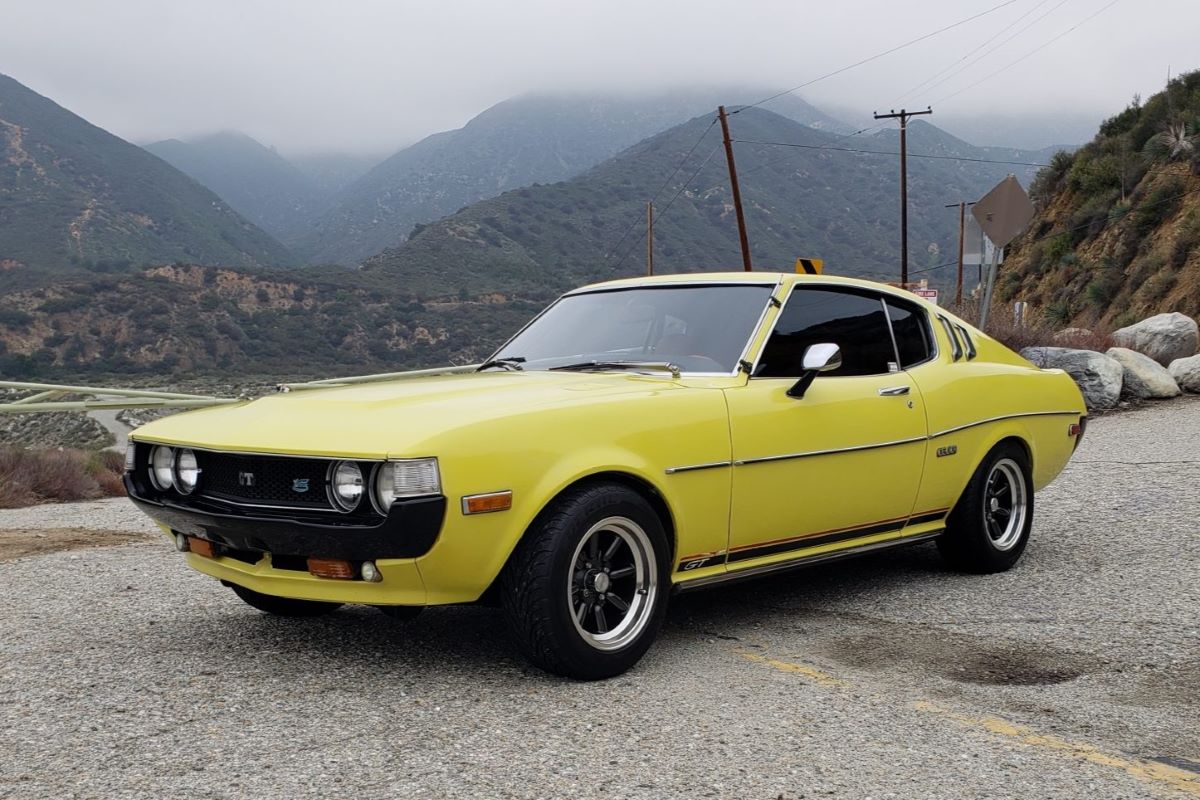
The A60 Celica introduced sharp, angular styling paired with pop up headlights that emphasized its sporty intentions. This generation represented a significant change in appearance from earlier models, giving it a distinct identity that helped cement its reputation as an accessible enthusiast car.
The styling remains attractive to retro enthusiasts who value straight bodylines and a purposeful stance. Its proportions and simple mechanical layout make it one of the more dependable choices among older coupes.
One of the main reasons this car holds its value is its connection to Toyota’s reputation for longevity. Engines from this period often continue running strong with basic maintenance, which encourages more buyers to seek out surviving examples.
Suspension components, brake parts, and interior pieces also remain relatively accessible, helping owners keep their cars in good condition. Because restoration costs are manageable, well kept Celicas often remain desirable on the used market.
Another appealing aspect is the car’s tuning potential. While not a high horsepower machine in its stock form, it responds well to suspension upgrades, intake improvements, and exhaust tuning.
These characteristics attract enthusiasts who want a customizable platform that does not require extensive investment. As automotive communities continue to appreciate classic Japanese coupes, the A60 Celica benefits from increased attention and gradually rising interest.
The car’s blend of reliability, styling, and affordability ensures that it continues to hold value even as fewer clean examples remain. Many buyers view it as a dependable entry point into classic Japanese cars, and the presence of pop up headlights enhances its nostalgic appeal.
As long as demand for retro themed cars persists, the A60 Celica is likely to maintain its position among the more affordable but well valued coupes.
3. Pontiac Fiero
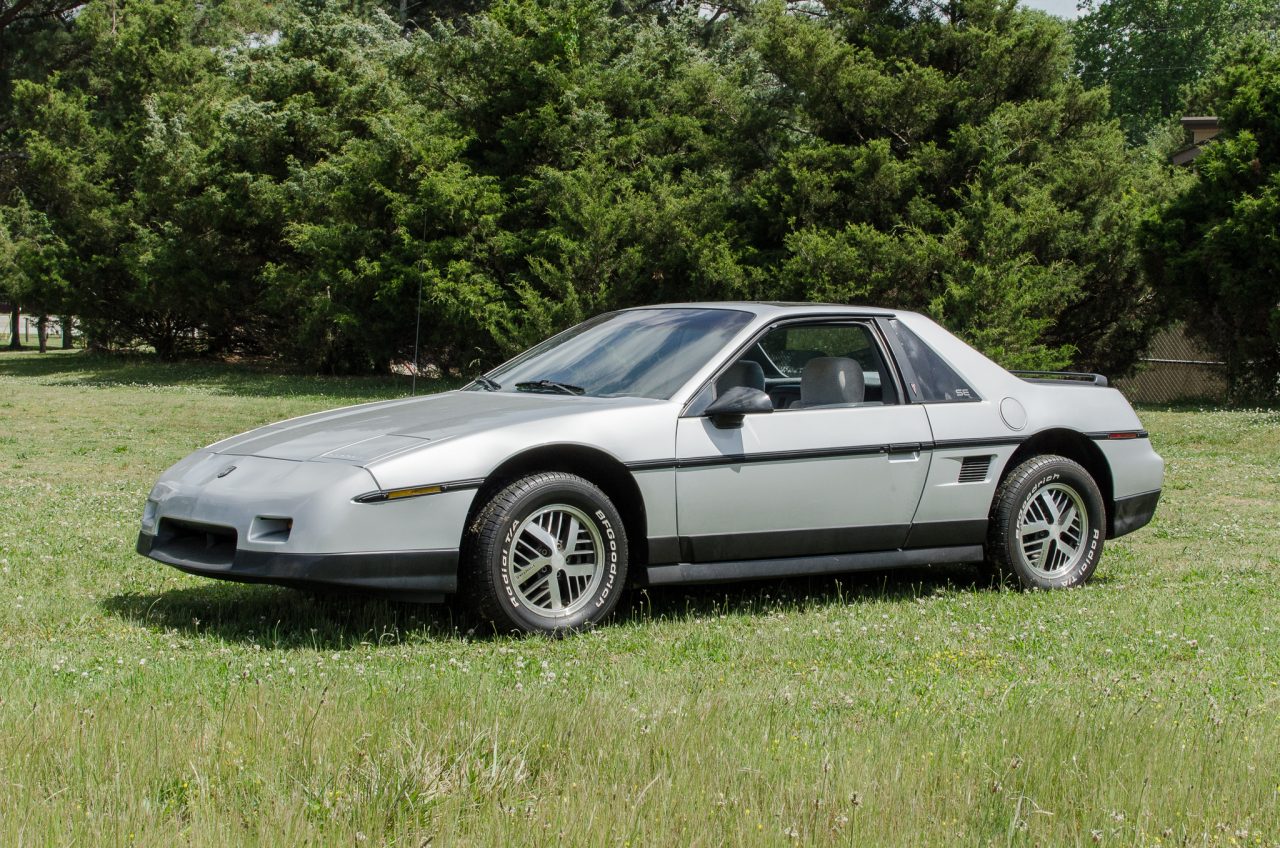
The Pontiac Fiero stands out for its mid engine layout, a rarity among affordable coupes. When combined with its pop up headlights and compact proportions, the Fiero developed a unique identity that still attracts attention.
Early issues with heat management affected public perception, but later improvements helped the model mature into a more stable and enjoyable car. Enthusiasts appreciate the Fiero’s distinctive driving dynamics, which differ from the front engine coupes more common in its price range.
Value retention is supported by the Fiero’s unusual engineering approach and its status as Pontiac’s only mid engine passenger car. This adds a layer of curiosity and collectibility that continues to rise over time.
Owners often enjoy customizing their Fieros with engine swaps, suspension upgrades, and exterior modifications, which strengthens the car’s presence in hobbyist communities. Its easily removable body panels simplify repairs and cosmetic restoration, further adding to its practical appeal.
Another reason for its stable value is its manageable ownership cost. Parts availability remains acceptable due to shared components with other General Motors vehicles from the era.
Combined with a relatively simple mechanical setup, this keeps maintenance expenses from overwhelming prospective owners. Many Fieros are still running today because of the dedicated following that supports the platform, ensuring steady demand.
Although it is still possible to find reasonably priced examples, clean and well preserved Fieros have begun to increase in value as collectors seek rare and distinctive American cars from the eighties. The combination of affordability, mechanical uniqueness, and strong community support ensures that the Fiero remains a coupe that holds its value while offering an engaging ownership experience.
4. Honda Prelude (Third Generation)
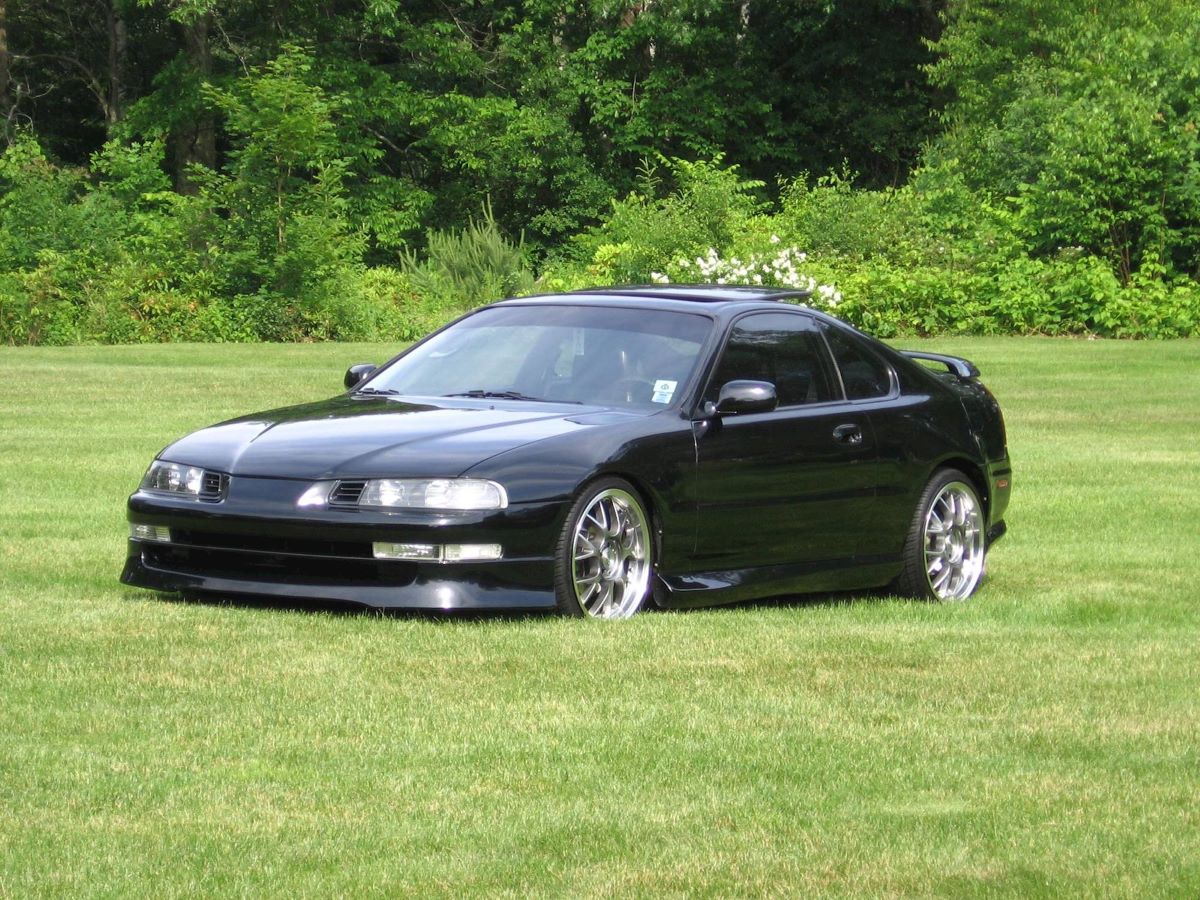
The third generation Prelude introduced refined styling with integrated pop up headlights that complemented its clean, flowing bodylines. Honda focused on combining sporty handling with comfort, producing a coupe that appealed to both enthusiasts and everyday drivers.
Its low roofline and wide stance give it a planted look, which pairs well with its responsive steering and balanced chassis. This generation continues to earn praise for its high build quality and driving enjoyment.
Value retention is influenced by the car’s reputation for reliability. Honda’s engineering from this era is well regarded, and many Preludes run for hundreds of thousands of miles with routine maintenance.
The engines are known for smooth operation and strong durability, making the car attractive to buyers who want a dependable classic without excessive upkeep costs. Mechanical parts remain accessible thanks to Honda’s widespread parts network and platform sharing.
Another factor contributing to its appeal is the interior quality. The dashboard layout is driver focused, and the seating position supports spirited driving while remaining comfortable for long distances.
This balance between practicality and performance increases demand among younger enthusiasts who want a car that offers involvement without sacrificing usability. The Prelude also has a strong presence in car culture circles, which helps reinforce its value.
Production numbers for this generation were substantial, but clean examples are becoming harder to find due to age and previous modifications.
Well maintained Preludes consistently attract attention because they represent a dependable and stylish option for fans of classic Japanese coupes. Their combination of durability, design, and enjoyable handling ensures that they remain desirable and continue to hold their value on the used market.
5. Nissan 200SX (S12)
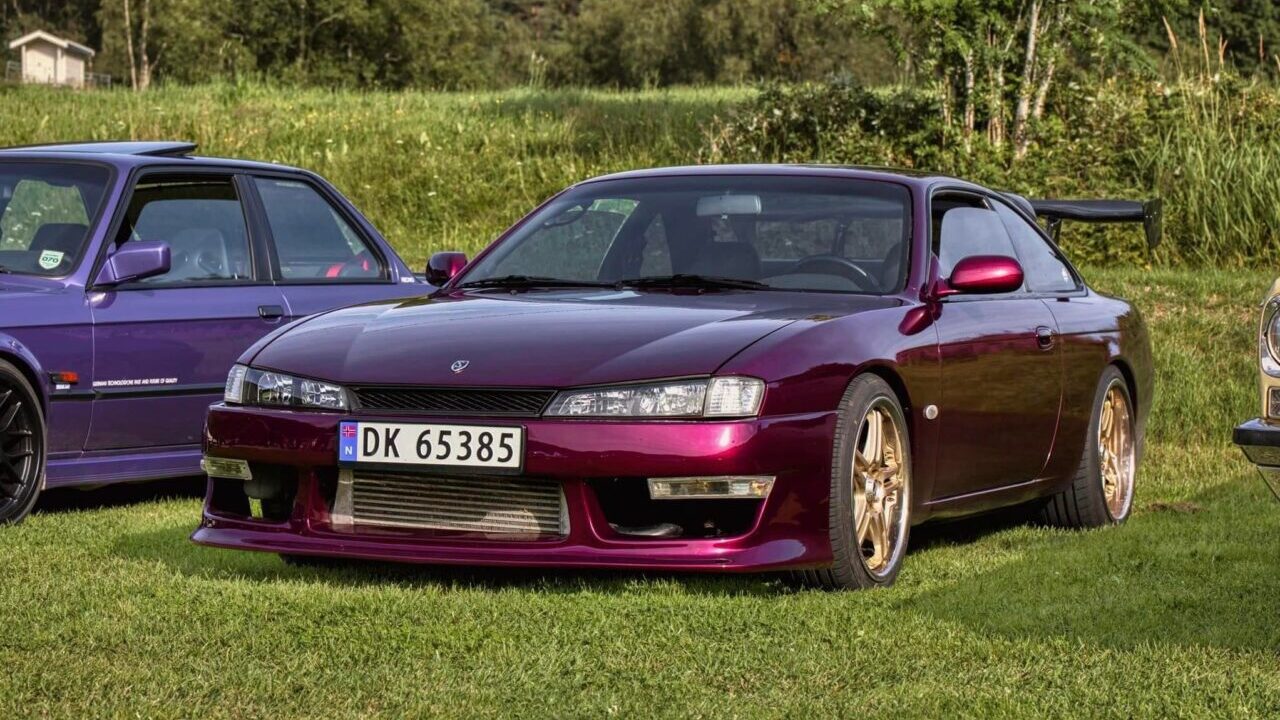
The S12 200SX carries a boxy yet sleek exterior defined by its angular design and pop up headlights. This model occupies an important place in Nissan’s history as a precursor to the more widely known S13 and S14.
The S12’s rear wheel drive platform offers driving dynamics that attract enthusiasts who appreciate older sports coupes with predictable balance and responsive handling. Its styling has gained renewed interest among fans of retro-inspired automotive design.
One major reason the S12 holds its value is the rarity of clean examples. While it can still be purchased for reasonable prices, it has become increasingly difficult to find well-preserved models due to age and common modifications.
This scarcity creates steady demand among collectors who want an authentic and lightly modified example. Its mechanical durability also helps maintain interest, as engines from this period were relatively robust when properly maintained.
The S12 offers solid tuning potential. Enthusiasts often upgrade suspension components or modify the engine to enhance performance. This makes it appealing to hobbyists who enjoy customizing older Rear Wheel Drive cars. Community support for Nissan platforms remains strong, which helps owners source parts and share maintenance knowledge. This sense of shared enthusiasm contributes to the vehicle’s continuing value.
Another reason for its steady market presence is its historical connection to the Japanese sports coupe lineage. While it never achieved the mainstream recognition of its successors, it remains important to enthusiasts who appreciate its blend of mechanical simplicity and period-correct styling.
As interest in eighties cars increases, the S12 benefits from a growing audience that values its charm, which helps it maintain its value despite remaining more affordable than many other classic coupes.
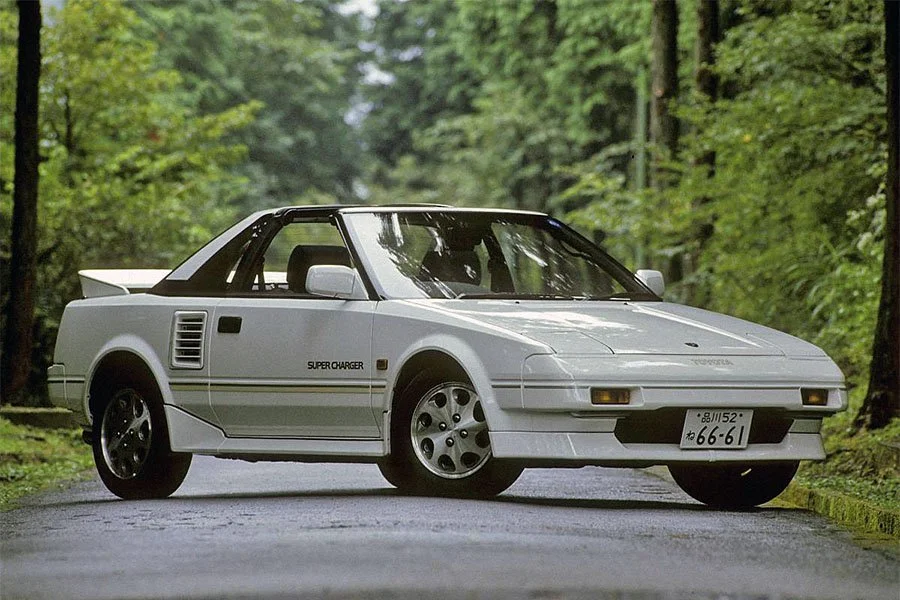
6. Toyota MR2 (First Generation)
The first generation MR2 became famous for its lightweight design and mid engine layout. Its compact size and sharp styling, including its pop up headlights, gave it a distinctive appearance that still appeals to enthusiasts.
Toyota engineered the car with precise handling in mind, resulting in a responsive and enjoyable driving experience. The MR2’s spirited personality combined with its fuel efficiency made it one of the most accessible and rewarding sports coupes of its time.
Value retention is supported by its strong reputation for reliability. Owners appreciate its durable engines and straightforward maintenance requirements. Parts availability is good due to Toyota’s extensive production and shared components across various models.
This helps keep ownership costs reasonable while preserving the car’s practicality as a hobby vehicle. The MR2 offers a rare combination of mid engine performance and affordability, which increases interest from collectors.
Another appealing factor is the car’s playful driving dynamics. The lightweight body and mid engine layout produce lively cornering characteristics that make every drive engaging.
Enthusiasts often praise the car for delivering sports car excitement at a manageable cost. This driver focused experience contributes to continuing demand for clean examples, which helps stabilize prices.
As fewer well-maintained models remain available, the first-generation MR2 has become increasingly desirable among fans of classic Japanese cars. Its unique engineering approach, attractive styling, and rewarding road manners ensure that it holds its value well compared to other coupes in its price range. Enthusiast communities remain strong supporters of the model, helping preserve its place in automotive culture.
Beyond its agile handling, one of the MR2’s most appealing qualities is its mechanical accessibility. Enthusiasts appreciate that many routine repairs can be performed with basic tools, making it approachable for owners who enjoy maintaining their own vehicles.
The simple design of the suspension and the availability of replacement components ensure that the MR2 remains practical even as it ages. This accessibility encourages new owners to preserve and restore their cars, which contributes to long term value stability in the used market.
Another point that adds to its appeal is the car’s playful personality, which continues to attract younger drivers discovering classic cars for the first time. Because the MR2 offers an engaging experience at reasonable speeds, it has become a vehicle often recommended to those wanting to learn the fundamentals of handling and vehicle dynamics.
This educational value strengthens its presence among car enthusiasts and contributes to consistent interest. As a result, well preserved MR2s often retain stronger value than similarly aged coupes that lack the same level of driver engagement.
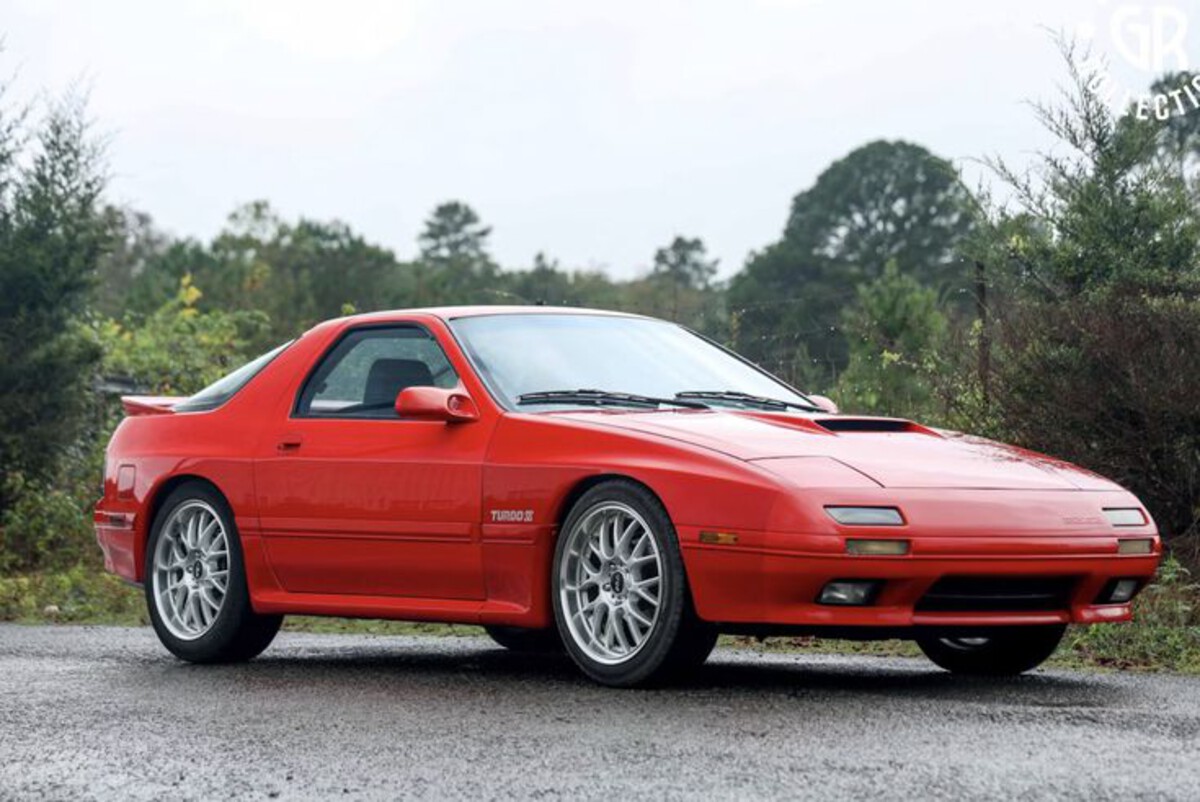
7. Mazda RX 7 (FC Generation)
The FC generation RX 7 combined smooth rotary engine performance with sleek styling enhanced by pop up headlights. Enthusiasts still admire its aerodynamic shape and low stance, which contribute to its sporty look. The rotary engine offers a character unlike traditional piston engines, providing high revving excitement and a unique sound. These qualities give the FC RX 7 a strong identity that continues to appeal to fans of distinctive powertrains.
While rotary engines require specific maintenance practices, enthusiasts who appreciate them are often passionate owners who preserve their cars well.
This dedicated ownership community plays a key role in helping the FC maintain its value. Clean examples remain in steady demand, especially those that have not been heavily modified. As many rotary engined cars have disappeared due to neglect, surviving models naturally hold their value better.
The driving dynamics of the FC further contribute to its appeal. Mazda engineered the chassis with balance and responsiveness in mind, giving the car strong potential both on the road and at enthusiast events.
The interior layout supports spirited driving with a driver-focused cockpit and supportive seating. These traits help maintain interest from newer enthusiasts who want a classic sports coupe that still feels engaging.
Another reason the FC remains valuable is its place in Mazda’s sports car heritage. Although the later FD often receives more attention, the FC represents an important step in the evolution of the RX 7 line.
It offers a combination of affordability and collectibility that attracts buyers who appreciate its unique engine and stylish design. These factors work together to keep its value stable while interest in classic Japanese sports cars continues to rise.
A noteworthy aspect of FC ownership is the satisfaction many enthusiasts gain from maintaining the rotary engine. Although it requires specific care, owners who understand its behavior often find the experience rewarding.
The simplicity of the rotary design, once learned, can be easier to manage than expected, which makes the FC appealing to those who want a unique mechanical relationship with their car. This deeper sense of involvement often encourages long term ownership, helping maintain the number of well cared for vehicles in circulation.
The FC also benefits from its versatility. Owners use it for spirited weekend driving, car meets, occasional track sessions, and display events. Its balanced mix of performance and comfort allows it to fill many roles without feeling compromised.
This practicality, along with its eye catching styling, ensures that the FC remains desirable across a wide audience. As rotary powered cars become increasingly scarce, the FC generation stands out as one of the more attainable ways to experience Mazda’s distinctive engineering heritage.
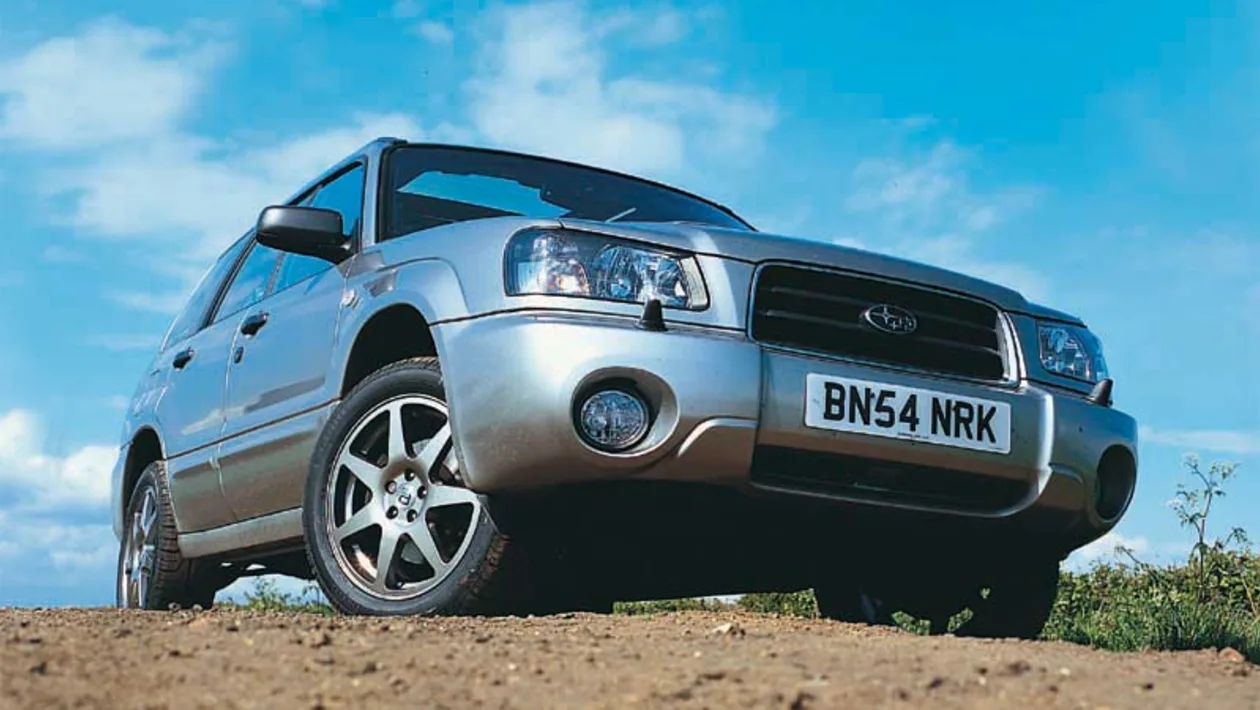
8. Subaru XT
The Subaru XT stands out for its unconventional design, which embraces angular shapes and futuristic features. Its pop up headlights complement a wedge-shaped body that looks unlike most coupes from its era.
Subaru engineered the XT with aerodynamics in mind, giving it a distinctive character that still attracts enthusiasts with an appreciation for unconventional styling. Its interior also includes unusual elements, such as aircraft inspired controls and a unique dashboard layout.
The XT’s value retention is partly due to its rarity. Fewer units were produced compared to mainstream coupes, and even fewer remain in good condition. Buyers who appreciate rare and unusual vehicles often seek out the XT because it offers something different from typical sports cars. The car’s mechanical reliability, based on Subaru’s proven drivetrains, helps ensure that surviving models remain usable and appealing.
Another factor is the XT’s loyal enthusiast community. Owners often share resources, parts, and restoration knowledge, which helps keep these cars on the road despite their age. This collective effort has created a niche market that values the XT’s distinct personality. Because the car represents a unique chapter in Subaru’s design history, it attracts collectors who enjoy vehicles that stand apart from the mainstream.
The XT remains one of the more affordable pop up headlight coupes, but its rarity and dedicated following ensure that it holds value better than many expect. As interest grows in unusual and retro themed cars, the XT benefits from having a style that has not been replicated. Its distinctive identity continues to appeal to enthusiasts who appreciate individuality and mechanical dependability.
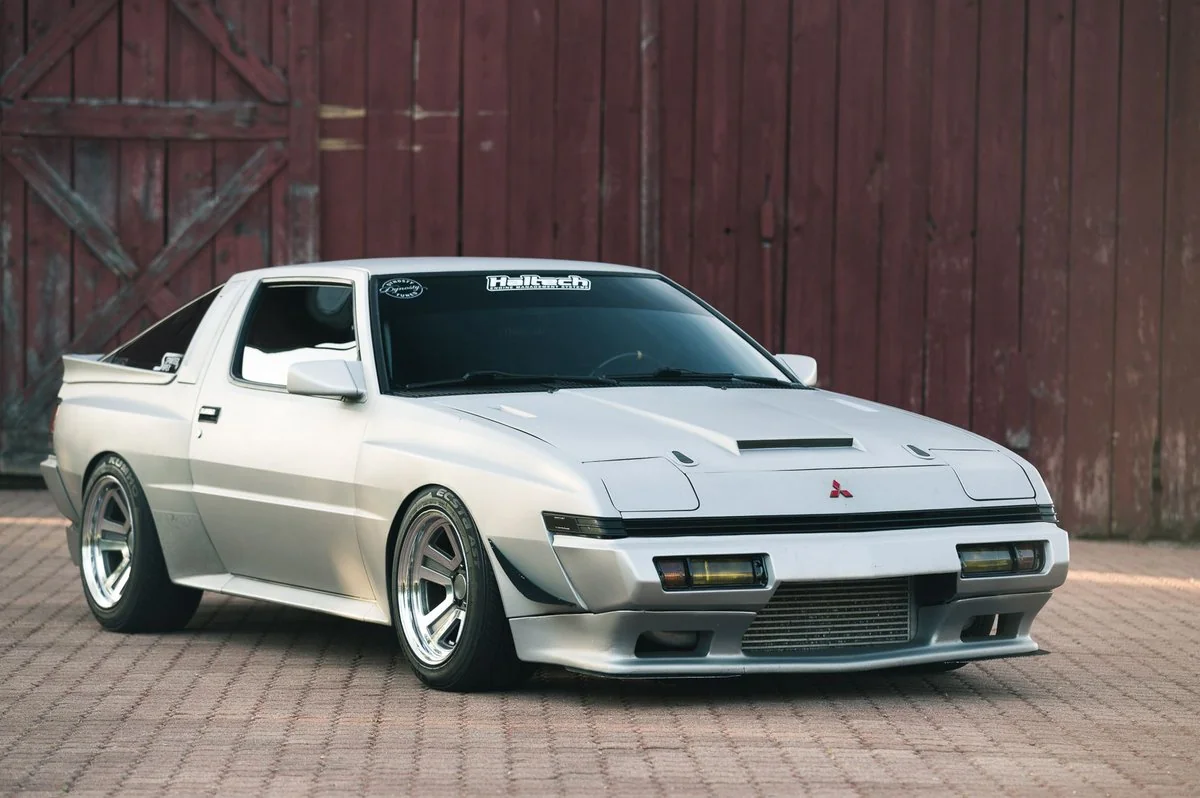
9. Mitsubishi Starion
The Mitsubishi Starion developed a strong reputation among enthusiasts thanks to its turbocharged performance, wide stance, and pop up headlights. The car’s muscular bodylines give it an aggressive presence that still turns heads today. Its rear wheel drive platform and turbocharged engine provide strong potential for spirited driving. These qualities help maintain demand among fans of eighties performance coupes.
Value retention is enhanced by the Starion’s link to motorsport history. Although not as widely recognized as some competitors, it earned a place in various racing disciplines, which contributes to its appeal. Clean, unmodified examples have become increasingly desirable as more enthusiasts search for authentic turbocharged cars from the era. The Starion’s combination of style and performance ensures that prices remain stable.
Another factor supporting its value is its mechanical capability. The engines are known for their tuning potential, attracting hobbyists who enjoy increasing power output while maintaining reliability.
The Starion’s chassis responds well to suspension upgrades, making it a popular choice for drivers who appreciate balanced performance. This capability contributes to continued demand for well preserved models.
The XT also appeals to enthusiasts who appreciate innovation in automotive history. Its mix of unusual design decisions and mechanical experimentation makes it an interesting subject for collectors who value uniqueness.
The digital dashboard versions, for example, showcase a forward looking interior philosophy that separates it from more conventional coupes. These unconventional characteristics give the XT a charm that continues to attract people who enjoy vehicles with personality and originality.
Another contributor to its appeal is the experience it offers behind the wheel. Even though it was not positioned as a high performance machine, the XT’s light weight and steady handling make it enjoyable on winding roads. Drivers appreciate its stable nature, especially when paired with Subaru’s available all wheel drive systems on some trims.
This adds practicality in various weather conditions, making the XT useful beyond novelty value. Cars that successfully combine practicality with distinctive styling tend to maintain a loyal following, which helps the XT hold its value.
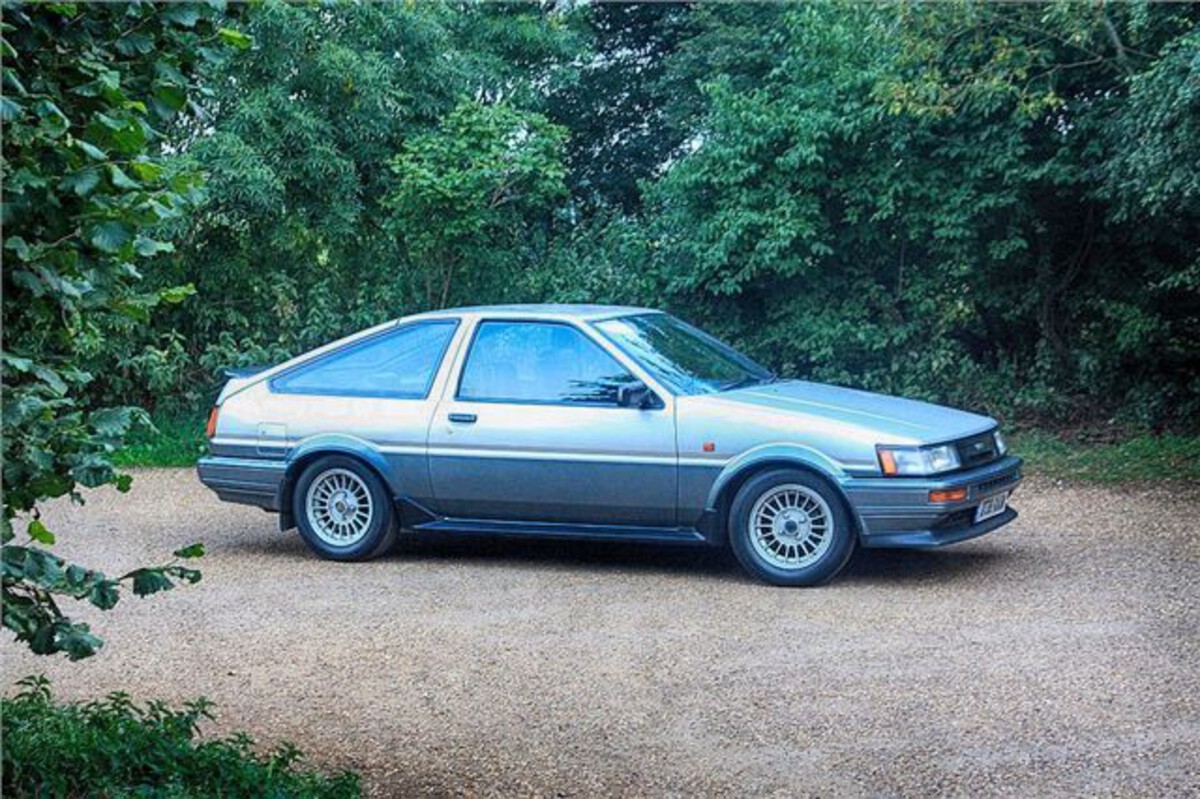
10. Toyota Corolla AE86 (Pop Up Headlight Variant)
The AE86 gained a legendary reputation among enthusiasts for its lightweight construction, Rear Wheel Drive platform, and responsive handling. The pop up headlight variant in particular remains one of the most iconic sports coupes of its time.
Its proportions and simple lines give it an athletic appearance that continues to influence car culture. The AE86’s reputation for precision and agility keeps it in high demand across global automotive communities.
Value retention for the AE86 has remained consistently strong due to its cultural significance. It is widely known for its presence in various motorsport fields and enthusiast activities.
Because it represents a purity of design and driving feel that is difficult to replicate in modern vehicles, it has attracted collectors who prioritize mechanical connection over electronic assistance. As a result, prices remain strong even for driver quality examples.
Another reason for its strong value is its tuning potential. Enthusiasts frequently modify AE86 models, which contributes to their presence in car culture. While this means that unmodified cars are rare, it also ensures that the platform remains well supported. The AE86’s responsive chassis and rev friendly engine make it a favorite for drivers seeking an engaging classic that rewards skill and precision.
As fewer clean AE86 coupes remain available, the model continues to rise in desirability. The pop up headlight version holds a special place among fans who appreciate its styling and connection to driving focused automotive philosophy. These qualities ensure that it holds its value better than most cars of similar age, and its cultural impact guarantees ongoing interest from enthusiasts around the world.
