
The rotary engine has always been a fascinating piece of automotive engineering. Unlike traditional piston engines, the rotary engine operates with a triangular rotor that spins inside an oval chamber, creating a smoother and often higher-revving power output.
While Mazda is the manufacturer most famously associated with the Wankel rotary engine, the technology has found its way into more cars than most enthusiasts realize. Many vehicles adopted rotary engines for their unique combination of compact size, light weight, and high-revving characteristics.
Despite these advantages, the rotary engine has often been regarded as quirky or difficult to maintain, limiting its widespread adoption.
Over the years, several manufacturers experimented with rotary engines in ways that surprised the automotive community. Some of these cars were limited-production models, while others were experimental or performance-oriented variants that never became mainstream.
The appeal was often rooted in the rotary engine’s ability to deliver impressive power from a small displacement, allowing designers to produce nimble and lightweight sports cars without the bulk of larger piston engines.
Even some vehicles that were not primarily performance cars saw rotary engines as a way to gain a technological edge or create a niche model that stood out in a crowded market.
Beyond the mechanical benefits, the rotary engine also offered styling opportunities, as its compact size allowed for sleeker designs, more cabin space, or lower hoods, giving designers greater freedom in shaping the car’s aesthetics.
The fascination with rotary engines is also tied to their mystique. They require a different approach to tuning, cooling, and maintenance, which creates a sense of exclusivity among those willing to embrace their quirks.
Enthusiasts and collectors often regard cars with rotary engines as hidden gems, partly because they stand apart from conventional vehicles in both engineering and driving experience.
Moreover, rotary engines have appeared in unexpected places, from sports cars to luxury sedans, and even some vehicles that seemed unlikely candidates for such technology.
These instances demonstrate the ingenuity and boldness of manufacturers willing to experiment with alternative propulsion methods, and they underscore the lasting influence of the rotary engine in automotive history.
This article examines ten cars that secretly used rotary engines, spanning different eras, styles, and levels of popularity. Each entry highlights not only the mechanical aspects of the rotary engine used but also how it influenced the car’s design, performance, and legacy.
By understanding these examples, it becomes clear that the rotary engine was more than a curiosity; it was a tool that allowed engineers and designers to push boundaries, create memorable driving experiences, and leave a lasting mark on automotive culture.
From niche sports cars to unexpected luxury models, these vehicles represent some of the most intriguing applications of rotary technology ever produced.
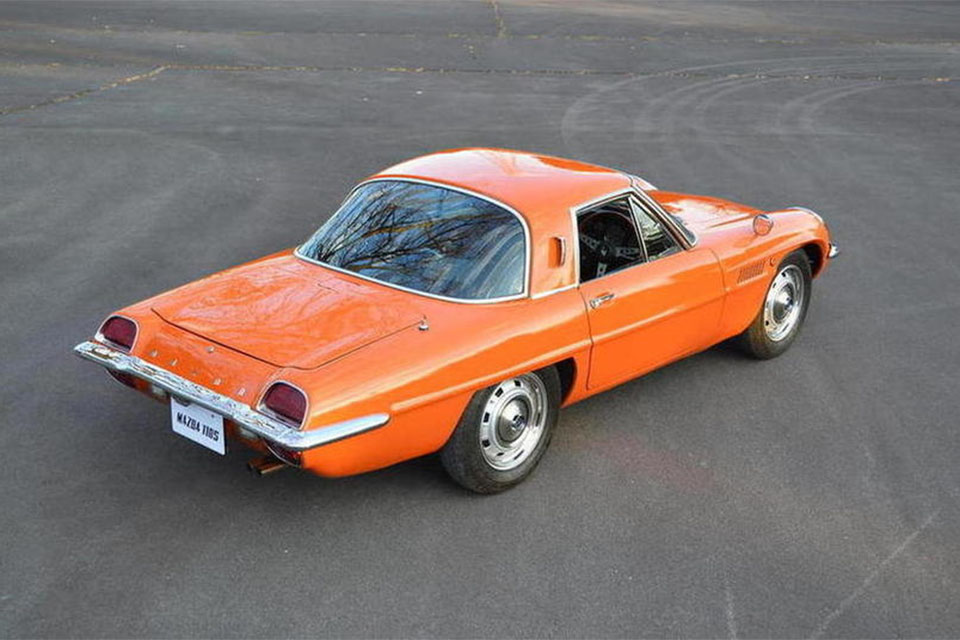
1. Mazda Cosmo 110S
The Mazda Cosmo 110S is often remembered as one of the first production cars to feature a rotary engine. Introduced in the late 1960s, the Cosmo 110S featured Mazda’s 0810 982cc twin-rotor engine, making it a pioneering vehicle in rotary technology.
The engine produced about 110 horsepower, which was remarkable for its displacement at the time. It allowed the Cosmo 110S to achieve smooth acceleration and a unique exhaust note, characteristics that made it stand out among contemporaries.
Beyond performance, the compact size of the rotary engine enabled Mazda to create a sleek coupe with a low hood line and a stylish profile, elements that helped the car gain attention in automotive shows and media.
The design of the Cosmo 110S was futuristic for its era, blending clean lines with a distinctive front end that hinted at its mechanical uniqueness. The rotary engine allowed for a longer cabin space relative to the car’s length, creating a more comfortable interior without sacrificing performance.
Mazda marketed the car as a luxury sports coupe, offering features uncommon in small coupes of the time, such as a well-appointed interior, optional air conditioning, and advanced instrumentation. Its appeal was not limited to speed enthusiasts; it attracted buyers who wanted innovation, style, and reliability in a single package.
Despite its pioneering status, the Cosmo 110S faced challenges typical of early rotary engines. Fuel consumption was higher than that of similar piston-engine cars, and owners had to pay careful attention to maintenance, particularly the seals around the rotor housing.
Nevertheless, Mazda used the Cosmo 110S as a platform to demonstrate the rotary engine’s potential and to establish the company as a leader in alternative engine technology. Its limited production numbers made it an exclusive and collectible vehicle, cementing its status as a key milestone in automotive history.
Today, the Cosmo 110S is celebrated among collectors and rotary enthusiasts alike. Its combination of historical significance, elegant styling, and rotary-engine performance makes it a standout example of Mazda’s commitment to innovation.
For those unfamiliar with rotary engines, the Cosmo 110S provides a glimpse into a time when manufacturers dared to experiment and push conventional boundaries, creating cars that were both mechanically advanced and visually striking.
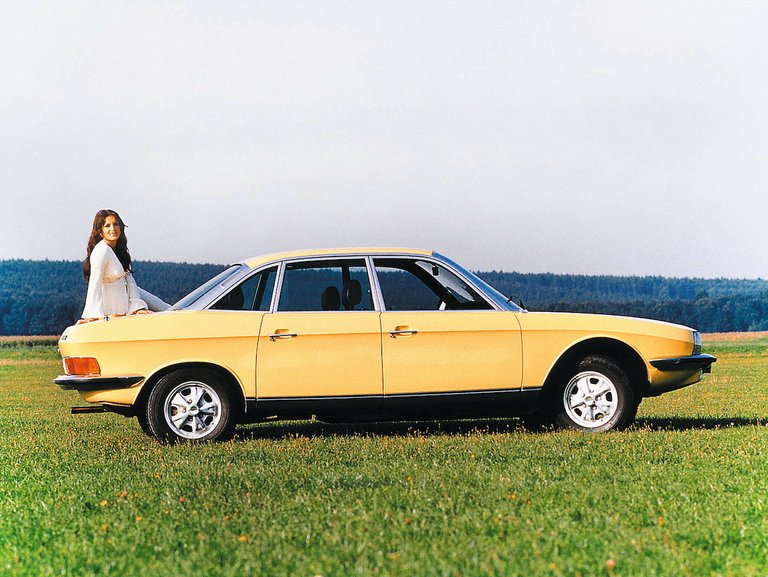
2. NSU Ro 80
The NSU Ro 80, produced by the German automaker NSU in the late 1960s and early 1970s, is another surprising car that used a rotary engine. Unlike most rotary-powered cars that were compact or sports-oriented, the Ro 80 was a large executive sedan.
It featured a 1.0-liter twin-rotor engine producing roughly 113 horsepower, which was sufficient to propel the car comfortably at highway speeds.
The rotary engine allowed the Ro 80 to maintain a smooth and refined driving experience, differentiating it from the typically noisy and vibration-prone piston engines found in luxury sedans of the era.
Styling for the Ro 80 was revolutionary, with a wedge-shaped body and aerodynamic lines that still feel modern decades later. The car’s design reflected NSU’s ambition to combine technological advancement with visual innovation.
The compactness of the rotary engine played a crucial role, allowing engineers to optimize interior space while keeping the car’s weight and balance favorable for handling.
The result was a sedan that felt nimble despite its size, with an engine that could rev freely without the heavy components associated with traditional powertrains.
However, the NSU Ro 80 faced reliability issues, particularly with early engine seal designs that led to premature wear. While the rotary engine offered a smooth and powerful performance on paper, maintenance demands were higher than expected.
These challenges affected NSU’s reputation and contributed to the model’s relatively short production run. Despite these drawbacks, the Ro 80 is remembered for its daring approach to automotive engineering and remains a sought-after collector’s item among rotary enthusiasts.
The Ro 80 demonstrates that rotary engines were not confined to small sports cars. They could find a place in luxury sedans, where refinement and smoothness were priorities.
The vehicle’s combination of advanced engineering, distinctive styling, and practical usability highlights the versatility of rotary engines and their potential to redefine expectations for cars outside traditional sports car categories.
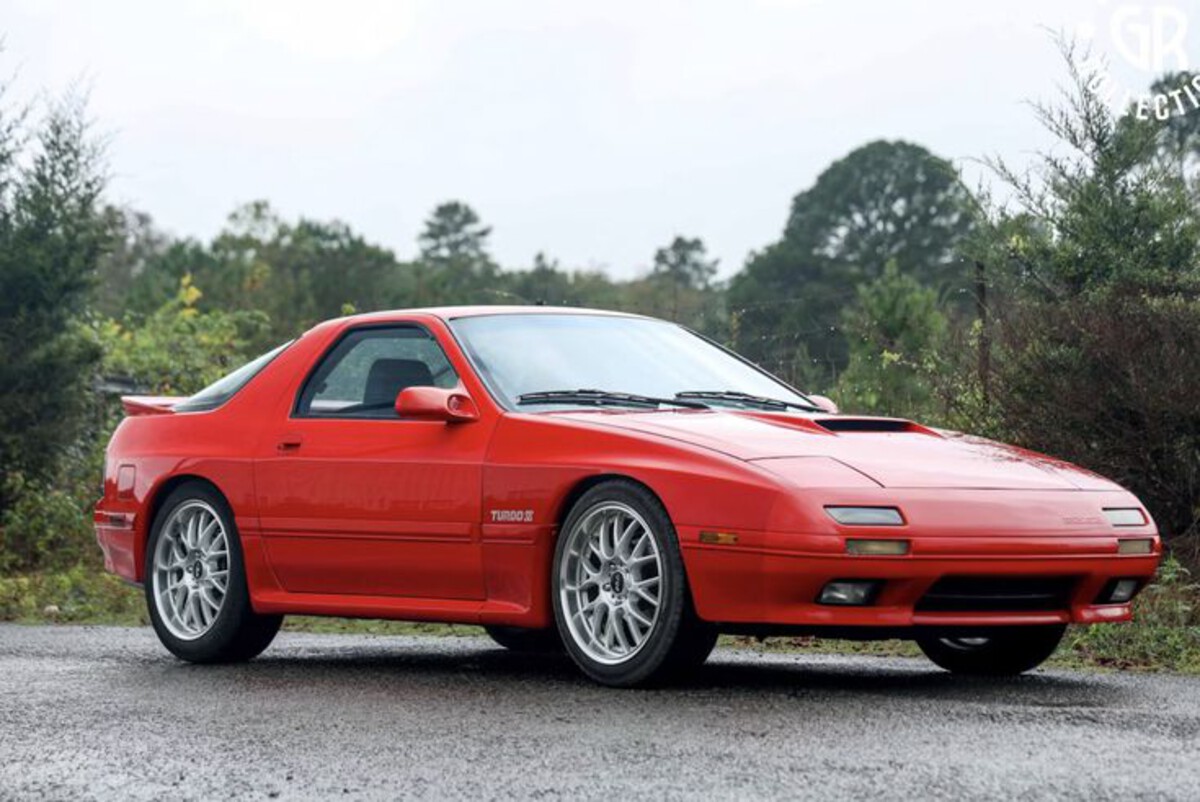
3. Mazda RX-7 Series
Perhaps no car is more synonymous with the rotary engine than the Mazda RX-7. Introduced in the late 1970s, the RX-7 combined lightweight construction, balanced handling, and a rotary powerplant to create a pure sports car experience.
The first-generation RX-7 featured the 12A rotary engine, producing around 100 to 135 horsepower depending on the market.
Its small, high-revving engine allowed the car to maintain a low center of gravity, contributing to agile handling and responsive driving dynamics. The RX-7’s lightweight design meant that even modest horsepower could deliver thrilling performance.
The second-generation RX-7, introduced in the mid-1980s, adopted the 13B engine, which offered improved power output and fuel efficiency. Turbocharged versions further enhanced performance, making the RX-7 a serious contender in sports car competitions.
The car’s rotary engine provided smooth acceleration and a distinctive sound that became a hallmark of its identity. Its compact size allowed Mazda to experiment with styling and weight distribution, ensuring that the RX-7 remained competitive against larger piston-powered rivals.
Throughout its production, the RX-7 remained a beloved platform for tuners and racing enthusiasts. Rotary engines’ ability to rev high and respond quickly to modifications made the RX-7 highly adaptable for motorsport, from track racing to autocross.
Owners often embraced the challenges of maintenance, viewing them as part of the car’s charm and uniqueness. The RX-7 demonstrated that rotary engines could power a mainstream sports car successfully, maintaining both reliability and excitement.
The RX-7 series helped cement Mazda’s reputation as the leading rotary-engine manufacturer. Its combination of performance, style, and engineering ingenuity has left a lasting legacy in the sports car world.
Even today, the RX-7 is celebrated for its rotary engine, which allowed the car to offer a driving experience unlike any other, blending speed, agility, and mechanical curiosity in a package that remains compelling decades after production ended.
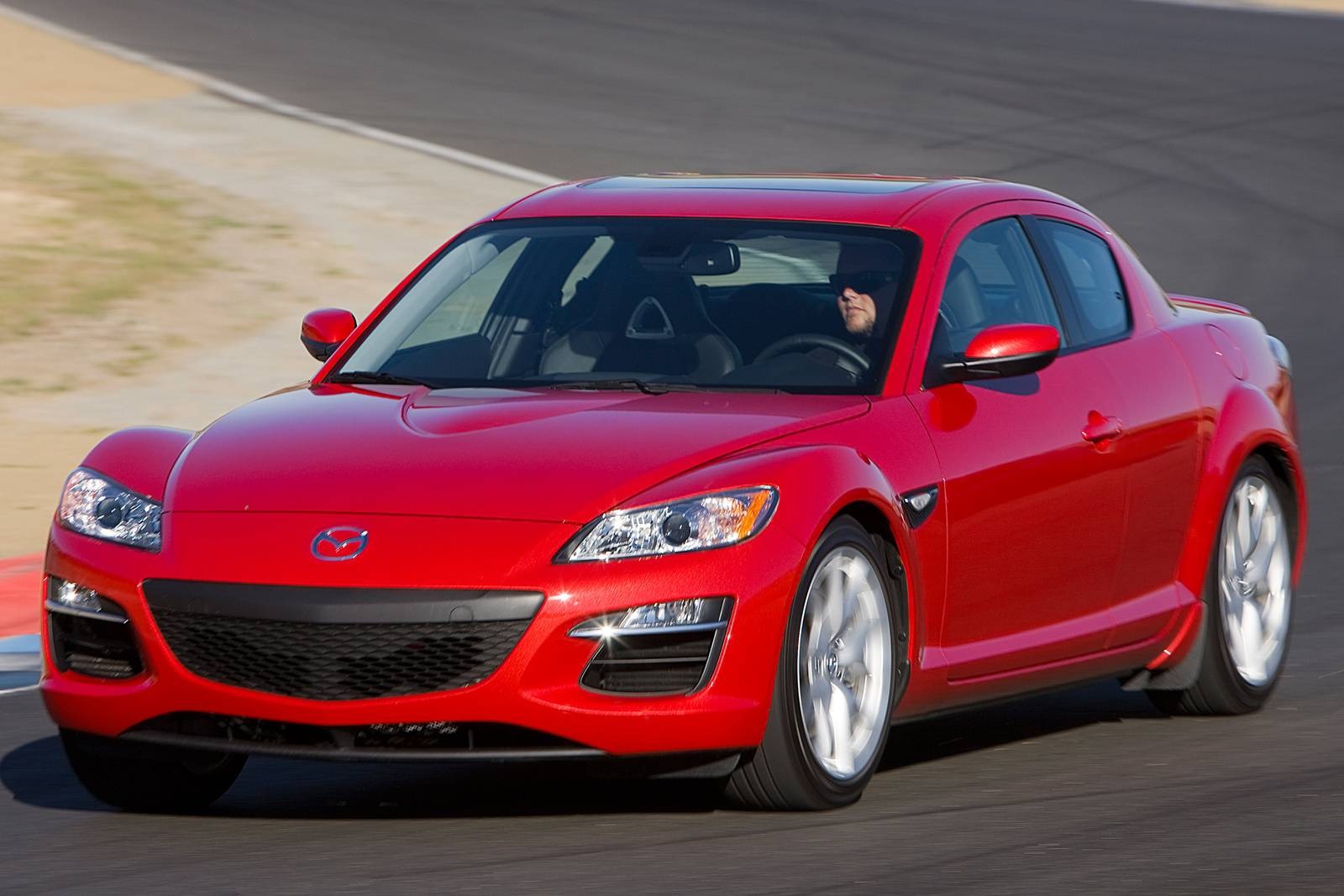
4. Mazda RX-8
The Mazda RX-8 was a bold attempt to bring the rotary engine into a modern sports car with practical usability. Introduced in the early 2000s, the RX-8 featured the Renesis 1.3-liter rotary engine, producing around 232 horsepower in stock form.
Unlike previous RX models, the RX-8 adopted a four-door coupe design with rear-hinged “freestyle” doors, allowing easier access to the rear seats. The compact size of the rotary engine enabled this innovative design without compromising the car’s low-slung sports car profile.
The RX-8 focused on delivering a balanced driving experience, emphasizing agility, precise steering, and a near-perfect weight distribution.
The Renesis engine was refined to reduce emissions and improve fuel efficiency compared to earlier rotary engines, addressing one of the longstanding criticisms of rotary technology.
The car’s design and engineering showcased Mazda’s dedication to keeping the rotary engine relevant in an era dominated by piston engines and emerging environmental standards.
While the RX-8 was praised for its handling and unique character, it faced challenges with maintenance and long-term reliability. Engine flooding, apex seal wear, and oil consumption required careful attention from owners.
Despite these issues, the RX-8 remained a symbol of Mazda’s commitment to rotary innovation and a beloved choice for enthusiasts seeking a distinctive alternative to conventional sports cars.
The RX-8’s blend of practicality, performance, and rotary uniqueness made it a standout in its segment. It offered an everyday usability that previous rotary sports cars lacked, while maintaining the character and thrill associated with Wankel engines.
The RX-8 proved that even modern automotive trends could accommodate rotary engines, keeping the legacy of innovative design and mechanical ingenuity alive into the twenty-first century.
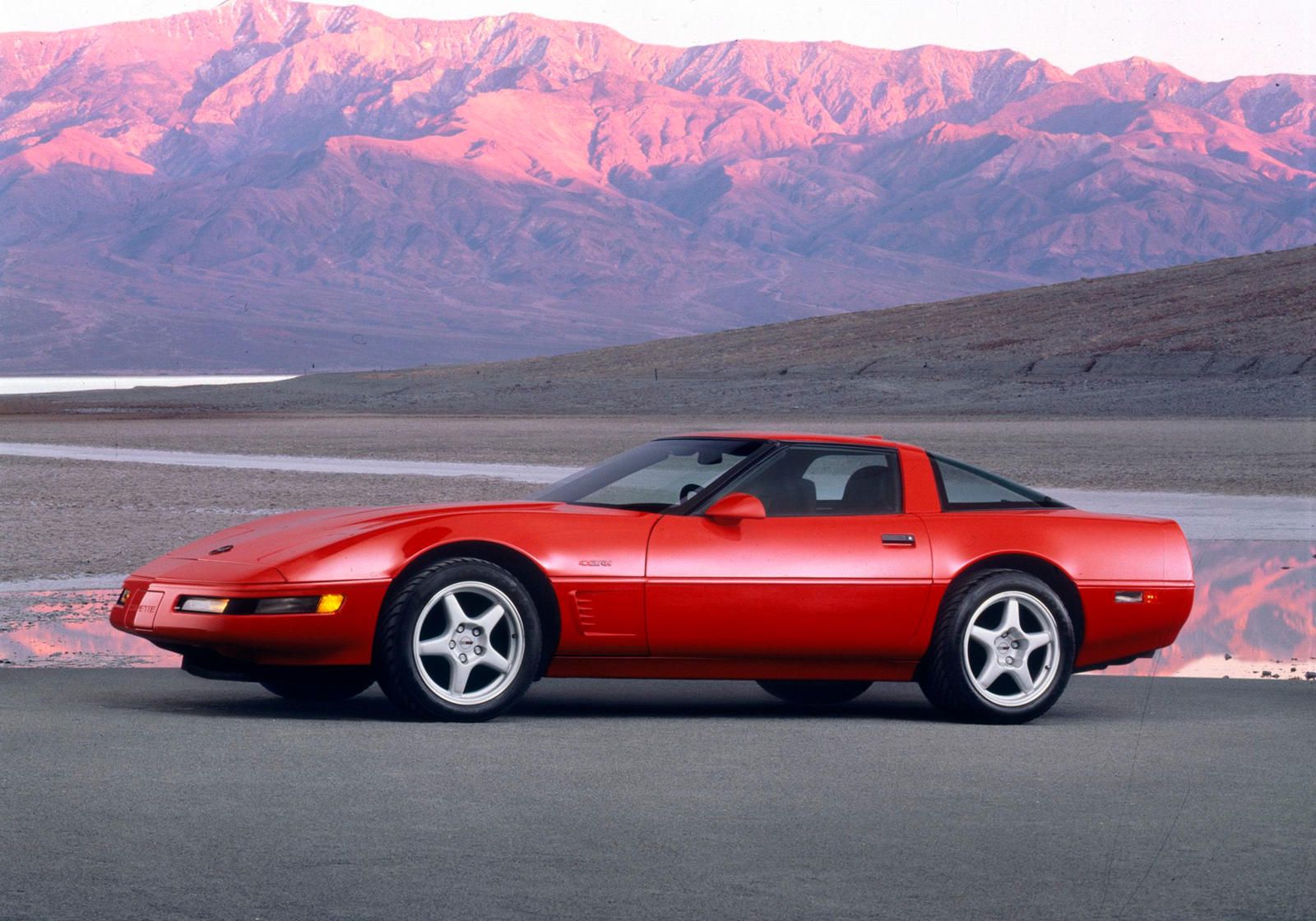
5. Chevrolet Corvette (Experimental Rotary)
Few people realize that the iconic Chevrolet Corvette flirted with rotary engine technology during experimental development in the late 1960s.
While production Corvettes always relied on powerful V8 engines, engineers explored the possibility of using a twin-rotor rotary engine to reduce weight and increase the car’s power-to-weight ratio.
The experimental Corvette rotary engine was compact and lightweight, promising a lower hood line and a more aerodynamic profile, which could have significantly altered the Corvette’s silhouette.
Even though it never reached production, prototypes were tested extensively on closed tracks, offering engineers insight into how the rotary engine might perform in a high-performance American sports car.
The rotary engine experiments with the Corvette highlighted both the advantages and challenges of Wankel technology. On one hand, the engine could deliver smooth, high-revving performance and potentially reduce engine bay weight, improving balance and handling.
On the other hand, the engineers encountered issues with heat management and long-term durability when matched with the Corvette’s expected high output.
Lubrication and seal wear were particularly concerning, as the engine was pushed to extreme conditions in an attempt to match or surpass the V8’s performance.
Despite never reaching dealerships, the rotary Corvette project influenced future American experimentation with compact performance engines.
It demonstrated that even a brand so closely associated with traditional V8 muscle power could consider alternatives that offered a different driving dynamic.
Enthusiasts who study Corvette history often view the rotary prototypes as a glimpse of what might have been, a curiosity that blends innovation with the boldness typical of General Motors’ engineering experiments during that era.
Today, the rotary Corvette is largely remembered as a rare footnote in automotive history, yet it carries significant intrigue.
Its existence proves that the appeal of rotary engines was not limited to Japanese or European sports cars, and that even an emblematic American performance vehicle could have been reshaped by Wankel technology.
Collectors and rotary fans often speculate about the driving experience of such a car, imagining a Corvette with the high-revving, smooth characteristics of a rotary engine that might have rewritten perceptions of American sports car performance.
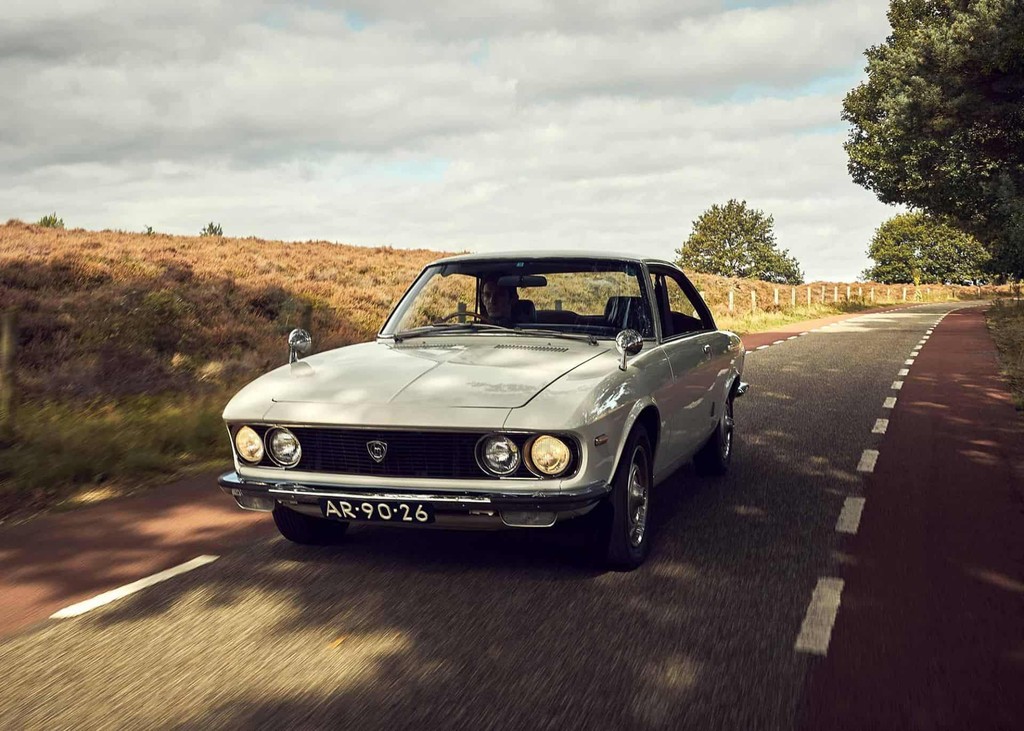
6. Mazda Luce Rotary
The Mazda Luce, primarily known as a mid-size luxury sedan, also saw rotary engine applications that surprised many. Launched in the 1960s, the Luce was equipped with a variety of engines over its lifetime, but select models featured the rotary-powered 10A and later 12A engines.
This combination of luxury and rotary technology was unusual, as rotary engines were often associated with small sports cars rather than sedans.
The Luce rotary provided smooth acceleration and a quiet, vibration-free ride, qualities appreciated by buyers looking for both performance and comfort in a mid-size vehicle.
Mazda’s application of the rotary engine in the Luce required careful engineering adjustments to ensure durability and reliability. Rotary engines produce heat differently from piston engines, and the additional cooling considerations were crucial in a sedan designed for long-distance travel.
The compact size of the engine allowed Mazda to maximize cabin space without compromising the car’s sleek exterior lines, demonstrating the practical advantages of rotary technology beyond pure sports applications.
The Luce proved that Wankel engines could be integrated into more conventional vehicles while maintaining performance benefits.
The luxury-oriented interior of the Luce complemented the rotary engine’s refined character. Features like high-quality upholstery, advanced instrumentation for the era, and smooth automatic transmissions provided a level of sophistication uncommon in rotary-powered vehicles.
Buyers enjoyed the car’s responsive acceleration and unique exhaust sound without sacrificing everyday usability, making it an intriguing option for those who wanted something different yet practical.
The rotary engine gave the Luce an edge over competitors that relied solely on traditional piston engines, highlighting Mazda’s willingness to experiment beyond niche sports cars.
Collectors today regard the rotary Luce as an overlooked gem in automotive history. Its combination of luxury, innovative engineering, and rotary uniqueness has gained appreciation among enthusiasts who seek models that demonstrate Mazda’s broader commitment to Wankel technology.
Unlike the RX-7 or RX-8, the Luce offered a more understated application of the rotary engine, blending sophistication with mechanical ingenuity in a package that challenged conventional expectations for what a rotary-powered car could be.

7. Citroën GS Birotor
The Citroën GS Birotor is a rare example of a European manufacturer experimenting with twin-rotor Wankel engines. Introduced in the early 1970s, the GS Birotor featured a 1.996-liter twin-rotor engine, which produced around 107 horsepower.
While the regular GS used conventional piston engines, the Birotor was intended to showcase Citroën’s commitment to innovation and technological advancement. The rotary engine allowed for a smooth and quiet ride, aligning with Citroën’s reputation for comfort and unconventional engineering.
The Birotor’s low center of gravity and balanced weight distribution also enhanced handling, offering a unique driving experience compared to the standard GS.
Despite its technological promise, the GS Birotor faced significant obstacles in the market. The 1973 oil crisis dramatically increased fuel prices, making rotary engines less attractive due to their higher consumption compared to piston engines. Additionally, the Birotor was significantly more expensive than standard GS models, limiting its appeal.
Maintenance and repair costs were also higher because of the complex rotary engine, which required specialized knowledge. These factors led to limited production, and many units were eventually recalled and destroyed, making surviving examples exceedingly rare today.
The GS Birotor’s design reflected Citroën’s forward-thinking approach. The rotary engine’s compact dimensions allowed for a spacious interior and a smooth, flowing exterior line, maintaining the aerodynamic qualities for which Citroën was known.
The suspension system, coupled with the rotary engine’s characteristics, produced a driving experience that was quiet, refined, and mechanically fascinating.
The car served as a demonstration of how rotary engines could be adapted to mainstream European sedans, even if market forces prevented widespread adoption.
Today, the Citroën GS Birotor is a collector’s curiosity, representing one of the boldest European attempts to embrace rotary technology. Its rarity, combined with the unusual pairing of Citroën’s distinctive engineering philosophy and Wankel innovation, makes it a highly sought-after model among rotary enthusiasts and automotive historians.
It stands as a reminder of how even mainstream manufacturers explored the boundaries of engine design in an era of experimentation and ambition.

8. Mazda Familia Rotary Coupe
The Mazda Familia, better known in some markets as the Mazda 323, is another vehicle that hid rotary engine variants from the mainstream eye. The Familia Rotary Coupe, introduced in the early 1970s, featured the 12A engine, delivering a spirited driving experience from a compact platform.
While the Familia was primarily a practical small car, the rotary-powered coupe offered a performance-oriented version that appealed to younger buyers seeking an affordable yet exciting vehicle. Its lightweight chassis, combined with the high-revving characteristics of the rotary engine, made it surprisingly quick and agile on narrow roads.
Beyond performance, the rotary Familia coupe offered design elements that highlighted its sporty character. The exterior featured sleek lines, a low hood, and subtle styling cues that differentiated it from the standard Familia.
Interior features, while simple, were ergonomically designed to match the driver-focused intent of the car. The combination of style, performance, and innovative engine technology made the Familia Rotary Coupe a unique and memorable model in Mazda’s lineup.
Collectors and enthusiasts often praise the Familia Rotary Coupe for its blend of accessibility and excitement. Unlike more exotic rotary cars, it provided an entry point into rotary ownership without requiring a large investment, yet it retained the engineering charm and driving thrills of more high-end Mazda sports cars.
Its place in automotive history is a testament to Mazda’s ability to experiment creatively with rotary engines in unexpected segments, delivering performance where it was least anticipated.
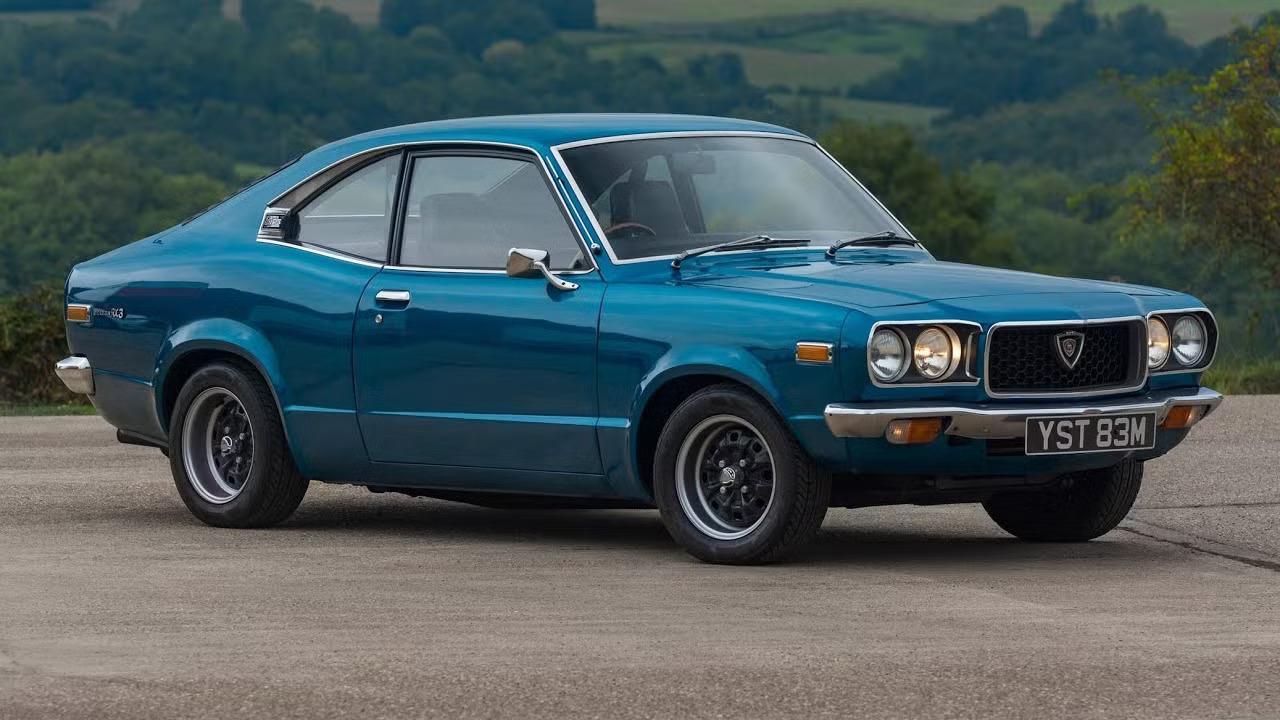
9. Mazda RX-3
The Mazda RX-3, introduced in the early 1970s, is a rotary-powered classic that often surprises enthusiasts who primarily associate Mazda’s rotary engines with the RX-7 or RX-8. The RX-3 utilized the 10A and later the 12A rotary engines, offering a combination of compact size, high-revving performance, and reliability that made it a standout in the sports car and touring segments.
Its lightweight construction, paired with a responsive rotary engine, allowed the RX-3 to achieve impressive acceleration for its class while maintaining balanced handling.
Unlike larger piston-powered competitors, the RX-3 felt nimble, agile, and spirited on both city streets and winding country roads, delivering a unique driving experience that became a hallmark of Mazda’s rotary philosophy.
The styling of the RX-3 reflected Mazda’s early approach to designing small performance cars with a touch of sophistication. Its long hood, short rear deck, and clean lines emphasized both speed and elegance, while the compact rotary engine allowed designers to achieve a lower hood profile and better weight distribution.
The interior, while modest, focused on driver engagement, with a simple yet functional layout that ensured all essential controls were within easy reach.
This focus on driving ergonomics, combined with the rotary engine’s high-revving characteristics, made the RX-3 a favorite among enthusiasts who valued both practicality and excitement.
Collectors today regard the RX-3 as an essential chapter in rotary engine history. Its combination of historical significance, performance potential, and compact design ensures that it remains highly sought after, especially among enthusiasts who appreciate cars that balance engineering ingenuity with engaging driving dynamics.
The RX-3 exemplifies Mazda’s commitment to proving that rotary engines were not a fleeting experiment but a viable and exciting alternative to conventional piston engines in both everyday and performance applications.
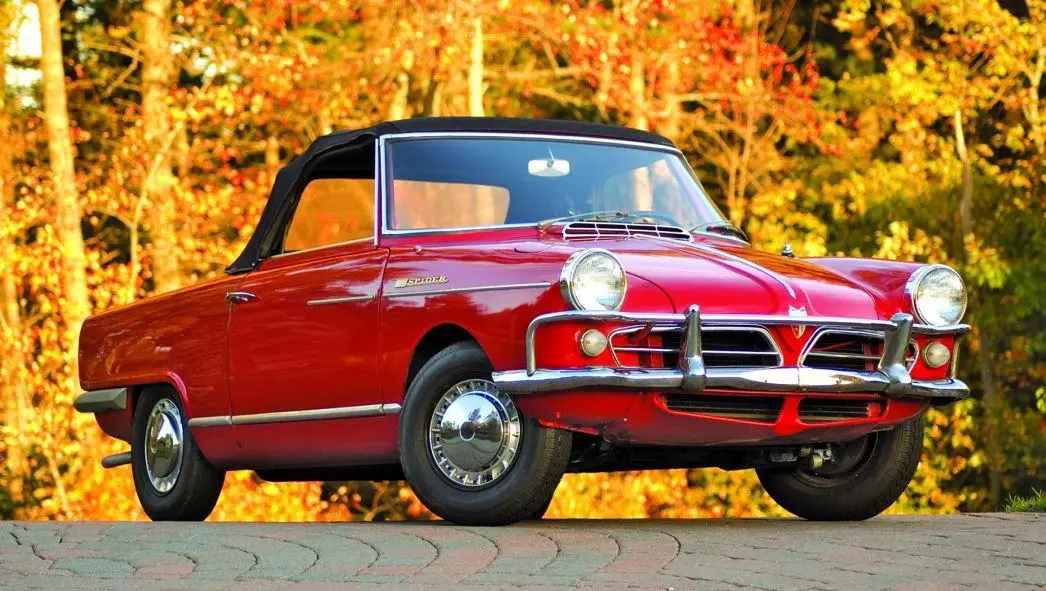
10. NSU Spider
The NSU Spider, introduced in the late 1960s, is one of the most obscure and surprising applications of a rotary engine in a small European sports car. Designed as a lightweight, open-top roadster, the Spider featured a single-rotor Wankel engine, producing around 50 horsepower from its 500cc displacement.
While modest in power by modern standards, the engine’s smoothness, high-revving nature, and compact size made the Spider feel lively and responsive on narrow roads and twisty routes.
The rotary engine allowed for a small engine bay, which contributed to the car’s low weight and balanced handling, creating an engaging driving experience that few other microcars could match.
The styling of the NSU Spider reflected the minimalist, functional ethos of NSU’s engineering. With a low-slung body, simple lines, and a lightweight chassis, the car was designed for driving pleasure rather than luxury or speed records.
The compact rotary engine allowed engineers to maintain a low center of gravity, enhancing stability and cornering ability. Despite its small size, the Spider felt substantial on the road, with precise steering and a responsive throttle that highlighted the unique characteristics of the Wankel engine.
Challenges for the NSU Spider were similar to other rotary-powered vehicles, particularly in terms of maintenance and fuel efficiency. Early Wankel engines required attention to cooling, sealing, and lubrication, and the Spider’s compact design meant that accessing components could be more difficult than in conventional cars.
Nonetheless, the engineering solutions implemented by NSU ensured that the car remained reliable for its intended use, and its uniqueness helped it stand out among competitors in the small sports car market.
Today, the NSU Spider is an extraordinary example of how rotary engines could be applied in unexpected ways. It demonstrates that even very small cars could benefit from Wankel technology, offering driving enjoyment, mechanical innovation, and distinctive character.
Its rarity, combined with the unusual choice of powertrain, makes the Spider a highly valued collector’s piece and a fascinating footnote in the history of rotary-powered vehicles.
