
Las Vegas is known for temperatures that push machinery to its limits. The combination of scorching summers, long open stretches, and the dry desert climate can punish any car that is not built with durability, thermal stability, and mechanical resilience in mind.
People who live in the region or visit often quickly discover that some vehicles behave calmly and confidently in the heat, while others strain, sputter, and struggle when the mercury climbs far past what is considered normal in most places.
This difference becomes even more noticeable on the roads that stretch beyond the main city corridors, where the pavement reflects heat like a mirror and the air feels thick with rising currents from the ground. A car that performs well under these conditions earns trust during long drives, especially when emergencies, detours, or delays make the journey longer than expected.
Choosing the right car for such an environment is not only a matter of comfort but also safety and practicality. Engines must handle prolonged thermal stress, cooling systems must maintain steady performance, and components such as belts, hoses, and fluids must hold up under repeated exposure to high temperatures.
Even something as simple as the ventilation in the cabin can affect the experience of the driver, especially during long commutes or weekend trips outside the city limits.
The wrong vehicle can drain your patience and your wallet, since frequent overheating can lead to breakdowns, towing expenses, and repairs that become recurring rather than rare. On the other hand, the right vehicle can make the same environment feel manageable and even enjoyable.
Some people assume that all modern cars will perform equally well in hot climates, but anyone who has driven in the region long enough knows that this is not entirely true. Variations in engineering, design focus, and reliability history all play a role in how a car manages extreme temperatures.
There are clear differences in how certain models endure the harsh sun and how others give up too quickly. This article aims to present five cars that handle Las Vegas heat and desert roads with confidence and five that tend to overheat or underperform in these demanding conditions.
The goal is to help drivers understand what characteristics matter most and what patterns to watch out for when selecting a vehicle that can stand up to the heat rather than struggle against it.
5 Cars That Handle Las Vegas Heat and Desert Roads
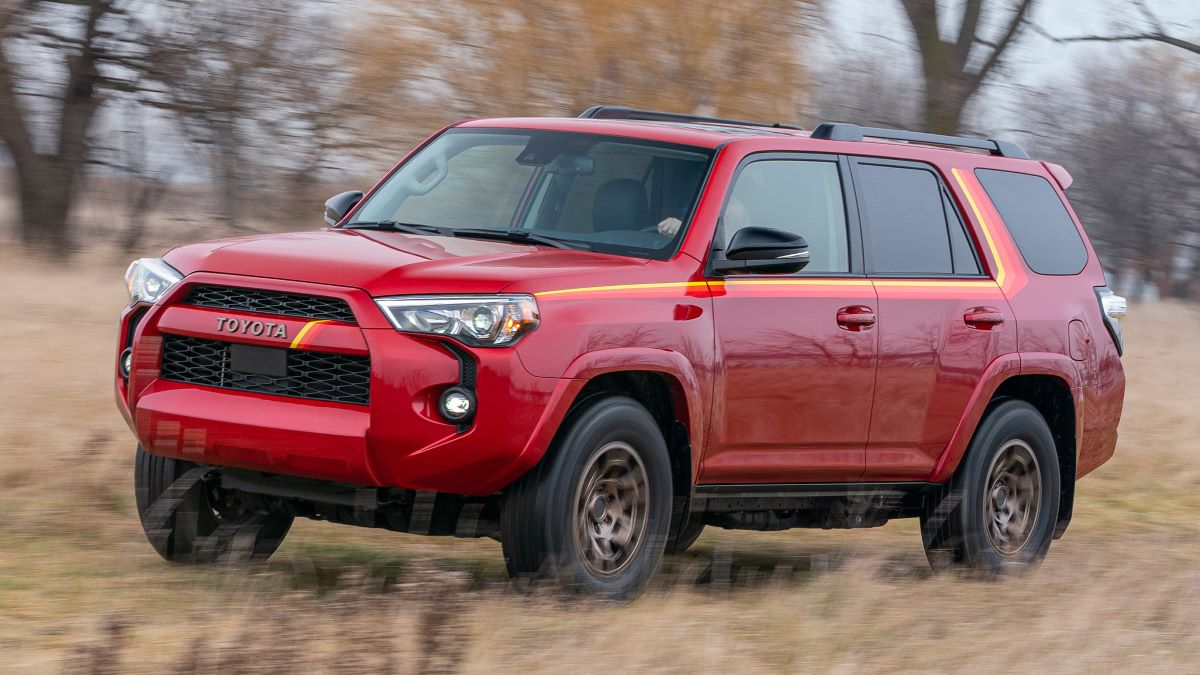
1. Toyota 4Runner
The Toyota 4Runner stands out as a vehicle that seems naturally suited for the demands of regions where temperatures rise to levels that many cars simply cannot tolerate. Its structure is designed with durability in mind, which becomes apparent when driving through heat that feels as if it radiates from the road with relentless force.
Many vehicles begin to strain when exposed to extended sun exposure combined with engine stress, yet the 4Runner maintains a stability that gives drivers peace of mind.
Even during long summer afternoons when the pavement radiates intense warmth and the sun remains high, the engine continues running with a predictable and steady performance that many owners rely on year after year. This confidence is one of the main reasons drivers trust it for both daily use and extended desert travel.
Inside the cabin, comfort remains consistent even when conditions outside feel punishing. The air conditioning system is strong enough to cool the interior without struggling, and the vents distribute airflow evenly around the cabin. This matters more than many people realize, because interior heat buildup can make drivers tired, uncomfortable, and distracted.
The 4Runner prevents that issue by keeping both front and rear passengers cool throughout extended drives, even when the sun has been baking the interior for hours. Whether you are waiting in long lines of traffic under intense sunlight or heading across open desert with little shade in sight, the cabin environment helps keep you alert and relaxed.
Maintaining the 4Runner is relatively straightforward, and routine service is usually enough to keep it thriving despite the intense climate. Owners appreciate that issues are rare and predictable rather than sudden and costly. Because the vehicle avoids fragile components that often fail in hot environments, drivers face fewer unexpected visits to repair shops.
With proper care, the 4Runner can remain stable and trustworthy even after years of exposure to the unforgiving climate surrounding Las Vegas. This combination of cooling strength, structural resilience, and long term dependability makes it a top choice for desert driving.

2. Jeep Wrangler
The Jeep Wrangler has earned a reputation for toughness, and that toughness extends far beyond off road adventures. It excels in areas where temperatures rise quickly and remain high for most of the day, which is a daily reality around Las Vegas.
Its engine is engineered to handle slow and steady movement in challenging conditions, which means it manages heat in a controlled and predictable way.
This characteristic is important because many cars depend heavily on consistent airflow at high speeds, and they begin to overheat during long periods of idling or stop and go traffic. The Wrangler avoids this problem because its cooling system does not rely on momentum. Instead, it is built to support sustained strain even when movement is minimal.
Inside the Wrangler, ventilation remains one of its strengths. The air conditioning system has the power to cool the cabin even after the vehicle has been parked in direct sunlight, which is common in regions where shade is limited. Older models maintain reliable airflow as well, making the Wrangler feel supportive rather than burdensome during the hottest months.
While the interior design is centered on function rather than luxury, the comfort level is more than adequate for long drives. The balance of airflow and durable cabin design helps drivers remain comfortable and focused throughout trips that might exhaust passengers in other vehicles.
While maintenance on a Wrangler can vary depending on driving habits, it generally holds up better to extreme temperatures than many modern compact vehicles. The cooling system is intentionally robust because the vehicle is built for scenarios that naturally generate heat.
When properly cared for, the Wrangler is unlikely to suffer sudden temperature spikes or overheating incidents even during the height of summer.
Drivers who value practical toughness and consistent performance often keep their Wranglers for many years because they know the vehicle can tolerate the climate far better than most. This makes it a popular choice among people who live in or frequently visit desert regions.
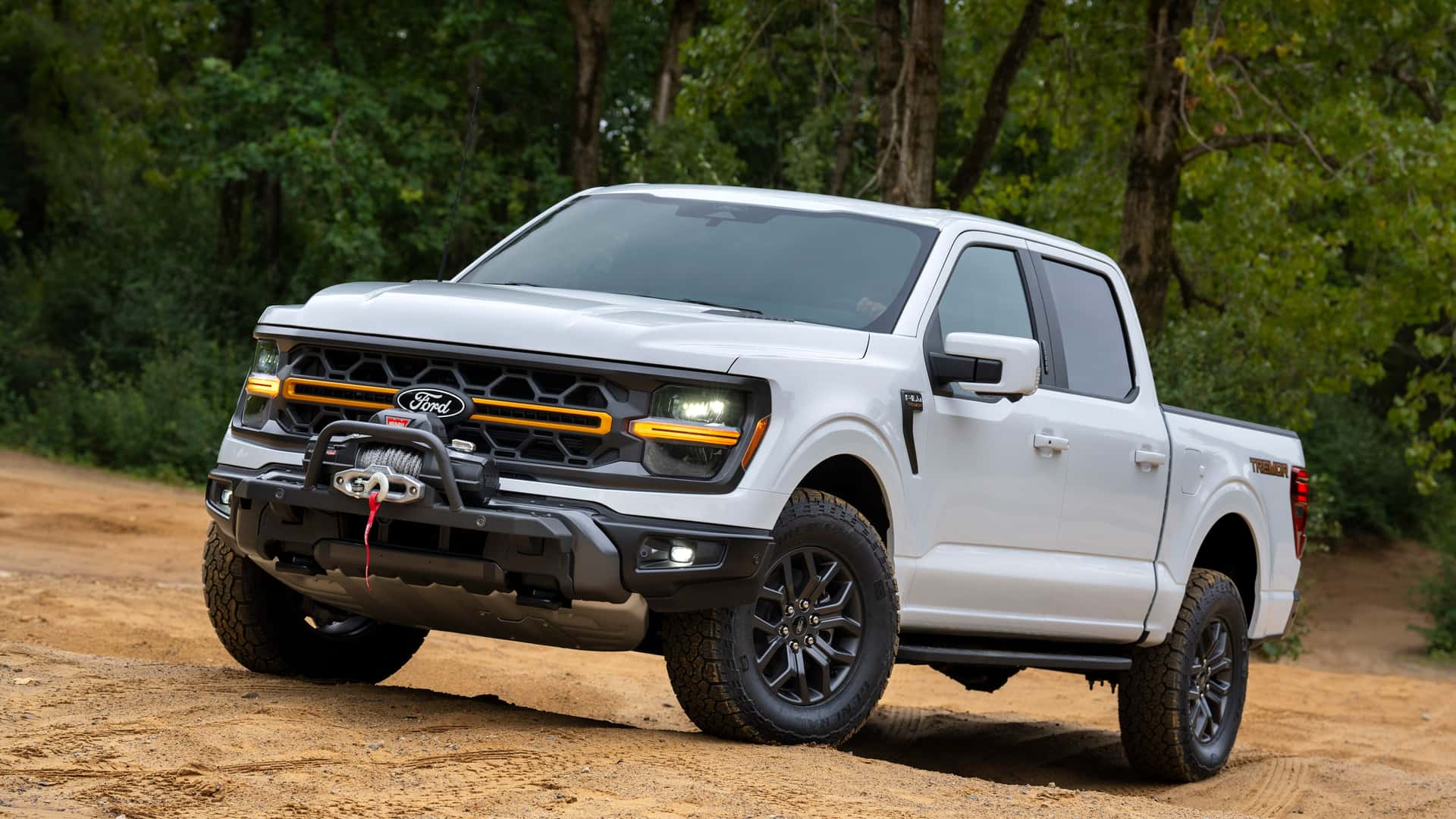
3. Ford F150
The Ford F150 remains one of the most capable trucks on the market for drivers who face extreme temperatures on a daily basis. Its large engines, whether V6 or V8, are supported by cooling systems designed to handle the pressures of towing and hauling heavy loads.
This means that even without cargo, the vehicle runs with significant cooling cushion, allowing it to stay stable under intense heat. Many trucks perform well in short bursts but falter during prolonged strain. The F150 distinguishes itself by staying consistent even during all day drives in temperatures that climb far higher than average.
The interior cooling power of the F150 is another strong advantage. A truck this size requires a capable air conditioning system, and Ford clearly acknowledges this. The cabin cools quickly and stays cool even when the sun feels relentless.
Passengers in both the front and back seats benefit from steady airflow, making the environment comfortable for families, workers, or anyone traveling long distances.
The relaxed atmosphere inside the truck contrasts sharply with the heat outside, making long drives far more pleasant. For those who must travel often during peak summer hours, this comfort becomes more than a luxury, it becomes a necessity.
Maintenance on the F150 tends to be manageable, and heat related issues are uncommon when routine service is performed. The truck is built to withstand tough conditions, so its cooling system components are made from materials intended to last.
Radiators, hoses, and fans are usually sturdier than those found in smaller vehicles, giving the F150 a natural advantage in regions where heat is as common as sunshine. For drivers who require a dependable vehicle that will not complain about long hours in the sun, the F150 remains an excellent choice.
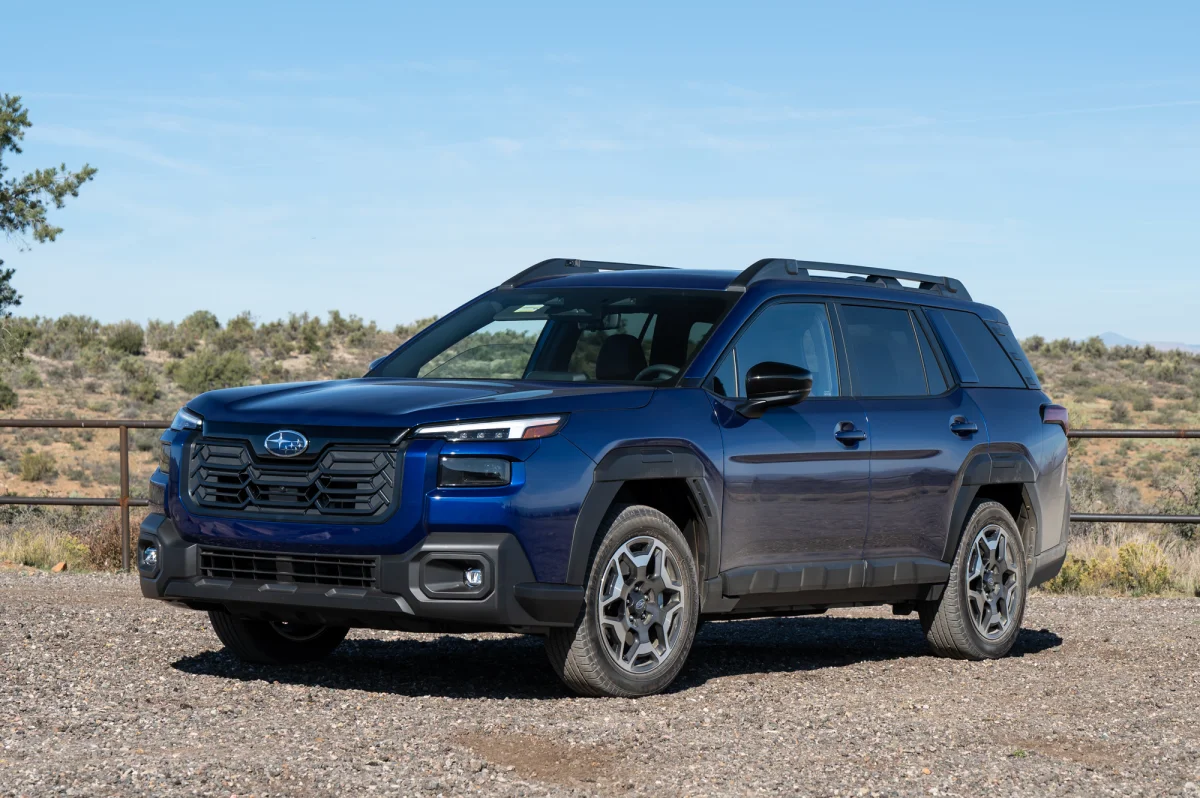
4. Subaru Outback
The Subaru Outback surprises many people with its ability to manage extreme heat, because it is often associated with colder or mixed climates. Yet the unique engine layout helps disperse heat more evenly than in many traditional vehicles.
The horizontal engine design spreads warmth across a wider area, preventing hot spots that often lead to overheating in vehicles with compact engines. This balanced distribution helps the Outback maintain smooth performance during long drives on sun baked highways where many vehicles experience rising temperatures.
The Outback offers a smooth ride that makes extended desert travel less tiring. Its suspension absorbs the bumps and irregularities that often appear on long desert roads, preventing unnecessary strain on the engine or transmission.
When you drive through areas where the air seems to ripple from the heat rising off the pavement, the Outback feels steady and composed. This stability helps drivers maintain confidence even during extended trips far from the heart of the city, where road conditions may vary significantly.
Inside the cabin, the Outback excels at maintaining a comfortable climate. The air conditioning system cools the interior with enough force to counter the heat that accumulates after long periods in direct sunlight. The insulated cabin helps keep the cool air inside and the hot air out.
This creates a comfortable environment where both passengers and drivers can relax rather than struggle against the rising heat. A quiet cabin also reduces the sense of fatigue that extreme heat can cause, making trips feel shorter and more pleasant.
Maintenance on the Outback is generally easy to manage, and the cooling system holds up well even under frequent exposure to hot temperatures. When routine care is applied, overheating problems are rare, making the vehicle a dependable companion for people who live in or frequently travel through desert regions.
The combination of a well balanced engine, comfortable interior climate, and durable engineering makes the Outback a noteworthy option for those facing the most intense temperatures the region offers.
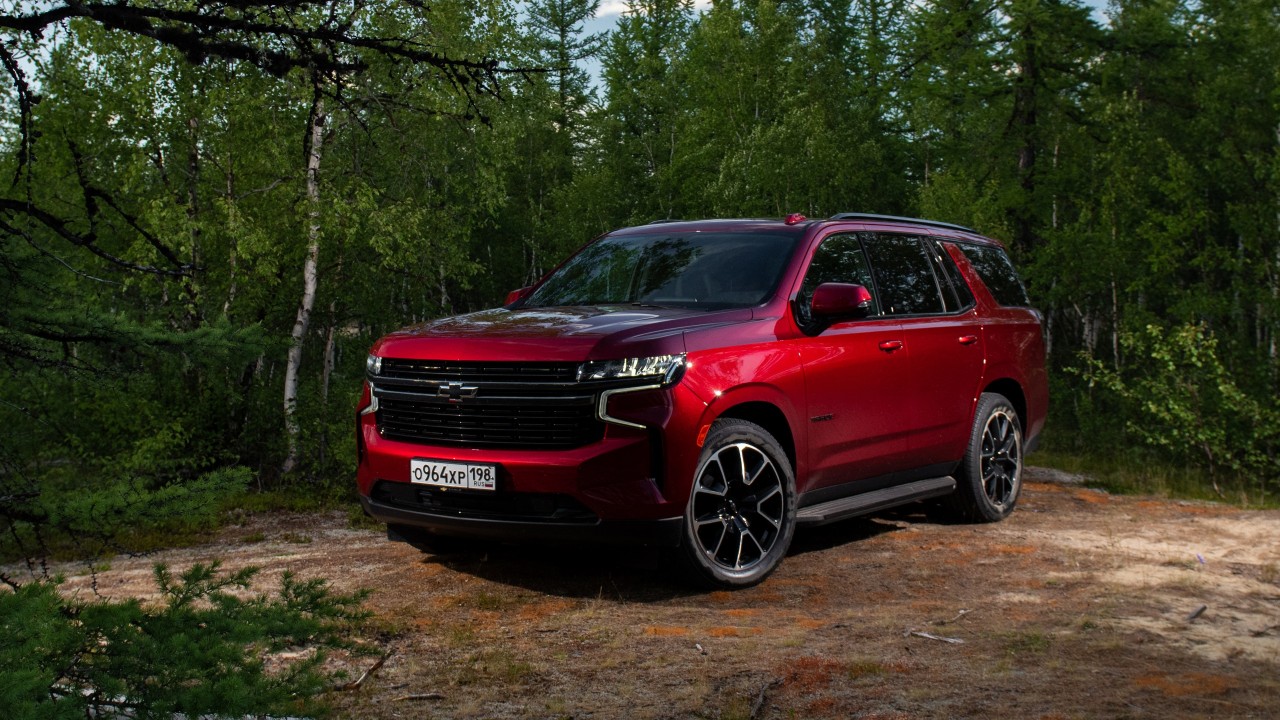
5. Chevrolet Tahoe
The Chevrolet Tahoe stands as a strong choice for drivers who need an SUV capable of handling both long family trips and harsh temperature conditions. Its powerful V8 engines are matched with cooling systems designed to support towing, hauling, and extended operation.
This generous cooling capacity gives the Tahoe an advantage during heat waves, hill climbs, and heavy traffic where temperatures rise rapidly. Many large vehicles struggle in extreme climates, but the Tahoe maintains a calm and steady response even when exposed to hours of direct sunlight.
One of the reasons the Tahoe performs so well in high heat is the amount of space available under the hood. The engine bay is large enough to prevent heat from becoming trapped, allowing air to circulate with relative ease. This reduces the chance of heat pockets forming around parts that need consistent cooling.
As a result, even when the engine is under strain, it avoids reaching the temperature thresholds that trigger warnings or shutdowns in less robust vehicles. The airflow through the front grille and engine compartment helps the vehicle maintain consistent temperature levels even during the peak of summer.
Maintenance on the Tahoe supports its long term reliability. Its cooling system components are sturdy, built for vehicles that routinely carry heavy loads. This level of durability means that with proper care, overheating issues remain rare even in the hottest regions.
The Tahoe offers a practical combination of strength, comfort, and cooling performance that fits the lifestyle of people who live near Las Vegas. For those who need a dependable and temperature resistant SUV, it remains one of the most trustworthy options available.
5 Cars That Tend to Overheat in Las Vegas Heat
1. Mini Cooper
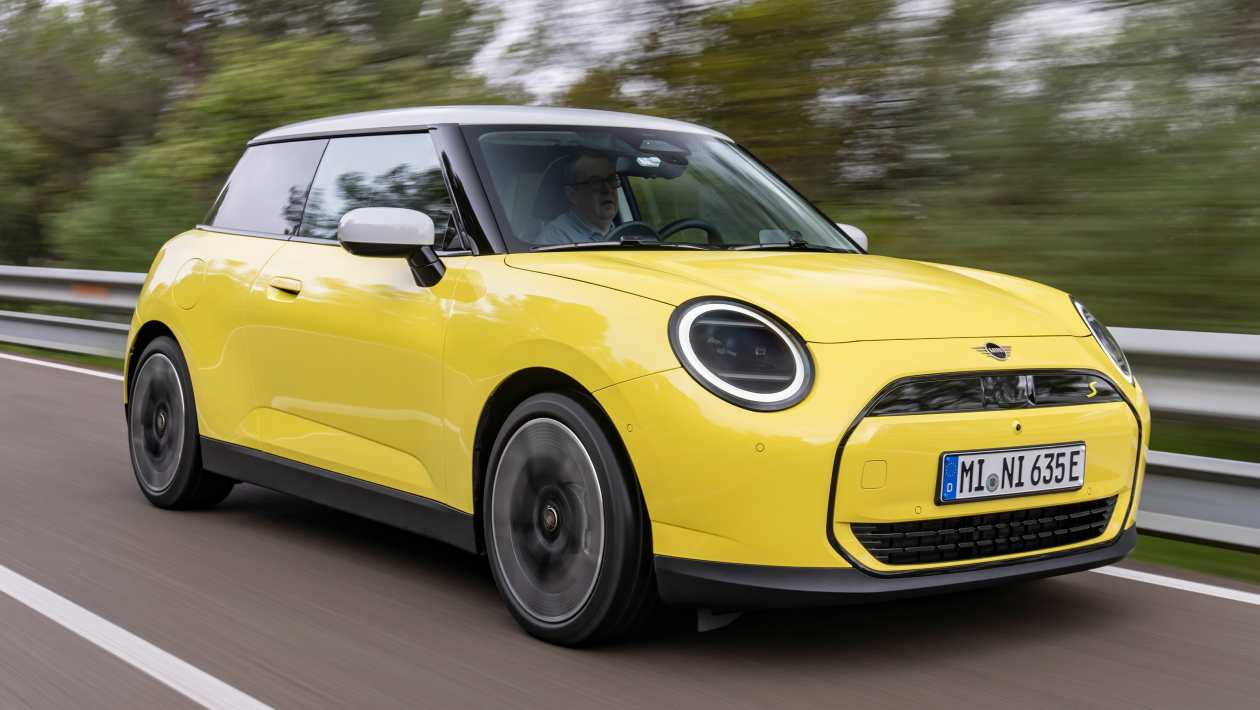
The Mini Cooper is a stylish and lively car, but those same qualities come with trade offs that become evident when exposed to the type of heat that dominates Las Vegas for a large portion of the year. The compact structure that makes the Mini so fun to maneuver also creates a confined engine bay that holds heat rather than letting it escape easily.
As a result, when temperatures rise to extremely high levels, the loyal Mini begins to feel the strain much earlier than larger vehicles with more space for airflow.
During long mid day drives, the temperature gauge can begin creeping upward, particularly when the car is required to maintain slower speeds on roads where traffic becomes congested. The effort required to keep the engine cool becomes noticeable, and the driver may feel a growing unease as the car works harder and harder.
The small turbocharged engines found in many Mini Cooper models add another challenge in desert climates. Turbocharged engines generate additional heat by design, and when combined with the already restricted space within the engine compartment, the temperature buildup can become overwhelming during long periods of use.
This becomes most apparent during summer days when the pavement radiates heat upward as if from a giant oven. When the vehicle cannot rely on steady airflow to assist with cooling, the engine temperatures can rise quickly, forcing the cooling fans to work continuously and aggressively.
This constant strain wears components faster, meaning the more time the Mini spends in extreme conditions, the quicker it begins to show signs of thermal fatigue.
Maintenance becomes a major factor in whether the Mini Cooper can handle the intense climate. Components such as coolant hoses, water pumps, and seals tend to wear faster in harsh desert temperatures, leading to repeated risks of overheating. Without strict and frequent attention, these parts can fail at inopportune moments, leaving drivers in difficult situations.
Even with proper care, the car simply does not possess the natural thermal resilience found in larger, more rugged vehicles. While the Mini Cooper is enjoyable, practical, and energetic in many settings, it often struggles to remain comfortable and reliable in the demanding heat of Las Vegas.
2. Fiat 500
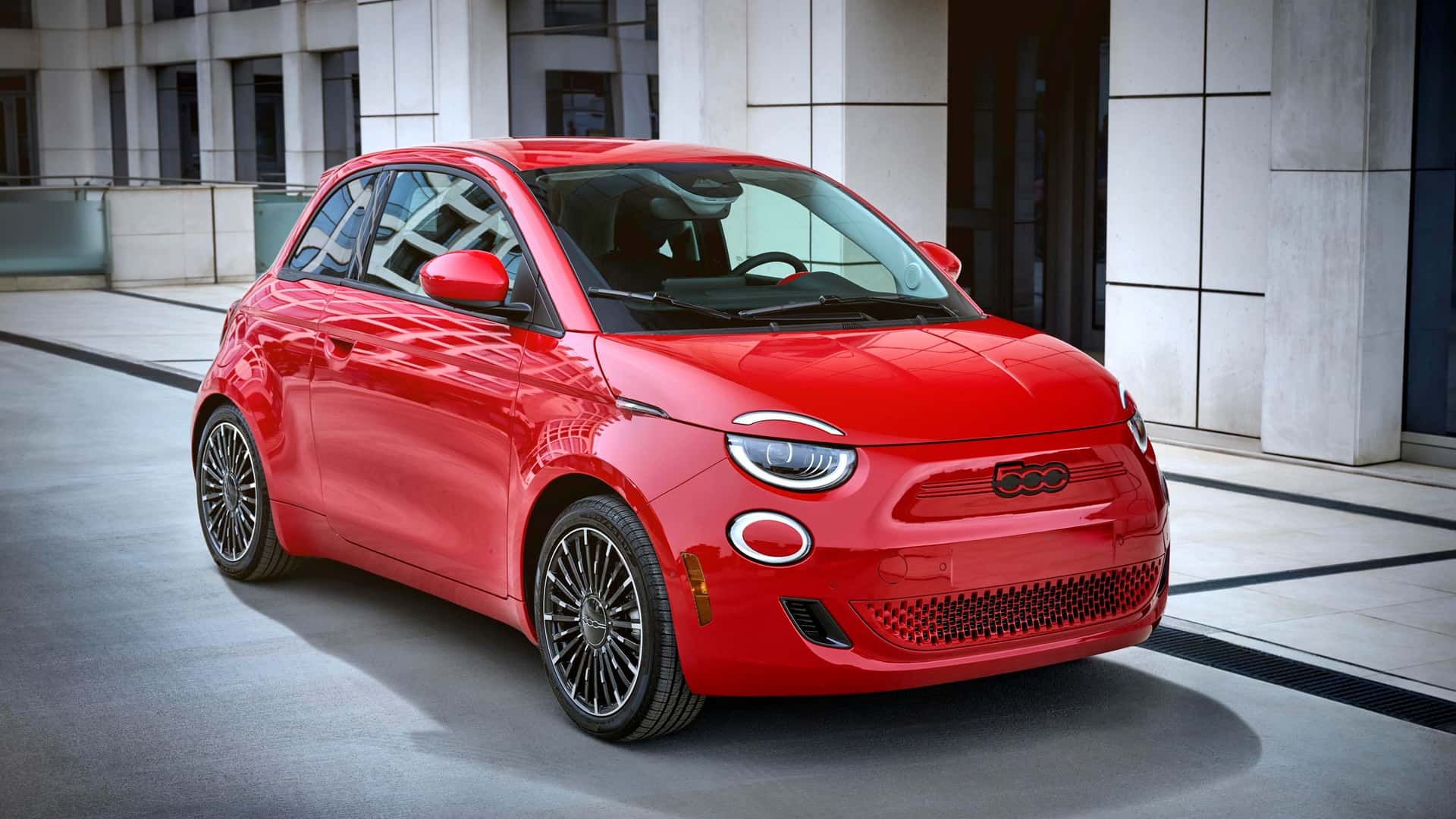
The Fiat 500 brings charm, compact size, and efficiency, but these qualities are less advantageous when faced with temperatures that can challenge even the most robust cooling systems. The tiny design of the Fiat 500 limits its ability to disperse heat effectively.
Engine components sit close together, generating and trapping heat in a confined space that offers little airflow relief. In climates where temperatures occasionally climb to dangerous extremes, this compact layout becomes something of a liability. The car may run well early in the day, but as the afternoon sun intensifies, the engine will often begin to show signs of stress much sooner than expected.
The cooling system in the Fiat 500, while functional for moderate environments, has limited capacity for handling extended exposure to scorching conditions. The size of the radiator and efficiency of the cooling fan are suitable for short commutes and mild weather, but when the car is driven for long periods during peak heat, the strain becomes evident.
Continuous operation of the cooling fans is common, and once the car enters stop and go traffic, the cooling system can no longer depend on steady forward motion to assist in lowering temperatures. This situation causes the engine temperatures to rise, creating a cycle in which the cooling system works harder, becomes hotter, and grows less effective with time.
Maintenance becomes a demanding requirement for Fiat 500 owners who live in desert regions. Coolant must be checked frequently, hoses inspected regularly, and the cooling system kept in flawless condition to avoid repeated overheating events.
However, even with meticulous upkeep, the car’s design simply does not lend itself to conditions that push vehicles far beyond normal thermal limits. While the Fiat 500 is a delightful car in many environments, the harsh climate of Las Vegas exposes its weaknesses, making it a less reliable option for those facing year round heat.
3. Volkswagen Beetle
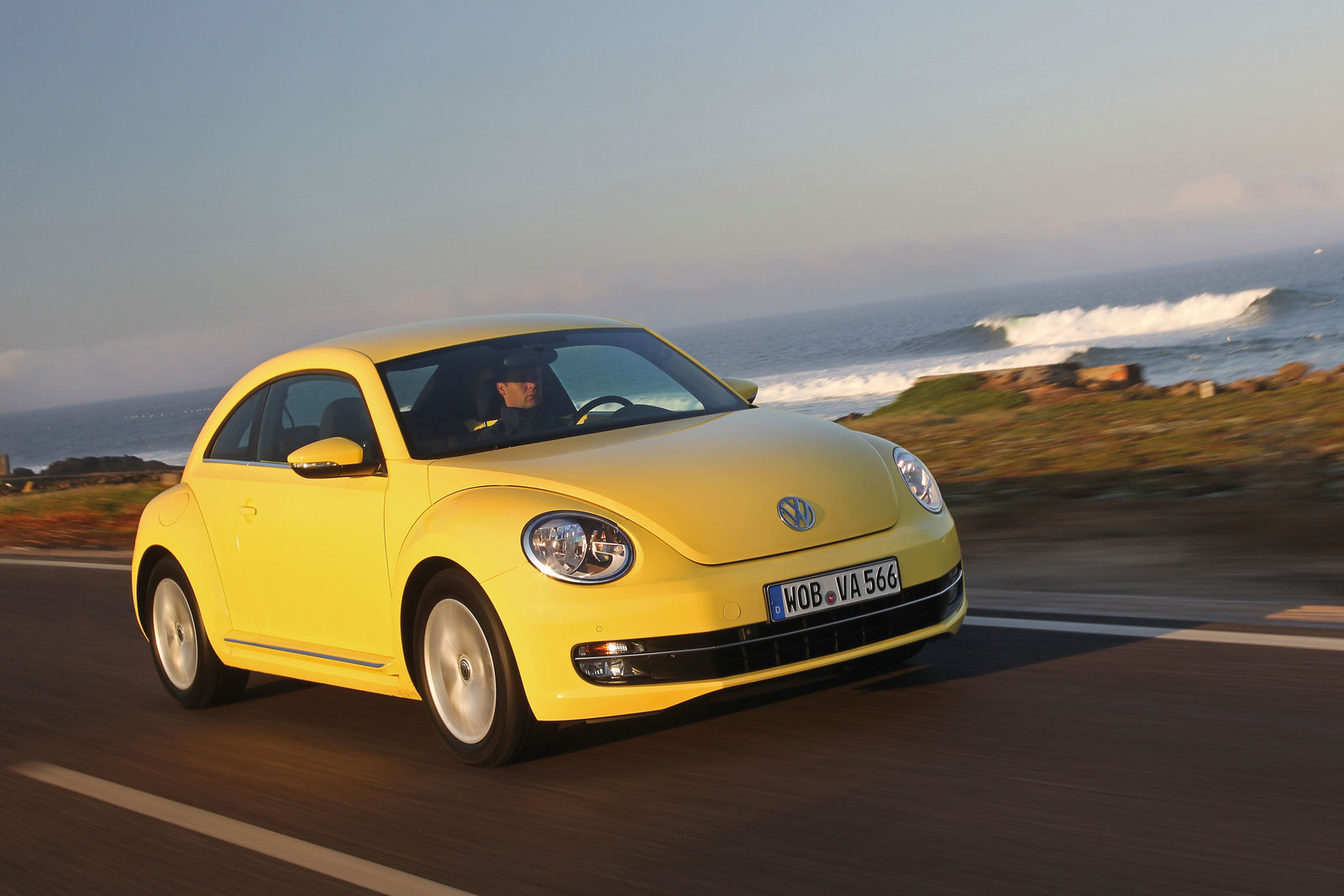
The modern Volkswagen Beetle carries a playful appearance and smooth driving feel, but these strengths are paired with cooling limitations that reveal themselves when the car is placed under the intense heat that defines Las Vegas summers. The rounded shape and compact design, while iconic, limit space within the engine bay.
With less room for heat to escape, the Beetle’s engine often begins building temperature more rapidly than drivers expect. It may perform well during early morning or nighttime drives, but once the sun climbs and the asphalt begins radiating heat, the cooling system begins to struggle.
The Beetle’s cooling fans typically operate at high speeds during extreme heat, and while they can temporarily manage the load, the system is not designed for sustained periods of intense thermal pressure. During uphill drives, heavy traffic, or long waits at intersections, the car cannot rely on the airflow necessary to help stabilize engine temperatures.
The lack of consistent ventilation results in the fans taking on nearly the entire burden of cooling. Over time, the fans themselves can wear down faster, and once they become less effective, the engine begins overheating more frequently.
Owners who are dedicated to keeping their Beetles healthy can often avoid major overheating issues by maintaining strict upkeep. However, the level of attention required is higher than what many drivers expect. As the car ages, seals, gaskets, water pumps, and radiators become more vulnerable, and the intense heat accelerates their decline.
While the Beetle offers charm and personality, it is not naturally suited for desert heat, and the demanding climate often exposes its cooling weaknesses.
4. Smart Fortwo
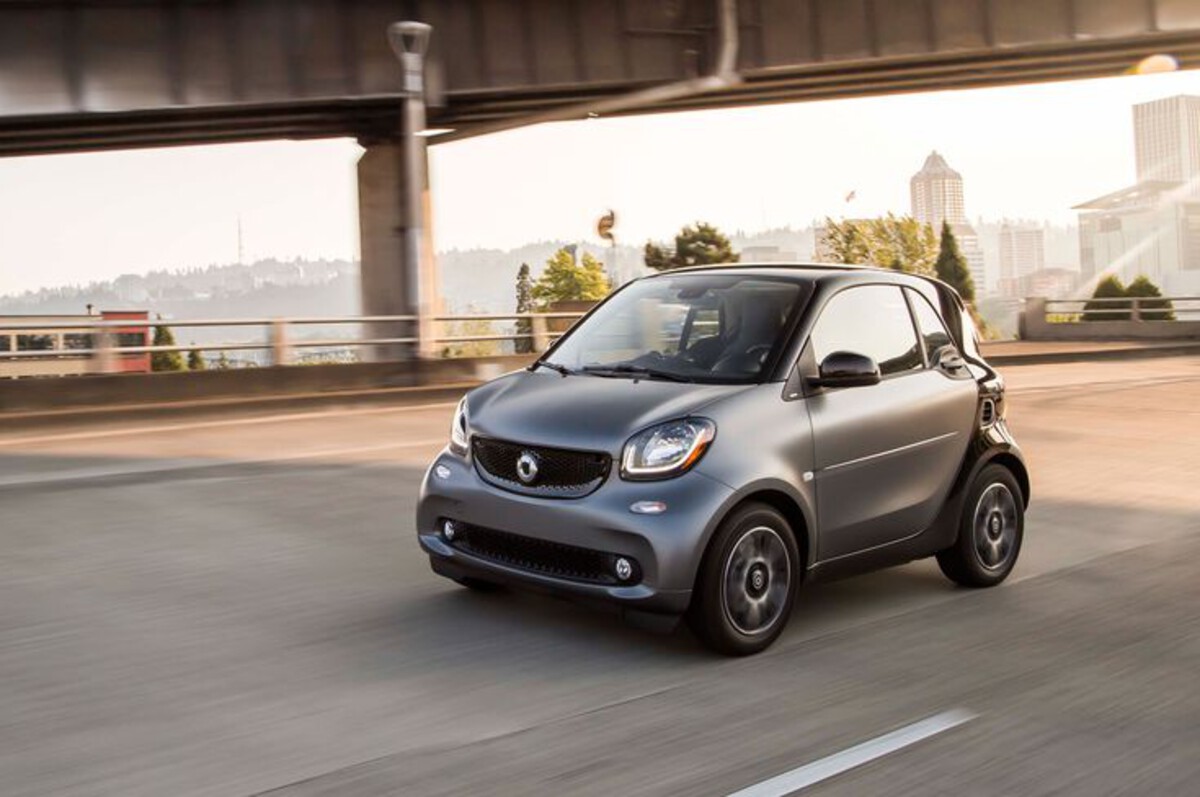
The Smart Fortwo is engineered for ease of parking, quick city maneuvering, and efficient use of space, but these benefits come at a cost when operating in climates with relentless heat. The extremely small engine compartment of the Smart Fortwo leaves almost no room for heat to escape.
This limited space means that once the engine begins warming up, the heat builds quickly and struggles to dissipate. During moderate weather, the car can function without major issues, but in a region where temperatures regularly reach punishing levels, the Smart Fortwo becomes one of the first vehicles to experience noticeable thermal strain.
During daily driving in Las Vegas, traffic is often slow and congested, especially during peak hours. The Smart Fortwo’s cooling system depends heavily on airflow, and when the car cannot maintain steady speed, the radiator does not receive enough fresh air to keep temperatures under control.
The cooling fans must compensate for this lack of airflow by working at their highest settings, and prolonged use at this level wears them down quickly. The moment these fans lose even a small amount of efficiency, the car becomes extremely vulnerable to temperature spikes.
As the vehicle ages, its ability to manage heat decreases further. Rubber seals, plastic components, and coolant system parts degrade faster in extreme temperatures. This creates a situation where even well-maintained Smart Fortwo models may still experience frequent episodes of overheating.
For drivers who live in cooler regions, this may never become an issue. However, for those living in Las Vegas, the Smart Fortwo often requires constant vigilance, making it a much less suitable option for long term use in such an unforgiving climate.
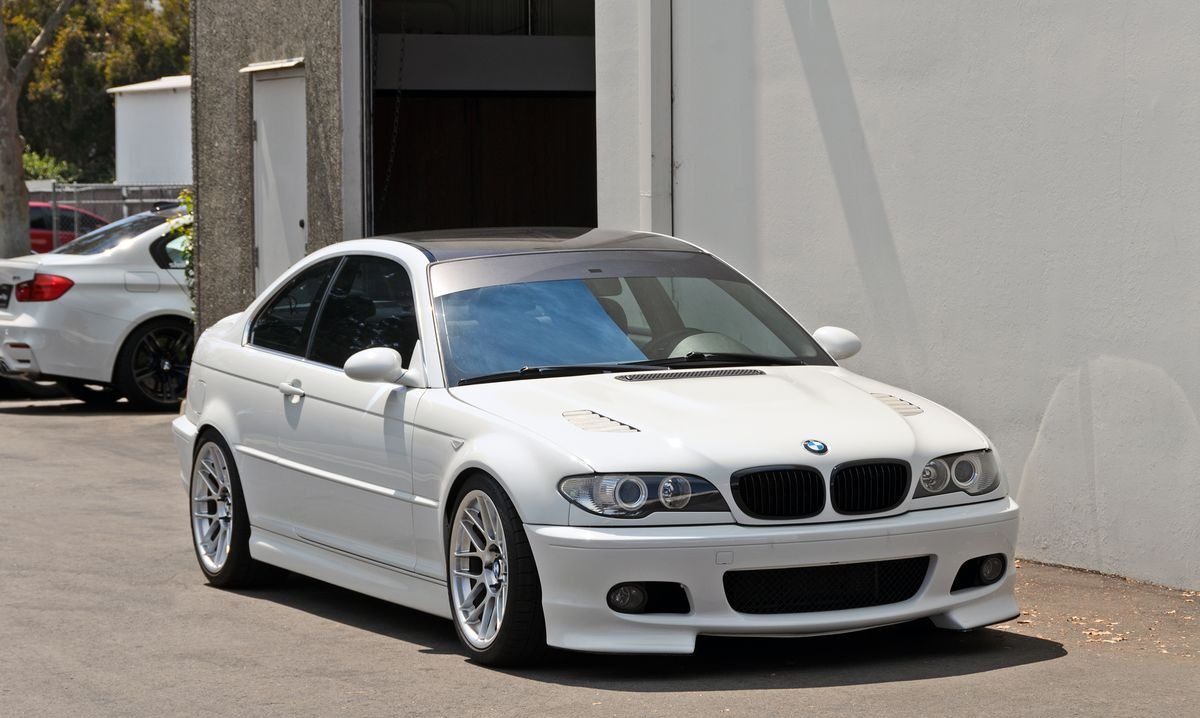
5. Older BMW 3 Series (Pre 2010 Models)
Older BMW 3 Series models, especially those produced before 2010, are admired for their driving feel and refined handling, but they also carry a well known sensitivity to heat that becomes a major concern in desert environments. A key issue is the reliance on plastic components within the cooling system.
These parts tend to become brittle over time, and when exposed to prolonged high temperatures, they degrade even faster. A single crack in a coolant line or a small leak in a plastic connection is enough to trigger a rapid spike in engine temperature. In heat intensive climates, this risk becomes a persistent threat.
Inside the cabin, the air conditioning systems of older models may no longer operate at full strength. While the cabin is generally well insulated, the system might not be able to cool the interior effectively during extreme heat.
When the air conditioning unit works harder than intended, the engine must support the additional demand. This increased load, paired with an already aging cooling system, raises the likelihood of overheating. Even well-maintained models begin to show difficulty managing the harsh temperatures common in Las Vegas.
Maintenance is crucial to keeping older BMW 3 Series vehicles functional in such a demanding climate. However, the level of care required often becomes extensive, involving frequent replacement of cooling system components, hoses, reservoirs, pumps, and sensors.
Without constant attention, the car may face repeated overheating issues. While enthusiasts appreciate the performance and driving experience these cars offer, they remain vulnerable to desert heat in ways that newer or more rugged vehicles are not. This makes them a challenging choice for those who need consistent reliability in extreme temperatures.
