
Baltimore is a city with a unique blend of urban energy and suburban accessibility, and commuting here requires vehicles that can handle diverse road conditions, varying traffic patterns, and a range of weather.
Drivers need cars that are reliable, fuel-efficient, comfortable for daily drives, and capable of managing stop-and-go traffic in the downtown area as well as occasional trips to nearby suburbs. While some commuters prioritize style, others focus on practicality, safety, and long-term maintenance costs.
The ideal car for a Baltimore commuter should strike a balance between affordability, dependability, and performance, ensuring that the daily drive is manageable and stress-free. Over time, commuting in an unreliable car can add both financial strain and frustration, choosing vehicle a critical decision.
With considerations like parking availability, gas mileage, and city traffic patterns, certain cars emerge as better options for individuals who spend considerable time on the road each day.
This article examines five cars that are particularly suitable for Baltimore commuters and contrasts them with five vehicles known for recurring repairs, highlighting both practical and cautionary examples. By understanding the strengths and weaknesses of different models, drivers can make informed choices that save money, reduce stress, and provide a more enjoyable commuting experience.
The analysis considers everyday usability, comfort features, fuel efficiency, and historical reliability, creating a comprehensive overview for prospective car buyers or city commuters seeking to optimize their driving experience. Understanding the trade-offs between convenience, cost, and reliability is essential for anyone navigating Baltimore’s roads regularly.
This article aims to provide guidance and perspective, helping commuters find vehicles that not only suit their immediate needs but also maintain value and performance over time.
5 Cars for Baltimore Commuters
1. Honda Civic
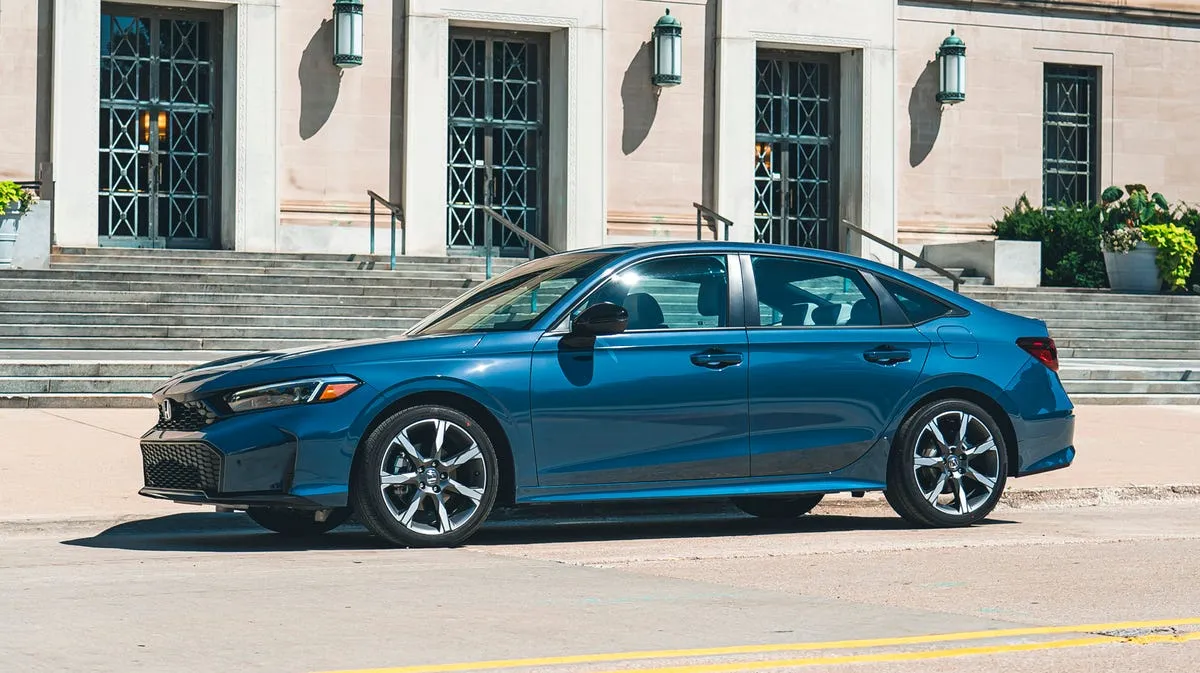
The Honda Civic is widely recognized for its reliability, fuel efficiency, and practicality, making it an ideal choice for Baltimore commuters. Its compact size is particularly advantageous for city driving, where tight streets, limited parking, and frequent traffic require nimble handling.
Civic owners benefit from smooth steering and responsive brakes, which provide a sense of control even in congested areas. Beyond maneuverability, the Civic offers excellent fuel economy, allowing drivers to travel longer distances without frequent refueling, which is especially valuable given Baltimore’s combination of urban congestion and suburban stretches.
Inside, the Civic’s interior balances comfort and functionality. Seating is supportive for long commutes, and the cabin layout ensures that essential controls are easily accessible, reducing driver fatigue during extended periods behind the wheel.
Infotainment systems are intuitive and reliable, allowing drivers to manage navigation, music, and hands-free calls without distraction. Cargo space is adequate for daily necessities, groceries, or a small load of personal items, while the trunk and rear seat configurations provide flexibility for larger loads when needed.
Safety is another strong point for the Civic. Modern models come equipped with advanced driver assistance features, including collision mitigation braking, adaptive cruise control, and lane-keeping assistance.
These features are particularly useful in Baltimore’s frequent traffic congestion and urban driving environments, where sudden stops and lane changes are common. The Civic’s strong safety ratings and dependable engineering reduce the likelihood of breakdowns or unexpected issues, which is critical for commuters who rely on their vehicles daily.
Maintenance and repair costs for the Civic remain manageable, with parts widely available and service relatively straightforward. Regular upkeep is easy to schedule, and the car’s long-term durability ensures that owners rarely encounter serious mechanical problems.
This combination of reliability, efficiency, and comfort makes the Honda Civic an excellent choice for those navigating the streets of Baltimore every day.
2. Toyota Corolla
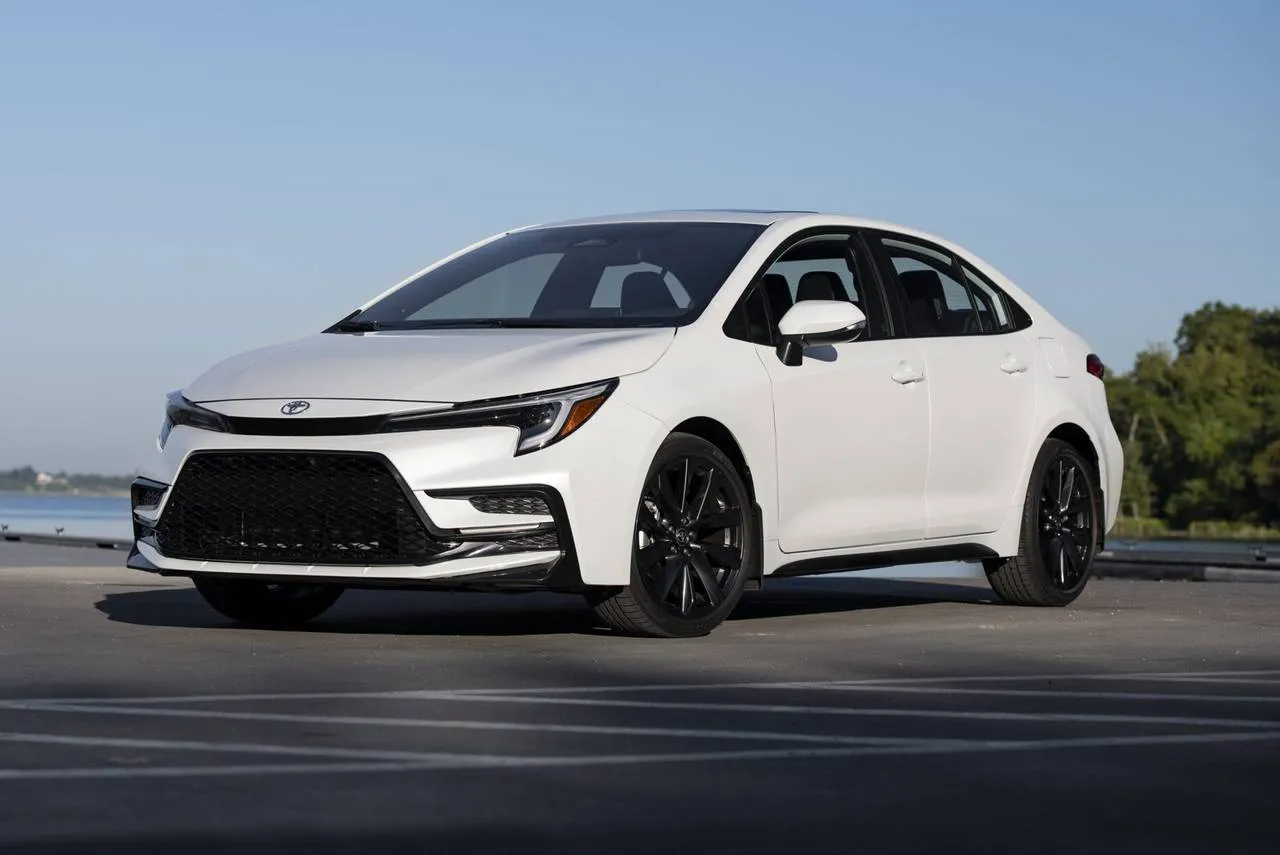
The Toyota Corolla is another commuter favorite that has earned a reputation for longevity and low maintenance costs. Its efficient engine and smooth transmission provide a calm and steady driving experience, which is essential for managing Baltimore’s often unpredictable traffic patterns.
The Corolla’s compact dimensions allow for easier parking in tight downtown areas, yet the interior space remains comfortable for passengers, making daily commuting less stressful and more enjoyable.
One of the Corolla’s strongest attributes is its consistency. Drivers can expect predictable handling, responsive brakes, and reliable acceleration, all of which contribute to safer city driving.
Fuel efficiency is another major advantage, with many models achieving excellent miles per gallon, reducing the financial burden of daily commuting. In addition, Toyota’s reputation for dependability means that owners can generally expect minimal disruption from unexpected repairs.
Inside the vehicle, the Corolla offers a quiet cabin and user-friendly controls, which help reduce stress during longer drives. Infotainment and connectivity features are thoughtfully integrated, supporting phone pairing, music streaming, and navigation without overwhelming the driver.
Comfort features like adjustable seating, climate control, and ergonomically designed controls further enhance the commuting experience.
Finally, the Corolla benefits from a strong resale value, which can make it an appealing option for those who plan to sell or trade in their car in the future. Its combination of reliability, low maintenance, fuel efficiency, and commuter-friendly features makes it a solid choice for Baltimore drivers who need a practical and dependable daily vehicle.
3. Mazda3
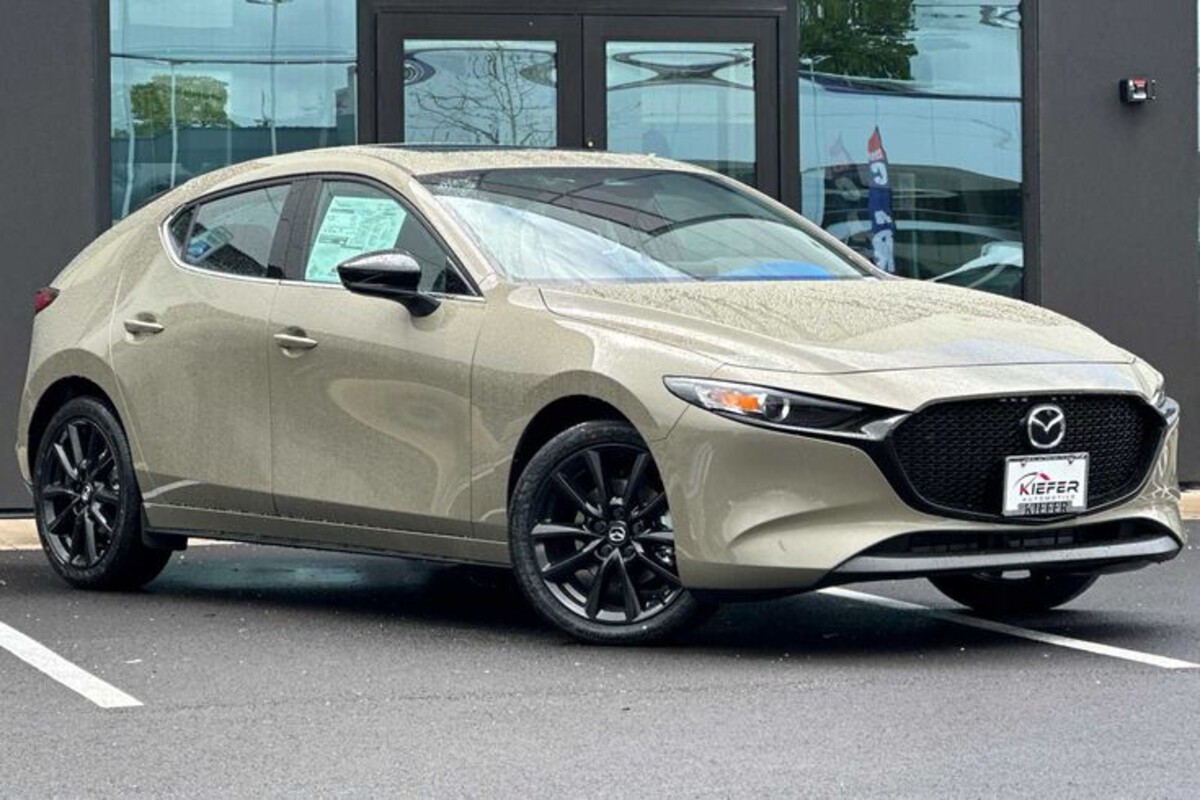
The Mazda3 stands out for its sporty handling and upscale interior, providing a more engaging driving experience without sacrificing practicality. Its responsive steering and suspension allow for confident navigation through crowded city streets and tight corners, making it particularly suitable for Baltimore’s mix of urban and suburban roads.
The Mazda3 also offers competitive fuel economy, which helps reduce the cost of commuting while maintaining solid performance. Comfort is prioritized even on longer drives, and the cabin layout keeps essential controls within easy reach.
Infotainment and connectivity options are straightforward and dependable, ensuring that navigation, communication, and entertainment remain seamless and distraction-free. Additionally, cargo space is sufficient for everyday items, with rear seats that fold down for larger loads, adding versatility for commuters who occasionally need extra storage.
Safety is another highlight of the Mazda3, with features such as blind-spot monitoring, rear cross-traffic alert, and advanced braking systems. These technologies enhance confidence during daily commutes, where unexpected obstacles and traffic congestion are common.
The car’s reliable engineering reduces the likelihood of mechanical failures, allowing drivers to maintain peace of mind on a routine schedule.
The Mazda3 combines driving pleasure with commuter practicality. Its balance of responsive handling, fuel efficiency, interior quality, and reliability makes it a compelling option for Baltimore residents who want a vehicle that performs well in city traffic while remaining comfortable, safe, and cost-effective.
4. Subaru Impreza
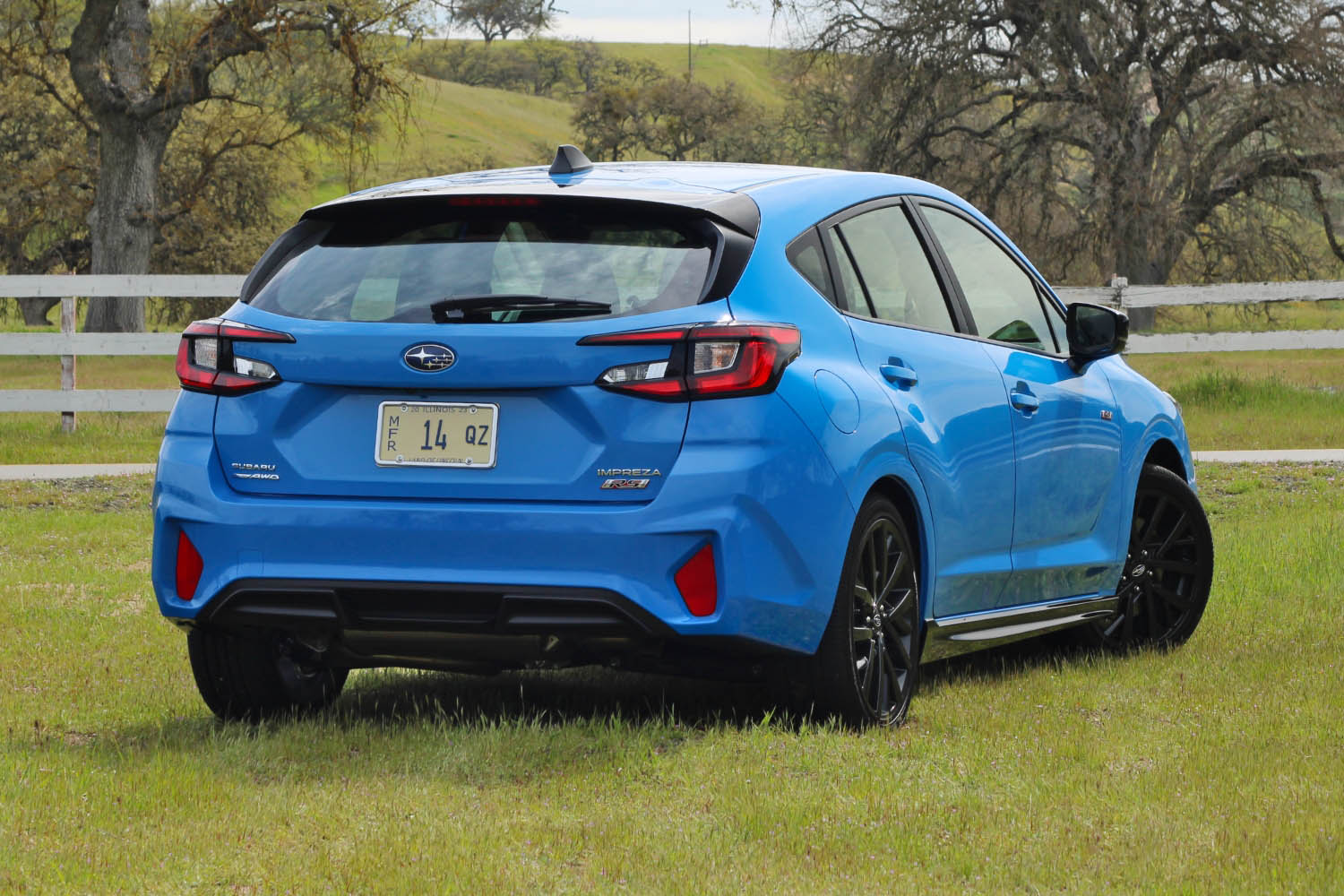
The Subaru Impreza provides an attractive option for commuters who value all-weather capability and versatility. Its standard all-wheel-drive system gives drivers increased confidence on rainy, icy, or uneven roads, which can be particularly beneficial in Baltimore’s varied seasonal conditions.
The Impreza’s compact yet spacious design allows it to navigate city streets with ease while still offering ample room for passengers and cargo, making daily commuting more comfortable and convenient.
The Impreza’s handling is predictable and composed, with responsive steering and braking systems that ensure safe navigation through heavy traffic. Its engine performance strikes a balance between fuel efficiency and adequate power for both city driving and longer suburban trips. Fuel economy is competitive within its class, allowing for cost-effective commuting without sacrificing performance.
Inside, the Impreza prioritizes comfort and practicality. Seats are supportive, the dashboard layout is intuitive, and infotainment systems integrate seamlessly with smartphones, allowing for hands-free operation and entertainment on the go.
The vehicle’s quiet cabin contributes to a less stressful driving experience, particularly during longer commutes, while storage compartments and flexible rear seating enhance usability for everyday needs.
Safety is integral to the Impreza, with a strong suite of driver assistance features including adaptive cruise control, lane departure warning, and pre-collision braking. Reliability and durability are hallmarks of Subaru engineering, and the Impreza generally requires minimal maintenance if regular service schedules are followed.
These attributes make it an appealing choice for Baltimore commuters seeking a dependable, safe, and capable vehicle for city and suburban driving alike.
5. Hyundai Elantra
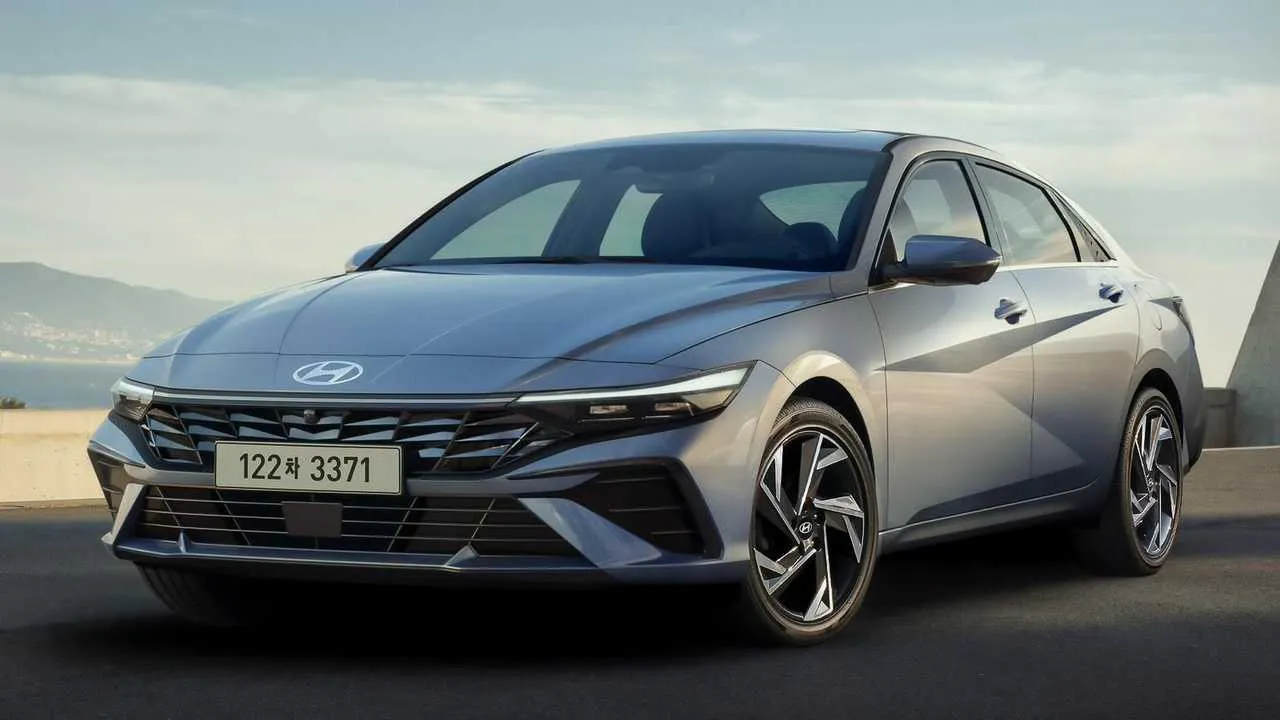
The Hyundai Elantra combines affordability, efficiency, and modern technology, making it an excellent choice for daily commuting in Baltimore. Its compact design ensures maneuverability in city traffic while providing a comfortable interior for both drivers and passengers.
Fuel economy is strong, reducing the cost of frequent trips across town or to nearby suburbs, and the Elantra’s smooth ride quality helps minimize fatigue during long commutes.
The interior emphasizes user-friendly features and comfort. Seats are well-cushioned, the cabin is quiet, and controls are easy to access, ensuring a stress-free driving environment.
Infotainment options support smartphone integration, navigation, and hands-free communication, which is particularly useful for commuters who rely on consistent connectivity during their drives. Storage space is adequate for groceries, work materials, or personal items, while rear seats fold to accommodate larger cargo when necessary.
Hyundai has invested heavily in safety for the Elantra, equipping the car with driver assistance technologies such as automated emergency braking, lane-keeping assist, and blind-spot monitoring. These features contribute to a more secure driving experience, especially in congested urban areas or on challenging suburban roads.
Reliability is generally strong, and maintenance costs remain reasonable compared to many competitors, making the Elantra a practical long-term choice.
For Baltimore commuters, the Elantra offers an excellent combination of efficiency, comfort, safety, and affordability. Its design and features make it well-suited for daily driving in a variety of traffic conditions, providing peace of mind and a positive driving experience for those who spend significant time on the road.
5 Cars with Recurring Repairs
1. Jeep Cherokee
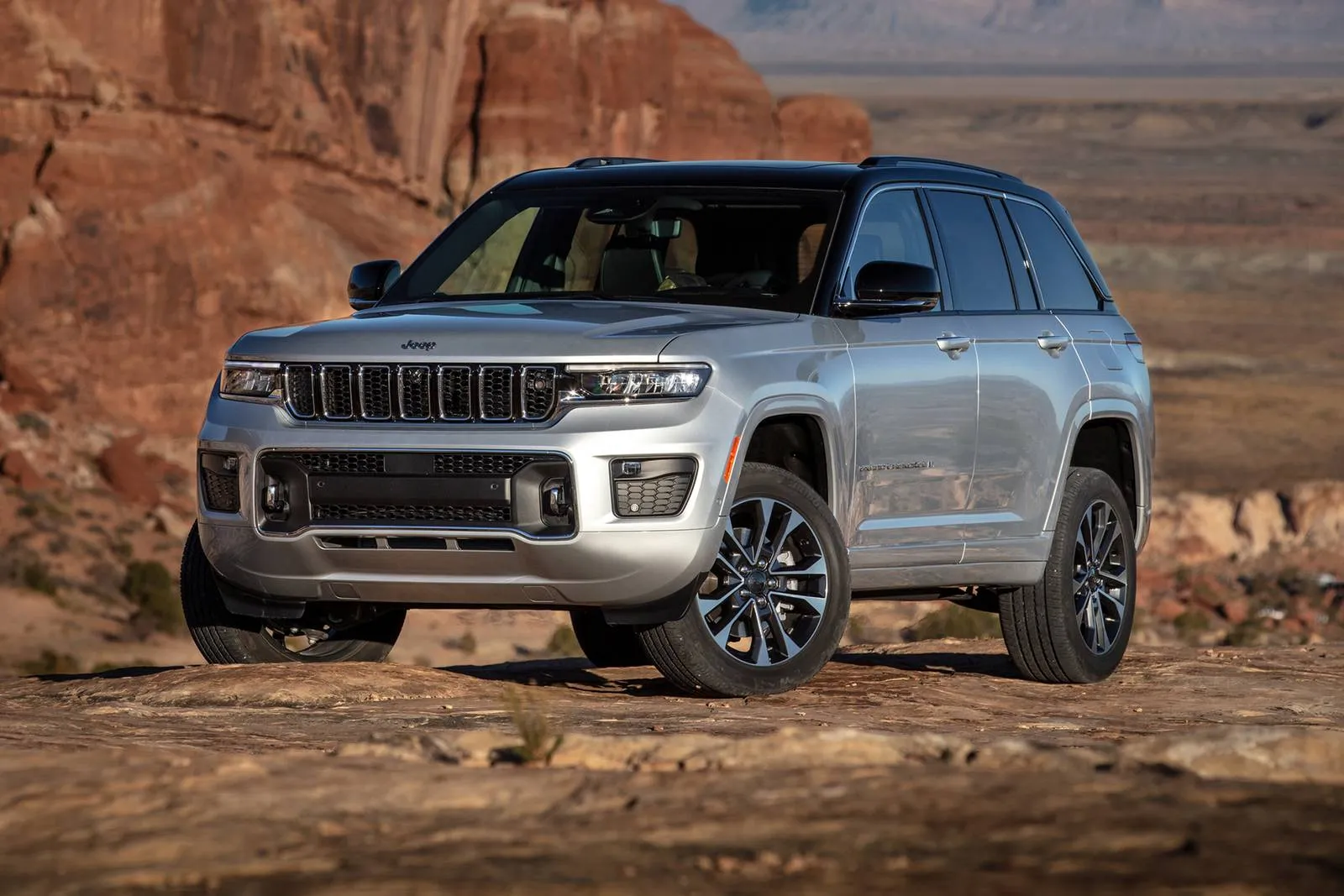
The Jeep Cherokee has long been associated with rugged off-road capability and bold styling, but for daily commuting in cities like Baltimore, it is often criticized for recurring mechanical issues. Owners frequently report problems with the transmission, electrical systems, and suspension components, which can lead to unexpected trips to the mechanic and higher maintenance costs.
In urban settings where traffic is dense and parking spaces are limited, these mechanical issues can create significant frustration for daily commuters. While the Cherokee offers a comfortable ride and an elevated driving position, the reliability concerns often outweigh these benefits for drivers who depend on a consistently functioning vehicle for daily use.
The interior of the Jeep Cherokee is designed with comfort and technology in mind, yet these features sometimes contribute to problems over time. Infotainment systems can malfunction, including touchscreen failures or software glitches, which complicates navigation, music streaming, and hands-free communication.
Electrical issues may also affect power windows, locks, and climate control, leading to discomfort during commutes, especially in extreme weather conditions. While the cabin offers adequate seating and cargo space, the recurring repairs diminish the experience and can create significant inconvenience when unexpected issues occur during daily driving.
Safety is another area of concern for the Jeep Cherokee, particularly in older models. Some drivers have reported issues with electronic stability control, warning lights, and braking systems, which may not function reliably without frequent service.
While the Cherokee meets basic safety standards, repeated mechanical failures and electrical problems can undermine the driver’s confidence, making commuting a more stressful experience. These recurring issues are compounded by the cost of maintenance, as Jeep parts and specialized service can be expensive compared to more reliable commuter vehicles.
Maintenance and repair costs for the Cherokee tend to be higher than average, and frequent visits to the mechanic are common. While routine maintenance such as oil changes and brake checks are standard, recurring issues with the transmission, electrical components, and suspension often require more intensive repairs.
These problems make the Cherokee less practical for individuals who need a dependable, low-maintenance vehicle for daily commuting. For Baltimore commuters seeking a stress-free driving experience, the Jeep Cherokee represents a cautionary example of a vehicle that can deliver comfort and capability but comes with ongoing reliability concerns that can disrupt daily life.
2. Ford Focus
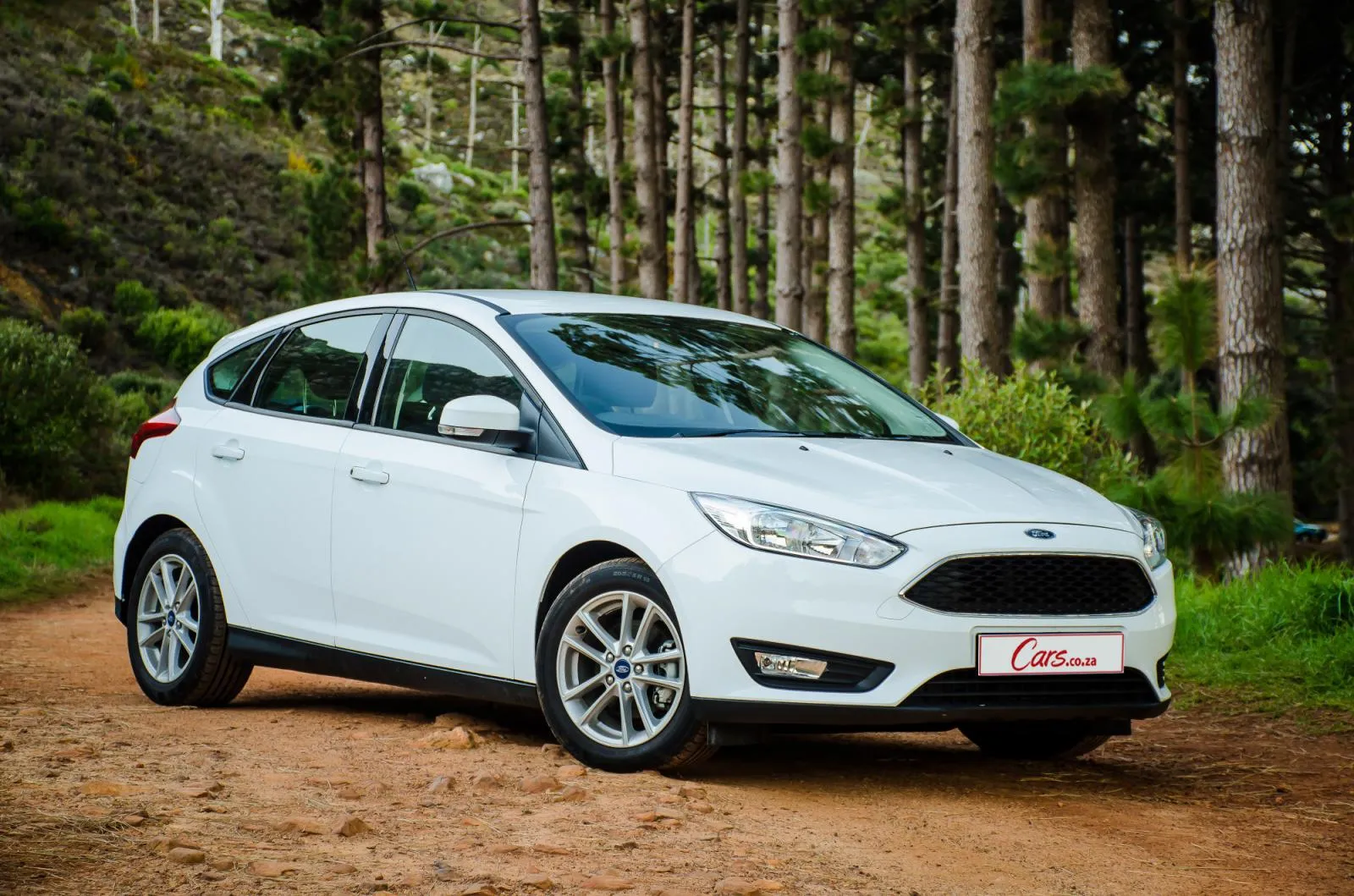
The Ford Focus is a popular compact car that often presents recurring repair challenges, particularly in models produced between 2012 and 2018. Transmission problems, especially with the PowerShift dual-clutch system, are widely reported and can result in jerky acceleration, slipping, or complete transmission failure.
Electrical issues, including faulty wiring and sensor malfunctions, have also been noted, which can affect dashboard warnings, lighting, and even power steering in some cases. For commuters in Baltimore, these recurring issues can turn routine trips into stressful experiences, as breakdowns or unexpected repairs may occur with little warning, disrupting daily schedules and creating financial strain.
The interior of the Ford Focus is generally comfortable, with adjustable seating and decent infotainment options, but recurring electrical problems can affect these systems. Touchscreen malfunctions, connectivity failures, and inconsistent climate control can all reduce the convenience and comfort that commuters rely on.
While the vehicle’s compact size helps navigate city streets and parking in tight spaces, reliability issues in critical systems make daily driving less predictable and can undermine confidence in the vehicle’s performance.
Safety is another area affected by the Focus’s recurring issues. Transmission failures, sensor malfunctions, or problems with electronic stability systems can interfere with the vehicle’s ability to respond predictably in emergencies.
Even minor electrical issues may trigger warning lights or temporarily disable safety features, which can create anxiety for drivers navigating Baltimore’s congested urban traffic or high-speed expressways. While the Focus meets regulatory safety standards, the combination of recurring mechanical and electronic issues reduces its effectiveness as a safe and dependable commuter car.
Maintenance and repair costs for the Ford Focus can escalate quickly due to frequent transmission repairs, sensor replacements, and electrical troubleshooting. While minor service tasks are routine, many owners experience costly repairs that are not typical in comparable compact cars. This unpredictability in maintenance requirements makes the Focus less appealing for commuters who prioritize reliability and low ownership costs.
Despite its attractive design, fuel efficiency, and maneuverability, the recurring repair issues associated with certain Ford Focus models make it a challenging choice for Baltimore residents who need a dependable vehicle for daily transportation.
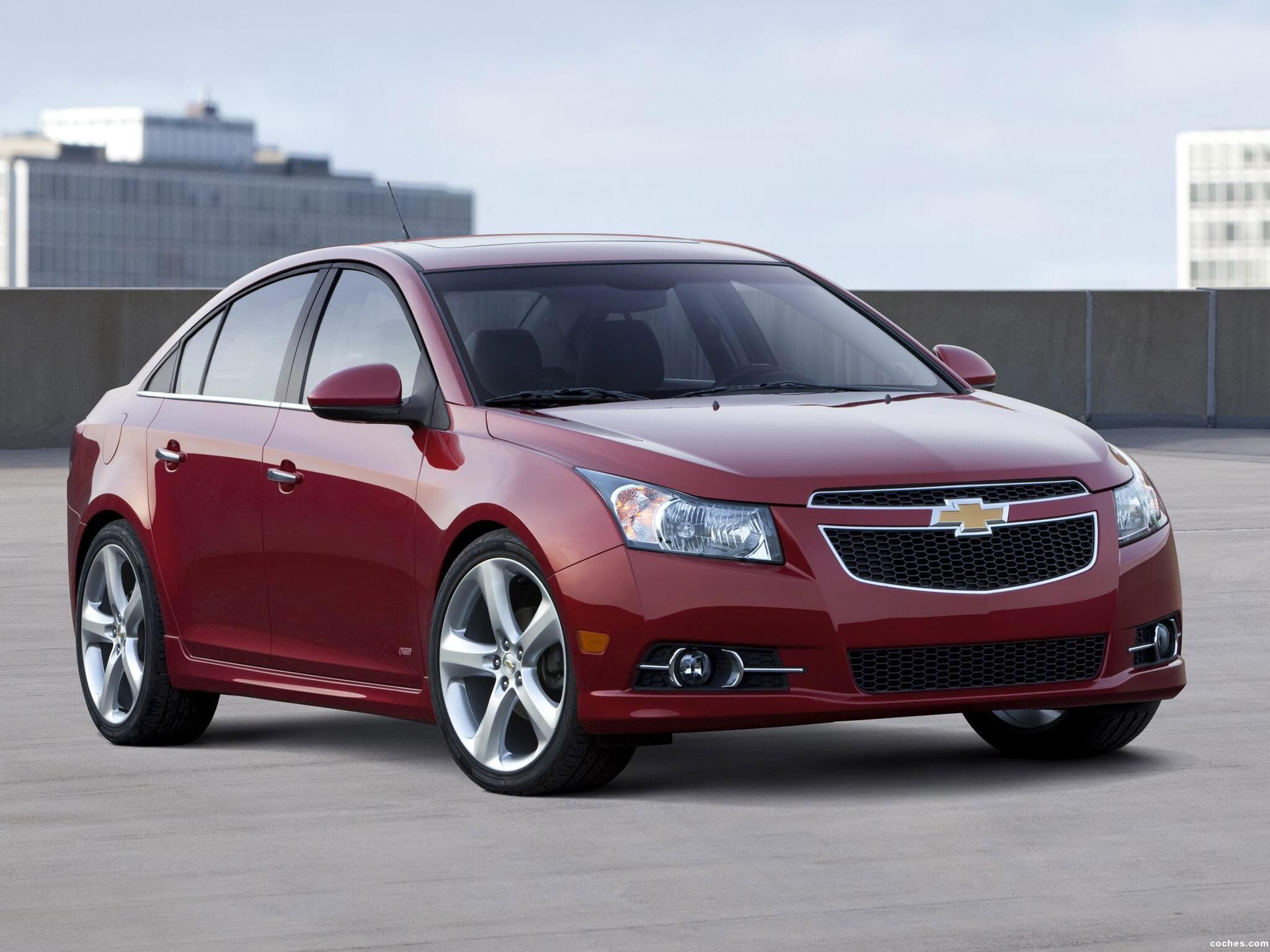
3. Chevrolet Cruze
The Chevrolet Cruze has been criticized for recurring mechanical and electrical problems that can affect daily commuting. Many owners report issues with the engine, particularly with the turbocharged 1.4-liter models, which may experience overheating, timing chain problems, or engine stalling.
Transmission issues are also common, with automatic transmissions occasionally failing to shift smoothly or slipping during acceleration. These problems are particularly frustrating for commuters who rely on their vehicles for consistent daily travel, as unexpected breakdowns can lead to missed appointments, late arrivals, and added repair costs.
While the Cruze provides a smooth ride and comfortable interior, the recurring mechanical issues undermine its reliability as a daily commuter car.
The Cruze’s interior features, including seating comfort and infotainment systems, are generally praised, yet electrical malfunctions can interfere with these amenities. Problems with touchscreen displays, Bluetooth connectivity, and warning indicators are frequently reported, diminishing the convenience of the vehicle.
Cargo space and passenger comfort are adequate for daily commuting needs, but the recurring issues with critical mechanical and electrical components overshadow these advantages, creating frustration and uncertainty for drivers who need a dependable car for city and suburban driving.
Safety is compromised in some Chevrolet Cruze models due to mechanical failures and sensor problems. Transmission malfunctions, engine stalling, or erratic electronic systems can impact braking, stability control, and emergency responsiveness, reducing confidence in the car’s ability to handle challenging driving conditions.
Even though the vehicle includes standard safety features, the likelihood of encountering mechanical or electrical problems can make commuting in the Cruze stressful, particularly in busy urban environments like Baltimore, where consistent performance is essential for safe driving.
Maintenance and repair costs for the Cruze can be higher than expected due to frequent mechanical and electronic repairs. Engine and transmission problems often require specialized service, and replacement parts may be more expensive compared to more reliable vehicles.
Routine maintenance alone is unlikely to prevent recurring issues, meaning that owners may face regular expenses for both repairs and service. While the Chevrolet Cruze has appealing design elements, fuel efficiency, and comfort, the frequency of recurring repairs makes it less suitable for Baltimore commuters who rely on reliability and predictability for daily driving.
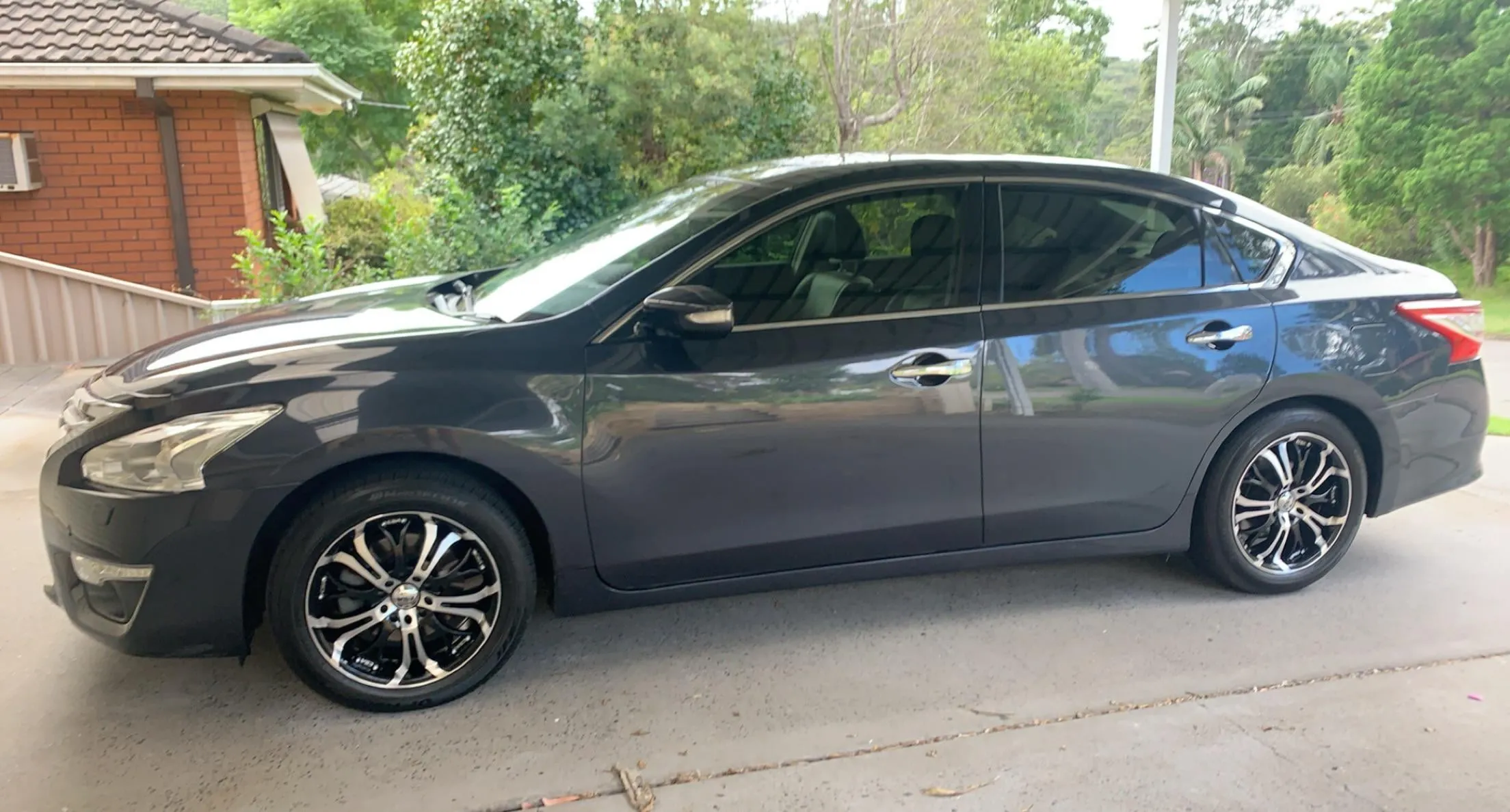
4. Nissan Altima
The Nissan Altima has experienced recurring problems that can significantly impact daily commuting, particularly in models produced between 2013 and 2018. Common issues include transmission failures, engine stalling, and electrical malfunctions. CVT transmission problems are especially notorious, with some drivers reporting shuddering, slipping, or complete failure.
These mechanical problems can make routine city driving unpredictable, particularly in stop-and-go traffic or during longer suburban commutes. While the Altima offers a comfortable ride and attractive interior, recurring repairs frequently offset these advantages and can create both inconvenience and added financial strain for commuters who need a dependable vehicle.
Inside the cabin, the Altima provides comfortable seating, ample passenger space, and user-friendly controls, yet electrical issues sometimes interfere with these features. Problems with infotainment systems, climate controls, and dashboard warning lights can reduce convenience and add frustration for daily drivers.
Cargo space and comfort are generally acceptable, but the recurring mechanical and electronic issues compromise the reliability that commuters prioritize. Even minor breakdowns can disrupt routines, making the Altima a less dependable option for someone who needs consistent daily transportation.
Safety concerns are amplified by the Altima’s recurring problems, particularly with transmission and electronic systems. Failures in these critical components can affect braking response, stability, and vehicle control, creating potential hazards during city driving or highway merges.
While modern Altimas are equipped with standard safety features, the prevalence of mechanical failures undermines the effectiveness of these systems. Drivers may experience additional stress knowing that routine driving could be interrupted by unexpected issues, reducing confidence in the vehicle’s ability to handle demanding commuting conditions.
Maintenance and repair costs for the Altima can escalate due to the frequency of mechanical and electrical problems. Transmission repairs, engine servicing, and electronic troubleshooting are often costly and can require specialized service.
While routine maintenance is necessary, it does not always prevent recurring issues, resulting in ongoing expenses for the owner. Despite its comfort, style, and fuel efficiency, the Altima’s propensity for recurring problems makes it a less suitable choice for Baltimore commuters who value reliability and low-maintenance ownership.
For individuals who rely on consistent performance, the Altima presents a cautionary example of a vehicle that can require frequent attention and repairs.
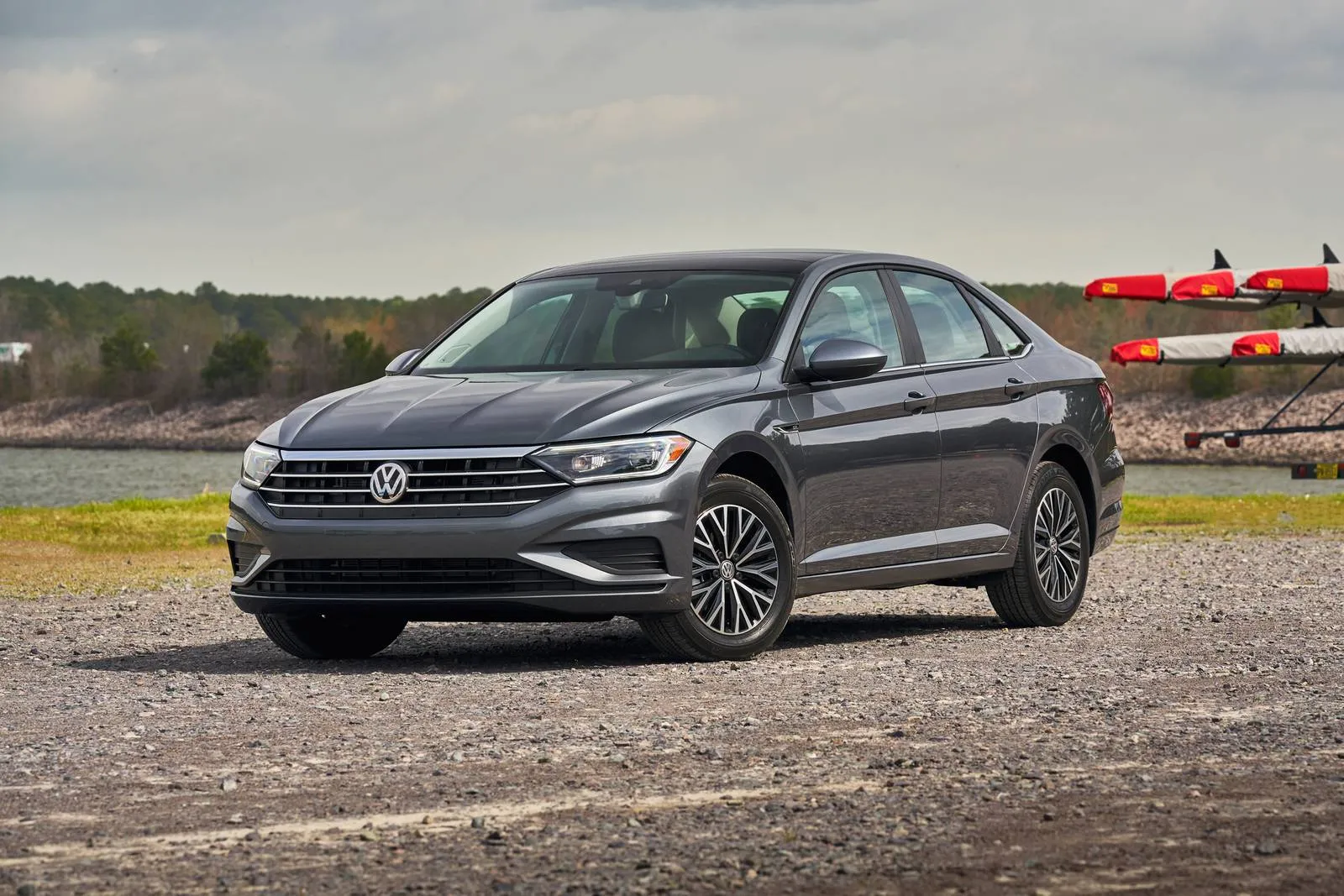
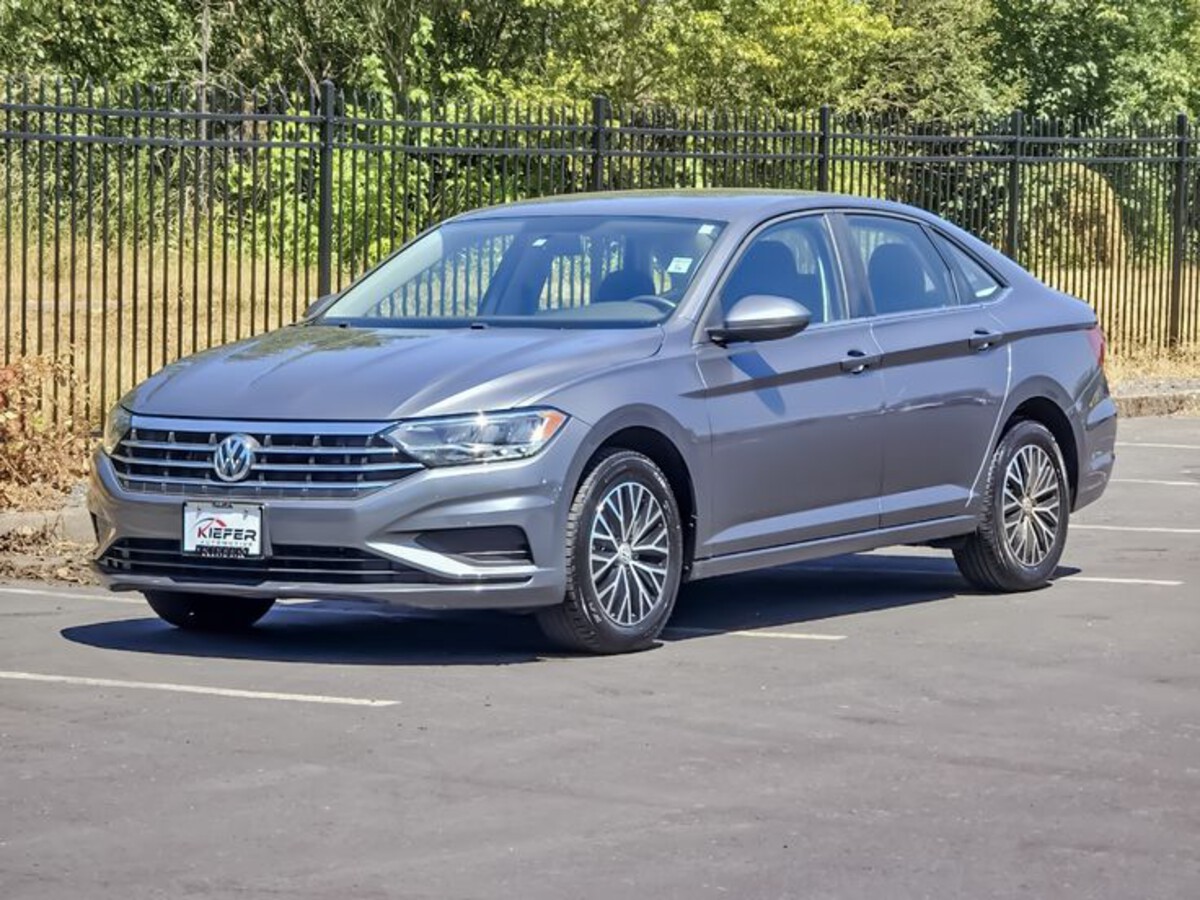
5. Volkswagen Jetta
The Volkswagen Jetta is another compact car that has faced recurring reliability issues, particularly with models produced in the 2010s. Owners frequently report problems with the engine, transmission, and electrical systems, which can impact daily commuting and convenience.
Engine issues may include timing chain tensioner failures, excessive oil consumption, or turbocharger malfunctions, while automatic transmissions can experience slipping or rough shifts.
Electrical problems, such as malfunctioning infotainment systems, power windows, or warning lights, are also commonly reported. For Baltimore commuters, these recurring issues make the Jetta less practical, as they can lead to unexpected repair costs and disruptions to daily travel.
Inside the Jetta, the vehicle offers a comfortable and well-designed cabin, with supportive seating, adequate passenger space, and reasonable cargo capacity. Infotainment and connectivity features are generally intuitive, but the frequency of electrical issues can interfere with these conveniences.
Climate control malfunctions, touchscreen failures, or inconsistent warning indicators diminish the user experience, making commuting less reliable and adding stress to daily driving routines. While the Jetta has a reputation for quality design, recurring mechanical and electrical problems undermine its dependability.
Safety in the Volkswagen Jetta is impacted by these recurring mechanical issues, particularly in older models. Transmission failures or engine stalling can reduce braking efficiency and stability, while electrical problems can affect critical systems such as airbags or traction control.
Although the Jetta is equipped with standard safety features, reliability concerns may compromise their effectiveness, especially in congested urban traffic or during sudden driving maneuvers. Drivers may find that their confidence in the vehicle’s safety decreases as mechanical issues accumulate over time.
Maintenance and repair costs for the Jetta tend to be higher than average, mainly due to the frequency and complexity of recurring problems. Engine repairs, transmission servicing, and electrical troubleshooting often require specialized knowledge and parts, increasing expenses compared to more reliable compact cars.
While routine maintenance is essential, it does not always prevent recurring failures, resulting in continued financial and logistical burdens for owners. Despite its style, comfort, and features, the Volkswagen Jetta’s history of recurring repairs makes it a less suitable option for Baltimore commuters who require a dependable, low-maintenance vehicle for daily travel.
