
Choosing the right vehicle for towing and work in Kansas City requires careful consideration of power, durability, and reliability. The city and surrounding areas present a mix of urban and rural conditions, meaning vehicles need to handle both heavy traffic and open roads while managing heavy loads.
Whether towing trailers, transporting equipment, or carrying construction supplies, the vehicle selected can make the difference between a smooth operation and constant frustration. Not every truck or SUV is designed to withstand repeated towing, and some vehicles that look capable on paper can fail under real-world stress.
Factors such as engine capacity, transmission strength, suspension design, braking systems, and cooling mechanisms all play a critical role in determining how well a vehicle performs when loaded. Additionally, considerations like fuel efficiency, maintenance costs, and longevity influence whether a vehicle becomes a dependable work partner or a source of ongoing headaches.
In Kansas City, towing is not limited to recreational trailers or boats. Many local businesses, construction crews, and service providers rely on vehicles to transport heavy machinery, hauling trucks, and commercial materials. A vehicle with insufficient towing capacity can lead to mechanical failure, reduced performance, and even safety hazards.
Conversely, vehicles engineered for work and towing can handle repeated stress, maintain stability, and provide a level of reliability that ensures tasks are completed efficiently. Understanding which vehicles perform well and which tend to fail requires examining both manufacturer specifications and real-world performance reports.
A strong engine, solid frame, and proper cooling system are essential, but equally important is the vehicle’s ability to remain stable under load and provide predictable handling on different road conditions.
This article will highlight five vehicles that excel at towing and heavy work in Kansas City, emphasizing their features, capabilities, and reasons for their reliability. It will also examine five vehicles that commonly fail under load, analyzing the shortcomings that lead to performance issues, frequent repairs, or safety concerns.
By comparing these vehicles, readers will gain insight into making informed choices, reducing costly repairs, and improving operational efficiency for both professional and personal use. Knowing which vehicles can be trusted to handle heavy loads is a practical necessity for anyone involved in regular towing, construction, or heavy transport work.
Five Vehicles That Excel at Towing & Work
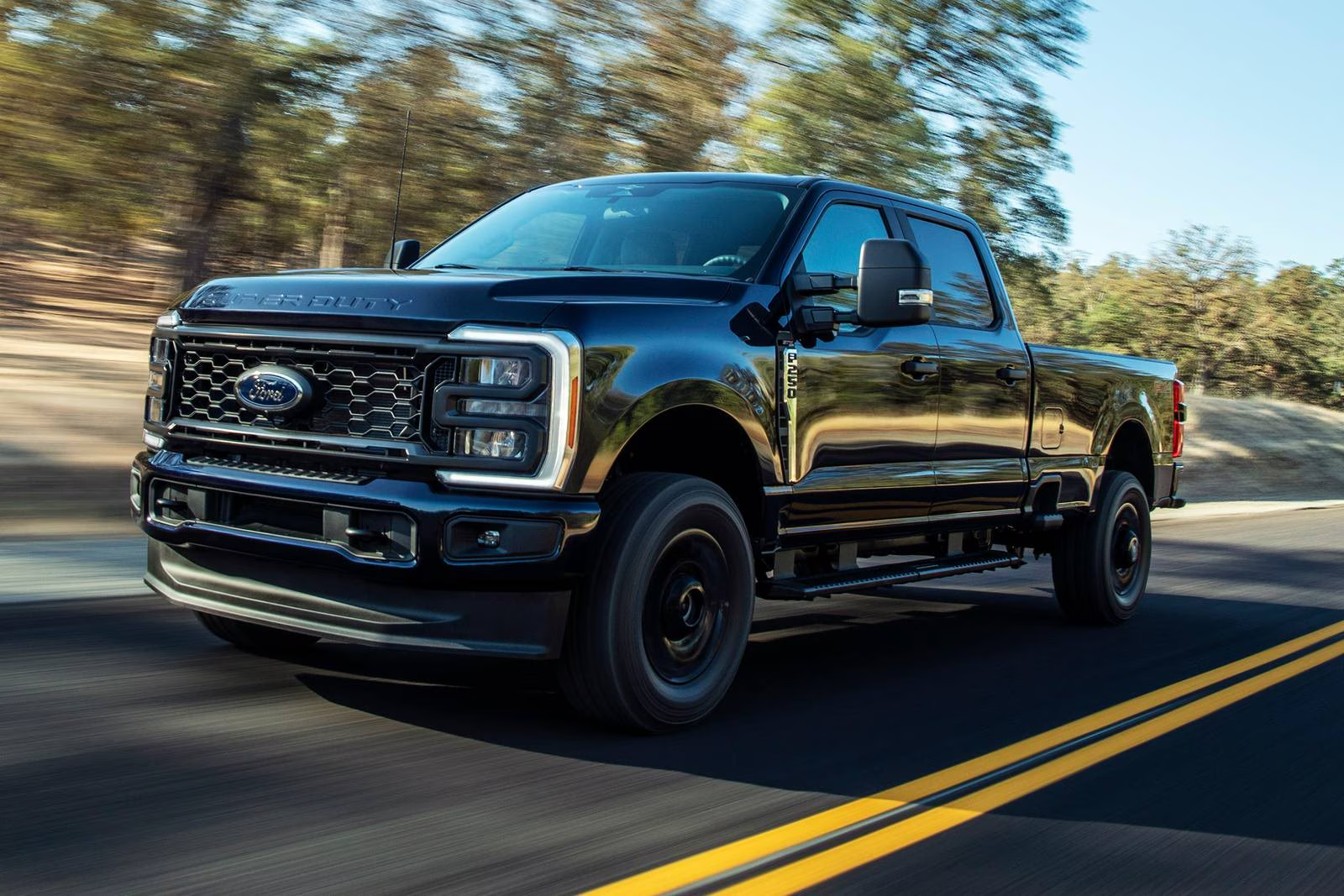
Ford F-250 Super Duty
The Ford F-250 Super Duty stands out as a top choice for towing and heavy-duty work, consistently earning praise for its combination of raw power, durability, and reliability. Its engine options include a standard gasoline V8, a turbocharged variant, and the highly regarded Power Stroke diesel, which produces massive torque to move even the heaviest trailers with relative ease.
For operators in Kansas City who frequently tow construction equipment, boats, or large trailers, this torque advantage translates to reduced strain on the engine and transmission, ensuring longer vehicle life and lower maintenance costs.
Beyond raw engine power, the F-250 offers advanced towing technology, including trailer sway control, integrated brake controllers, and smart hitch guidance, which collectively improve handling and stability when towing.
The truck’s ability to combine these technologies with driver-assist features allows for safer operation on both congested city streets and open highways, providing peace of mind for work-related tasks.
The F-250’s suspension and frame are engineered specifically to handle extreme payloads without compromising vehicle stability or comfort. Heavy-duty leaf springs, reinforced axles, and a strong frame design ensure that even repeated heavy hauling does not lead to structural fatigue.
For example, hauling multiple tons of equipment across uneven construction sites or rural Kansas roads does not compromise the ride quality or cause excessive wear. The truck’s braking system is equally robust, featuring large rotors, high-performance calipers, and optional trailer brake integration.
These systems prevent brake fade during extended downhill runs or long towing trips, which is particularly critical when moving equipment across varied terrain or during emergency stops in traffic-heavy areas. Additionally, the cab and interior of the F-250 are designed with ergonomics and driver comfort in mind.
Features like adjustable seats, modern infotainment, and climate control systems help reduce fatigue during long workdays, which is essential for maintaining safety and focus while towing or transporting heavy loads.
Durability and low long-term maintenance needs further contribute to the F-250’s reputation as a workhorse. Its engine and transmission are designed to withstand repeated towing stress, and the use of high-strength materials in the frame and suspension reduces the likelihood of structural issues over time.
Drivers in Kansas City and surrounding regions report that the F-250 can handle continuous heavy-duty tasks, from hauling construction materials to towing boats or trailers for weekend activities, with minimal mechanical problems.
Its performance is not only measured in horsepower or torque but also in its ability to remain reliable under consistent stress, making it a practical investment for both businesses and individuals who require dependable towing capabilities.
Finally, the F-250 benefits from a wide aftermarket and service network. Parts availability, dealership support, and extensive community knowledge ensure that modifications, repairs, and upgrades can be completed efficiently.
Whether adding specialized towing equipment, upgrading suspension components, or simply replacing worn parts, the F-250 remains practical and adaptable for a wide range of work scenarios. Its combination of power, durability, safety features, and serviceability solidifies its position as one of the most dependable vehicles for towing and heavy work in Kansas City.
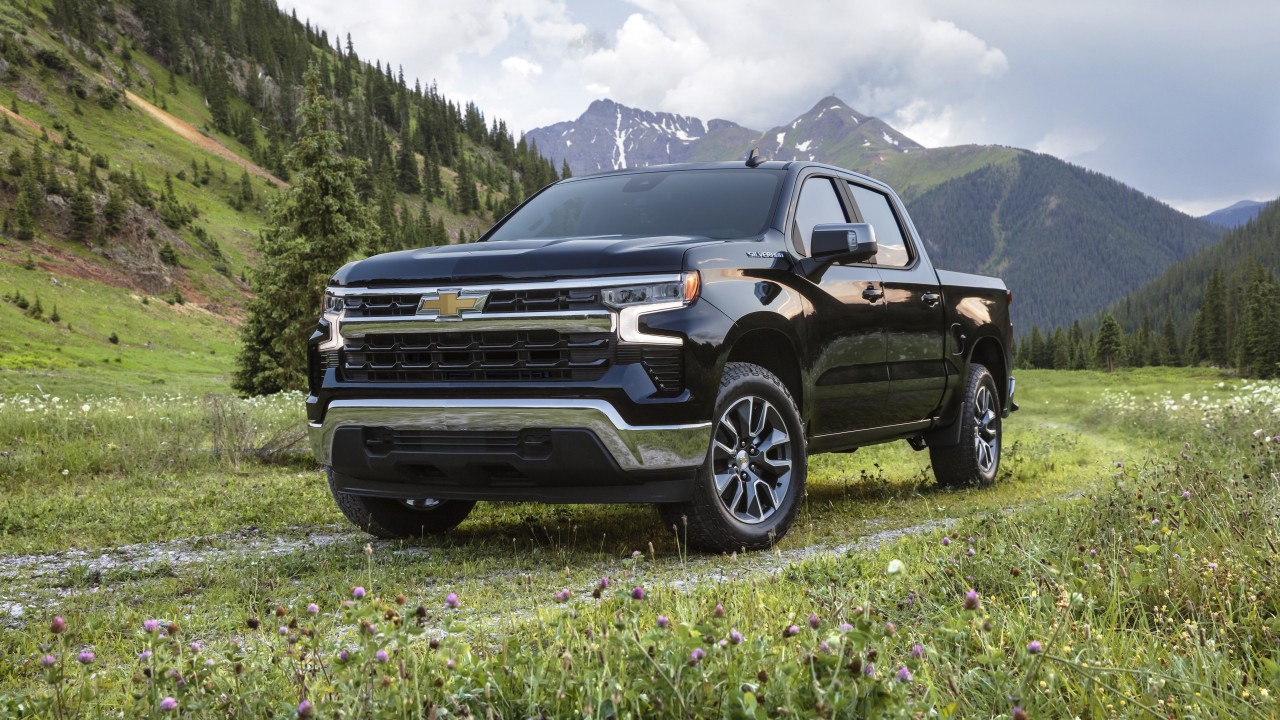
Chevrolet Silverado 2500HD
The Chevrolet Silverado 2500HD is recognized as a top contender for heavy-duty towing and work due to its balance of strength, durability, and technological support. The Duramax diesel engine in the Silverado provides significant torque, making it capable of towing large trailers, construction equipment, or even recreational vehicles with minimal strain on the drivetrain.
This engine, paired with a high-capacity transmission, allows operators to maintain smooth and controlled acceleration even under maximum load, reducing wear and tear on mechanical components. The truck’s reinforced frame and suspension are engineered to endure heavy, repeated stress, which is critical for work situations that involve daily hauling of heavy materials over both city streets and rough rural terrain.
For Kansas City businesses that rely on consistent towing performance, this combination of power and structural integrity ensures that the Silverado 2500HD will perform reliably for years without frequent repairs.
In addition to mechanical strength, the Silverado 2500HD incorporates a comprehensive set of towing technologies to support safe and efficient operation. Trailer brake control, integrated hitch guidance, and a multi-view camera system help drivers manage large loads with precision.
These systems are particularly valuable when navigating congested areas, tight driveways, or urban construction zones, where a misalignment or sway could result in accidents or damage.
Electronic stability control, traction assist, and hill descent management further enhance the truck’s ability to remain stable under load, providing confidence when towing heavy equipment across challenging or slippery surfaces.
Interior features are designed with utility in mind, offering abundant storage, organized tool compartments, and driver-focused controls that minimize distractions during long workdays. These design choices ensure that operators can maintain focus and efficiency while handling demanding towing tasks.
The Silverado 2500HD also offers a combination of towing capacity and daily drivability that sets it apart from many heavy-duty trucks. Despite its size and strength, the truck handles well when unloaded, making it versatile for both work-related hauling and personal use.
Diesel variants are particularly noted for fuel efficiency and extended engine longevity under heavy workloads, allowing operators to complete repeated towing tasks without rapid depreciation in performance.
The high-strength suspension and reinforced axles reduce the risk of damage to critical components, further extending the vehicle’s lifespan. This combination of performance, reliability, and usability makes the Silverado 2500HD a practical choice for professional operators in Kansas City who need a dependable, long-term towing partner.
Finally, Chevrolet’s service infrastructure adds to the Silverado 2500HD’s practicality. Widespread dealership access and parts availability ensure minimal downtime for repairs or maintenance, which is crucial for businesses and individuals relying on consistent towing performance.
The truck’s combination of raw power, reinforced structure, advanced towing technologies, and reliable service support allows it to excel in demanding work environments, making it a standout choice for anyone needing a vehicle capable of handling heavy-duty towing with confidence and consistency.
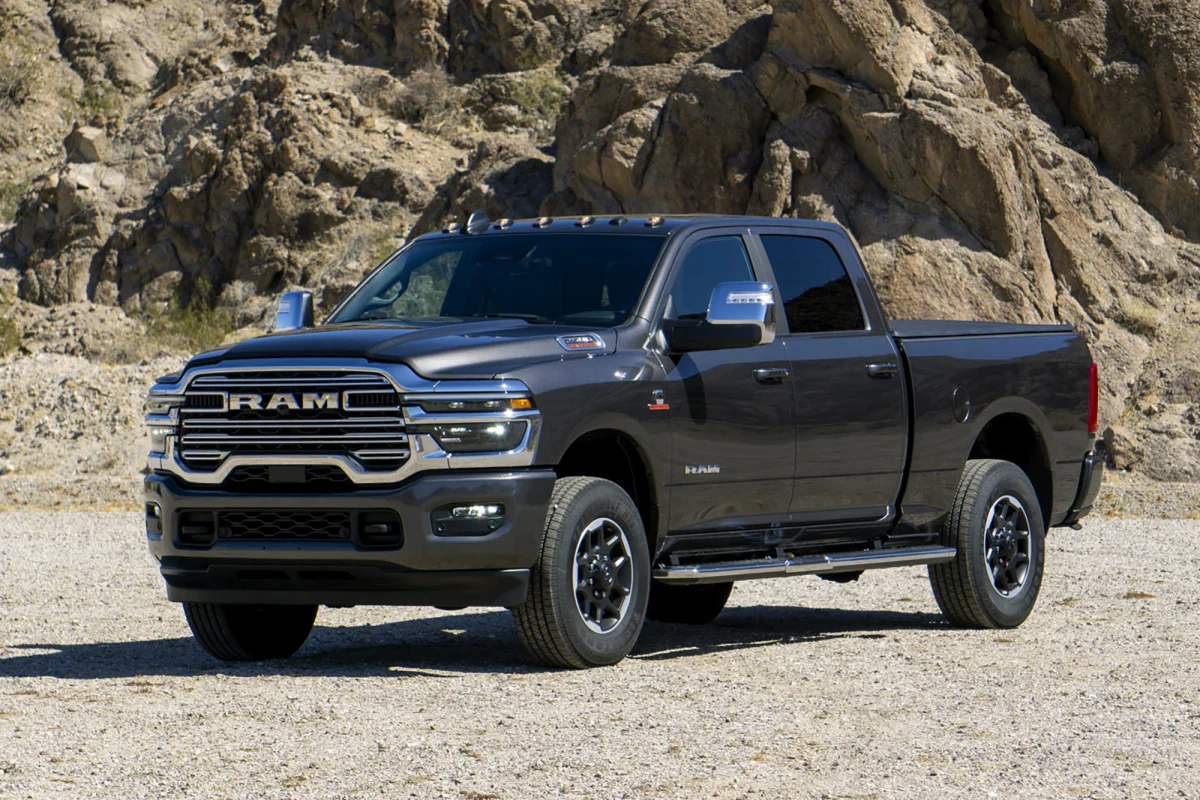
Ram 2500
The Ram 2500 has built a strong reputation as a capable towing and work vehicle, offering a combination of power, durability, and comfort that makes it suitable for a wide range of heavy-duty applications. The Cummins turbo diesel engine option is particularly noteworthy, delivering substantial torque at low RPMs, which is essential for moving heavy trailers or equipment without overloading the drivetrain.
Gasoline engine variants are also powerful and reliable, offering a responsive experience under load. The truck’s reinforced chassis and suspension system are designed to withstand continuous heavy use, including repeated hauling and towing, which makes it highly dependable for professional work in Kansas City or surrounding rural areas. The structural integrity of the Ram 2500 ensures that frame fatigue and suspension failure are minimized, even under extreme conditions.
Inside, the Ram 2500 is designed to make towing more manageable and safer. Advanced trailer backup guidance systems, integrated brake controllers, and multi-angle cameras help drivers maintain control while hauling heavy loads, particularly in tight or challenging spaces. The truck’s rear suspension setup, which includes multi-link coils in certain models, allows for smoother handling and ride quality even when fully loaded, reducing driver fatigue over long distances.
This is an important consideration for operators who spend extended hours transporting equipment or navigating the varied terrain found in Kansas City and nearby rural regions. The combination of comfort and work-oriented functionality ensures that the Ram 2500 can perform consistently without compromising driver safety or well-being.
The truck’s performance reliability extends beyond engine power. Braking systems are engineered to remain effective under load, preventing dangerous fade during long descents or sudden stops. Diesel engines are known for longevity and efficiency, allowing operators to maintain towing performance over years of continuous use.
The truck’s balance of strength, control, and comfort ensures that it can handle both professional and recreational towing demands without premature wear or safety compromises.
Finally, Ram trucks benefit from strong service and support networks across the Midwest. Dealerships, specialized service centers, and readily available parts allow operators to maintain, repair, or upgrade their trucks with minimal downtime.
This combination of structural strength, engine performance, towing technology, and practical support makes the Ram 2500 a reliable, high-performing vehicle for anyone seeking consistent performance under heavy-duty towing conditions.
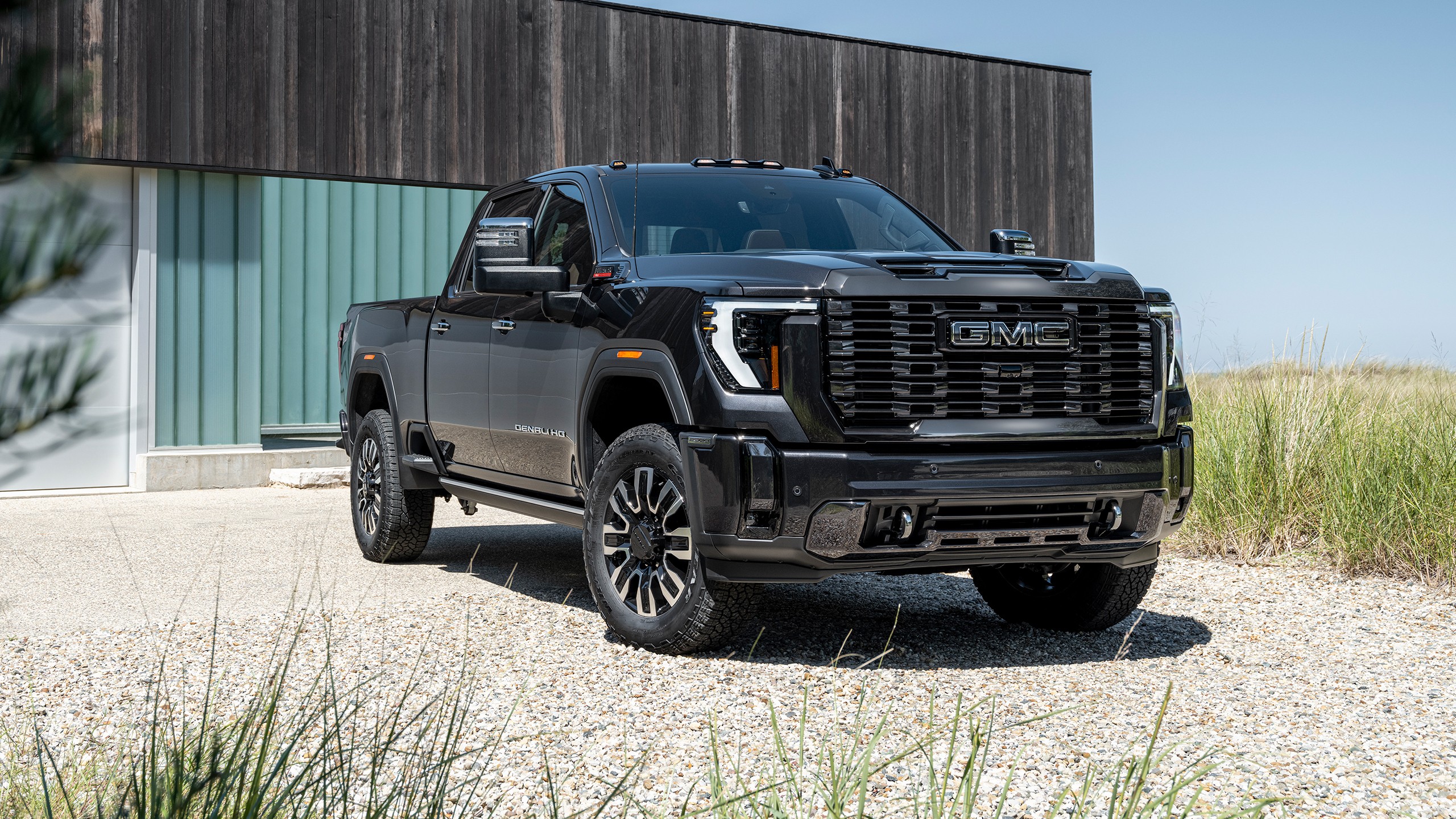
GMC Sierra 2500HD
The GMC Sierra 2500HD shares many characteristics with the Chevrolet Silverado 2500HD but emphasizes refinement and driver comfort alongside heavy-duty capability. Equipped with a Duramax diesel engine or a powerful gasoline V8, it delivers substantial torque for towing trailers, boats, or heavy equipment over long distances.
The reinforced frame and high-strength suspension system ensure the vehicle maintains stability even when carrying extreme loads, reducing the risk of structural fatigue or component wear. This is especially important for Kansas City operators who rely on consistent towing performance and need a vehicle capable of managing repeated heavy use without frequent maintenance interruptions.
Advanced towing technologies included in the Sierra 2500HD contribute significantly to safety and operational ease. Trailer sway control, hill start assist, integrated hitch guidance, and multiple camera views allow drivers to handle large loads with confidence, even in urban or congested environments.
This level of control is crucial for both safety and efficiency, particularly when maneuvering trailers through narrow streets, construction zones, or uneven terrain. The vehicle’s suspension is optimized to balance heavy payload management with ride comfort, preventing excessive vibration or bounce while ensuring that the cargo and trailer remain stable during transit.
Interior features in the Sierra 2500HD are designed to enhance the driver experience during long workdays. Ergonomic seating, intuitive control layouts, and advanced infotainment systems reduce fatigue and allow operators to focus on driving and towing tasks.
The cabin provides storage solutions for tools, documents, and personal items, improving organization and efficiency for work crews who spend extended periods on the road. The braking system, reinforced for heavy loads, ensures reliable stopping power even under maximum towing conditions, reducing the risk of accidents and providing greater control over the vehicle.
Finally, GMC’s reputation for quality, combined with widespread service support, makes the Sierra 2500HD a dependable work and towing partner.
Operators can rely on the truck to perform consistently under demanding conditions, whether towing construction equipment, transporting boats, or hauling materials across Kansas City and surrounding areas. Its combination of power, durability, technology, and driver comfort makes it a top choice for professionals seeking a vehicle that can handle repeated heavy-duty work without compromise.
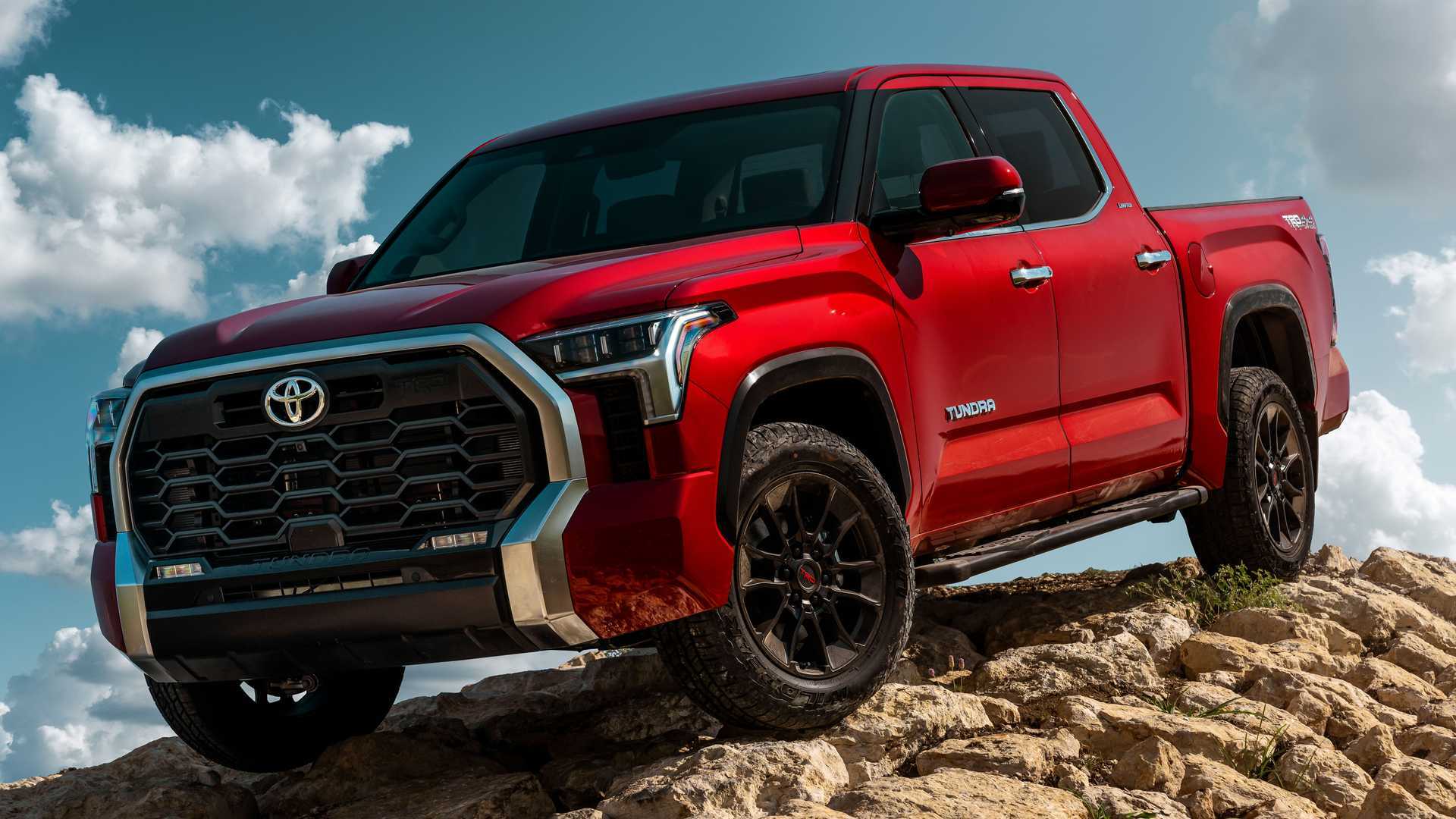
Toyota Tundra
The Toyota Tundra offers surprising towing and work capability, particularly for operators seeking a reliable vehicle that requires minimal maintenance. Its strong V8 engine delivers consistent torque, enabling the truck to handle medium-sized trailers, equipment, or recreational loads effectively.
While smaller than traditional heavy-duty trucks, the Tundra compensates with well-engineered structural components, including a reinforced frame and suspension system designed to manage heavy payloads. This durability allows the vehicle to perform consistently during repeated towing sessions, reducing the likelihood of mechanical issues or suspension fatigue over time.
Toyota equips the Tundra with a suite of towing-focused technologies, including trailer sway control, integrated brake systems, and backup cameras. These features simplify maneuvering and enhance safety, particularly in urban environments or on highways where traffic conditions can change quickly.
The truck’s interior and bed are optimized for work tasks, with practical storage options and robust materials that withstand wear from tools, equipment, or recreational gear. Driver comfort is also emphasized, with supportive seating and intuitive controls that reduce fatigue during long hauling trips.
Durability remains a hallmark of the Tundra. Its engines and transmissions are designed for long-term reliability, while high-strength materials in suspension and chassis components reduce wear under heavy load conditions.
Braking and stability systems maintain consistent performance, ensuring that the truck can tow safely and efficiently in a variety of conditions. For Kansas City operators, this combination of durability, ease of use, and manageable size makes the Tundra a practical option for work and towing tasks that do not require extreme heavy-duty capability.
Finally, Toyota’s service network and strong reputation for reliability make the Tundra a dependable choice. The vehicle’s long lifespan and minimal maintenance requirements reduce total cost of ownership, making it attractive for both professional and recreational towing needs.
While it may not match the extreme towing capacity of larger trucks, its blend of reliability, capability, and practicality ensures it performs consistently under load and meets the demands of everyday work scenarios.
Five Vehicles That Fail Under Load
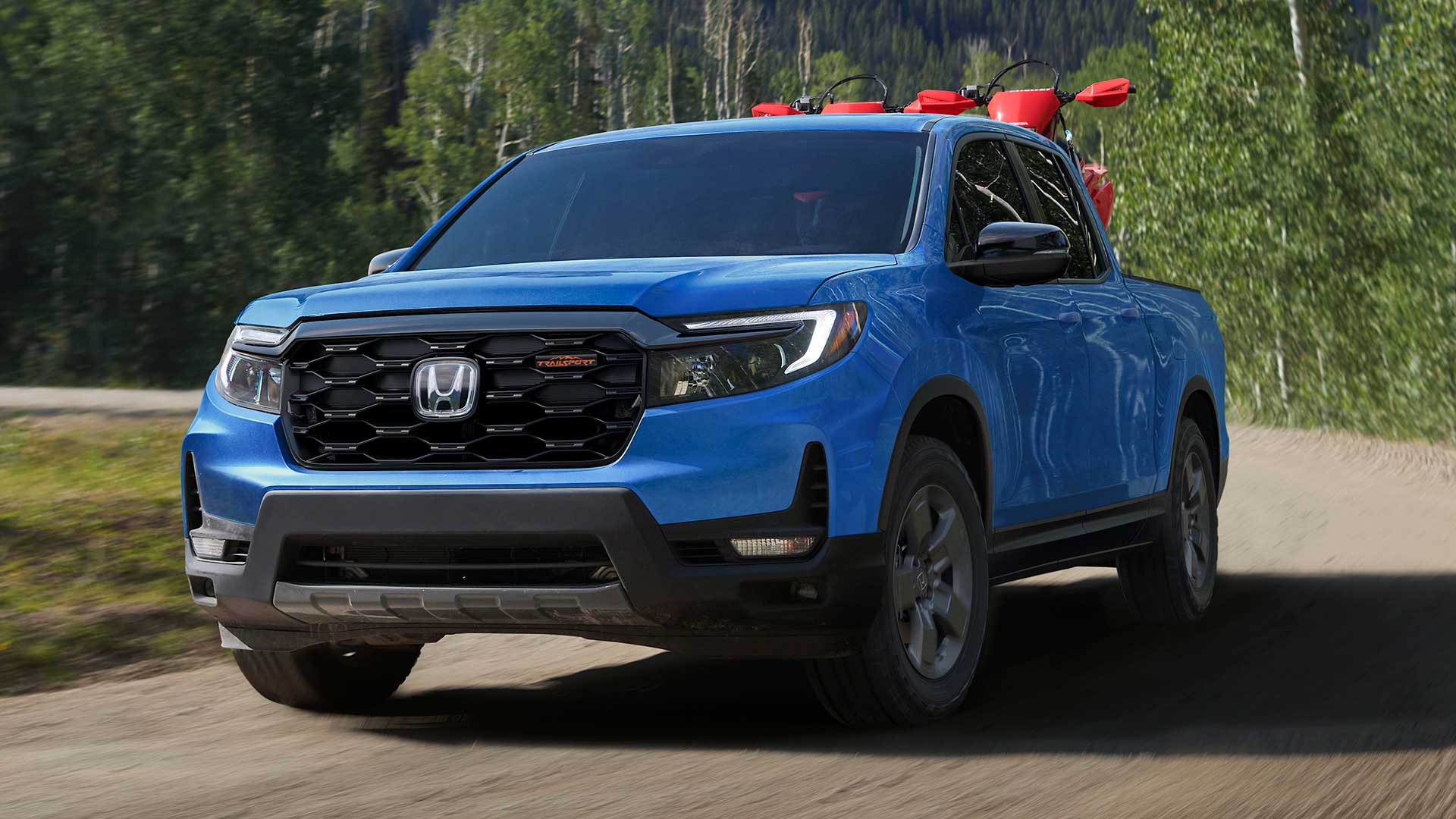
Honda Ridgeline
The Honda Ridgeline is often praised for its comfort and car-like handling, but when it comes to heavy towing or repeated work use, it frequently falls short. Its unibody construction, while improving ride quality and fuel efficiency, lacks the structural strength of traditional body-on-frame trucks.
This design limitation reduces the Ridgeline’s ability to handle heavy trailers or construction equipment without putting excessive stress on the frame and suspension. Drivers attempting to tow near the Ridgeline’s maximum capacity often experience sagging rear suspension, reduced braking efficiency, and compromised stability.
In Kansas City, where a mix of urban streets and rural roads are common, these weaknesses can pose serious challenges, particularly when maneuvering trailers in traffic or on uneven terrain.
The Ridgeline’s engine and transmission, while adequate for light-duty tasks, often struggle under sustained load. Its V6 engine produces moderate torque, but under heavy hauling conditions, the drivetrain can overheat or lose efficiency. This results in slower acceleration, extended braking distances, and increased wear on key components.
The truck’s cooling system is not designed for continuous heavy-duty towing, so frequent stops may be required to prevent overheating, reducing operational efficiency for work-related tasks. Additionally, electronic stability and traction systems provide limited assistance when fully loaded, leaving drivers to rely heavily on skill alone to maintain control of trailers or equipment.
Finally, long-term reliability under heavy stress is a concern. Owners frequently report accelerated wear on transmission and suspension components when towing near the vehicle’s limits. Maintenance costs can rise quickly, and the structural limitations mean the Ridgeline may not safely handle repeated work-related towing tasks over several years.
For those seeking a dependable vehicle for towing in Kansas City or similar environments, the Ridgeline’s shortcomings under load make it a less-than-ideal choice compared to traditional body-on-frame trucks.
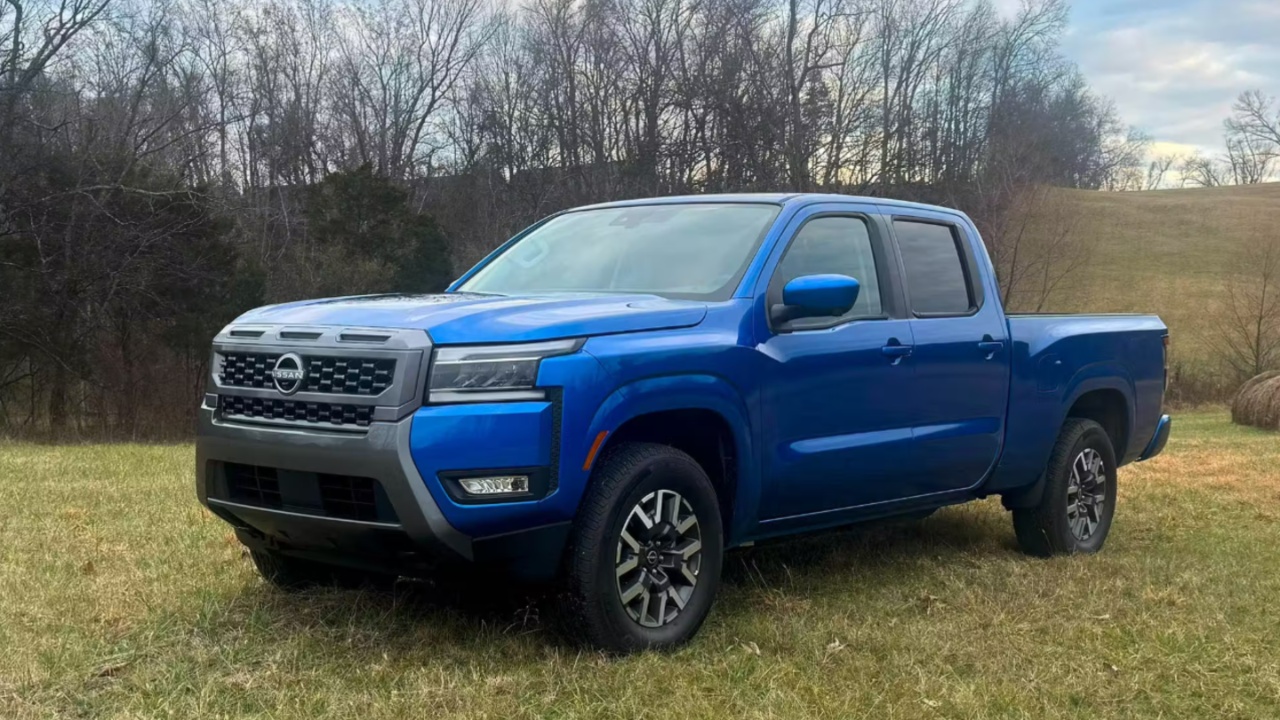
Nissan Frontier
The Nissan Frontier is a mid-size truck that is often recommended for light utility work, but it commonly struggles when subjected to heavy loads. Its frame and suspension, while adequate for everyday driving and small trailers, lack the strength necessary for continuous towing of large equipment or boats.
The truck’s payload capacity is limited, and when it is exceeded, drivers may notice sagging rear suspension, increased tire wear, and reduced braking effectiveness. In practical terms, the Frontier’s performance declines significantly when used for serious work applications in Kansas City, especially on routes with frequent stops, hills, or uneven surfaces.
The Frontier’s engine, typically a four-cylinder or V6 depending on the model year, provides moderate power and torque, but under load it can feel underpowered and sluggish. Acceleration with trailers is slow, and maintaining highway speeds with heavy cargo requires sustained engine effort, leading to increased wear and heat buildup.
Over time, the transmission can become strained, reducing longevity and increasing maintenance costs. Drivers who attempt frequent heavy towing may also encounter overheating issues or reduced efficiency, limiting the Frontier’s practical usability for demanding work.
Suspension and stability are further areas of concern. The Frontier’s suspension, designed more for comfort than heavy load management, allows for noticeable bounce and trailer sway.
This is particularly problematic when towing in urban areas or over uneven rural roads, where sudden maneuvers are required. The truck’s brakes are also less capable under heavy load, making it harder to stop safely when hauling equipment or trailers. While it can handle light-duty tasks or short-term towing, the Frontier is prone to failure under repeated heavy loads.
Finally, the Frontier’s long-term durability suffers under heavy work conditions. Components like the frame, suspension, and transmission can wear prematurely, and repeated stress may result in costly repairs.
While the Frontier is well-suited for recreational towing or small cargo transport, its limitations make it an unreliable option for professional towing or heavy-duty work in Kansas City. Operators who push the Frontier to its limits risk both safety and performance issues over time.
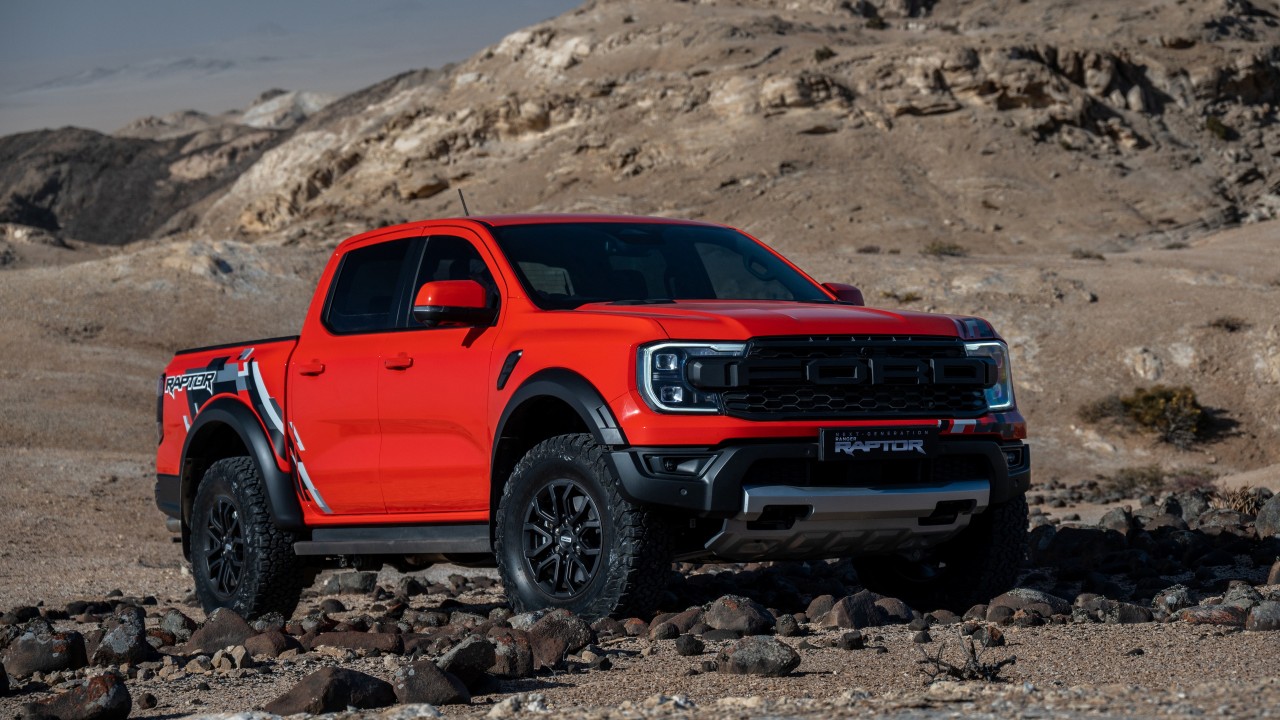
Ford Ranger
The Ford Ranger, a mid-size pickup, provides reasonable performance for light hauling and commuting, but it struggles when subjected to significant towing demands. Its frame and suspension are not designed for continuous heavy-duty use, which can result in sagging, instability, and accelerated wear under load.
When towing larger trailers or construction equipment, drivers may experience noticeable body roll, reduced braking performance, and diminished control. Kansas City operators who navigate a mix of urban traffic and highway driving with trailers will find the Ranger’s limitations particularly evident when compared to full-size or heavy-duty trucks.
Suspension and payload management are critical weaknesses. The Ranger’s rear suspension, while tuned for ride comfort, cannot adequately support repeated heavy loads without significant bounce or sway.
This reduces stability during sudden stops or sharp turns and increases the risk of trailer sway or uneven wear on tires and suspension components. For professional work tasks requiring reliable performance, these limitations make the Ranger ill-suited for regular towing.
Finally, long-term reliability suffers when the Ranger is pushed beyond its intended load capacity. Repeated heavy towing can accelerate wear on the transmission, brakes, and frame, leading to expensive repairs or premature component failure.
While the Ranger is suitable for small trailers, recreational towing, or light work tasks, it is not engineered for consistent heavy-duty use in Kansas City or similar environments where towing demands are frequent and substantial.
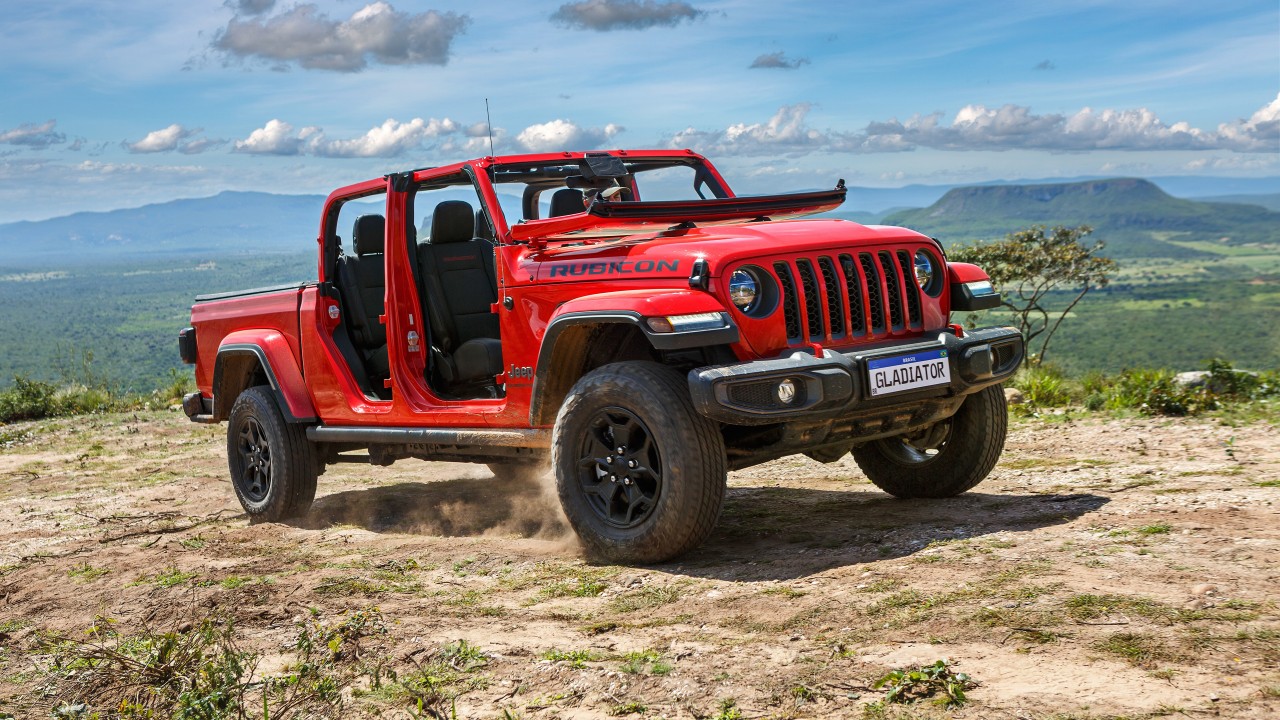
Jeep Gladiator
The Gladiator’s V6 engine provides moderate torque, but under sustained load, it can overheat and strain the transmission. Acceleration and highway performance diminish noticeably with heavy trailers, and prolonged towing can accelerate wear on critical components.
While the vehicle is competent for occasional towing, frequent work-related hauling can compromise reliability. Unlike trucks designed specifically for heavy loads, the Gladiator lacks reinforced suspension and frame structures that prevent long-term fatigue under stress.
Payload and suspension limitations further restrict the Gladiator’s performance. The rear leaf spring setup, while adequate for light loads, struggles with heavy or uneven cargo, resulting in bounce, sway, and reduced driver control.
Braking efficiency also suffers when the vehicle is near its maximum towing capacity, increasing stopping distances and the risk of accidents. These limitations make the Gladiator unsuitable for frequent work or heavy-duty towing tasks, despite its rugged appearance and off-road capabilities.
Finally, long-term maintenance and reliability under load are concerns. Frequent heavy towing can lead to accelerated wear on suspension, brakes, and transmission components, increasing service costs and reducing vehicle longevity.
While the Gladiator excels in off-road recreation or light-duty hauling, it is not a reliable choice for consistent towing or work scenarios in Kansas City. Operators seeking a dependable work vehicle will find it lacking in both capacity and durability.
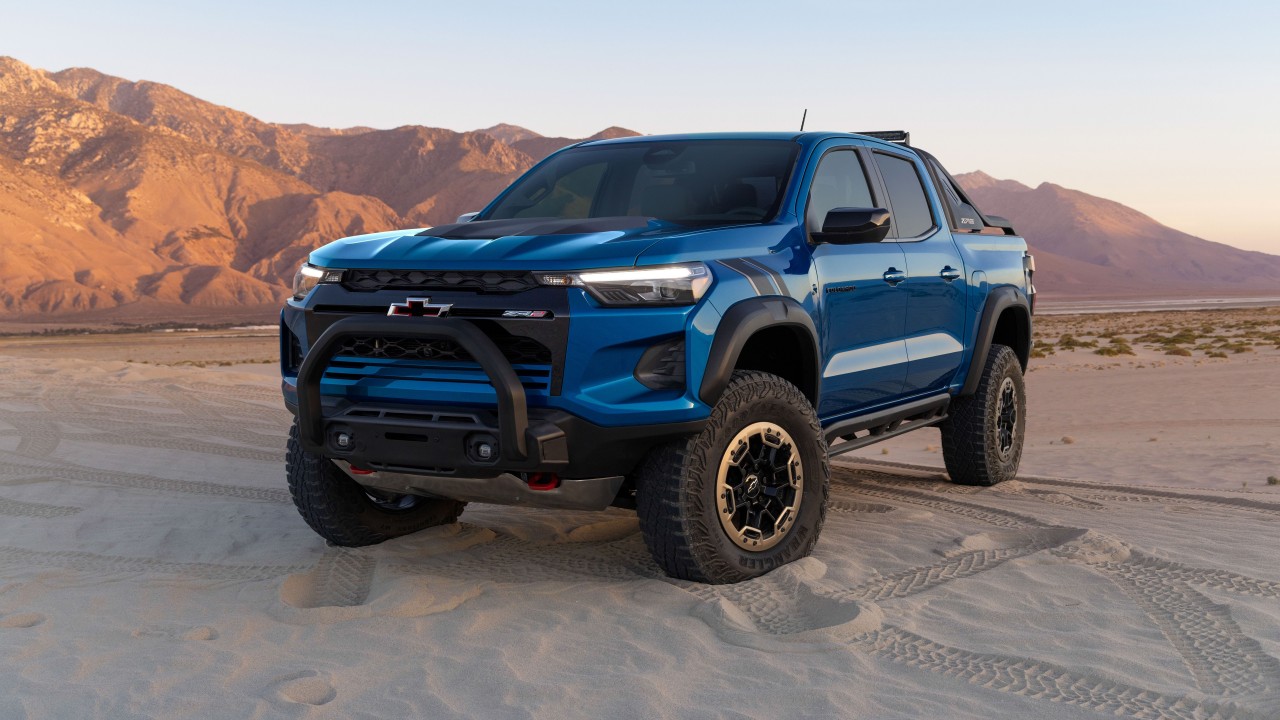
Chevrolet Colorado
Engine and transmission performance under load are also limiting factors. The Colorado’s four-cylinder or V6 engines provide moderate torque and horsepower, but under sustained heavy towing, acceleration is sluggish, and the transmission can overheat.
This leads to reduced efficiency and higher long-term maintenance requirements. Even with proper towing equipment, drivers may notice increased body sway, slower braking response, and diminished control when hauling near maximum capacity.
These weaknesses are particularly noticeable during city driving, where quick stops and maneuvering are common, or on highways, where maintaining consistent speeds with trailers is necessary.
Suspension and payload management are major challenges for the Colorado. The truck’s rear suspension, designed more for comfort and light utility, does not adequately support heavy loads, resulting in bounce, sway, and uneven handling.
Tires and suspension components wear faster under repeated stress, increasing repair costs and reducing vehicle reliability over time. While the Colorado is adequate for weekend hauling, recreational towing, or light construction tasks, it is not engineered for sustained heavy-duty work.
Finally, long-term durability under repeated load is a concern. Continuous heavy towing can strain the frame, suspension, transmission, and braking systems, leading to costly repairs and reduced lifespan.
The Colorado is best suited for operators seeking moderate towing capability or light work, rather than those requiring a dependable, heavy-duty work vehicle for daily use in Kansas City. Its limitations make it a poor choice for consistent, demanding towing tasks.
