
Atlanta is a city defined by its sprawling highways, congested downtown streets, and an ever-growing population that relies heavily on automobiles for commuting and daily life. Driving in Atlanta can be a test of patience, skill, and the right vehicle choice.
The city’s traffic patterns are notorious, with rush hours stretching along interstates like I-285, I-75, and I-85, and gridlock often extending into suburban arteries. For residents, choosing the right car is not just about style or power; it is about maneuverability, fuel efficiency, reliability, and long-term costs.
Some cars are naturally suited to the stop-and-go nature of Atlanta traffic, offering a smooth commute and low maintenance stress. Compact cars with responsive handling, hybrid options with excellent fuel economy, and vehicles built with longevity in mind can make daily driving far more bearable.
On the other hand, certain vehicles, especially high-performance models or cars with complex electronics, may provide a thrilling ride but often demand costly repairs, frequent service, and expensive parts that can quickly become a financial burden.
The contrast between cars that thrive in city traffic and those that drain your wallet is stark, yet it is often overlooked when buyers make impulsive decisions based on aesthetics, brand appeal, or horsepower. Understanding which vehicles can adapt to Atlanta’s traffic environment while remaining affordable to maintain is key for both new residents and long-term locals.
This article will compare five cars that are particularly suited for Atlanta traffic with five cars notorious for high repair costs, breaking down their advantages, drawbacks, and the practical considerations drivers should weigh.
By examining factors like fuel efficiency, reliability, maintenance costs, handling, and comfort, readers can make informed decisions that match the unique demands of Atlanta driving. The goal is to provide a realistic perspective on which cars save time, money, and stress, and which ones may become financial headaches despite their initial appeal.
Cars for Atlanta Traffic (Expanded)
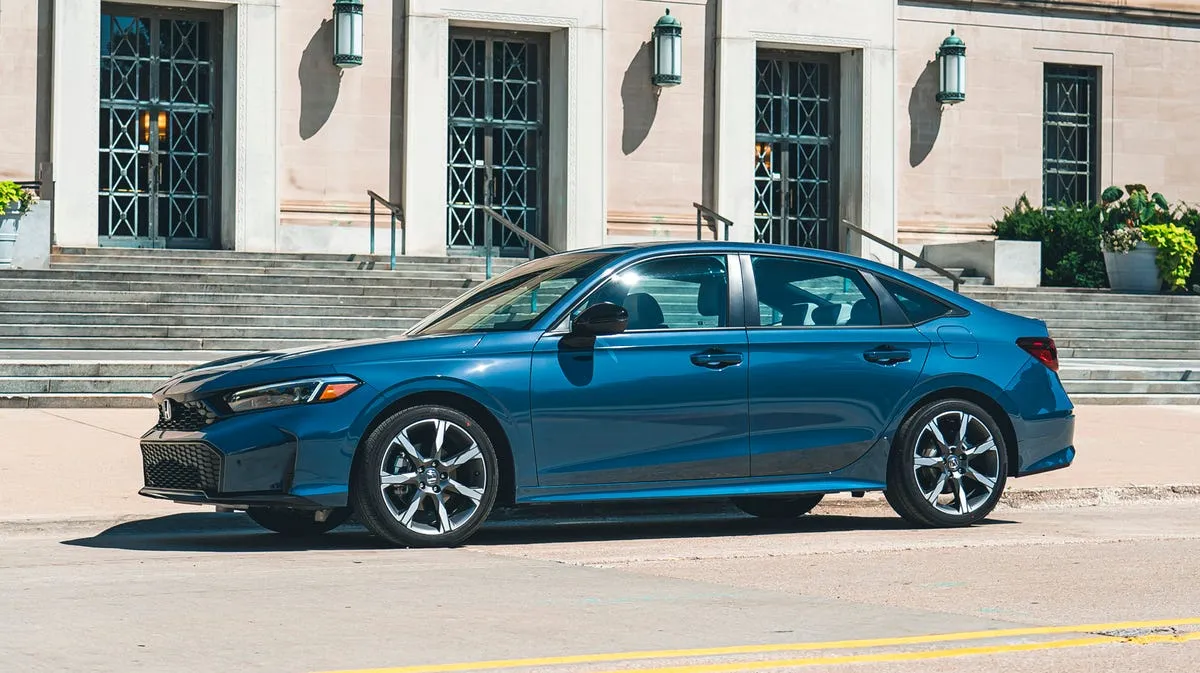
1. Honda Civic
The Honda Civic has long been a favorite among city drivers due to its compact size, reliable engine, and efficient fuel economy. In Atlanta traffic, where stop-and-go driving is common, the Civic’s responsive handling and smooth transmission provide a distinct advantage over larger vehicles.
Its compact footprint allows for easier lane changes and parking in crowded downtown areas, which is crucial in a city where every inch of road space is valuable. Beyond maneuverability, the Civic also features engines that are built to last, and routine maintenance, including oil changes, brake servicing, and tire rotations, is straightforward and affordable.
For drivers commuting daily through congested interstates and city streets, this reliability translates to fewer unplanned repair visits and a more predictable budget for car-related expenses.
The Civic also excels in terms of comfort and convenience, which are important in heavy traffic conditions where drivers often spend extended periods behind the wheel. Seating ergonomics are designed for long-term support, helping reduce fatigue during long commutes, and interior materials balance durability with comfort.
Many Civic models include infotainment systems that integrate smartphones, allowing drivers to access navigation, music, and hands-free communication without distraction. Hybrid variants of the Civic further enhance its appeal in city driving scenarios by reducing fuel consumption and lowering emissions, making it both economical and environmentally friendly.
Safety is another major factor in Atlanta traffic, and the Civic provides an array of features that make navigating busy streets less stressful. Advanced driver-assistance technologies such as adaptive cruise control, lane-keeping assist, and collision mitigation braking help drivers maintain safe distances and avoid accidents in heavy traffic.
These features are particularly useful on congested highways like I-285, where even small mistakes can lead to chain-reaction collisions. The combination of safety, maneuverability, and efficient performance ensures that the Civic remains a dependable choice for both new and experienced drivers.
Finally, the Civic maintains strong resale value, which adds another layer of financial sense for urban commuters. Vehicles that retain their value over time provide flexibility for upgrades and reduce long-term ownership costs.
When combined with low maintenance demands and fuel efficiency, the Civic offers a balanced package that makes Atlanta commuting more manageable, less expensive, and far less stressful than driving larger or less reliable vehicles. Its consistent performance, affordability, and practical design solidify its reputation as one of the best cars for city driving.
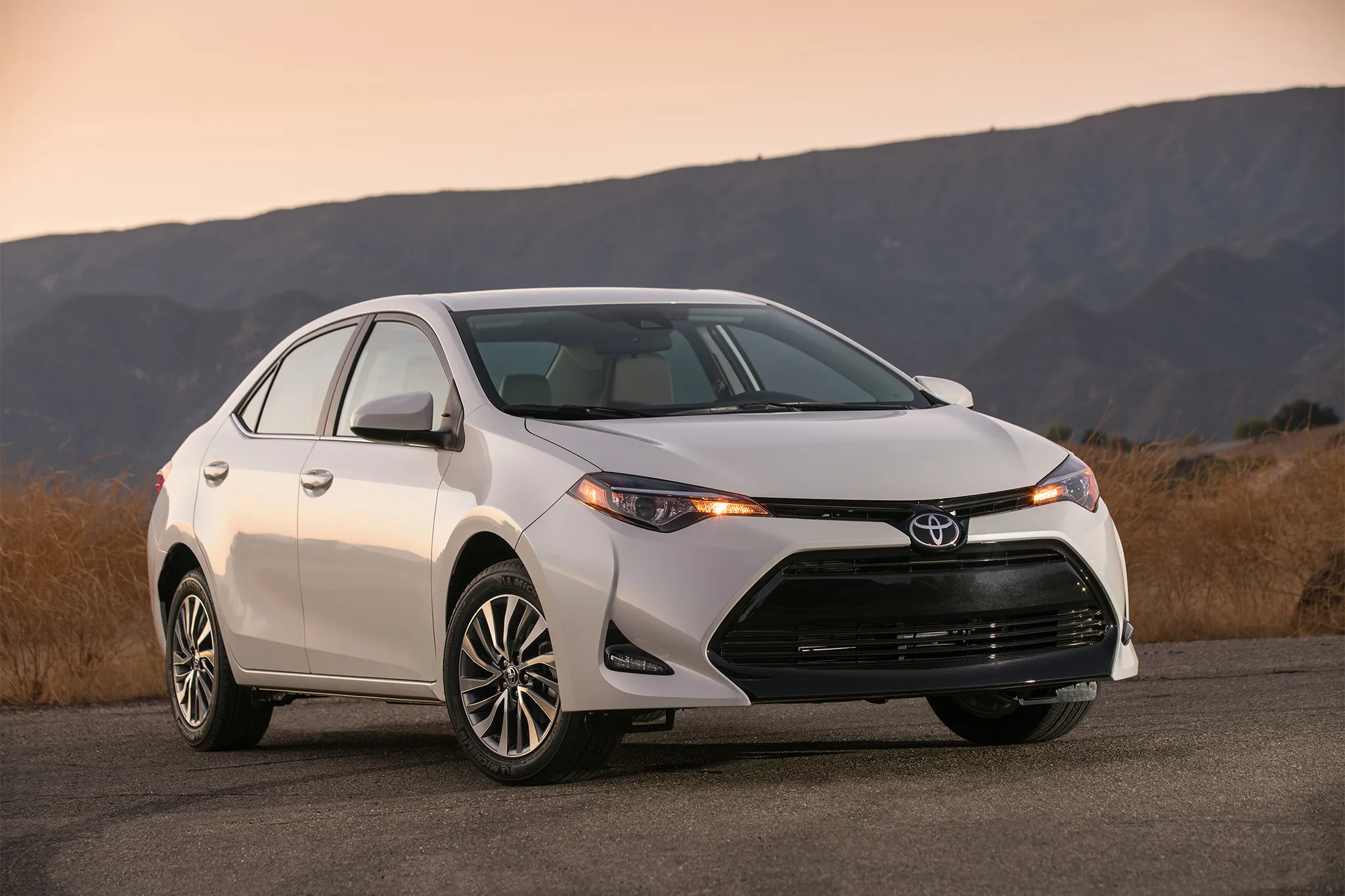
2. Toyota Corolla
The Toyota Corolla is another compact sedan that thrives in urban traffic conditions. Its combination of reliability, fuel efficiency, and affordable maintenance makes it particularly suitable for Atlanta commuters. The Corolla’s suspension system is tuned to handle city streets, absorbing bumps, potholes, and uneven road surfaces while maintaining a comfortable ride.
This is essential in a city where road conditions can be inconsistent and stop-and-go traffic puts additional strain on brakes and engines. For drivers facing long daily commutes, the Corolla provides a smooth and predictable driving experience that reduces wear on both the vehicle and the driver.
Inside, the Corolla offers a cabin designed for comfort and functionality. Seating provides adequate support during extended periods of driving, and the controls are arranged in an intuitive layout to minimize distractions. The infotainment system is straightforward and responsive, allowing for easy integration with smartphones and GPS navigation.
These features contribute to a calmer and safer commuting experience, especially in heavy traffic where focus and attention are critical. Additionally, the Corolla’s quiet cabin design helps minimize stress during longer drives, creating a more pleasant environment compared to noisier or bulkier vehicles.
Performance in city traffic is another area where the Corolla excels. Its steering responsiveness allows for precise maneuvering, making it easier to navigate crowded intersections and tight lanes, while its compact size reduces the challenges associated with parallel parking or tight parking lots.
The vehicle’s fuel economy, often exceeding 30 miles per gallon in city conditions, is particularly valuable for daily commuters who spend significant time idling in traffic jams. Reduced fuel consumption directly translates to lower monthly expenses, which is a critical consideration for budget-conscious drivers.
Finally, Toyota’s well-established reputation for reliability and longevity gives drivers confidence that the Corolla will remain dependable for years of urban commuting. Many Corolla owners report vehicles lasting well over 200,000 miles with minimal issues, and parts are generally affordable and widely available.
The combination of durability, safety, fuel efficiency, and driver-friendly features makes the Corolla one of the most practical and cost-effective choices for navigating Atlanta’s traffic-heavy streets. Its balance of comfort, maneuverability, and reliability ensures a stress-free commuting experience.
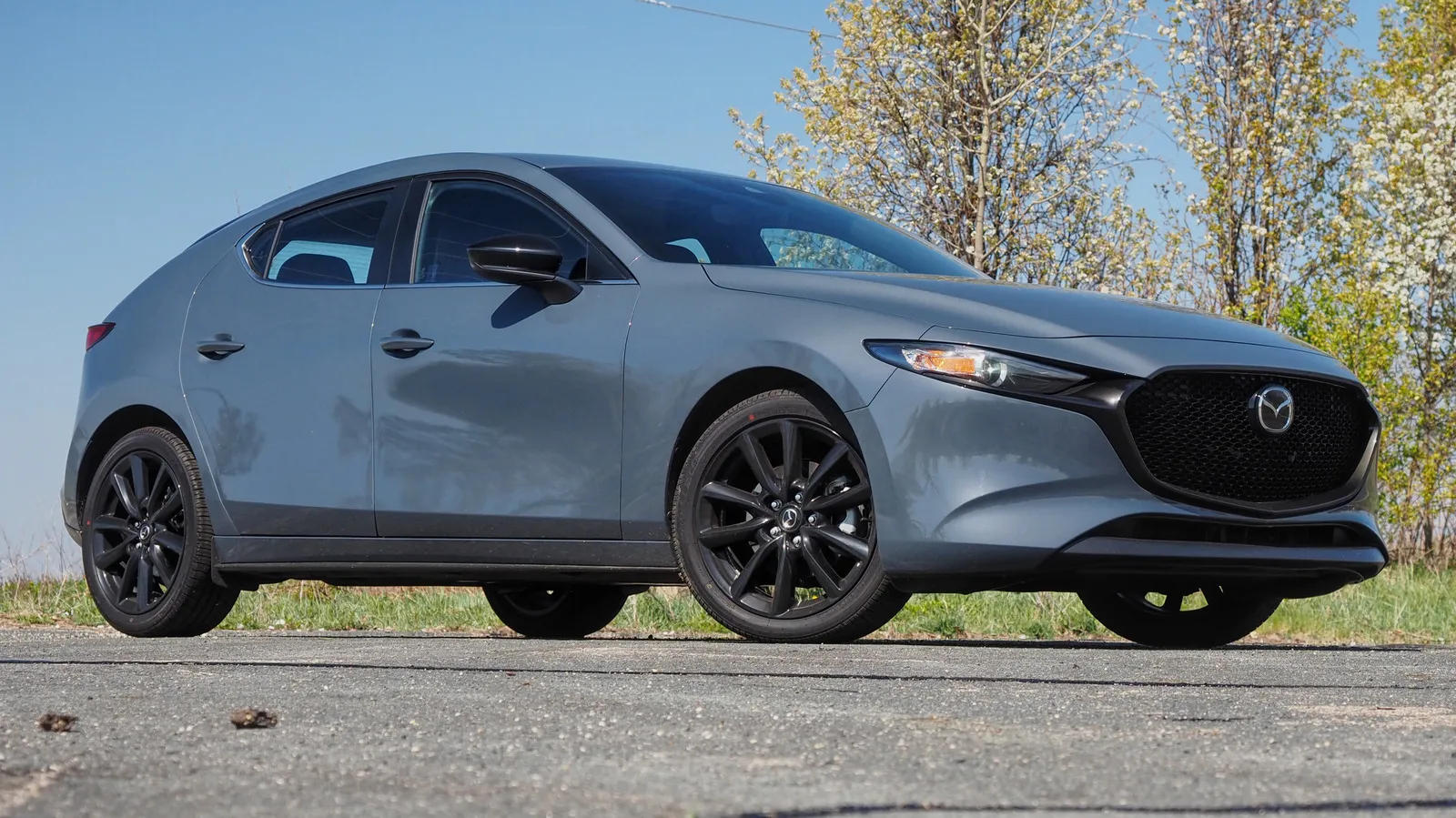
3. Mazda3
The Mazda3 stands out for its combination of sporty handling, efficiency, and urban practicality. Its compact design and responsive steering make it ideal for weaving through congested streets and handling sudden stops common in Atlanta traffic.
The suspension system absorbs road imperfections effectively, providing a smoother ride than many other compact sedans. For drivers who spend considerable time navigating downtown streets or suburban arteries during rush hours, the Mazda3 provides a sense of control and responsiveness that larger or less agile cars cannot match.
Fuel efficiency is another strong selling point for city driving. The Mazda3 offers impressive mileage in stop-and-go conditions, reducing fuel expenses for daily commuters.
This is particularly important in a city like Atlanta, where commutes can frequently stretch from 30 to 50 miles depending on traffic and route. Lower fuel consumption not only saves money but also reduces the environmental impact of daily driving, making the Mazda3 a responsible choice for urban residents who value efficiency.
Comfort and interior design play a key role in urban driving, and the Mazda3 delivers in both areas. Seats are supportive and adjustable, helping minimize driver fatigue during long periods in traffic.
Controls are well-placed and intuitive, allowing drivers to manage music, climate, and navigation systems without losing focus on the road. Additionally, Mazda3 models often feature quiet cabins that reduce the intrusion of road and engine noise, creating a more serene environment amid the chaos of congested highways and busy streets.
Reliability and long-term performance are also key considerations. The Mazda3 combines Japanese engineering principles with a slightly sportier feel than other compact sedans, making it both enjoyable and practical. Maintenance costs are generally manageable, and parts are widely available, reducing the likelihood of expensive or prolonged repairs.
For urban commuters, the Mazda3 represents an ideal balance of agility, comfort, and durability, allowing drivers to navigate Atlanta traffic efficiently while enjoying a reliable and economical vehicle.
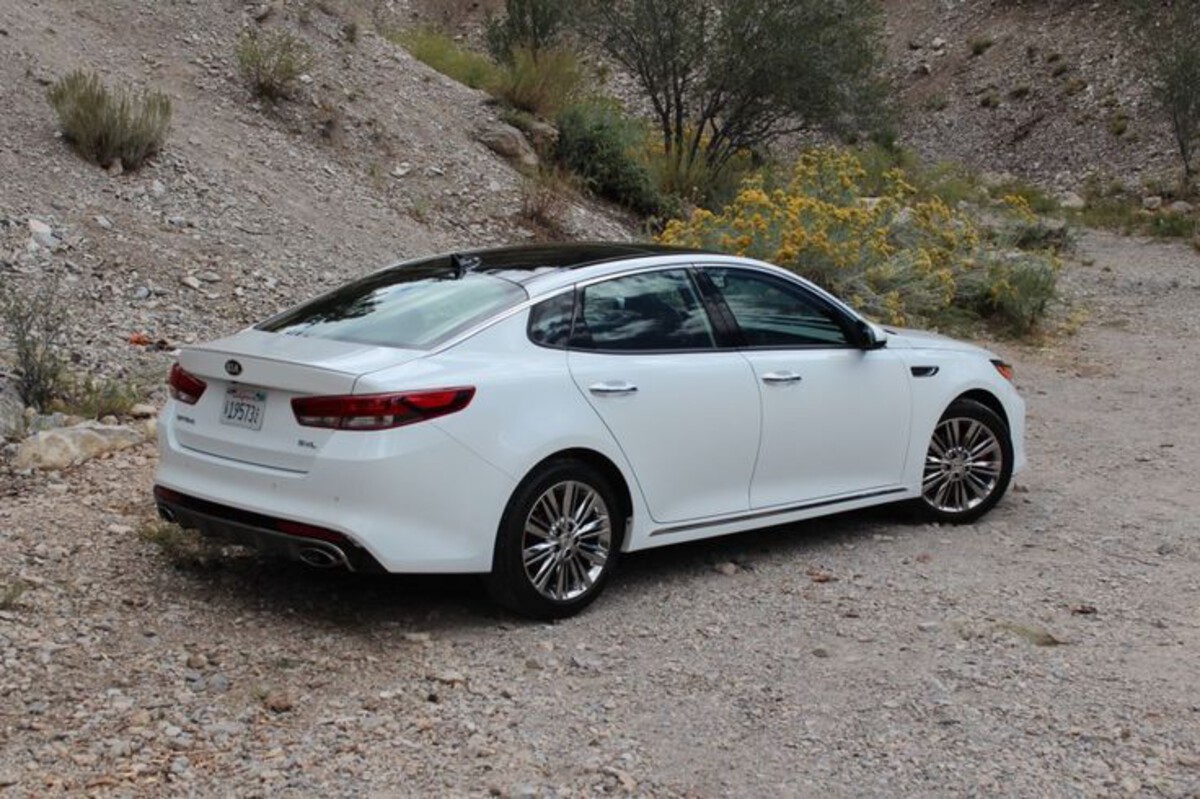
4. Hyundai Elantra
The Hyundai Elantra is a compact sedan that balances practicality, style, and efficiency, making it well-suited for city traffic. Its fuel-efficient engines reduce commuting costs, while the vehicle’s tight turning radius and smooth handling make it easier to maneuver through crowded streets, narrow lanes, and congested intersections. Stop-and-go traffic, which is common during Atlanta rush hours, can be exhausting for drivers, but the Elantra’s responsive steering and smooth transmission alleviate some of this stress.
Reliability is a major strength of the Elantra. Hyundai has invested heavily in engineering vehicles that are durable and easy to maintain, and the Elantra often comes with an extensive warranty that covers major components for several years. Routine maintenance, including oil changes, brake service, and tire rotations, is straightforward and affordable. For city drivers, this reliability reduces the risk of unexpected breakdowns or repair costs that could disrupt commuting schedules.
Inside, the Elantra offers a well-designed cabin with features that enhance comfort and convenience. Seating is supportive for longer drives, and controls are arranged for intuitive use.
Advanced safety features such as lane-keeping assist, blind-spot monitoring, and adaptive cruise control help reduce stress and improve safety in heavy traffic, allowing drivers to focus on the road without feeling overwhelmed by congestion. Additionally, hybrid versions of the Elantra provide even greater fuel efficiency, helping drivers save money while navigating city streets.
From a cost perspective, the Elantra is an economical choice for urban driving. Its low maintenance costs, combined with fuel efficiency and reliability, make it a financially smart option for long-term ownership. The vehicle’s compact design, comfort, and advanced features create a practical and stress-free commuting experience.
For Atlanta residents, the Hyundai Elantra offers a combination of affordability, efficiency, and ease of use that makes it one of the top choices for navigating heavy traffic without sacrificing comfort or reliability.
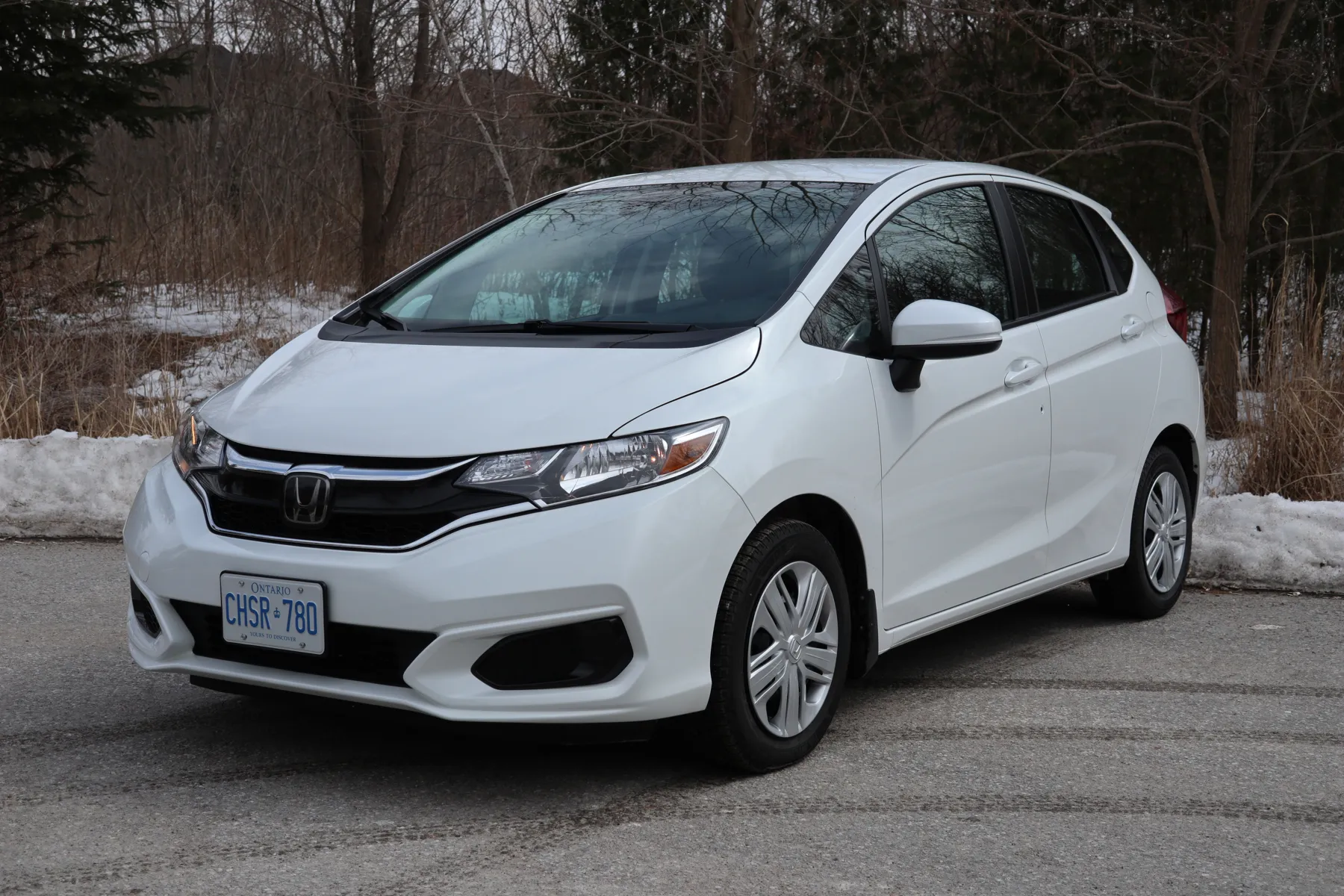
5. Honda Fit
The Honda Fit is an exceptionally practical subcompact vehicle for city driving, especially in a metropolitan area like Atlanta with heavy traffic and limited parking. Its small dimensions make navigating congested streets and tight parking spaces far easier than larger sedans or SUVs.
Despite its compact size, the Fit’s interior is surprisingly spacious and versatile, thanks to Honda’s innovative “Magic Seat” design, which allows the rear seats to fold in multiple configurations to accommodate both passengers and cargo. This flexibility makes the Fit ideal for drivers who need a small car for commuting but occasionally require extra space for groceries, equipment, or other items.
Fuel efficiency is a key advantage of the Fit, with city mileage often exceeding 33 miles per gallon. This makes it particularly cost-effective for daily commuting in Atlanta’s stop-and-go traffic, helping drivers save money while reducing environmental impact.
The Fit also shares Honda’s reputation for durability and long-lasting performance, meaning that regular maintenance is minimal and repairs are typically inexpensive compared to larger or more complex vehicles.
Handling and maneuverability are standout features of the Fit. Its responsive steering and tight turning radius make it easy to navigate crowded streets, while excellent visibility allows drivers to anticipate stops, pedestrians, and merging traffic more effectively. The Fit’s suspension absorbs city road imperfections well, providing a comfortable and controlled ride even in traffic-heavy conditions.
Finally, the Fit’s maintenance costs are highly manageable. Parts are readily available, and labor costs are generally low, keeping total ownership costs reasonable.
For urban commuters who prioritize efficiency, reliability, and ease of use, the Honda Fit is a practical, economical, and stress-free choice. Its combination of compact size, spacious interior, fuel efficiency, and reliability makes it an ideal vehicle for Atlanta traffic, offering convenience and affordability without sacrificing performance.
Cars That Rack Up Repair Bills
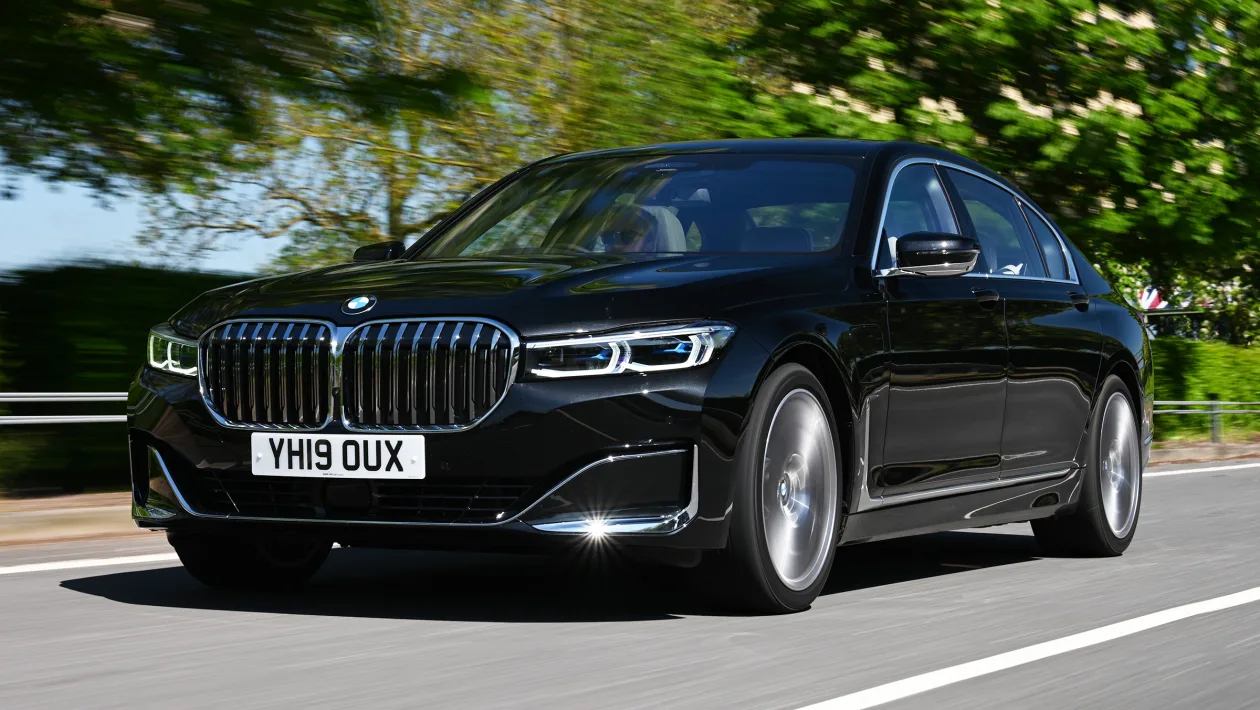
1. BMW 7 Series
The BMW 7 Series is a symbol of luxury and advanced engineering, but this sophistication comes at a cost, particularly when it comes to repairs and maintenance. The car features a complex combination of electronic systems, high-performance engines, and sophisticated drivetrains that demand expert care.
Atlanta drivers who spend hours in stop-and-go traffic can accelerate wear on components like brakes, transmissions, and suspension systems. Even minor repairs, such as sensor replacements or electronic module recalibrations, can cost several hundred to several thousand dollars, making ownership an expensive endeavor.
Routine maintenance is also significantly more costly than that of mainstream sedans. Oil changes, brake service, and tire rotations often require specialized tools and trained technicians, which adds to labor expenses. Replacement parts are almost always premium, which further drives up the cost.
For example, a single electronic component controlling adaptive suspension or climate control can easily exceed the price of a mid-range sedan, and failure of these systems can lead to cascading problems. These high maintenance costs make even routine upkeep a financial burden.
Fuel efficiency is another drawback for city driving. The 7 Series typically comes with large engines designed for power and performance, not fuel economy. Stop-and-go traffic in Atlanta results in excessive fuel consumption, raising monthly operating costs. Owners who commute regularly may find that fuel expenses alone rival the maintenance costs of more efficient vehicles, compounding the financial challenge of owning this luxury sedan.
Finally, the 7 Series depreciates rapidly, particularly if maintenance issues accumulate over time. While the car initially offers a luxurious driving experience, its long-term ownership can become a money pit.
Potential buyers are often wary of older 7 Series models because of their reputation for expensive repairs and complex electronics, which can make resale value unpredictable. In urban traffic-heavy environments like Atlanta, the combination of high maintenance, frequent repairs, and poor fuel efficiency makes this vehicle impractical for everyday commuting.
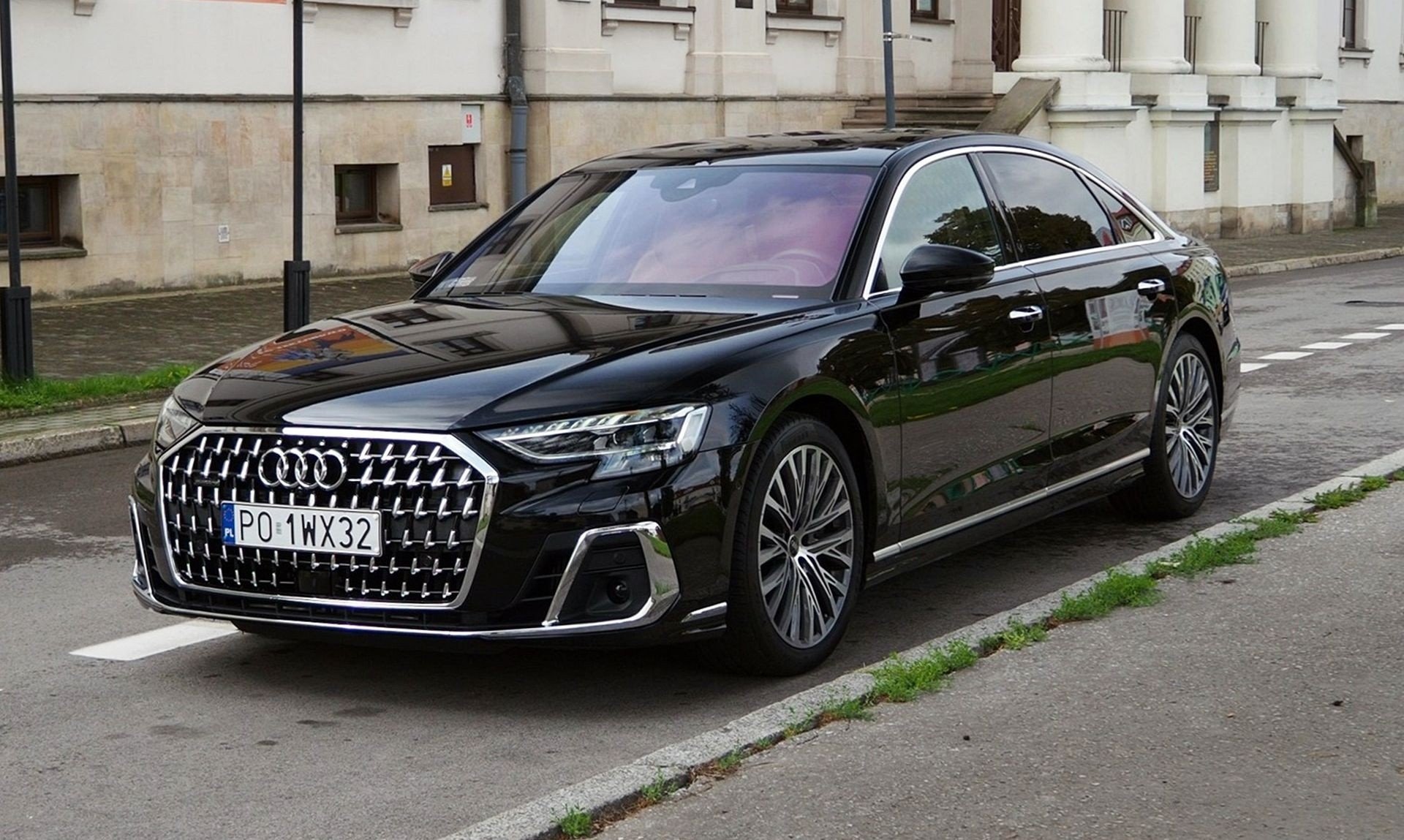
2. Audi A8
The Audi A8 is a full-size luxury sedan that impresses with its sleek styling, high-end features, and advanced technology, yet its complex systems often result in costly repairs.
The Quattro all-wheel-drive system, turbocharged engines, and integrated electronic modules create a car that is highly capable but also prone to expensive maintenance. Atlanta traffic, with its frequent stops and sudden acceleration, puts extra stress on transmissions, brakes, and electronic components, accelerating the potential for costly issues.
Service and maintenance for the A8 are expensive due to the need for specialized tools, dealer expertise, and high-end replacement parts. Even routine maintenance tasks such as brake replacement, fluid changes, or tire rotations can cost significantly more than in mainstream vehicles.
Electronic modules controlling adaptive cruise control, lane assist, or infotainment systems are sensitive and prone to failure, often requiring dealership-level attention and premium parts. For city drivers, this translates into frequent, costly service visits.
Turbocharged engines, while delivering excellent acceleration and performance, often consume significantly more fuel at low speeds, driving up operational costs.
The combination of premium fuel requirements and inefficient city performance further increases the financial burden for daily commuting. For those navigating congested Atlanta highways, this inefficiency can quickly add up to hundreds of dollars per month.
The A8 also faces challenges with depreciation. Luxury sedans tend to lose value quickly, and models with extensive electronic or mechanical issues can be especially difficult to resell. While the car delivers comfort, status, and a high-quality driving experience, the total cost of ownership in an urban environment can outweigh the benefits. For drivers seeking reliability, practicality, and manageable expenses, the Audi A8 often proves less suitable than smaller, more efficient vehicles.
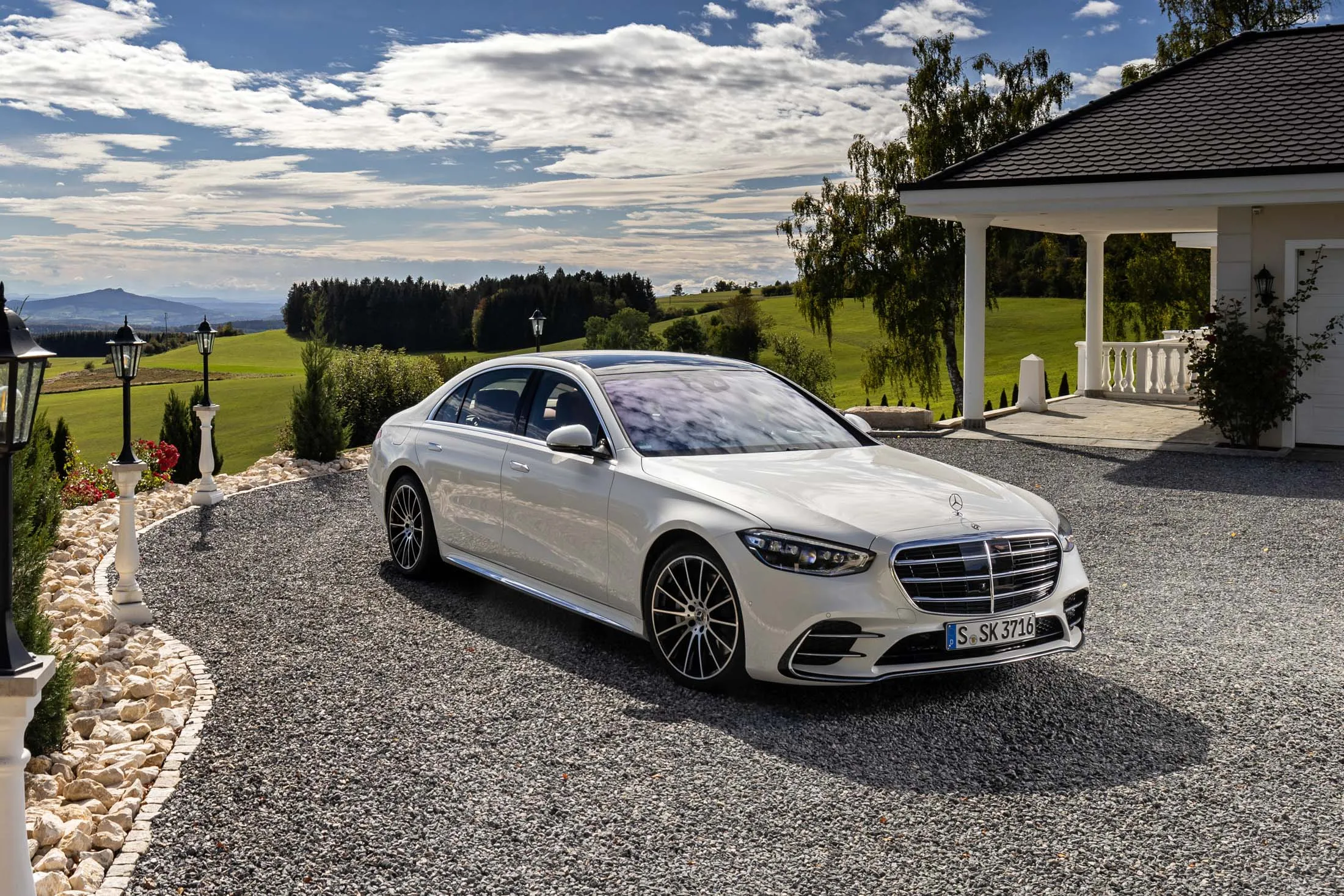
3. Mercedes-Benz S-Class
The Mercedes-Benz S-Class is widely recognized for its opulence, cutting-edge features, and unparalleled comfort, yet these qualities come with significant maintenance demands. The S-Class integrates multiple complex systems, including adaptive air suspension, high-performance engines, and a range of electronic driver assistance technologies.
Each system is prone to wear or malfunction, particularly when exposed to constant stop-and-go traffic common in Atlanta. Repairs can be very expensive, as even minor issues require specialized diagnostics and parts.
Routine maintenance for the S-Class is far more expensive than that of standard sedans. Oil changes, brake replacements, and transmission servicing often require trained technicians and premium fluids or components.
Repairs can quickly escalate if one system failure leads to another; for example, air suspension failures may affect alignment and tire wear, adding to the cost. Even electronics like infotainment modules, seat adjustment motors, or safety sensors are expensive to replace. Owners may find that keeping this vehicle in optimal condition demands both time and significant financial investment.
Fuel efficiency is another limiting factor. The S-Class is equipped with large, high-powered engines that perform poorly in city driving conditions.
Stop-and-go traffic increases fuel consumption dramatically, resulting in high monthly operating costs. Combined with expensive insurance and maintenance, fuel inefficiency contributes to a steep cost of ownership, making the S-Class a financial challenge for daily commuting.
Reliability can vary depending on model year and options. High-tech systems are often prone to failure, and repairs can be both time-consuming and expensive. While the S-Class delivers unmatched comfort and status, the financial and logistical demands of maintaining it in a city environment make it less practical for Atlanta drivers who need a vehicle that is dependable, affordable, and easy to maintain.
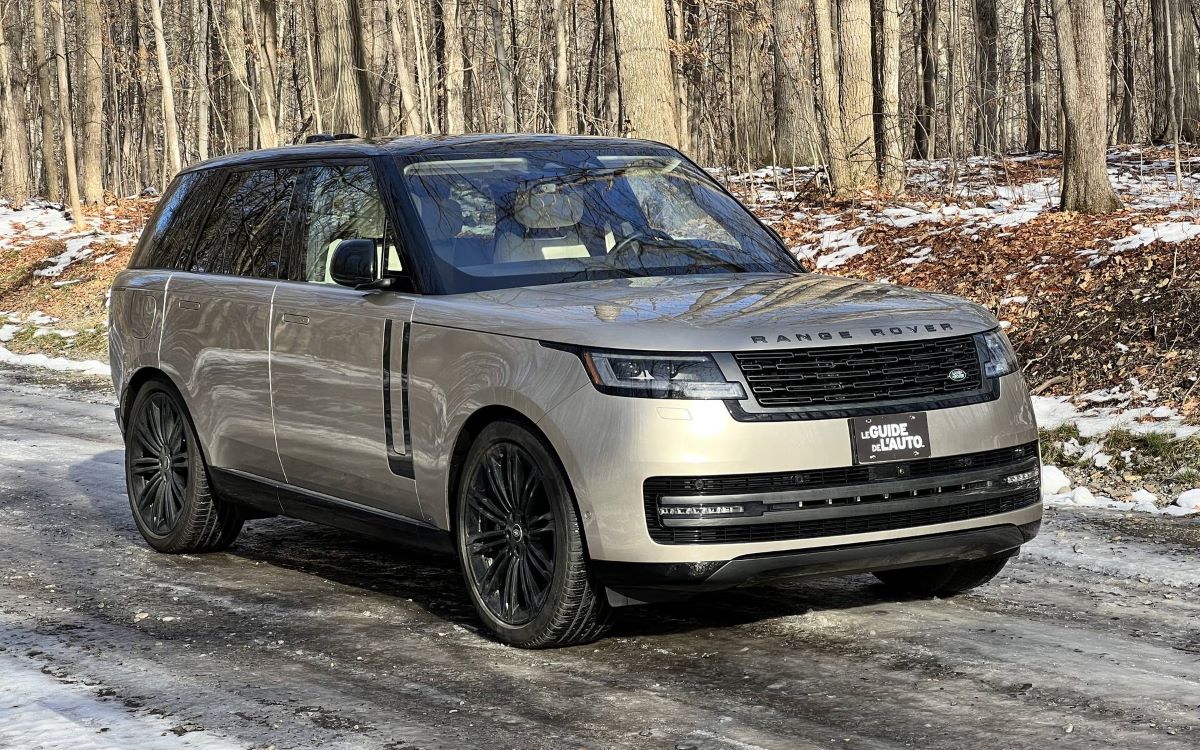
4. Land Rover Range Rover
The Land Rover Range Rover is known for its off-road capability, luxurious interior, and high-tech features, but these traits come with a reputation for extremely high repair costs. Its sophisticated four-wheel-drive system, electronic air suspension, and complex engine management systems often require specialized service and replacement parts.
In city driving conditions like those in Atlanta, constant stopping, turning, and acceleration can accelerate wear on the suspension, brakes, and drivetrain components, leading to expensive repairs.
Routine maintenance on a Range Rover is far from budget-friendly. Even basic servicing such as oil changes, brake replacements, and fluid checks involve costly parts and significant labor.
Components like air suspension bags, electronic control modules, and drive system parts frequently fail as the vehicle ages, often requiring specialized technicians or dealership-level service. This can quickly turn minor maintenance issues into major expenses.
Fuel economy is poor, particularly in urban driving conditions. Large engines and heavy vehicle weight combine with stop-and-go traffic to create high fuel consumption.
Owners face frequent trips to the gas station, often using premium fuel, further increasing the cost of ownership. These factors make the Range Rover an expensive choice for city driving, where fuel efficiency and low operating costs are typically important considerations.
Depreciation is another concern. Range Rovers often lose value rapidly, especially if maintenance records are incomplete or if repairs have been needed. Prospective buyers tend to be wary of older models because of their expensive upkeep.
For drivers commuting daily in Atlanta traffic, the combination of high maintenance, poor fuel economy, and uncertain resale value makes the Range Rover more of a financial liability than a practical urban vehicle, despite its luxurious appeal and off-road capability.
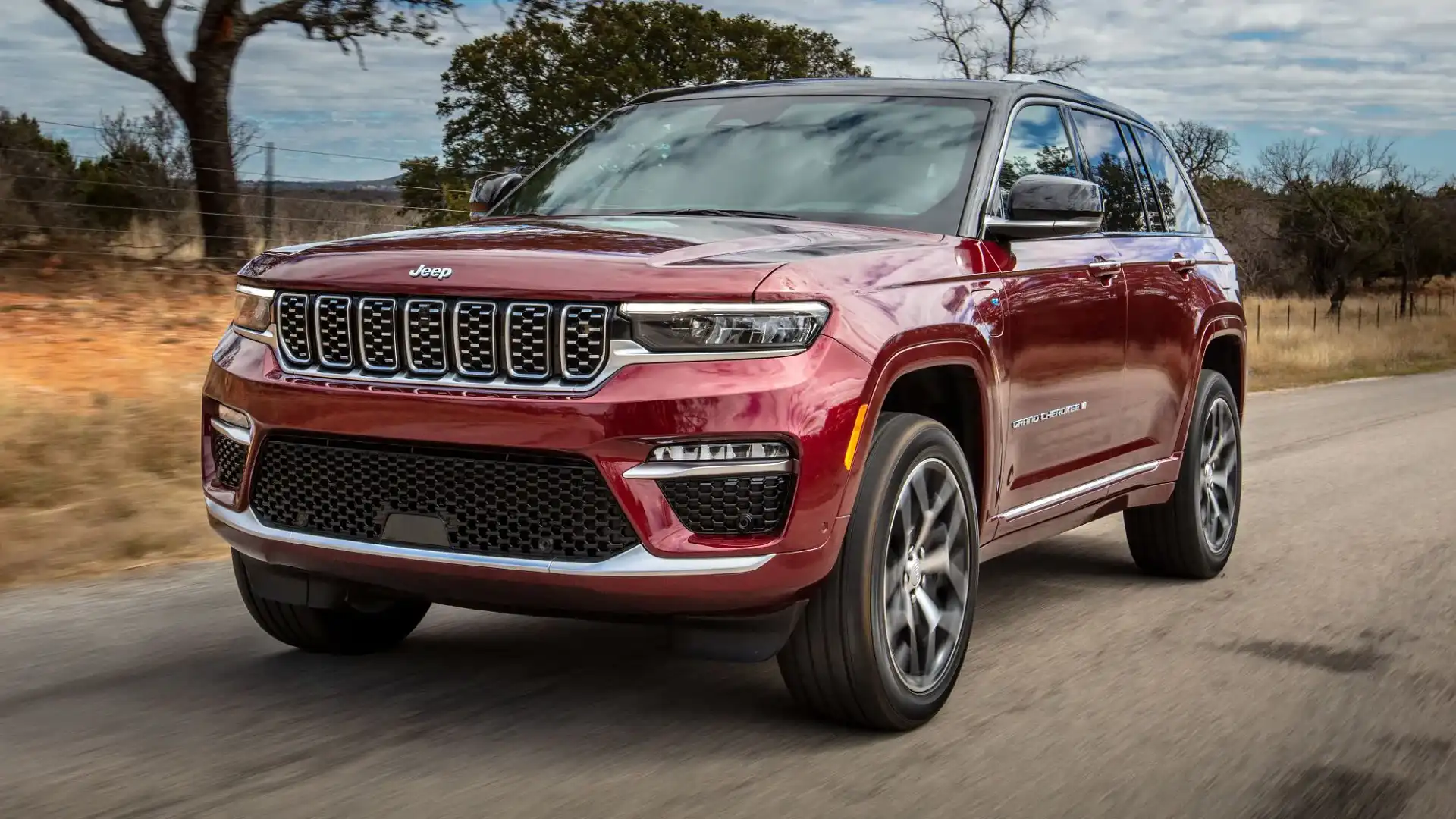
5. Jeep Grand Cherokee (High-End Models)
The Jeep Grand Cherokee, particularly in high-end trims with advanced technology and 4×4 capabilities, offers strong performance and versatility but is notorious for high repair costs. Its electronic systems, complex drivetrain, and optional air suspension can require frequent servicing.
City traffic, with its constant stopping, starting, and low-speed maneuvering, puts extra stress on brakes, transmissions, and other critical components, leading to a higher likelihood of expensive maintenance needs over time.
Parts for high-end Grand Cherokee models are costly, and repairs often involve labor-intensive processes. Even minor issues, such as malfunctioning sensors, infotainment glitches, or brake wear, can result in service visits that exceed standard maintenance budgets.
Electronic systems controlling navigation, safety features, and climate control are particularly prone to failure and are expensive to replace. These maintenance demands make ownership challenging for drivers seeking an affordable, low-stress commuting experience.
Fuel efficiency is another drawback for city driving. Larger engines struggle with stop-and-go conditions, consuming more fuel than smaller, more efficient vehicles. Premium fuel requirements for high-end trims add to monthly expenses, and the combination of frequent servicing and fuel costs can quickly make the vehicle financially burdensome.
Finally, reliability ratings indicate that high-end Grand Cherokee models tend to require above-average maintenance compared to other SUVs. While the vehicle provides comfort, rugged appeal, and the ability to handle a variety of terrains, the financial and practical challenges of city ownership are significant.
For Atlanta commuters, who prioritize reliability, low maintenance costs, and efficiency, the Grand Cherokee often becomes a liability rather than a practical or cost-effective choice, despite its power and luxury features.
