
Living near the coast comes with a unique set of lifestyle considerations, and choosing the right car is no exception. For residents of Long Beach, California, where the salty sea breeze is a constant presence and the sun shines almost every day, selecting a vehicle is about more than style or performance.
The proximity to the ocean presents both opportunities and challenges for car ownership. Cars that handle well in coastal conditions, resist corrosion, and complement an active, beach-centered lifestyle are highly sought after.
While some vehicles thrive in this environment, others struggle, particularly when it comes to exposure to salt air, sand, and humidity, which accelerate wear and rust. Making the right choice involves balancing aesthetics, durability, and practicality, as well as understanding which features contribute to long-term reliability.
For Long Beach residents who enjoy a mix of beach activities, casual cruises along the coast, and city commuting, the ideal car combines comfort, resilience, and style. Convertible options and vehicles with durable interiors are attractive for those who want to feel the breeze while staying protected from the elements.
All-wheel drive or vehicles with good traction can also be a factor for navigating occasional wet conditions or sand-covered streets. At the same time, coastal environments are unforgiving on certain vehicles, especially those with poorly protected undercarriages, exposed metal panels, or high-maintenance finishes.
Salt from the ocean air and frequent exposure to moisture can accelerate corrosion, meaning that some cars, no matter how beautiful or fun, might develop serious rust problems in just a few years.
Understanding which cars are suitable for a beachside lifestyle versus those prone to corrosion can save both frustration and expense. Beyond rust resistance, considerations include ease of maintenance, availability of replacement parts, and even how certain materials respond to sun exposure.
Vehicles with aluminum bodies, stainless steel components, or advanced coatings tend to perform better in coastal conditions, while some older steel-based models or those with limited protective coatings can degrade faster. In addition, lifestyle factors like cargo capacity for surfboards, bicycles, or beach gear influence which cars are truly practical for a Long Beach lifestyle.
This article examines ten vehicles from two perspectives: first, cars that are particularly well-suited to life by the beach in Long Beach, and second, cars that are more vulnerable to corrosion when exposed to coastal conditions.
Each section includes detailed analysis to help residents make informed choices about vehicles that can thrive in salt-laden air while supporting an active, outdoor-oriented lifestyle. By comparing these two categories, it becomes clear that coastal living requires careful planning and thoughtful vehicle selection, ensuring both enjoyment and longevity.
5 Cars for Long Beach Beachside Life
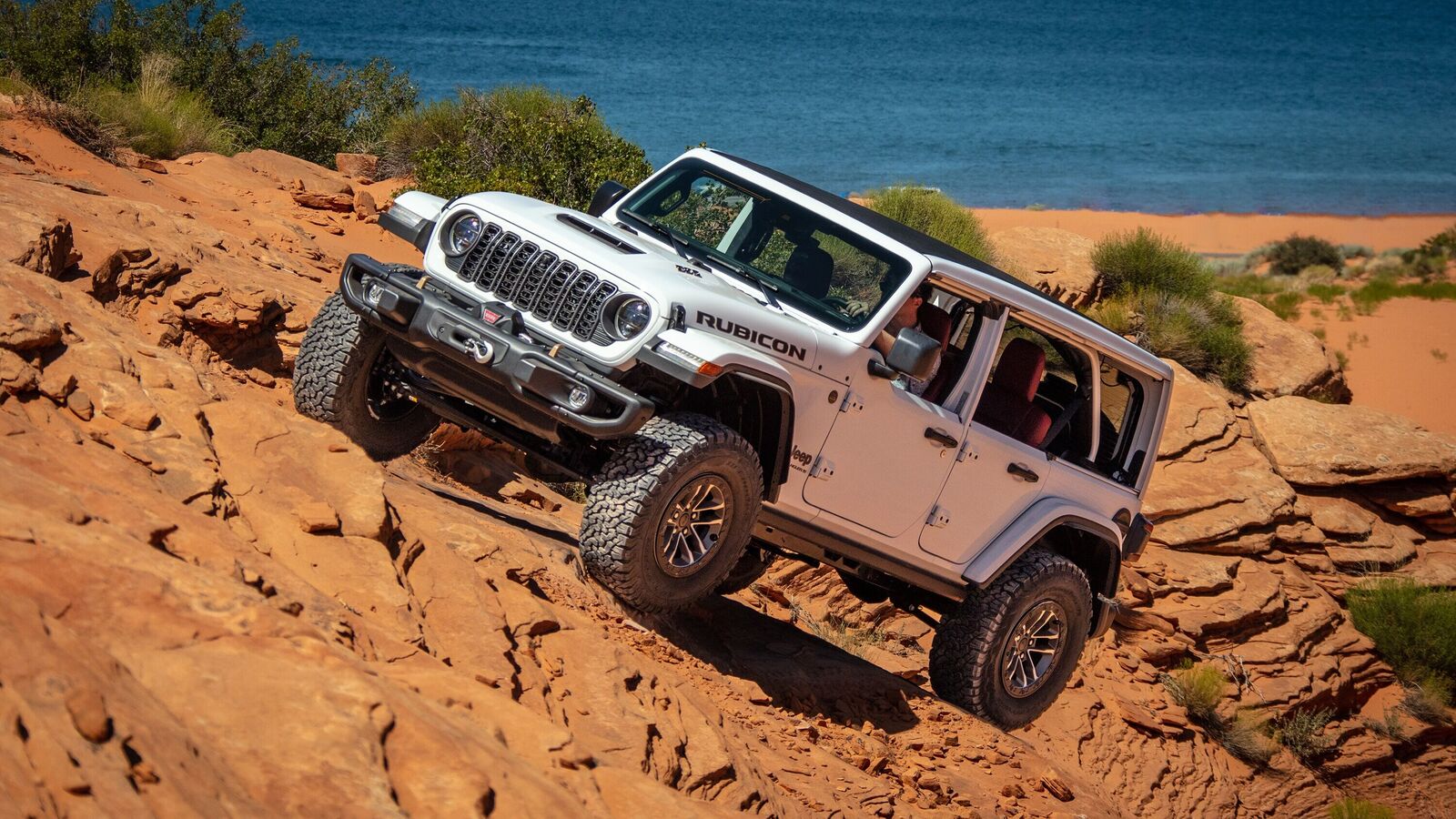
1. Jeep Wrangler
The Jeep Wrangler is widely recognized as one of the most versatile vehicles for coastal living, and for good reason. Its off-road capabilities are exceptional, allowing drivers to navigate sandy beaches, uneven terrain, and coastal trails with confidence.
Unlike lower-profile vehicles, the Wrangler’s elevated ground clearance ensures that the undercarriage remains protected from direct contact with sand, saltwater, or debris, which are major contributors to corrosion. This is particularly important in regions like Long Beach, where beach parking lots or access points may be sandy or uneven.
The vehicle’s rugged body design also contributes to durability, with reinforced panels and bumpers that can withstand occasional impacts or scrapes from rocks, driftwood, or beach gear.
One of the Wrangler’s strongest features is its mechanical simplicity compared to many modern SUVs. Its design minimizes the number of electronic components exposed to the elements, which reduces the potential for corrosion-related electrical problems.
Additionally, maintenance is relatively straightforward, and replacement parts are widely available, making it easier to repair any damage caused by the coastal environment.
Owners can also add aftermarket protection, such as skid plates or rust-proof coatings, further extending the life of the vehicle. For beach enthusiasts, the Wrangler provides a perfect combination of reliability and capability, ensuring that trips to the shore remain worry-free.
The Wrangler also excels when it comes to lifestyle compatibility. Its interior is designed to be durable and easy to clean, which is essential after trips to the beach. Features like removable carpets, washable floor mats, and resilient seat materials allow for easy removal of sand, saltwater, and debris, maintaining the interior in good condition.
The vehicle also offers a spacious cargo area, ideal for transporting surfboards, kayaks, coolers, and other outdoor equipment. For families or groups who frequently spend time on the beach, this combination of space, utility, and durability makes the Wrangler highly practical.
Finally, the Jeep Wrangler’s strong community support is another advantage for coastal residents. Enthusiasts often share tips for beach-specific maintenance, including how to rinse salt from the undercarriage, inspect suspension components, and protect the exterior finish.
This collective knowledge, combined with the Wrangler’s proven durability, ensures that owners can enjoy coastal adventures with minimal risk of rust or mechanical failure. For those who prioritize both fun and resilience, the Wrangler is an outstanding choice for Long Beach’s beachside lifestyle.
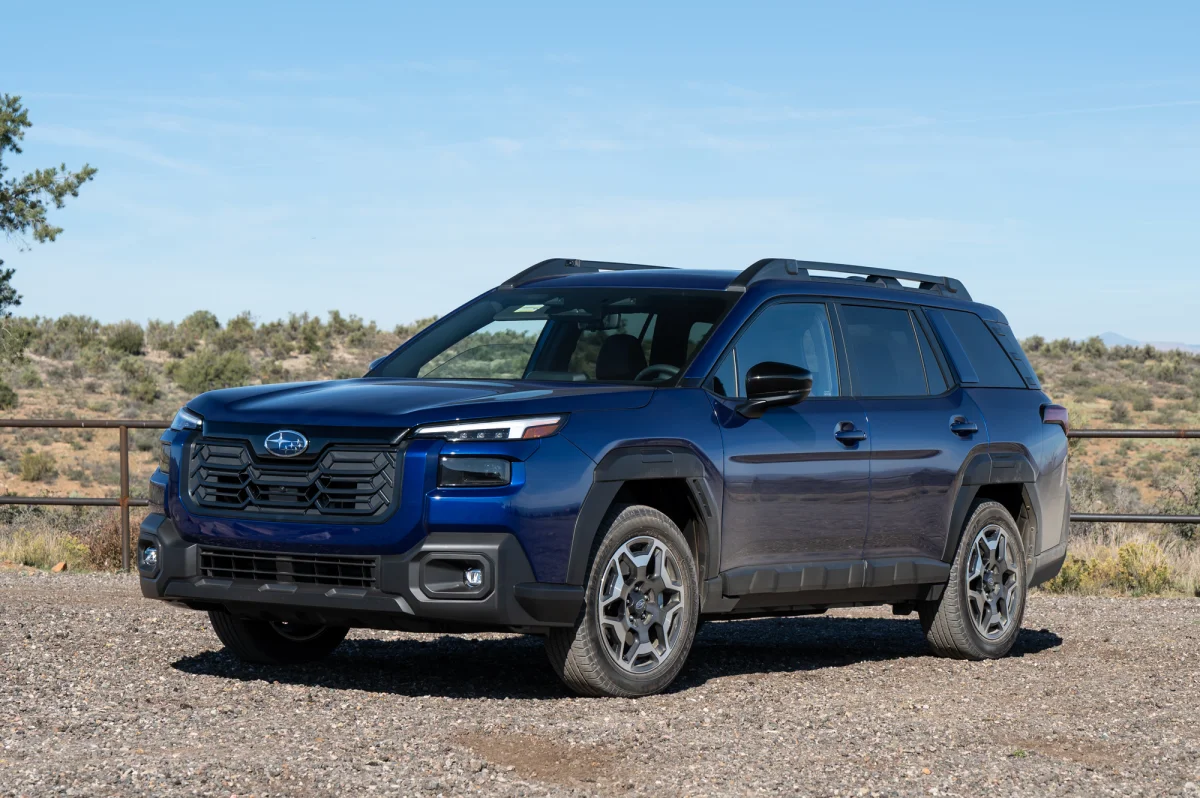
2. Subaru Outback
The Subaru Outback is an ideal vehicle for coastal living due to its combination of practicality, durability, and all-weather capability. Its standard all-wheel drive system provides excellent traction on sandy or wet surfaces, which is invaluable when navigating coastal streets, parking lots, or occasional off-road paths.
Unlike traditional SUVs, the Outback combines the benefits of higher clearance with the functionality of a wagon, providing both stability and comfort. Its fuel efficiency is also noteworthy, making it suitable for frequent trips along the coast or longer excursions to nearby beaches without excessive fuel costs.
Subaru has earned a reputation for producing vehicles that can withstand harsh conditions, including those typical of coastal environments. The Outback features corrosion-resistant body panels and protective undercoatings, which help safeguard against rust from salt and humidity. Its paint finishes are designed to resist chipping, which further reduces the potential for corrosion, a common concern for beachside residents.
Additionally, the Outback offers a spacious interior that can accommodate surfboards, bicycles, coolers, and other recreational equipment. Fold-down seats and modular cargo space make loading and unloading gear simple, which is particularly useful for families or outdoor enthusiasts.
The Outback’s engineering also emphasizes longevity in various weather conditions. While coastal areas can be humid and salty, the vehicle’s construction accounts for moisture exposure, making it a reliable choice for long-term use.
Safety features, including traction control, stability assistance, and responsive braking, enhance confidence when driving on sandy or slippery surfaces. For beach residents, this combination of safety, durability, and practicality makes the Outback an attractive option. Its ability to balance comfort with ruggedness ensures that drivers can handle both urban streets and coastal excursions without worry.
Another advantage of the Subaru Outback is its understated design, which aligns with the casual, outdoor-oriented lifestyle common in Long Beach. The vehicle blends practicality with style, avoiding flashiness while maintaining a rugged aesthetic that appeals to coastal drivers.
Its reliability and adaptability make it a smart choice for residents seeking a vehicle that can handle beachside conditions while remaining dependable for everyday use. With its combination of cargo space, weather resistance, and functional design, the Outback is a versatile and long-lasting companion for beach living.
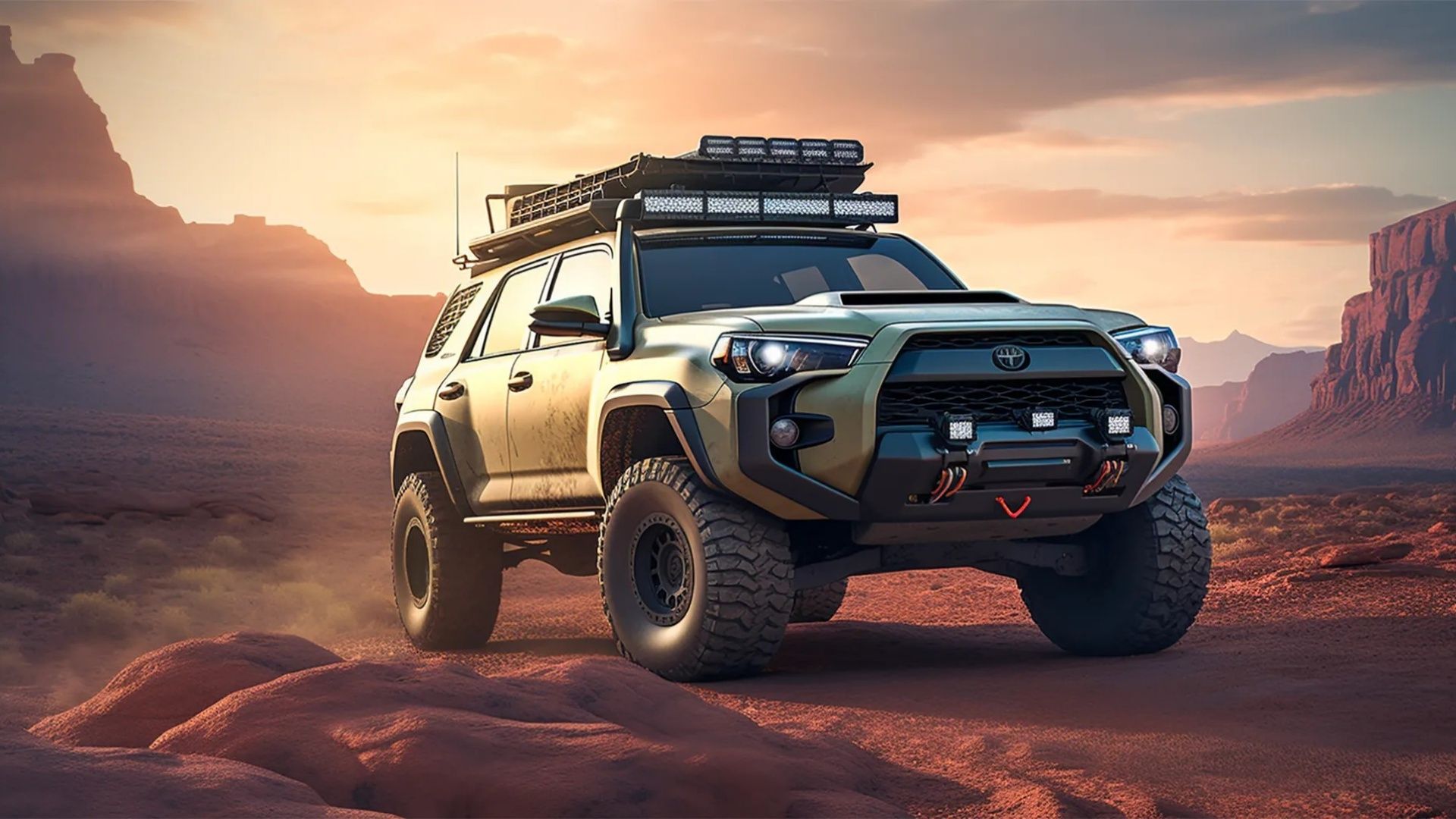
3. Toyota 4Runner
The Toyota 4Runner is widely regarded as one of the most durable SUVs available, and it is particularly well-suited to coastal living. Its body-on-frame construction provides superior strength compared to unibody vehicles, offering resistance to twisting and impact forces that can occur when driving on sand, uneven coastal terrain, or steep beach trails.
The elevated stance helps keep the undercarriage and key mechanical components away from sand and saltwater, which are major causes of corrosion. Its powerful engine and robust suspension system also allow the 4Runner to tow small boats or trailers, making it a practical choice for those who enjoy water-based activities or weekend getaways along the coast.
The Toyota 4Runner’s long-term reliability is one of its most significant advantages. Parts are widely available, and service centers are accustomed to addressing wear related to harsh environments. Protective undercoating options are available, further enhancing resistance to rust in vulnerable areas.
The 4Runner’s exterior is designed to tolerate minor scratches or dents that are common during beach activities, helping maintain the vehicle’s appearance and structural integrity over time. For coastal residents, this combination of strength, reliability, and protection from corrosion makes the 4Runner a practical long-term investment.
Interior space and flexibility are also key factors for families or groups who frequent the beach. The 4Runner offers ample passenger seating and cargo room, accommodating surfboards, bicycles, coolers, or camping equipment with ease.
Foldable seats and storage compartments enhance its utility, while modern amenities such as climate control and entertainment systems provide comfort on longer trips. Its ride quality balances off-road capability with urban comfort, allowing drivers to navigate both city streets and coastal trails effectively.
Finally, the Toyota 4Runner’s reputation for longevity extends beyond just mechanical performance. Owners in coastal regions often report that consistent maintenance, including rinsing the undercarriage after beach trips and applying protective coatings, greatly reduces the likelihood of corrosion.
Its durability, combined with lifestyle versatility and family-friendly features, makes the 4Runner a top choice for Long Beach residents who need a vehicle that performs well in sandy, salty, and occasionally wet conditions without compromising comfort or reliability.
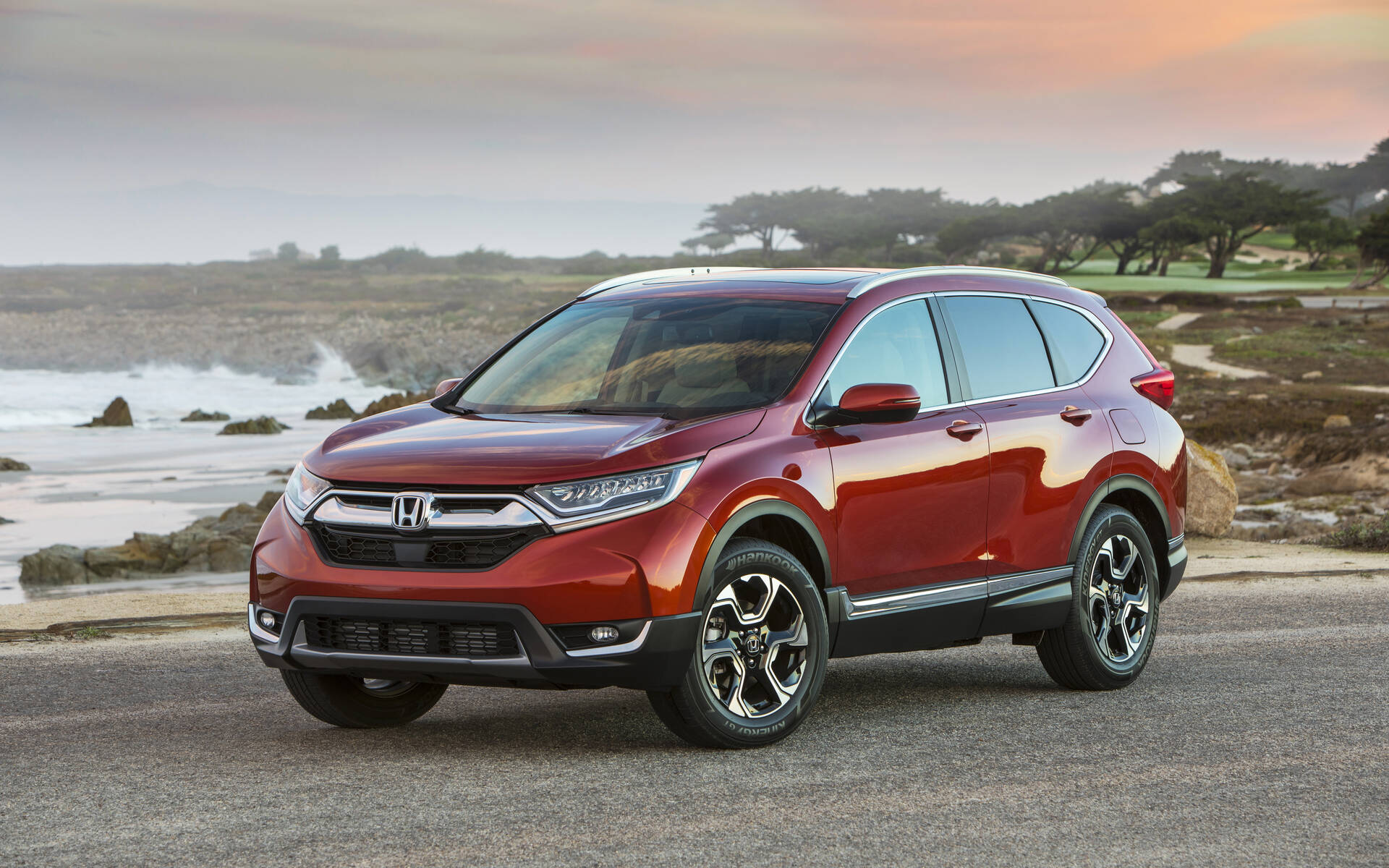
4. Honda CR-V
The Honda CR-V is a versatile and reliable compact SUV, making it a strong candidate for beachside living. Its design provides sufficient cargo space for beach gear, surfboards, bicycles, and coolers, without being cumbersome for city driving or parking.
Honda has enhanced corrosion resistance in recent models through the use of improved paint finishes and protective underbody treatments. These features help prevent rust from salt air, moisture, and sand, extending the lifespan of the vehicle and reducing maintenance concerns for coastal residents.
Maintenance and reliability are strong points for the CR-V. Its parts are widely available, and the vehicle is known for minimal mechanical issues, which is especially important in coastal environments where rust or corrosion can accelerate wear.
Frequent rinsing of the undercarriage and routine inspections are generally sufficient to maintain the vehicle in excellent condition. Additionally, the CR-V’s fuel efficiency is a benefit for residents who frequently travel along coastal roads, allowing for cost-effective commuting or recreational trips.
The CR-V’s interior is designed for practicality and durability. Spacious seating, modular storage, and moisture-resistant materials help keep the cabin clean and functional even after trips to the beach.
Vinyl seat options and all-weather mats provide added protection from sand and water, making cleanup simple and ensuring the interior remains in good condition. These features are particularly valuable for families or active individuals who regularly transport outdoor gear or wet items.
Finally, the CR-V is known for its balanced performance and handling, which is critical for navigating coastal roads that may be sandy, wet, or slippery.
Stability control, traction assistance, and responsive braking contribute to safety, while the comfortable ride ensures that passengers remain relaxed during longer trips. Its combination of reliability, practicality, and low-maintenance features makes the Honda CR-V a smart choice for Long Beach residents seeking a compact SUV that can thrive in coastal conditions while supporting an active, outdoor lifestyle.
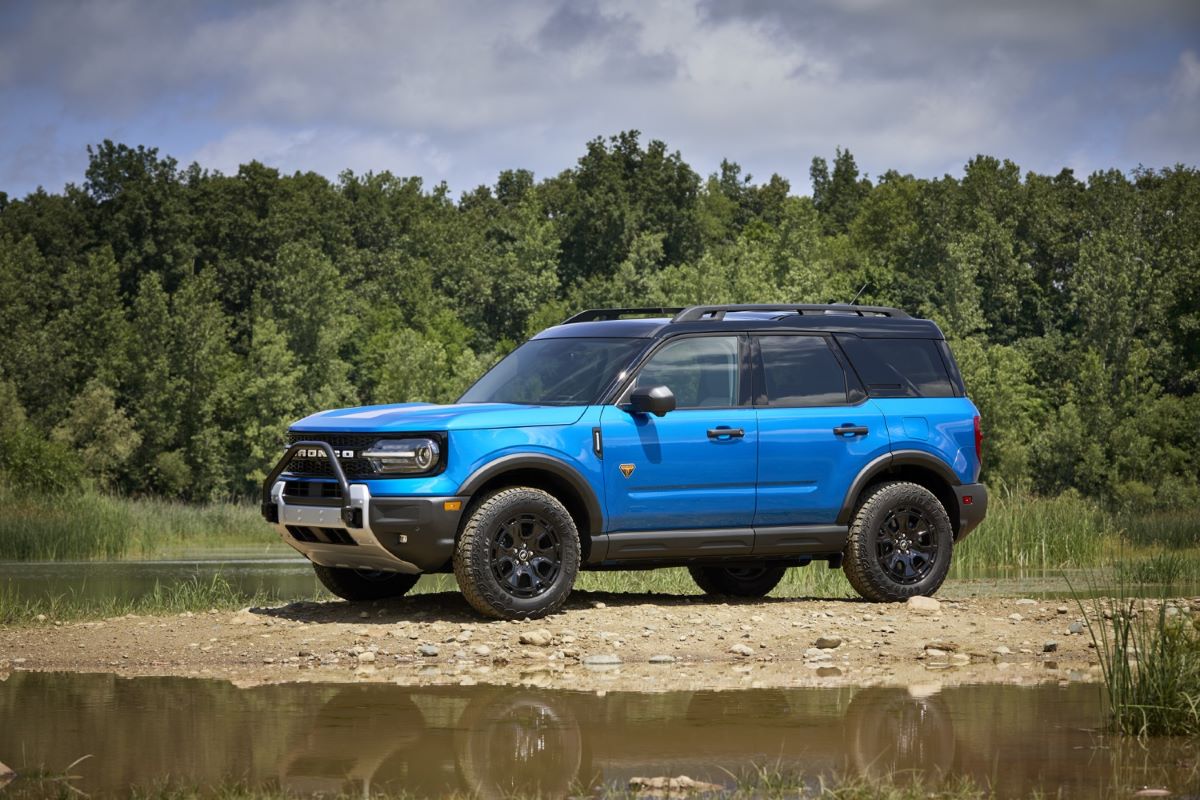
5. Ford Bronco
The Ford Bronco is a modern off-road SUV designed to handle rugged conditions, making it well-suited for coastal living. Its high ground clearance and advanced suspension allow it to traverse sandy beaches, uneven terrain, and coastal trails with ease.
Similar to the Jeep Wrangler, many Bronco models feature removable tops and doors, allowing owners to enjoy open-air driving while staying protected from sun, salt, and moisture exposure. This flexibility appeals to those who value outdoor experiences and want a vehicle capable of handling the demands of beachside life.
Durability is a key focus in the Bronco’s design. Corrosion-resistant coatings on body panels and the undercarriage help protect against rust caused by salt and moisture, while its modular construction allows for easy maintenance or component replacement.
Suspension components, tires, and brakes are engineered to handle mixed terrain, from asphalt to sand, without compromising stability or performance. Coastal residents benefit from a vehicle that not only provides adventure capabilities but also withstands the wear and tear associated with frequent exposure to harsh elements.
The Bronco’s interior is built for both comfort and utility. Waterproof seats, easy-to-clean surfaces, and modular storage options allow drivers to transport beach gear, water sports equipment, or camping supplies without damaging the cabin.
Advanced infotainment and climate control systems provide comfort for longer trips, while the spacious interior accommodates passengers and gear efficiently. This balance of ruggedness and practicality ensures the Bronco can serve both recreational and everyday purposes in coastal regions.
Finally, the Bronco combines a rugged, retro-modern style with lifestyle functionality. Its design resonates with drivers who want a vehicle that reflects a beach-oriented, adventurous lifestyle while remaining reliable and durable.
Owners can enjoy coastal drives, weekend adventures, and outdoor activities with confidence, knowing that the vehicle is engineered to resist corrosion, handle sandy conditions, and provide a versatile, long-lasting driving experience. For Long Beach residents seeking an SUV that embodies both style and capability, the Ford Bronco is a compelling choice.
5 Cars Prone to Corrosion
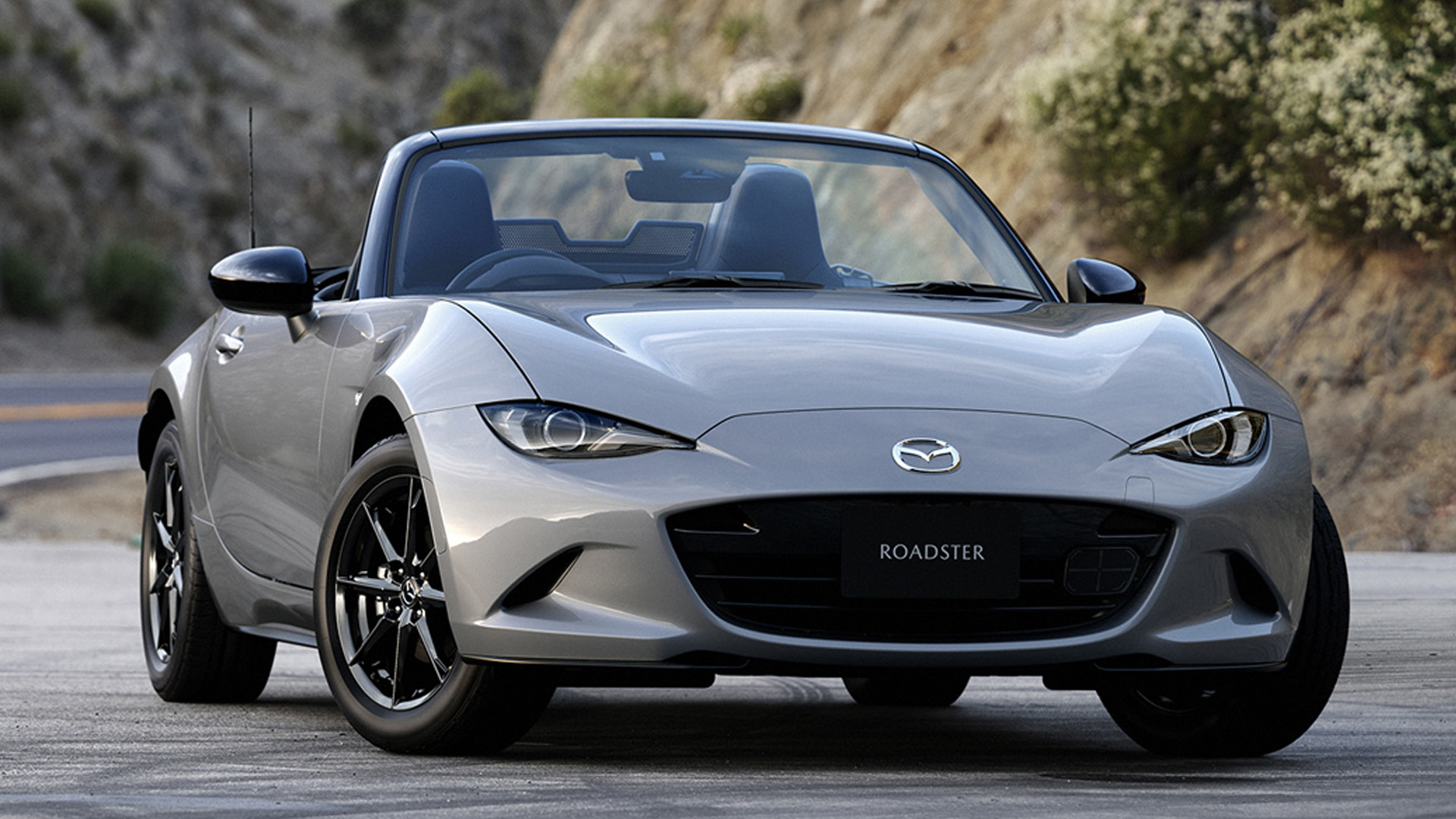
1. Mazda MX-5 Miata
The Mazda MX-5 Miata is a small, lightweight sports car that offers exceptional driving enjoyment, but it is not well-suited for coastal environments. Its low ground clearance exposes critical underbody components to saltwater, sand, and debris, making it highly susceptible to rust over time.
While the Miata is celebrated for its nimble handling and compact size, these same qualities make it vulnerable to damage when driven near the shoreline or stored in areas with high humidity. Older models are particularly prone to corrosion, as protective coatings were less advanced, and even small scratches or chips in the paint can quickly become problem areas.
Another concern with the Miata is its use as a convertible in many models. While open-top driving is enjoyable during sunny days, the soft top or retractable roof can allow moisture, sand, and salt into the interior if not properly maintained.
Exposure to these elements accelerates the deterioration of internal metal components, including seat brackets, floor pans, and mounting points for the suspension. Even when the top is raised, prolonged exposure to salty air can cause corrosion in areas that are difficult to inspect or treat, leading to costly repairs if left unattended.
The Miata’s frequent use as a weekend or hobby car also contributes to its vulnerability. Occasional driving in coastal areas combined with periods of inactivity can create ideal conditions for corrosion.
Moisture trapped in wheel wells or under the chassis can remain for extended periods, allowing rust to develop and spread more rapidly. Additionally, sand and grit can abrade protective coatings, creating small entry points for rust that may be overlooked during routine maintenance.
Finally, while the Miata is loved for its fun factor and responsiveness, its long-term suitability for beachside living is limited. Owners who reside near the coast must be diligent about rinsing the undercarriage after trips, regularly inspecting vulnerable areas, and applying rust-proofing treatments.
Even with careful maintenance, the combination of low clearance, exposed underbody components, and coastal conditions makes the Miata a high-risk vehicle in terms of corrosion, reducing its practicality for Long Beach residents who frequently drive near the ocean.
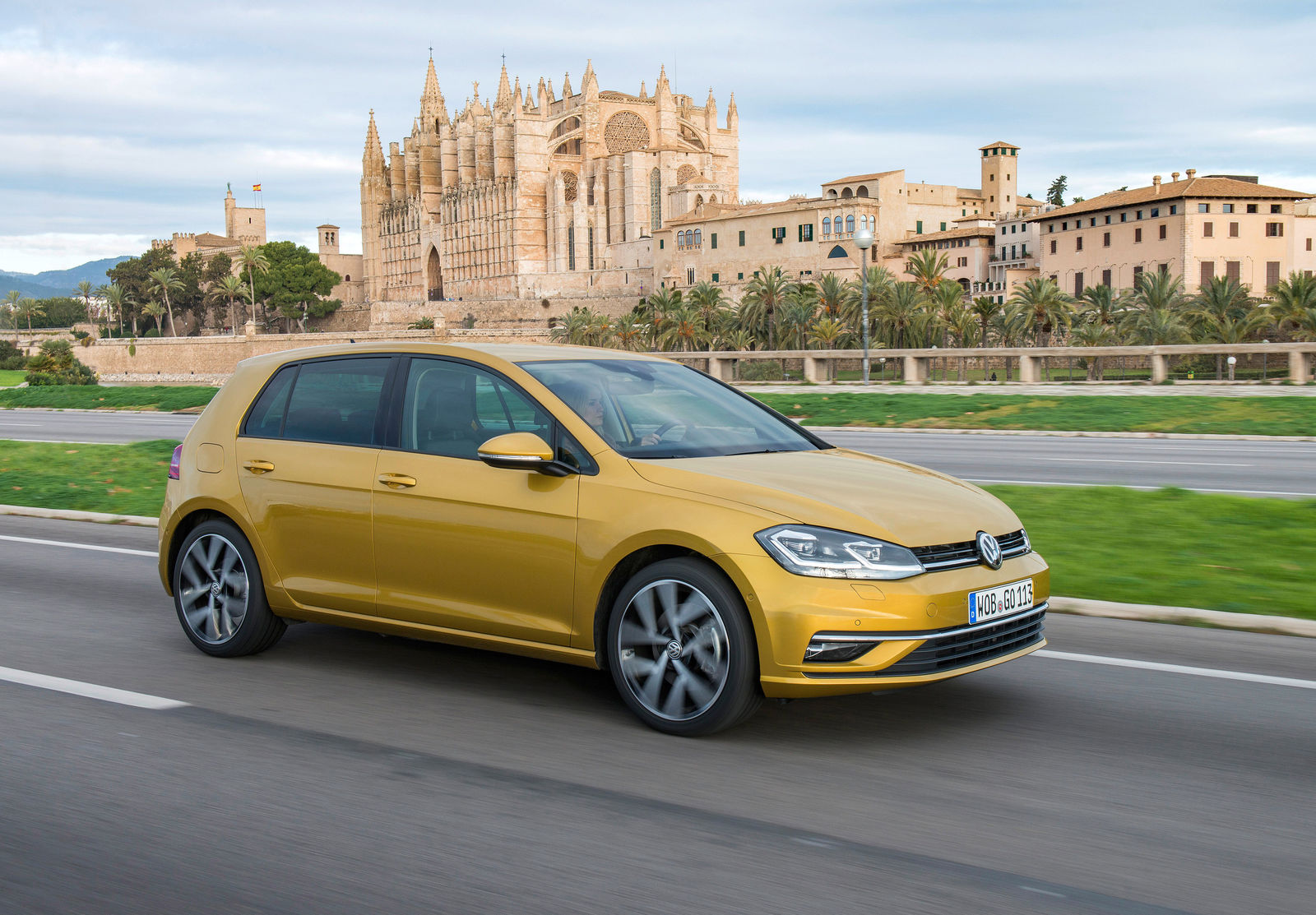
2. Volkswagen Golf
The Volkswagen Golf is widely praised for its practicality, efficiency, and compact size, yet it has a susceptibility to corrosion, particularly in older models. The underbody, wheel arches, and lower body panels are prone to rust when exposed to coastal moisture and salty air.
Even minor scratches or paint chips can become significant problems if not promptly addressed. While the Golf performs well in urban and suburban settings, its vulnerability to corrosion makes it less suitable for frequent use near beaches or other coastal environments.
Saltwater and sand accelerate the breakdown of protective coatings on the Golf, especially in areas like the suspension mounts, brake components, and lower body panels.
Compact hatchbacks like the Golf often make thorough cleaning of the undercarriage more challenging, leaving salt and debris trapped in hard-to-reach areas. Without diligent maintenance, these conditions can lead to rapid rust development that may compromise both the vehicle’s appearance and its structural integrity.
Interior components are generally less resistant to moisture damage, particularly in models with cloth upholstery or fabric-covered floor areas. Persistent humidity, combined with exposure to salt air, can lead to corrosion of metal brackets, seat mounts, and fasteners under the cabin floor. Even if the exterior appears intact, unseen rust in these critical areas can pose safety risks over time.
Finally, the Golf’s susceptibility to corrosion can also affect its resale value. Older models that have experienced prolonged coastal exposure often show visible signs of rust, making them less appealing to potential buyers.
Residents seeking a vehicle for beachside living must therefore invest additional time and resources into maintenance, including frequent rinsing, inspections, and rust-proofing treatments. While the Golf remains practical in many other contexts, it is a less reliable option for environments with consistent exposure to salt and moisture.
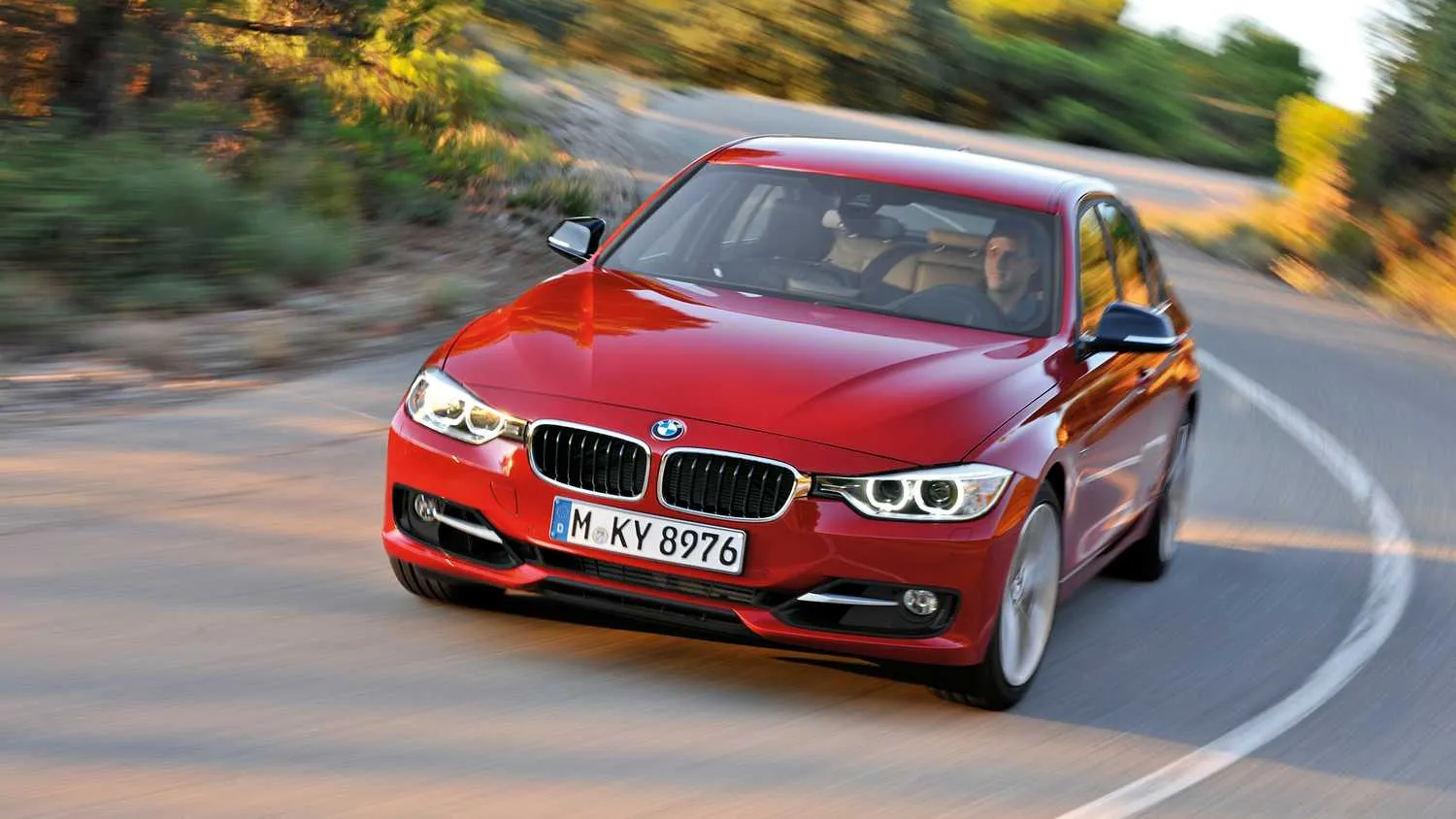
3. BMW 3 Series
The BMW 3 Series is a highly regarded luxury sports sedan that combines performance, style, and comfort. However, some older generations of this vehicle are particularly vulnerable to corrosion in coastal environments.
Areas such as the wheel wells, underbody, lower door panels, and subframes are prone to rust when consistently exposed to salt-laden air and humidity. While newer models incorporate improved protective coatings, older models may lack adequate corrosion resistance, which can lead to costly repairs if rust develops unchecked.
The presence of steel components in the suspension system, brake lines, and subframe areas increases the risk of corrosion, even in well-maintained vehicles.
Coastal conditions exacerbate this vulnerability, especially if the car is frequently parked near the ocean or driven on sand-covered roads. Minor paint chips or scratches can allow rust to penetrate protective layers and spread more rapidly, particularly in hidden areas that are difficult to inspect.
Luxury vehicles like the 3 Series also tend to require specialized maintenance. Preventing or repairing rust in BMWs can be expensive, as parts and labor costs are higher than average.
Coastal owners must therefore invest significant time and resources into protective measures, such as undercoating treatments, frequent underbody washes, and regular inspections of vulnerable components. Without this attention, corrosion can compromise both safety and aesthetics.
Additionally, the 3 Series’ low ground clearance and performance-oriented tires increase exposure to sand, water, and debris. Driving on wet or sandy streets may accelerate rust in wheel arches, suspension mounts, and underbody panels.
While the vehicle offers an excellent driving experience, the combination of coastal exposure and aging materials makes it more prone to corrosion than many SUVs or vehicles specifically engineered for beachside conditions. For residents near Long Beach, this car demands vigilance to maintain its longevity.
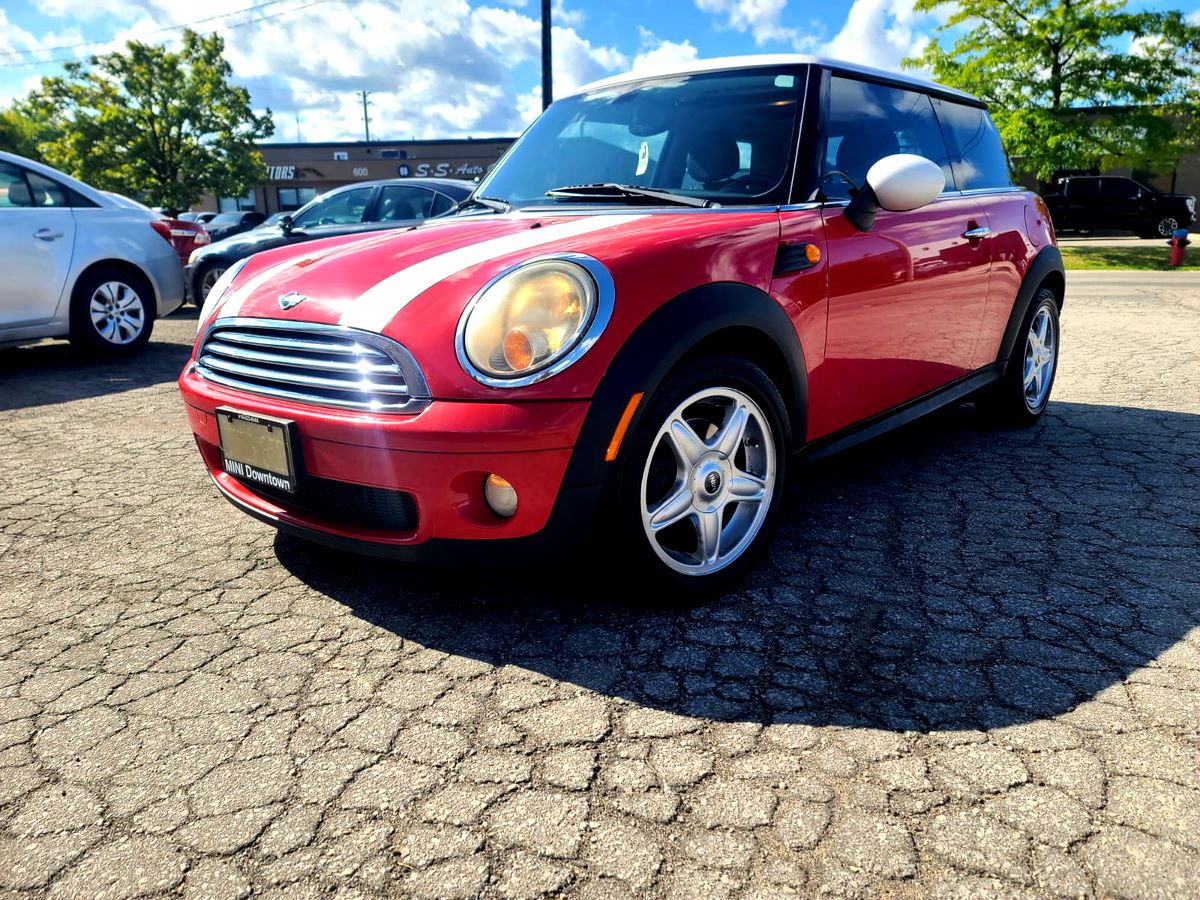
4. Mini Cooper
The Mini Cooper is known for its iconic design, compact size, and playful driving dynamics, but it is not ideal for coastal environments. Its low ride height increases exposure to saltwater, sand, and moisture, which can reach the underbody, suspension components, and lower body panels more easily than in higher-clearance vehicles.
Older models, in particular, have a reputation for rust forming in wheel arches, floor pans, subframes, and around door seams, making them a risky choice for residents living near the coast.
Convertible Mini Coopers face additional challenges. While open-top driving is fun, water intrusion during rain or periods of high humidity can accelerate corrosion inside the cabin.
Metal seat brackets, mounting points, and structural components beneath the flooring are particularly vulnerable. Even small amounts of trapped moisture can spread rust over time, leading to structural damage that affects both safety and functionality.
Finally, while the Mini Cooper remains a stylish and fun vehicle, its long-term reliability near the coast is limited. Rust not only impacts aesthetics but can also affect critical structural and mechanical components. Coastal residents must weigh the appeal of the Mini against the practical challenges of maintaining it in a salt-rich environment.
Without consistent and detailed preventive care, the Mini Cooper is highly susceptible to corrosion, making it less suitable for Long Beach’s beachside living.
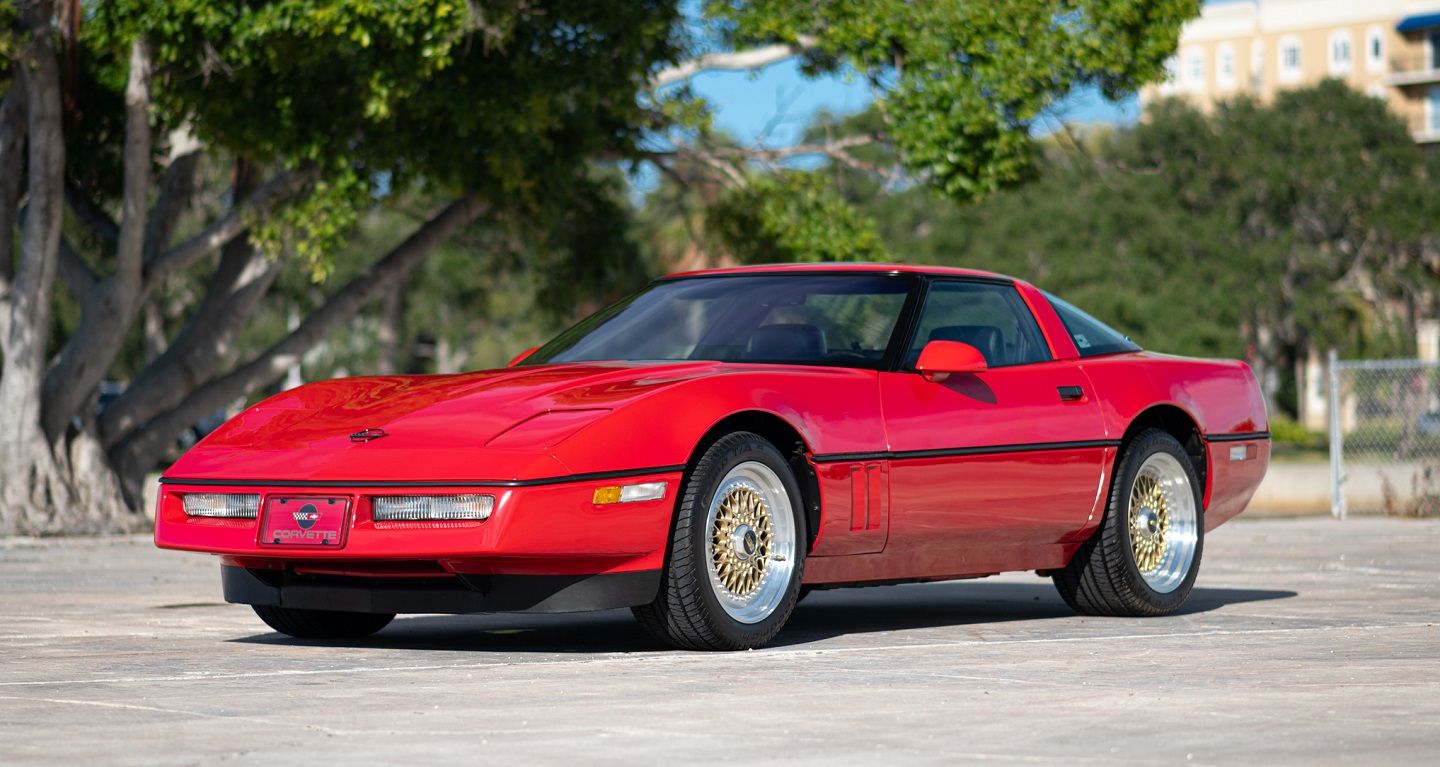
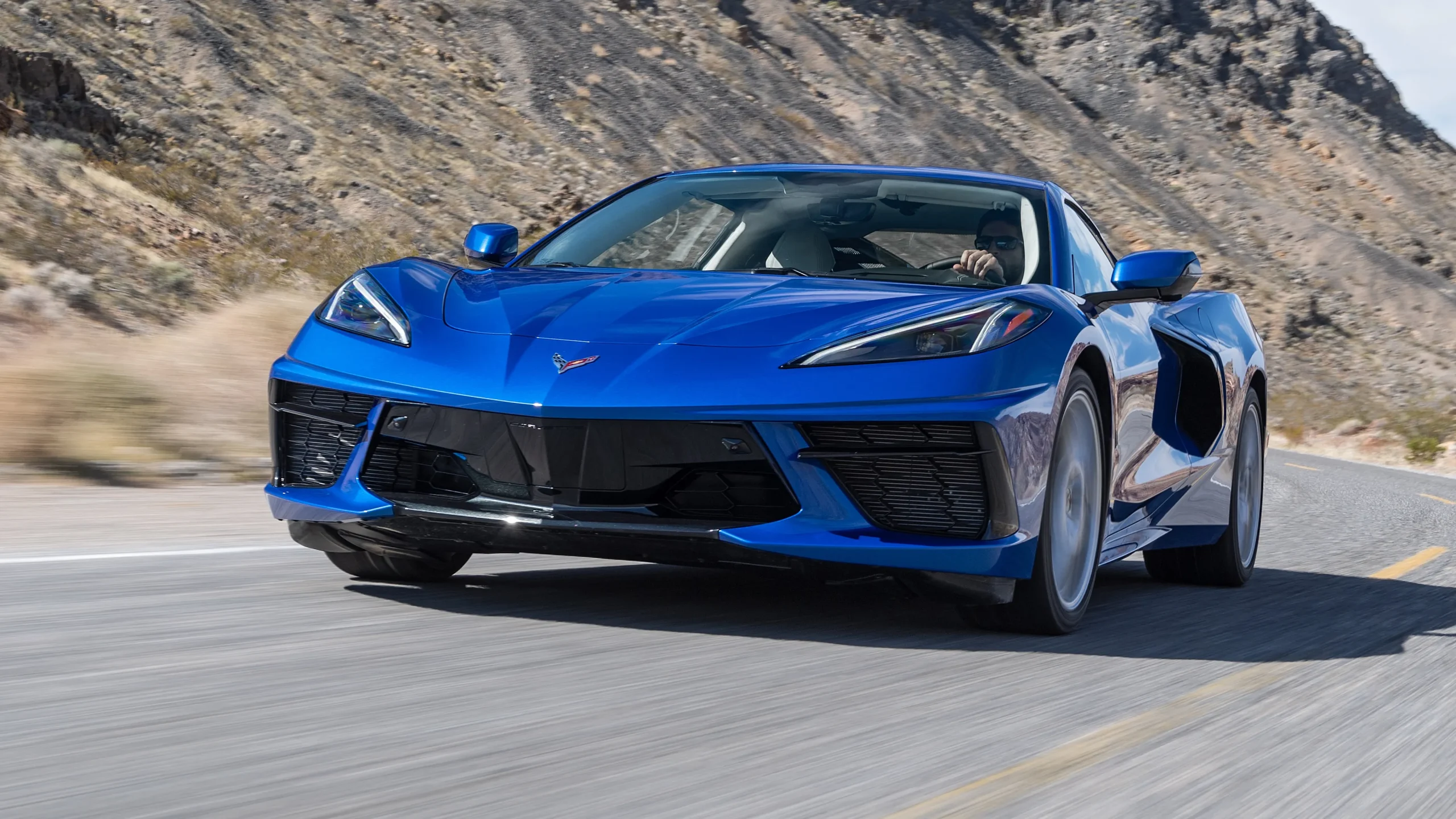
5. Chevrolet Corvette
The Chevrolet Corvette is an iconic American sports car celebrated for its speed, handling, and aggressive styling. However, it is particularly prone to corrosion, making it a less practical option for coastal residents.
The Corvette’s low profile, steel-based structural components, and exposed undercarriage are highly susceptible to saltwater damage, especially in older models that predate advanced rust-resistant coatings. Wheel arches, suspension mounts, and lower body panels are common areas where corrosion can develop quickly.
Coastal conditions accelerate deterioration of both exterior and mechanical components. Brake lines, fuel lines, subframes, and other steel elements are vulnerable to rust, particularly if the car is driven frequently near beaches or stored in humid conditions without proper protective measures. Even brief exposure to salt-laden air can compromise protective coatings, leading to faster corrosion than in higher-clearance or corrosion-resistant vehicles.
Finally, corrosion can significantly impact the resale value and longevity of a Corvette. Even minor rust spots can diminish both performance and appearance, reducing the vehicle’s appeal to buyers and collectors.
For Long Beach residents seeking a high-performance car, the Corvette represents a choice that requires constant vigilance and substantial preventive care to remain functional and visually appealing in coastal environments. Without meticulous maintenance, corrosion is likely to develop, making it one of the higher-risk vehicles for salt-rich coastal living.
