
City driving has a rhythm all its own, demanding a unique balance of maneuverability, efficiency, and comfort. St. Louis, with its mix of narrow streets, historic neighborhoods, and busy highways, presents drivers with a set of challenges that differ significantly from rural or suburban areas.
Traffic congestion, limited parking spaces, and frequent stop-and-go conditions require vehicles that can handle these demands without becoming a burden to the driver. While some cars are designed with city environments in mind, others struggle under these conditions, making daily commutes frustrating and sometimes even unsafe.
The choice of car for urban driving is not merely a matter of style or brand loyalty. Compact size, tight turning radius, fuel efficiency, and ease of parking are practical considerations that have a major impact on convenience and stress levels.
Many vehicles that perform exceptionally well on highways, offering comfort and power for long-distance travel, may be clumsy or inefficient in a city setting. Conversely, a smaller, more agile car can glide through crowded streets and squeeze into tight parking spots, even if it lacks some of the luxury features or acceleration power of larger vehicles.
St. Louis also presents specific challenges that make certain vehicles stand out as city-friendly. Streets like those in the Central West End or Soulard are often narrow and lined with parked cars, while downtown roads see heavy pedestrian traffic and frequent construction detours.
Seasonal weather adds another layer of difficulty, with rain, snow, and ice requiring vehicles with reliable traction and braking. In addition, gas prices and environmental concerns push many urban drivers toward vehicles that consume less fuel and emit fewer pollutants.
Understanding which cars thrive in this environment and which struggle is crucial for anyone living in or frequently driving through St. Louis. This article examines ten vehicles in total: five that are well-suited for city driving and five that are less compatible with the urban environment.
Each selection considers handling, size, efficiency, and convenience factors, providing a practical guide for drivers seeking a vehicle that complements the challenges of St. Louis city streets. By comparing these vehicles, readers can make informed decisions that enhance safety, reduce stress, and improve driving satisfaction in the city.
5 Cars Ideal for St. Louis City Driving
1. Honda Civic
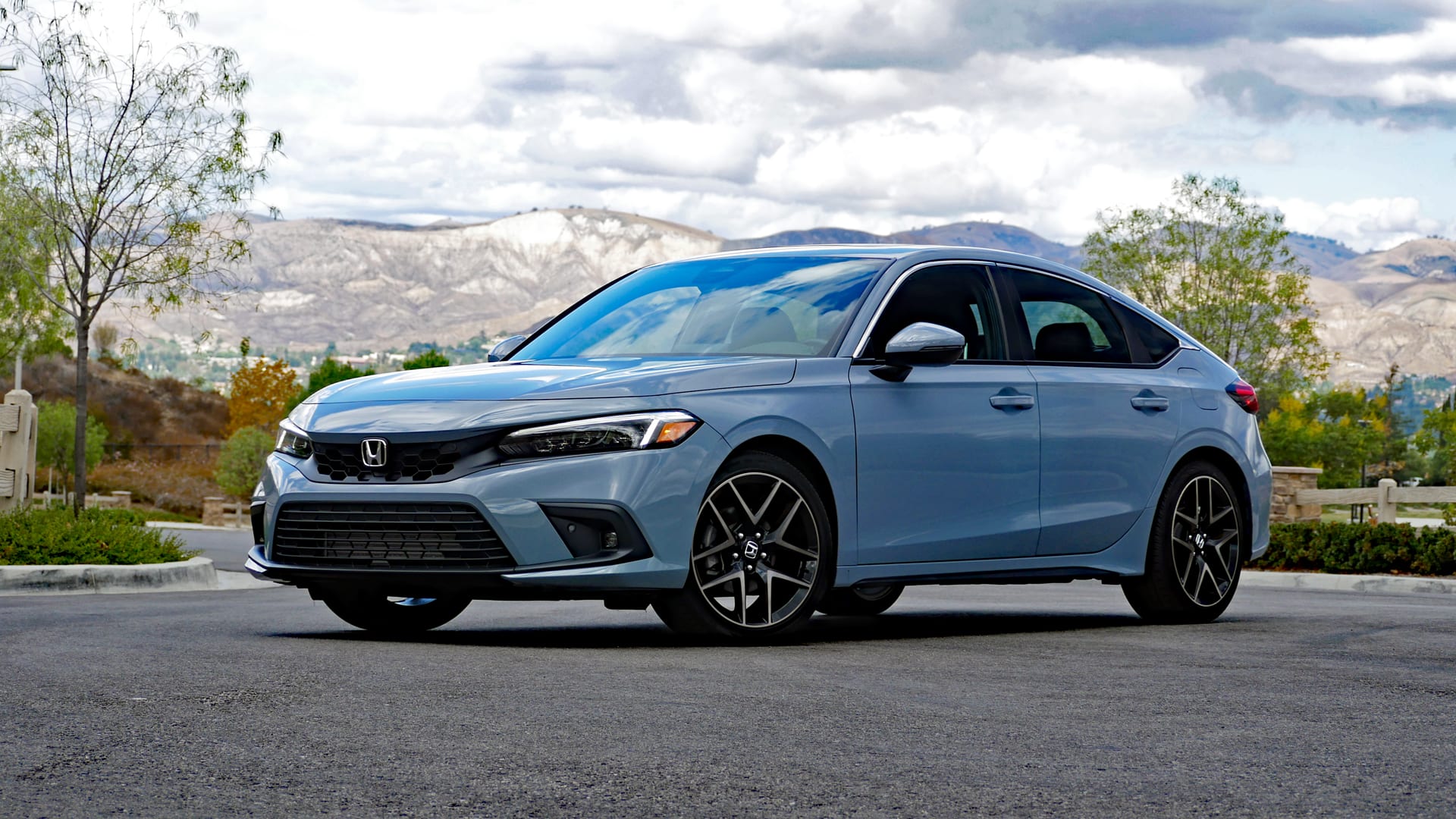
The Honda Civic has long been recognized as one of the most reliable compact cars for city driving, and it continues to excel in urban environments like St. Louis. Its compact dimensions make it exceptionally easy to maneuver through narrow streets and tight corners, particularly in historic districts such as Soulard or Lafayette Square, where roads were not designed for large modern vehicles.
The Civic’s steering is precise and responsive, giving drivers confidence when changing lanes or navigating crowded intersections. Parallel parking is considerably less stressful with this vehicle, as its relatively small footprint allows it to fit into spaces that larger sedans and SUVs cannot.
Furthermore, the Civic’s suspension is well-tuned to absorb minor bumps and imperfections in city roads, providing a smoother ride even on streets that may be older or under construction.
Fuel efficiency is another hallmark of the Civic, which becomes increasingly important for city driving. Frequent stop-and-go traffic often causes larger or less efficient vehicles to consume fuel rapidly, but the Civic’s small yet powerful engine maintains excellent gas mileage in these conditions.
This translates to fewer fuel stops and lower commuting costs, which is a meaningful advantage for drivers navigating the dense traffic of St. Louis. In addition, many Civic models offer hybrid variants that further reduce fuel consumption and environmental impact, an important consideration in a city concerned with emissions and air quality. The combination of efficiency and practicality ensures that drivers can spend more time on the road without worrying about excessive fuel costs.
Reliability is another major reason the Civic shines in city driving. Honda has developed a reputation for building engines and components that last for hundreds of thousands of miles with minimal maintenance. This is particularly advantageous in urban environments, where frequent starts, stops, and idling can stress some vehicles’ mechanical components.
A Civic’s durability reduces the likelihood of unexpected breakdowns or costly repairs, allowing drivers to confidently handle their daily commutes, errands, and weekend trips without concern. Its reputation for longevity also contributes to strong resale value, making it a wise long-term investment for city residents.
Beyond practicality, the Honda Civic delivers comfort and technology that enhance the urban driving experience. Its cabin, despite the compact exterior, provides sufficient legroom and headroom for both driver and passengers, making it suitable for longer commutes or shared rides.
Modern infotainment systems include touchscreen displays, smartphone connectivity, and user-friendly navigation, which are particularly helpful when navigating unfamiliar parts of St. Louis or seeking alternative routes during heavy traffic.
Features such as adaptive cruise control and collision mitigation provide additional safety and convenience in congested areas. The Civic balances efficiency, reliability, and modern amenities, making it a standout choice for anyone spending significant time behind the wheel in St. Louis.
2. Toyota Corolla
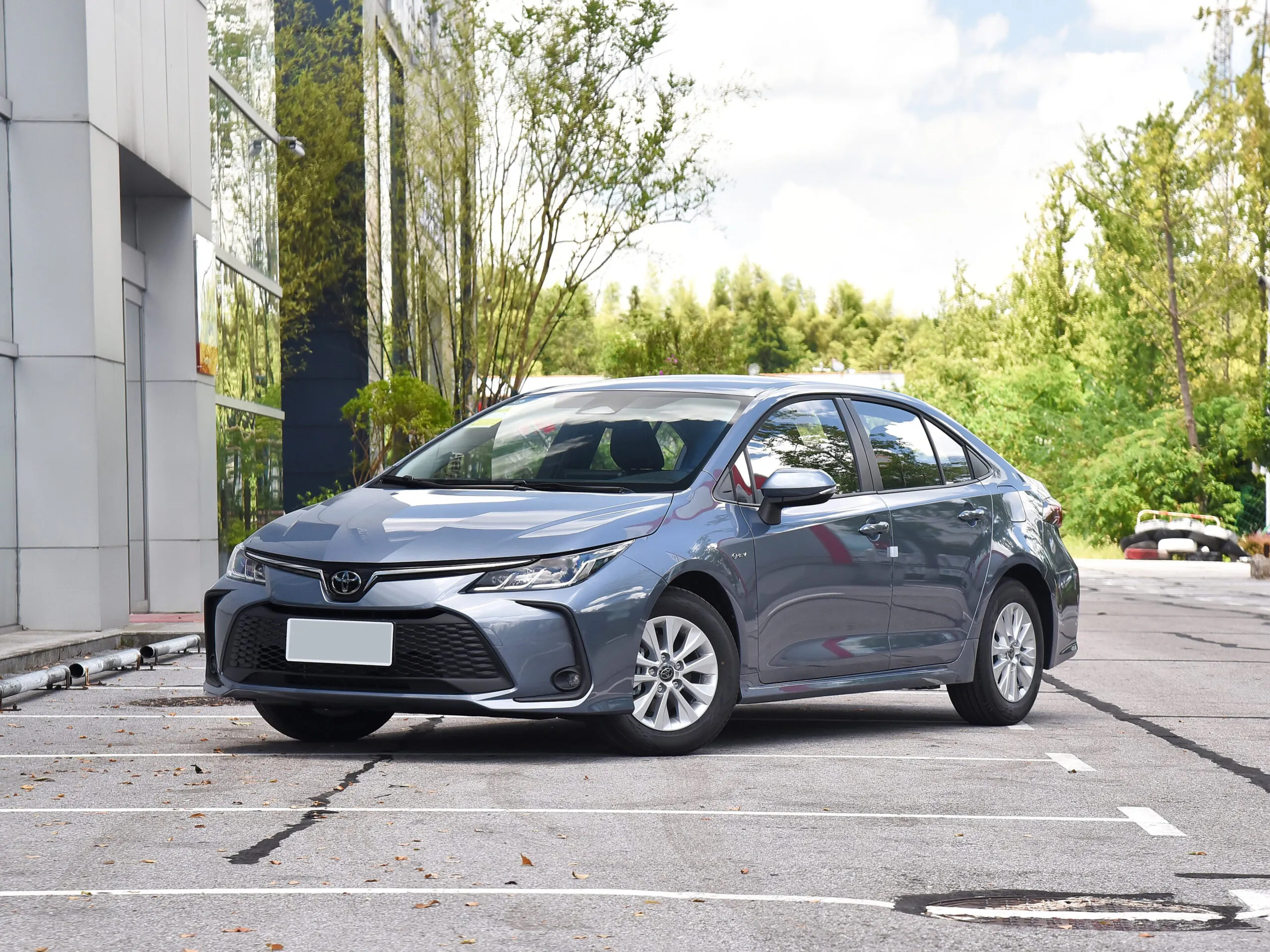
The Toyota Corolla is widely regarded as one of the most practical and dependable compact cars for city driving, and its performance in St. Louis urban environments reflects these qualities. With a modest footprint and precise steering, the Corolla navigates tight city streets, complex intersections, and crowded parking lots with relative ease.
In older neighborhoods such as the Central West End, where streets are narrow and lined with parked vehicles, drivers benefit from the Corolla’s ability to make quick turns and maintain control in situations that could be stressful in larger vehicles. The suspension provides a smooth ride, even when encountering potholes or uneven pavement, ensuring comfort during frequent urban commutes.
Fuel efficiency is a central feature that makes the Corolla well-suited for city life. Stop-and-go traffic and frequent acceleration typically increase fuel consumption in urban environments, but the Corolla maintains strong mileage even under these conditions.
Hybrid variants further enhance efficiency, allowing drivers to reduce fuel costs and environmental impact while navigating daily St. Louis traffic. The Corolla’s small size also means lower emissions and reduced strain on resources, which aligns with the growing demand for environmentally conscious transportation options in urban areas.
Safety features are a critical advantage of the Toyota Corolla. Toyota’s suite of driver-assist technologies, such as automatic emergency braking, lane departure warning, and adaptive cruise control, helps drivers avoid collisions and navigate busy streets with greater confidence.
These systems are particularly useful in downtown St. Louis, where pedestrian traffic, cyclists, and erratic traffic patterns create a higher potential for accidents. The Corolla’s safety-oriented design offers peace of mind to new drivers and experienced commuters alike, emphasizing protection for both occupants and pedestrians.
Comfort and usability further strengthen the Corolla’s appeal. Despite its compact size, the cabin offers an ergonomic layout with sufficient space for passengers and cargo, accommodating everything from groceries to sports equipment.
Intuitive controls and modern infotainment options make navigation and entertainment easier during congested commutes, while supportive seating ensures that longer drives remain comfortable. The Corolla’s blend of reliability, efficiency, safety, and convenience makes it a top choice for drivers seeking a practical and effective vehicle for St. Louis city streets.
3. Mazda3
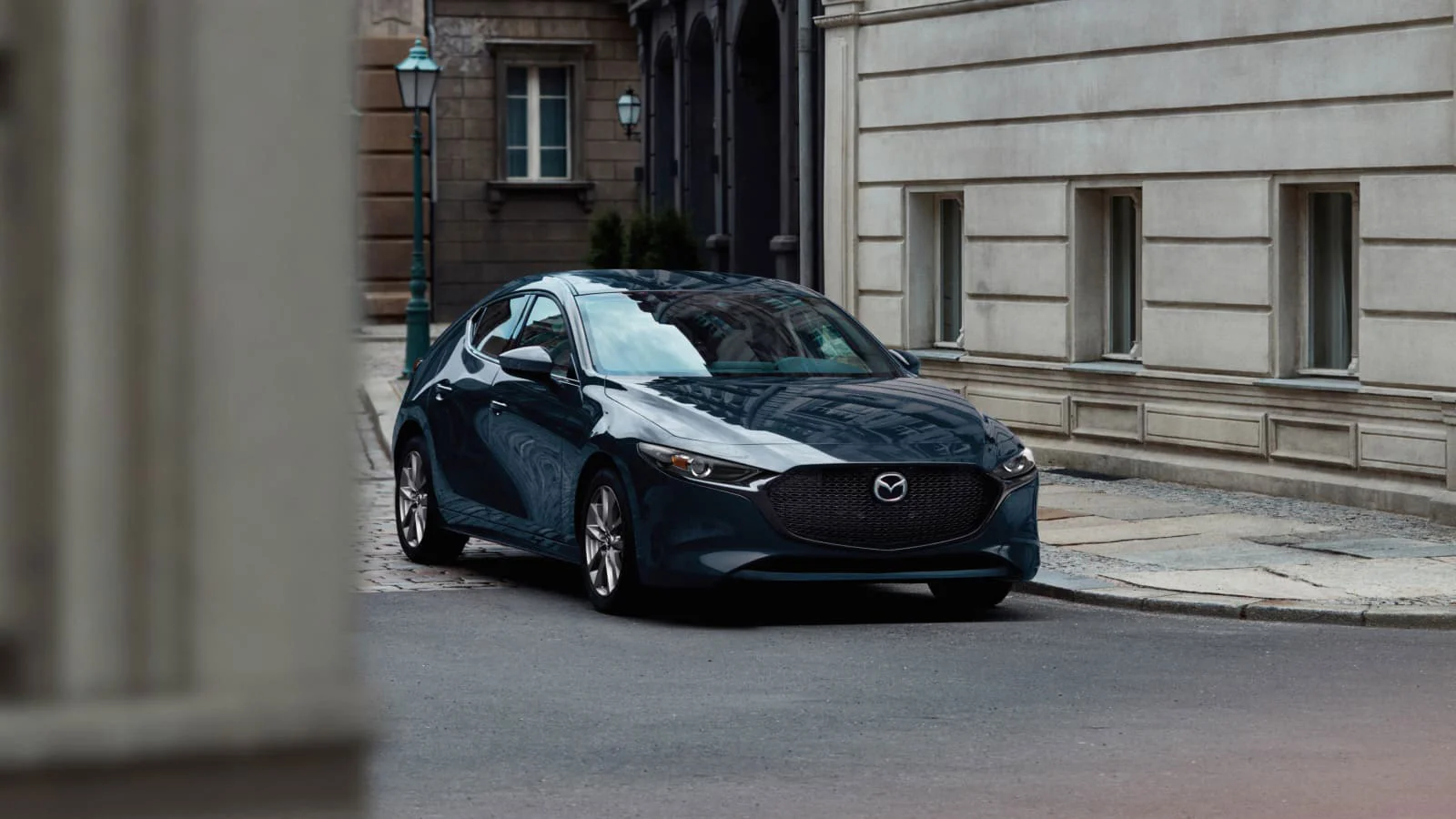
The Mazda3 stands out as a compact car that blends practicality with an engaging driving experience, making it an excellent choice for navigating urban areas like St. Louis. Its nimble size allows it to move easily through narrow lanes, crowded intersections, and congested traffic, while precise steering and well-tuned suspension provide confidence when changing lanes or turning sharply.
The car handles unpredictably congested streets smoothly, giving drivers a sense of control that can be lacking in larger, less agile vehicles. In neighborhoods with historic layouts and tight corners, such as Soulard, the Mazda3 offers superior maneuverability compared to many other compact cars.
Fuel economy is another key factor that makes the Mazda3 a city-friendly option. Its efficient engine performs well in frequent stop-and-go conditions, which are common in downtown St. Louis traffic.
This efficiency reduces the cost of commuting and the environmental footprint of daily driving. For urban drivers who frequently encounter traffic lights, intersections, and construction delays, the Mazda3 provides a reliable and economical solution that balances performance with low operational costs.
The Mazda3 also prioritizes driver comfort and interior quality. The cabin features high-quality materials and thoughtfully designed seating that can accommodate both short trips and longer commutes without fatigue.
Infotainment systems are intuitive, providing easy access to navigation, media, and smartphone integration, which is particularly helpful when traveling through areas unfamiliar to the driver. Quiet cabins and minimal vibration make driving more enjoyable even during rush-hour conditions, enhancing the urban driving experience.
Reliability and maintenance considerations further enhance the Mazda3’s suitability for city life. Mazda’s engines and components are known for longevity and durability, which is especially important for vehicles exposed to the stresses of urban driving, including frequent stops, potholes, and parking challenges.
Maintenance costs are generally lower than average, and parts are widely available, making it a practical and cost-effective choice for St. Louis residents who need a dependable, high-performing vehicle for daily commuting.
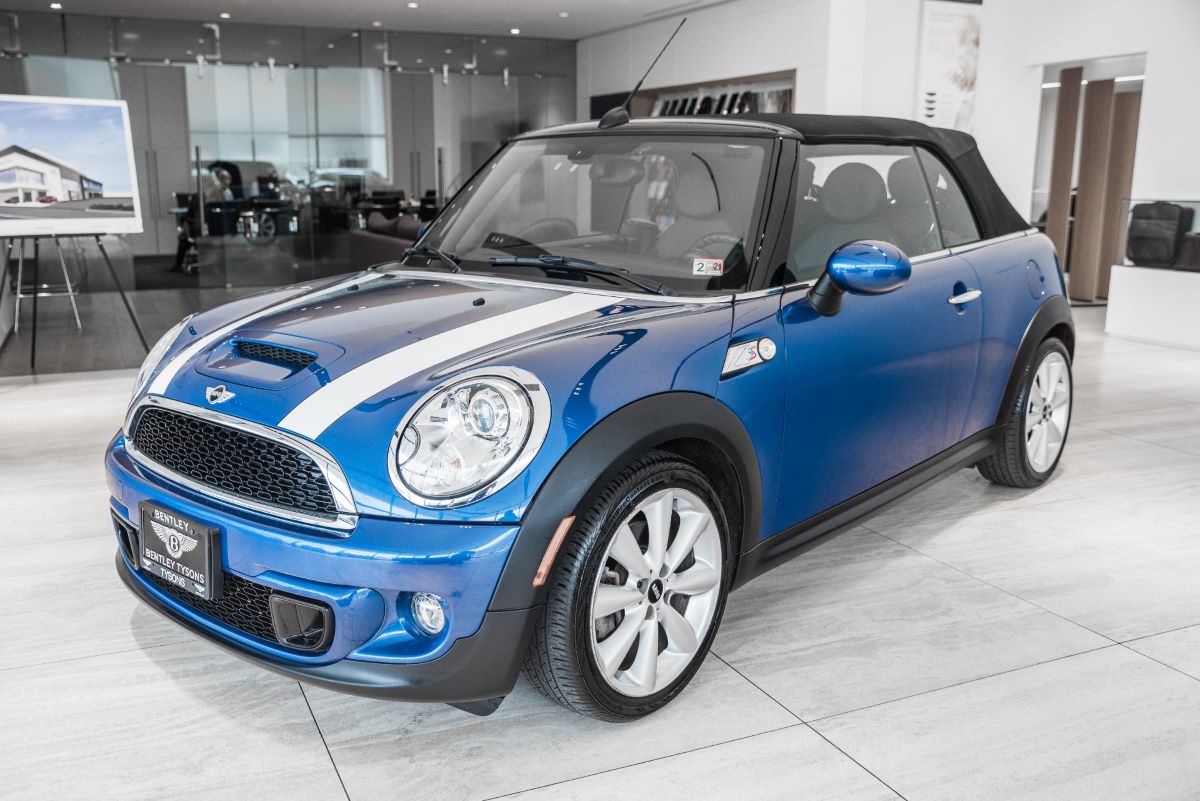
4. Mini Cooper
The Mini Cooper is widely recognized for its unique combination of compact design, agility, and driver enjoyment, qualities that make it particularly well-suited for St. Louis city streets. Its small footprint allows for easy maneuvering through narrow lanes, tight corners, and congested intersections, while its sharp steering responsiveness ensures drivers can navigate traffic efficiently and safely.
Parallel parking is simplified by the Cooper’s dimensions, and its high visibility helps drivers anticipate obstacles in busy downtown areas. The vehicle’s playful handling and light steering make it enjoyable to drive, turning everyday commutes into a more engaging experience.
Fuel efficiency is another important factor for city driving. Mini Coopers feature small, efficient engines that reduce fuel consumption even in heavy traffic or frequent stop-and-go situations.
This efficiency minimizes commuting costs while also limiting environmental impact, an important consideration for urban drivers concerned with emissions and sustainability. Hatchback configurations enhance practicality by offering more cargo space without compromising maneuverability, making errands, shopping trips, or weekend activities easier to manage.
Driving enjoyment is a core appeal of the Mini Cooper. Despite its compact size, the vehicle delivers lively acceleration and a responsive feel that makes navigating city traffic less monotonous.
Its stability, particularly in tight turns or during sudden lane changes, gives drivers confidence in busy urban conditions. While some small cars can feel unstable or floaty in traffic, the Mini Cooper maintains a solid road presence, contributing to both safety and enjoyment.
Technology and safety features enhance the Mini Cooper’s practicality in city settings. Modern models include adaptive headlights, parking sensors, and driver-assist systems, making parking and maneuvering in tight spaces less stressful. The combination of style, agility, fuel efficiency, and safety ensures the Mini Cooper is an excellent option for drivers who want a compact, practical, and fun vehicle to navigate St. Louis’ busy streets.
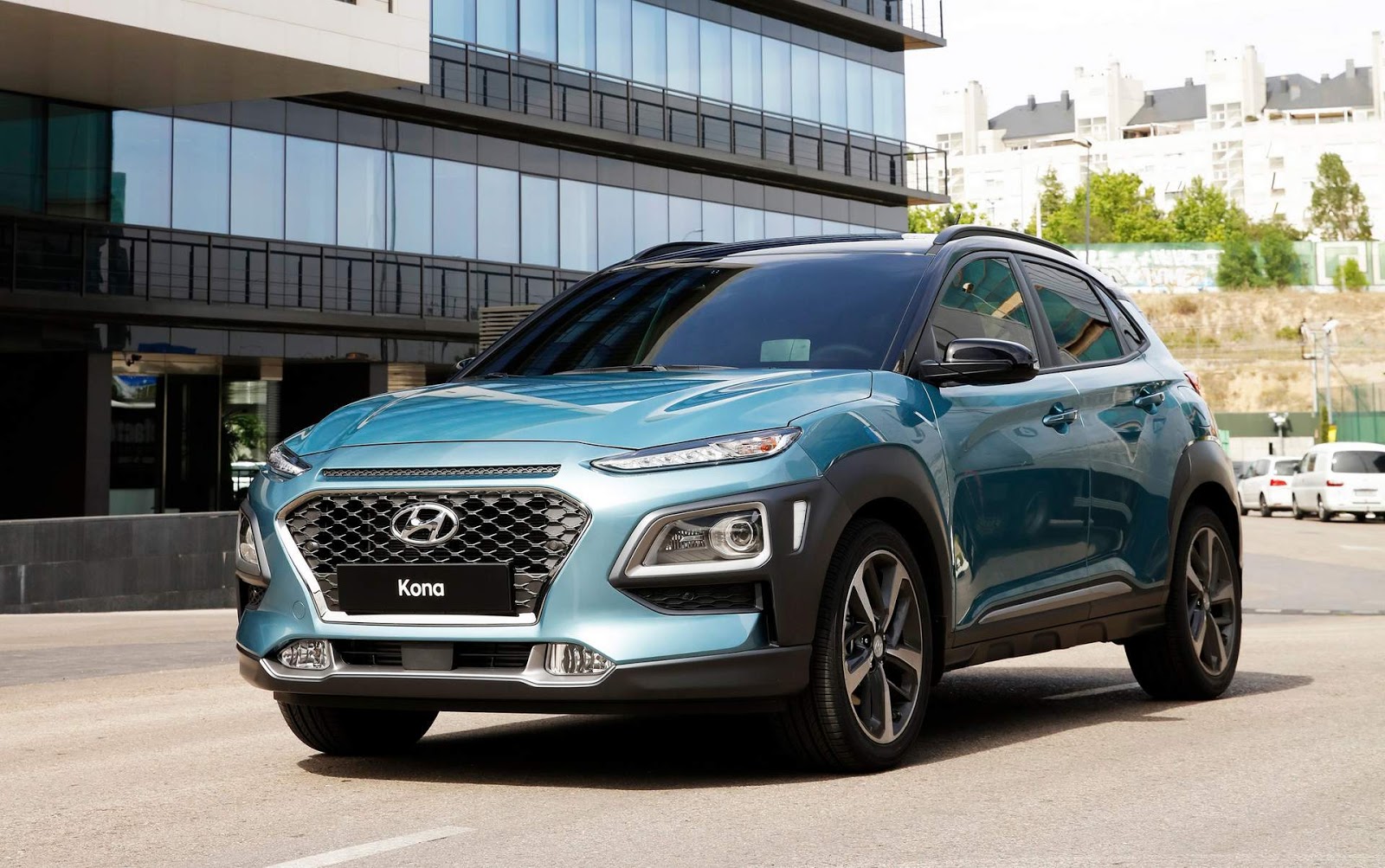
5. Hyundai Kona
The Hyundai Kona is a subcompact SUV that balances the maneuverability of a smaller car with the visibility and utility of an SUV, making it ideal for city driving in St. Louis. Its compact footprint allows it to navigate crowded streets, tight corners, and complex intersections with relative ease, while its slightly elevated seating position provides drivers with improved visibility over smaller vehicles.
This perspective is particularly useful in urban areas with high pedestrian and cyclist activity, giving drivers a better ability to anticipate hazards in real-time traffic situations.
Fuel efficiency is strong for the Kona, especially considering its SUV design. Its engines provide sufficient power for city driving while maintaining moderate fuel consumption even in stop-and-go conditions.
Hybrid and fully electric variants further reduce fuel costs and environmental impact, appealing to urban drivers seeking sustainable transportation solutions. The Kona is also responsive in traffic, accelerating smoothly when needed while maintaining efficient braking performance for frequent stops in congested areas.
Safety is another area where the Kona excels. Advanced driver-assist features such as blind-spot monitoring, lane departure warning, and automated emergency braking help drivers prevent accidents in crowded streets. These technologies are particularly useful in areas like downtown St. Louis, where dense traffic, pedestrians, and cyclists are common. The Kona’s compact size and SUV stability combine to give drivers confidence in urban traffic, balancing control with comfort.
Comfort and technology round out the Kona’s strengths for city life. Its interior is modern, spacious for a subcompact SUV, and equipped with intuitive infotainment systems that provide navigation, connectivity, and entertainment options for daily driving.
Passengers benefit from supportive seating and a quiet cabin, even when stuck in traffic for extended periods. With its combination of maneuverability, safety, efficiency, and versatility, the Hyundai Kona is an excellent option for drivers who want the practicality of an SUV without the drawbacks of a full-size vehicle in city conditions.
5 Cars That Struggle in St. Louis City Driving
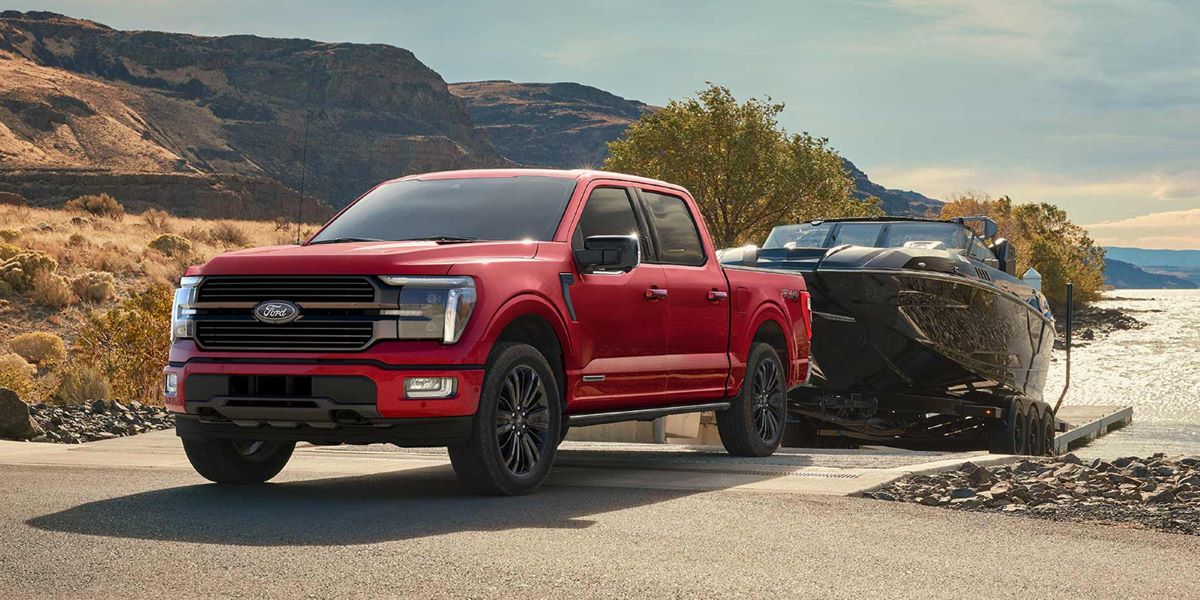
1. Ford F-150
The Ford F-150 is a full-size pickup truck that has earned a reputation for durability and power, especially in suburban or rural settings. However, its size and weight make it less suitable for city driving in St. Louis, where streets are often narrower, and parking spaces are limited.
In historic neighborhoods like Lafayette Square or Benton Park, the F-150 can feel oversized and difficult to maneuver. Its long body and wide frame make parallel parking a challenging task, often requiring multiple adjustments and precise measurements to fit into standard urban parking spots. Tight corners and congested intersections further highlight the difficulties of controlling such a large vehicle in stop-and-go traffic.
Fuel efficiency is another major drawback of the F-150 in city conditions. Its larger engines are designed for hauling and towing rather than frequent short trips with constant stopping and starting. In dense traffic, these engines consume fuel rapidly, increasing costs for daily commuting and errands.
Even newer F-150 models with slightly improved fuel economy cannot match the efficiency of smaller, city-focused cars. For drivers who spend significant time navigating downtown traffic or running urban errands, the F-150 can quickly become an expensive and impractical choice.
Handling and responsiveness are also less than ideal for urban environments. While the F-150 performs exceptionally well on highways and off-road terrain, its size and weight make quick maneuvers in crowded streets more difficult.
Sudden lane changes or emergency stops require careful attention, as the truck’s inertia and long stopping distance reduce the margin for error. Drivers accustomed to smaller vehicles may find city driving stressful, especially during rush hour or in areas with frequent pedestrian crossings.
Finally, parking presents a persistent problem for F-150 drivers in St. Louis. Standard downtown spaces and parking garages are often too small for the truck, requiring drivers to seek out larger or less convenient parking lots.
Narrow residential streets also limit access, sometimes forcing drivers to park blocks away from their destination. While the F-150 excels in power, utility, and durability, its disadvantages in maneuverability, fuel efficiency, and urban practicality make it a less suitable choice for city driving.
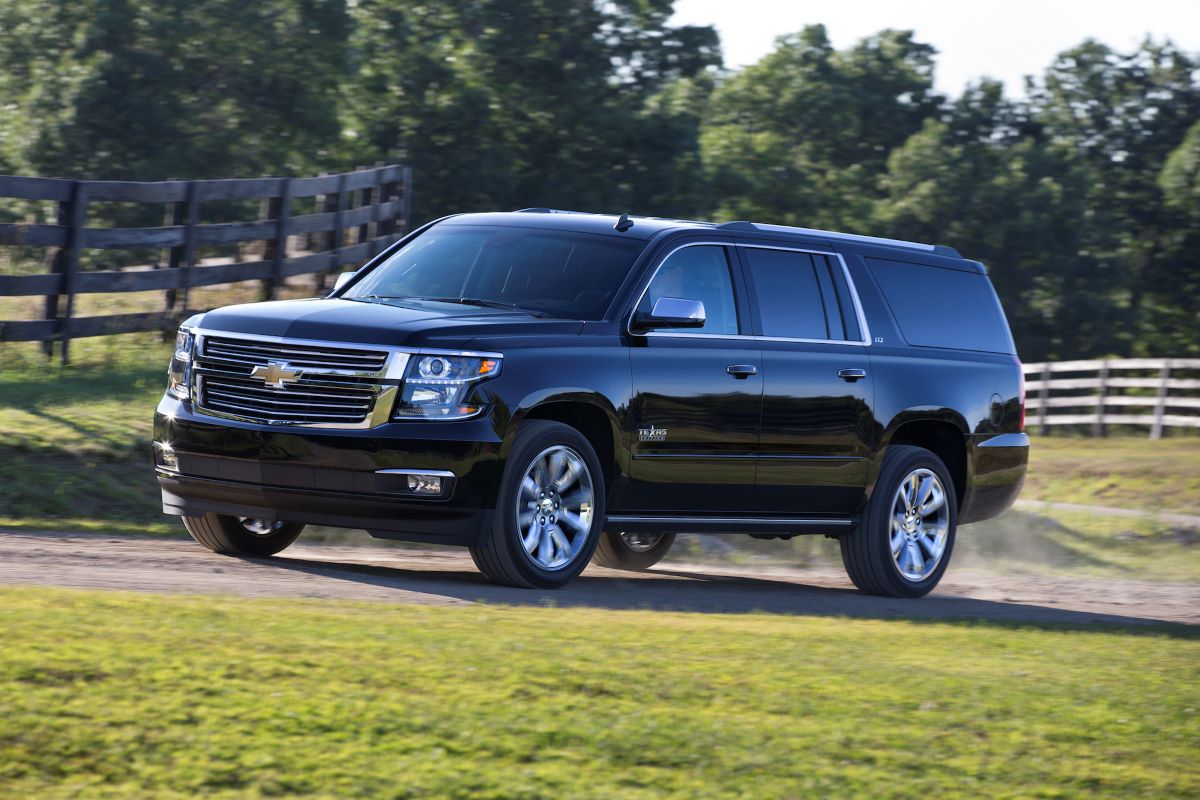
2. Chevrolet Suburban
The Chevrolet Suburban is a full-size SUV known for its spacious interior, towing capacity, and long-distance comfort. However, its sheer size creates significant challenges when navigating urban streets in St. Louis.
Its length makes turning corners and merging into busy lanes more difficult, and in neighborhoods with narrow streets, such as the Central West End, driving a Suburban can feel awkward and stressful. The vehicle requires careful planning when traveling through downtown streets, and its larger dimensions can intimidate drivers and pedestrians alike.
Fuel consumption is another key disadvantage of the Suburban in city driving. With its powerful V8 engines and heavy weight, stop-and-go traffic quickly drains fuel, leading to more frequent refueling stops and higher costs. Even though the Suburban offers comfort and power for long-distance driving, these attributes are largely unnecessary for urban commuting, where agility, efficiency, and parking convenience are more important.
Handling is cumbersome in city conditions. The Suburban is less responsive than smaller SUVs or compact cars, making lane changes and tight turns more challenging.
Drivers must anticipate traffic situations well in advance and often reduce speed to navigate safely. Sudden stops or evasive maneuvers, which can happen frequently in downtown areas with unpredictable pedestrian activity, are less manageable in a vehicle of this size.
Parking is perhaps the most obvious limitation. Parallel parking, tight garages, and limited curb spaces make the Suburban inconvenient for urban drivers. Even with modern parking sensors or cameras, the vehicle’s size restricts access to many streets and lots, often forcing drivers to park farther from their destination. While it excels in cargo space and highway performance, the Suburban’s urban shortcomings make it a challenging vehicle for city life.
3. Jeep Wrangler
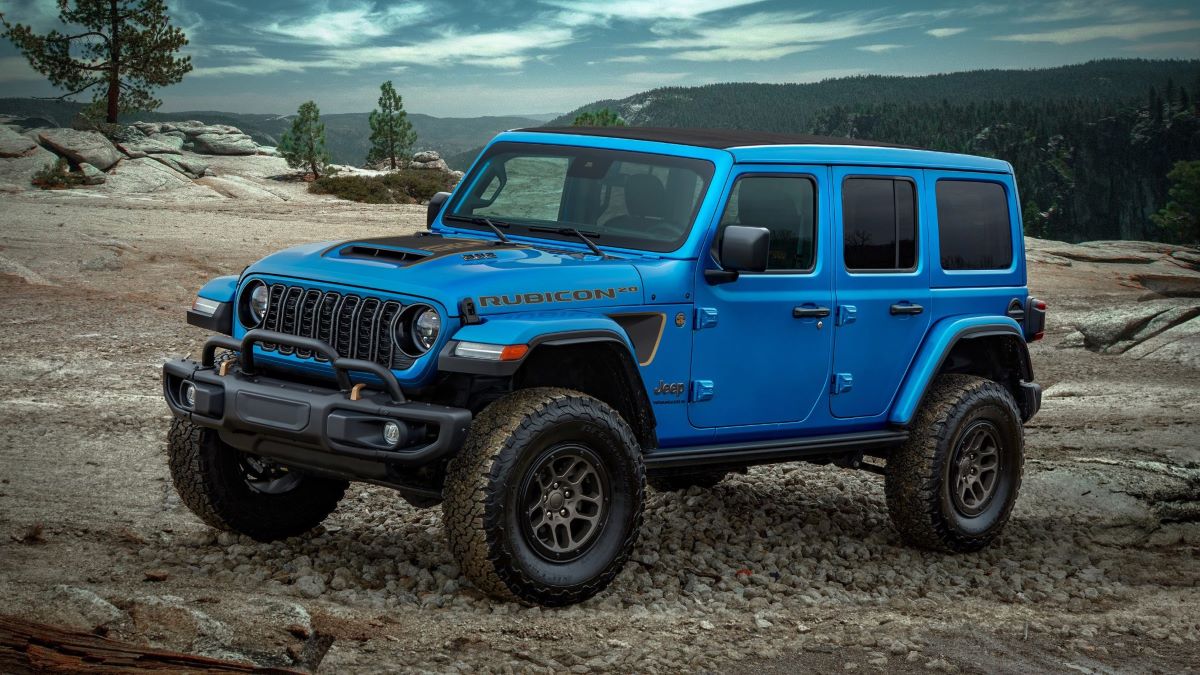
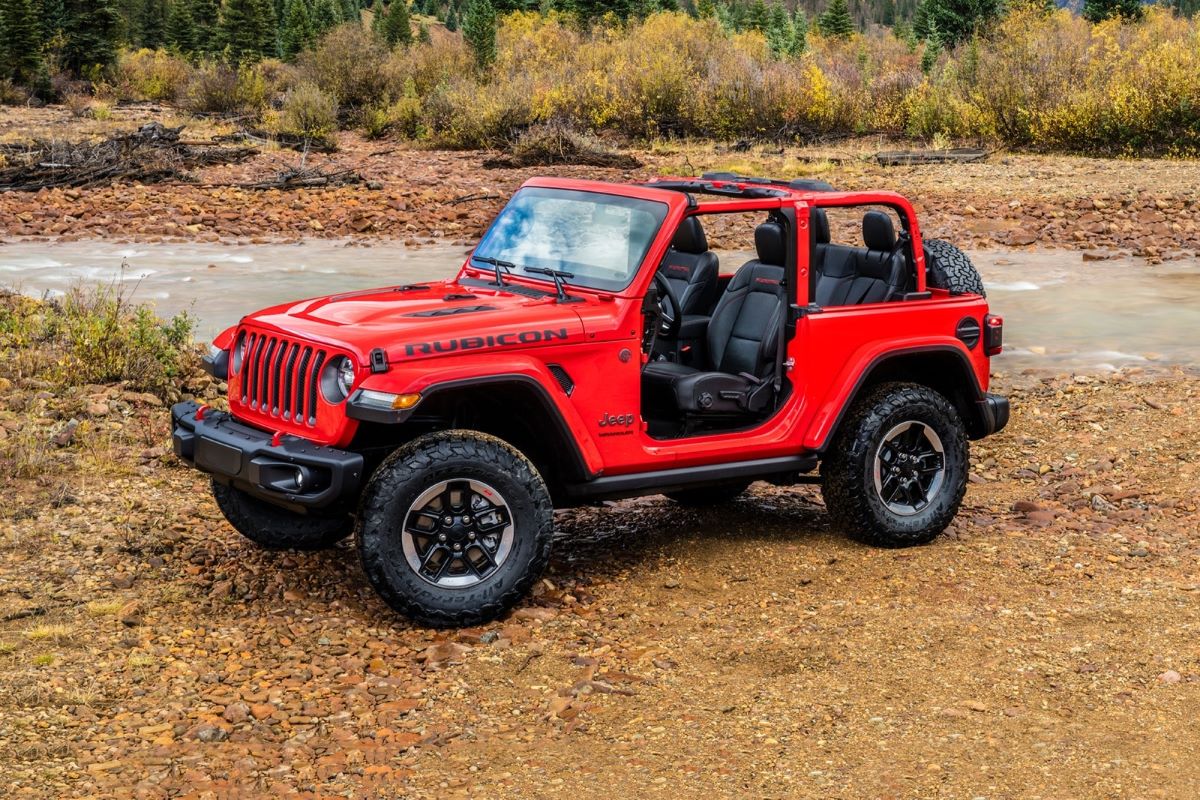
The Jeep Wrangler is designed for off-road performance and adventure rather than city commuting. Its boxy shape and high ride height, while advantageous for rugged terrain, can make navigating narrow streets and crowded intersections in St. Louis challenging.
Parallel parking requires precision and patience, and its wide stance sometimes limits access to tighter areas. Maneuvering through congested downtown traffic or busy neighborhoods like Tower Grove can feel awkward, especially compared to smaller, more agile vehicles.
Fuel efficiency is low in urban environments, which further reduces the Wrangler’s practicality for city driving. Its engines are tuned for power and torque rather than economy, making frequent starts and stops costly in both fuel and money.
For daily commutes, grocery runs, or school pickups, the Wrangler consumes significantly more fuel than city-focused compact cars or smaller SUVs. This inefficiency becomes more apparent during heavy traffic or when driving in areas with frequent lights and intersections.
Ride comfort and handling are also problematic. The Wrangler’s suspension, optimized for off-road travel, can feel stiff and jarring on city streets. Potholes, bumps, and uneven pavement, common in older St. Louis neighborhoods, are felt more intensely than in other vehicles. Long commutes or congested driving can become tiring for both driver and passengers, reducing comfort and convenience.
Additionally, the Wrangler’s safety and technology features lag behind many modern city-friendly vehicles. While newer models have improved driver-assist systems and infotainment, the vehicle’s high center of gravity and bulk limit maneuverability in urban conditions. For drivers prioritizing convenience, comfort, and efficiency, the Jeep Wrangler often proves cumbersome in a city like St. Louis, despite its appeal in rural or recreational settings.
4. Cadillac Escalade
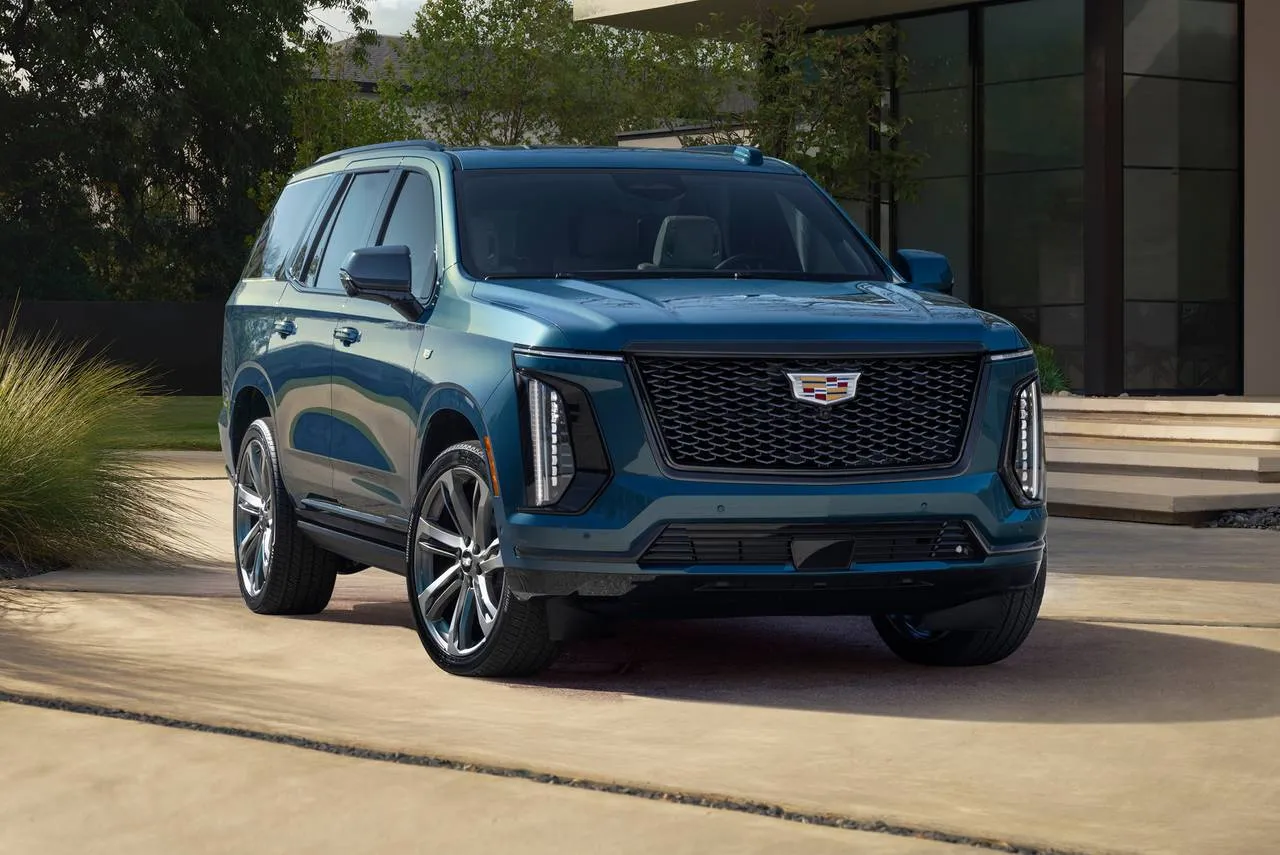
The Cadillac Escalade is a luxury full-size SUV celebrated for comfort, space, and advanced features, yet it struggles in city environments due to its size and weight. Its long and wide frame makes navigating narrow streets, crowded intersections, and tight parking spaces a constant challenge.
Downtown areas with high pedestrian density, such as the Delmar Loop, require careful attention and slow driving, which can diminish the Escalade’s otherwise impressive performance. Its height and bulk also create blind spots that demand extra vigilance from the driver.
The Escalade’s powerful engines are designed for highway cruising, towing, and performance rather than city efficiency. In congested traffic with frequent stops, fuel consumption rises sharply, increasing costs for urban drivers. The Escalade’s size also reduces agility, making sudden lane changes or evasive maneuvers more difficult than in smaller vehicles.
Handling is cumbersome, particularly when compared to compact SUVs or sedans. Its longer wheelbase and higher center of gravity can make sharp turns or lane changes feel slower and more intimidating. Even with advanced traction and stability control, the Escalade’s sheer dimensions demand more focus and care, which can be stressful in dense traffic or during rush-hour commuting.
Parking is a persistent problem for Escalade drivers. Parallel parking and tight garages are often impractical, requiring significant adjustments or avoidance altogether. While the interior provides luxury and comfort, these benefits do not compensate for the vehicle’s challenges in urban mobility. For daily commuting, errands, and navigating St. Louis streets, the Escalade is often less convenient than smaller, more maneuverable alternatives.
5. Ram 2500
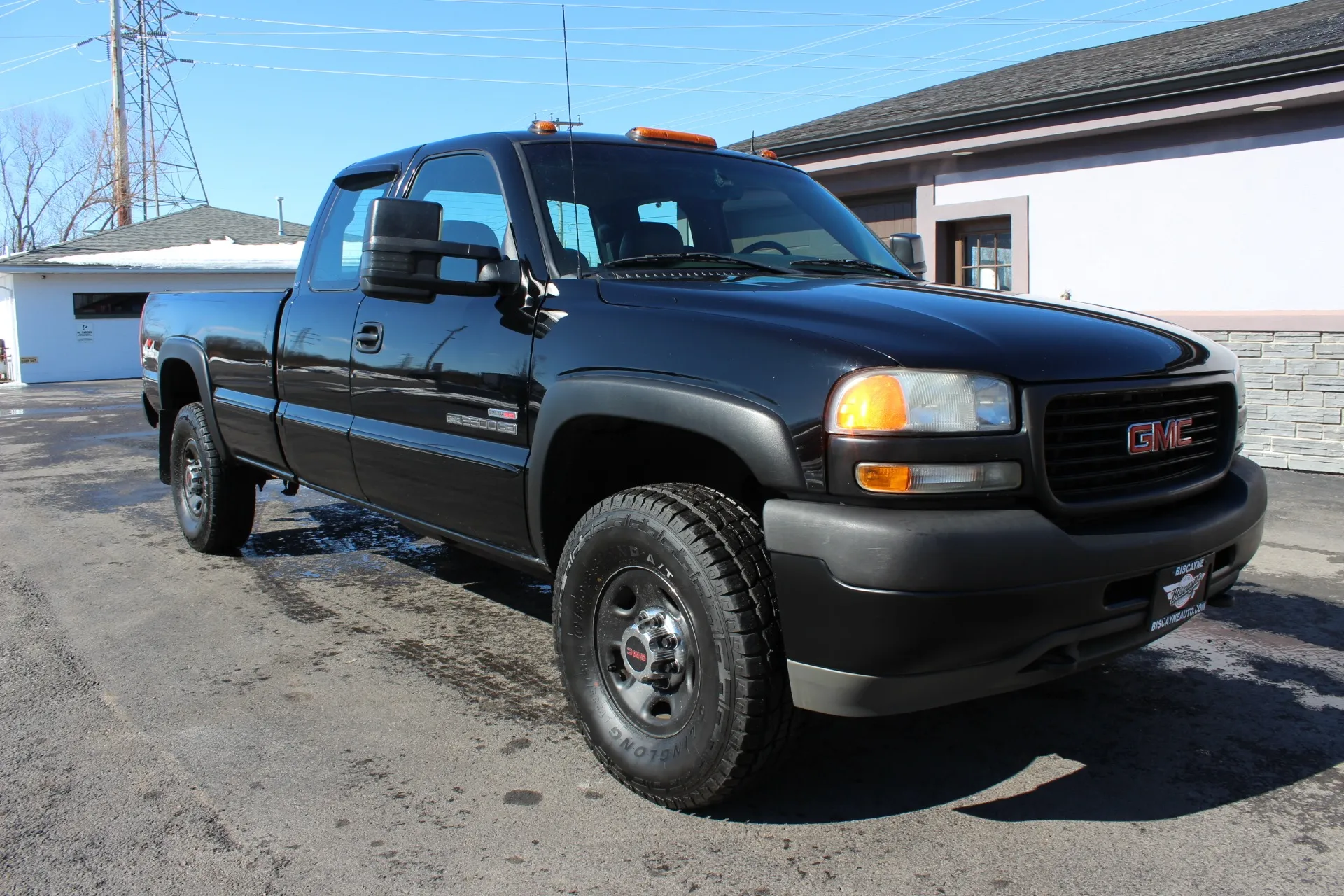
The Ram 2500 is a heavy-duty truck designed primarily for towing and hauling, but its capabilities are largely unnecessary for city driving. Its large dimensions make it difficult to navigate St. Louis streets, especially in older or denser neighborhoods.
Tight intersections, narrow lanes, and on-street parking present challenges that a smaller, more agile vehicle would easily handle. Its high profile and long bed create blind spots, making city driving more stressful for both the driver and surrounding vehicles.
Fuel efficiency is extremely low in stop-and-go traffic. The truck’s powerful engine consumes significant fuel during urban commutes, leading to high operating costs and increased environmental impact. Daily errands or short trips through downtown streets highlight this inefficiency, making the vehicle less practical for residents who rely on their car for frequent city travel.
Handling and maneuverability are also problematic. The Ram 2500 is not designed for tight turns or quick lane changes, which are often necessary in urban settings. Its weight and size reduce agility, increasing the risk of minor collisions, scrapes, or delays in congested traffic. Drivers may find that even routine routes require extra planning to avoid narrow streets or obstacles.
Parking remains one of the most significant drawbacks. Standard urban parking spaces cannot accommodate the truck’s size comfortably, forcing drivers to search for oversized lots or park further from destinations.
While the Ram 2500 excels in hauling, towing, and power, its attributes are rarely needed in city conditions. For St. Louis residents seeking a practical, convenient vehicle for daily commuting, errands, or city errands, the Ram 2500 is generally an inconvenient and cumbersome choice.
