
Living in New Orleans comes with a unique set of challenges, especially when it comes to vehicles. The city’s low-lying geography, proximity to the Gulf of Mexico, and intricate network of canals and bayous make flooding a frequent concern.
Rainstorms that might be minor inconveniences elsewhere can become major problems here, leaving streets submerged and causing significant damage to vehicles. Choosing the right car is not just a matter of personal preference or style; it is a practical decision that can impact safety, maintenance costs, and long-term ownership satisfaction.
Some cars are built to handle wet conditions better, with higher ground clearance, robust electrical systems, and design features that limit water intrusion.
Others, despite being popular or stylish, can suffer extensive damage even from moderate water exposure. Understanding which vehicles can withstand New Orleans’ unique conditions and which are likely to fail under water stress is crucial for residents.
The risk of water damage goes beyond mere inconvenience. Vehicles exposed to floods can experience corrosion of body panels, permanent electrical system failure, engine damage, and long-term mechanical issues that may not appear immediately.
Some models are notoriously sensitive to even shallow flooding, while others are engineered to endure more extreme conditions without catastrophic failure.
Choosing the right vehicle, therefore, is not simply a matter of preference or price but also of practical longevity. This article examines ten vehicles in two categories: those suitable for flood-prone areas and those that are vulnerable to water damage.
Each category highlights specific attributes, from ground clearance to engine placement, that influence a car’s resilience. By understanding these factors, residents of New Orleans can make informed choices that reduce the likelihood of costly repairs or permanent vehicle loss.
Weather patterns in the region also play a role in vehicle performance. Heavy rainfall and tropical storms are not occasional events; they are recurring elements of daily life in southern Louisiana. Vehicles must be evaluated for more than just short-term water resistance.
Long-term exposure to high humidity, combined with periodic flooding, challenges the durability of metals, plastics, and electrical systems. Cars that might perform well in other climates could struggle in New Orleans, while vehicles designed for adverse conditions offer a degree of security and peace of mind.
The discussion that follows presents a careful comparison between five vehicles that are better suited to flood-prone areas and five that are prone to suffering serious water damage, helping residents make choices that are both practical and protective of their investment.
This article also considers a broader perspective on vehicle resilience. While some cars have a reputation for handling floods, maintenance habits, parking decisions, and immediate response to water exposure are equally important. Even the most robust vehicle can experience long-term issues if it sits in floodwater for an extended period.
Conversely, some models considered vulnerable may survive moderate flooding if proper precautions are taken. Nevertheless, identifying cars that naturally resist water damage provides an important baseline for anyone navigating the unique challenges of New Orleans’ climate and geography.
5 Cars for New Orleans Flood-Prone Areas
1. Toyota 4Runner
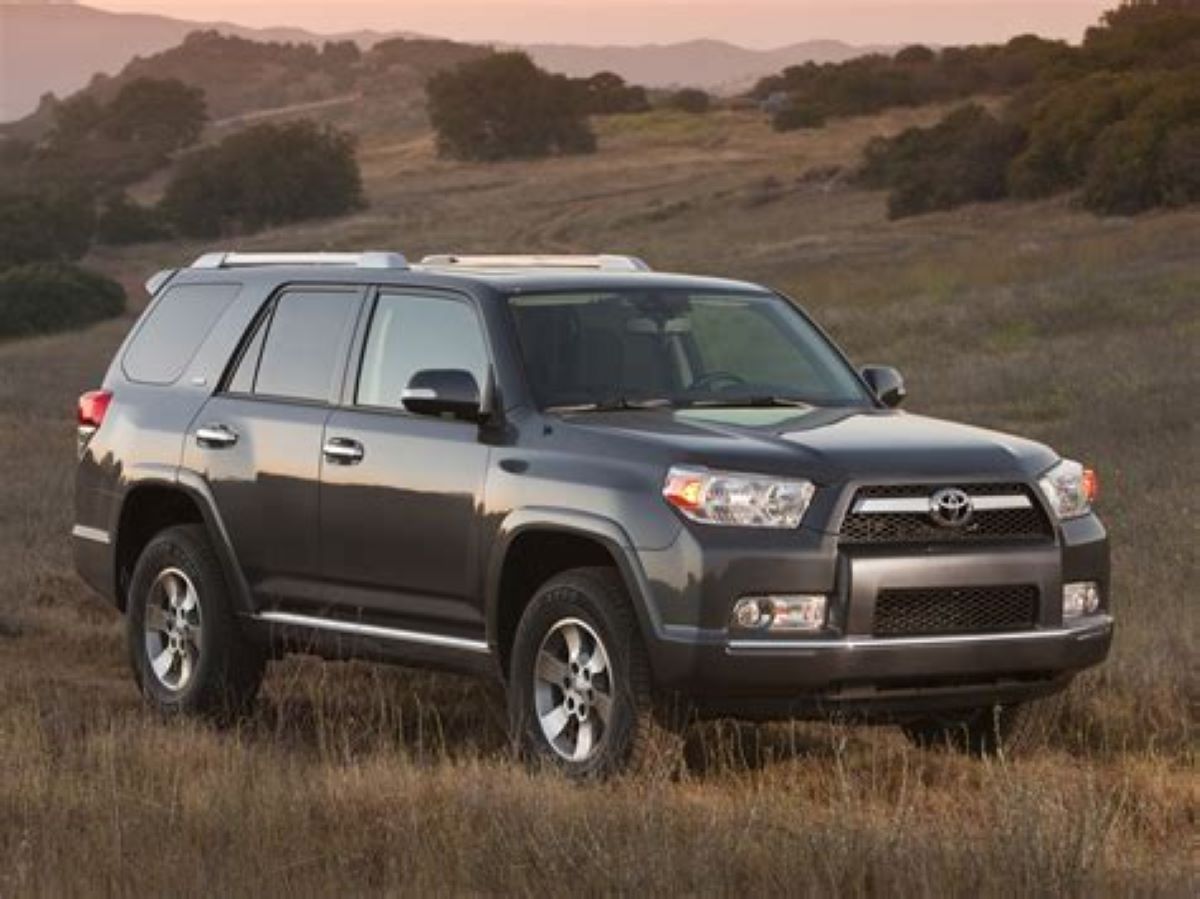
The Toyota 4Runner is widely recognized for its durability, off-road capability, and longevity, making it one of the most reliable choices for flood-prone areas. One of the most significant advantages of the 4Runner is its high ground clearance, which ensures that the engine, transmission, and other critical mechanical components remain well above most of the water that accumulates on city streets during storms or heavy rain.
Unlike many modern SUVs that use unibody construction, the 4Runner is built on a body-on-frame chassis, which provides a stronger foundation that resists structural warping and water-related damage. Its robust suspension and underbody protection also help it navigate flooded areas safely, minimizing the risk of water contact with delicate parts.
Additionally, Toyota vehicles are known for their reliable electrical systems that are less prone to short circuits when exposed to moisture, making the 4Runner an excellent option for residents dealing with New Orleans’ frequent floods.
Beyond the mechanical advantages, the 4Runner’s interior is designed to handle occasional exposure to wet conditions more effectively than many other SUVs. Seats and flooring are made from materials that are durable and easier to clean if they get wet, which reduces the long-term effects of water intrusion.
The wiring and electrical components inside the cabin are also more robust and insulated compared to standard passenger vehicles, meaning that short-term flooding is less likely to result in permanent damage. Many owners also take advantage of aftermarket modifications, such as protective air intake snorkels, reinforced seals, and underbody armor, which further enhance the vehicle’s ability to withstand even deeper water levels.
This combination of factory design and customization potential makes the 4Runner highly adaptable to the unpredictable conditions of New Orleans streets.
2. Jeep Wrangler
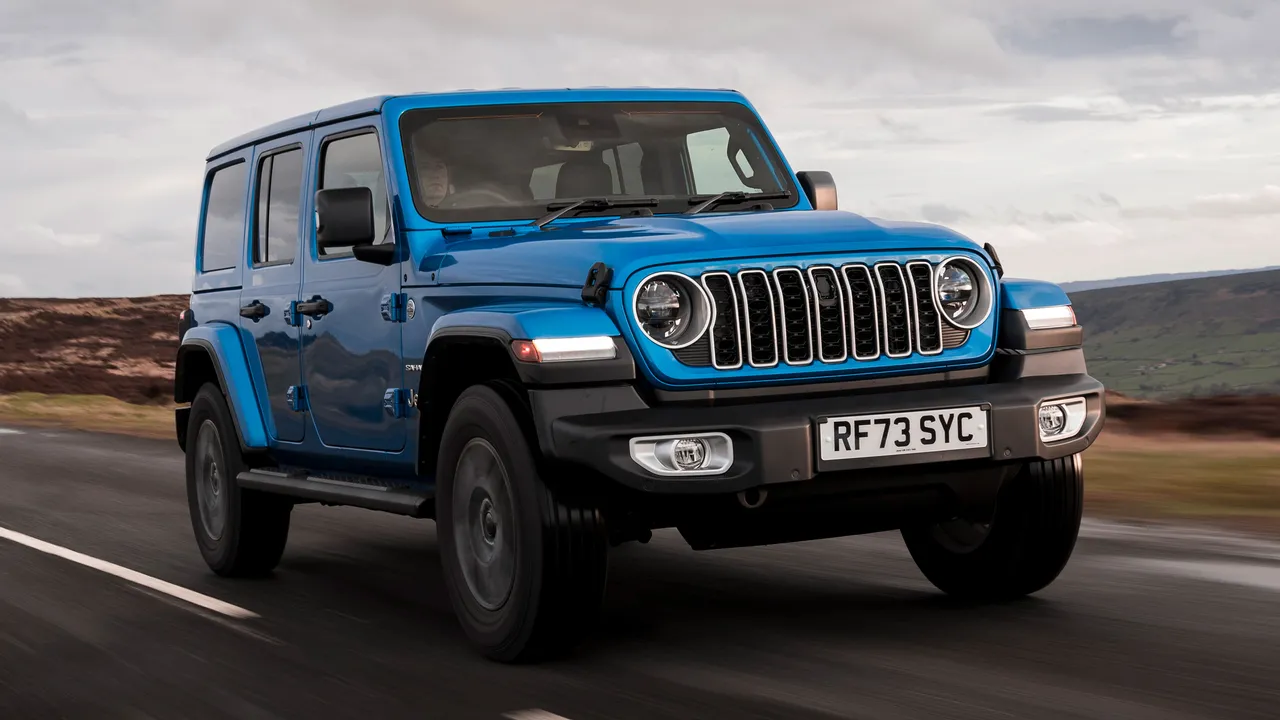
The Jeep Wrangler has long been a symbol of ruggedness and off-road capability, qualities that make it particularly well-suited for flood-prone urban environments. Its elevated stance, high-mounted engine components, and durable axles allow it to navigate through water with minimal risk to critical systems.
Unlike many conventional SUVs, the Wrangler’s design intentionally positions key mechanical parts away from potential water contact. The removable doors and modular construction of the vehicle further enhance its practicality after water exposure, allowing for easier cleaning and maintenance.
These features are not just theoretical benefits, they have real-world applications in areas where water can accumulate quickly and unpredictably, such as low-lying neighborhoods in New Orleans.
The Wrangler’s interior is engineered with wet conditions in mind, thanks to water-resistant materials like vinyl-coated seats and durable rubber floor mats. These elements prevent moisture from being absorbed into the vehicle’s structure, reducing the risk of mold, corrosion, and unpleasant odors.
Electrical systems are intentionally sealed to withstand exposure to mud, water, and other harsh conditions commonly encountered in off-road settings. This resilience carries over to urban flooding scenarios, ensuring that even after a brief encounter with standing water, the vehicle remains fully functional.
For owners, the combination of waterproof interiors and sealed electronics means fewer emergency repairs, lower maintenance costs, and a greater sense of confidence when driving through streets affected by heavy rainfall.
Mechanically, the Wrangler is built to endure conditions that would severely compromise less capable vehicles. Its sealed transfer cases prevent water from entering essential components, and its drivetrain can handle shallow water without stalling or losing performance.
The high-mounted exhaust system and rugged suspension allow it to traverse uneven surfaces while minimizing the risk of damage from hidden underwater debris. These attributes make the Wrangler especially useful for residents who frequently deal with urban flooding, as it offers the ability to continue driving safely even when water levels rise unexpectedly. The vehicle’s reliability in such situations makes it a practical tool for day-to-day survival in New Orleans’ flood-prone neighborhoods.
Maintenance and repair accessibility is another advantage for the Wrangler. Its relatively simple yet durable mechanical and electrical systems allow owners and mechanics to address water-related issues efficiently, compared to vehicles with more complex electronic networks.
For instance, cleaning or replacing components affected by water is straightforward, and aftermarket modifications, such as higher air intakes or reinforced seals, can further improve performance in flooded conditions. The Wrangler’s combination of height, durability, flood-resistant design, and ease of maintenance positions it as one of the best vehicles for residents navigating the city’s unique and challenging weather patterns.
3. Subaru Outback
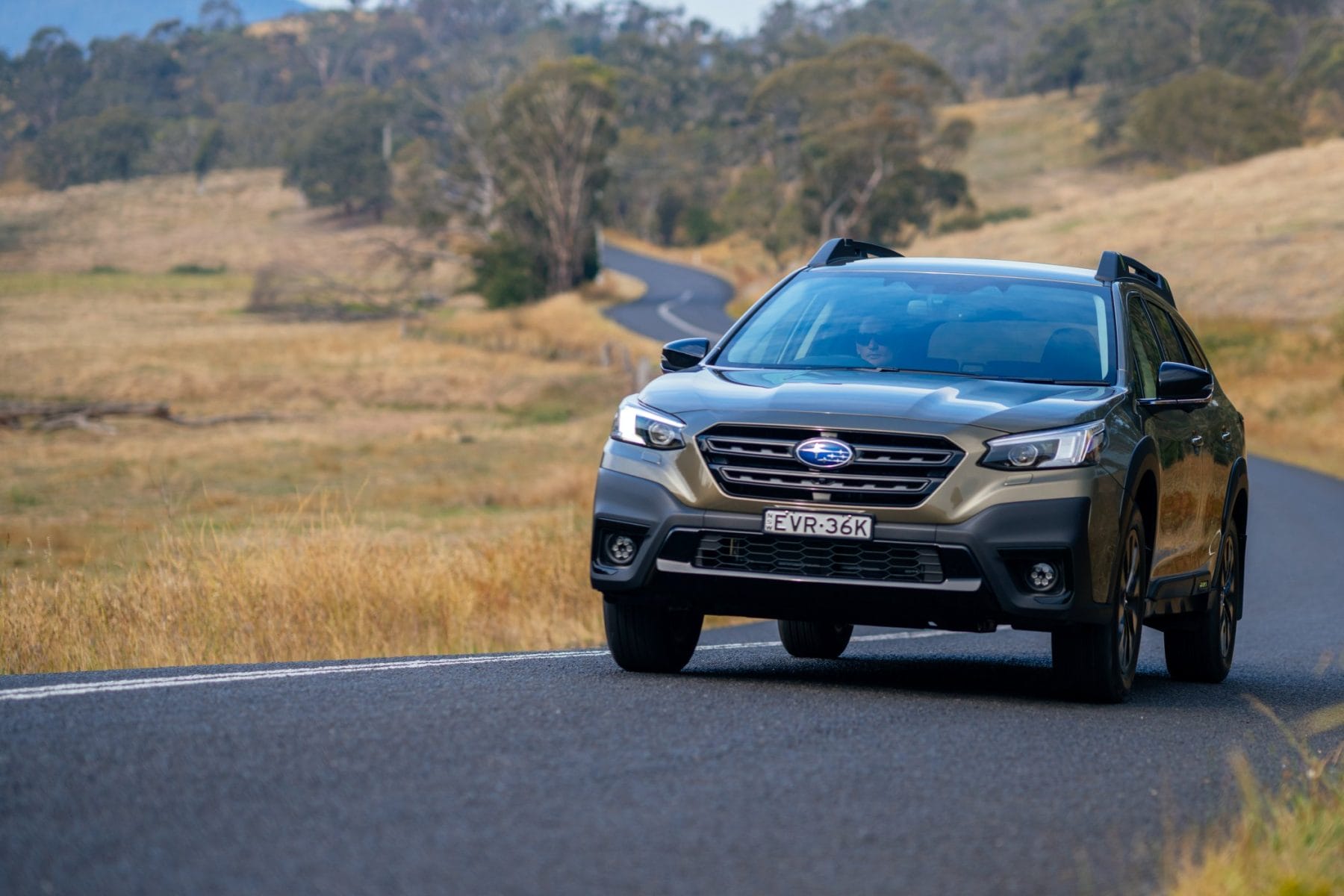
The Subaru Outback blends practicality, moderate off-road capability, and reliability, which makes it well-suited for areas that experience periodic flooding. Its all-wheel-drive system provides superior traction on slippery streets, while its elevated ride height helps prevent water from reaching critical components such as the engine, transmission, and electrical systems.
Subaru’s attention to sealing, drainage, and long-term reliability means that brief exposure to water is less likely to cause permanent damage. These characteristics make the Outback a dependable choice for residents who need a car that balances comfort, fuel efficiency, and resilience against flood hazards.
The interior of the Outback also contributes to its durability in flood-prone areas. Subarus typically use moisture-resistant materials for flooring, seat bases, and electrical connectors, which help prevent water from causing permanent damage to the cabin.
The design allows for relatively quick drying if water does enter the interior, reducing the likelihood of mold growth and corrosion. Additionally, the placement of the air intake and engine components helps prevent water from entering the combustion system, a common vulnerability in low-profile sedans. These thoughtful engineering decisions make the Outback a practical option for drivers who occasionally encounter standing water on streets or driveways.
Mechanically, the Outback’s engines and transmissions are robust and well-sealed, allowing it to endure minor water exposure without immediate failure. While not as extreme as full off-road SUVs, its all-wheel-drive system allows the vehicle to maintain traction in wet conditions, improving safety during urban flooding.
Its suspension and underbody are designed to handle moderate debris and water accumulation, further enhancing the vehicle’s ability to cope with New Orleans’ unpredictable weather. The combination of elevated design, drivetrain reliability, and protective sealing makes the Outback a solid, dependable choice for residents seeking a balance between comfort and flood resilience.
Subaru’s widespread service network and availability of replacement parts also contribute to the Outback’s long-term practicality. Preventive maintenance, such as cleaning drainage channels, checking seals, and drying out components after minor water exposure, is straightforward and accessible.
Owners benefit from a strong community of mechanics familiar with maintaining these vehicles in wet conditions. This accessibility, combined with the Outback’s moderate off-road capability and reliability, makes it one of the most versatile and dependable vehicles for residents navigating New Orleans’ challenging flooding conditions.
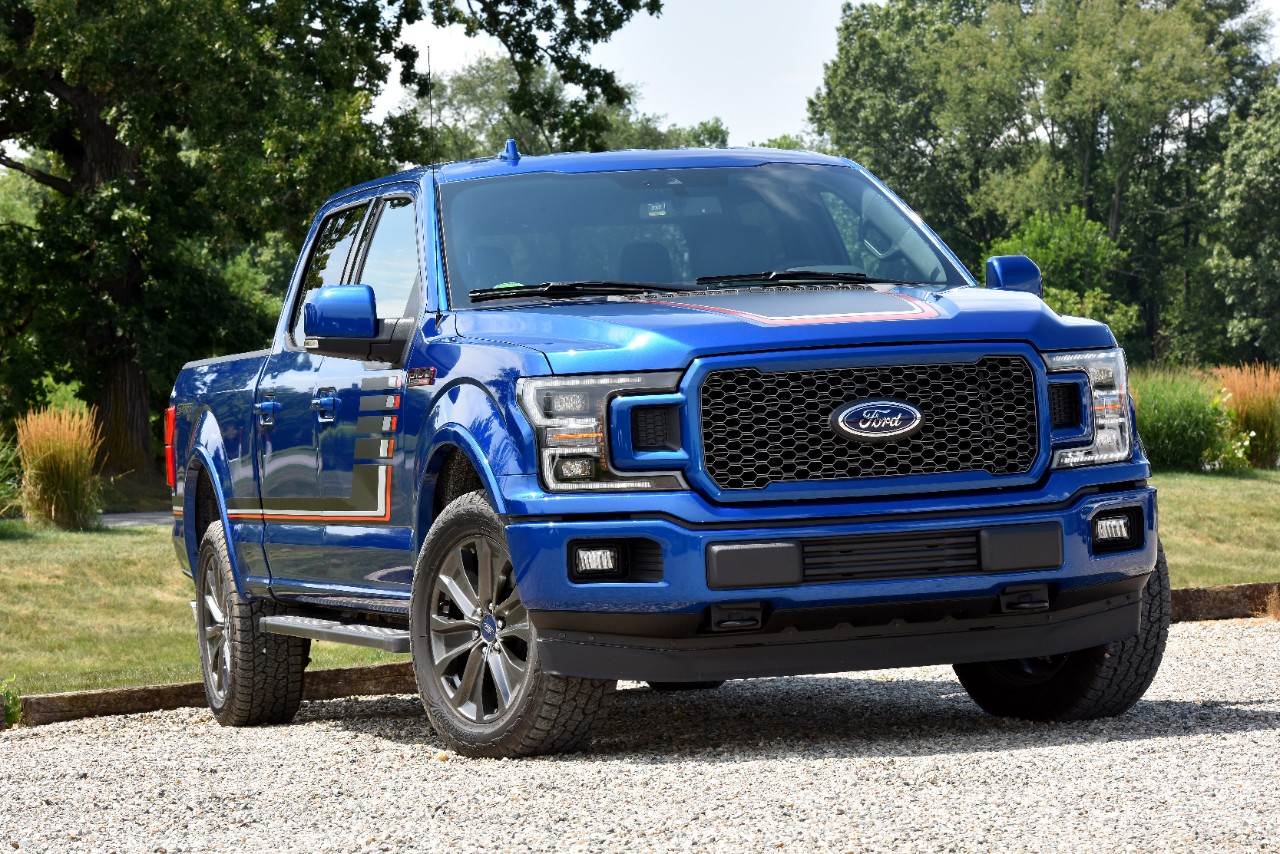
4. Ford F-150
The Ford F-150 is a heavy-duty pickup that combines elevated height, rugged construction, and durable engineering, making it an ideal choice for flood-prone areas. Its high ground clearance ensures that critical mechanical components, including the engine, transmission, and wiring harnesses, are less likely to come into contact with water.
The truck’s body-on-frame construction also provides superior strength, helping to protect the vehicle from structural damage in wet or flooded conditions. These features allow the F-150 to navigate streets with standing water safely and consistently, providing peace of mind to residents concerned about potential flood damage.
The interior and design of the F-150 also reflect its suitability for wet conditions. Electrical components, including sensors, connectors, and cabling, are positioned and sealed to reduce the risk of short circuits. Many trims feature durable seat materials and floors that tolerate wet conditions better than those in standard passenger vehicles.
The spacious engine bay and cab design also facilitate inspection, cleaning, and minor repairs after exposure to water, making it easier for owners to maintain their vehicles in flood-prone regions. These elements together create a practical combination of protection, accessibility, and long-term durability.
Mechanically, the F-150 is built for adverse conditions, including driving through water and mud. Its drivetrain, including robust axles and a four-wheel-drive system, ensures traction in flooded areas, while the transmission and heavy-duty suspension allow it to handle water-logged roads safely.
Many owners also enhance their trucks with aftermarket features like snorkels and skid plates to further increase flood readiness. The truck’s ability to maintain performance even under wet conditions makes it particularly useful in New Orleans, where sudden rainstorms can transform city streets into challenging driving environments.
Finally, the F-150 benefits from a strong aftermarket and service network, which is a significant advantage for long-term flood resilience. Replacement parts are widely available, and routine maintenance to address water exposure is straightforward.
Owners can quickly replace worn seals, check drainage systems, and maintain the underbody, ensuring that the truck remains reliable for years. This combination of mechanical robustness, design foresight, and accessibility makes the Ford F-150 a highly practical and dependable option for anyone living in flood-prone neighborhoods, offering both performance and peace of mind.
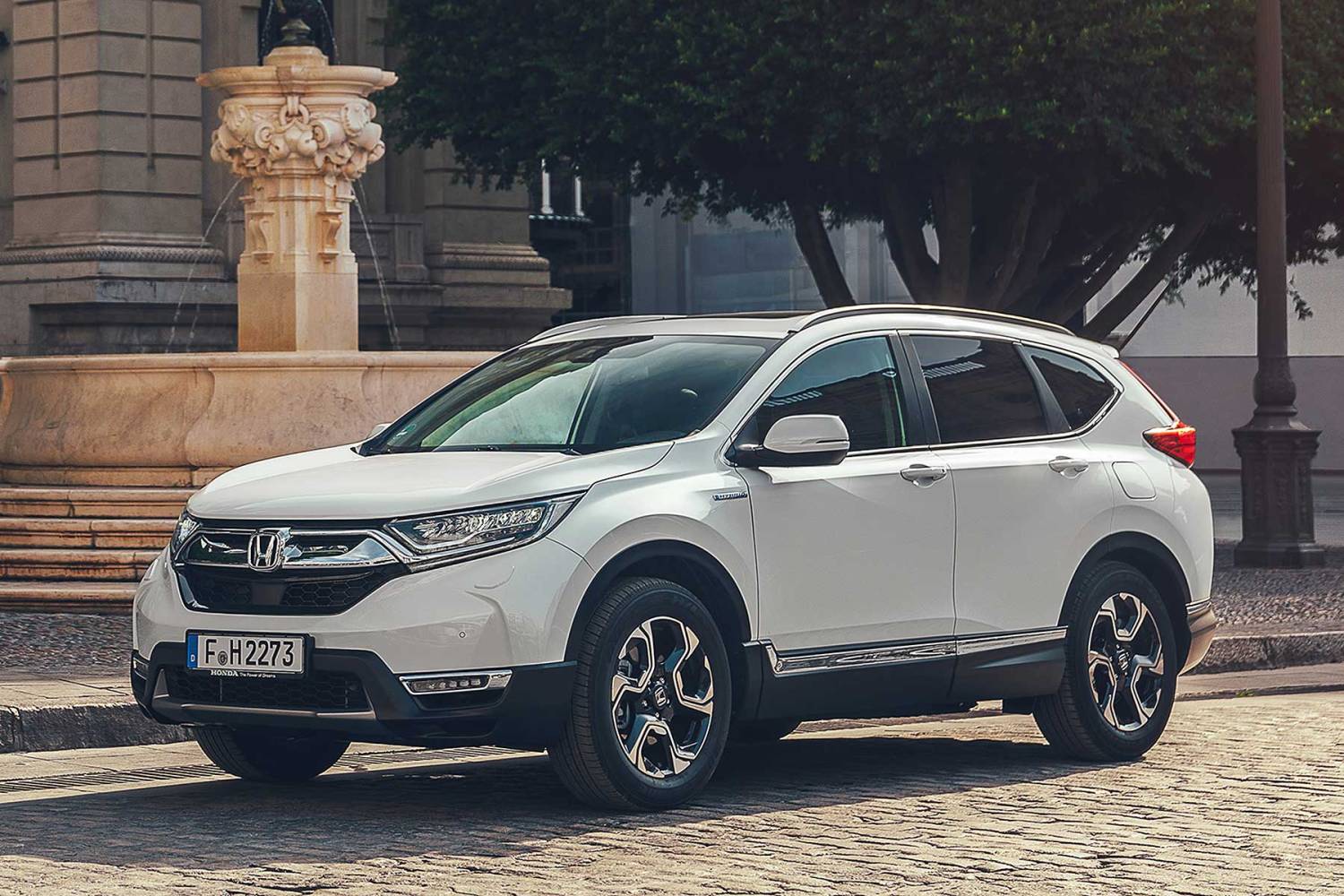
5. Honda CR-V
The Honda CR-V is a compact SUV that combines practicality, reliability, and moderate elevation, making it well-suited for occasional flooding. While it does not match the extreme height of full-size SUVs or trucks, the CR-V’s ground clearance is sufficient to protect critical engine and transmission components from shallow standing water.
Honda’s engineering emphasizes durability and careful sealing of electrical systems, ensuring that exposure to water does not immediately compromise the vehicle. These features make the CR-V a reliable choice for residents navigating New Orleans’ streets during heavy rain or minor floods.
Mechanically, the CR-V’s drivetrain is dependable and moderately sealed, allowing the vehicle to maintain operation even in shallow standing water. Its all-wheel-drive system further improves traction and safety on wet or slippery roads, which is particularly beneficial during urban flooding events. Combined with its reliability and moderate elevation, the CR-V offers a balance between practicality, flood resistance, and affordability, making it a sensible option for daily commuting in flood-prone neighborhoods.
Finally, the CR-V’s widespread maintenance and service network contributes to its long-term practicality. Owners can access replacement parts easily, perform preventive maintenance such as checking seals and drainage systems, and address minor water-related issues efficiently.
For residents looking for a compact, reliable vehicle capable of surviving occasional floods, the Honda CR-V provides a practical and dependable choice. Its combination of moderate ground clearance, protective engineering, and accessible maintenance makes it a vehicle that can meet the unique challenges of New Orleans without compromising convenience or reliability.
5 Cars That Suffer Water Damage
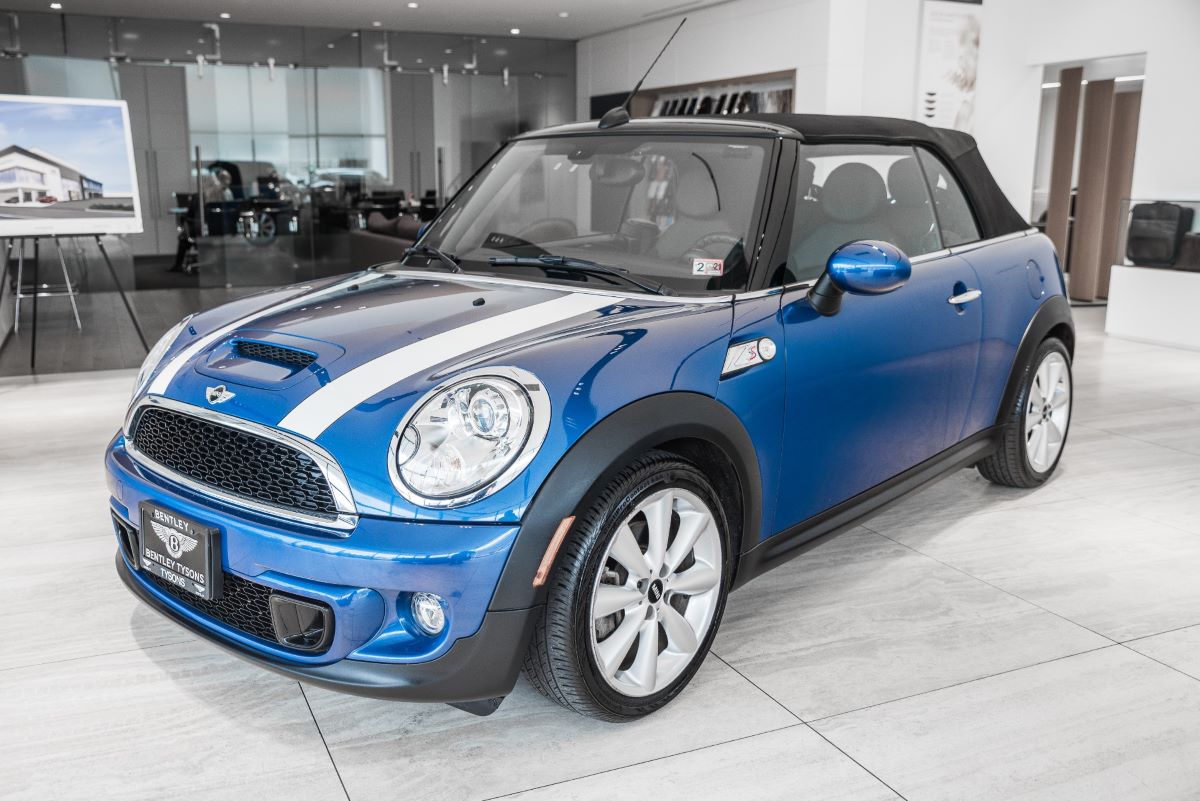
1. Mini Cooper
The Mini Cooper is a popular vehicle known for its compact size, sporty handling, and iconic design, but its low ground clearance and tightly packed components make it extremely vulnerable to water damage. In flood-prone areas, even shallow water can reach the engine, transmission, and other essential mechanical systems.
Unlike SUVs or trucks designed to handle elevated conditions, the Mini Cooper sits close to the road, which exposes its engine bay and underbody components to water intrusion during rainfall or minor street flooding. Even brief exposure can lead to short circuits, stalling, or corrosion, which may manifest immediately or develop over time, making the car less reliable and more expensive to maintain.
The interior of the Mini Cooper is another concern when it comes to flood resilience. Carpeting, seat foam, and wiring within the cabin absorb water easily, creating the perfect environment for mold growth and unpleasant odors. Once moisture penetrates the interior, it is difficult to remove completely due to the compact and tightly configured design.
Prolonged exposure to dampness can also lead to corrosion of internal metal components and electrical connectors, compounding mechanical and aesthetic problems. These issues not only affect functionality but can also reduce the comfort and safety of the vehicle.
Finally, the Mini Cooper’s resale value suffers greatly after water exposure. Flood-damaged vehicles, even if superficially repaired, are considered high-risk by potential buyers and insurance companies. Hidden corrosion, recurring electrical failures, and compromised engine integrity often make recovery impractical, leading to financial loss for the owner.
In addition, insurance premiums for vehicles that have been exposed to flooding may increase, or some companies may refuse coverage altogether. This combination of mechanical, electrical, and financial vulnerability makes the Mini Cooper a high-risk choice for anyone living in areas with frequent flooding.
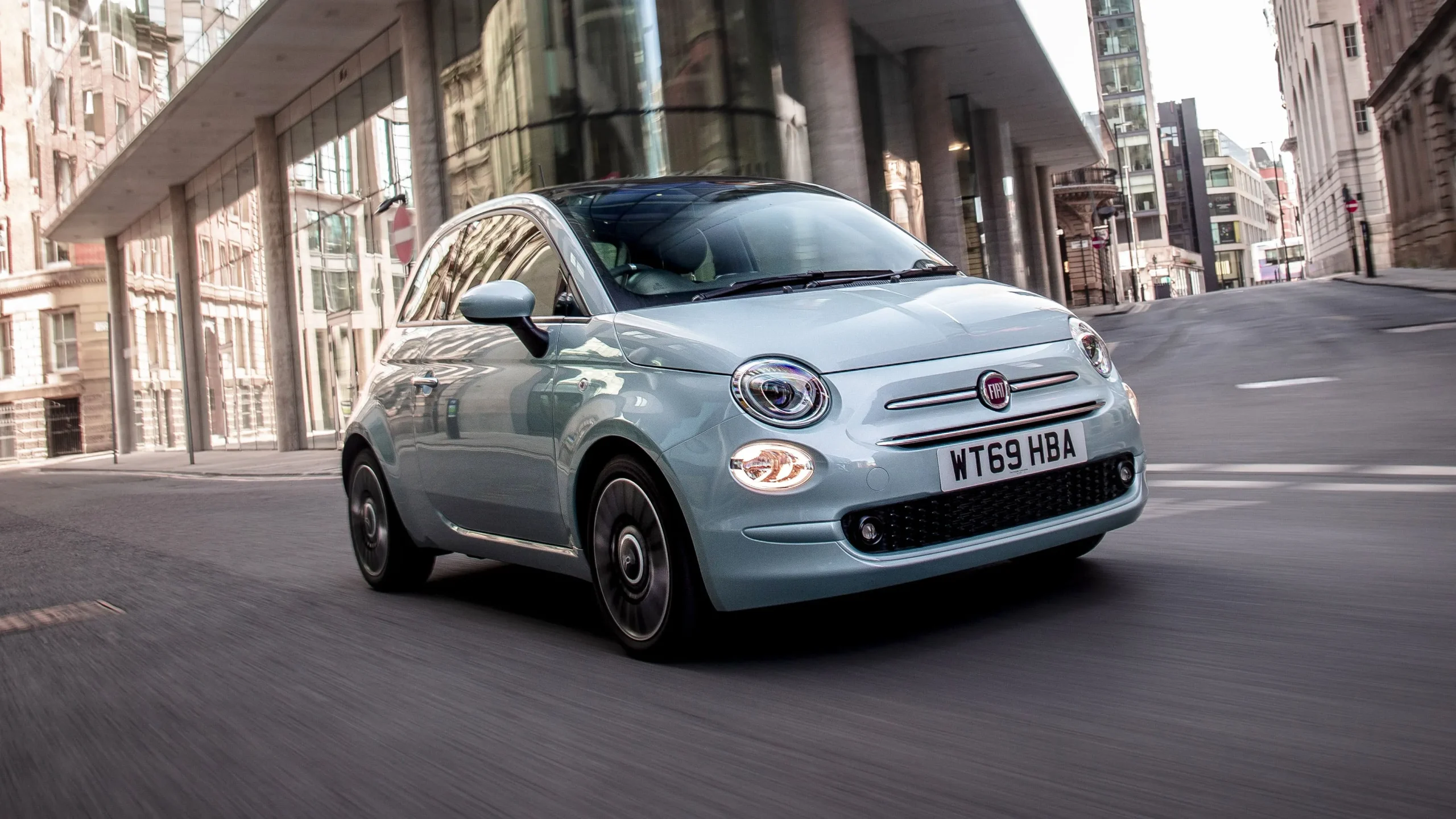
2. Fiat 500
The Fiat 500, much like the Mini Cooper, is a compact, city-oriented vehicle with limited ground clearance and a design that prioritizes style over resilience. Its low-slung engine and transmission make it highly susceptible to water intrusion, even in relatively shallow puddles.
Flooding can compromise critical mechanical and electrical systems, resulting in engine stalling, short circuits, or long-term corrosion. For residents of areas prone to sudden or frequent flooding, this vulnerability can translate into costly repairs or even total loss of the vehicle, making it a less practical choice compared to larger or more elevated cars.
Mechanically, the Fiat 500’s low-mounted engine, transmission, and exhaust system make it vulnerable to water infiltration. Driving through standing water or low-level flooding can quickly result in stalling or severe mechanical damage.
Electrical issues are particularly common in this vehicle, as water can reach sensors, connectors, and other sensitive components, often leading to expensive repairs. While small and efficient, the Fiat 500 is simply not built to survive conditions that many larger or higher vehicles handle without issue.
Additionally, financial considerations make the Fiat 500 a risky option in flood-prone areas. Flood exposure can sharply reduce resale value, as buyers tend to avoid vehicles that may have hidden water damage.
Insurance implications further complicate ownership; premiums may increase, and some insurance providers may refuse coverage if the car has a history of water exposure. Combined with the high risk of mechanical, electrical, and interior damage, these factors make the Fiat 500 one of the least suitable cars for residents in areas with frequent or unpredictable flooding.
3. Smart Fortwo
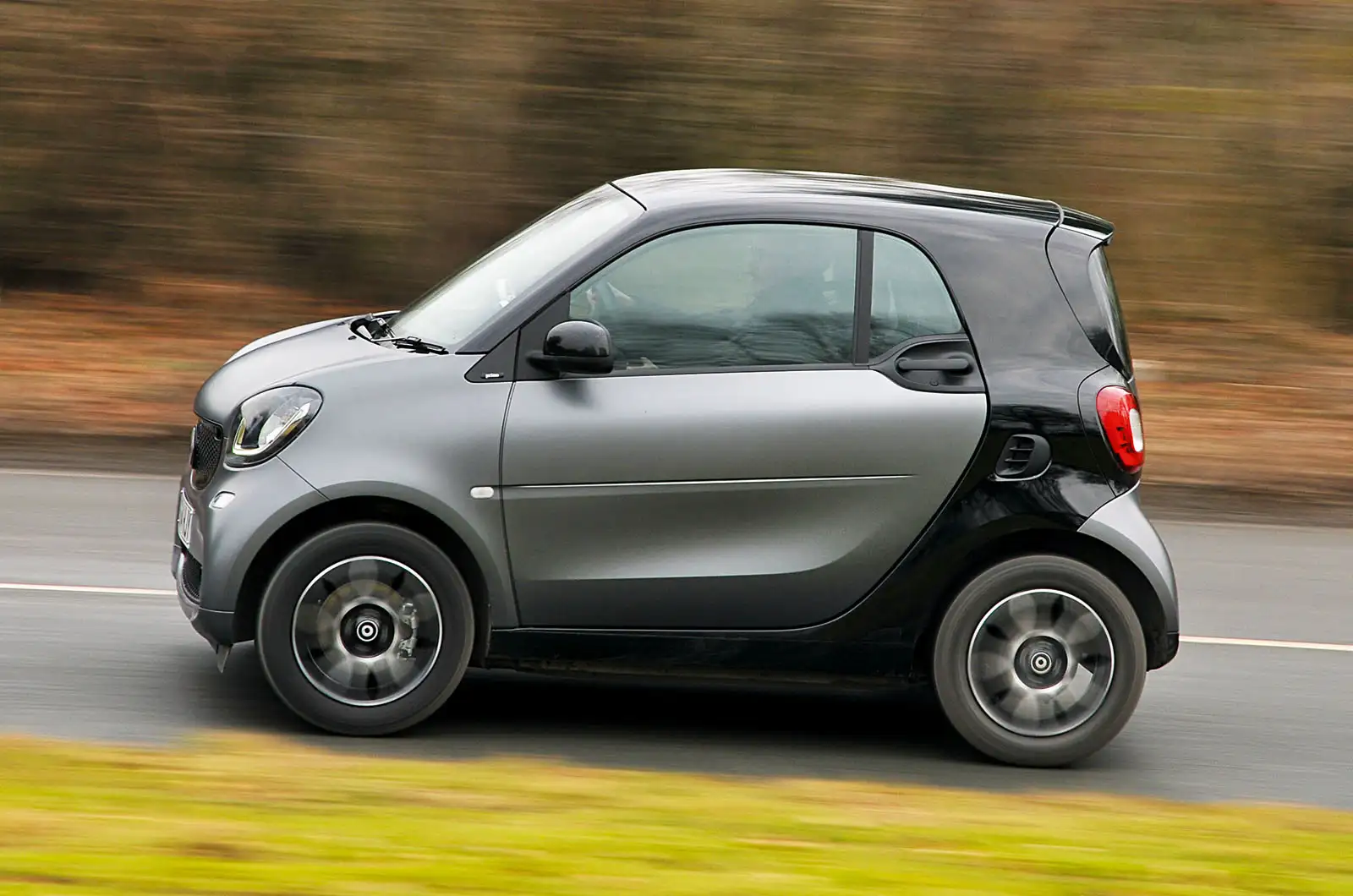
The Smart Fortwo is a tiny, urban-focused vehicle designed for maneuverability and compact parking, but these advantages come at the cost of flood resilience. Its extremely low profile and minimal ground clearance mean that even a small amount of standing water can reach the engine bay and electrical systems, causing significant damage.
Unlike SUVs or trucks built to handle elevation and water exposure, the Fortwo lacks any substantial protective measures, leaving critical components vulnerable to short circuits, corrosion, and mechanical failure during even minor flooding events.
The interior of the Smart Fortwo is equally vulnerable. The carpet, foam padding, and electrical connections are not designed to resist moisture. Water that enters the cabin can quickly saturate materials, causing mold, lingering odors, and damage to interior electronics.
Due to the compact design, drying the vehicle thoroughly is challenging, and residual moisture can continue to damage the car long after the flood event has passed. This makes recovery from water exposure more difficult and expensive compared to larger or more flood-resistant vehicles.
Financially, the Smart Fortwo is a risky investment in areas prone to flooding. Flood-damaged cars often have sharply reduced resale value, as buyers are wary of hidden mechanical and electrical issues. Insurance premiums may rise, and some companies may limit coverage for vehicles previously exposed to water.
Combined with its inherent mechanical and interior vulnerabilities, the Smart Fortwo is a high-risk choice for anyone living in regions with frequent urban flooding or storm-related water hazards.
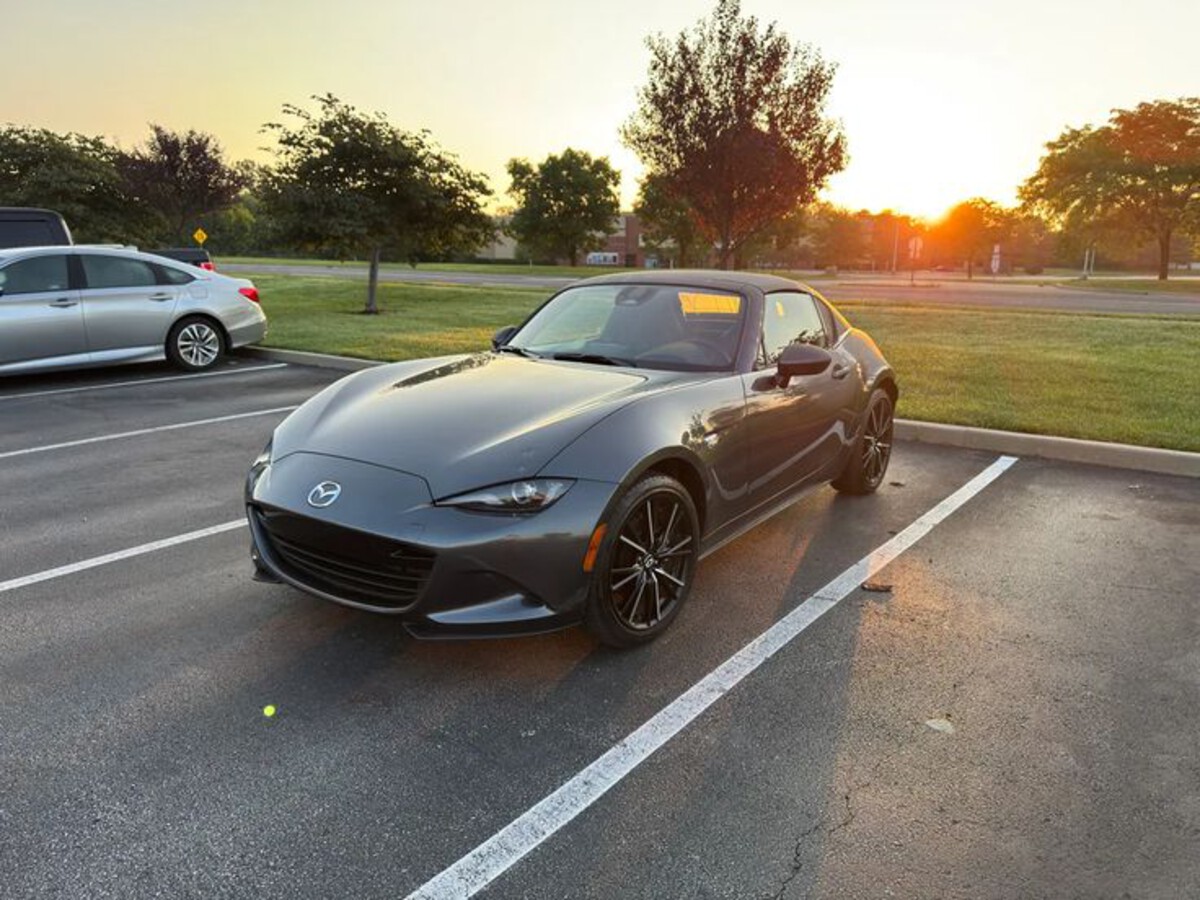
4. Mazda MX-5 Miata
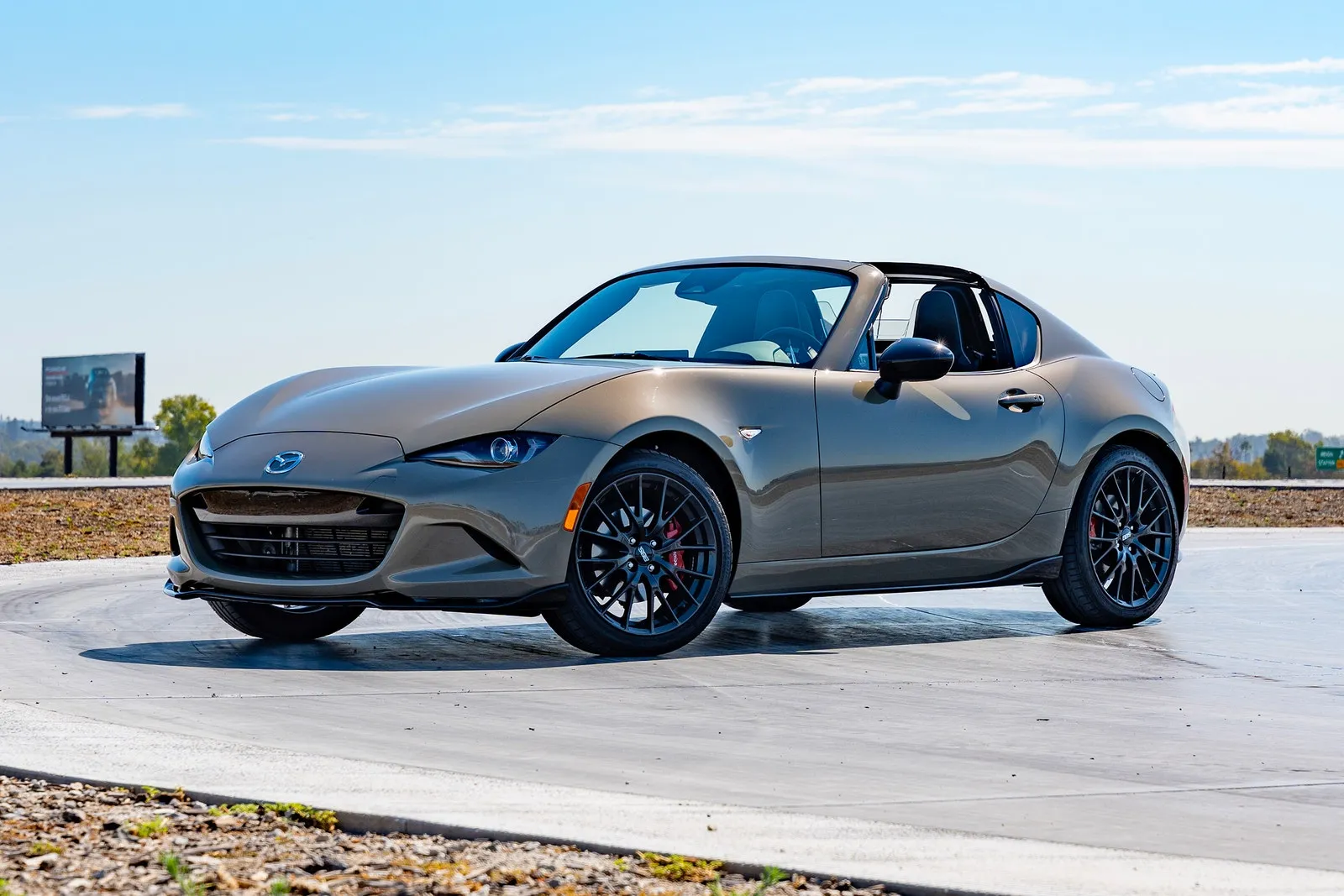
The Mazda MX-5 Miata is renowned for its performance, agility, and lightweight design, but its low-slung body makes it highly susceptible to water damage. The car sits very close to the ground, leaving its engine, transmission, and exhaust system exposed to standing water.
Even minor flooding events can compromise critical components, resulting in immediate mechanical failure or long-term corrosion. While the Miata excels on dry roads and winding streets, it is poorly suited for areas that experience sudden urban flooding or water accumulation, such as New Orleans.
Mechanically, the Miata suffers from its road-focused engineering. Its low-mounted transmission, suspension, and exhaust components are vulnerable to water intrusion.
Driving through standing water can quickly result in engine stalling, hydrostatic lock, or electrical shorts, which are often expensive and complicated to repair. Unlike off-road vehicles or SUVs with higher ground clearance and protective underbodies, the Miata lacks the physical characteristics necessary to navigate urban floods safely.
Resale value and insurance coverage also pose significant challenges for the Miata in flood-prone areas. Vehicles with a history of water exposure are generally less appealing to buyers, and insurance companies may increase premiums or restrict coverage. These factors, combined with its mechanical vulnerability and compact design, make the Mazda MX-5 Miata a poor choice for residents in areas where water accumulation or flooding is a frequent concern.
5. Volkswagen Beetle
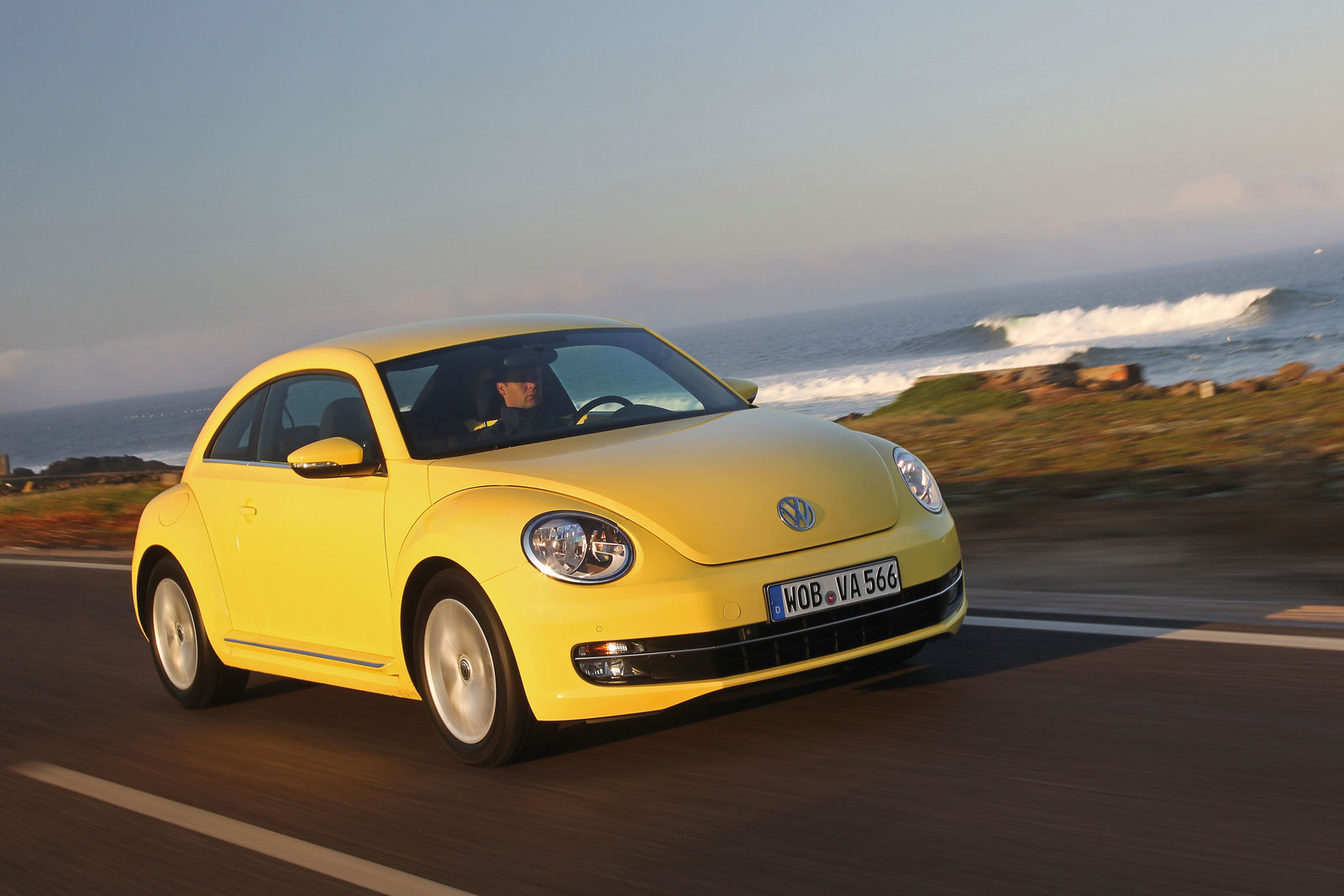
The Volkswagen Beetle, with its distinctive design and compact structure, is similarly prone to water damage. Its low ground clearance leaves the engine, transmission, and other essential components vulnerable to water intrusion.
Flooding can lead to immediate mechanical failures, electrical issues, and long-term corrosion. Unlike vehicles designed for off-road or urban flooding scenarios, the Beetle does not offer protective engineering or elevated systems to shield critical components, making it highly susceptible to damage from standing water.
Mechanically, the Beetle’s low-mounted engine and transmission are highly exposed to floodwater. Even brief contact with water can result in stalling, electrical shorts, or long-term damage to mechanical systems.
Exhaust and suspension components are similarly vulnerable, and repairs are often costly due to the specialized nature of some parts. Vehicles that have been flooded often require extensive inspections and repairs, and hidden damage may surface weeks or months later, creating long-term reliability concerns.
Financially, the Volkswagen Beetle is at significant risk after water exposure. Flood-damaged vehicles tend to lose value quickly, as buyers are wary of hidden damage and potential future mechanical issues. Insurance may be more expensive or difficult to secure for cars with a history of flooding.
Combined with its low clearance, exposed mechanical components, and vulnerable interior, the Beetle ranks among the least suitable vehicles for residents in areas prone to frequent flooding.
