
The 1990s became one of the most memorable decades for BMW because the company managed to create cars that balanced strength, mechanical clarity, and everyday usefulness in a way that made them stand out from the competition.
The decade represented a moment in automotive history when technology had advanced enough to improve reliability and comfort, yet had not taken over the driving experience in a way that distanced the driver from the machine. BMW took advantage of this era by leaning heavily into its core values, especially precise powertrains, balanced chassis setups, and interiors designed around driver engagement rather than decoration.
Each model that emerged from this period carried a confidently engineered personality, the type that could be recognized even without turning the key. Drivers who experienced these cars often describe them as honest machines that treated motion and feedback as priorities rather than afterthoughts.
One of the most important goals for BMW throughout the decade was to maintain a consistent identity across the lineup. Whether someone sat inside a roadster, a luxury flagship, or a high-performance sedan, there was a familiar quality to the way the controls felt, the suspension responded, and the engine delivered power. This consistency did not mean uniformity, however.
Each model carried its own distinct flavor, shaped by its intended purpose. The sportier variants delivered quick reactions, sharper steering, and engines tuned for energetic performance, while the luxury models emphasized smoothness, long distance stability, and quiet refinement.
Yet beneath these differences rested a shared foundation that tied every model back to the same engineering philosophy. This created a sense of trust among drivers who knew that no matter what model they chose they would receive a car built around clear mechanical values.
Design played an equally important role in establishing BMW’s strong presence throughout the 90s. The company embraced clean proportions, functional surfaces, and strong character lines that gave the cars a muscular yet sophisticated stance. These design decisions were not made to follow trends but to complement the way each car behaved on the road.
Long hoods highlighted Rear Wheel Drive layouts. Wide stances supported cornering stability. Slightly angled dashboards centered attention around the driver. Even small details like the placement of exterior mirrors or the thickness of the steering wheel were shaped to improve control and confidence. This focus on integrated design helped BMW produce vehicles that looked purposeful while retaining a timeless quality.
These ten models remain legendary because they captured a moment when BMW understood exactly what mattered to drivers who wanted engagement and personality in their cars. Each model represented a strong identity that strengthened the company’s legacy.
Even decades later, enthusiasts look back on these vehicles with admiration because they left clear marks on driving culture. The following sections highlight the models that defined BMW during the 90s and shaped its lasting reputation.
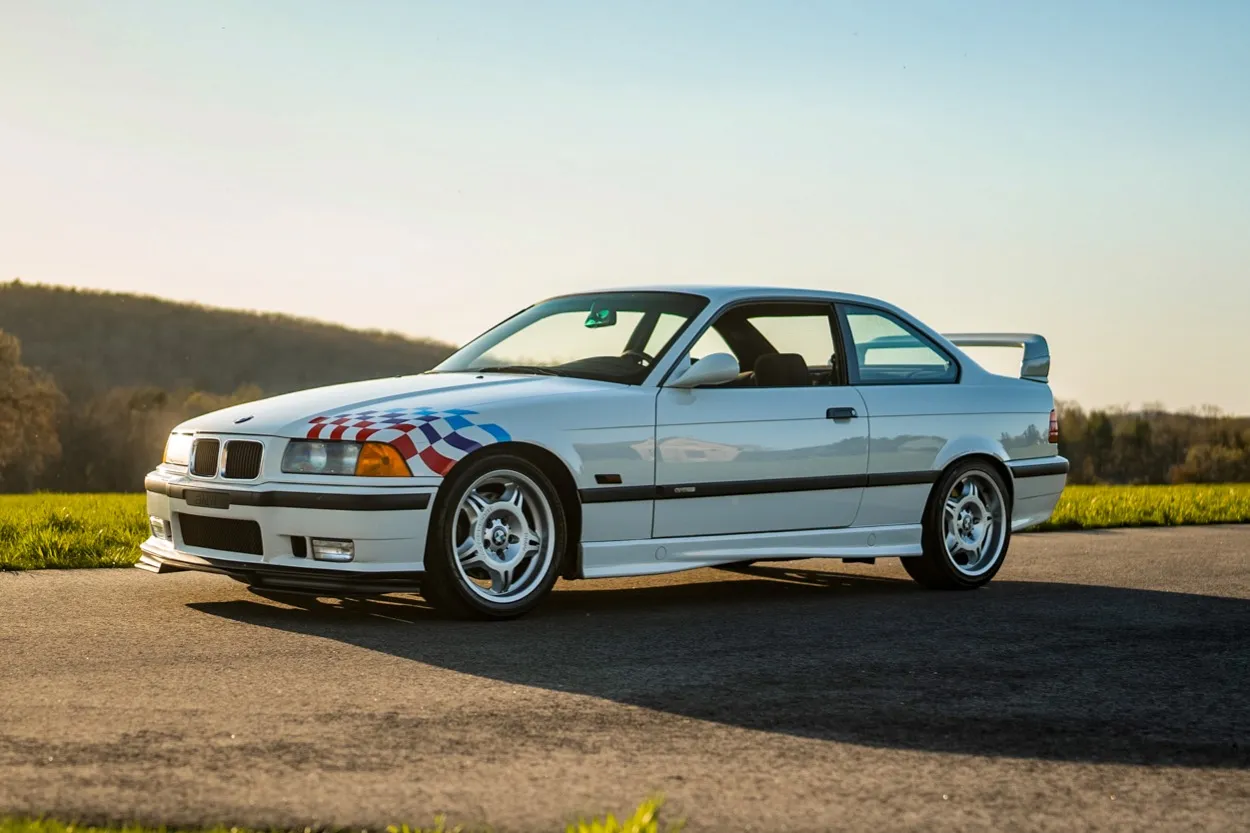
1. BMW E36 M3
The E36 M3 quickly earned a reputation as one of the most well balanced performance cars of its time. The chassis offered impressive flexibility, allowing the car to remain composed during high-speed cornering while still absorbing bumps with surprising confidence.
Many drivers appreciated how naturally the car responded to steering input, creating a sense of cooperation between driver and machine. This intuitive behavior made it both forgiving for newcomers and rewarding for enthusiasts who pushed it harder. Every movement felt crisp and predictable, which helped the E36 M3 become a favorite on both backroads and track days.
Inside, the E36 M3 used a driver-centered layout that favored simplicity and control. Visibility was excellent, which helped build confidence during spirited driving. The seats provided strong support without being overly firm, creating a balance between comfort and engagement.
Although the interior lacked extravagant decoration, its clean and straightforward design gave the car a purposeful identity. Many owners appreciated how the cabin kept distractions to a minimum, allowing the mechanical elements of driving to take priority.
The straight six engine became a major part of the car’s legacy. The power delivery felt smooth and consistent, building strength as the revs climbed. This character made the car enjoyable at casual speeds while still delivering excitement when pushed.
The engine’s responsiveness helped build a connection between throttle input and acceleration, making the car feel alive and eager. Paired with a manual transmission, the experience became even more satisfying as each gear change felt deliberate and connected.
Today, the E36 M3 is respected as a model that captures the essence of 90s performance engineering. It represents a period before electronic driving aids became widespread, giving the driver full responsibility for control. Many enthusiasts appreciate its mechanical honesty, noting that it offers engagement without relying on extreme power. Its legacy continues to grow as more drivers discover how well balanced and enjoyable it remains even by modern standards.
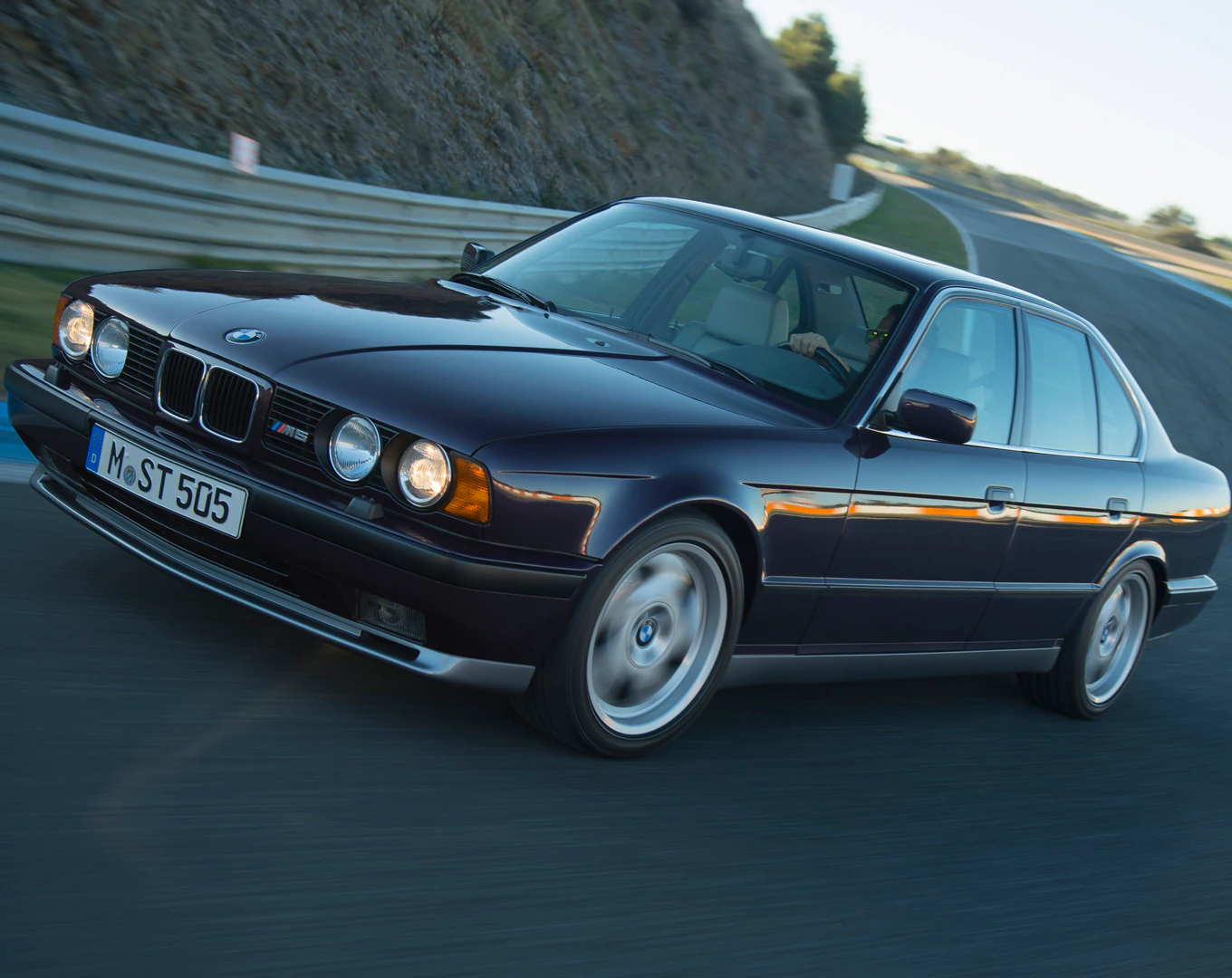
2. BMW E34 M5
The E34 M5 was unique among performance sedans because many units were assembled by hand. This craftsmanship gave the car a level of character that reflected careful attention to detail. The chassis struck an impressive balance between long-distance stability and responsive handling, making it ideal for high-speed touring. Drivers often admired how confidently the car carried itself, even when pushed hard. It felt substantial without ever seeming heavy or reluctant, which made it a standout in the segment.
At the heart of its identity was its smooth and robust straight-six engine. The power delivery encouraged spirited driving without overwhelming the car’s balance.
The engine created a distinctive tone that reinforced the car’s performance-oriented nature while maintaining a refined character. Its willingness to rev made highway merging, mountain road driving, and everyday commuting equally enjoyable.
Inside, the E34 M5 emphasized comfort with a subtle nod toward sportiness. The seats offered enough support for enthusiastic driving while remaining comfortable for long journeys. The materials felt sturdy and well chosen, giving the cabin a sense of durability. The interior layout allowed drivers to operate controls without distraction, maintaining focus on driving satisfaction rather than unnecessary features.
As time passed, the E34 M5 gained recognition as a classic representation of BMW’s traditional performance sedan formula. It avoided gimmicks and focused on pure mechanical quality. Many collectors and drivers value its blend of power, balance, refinement, and durability. It remains a model that represents BMW at its strongest point during the decade.
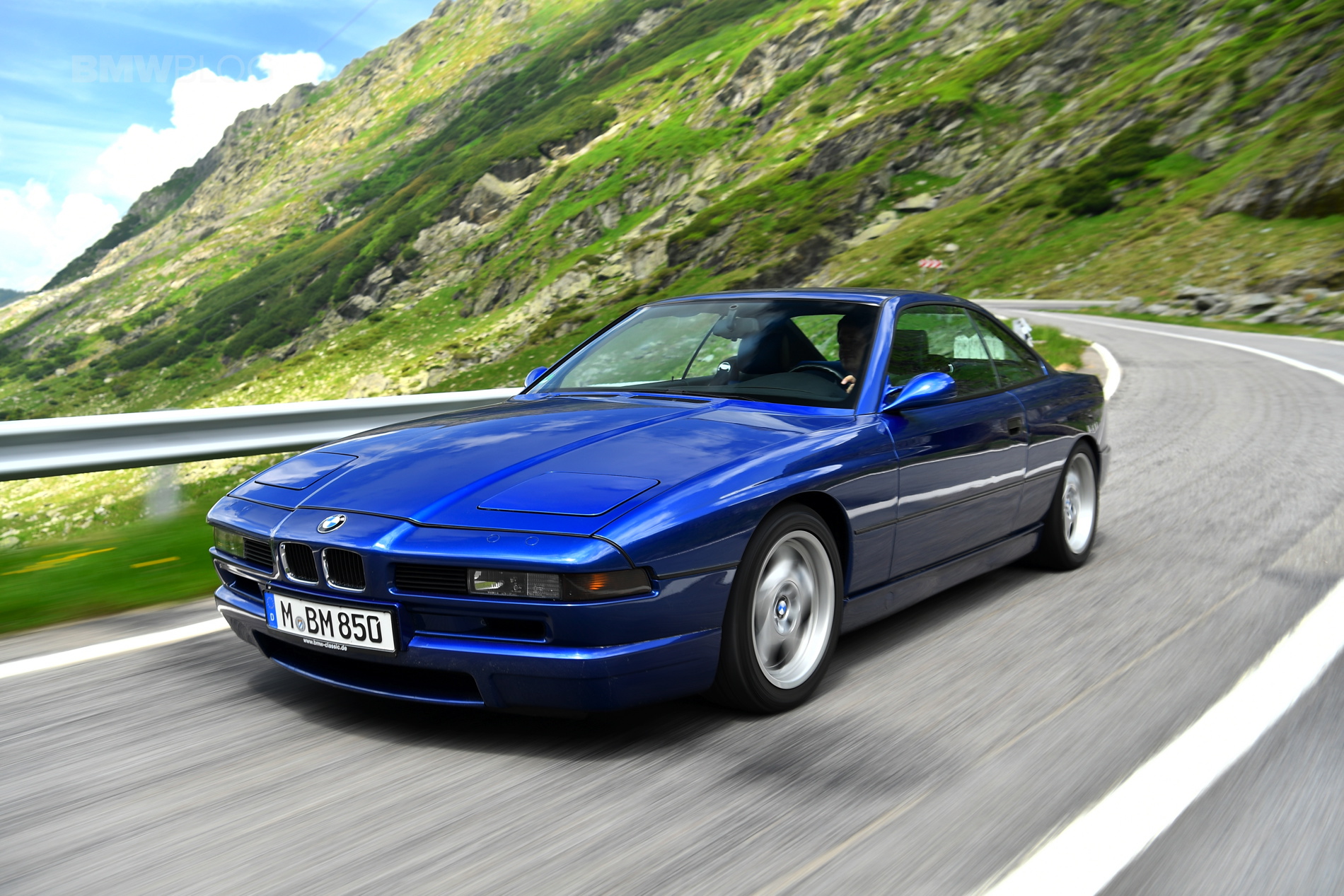
3. BMW E31 850CSi
The E31 850CSi was BMW’s bold statement in the grand touring segment, combining cutting-edge engineering with striking aesthetics. Its long, low hood and wide stance immediately conveyed a sense of purpose and performance.
On the road, the chassis exhibited remarkable stability, allowing drivers to cruise at high speeds with confidence while retaining a planted, composed feeling through corners. The car’s weight distribution and suspension tuning contributed to a sense of calm authority, which made it equally capable on winding roads or long stretches of highway. The 850CSi represented a rare balance between raw power and refinement, proving that a luxury grand tourer could still provide driver engagement.
Under the hood, the V12 engine defined the car’s character. Its smooth and effortless delivery created a refined sense of strength that was both impressive and manageable. Drivers were treated to a linear progression of power that never felt abrupt or disconnected, making acceleration enjoyable at any speed.
The engine’s distinctive tone added an auditory layer to the driving experience, reinforcing the car’s presence without ever becoming harsh or intrusive. It was a rare combination of mechanical precision and emotional appeal that highlighted BMW’s engineering prowess during the decade.
The interior of the 850CSi emphasized comfort, quality, and driver focus. Every control was positioned with intention, and the seats provided excellent support for long-distance travel without sacrificing ergonomics or comfort.
Materials were selected to convey luxury without overwhelming the senses, creating an environment that felt both special and purposeful. Unlike many competitors that relied on flashy gadgets to impress, BMW relied on subtle refinement, ensuring that every interaction inside the cabin reinforced the sense of mechanical harmony.
The 850CSi has since become an icon of BMW’s 90s era, admired for its bold engineering, elegant styling, and the balance it achieved between performance and comfort. Its combination of V12 power, advanced suspension, and thoughtful design created a rare grand tourer experience.
Collectors and enthusiasts now recognize it as a model that encapsulated the company’s commitment to innovation while remaining true to driver-focused principles.
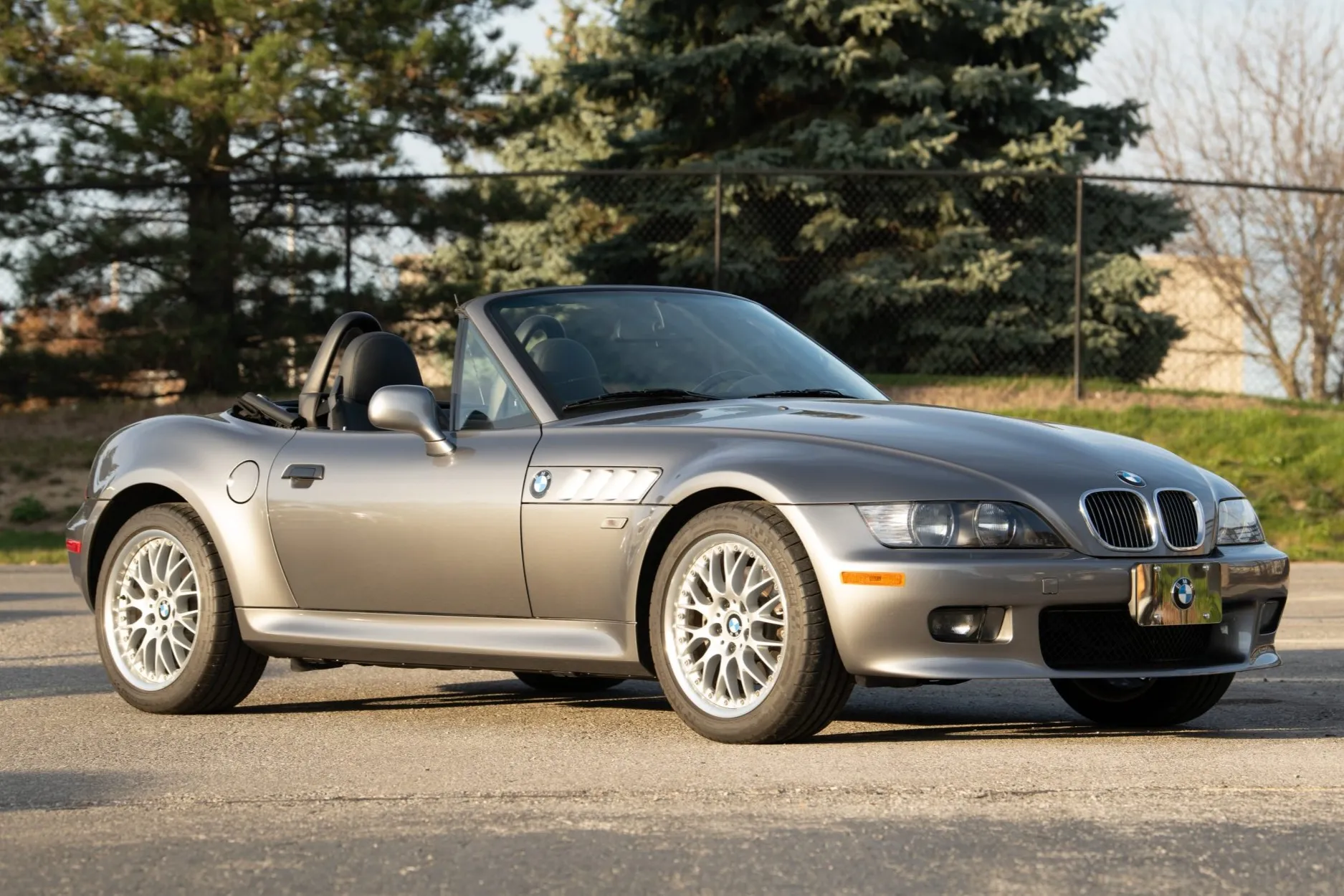
4. BMW Z3 Roadster
The Z3 Roadster introduced a new type of driving experience to BMW’s lineup, prioritizing lightness, agility, and pure enjoyment. Its compact dimensions and responsive chassis made it ideal for winding roads, tight corners, and spirited weekend drives.
Despite its smaller size, the car maintained composure thanks to precise suspension tuning and well-balanced weight distribution. Every movement felt communicative, giving the driver a sense of connection to the road that larger cars could not replicate. The Z3 reminded drivers that enjoyment often came from simplicity and responsiveness rather than sheer power or excessive technology.
Stylistically, the Z3 balanced classic roadster proportions with subtle modern flair. The long hood, short rear deck, and low stance created a profile that suggested motion even when standing still. Its presence was both elegant and playful, drawing attention without needing aggressive styling cues.
The design reflected BMW’s philosophy of combining aesthetics with function, ensuring that the car’s appearance reinforced its intended purpose as a lightweight, engaging machine.
The cabin emphasized practicality and driver focus. Controls were easy to reach, seats provided ample support for spirited driving, and the layout encouraged engagement rather than distraction.
With the roof down, the Z3 offered a visceral sense of freedom that many larger cars could not match. Even though space was limited, the interior felt thoughtfully designed, reinforcing the connection between driver and car while delivering comfort for the road ahead.
Over time, the Z3 has become celebrated as a pure, analog driving machine from the 1990s. Its appeal lies in its simplicity, charm, and the sheer joy it provided behind the wheel. Many enthusiasts consider it a model that demonstrated BMW’s ability to create a car that rewarded engagement without relying on excess power or electronic aids, solidifying its place in automotive history.
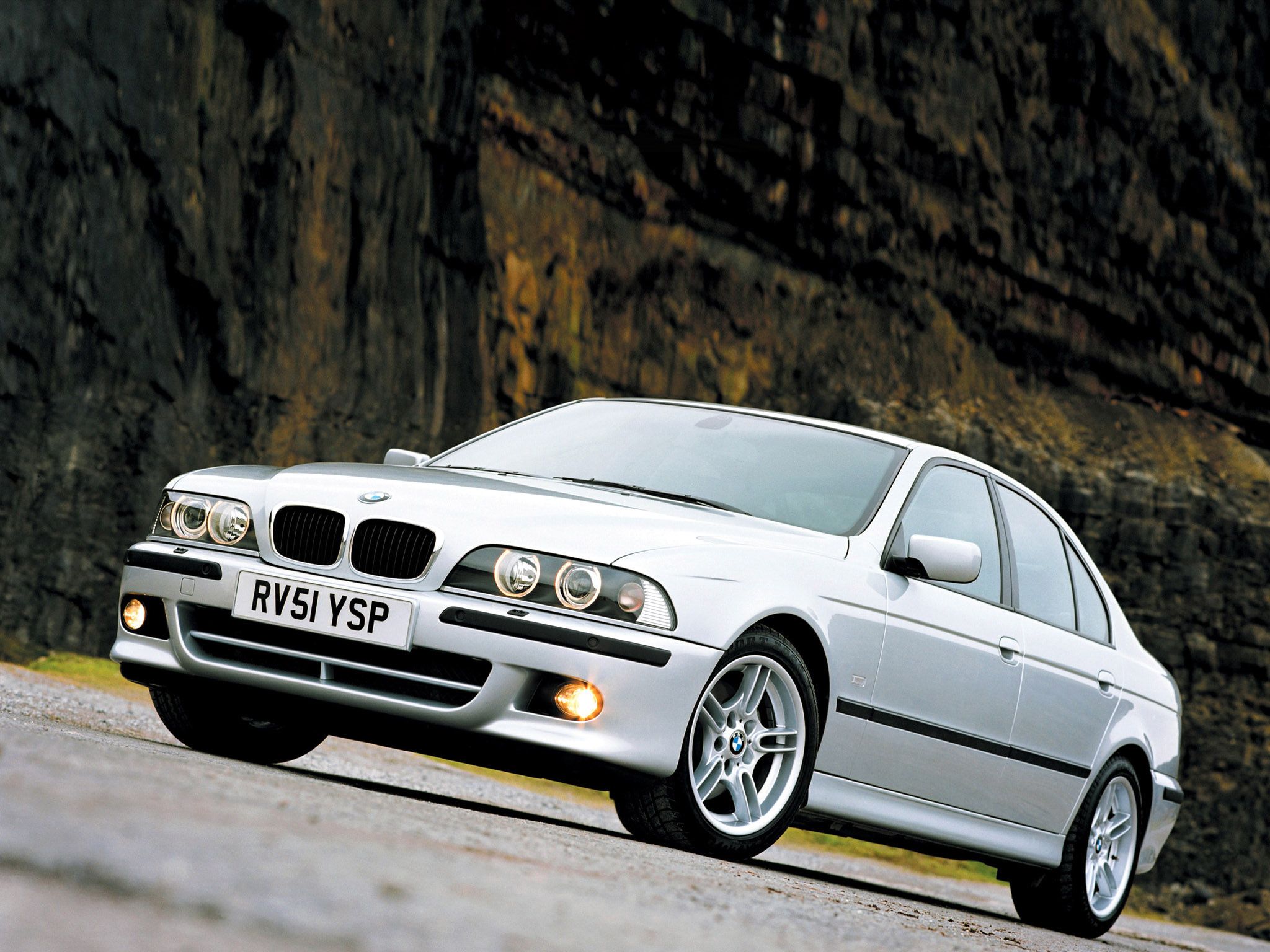
5. BMW E39 5 Series
The E39 5 Series is widely regarded as one of BMW’s most complete and well-engineered sedans from the 1990s. It combined a refined ride with precise handling, creating a car that excelled in both comfort and driver engagement.
The chassis struck a balance that allowed spirited cornering without sacrificing highway stability, giving drivers confidence in a variety of situations. The car’s weight and proportions were carefully managed to deliver an authoritative yet responsive feel, making it one of the most versatile models of its era.
Engine choices further reinforced the E39’s reputation. Both straight six and V8 powertrains offered smooth, predictable performance with enough torque to provide effortless acceleration in daily driving or spirited conditions. The engines maintained their character across a wide range of speeds, ensuring that the car always felt lively yet refined. This versatility allowed the E39 to serve as a family sedan, business executive vehicle, or enthusiast machine without compromise.
The interior was designed for comfort and intuitive usability. Ergonomics placed essential controls within easy reach of the driver, while materials combined durability with a premium feel.
The seats provided excellent support for long distances, ensuring that passengers experienced minimal fatigue. Unlike many competitors, the E39 focused on creating an environment that complemented the car’s driving dynamics rather than overshadowing them with unnecessary gadgets or complex interfaces.
The E39 has earned enduring respect among enthusiasts and collectors. Its blend of performance, comfort, and reliability created a sedan that excelled in all areas without glaring weaknesses. It remains a reference point for what a midsize luxury sedan can achieve, illustrating BMW’s 1990s philosophy of balance, engineering integrity, and attention to detail.
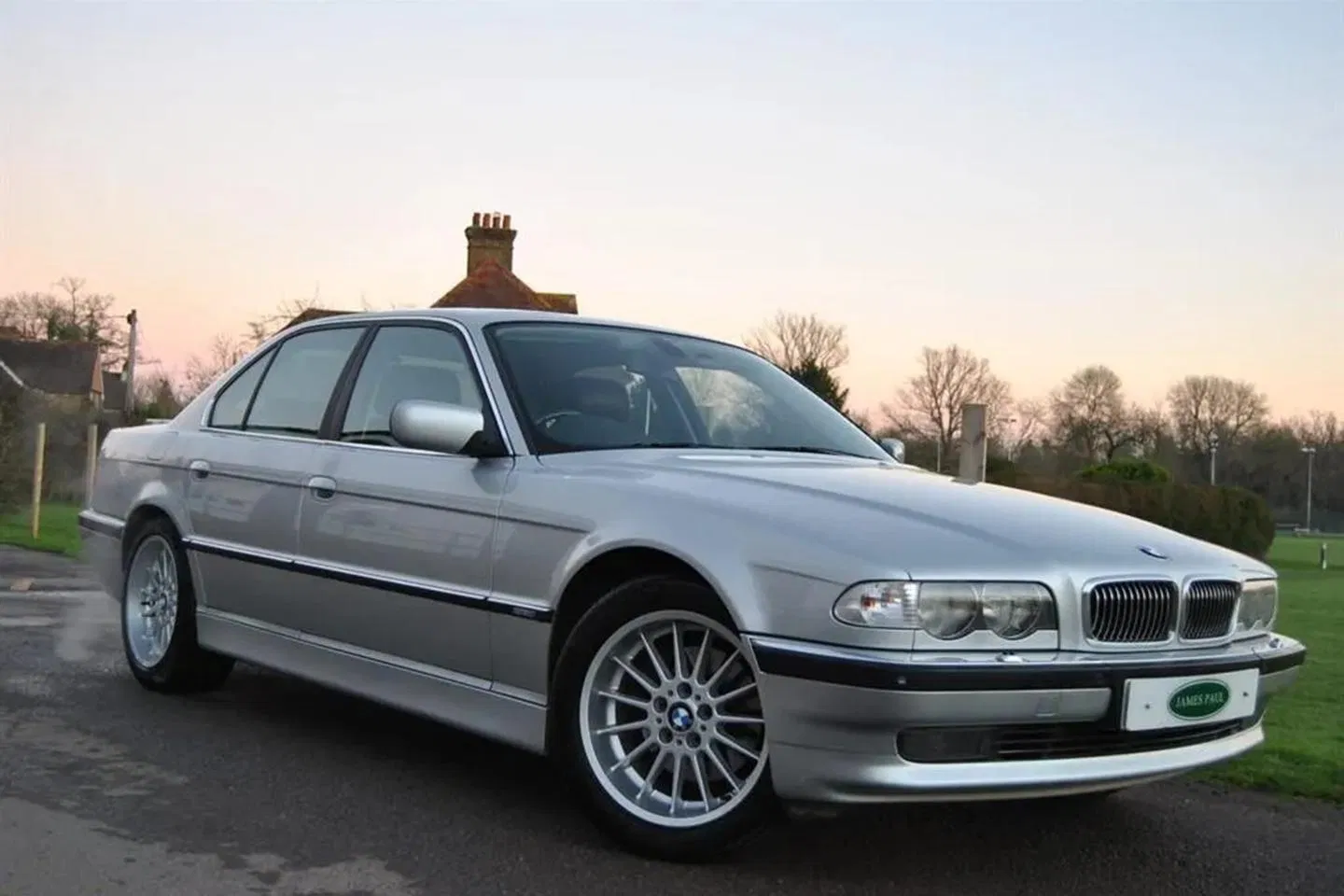
6. BMW E38 7 Series
The E38 7 Series represented BMW’s commitment to refined, luxury-oriented engineering while maintaining a clear connection to driver engagement. Its elegant proportions and confident stance created a sense of authority on the road without relying on ostentation.
The chassis delivered a smooth, composed ride, ensuring stability at both high and low speeds. Steering feedback and suspension design reinforced the feeling of control, making it a car that could be enjoyed by both drivers and passengers alike.
Powertrains in the E38 ranged from V8 to V12 options, each offering refined acceleration and high-speed composure. The engines were tuned for smooth power delivery, producing effortless motion without sudden surges or harshness.
This allowed the car to maintain a quiet and serene cabin environment, even during spirited highway driving. The range of engines provided choices for drivers seeking either a relaxed luxury experience or a more assertive performance.
The interior emphasized comfort, space, and high quality materials. Seats offered excellent support while ensuring comfort during long journeys. Controls were logically placed, giving the driver clear access to all essential functions.
Passengers benefited from generous legroom and attention to detail, reflecting BMW’s philosophy of integrating luxury and functionality. Every element inside the E38 contributed to a harmonious, thoughtful cabin environment.
The E38 has become one of the most respected luxury sedans of the 1990s. Its understated design, engineering quality, and focus on refined performance make it a standout model in BMW’s history. Collectors and enthusiasts admire its combination of comfort, sophistication, and the subtle integration of performance elements that defined BMW’s flagship during this decade.
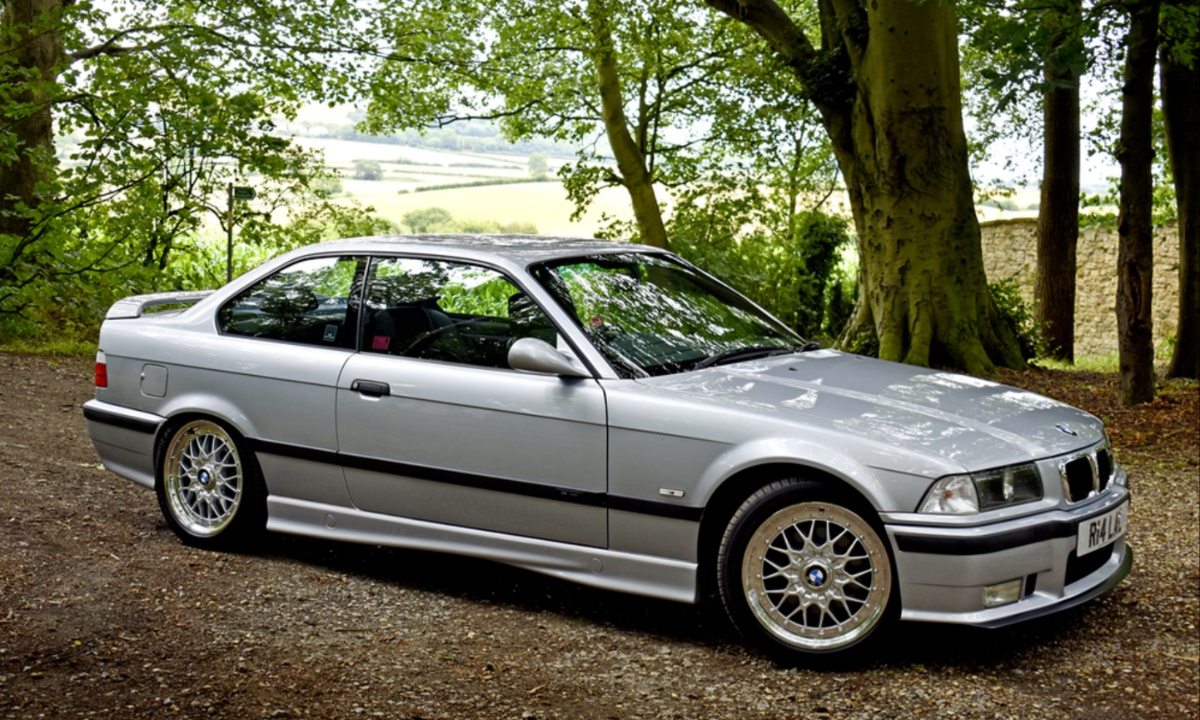
7. BMW E36 328i
The E36 328i offered an ideal balance for drivers who wanted engaging performance without stepping into the more extreme M range. Its straight-six engine provided smooth, linear power that made acceleration predictable and satisfying in a variety of conditions.
The car’s chassis was exceptionally well-tuned, allowing confident cornering while maintaining stability on highways or uneven surfaces. Drivers often appreciated how the suspension responded to weight transfer and road feedback, creating a sense of connection rarely found in non-M vehicles. The E36 328i became a model that proved BMW could deliver an engaging driving experience in a more approachable package.
Inside, the 328i continued BMW’s tradition of driver-focused design. The seats offered firm support, holding occupants securely during spirited driving while still providing comfort for daily commutes. Controls were logically arranged and ergonomically placed, ensuring that attention remained on the road rather than the dashboard.
Visibility in all directions was excellent, which added confidence for cornering and city navigation. Materials were sturdy and functional, conveying quality without resorting to extravagance. The cabin reinforced the car’s balanced character, supporting performance while remaining practical for everyday use.
The versatility of the E36 328i contributed to its popularity. It performed well as a commuter vehicle, yet it could be enthusiastically driven on twisty back roads or lightly modified for track use. Its combination of engine responsiveness and balanced chassis made it rewarding to drive at any pace, allowing owners to enjoy it in a wide variety of contexts.
Many drivers noted that it maintained a sense of engagement even without the extreme horsepower or suspension stiffness of higher-end models, making it a car that appealed to both purists and casual enthusiasts alike.
Over the years, the 328i has earned recognition as one of the most well-rounded BMWs of the 1990s. Its durability, strong driving character, and approachable nature made it a benchmark for performance-oriented sedans and coupes in its class. It remains a model that enthusiasts praise for demonstrating that balance, feedback, and refinement can create a compelling experience without relying solely on top-end performance numbers.
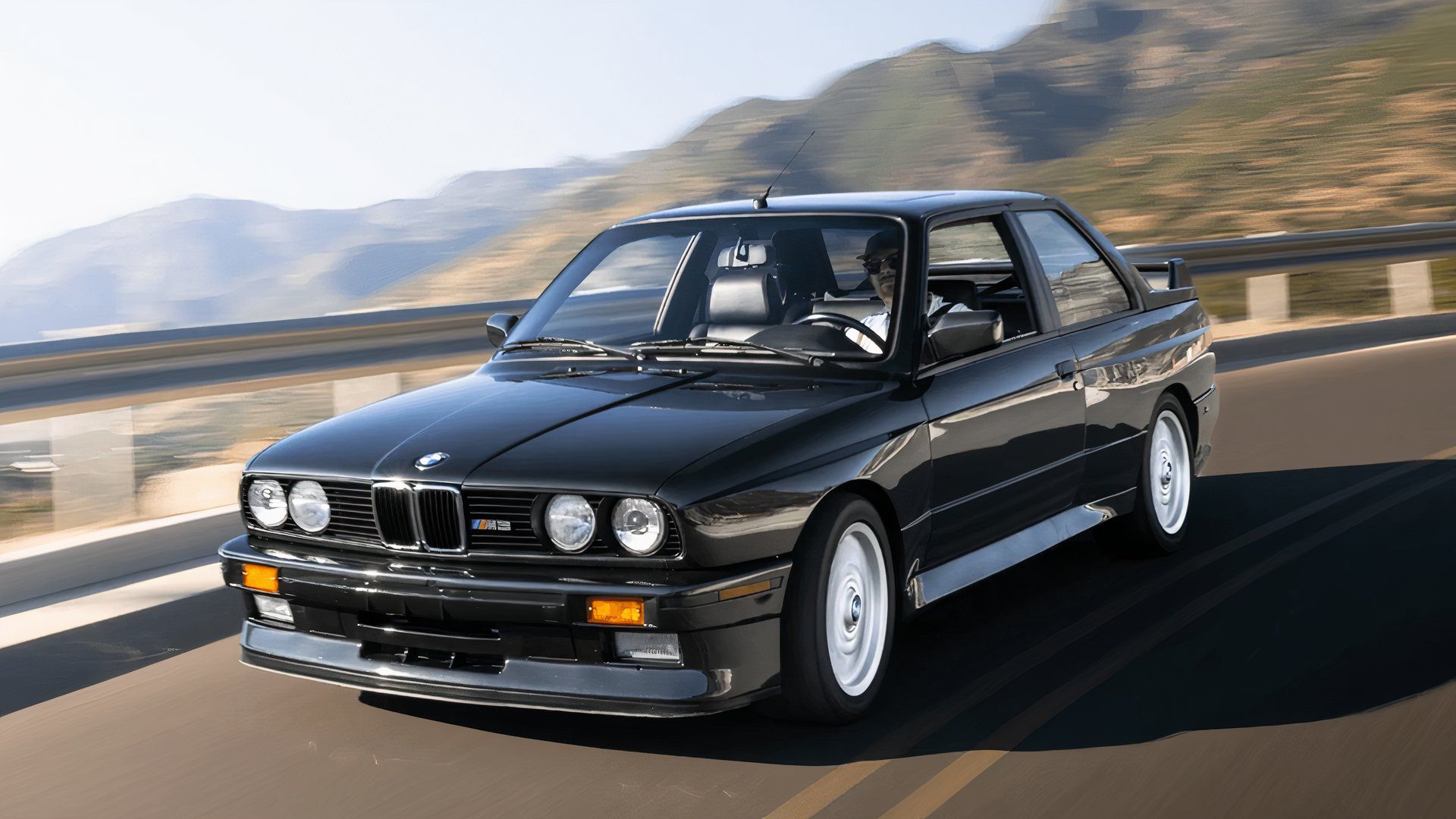
8. BMW E30 318is
Although technically a model introduced in the late 1980s, the E30 318is gained prominence throughout the early 1990s as a lightweight, driver-focused coupe that emphasized engagement over raw power. Its low curb weight and precise chassis created a lively and communicative driving experience.
The car responded immediately to steering input, giving drivers a sense of confidence and involvement that many modern vehicles cannot replicate. Despite modest engine output, the 318is excelled in delivering enjoyment through balance, agility, and mechanical feedback, proving that driving thrill did not require extreme horsepower.
The four-cylinder engine in the 318is contributed to its playful character. Its rev-happy nature encouraged spirited driving and allowed drivers to explore the higher end of the rev range for a sense of excitement.
While it was not the most powerful model in BMW’s lineup, its lightweight design amplified the car’s responsiveness, making acceleration feel lively and agile. Enthusiasts appreciated the way the engine communicated with the chassis, creating an experience that felt unified and intentional.
Inside, the 318is offered a compact yet functional cockpit that prioritized the driver. The seats provided firm support without sacrificing comfort, while controls were straightforward and intuitive. Visibility remained strong in all directions, adding to confidence when maneuvering or cornering at speed.
The minimalist interior design allowed drivers to focus on the experience rather than distractions, emphasizing the car’s mechanical clarity. Every aspect of the cabin supported the car’s purpose as a pure, analog driving machine.
The 318is has since become a cult favorite among enthusiasts who value balance, simplicity, and engagement over sheer performance figures. Its lightweight construction, rev-happy engine, and responsive chassis make it one of the most honest and enjoyable BMWs of the 1990s. Collectors and drivers alike regard it as a model that exemplified BMW’s core philosophy during the era, proving that fun behind the wheel can exist in the absence of extreme power.
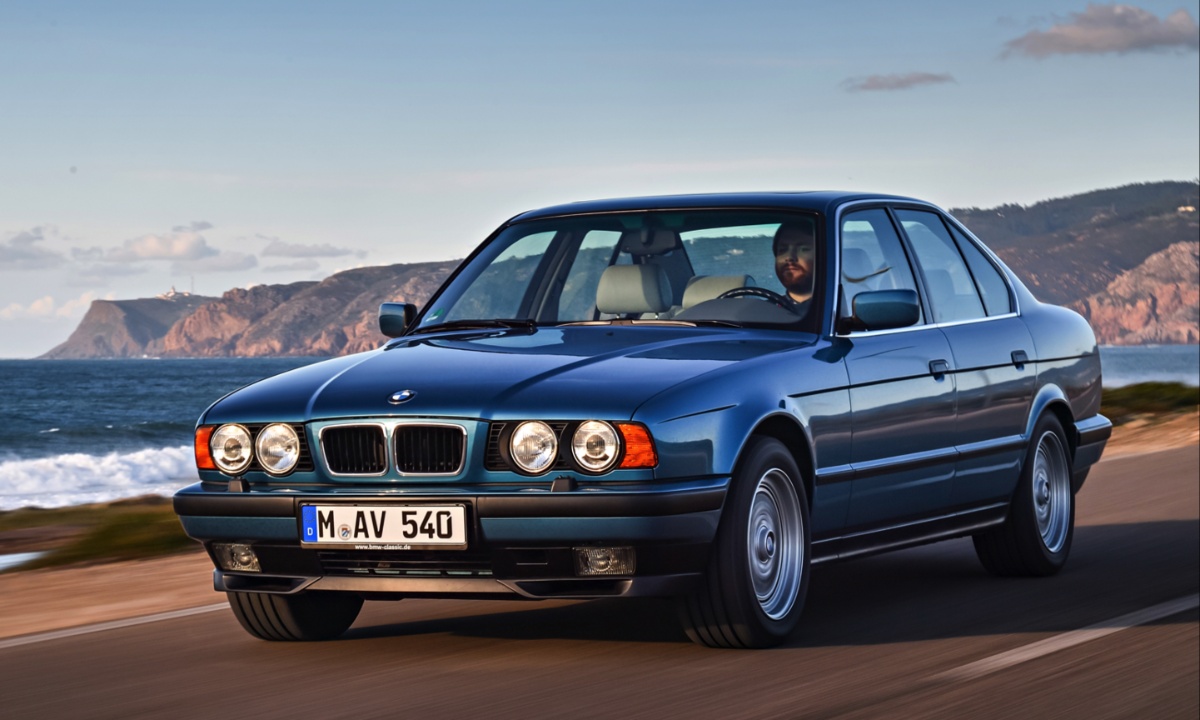
9. BMW E34 540i
The E34 540i represented a significant step forward in BMW’s evolution, introducing V8 power to a platform already recognized for its balance and composure. The chassis handled the increased performance with grace, maintaining stability through corners and providing confident feedback to the driver.
Its suspension system allowed the car to remain composed over varying road surfaces while still delivering an engaging experience. Drivers could enjoy both long-distance comfort and spirited cornering without compromising either attribute, making the 540i a versatile and capable sedan.
The V8 engine defined the car’s performance identity. Its power delivery was smooth and linear, producing strong acceleration without abrupt surges. The sound of the engine added a layer of character, creating an auditory experience that enhanced driver involvement.
Torque was abundant across the rev range, making city driving effortless while providing the necessary punch for highway overtaking. This combination of refinement and strength highlighted BMW’s engineering philosophy, ensuring the car remained enjoyable in a variety of driving contexts.
Inside, the 540i balanced comfort and driver orientation. Seats were supportive and well-proportioned, suitable for long journeys as well as spirited runs. Materials reflected BMW’s commitment to quality, and the controls were arranged to facilitate intuitive operation.
The cabin felt cohesive, reinforcing the car’s mechanical clarity and ensuring that the driver remained in command. Passengers enjoyed generous space and comfort, reflecting the model’s dual identity as both a performance sedan and a practical luxury vehicle.
Over time, the E34 540i has earned respect as one of the most capable and enduring sedans of its era. Its combination of power, balance, and driver-focused design created a car that appealed to enthusiasts and daily drivers alike. Today it is celebrated as a model that perfectly demonstrated BMW’s 1990s philosophy, blending performance, refinement, and usability in a way that few other cars achieved.
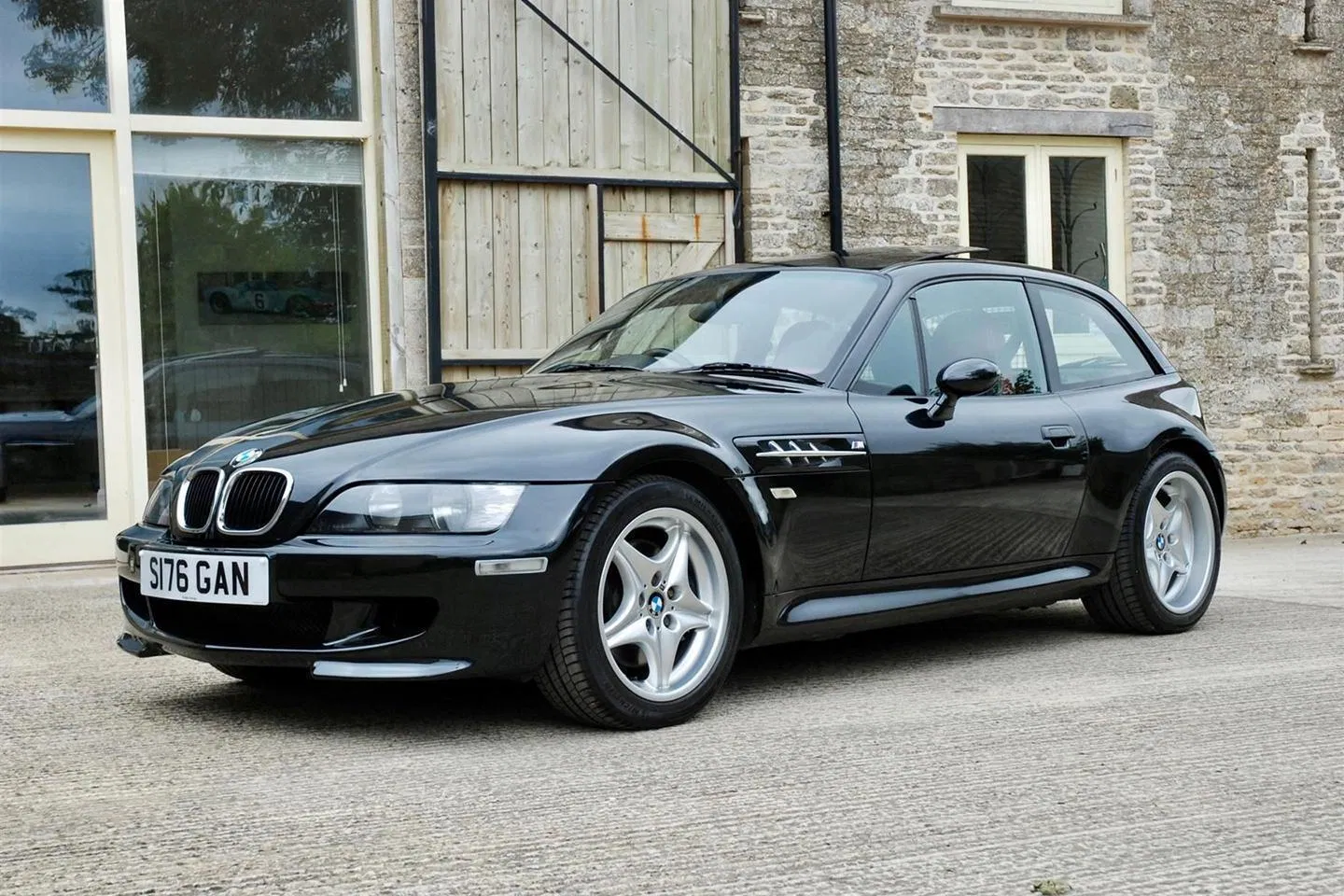
10. BMW Z3 M Coupe
The Z3 M Coupe stood out in BMW’s lineup due to its unique shooting brake design, which immediately conveyed both practicality and performance. The car’s wide stance, stiff chassis, and balanced suspension created an engaging driving experience that was sharp and communicative. Despite its compact proportions, the car felt planted and responsive, giving drivers confidence when cornering or accelerating. The Z3 M Coupe combined mechanical sophistication with visual distinction, creating a rare vehicle that felt as special to look at as it did to drive.
Its engine contributed significantly to the coupe’s performance identity. Smooth power delivery and strong torque made acceleration immediate and satisfying, while the chassis allowed drivers to exploit that power with precision.
The car’s mechanical clarity and responsiveness were amplified by a manual transmission that emphasized the connection between driver and machine. Every aspect of the drivetrain worked in harmony with the chassis, creating a cohesive and rewarding driving experience.
Inside, the Z3 M Coupe prioritized driver engagement despite its compact size. Seats provided firm support and a commanding view of the road, while controls were arranged for quick and intuitive operation. Visibility was good, considering the car’s unique proportions, and materials were chosen for durability and a sporty feel.
The cabin emphasized purpose over flashiness, reinforcing the coupe’s focus on driving enjoyment rather than unnecessary luxury features.
Today, the Z3 M Coupe is celebrated as one of BMW’s most distinctive and exciting 1990s models. Its combination of unusual styling, sharp handling, and strong mechanical character has earned it a near-cult following among enthusiasts. It remains an example of BMW’s willingness to experiment while staying true to the principles of driver-focused design and balanced performance that defined the decade.
