
Hybrid vehicles have undergone a remarkable transformation over the past decade. Once primarily valued for their fuel efficiency and environmental benefits, hybrids are now capable of delivering performance that rivals traditional gasoline-powered sports cars.
The combination of electric motors and internal combustion engines allows these vehicles to accelerate with astonishing quickness while maintaining a level of efficiency that was once unimaginable.
Today’s hybrid market includes a diverse range of models, from high-performance luxury sedans to compact hatchbacks, each offering unique capabilities and driving experiences.
Modern hybrids often incorporate advanced engineering technologies, including regenerative braking, torque vectoring, and intelligent energy management systems. These innovations allow automakers to extract maximum power from both the electric and gasoline powertrains.
In addition to improving speed, these systems enhance handling and stability, making hybrid cars not only fast in a straight line but also capable of impressive cornering and overall agility. The result is a category of vehicles that appeals to driving enthusiasts who also wish to reduce their environmental footprint.
As the automotive industry continues to embrace electrification, the boundaries between traditional sports cars and hybrid vehicles are becoming increasingly blurred.
Some hybrid models can accelerate from zero to sixty miles per hour in under three seconds, rivaling some of the fastest supercars on the market.
This remarkable capability has sparked renewed interest among buyers who may have previously dismissed hybrids as slow or uninspiring.
For those seeking speed without sacrificing efficiency, the modern hybrid offers an attractive balance between performance and practicality.
This article presents a ranking of the ten quickest hybrid vehicles available today, organized from fastest to slowest based on their acceleration capabilities.
While each vehicle on this list demonstrates exceptional speed, they also vary widely in terms of price, design, and overall driving experience.
By highlighting the key features, performance metrics, and distinguishing qualities of each model, this guide will help readers understand which hybrid car may best suit their preferences, whether they prioritize outright speed, technological sophistication, or a combination of both.
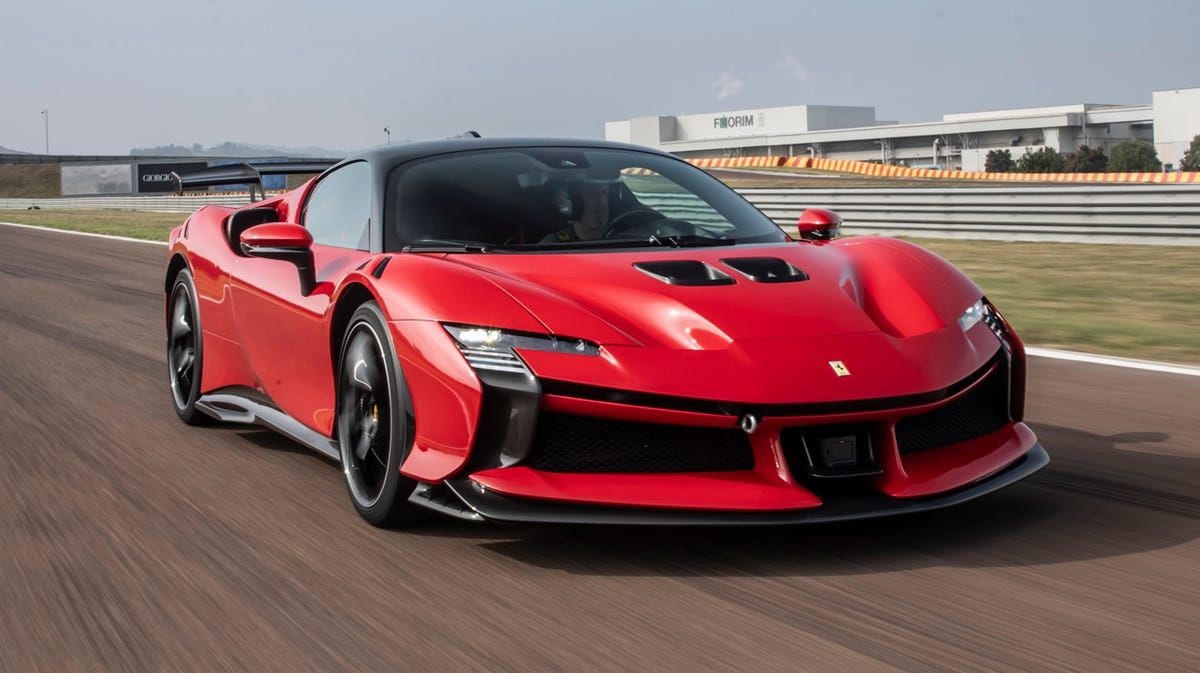
1. Ferrari SF90 Stradale
The Ferrari SF90 Stradale represents a landmark achievement in hybrid technology, combining Ferrari’s renowned internal combustion engineering with a sophisticated electric motor system.
This hybrid supercar produces an astounding 986 horsepower through the integration of a twin-turbo V8 engine and three electric motors.
The synergy between these components allows the SF90 Stradale to deliver acceleration that feels almost instantaneous. Its powertrain is engineered to provide seamless transitions between electric and gasoline power, ensuring a consistently responsive driving experience regardless of speed.
Acceleration is a defining characteristic of the SF90 Stradale. It can reach sixty miles per hour from a standstill in just 2.5 seconds, making it one of the fastest hybrid vehicles available. This remarkable performance is complemented by a top speed exceeding 211 miles per hour.
Ferrari’s careful attention to aerodynamics and weight distribution enhances both stability and agility, allowing drivers to maintain confidence even when pushing the car to its limits. The SF90 Stradale’s handling characteristics reflect a level of precision typically reserved for track-oriented vehicles.
The SF90 Stradale also offers a unique blend of technology and luxury. Its hybrid system can operate in fully electric mode for short distances, providing a quiet and emission-free experience in urban settings.
The interior features advanced infotainment systems and customizable driving modes that allow users to fine-tune the car’s performance to suit different road conditions or personal preferences. Despite its aggressive capabilities, the SF90 Stradale is designed to be user-friendly, with intuitive controls that make high-performance driving more accessible to enthusiasts.
Beyond raw speed, the SF90 Stradale demonstrates Ferrari’s commitment to innovation. The vehicle incorporates active aerodynamics, intelligent torque distribution, and energy recovery systems that maximize both performance and efficiency.
These features ensure that the car is not only fast in a straight line but also adaptable to diverse driving environments.
With its combination of engineering excellence, aesthetic design, and hybrid technology, the SF90 Stradale sets a benchmark for what a high-performance hybrid supercar can achieve.
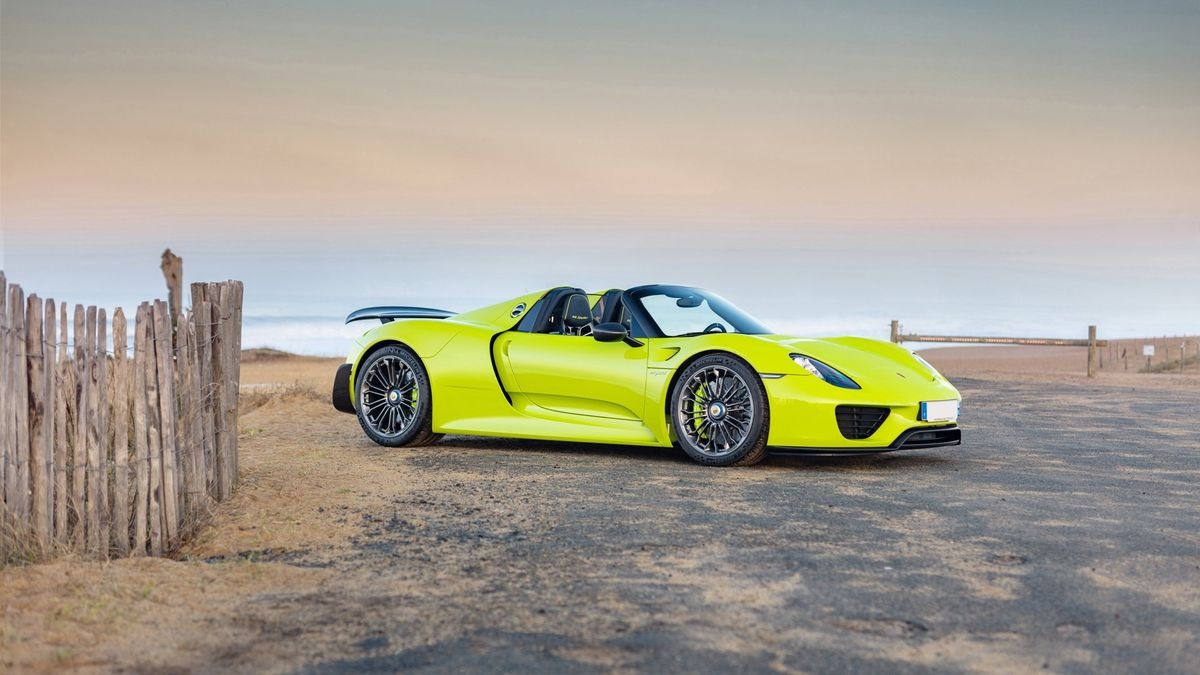
2. Porsche 918 Spyder
The Porsche 918 Spyder is a high-performance hybrid that blends precision engineering with electrified power. Its 4.6-liter V8 engine is paired with two electric motors, producing a combined output of 887 horsepower.
This allows the 918 Spyder to achieve extraordinary acceleration while maintaining the handling characteristics for which Porsche is renowned. Its hybrid system is carefully calibrated to provide instant torque from the electric motors while maintaining the smooth power delivery of the combustion engine, resulting in a seamless driving experience.
In terms of performance, the 918 Spyder is exceptional. It can accelerate from zero to sixty miles per hour in just 2.6 seconds, with a top speed of 214 miles per hour.
This rapid acceleration is supported by advanced aerodynamics, active suspension, and a lightweight carbon-fiber chassis that enhances both stability and agility. The 918 Spyder exemplifies how hybrid technology can enhance performance without compromising the driving dynamics that define a sports car.
The vehicle also incorporates intelligent energy management systems that maximize efficiency and performance. Regenerative braking captures energy that would otherwise be lost, feeding it back into the battery to extend electric-only driving capability.
Porsche’s hybrid management allows drivers to switch between fully electric, hybrid, and performance modes, providing flexibility for both everyday driving and spirited performance sessions. These features demonstrate how hybrid technology can serve both practicality and speed.
Beyond its performance metrics, the 918 Spyder is a showcase of design and engineering excellence. The cabin integrates advanced materials, driver-focused controls, and cutting-edge infotainment, creating a luxurious environment that complements the car’s thrilling capabilities.
Its combination of hybrid power, precise handling, and aesthetic appeal ensures that the 918 Spyder remains one of the most coveted performance hybrids in the world.
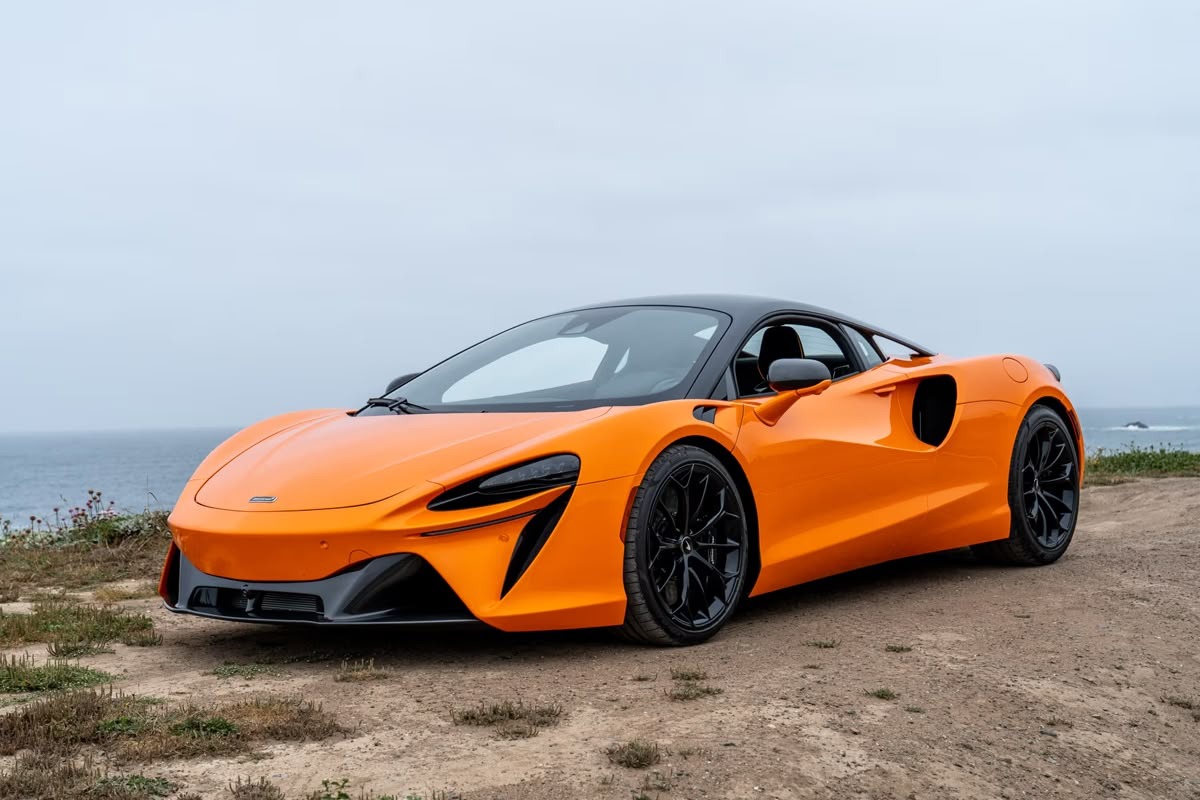
3. McLaren Artura
The McLaren Artura is a recent entry in the high-performance hybrid market, representing McLaren’s vision of combining lightweight design with electrified power. The Artura uses a 3.0-liter twin-turbo V6 paired with an electric motor to generate a total of 671 horsepower.
This hybrid powertrain enables rapid acceleration while reducing emissions, offering drivers both performance and environmental consciousness. McLaren’s focus on weight reduction ensures that the Artura maintains sharp handling and agility, characteristics for which the brand is celebrated.
Acceleration in the Artura is impressive, with a zero-to-sixty time of approximately 3.0 seconds. This performance is supported by the car’s advanced suspension system, carbon-fiber monocoque chassis, and precision steering.
The electric motor contributes instant torque, improving responsiveness during both low-speed maneuvers and high-speed runs. McLaren has also emphasized the importance of driving feel, ensuring that the hybrid system enhances rather than detracts from the brand’s signature driving experience.
The Artura is designed with both performance and usability in mind. Its hybrid system allows for limited electric-only driving, providing quiet and efficient operation in urban environments.
The interior features a driver-centric layout, digital displays, and customizable driving modes that allow for adjustments to throttle response, suspension stiffness, and energy distribution. These elements combine to create a car that is both thrilling to drive and practical for everyday use.
In addition to performance, the Artura highlights McLaren’s commitment to innovation. The integration of hybrid technology is seamless, enhancing power delivery and handling without compromising the car’s balance or responsiveness.
Advanced thermal management, regenerative braking, and intelligent energy systems contribute to both efficiency and performance. By combining lightweight design with hybrid power, the McLaren Artura offers an exhilarating driving experience that sets a new standard for performance hybrids.
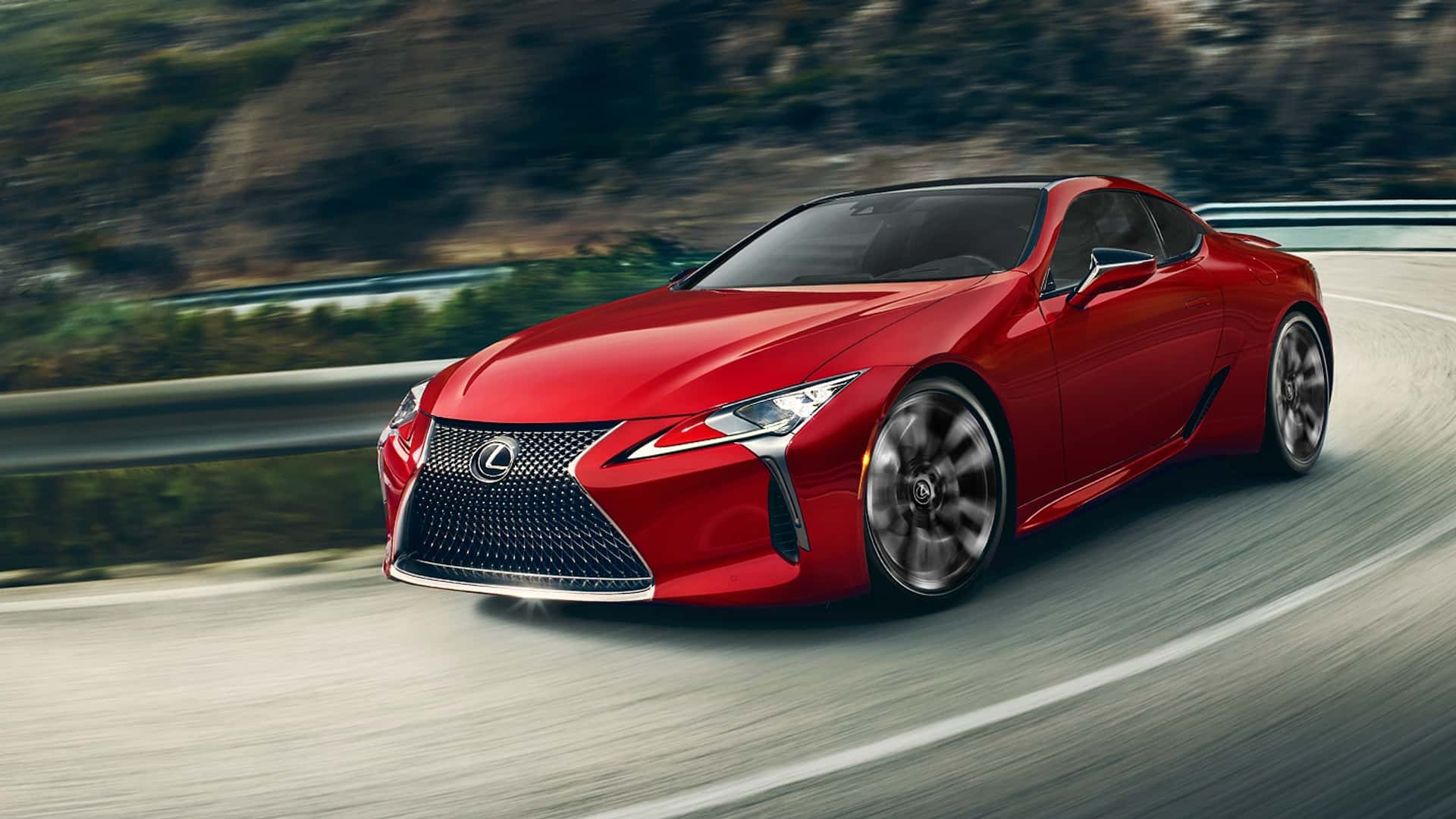
4. Lexus LC 500h
The Lexus LC 500h offers a unique approach to hybrid performance by balancing refinement with speed. It features a naturally aspirated V6 engine combined with an electric motor, producing a total output of 354 horsepower.
While it does not match the extreme acceleration of supercar hybrids, the LC 500h delivers a smooth, responsive driving experience with a focus on comfort and style. Its hybrid system uses a multi-stage transmission that optimizes both performance and efficiency, providing seamless transitions between electric and gasoline power.
Acceleration is for a luxury-oriented hybrid. The LC 500h can reach sixty miles per hour in approximately 4.7 seconds, offering sufficient speed for highway driving and spirited cornering.
Its handling is enhanced by a well-tuned suspension and low center of gravity, contributing to a composed ride even during aggressive maneuvers. The integration of hybrid power ensures that torque delivery remains consistent, making the vehicle feel lively and responsive.
Inside, the LC 500h combines luxury materials with modern technology. The cabin features high-quality leather, advanced infotainment, and driver assistance systems that enhance both convenience and safety.
Lexus’ hybrid system allows for short electric-only driving periods, reducing fuel consumption and noise in city environments. The car strikes a balance between performance, comfort, and efficiency, appealing to buyers who seek a refined hybrid experience.
The LC 500h also demonstrates Lexus’ commitment to design and innovation. Its hybrid system is engineered to provide power when needed while maintaining overall efficiency.
Aerodynamic styling, intelligent weight distribution, and advanced chassis tuning ensure that the car is enjoyable to drive in a variety of conditions. While it may not be the fastest hybrid on the market, the LC 500h exemplifies how hybrid technology can enhance both driving dynamics and luxury.
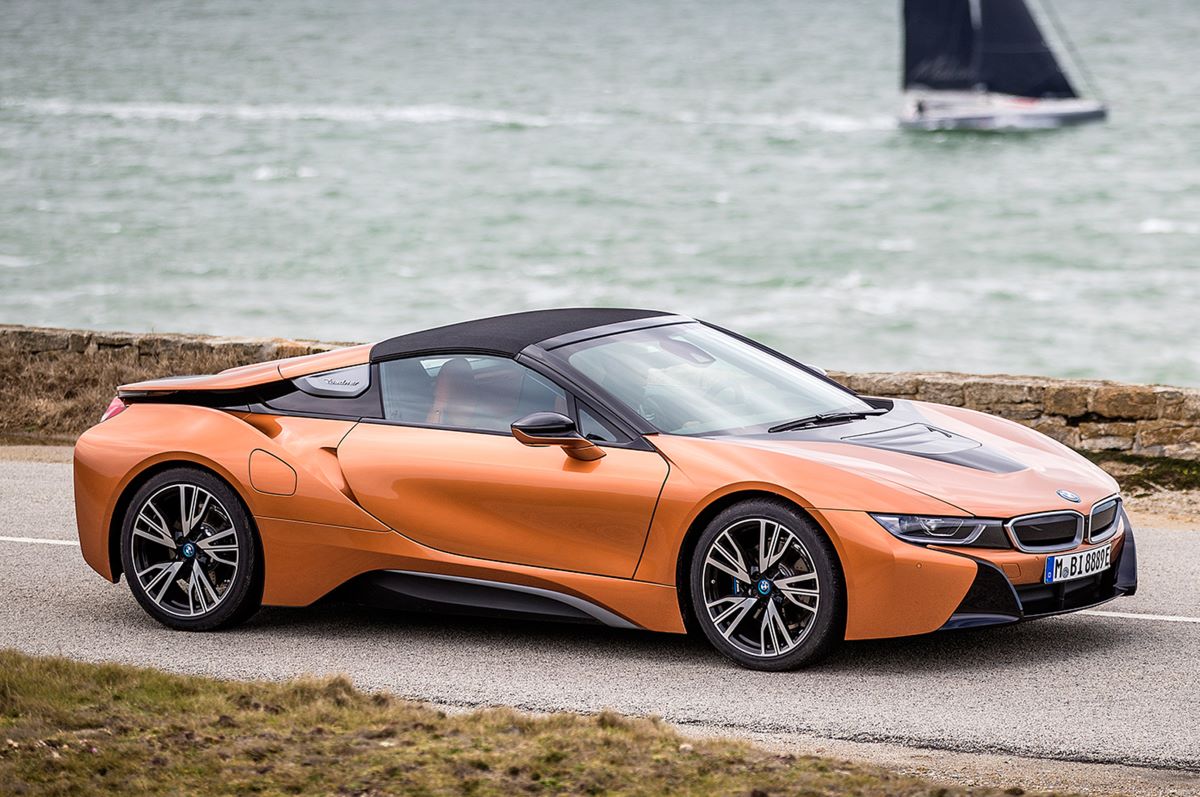
5. BMW i8
The BMW i8 is one of the most recognizable performance hybrids on the market, blending futuristic design with a sporty driving experience. Its 1.5-liter three-cylinder turbocharged engine is paired with an electric motor, producing a combined output of 369 horsepower.
While its engine may appear modest on paper, the electric assistance provides instant torque that significantly enhances acceleration. BMW’s focus on lightweight construction, including extensive use of carbon-fiber-reinforced plastic, ensures that the i8 handles with agility and precision, giving drivers a sense of confidence and control at high speeds.
Acceleration for the i8 is competitive for its segment. The car can reach sixty miles per hour in approximately 4.2 seconds, allowing it to hold its own against many conventional sports cars. Its hybrid powertrain provides smooth and linear power delivery, making acceleration feel both strong and controlled.
BMW’s engineering also emphasizes stability, with advanced suspension geometry and adaptive damping contributing to a poised ride even during spirited driving. The i8 demonstrates how hybrid technology can enhance both speed and driving dynamics without overwhelming the driver.
Beyond raw performance, the BMW i8 offers a striking visual identity. Its low, wide stance, scissor-style doors, and aerodynamic sculpting create a vehicle that is both visually captivating and functionally efficient.
Inside, the cabin integrates technology and comfort, featuring digital displays, driver assistance systems, and premium materials. The i8 also allows for short-range electric-only driving, adding an element of practicality for city commuting while maintaining the excitement of its hybrid powertrain on open roads.
The i8 represents BMW’s philosophy of blending efficiency and performance. Advanced energy management ensures that the electric motor and internal combustion engine operate in harmony, optimizing both fuel economy and acceleration.
Regenerative braking captures energy to extend battery life, while intelligent torque distribution ensures a balanced driving experience. The BMW i8 shows that hybrid technology can serve multiple purposes: it can reduce environmental impact while also providing a thrilling and visually striking sports car experience.
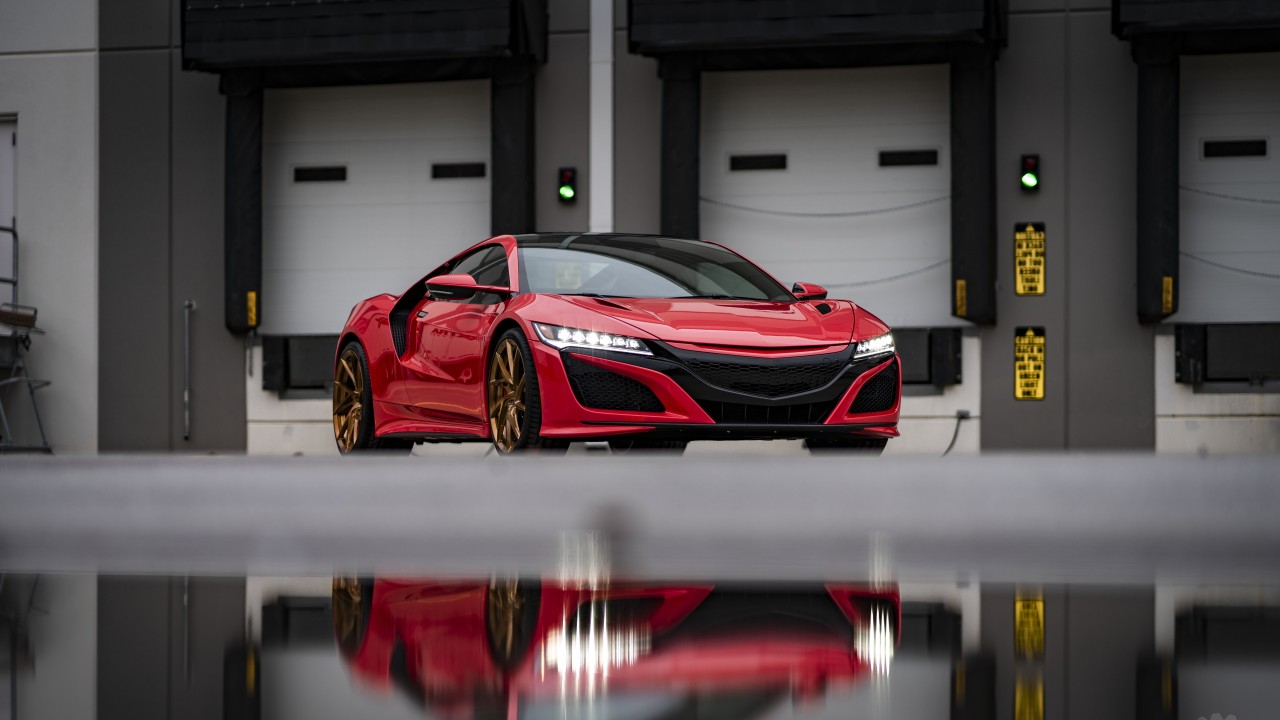
6. Acura NSX
The Acura NSX is a performance-oriented hybrid that combines a twin-turbocharged V6 engine with three electric motors to deliver a total of 573 horsepower. Its design focuses on precision, speed, and advanced technology, allowing it to compete with some of the fastest sports cars on the market.
The electric motors not only provide additional power but also contribute to the car’s handling by optimizing torque distribution during cornering. The NSX demonstrates how hybrid systems can improve both straight-line acceleration and driving dynamics in complex scenarios.
Acceleration is one of the NSX’s standout features. It can go from zero to sixty miles per hour in roughly 3.0 seconds, positioning it among the quickest hybrid vehicles available today.
The combination of instant electric torque and turbocharged engine output creates a driving experience that is responsive and engaging at all speeds. Acura’s attention to aerodynamics and chassis tuning ensures that this acceleration is supported by stability and precision, making the NSX as enjoyable to drive on winding roads as it is on a straight track.
The NSX also balances performance with usability. Its hybrid system allows for electric-only driving at low speeds, reducing noise and emissions in urban environments. Inside, the cabin is driver-focused, featuring supportive seats, digital interfaces, and intuitive controls.
The NSX integrates advanced suspension systems and torque vectoring technology, which improve cornering capability and enhance overall handling. These features make it a hybrid that is both practical for daily use and capable of delivering exhilarating performance.
Acura’s engineering philosophy for the NSX emphasizes the synergy between electric and gasoline power. Energy recovery, intelligent power distribution, and weight optimization all contribute to a vehicle that feels cohesive and well-balanced at all times.
By combining hybrid technology with high-performance engineering, the NSX provides a unique experience that blends speed, control, and technological sophistication. This balance makes it one of the most respected hybrid sports cars currently available.
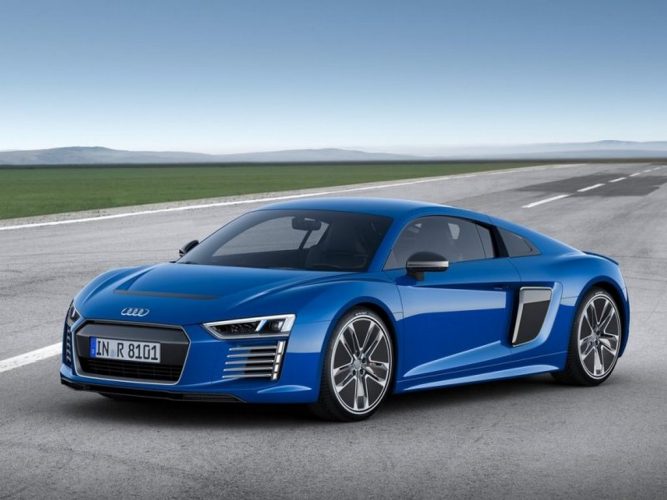
7. Audi R8 e-tron
The Audi R8 e-tron is an electric-assisted hybrid version of the well-known R8 supercar. It incorporates a V10 engine paired with electric motors to produce a combined output exceeding 610 horsepower.
Audi’s engineering focuses on precision, handling, and power delivery, allowing the R8 e-tron to accelerate with both strength and control. The hybrid system ensures that torque is applied efficiently, enhancing stability during rapid acceleration while providing an engaging driving experience.
Performance is a key attribute of the R8 e-tron. It can reach sixty miles per hour in approximately 3.4 seconds, with a top speed that surpasses many traditional sports cars.
The car’s lightweight construction, advanced suspension, and aerodynamics contribute to its high-speed capabilities while maintaining predictable handling. The combination of electric and gasoline power results in acceleration that is immediate and sustained, creating an impressive sense of speed for the driver.
Inside, the R8 e-tron maintains Audi’s reputation for luxury and driver focus. The cockpit integrates digital displays, performance monitors, and premium materials to create a comfortable yet sporty environment.
The electric component of the hybrid system allows for short bursts of silent, emission-free driving, adding efficiency to a performance-oriented vehicle. Audi also ensures that the transition between electric and gasoline power is seamless, so the hybrid system feels natural during spirited driving.
The R8 e-tron exemplifies Audi’s commitment to high-performance hybrid technology. Energy management, regenerative braking, and intelligent torque distribution all work together to create a car that is both thrilling and responsive. By combining the V10 engine with electric power, the R8 e-tron offers an alternative to traditional supercars, proving that hybrid technology can enhance acceleration, handling, and overall driving enjoyment.
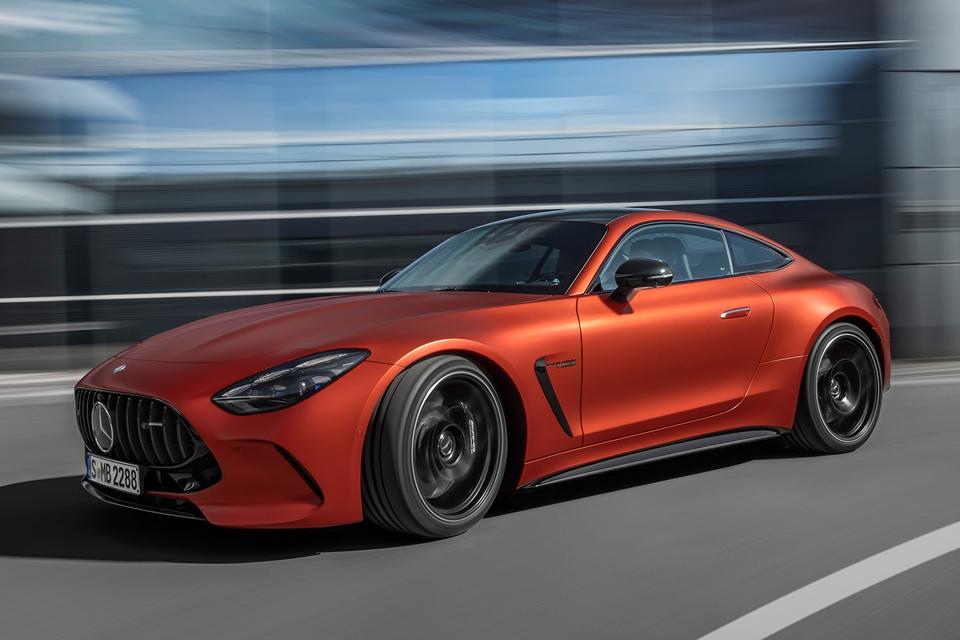
8. Mercedes-AMG GT 63 S E Performance
The Mercedes-AMG GT 63 S E Performance is a hybrid sedan designed for drivers who desire speed and luxury. Its combination of a 4.0-liter twin-turbo V8 engine and an electric motor produces a staggering 670 horsepower.
This hybrid system provides instant torque and remarkable acceleration, allowing the vehicle to compete with traditional sports cars despite its four-door design. Mercedes has engineered the GT 63 S to maintain stability, handling, and comfort, ensuring that its hybrid powertrain complements the driving experience rather than overwhelming it.
Acceleration is one of the GT 63 S’s defining characteristics. It can reach sixty miles per hour in about 3.1 seconds, an extraordinary feat for a vehicle of its size. The hybrid system distributes power intelligently between the internal combustion engine and the electric motor, providing smooth and consistent performance.
Advanced suspension, all-wheel drive, and torque vectoring systems further enhance handling, allowing the GT 63 S to corner with precision and remain composed under high-speed conditions.
The interior of the GT 63 S reflects Mercedes’ dedication to luxury and technology. It features high-quality materials, a digital cockpit, advanced driver assistance systems, and customizable driving modes.
The hybrid system also allows for limited electric-only operation, providing quiet and efficient driving in urban areas. This combination of performance and comfort makes the GT 63 S a versatile hybrid that performs well on both highways and winding roads.
Mercedes has integrated advanced technology to ensure that the hybrid system functions efficiently while enhancing driving dynamics. Regenerative braking recovers energy, torque distribution optimizes performance, and energy management ensures the battery and engine work in harmony.
The GT 63 S demonstrates how hybrid technology can be applied to larger vehicles without sacrificing speed, handling, or refinement, offering a compelling alternative to traditional high-performance sedans.
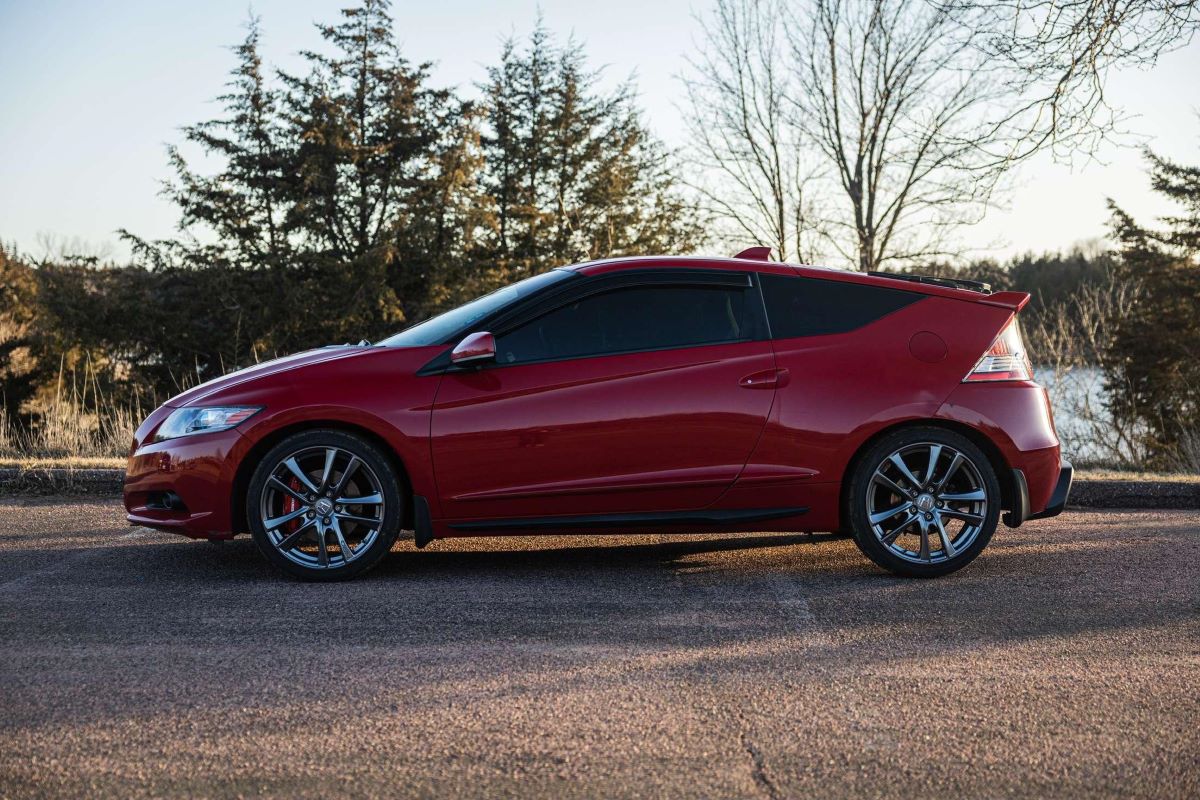
9. Honda CR-Z
The Honda CR-Z is a compact hybrid that emphasizes a sporty driving experience in a more affordable and practical package. It pairs a 1.5-liter gasoline engine with an electric motor to produce a combined output of 130 horsepower.
While the CR-Z is not in the same league as supercar hybrids, it demonstrates how hybrid technology can enhance acceleration, responsiveness, and efficiency in smaller vehicles. Its lightweight design and well-tuned chassis make it fun to drive on twisty roads while still maintaining urban practicality.
Acceleration is modest but sufficient for the CR-Z’s intended purpose. It reaches sixty miles per hour in approximately 8.2 seconds, which is respectable for a compact hybrid.
The electric motor provides immediate torque at low speeds, improving responsiveness during city driving or highway merges. Honda’s focus on driving dynamics ensures that the CR-Z handles predictably, making it an enjoyable and approachable car for hybrid enthusiasts who prioritize efficiency and agility over extreme performance.
Inside, the CR-Z features a driver-focused layout with modern technology, infotainment options, and supportive seating. The hybrid system allows for short-distance electric-only driving, reducing fuel consumption and providing a quieter experience in urban settings.
Despite its modest power, the CR-Z delivers a sporty feel through precise steering, low weight, and a well-balanced suspension. It demonstrates how hybrid technology can improve overall driving experience, even in smaller, economy-oriented vehicles.
The CR-Z reflects Honda’s philosophy of combining practicality with engaging driving. Energy recovery, intelligent power delivery, and compact hybrid integration allow the vehicle to maximize efficiency without compromising driving enjoyment.
Although it is slower than performance hybrids, the CR-Z provides a compelling example of how hybrid technology can be applied to a broader market, offering both fun and sustainability.
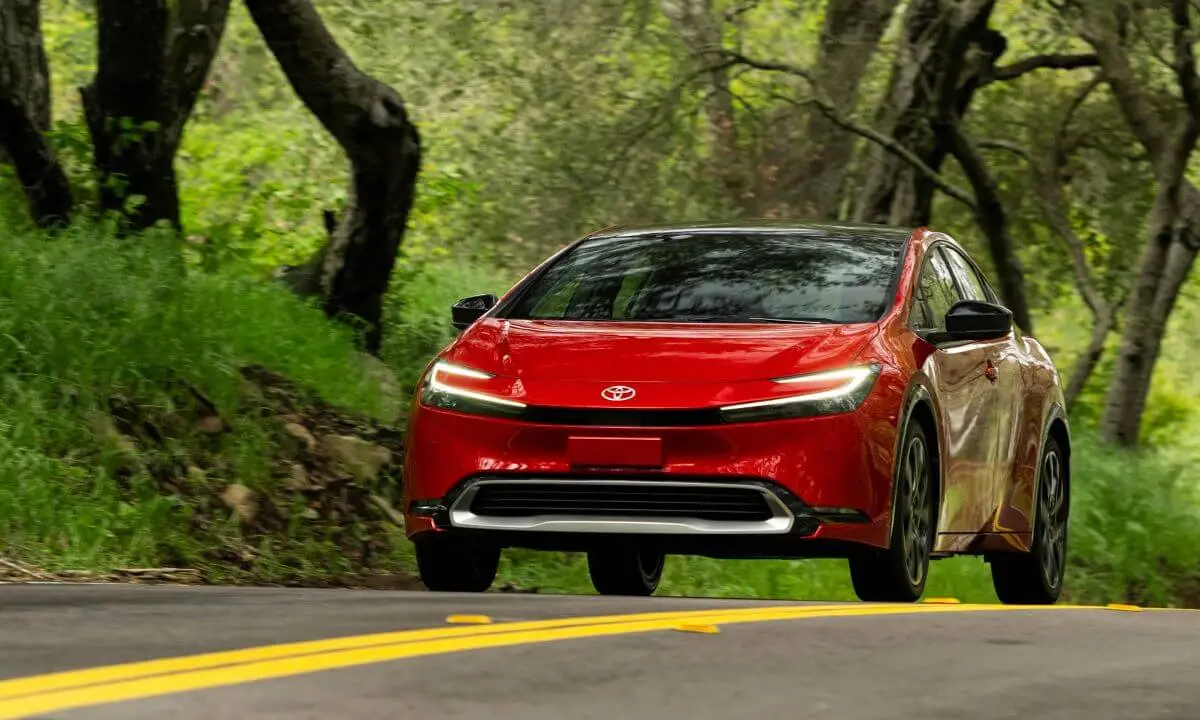
10. Toyota Prius Prime
The Toyota Prius Prime is a plug-in hybrid that prioritizes efficiency while still providing modest acceleration capabilities. Its 1.8-liter gasoline engine combined with an electric motor produces a total of 121 horsepower.
While the Prius Prime is far from a sports car, it demonstrates the versatility of hybrid technology by allowing electric-only operation, regenerative braking, and optimized fuel efficiency. For those seeking an economy with the ability to accelerate when necessary, it remains an appealing option.
Acceleration is gentle but functional. The Prius Prime can reach sixty miles per hour in approximately 10.5 seconds, making it suitable for urban driving and highway merging. Its hybrid system is designed to deliver smooth and predictable power, rather than aggressive acceleration, focusing on efficiency and environmental impact.
Toyota’s engineering ensures that the vehicle remains stable, comfortable, and practical for daily commuting while providing enough responsiveness for safe and convenient driving.
Inside, the Prius Prime features a spacious and technologically advanced cabin. Infotainment systems, driver assistance features, and hybrid management displays help drivers optimize efficiency while maintaining comfort.
Electric-only driving is possible for short distances, reducing fuel consumption and emissions. The car also incorporates aerodynamic design and lightweight construction to further enhance efficiency and performance.
The Prius Prime highlights the broad applicability of hybrid technology. While it is slower than other hybrids on this list, it demonstrates that hybrid systems can serve multiple purposes, including reducing fuel consumption and environmental impact.
By combining electric and gasoline power, the Prius Prime remains a practical and forward-thinking choice for buyers who prioritize sustainability without completely sacrificing acceleration and driving capability.
