
The 1990s marked a fascinating era in the automotive industry, blending technological advancement with distinctive style. Cars from this decade carry a sense of nostalgia while reflecting a period when manufacturers were experimenting with performance, design, and driver comfort in ways that are still appreciated today.
Unlike the cars of the 1980s, which often prioritized practicality over aesthetics, ’90s vehicles struck a balance between function and form, resulting in cars that continue to turn heads decades later. What makes this era even more intriguing is how many of these vehicles have become surprisingly attainable in today’s market.
Collectors and enthusiasts often assume that cars with iconic status come with an exorbitant price tag. However, several ’90s models have slipped under the radar and are now accessible to those seeking style, performance, and nostalgia without the financial strain typically associated with classic cars.
These cars capture a moment in time when manufacturers focused on individuality, combining bold exterior designs with innovative features. From sleek coupes to sporty sedans and even distinctive hatchbacks, the decade offered options for drivers who valued personality as much as reliability.
Today, buyers can often find these vehicles in surprisingly good condition, partly because they were well-built and partly because they have not been fully embraced by the mainstream collector market.
The appeal of these ’90s cars is not only rooted in affordability but also in their capacity to provide a driving experience that feels raw and engaging compared to modern vehicles, which are often highly computerized and insulated.
For many people, owning a car from this decade is a chance to reconnect with memories of youth, teenage drives, and early independence. These vehicles often represent freedom, experimentation, and the excitement of discovering a car that matches both style and personality.
Moreover, they provide an opportunity for enthusiasts to customize, maintain, and enjoy cars without feeling constrained by excessive cost or rarity. Their accessibility allows for a hands-on experience with automotive history in a way that new cars simply cannot replicate.
This article will highlight ten beautiful cars from the 1990s that have not only aged well but have become surprisingly affordable on today’s market. Each entry will examine the car’s history, design, performance, and what makes it an appealing choice for modern buyers.
Whether you are a seasoned collector or someone seeking a stylish daily driver with a hint of nostalgia, these vehicles offer a unique combination of value, charm, and driving enjoyment that continues to resonate decades after their initial release.
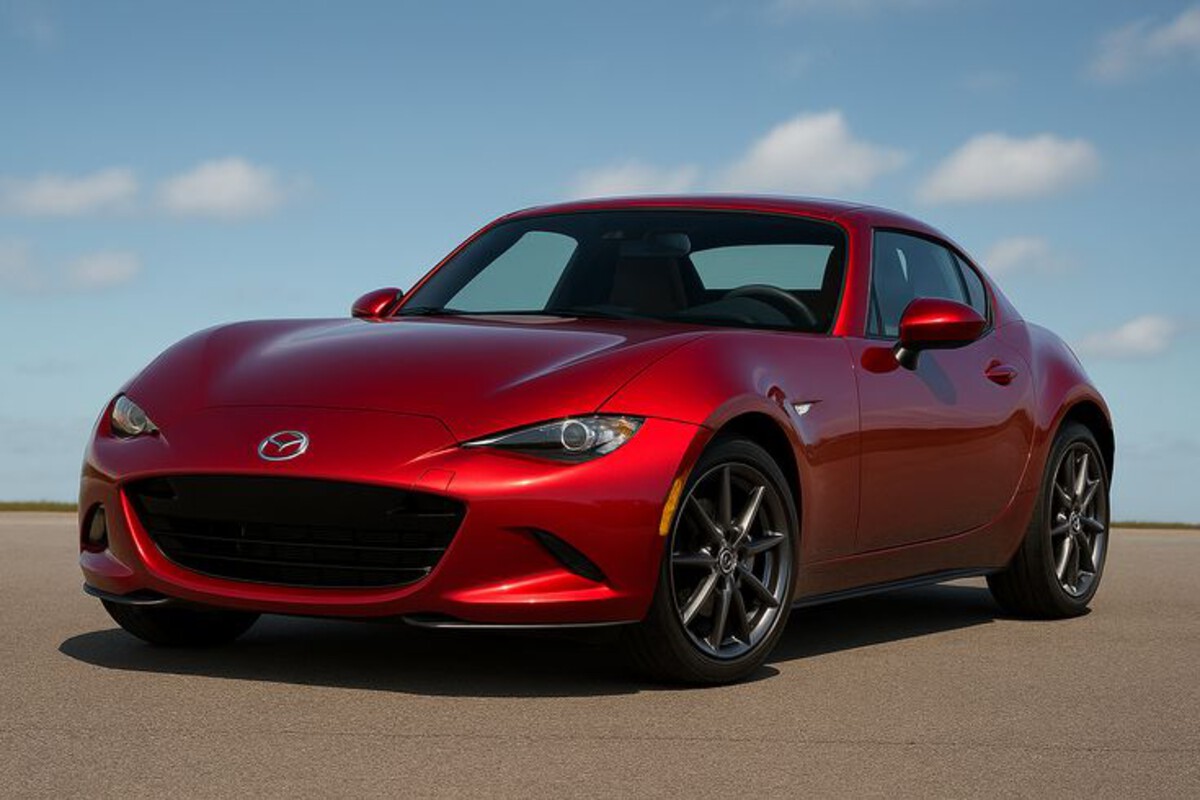
1. Mazda MX-5 Miata (NA and NB models)
The Mazda MX-5 Miata is widely recognized as one of the most enjoyable small sports cars ever produced. Introduced in 1989 and continuing through the ’90s with the NA and NB generations, the Miata captured attention with its lightweight frame, responsive handling, and simple yet timeless design.
Unlike heavier sports cars that focused primarily on power, the Miata emphasized balance, agility, and a connection between the driver and the road.
Its pop-up headlights on the NA model and the refined styling of the NB make it visually distinct while remaining unmistakably sporty. For enthusiasts seeking a pure driving experience, the Miata remains a benchmark for affordable, reliable, and fun sports cars.
Under the hood, the early NA Miatas came with a 1.6-liter engine, later upgraded to a 1.8-liter in subsequent years.
These engines may not offer massive horsepower numbers, but their lightweight chassis allows the car to feel nimble and responsive. Manual transmissions dominate the Miata lineup, ensuring that drivers remain fully engaged.
Suspension tuning prioritizes sharp cornering and minimal body roll, making it a favorite for both casual weekend drives and track-day events.
The combination of lightweight design and balanced performance makes the Miata a car that can bring smiles without requiring high maintenance costs.
Affordability has made the Miata a target for collectors and enthusiasts who want an iconic ’90s sports car without breaking the bank. Many NA and NB models can be found at prices significantly lower than comparable vehicles from the same era.
Additionally, aftermarket support for these cars is extensive, ranging from performance upgrades to cosmetic enhancements.
This ensures that owners can personalize their Miata to match their taste while retaining the car’s core charm. Reliability, low-cost maintenance, and a welcoming community of owners further enhance the car’s appeal.
Finally, the Miata offers a driving experience that stands out in the modern automotive industry. Its open-top design, precise steering, and light weight provide a connection with the road that is increasingly rare in contemporary cars.
These characteristics, combined with its ’90s heritage and approachable price point, make the Mazda MX-5 Miata a top choice for anyone seeking an affordable, stylish, and genuinely fun vehicle from the decade.
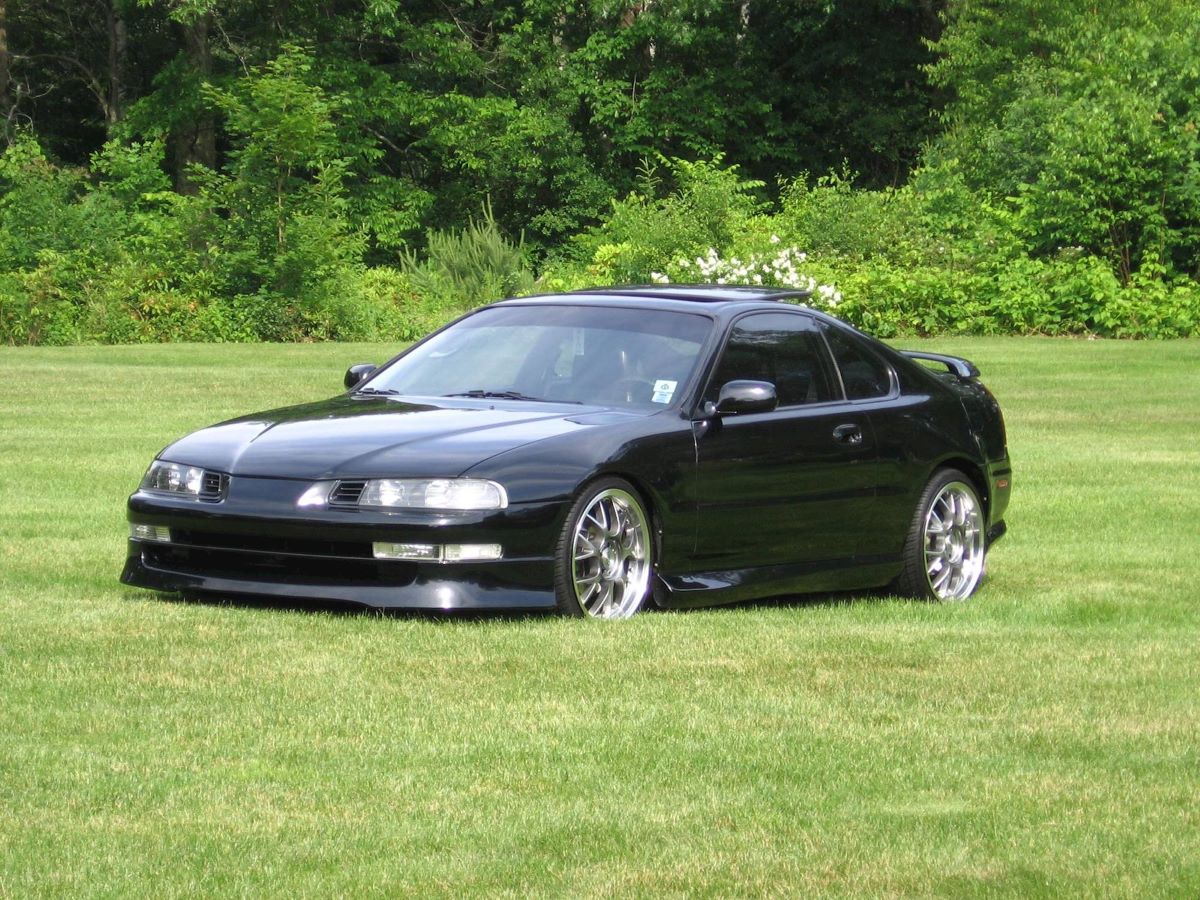
2. Honda Prelude (Fourth Generation)
The fourth-generation Honda Prelude, produced from 1991 to 1996, represents the peak of Honda’s commitment to performance-oriented coupes. With a distinctive wedge shape, pop-up headlights, and a low, aggressive stance, the Prelude was designed to stand out.
Honda equipped this generation with a range of engines, including a 2.2-liter inline-four, and incorporated advanced technologies such as four-wheel steering on higher trims.
These features contributed to the Prelude’s reputation as a driver-focused car that combined precision handling with everyday usability.
Driving the fourth-generation Prelude is an experience that feels purposeful and connected. The available H22 engine, especially in the VTEC-equipped models, delivers a high-revving, spirited performance that rewards skillful driving.
Coupled with a well-tuned suspension, the Prelude offers excellent cornering ability and stability at speed. Unlike many modern cars, the focus here is on engaging the driver rather than providing excessive electronic aids, making it a rewarding choice for enthusiasts who enjoy the tactile experience of manual gearshifts and responsive steering.
Affordability has contributed to the fourth-generation Prelude’s current popularity among collectors and enthusiasts alike. Many well-maintained examples can still be found at reasonable prices, often far below the cost of other ’90s performance coupes.
Parts are relatively easy to source thanks to the Prelude’s widespread popularity, and aftermarket support allows owners to enhance performance or restore originality as desired. These factors make it a practical choice for anyone seeking a blend of style, performance, and value.
The Prelude also offers a level of comfort and practicality that sets it apart from other sports coupes of the era. Its cabin is well-designed, with supportive seats, intuitive controls, and a surprisingly spacious interior for a car of its size.
While it is focused on driving enjoyment, it is not purely a track car, allowing owners to enjoy a combination of sporty handling and day-to-day usability. This balance makes the fourth-generation Honda Prelude an appealing option for enthusiasts seeking a distinctive, affordable, and engaging ’90s coupe.
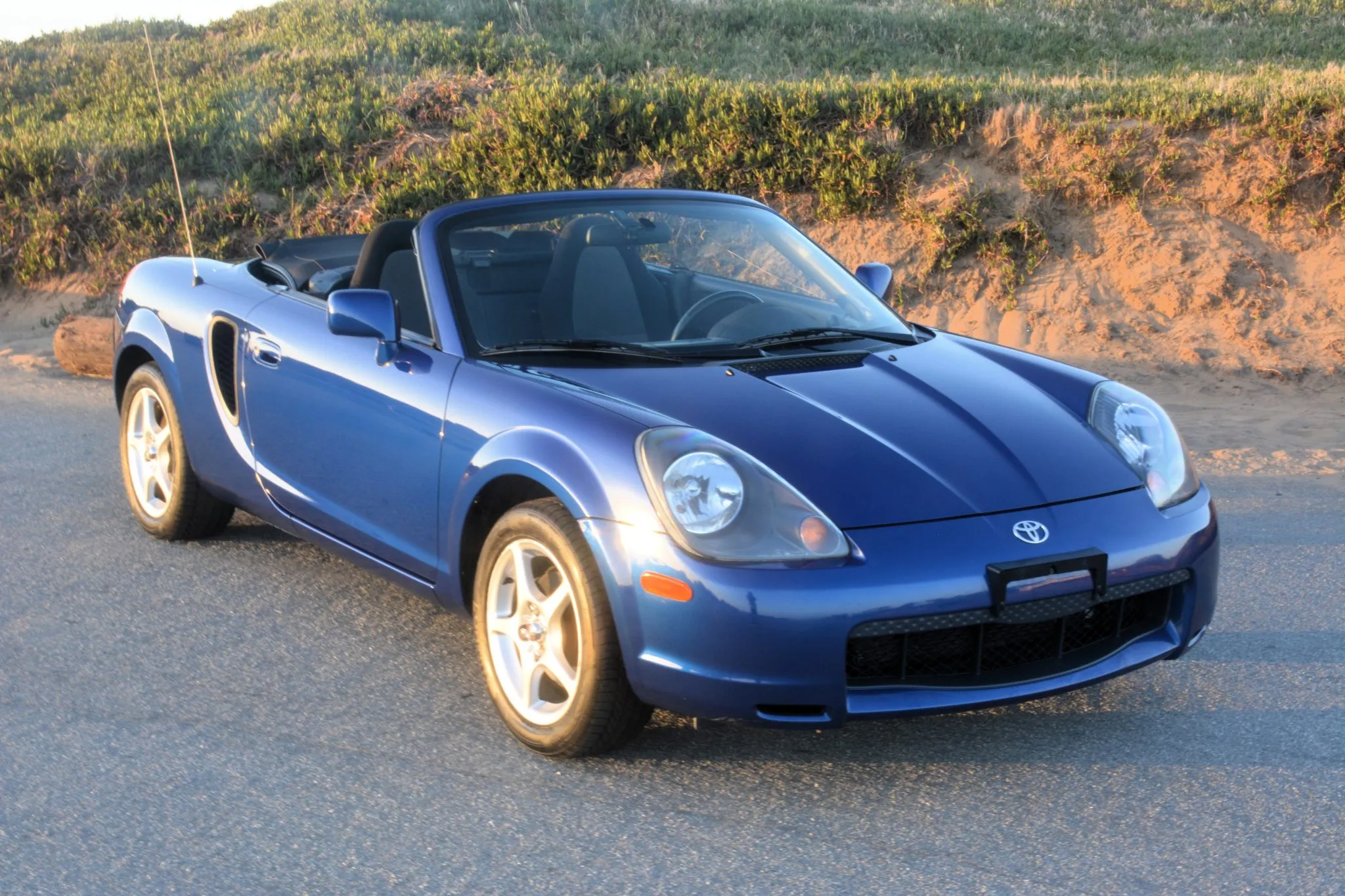
3. Toyota MR2 (SW20)
The second-generation Toyota MR2, known as the SW20, was produced from 1989 to 1999 and became an icon of affordable mid-engine sports cars. Unlike many of its contemporaries, the MR2 featured a rear mid-engine layout that provided excellent balance and handling characteristics.
Its angular yet aerodynamic design, pop-up headlights, and targa-top options made it visually striking while retaining a focus on performance. The MR2 was praised for its agility, light steering, and nimble character, offering an engaging driving experience that was rare for cars in its price range.
Engine options for the SW20 included naturally aspirated and turbocharged four-cylinder engines, providing a range of performance levels for buyers. The turbocharged models, in particular, offered substantial acceleration and spirited driving dynamics that rivaled more expensive sports cars of the era.
Suspension tuning emphasized sharp cornering, precise feedback, and a rewarding connection between driver and machine. While handling could be challenging for the uninitiated, skilled drivers appreciated the MR2’s responsiveness and the thrill it provided on winding roads.
The MR2 has seen a resurgence in interest due to its affordability and unique design. Many examples can be found at reasonable prices, making it an attractive choice for collectors who want a distinctive mid-engine sports car without paying exotic car prices.
Maintenance costs are manageable, and parts remain accessible due to the MR2’s popularity in its heyday.
Enthusiasts also enjoy customizing their MR2s, from subtle performance upgrades to full restorations, making the car both a fun weekend toy and a long-term hobby project.
Beyond performance, the MR2 provides a fun and engaging experience for daily driving. Its compact size makes it agile in urban settings, while the responsive engine and precise handling ensure that even routine trips feel exciting.
The combination of a mid-engine layout, classic ’90s styling, and affordability ensures that the SW20 MR2 remains a sought-after car for anyone who values both performance and character in a vehicle from the decade.
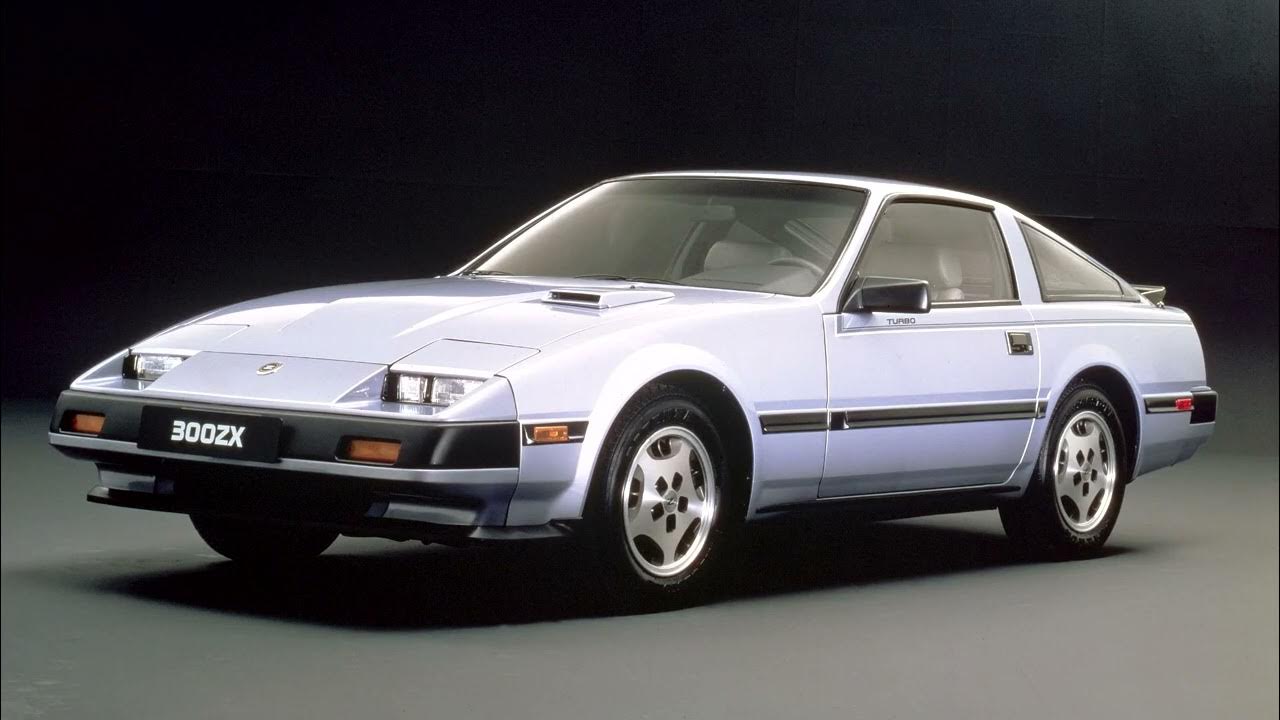
4. Nissan 300ZX (Z32)
The Nissan 300ZX, particularly the Z32 produced from 1989 to 2000, represents the pinnacle of ’90s Japanese sports car engineering. With sleek, flowing lines, hidden headlights, and an aerodynamic shape, the 300ZX combined performance with a sophisticated design.
Its twin-turbocharged V6 engine option delivered impressive power for the era, rivaling European sports cars at a fraction of the cost.
The Z32’s reputation for advanced technology, balanced handling, and comfortable interiors made it both a driver’s car and a practical sports car for long-distance journeys.
Performance in the 300ZX is centered on its potent VG30DETT engine in twin-turbo form, producing impressive acceleration and top-end power. Even naturally aspirated models provide a satisfying driving experience, thanks to precise steering and a well-balanced chassis.
The Z32 also incorporated multi-link suspension and modern braking systems, offering a level of handling refinement uncommon in sports cars of the time. Enthusiasts praise the car for its ability to combine high-speed stability with agile cornering performance.
Affordability has made the 300ZX an attainable dream for collectors who may have assumed these cars would be financially out of reach. Well-maintained examples can often be found for prices far below contemporary European sports cars with similar capabilities.
Parts remain available, and the robust aftermarket community provides numerous options for performance enhancement or restoration. This combination of value, style, and technology ensures that the 300ZX remains relevant decades after its release.
The interior of the 300ZX is also known for comfort and design. Drivers benefit from supportive seats, ergonomic controls, and a sense of luxury that complements the car’s high performance.
The Z32 can serve as a daily driver, weekend cruiser, or track-day car without compromise. Its timeless design and dynamic capabilities ensure that the Nissan 300ZX remains a highly appealing option for anyone seeking a distinctive, affordable, and exciting ’90s sports car.
5. Subaru SVX
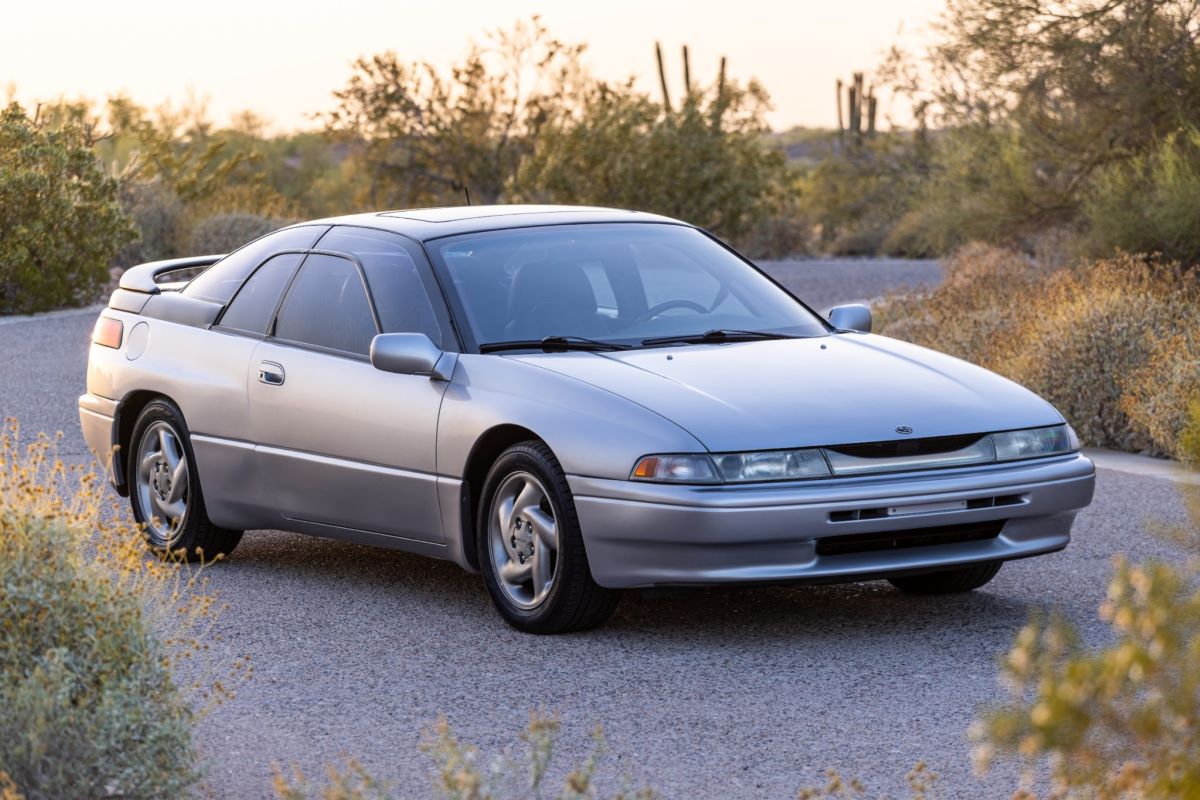
The Subaru SVX, produced from 1991 to 1996, is one of the most unusual and striking cars of the 1990s. It combined Subaru’s signature all-wheel-drive system with a sleek, futuristic design that was unlike anything else on the market.
The SVX featured aircraft-inspired window designs, a low and wide stance, and a coupe body that suggested both performance and sophistication.
Its rarity and distinctive appearance make it stand out even today, while its engineering provides a unique combination of comfort and handling. For those looking for a car that defies convention while remaining surprisingly affordable, the SVX offers a compelling choice.
Under the hood, the SVX came with a 3.3-liter flat-six engine, producing smooth and reliable power suitable for both spirited driving and comfortable cruising. Its all-wheel-drive system ensured stability in a variety of conditions, making it a practical choice for areas with inclement weather while still delivering a sporty experience.
The car’s suspension and chassis design focused on providing a balanced ride, blending comfort and agility in a way that few other coupes of the era could match. Even with its size and weight, the SVX handled predictably, rewarding drivers with confidence behind the wheel.
One of the most attractive aspects of the SVX today is its affordability. Because it was produced in relatively limited numbers and never achieved widespread popularity, prices have remained accessible. Many well-maintained examples can be found for reasonable sums, often far below the cost of more mainstream luxury or performance cars from the same period.
Additionally, Subaru enthusiasts appreciate the availability of parts, and the car’s mechanical simplicity relative to modern vehicles makes maintenance and repairs more straightforward. Its combination of uniqueness, performance, and practicality ensures that the SVX is an intriguing choice for collectors or drivers seeking something different.
The interior of the SVX was designed with comfort and style in mind. Leather seats, advanced-for-the-time climate controls, and thoughtful ergonomics provided a sense of luxury unusual in a car that is technically a performance coupe.
Despite its rarity, the car is surprisingly user-friendly and can serve as a daily driver without excessive compromise. Its blend of engineering innovation, distinctive design, and affordability ensures that the Subaru SVX remains a hidden gem from the ’90s, offering an ownership experience that is both unique and rewarding.
6. Acura NSX (First Generation)
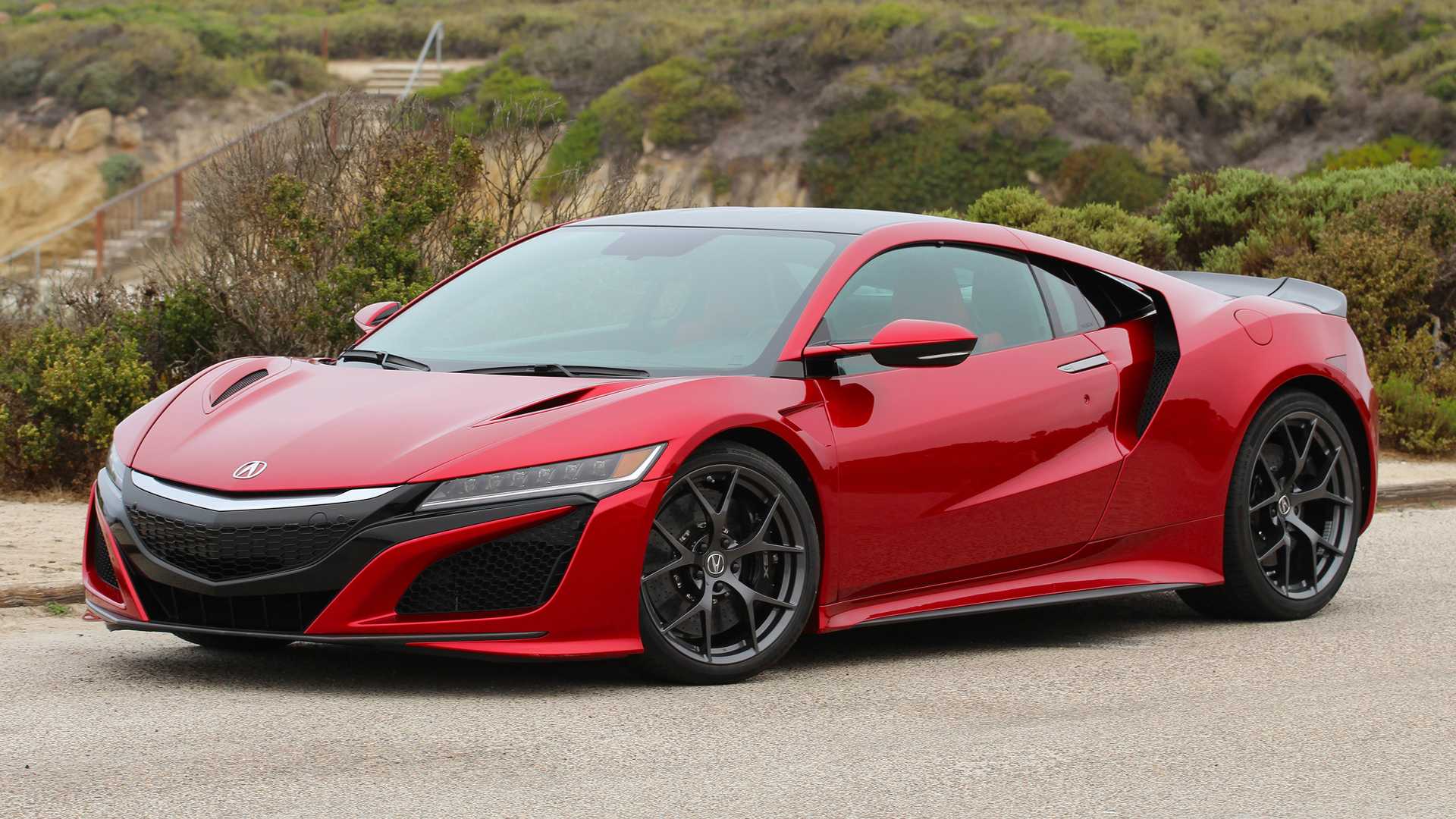
The first-generation Acura NSX, produced from 1990 to 2005, was Honda’s answer to the exotic sports car market. It combined Japanese reliability with the handling and performance of high-end European supercars, creating a vehicle that was both fast and dependable.
The NSX’s aluminum body, low profile, and aerodynamic design gave it a timeless look, while its mid-engine layout and precise steering provided an engaging driving experience. Although early examples of the NSX were once considered expensive, the market has shifted, making certain models surprisingly attainable for enthusiasts who value performance and history.
The NSX’s performance credentials were impressive for the time. Its 3.0-liter V6 engine offered high-revving excitement, smooth acceleration, and a responsive throttle that made driving enjoyable in a way few cars could match. Later versions added VTEC technology, enhancing power delivery and efficiency.
The chassis was engineered for balance and agility, and the suspension allowed the car to corner sharply without sacrificing stability. Even today, the NSX feels precise and rewarding, providing a driving experience that rivals many modern sports cars while retaining the simplicity and purity of its ’90s engineering.
Affordability has made the NSX increasingly accessible to a wider audience. While pristine, low-mileage examples still command high prices, there are many well-maintained models available at prices that were unthinkable a decade ago.
This shift has allowed enthusiasts to experience a supercar without the financial strain typically associated with vehicles in this class.
Additionally, Honda’s reputation for reliability and the availability of aftermarket support ensure that ownership is not only possible but also enjoyable, with opportunities for performance upgrades, restoration, or personalization.
Inside, the NSX combines a driver-focused layout with quality materials and thoughtful ergonomics. Seats are supportive for spirited driving, and the cockpit places all essential controls within easy reach. Despite its focus on performance, it remains comfortable enough for daily driving, long-distance trips, or weekend adventures.
The first-generation Acura NSX offers a rare combination of exotic appeal, driver engagement, and relative affordability, making it a standout ’90s car for collectors and enthusiasts alike.
7. BMW E36 M3
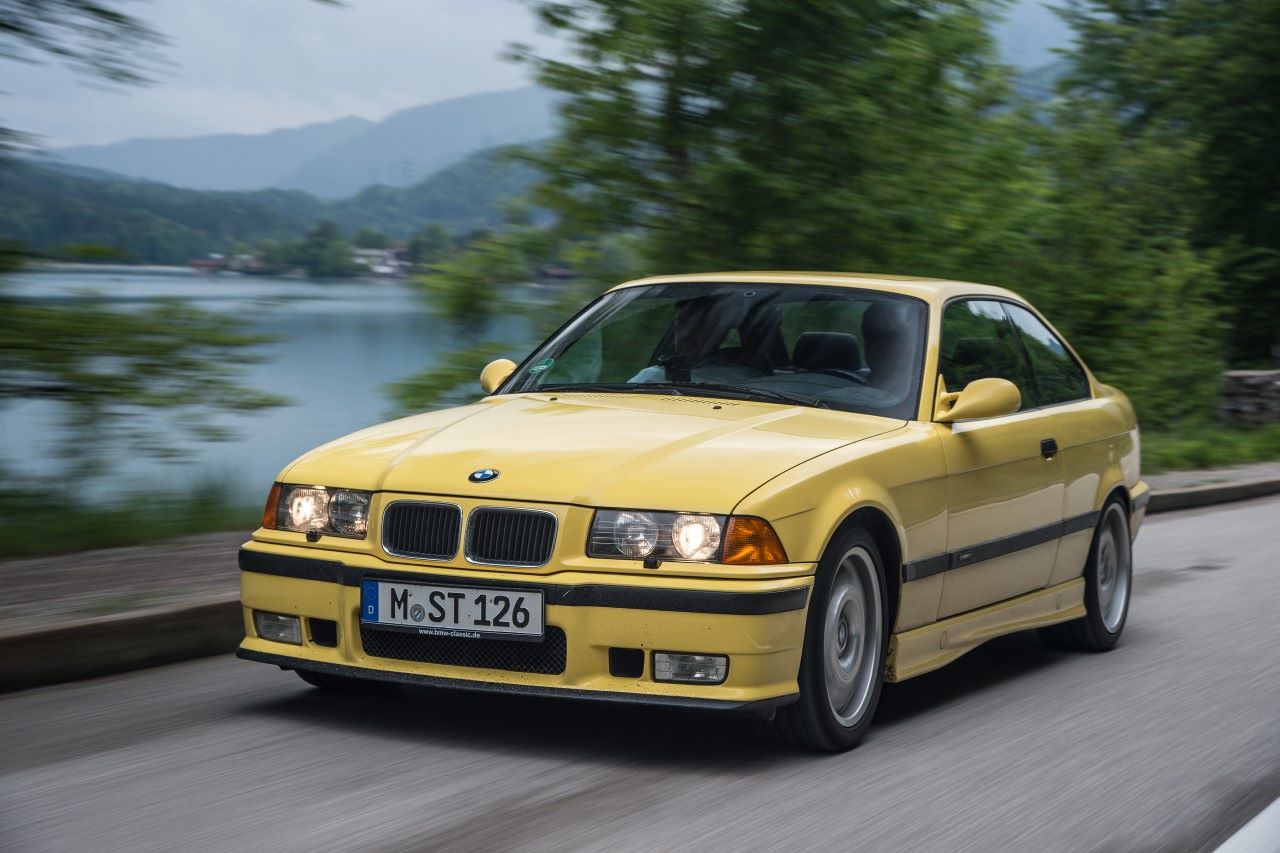
The BMW E36 M3, produced from 1992 to 1999, represents a defining moment in BMW’s sports sedan and coupe lineage. Renowned for its precise handling, balanced chassis, and responsive engines, the E36 M3 continues to be a favorite among driving enthusiasts.
Its design was elegant yet aggressive, with flared wheel arches, aerodynamic enhancements, and a purposeful stance that communicated performance without excess. The car appealed to buyers seeking a practical yet thrilling driving experience, combining everyday usability with dynamic capabilities.
Engine options for the E36 M3 included inline-six engines with varying displacements, offering a wide range of performance levels. High-revving characteristics, smooth power delivery, and excellent throttle response defined the driving experience, especially in manual-transmission models.
Suspension and steering were tuned to maximize driver feedback, providing a direct connection to the road. The E36 M3 offered not only excellent cornering and braking performance but also the refinement expected from a luxury German vehicle, creating a rare balance between sportiness and comfort.
The current affordability of the E36 M3 has contributed to its growing popularity among enthusiasts and collectors. Well-maintained examples can be found at reasonable prices, offering a chance to own a respected sports car from the ’90s without the high costs associated with more exotic vehicles.
Parts are widely available, and the car’s straightforward mechanical design allows for maintenance, repairs, and modifications without excessive expense. Its versatility makes it suitable for both daily driving and spirited weekend outings.
Inside, the E36 M3 offers a driver-centric cabin with comfortable seating, intuitive controls, and quality materials. Its interior may not be overly flashy, but it is functional, supportive, and well-engineered, reflecting BMW’s attention to detail during the decade.
For those seeking a ’90s car that combines elegance, performance, and attainable ownership, the E36 M3 represents a compelling choice, offering both nostalgia and driving satisfaction in a practical package.
8. Ford Mustang (SN95)
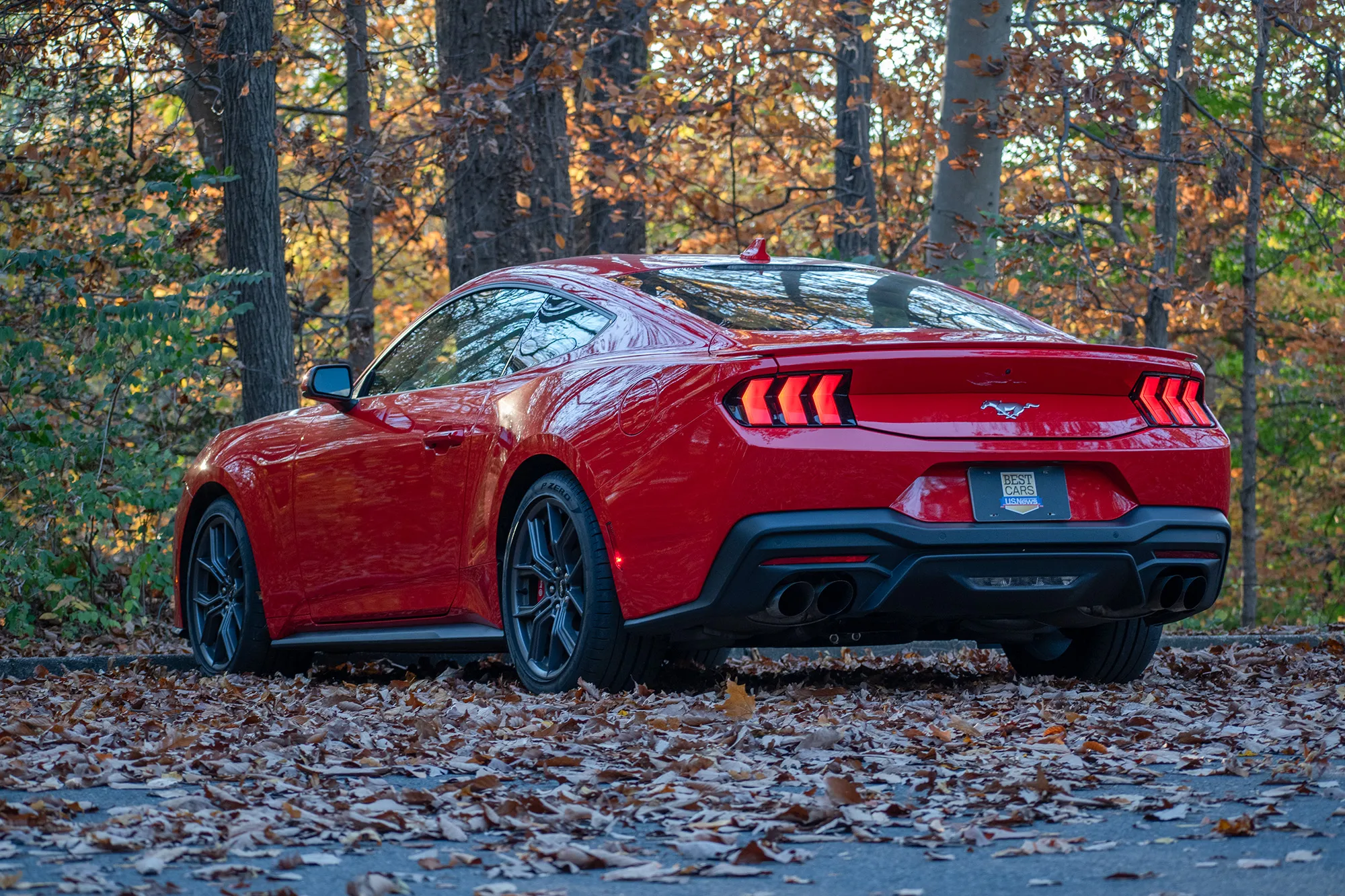
The Ford Mustang SN95, produced from 1994 to 2004, reinvigorated the Mustang lineup with modern styling, improved performance, and enhanced comfort. This generation retained the iconic Mustang identity while offering a sleeker and more aerodynamic profile.
It was available in coupe and convertible forms, with a range of engines from practical V6 options to the legendary 4.6-liter V8 in GT models. The SN95 Mustang bridged the gap between classic American muscle and modern performance, making it a versatile choice for enthusiasts and casual drivers alike.
Performance in the SN95 Mustang is characterized by strong acceleration, accessible handling, and the distinctive V8 exhaust note in GT models. While it does not offer the precision of European sports cars, its raw power and muscle car heritage make it highly enjoyable on open roads.
Suspension tuning improved ride quality compared to earlier generations, and upgrades in braking and chassis design allowed for more controlled performance. Manual transmission options further enhanced engagement for those seeking a traditional American muscle car experience.
Affordability has made the SN95 Mustang one of the most approachable classic muscle cars from the ’90s. Many well-maintained examples can be found for reasonable prices, making it accessible for first-time collectors or drivers seeking nostalgic performance.
Parts and aftermarket support are abundant, ensuring that maintenance, repairs, or performance upgrades are straightforward and cost-effective. Its widespread availability and strong community of enthusiasts further enhance its appeal.
Inside, the SN95 Mustang combines practicality and comfort with sporty touches such as supportive seats and intuitive controls.
While it retains a focus on driving enjoyment, the interior accommodates daily driving needs, making it a versatile choice. Its blend of style, performance, and affordability ensures that the SN95 Mustang continues to be a desirable ’90s car for those seeking classic American muscle with modern usability.
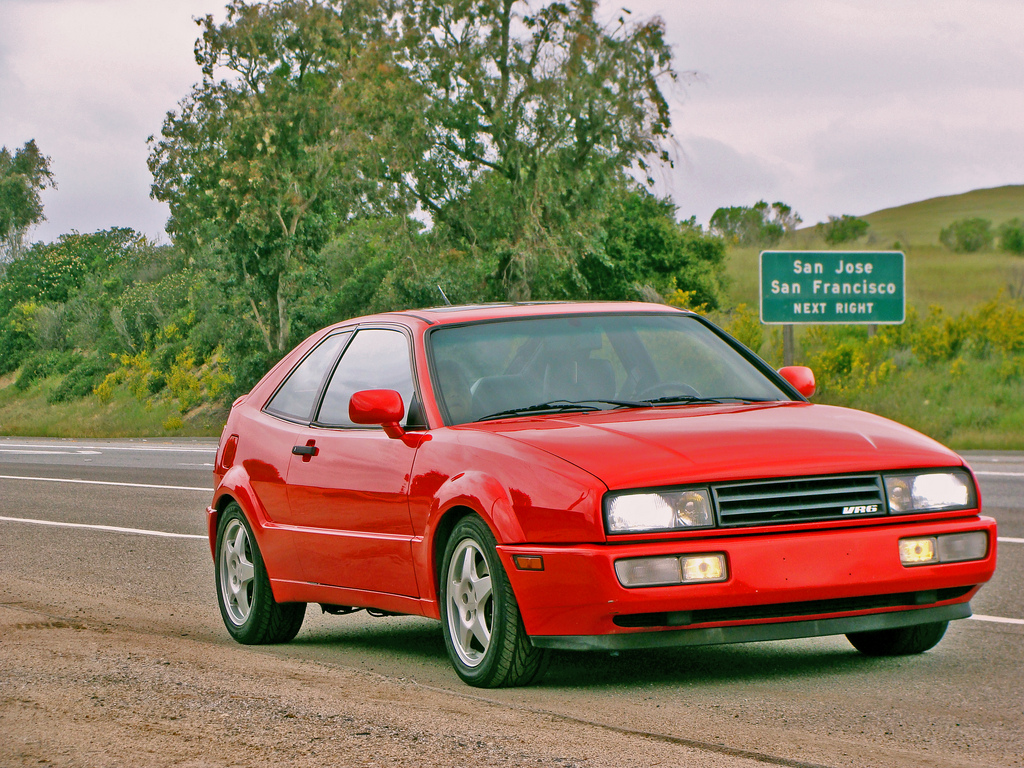
9. Volkswagen Corrado
The Volkswagen Corrado, produced from 1988 to 1995, is a compact coupe that delivered performance, handling, and distinctive styling. Its aerodynamic body, pop-up headlights, and subtle aggression set it apart from more conventional hatchbacks or sedans of the era.
The Corrado was praised for its engineering, offering a precise driving experience and excellent road feel. Its rarity and unique design have contributed to its appeal, while its performance capabilities made it a standout among European cars of the decade.
The Corrado featured a range of engines, including naturally aspirated and supercharged four-cylinder options. The VR6 engine, in particular, became legendary for its combination of smooth power delivery, strong acceleration, and distinctive exhaust note.
Suspension tuning emphasized stability and responsiveness, creating a car that excelled on winding roads while remaining comfortable for daily driving.
Its precise steering, well-balanced chassis, and engaging character made the Corrado a favorite among enthusiasts who value driver connection.
Surprisingly, the Corrado remains relatively affordable today. While it is no longer common on roads, many examples are available at prices accessible to collectors and enthusiasts.
Replacement parts are still obtainable, and the car’s mechanical simplicity compared to modern vehicles ensures manageable maintenance costs.
The combination of rarity, performance, and affordability has attracted a dedicated following, with many owners appreciating the Corrado’s distinctive presence on the road.
Inside, the Corrado offers a driver-focused interior with comfortable seating, clear instrumentation, and thoughtful ergonomics.
Despite being a performance-oriented coupe, it maintains practicality and usability for everyday driving. Its compact size, responsive handling, and timeless styling ensure that the Volkswagen Corrado continues to captivate buyers seeking a unique, affordable, and engaging ’90s car.
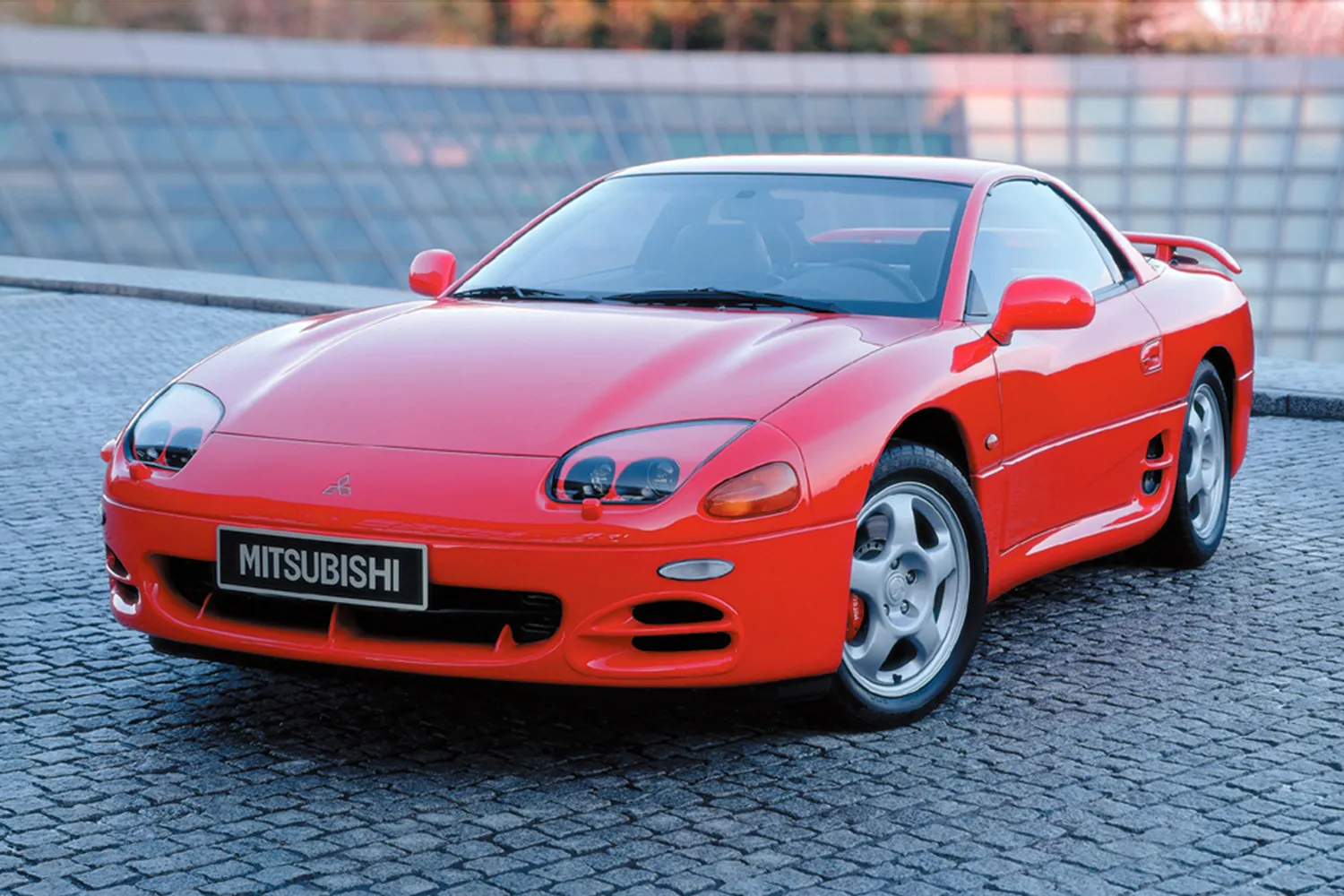
10. Mitsubishi 3000GT (GTO)
The Mitsubishi 3000GT, also known as the GTO in some markets, was produced from 1990 to 2001 and represents one of the most technologically advanced Japanese sports cars of the ’90s. Its bold styling, distinctive pop-up headlights, and wide stance made it visually striking.
The 3000GT was packed with features that were rare for its time, including all-wheel drive, active aerodynamics, and electronically controlled suspension on VR-4 models. Its combination of performance, technology, and striking design ensures that it remains a standout example of 1990s Japanese engineering.
Performance in the 3000GT was impressive for the era. Naturally aspirated and twin-turbo VR-4 models offered strong acceleration, excellent top-end performance, and a driving experience that combined precision with excitement.
The all-wheel-drive system enhanced stability and cornering capability, while the active suspension allowed for a comfortable ride without compromising handling. This blend of technology and raw performance made the 3000GT a formidable competitor to European sports cars at a lower price point.
Despite its technological sophistication, the 3000GT has become surprisingly affordable in today’s market. Well-maintained examples can be found for reasonable prices, allowing enthusiasts to own a technologically advanced sports car without the cost typically associated with such features.
Parts and aftermarket support remain available, and many owners enjoy restoring or upgrading their vehicles to match modern performance expectations. The car’s combination of style, technology, and performance ensures that it remains relevant to collectors and enthusiasts seeking a ’90s icon.
The interior of the 3000GT balances comfort with sportiness. Seats are supportive, controls are logically placed, and the cabin offers a sense of refinement unusual in many performance cars of the period. Despite its focus on advanced systems, the car remains engaging and rewarding to drive, whether on winding roads or daily commutes.
Its affordability, distinctive design, and technological features make the Mitsubishi 3000GT a perfect example of a ’90s sports car that has aged remarkably well while remaining accessible to modern buyers.
