
Spokane, located in the eastern part of Washington state, experiences a unique combination of weather and terrain that poses challenges for anyone navigating its roads. Snowfall is common in the winter months, and steep hills and uneven roads add an extra layer of difficulty for driving.
For residents who rely on trucks for daily commuting, work, or outdoor adventures, choosing the right vehicle is more than a matter of preference; it can be a question of safety and reliability. The ideal truck in Spokane needs strong traction, durable components, and a design that can handle icy and snowy conditions while still performing well on steep inclines.
Not all trucks are built the same, and while some models thrive in harsh conditions, others struggle under the weight of winter weather and hilly terrain. The wrong truck can lead to frequent repairs, poor handling, and even dangerous situations on slippery roads.
Factors such as four-wheel drive, torque, ground clearance, and stability systems make a huge difference when operating a truck in these environments. Trucks designed with these conditions in mind are not only safer but also offer long-term value through fewer maintenance issues and a longer lifespan in demanding climates.
This article will examine five trucks that are particularly well-suited for the snow and hills of Spokane, highlighting the features that make them reliable in tough conditions. Additionally, it will cover five trucks that generally do not perform well in such environments, explaining why they are prone to problems and why drivers may want to avoid them if they face regular snow, ice, or steep terrain.
By understanding the differences between trucks that hold up and trucks that struggle, residents and truck buyers can make informed decisions that save time, money, and stress. Whether for work, commuting, or weekend adventures, selecting the right truck can transform winter driving from a hazardous task into a manageable and even enjoyable experience.
5 Trucks for Spokane Snow & Hills
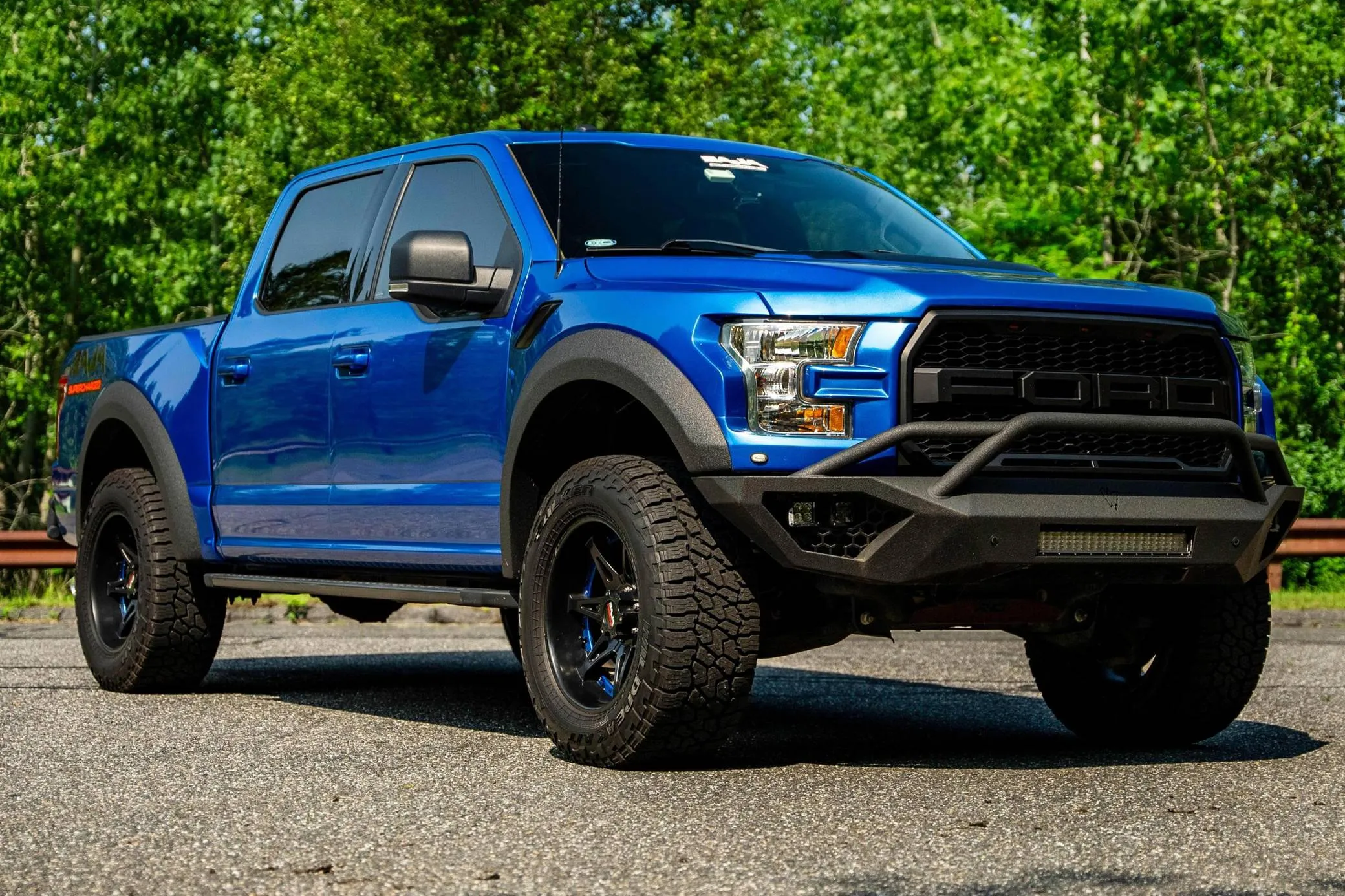
1. Ford F-150 4×4
The Ford F-150 4×4 has earned a reputation for being a highly capable and dependable truck, particularly in regions that experience harsh winter conditions like Spokane. One of the standout features is its advanced four-wheel drive system, which is designed to distribute power intelligently between the front and rear wheels based on traction needs.
On icy or snow-covered roads, this technology ensures that the wheels with the most grip receive power first, reducing the likelihood of slipping or losing control. Combined with hill start assist, the F-150 can handle steep inclines without rolling backward, an essential feature for Spokane’s hilly areas.
The high ground clearance prevents the truck from getting bogged down in snowdrifts, and the strong frame ensures stability even when fully loaded with passengers or cargo.
Engine performance is another major advantage. The F-150 offers a wide range of engines, from fuel-efficient V6s to high-torque V8s, which provide enough power to navigate steep hills and tow heavy trailers or equipment. This flexibility allows drivers to select a configuration that suits both daily commuting and demanding winter tasks.
Additionally, the truck’s torque delivery is smooth and reliable, giving the driver confidence when accelerating on slippery surfaces. The combination of power, traction, and stability makes the F-150 a well-rounded choice for those facing Spokane’s winter roads regularly.
The F-150 is also designed with durability and long-term reliability in mind. Its components are built to withstand heavy use, which is important for truck owners who need a vehicle that performs well over many years without frequent breakdowns.
Maintenance is relatively straightforward, and parts are widely available, making it easier to keep the truck in optimal condition even after years of exposure to harsh winter conditions. This longevity adds to the value of the F-150 for residents in snowy regions.
Another advantage of the Ford F-150 4×4 is its versatility and adaptability through aftermarket modifications. Owners can easily equip the truck with winter-specific enhancements such as snow tires, upgraded suspension kits, or additional skid plates for protection.
These modifications allow drivers to customize the truck for maximum performance on snow and hills. The combination of safety, power, durability, and adaptability makes the F-150 4×4 an excellent choice for Spokane, offering peace of mind in challenging winter driving situations.
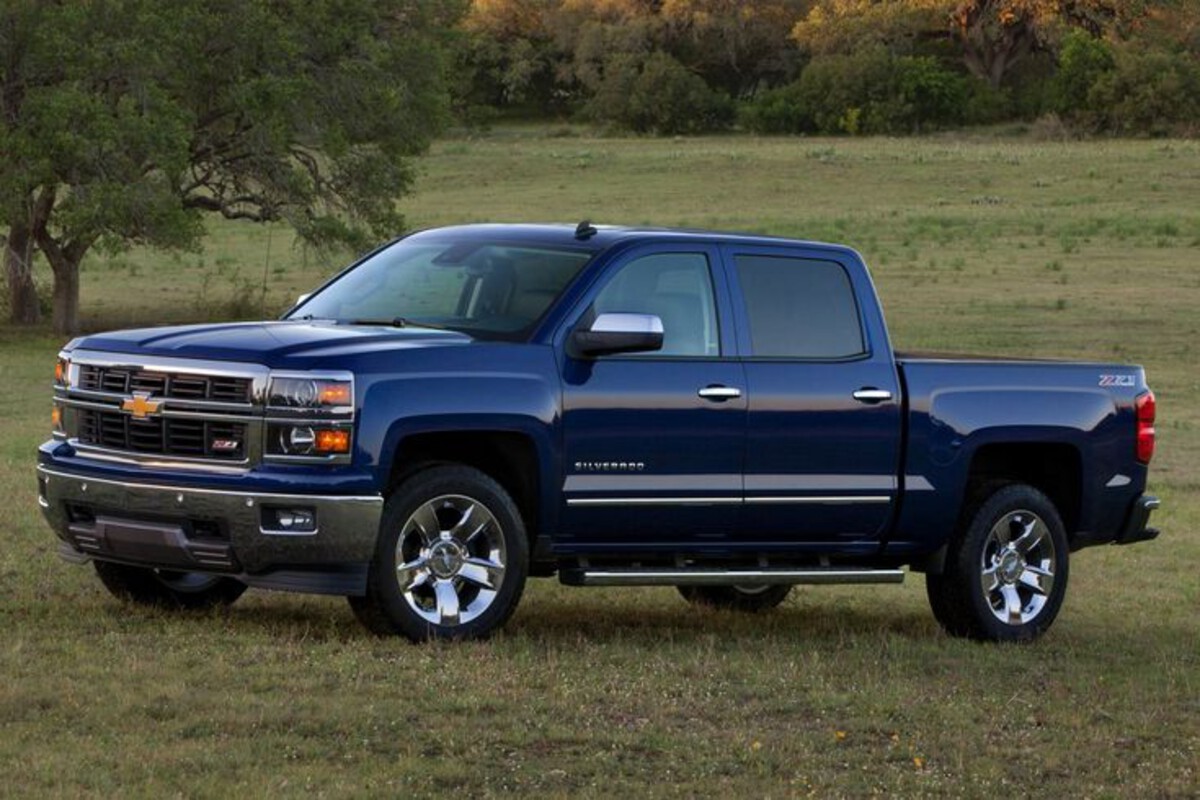
2. Chevrolet Silverado 1500 Z71
The Chevrolet Silverado 1500 Z71 is engineered with off-road capabilities that translate directly into performance on snowy and hilly terrain. Its four-wheel drive system works in tandem with a locking rear differential, providing consistent traction even when some wheels are on ice or packed snow.
Ground clearance is generous, allowing drivers to navigate snowbanks or uneven roads without risking damage to the undercarriage. The Z71 package adds off-road suspension, skid plates, and all-terrain tires, which enhance stability and traction when roads are treacherous. These features ensure that the truck remains composed and reliable under challenging winter conditions.
Inside, the Silverado 1500 Z71 offers a balance between ruggedness and comfort. Heated seats and steering wheels keep drivers warm during long commutes or work trips in frigid weather, while modern driver-assistance features improve safety and control on slippery surfaces.
The spacious cabin and ergonomic layout reduce driver fatigue, which is especially valuable during long winter drives or when navigating hilly terrain that requires constant attention and control. These interior features make the Silverado not only a capable truck but also a practical choice for those who spend a significant amount of time behind the wheel during winter months.
The Silverado Z71 also benefits from strong engine performance. With options ranging from efficient V6 engines to more powerful V8s, the truck can handle towing, hauling, or carrying heavy loads without compromising traction or control.
Torque delivery is smooth, which is crucial for maintaining grip on icy inclines or accelerating out of snow-covered driveways. Drivers in regions similar to Spokane consistently report that the Silverado handles winter roads with confidence, offering a combination of power, reliability, and off-road capability that few competitors match.
Durability and maintenance are additional strengths of the Silverado Z71. Chevrolet trucks are known for their long-lasting construction, and the Z71’s off-road enhancements make it more resilient in harsh environments. Routine maintenance is straightforward, and replacement parts are widely available, which reduces the likelihood of extended downtime during the winter months.
The truck also allows for aftermarket upgrades, including snow tires, traction aids, and performance modifications, giving owners the flexibility to further improve winter performance. The Silverado 1500 Z71 is an excellent truck for snowy and hilly conditions, combining comfort, reliability, and advanced off-road features.
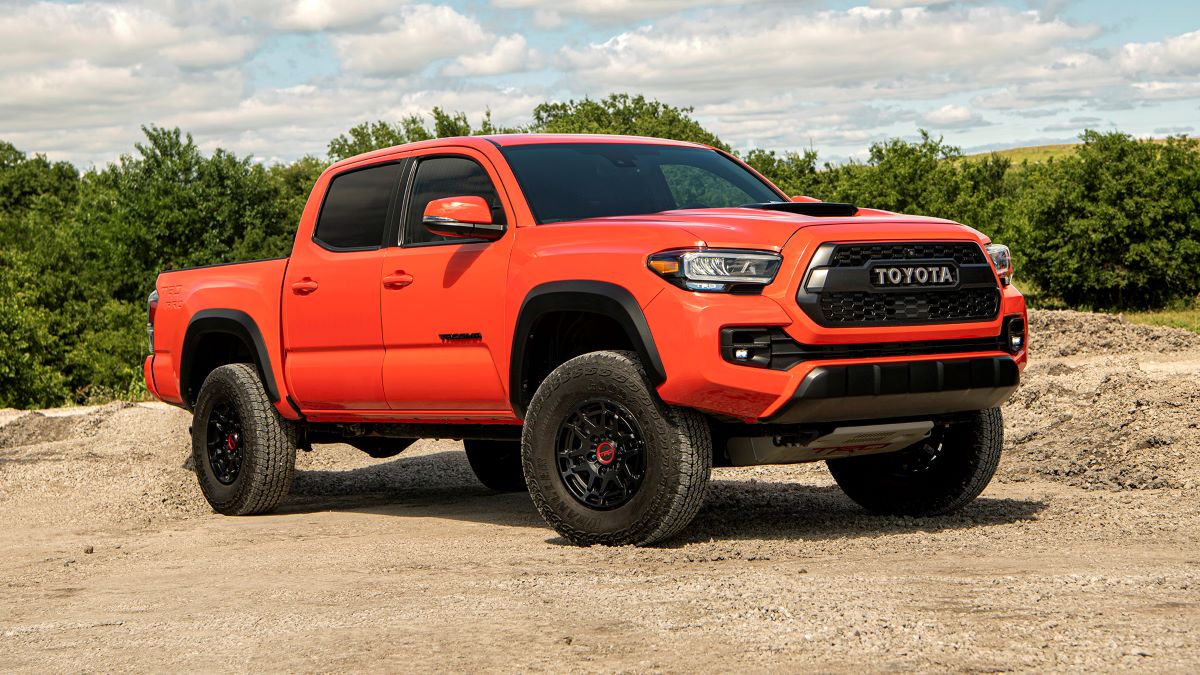
3. Toyota Tacoma TRD Off-Road
The Toyota Tacoma TRD Off-Road is widely regarded as one of the most reliable mid-size trucks for winter and off-road conditions. Its four-wheel drive system, combined with a locking rear differential, allows it to maintain traction on icy surfaces and snow-covered hills, which are common in Spokane.
The TRD Off-Road package also includes multi-terrain select and crawl control systems, which assist the driver in navigating difficult conditions by automatically adjusting engine output and braking. These features make it easier to control the vehicle when road conditions change unexpectedly, such as when encountering patches of ice or compacted snow.
One of the key advantages of the Tacoma is its size. Being a mid-size truck, it is easier to maneuver on narrow or winding mountain roads, while still offering enough ground clearance to navigate snowdrifts and uneven surfaces.
The suspension system is designed to handle rough terrain, absorbing bumps and maintaining stability even when the road is unpredictable. Drivers appreciate the combination of agility and strength, which allows the Tacoma to tackle hills and snow without feeling unwieldy or unstable.
Reliability is another major benefit of the Tacoma TRD Off-Road. Toyota trucks have a reputation for long-term durability, and the TRD model is built to withstand demanding conditions year after year.
Regular maintenance is simple, and replacement parts are generally easy to obtain, reducing the likelihood of prolonged downtime during winter. This reliability makes the Tacoma particularly appealing to drivers who need a truck that can perform consistently in challenging conditions without frequent repairs or unexpected failures.
The Tacoma TRD Off-Road also maintains strong resale value, which is an added benefit for owners who plan to upgrade in the future. Whether used for commuting, outdoor adventures, or hauling, the Tacoma offers a balance of performance, safety, and reliability that makes it one of the best trucks for snowy and hilly regions like Spokane.
Its combination of traction technology, off-road capability, and long-term dependability makes it a truck that drivers can trust in even the most challenging winter conditions.
4. Ram 1500 Rebel
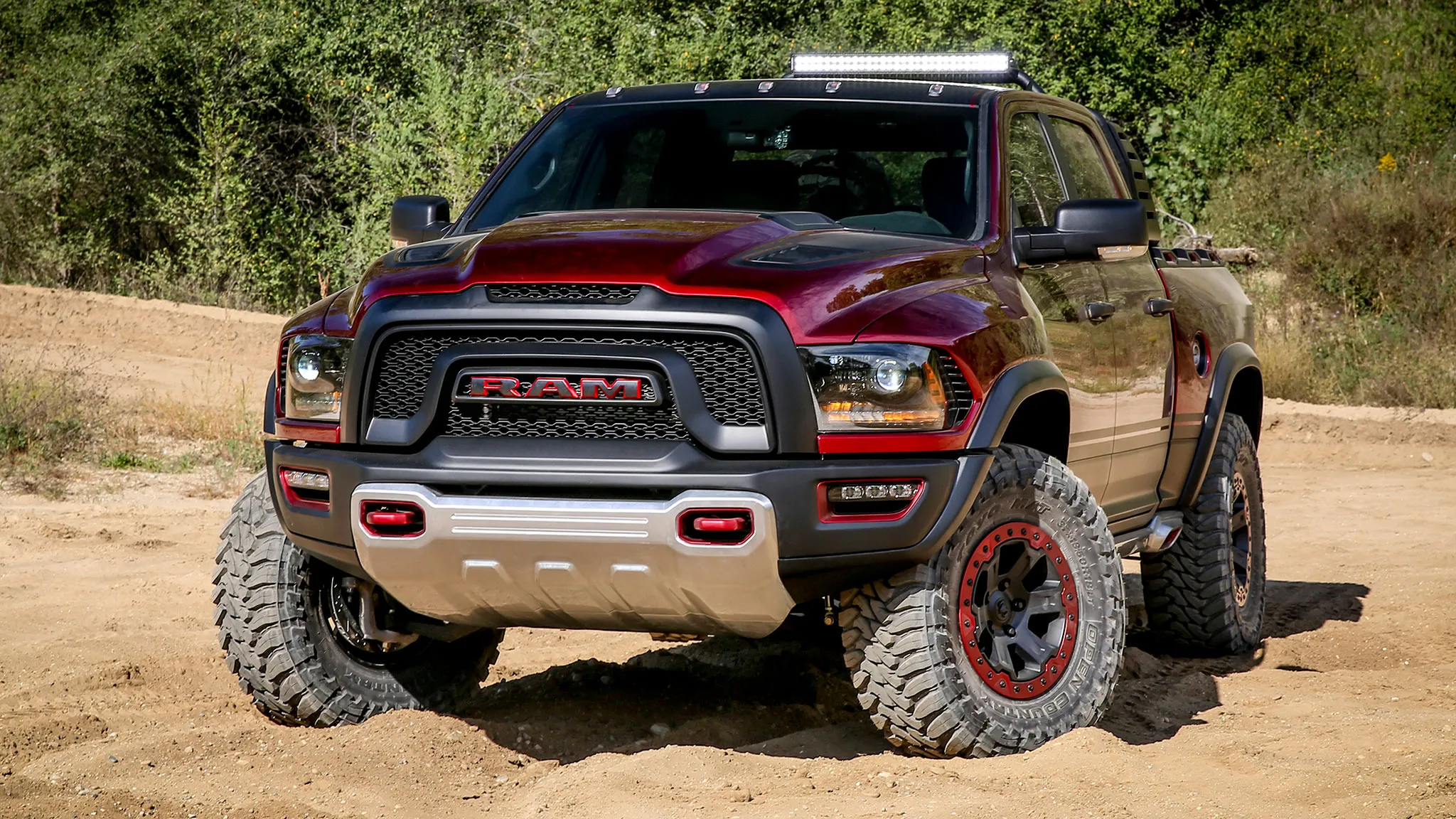
The Ram 1500 Rebel is designed to blend off-road capability with comfort and performance, making it well-suited for snowy and hilly terrain. Its four-wheel drive system ensures traction in slippery conditions, while the active-level air suspension allows drivers to adjust ground clearance based on road conditions.
On steep hills or in deep snow, this system prevents the vehicle from bottoming out or losing control, which enhances safety and confidence. The Rebel’s wide stance, combined with heavy-duty tires, further improves stability, making it less likely to slide or sway on icy roads.
Inside, the Ram 1500 Rebel provides a comfortable and well-equipped cabin, which is essential for winter driving. Features such as heated seats, a heated steering wheel, and advanced driver-assistance technologies contribute to a safer and more enjoyable driving experience.
Lane departure warning, forward collision alert, and traction control systems work together to reduce the likelihood of accidents in snowy or slippery conditions. The truck’s combination of comfort and technology allows drivers to navigate winter roads with greater control and reduced stress.
Performance is another area where the Rebel excels. With high-torque engines and a robust drivetrain, it can tow trailers or carry heavy loads without compromising traction or stability.
This is particularly important in hilly regions where climbing steep inclines with a full load can challenge lesser trucks. Drivers have consistently reported that the Rebel handles steep hills and snow-covered roads with confidence, making it one of the more capable trucks for winter driving.
Durability and maintenance also make the Ram 1500 Rebel a strong choice for Spokane winters. The truck is built to withstand heavy use, and replacement parts are accessible for most repairs.
Combined with its advanced traction and stability systems, the Rebel offers a reliable and capable solution for drivers who need a truck that performs in harsh winter conditions. Its combination of rugged performance, safety features, and comfort makes it one of the top choices for snow and hills.
5. GMC Sierra 1500 AT4
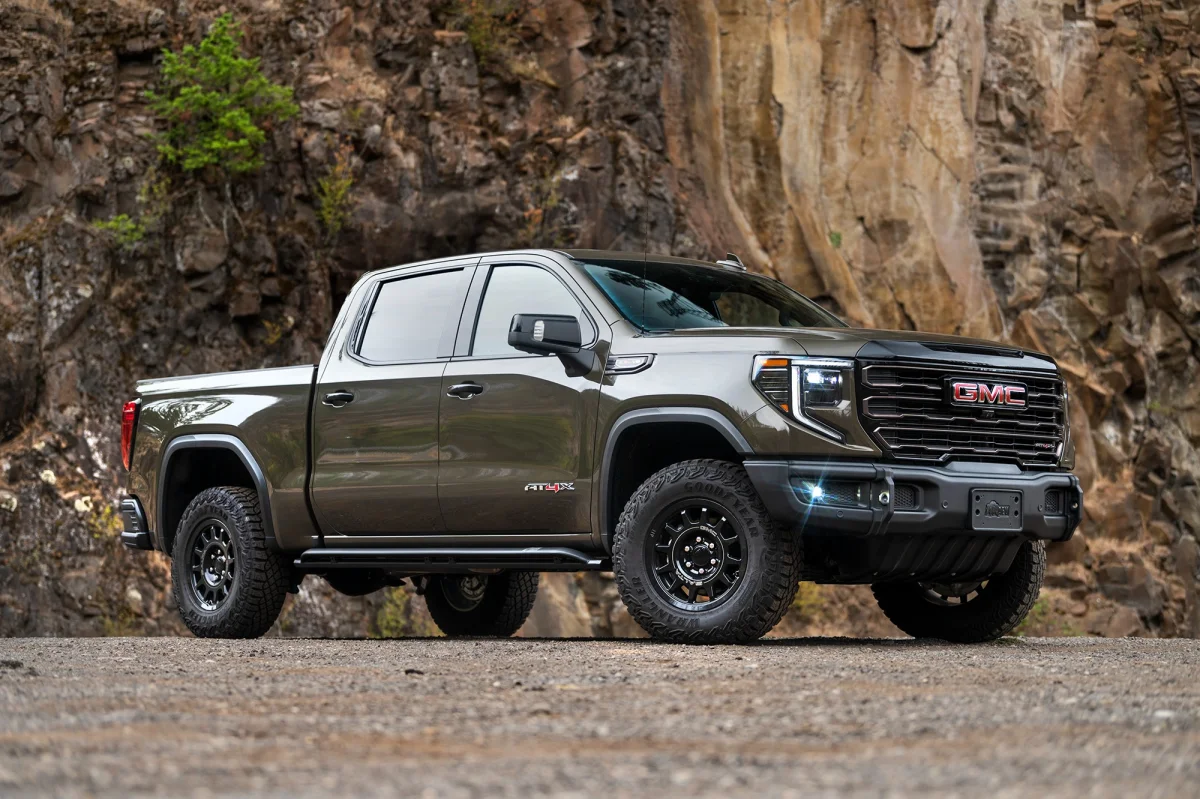
The GMC Sierra 1500 AT4 is built for a mix of off-road performance and driver comfort, making it highly effective in snowy and hilly conditions. Its four-wheel drive system, paired with off-road suspension and skid plates, allows the truck to tackle icy roads, snowbanks, and steep inclines without compromising stability.
All-terrain tires provide additional traction, reducing the likelihood of slipping or getting stuck on uneven surfaces. This combination of features makes the Sierra AT4 a reliable option for Spokane residents who require both safety and performance during winter months.
The interior of the Sierra AT4 focuses on comfort and usability, with heated seats, advanced safety technology, and a spacious cabin that allows for long drives in cold weather without discomfort. Features like hill start assist and traction control systems give the driver more confidence when navigating inclines or icy roads.
These elements work together to reduce driver fatigue and improve safety, making the Sierra AT4 not just capable but also enjoyable to drive in winter conditions.
Engine performance is another highlight of the Sierra AT4. With powerful options capable of towing and hauling, the truck maintains consistent performance even under heavy loads.
Torque delivery and stability features ensure that the vehicle remains controllable on steep hills or in challenging snowy conditions. Many owners report that the Sierra AT4 handles winter roads with ease, maintaining both traction and control where other trucks might struggle.
Finally, durability and aftermarket adaptability enhance the Sierra AT4’s appeal. Built to withstand harsh conditions, the truck can be equipped with snow-specific upgrades, such as specialized tires or additional suspension modifications, to further improve winter performance.
Maintenance is straightforward, and replacement parts are widely available, which ensures that the truck remains reliable over time. The Sierra 1500 AT4 combines performance, comfort, and rugged capability, making it a top choice for tackling the snow and hills of Spokane.
5 Trucks That Don’t Hold Up
1. Nissan Frontier Base Models
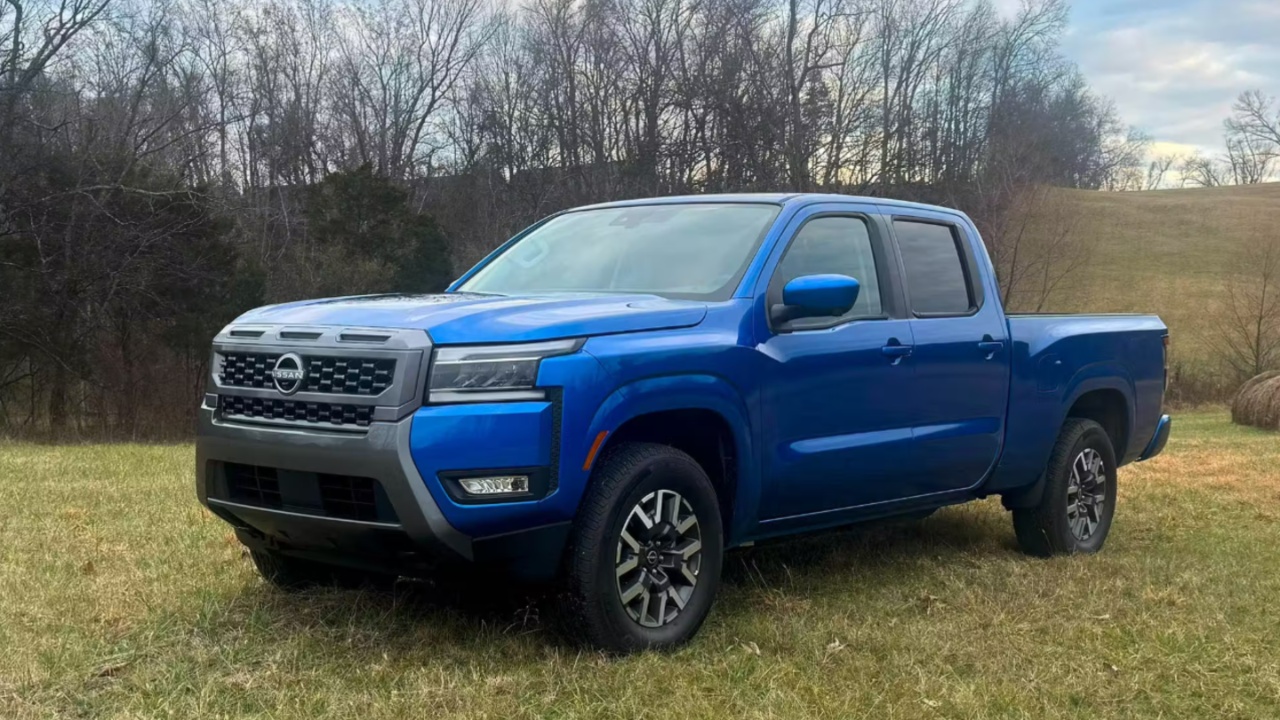
The Nissan Frontier, especially the base models, is often considered reliable for light-duty tasks, but it struggles significantly in harsh winter conditions like those found in Spokane. One of the main issues is the lack of advanced traction systems.
Without features such as an advanced four-wheel drive or locking differentials, these trucks tend to lose grip easily on snow-covered or icy roads. Drivers often report difficulty maintaining control when climbing steep hills, particularly when the road surface is slippery or uneven.
The limited traction makes it more likely to spin wheels or slide, which can be both frustrating and dangerous for drivers navigating Spokane’s hilly areas during the winter months.
The suspension system of the base Frontier is another drawback for winter driving. Unlike trucks specifically designed for off-road or heavy winter use, the Frontier’s suspension is relatively basic, which reduces stability on uneven or snow-packed roads.
The vehicle can feel unstable when turning or braking on slippery surfaces, and it is more prone to bottoming out in deeper snow or over ice-covered bumps. Combined with the vehicle’s lighter frame, this can result in a harsher ride and reduced confidence behind the wheel, making it less suitable for drivers who regularly face challenging winter conditions.
Reliability in winter conditions is another concern. While the Frontier performs adequately in mild weather, heavy snow and ice put extra strain on older components, such as brakes, transmissions, and drivetrains.
Drivers have reported that frequent use in snowy conditions can lead to mechanical issues, particularly if the truck is not equipped with the higher trims that include additional winter-focused features. Parts may also be more prone to wear, and repairs can become more frequent, which increases long-term costs and reduces dependability.
Safety is a final consideration where the base Nissan Frontier falls short. Without modern driver-assistance technologies like hill start assist, traction control enhancements, or stability control, it is less forgiving in slippery or hilly conditions.
In Spokane winters, where roads can change quickly from dry to icy, the lack of these features increases the risk of accidents. For these reasons, the base Frontier models are generally considered unsuitable for consistent use in snowy or hilly regions, particularly when compared to trucks designed for such conditions.
2. Ford Ranger Early Models
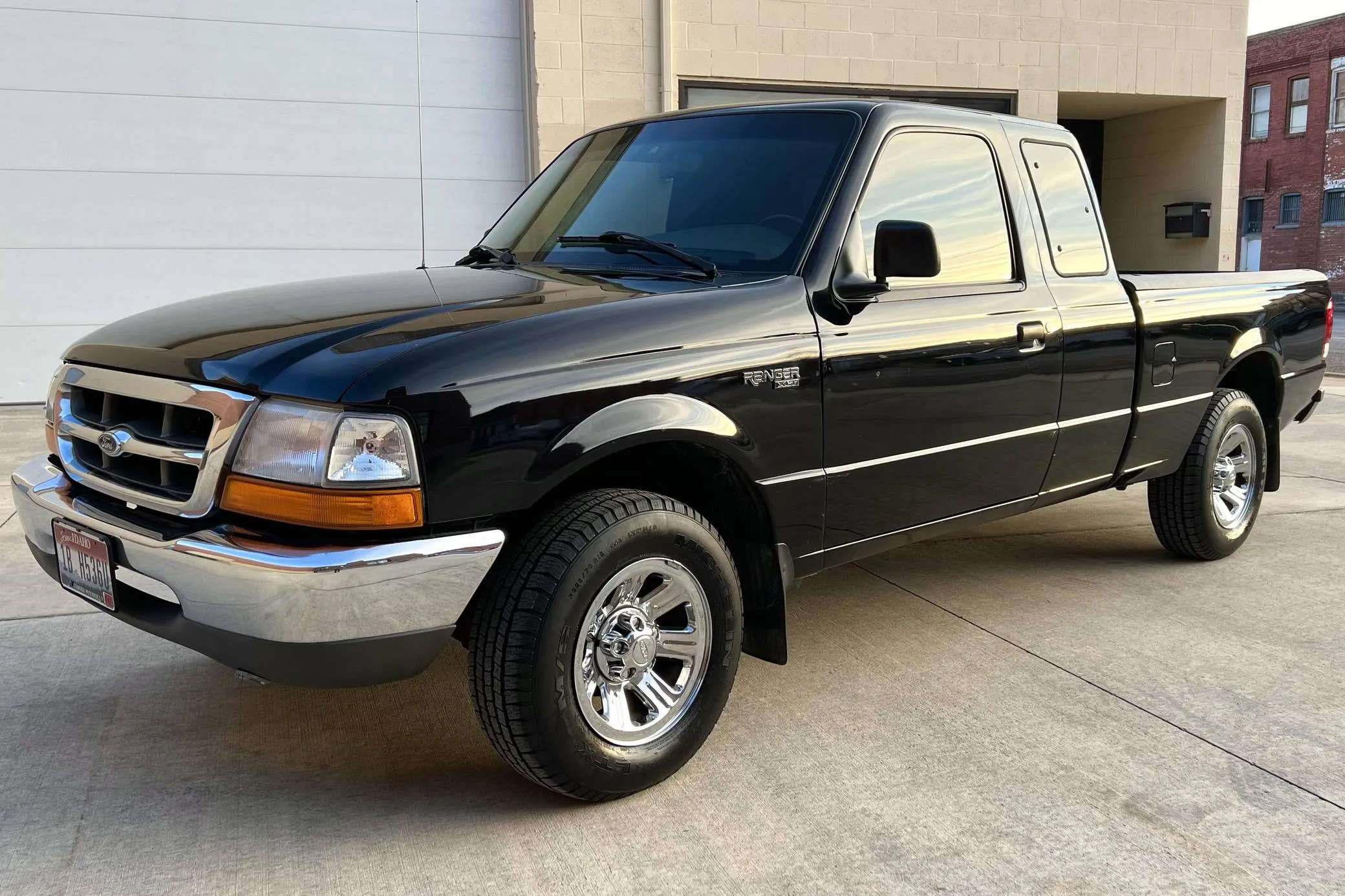
Early models of the Ford Ranger, especially those without four-wheel drive, often struggle in snowy and hilly areas. Limited ground clearance makes it easier to get stuck in deeper snow, and the smaller tires and suspension system are not optimized for traction on icy or sloped surfaces.
Drivers report that acceleration can be sluggish in winter conditions, and the truck can struggle to climb hills that would be manageable for modern trucks equipped with advanced traction systems. While the Ranger is compact and fuel-efficient, these features do not compensate for its lack of winter capability.
Another issue with early Ford Rangers is stability. The trucks have a smaller frame and lighter weight compared to full-size trucks, which reduces their ability to stay planted on steep inclines or icy roads.
When navigating hills, the vehicle can slide or feel unstable, particularly when loaded with cargo or passengers. Combined with older suspension technology, this can make driving in winter conditions stressful, requiring constant attention and adjustments from the driver to maintain control.
Maintenance is another area where early Ranger models are less advantageous. Older models lack modern systems that reduce wear and tear, meaning that the drivetrain, brakes, and suspension may require more frequent repairs if driven in snow or on icy hills.
Replacement parts for older models can sometimes be more difficult to find, leading to longer downtime during repairs. This is especially problematic for drivers who rely on their trucks daily, as winter conditions can exacerbate minor issues into major repairs.
Finally, driver safety features in early Rangers are limited. They typically lack modern traction aids, hill-start assist, and advanced electronic stability control systems.
These missing features mean that drivers must rely heavily on skill and experience to navigate snow and hills safely, which can be a disadvantage compared to newer trucks equipped with winter-specific technologies. For these reasons, early Ford Ranger models are generally considered less reliable in harsh winter conditions.
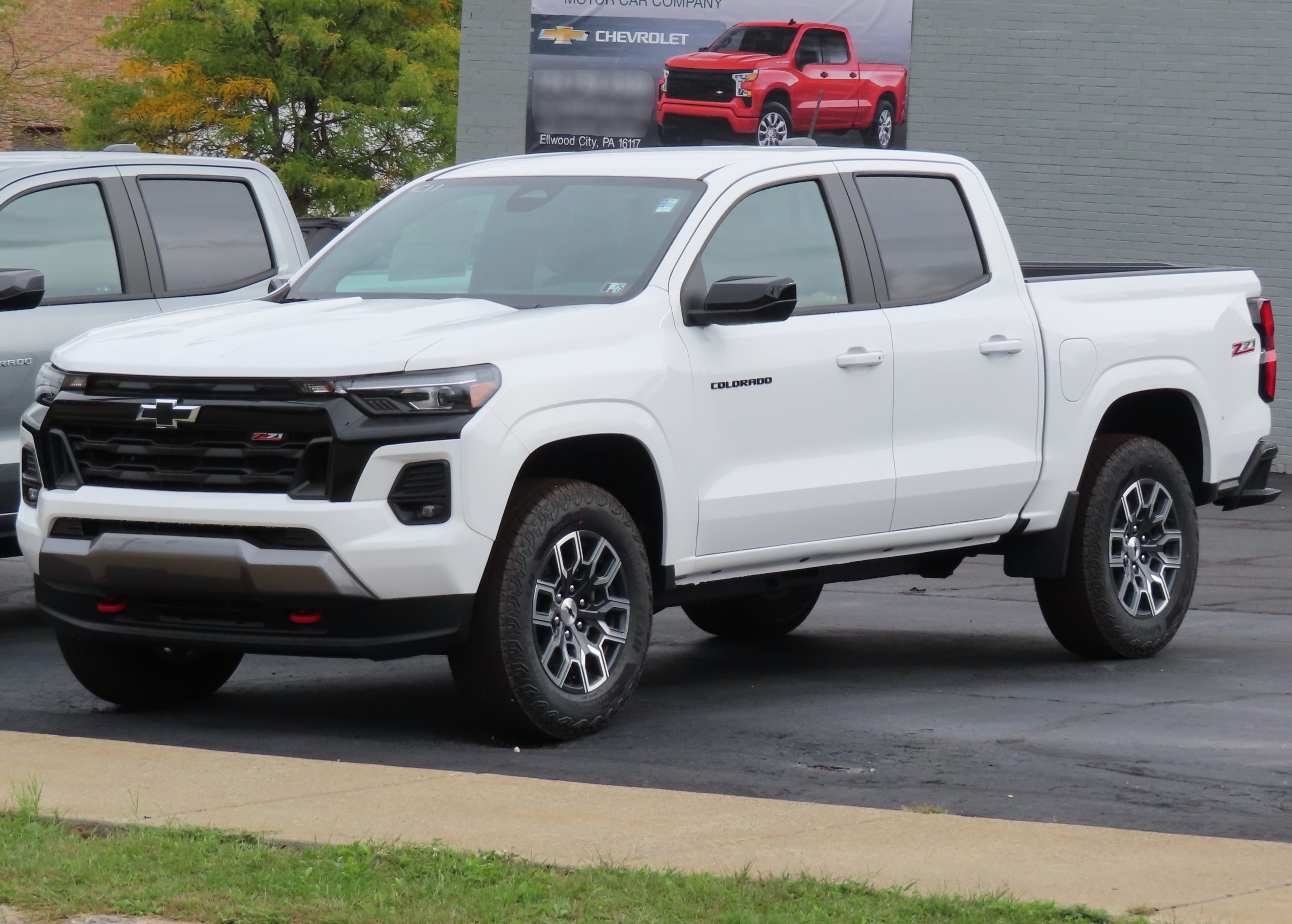
3. Chevrolet Colorado Base 2WD
The base 2WD Chevrolet Colorado is not well-suited for snow and hilly conditions, particularly without four-wheel drive. Traction is the most significant limitation; the rear-wheel drive system struggles on icy roads, making it easy to lose control when accelerating or turning.
Drivers often report wheel spin, difficulty starting on inclines, and reduced confidence when driving on snowy roads. Low ground clearance also increases the likelihood of the truck getting stuck in snowbanks or encountering undercarriage damage in rough winter conditions.
The suspension and stability systems in the base Colorado are not designed to manage severe winter terrain. On hills or uneven surfaces, the truck can feel unstable, and braking performance can be inconsistent on icy or snow-packed roads.
These limitations reduce driver confidence and make long commutes or daily trips in snowy conditions more challenging. Trucks without off-road suspension or enhanced stability technology are often at a disadvantage in regions like Spokane, where both snow and hills are common.
Reliability is another concern. While Colorado trucks are generally dependable in normal conditions, the base 2WD models are prone to increased wear and tear when frequently used in snow and hilly terrain.
Components like the transmission, brakes, and tires are stressed more heavily in slippery or uneven conditions, potentially leading to more frequent repairs and higher maintenance costs. For drivers who rely on their truck year-round, this can be a significant drawback.
Finally, safety is limited on the base Colorado. Without features like traction control enhancements or hill-start assist, drivers must compensate manually for changes in traction, particularly on steep or icy hills.
In winter conditions, this can increase the risk of accidents or getting stuck in precarious situations. The lack of modern safety and traction systems makes the base Colorado a less reliable choice for Spokane winters compared to trucks designed with these conditions in mind.
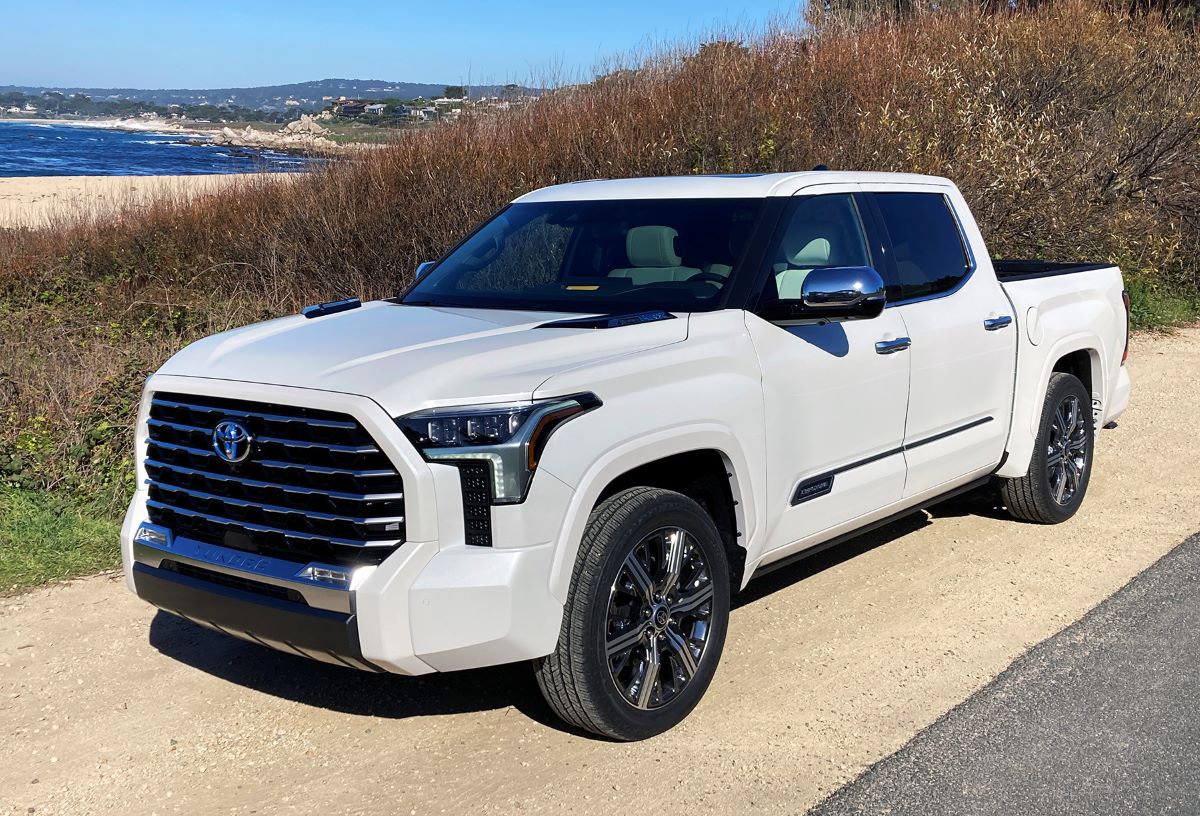
4. Toyota Tundra Early Base Models
Early base models of the Toyota Tundra, while known for long-term reliability in moderate conditions, often lack the systems necessary for safe and effective winter driving. These models typically do not include advanced traction or stability control systems, which reduces their effectiveness on snow-covered or icy roads.
While ground clearance is sometimes adequate, the trucks can still struggle on steep hills, particularly when carrying heavy loads or navigating uneven terrain. Drivers report that handling can feel unpredictable in slippery conditions, making winter driving more challenging than with modern trucks.
Suspension design in early Tundra models is another limiting factor. While sturdy, the suspension is not optimized for icy or snow-packed roads, leading to less stability on hills or inclines.
This can cause the truck to slide, sway, or feel unsteady in winter conditions, especially during braking or cornering. The lack of modern shock absorption and off-road enhancements reduces both comfort and confidence when navigating Spokane’s hilly areas.
Reliability is generally good for moderate conditions, but frequent exposure to harsh winter roads can increase wear on older components. Early Tundras may experience stress on brakes, transmissions, and other mechanical parts if used regularly in snow and icy conditions. This can result in more frequent maintenance and potential downtime, which reduces dependability during the winter months.
Safety technology in early Tundras is limited compared to modern trucks. Features like hill-start assist, advanced traction control, and electronic stability enhancements are often missing. This places more responsibility on the driver to maintain control in slippery conditions, which increases the risk of accidents.
For these reasons, early base Tundra models are not ideal for consistent use in snowy and hilly regions, particularly when compared to trucks built with winter performance in mind.
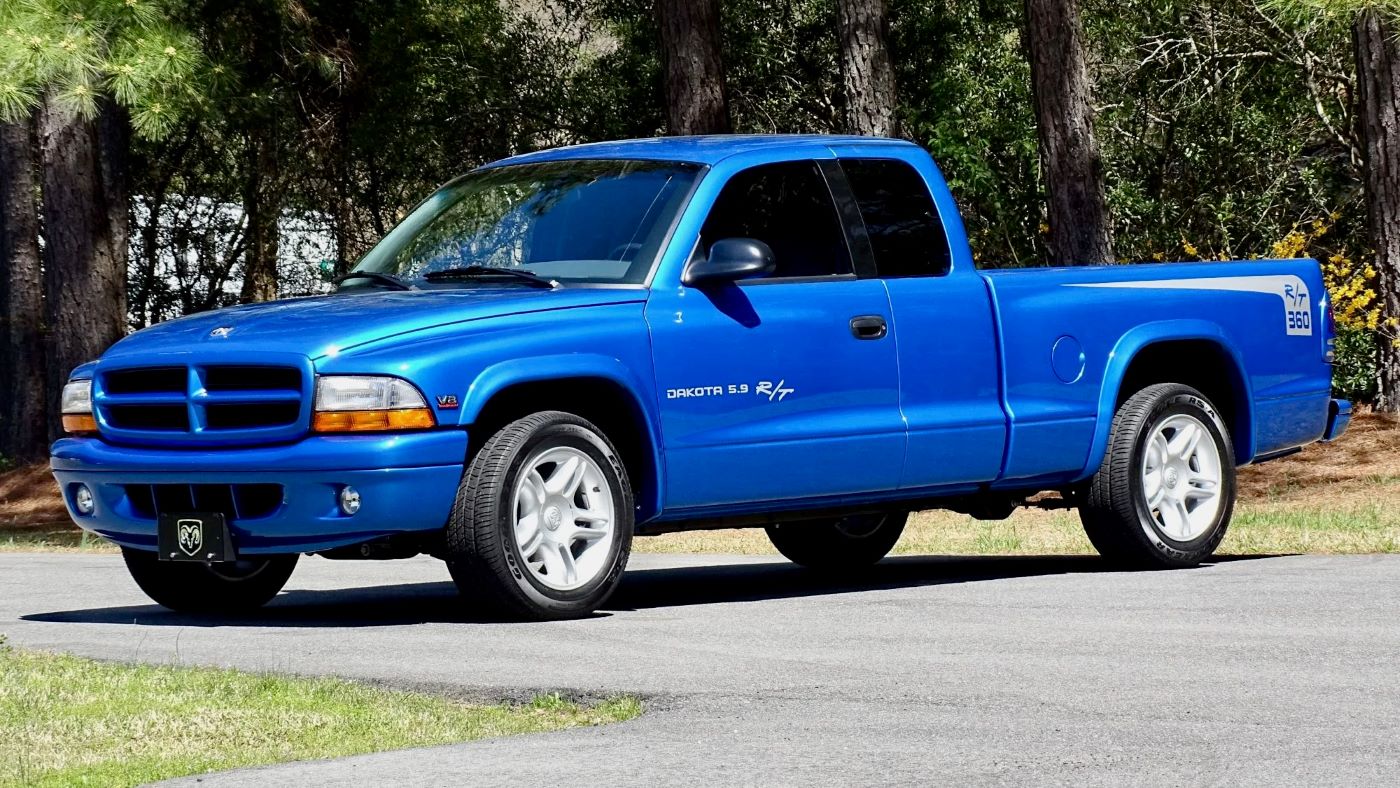
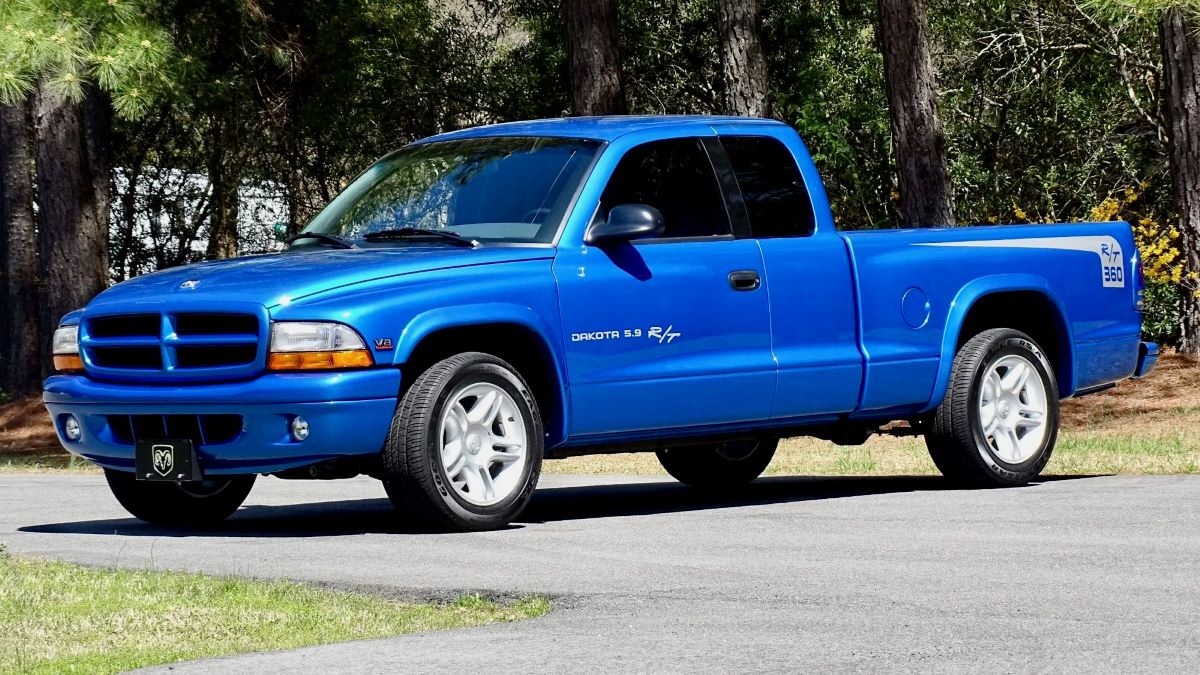
5. Dodge Dakota Older Models
Older Dodge Dakota models, particularly those without four-wheel drive, are prone to performance issues in snow and on hilly terrain. Rear-wheel drive and limited traction technology make it easy for the vehicle to slide on ice or lose control on inclines.
Drivers report difficulties in climbing steep hills or maintaining traction when roads are covered with snow or compacted ice. While these trucks may be powerful enough for moderate driving, the lack of stability and grip in winter conditions reduces reliability.
The suspension system and weight distribution in older Dakotas contribute to poor handling in snowy or uneven conditions. A lighter frame and less sophisticated suspension mean the truck is more prone to swaying or sliding when braking or turning on icy roads.
This creates safety concerns for drivers navigating hills, where maintaining balance and control is critical. Trucks that cannot stay stable in these situations require more effort and skill from the driver, which increases fatigue and the likelihood of accidents.
Maintenance is also a challenge with older Dakota models. Components like brakes, tires, and drivetrains may wear faster when frequently driven in snow and hilly conditions. Replacement parts can be less readily available due to the age of the trucks, leading to longer repair times.
Drivers who rely on their Dakota daily may find themselves facing unexpected maintenance needs during the winter months, reducing dependability and increasing costs.
Safety features in older Dakota models are limited. Most trucks in this category lack modern traction control, hill-start assist, and advanced electronic stability systems.
Drivers must compensate manually for slippery or uneven roads, increasing the risk of accidents. Given these limitations, older Dodge Dakota models are generally not recommended for residents who face regular snow and hilly terrain, particularly in regions like Spokane.
