
Choosing the right car can significantly influence a student or commuter’s daily life, especially in a city like Madison, where the weather changes drastically across seasons, parking can be limited, and fuel efficiency matters for long drives across campus or to work.
For students, the ideal car balances affordability, reliability, safety, and practical features that make commuting easier. Commuters, on the other hand, often prioritize fuel efficiency, comfort, and low long-term costs. Both groups benefit from vehicles that require minimal attention in terms of repairs and maintenance, leaving more time for studies, work, and personal life.
While some cars are well-known for being reliable and convenient, others develop reputations for high maintenance costs or frequent breakdowns, which can create unnecessary stress and financial strain.
Students and commuters often have limited budgets, so a car that combines affordability and durability can be essential. Vehicles that are too expensive to maintain, or that have poor fuel efficiency, quickly become burdensome.
Factors like insurance costs, availability of parts, and the car’s age also play a crucial role in determining whether a car is a practical choice for everyday use. Safety features, including airbags, anti-lock brakes, and electronic stability control, become even more important in busy city traffic or during winter conditions, when road surfaces can be slippery.
Beyond functionality, the size and maneuverability of the vehicle can affect parking and city driving convenience. Small cars may be easier to navigate in tight city streets, while larger vehicles provide more storage for books, groceries, or sports equipment.
Another consideration is how well a car handles different climates. Madison experiences cold winters with heavy snowfall, so reliable traction, heated seats, and dependable starting mechanisms are critical. Students and commuters who rely on a vehicle for year-round travel need cars that won’t break down under harsh conditions.
Vehicles with low maintenance requirements save time and money, allowing owners to focus on school, work, and personal pursuits rather than frequent visits to a mechanic. By contrast, cars that frequently experience mechanical issues can be stressful, disrupt routines, and add unexpected costs.
Understanding the differences between dependable vehicles and high-maintenance cars can help buyers make smarter decisions that improve daily life while avoiding common pitfalls.
Finally, beyond practical considerations, cars can also reflect personal style and lifestyle preferences. Students may prefer cars that are compact, efficient, and budget-friendly, while commuters may prioritize comfort, technology features, and smooth performance for long drives.
A well-chosen car can make everyday travel simpler, safer, and more enjoyable. In contrast, a high-maintenance car can create constant worries about breakdowns, expensive repairs, and time lost in maintenance.
By carefully evaluating options, students and commuters can select vehicles that support their needs and budgets, while steering clear of those that are known for requiring constant attention and repair work.
5 Cars for Madison Students & Commuters
1. Honda Civic
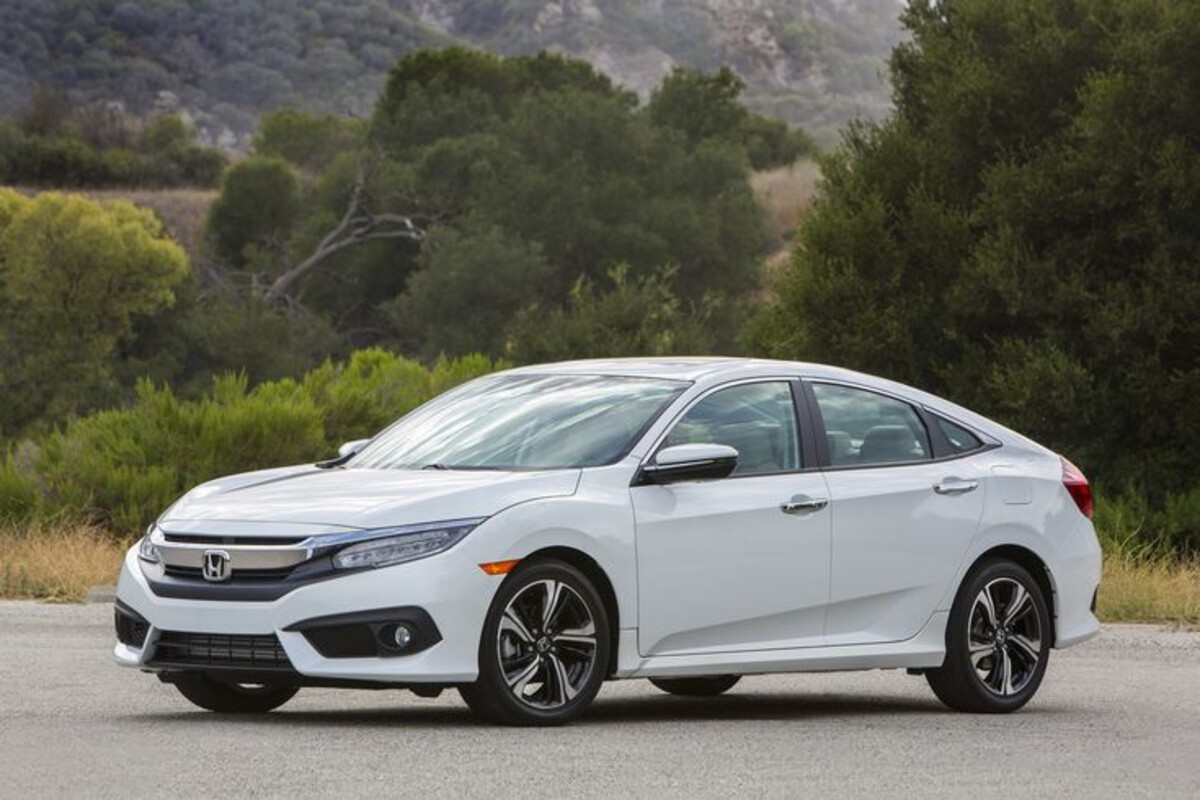
The Honda Civic remains one of the most practical and popular choices for students and commuters, largely because it strikes an ideal balance between reliability, fuel efficiency, and affordability. Its compact size makes it particularly convenient for navigating the narrow streets and crowded parking areas commonly found around Madison’s university campuses and downtown districts.
For students living in apartments or dorms with limited parking options, the Civic’s small footprint is a major advantage. Additionally, the Civic’s durability allows it to withstand daily wear and tear, which is essential for students who frequently commute to classes, libraries, or part-time jobs.
The interior, though compact, is well-designed and offers enough space to store essentials like backpacks, groceries, or even small sports equipment. Its ergonomic layout ensures that drivers feel comfortable during long commutes, while passengers also enjoy sufficient legroom, making it suitable for both city driving and occasional weekend trips.
Beyond practicality, the Civic is equipped with features that make it particularly safe for young drivers. Modern models include safety technologies such as collision mitigation systems, lane departure warnings, adaptive cruise control, and multiple airbags.
Older Civics, which remain common on the used car market, are already known for solid crash-test ratings, providing additional peace of mind for students and their families. Reliability is a hallmark of the Civic, as these vehicles are often capable of reaching well over 200,000 miles with routine maintenance.
This longevity is crucial for students or commuters who may not want the financial burden of constantly repairing a vehicle. Even when minor issues arise, Civic parts are widely available and relatively inexpensive, which keeps repair costs manageable. This combination of safety, reliability, and affordability has made the Civic a consistent favorite among drivers of all ages.
Lastly, the Honda Civic maintains strong resale value, which is an important consideration for students who may eventually sell or trade in their car. Civics are highly sought after on the used market because of their reliability, affordability, and fuel efficiency.
This makes upgrading to a newer vehicle more feasible, as the depreciation is relatively slow compared to other cars. The Civic’s combination of low cost of ownership, reliability, practicality, and comfort makes it an excellent choice for students and commuters seeking a dependable, low-stress vehicle that meets both city and suburban driving needs.
Its proven track record over decades ensures that it continues to be one of the most recommended compact cars for daily transportation.
2. Toyota Corolla
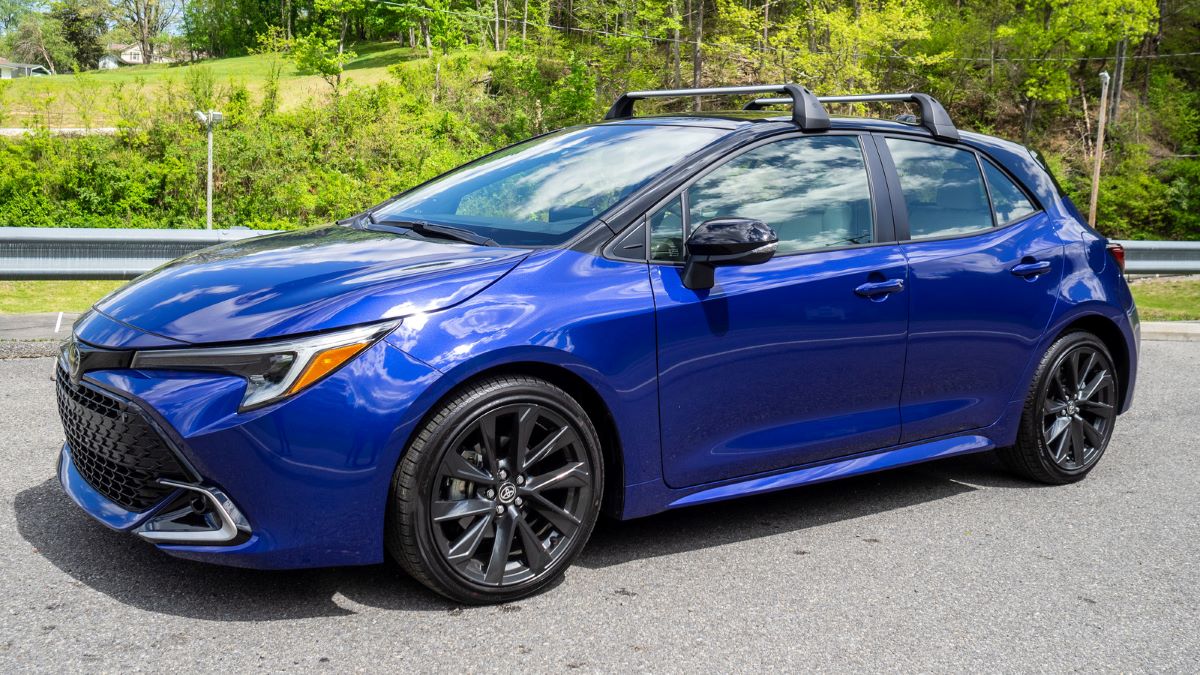
The Toyota Corolla is widely recognized as a benchmark for dependability, particularly for students and commuters who need a car that will perform consistently over the years. Its compact design is ideal for city driving, allowing for smooth navigation through tight streets and ease of parking near campus buildings or crowded shopping areas.
The interior offers comfortable seating for both drivers and passengers, with practical storage spaces for textbooks, laptops, and personal items. The Corolla’s reliability extends beyond simple mechanics; it is also known for weather resilience, which is particularly valuable in Madison’s snowy and icy winters.
Heated seats and efficient climate control systems in modern models ensure that the driver remains comfortable during harsh weather, while the vehicle’s engineering allows it to start reliably even in subzero temperatures.
Fuel efficiency is a major benefit of the Toyota Corolla, particularly for students and commuters managing tight budgets. Corollas consistently deliver impressive miles per gallon, reducing fuel expenses while also minimizing environmental impact.
For students who travel to campus, work, or internships daily, this translates into significant monthly savings. The cost of repairs is also modest, as replacement parts are widely available and service is straightforward, even for older models.
This combination of low operating costs, long-lasting performance, and fuel efficiency makes the Corolla an ideal choice for individuals seeking a car that is economical yet dependable.
Finally, the Corolla retains its value remarkably well, which is an important consideration for students who may want to sell or trade in the vehicle after graduation. Its reputation for long-term reliability makes it a highly sought-after option in the used car market.
The Corolla provides a balance of efficiency, safety, and practicality that few other vehicles can match in this price range. For Madison students and commuters, the Toyota Corolla offers a dependable, worry-free driving experience that addresses both budget constraints and everyday transportation needs. Its combination of reliability, comfort, and long-term affordability ensures it remains a top choice for practical daily commuting.
3. Mazda3
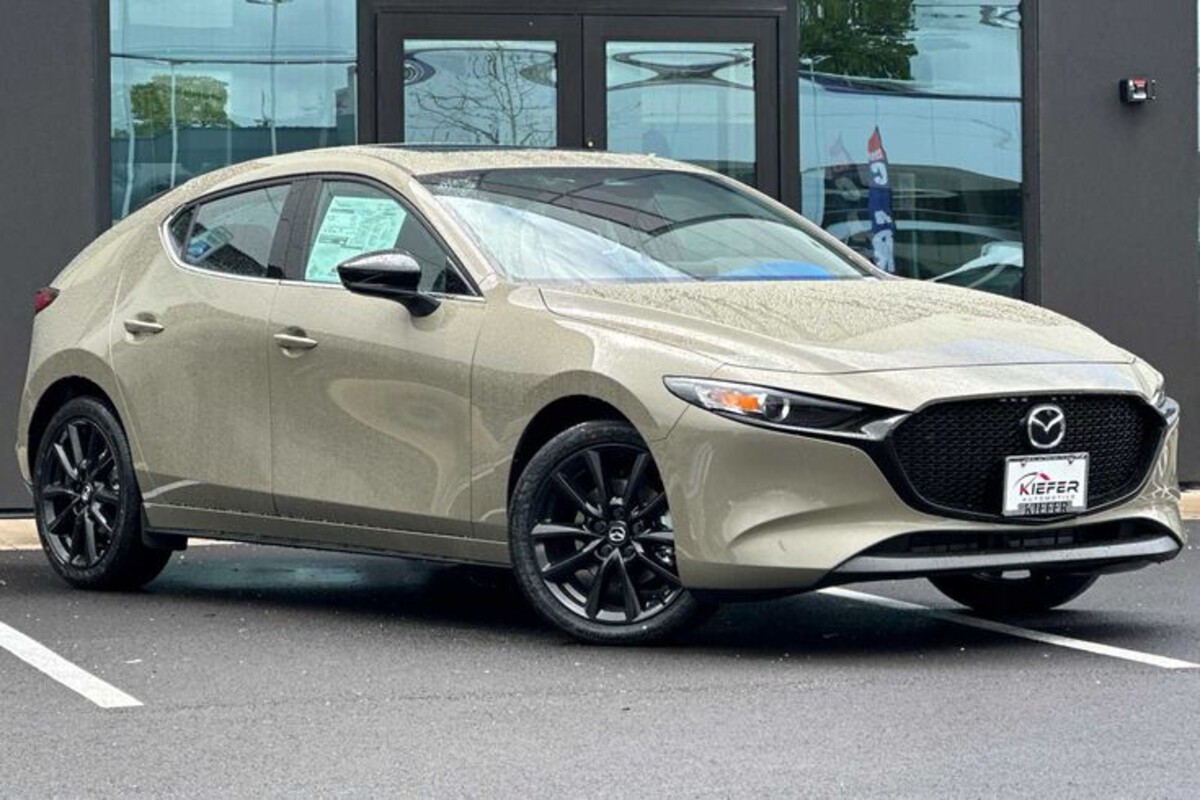
The Mazda3 is a compact car that blends style, performance, and practicality in a way that appeals strongly to students and commuters alike. Its modern, sleek design gives it a sporty appearance that sets it apart from more conservative compact cars.
Beyond aesthetics, the Mazda3 is engineered to provide a smooth and responsive driving experience, making city commuting more enjoyable and long highway trips more comfortable. Its interior is thoughtfully designed, offering adequate legroom and cargo space for daily necessities such as backpacks, groceries, or small sports gear.
Drivers appreciate the intuitive layout of controls and infotainment systems, which reduces distractions and enhances safety during daily use.
Fuel efficiency is another appealing attribute of the Mazda3. Its compact size, efficient engine, and lightweight frame contribute to lower fuel consumption, keeping monthly transportation costs manageable. For students or commuters with limited budgets, this efficiency reduces financial strain while still offering a reliable mode of transportation.
Maintenance costs are typically lower than many other vehicles in its class, and parts are widely available, making repairs accessible and affordable. This makes the Mazda3 a practical option for those seeking a combination of performance, style, and low-cost upkeep.
The Mazda3 also holds its value well in the used car market due to its combination of design, reliability, and driving experience. Students or commuters purchasing a used model can expect it to remain functional and stylish for years, providing dependable transportation while retaining resale value.
Its mix of practicality, efficiency, comfort, and sporty appeal makes the Mazda3 a versatile option that meets both the daily commuting requirements and the lifestyle preferences of younger drivers. It is a well-rounded choice for anyone seeking a reliable yet engaging vehicle for city and suburban driving.
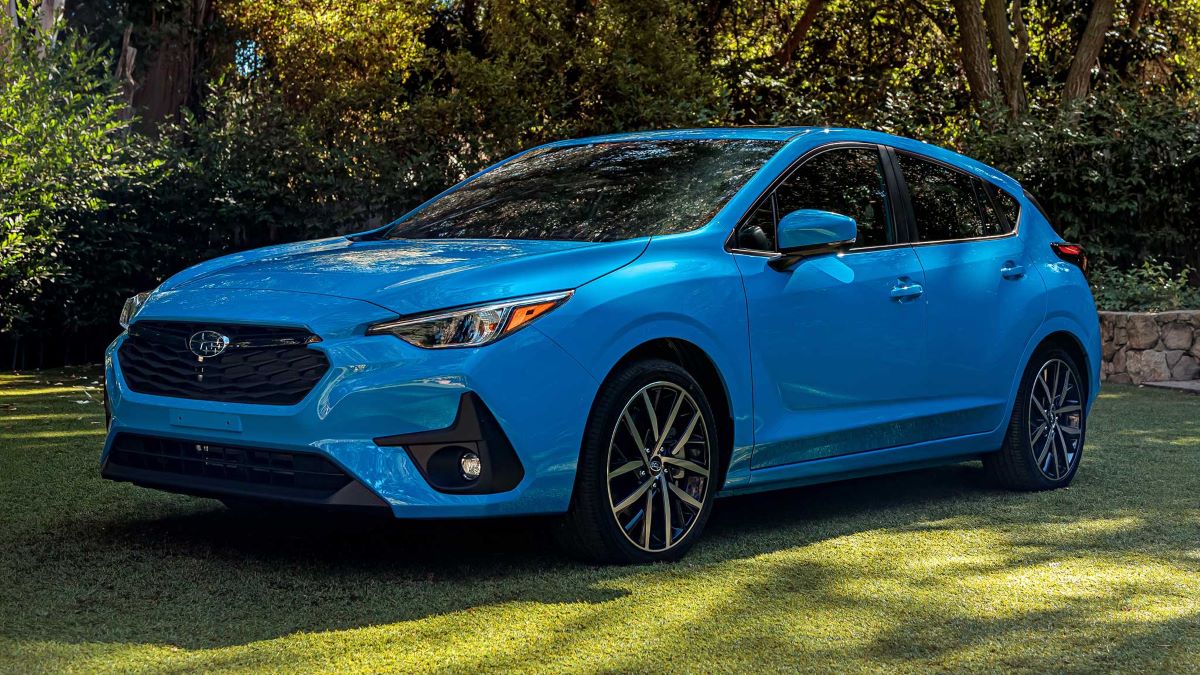
4. Subaru Impreza
The Subaru Impreza is particularly well-suited for students and commuters in regions that experience harsh weather conditions, such as Madison. Its standard all-wheel-drive system provides superior traction and stability on snow-covered or icy roads, giving drivers confidence and control in the winter months.
Beyond its weather-ready capabilities, the Impreza is practical, fuel-efficient, and safe, making it an excellent choice for daily commuting and occasional longer trips. Its compact dimensions allow easy parking in urban areas, while the interior is spacious enough to accommodate passengers, textbooks, groceries, or small recreational equipment.
The Impreza’s all-wheel-drive system not only enhances traction but also improves handling and stability in varied conditions. For Madison residents, where snow and ice can make roads unpredictable, this feature is particularly valuable.
Fuel economy is reasonable for a vehicle with all-wheel drive, keeping operational costs manageable without sacrificing performance or safety. Modern Impreza models also offer convenience features such as touchscreen infotainment systems, heated seats, and climate control, which contribute to a comfortable and enjoyable driving experience.
Subaru vehicles, including the Impreza, tend to retain their value well, particularly models with all-wheel-drive capabilities. This ensures that students or commuters looking to sell or trade in their vehicle in the future can recover a significant portion of their investment.
The Impreza’s combination of durability, safety, weather readiness, and reasonable costs makes it an excellent choice for students and commuters who need a dependable and versatile vehicle capable of handling both city streets and challenging seasonal conditions.
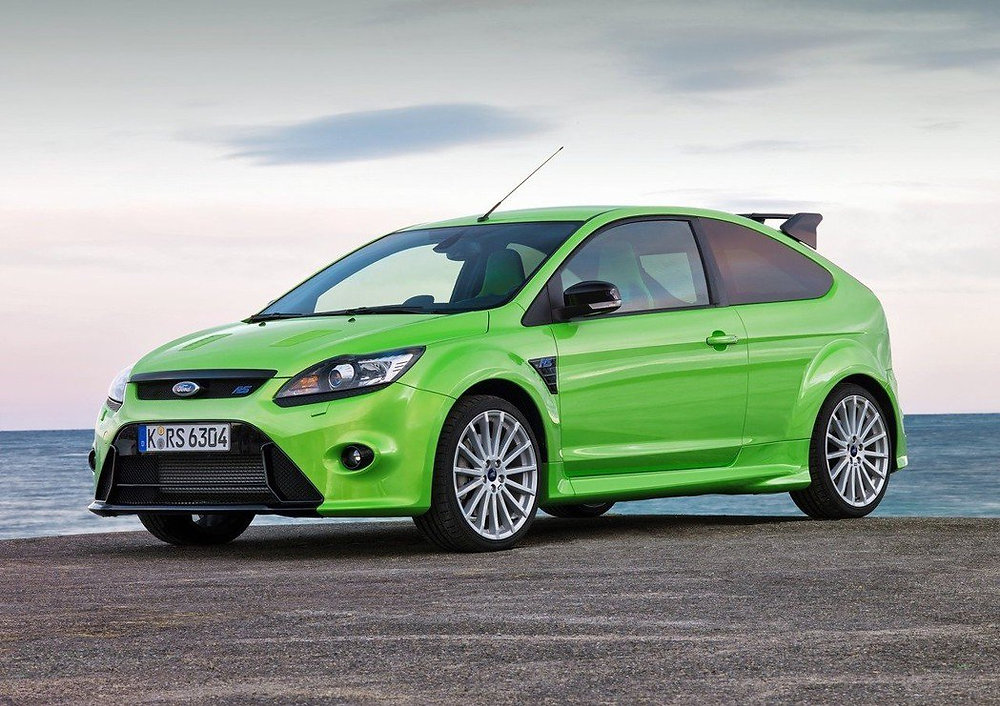
5. Ford Focus
The Ford Focus is a compact, versatile, and affordable option for students and commuters who need a reliable daily driver without excessive expenses. Its small size makes it particularly convenient for city driving and parking in crowded urban areas.
The interior is functional and comfortable, with sufficient room for passengers and cargo, including backpacks, laptops, groceries, or small recreational equipment.
Hatchback versions provide additional cargo capacity, making the Focus practical for students transporting larger items or for commuters running errands. Its responsive handling and smooth ride make it suitable for both short trips around campus and longer drives across town or highways.
Fuel efficiency is a key benefit of the Ford Focus, especially for those on a tight budget. Its compact design and efficient engines allow for excellent miles per gallon, helping to reduce the cost of daily travel. Insurance costs are generally reasonable, which is particularly important for younger drivers or students who may face higher premiums.
The combination of low fuel costs, affordability, and reliability makes the Focus an attractive option for those seeking a practical, cost-effective vehicle that meets everyday transportation needs.
The Focus also maintains its value relatively well in the used car market. Students or commuters can purchase a reliable used model and expect it to remain functional for several years with proper maintenance.
Its combination of affordability, fuel efficiency, low maintenance, and practicality makes the Ford Focus an excellent choice for Madison students and commuters seeking a dependable vehicle. It provides the essential features needed for daily transportation while remaining accessible and stress-free to own, making it a solid option for anyone prioritizing efficiency and convenience.
5 Cars That Are High-Maintenance

1. BMW 5 Series
The BMW 5 Series is a luxury sedan admired for its sleek design, performance, and advanced technology, but it comes with a high cost of ownership that makes it impractical for students or everyday commuters. One of the main challenges with the 5 Series is its frequent maintenance requirements, which can be both time-consuming and expensive.
Routine services, such as oil changes, brake replacements, and tire rotations, are significantly costlier than those of mainstream compact or mid-size cars. Parts for the 5 Series are also specialized, meaning they often need to be sourced directly from dealerships or certified repair shops, which increases costs further. For students and commuters on tight budgets, these expenses can quickly outweigh the appeal of driving a luxury vehicle.
Another reason the 5 Series is high-maintenance is its complex engineering. BMWs are designed with advanced technology, including turbocharged engines, electronic control modules, and sophisticated suspension systems, all of which can fail unexpectedly if not properly maintained.
Older models are especially prone to issues with cooling systems, transmissions, and electronics, which can result in unexpected breakdowns. Even minor problems, such as sensor failures or software glitches, can require specialized diagnostics and labor-intensive repairs, making the car less convenient for individuals who rely on it for daily transportation.
Fuel economy also contributes to the high cost of owning a 5 Series. While newer models have slightly improved efficiency, many older and higher-performance variants consume considerably more fuel than compact or mid-size alternatives.
This adds a layer of ongoing expense for commuting students or professionals who drive regularly. Insurance costs are also higher than average due to the vehicle’s luxury classification and expensive replacement parts. These cumulative costs make the BMW 5 Series a financial burden rather than a practical commuter option.
Depreciation is another factor that highlights the 5 Series’ high-maintenance nature. Luxury vehicles like the 5 Series lose value rapidly, and buyers often expect that maintenance and repairs may be needed when purchasing used models.
This reduces potential resale value and makes it difficult to recover the investment without incurring significant additional costs. For students and commuters seeking affordable, reliable, and low-stress transportation, the BMW 5 Series is an example of a car that prioritizes luxury and performance at the expense of practicality and economic feasibility.
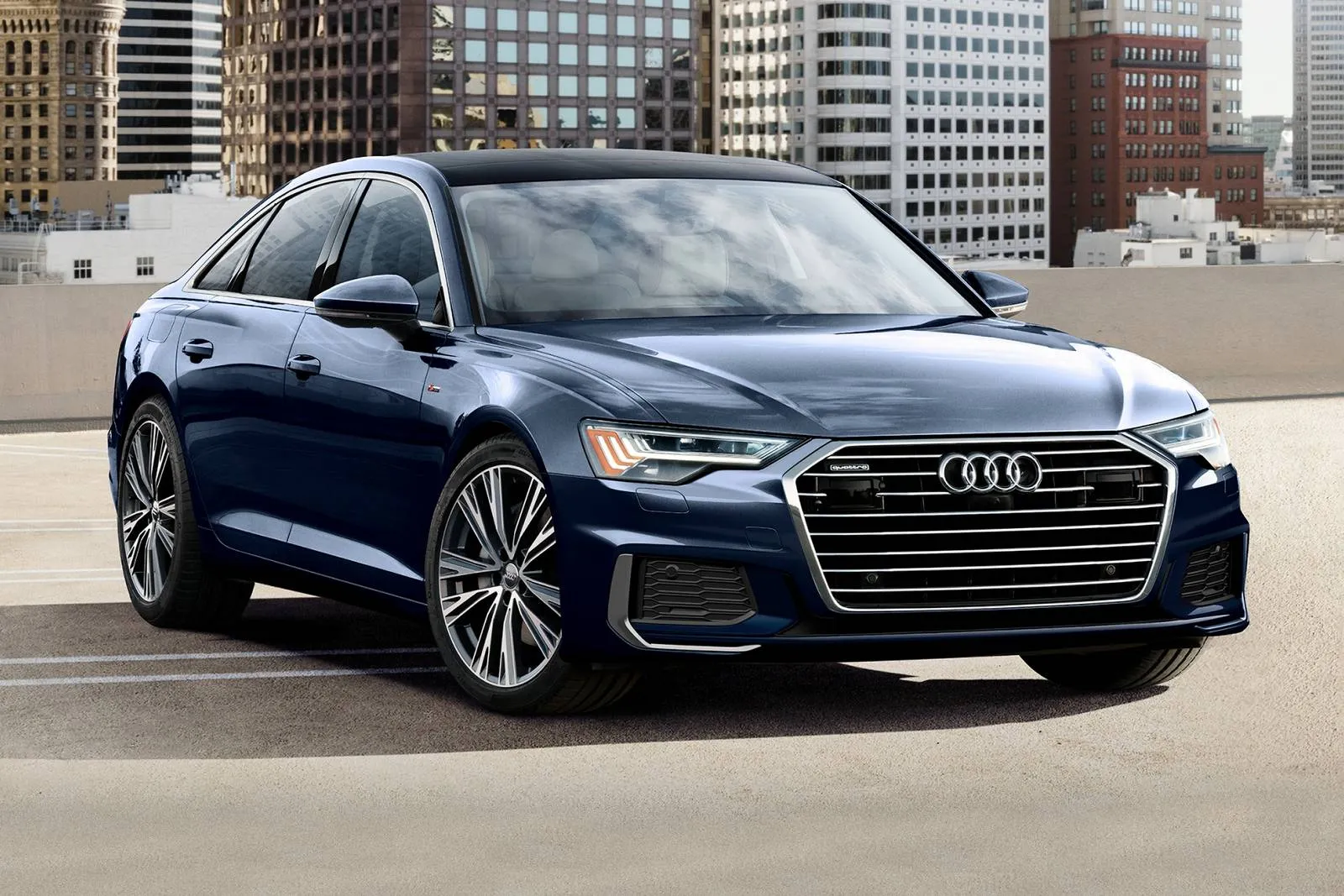
2. Audi A6
The Audi A6 is a luxury sedan celebrated for its sophisticated design, smooth ride, and technological features, but these advantages come with a notable downside: high maintenance costs. Its complex engineering requires specialized care, and even routine servicing can be expensive.
Tasks such as oil changes, brake replacements, or software updates often need to be performed at authorized service centers, which charge premium rates. For students or commuters with limited financial flexibility, these maintenance demands can turn a seemingly appealing vehicle into a major source of stress. Regular upkeep is not just a matter of time, it can also be a recurring financial challenge.
Fuel efficiency is another factor that makes the A6 less practical for budget-conscious drivers. Its higher-performance engines consume more fuel than comparable mainstream cars, increasing commuting costs.
Insurance costs are also elevated because of the car’s luxury status and the high cost of replacement parts. These cumulative expenses can make owning an Audi A6 a significant financial burden, particularly for younger drivers or students who are more price-sensitive.
Resale value is affected by these high maintenance costs as well. While the Audi A6 retains some market appeal due to its brand and design, potential buyers often factor in the likelihood of expensive repairs when evaluating used vehicles.
This can reduce the amount a seller receives if they decide to upgrade or sell the car. For anyone seeking a low-cost, dependable vehicle for daily commuting, the Audi A6 exemplifies a high-maintenance luxury car that prioritizes comfort and style over affordability and practicality.
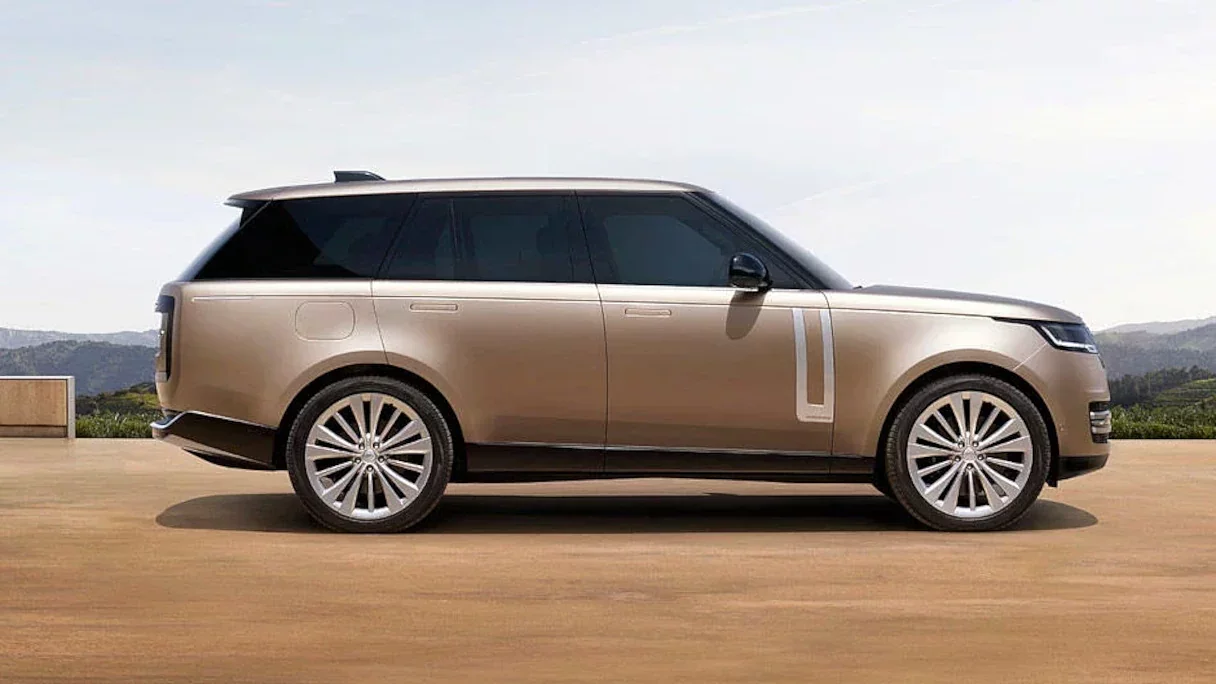
3. Land Rover Range Rover
The Land Rover Range Rover is a luxury SUV known for its off-road capabilities, elegance, and comfort, yet it is widely regarded as one of the most high-maintenance vehicles on the market. Owners frequently face expensive repairs and specialized service requirements that make it impractical for students, commuters, or anyone seeking a stress-free daily driver.
While the Range Rover offers features such as advanced terrain management systems, air suspension, and premium interiors, these sophisticated systems also increase the likelihood of mechanical and electronic failures, which can result in costly repairs and inconvenient downtime.
The Range Rover’s complex engineering contributes heavily to its maintenance demands. Components such as air suspension, advanced electronic systems, and turbocharged engines can fail without warning. Repairs often require specialized technicians and expensive replacement parts, which increases labor and service costs.
Additionally, older models are known for persistent issues with cooling systems, transmissions, and electrical modules, which can make the vehicle unreliable for daily commuting. Students or commuters facing these challenges may experience frequent stress, both from financial strain and vehicle downtime.
Fuel efficiency is another drawback of the Range Rover. It consumes considerably more fuel than smaller or mid-size vehicles, making daily commuting more expensive. Insurance premiums are also higher due to the vehicle’s luxury and off-road capabilities, adding further financial pressure.
For students or young professionals who rely on their cars for practical, everyday travel, these factors make the Range Rover a high-maintenance option that is both costly and inconvenient.
Depreciation is a significant consideration as well. While luxury SUVs like the Range Rover have initial high value, ongoing maintenance costs often exceed the vehicle’s retained worth over time. This reduces its attractiveness as a long-term investment.
In addition, the complexity of repairs and likelihood of mechanical problems make it less practical than more modest, reliable vehicles. The Range Rover exemplifies a high-maintenance car that requires substantial resources and commitment to maintain, limiting its suitability for students or everyday commuters.
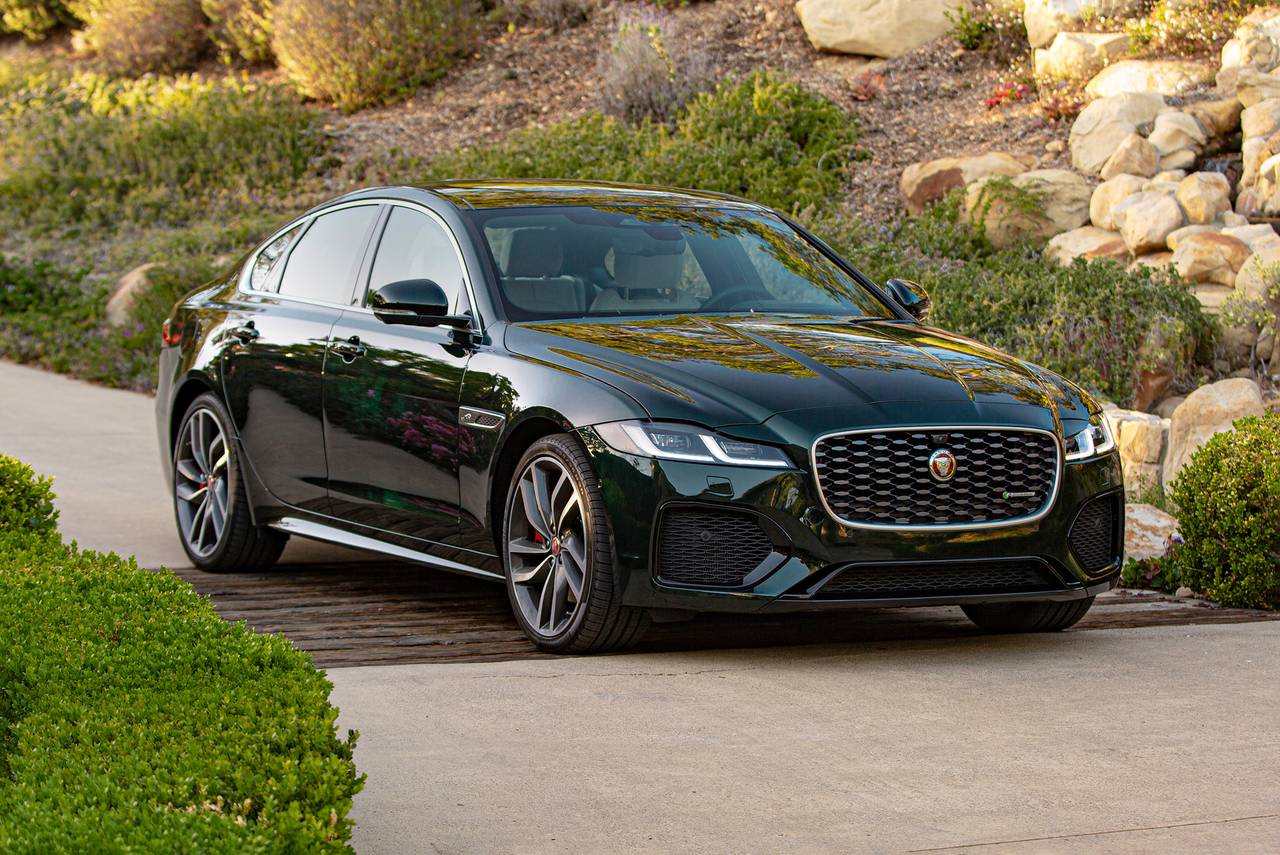
4. Jaguar XF
The Jaguar XF is a luxury sedan admired for its performance, elegance, and advanced technology, yet it carries a reputation for being expensive to maintain. Older models, in particular, are prone to frequent mechanical and electronic problems, which can require specialized repairs and costly replacement parts.
While the XF delivers comfort, smooth handling, and high-end features, the financial and practical demands of keeping the vehicle in optimal condition often outweigh its benefits for students or commuters.
Jaguar vehicles, including the XF, commonly experience issues with electrical systems, air suspension, and engine components. These problems often arise unexpectedly, making it difficult for drivers to rely on the car for daily commuting without risk of breakdowns.
Even routine maintenance can be expensive, as Jaguar parts and specialized labor come at a premium. For students or commuters who require a dependable daily vehicle, these challenges create ongoing stress and financial strain. The XF’s sophisticated systems, while attractive for luxury enthusiasts, contribute directly to its classification as a high-maintenance car.
Fuel efficiency and insurance costs further increase the total cost of ownership for the XF. The vehicle’s performance-focused engines consume more fuel than typical commuter cars, leading to higher operating expenses. Insurance premiums are also elevated due to its luxury status and expensive repair requirements. For budget-conscious students or commuters, these costs can make the XF impractical for everyday use.
Depreciation and resale value are additional factors to consider. Luxury sedans like the Jaguar XF may lose value more rapidly than mainstream vehicles, particularly as the car ages and maintenance needs increase.
Prospective buyers often anticipate high repair costs, which reduces resale value and limits the financial return on investment. For individuals seeking reliability, affordability, and low-maintenance convenience, the Jaguar XF is better suited to owners with substantial financial resources who are willing to manage ongoing maintenance challenges.
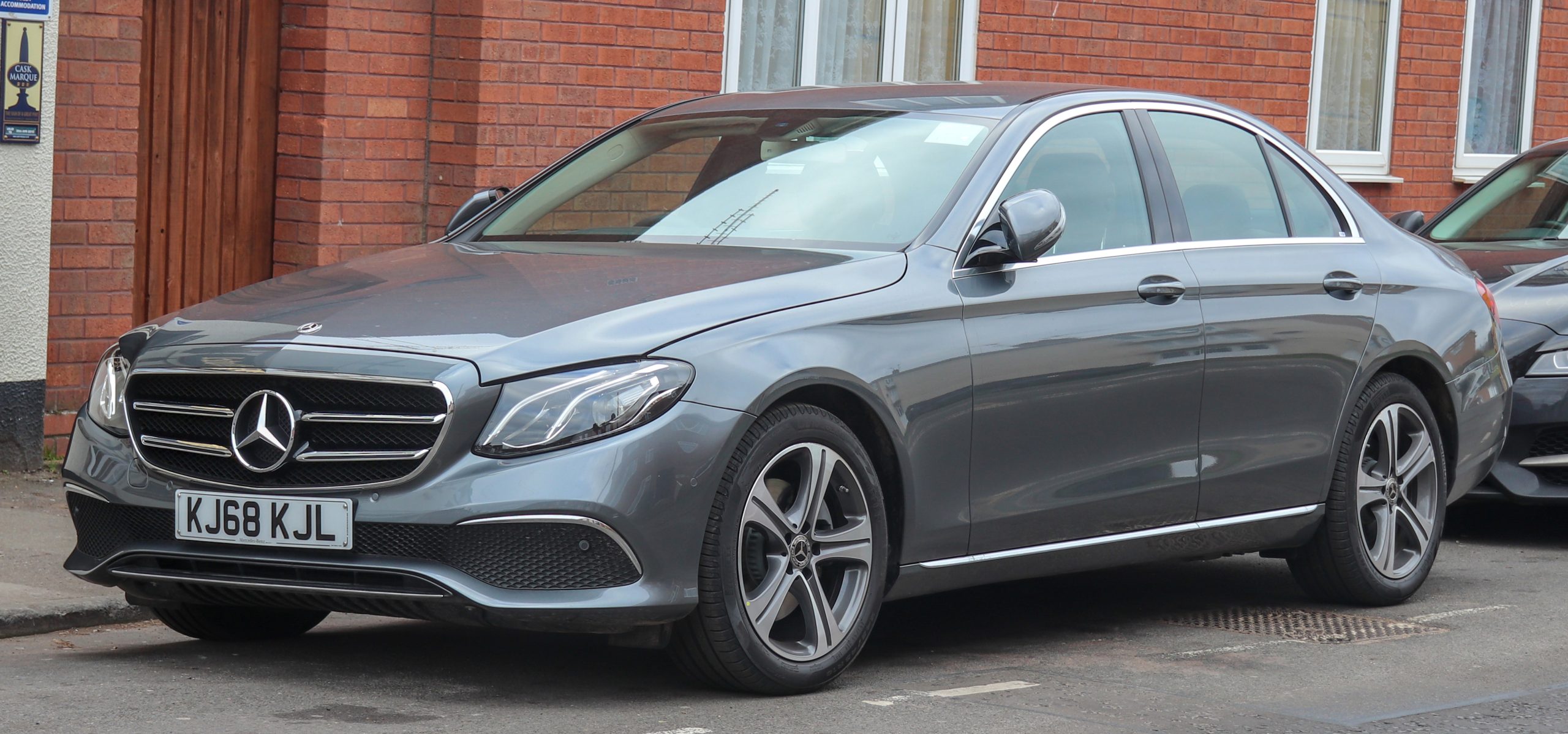
5. Mercedes-Benz E-Class
The Mercedes-Benz E-Class is a prestigious luxury sedan that combines performance, advanced technology, and comfort, but it comes with significant maintenance demands that make it less practical for students and daily commuters.
Even routine servicing, such as oil changes, brake replacements, or software updates, can be costly due to the complexity of the vehicle’s design. Replacement parts are often expensive and require specialized labor, which makes upkeep financially burdensome for individuals who need a reliable car for everyday use.
Fuel efficiency is modest compared to compact or mid-size commuter cars, which increases operational costs. Additionally, insurance costs are higher due to the car’s luxury classification and the potential expense of repairs.
These factors combine to make ownership of the E-Class a significant financial commitment. Students or young professionals who prioritize affordability, reliability, and low-maintenance operation may find it impractical for everyday use.
Finally, depreciation impacts the long-term value of the E-Class. While Mercedes-Benz vehicles have prestige, their ongoing maintenance costs and potential for mechanical issues often reduce resale value over time. Prospective buyers of used models frequently consider these expenses, lowering the market price.
For individuals seeking dependable, cost-effective transportation without frequent repair challenges, the Mercedes-Benz E-Class exemplifies a high-maintenance vehicle that prioritizes luxury, performance, and advanced features over affordability and everyday practicality.
