
Buffalo, New York, is infamous for its harsh winters. Heavy snowfall, freezing temperatures, and icy roads create conditions that test both drivers and vehicles alike. Residents and commuters in the area quickly learn that not every car is suited to handle the severe weather that can persist for months.
Snow accumulates rapidly, creating slippery surfaces that challenge traction control, braking efficiency, and vehicle stability. Driving in such conditions requires careful consideration of factors like drivetrain, weight distribution, tire performance, and vehicle design.
Without these considerations, even a capable driver can find themselves struggling to maintain control, increasing the risk of accidents and vehicle damage.
Certain vehicles have developed reputations for excelling in snowy conditions. Typically, cars equipped with all-wheel drive, advanced traction systems, and sufficient ground clearance handle snow and ice better than those relying solely on two-wheel drive. Weight distribution also plays a role; vehicles with heavier rear or front ends can behave differently in slick conditions, affecting acceleration, braking, and turning.
Additionally, tire choice cannot be underestimated. Snow tires or all-season tires with proper tread can dramatically improve grip, while worn or summer tires significantly reduce the ability to navigate safely on icy roads. In Buffalo, these distinctions can mean the difference between a safe commute and a hazardous one.
On the other end of the spectrum, there are vehicles that consistently struggle during winter months. Cars with lightweight frames, narrow tires, or insufficient traction systems can slip and slide even with cautious driving.
Rear-wheel-drive sports cars, certain compact vehicles, and cars with low ground clearance are often among those that face the most difficulty in heavy snow.
Drivers of these vehicles must adopt extreme caution, using techniques such as slow acceleration, careful braking, and maintaining greater distances between vehicles to avoid accidents. The winter conditions of Buffalo do not forgive overconfidence or poorly suited vehicles.
This comparison of vehicles ideal for Buffalo’s snowy roads versus those prone to slipping provides practical insights for both local residents and anyone planning to drive in similar winter climates. Understanding the strengths and weaknesses of each vehicle type allows drivers to make informed decisions that prioritize safety and efficiency.
By examining five vehicles known for their performance in snowy conditions and five that are more likely to struggle, it becomes clear which characteristics matter most for winter driving. Beyond mere rankings, the discussion emphasizes how design, mechanics, and preparation intersect to determine a vehicle’s ability to handle extreme winter roads.
Five Cars for Buffalo Snowy Roads
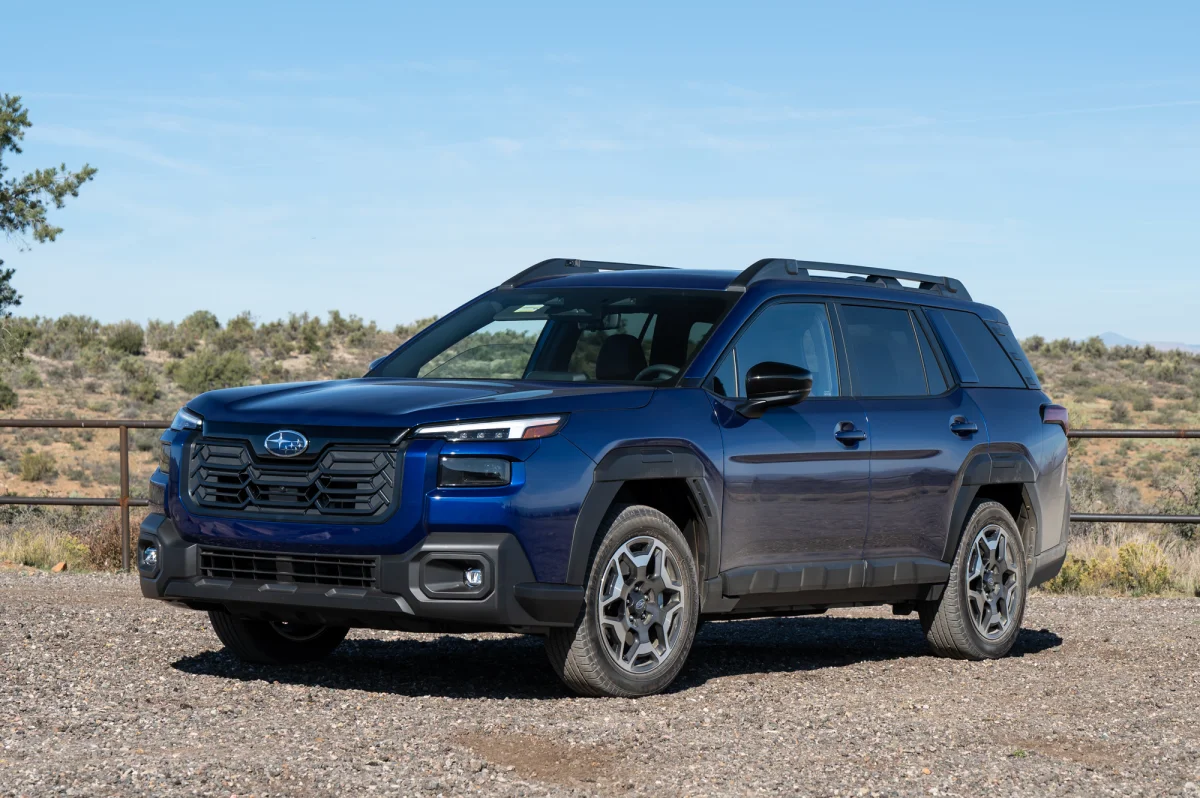
Subaru Outback
The Subaru Outback is widely recognized as one of the most reliable vehicles for snowy conditions, particularly in regions like Buffalo, where winter weather is harsh and often unpredictable. One of the key reasons for its exceptional performance is the standard symmetrical all-wheel-drive system, which distributes power evenly to all four wheels.
This ensures that the vehicle maintains traction even on slippery roads, steep inclines, or when navigating tight turns on icy streets. Unlike some all-wheel-drive systems that only activate when slip is detected, Subaru’s symmetrical AWD is constantly engaged, giving drivers confidence that their vehicle will remain stable in real-time.
The Outback also has a substantial ground clearance, generally around 8.7 inches, which allows it to drive through deep snow without scraping the undercarriage or becoming bogged down. For Buffalo drivers, this means fewer interruptions during snowstorms and less need to wait for snowplows to clear residential streets before heading out.
In addition to mechanical advantages, the Outback is equipped with features specifically designed to enhance winter driving. The X-Mode system, available on most trims, optimizes engine output, transmission ratios, and braking force to help the vehicle maintain traction on slippery or uneven surfaces.
Paired with hill descent control, this system can prevent the vehicle from sliding backward or losing control when descending steep, snow-covered streets. Furthermore, the Outback’s tires are often paired with winter-rated options that complement the all-wheel-drive system, allowing it to grip ice and packed snow more effectively than many competitors.
In practice, this makes the Outback feel composed and predictable even when the roads are treacherous, giving drivers peace of mind during the unpredictable Buffalo winters.
The interior of the Subaru Outback is another advantage in winter conditions, particularly for comfort and safety. Heated seats for both front and rear passengers ensure warmth during the coldest days, while heated side mirrors and defrosting systems help maintain visibility.
In heavy snow or blizzard conditions, maintaining a clear view is often more critical than raw power, and Subaru has clearly prioritized this in the Outback’s design. The visibility improvements, combined with traction control, stability assist, and advanced braking systems, help drivers navigate slippery intersections or areas where snow accumulates quickly.
Many owners report that even in sudden snowstorms, the Outback behaves in a manner that is both predictable and forgiving, reducing the anxiety that comes with winter driving in Buffalo.
Another factor contributing to the Outback’s appeal in snowy climates is its reliability and long-term performance. Subaru vehicles have a reputation for enduring harsh weather without mechanical failures, which is especially important when winter conditions can be prolonged and extreme.
Unlike some cars that may struggle with engine performance or drivetrain issues in low temperatures, the Outback continues to function optimally, allowing drivers to handle commutes, errands, and even longer trips through snow-laden roads.
Its combination of all-wheel-drive capability, thoughtful engineering, winter-focused features, and proven reliability makes it a standout choice for those navigating the challenging Buffalo winter. The Outback exemplifies how mechanical design, safety features, and driver-focused technology can come together to create a vehicle well-suited for severe winter conditions.
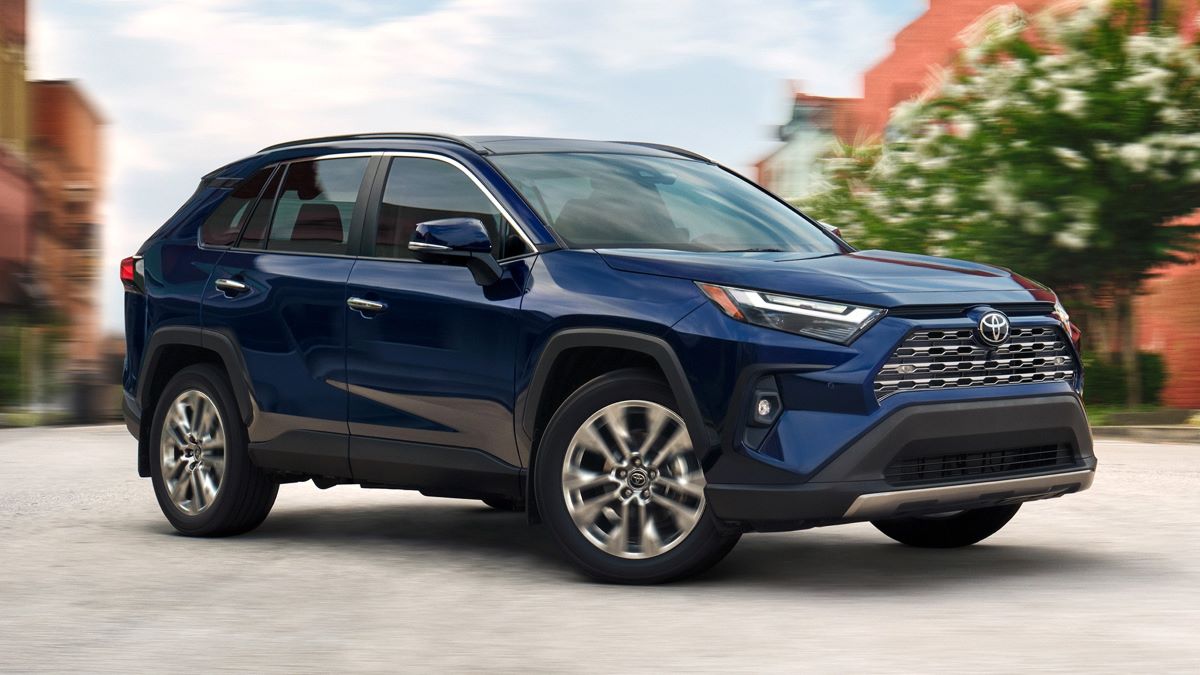
Toyota RAV4
The Toyota RAV4, particularly in its all-wheel-drive configurations, is a compact SUV that excels in snowy conditions due to its blend of traction, stability, and maneuverability. The AWD system allows drivers to adapt to a variety of road surfaces, providing power to the wheels with the most grip.
This system is particularly useful in Buffalo, where snow accumulation can vary widely from street to street and patches of ice can form unexpectedly. The RAV4 also has an elevated ground clearance, generally around 8.4 inches, which prevents the vehicle from scraping or getting stuck in deeper snowdrifts.
Its compact size offers a distinct advantage over larger SUVs or trucks when navigating residential streets, tight parking lots, and snow-packed city roads, making it an ideal choice for urban winter driving.
Traction control and vehicle stability systems in the RAV4 complement its mechanical AWD setup. These systems monitor wheel rotation, throttle input, and braking to reduce wheel spin and maintain vehicle stability. In practical terms, this means that even if the vehicle encounters black ice or patchy snow, the RAV4 can respond dynamically to prevent skidding or sliding.
Additional features like hill start assist help prevent rollback on icy inclines, which is a common hazard in Buffalo’s hilly neighborhoods. Together, these systems make the RAV4 not only easier to drive in snow but also safer, particularly for less experienced drivers who might feel anxious about winter conditions.
The RAV4’s interior is designed for comfort and safety during cold-weather driving. Heated front seats and a heated steering wheel keep drivers warm, while windshield and side mirror defrosting systems maintain visibility in snowstorms or freezing rain.
The cabin design emphasizes ergonomics and driver focus, allowing motorists to stay alert and comfortable even during extended periods of winter travel. For families or commuters who must travel in harsh conditions, these features provide tangible benefits that go beyond mere mechanical performance, reducing fatigue and improving reaction times in slippery conditions.
Reliability is another factor that makes the RAV4 a popular choice for snowy regions. Toyota’s reputation for producing durable vehicles ensures that the RAV4 continues to perform well under the stresses of winter driving, from extreme cold to road salt exposure.
Coupled with intelligent design, adaptive AWD, and safety technologies, the RAV4 offers a dependable option for drivers in Buffalo who need a vehicle that can handle snow, ice, and occasional storms without sacrificing comfort or control. Its combination of compact size, traction, and winter-ready features makes it a vehicle that consistently earns high marks for winter performance.
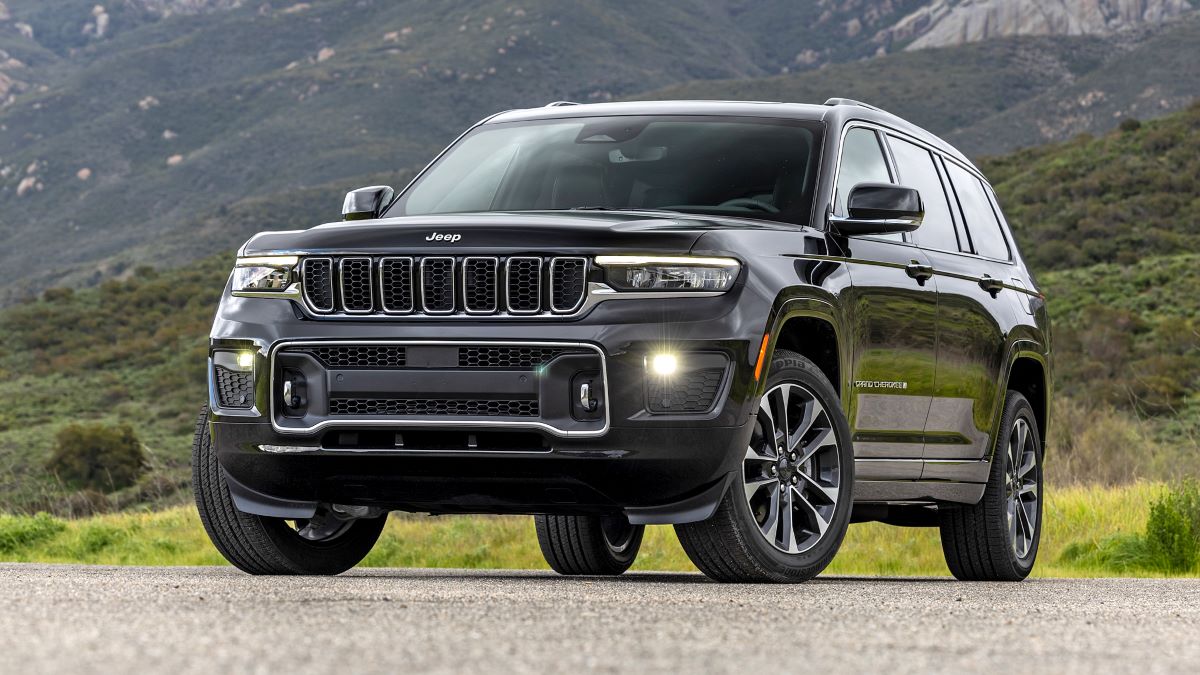
Jeep Grand Cherokee
The Jeep Grand Cherokee is often praised for its off-road capabilities, which translate very effectively to winter driving conditions. With available four-wheel-drive systems and multiple terrain modes, the Grand Cherokee allows drivers to adjust settings specifically for snow, mud, or ice. In snowy areas like Buffalo, this flexibility is invaluable.
For example, when roads are uneven or covered with slush and packed snow, the Grand Cherokee can optimize torque distribution to the wheels with the most traction, minimizing the risk of spinning out or getting stuck. Its heavy build and high ground clearance, usually around 8.6 inches, also contribute to its ability to maintain control and stability on slippery surfaces.
Drivers often report that the Grand Cherokee feels planted and confident, even when accelerating from a full stop on icy streets.
The interior of the Grand Cherokee is designed to provide comfort during extended winter drives, which can be essential when snowstorms or traffic delays occur. Heated front and rear seats, along with heated mirrors and windshield defrosters, ensure that visibility and warmth are maintained.
The Grand Cherokee’s cabin also emphasizes ergonomics, with controls that are easy to operate even when wearing gloves a practical consideration in extremely cold temperatures. These features help drivers maintain focus and confidence during winter driving, reducing fatigue and improving reaction times when navigating icy roads or sudden snowdrifts.
Safety systems in the Grand Cherokee are particularly noteworthy. Anti-lock brakes, electronic stability control, and traction management systems all work together to prevent skidding or loss of control. This is crucial when braking on ice or making tight turns on snow-packed streets.
Unlike some vehicles that feel unpredictable in slick conditions, the Grand Cherokee provides a sense of control and predictability, which is invaluable for drivers facing Buffalo’s unpredictable winter weather.
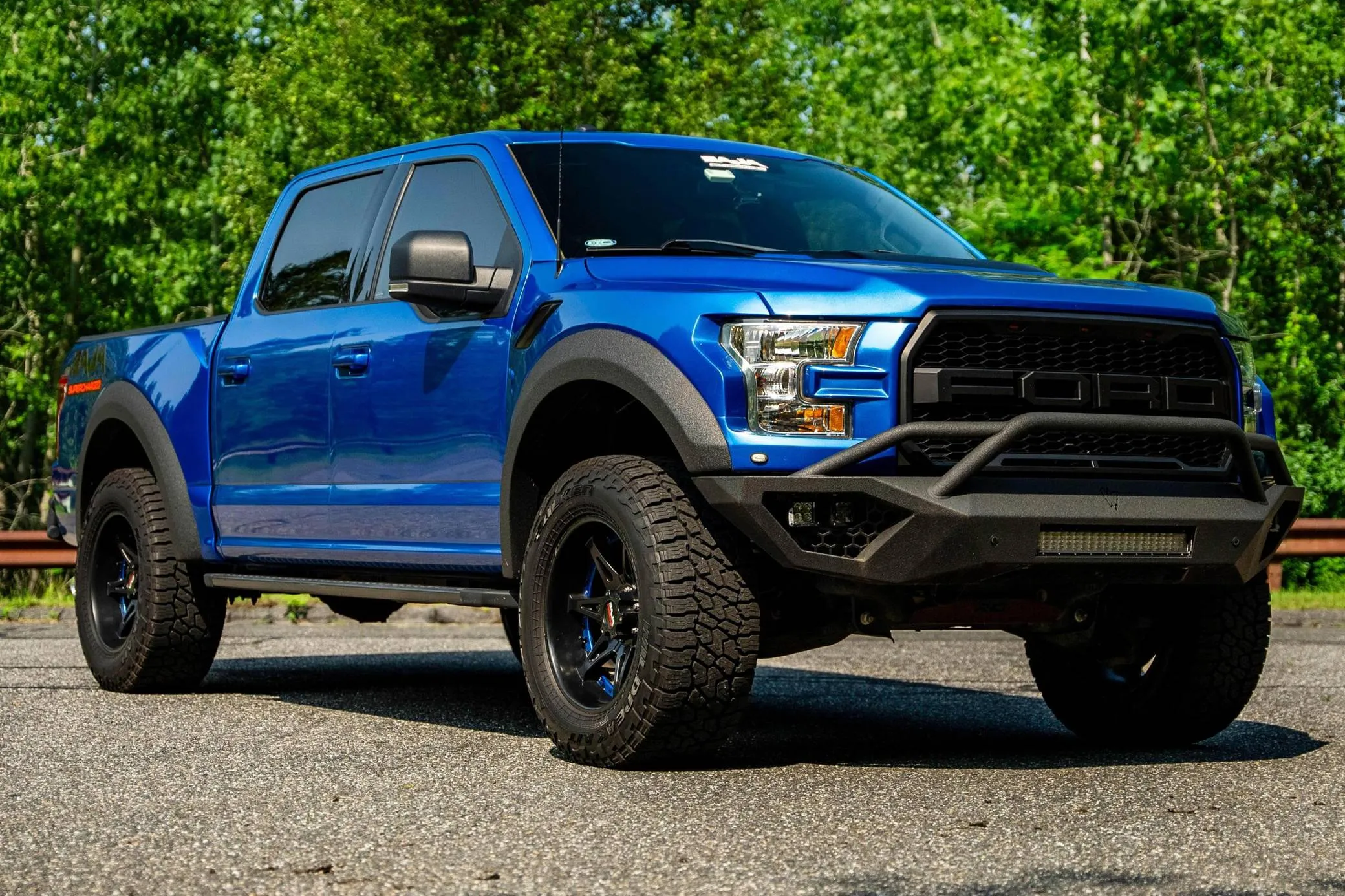
Ford F-150 4×4
The Ford F-150 with four-wheel drive is a classic example of a vehicle built to handle extreme conditions, including deep snow and icy roads. The F-150’s 4×4 system ensures that all four wheels contribute to traction, reducing wheel spin and improving acceleration on slippery surfaces.
Its weight adds stability, preventing the truck from being easily pushed around by snow or ice. High ground clearance, typically over 8 inches, allows it to navigate snowdrifts that might stop smaller vehicles.
The combination of weight, ground clearance, and 4×4 capability makes the F-150 one of the most reliable options for winter travel in Buffalo, particularly in areas where snowplows have not yet cleared streets.
Traction control and electronic stability systems in the F-150 further enhance its winter performance. When encountering ice or packed snow, the vehicle can adjust power delivery and braking to maintain control.
Selectable drive modes, including snow and off-road options, allow drivers to tailor the truck’s response to current road conditions, improving handling on slippery surfaces. Many drivers appreciate the peace of mind provided by these systems, particularly when driving in sudden snowstorms or on roads that have not been treated with salt or sand.
Many Buffalo residents rely on the F-150 for its reliability in extreme conditions. Unlike smaller vehicles that might struggle with traction or become stuck in heavy snow, the F-150 offers confidence and stability.
Its ability to perform on snow-covered roads, combined with comfort features and modern traction systems, ensures that drivers can handle both urban streets and rural areas without compromising safety. For drivers who prioritize durability, traction, and adaptability in winter conditions, the Ford F-150 4×4 remains a top choice.
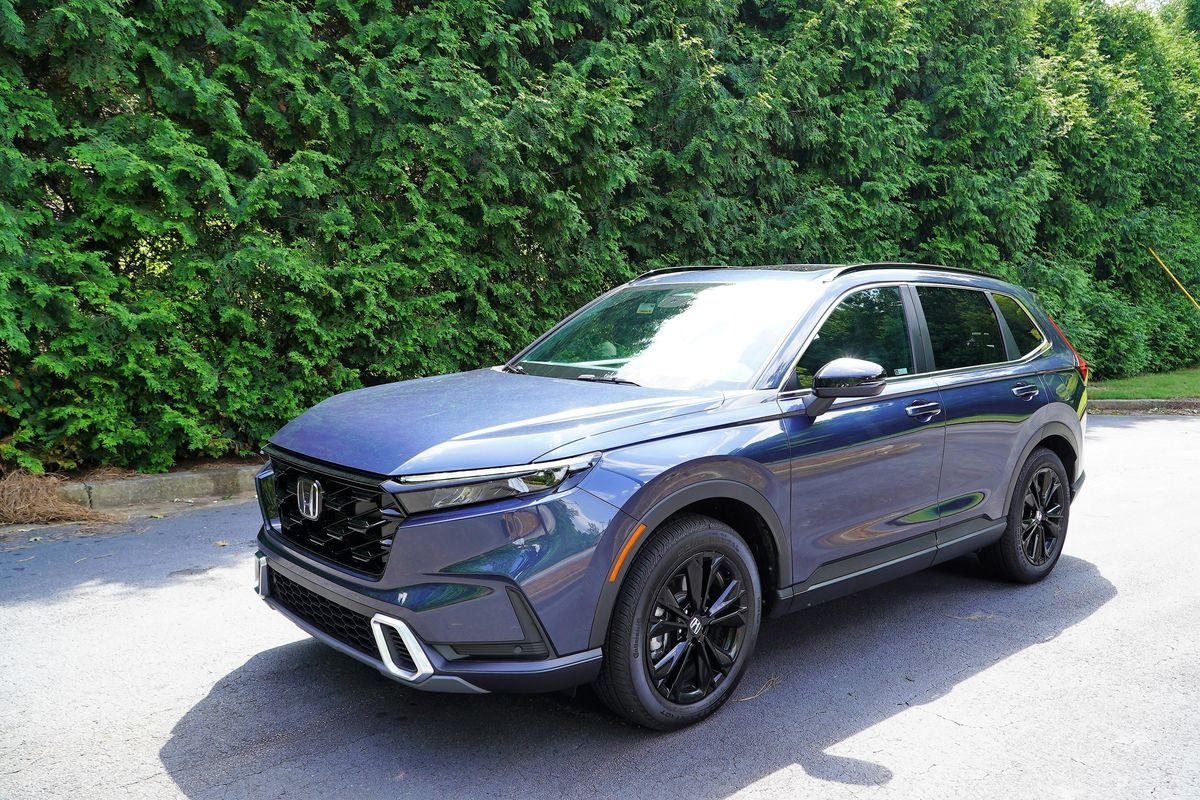
Honda CR-V AWD
The Honda CR-V with all-wheel drive is another vehicle that excels in snowy conditions. Its AWD system provides traction by distributing power to the wheels with the most grip, making it easier to drive on ice or snow-packed streets.
Unlike rear-wheel-drive vehicles that can easily spin out, the CR-V maintains stability in challenging conditions, giving drivers confidence during winter commutes. Its moderate ground clearance, around 8 inches, is sufficient to navigate common snow accumulation in residential streets without scraping or getting stuck. Additionally, the CR-V’s weight distribution is balanced, contributing to predictable handling during acceleration, braking, and cornering.
Traction and stability control systems enhance the CR-V’s winter performance further. Electronic brake-force distribution and anti-lock brakes work together to prevent skidding, while the AWD system manages wheel torque to maintain forward motion.
Drivers benefit from a vehicle that feels responsive yet controlled, even when roads are slippery or when encountering black ice. The CR-V also offers driver assistance features, including lane-keeping aids and collision mitigation systems, which can be particularly valuable when driving in reduced visibility caused by snowstorms.
The interior design emphasizes comfort and visibility, both of which are critical in winter driving. Heated seats and mirrors, along with an effective defrosting system, allow drivers to maintain warmth and a clear line of sight.
The cabin is ergonomic and practical, allowing easy access to controls while wearing gloves and winter gear. This focus on comfort reduces driver fatigue and improves safety during long commutes or extended trips in snowy conditions.
Five Cars That Slip Often
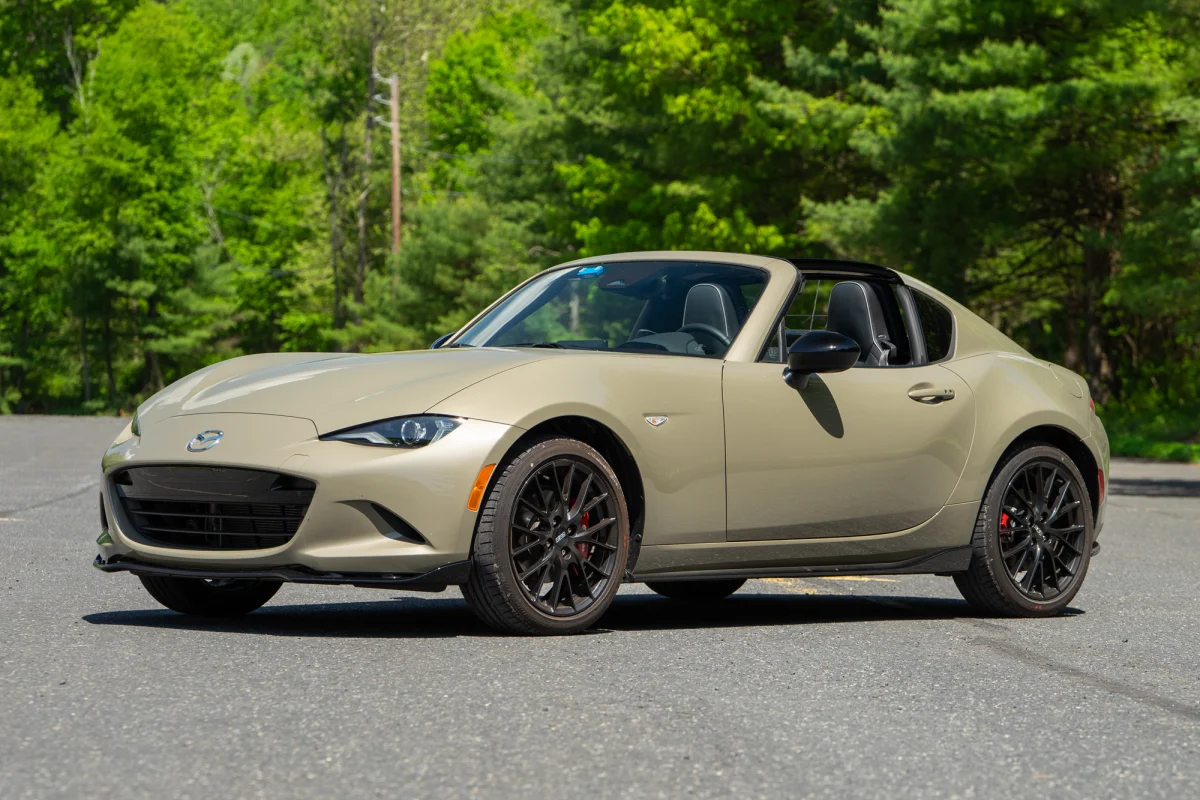
Mazda MX-5 Miata
The Mazda MX-5 Miata is celebrated for its agility and sporty handling, but its performance in snowy and icy conditions is far less impressive. As a rear-wheel-drive convertible with a lightweight frame, the Miata struggles to maintain traction on slippery surfaces.
Rear-wheel-drive vehicles inherently have less weight over the driving wheels, which reduces grip and increases the likelihood of wheel spin during acceleration on icy streets.
In Buffalo, where snow accumulates quickly and black ice can appear unexpectedly, this characteristic makes the Miata particularly prone to sliding, even for experienced drivers. While its low weight contributes to nimble handling on dry roads, it becomes a liability when tires cannot effectively grip snow-covered asphalt.
The Miata’s low ground clearance further complicates winter driving. With only around 4.9 inches of clearance, it can easily get stuck in modest snow accumulation that would be manageable for higher vehicles. Snow can catch on the undercarriage, reducing momentum and potentially freezing mechanical components.
Additionally, the narrow tires that contribute to the Miata’s sporty performance on dry roads are insufficient for gripping ice or packed snow. While snow tires can improve traction somewhat, the vehicle’s light frame and rear-wheel-drive layout mean that it still requires extreme caution and slower driving speeds compared to vehicles designed for snowy conditions.
Despite its fun and sporty character, the Miata is not suited to harsh winter climates. Its design prioritizes light weight, low center of gravity, and responsive handling over traction or stability on snow.
Drivers who insist on using the Miata in Buffalo winters must plan carefully, avoid high-speed maneuvers, and consider snow tires as a minimum precaution. Even with these measures, the car remains far more prone to slipping and sliding than heavier, all-wheel-drive vehicles, highlighting the importance of matching vehicle characteristics to environmental conditions.
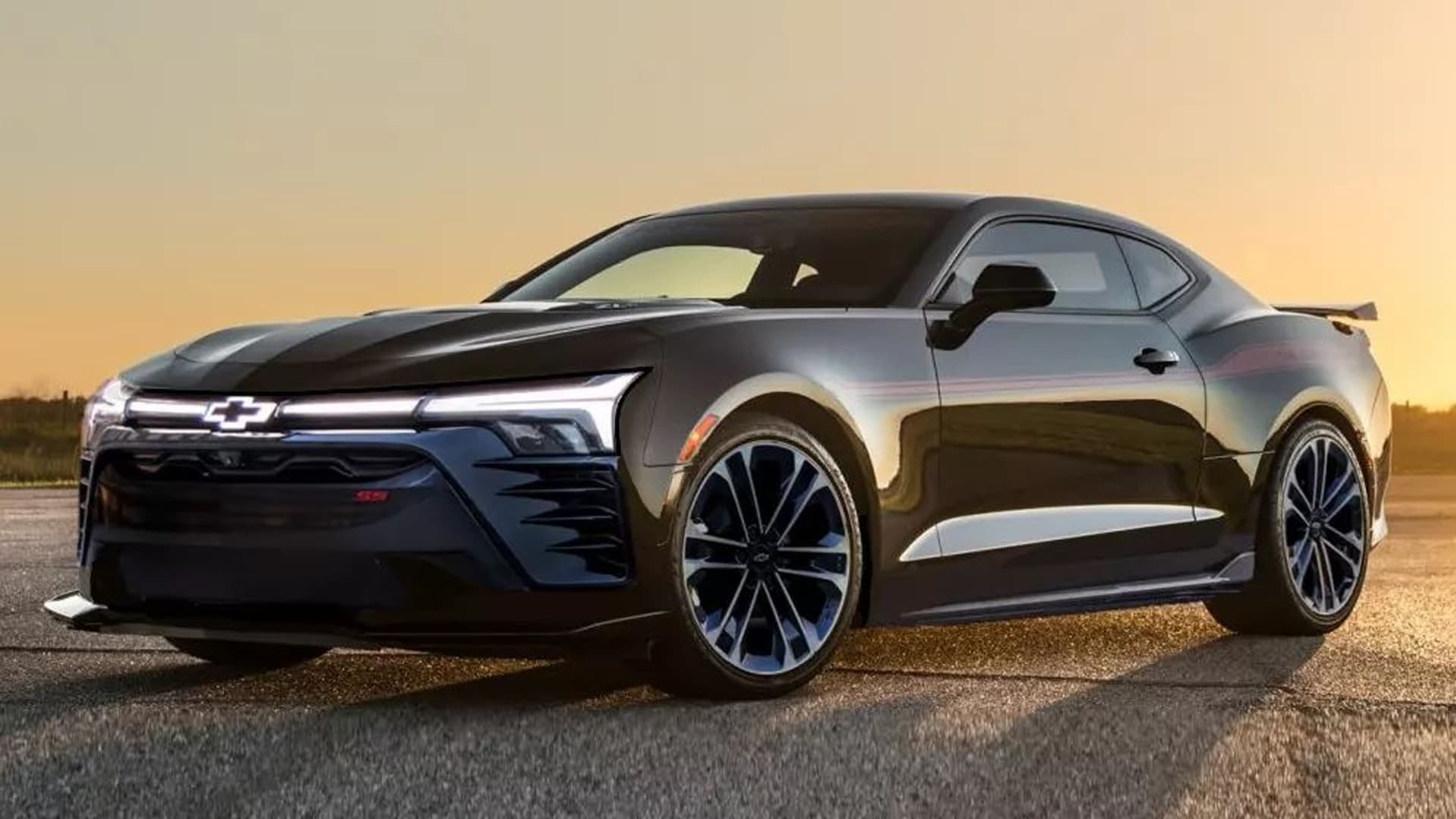
Chevrolet Camaro
The Chevrolet Camaro is another rear-wheel-drive sports car that struggles on snow-covered roads. Like the Miata, the Camaro prioritizes performance on dry pavement, resulting in a lightweight frame, narrow tires, and limited weight over the driving wheels.
These factors combine to create a vehicle that is highly prone to slipping on ice or snow. Acceleration must be applied gradually to avoid spinning the rear wheels, and braking requires a careful, modulated approach to prevent skidding. In snowy Buffalo winters, where black ice is common, the Camaro’s performance-oriented design makes it one of the more challenging vehicles to drive safely.
Ground clearance is another significant issue. The Camaro sits very low to the ground, often around 4.5 inches, which can cause the undercarriage to catch snow, particularly after heavy accumulation. This not only limits mobility but also increases the likelihood of losing control in moderate snow depths.
Additionally, standard summer tires or all-season tires on performance trims lack the tread patterns and flexibility needed to grip icy surfaces effectively. Even with winter tires installed, the Camaro’s rear-wheel-drive setup remains a disadvantage, requiring constant attention and careful throttle control to maintain stability.
Despite its sleek appearance and impressive acceleration on dry roads, the Camaro is not a practical choice for winter driving. Its design prioritizes performance over safety in snow, and drivers must adapt their driving style significantly to prevent accidents.
For those living in regions with severe winters, the Camaro serves as a reminder that vehicle characteristics should match environmental conditions, and that sports cars with rear-wheel drive are inherently more susceptible to slipping on icy roads.
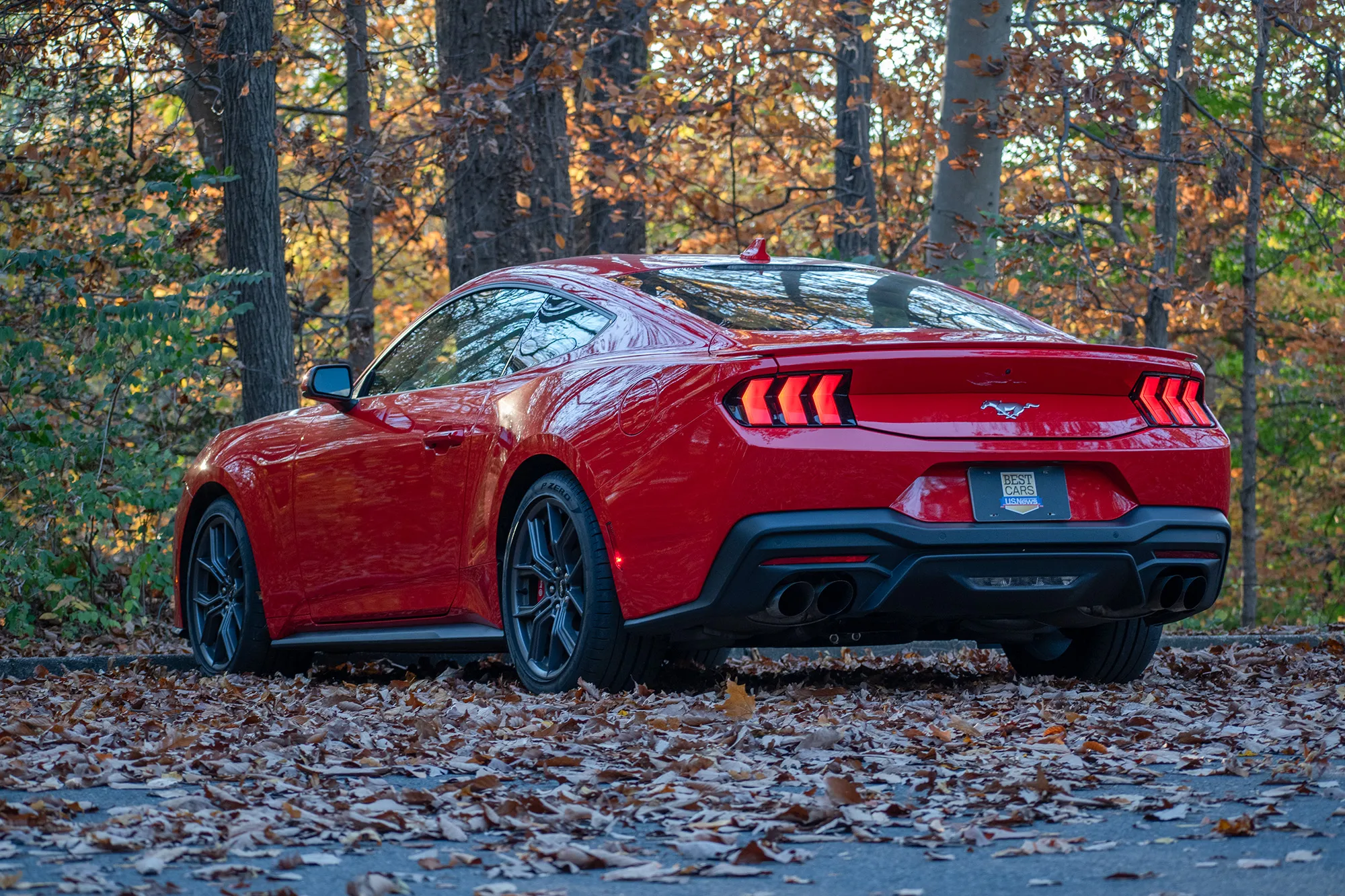
Ford Mustang
The Ford Mustang shares many traits with the Camaro, making it another vehicle that struggles on snow-covered streets. Its rear-wheel-drive layout, low weight, and wide, performance-oriented tires contribute to a driving experience that is exhilarating in dry conditions but treacherous in snow.
Rear-wheel-drive sports cars like the Mustang are particularly vulnerable when accelerating from a stop or climbing slightly inclined icy streets, as power is concentrated on wheels with minimal grip. Drivers must rely heavily on traction control and careful throttle modulation to avoid spinning out, which can make winter driving stressful and demanding.
Braking performance on snow is also compromised. While anti-lock brakes and stability systems help prevent outright loss of control, the Mustang’s rear-wheel-drive dynamics make it prone to oversteer during sudden braking or tight turns.
In Buffalo, icy intersections, hills, and turns are common, creating situations where a lack of traction can quickly escalate into a skid. Drivers must remain constantly vigilant, adjusting speed, steering, and braking to maintain stability in unpredictable winter conditions.
Despite its popularity as a performance car, the Mustang is ill-suited for snowy environments. Its design emphasizes acceleration, cornering, and aesthetic appeal over practical winter performance.
For drivers in Buffalo or similar climates, the Mustang requires extensive winter preparation, careful driving, and possibly winter tires, yet it still remains significantly more prone to slipping than all-wheel-drive vehicles or SUVs with higher ground clearance. Its limitations in snow serve as a cautionary example of how performance-oriented cars may be thrilling on dry roads but challenging and potentially unsafe in icy conditions.
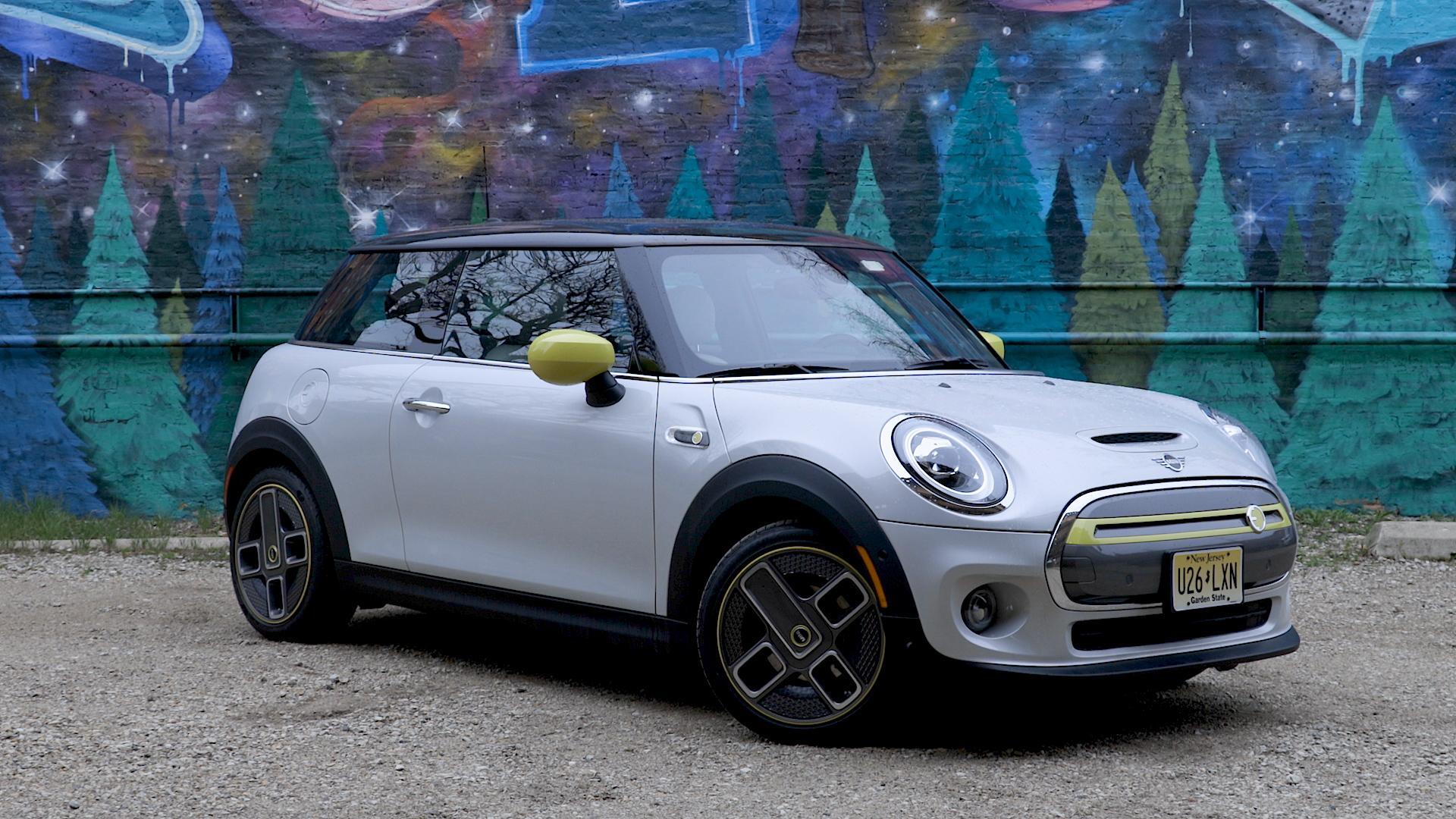
Mini Cooper (2-Door Hardtop)
The Mini Cooper, particularly the 2-Door Hardtop variant, is compact and fun to drive on dry roads, but it struggles significantly on snow and ice. Most Mini Coopers are front-wheel-drive, which can help with traction compared to rear-wheel-drive vehicles, but the light weight and small size create challenges in winter conditions.
The short wheelbase makes the car more prone to sliding in icy patches, and its low ground clearance, roughly 4.9 inches, makes navigating even modest snow accumulation difficult. In Buffalo, where snow can pile quickly and roads can be slick, the Mini Cooper’s small size and limited traction systems make it a vehicle that slips often and requires careful handling.
Tire width and type further exacerbate the problem. Standard tires on Mini Coopers are often performance-oriented with minimal tread for snow, reducing grip on icy streets. While all-season tires improve performance slightly, winter tires are almost mandatory for safe driving.
Even with winter tires, the car’s low weight means that momentum is easily lost in snow, and acceleration must be smooth to prevent the wheels from spinning. Drivers quickly learn that while the Mini Cooper may be agile on dry pavement, icy conditions reveal its limitations, particularly during sharp turns or sudden stops.
The Mini Cooper’s charm and performance on dry pavement are undeniable, but its winter capabilities are limited. Drivers must employ careful driving strategies, including reduced speed, gentle braking, and awareness of road conditions, to navigate snowy roads safely.
Its light frame, low clearance, and traction limitations make it prone to slipping, and the vehicle is generally not recommended for those who must regularly contend with Buffalo’s heavy winter weather. While fun and stylish, the Mini Cooper’s design does not prioritize winter stability, and it illustrates the importance of vehicle selection in challenging climates.
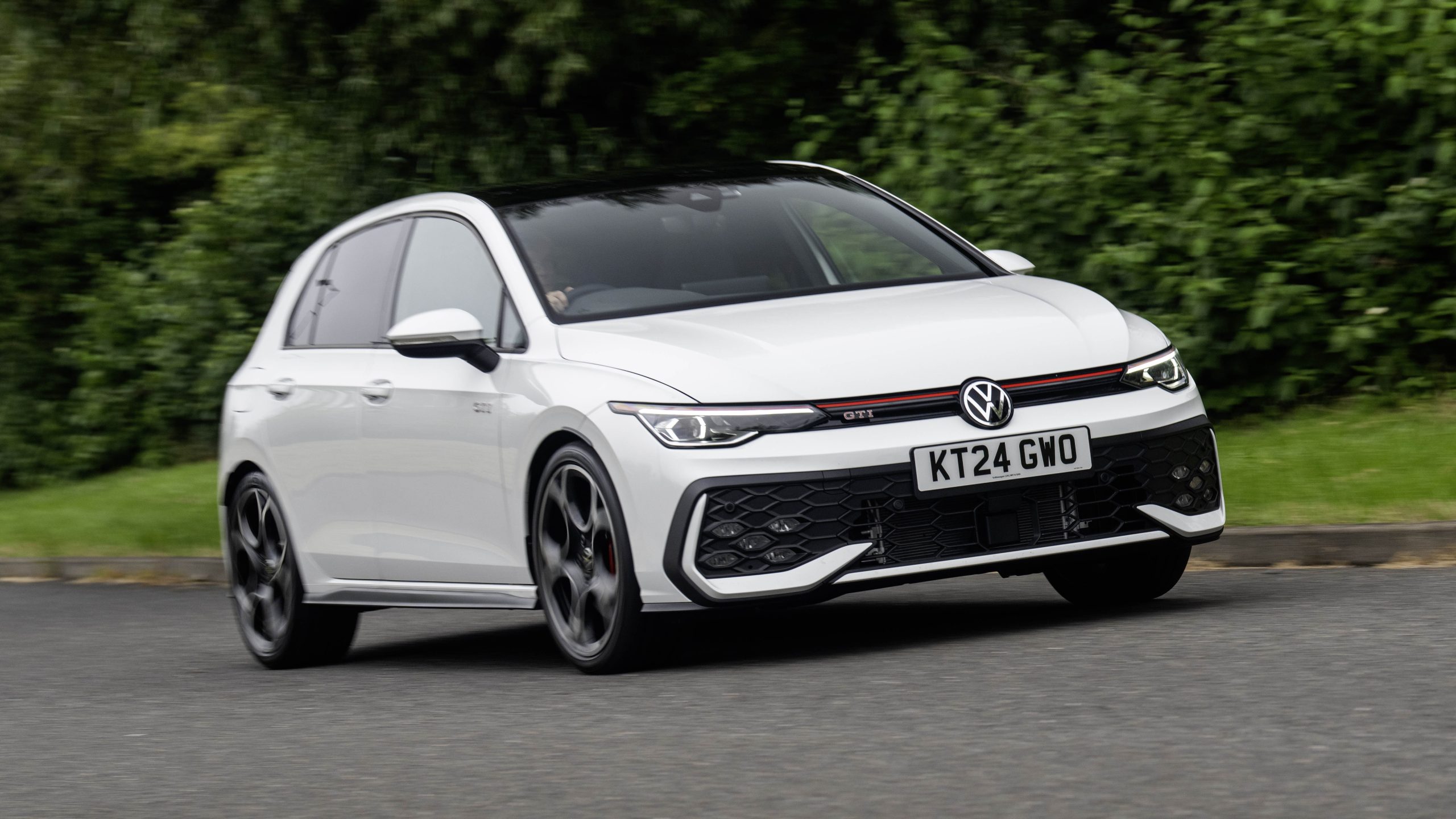
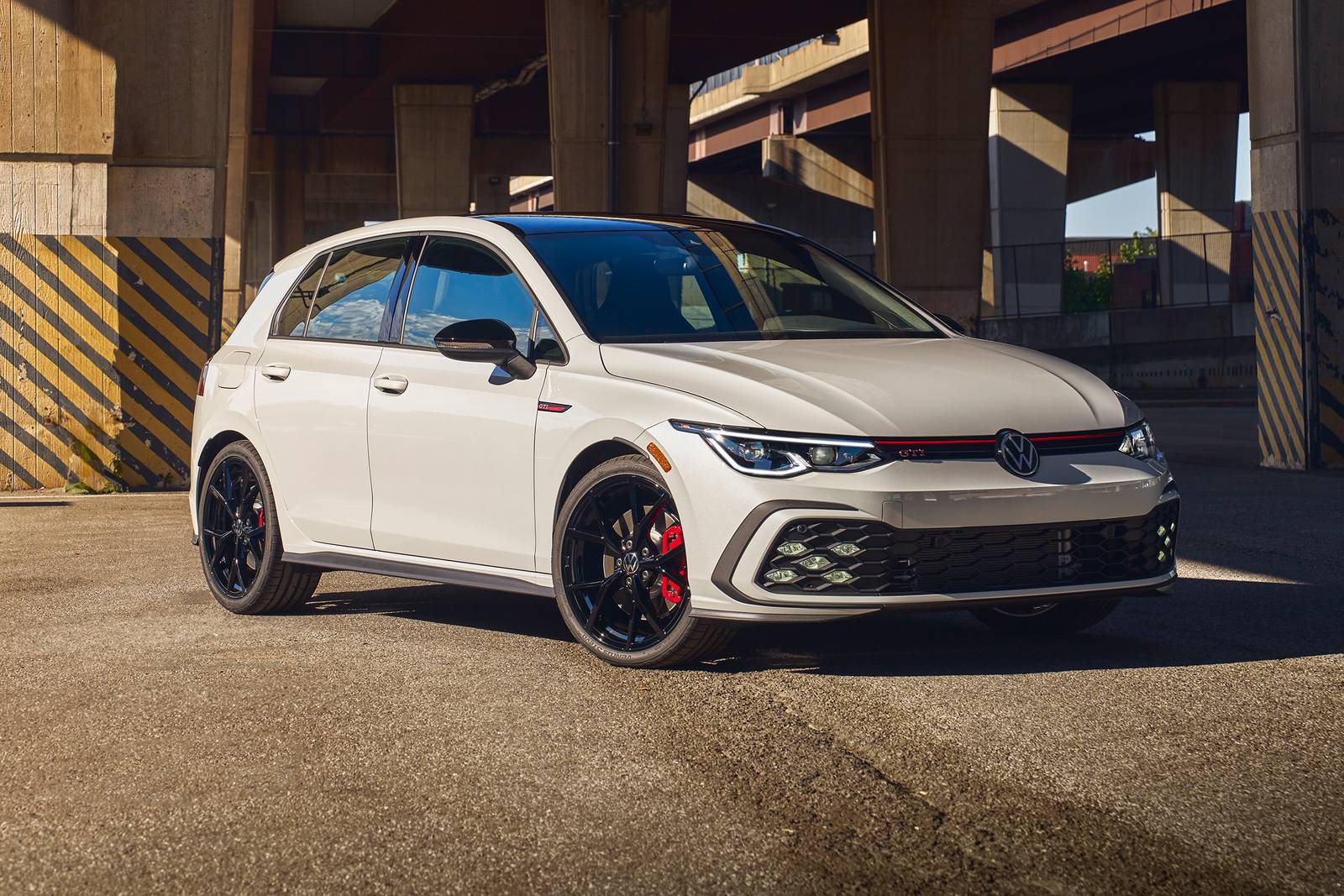
Volkswagen Golf GTI
The Volkswagen Golf GTI is a sporty compact car designed for handling and performance on paved roads, but it is less capable in snowy conditions. Most GTIs are front-wheel-drive, which provides better traction than rear-wheel-drive vehicles, but the car’s low weight and sport-tuned suspension make it prone to sliding in snow or on ice.
Buffalo winters, with their frequent heavy snowfalls and icy patches, highlight the GTI’s limitations, especially during sudden stops, turns, or when accelerating from a full stop. While stability control and traction aids help, the car cannot overcome the challenges posed by low ground clearance and performance-focused tires.
Ground clearance in the GTI is minimal, generally around 5.8 inches, which increases the risk of getting stuck in snowdrifts or compacted snow along streets. Additionally, its tires are often summer-focused or all-season, providing limited grip on ice.
In winter conditions, the car’s lightweight frame means it is more easily affected by snow or ice patches, requiring careful modulation of the throttle and brakes to maintain control. Front-wheel drive helps somewhat, but it cannot compensate for the combination of low clearance, light weight, and winter road hazards.
Despite its performance and fun-to-drive character, the Golf GTI is not an ideal winter vehicle. While it is more capable than some rear-wheel-drive sports cars, its low ground clearance, light weight, and performance-oriented suspension make it prone to slipping in snow.
Drivers must rely heavily on winter tires, reduced speeds, and careful throttle and brake control to navigate safely. The GTI highlights that even front-wheel-drive vehicles designed for spirited driving can encounter significant challenges on icy and snow-covered streets, making it less practical for Buffalo’s winter conditions.
