
Living near the Chesapeake Bay comes with a unique set of challenges for car owners. The combination of salty air, high humidity, and frequent exposure to coastal weather can accelerate wear and tear on vehicles, particularly when it comes to rust and corrosion.
While many modern cars are designed with better rust protection than their older counterparts, not all vehicles hold up equally in this environment. Choosing the right car for coastal commuting is more than just a matter of fuel efficiency or comfort; it is also about selecting a model with durable materials, corrosion-resistant coatings, and a reputation for long-term reliability in corrosive conditions.
Salt is particularly aggressive because it accelerates the oxidation of metal, causing rust to form on exposed surfaces, structural components, and even hidden undercarriage parts. A vehicle that is not properly protected may develop significant rust within a few years of regular exposure to the Chesapeake environment, leading to costly repairs and reduced resale value.
In addition to environmental factors, the type of driving common to coastal commutes also matters. Many residents of the Chesapeake region navigate a mix of highways, suburban streets, and rural roads, sometimes encountering standing water, salt-sprayed bridges, and occasional winter treatments that use de-icing chemicals.
Vehicles that are lightweight or use thin metals without sufficient anti-corrosion coatings often suffer the most. Meanwhile, models that employ galvanized steel, high-quality paint finishes, or advanced rustproofing techniques tend to retain their appearance and structural integrity for much longer.
Knowing which cars can handle these conditions and which are likely to succumb to rust is essential for anyone planning to live or work near the coast.
This article compares two sets of vehicles relevant to Chesapeake commuters. The first set focuses on cars that are well-suited for coastal life, offering durability, resistance to rust, and features that make daily commuting more manageable in a salty, humid environment.
These vehicles tend to combine solid engineering with materials designed to withstand prolonged exposure to moisture and salt. The second set highlights cars that, despite other appealing qualities, have a reputation for rusting quickly when exposed to coastal conditions.
Understanding these differences can help prospective buyers make informed decisions that save money and maintain safety and reliability. By examining the specific models, their materials, and their design characteristics, readers can get a clear picture of which vehicles are likely to thrive and which might struggle in Chesapeake’s challenging environment.
5 Cars for Chesapeake Coastal Commutes
1. Honda CR-V
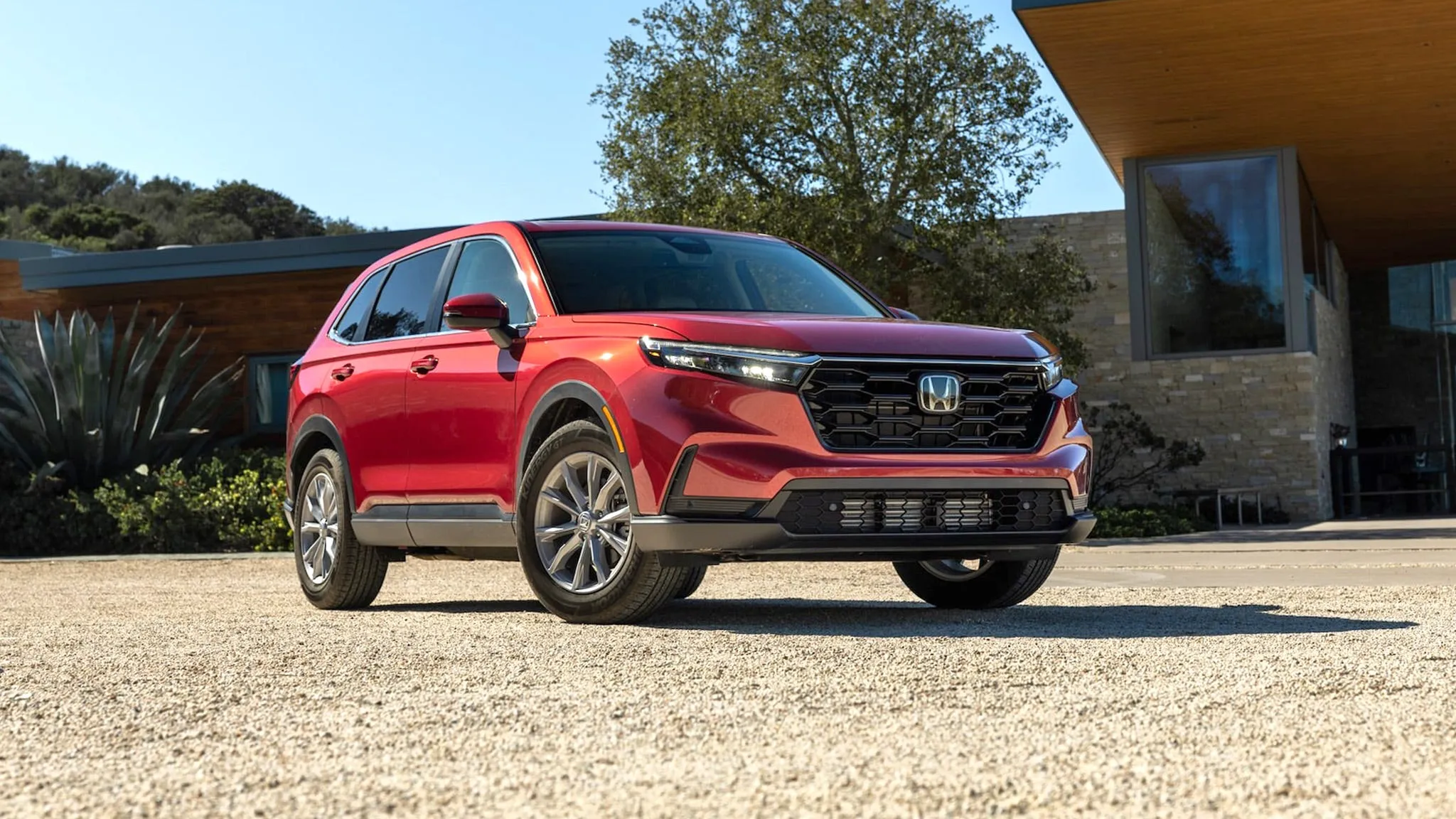
The Honda CR-V is widely recognized for its combination of reliability, practicality, and resistance to environmental wear, making it an ideal choice for those navigating the salty, humid conditions near the Chesapeake Bay.
Honda has long prioritized corrosion protection, employing high-strength galvanized steel in its body panels and undercarriage, which significantly slows the progression of rust even when exposed to frequent moisture and road salt.
The CR-V’s design minimizes hidden crevices and tight seams where water and salt can accumulate, preventing the subtle but steady corrosion that often damages less thoughtfully designed vehicles. Additionally, the SUV’s higher ride height keeps critical components, such as brake lines, fuel tanks, and suspension mounts, further away from standing water and salt-sprayed roads.
Over the years, Honda has consistently refined rustproofing measures, including applying anti-corrosion coatings to internal panels, which ensures that even older models can withstand harsh coastal conditions better than many competitors.
Beyond its corrosion-resistant design, the CR-V offers exceptional practicality for daily commuting. The cabin is spacious and ergonomically designed, with durable materials that withstand constant use, even in environments with high humidity and fluctuating temperatures.
Cargo space is flexible, allowing commuters to carry beach gear, groceries, or work equipment without compromising comfort. The suspension is tuned to provide a smooth ride over both highways and uneven suburban roads, making it particularly suitable for the varied terrain of Chesapeake Bay communities.
Fuel efficiency is competitive, which is important for daily drivers, and the responsive handling ensures stability in wet or windy conditions often encountered near the water.
Maintenance practices also contribute to the CR-V’s long-lasting performance in coastal regions. Regular washing, particularly of the undercarriage, prevents salt from accumulating in hidden areas where it can accelerate corrosion. Paint chips and scratches should be promptly addressed, but even with occasional neglect, the CR-V’s corrosion-resistant design reduces the risk of severe damage.
Owners often report that vehicles driven near the Chesapeake Bay maintain their appearance for years, reflecting Honda’s engineering focus on long-term durability. Additionally, the availability of replacement parts and relatively low maintenance costs make it easier to keep a CR-V in excellent condition over extended periods, which is particularly valuable for families and daily commuters who rely on dependable transportation.
Finally, the Honda CR-V offers strong resale value in coastal areas, which is critical for buyers who may eventually sell or trade in their vehicle. The reputation for durability and rust resistance enhances buyer confidence, particularly in regions where corrosion is a common problem.
A CR-V that has been maintained properly can retain its aesthetic appeal and structural integrity for more than a decade, ensuring that owners are not only investing in a vehicle that performs reliably but also one that holds its value.
In the context of Chesapeake coastal living, this combination of durability, practicality, and financial sense makes the CR-V one of the most compelling options for commuters who face both the challenges of salt exposure and the demands of daily driving.

2. Subaru Outback
The Subaru Outback is a standout choice for coastal commuters due to its blend of durability, all-weather capability, and thoughtful engineering designed to resist rust. Subaru has enhanced corrosion protection across its lineup, particularly in the underbody and suspension components, using advanced coatings and galvanized steel to reduce vulnerability to salt and humidity.
Its wagon-like design and higher ground clearance keep sensitive mechanical parts elevated above puddles, road spray, and coastal mist, while roof rails and side cladding provide additional shielding for metal surfaces.
The Outback also avoids complex crevices in its design, which minimizes areas where moisture can linger and accelerate corrosion. Many long-term owners near the Chesapeake Bay report that even after years of daily driving, the vehicle shows minimal signs of rust, demonstrating Subaru’s effective approach to coastal durability.
Practicality is a key strength of the Outback, particularly for families, outdoor enthusiasts, and daily commuters navigating a variety of road conditions. The spacious interior allows for multiple passengers and gear, making it versatile for trips to the beach, grocery stores, or weekend excursions.
Its all-wheel-drive system provides reliable traction on wet roads, coastal bridges, and rural streets that can be slippery or uneven, reducing the risk of accidents or wear caused by sudden braking. Suspension tuning balances comfort and control, absorbing bumps without transmitting harshness to the cabin, which is particularly valuable in regions where road conditions can vary widely.
Additionally, Subaru places a strong emphasis on longevity, ensuring that mechanical components such as the engine and transmission can withstand repeated exposure to humid, salty environments without premature degradation.
Routine maintenance enhances the Outback’s longevity in coastal conditions. Washing the undercarriage, applying protective coatings, and inspecting wheel wells for early signs of rust are standard practices for owners near the Chesapeake Bay.
Subaru’s corrosion-resistant materials make these maintenance efforts more effective, preventing minor exposure from turning into significant structural damage.
Moreover, Subaru’s commitment to durability ensures that owners can expect fewer mechanical issues over time, even with heavy use in challenging conditions. Many Chesapeake residents find that the Outback maintains both its visual appeal and performance long after other vehicles have begun to show signs of rust or wear.
The Outback also retains strong resale value, reflecting consumer confidence in its ability to resist rust and maintain performance over time. Prospective buyers in coastal regions often specifically seek vehicles known for durability in humid and salty conditions, and the Outback consistently meets that expectation.
Its combination of practicality, corrosion resistance, and mechanical reliability makes it an ideal choice for Chesapeake commuters who require a dependable vehicle that can handle the unique challenges of coastal living while providing comfort, safety, and value over the long term.
3. Toyota RAV4
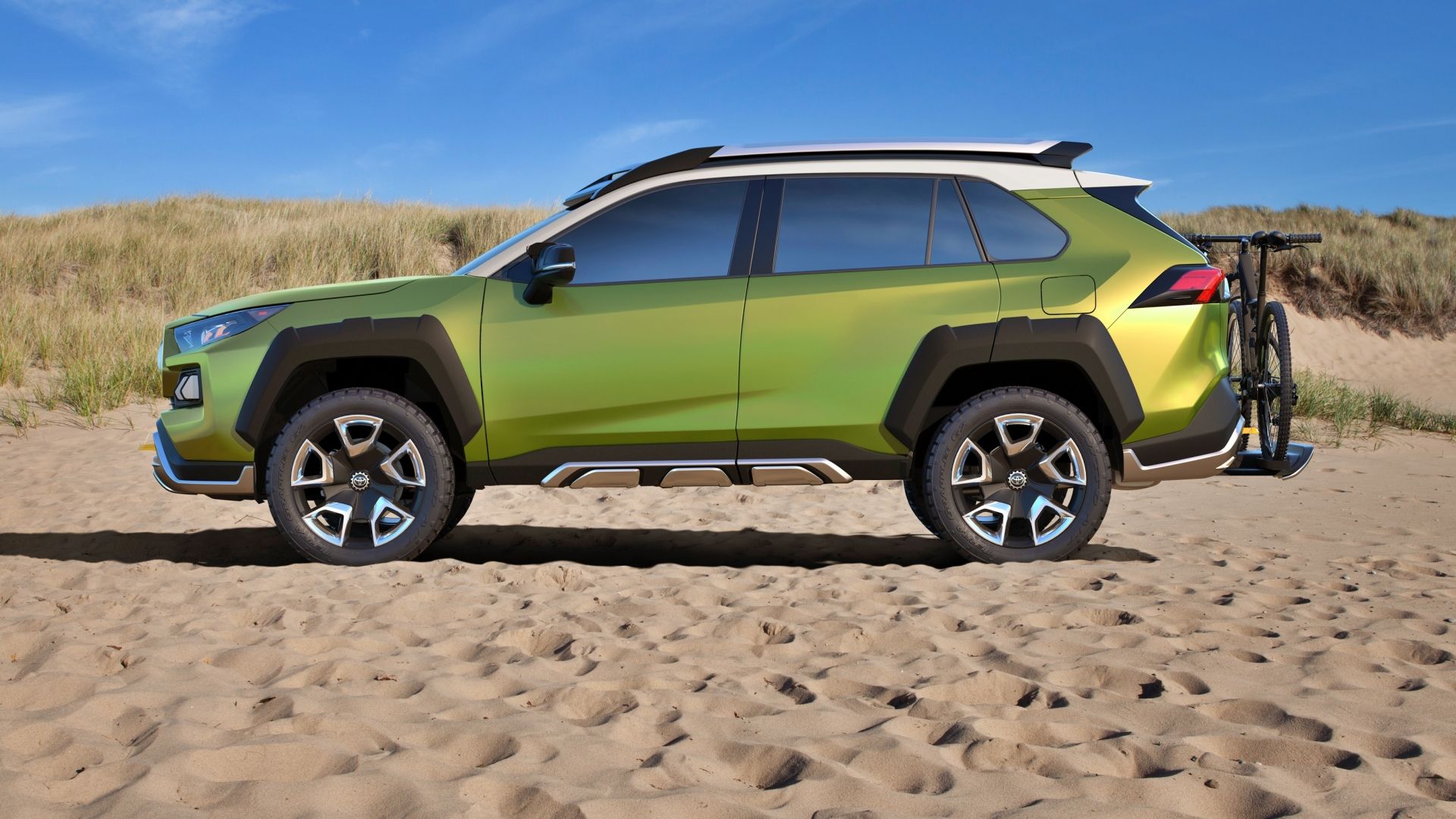
The Toyota RAV4 is a reliable option for those seeking a vehicle that can withstand the corrosive effects of a coastal environment while offering comfort and convenience for daily commuting. Toyota has invested in corrosion-resistant steel and high-quality anti-rust coatings for the RAV4’s body panels, wheel arches, and undercarriage, which minimizes exposure to salt and moisture.
Tight panel gaps and sealed joints prevent water accumulation in areas that could otherwise corrode over time, while design choices such as strategically placed drain holes and protective cladding help channel water away from sensitive areas.
For Chesapeake commuters, these design features make the RAV4 especially appealing, as it reduces the likelihood of rust-related structural damage, even after years of regular exposure to coastal conditions.
Maintenance plays a crucial role in maximizing the RAV4’s durability in coastal environments. Regular undercarriage washing, particularly after exposure to saltwater or winter road treatments, prevents corrosion from taking hold in hidden areas.
Paint touch-ups and protective sprays further extend the vehicle’s life, but the RAV4’s inherent resistance to rust makes these tasks less burdensome than they would be on less thoughtfully engineered vehicles. Many coastal residents report that properly maintained RAV4s retain their structural integrity and appearance for well over a decade, making them a practical and worry-free choice for commuting in environments with high humidity and salt exposure.
Resale value is another advantage of the RAV4. Its reputation for longevity, safety, and rust resistance keeps demand high among used vehicle buyers in coastal regions. Prospective purchasers know that a well-maintained RAV4 is likely to remain visually appealing and mechanically sound, even after extended use in challenging environmental conditions.
For Chesapeake commuters, this combination of durability, reliability, and resale value makes the RAV4 a compelling option for those seeking a dependable, long-term vehicle that performs consistently despite the corrosive challenges of coastal living.
4. Mazda CX-5
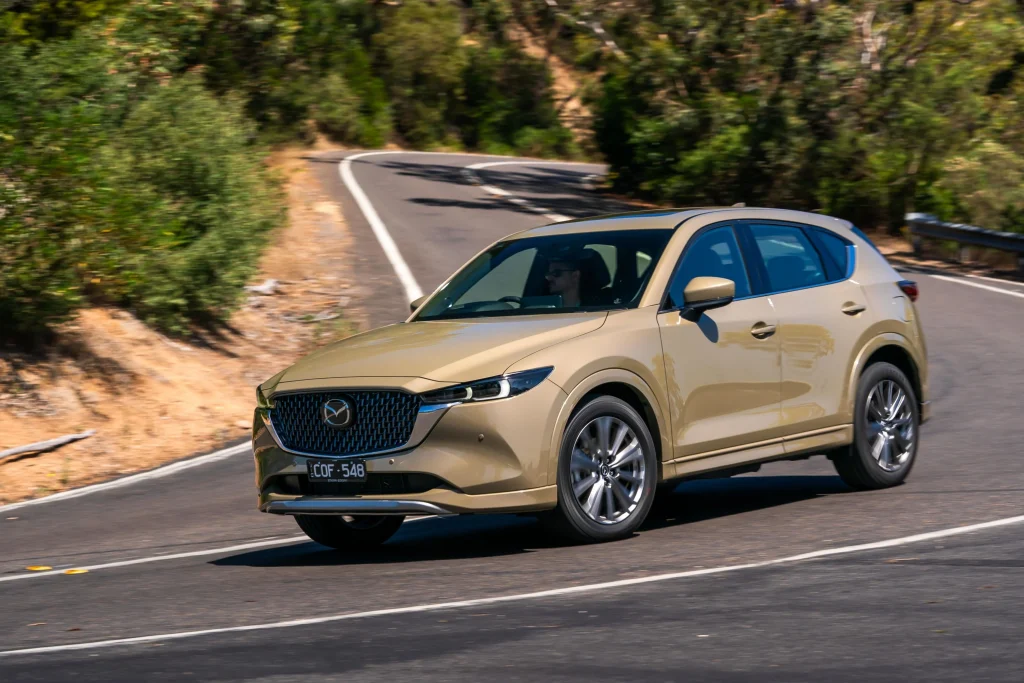
The Mazda CX-5 is a stylish, practical SUV designed with corrosion resistance in mind, making it well-suited for coastal commuting. Mazda employs high-quality paint finishes and anti-corrosion treatments on both visible and hidden body panels, reducing vulnerability to salt and moisture.
The design emphasizes simplicity and avoids unnecessary crevices where water could accumulate, protecting critical areas such as the undercarriage, suspension mounts, and wheel wells. Elevated ground clearance further reduces exposure to standing water or coastal spray, while thoughtful cladding and reinforced panels offer additional layers of protection.
These features allow the CX-5 to maintain both aesthetic appeal and structural integrity even after years of exposure to the Chesapeake Bay’s humid, salty environment.
Maintenance practices enhance the CX-5’s natural corrosion resistance. Regular washing of the undercarriage, application of protective sprays, and timely attention to scratches and chips help ensure the longevity of the vehicle. Mazda’s choice of high-quality materials and corrosion-resistant coatings reduces the frequency of severe rust problems, making the CX-5 less maintenance-intensive than many competitors.
Chesapeake residents often report that the CX-5 retains its appearance and mechanical reliability for years, providing confidence in both aesthetics and performance over extended ownership periods.
Resale value for the CX-5 remains strong, particularly in regions where rust is a major concern. Buyers appreciate the combination of style, practicality, and durability, knowing that the vehicle is likely to remain corrosion-free with basic maintenance.
Its reputation for long-term reliability, coupled with thoughtful engineering to combat environmental wear, makes the CX-5 a compelling option for Chesapeake commuters who prioritize longevity, daily comfort, and the ability to withstand the challenges of coastal living.
5. Chevrolet Equinox
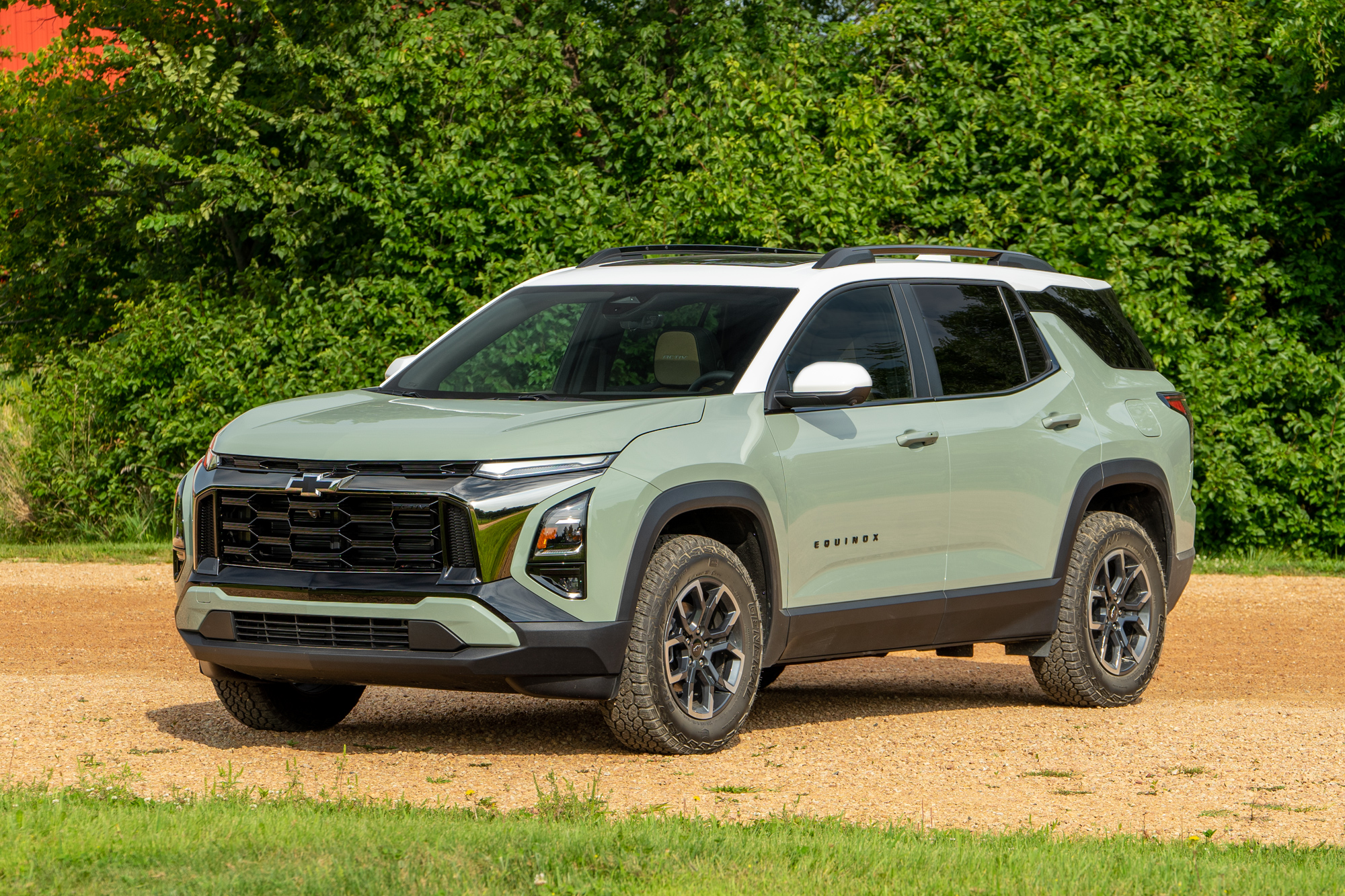
The Chevrolet Equinox is a mid-size SUV designed with practical features and corrosion-resistant construction, making it suitable for commuting near the Chesapeake Bay. Recent models feature high-strength steel in key structural areas and underbody components treated with advanced coatings to resist salt and moisture.
Tight panel gaps and protective cladding limit exposure of critical areas to corrosive elements, while the vehicle’s design helps channel water away from vulnerable spots. Elevation of the chassis and inclusion of well-protected underbody components further enhance its resistance to rust, ensuring that the Equinox can maintain structural integrity and appearance even after prolonged exposure to humid coastal conditions.
Practicality and comfort are central strengths of the Equinox. Its cabin provides generous space for passengers and cargo, and the seating is designed for extended commuting comfort. The suspension effectively balances ride quality with stability, making it well-suited for wet or uneven roads commonly found in coastal areas.
Safety features are robust, including multiple airbags, driver-assistance systems, and reinforced structural components, which provide reassurance for commuters who frequently drive in conditions where salt, humidity, and occasional flooding might impact vehicle performance. These attributes make the Equinox a reliable, practical option for families, professionals, and daily drivers in Chesapeake communities.
Resale value for the Equinox remains strong due to its combination of durability, comfort, and practicality. Buyers in coastal areas are particularly attentive to rust resistance, and the Equinox’s reputation for maintaining structural integrity makes it a desirable choice in the used market.
Chesapeake commuters benefit from this combination of reliability, daily functionality, and resistance to corrosion, making the Equinox a well-rounded option for those who want a dependable vehicle capable of withstanding the unique challenges of coastal driving.
5 Cars That Rust Quickly
1. Jeep Wrangler
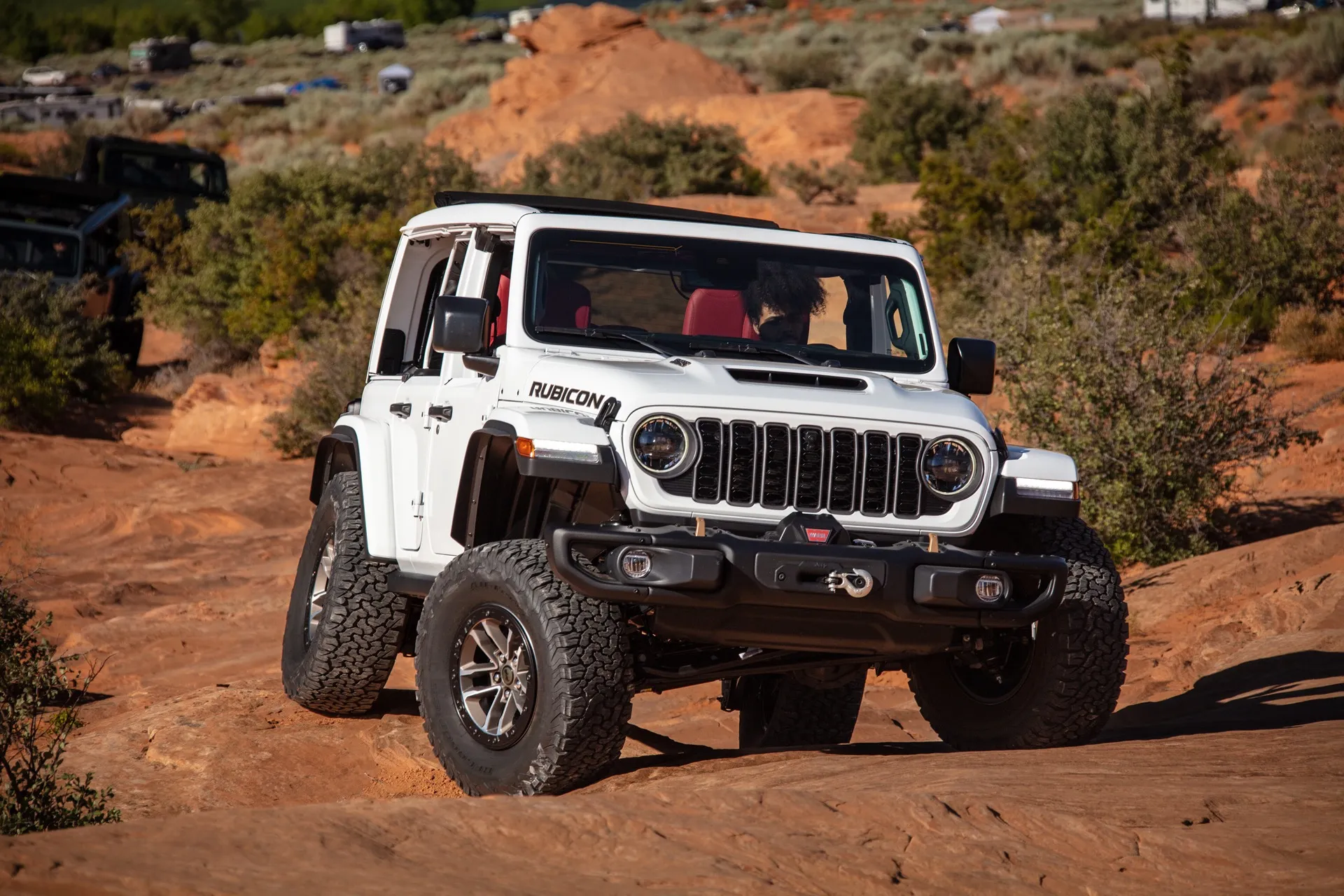
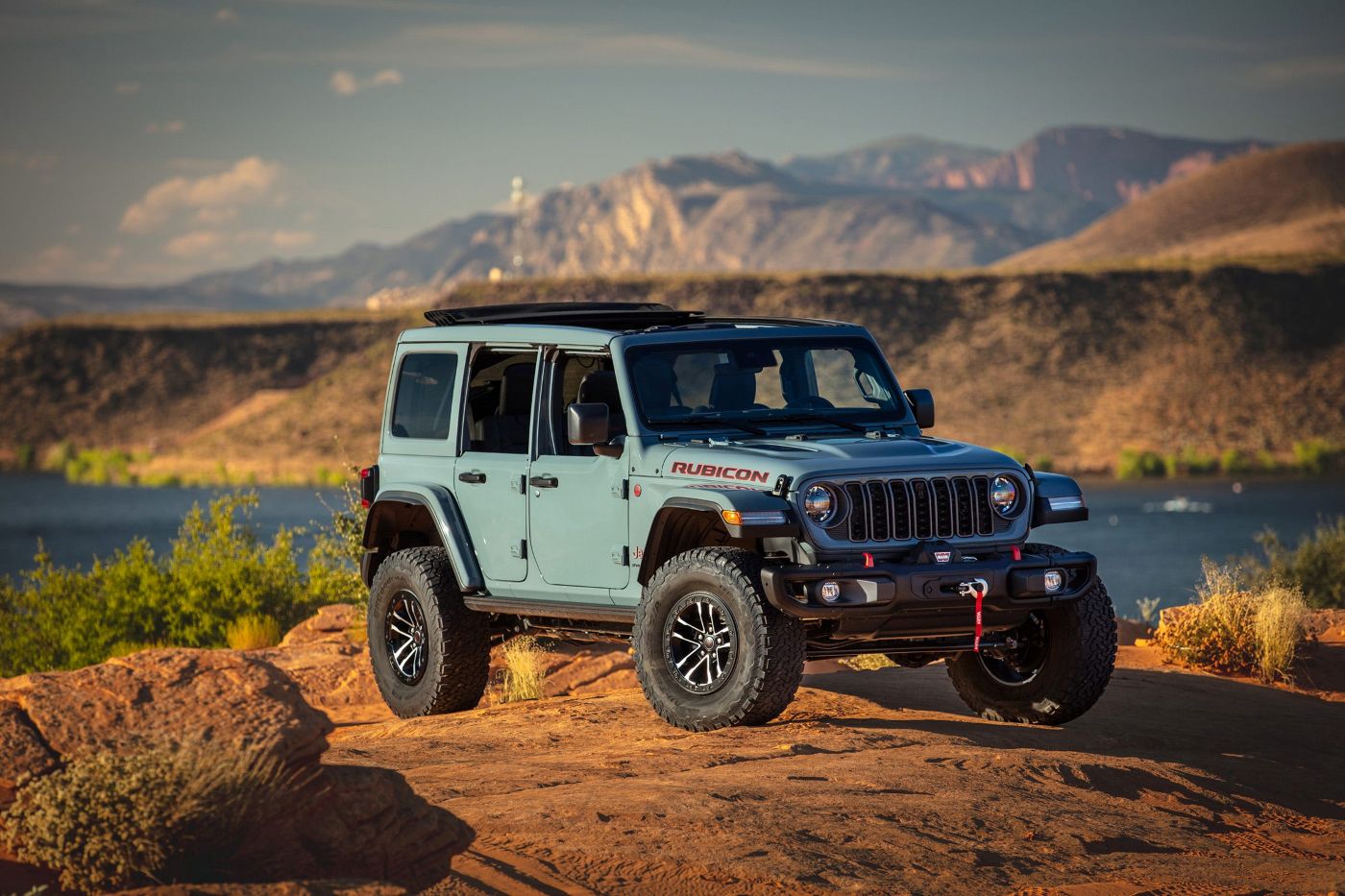
The Jeep Wrangler is widely recognized for its off-road capabilities, iconic styling, and rugged personality, but it has a well-documented reputation for rust issues, particularly in environments exposed to salt and humidity, such as the Chesapeake Bay area.
The Wrangler’s design, while functional for off-roading, exposes numerous metal surfaces that are vulnerable to corrosion. Removable doors, exposed hinges, and an open-frame design create many areas where water, salt, and debris can accumulate, accelerating the formation of rust. Older models, especially those manufactured before advanced rustproofing measures were implemented, are particularly susceptible.
Coastal owners often find rust forming along fender flares, door sills, the tailgate, and even the undercarriage within a few years of regular exposure. While its ruggedness makes it attractive for weekend trails and outdoor adventures, its vulnerability to corrosion makes it a challenging choice for daily commuting in salty, humid environments.
Maintaining a Jeep Wrangler in a coastal setting requires consistent and proactive effort. Frequent undercarriage washing, application of protective sprays, and prompt attention to scratches or exposed metal are essential to slow down rust formation.
Salt accumulation from road spray, winter treatments, and humid air can penetrate small crevices, leading to hidden rust that is often only noticed after it has caused significant damage. Unlike some modern SUVs with fully sealed panels and corrosion-resistant steel, the Wrangler’s design allows salt and moisture to reach areas that are difficult to treat or repair, resulting in faster rust development.
Owners often report that even with careful maintenance, the vehicle may still develop rust in vulnerable areas, highlighting the inherent challenges of keeping a Wrangler rust-free in a coastal environment.
Despite these challenges, the Jeep Wrangler remains popular due to its off-road performance, customizable features, and iconic appearance. Enthusiasts are willing to accept higher maintenance demands for the thrill of driving a capable off-road vehicle, but potential buyers in coastal regions should carefully consider the risk of accelerated rust.
For daily commuting and long-term ownership in a salty environment, the Wrangler requires a commitment to maintenance and rust prevention that exceeds that of many other vehicles, and failure to do so can result in significant deterioration in both aesthetics and structural safety.
2. Ford F-150 (Older Models)
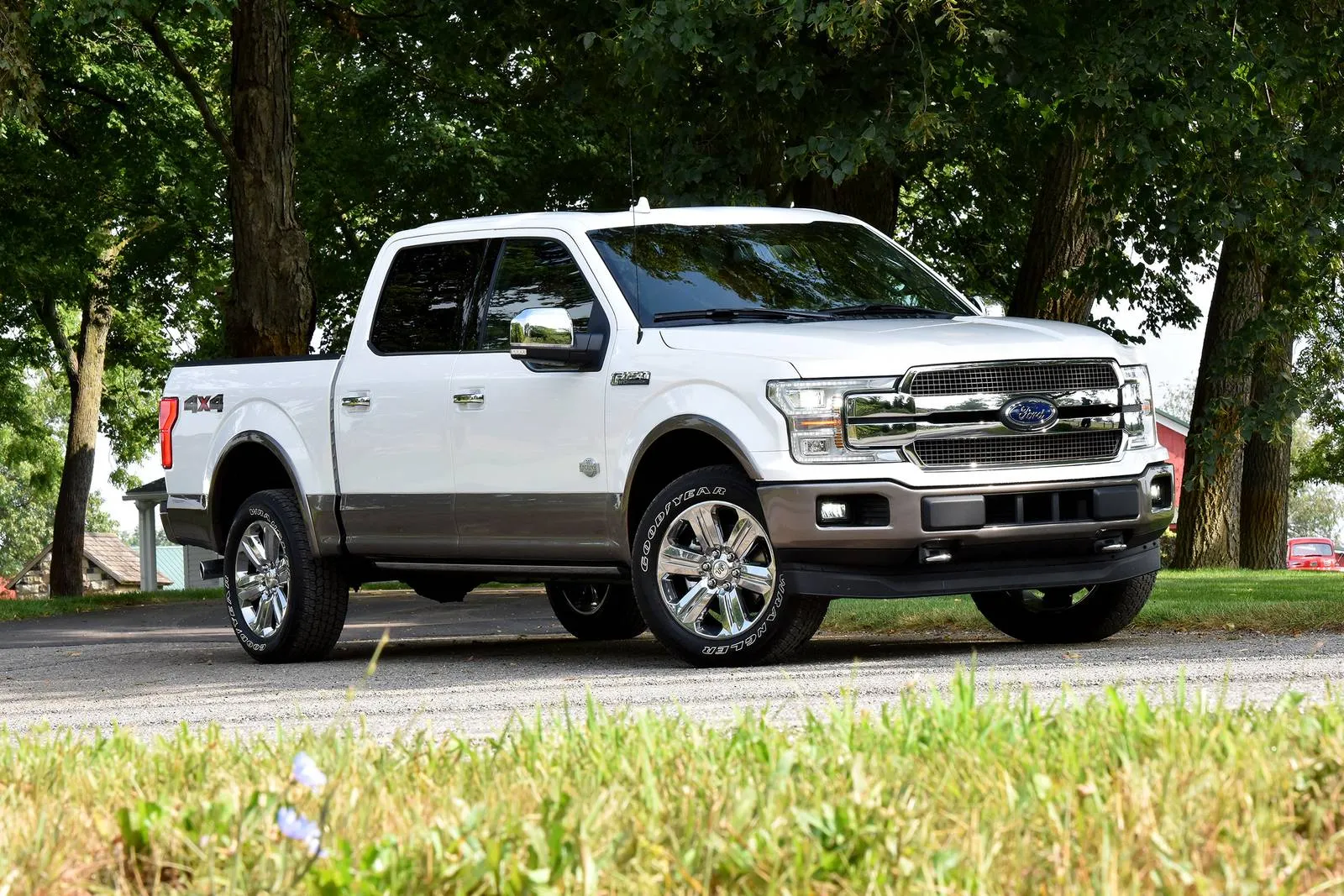
Older Ford F-150 trucks, particularly those produced before the widespread use of galvanized steel and advanced rustproofing, are notorious for rust problems, especially in coastal regions. These trucks have structural components such as the frame, rocker panels, wheel wells, and tailgate that are highly vulnerable to corrosion from salt, moisture, and humidity.
Chesapeake Bay residents often report rust forming on older F-150s within three to five years, particularly if the vehicle is regularly exposed to salted roads, coastal spray, or humid air. Rust in these areas can compromise both aesthetics and structural integrity, making them less suitable for long-term commuting in environments prone to corrosion. Even minor scratches or chips in the paint can quickly develop into more extensive rust if left untreated.
Maintenance for older F-150s in coastal areas can be demanding and time-consuming. Owners must regularly inspect wheel wells, frames, and rocker panels for early signs of corrosion and immediately treat any exposed areas.
Failure to perform these steps can lead to rust spreading under the vehicle, affecting critical structural parts such as suspension mounts, brake lines, and the fuel tank support. Chesapeake Bay residents often find that untreated trucks exhibit rust in hidden areas that can be difficult and expensive to repair, reducing vehicle safety and lifespan. The cost of ongoing preventative maintenance may offset the benefits of owning an older F-150 in a coastal setting.
Despite these rust challenges, older F-150s remain popular due to their durability in terms of power and performance, towing capacity, and utility.
Coastal residents considering these trucks for daily commuting must weigh the benefits of capability against the high potential for corrosion and associated maintenance costs. Buyers who choose older F-150s in the Chesapeake region should be prepared for frequent inspections, protective measures, and potentially significant repairs to manage rust effectively over time.
3. Chevrolet Silverado (Older Models)
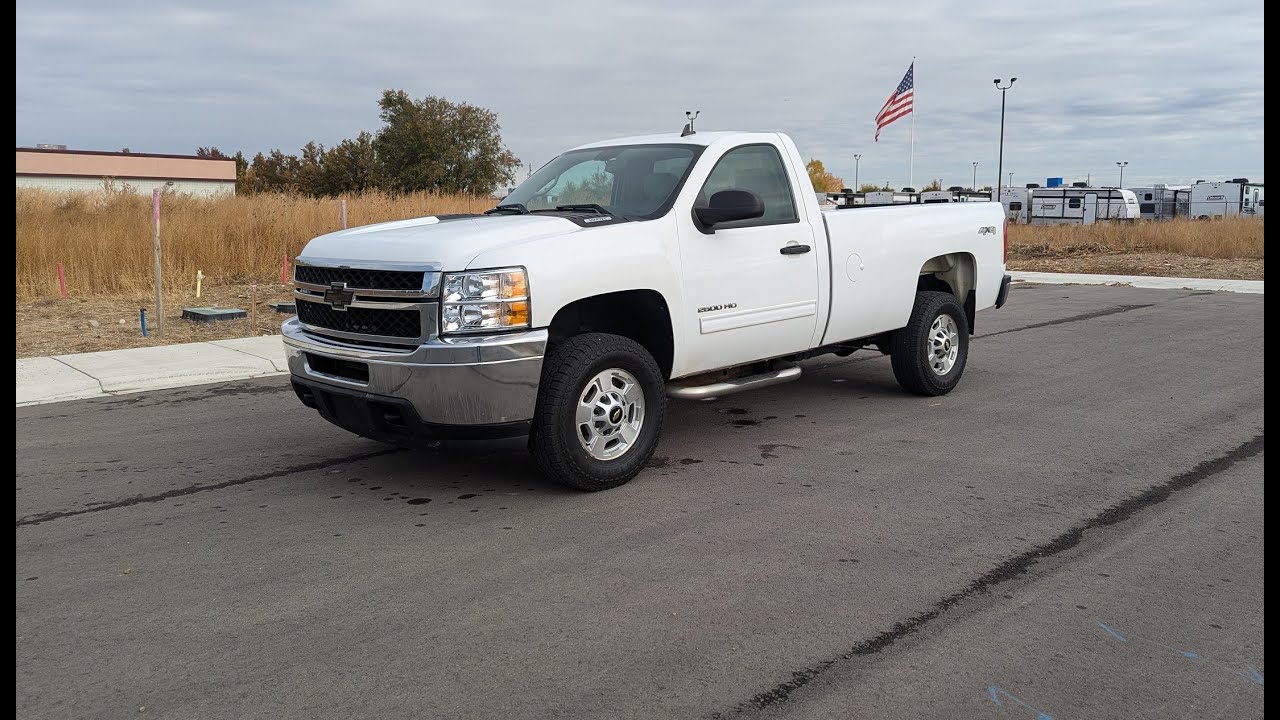
Similar to older Ford F-150s, older Chevrolet Silverado trucks are prone to rust in coastal environments, particularly in areas with heavy salt exposure and humidity.
Body panels, lower rocker panels, wheel wells, and frame components are highly vulnerable, especially on trucks manufactured before widespread anti-corrosion coatings and galvanized steel use. Coastal residents often notice rust forming within three to five years, and in some cases, corrosion can affect structural parts such as suspension mounts, brake lines, and the frame itself.
Rust tends to accumulate in hidden areas, such as joints, welds, and the undercarriage, where moisture and salt may linger unnoticed. This makes older Silverados challenging to maintain in the Chesapeake Bay area, where environmental conditions accelerate corrosion.
Maintenance for older Silverado models in Chesapeake Bay conditions requires consistent and proactive effort. Frequent undercarriage washing, application of protective coatings, and inspection of wheel wells and suspension components are necessary to slow corrosion.
Rust repairs can be expensive due to the vehicle’s size and the potential need for frame or bodywork replacements, making ownership in coastal regions more demanding than for trucks with better corrosion protection. Many owners report that untreated older Silverados develop rust quickly, leading to costly repairs and diminished resale value over time.
Despite these issues, the Silverado remains a popular choice for its towing capability, durability, and general utility. For coastal residents, however, the potential for accelerated rust requires careful consideration. Buyers must balance the truck’s performance benefits against the likelihood of corrosion-related maintenance costs, making older Silverados less suitable for regular daily commuting in salty, humid environments without dedicated upkeep.
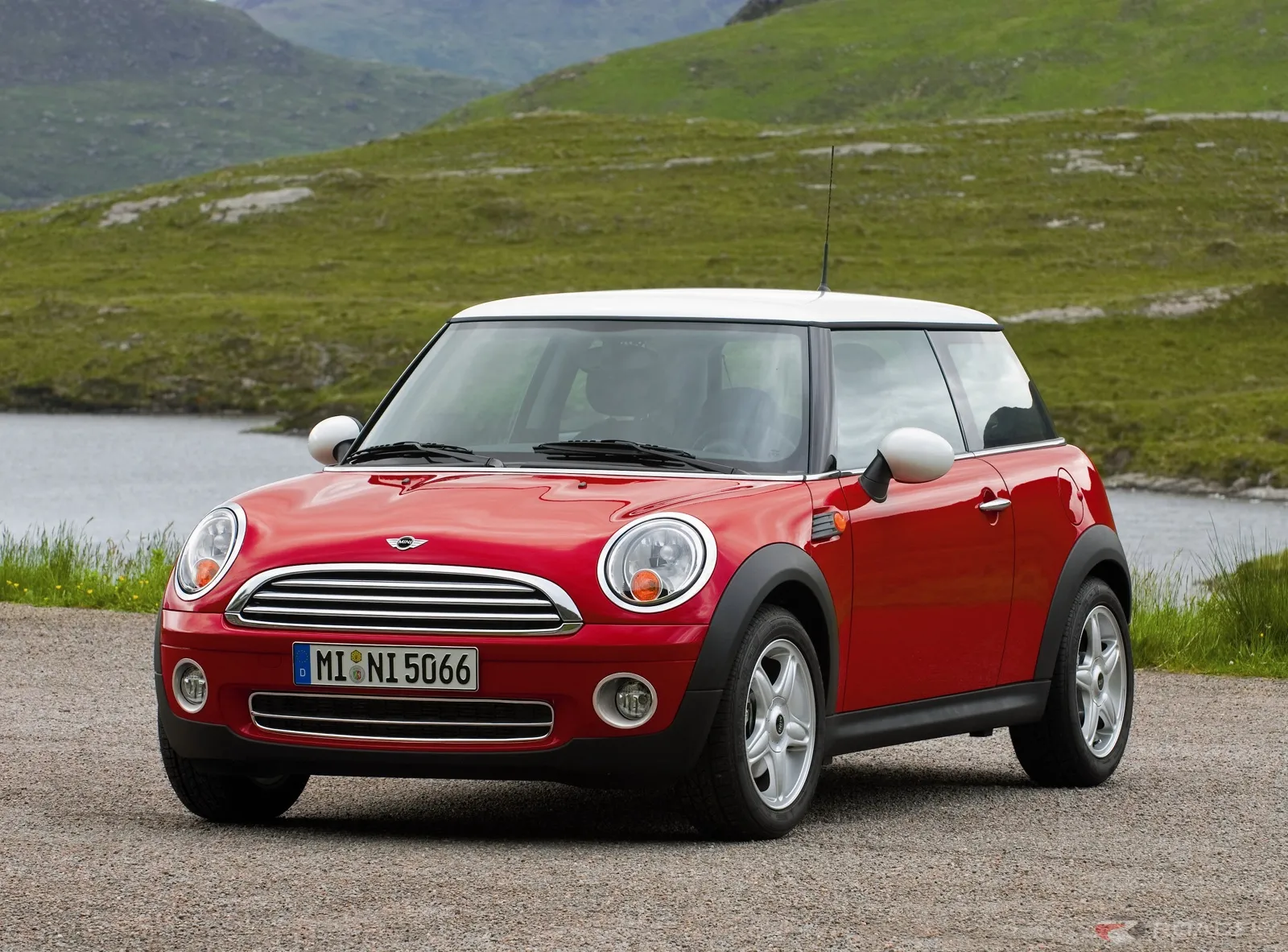
4. Mini Cooper
The Mini Cooper is a compact, stylish vehicle that excels in urban driving and offers a fun, responsive ride, but it has a well-known vulnerability to rust, especially in older models and coastal environments. Thin steel body panels, exposed wheel arches, and limited corrosion-resistant coatings make the Mini particularly susceptible to salt-induced damage.
Chesapeake Bay residents often report rust appearing on the undercarriage, wheel wells, door sills, and lower body panels within just a few years of regular exposure. Small scratches, paint chips, and accumulation of salt in hidden areas accelerate corrosion, reducing the vehicle’s lifespan and resale value. While the Mini’s unique design and driving experience are appealing, these benefits come with a significant trade-off in durability in salty, humid conditions.
Rust also affects the Mini Cooper’s resale value and long-term ownership costs. Visible corrosion reduces buyer confidence, and repairing rusted areas can be expensive due to the vehicle’s compact, specialized design.
Hidden rust in structural or suspension components may compromise safety, making it critical for coastal owners to monitor and maintain their vehicles proactively. Chesapeake Bay residents should consider the balance between style, driving enjoyment, and the higher maintenance demands associated with keeping a Mini rust-free.
Despite these challenges, the Mini Cooper retains popularity for city driving and short commutes due to its compact size, maneuverability, and distinctive appearance.
However, for residents near the Chesapeake Bay, where salt and humidity are constant factors, the Mini requires more frequent care than many competitors. Without regular maintenance, rust develops quickly, impacting both the vehicle’s performance and aesthetics, and potentially leading to costly repairs over time.
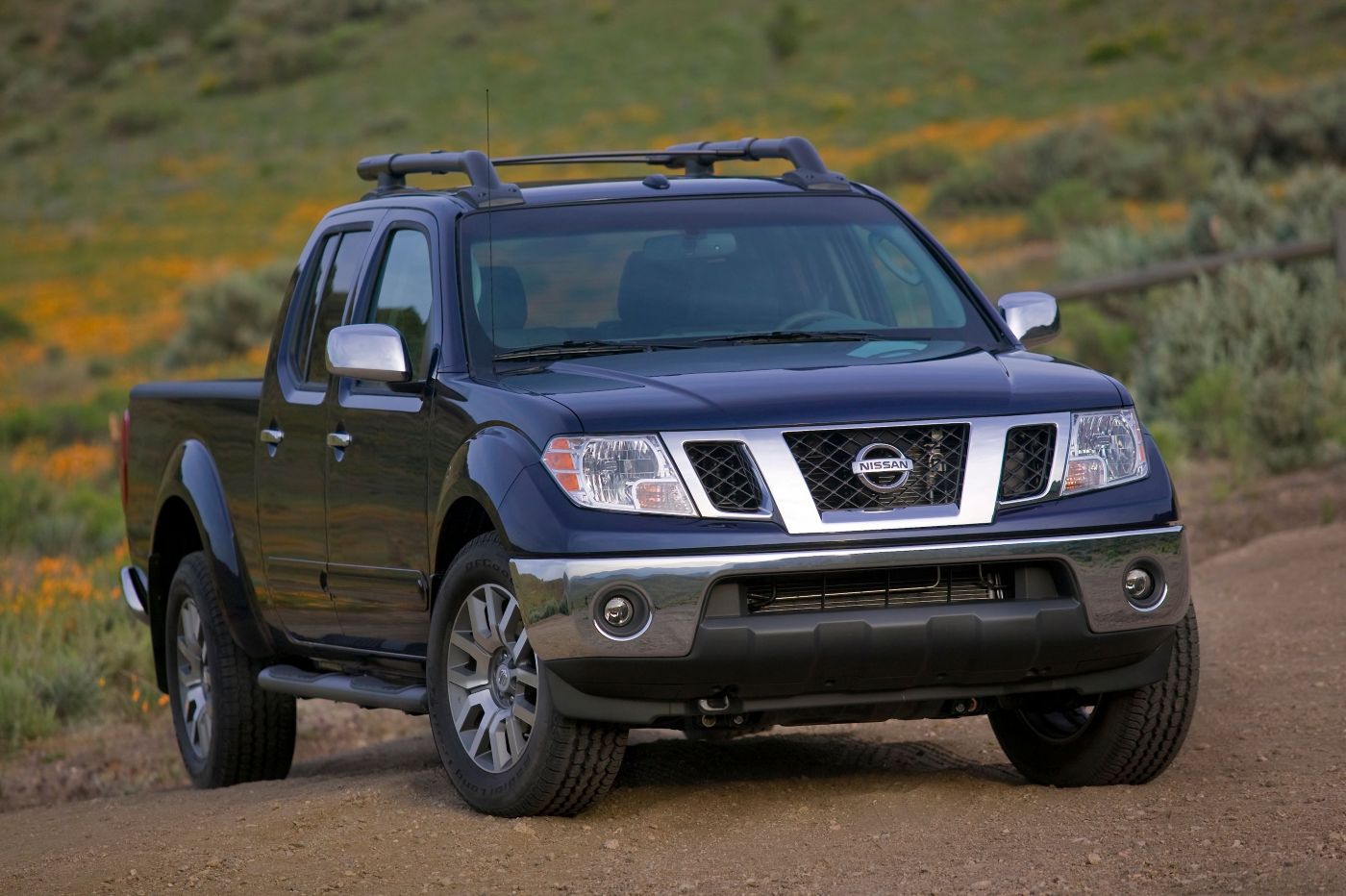
5. Nissan Frontier (Older Models)
The Nissan Frontier, particularly older models, has a reputation for rust issues when exposed to coastal conditions. The truck’s steel frame, wheel wells, rocker panels, and underbody components are highly vulnerable to salt and humidity, which can accelerate corrosion within just a few years of regular exposure.
Chesapeake Bay residents often report rust appearing on structural components, suspension mounts, and the undercarriage, especially if preventative maintenance is not consistently applied. Older Frontiers lack many of the modern anti-corrosion treatments found on newer trucks, making them more prone to rust than competitors designed with coastal durability in mind.
Maintenance is essential for coastal owners of older Frontiers. Regular undercarriage washing, inspections for early rust, and the application of protective coatings can slow corrosion but require consistent effort.
Chesapeake residents who neglect these steps often find rust spreading rapidly, particularly in joints, welds, and suspension components. Repairing significant rust on these vehicles can be both time-consuming and expensive, highlighting the need for diligent upkeep.
Despite these challenges, the Frontier remains popular due to its compact size, off-road capability, and affordability. Coastal residents considering this truck for daily use must weigh its utility against its higher susceptibility to rust.
Without proactive maintenance, older Nissan Frontiers can deteriorate quickly in salty, humid environments, resulting in reduced safety, performance, and resale value, making them a less practical choice for Chesapeake Bay commuters compared to rust-resistant alternatives.
