
The Central Valley of California, particularly Stockton, experiences some of the hottest temperatures in the state. Summers regularly push into the triple digits, and vehicles in this region are consistently subjected to extreme heat stress. Choosing the right car for this climate is more than a matter of preference; it is essential for reliability, comfort, and safety.
Cars that can handle the intense heat tend to have robust cooling systems, durable engines, and air conditioning units capable of maintaining comfort for drivers and passengers alike. They are also less likely to experience heat-related failures, such as engine overheating, brake fading, or electrical issues, which can become frequent concerns in high temperatures.
On the other hand, some vehicles are notoriously sensitive to heat, either because of their engine design, cooling limitations, or mechanical fragility. These cars often suffer from overheating, diminished performance, and sometimes even complete mechanical failure if left in extreme conditions for extended periods.
Residents of Stockton must make careful decisions when purchasing a car for everyday driving or long commutes. Factors such as engine size, radiator quality, coolant efficiency, and transmission design become critical. Vehicles designed with heavy-duty cooling systems, efficient airflow management, and heat-resistant components generally outperform others in this climate.
Additionally, manufacturers that include high-quality air conditioning systems ensure that passengers remain comfortable even during the peak heat of the day. In contrast, cars with smaller radiators, underpowered fans, or engines prone to heat retention often become problematic, resulting in unexpected repairs and costly downtime. Understanding which cars are reliable in the Central Valley heat versus those that struggle is vital for both safety and financial planning.
This article categorizes ten vehicles into two groups: five cars that thrive in Stockton’s intense heat and five that are prone to overheating under these conditions. The goal is to help drivers make informed choices based on climate-specific performance.
Each group highlights key features, common strengths, and vulnerabilities that affect their reliability during extreme temperature exposure. By providing this breakdown, drivers can avoid common pitfalls and make a decision that balances comfort, performance, and long-term durability.
Choosing the right vehicle is more than a preference; in a climate like Stockton’s, it is a strategic decision that can prevent mechanical failure, minimize repair costs, and ensure a more comfortable driving experience throughout the year.
Cars That Handle Stockton Heat Well
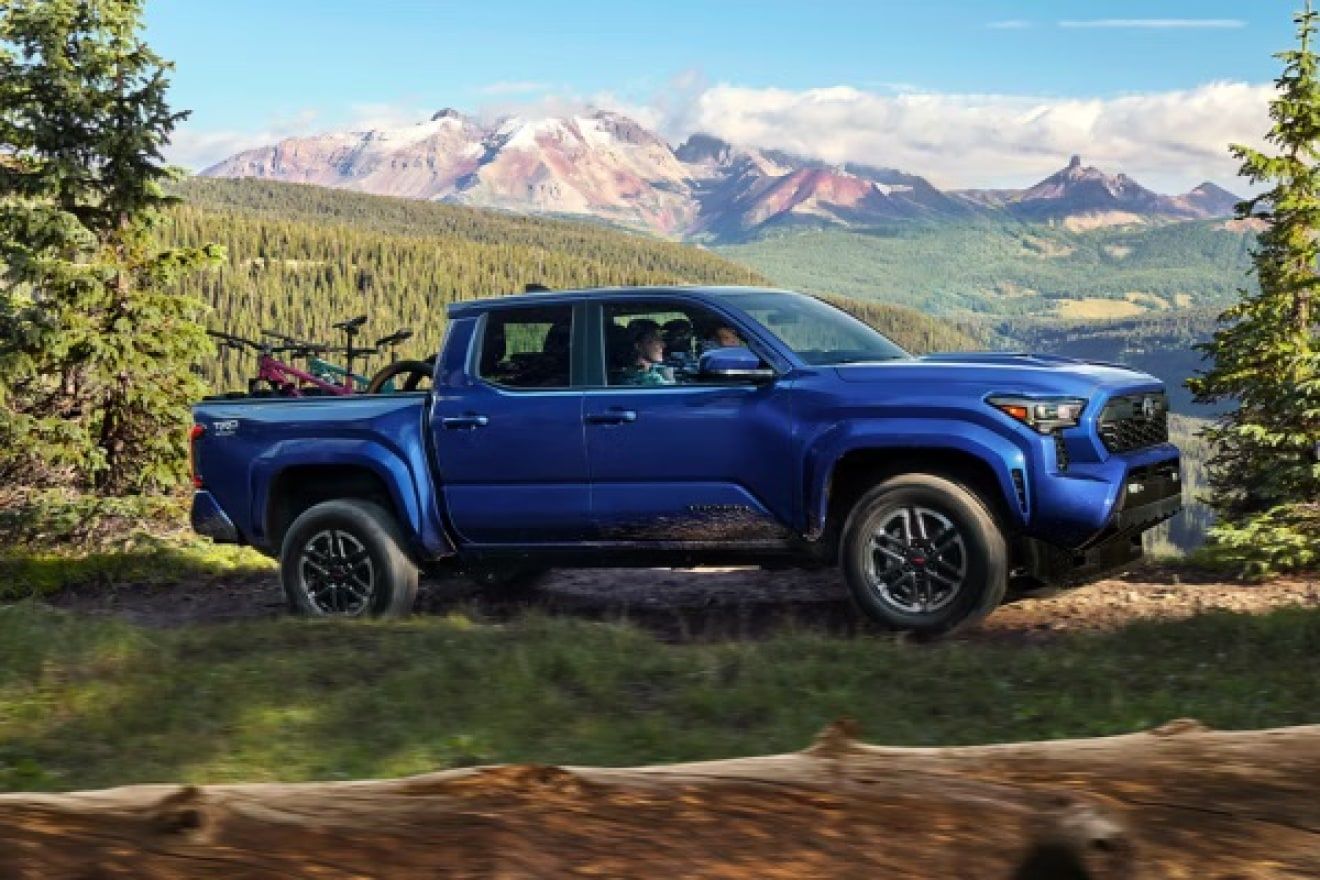
1. Toyota Tacoma
The Toyota Tacoma is widely recognized for its rugged reliability, and its ability to thrive in extreme heat makes it a top choice for Stockton drivers. One of the key factors contributing to this performance is the Tacoma’s engine design.
Its powertrain is built with durable materials and a high level of thermal tolerance, which reduces the likelihood of overheating during prolonged exposure to temperatures exceeding 100 degrees Fahrenheit.
The cooling system is exceptionally effective, featuring a large radiator and high-capacity fans that work together to maintain optimal engine temperatures even in slow-moving traffic under direct sun.
For those who frequently tow trailers or carry heavy loads, the Tacoma’s ability to dissipate heat effectively ensures that engine performance remains stable and reliable, preventing breakdowns that might occur in less robust vehicles.
The design of the Tacoma also emphasizes airflow and heat management in the engine bay. Key components are spaced to allow better ventilation, which aids in reducing heat accumulation around sensitive parts. The radiator, coolant hoses, and thermostat work in unison to regulate engine temperature, even when the truck is used intensively over long distances in summer conditions.
Additionally, the Tacoma’s transmission is designed to handle stress without overheating, which is particularly valuable for drivers who frequently climb hills or carry heavy cargo. This combination of engine durability and transmission reliability ensures that the vehicle performs consistently, avoiding common heat-related issues that might afflict other midsize trucks.
Comfort is another critical factor in evaluating the Tacoma for hot climates. Its air conditioning system is robust, with vents positioned strategically to circulate cool air throughout the cabin quickly. In Stockton’s summer heat, this feature significantly enhances driver and passenger comfort, reducing fatigue on long commutes and road trips.
The interior materials are also heat-resistant, meaning that leather or vinyl surfaces do not warp or become uncomfortably hot after prolonged sun exposure. For families or drivers who spend many hours on the road, these features are essential in ensuring a safe and comfortable driving experience.
Finally, the Tacoma benefits from an extensive network of parts availability and experienced mechanics. In California, Toyota trucks are common, and local shops are well-versed in the maintenance and repair of cooling systems, air conditioning units, and other heat-sensitive components.
This means that even if minor issues arise due to extreme temperatures, they can be addressed quickly and efficiently. The Toyota Tacoma combines mechanical durability, effective heat management, and driver comfort to make it one of the most reliable options for Stockton drivers seeking a vehicle that can handle the Central Valley heat year after year.
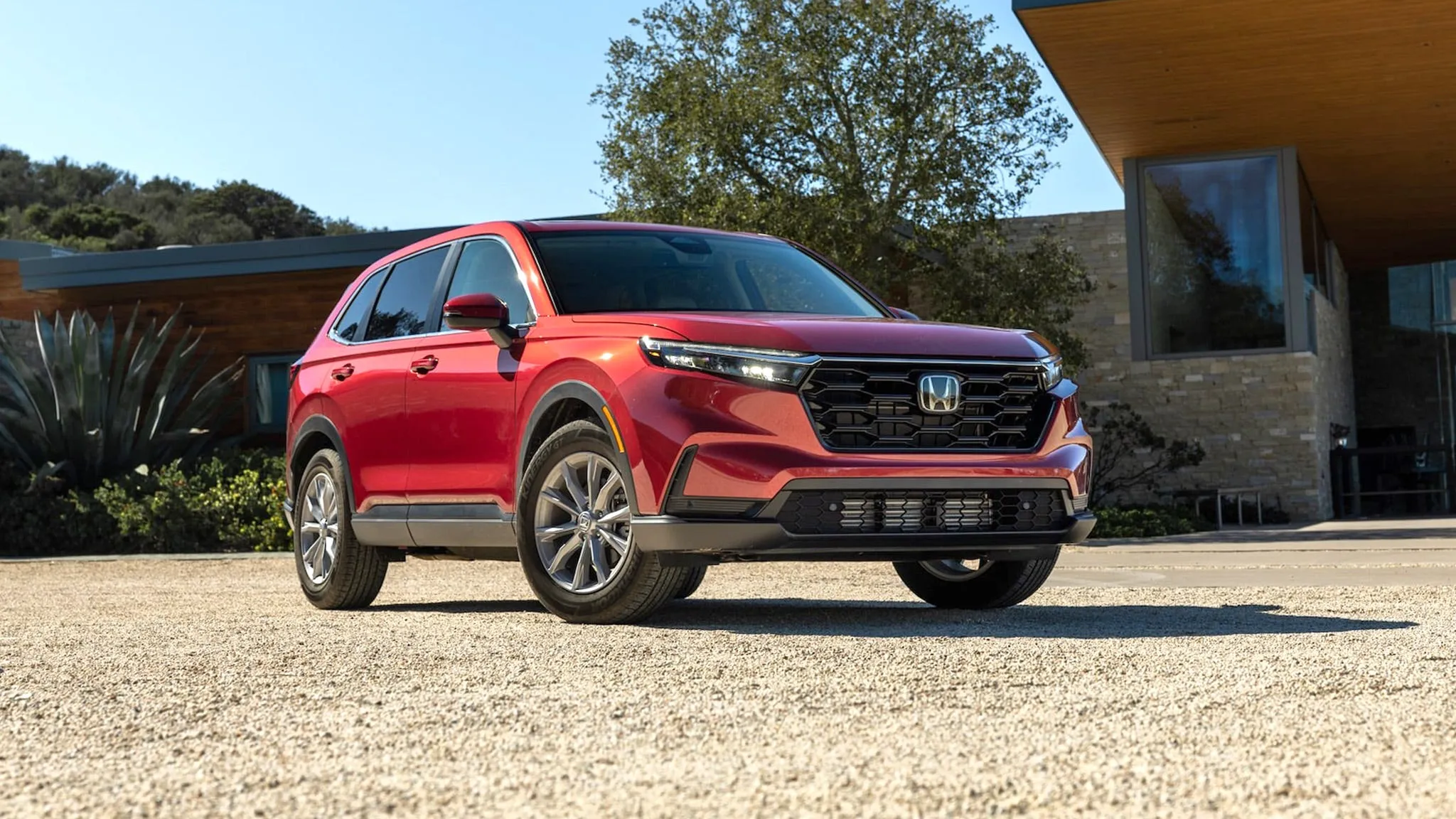
2. Honda CR-V
The Honda CR-V is another vehicle well-suited to extreme heat conditions, making it a popular choice in Stockton. Its engine design is compact and efficient, allowing heat to be dispersed effectively without putting undue stress on the cooling system.
The radiator and coolant channels are carefully engineered to prevent hotspots, ensuring that the engine maintains consistent performance even during extended idling or stop-and-go traffic. This is particularly important in a city environment where daily commutes often involve prolonged periods of low-speed driving in direct sunlight.
The CR-V’s relatively lightweight frame contributes significantly to its heat resilience. Vehicles with less mass tend to accumulate heat more slowly, reducing the strain on the cooling system during prolonged exposure to high temperatures.
This also helps the engine operate more efficiently, maintaining fuel economy and preventing the rapid thermal spikes that can occur in larger, heavier vehicles. Additionally, the CR-V’s transmission system is designed to handle the heat without losing efficiency, which is important for drivers who frequently navigate uphill terrain or carry passengers and cargo that increase engine load.
Interior comfort is another area where the CR-V excels. Its air conditioning system is both powerful and efficient, capable of cooling the cabin quickly even when external temperatures are extreme. Cabin airflow is evenly distributed, ensuring that every passenger experiences consistent cooling.
The interior materials, including dashboard plastics and seat coverings, are designed to resist heat-related degradation, reducing the risk of fading, cracking, or warping over time. This ensures that the vehicle remains comfortable and visually appealing even after years of exposure to Stockton’s summer sun.
Reliability is a cornerstone of Honda’s design philosophy, and the CR-V is no exception. Electrical components, including sensors, wiring harnesses, and onboard electronics, are engineered to withstand high temperatures without malfunctioning.
This means drivers experience fewer heat-related warning lights or component failures compared to vehicles with less heat-tolerant designs. The combination of efficient cooling, lightweight construction, durable materials, and reliable electronics makes the Honda CR-V a dependable choice for Stockton residents seeking a vehicle that performs consistently during extreme heat conditions.
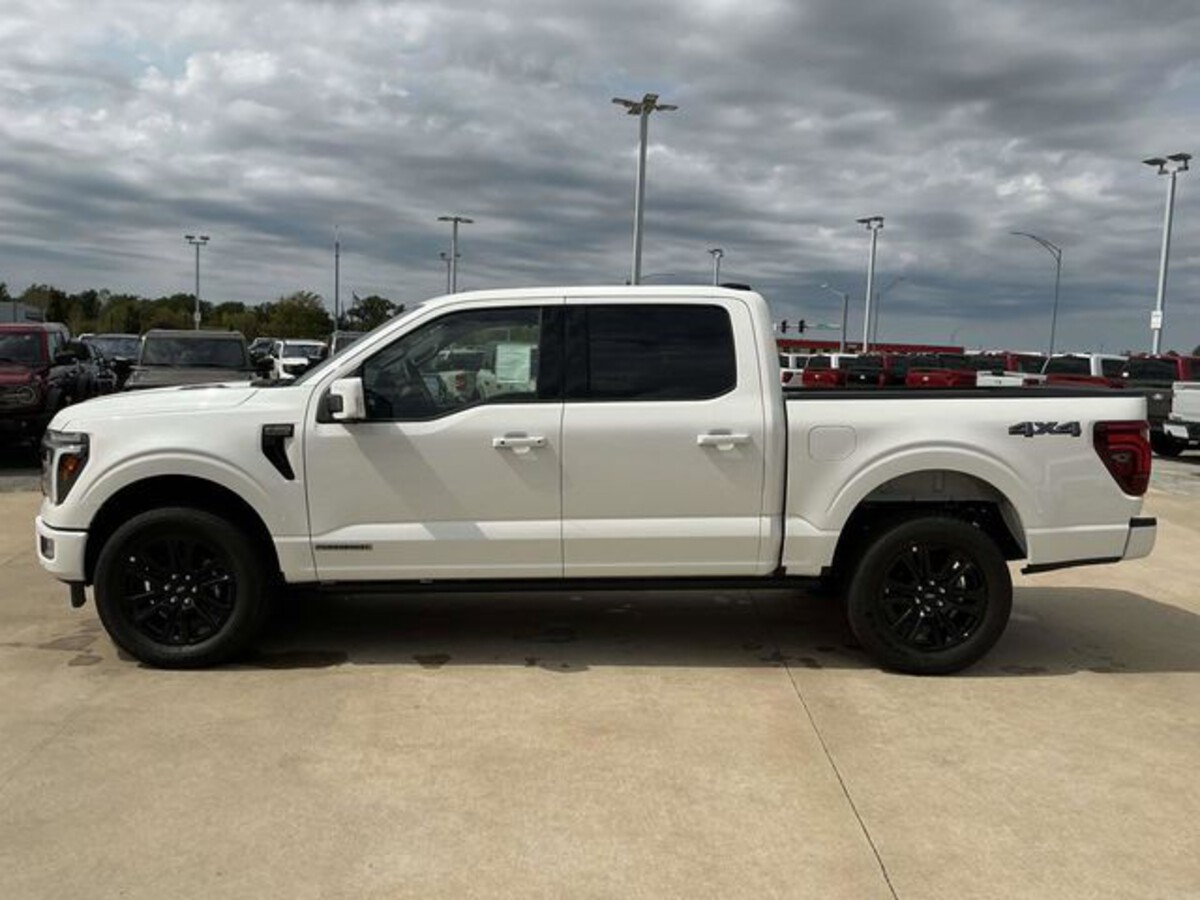
3. Ford F-150
The Ford F-150 is a standout for handling high temperatures due to its heavy-duty engineering and powerful cooling systems. Its engines, whether naturally aspirated or turbocharged, are equipped with radiators designed to provide maximum heat dissipation.
Multiple fans adjust automatically depending on engine load, ensuring that the temperature is maintained within safe limits. This feature is critical for drivers in Stockton, where stop-and-go traffic combined with high summer temperatures can place significant stress on any vehicle. The F-150’s cooling system is robust enough to handle extended highway driving, heavy towing, and fully loaded cargo without overheating.
The truck’s air conditioning system is designed to cope with large cabins and high temperatures, ensuring passengers remain comfortable even under extreme heat conditions. The placement of vents and ducting allows air to circulate evenly, preventing hot spots in the rear seating area or cargo space.
The F-150’s suspension and drivetrain components are also heat-resistant, reducing the likelihood of failure when the vehicle is under load or operating in high-temperature conditions. This combination of comfort, mechanical reliability, and performance under stress makes it a top choice for those living in hot climates.
Engine oil and transmission fluid capacities in the F-150 are larger than average, which aids in heat absorption and dissipation. This feature reduces the likelihood of engine or transmission overheating, particularly during long trips, heavy towing, or daily commuting in extreme heat. For drivers in Stockton, this ensures that the vehicle maintains peak performance and reliability without requiring frequent stops or cooling breaks.
Finally, the F-150’s popularity ensures that parts, repairs, and expert maintenance are readily accessible. Local mechanics are well-acquainted with common heat-related problems, making preventive maintenance straightforward and effective.
For Stockton residents who rely on their vehicles for both work and personal use, the Ford F-150 offers unmatched reliability, comfort, and performance in extreme heat conditions.

4. Subaru Outback
The Subaru Outback performs exceptionally well in high temperatures thanks to its balanced engine configuration and heat-resistant components. The horizontally opposed boxer engine is particularly effective at distributing heat evenly across the engine block, preventing the formation of hotspots that can lead to overheating.
This even distribution is supported by a carefully engineered cooling system that maintains stable operation during long periods of high ambient temperature. For Stockton drivers, this means the vehicle can handle daily commutes, errands, and long-distance travel without encountering heat-related failures.
Durable components are a hallmark of the Outback’s design. Radiators, hoses, and seals are reinforced to resist wear caused by prolonged heat exposure. The drivetrain and transmission are similarly designed to remain stable, even when carrying passengers or cargo, climbing steep inclines, or towing light trailers. These features reduce mechanical stress, which can accumulate over time and lead to costly repairs if a vehicle is not designed for extreme heat.
The Outback’s air conditioning system is another strength. It rapidly cools the cabin, and its ducting ensures that cold air reaches all occupants evenly.
This is particularly valuable during Stockton’s peak summer temperatures, where cabin heat can rise quickly without adequate cooling. Interior materials, including seats, dashboard surfaces, and trim, are designed to withstand repeated exposure to sunlight without warping or fading, preserving both comfort and aesthetics.
Finally, the Subaru Outback has earned a reputation for long-term reliability under demanding conditions. Owners report fewer heat-related failures compared to other vehicles, indicating that Subaru’s engineering choices are effective in extreme climates.
For drivers who prioritize consistent performance, comfort, and durability in hot environments, the Outback represents a solid investment, capable of handling Stockton’s Central Valley heat with confidence and minimal maintenance concerns.
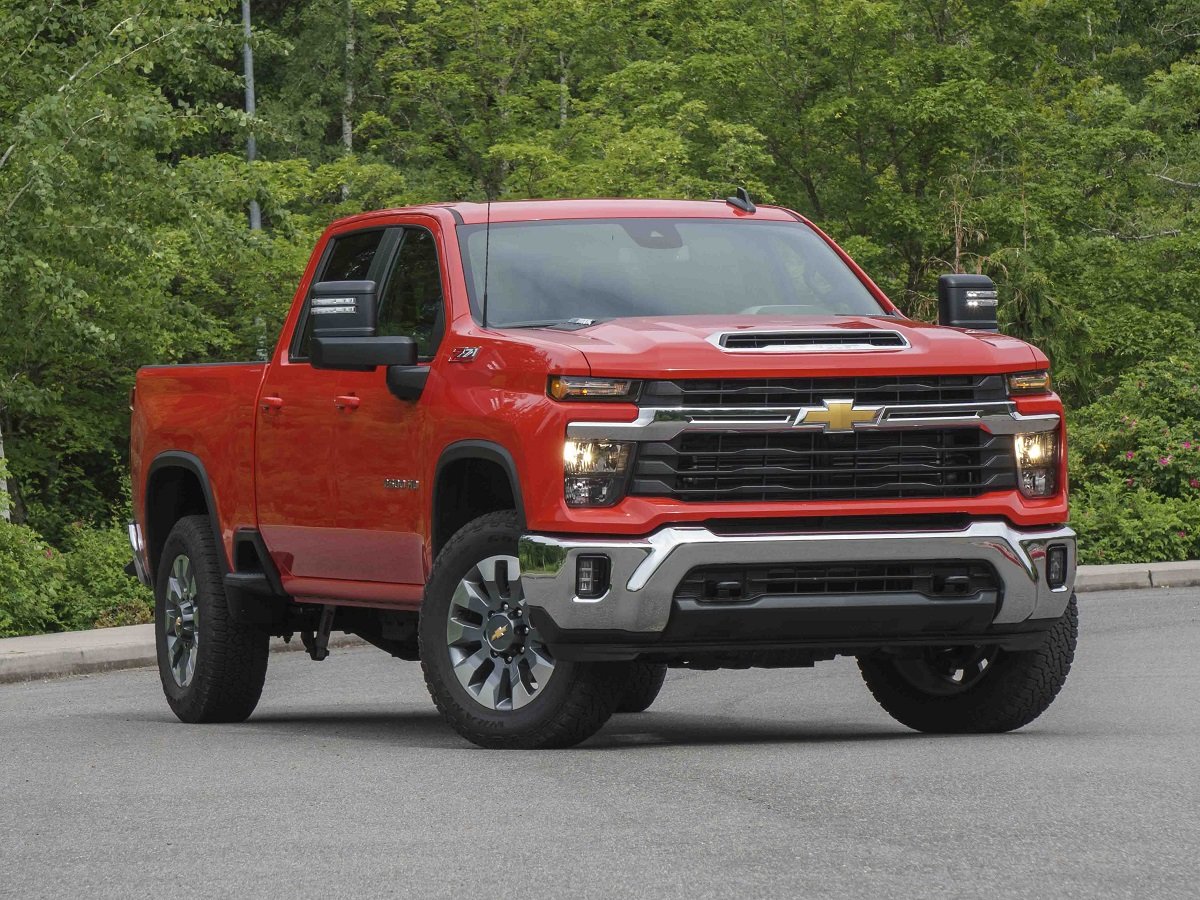
5. Chevrolet Silverado
The Chevrolet Silverado is engineered for durability, making it a reliable choice in extreme heat. Its engines are equipped with large radiators, multiple cooling fans, and reinforced hoses, ensuring that heat is managed effectively during long drives or under heavy load.
This makes the Silverado particularly suitable for Stockton drivers who often face long stretches of hot weather combined with heavy commuting or cargo hauling. Engine cooling is complemented by robust transmission cooling, reducing the risk of heat-induced component stress and mechanical failure.
Cabin comfort is a major advantage of the Silverado. The air conditioning system is powerful and efficient, capable of maintaining a comfortable interior temperature even when the truck is loaded or idling for extended periods.
Airflow is distributed evenly, preventing hot spots in the cabin and ensuring all passengers benefit from consistent cooling. For families or drivers who spend hours in traffic, this level of comfort is essential for reducing fatigue and maintaining focus.
The Silverado’s engine oil and transmission fluid capacities are generous, allowing these fluids to absorb and dissipate heat effectively. This reduces the risk of overheating and maintains stable performance even under heavy load or extended driving conditions. Combined with its durable engine components, the Silverado can withstand the extreme temperatures typical of Stockton summers.
Finally, the Silverado benefits from widespread familiarity and availability of replacement parts. Local mechanics are experienced in maintaining and repairing these trucks, and solutions to heat-related issues are well-known. This accessibility reduces downtime and ensures that preventive maintenance is straightforward, making the Silverado a practical and reliable choice for those living in hot climates who require both performance and comfort.
Cars Prone to Overheating in Stockton
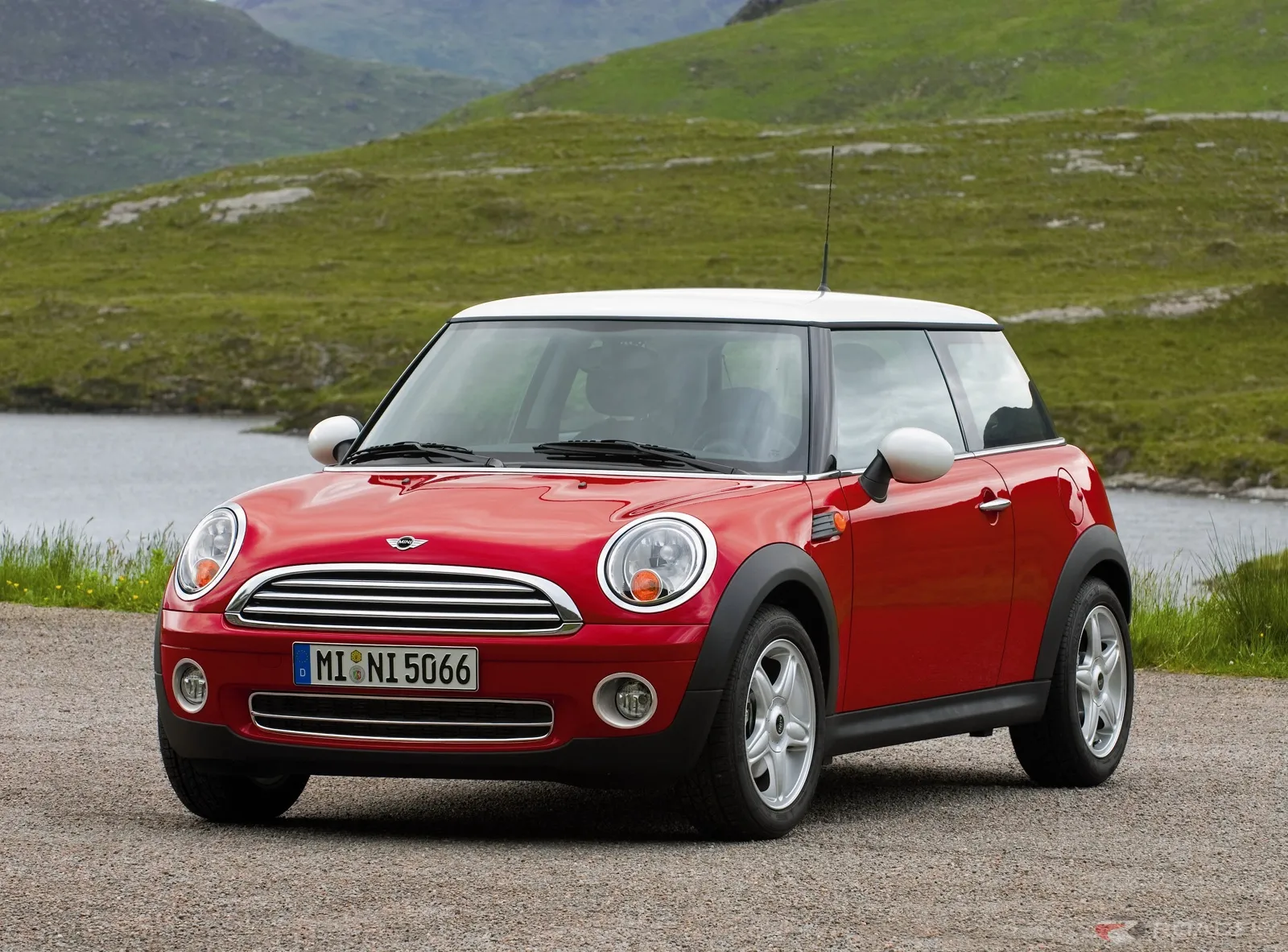
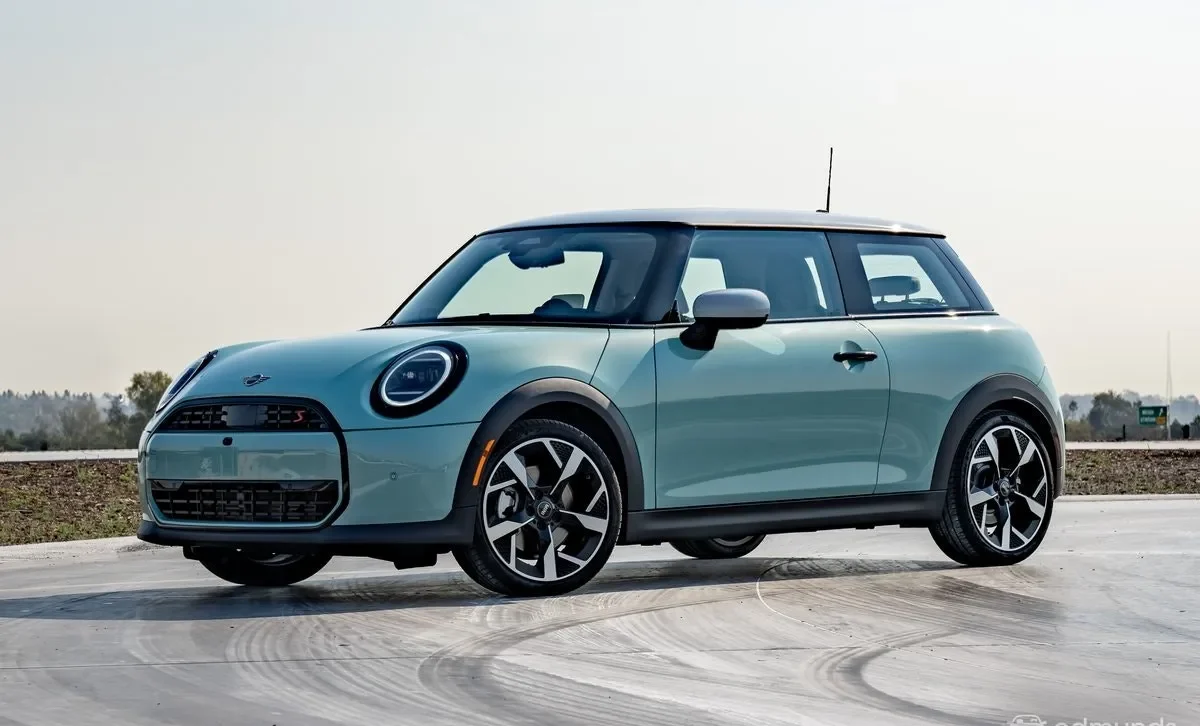
1. Mini Cooper
The Mini Cooper, while known for its compact design and sporty handling, often struggles in extreme heat due to its tightly packed engine bay.
Its small radiator and limited airflow make it vulnerable to overheating during prolonged idling or stop-and-go traffic, which is common in Stockton’s urban areas during summer. Turbocharged variants are especially susceptible, as the additional heat generated by forced induction can overwhelm the cooling system if the vehicle is pushed hard or left in direct sunlight.
Beyond engine heat, the Mini Cooper’s air conditioning system can also be a limiting factor. The compact cabin may not allow the AC to work as efficiently under extreme conditions, resulting in slower cooling times and uneven airflow.
Passengers may find themselves exposed to hot spots, and drivers may experience fatigue more quickly during extended summer commutes. This can be particularly uncomfortable in the Central Valley, where temperatures can remain elevated throughout the day.
Electrical components in the Mini Cooper are also sensitive to prolonged heat exposure. Wiring harnesses, sensors, and electronic modules can experience thermal stress, leading to warning lights, sensor failures, or intermittent malfunctions.
Owners often report higher maintenance costs associated with heat-related electrical issues, which can become recurring problems if the car is regularly exposed to extreme temperatures without sufficient cooling downtime.
Finally, the compact engine bay exacerbates wear on critical components. Restricted airflow and tight spacing can trap heat around the turbocharger, radiator, and other vital parts, accelerating degradation over time. For Stockton drivers who face daily high temperatures, this makes the Mini Cooper a less reliable choice, especially for those who intend to use it as a daily commuter or for longer trips during the peak summer months.
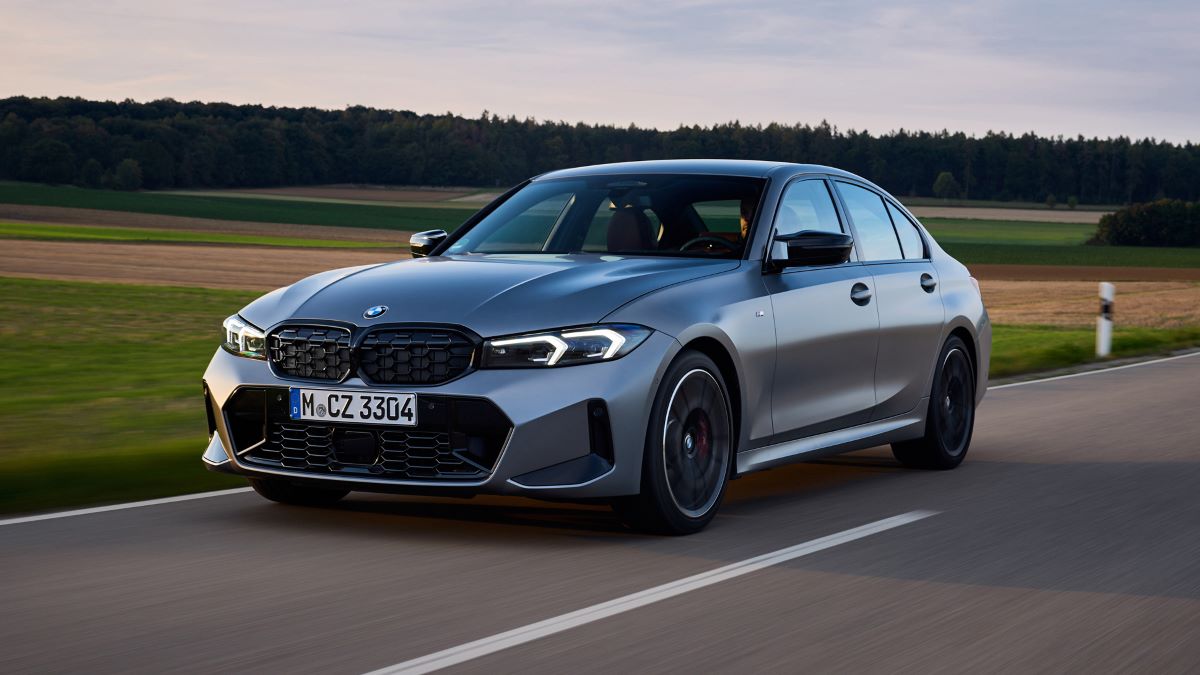
2. BMW 3 Series (older models)
Older BMW 3 Series models, particularly those produced in the early 2000s, are notorious for their sensitivity to high ambient temperatures.
Their cooling systems were not designed for prolonged exposure to extreme heat, and radiators in these vehicles are relatively small, which can result in rapid engine overheating under strenuous conditions. This is particularly concerning for Stockton drivers who experience long, hot commutes combined with traffic congestion.
Turbocharged or high-performance models generate even more heat, putting additional stress on the engine and cooling system. Extended periods of high temperature operation can cause coolant to boil, reduce oil effectiveness, and trigger engine warning lights. The air conditioning systems in older 3 Series vehicles may also struggle in these conditions, providing inconsistent cooling and reducing cabin comfort.
Electrical reliability is another concern. Older BMWs are known for their complex electrical systems, and heat can exacerbate issues such as sensor failures, fan malfunctions, or erratic electronic behavior. This increases maintenance costs and the likelihood of roadside breakdowns, particularly when vehicles are exposed to Stockton’s intense summer heat on a regular basis.
Additionally, engine bays in older BMW 3 Series models are tightly packed, limiting airflow and preventing optimal heat dissipation. Even a short period of idle in direct sunlight can cause the engine to reach unsafe temperatures. Without careful maintenance and monitoring, these vehicles are prone to repeated heat-related problems, making them less practical for drivers in extremely hot regions like the Central Valley.
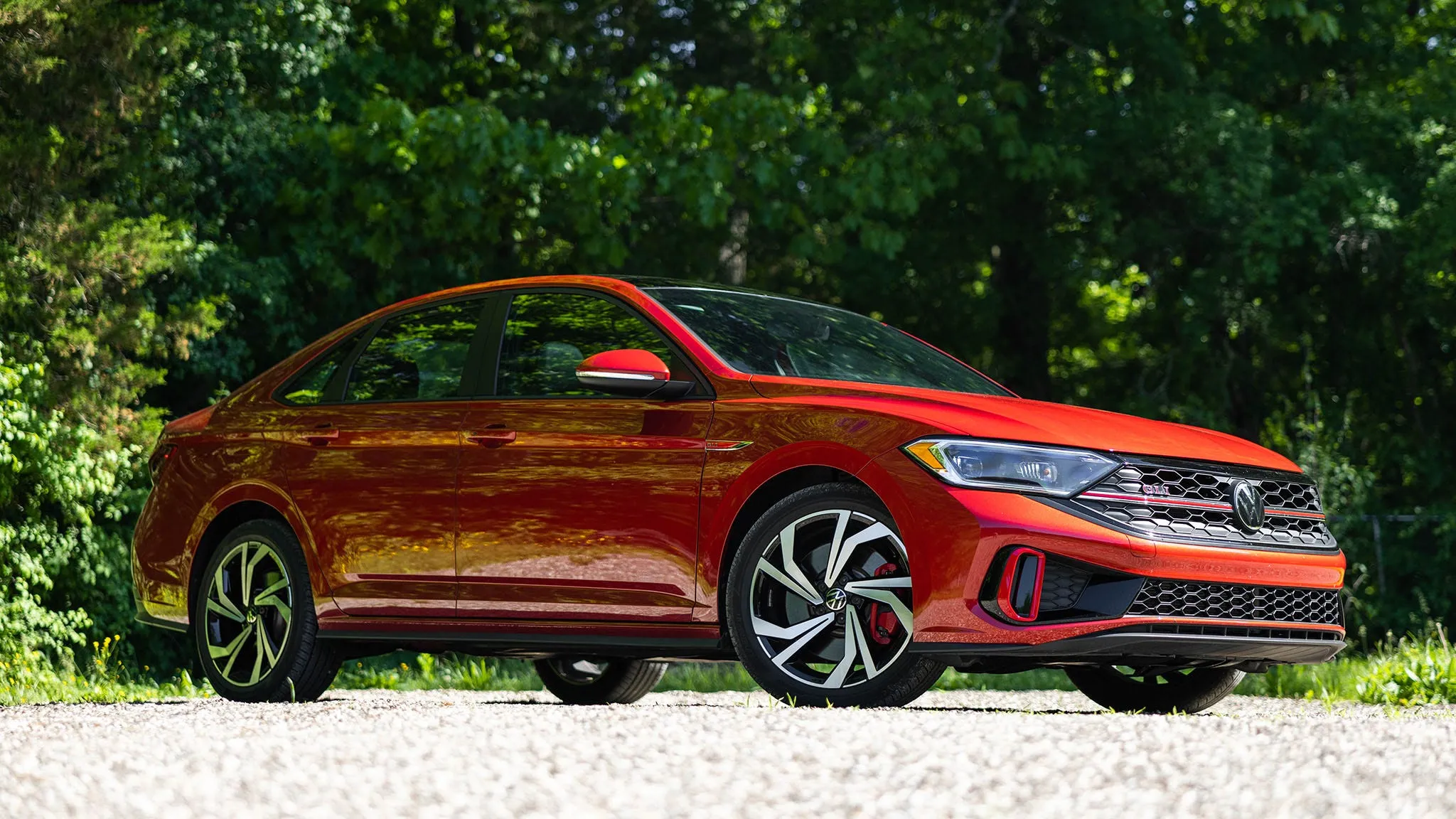
3. Volkswagen Jetta (certain engines)
The Volkswagen Jetta, particularly models with smaller or turbocharged engines, often experiences challenges in extreme heat conditions. The cooling systems in these vehicles are modest, with smaller radiators and fans that may struggle to maintain stable engine temperatures during prolonged periods of high heat.
For Stockton drivers, this can translate into frequent overheating issues, particularly during summer commutes or extended highway driving.
Turbocharged engines generate additional thermal stress, which further challenges the cooling system. Under heavy use, the engine can quickly approach critical temperatures, leading to reduced performance or potential mechanical damage if preventative measures are not taken.
In hot climates, owners may notice decreased responsiveness and a higher likelihood of engine warning lights triggered by heat-induced stress.
The Jetta’s air conditioning system may also underperform in extreme temperatures. While adequate for moderate climates, the AC can struggle to maintain consistent cooling in Stockton’s intense heat, resulting in uncomfortable cabin conditions. This is compounded by interior materials that can retain heat, increasing the discomfort for passengers.
Electrical and electronic systems are another concern. Prolonged exposure to heat can accelerate wear on wiring harnesses, sensors, and control modules, leading to intermittent failures or the need for costly replacements.
Combined with the limited engine bay airflow, these factors make the Jetta prone to heat-related reliability issues, particularly for drivers who spend significant time on the road in hot summer conditions.
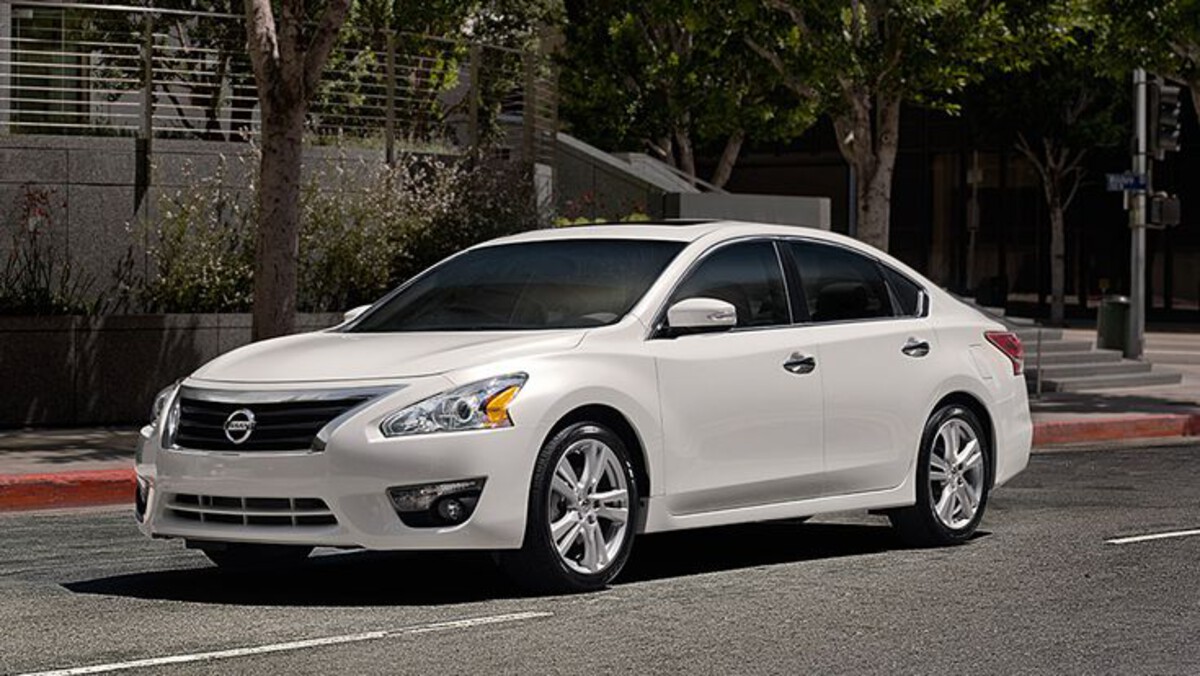
4. Nissan Altima (older models)
Older Nissan Altimas are known for overheating problems in regions with extreme heat, such as Stockton. The cooling systems in these vehicles are often underpowered, with smaller radiators and less efficient coolant circulation, making them vulnerable to high-temperature stress.
During hot summer days, extended idling or heavy traffic can cause the engine to reach unsafe temperatures, triggering warning lights and reducing reliability.
Engine design in older Altimas can lead to the formation of hotspots, which increase the likelihood of overheating during sustained heat exposure. Turbocharged or higher-performance engines are particularly susceptible, as additional heat can overwhelm the cooling system. Even routine driving under sunny conditions may challenge the engine, requiring drivers to monitor temperature gauges closely to avoid serious damage.
Air conditioning performance can also be an issue. Older Altimas may struggle to cool the cabin effectively under extreme heat, leading to passenger discomfort. Seats, dashboard surfaces, and interior trim can also retain heat, exacerbating the problem and making summer driving less comfortable.
Electrical components in older Altimas are susceptible to heat-related wear as well. Sensors, wiring harnesses, and control modules can fail more easily under sustained high temperatures, potentially causing intermittent faults or expensive repairs.
Transmission systems in some older models may also suffer from overheating under heavy load, further limiting reliability in hot climates. Collectively, these factors make older Altimas a less ideal choice for Stockton drivers seeking dependable performance during extreme summer heat.
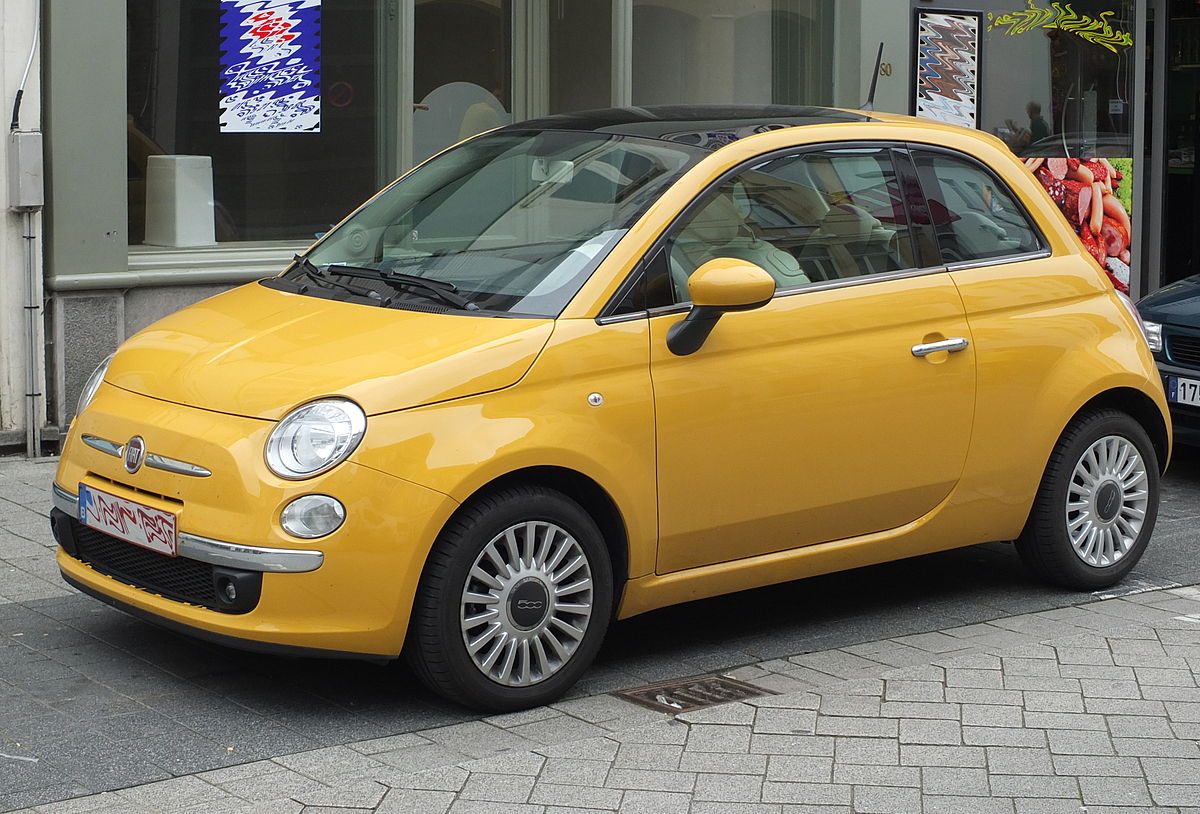
5. Fiat 500
The Fiat 500 is a small, lightweight vehicle that is particularly vulnerable to overheating in hot climates. Its compact engine bay and limited cooling system capacity make it difficult for heat to dissipate effectively, which can result in rapid temperature spikes during summer driving in Stockton.
Turbocharged variants are even more susceptible, as the additional heat generated by forced induction can exceed the capabilities of the radiator and fans.
The air conditioning system in the Fiat 500 is modest, and the small cabin size can make it difficult to circulate cool air evenly under extreme conditions. This leads to uneven cooling, hot spots, and passenger discomfort, particularly during long drives in direct sunlight. Interior materials may also absorb and retain heat, adding to discomfort during peak temperatures.
Electrical and electronic systems in the Fiat 500 are sensitive to prolonged heat exposure. Wiring, sensors, and control units can fail or behave unpredictably under high thermal stress, leading to warning lights or functional issues that require maintenance. These issues can compound over time, making the vehicle less reliable for daily use in regions with sustained high temperatures.
Finally, the Fiat 500’s small engine and compact design limit its ability to handle prolonged heavy-duty use in extreme heat. Engine wear, coolant stress, and component fatigue are more likely to occur compared to larger vehicles designed for high-temperature performance.
For Stockton drivers, this makes the Fiat 500 a risky choice during the summer months, especially for commuters or those who frequently travel longer distances.
