
College life brings a unique set of challenges and experiences, especially when it comes to transportation. For students attending Syracuse University, the right vehicle can make a significant difference in managing daily responsibilities, balancing academic schedules, and enjoying social activities.
Winter in Syracuse is notoriously harsh, with heavy snowfall, icy roads, and unpredictable weather conditions that can transform even the simplest commute into a test of endurance and skill. Because of this, having a reliable, versatile, and fuel-efficient car is more than just a convenience; it is often a necessity for safety and peace of mind.
Additionally, parking limitations around campus, fluctuating gas prices, and the need to travel longer distances for internships, groceries, or weekend trips dictate which car to drive a practical one, rather than purely about aesthetics or speed.
Choosing a car also involves considering insurance costs, maintenance frequency, and long-term durability. Students often underestimate how these factors can impact their budget and college experience. On the other hand, selecting the wrong car can lead to constant stress, frequent mechanical problems, and unexpected expenses.
It can also affect social life, as students may feel trapped or limited in their mobility. Beyond these practicalities, the ideal college car often balances affordability with adaptability, offering adequate space for friends, groceries, and winter gear without compromising maneuverability in congested areas.
With all these considerations, it becomes clear that not every vehicle is suited for a college student in Syracuse. Some cars handle snow well and remain cost-effective, while others may struggle to manage the climate or require excessive upkeep. Making the right choice can enhance independence, save money, and make daily life significantly easier.
This article highlights five cars that are particularly suitable for Syracuse college life, followed by five types of cars students should avoid to prevent unnecessary complications, giving a comprehensive guide for practical and thoughtful decision-making.
5 Cars for Syracuse College Life

1. Subaru Outback
The Subaru Outback has long been a favorite for regions with harsh winters, and Syracuse is no exception. Its all-wheel-drive system provides excellent stability on snowy, icy, and slushy roads, which are a near-constant presence throughout the fall and winter months in Central New York.
This feature alone makes it stand out for students who may be inexperienced drivers facing challenging road conditions. Beyond winter performance, the Outback offers ample cargo space, which is extremely useful for college students juggling multiple responsibilities.
From transporting groceries and textbooks to carrying luggage for trips home or equipment for recreational activities, the Outback’s storage capacity ensures students never have to leave anything behind. The interior is designed for practicality and durability, with seats that can withstand frequent use, spills, and the occasional clumsiness of student life.
Maintenance costs are reasonable compared to other SUVs, and the vehicle has a solid reputation for reliability, meaning fewer unexpected repairs during the school year. Modern versions of the Outback come equipped with advanced safety features, including adaptive cruise control, automatic emergency braking, and lane-keeping assist, which provide an additional layer of security for younger drivers.
The combination of safety, reliability, and versatility makes the Outback particularly well-suited for the multifaceted demands of college life, especially in a city known for challenging winter weather.
2. Honda CR-V
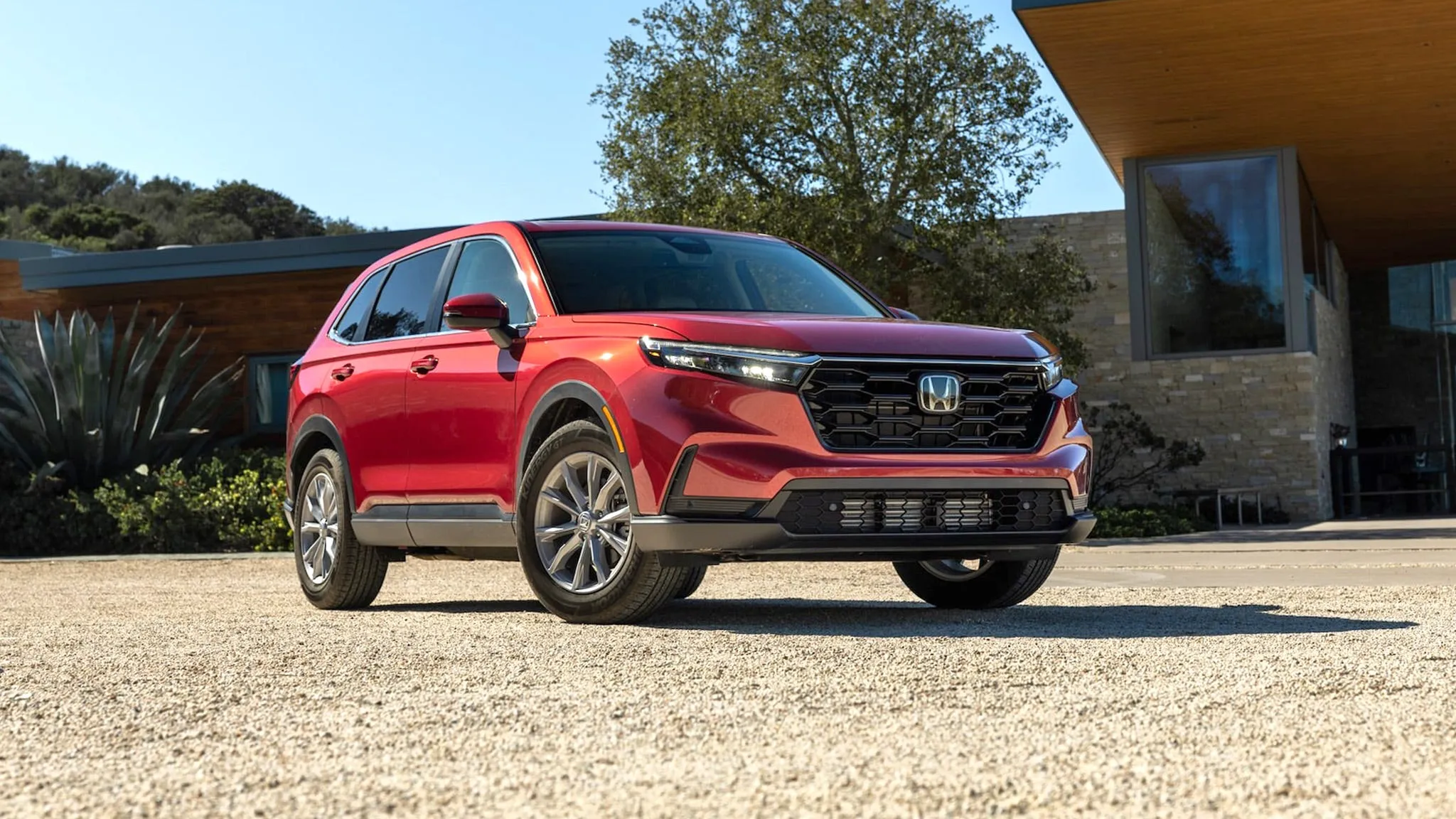
The Honda CR-V is another excellent choice for students navigating the unique demands of Syracuse. Known for its exceptional reliability and longevity, the CR-V provides consistent performance, often lasting well beyond 150,000 miles with minimal issues.
The availability of all-wheel-drive models ensures traction and stability during snowy or icy conditions, which are frequent in Syracuse winters. Its interior space is generous, accommodating passengers, textbooks, laptops, groceries, and other necessities of college life.
The seats are comfortable, making long commutes or weekend trips less tiring, while the cabin layout emphasizes practical organization for students who carry multiple items daily. Fuel efficiency remains strong for a compact SUV, allowing students to maintain their mobility without constantly worrying about gas expenses.
The CR-V is also relatively easy to maintain, with repair costs typically lower than many other vehicles in its class, which is an important consideration for students managing tight budgets.
Safety features, including collision mitigation, lane-keeping assist, and multiple airbags, further increase confidence, particularly for less experienced drivers or those navigating snow-packed roads. The CR-V offers a dependable, safe, and versatile driving experience, addressing both practical and financial concerns for students.
Finally, the CR-V’s adaptability and safety features give students confidence when commuting or traveling in winter conditions. Whether navigating icy roads, parking in tight spaces, or accommodating passengers and cargo, the CR-V delivers a well-rounded experience that simplifies daily life.
Students benefit from a vehicle that is easy to manage, durable, and capable of performing under diverse conditions, all without introducing unnecessary stress or complications. Its combination of versatility, reliability, and cost-effectiveness ensures that students can focus on academics, social life, and personal growth while maintaining dependable transportation throughout the school year.
3. Toyota RAV4
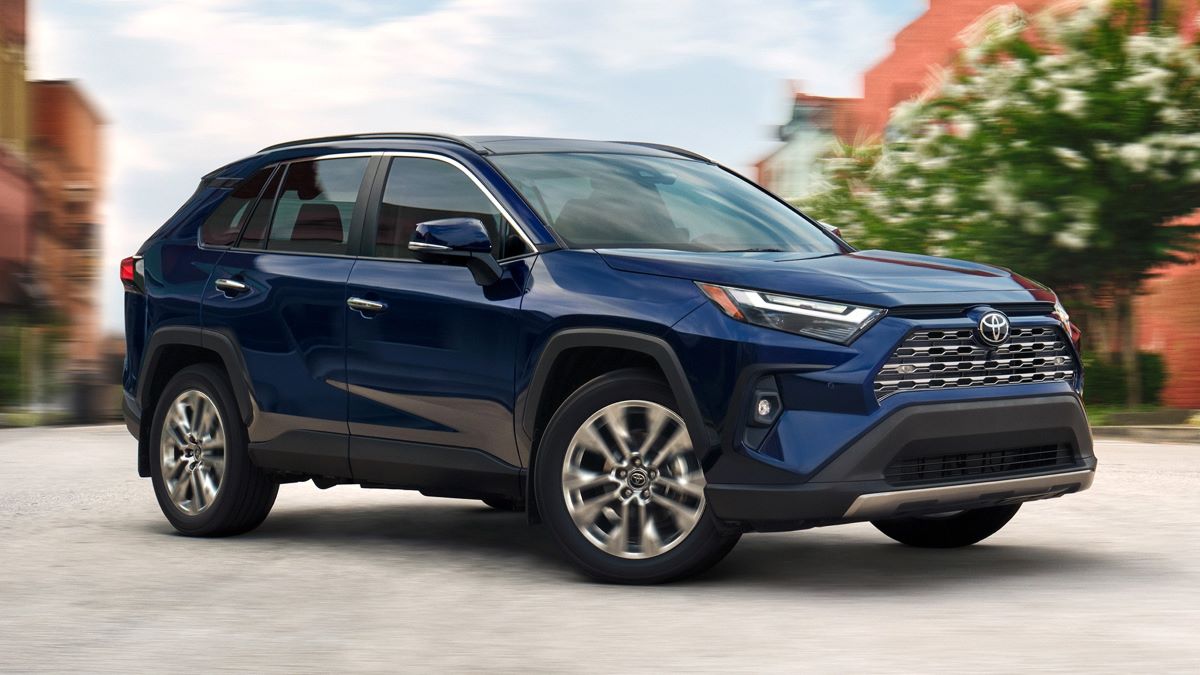
The Toyota RAV4 is a popular choice among students due to its balance of comfort, performance, and durability. Available all-wheel-drive models provide reliable traction and control on snowy and icy roads, which are common in Syracuse winters.
Its cabin offers ample seating and cargo space, accommodating passengers, luggage, and other essentials without compromising maneuverability in crowded areas or tight parking lots. Fuel efficiency is another advantage, helping students minimize expenses for commuting and trips around the city.
The RAV4 has a long-standing reputation for reliability, reducing the chances of unexpected breakdowns and allowing students to focus on academics and extracurricular activities without worrying about car issues.
Its modern safety features, such as blind-spot monitoring, adaptive cruise control, and pre-collision systems, add an extra layer of security, particularly for students new to winter driving or handling larger vehicles. These features collectively make the RAV4 a practical and dependable choice for students seeking both safety and convenience.
The RAV4’s interior layout emphasizes comfort and accessibility, providing an intuitive driving experience that minimizes distraction. Its storage solutions are versatile, offering compartments and adjustable seating configurations for books, sports gear, or travel necessities.
Ground clearance is higher than typical sedans, providing an advantage on snow-covered roads, and yet the vehicle remains compact enough to handle city streets and parking challenges effectively. The RAV4 also offers a modern aesthetic without sacrificing practicality, appealing to students who value both style and functionality. Its balance of size, space, and convenience ensures it performs well in various college-related scenarios, from daily commuting to weekend trips or group outings with friends.
Reliability is one of Toyota’s strongest selling points, and the RAV4 exemplifies this reputation. The engine and transmission systems are durable, often lasting well past 200,000 miles, which makes it a smart long-term investment for students who may continue using the vehicle beyond graduation.
Fuel efficiency is competitive for its class, reducing the cost of transportation during the academic year. Furthermore, the RAV4’s resale value remains strong, giving students financial flexibility if they decide to sell or trade in the vehicle later. These characteristics, combined with a well-rounded design and practical features, make the RAV4 a sensible and dependable choice for college students seeking a versatile SUV.
The RAV4’s adaptability makes it suitable for a variety of activities and lifestyles. Whether it’s carrying dorm supplies, accommodating friends for weekend trips, or navigating snowy roads, the vehicle offers both reliability and convenience.
Students benefit from its safety technologies, efficient fuel consumption, and durable construction, which reduce stress associated with commuting and transportation challenges. The RAV4 strikes a balance between practical functionality and comfort, making it a reliable companion for college life while ensuring students remain safe, organized, and mobile in Syracuse’s demanding environment.
4. Mazda CX-5
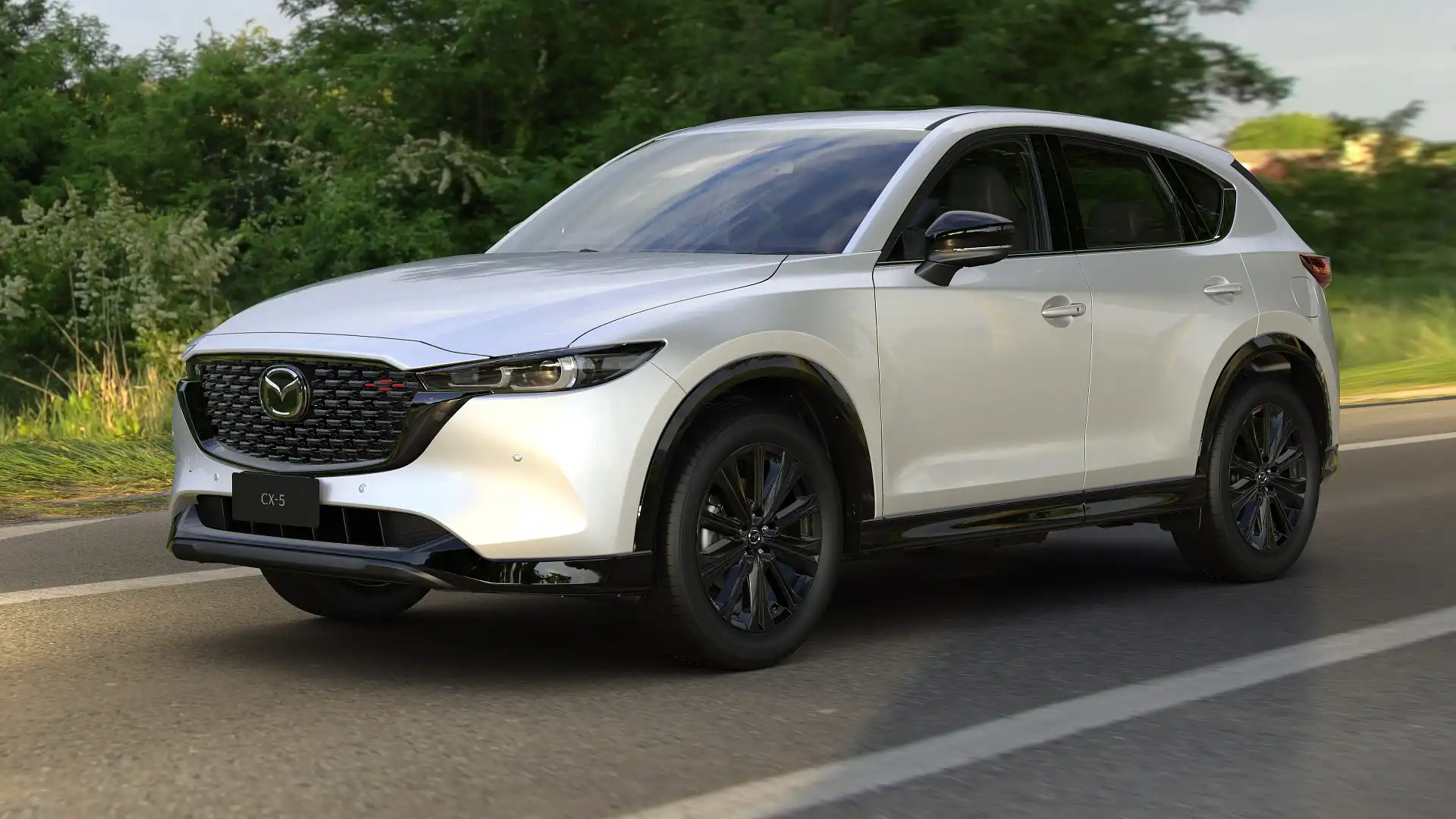
The Mazda CX-5 is recognized for combining style, driving performance, and practicality, making it ideal for students who want both functionality and aesthetic appeal. All-wheel-drive models improve traction on slippery roads, which is particularly useful during snowy or icy winters.
The interior is comfortable, modern, and well-designed, providing sufficient space for both passengers and cargo. Its fuel efficiency is strong for a compact SUV, helping students save money while commuting or running errands. The CX-5 is known for reliability and generally requires fewer repairs than other vehicles in its class, an important consideration for students on a tight budget.
Driving the CX-5 is a smooth and responsive experience, giving students confidence even on curvy streets or when navigating city traffic. Modern safety features, including lane departure warnings, adaptive cruise control, and automatic emergency braking, increase driver confidence and reduce the risk of accidents, particularly in hazardous winter conditions. These factors make the CX-5 a balanced choice for students seeking a practical, reliable, and stylish SUV.
The Mazda CX-5 interior focuses on comfort and convenience, with thoughtfully designed storage compartments and flexible seating options that accommodate both passengers and cargo. Its slightly higher ground clearance allows it to handle snowy streets more effectively than standard sedans, while maintaining maneuverability in crowded areas.
The cabin is well-insulated and quiet, which enhances the driving experience for students who spend considerable time commuting. Additionally, the CX-5’s design strikes a balance between modern aesthetics and functional practicality, appealing to students who want a vehicle that is not only reliable but visually attractive.
This combination of versatility, interior comfort, and exterior design makes the CX-5 particularly well-suited for college life in Syracuse, where students need a car capable of performing under diverse conditions.
Reliability and affordability are major advantages of the CX-5. Mazda vehicles are known for requiring less frequent maintenance, reducing the likelihood of unexpected disruptions. Fuel efficiency allows students to manage transportation costs without sacrificing mobility.
The vehicle’s resale value remains strong, which can be helpful for students who plan to sell it after graduation. These practical advantages, combined with comfortable seating and adaptable interior space, make the CX-5 a logical and dependable choice for students seeking both functionality and reliability during their college years.
Finally, the CX-5 provides a confident and enjoyable driving experience. Its all-wheel-drive capabilities, safety features, and smooth handling make it suitable for snowy and icy roads, busy campus streets, and longer weekend trips.
The vehicle balances practicality with comfort, allowing students to transport friends, supplies, and personal belongings efficiently while minimizing stress. The Mazda CX-5 demonstrates how a stylish, safe, and versatile SUV can meet the multifaceted needs of college life while ensuring reliability, safety, and comfort in Syracuse’s demanding environment.
5. Ford Escape
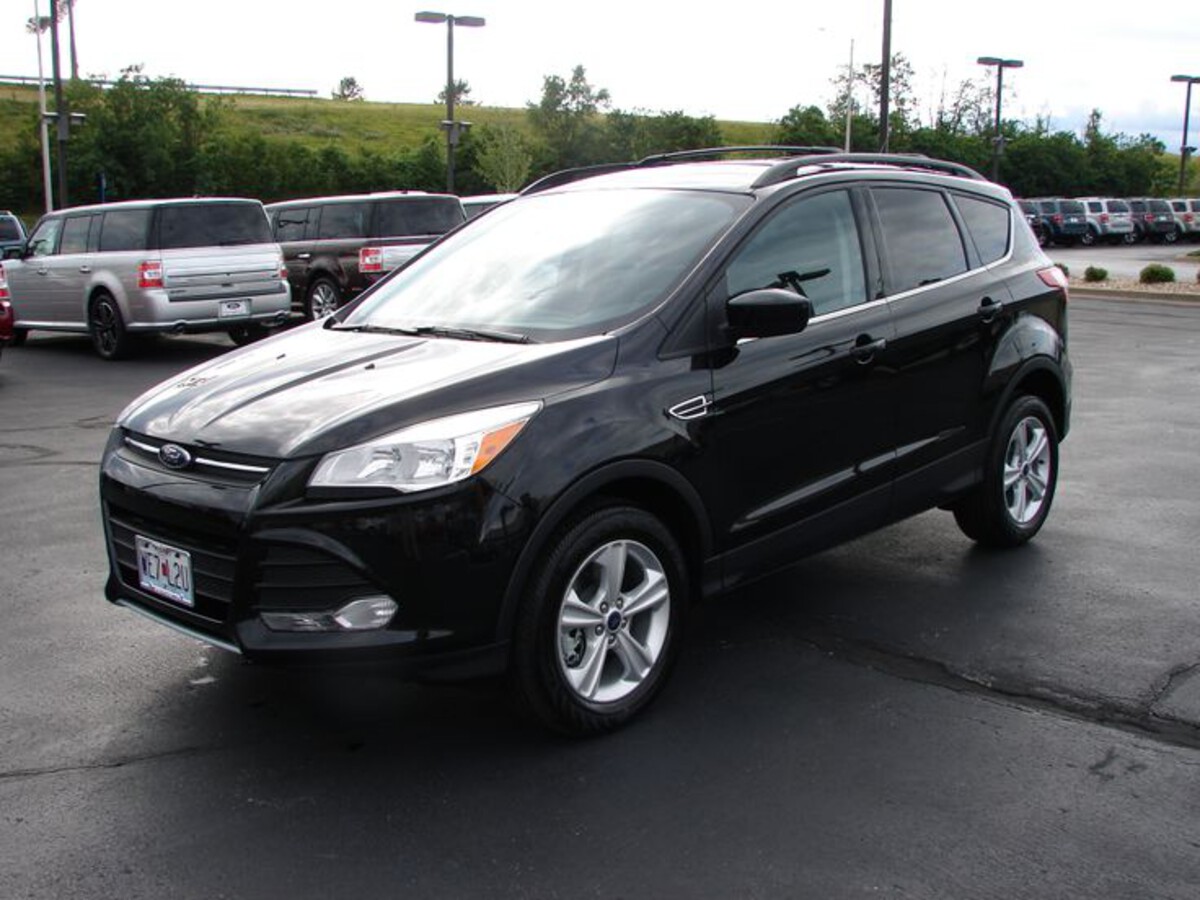
The Ford Escape is a practical SUV that combines size, capability, and affordability, making it well-suited for students. All-wheel-drive models improve handling on icy or snow-covered roads, which is essential for Syracuse winters. Its interior is spacious and flexible, accommodating both passengers and cargo, whether it’s textbooks, groceries, or dorm essentials.
The Escape is easy to handle in city traffic and offers responsive performance for longer drives outside the campus area. Fuel economy is reasonable for a compact SUV, making it manageable on a student budget. Maintenance costs are moderate, and the vehicle has a solid reputation for durability, which reduces the risk of unexpected repairs during the academic year.
Advanced safety technologies, such as automated braking, blind-spot monitoring, and rearview cameras, add peace of mind, particularly for younger or inexperienced drivers. This combination of practicality, safety, and affordability makes the Escape a well-rounded choice for students navigating both winter conditions and busy campus life.
The Escape’s design emphasizes adaptability and comfort, providing a spacious cabin while maintaining a compact size for easier maneuvering in parking lots and city streets. Flexible cargo arrangements, such as split-folding rear seats, allow students to transport a wide range of items conveniently, from dorm supplies to recreational gear.
Its driving performance is smooth, with responsive steering and stable handling, which enhances confidence during winter commutes or longer trips. These qualities, combined with its modern features, make the Escape suitable for students seeking a reliable, functional vehicle that balances practicality with convenience and comfort.
Reliability and cost-effectiveness are significant advantages for students considering the Escape. Ford vehicles have a broad service network, ensuring easy access to maintenance and repairs if necessary. The Escape’s durable build minimizes unexpected mechanical problems, allowing students to focus on academics and social activities without constant disruptions.
Its fuel efficiency and reasonable maintenance costs further contribute to a manageable cost of ownership, which is a key consideration for students with limited budgets. The vehicle’s longevity and practicality make it a strong candidate for students who want a dependable car throughout college and potentially beyond.
Finally, the Ford Escape combines performance, safety, and convenience, making it well-suited for Syracuse students. Its AWD capability, spacious interior, and manageable size allow for safe driving in snowy conditions, efficient navigation of campus streets, and comfortable transport of passengers and cargo.
Whether commuting to classes, running errands, or taking weekend trips with friends, the Escape provides reliable transportation while addressing both practical and financial considerations. This makes it a practical, functional, and versatile option for college students seeking a vehicle capable of meeting the demands of everyday life and winter weather.
5 Students Should Avoid
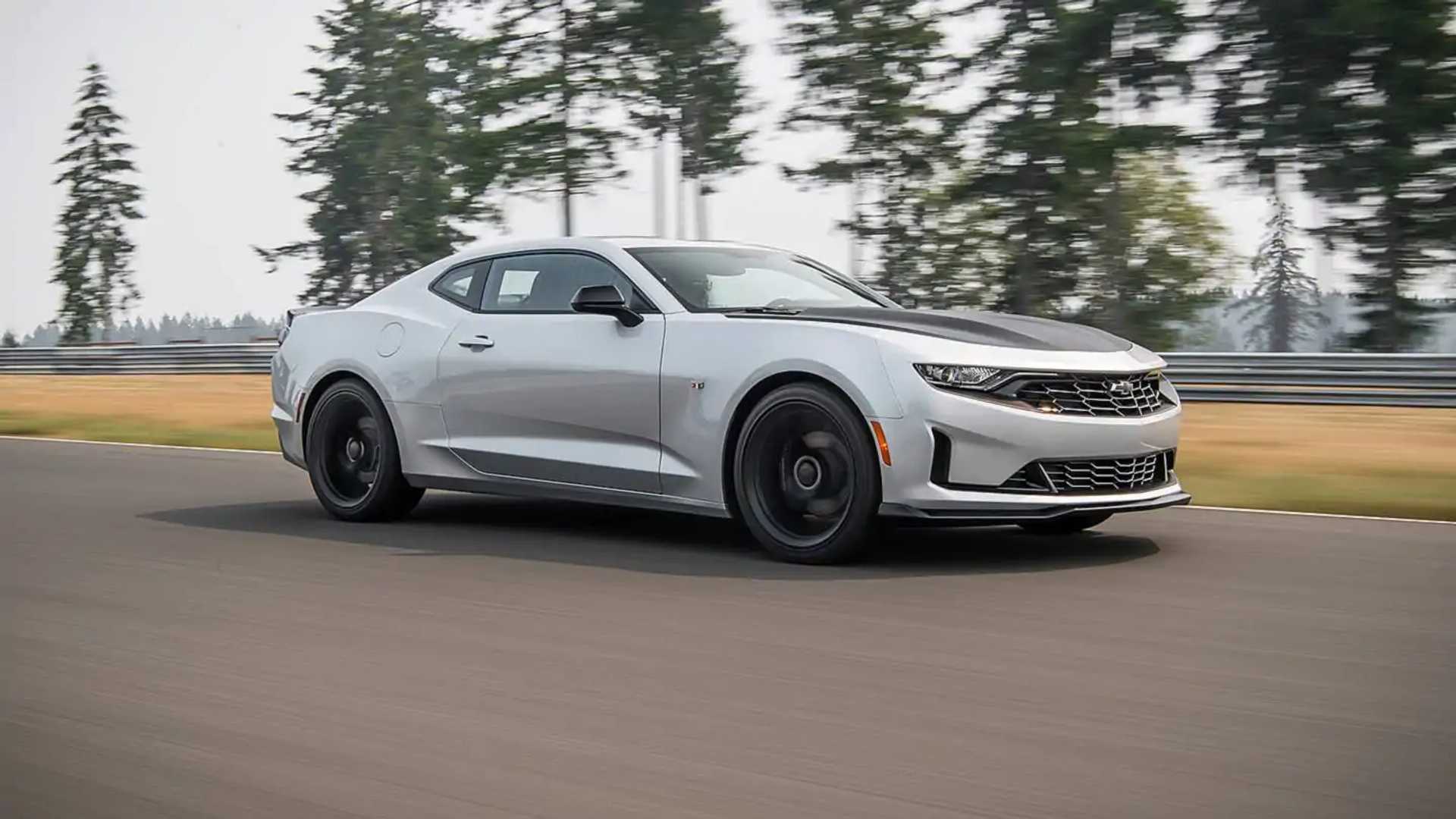
1. Sports Cars (e.g., Chevrolet Camaro, Ford Mustang)
Sports cars are generally flashy and fun to drive, but they are rarely practical for college students in Syracuse. One of the primary issues is their performance on snowy and icy roads.
Winter conditions in Syracuse can be harsh, and sports cars are typically rear-wheel-drive or low-clearance vehicles that struggle to maintain traction, increasing the risk of accidents. These cars are also less forgiving for inexperienced drivers, and the combination of high horsepower with slippery roads can be dangerous.
Insurance costs for sports cars are another significant drawback for students. Insurance companies charge higher premiums due to the perceived risk associated with high-performance vehicles, and this cost can quickly strain a student’s limited budget.
Maintenance is often more expensive than standard sedans or SUVs, with specialized parts, frequent servicing, and occasional performance upgrades creating additional financial burdens. These hidden expenses, combined with poor fuel efficiency and high repair costs, make sports cars a less sensible choice for college students who need a practical, affordable, and dependable vehicle for daily commuting and winter driving.
Parking is also a challenge with sports cars. While the smaller size may seem advantageous, low-clearance vehicles often struggle with uneven or snow-covered campus parking lots. Additionally, tight parking spaces increase the risk of scratches, dents, or undercarriage damage.
Sports cars are not designed to handle rough winter conditions, potholes, or gravel roads, which are common in Syracuse during winter months. These limitations make them impractical for a student lifestyle that involves frequent commuting, errands, and spontaneous trips.
Finally, sports cars prioritize speed and performance over comfort and utility. College life demands a balance between reliability, versatility, and cost-efficiency, all of which are compromised in a high-performance sports car.
While they may be exciting for occasional recreational use, they are not designed to handle the practical realities of winter driving, campus life, or student budgets. For these reasons, sports cars are generally unsuitable for Syracuse college students and should be avoided if the goal is safe, reliable, and practical transportation.
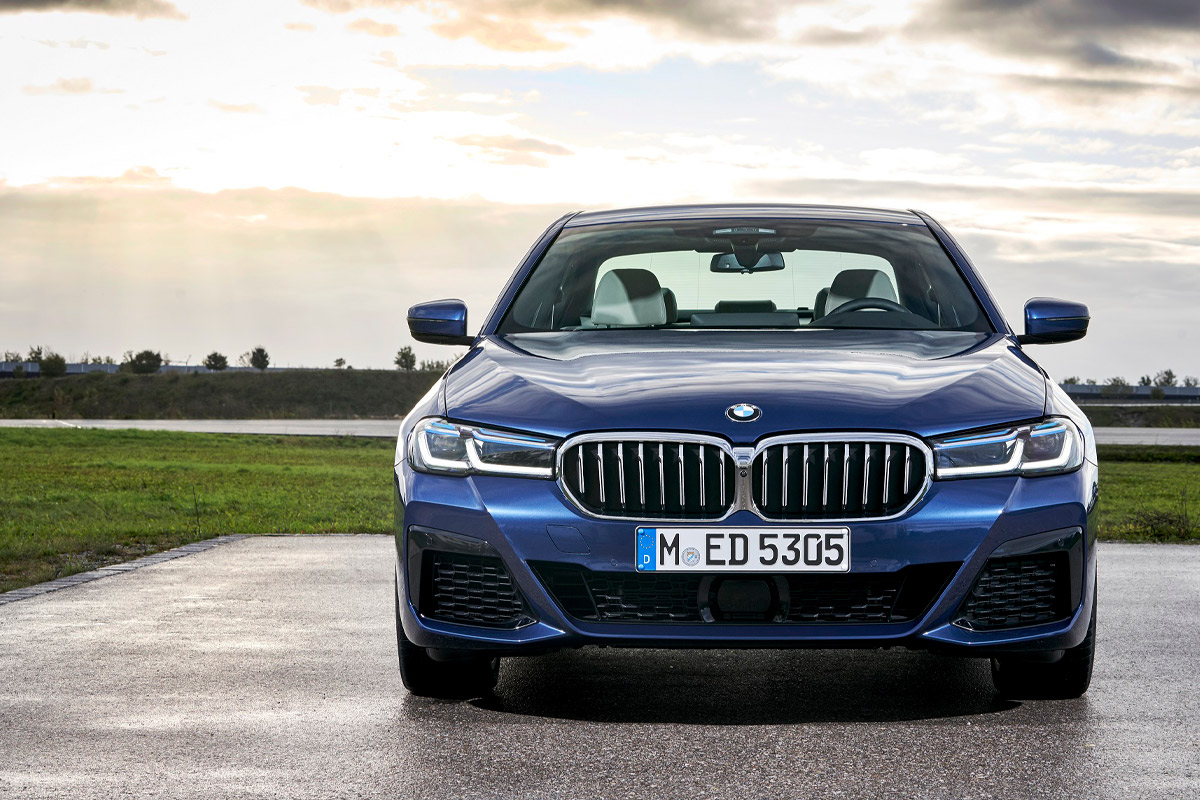
2. Luxury Cars (e.g., BMW 5 Series, Mercedes-Benz E-Class)
Luxury cars may offer impressive comfort, advanced features, and a sleek aesthetic, but they are often impractical for students. The most significant issue is cost, both in terms of purchase price and ongoing expenses. High-end vehicles require expensive maintenance and repair, and luxury parts are often specialized and difficult to source quickly.
Students on tight budgets may struggle to cover routine services, let alone unexpected repairs. Additionally, luxury cars typically have high insurance premiums, which can add hundreds of dollars each month to a student’s expenses, making them financially unsustainable for college life.
Winter performance is another concern. While some luxury vehicles offer all-wheel-drive systems, many are rear-wheel-drive or lower-clearance sedans, which are ill-suited for snowy or icy roads. Even luxury brands cannot fully compensate for poor traction or stability in extreme weather conditions.
Syracuse winters are notoriously unpredictable, and students driving low-clearance, high-performance sedans may find themselves stuck, slipping, or forced to drive cautiously at all times. A vehicle that cannot safely navigate winter roads undermines both convenience and security, creating unnecessary stress for students who must commute regularly.
Fuel efficiency is generally lower in luxury vehicles, further adding to the cost burden. Large engines, high-performance systems, and advanced electronics often consume more fuel than typical student-friendly vehicles.
Students may find themselves spending significant portions of their budget on gas alone, reducing financial flexibility for academics, social activities, or personal needs. Additionally, parking can be stressful, as luxury vehicles often require careful handling in tight spaces to avoid scratches or dents. Campuses like Syracuse have limited parking, and any damage to a luxury vehicle can result in expensive repairs, compounding financial strain.
Finally, luxury cars are typically designed with comfort and performance in mind rather than practicality. They often lack the cargo space necessary for dorm moves, groceries, sports gear, or group outings with friends.
While they may offer a sense of prestige and advanced features, the combination of cost, winter performance limitations, and low practicality makes them unsuitable for the average student. Students are better served by reliable, affordable, and adaptable vehicles that can handle daily life and harsh weather conditions rather than investing in a high-maintenance luxury car that creates more stress than convenience.
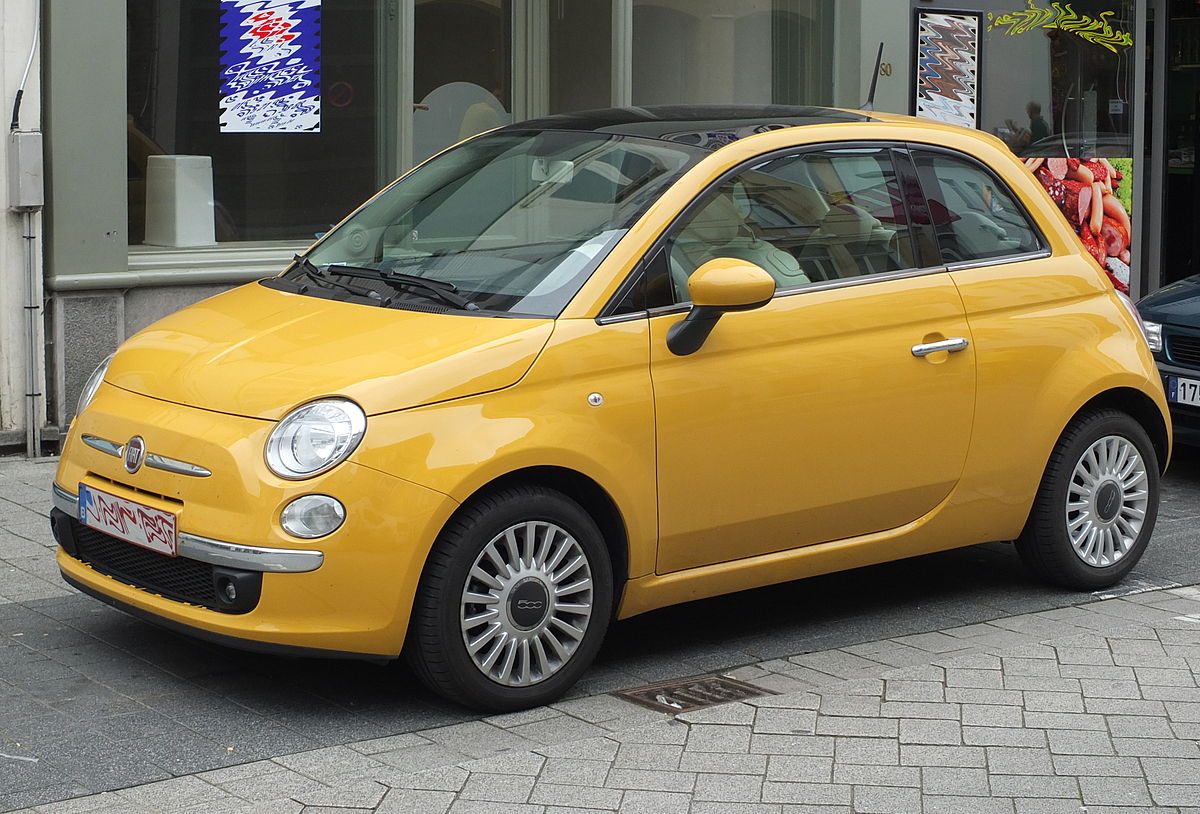
3. Small Two-Door Cars (e.g., Mini Cooper, Fiat 500)
Small two-door cars may seem appealing due to their size, style, and fuel efficiency, but they present several practical challenges for college students. One of the main drawbacks is limited interior space. These vehicles are often cramped, making it difficult to accommodate passengers comfortably or carry the necessary belongings for college life.
Dorm moves, grocery runs, and trips with friends become cumbersome when the vehicle cannot carry sufficient cargo or seating. The tight interior can be especially inconvenient during winter, when students may need to transport coats, boots, and other bulky clothing items along with personal belongings.
Insurance costs and maintenance can also be a concern. While the purchase price may be low, these vehicles are often associated with higher insurance rates for young drivers, partially due to their smaller size and perceived vulnerability in collisions.
Specialized parts or unique design elements may also increase repair costs compared to more common sedans or compact SUVs. Additionally, fuel efficiency, while generally good, is sometimes offset by the need for additional trips or creative packing to accommodate a student’s lifestyle, reducing the practical cost advantage.
Finally, small two-door cars often sacrifice comfort and versatility for style. Students who need to transport friends, carry larger items, or adapt to a dynamic campus lifestyle may quickly find these vehicles impractical.
While they can be fun and economical for city driving, they fail to provide the reliability, space, and winter-ready performance needed for Syracuse college life. These limitations make them a less-than-ideal choice, particularly for students who prioritize safety, convenience, and practicality over aesthetics.
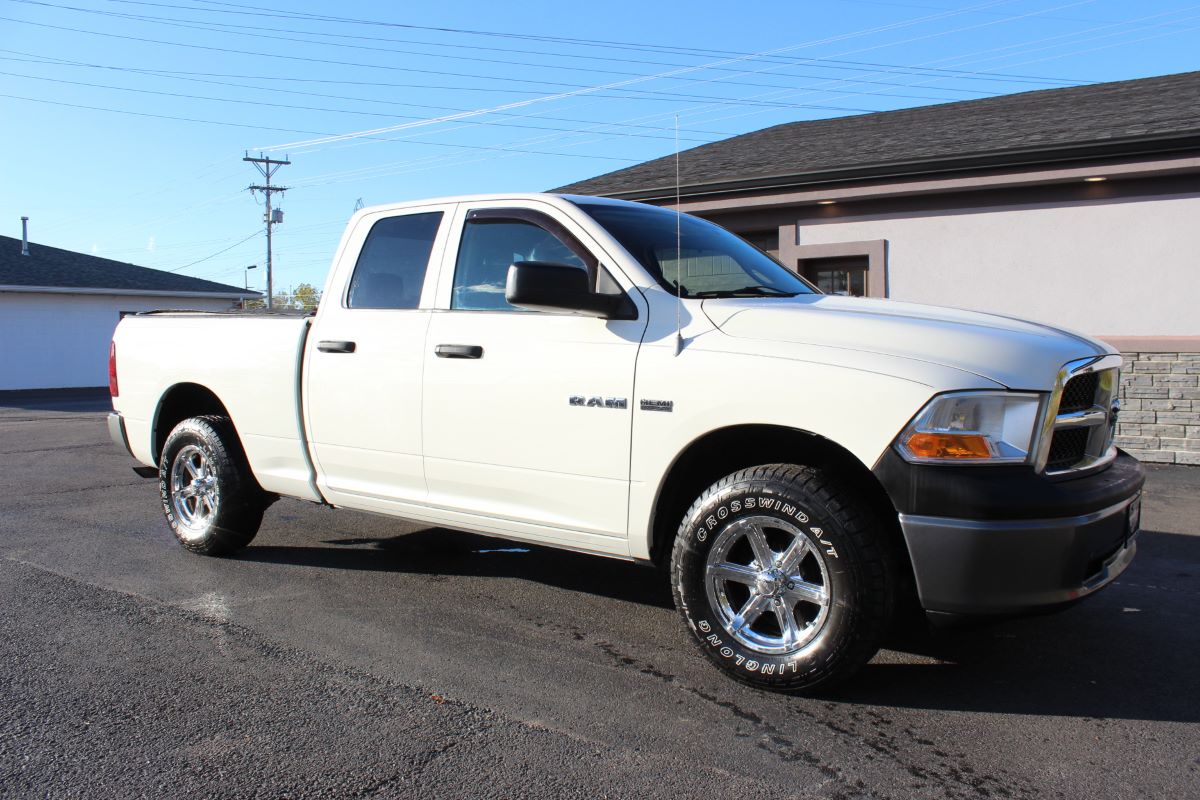
4. Pickup Trucks (e.g., Ford F-150, Dodge Ram)
Pickup trucks are often associated with strength, utility, and off-road capability, but they may not suit the needs of most college students. One significant issue is size. Full-size trucks are difficult to maneuver and park, especially in crowded campus parking lots or tight city streets.
Students may find themselves struggling to fit their truck into limited spaces, risking minor collisions or damage to the vehicle. The large size also makes winter driving more challenging in snowy or icy conditions, as trucks often have a higher center of gravity and can be prone to sliding on slippery surfaces, particularly if not equipped with proper tires or AWD systems.
Cargo space in the truck bed is useful in theory but often less practical than an SUV for student life. The bed is open to the elements, making it less suitable for transporting groceries, electronics, or clothing during rainy or snowy weather.
Covering and securing items adds additional hassle, and the truck’s design does not allow for flexible interior storage like a hatchback or SUV would. Students may quickly realize that while pickups can haul heavy loads, they do not accommodate the everyday needs of dorm life or campus activities efficiently.
Finally, pickup trucks are generally not optimized for passenger comfort. The rear seats in standard cab models are often small or nonexistent, making it challenging to transport friends. Extended cab models improve passenger space but do not solve the issues of fuel efficiency, maneuverability, or winter road performance.
While trucks may be excellent for certain professional or recreational uses, the combination of high costs, difficult parking, lower fuel efficiency, and limited practicality makes them less suitable for the average college student in Syracuse.
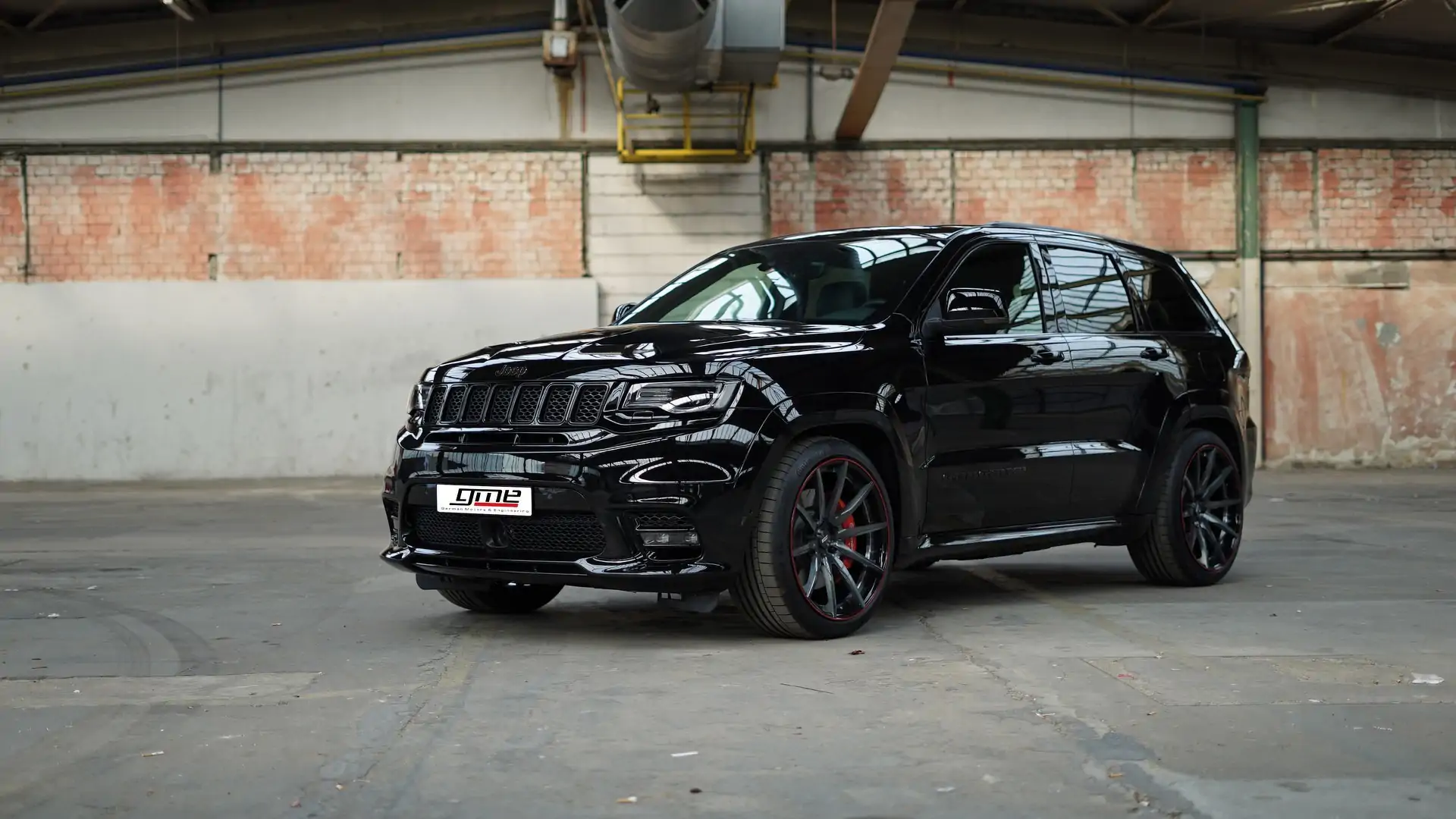
5. High-Performance SUVs (e.g., Jeep Grand Cherokee SRT, BMW X5 M)
High-performance SUVs combine the size and versatility of traditional SUVs with powerful engines and sporty handling. While they may sound appealing, they are generally unsuitable for college students due to high costs and impracticality.
The fuel consumption of these vehicles is significantly higher than standard SUVs, making regular commuting expensive. In addition, insurance premiums are typically elevated for students due to the high-performance nature of the vehicle, placing additional strain on a student’s finances.
Maintenance and repair costs are also considerably higher, as the complex engines and specialized parts require more frequent and expensive servicing compared to standard models.
Cargo space and interior practicality are also compromised in many high-performance SUVs. While they are technically SUVs, many models prioritize performance over utility, offering less storage capacity or flexible seating arrangements.
The combination of lower practicality and higher operational costs makes them less suited for the dynamic needs of student life, where moving dorm items, transporting friends, or carrying groceries is a frequent requirement. Students may quickly discover that these vehicles do not offer the functional benefits expected from a standard SUV.
