
Living in a city like Jersey City presents unique challenges and opportunities for car owners. With dense traffic, narrow streets, limited parking spaces, and a vibrant urban lifestyle, choosing the right vehicle is critical for both convenience and practicality. Many residents must weigh factors such as fuel efficiency, maneuverability, safety, and ease of parking when selecting a car.
While the city has robust public transportation, there are times when a personal vehicle provides unmatched flexibility, whether for commuting, errands, or weekend trips.
In this context, some cars naturally align with urban life due to their compact size, lower maintenance costs, and adaptability to city streets, whereas others, while perhaps luxurious or powerful, carry maintenance and ownership burdens that may outweigh their benefits in a dense urban setting.
Urban life demands more than just transportation; it requires vehicles that fit seamlessly into a hectic schedule and offer reliability. For instance, stop-and-go traffic can strain engines and transmissions that are not designed for frequent short trips, making some cars more practical than others.
Fuel efficiency is another major consideration, especially in a city where gasoline prices fluctuate, and parking often requires driving from one lot to another. Safety features, such as blind-spot monitoring, automated braking, and parking sensors, become crucial in busy areas filled with pedestrians, cyclists, and other vehicles.
Compact cars often excel in these situations, combining efficiency and maneuverability without sacrificing essential comforts.
However, owning a car in Jersey City is not just about convenience; cost is a major factor. Some vehicles are inexpensive to purchase but require frequent repairs, expensive parts, or specialized service that can quickly add up. Others might have a higher initial price but provide lower maintenance costs and a more reliable urban driving experience over time.
Understanding the balance between affordability, practicality, and long-term reliability is essential for making a smart decision. Furthermore, the aesthetic appeal and prestige of a vehicle can influence choices, but in a busy city environment, practical considerations often outweigh luxury preferences. Residents need to consider which vehicles provide the best combination of performance, safety, and economy for everyday urban life.
In this article, we will identify five cars that are particularly suitable for Jersey City urban life, emphasizing their compact size, efficiency, and convenience features. We will also explore five cars that are known to be expensive to maintain, highlighting how luxury, complexity, or specific parts and service needs can make ownership challenging in a city setting.
By comparing these vehicles, prospective car owners can make informed decisions that account for both practicality and long-term costs, helping them navigate the demands of urban driving while avoiding unexpected financial burdens.
Understanding these distinctions will assist drivers in choosing cars that complement city living or caution them against models that may become costly distractions rather than helpful tools.
Five Cars for Jersey City Urban Life
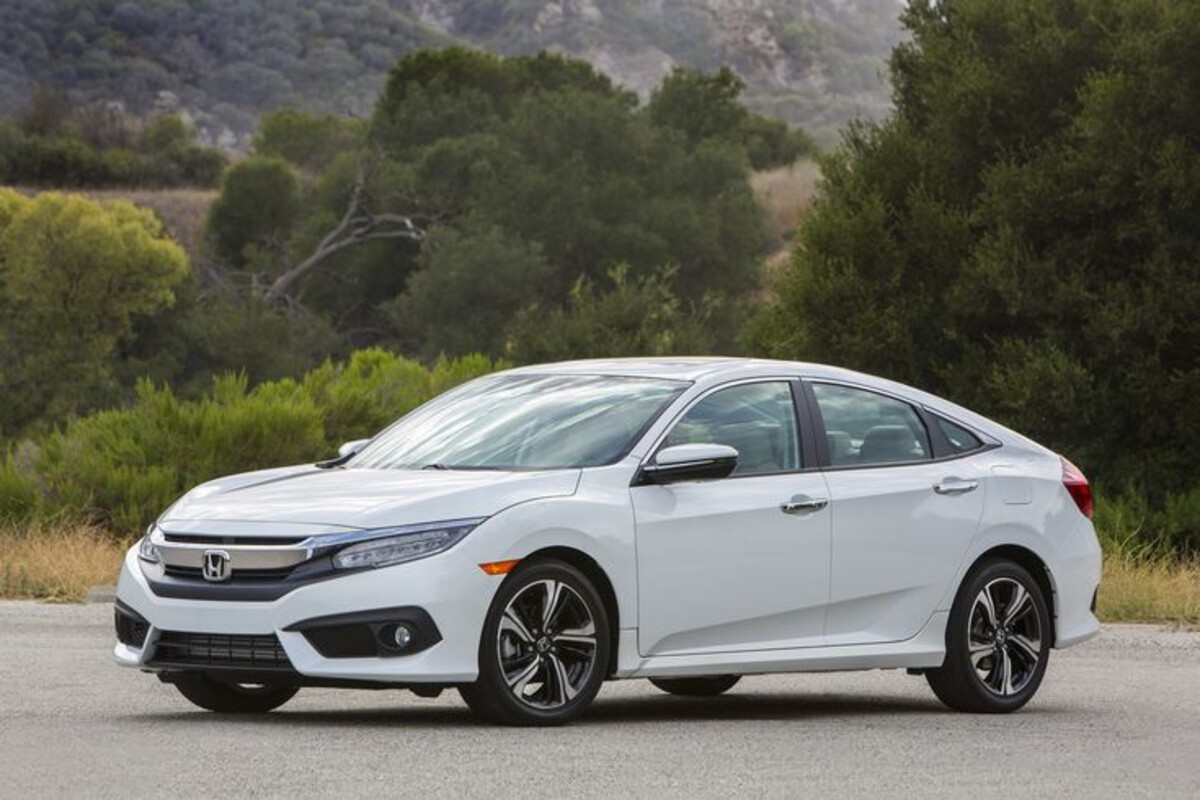
1. Honda Civic
The Honda Civic has long been a favorite among urban drivers, and its appeal lies in its combination of reliability, efficiency, and maneuverability. In a city like Jersey City, where streets can be narrow and parking spots scarce, the Civic’s compact design provides a significant advantage.
Its small footprint allows drivers to navigate tight intersections and congested areas with relative ease, reducing stress during commutes or errands. Beyond its size, the Civic is equipped with engines designed for frequent stop-and-go traffic, which is common in urban areas.
This reduces strain on the powertrain compared to vehicles with larger, less efficient engines. Its reputation for longevity also means that drivers are less likely to encounter unexpected breakdowns, making it a dependable companion for city dwellers who rely on their vehicle daily.
The interior of the Honda Civic adds to its urban practicality. Modern Civics come with user-friendly infotainment systems, touchscreen displays, and smartphone integration, which helps drivers stay connected and find optimal routes through busy streets.
Fuel efficiency is another strong point, with models offering excellent miles per gallon that reduce the frequency of refueling stops. This is particularly useful in Jersey City, where gas stations are not always conveniently located near dense neighborhoods.
Comfort is also emphasized, with seats that are supportive for both short trips around the city and longer commutes to nearby towns or work locations. These features combine to create a vehicle that is efficient, functional, and comfortable for everyday urban use.
Another advantage of the Civic is its safety. Standard and optional safety features such as lane-keeping assist, adaptive cruise control, collision mitigation braking, and blind-spot monitoring provide drivers with additional confidence in crowded environments.
Pedestrian detection and traffic sign recognition further enhance its suitability for city streets, where the constant movement of people, bicycles, and other vehicles requires heightened awareness. The car’s reliability and advanced safety features make it an excellent option for families, commuters, or anyone navigating urban traffic daily.
Finally, the Civic’s widespread popularity ensures that maintenance and repairs are relatively straightforward and affordable. Replacement parts are easy to source, and mechanics are familiar with its design, which reduces the likelihood of costly repairs or long delays in service.
Resale value is also strong, thanks to its reputation for durability and efficiency, which is an important consideration in an urban setting where vehicles often experience heavier wear from traffic, potholes, and frequent parking maneuvers.
For city residents, the Honda Civic represents a practical, cost-effective, and reliable choice that balances performance, safety, and convenience without unnecessary complexity.
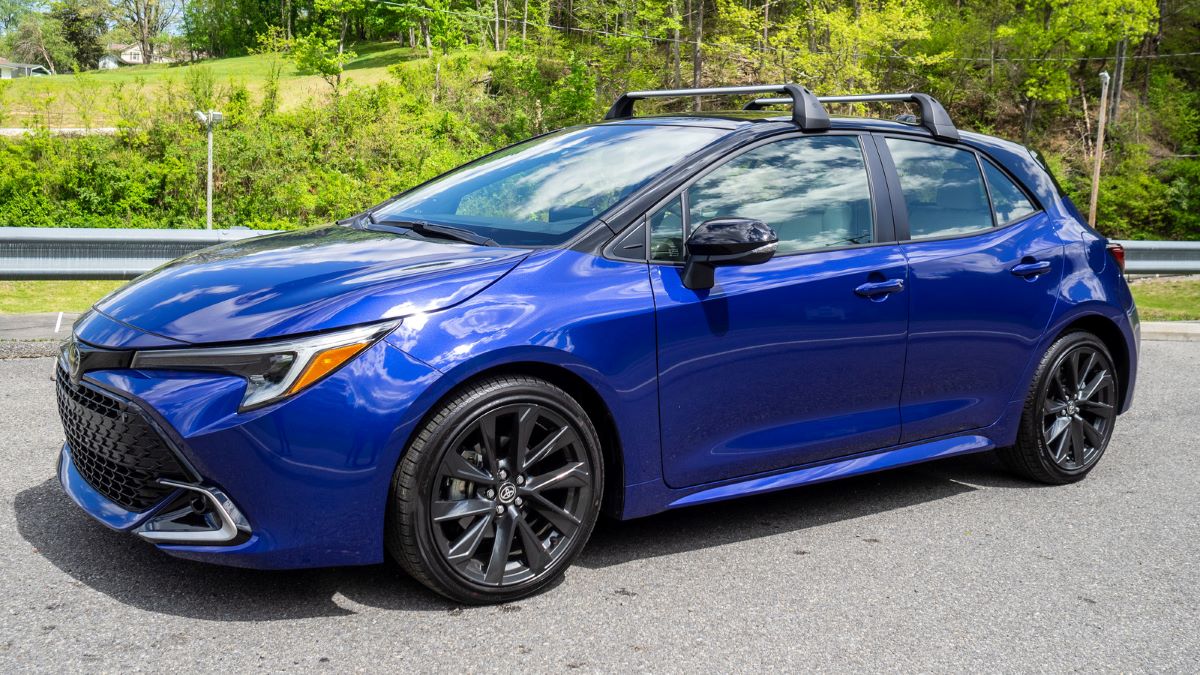
2. Toyota Corolla
The Toyota Corolla has earned a reputation as one of the most reliable and practical cars for urban environments. Its compact design allows it to fit comfortably on crowded streets and into tight parking spots, a significant advantage for drivers in Jersey City.
The Corolla’s efficient engines are engineered for stop-and-go driving, making it ideal for commuting through traffic or running errands.
Its small size does not compromise comfort, as the interior offers adequate space for passengers and cargo, and the cabin layout is simple and intuitive. These qualities combine to create a vehicle that is both practical and accessible for a wide range of city drivers.
Fuel efficiency and hybrid options further enhance the Corolla’s suitability for urban living. Gasoline and hybrid versions allow drivers to choose between traditional fuel savings or significantly reduced fuel consumption, making it easier to navigate city streets without constantly worrying about trips to the pump.
Its low emissions are also a positive factor for environmentally conscious drivers, particularly in cities that may have stricter emission standards. The Corolla’s handling is smooth and predictable, which adds to driver confidence when maneuvering through tight spaces or heavy traffic. Small details such as responsive brakes and tight turning radius contribute to a comfortable and manageable city driving experience.
Safety is another area where the Corolla shines. It includes features such as automatic emergency braking, pedestrian detection, lane departure warning, and traffic sign recognition. These technologies enhance driver awareness and reduce the risk of accidents, which is especially important in areas with high pedestrian activity or crowded intersections.
The Corolla’s reliability and robust safety record make it a practical choice for families or anyone who prioritizes security and ease of operation in a busy urban setting. Its balanced ride and suspension allow it to handle rough or uneven roads without sacrificing comfort or control.
Maintenance costs for the Corolla are generally low, adding to its long-term appeal. Toyota’s reputation for durable engines, transmissions, and overall mechanical simplicity ensures fewer unexpected repairs. Replacement parts are widely available, and most service centers are experienced with Toyota vehicles, making maintenance straightforward and efficient.
Affordability, reliability, fuel efficiency, and ease of parking make the Corolla a standout option for urban drivers seeking a practical, low-stress car. Residents of Jersey City can benefit from its combination of dependability, cost-effectiveness, and everyday usability, making it a highly suitable vehicle for navigating a bustling city environment.
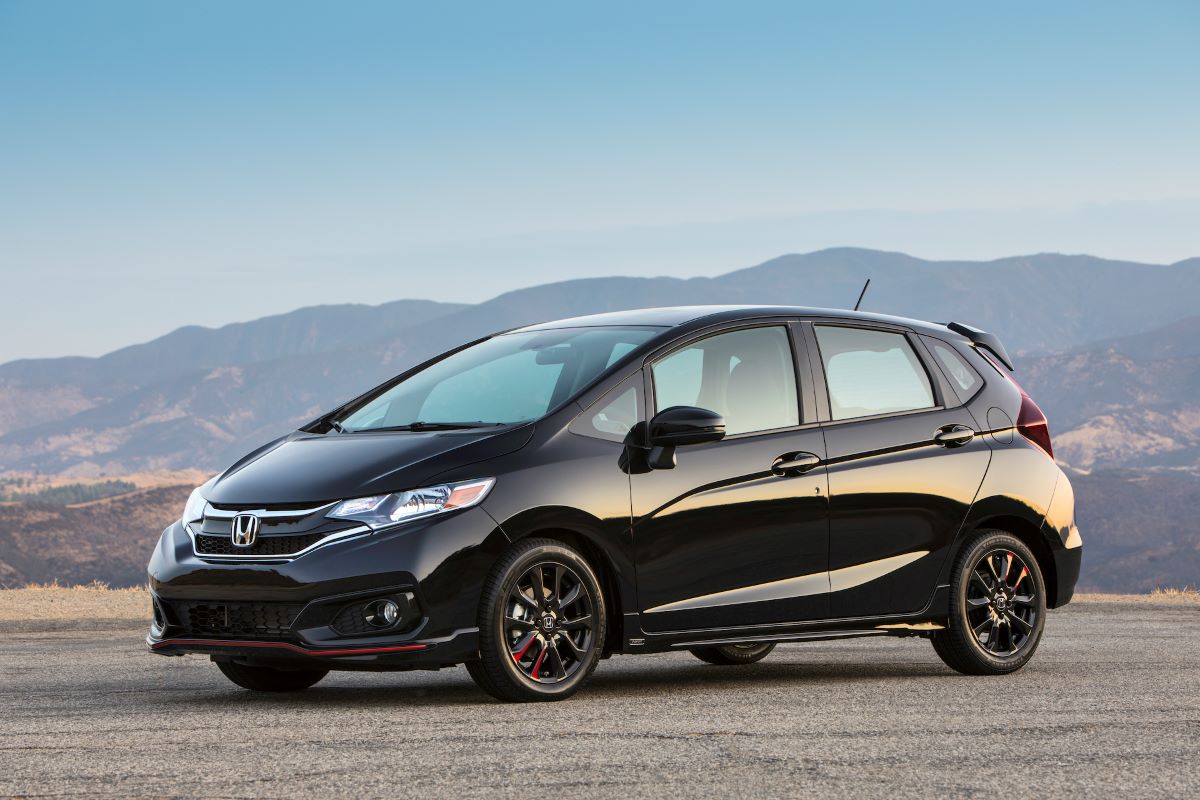
3. Honda Fit
The Honda Fit is an ideal urban car because it combines a small exterior with a surprisingly versatile interior. Its compact size makes it easy to maneuver through narrow streets and crowded parking lots, a crucial benefit in dense cities like Jersey City.
Despite its modest dimensions, the Fit offers a cabin that is highly configurable, thanks to the innovative “Magic Seat” system. This allows drivers to fold or reposition the rear seats to accommodate passengers or larger cargo, making it one of the most practical small cars for city living. The Fit’s responsive steering and tight turning radius make navigating congested areas easier than in larger vehicles.
Fuel efficiency is another key strength of the Fit. Its engines are designed to operate efficiently in urban driving conditions, conserving fuel even in stop-and-go traffic. This efficiency helps reduce overall operating costs, which is particularly valuable for residents who use their car frequently for short trips, errands, or commuting.
Additionally, the Fit’s handling and ride quality are surprisingly composed for a subcompact, providing comfort over rough roads, potholes, or uneven pavement, which are common in older city neighborhoods. The combination of versatility, efficiency, and maneuverability ensures that the Fit is more than capable of meeting the demands of city driving.
Safety is also well addressed in the Fit. Features such as a rearview camera, electronic stability control, and collision mitigation braking enhance driver confidence in busy city streets. Its compact design also reduces blind spots, making it easier to navigate through pedestrian-heavy areas.
The Fit is often chosen by urban commuters who value reliability, low maintenance, and a car that is easy to park and drive, even in high-density environments. Its durable construction and straightforward mechanical design help maintain performance over many years, further reducing long-term maintenance costs.
Finally, the Honda Fit is highly accessible due to its affordability and low cost of ownership. Its efficient engines, reliable drivetrain, and flexible interior create a small but capable urban vehicle that meets a wide range of needs without excessive complexity or expense.
Parts are widely available, and service is relatively inexpensive compared to luxury or niche vehicles, making the Fit an attractive option for city residents seeking practicality, versatility, and cost-effectiveness. It demonstrates that a small car can provide a surprisingly robust combination of utility, comfort, and efficiency for urban life.
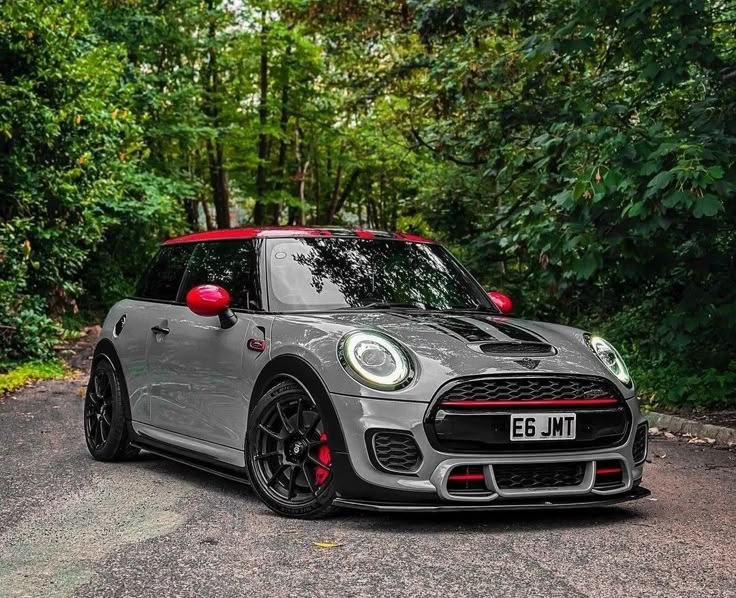
4. Mini Cooper
The Mini Cooper is widely recognized for its unique design, responsive handling, and compact size, all of which make it a popular choice for city dwellers. Its small dimensions allow drivers to maneuver through tight streets, avoid obstacles, and fit into parking spaces that larger cars cannot access.
Despite its compact size, the Mini Cooper’s cabin is well-designed, offering modern technology, comfortable seating, and a stylish interior that does not compromise practicality. Steering is sharp, brakes are responsive, and visibility is generally good, which contributes to a confident driving experience in dense urban environments.
Fuel efficiency is reasonable for city use, especially for models equipped with smaller engines or turbocharged options. This allows drivers to save on fuel costs while navigating stop-and-go traffic without significant strain on the engine.
Additionally, the Mini Cooper is agile enough to handle sudden lane changes or quick turns, which can be essential in cities where traffic patterns change rapidly. Its distinctive design also appeals to individuals who want a car that stands out, blending practicality with personality in an urban setting.
Finally, the Mini Cooper’s combination of maneuverability, safety, and unique design ensures it remains an attractive option for urban living. Its small size and responsive handling make daily driving and parking much easier, while its interior comfort and technology provide a pleasant driving experience.
The Mini Cooper demonstrates that a compact, well-engineered car can offer both style and practicality, making it an enduring choice for those navigating the complexities of city life.
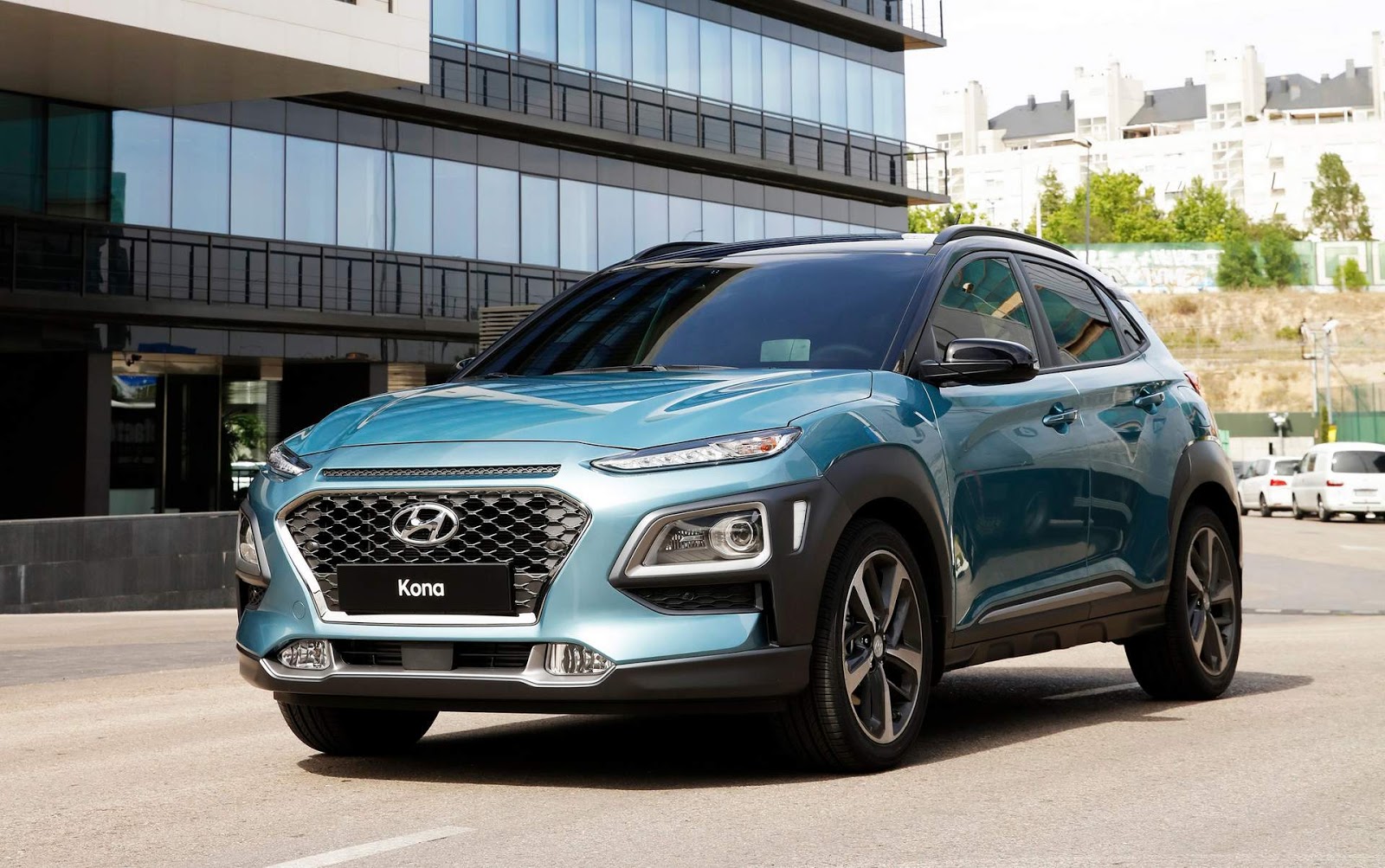
5. Hyundai Kona
The Hyundai Kona is a compact crossover that balances the efficiency of a small car with the versatility of an SUV. Its compact footprint allows it to fit into urban parking spaces, while its slightly elevated ride height provides better visibility over traffic and surrounding obstacles.
Fuel efficiency is a strong point, particularly for hybrid or electric versions, allowing drivers to reduce both expenses and environmental impact. The Kona’s crossover design appeals to those who want an urban vehicle that is practical yet slightly more robust than a typical compact sedan, offering a sense of security and versatility for daily commuting or weekend trips.
Maintenance costs for the Kona are reasonable, with parts readily available and service straightforward at most Hyundai dealerships. Its engines and transmissions are designed for reliability and urban driving conditions, ensuring that drivers experience fewer unexpected breakdowns.
Hyundai’s comprehensive warranty also adds reassurance, particularly for residents who rely heavily on their vehicle for commuting, errands, or transportation for family members. The combination of practicality, fuel efficiency, and modern features makes the Kona a dependable choice for city living.
Finally, the Hyundai Kona offers an ideal blend of style, practicality, and reliability for urban residents. Its compact crossover design provides versatility and comfort without the maintenance challenges associated with larger SUVs.
Fuel efficiency, safety features, and maneuverability make it particularly suitable for dense city streets. For those living in Jersey City, the Kona stands out as a practical, cost-effective, and versatile vehicle that meets the everyday demands of urban life while providing modern comfort and functionality.
Five Cars That Are Pricey to Maintain
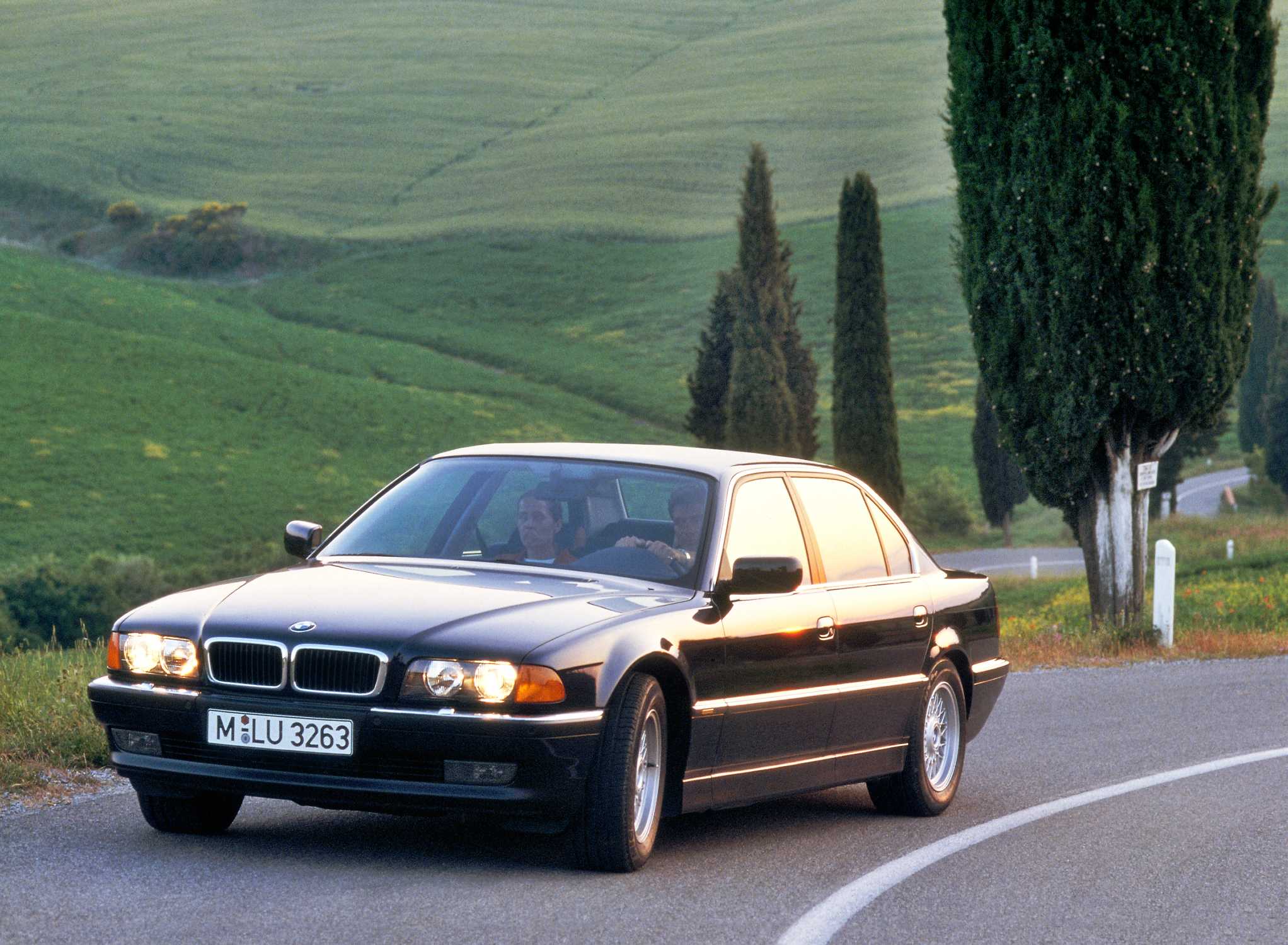
1. BMW 7 Series
The BMW 7 Series is widely recognized as a top-tier luxury sedan that offers a combination of high performance, advanced technology, and unmatched comfort. Its elegant design, powerful engines, and advanced infotainment systems make it appealing to drivers who want a premium experience.
However, this sophistication comes with substantial maintenance costs that can quickly add up over time. The 7 Series is built with intricate mechanical systems and state-of-the-art electronics, which means that even small repairs or routine maintenance can be expensive.
Components like air suspension, high-performance brakes, and turbocharged engines often require specialized service, making labor costs significantly higher than average. For urban residents who use their car primarily for commuting, the frequent start-and-stop driving typical in a city environment can accelerate wear and tear, increasing the likelihood of repairs.
Fuel efficiency is another area where the 7 Series proves costly. Its larger engines consume more fuel, especially in stop-and-go traffic, which is unavoidable in urban driving. While the car provides smooth acceleration and effortless highway driving, city residents may see their fuel expenses rise dramatically due to low miles per gallon in congested areas.
Additionally, insurance premiums are significantly higher for luxury sedans, reflecting the cost of repairs, replacement parts, and higher risk of theft or accident claims. For city drivers who value cost efficiency and predictability, these factors can make ownership financially challenging.
Depreciation is also worth considering. Luxury vehicles like the BMW 7 Series lose value quickly compared to mainstream cars, particularly during the first few years of ownership. Combined with the high maintenance, fuel, and insurance costs, total ownership expenses can be extremely high.
While the 7 Series delivers exceptional comfort, handling, and status, it is not a practical choice for urban drivers who prioritize low maintenance costs and reliability. The financial burden associated with repairs and upkeep often outweighs the luxury experience, making it one of the most expensive cars to maintain in city environments.
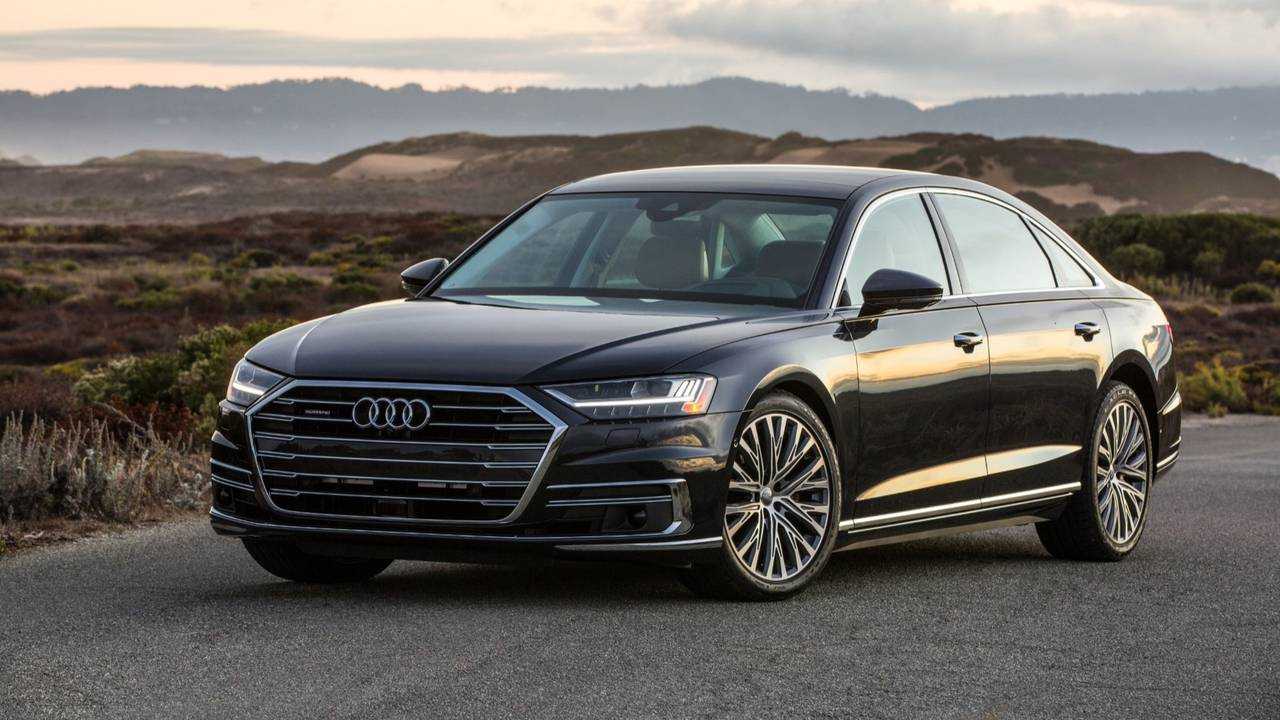
2. Audi A8
The Audi A8 is a luxury sedan known for its advanced engineering, technological sophistication, and powerful performance. Its intricate electronic systems, premium interior materials, and innovative features contribute to a high cost of ownership. Even routine maintenance, such as oil changes, brake inspections, or tire rotations, is more expensive than in standard sedans.
Replacement parts for the engine, suspension, or electronic systems can be costly and often require certified Audi technicians, limiting repair options. In city driving conditions, where traffic congestion and frequent braking are common, these components experience accelerated wear, which increases both maintenance frequency and expense.
The A8’s advanced all-wheel-drive system and adaptive suspension are among its defining features, but they also contribute to higher costs. Keeping these systems in optimal working condition requires regular monitoring and service, and neglect can lead to costly repairs.
Turbocharged engines, a hallmark of the A8, demand premium fuel and precise maintenance schedules to prevent damage, further adding to overall costs. Even minor electronic malfunctions or sensor failures can result in repair bills that exceed the cost of equivalent parts in simpler vehicles, making ownership a significant financial commitment, especially for urban drivers.
Luxury sedans like the A8 lose value rapidly within the first few years, especially when mileage accumulates from daily urban driving. The combination of rapid depreciation, high service and fuel costs, and expensive insurance makes the A8 a car that is luxurious but challenging to maintain in the long term.
For city drivers seeking reliability and predictable expenses, more straightforward, efficient vehicles may be preferable. While the Audi A8 provides comfort, technology, and performance, these benefits come with a financial trade-off that many urban residents may find prohibitive.
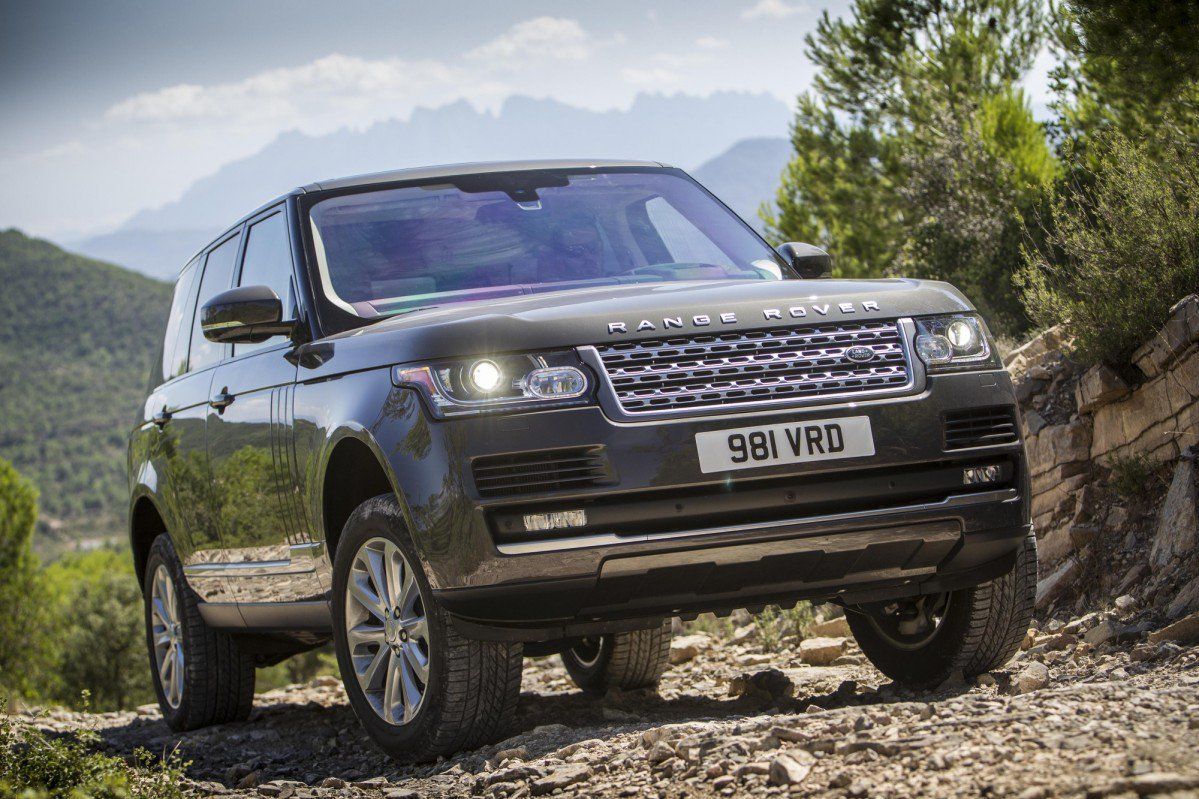
3. Land Rover Range Rover
The Land Rover Range Rover is an iconic luxury SUV known for its off-road capability and premium interior. Its powerful engines, advanced electronic systems, and intricate suspension make it one of the most impressive SUVs in terms of performance.
However, these same features make it exceptionally expensive to maintain. Routine repairs, such as brake replacement, suspension servicing, or electronic diagnostics, are costly and often require specialized tools and technicians.
Even minor issues can escalate into significant expenses, making ownership a financial challenge. In urban environments, the SUV’s large size and weight add strain on brakes, tires, and suspension, particularly in stop-and-go traffic.
Urban driving also exacerbates wear and tear on the Range Rover. Frequent starting and stopping, tight corners, and narrow streets increase stress on the brakes, tires, and suspension components.
In addition, parking such a large SUV in urban garages or spaces can be challenging, occasionally leading to minor dings or scratches that add to overall costs. These factors make it less practical for dense city environments compared to smaller, more maneuverable vehicles.
Depreciation further complicates ownership. Range Rovers lose value rapidly, particularly in their first five years, and the high costs of maintenance and fuel do not diminish as the car ages.
For urban residents, the combination of high service expenses, poor fuel economy, insurance costs, and rapid depreciation makes the Range Rover a vehicle that, while luxurious and capable, is extremely expensive to maintain. Its off-road capabilities, advanced features, and style come with a financial burden that outweighs practical benefits in city settings.
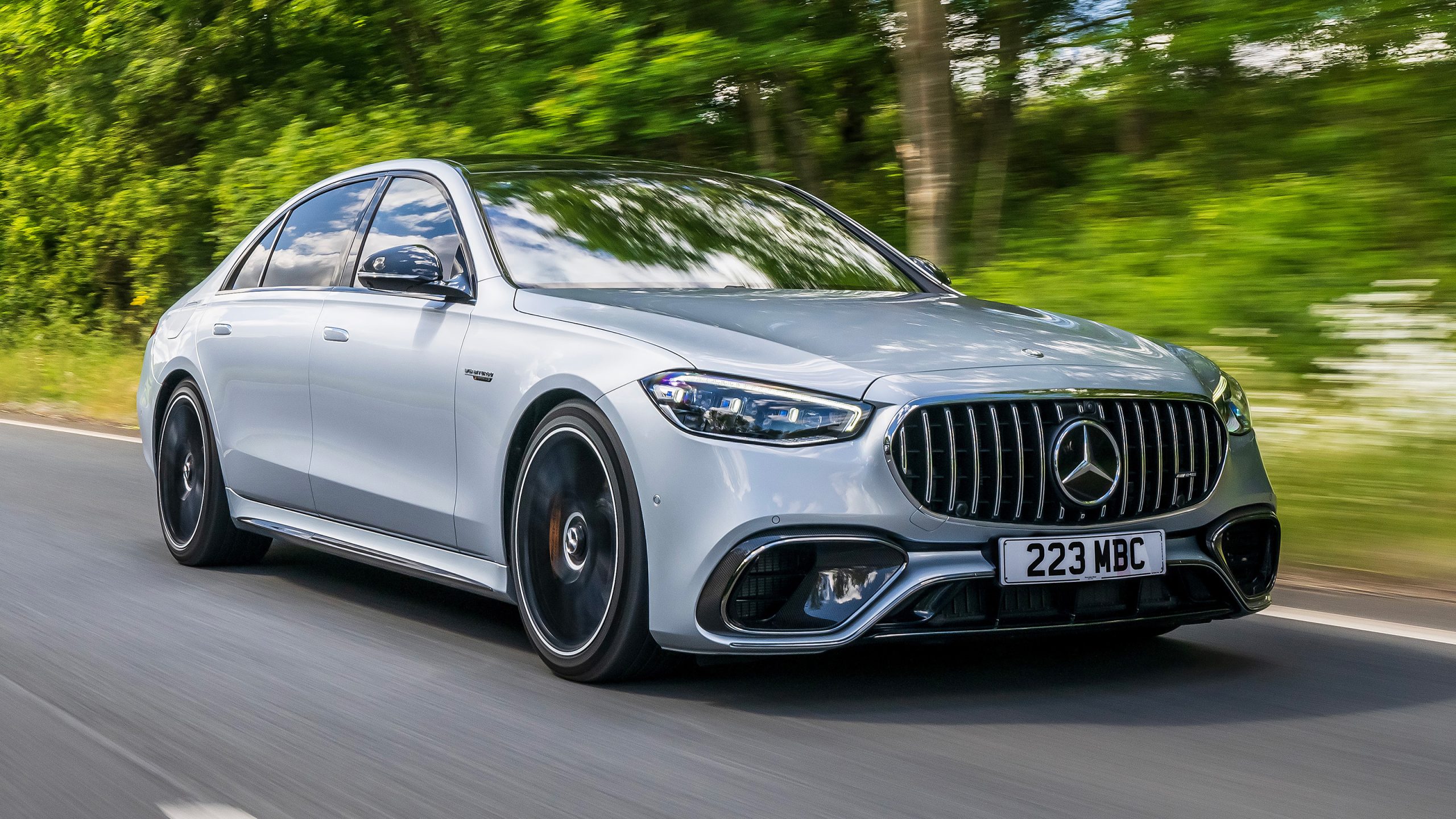
4. Mercedes-Benz S-Class
The Mercedes-Benz S-Class is a flagship luxury sedan that exemplifies comfort, technology, and performance. Its advanced electronics, high-performance engines, and sophisticated suspension system provide a driving experience unmatched by most sedans.
However, these qualities come at a significant financial cost. Routine maintenance such as oil changes, brake servicing, or tire replacements, is expensive, while more complex repairs, such as electronic system troubleshooting or engine diagnostics, require specialized technicians. In urban environments, stop-and-go traffic puts additional stress on transmission, brakes, and suspension, increasing maintenance needs and costs.
The S-Class’s advanced electronics and luxury features also contribute to higher costs. Its driver assistance systems, navigation, and comfort technologies, while impressive, are complex and prone to occasional faults.
Even minor software updates or sensor replacements can be costly, requiring specialized knowledge and parts. This makes ownership a continuous financial obligation, especially for drivers who rely on their car daily for city commutes.
Depreciation adds another layer of concern. Luxury vehicles like the S-Class lose value rapidly in the first few years, and when combined with expensive maintenance, insurance, and fuel, total ownership costs become very high.
While the S-Class offers unparalleled comfort, safety, and status, these benefits are accompanied by significant financial burdens. Urban drivers looking for reliability and predictability may find that the S-Class, despite its allure, is not the most practical choice for city living.
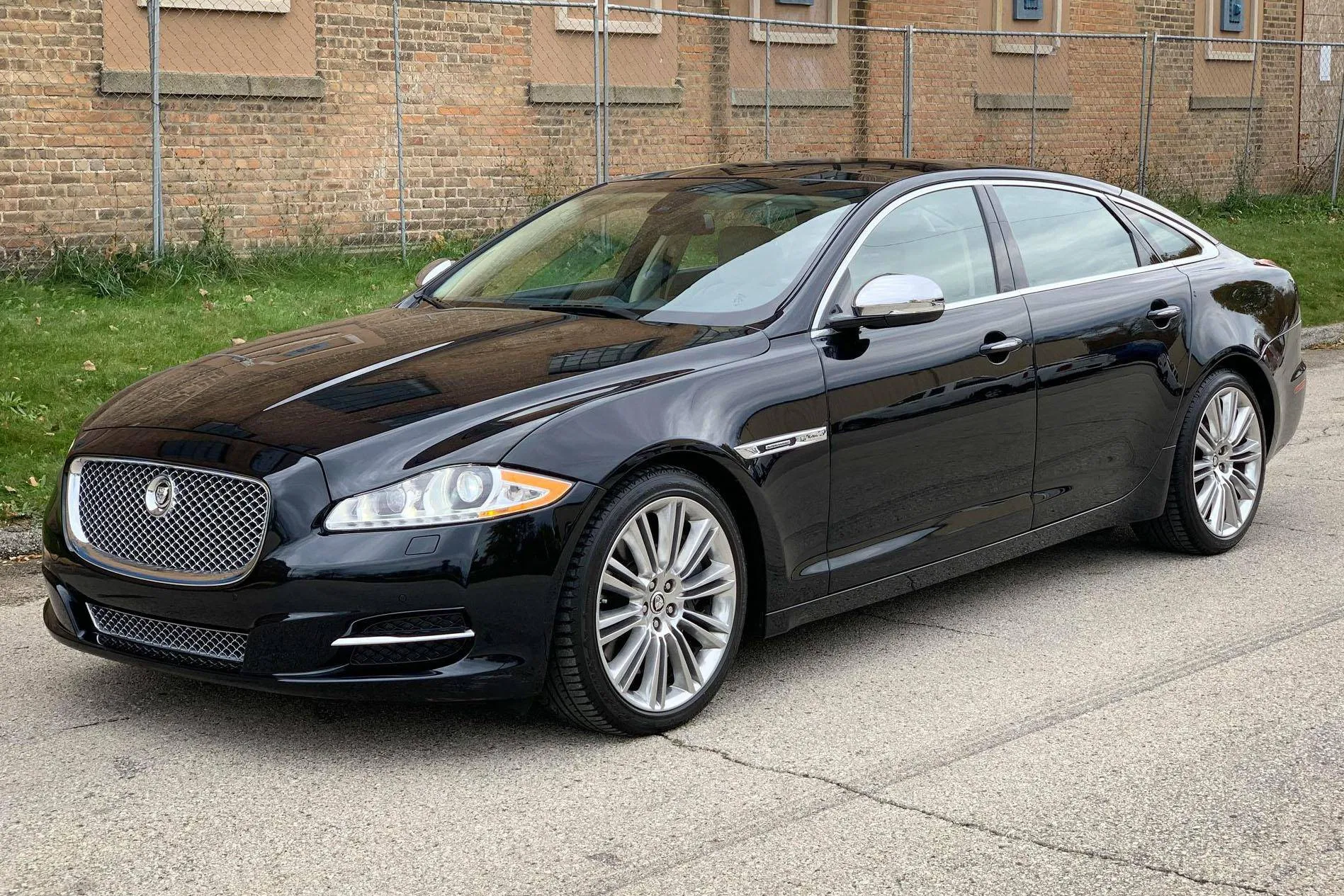
5. Jaguar XJ
The Jaguar XJ is a luxury sedan that combines style, high performance, and advanced technology. Its striking design and powerful engines are complemented by a premium interior, including high-end materials, state-of-the-art infotainment systems, and complex suspension components.
However, these features make the XJ notoriously expensive to maintain. Engine servicing, transmission repairs, and electronic system diagnostics can cost significantly more than mainstream vehicles. In a city environment, where stop-and-go driving, tight parking, and short trips are common, wear and tear on mechanical and electronic systems is accelerated, leading to higher maintenance costs.
Urban driving can further increase costs due to frequent braking, acceleration, and maneuvering in tight streets. The XJ’s weight and large dimensions make it less maneuverable, which increases the likelihood of minor dents, scratches, or parking lot incidents.
Repairing bodywork on a luxury car is far more expensive than on mainstream vehicles, adding another dimension to the financial challenge of ownership.
Finally, depreciation is significant for the Jaguar XJ. Luxury sedans experience rapid value loss, and when combined with the high cost of maintenance, fuel, and insurance, total ownership expenses are substantial.
While the XJ offers performance, luxury, and prestige, these benefits come at a financial cost that is magnified in urban environments. For city residents seeking reliability, efficiency, and low maintenance expenses, the Jaguar XJ represents a costly choice that is better suited to those prepared for significant upkeep.
