
The suburban lifestyle in Santa Clara comes with its own unique set of demands when it comes to vehicles. Commuting to work, transporting family members, running errands, and navigating traffic patterns require a balance of efficiency, comfort, and affordability.
In recent years, electric vehicles have become increasingly popular, offering advantages in terms of lower operating costs, environmental benefits, and quiet performance. For residents in suburban neighborhoods, having access to charging stations, ample driving range, and reliability are crucial factors.
Choosing the right vehicle not only influences daily convenience but also long-term financial planning, as maintenance costs, insurance, and fuel savings play a significant role in household budgets. Understanding which vehicles complement suburban living and which ones might strain finances can help buyers make smarter decisions.
Electric vehicles designed for suburban life often emphasize practicality over flashy performance. These vehicles typically offer enough cargo space for groceries, school gear, or weekend trips while providing comfortable seating for multiple passengers.
They are engineered to be energy-efficient, minimizing the need for frequent charging while offering enough range to cover both daily commuting and occasional longer drives. Reliability is also a key consideration, as suburban drivers depend on their vehicles for consistent performance without frequent repairs.
A well-chosen electric vehicle can simplify life, reduce environmental impact, and free up resources that would otherwise be spent on fuel and maintenance.
On the other side of the spectrum are vehicles that, despite their appeal or prestige, can be expensive to own. These cars often come with higher insurance premiums, costly repairs, and poor fuel efficiency. Some luxury or performance vehicles require specialized parts and services, and depreciation can be steep. While owning one of these cars may deliver a sense of status or excitement, the ongoing financial burden can offset these benefits.
For residents in Santa Clara, where the cost of living is already high, careful consideration of ownership costs is essential. Evaluating these factors against lifestyle needs helps individuals and families select vehicles that complement their routines without introducing unexpected financial stress.
In this article, we will discuss ten specific vehicles: five electric cars well-suited for suburban life in Santa Clara, and five that tend to be costly to own. Each vehicle will be analyzed based on factors like practicality, efficiency, reliability, and long-term ownership costs.
This information is intended to guide potential buyers in making informed decisions, balancing lifestyle requirements with financial realities. By the end of this article, readers will have a clearer understanding of which vehicles provide the best value for suburban living and which may present hidden costs that could challenge even the most well-prepared households.
5 Cars for Santa Clara Suburban EV Life
1. Tesla Model 3
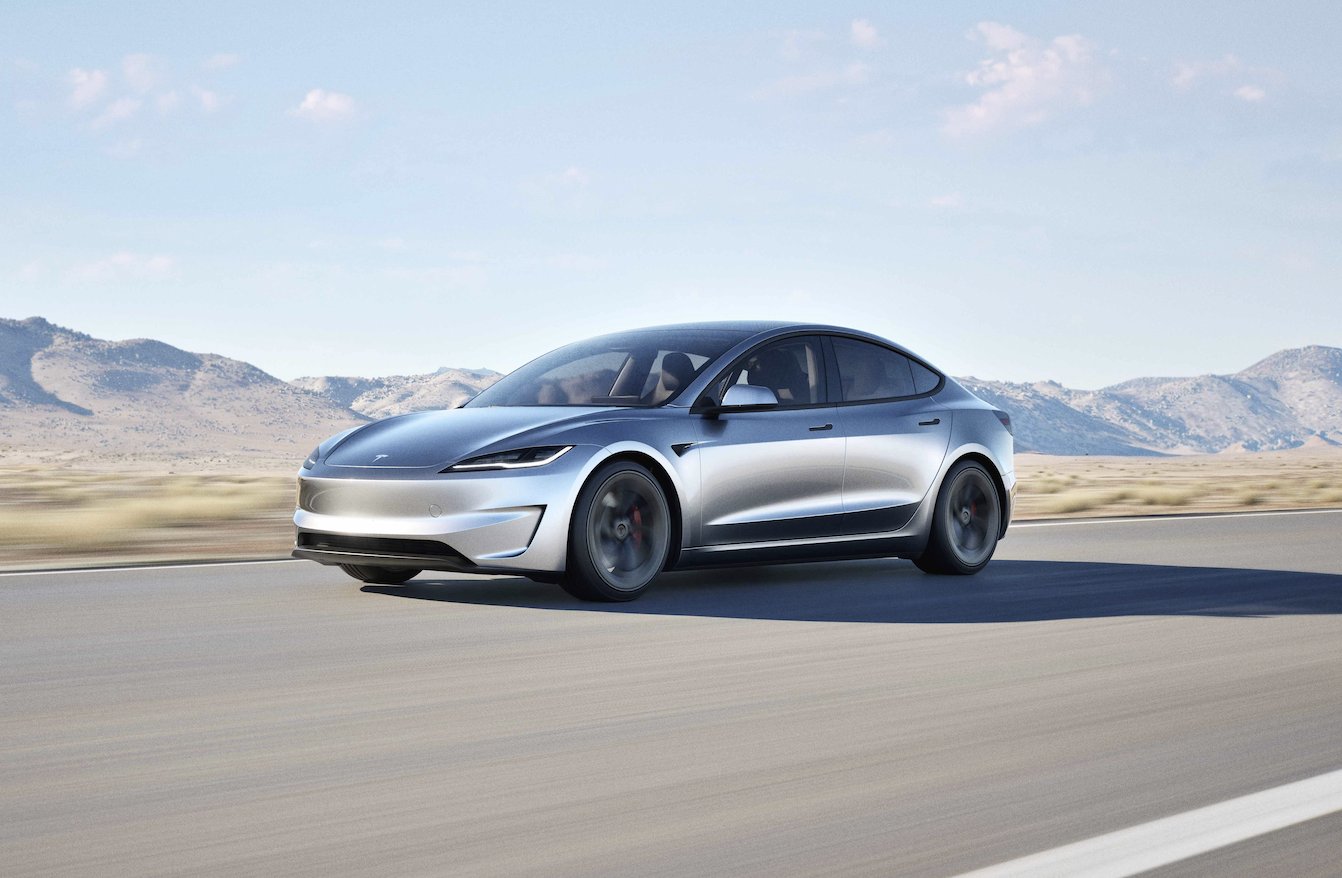
The Tesla Model 3 is a widely recognized choice among suburban electric vehicle owners due to its unique combination of range, performance, and technology.
The vehicle comes in multiple variants, including Standard Range Plus, Long Range, and Performance, which allows buyers to select a model that aligns with their specific commuting and lifestyle needs. The Long Range version can comfortably cover over 350 miles on a single charge, which more than accommodates typical daily suburban commutes, school drop-offs, and weekend errands.
This extended range reduces the stress of frequent charging and allows for flexibility in planning longer trips to neighboring cities or recreational destinations. Its electric powertrain delivers smooth and immediate acceleration, quiet operation, and a low center of gravity, contributing to stable handling on winding suburban streets or highway on-ramps.
Families find it convenient that the cabin, although minimalistic, is designed to provide comfortable seating for five adults, with additional cargo space in both the front and rear trunks, supporting everything from groceries to sports equipment.
Beyond its impressive range and performance, the Model 3 benefits from Tesla’s extensive Supercharger network, which adds convenience for longer drives beyond Santa Clara. The network allows for rapid charging in roughly 30 minutes, making weekend getaways or longer trips more feasible than with many other EVs.
The vehicle’s interior design emphasizes minimalism and technology integration, centering most functions around a single large touchscreen. This design reduces clutter and distraction, allowing the driver to focus on the road.
Over time, the low maintenance requirements of an electric powertrain, such as the absence of oil changes, transmission repairs, or exhaust system issues, translate into substantial cost savings compared to traditional internal combustion vehicles. Tesla’s regenerative braking system also reduces wear on brakes, further minimizing routine maintenance expenses.
Another advantage of the Model 3 is its ability to receive over-the-air software updates. These updates improve performance, refine energy efficiency, introduce new features, and sometimes even increase range.
This capability ensures that the vehicle continues to improve over time without requiring trips to a service center, which is especially convenient for suburban drivers who value reliability and minimal downtime.
Additionally, the Model 3 has a strong safety record, consistently receiving top ratings in crash tests and including a suite of advanced driver-assistance features, such as automatic emergency braking, lane-keeping assist, and adaptive cruise control. These systems provide additional peace of mind for families transporting children or elderly relatives.
Finally, the Tesla Model 3 maintains relatively strong resale value within the electric vehicle market. With EV adoption steadily increasing, Teslas tend to hold their value better than many competitors, which can help offset the higher initial purchase price.
Its combination of cutting-edge technology, practical interior space, and reliable performance makes the Model 3 a solid choice for suburban households seeking an electric vehicle that balances daily functionality with long-term financial and environmental considerations. For Santa Clara residents, the Model 3 provides a comprehensive solution that merges convenience, technology, and sustainability into a single package.
2. Chevrolet Bolt EV
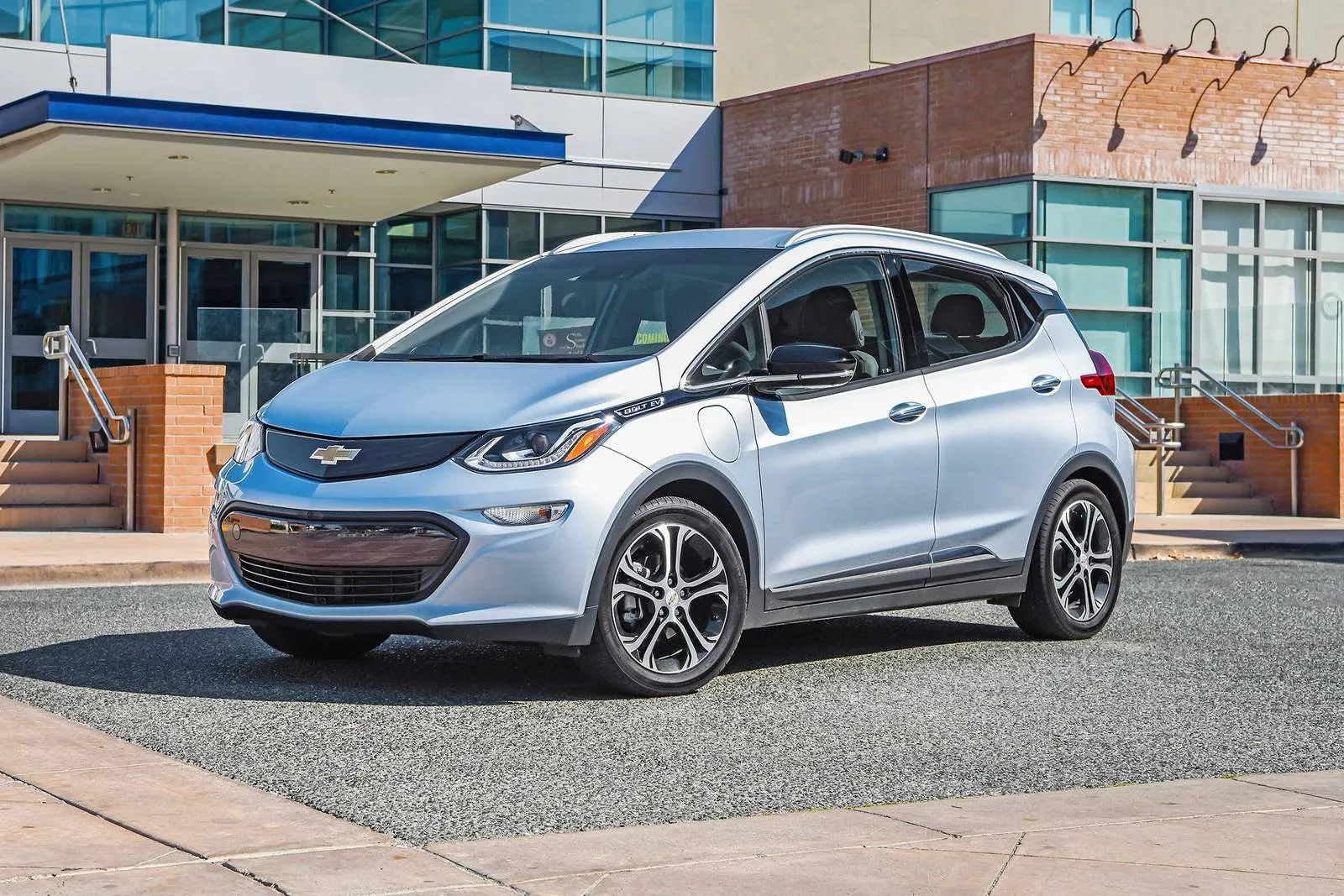
The Chevrolet Bolt EV stands out for its affordability, range, and practicality, offering a compelling option for suburban commuters who want an electric vehicle without a high price tag. Its electric powertrain delivers approximately 259 miles of range per charge, which is more than enough for standard daily travel, including commuting, errands, and family activities.
The Bolt is compact yet roomy inside, offering a surprising amount of interior space for passengers and cargo, making it a suitable choice for small families or individuals who need a versatile vehicle. The compact exterior makes it easy to maneuver through traffic-heavy suburban streets and park in tight spaces, while the interior provides modern amenities and a functional layout.
One of the key advantages of the Bolt is its accessible price point. While it may not carry the prestige of high-end electric vehicles, it balances affordability with efficiency and utility.
Standard features include a touchscreen infotainment system, smartphone integration, and various driver-assistance technologies such as lane-keeping assist, automatic emergency braking, and rear cross-traffic alert. These features improve the convenience and safety of daily suburban driving, helping reduce stress during school runs, grocery trips, or weekend excursions.
Charging flexibility further enhances the Bolt’s practicality. It can be charged with a standard Level 2 home charger or at public fast-charging stations, making it easy to integrate into daily routines. Its smaller battery allows for shorter charging times, which is beneficial when multiple family members share the vehicle or when a quick recharge is needed before a longer journey.
Additionally, the Bolt’s simple electric powertrain requires minimal maintenance, eliminating many of the costs associated with traditional gasoline vehicles. Over time, the money saved on fuel and maintenance makes the Bolt an attractive option for budget-conscious suburban households.
Beyond practicality, the Bolt provides a comfortable and smooth driving experience. Its regenerative braking system allows for one-pedal driving, which can make stop-and-go suburban traffic less tiring and more convenient.
Its electric motor provides quiet, immediate power delivery, making daily commuting enjoyable. For Santa Clara residents seeking a cost-effective, reliable, and practical electric vehicle, the Chevrolet Bolt delivers a balance of affordability, efficiency, and comfort, making it a strong contender for suburban EV life.
3. Nissan Leaf
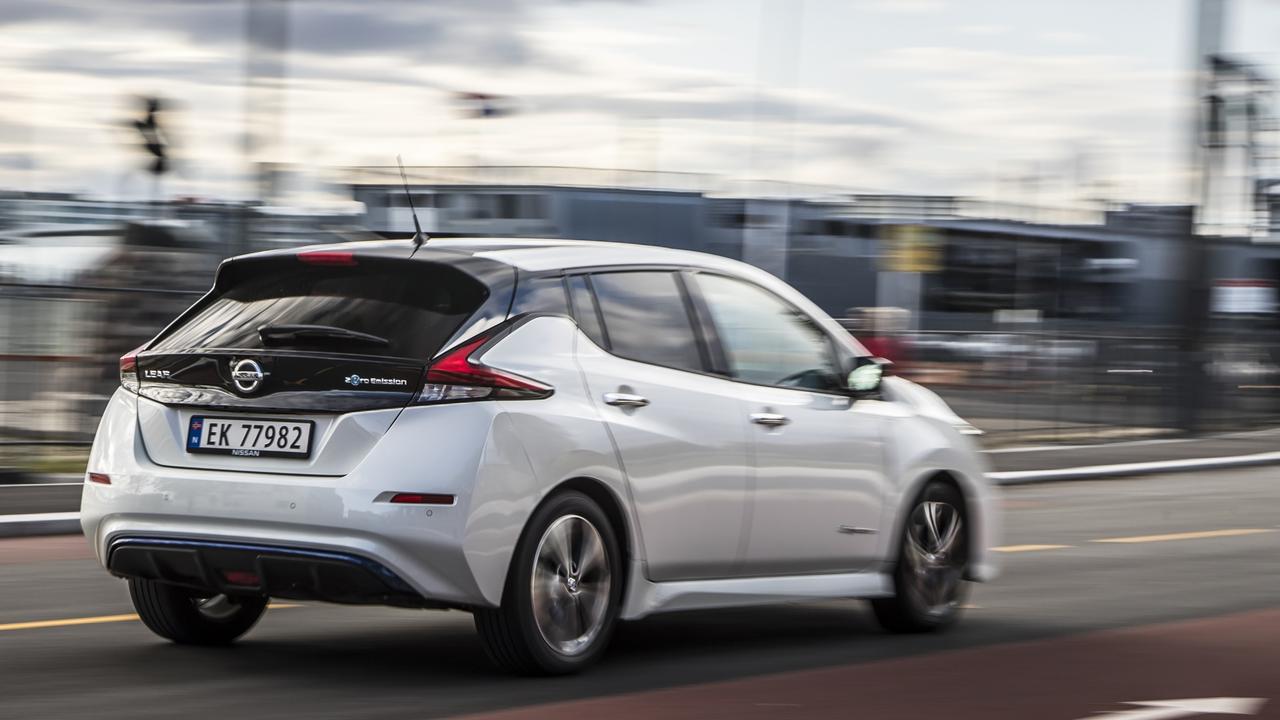
The Nissan Leaf remains one of the most recognizable and accessible electric vehicles, continuing to provide a reliable option for suburban families. Its design focuses on efficiency, comfort, and practicality, making it well-suited for the short to medium commutes that are common in suburban settings.
The latest models offer a range of approximately 226 to 364 miles, depending on the battery option chosen, which provides sufficient flexibility for daily routines and occasional longer drives.
The cabin is comfortable and spacious for a compact car, with enough room to accommodate small families and their cargo, while rear seats can fold down to expand storage for larger items like bicycles or camping equipment. Reliability and low maintenance requirements further enhance the Leaf’s appeal for households looking to minimize ownership costs.
Ease of use is another strong point for the Leaf. The vehicle’s controls are simple and intuitive, and the interior provides a calm, practical environment for both drivers and passengers.
Standard driver-assistance features, including adaptive cruise control, automated emergency braking, and lane departure warning, enhance safety and reduce stress during everyday driving. These systems are especially valuable for suburban routes that may include congested roads, school zones, and residential streets with frequent stops.
The Leaf also offers practical charging options. Although its fast-charging network is less extensive than Tesla’s, it is compatible with standard home Level 2 chargers and many public stations.
Its efficient energy use allows drivers to maximize each charge, ensuring that trips to work, school, or shopping centers can be completed with minimal concern about range limitations. Over time, the savings on gasoline or maintenance costs make the Leaf an attractive long-term choice for families seeking an affordable electric vehicle.
Affordability, practicality, and reliability make the Leaf a sensible entry point for households transitioning to electric vehicles. While it may lack the prestige or advanced performance of some newer EVs, it provides a dependable, cost-effective solution for suburban life.
Santa Clara residents who prioritize practicality and financial efficiency without sacrificing comfort or reliability will find the Leaf to be a solid option that meets everyday transportation needs while supporting environmental sustainability.
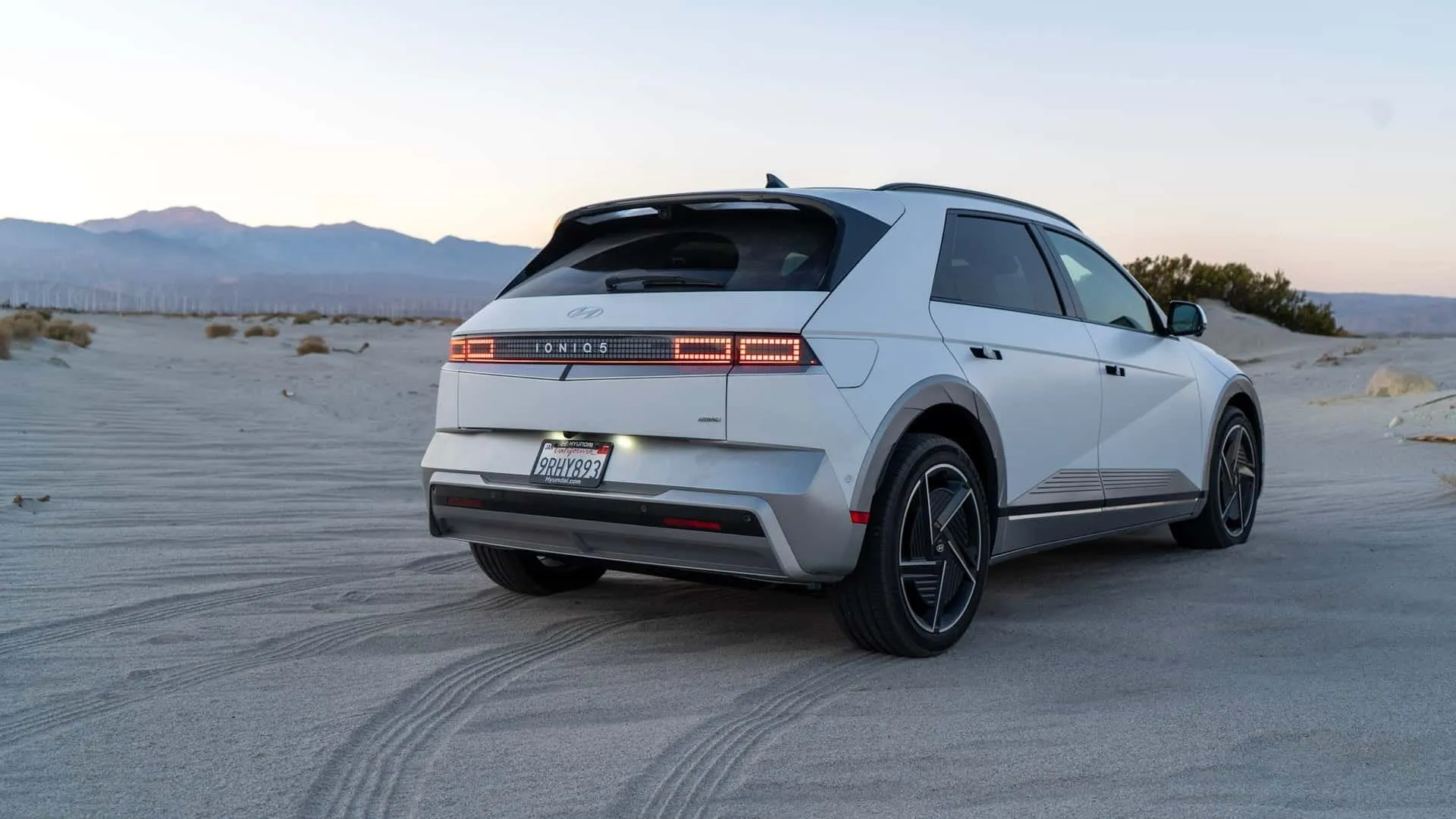
4. Hyundai Ioniq 5
The Hyundai Ioniq 5 has rapidly gained recognition for its combination of futuristic design, technology, and electric efficiency. Its spacious interior with flexible seating arrangements makes it a practical choice for suburban families who require both passenger comfort and cargo capacity.
The Ioniq 5 offers multiple battery options, providing ranges from approximately 220 to 300 miles per charge, which covers most daily suburban and longer weekend drives with ease. Its roomy cabin allows for both passengers and cargo to travel comfortably, while rear seats fold to expand storage for larger items, such as sports gear, pet carriers, or luggage for weekend trips.
Performance is a key feature of the Ioniq 5. Its smooth acceleration and precise handling make it a pleasant vehicle for suburban streets and highway travel alike. The vehicle remains stable in varying driving conditions, from winding residential roads to multi-lane highways.
Safety is a priority, with features such as blind-spot monitoring, forward collision warning, automated emergency braking, and lane-keeping assistance. These features contribute to a sense of security, particularly when transporting children or older adults, and make daily commutes more relaxed.
Charging capabilities are another strong point of the Ioniq 5. It supports ultra-fast charging, allowing drivers to regain significant range in under 20 minutes at compatible stations.
This is particularly valuable for suburban drivers who may occasionally travel to nearby cities or destinations outside Santa Clara. Home charging options are also fully compatible, ensuring convenience in everyday use. Energy efficiency contributes to lower operating costs, reducing the total cost of ownership compared to gasoline vehicles, while maintaining high performance and comfort.
Hyundai also provides strong warranty coverage for the Ioniq 5, including extensive battery and drivetrain protection. This reduces concerns about potential long-term repair costs and enhances reliability.
For households looking for a modern, spacious, and technologically advanced electric vehicle, the Ioniq 5 combines efficiency, safety, and performance. Its combination of cutting-edge features, comfortable design, and long-range capability makes it an excellent fit for suburban life in Santa Clara.
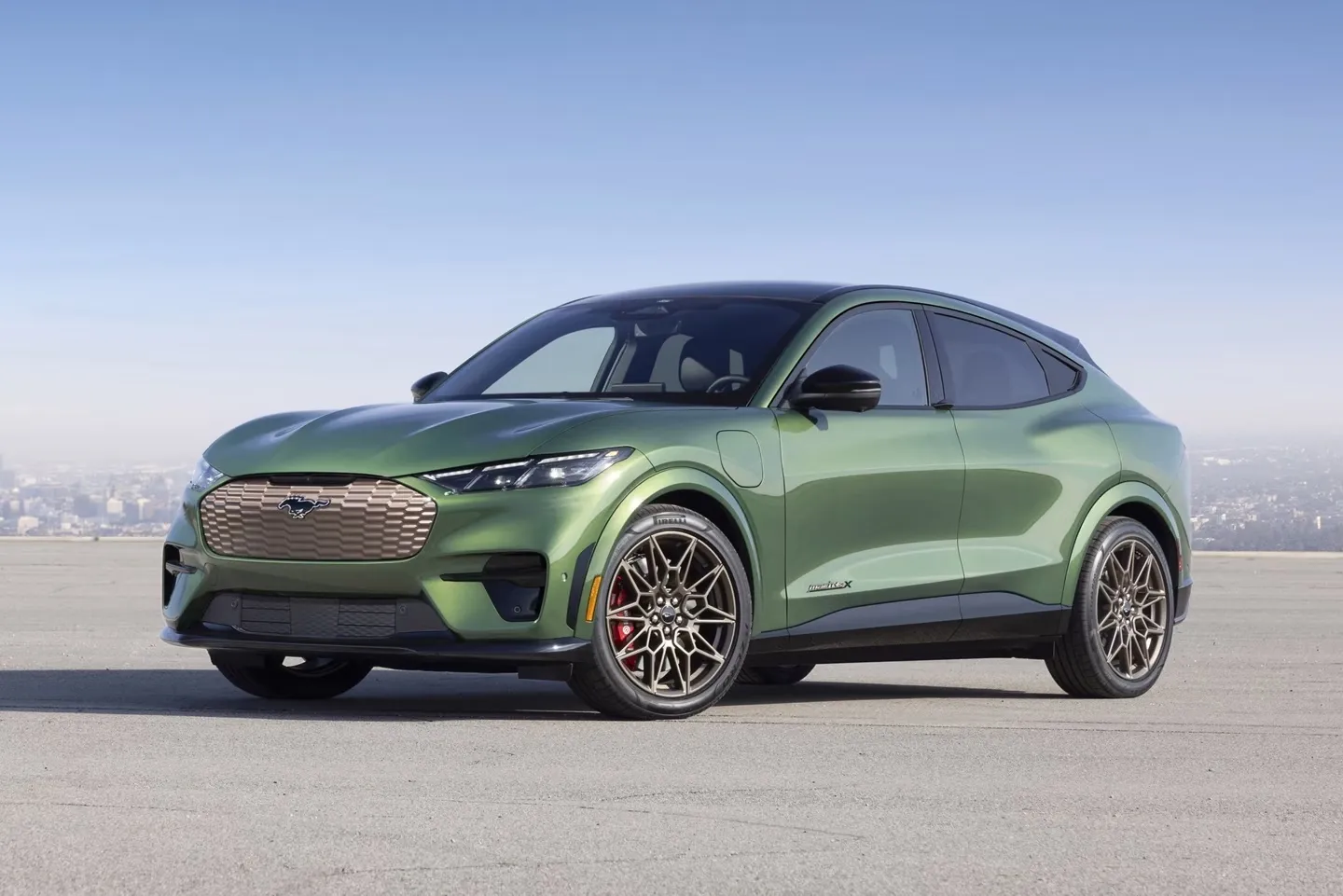
5. Ford Mustang Mach-E
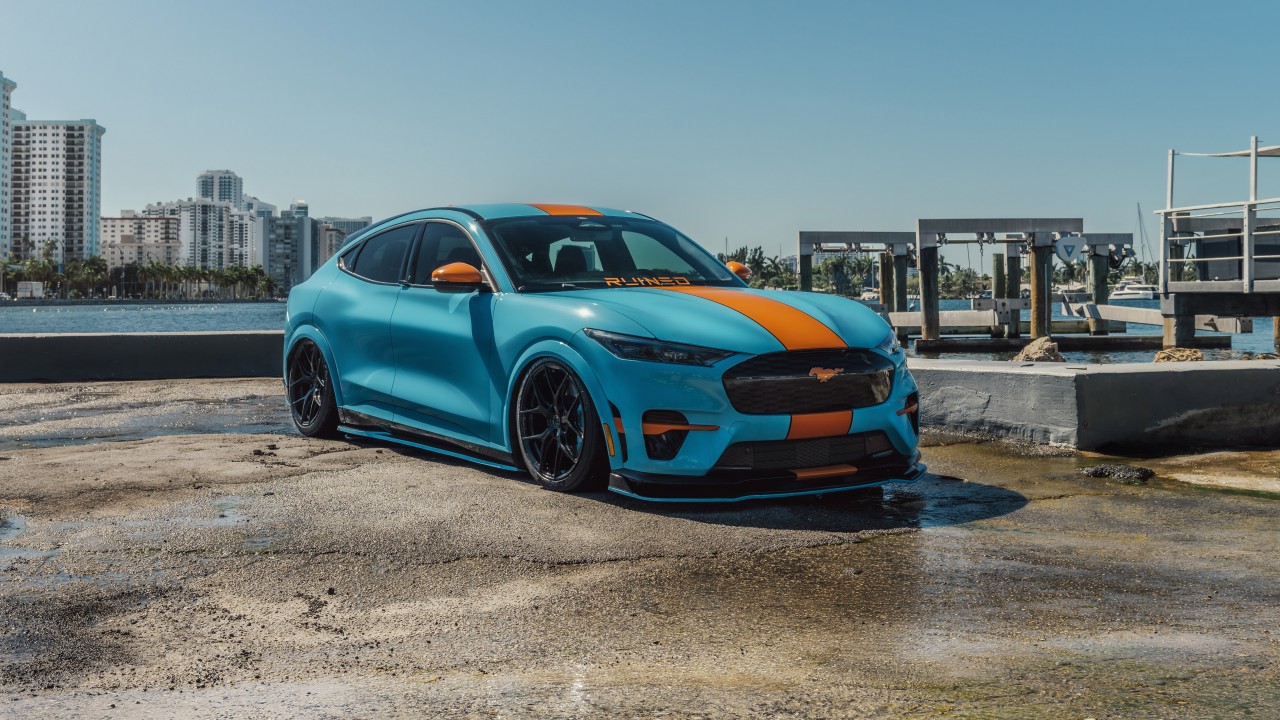
The Ford Mustang Mach-E is an electric SUV that successfully blends sporty performance with practical suburban usability. Unlike the traditional Mustang coupe, the Mach-E offers ample cargo space, comfortable seating for five adults, and a versatile interior layout, making it suitable for families and daily errands.
Depending on the battery and drivetrain configuration, the Mach-E provides a range of 230 to over 300 miles per charge, which easily covers typical suburban commuting distances and weekend trips. Its electric powertrain delivers smooth acceleration and responsive handling, creating a driving experience that is both fun and comfortable.
Technologically, the Mach-E is well-equipped. A large central touchscreen controls most vehicle functions, while a digital driver display keeps essential information clearly visible.
Advanced driver-assistance features, including adaptive cruise control, lane-keeping assistance, and automated emergency braking, enhance safety and make suburban commuting less stressful. Rear-seat passengers enjoy ample legroom, and the cargo area is practical for groceries, sports equipment, or luggage for family outings.
Ownership costs for the Mach-E are reasonable for an electric SUV. Its maintenance requirements are lower than those of comparable gasoline-powered vehicles, as it has fewer moving parts and no conventional engine fluids to replace.
Home charging and access to public charging stations make daily operation convenient and energy costs significantly lower than fuel expenses. The vehicle also benefits from Ford’s warranty coverage, adding an extra layer of security for long-term ownership.
The Mustang Mach-E balances performance, style, and practicality, making it suitable for suburban lifestyles where both functionality and driving enjoyment are valued. Its combination of spacious interiors, extended range, and cutting-edge technology make it a versatile choice for Santa Clara residents who want an electric vehicle that fits seamlessly into their daily routines while offering the excitement and satisfaction of a performance-oriented drive.
5 Cars That Are Costly to Own
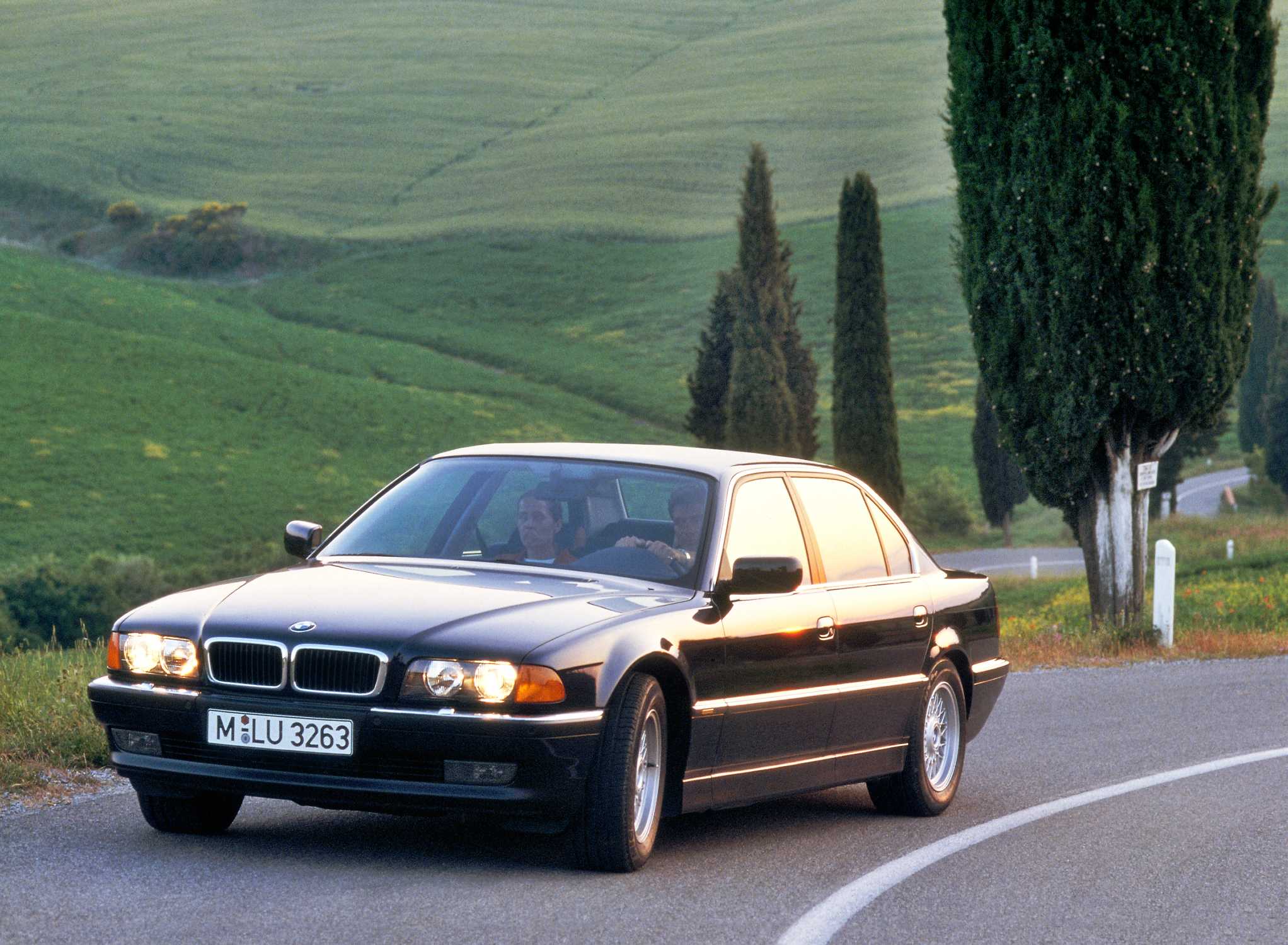
1. BMW 7 Series
The BMW 7 Series represents the pinnacle of luxury sedans, offering advanced engineering, opulent interiors, and a host of high-end features. However, the costs associated with owning one extend far beyond the initial purchase price. Routine maintenance on a 7 Series is significantly more expensive than for most mid-range vehicles.
For instance, oil changes, brake pad replacements, and tire rotations all require premium parts and specialized labor, which can easily run into several hundred dollars per visit. Additionally, more complex systems, such as the air suspension, adaptive headlights, and infotainment electronics, can require occasional servicing, increasing the total maintenance burden.
These high costs make the 7 Series a vehicle that demands ongoing attention and investment, which can be a challenge for families trying to maintain a predictable household budget.
Fuel costs add yet another layer to the financial demands of owning a 7 Series. While the vehicle delivers smooth, powerful performance, its engines are generally larger and less fuel-efficient than standard sedans.
Commuting in suburban areas, which often involves stop-and-go traffic, further reduces fuel economy, leading to higher recurring costs. For families who frequently drive for errands, school runs, or weekend trips, these costs can accumulate quickly and make the car far less economical than more modest alternatives.
For suburban residents who value dependable transportation without frequent service interruptions, the 7 Series may provide unmatched luxury and performance, but it requires both a willingness to invest in maintenance and a tolerance for higher ongoing costs.
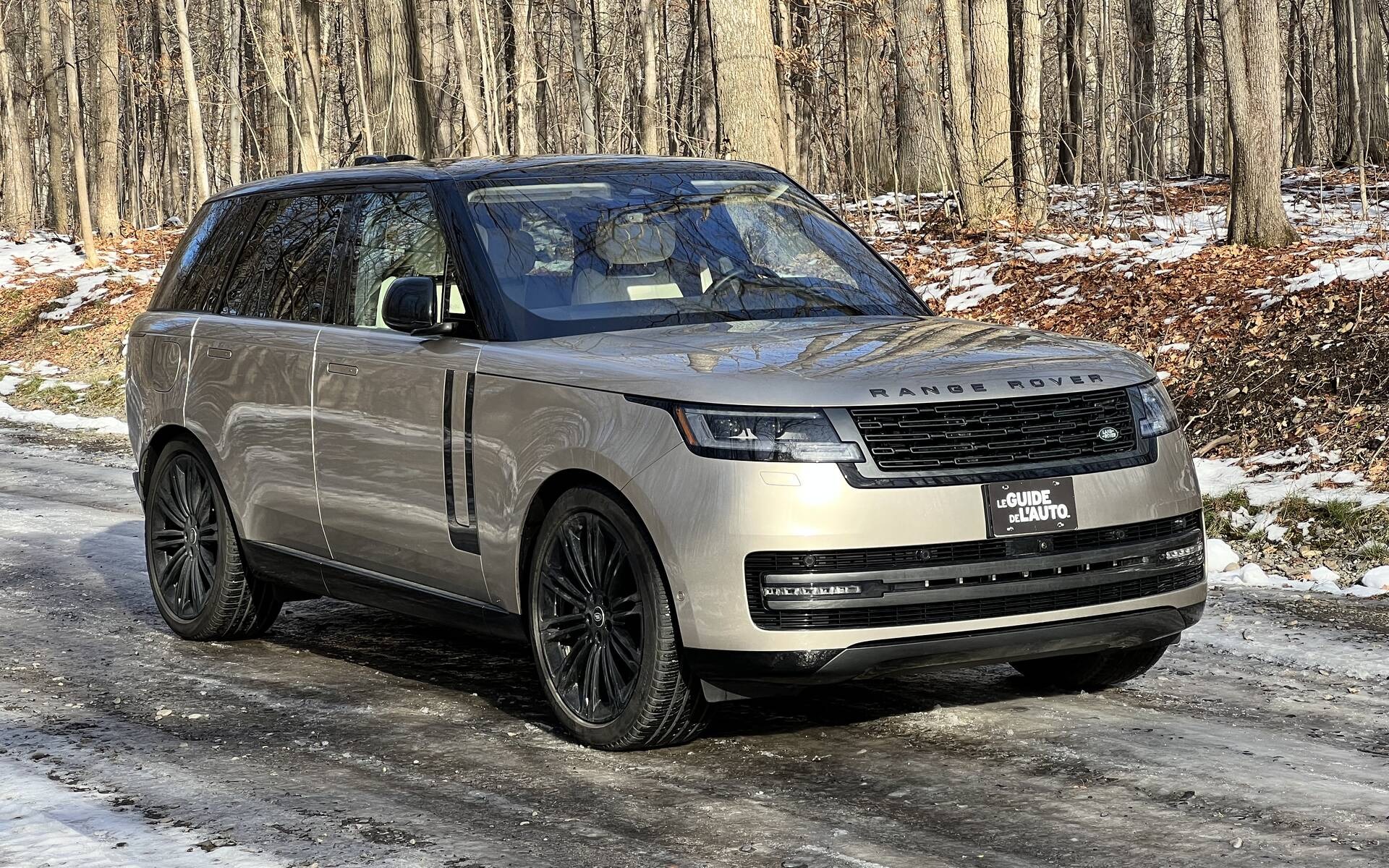
2. Land Rover Range Rover
The Land Rover Range Rover is celebrated for its off-road capability, luxurious interior, and commanding presence, but it comes with exceptionally high ownership costs. Maintenance and repairs are expensive due to the sophisticated engineering involved.
The Range Rover includes advanced all-wheel-drive systems, air suspension, and high-end electronics, all of which require specialized service and premium parts. Even routine service, such as brake replacements or oil changes, is more costly than for many SUVs of similar size, making the total cost of ownership significantly higher than average. Families living in suburban neighborhoods may find that these expenses accumulate quickly, especially if the vehicle is driven frequently.
Depreciation is another factor that makes the Range Rover expensive to own. While it maintains prestige in the luxury SUV market, resale value tends to drop sharply in the first several years. Buyers looking to sell the vehicle after a few years may find that depreciation has significantly reduced their investment, compounding the financial challenge of owning such a high-maintenance vehicle.
Finally, reliability can be inconsistent. While some Range Rover owners enjoy minimal issues, others face frequent mechanical or electronic failures that require costly repairs. Advanced features such as terrain response systems, adaptive cruise control, and air suspension can fail, and repairs often involve specialized components and labor.
For suburban residents who prioritize dependable transportation with predictable costs, the Range Rover’s combination of luxury, capability, and high expenses can make ownership more stressful than enjoyable.
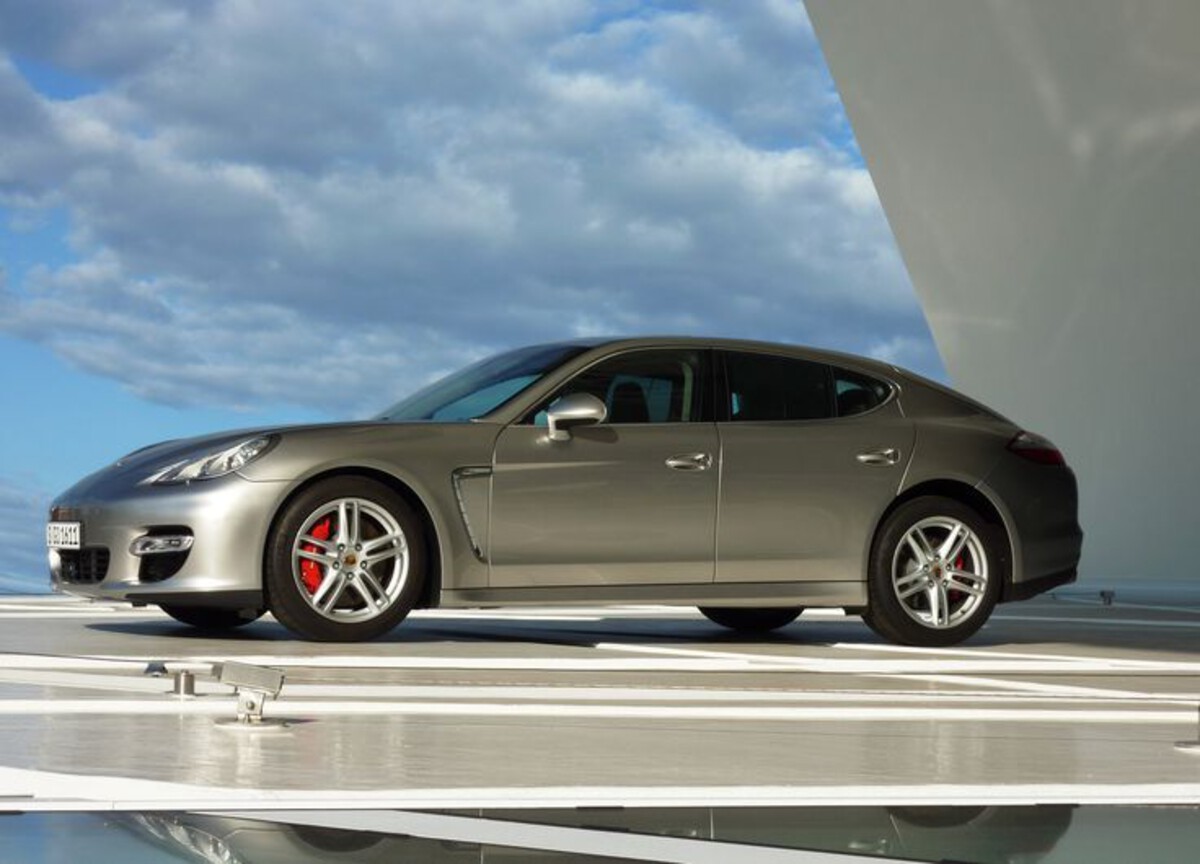
3. Porsche Panamera
The Porsche Panamera is a high-performance luxury sedan that delivers thrilling driving dynamics, exceptional engineering, and advanced features, but it comes with a substantial financial commitment.
Maintenance and repair costs are higher than those for standard vehicles, as the Panamera’s performance-oriented components, including its braking systems, turbocharged engines, and suspension setups, require specialized care.
Routine service, such as brake pad replacements or tire rotations, can be significantly more expensive than average, and unexpected repairs can quickly escalate costs, especially if they involve engine or drivetrain components. These factors make the Panamera a vehicle that demands careful financial planning from its owners.
Depreciation is a concern with the Panamera as well. Although Porsche vehicles generally maintain better resale value than many luxury competitors, the initial purchase price is high, and the vehicle still loses value over time. Resale prices may not fully offset the costs associated with maintenance, insurance, and fuel, making long-term ownership expensive. Buyers must consider both the short-term enjoyment and the long-term financial implications of owning such a car.
Reliability is generally solid for the Panamera, but the complexity of the vehicle’s systems means that repairs, when needed, can be expensive and require specialized service centers.
Electrical systems, high-performance drivetrains, and advanced suspension components are not cheap to repair, and these costs can accumulate over time. For suburban drivers who prioritize practical transportation, comfort, and manageable costs, the Panamera offers prestige and driving excitement but at a level of expense that may outweigh its daily utility.
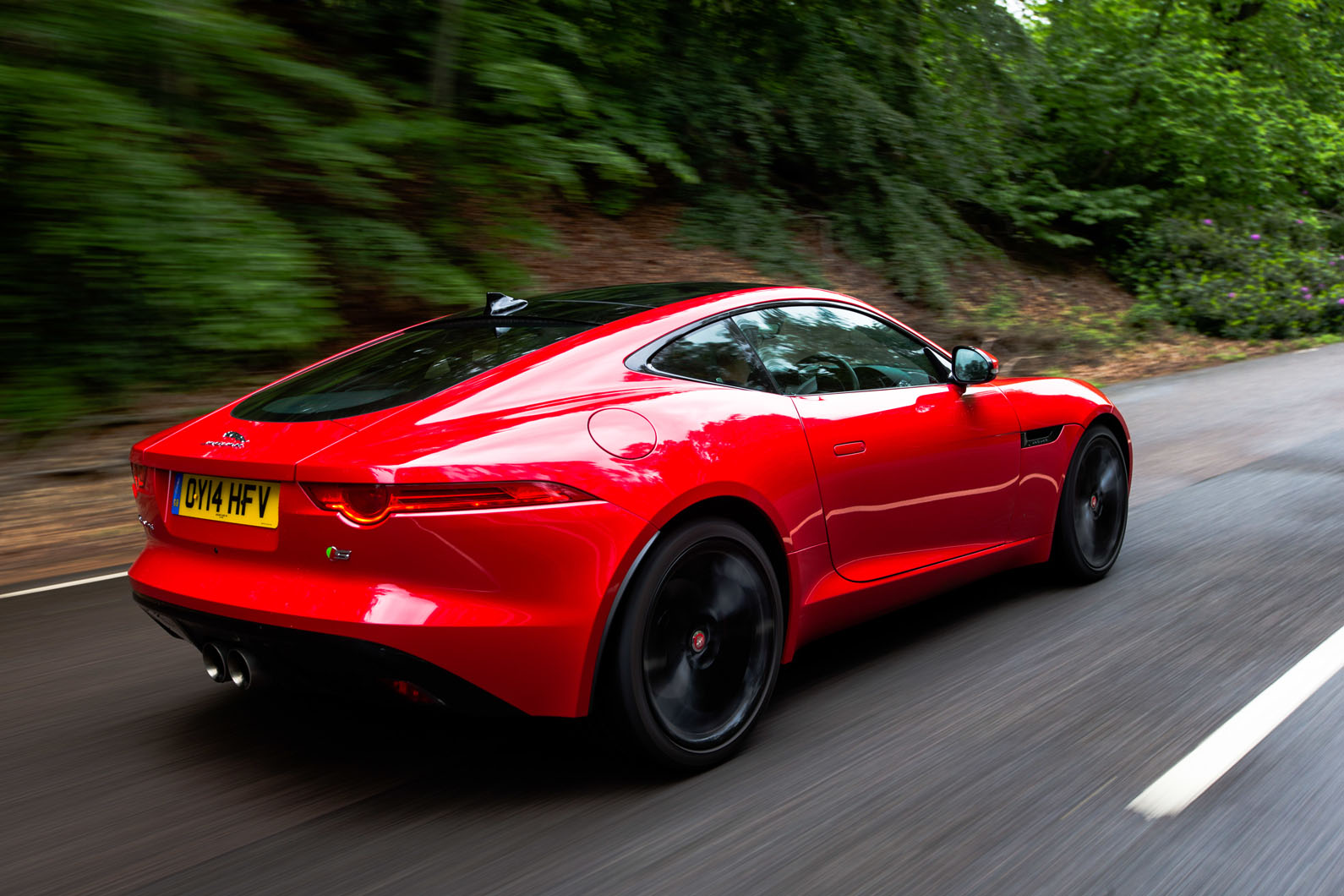
4. Jaguar F-Type
The Jaguar F-Type is a high-performance sports car known for its striking design, thrilling driving experience, and distinctive exhaust note. However, the ownership costs associated with this vehicle can be prohibitive for many suburban households. Maintenance and repair expenses are high due to the need for premium parts and specialized labor.
Even routine maintenance, such as brake servicing or tire replacements, can be significantly more expensive than for standard sedans or SUVs. This makes the F-Type a car that requires substantial ongoing investment to keep it in optimal condition.
Depreciation is another factor contributing to the high cost of ownership. Luxury sports cars generally lose value rapidly in the first few years, and while the F-Type retains some appeal due to its brand and design, its resale price can still drop sharply. This rapid depreciation makes the vehicle a less financially prudent choice for those who anticipate selling or upgrading after several years.
Finally, practicality is limited in the F-Type. With minimal cargo space and seating for only two passengers, it is ill-suited for family use or the day-to-day tasks often associated with suburban living. While the vehicle provides excitement and status, it lacks versatility, and combined with high maintenance, insurance, and fuel costs, it becomes a challenging choice for households that require a dependable, cost-effective vehicle for regular use.
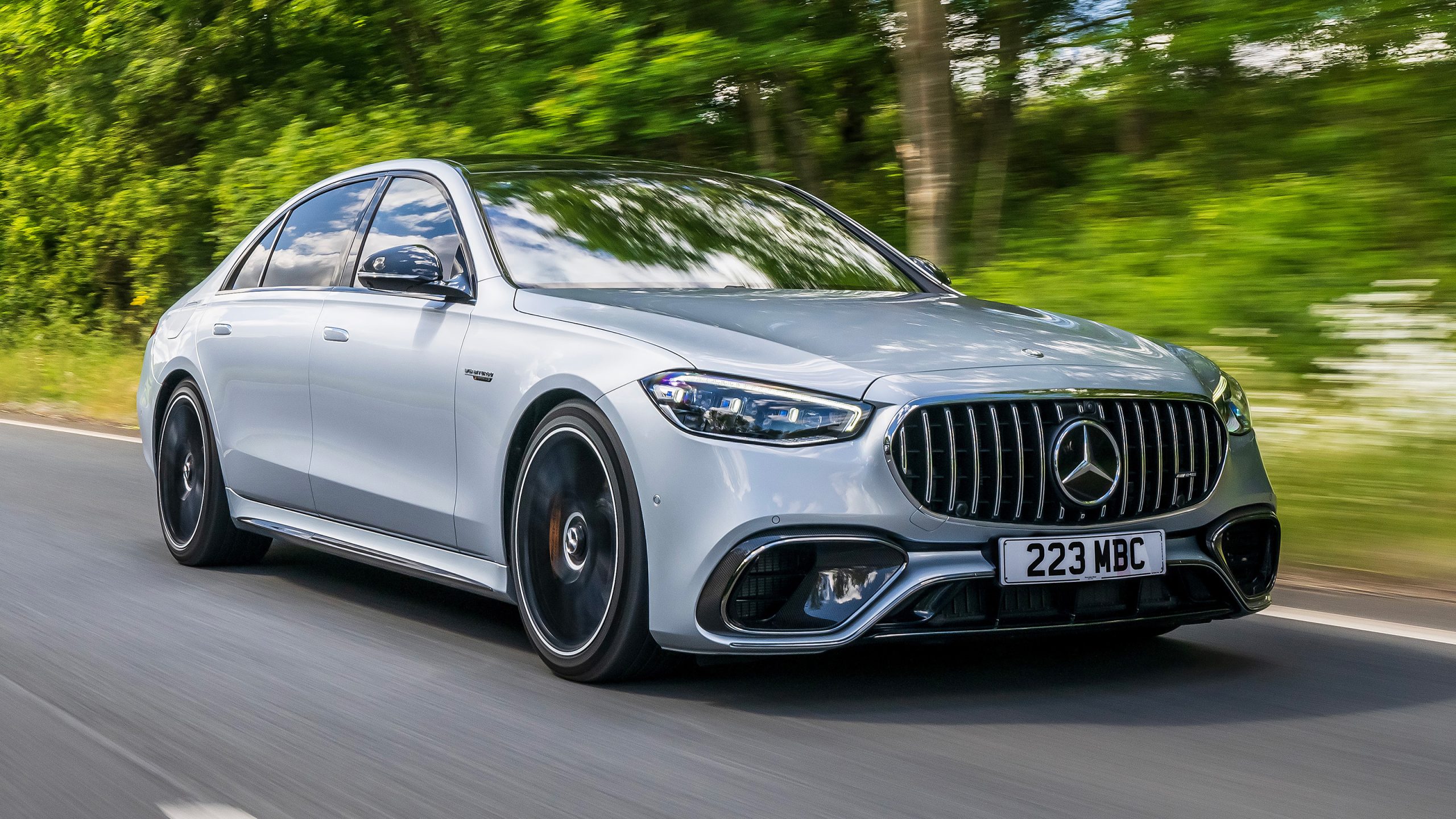
5. Mercedes-Benz S-Class
The Mercedes-Benz S-Class is the flagship luxury sedan for the brand, offering unparalleled comfort, cutting-edge technology, and advanced safety features. However, owning an S-Class comes with significant financial implications. Maintenance and repairs are high due to the vehicle’s complex engineering.
Systems such as adaptive air suspension, advanced electronics, and high-performance engines require specialized service and premium parts. Even routine maintenance can be costly, and repairs for unexpected issues may quickly exceed several thousand dollars, making ownership expensive over the life of the vehicle.
Insurance premiums are elevated for the S-Class because of its high value and the cost of repairs. For suburban households using the car as a daily driver, this can contribute to a substantial ongoing expense.
Fuel efficiency is another concern, particularly for the larger engine variants, which consume more fuel during regular city and suburban driving. This increases recurring operating costs, especially for families who drive frequently or over longer distances.
Reliability, while generally strong, is challenged by the complexity of the car’s advanced systems. Issues with electronics, adaptive suspension, or infotainment components can be expensive to repair and may require specialized service centers.
For suburban residents who prioritize practicality, comfort, and manageable costs, the S-Class delivers unmatched luxury and sophistication but at a level of expense that requires careful financial consideration. It is a vehicle designed for those who can afford high ongoing costs in exchange for top-tier comfort, technology, and prestige.
