
Boise, Idaho, is a city that blends urban living with easy access to outdoor adventures. Residents and visitors often enjoy hiking in the Boise Foothills, fishing in the nearby rivers, or skiing in the surrounding mountains during winter.
The region is diverse, ranging from paved city streets to rugged dirt trails, making a car’s performance both on-road and off-road a critical consideration. Choosing the right vehicle can significantly impact the convenience, safety, and enjoyment of outdoor lifestyles.
Those who spend time camping, biking, or exploring remote areas need vehicles capable of handling dirt roads, steep inclines, and occasional rough terrain without compromising comfort or reliability. While some cars are engineered to perform well in these conditions, others are strictly optimized for smooth pavement and struggle outside the city.
In Boise, where outdoor opportunities are abundant, having a vehicle that can adapt to changing terrain is more than a convenience, it is often a necessity. The difference between a car that navigates dirt roads effortlessly and one that falters can shape weekend trips, vacations, and everyday errands.
Drivers may consider factors such as ground clearance, all-wheel drive, tire options, and suspension when selecting a car suitable for both city driving and outdoor excursions. On the other hand, cars that perform poorly on dirt roads can lead to frustration, potential damage, and even unsafe situations.
Understanding which vehicles fall into each category can help Boise residents make informed choices that enhance their lifestyle while protecting their investment. This article examines five cars that are well-suited for Boise’s outdoor lifestyle and five vehicles that are not ideal for dirt roads, considering performance, reliability, and practicality.
Five Cars for Boise Outdoor Lifestyles
1. Subaru Outback
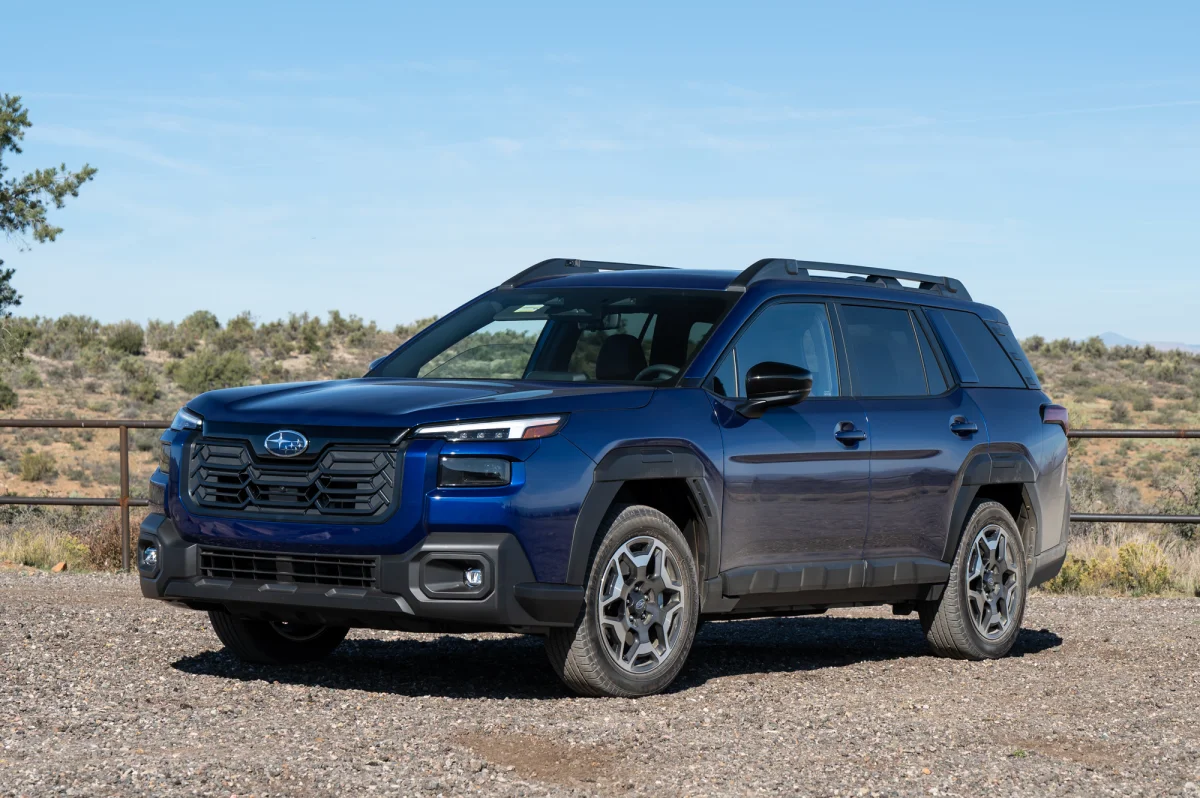
The Subaru Outback has earned a strong reputation among outdoor enthusiasts for its combination of reliability, comfort, and off-road capability. One of the standout features of the Outback is its symmetrical all-wheel-drive system, which provides consistent traction in varying conditions.
Whether navigating the loose gravel of dirt roads, snowy trails during winter, or muddy paths near rivers, the system ensures that power is distributed evenly, reducing the likelihood of wheel spin and enhancing stability.
Its higher ground clearance compared to typical sedans and wagons allows it to tackle uneven terrain without damaging the undercarriage, giving drivers confidence when venturing off the beaten path.
In addition to its mechanical capabilities, the Outback’s interior design emphasizes both comfort and practicality. The cabin is spacious, offering ample legroom and headroom for passengers on long drives. Cargo space is generous, making it easy to store camping equipment, mountain bikes, or hiking gear.
Subaru has thoughtfully designed storage solutions, including roof rails for kayaks or larger gear, and compartments for smaller items. These features ensure that even multi-day excursions can be comfortably accommodated without sacrificing space or organization.
Another strength of the Outback is its suspension system. Built to absorb bumps and uneven surfaces, it makes driving on dirt roads far less jarring than smaller, low-slung vehicles.
Drivers can tackle Boise’s winding backroads with relative ease, and passengers experience a smoother ride even on rough terrain.
The vehicle’s tires are designed for versatility, providing traction on gravel while maintaining efficiency on paved roads. This balance makes the Outback a reliable choice for residents who require both city and outdoor functionality.
The Outback also scores high in safety and technology, which are important for outdoor enthusiasts who may drive in remote areas. Advanced features such as adaptive cruise control, lane-keeping assist, and collision mitigation systems provide additional security, especially when driving on narrow or unfamiliar dirt roads.
For those who enjoy early morning or late-night outdoor adventures, visibility and driver assistance systems enhance safety, giving peace of mind during trips to trailheads or campsites.
Finally, the Outback’s long-term durability makes it a sensible investment for Boise residents. Known for its longevity, it withstands years of outdoor use without significant issues, provided regular maintenance is observed.
Its combination of capability, comfort, storage, and safety ensures that drivers do not need multiple vehicles for daily commuting and recreational excursions.
For those who frequently switch between city streets and remote outdoor trails, the Subaru Outback represents a dependable all-around vehicle that supports an active lifestyle seamlessly.
2. Jeep Wrangler
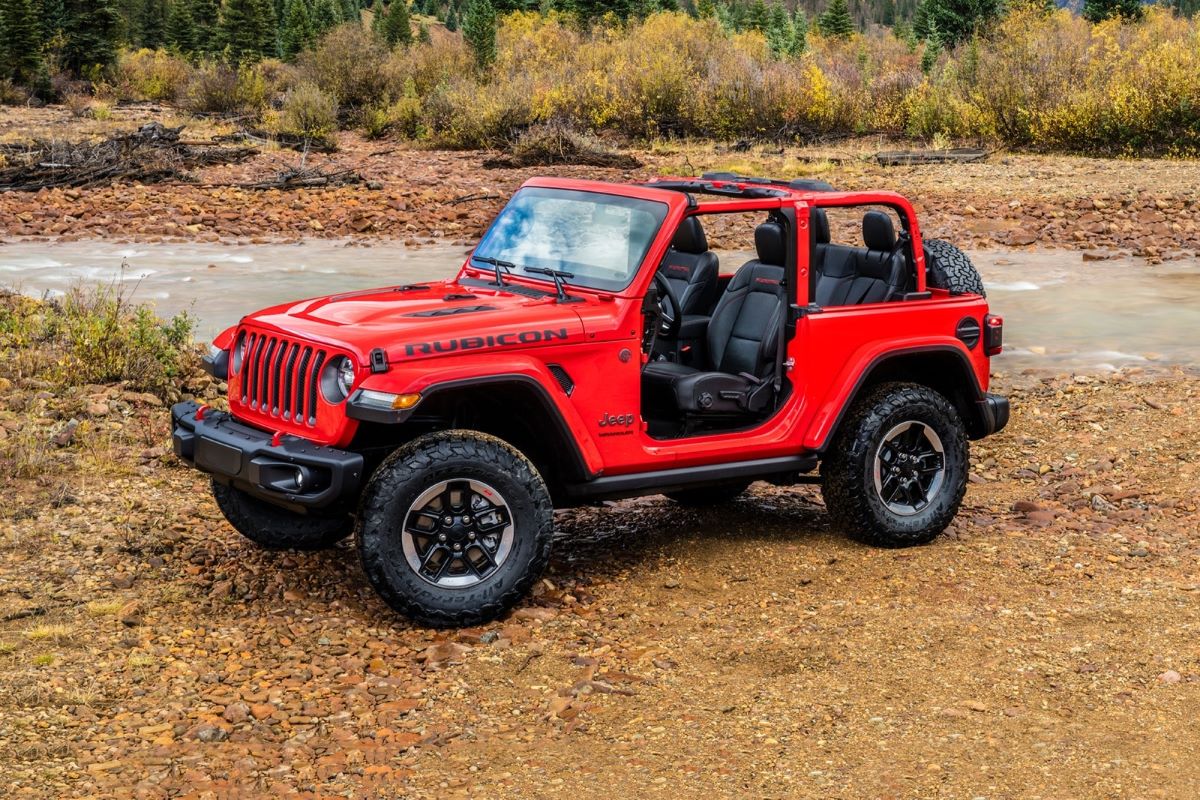
The Jeep Wrangler is a legendary vehicle for off-road enthusiasts, with a heritage built entirely around tackling challenging terrain. Its high ground clearance, robust suspension, and solid axles allow it to handle rocky trails, steep inclines, and dirt roads with relative ease.
For Boise residents who frequently explore mountainous terrain or forest service roads, these characteristics make the Wrangler exceptionally practical. Unlike many SUVs, it is designed to endure conditions that would challenge most other vehicles, from loose gravel paths to muddy river crossings.
A key factor in the Wrangler’s off-road prowess is its advanced four-wheel-drive system, which comes standard on most models. Drivers can select low-range gears for extreme terrain, ensuring power is applied efficiently to all wheels.
Locking differentials and traction control systems enhance performance on uneven surfaces, providing confidence even on unfamiliar dirt paths. The Wrangler’s design encourages adventurous driving, allowing residents to access trailheads or remote campsites that might be unreachable for less capable vehicles.
Beyond mechanical performance, the Wrangler offers unique features that enhance outdoor experiences. Removable doors and a fold-down windshield allow occupants to enjoy open-air driving, making it feel as though the vehicle is an extension of the surrounding locations.
The interior is durable, with materials designed to withstand dirt, mud, and water exposure, which is especially useful after hiking, mountain biking, or rafting trips. Its compact yet rugged size allows it to maneuver on narrow dirt roads that might be challenging for larger trucks or SUVs.
The Wrangler’s customization potential is another reason it appeals to outdoor enthusiasts. Owners can install lift kits, off-road tires, roof racks, and protective skid plates to tailor the vehicle to specific needs.
Whether transporting mountain bikes, kayaks, or camping gear, the Wrangler can be equipped to maximize versatility. In Boise, where access to remote trails can involve steep, uneven, and unpaved roads, this adaptability ensures the vehicle remains capable under diverse conditions.
Finally, the Wrangler combines adventure-ready design with a sense of lifestyle and identity. Its iconic styling and rugged appearance resonate with individuals who value exploration and outdoor activities.
Despite its somewhat stiff ride on pavement, it excels where it matters most for Boise outdoor living: dirt roads, trails, and off-the-beaten-path destinations. For those prioritizing adventure without sacrificing reliability, the Jeep Wrangler is consistently among the most trusted vehicles available.
3. Toyota 4Runner
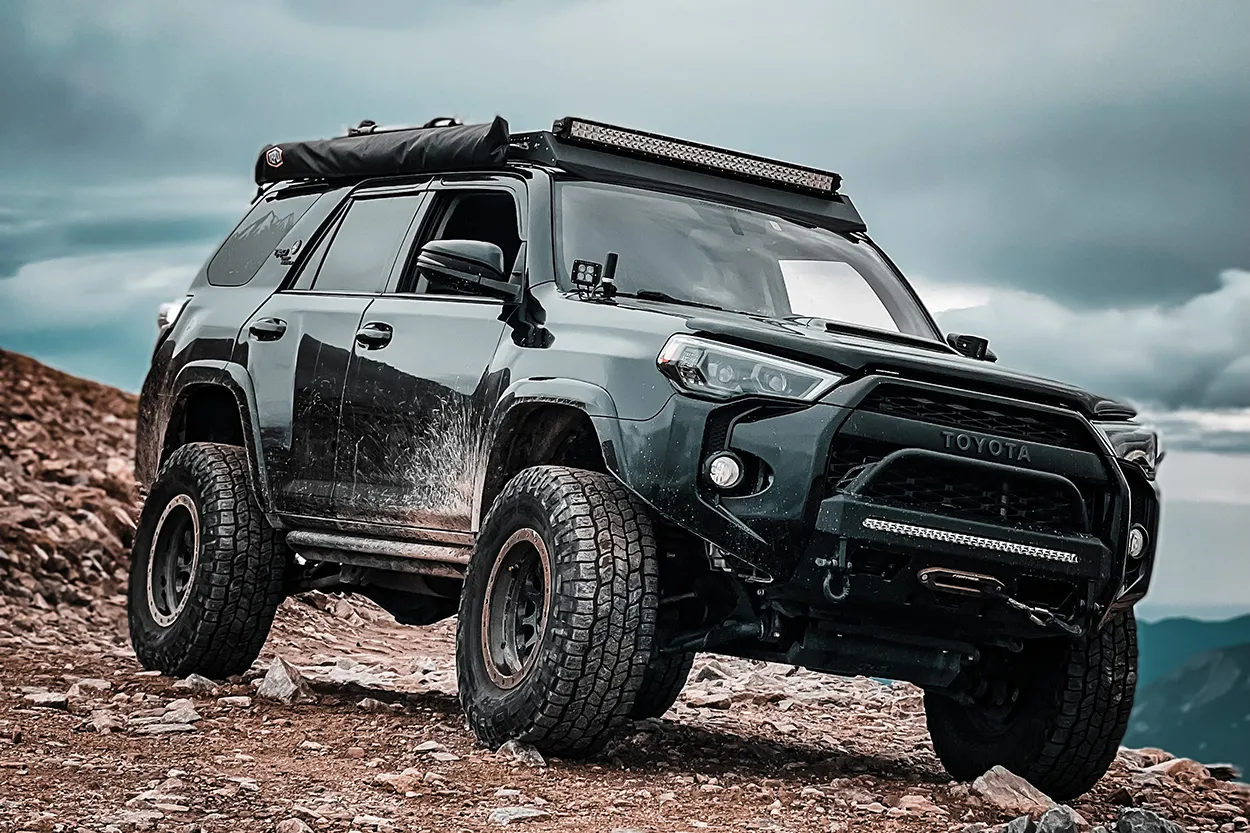
The Toyota 4Runner has long been known as a durable and versatile SUV, ideal for outdoor enthusiasts who require reliability in demanding conditions. Its body-on-frame construction contributes to exceptional durability, allowing it to handle dirt roads and rough terrain without compromising safety or structural integrity.
For Boise residents, the 4Runner’s design provides peace of mind when accessing remote trails, riverbanks, or mountainous camping sites, ensuring that rugged terrain is not a barrier to adventure.
Off-road performance is a cornerstone of the 4Runner’s appeal. Models equipped with four-wheel drive, locking differentials, and off-road packages can handle diverse surfaces ranging from loose gravel to steep inclines.
Toyota’s terrain-select system allows drivers to adjust settings for mud, sand, rocks, or other surfaces, enhancing control and traction. Even in challenging conditions, the 4Runner maintains composure, giving drivers confidence that their vehicle can reach destinations inaccessible to standard SUVs.
Inside, the 4Runner balances toughness with comfort. Seats are supportive for long drives, and the interior is designed to withstand wear and tear from outdoor gear or muddy boots. Cargo space is generous, capable of holding tents, bicycles, coolers, and other equipment needed for outdoor trips.
Roof racks and towing options further enhance the vehicle’s practicality, enabling the transport of kayaks, trailers, or even ATVs, which expands the types of recreational activities residents can enjoy in Boise.
Durability and long-term reliability are core strengths of the 4Runner. Known for its longevity and consistent performance, it withstands repeated exposure to dirt roads, snow, and off-road conditions without major issues.
For residents with active lifestyles, this reliability ensures that weekend excursions remain hassle-free, reducing the risk of unexpected breakdowns in remote areas. Its combination of capability, comfort, and storage makes the 4Runner an ideal choice for both urban commuting and outdoor adventures.
The 4Runner’s appeal also extends to its adaptability for various lifestyles. Families, solo travelers, and outdoor groups can all benefit from its spacious interior and flexible seating configurations.
Coupled with Toyota’s reputation for dependability, the 4Runner is a vehicle that can serve as both a daily driver and a robust tool for weekend adventures, bridging the gap between city convenience and off-road capability.
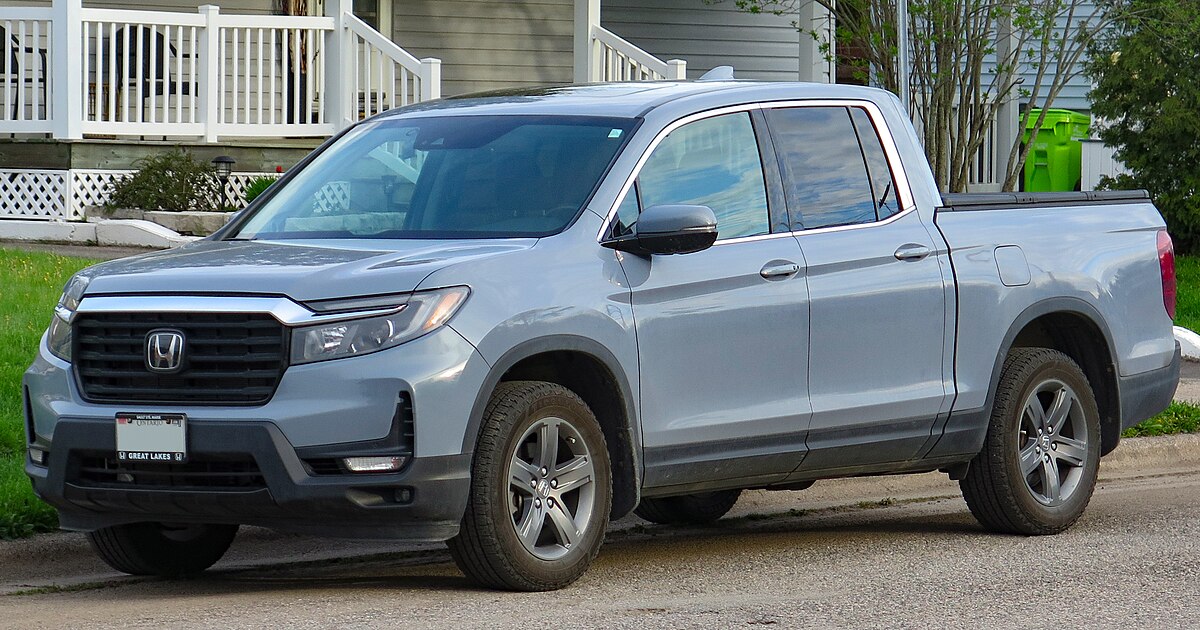
4. Honda Ridgeline
The Honda Ridgeline presents a unique blend of pickup utility and SUV-like comfort, making it well-suited for Boise residents who enjoy both city and outdoor driving.
While it does not approach the extreme off-road capability of traditional trucks, it handles dirt roads with ease thanks to its all-wheel-drive system and respectable ground clearance. This allows drivers to reach trailheads, campsites, and river access points without the worry of damaging the vehicle or getting stuck.
A feature of the Ridgeline is its unibody construction, which provides a smoother and more controlled ride compared to traditional body-on-frame pickups. This design reduces harsh vibrations from rough surfaces and enhances comfort for passengers during longer trips.
The truck bed is practical and versatile, with in-bed storage compartments and a lockable trunk that keeps gear secure even on bumpy roads. The combination of utility and comfort makes it a strong choice for families and outdoor enthusiasts alike.
Inside, the Ridgeline’s interior is spacious and user-friendly, with modern infotainment systems and controls that are intuitive for both city and outdoor driving.
Cargo space is generous, allowing for the storage of bicycles, hiking gear, coolers, and other equipment needed for outdoor activities. Its towing capacity allows residents to pull small trailers or boats, making it practical for diverse recreational pursuits without sacrificing everyday usability.
The Ridgeline’s balance of ruggedness and refinement ensures it meets the demands of both dirt roads and paved streets. While it may not conquer the most extreme trails, it navigates dirt roads reliably and comfortably.
Its fuel efficiency is relatively high for a pickup, reducing the cost of frequent trips to recreational areas around Boise. For those seeking a versatile vehicle that bridges the gap between utility and comfort, the Ridgeline is a compelling option.
Finally, the Ridgeline appeals to those who want a dependable vehicle that can support an active lifestyle without the bulk or stiffness of larger trucks.
Its combination of all-wheel-drive capability, cargo versatility, and smooth ride makes it an excellent choice for Boise residents who enjoy outdoor adventures but also need a vehicle suitable for daily commuting and errands.
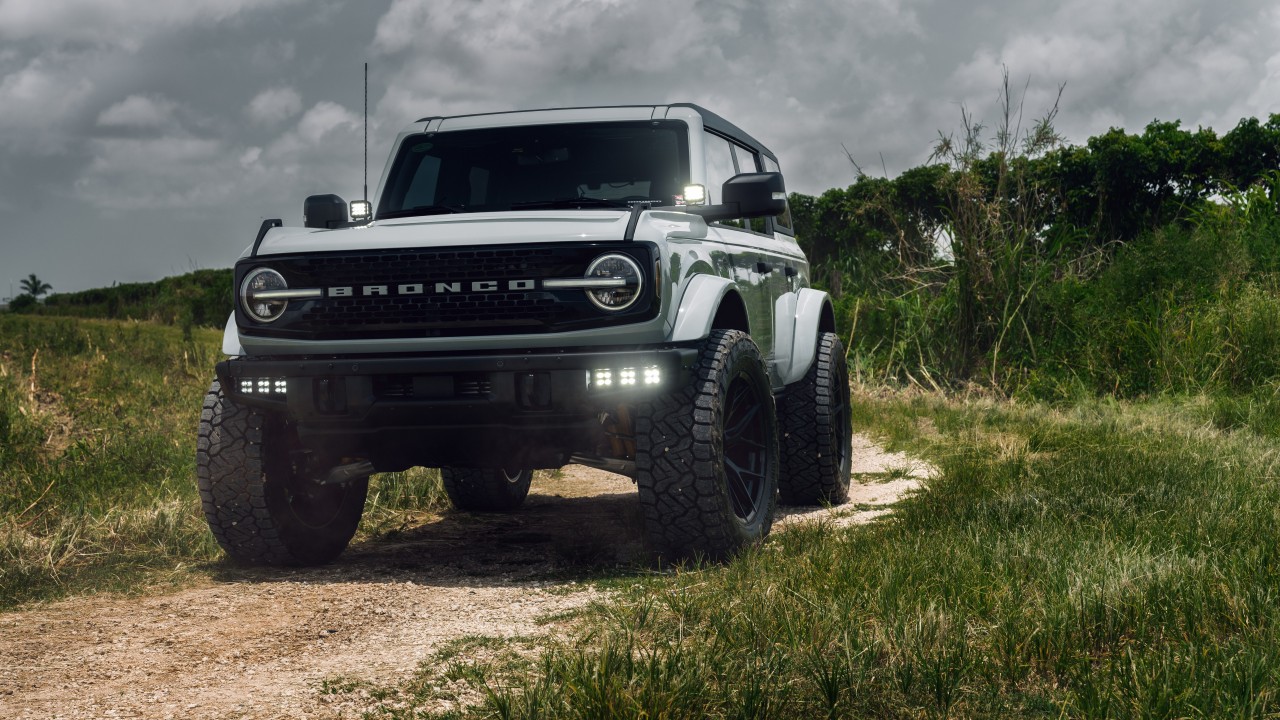
5. Ford Bronco
The modern Ford Bronco has reestablished itself as a top choice for off-road enthusiasts who demand both capability and modern amenities.
With high ground clearance, durable suspension, and multiple four-wheel-drive systems, it is extremely well-equipped to navigate dirt roads, trails, and rough terrain around Boise. Its design allows drivers to tackle challenging environments without sacrificing comfort, making it ideal for residents with active outdoor lifestyles.
The Bronco includes a range of off-road technologies designed to enhance control and performance. Features such as electronic locking differentials, advanced traction control, and terrain management systems allow drivers to customize the vehicle’s response for dirt, rocks, mud, or sand.
This ensures that even unfamiliar trails can be tackled with confidence, reducing the risk of getting stuck or encountering traction problems. For Boise residents who enjoy hiking, camping, or river sports, the Bronco makes reaching off-the-beaten-path locations much more accessible.
The interior of the Bronco balances ruggedness with comfort. It offers spacious seating, modern infotainment, and ample cargo room for outdoor equipment. Roof racks and modular storage options enhance versatility, making it easy to transport bikes, kayaks, or camping gear.
Drivers can also remove the roof and doors, creating a unique open-air driving experience that heightens the connection to the outdoors while traveling through scenic Boise escapes.
Durability is another defining feature of the Bronco. Built to withstand the rigors of off-road driving, it maintains performance even after repeated exposure to rough terrain, mud, and debris. Its combination of strength, technology, and adaptability ensures that residents can enjoy both adventurous outings and daily commuting in a single vehicle.
For those who prioritize exploration, reliability, and versatility, the Ford Bronco represents one of the most capable and enjoyable options for Boise’s outdoor lifestyle.
Five Cars That Don’t Handle Dirt Roads Well
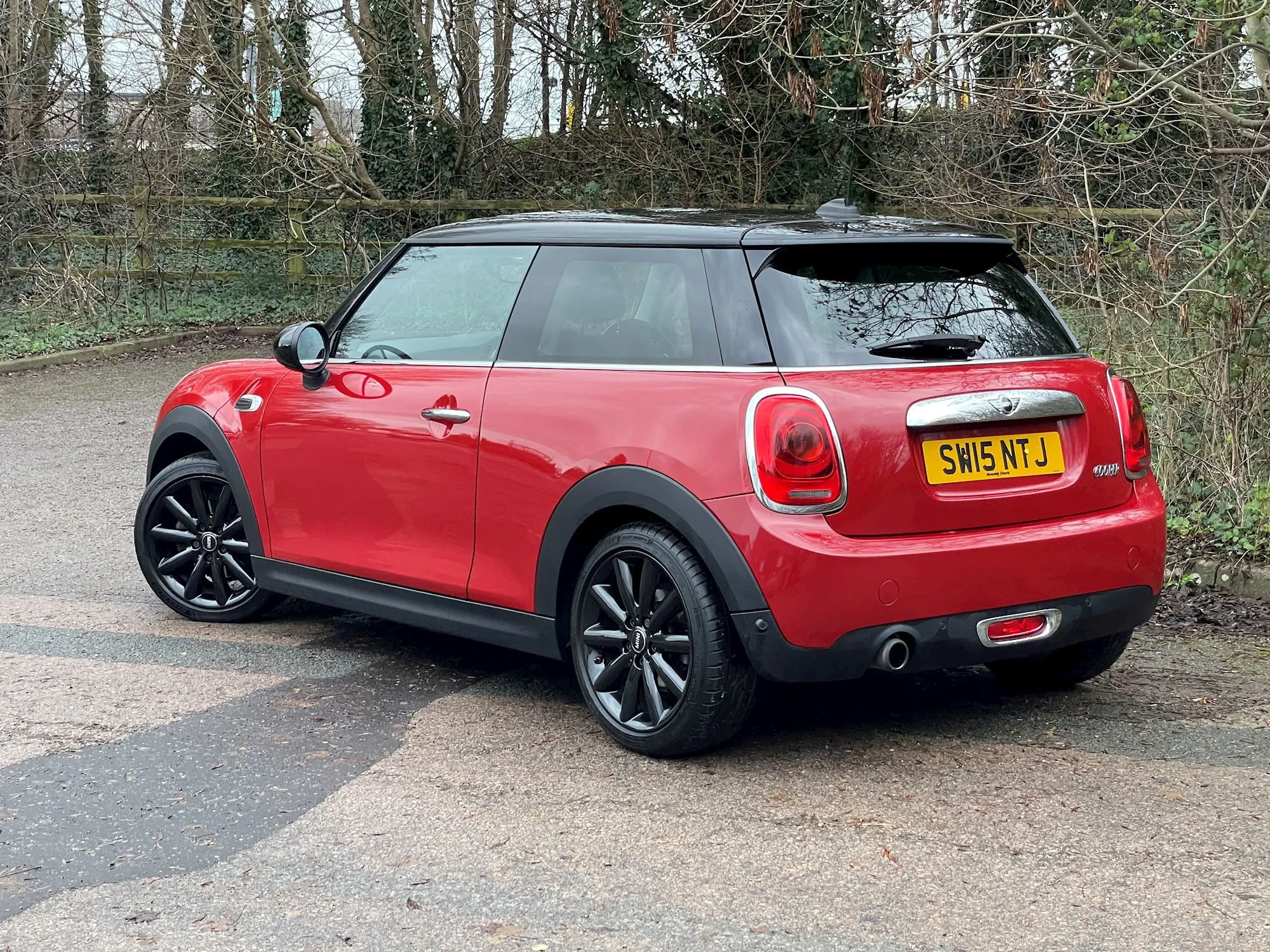
1. Mini Cooper
The Mini Cooper is a compact car designed primarily for city driving and short commutes, emphasizing agility, tight turning radius, and fuel efficiency. While these qualities make it fun and practical on paved streets, they create significant limitations on dirt roads or uneven terrain.
Its low ground clearance means that even minor bumps, rocks, or potholes can result in scraping the undercarriage or damaging sensitive components. In Boise, where accessing trailheads or remote camping areas often requires traveling on gravel or lightly maintained dirt roads, a Mini Cooper is highly vulnerable to damage.
Traction is another area where the Mini Cooper struggles. Most models are front-wheel drive, and while they perform admirably on asphalt, they are ill-equipped for loose gravel, mud, or sloped dirt surfaces.
Without the benefit of all-wheel drive, the vehicle can easily lose grip, causing instability and increasing the likelihood of sliding or getting stuck in slippery conditions. Drivers may find themselves avoiding certain outdoor destinations entirely due to these limitations, which restricts the vehicle’s practicality for a Boise outdoor lifestyle.
The Mini Cooper’s suspension is tuned for sporty handling, which translates to a firm ride on smooth roads. On rough or uneven surfaces, however, passengers feel every bump and dip, making longer drives uncomfortable.
For individuals planning weekend adventures to rivers, mountains, or backcountry trails, this lack of cushioning can make trips tiring and unpleasant. Its small tires and tight wheelbase, while excellent for urban maneuvering, provide little buffer against the irregularities of dirt roads.
Finally, cargo capacity is limited in the Mini Cooper, further reducing its usefulness for outdoor trips. Storing larger gear, such as tents, bikes, coolers, or kayaking equipment, is difficult, forcing owners to find alternative solutions or leave essential items behind.
While the Mini Cooper excels in city environments with tight streets and frequent stops, it is simply not a vehicle suited to the demands of Boise’s dirt roads or adventurous lifestyle. Its combination of low clearance, limited traction, firm suspension, and small cargo space makes it more of a liability than an asset for those seeking outdoor access.
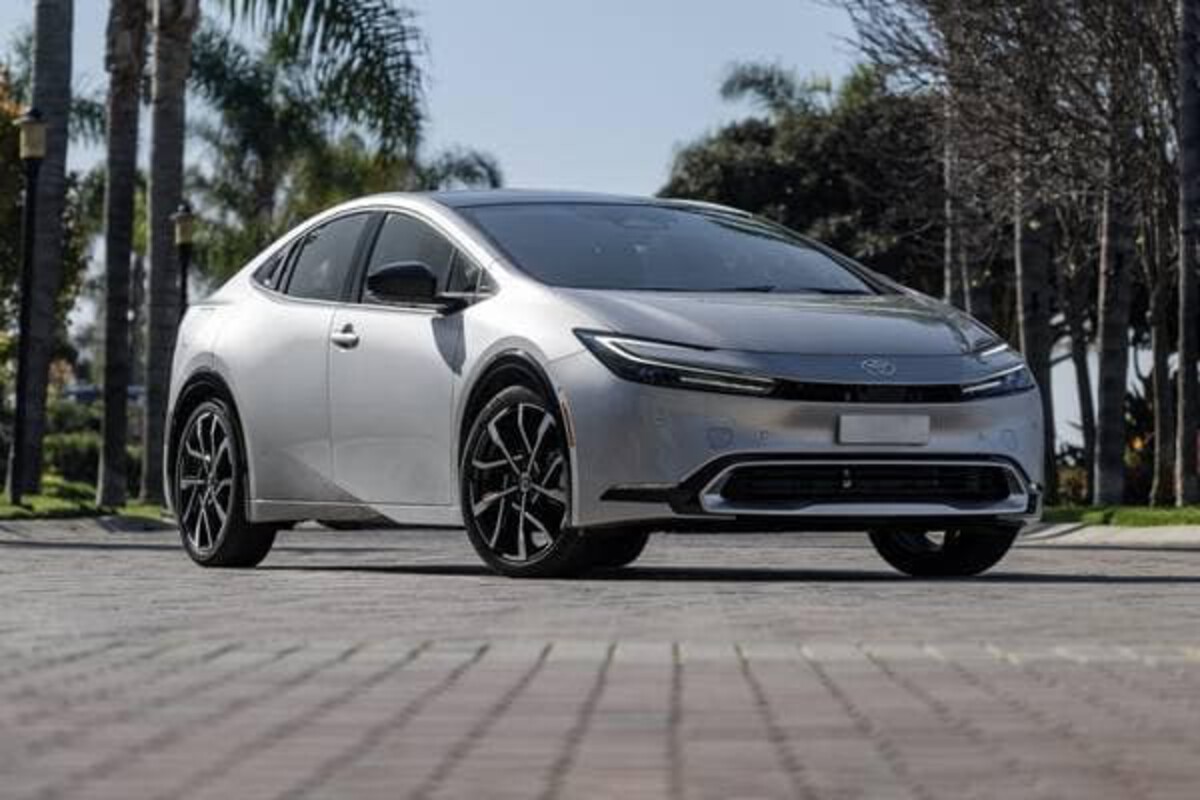
2. Toyota Prius
The Toyota Prius is widely known for its exceptional fuel efficiency and environmentally friendly hybrid technology. While it serves as an excellent commuter car, it is not engineered for off-road conditions or dirt roads.
The Prius sits low to the ground, which increases the risk of scraping its undercarriage on uneven terrain. In addition, the hybrid battery system, located beneath the car, is especially vulnerable to damage from rough surfaces, potentially resulting in costly repairs if driven on dirt roads regularly.
Traction is another significant limitation of the Prius. Most models are front-wheel drive, and while this is sufficient on paved roads, it struggles on loose gravel, mud, or steep inclines. The vehicle lacks advanced traction management or off-road assist systems, leaving drivers to navigate dirt roads cautiously or avoid them altogether. In areas like Boise, where dirt roads are often necessary to access outdoor destinations, this limitation is a considerable drawback.
The Prius also suffers from reduced comfort and handling when faced with uneven surfaces. Its suspension is optimized for smooth, urban roads, meaning that bumps and potholes are strongly felt inside the cabin.
For families or outdoor enthusiasts trying to transport gear to remote locations, the ride can become uncomfortable and jarring. Additionally, the compact cargo area limits the storage of larger equipment like bikes, camping gear, or coolers, forcing creative solutions or multiple trips.
While the Prius shines on highways and city streets due to its efficiency, safety features, and low operating costs, it cannot compete in performance or practicality with vehicles designed for outdoor terrain.
For Boise residents who regularly travel to hiking trails, rivers, or mountains, the Prius does not offer the adaptability, durability, or comfort necessary for dirt roads. Its benefits are tied to pavement, not versatility, making it unsuitable for those seeking adventure in remote areas.
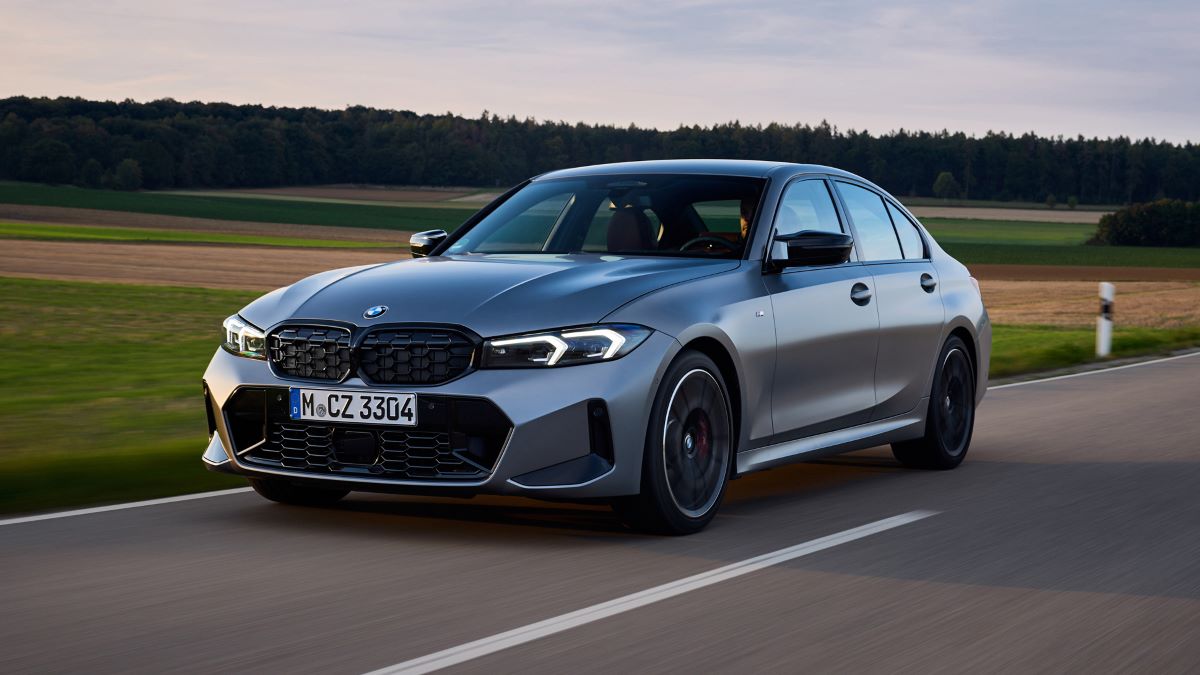
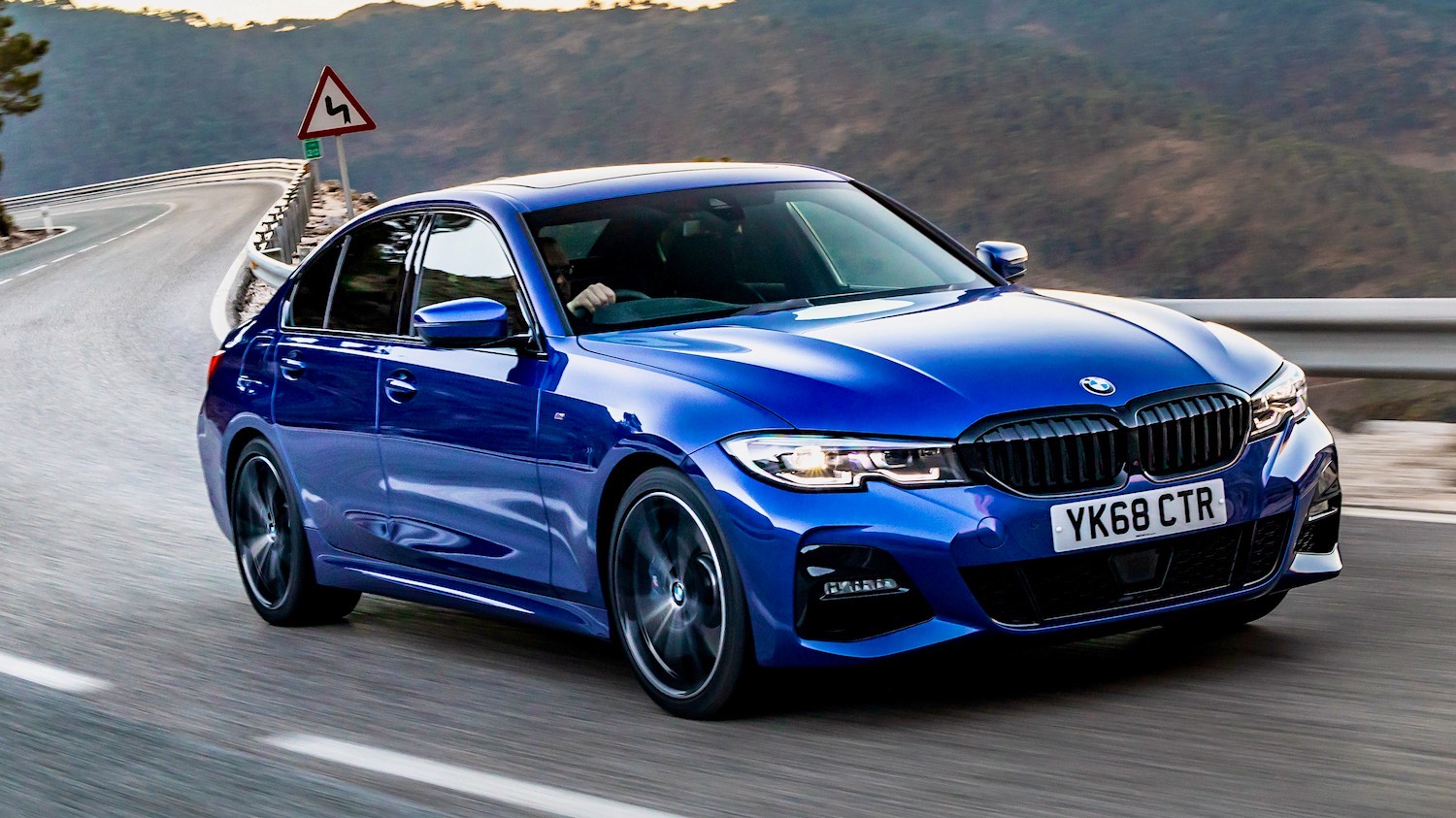
3. BMW 3 Series
The BMW 3 Series is a luxury sedan that excels in performance, handling, and on-road comfort, but it is not intended for off-road use or rough surfaces. With a low-slung design and sport-tuned suspension, it is optimized for smooth pavement, providing precise steering and stability at high speeds.
On dirt roads, however, these same characteristics become disadvantages, as the vehicle struggles with traction and ground clearance issues, particularly on gravel, uneven terrain, or mud.
While rear-wheel-drive models offer responsive handling on asphalt, they are prone to losing grip on loose surfaces. Even the all-wheel-drive variants, designed primarily for rain or snow on paved roads, are not equipped to handle extended dirt road excursions or rugged backcountry paths.
Drivers may experience wheel spin, instability, and difficulty maintaining control, which makes off-pavement driving risky and stressful.
The BMW 3 Series also has a stiff suspension that delivers a sporty feel on city streets and highways but translates to an uncomfortable ride on uneven or unpaved surfaces. Every bump, pothole, or rock is transmitted directly into the cabin, which can be jarring for passengers.
For Boise residents trying to carry outdoor gear or travel to remote areas, this firmness reduces comfort and practicality, making long dirt road trips less enjoyable.
Cargo space is limited in the 3 Series, particularly in sedans, with only a modest trunk for storage. Transporting tents, bikes, or other large items is challenging, further restricting its usefulness for outdoor activities.
While the vehicle is a strong performer for city commuting and long-distance highway driving, it is ill-suited to Boise’s dirt roads, where durability, clearance, traction, and cargo flexibility are essential.
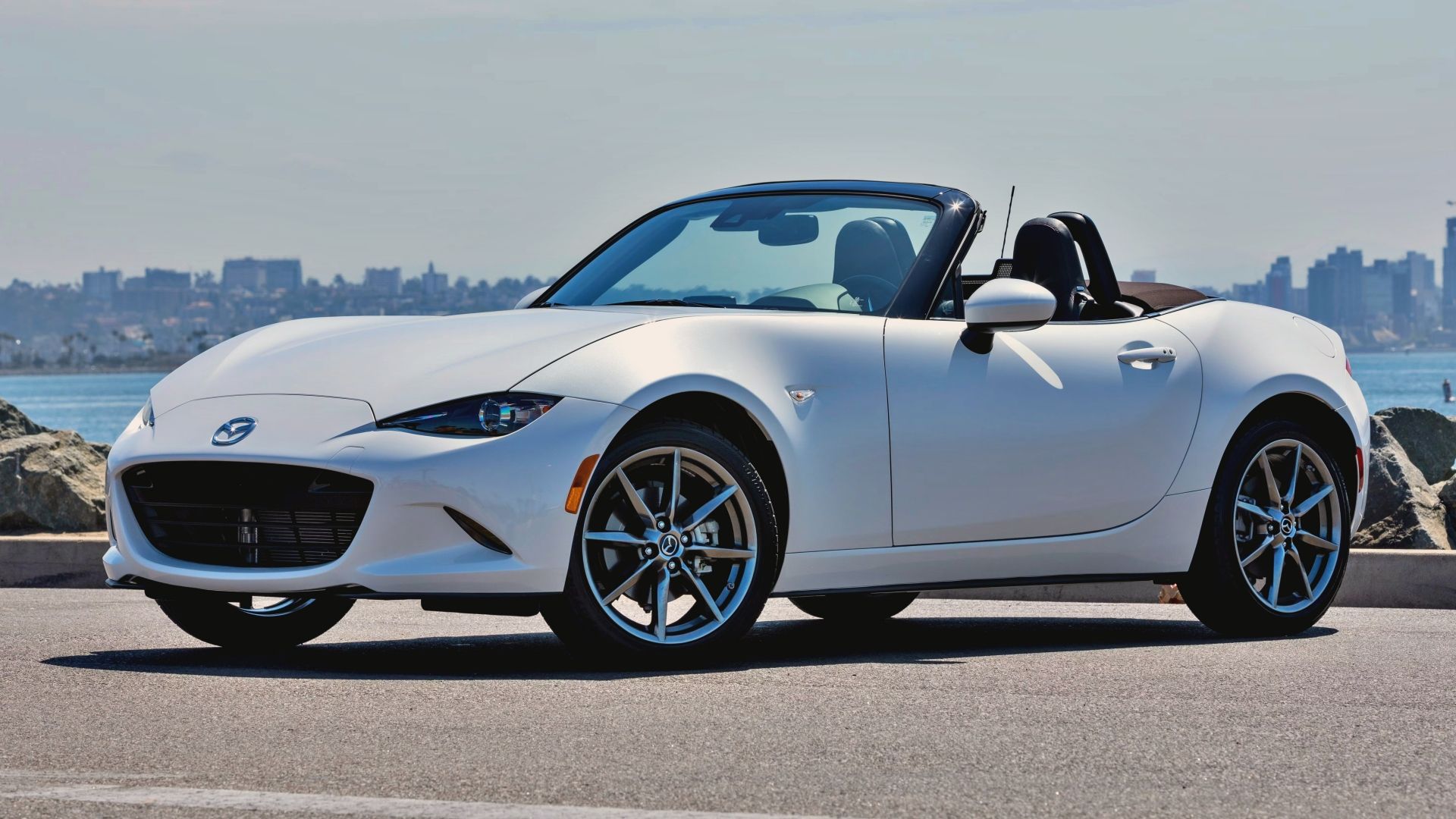
4. Mazda MX-5 Miata
The Mazda MX-5 Miata is celebrated for its lightweight, agile design and fun driving dynamics on paved roads. Its low profile, rear-wheel-drive layout, and minimal suspension travel make it highly responsive on asphalt but extremely vulnerable on dirt roads.
Any exposure to uneven surfaces, gravel, or mud can quickly challenge its traction and stability, leading to discomfort and potential damage. In Boise, where many recreational areas require driving on dirt or gravel paths, the Miata is not practical for reaching trailheads or camping sites.
The Miata’s ground clearance is particularly limiting. Even minor bumps or rocks can scrape the underbody, risking damage to mechanical components and the body itself.
Tires are designed for grip on smooth roads rather than loose or soft surfaces, further reducing traction and safety. Drivers attempting to navigate even moderately rough dirt roads may find the car sluggish, prone to slipping, or uncomfortable for passengers.
Interior space in the Miata is extremely limited, with just enough room for two passengers and minimal cargo behind the seats.
Storing hiking gear, camping equipment, or bicycles is nearly impossible without additional external racks or trailers, which compromises convenience and usability. For residents of Boise who want to combine outdoor adventures with transportation of gear, the Miata falls short in practicality.
While it remains a joyful and highly capable vehicle on paved streets and curvy highways, the Miata’s design prioritizes speed, handling, and compactness over versatility.
Its inability to handle dirt roads comfortably or safely makes it an unsuitable choice for those who need to access outdoor locations frequently. It is a car built for city and scenic road enjoyment, not off-pavement practicality.
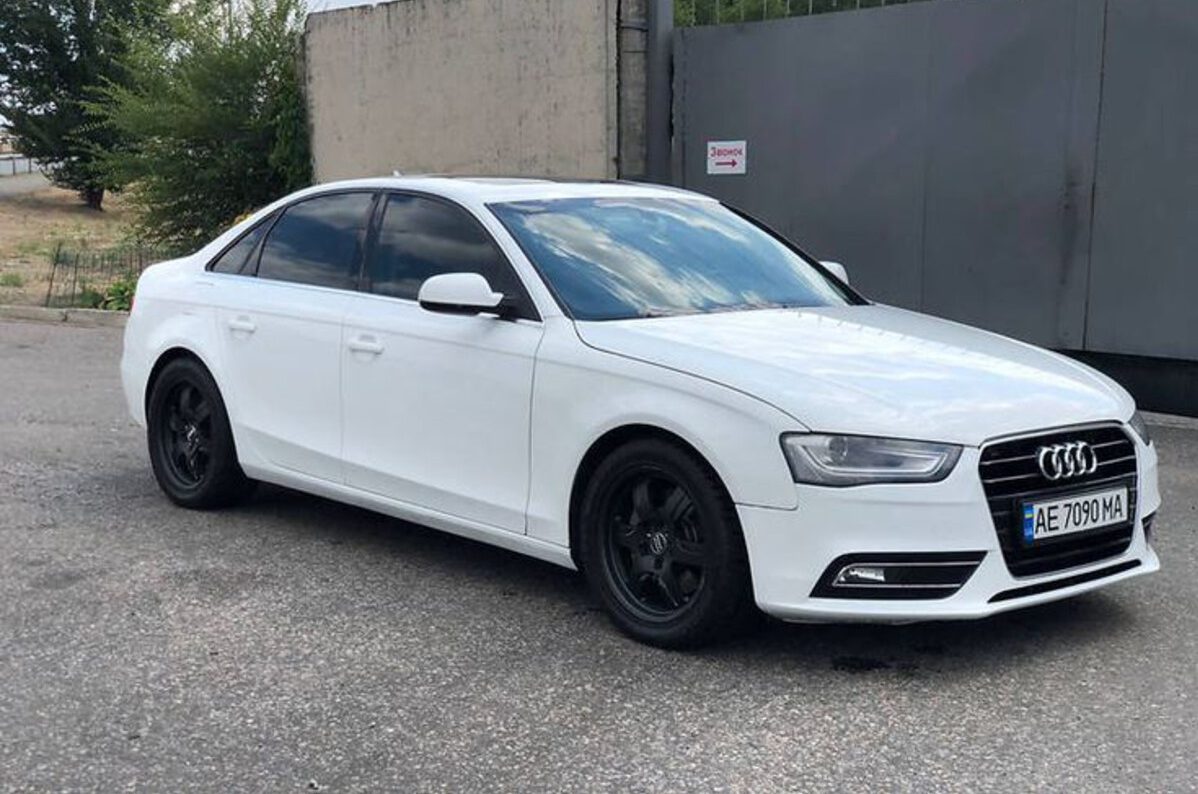
5. Audi A4
The Audi A4 is a luxury sedan that delivers exceptional comfort, refinement, and driving performance on paved surfaces. Some models offer all-wheel drive, but the vehicle’s low ground clearance, sedan configuration, and suspension tuning make it poorly suited for dirt roads or unpaved paths. Gravel, mud, and uneven surfaces challenge both traction and comfort, leaving the A4 at a disadvantage compared to SUVs or trucks.
Even with Quattro all-wheel drive, the A4’s tires and suspension are optimized for highway and city driving, meaning it is prone to reduced grip, instability, and an uncomfortable ride on dirt paths.
Steering response and braking performance may also be compromised on loose surfaces, further highlighting its limitations for outdoor exploration. In Boise, where many trails, river access points, and campgrounds require travel on unpaved roads, these shortcomings can make the A4 impractical.
Cargo capacity is another limitation. The sedan’s trunk is moderate in size and cannot accommodate larger outdoor gear such as tents, kayaks, or bicycles without additional solutions like roof racks or trailers. Passengers also have limited interior space, making longer trips to outdoor destinations less comfortable.
While the A4 excels in urban commuting, highway travel, and smooth-road performance, it cannot reliably serve as a vehicle for accessing dirt roads or remote recreational areas.
Its luxury and handling advantages are offset by a lack of ground clearance, off-road capability, and cargo versatility. For Boise residents who frequently explore trails or outdoor spaces, the A4 is more suited to city streets than adventurous escapes, limiting its functionality for outdoor lifestyles.
