
Living along the Gulf Coast comes with unique challenges for vehicle ownership. The combination of high humidity, salty air, frequent storms, and occasional flooding can dramatically affect a car’s lifespan. For residents, choosing the right vehicle involves more than performance or aesthetics.
Cars must withstand environmental stressors while providing comfort, reliability, and utility for daily activities.
Beyond the obvious concerns of rust and corrosion, vehicles must cope with the wear and tear of coastal roads, occasional hurricanes, and the long-term effects of sun exposure. This creates a situation where some vehicles excel and others fail prematurely.
The lifestyle along the Gulf Coast often emphasizes outdoor activities, boating, fishing, and frequent travel along both highways and back roads. Many residents need cars capable of handling both paved streets and sandy or wet conditions.
Trucks, SUVs, and certain sedans are commonly favored for their higher ground clearance, durable construction, and utility features. Fuel efficiency, maintenance costs, and parts availability are also important, as extreme weather conditions can accelerate wear on brakes, suspension, and undercarriage components.
Cars that were designed without consideration for humid, salty climates often develop rust on frames, body panels, and suspension mounts. Electrical systems can suffer from corrosion, and engines may experience accelerated deterioration.
Insurance rates and resale value are additional factors influencing car choice in the Gulf Coast region. Vehicles with a history of rust or mechanical failures due to environmental conditions often suffer steep depreciation.
Coastal buyers are increasingly conscious of these issues, seeking models with proven resistance to salt-induced corrosion and strong warranties.
While some cars are engineered with better rust-proofing and corrosion-resistant coatings, others may be mechanically reliable but structurally vulnerable in coastal climates.
Knowledge of local experiences, owner reviews, and manufacturer specifications becomes invaluable when selecting a car capable of withstanding years of exposure to the Gulf Coast environment.
The decision between selecting a car suited for long-term coastal life or one vulnerable to premature failure requires careful evaluation of both materials and design.
Cars with strong corrosion protection, durable undercarriages, and well-sealed electrical systems tend to retain their value and performance, whereas vehicles lacking these features often present ongoing maintenance challenges.
For many residents, the ideal vehicle is one that balances practicality, comfort, and resilience, ensuring that the car remains a dependable companion through changing weather and environmental stresses.
Understanding these differences allows buyers to make informed choices, protecting both their investment and daily convenience.
5 Cars for Mobile Gulf Coast Life
Toyota Tacoma
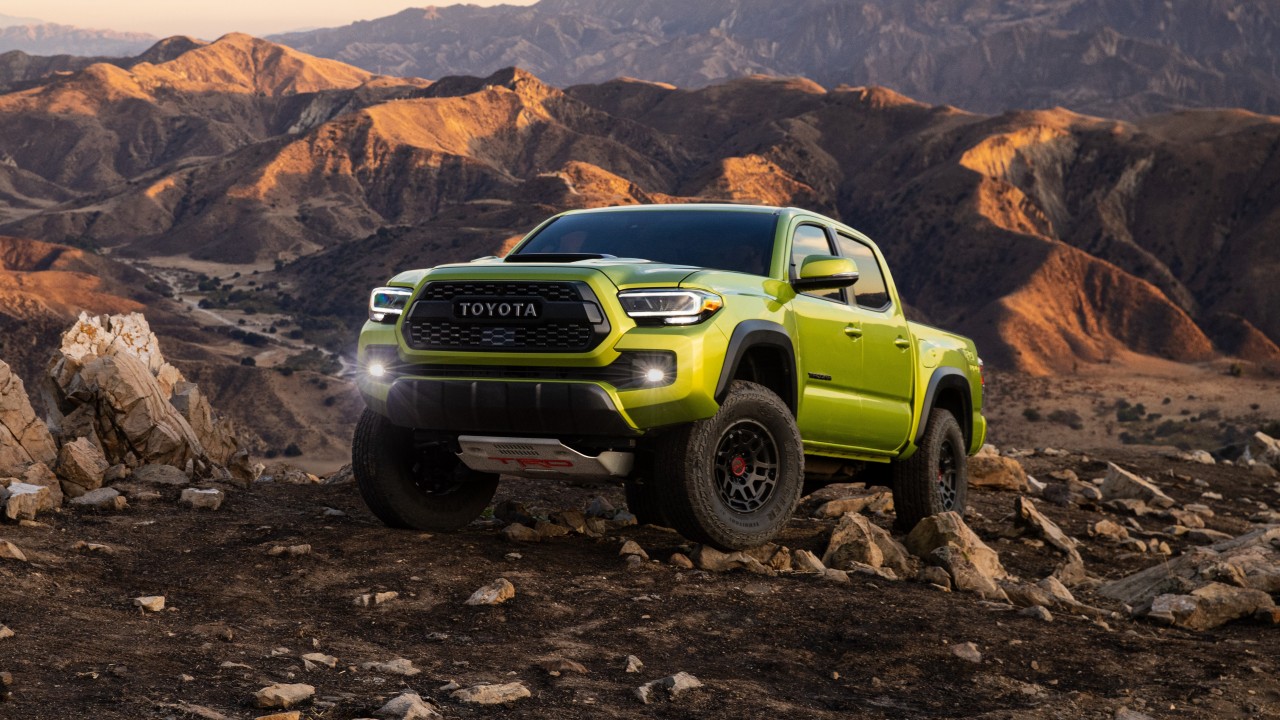
The Toyota Tacoma is one of the most enduring favorites among Gulf Coast residents due to its unique combination of reliability, ruggedness, and versatility.
Its high ground clearance and durable suspension make it particularly suitable for navigating flooded roads or soft sandy areas common near beaches, bayous, and riverbanks.
In regions prone to heavy rain or occasional hurricanes, the ability to drive safely on waterlogged streets or partially submerged roads can be critical. Tacoma’s frame and body construction benefit from corrosion-resistant coatings, which help slow the natural effects of salty air and high humidity.
Additionally, the truck’s compact yet strong design allows it to maneuver through narrow urban streets, parking lots, and suburban neighborhoods while still offering the utility needed for hauling tools, outdoor equipment, or recreational gear.
Its combination of strength and practicality makes it a vehicle that can easily adapt to both work and leisure activities, something essential for residents of the Gulf Coast.
Comfort and interior design are additional reasons the Tacoma works so well in Gulf Coast conditions. While it may not be a luxury vehicle, its cabin is functional, durable, and easy to maintain. Seats are often made from resilient materials that can withstand sand, dirt, and moisture brought in from beach trips or outdoor activities.
Optional features such as all-weather floor mats and protective liners allow owners to maintain the interior more easily, preserving both aesthetics and hygiene. The truck’s infotainment and safety systems provide modern conveniences while keeping drivers and passengers comfortable during long drives along highways or coastal roads.
Whether commuting, running errands, or heading out for weekend adventures, the Tacoma balances practicality and comfort in a way that few other midsize trucks can match.
Resale value and long-term investment potential also make the Tacoma a preferred choice. Vehicles with a proven history of durability and corrosion resistance retain value better, and the Tacoma is a standout example of this principle. Even used models often command a premium because buyers trust their ability to withstand harsh conditions.
Local mechanics and dealerships are familiar with maintenance needs specific to coastal climates, such as rust prevention and undercarriage cleaning, which further support long-term ownership.
For residents seeking a vehicle that combines utility, resilience, and comfort, the Toyota Tacoma represents a reliable investment capable of handling both daily life and the environmental challenges of the Gulf Coast.
Subaru Outback
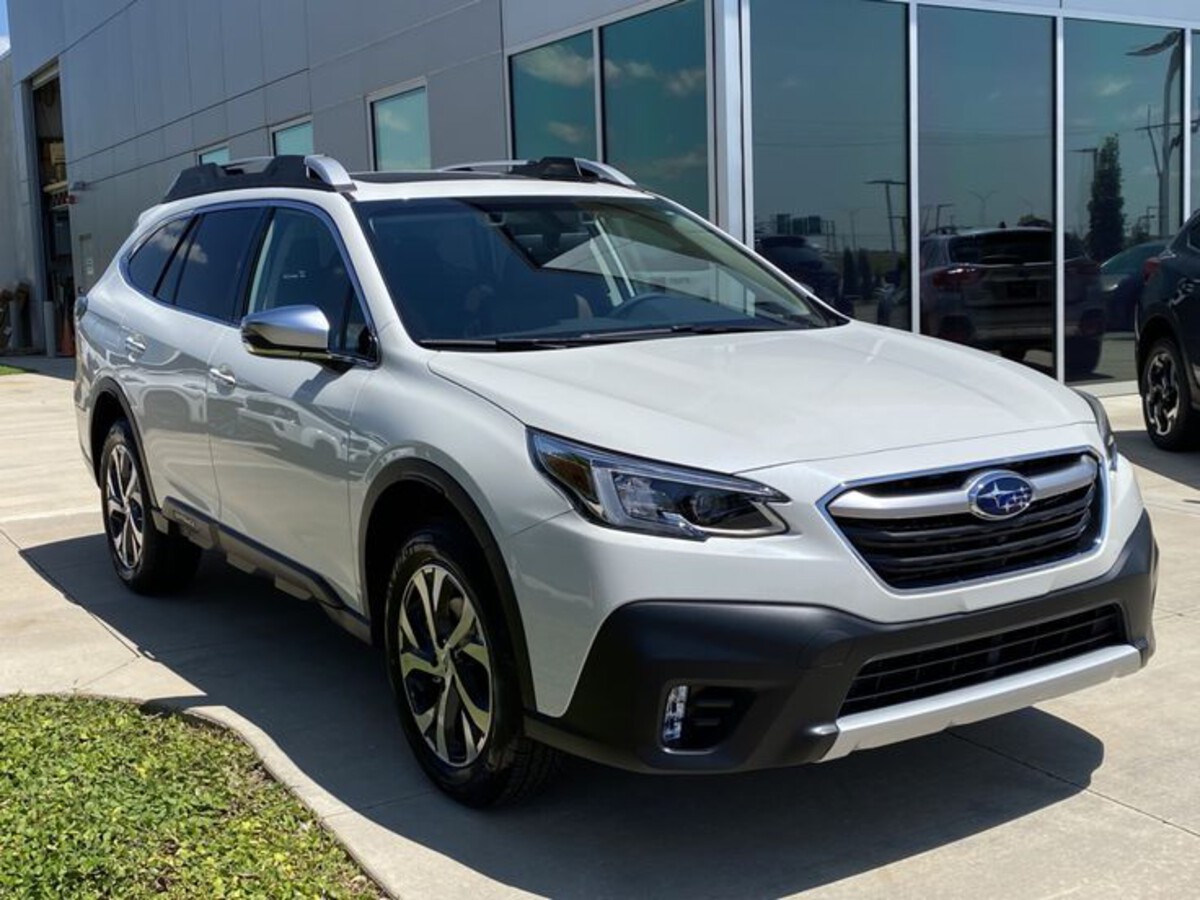
The Subaru Outback is widely appreciated for its practicality and adaptability, making it a natural fit for Gulf Coast living. One of its features is the symmetrical all-wheel-drive system, which provides consistent traction and stability on wet, sandy, or uneven surfaces.
Coastal residents frequently encounter conditions such as slick roads after heavy rain, wet beach parking areas, or even occasional shallow flooding, making all-wheel drive a significant advantage.
In addition to its drivetrain, the Outback’s raised suspension allows it to handle uneven terrain or minor water crossings without damaging the undercarriage.
Many models also feature corrosion-resistant coatings on the underbody and critical components, which is especially important in high-humidity environments where rust can quickly become a serious issue if left unchecked.
This combination of drivetrain, suspension, and corrosion protection ensures that the Outback remains reliable in both everyday commuting and recreational activities.
Mechanically, Subaru engines are engineered to operate consistently under diverse conditions. Whether choosing the naturally aspirated four-cylinder or the turbocharged engine, drivers benefit from reliability and longevity.
Routine maintenance, such as oil changes, brake checks, and undercarriage cleaning, is essential for maximizing lifespan, but the Outback’s fundamental build quality ensures it performs well over many years.
Its drivetrain evenly distributes power, reducing wear on key components, and its suspension design allows for controlled handling in wet or uneven conditions. This makes it easier to navigate coastal roads safely without risking mechanical damage, a consideration that is critical for residents in areas prone to storms or salt-laden air.
The Outback also benefits from strong community support and resale value. Coastal residents often share advice on routine maintenance, corrosion prevention, and modifications to protect the vehicle in salty climates.
This collective knowledge enhances ownership experience and ensures that the car continues to perform optimally over time. For individuals seeking a combination of comfort, safety, and resilience against environmental stressors, the Subaru Outback remains a highly regarded choice.
Its ability to handle both urban streets and coastal adventures while maintaining long-term reliability makes it an ideal companion for Gulf Coast residents.

Honda CR-V
The Honda CR-V is a compact SUV that combines practicality, reliability, and durability, making it well-suited for Gulf Coast conditions. One of its key strengths is its corrosion-resistant body panels and undercarriage, which help protect against the long-term effects of humid, salty air.
The CR-V’s size strikes a balance between maneuverability and utility, making it easy to drive in urban areas while still providing sufficient interior space for passengers and cargo. This is especially useful for families or individuals who enjoy outdoor activities like fishing, beach trips, or boating, as the CR-V can transport gear without being overly cumbersome.
Its mechanical dependability ensures that owners experience minimal major repairs, a significant advantage in regions where environmental factors can accelerate vehicle wear.
Fuel efficiency is another reason the CR-V is popular in the Gulf Coast region. Residents often face a mix of commuting, local errands, and recreational driving, making consistent mileage performance an important consideration.
The engines are designed to perform reliably over long periods, and the well-sealed electrical components are less prone to corrosion-related failures.
This balance of efficiency and mechanical resilience allows drivers to maintain low operational costs while ensuring the vehicle remains functional and safe in challenging weather conditions.
Additionally, the CR-V’s brakes, suspension, and drivetrain components are designed for durability, which contributes to confidence in coastal environments where roads may be wet or uneven.
The CR-V’s interior design further enhances its suitability for coastal living. Seats and surfaces are easy to clean and resist moisture absorption, a crucial feature after trips to the beach or exposure to rainy conditions.
The cargo area provides sufficient space for recreational equipment, groceries, or personal belongings, while optional features like roof racks and all-weather mats increase functionality.
Together with its smooth handling, responsive brakes, and modern safety features, the CR-V provides an environment that balances comfort, practicality, and long-term durability, making it a versatile choice for daily commuting and weekend adventures alike.
Resale value and longevity make the CR-V a sound investment. Coastal residents who maintain their vehicles regularly and take precautions against corrosion find that their CR-V models retain value well over time.
Additionally, the availability of parts and widespread familiarity with the model among mechanics in Gulf Coast communities ensures repairs and maintenance are both accessible and affordable.
For those who prioritize reliability, low maintenance, and long-term performance, the Honda CR-V offers a combination of features and durability that align with the unique demands of Gulf Coast life.
Ford F-150
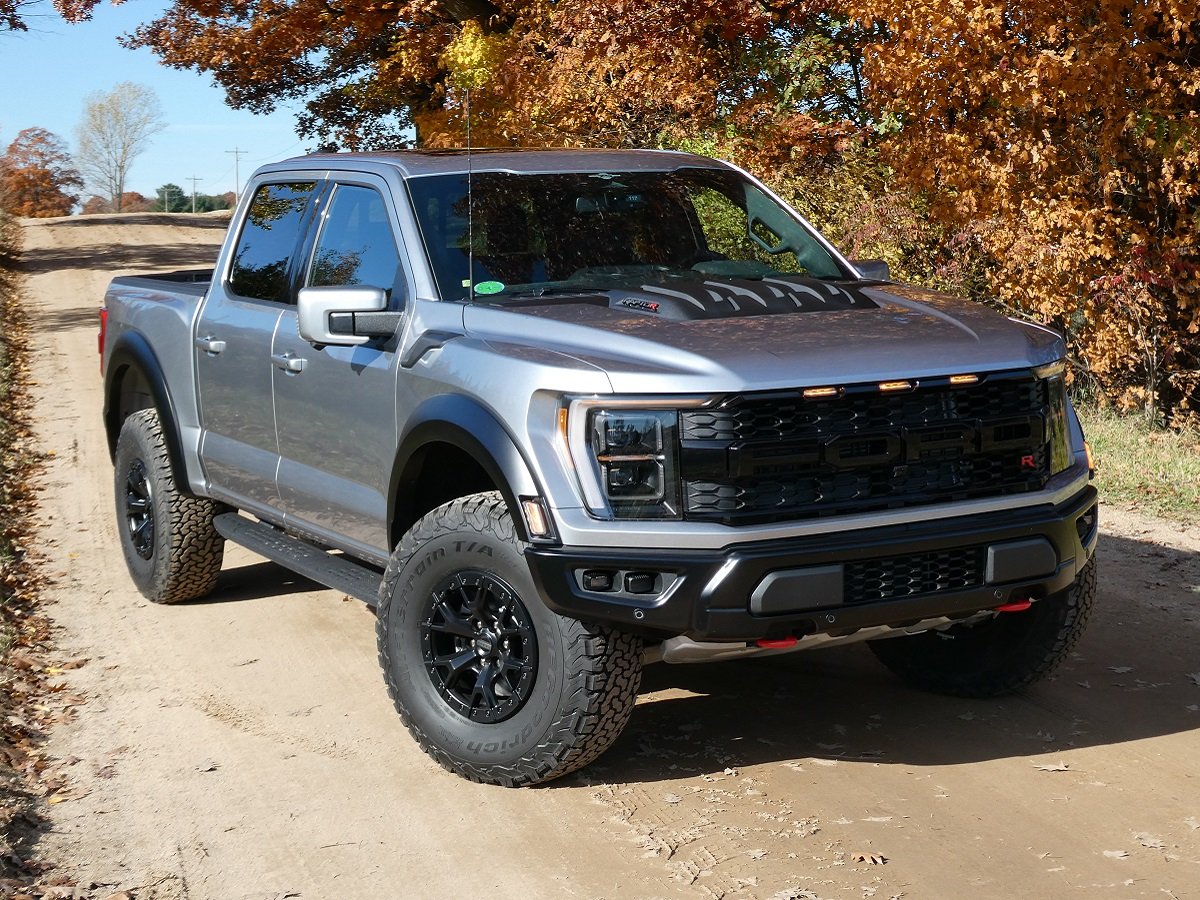
The Ford F-150 is a full-size pickup that has earned a strong reputation for resilience and durability in diverse environments, including the Gulf Coast. Its body-on-frame construction and corrosion-resistant coatings help protect the truck from the harsh effects of salty air and high humidity.
The F-150’s suspension and drivetrain are designed to handle both heavy loads and challenging terrain, making it ideal for residents who require a vehicle capable of towing boats, trailers, or construction equipment.
Its robust design allows it to handle wet, sandy, or uneven roads without compromising performance or longevity, a significant advantage in areas prone to flooding or coastal erosion.
The F-150 also offers an interior designed for both comfort and functionality. Modern models include seats and flooring materials that resist sun and moisture damage, along with climate control features that accommodate hot, humid conditions.
Cab options, including extended and crew cabs, provide ample passenger space, allowing for both work and family use.
Infotainment and connectivity options keep the vehicle practical for daily commuting and long-distance travel, while the truck’s large bed allows for significant hauling capacity.
Residents appreciate the balance of rugged capability and daily usability that the F-150 provides, making it versatile for both professional and recreational use.
Engine options in the F-150 include V6, V8, and turbocharged variants, offering a balance between power, efficiency, and towing capability. The truck’s advanced suspension system ensures stability under heavy loads, and the 4×4 drivetrain handles wet or sandy terrain effectively.
Routine maintenance, such as brake inspections, oil changes, and undercarriage cleaning, is critical to maximizing the vehicle’s lifespan, especially in coastal climates. When maintained properly, the F-150 can remain reliable for many years, providing consistent performance in conditions that would challenge lesser vehicles.
The F-150’s resale value and widespread parts availability further enhance its appeal for Gulf Coast residents. Its reputation for longevity and durability ensures that owners maintain confidence in the vehicle, whether for work, recreational use, or daily commuting.
The strong support network of service centers and knowledgeable mechanics makes long-term ownership manageable and cost-effective. For residents seeking a versatile, durable, and reliable vehicle that can withstand environmental stressors, the Ford F-150 remains an excellent choice.
Jeep Wrangler
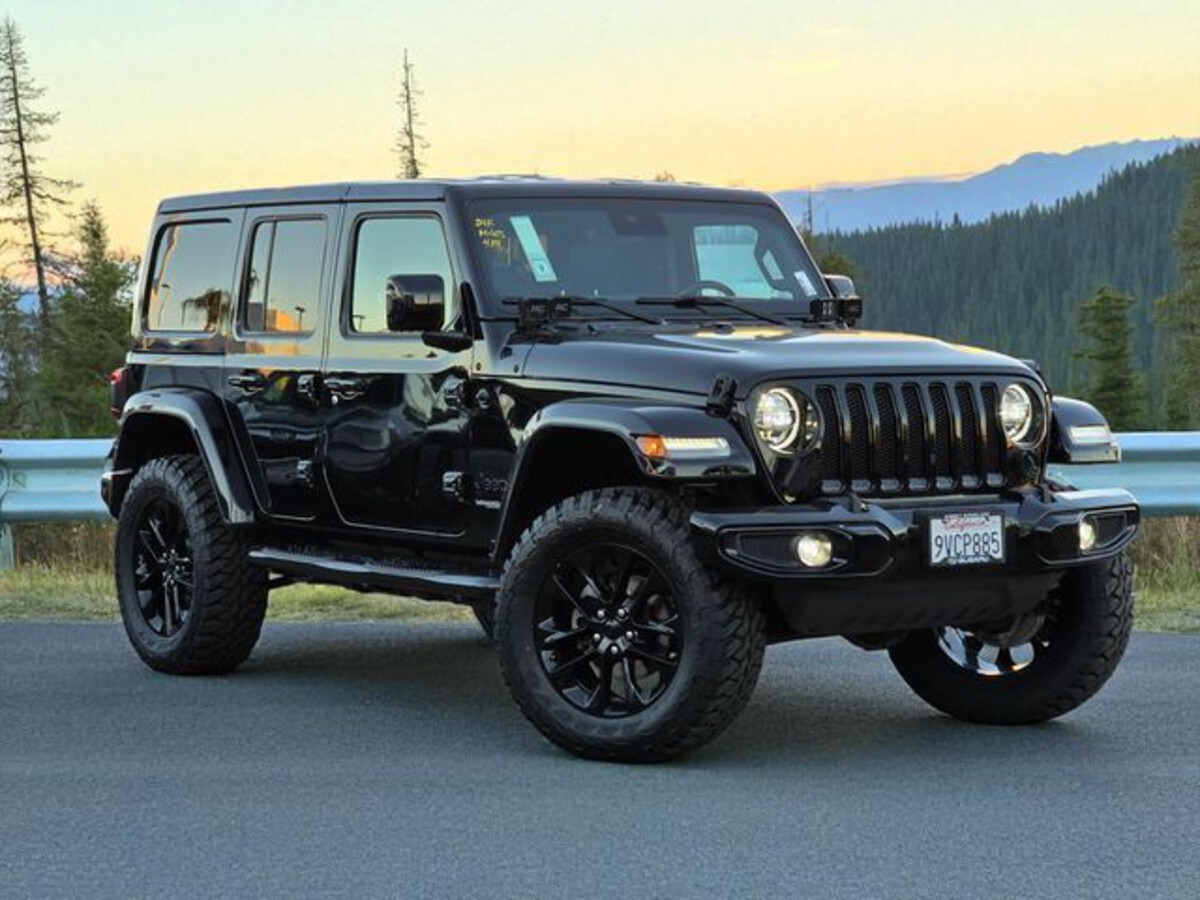
The Jeep Wrangler is known for its exceptional off-road capability, making it ideal for residents of the Gulf Coast who frequently encounter sandy beaches, muddy trails, or uneven terrain.
Its body-on-frame construction and high ground clearance provide durability in environments where water, salt, and dirt can accelerate wear on other vehicles.
Many critical components feature corrosion protection, and the modular design allows owners to remove tops, doors, or panels as needed, reducing exposure to moisture during storage. This adaptability, combined with rugged construction, makes the Wrangler one of the most resilient vehicles for coastal climates.
Interior design emphasizes functionality and durability. Seats and floor surfaces are made from materials that resist water and sun damage, while ample storage compartments allow for safe transportation of recreational gear, tools, or supplies.
The Wrangler’s open-air design is complemented by its easy-to-clean surfaces, ensuring that owners can maintain the cabin even after exposure to sand or water. Its compact yet rugged design allows for easy maneuvering in urban areas without sacrificing off-road performance, offering a unique combination of versatility and practicality.
Under the hood, the Wrangler provides sufficient power through multiple engine options, including naturally aspirated and turbocharged models. Transmissions, both manual and automatic, are engineered for longevity, and the drivetrain handles wet, muddy, or sandy conditions with minimal risk of mechanical failure.
Many owners report long-term satisfaction due to the Wrangler’s simple yet effective engineering, particularly when combined with routine maintenance and corrosion prevention practices. Its ability to handle coastal challenges while remaining reliable makes it a popular choice for those who prioritize adventure and resilience.
Finally, the Jeep Wrangler maintains strong resale value due to its popularity and proven durability. Its rugged design ensures that it remains functional and appealing even after years of exposure to environmental stressors.
For Gulf Coast residents who require a vehicle that can withstand salt, humidity, water, and rough terrain while remaining enjoyable and practical for daily use, the Wrangler offers a unique combination of toughness, utility, and adaptability.
5 Cars That Corrode & Fail in Coastal Environments
Chevrolet Malibu
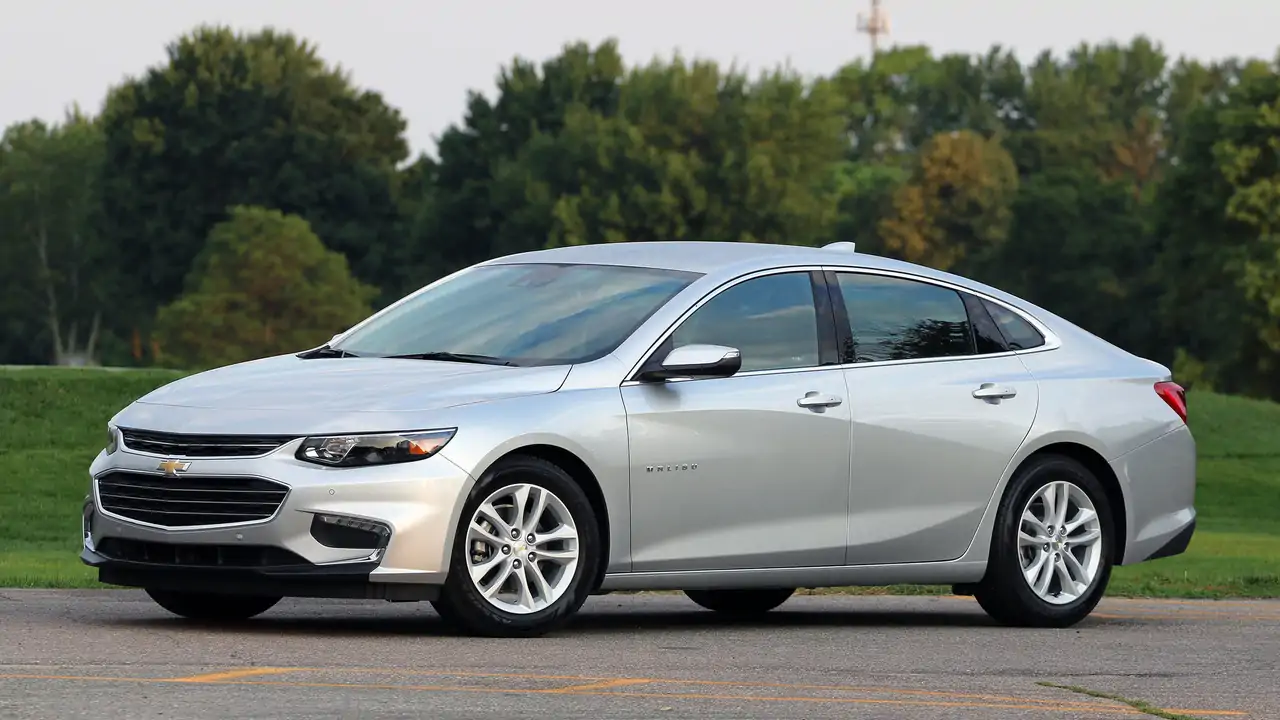
The Chevrolet Malibu, while a reliable sedan in many regions, often struggles in coastal environments due to its susceptibility to corrosion.
Many older models feature undercarriage components that are not adequately protected against salty air or high humidity, which accelerates rust formation on frame rails, brake lines, and suspension mounts.
In Gulf Coast climates, where vehicles are regularly exposed to moisture and road salt during occasional winter treatments or proximity to the ocean, this can significantly shorten the car’s lifespan. Even minor rust can spread rapidly, affecting structural integrity, vehicle safety, and reliability.
Mechanically, the Malibu can be prone to electrical issues in humid conditions. Corrosion on connectors and wiring harnesses can cause intermittent failures in systems such as lighting, power windows, and engine sensors.
These issues may begin subtly, with flickering gauges or malfunctioning controls, and escalate over time, leading to more extensive repairs.
Coastal residents often report that maintaining electrical components on these vehicles requires constant vigilance and sometimes expensive interventions to prevent permanent failure.
Routine exposure to moisture combined with limited corrosion protection makes this model a challenge for long-term ownership in environments like the Gulf Coast.
Finally, resale and long-term ownership costs are significantly affected by the Malibu’s corrosion tendencies. Vehicles with rust or moisture-related damage depreciate faster, making it difficult for owners to recover value when selling or trading in.
Combined with a reputation for higher-than-expected repair needs in humid conditions, the Chevrolet Malibu is often considered a vehicle to avoid for Gulf Coast life.
While it may perform well in inland climates, its structural and material vulnerabilities make it a poor choice for areas exposed to salt-laden air, high humidity, and frequent storms.
Nissan Altima
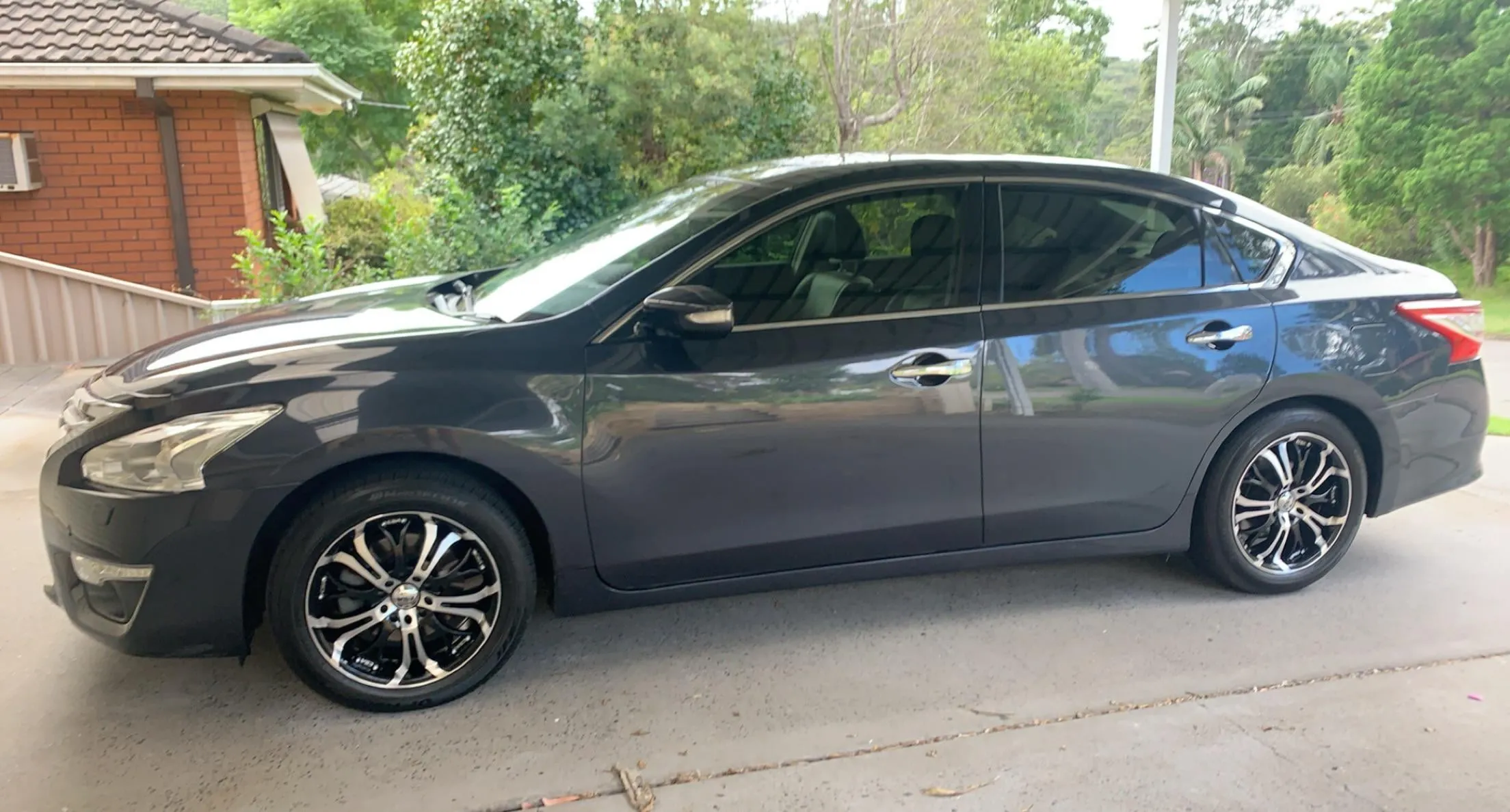
The Nissan Altima is another vehicle that often struggles with rust and corrosion in coastal environments. Many models feature unprotected steel components under the body, which are vulnerable to the combined effects of humidity, salt, and occasional standing water.
Rust can quickly affect suspension mounts, brake lines, and the frame itself, compromising both safety and drivability. Coastal residents often find that even relatively new Altimas show signs of corrosion sooner than expected, making ongoing maintenance an essential and sometimes costly task.
The interior also tends to degrade more rapidly in humid conditions. Cloth seats and carpets can absorb moisture, creating potential for mold and lingering odors.
Synthetic materials on dashboards and door panels may expand, warp, or discolor when frequently exposed to high temperatures combined with humidity.
Regular cleaning and climate control adjustments can help, but the Altima lacks the interior durability seen in vehicles specifically designed for coastal conditions.
As a result, owners may find themselves investing significant time and effort just to maintain a usable interior over several years.
Resale value is further affected by the Altima’s corrosion issues. Vehicles with visible rust or interior damage depreciate faster, which is compounded by the cost of ongoing repairs. For Gulf Coast residents who seek longevity and reliability, the Altima often falls short of expectations.
While it may offer comfort, fuel efficiency, and general performance in more temperate climates, the combination of corrosion susceptibility, electrical vulnerabilities, and interior wear makes it a poor fit for extended use in coastal regions.
Ford Focus
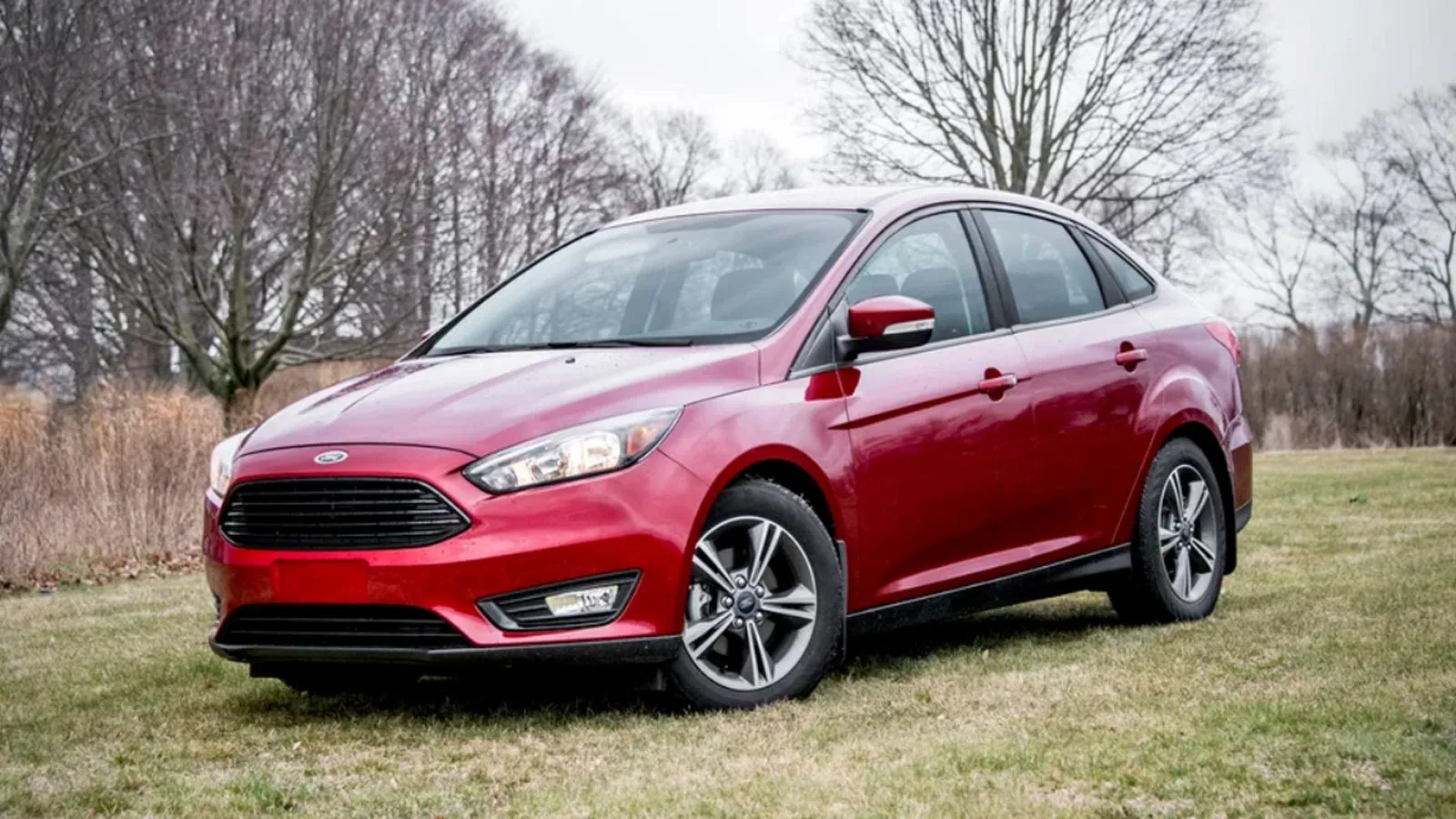
The Ford Focus, particularly models from the late 2000s to mid-2010s, is notorious for corrosion issues in coastal environments. Its body panels and undercarriage are prone to rust, especially along wheel wells, rocker panels, and suspension components.
Exposure to high humidity, salty air, and coastal storms can accelerate deterioration, often leading to structural concerns and expensive repairs.
Residents in Gulf Coast regions who own Focus vehicles frequently report that rust can appear in less obvious areas, such as inside door frames or around subframe mounts, which can compromise both safety and longevity.
Interior durability is another concern. High humidity can accelerate the wear and tear of seat fabrics, carpeting, and dashboard materials. Unprotected interior surfaces may swell, warp, or discolor, reducing comfort and aesthetics.
For coastal residents, this means constant attention to cleaning, moisture control, and protection against sun and salt exposure. Without diligent maintenance, the interior of a Focus can deteriorate far faster than comparable vehicles designed for humid environments.
The Focus also suffers from poor resale potential in coastal regions due to widespread corrosion and mechanical issues. Buyers in Gulf Coast areas are wary of rust-prone models, leading to steeper depreciation.
Combined with ongoing maintenance challenges, the Focus often proves to be a costly choice for long-term ownership near the ocean or in humid climates.
While it may offer fuel efficiency and affordability in drier areas, the Focus is generally considered a poor option for residents seeking reliable, long-lasting vehicles in salty coastal environments.
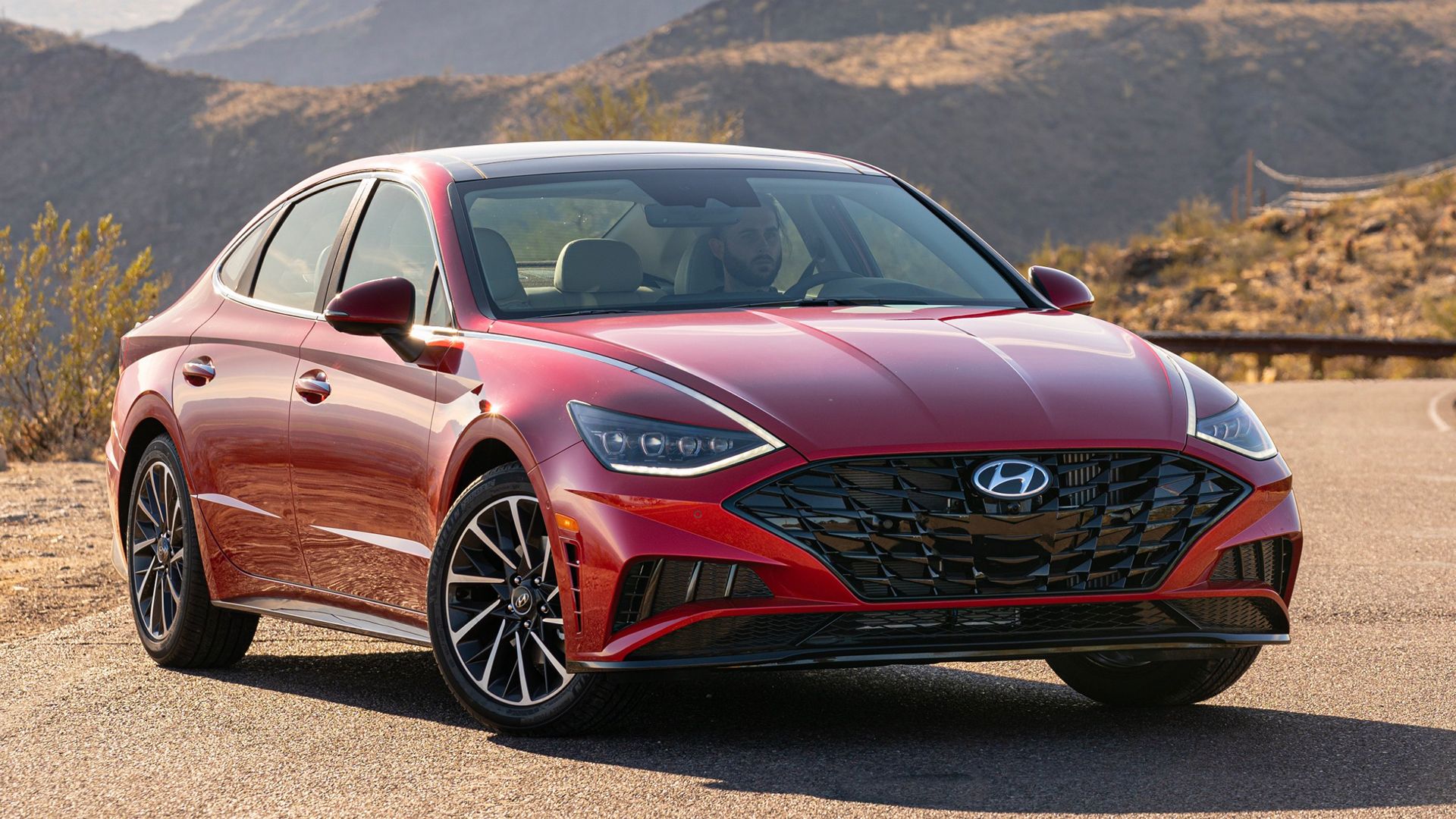
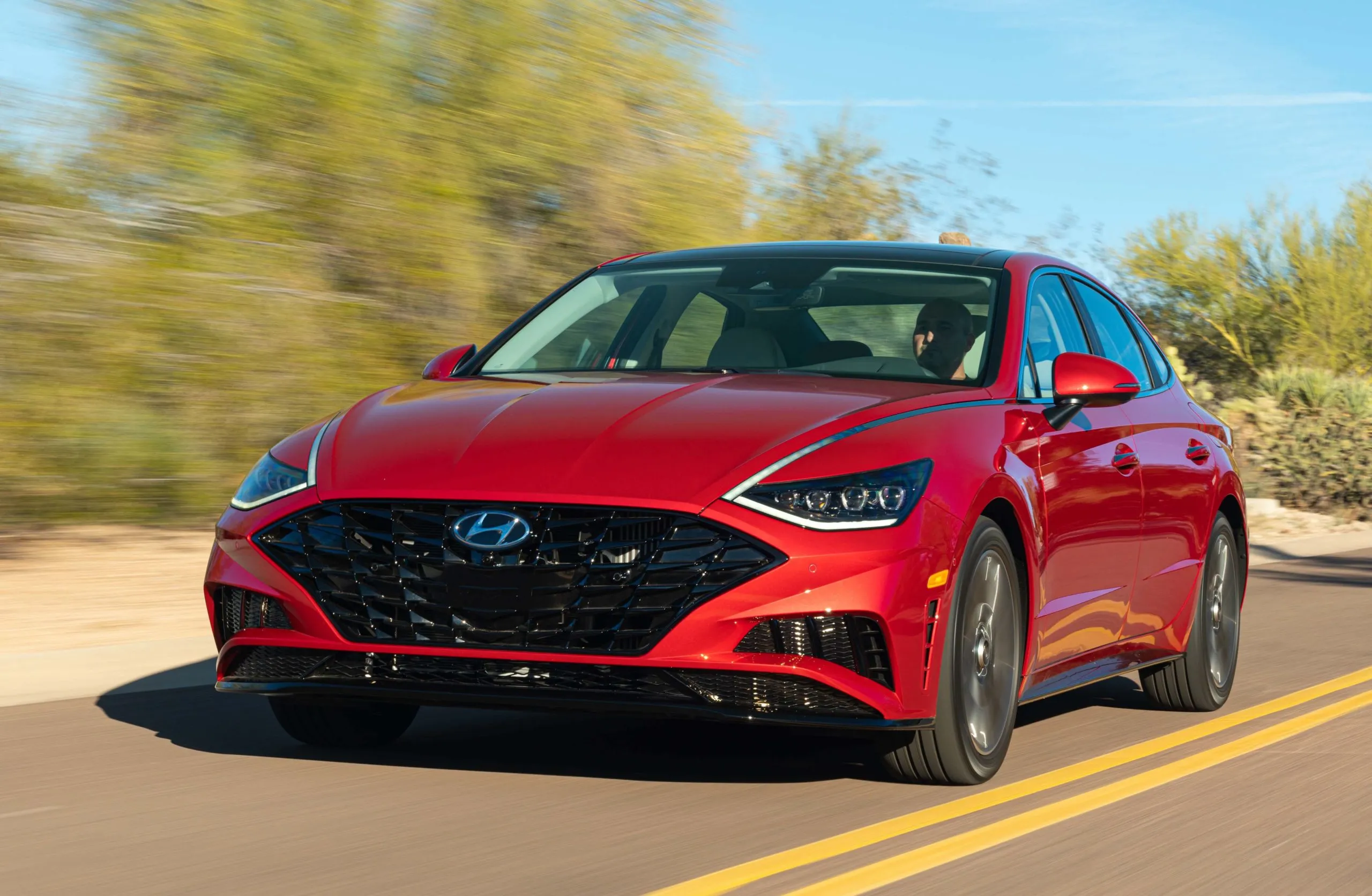
Hyundai Sonata
The Hyundai Sonata has historically shown vulnerabilities to corrosion when exposed to coastal conditions. Older models, in particular, often lack comprehensive underbody protection, leaving the frame, suspension, and brake components exposed to salt and humidity.
Rust tends to form quickly on wheel arches, undercarriage panels, and exhaust components, leading to potential structural issues if not addressed promptly. In Gulf Coast environments, where moisture is constant and salt exposure is frequent, this can significantly shorten the vehicle’s useful life.
Interior materials are less durable than some competitors in similar price ranges. Fabrics can absorb moisture, creating mold or unpleasant odors over time. Dashboard plastics and trim pieces may warp or crack under constant exposure to high humidity and strong sunlight.
Combined with potential mechanical and electrical problems, this makes long-term ownership less appealing for those living in coastal regions. Owners often need to invest time and money into climate control and interior maintenance to preserve comfort and usability.
Finally, resale and long-term value of the Hyundai Sonata are negatively affected by corrosion and maintenance challenges. Rusted or mechanically compromised models depreciate faster, which reduces the return on investment for owners.
While the Sonata offers comfort, fuel efficiency, and modern features, its vulnerability to coastal conditions, combined with interior wear and electrical issues, makes it a poor choice for Gulf Coast residents who require durability and reliability in their vehicles.
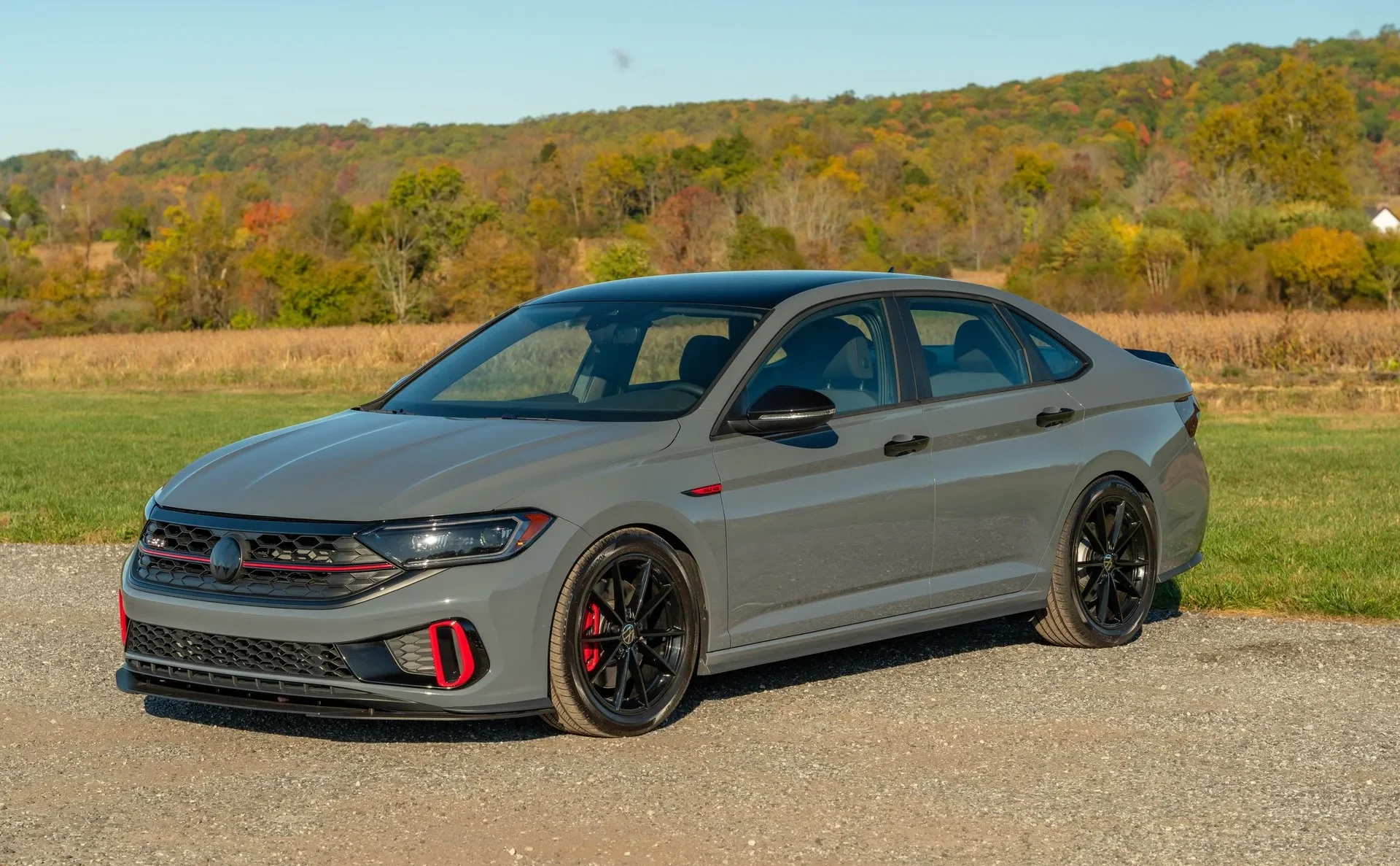
Volkswagen Jetta
The Volkswagen Jetta, particularly older generations, is another model prone to corrosion and failure in coastal climates. Steel body panels and undercarriage components can rust quickly when exposed to salty air, high humidity, or frequent rain.
Critical areas such as wheel wells, suspension mounts, and door sills often show signs of corrosion early, compromising both structural integrity and safety. Coastal residents who attempt to maintain Jettas in these environments frequently report that rust can appear faster than expected, even with regular washing and protective treatments.
The Jetta’s interior materials also struggle in high-humidity environments. Fabric seats, carpets, and plastics can absorb moisture, warp, or deteriorate faster than in drier climates. This can lead to mold growth, unpleasant odors, and visible signs of wear, diminishing both comfort and resale value. Coastal residents often report investing significant time and money into interior upkeep just to maintain usability.
Finally, resale value suffers due to widespread corrosion and maintenance challenges. Buyers in Gulf Coast regions are cautious about rust-prone Jettas, leading to accelerated depreciation.
Combined with frequent mechanical and electrical repairs, the Jetta becomes a poor choice for residents seeking reliable, long-lasting vehicles in salty, humid environments. While the car may perform adequately inland, it is generally ill-suited to the environmental demands of coastal living.
