
Winter in St. Paul, Minnesota, is a test of both drivers and vehicles. Temperatures often drop far below freezing, snowstorms can arrive without much warning, and streets are frequently coated with ice and snow.
In this environment, trucks are not just transportation; they are tools that must endure harsh conditions, heavy road salt, and relentless cold.
Choosing a truck for these streets means considering traction, durability, maintenance needs, and corrosion resistance. Road salt, while necessary for safety, is one of the biggest threats to vehicles, attacking metal, brakes, and undercarriages if the truck is not properly designed or treated. However, not all trucks are built equally.
Some trucks are engineered to thrive in winter conditions, offering features like all-wheel or four-wheel drive, robust chassis construction, heated components, and corrosion-resistant coatings.
Others, though reliable in milder climates, struggle under constant exposure to salt, moisture, and sub-zero temperatures, showing rapid wear and reduced reliability.
Understanding the difference between these two categories is essential for anyone living in St. Paul or similar northern cities. The trucks that perform well in winter provide peace of mind, consistent performance, and safety, while those that are not salt-proof can lead to costly repairs and dangerous situations on icy roads.
In this article, we will discuss five trucks that excel in St. Paul winter conditions, followed by five trucks that tend to suffer when exposed to heavy salt use. By examining these vehicles, their strengths, and their weaknesses, drivers can make informed decisions about which trucks are best suited for life on snowy, salt-covered streets.
5 Trucks for St. Paul Winter Streets
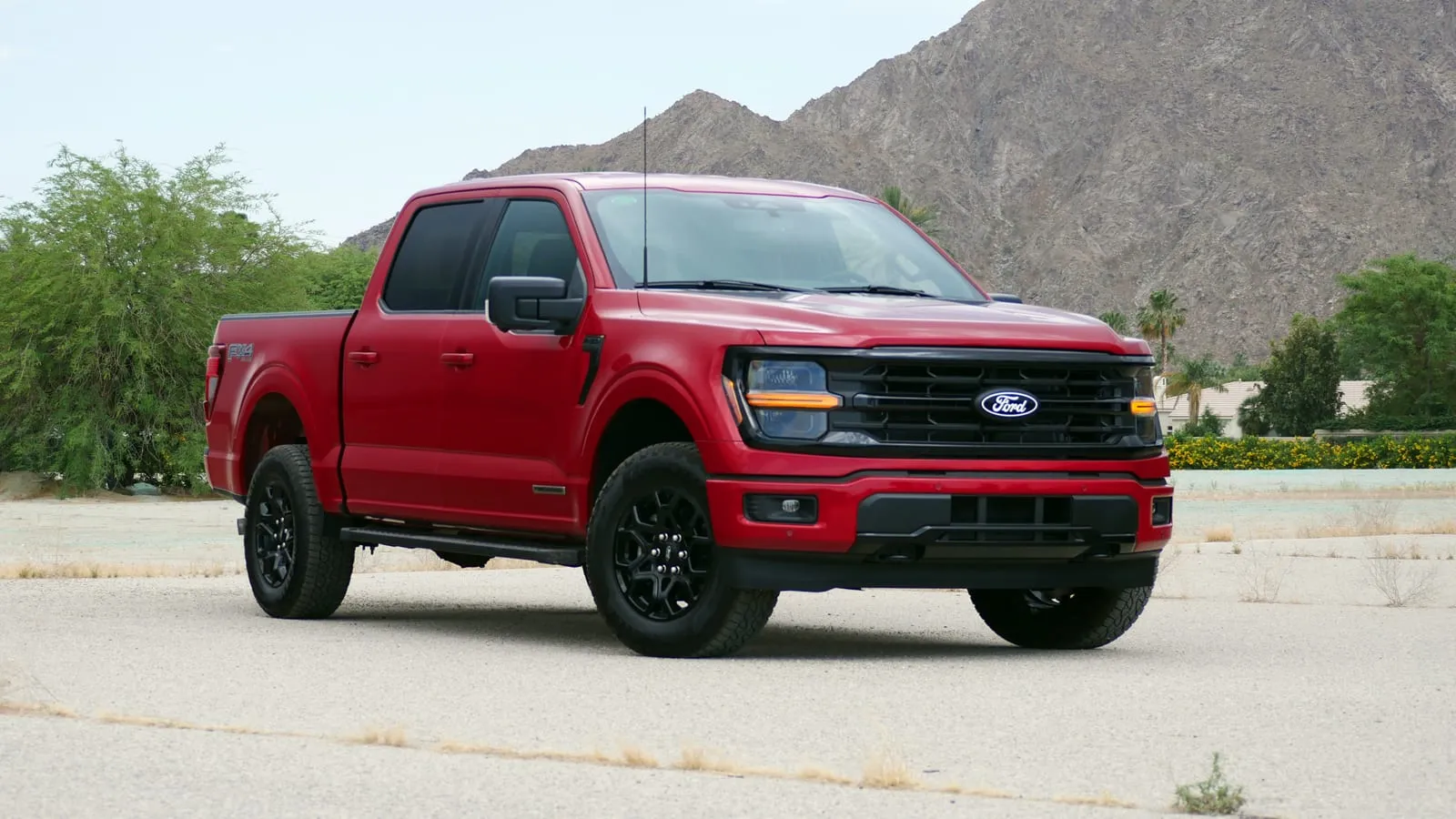
1. Ford F-150
The Ford F-150 has long been a top choice for drivers who face harsh winter conditions. Its four-wheel-drive system provides excellent traction, which is crucial when streets are covered in ice or compacted snow.
Even in extreme weather, the F-150 can maintain stability while navigating slippery roads, steep hills, or poorly plowed residential streets. Many trims come with additional features such as automatic locking differentials and traction control, both of which improve performance in treacherous conditions.
High ground clearance ensures that snow does not accumulate under the chassis or interfere with critical components like the exhaust system and suspension. Moreover, Ford has placed a significant emphasis on corrosion protection, including coatings on the frame and underbody that help prevent rust caused by road salt.
These protective measures are essential because northern climates often see trucks exposed to salt for months at a time. Owners who take the extra step of regularly cleaning and inspecting the truck can extend its lifespan significantly.
Beyond mechanical reliability, the F-150 also offers strong towing capacity, which can be useful during winter emergencies, whether moving trailers, transporting snow removal equipment, or hauling other heavy loads.
Its combination of performance, durability, and winter-specific features makes it a top choice for St. Paul streets where reliability and traction are non-negotiable.
Maintenance plays a critical role in the F-150’s winter longevity. Routine washing to remove road salt and applying rust prevention treatments are simple steps that dramatically reduce the risk of corrosion, which is the most common cause of structural deterioration in northern climates.
Ford has engineered its trucks with corrosion-resistant steel in key areas and protective coatings on the frame to counteract the effects of salt and moisture. Components like brake lines, fuel tanks, and suspension parts are shielded to extend service life.
Regular inspections, oil changes, and fluid checks are also straightforward due to the F-150’s wide availability and strong service network, ensuring that even older trucks remain dependable.
Snowplow owners, contractors, and daily commuters alike report that with proper maintenance, the F-150 continues to perform reliably year after year, even under heavy winter use.
The combination of these mechanical protections, durability, and user-friendly maintenance makes the F-150 a truck that can thrive in harsh northern winters while keeping long-term costs manageable.
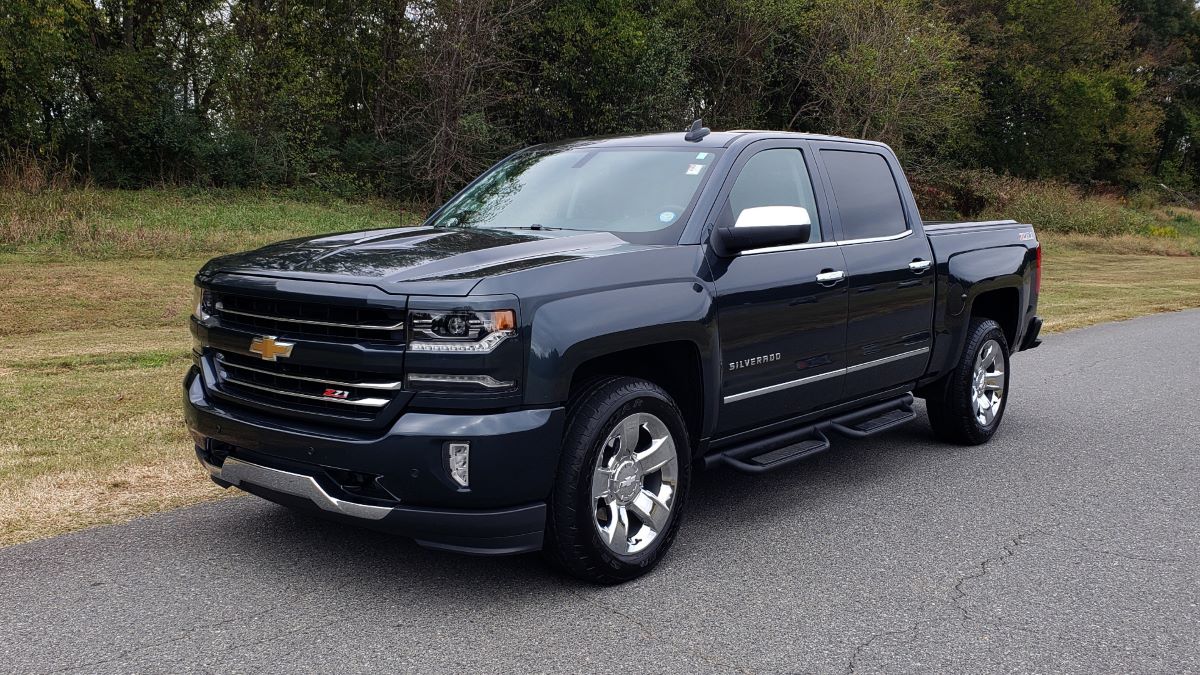
2. Chevrolet Silverado 1500
The Chevrolet Silverado 1500 is built with features that cater to drivers who face harsh winter environments on a regular basis. Its four-wheel-drive system provides enhanced traction, which is essential on icy roads, packed snow, and steep hills.
The truck’s robust frame and suspension absorb shocks from uneven winter streets, reducing wear and tear on the vehicle while improving stability. Engine block heaters, common on many Silverado models, ensure reliable starts during sub-zero mornings, preventing engine strain and prolonging mechanical life.
Chevrolet has also made improvements to corrosion resistance, including protective coatings on the underbody and other vulnerable components. These coatings are crucial in areas like St. Paul, where heavy use of road salt accelerates rusting.
Proper care, including routine washes to remove salt and inspections for corrosion, can help the Silverado remain in excellent condition for many winters.
Its combination of power, reliability, and winter-specific features allows the Silverado to perform well in extreme conditions, making it an ideal truck for drivers who need both safety and utility during snowy months.
Towing and hauling are strengths of the Silverado that become particularly valuable in winter. Whether transporting trailers, snow blowers, or other heavy equipment, the truck’s four-wheel-drive system ensures stability and traction even under significant loads.
The combination of towing capacity and winter performance makes it versatile for both personal and professional use. For example, contractors, farmers, or homeowners clearing snow can rely on the Silverado to handle heavy equipment safely and efficiently. Its balance of capability and performance allows it to navigate snow-packed streets, hills, and parking lots without compromising control or safety.
Maintenance for the Silverado is accessible and manageable. With corrosion-resistant materials and a wide network of service centers, routine checks and repairs are straightforward. Regular inspections, fluid checks, and underbody washes prevent rust and prolong the truck’s life, even with heavy exposure to road salt.
Owners report that following a consistent maintenance routine ensures long-term reliability, making the Silverado a strong candidate for northern climates. Its combination of durability, winter-specific features, and practicality solidifies its position as one of the best trucks for St. Paul streets during winter months.
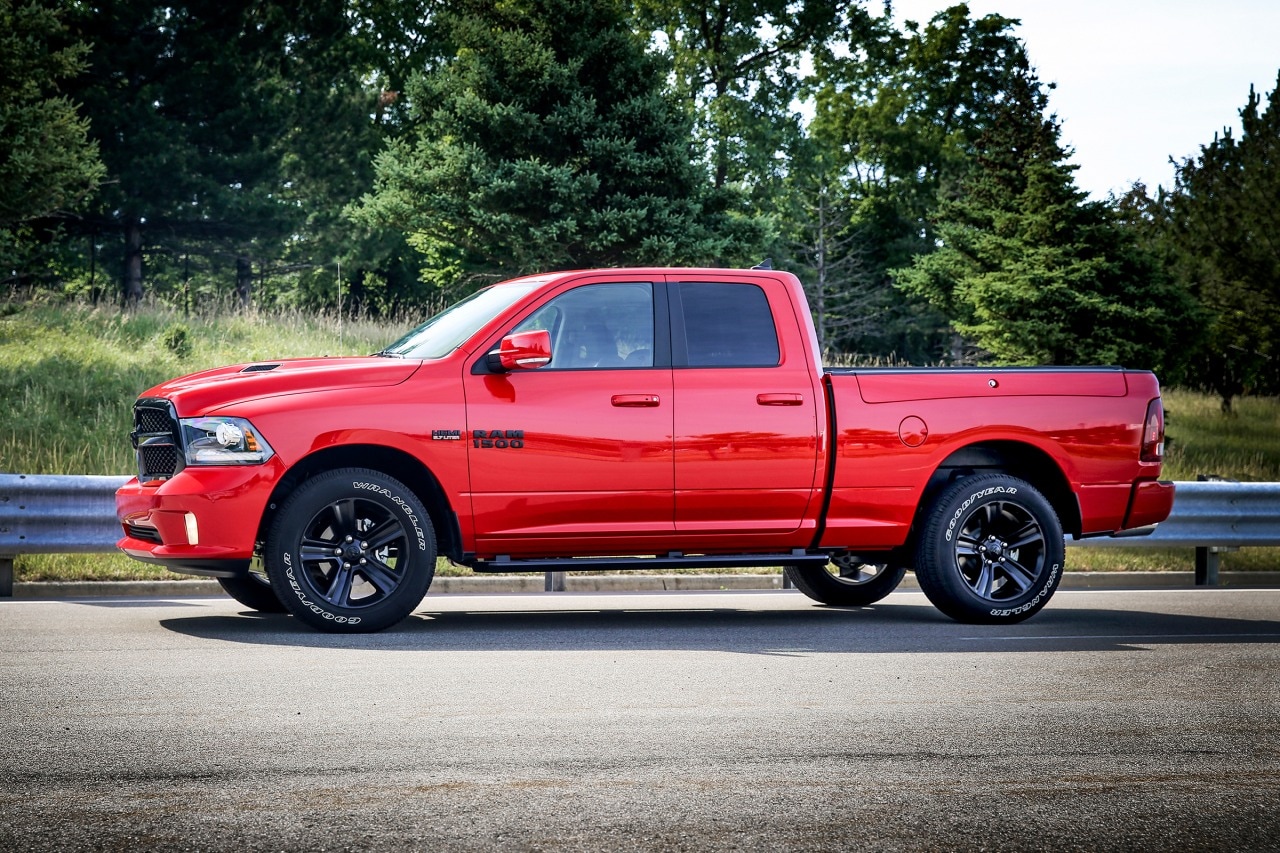
3. Ram 1500
The Ram 1500 strikes a balance between rugged capability and comfort, making it well-suited for northern winter conditions. Four-wheel-drive systems provide traction on ice, snow, and slush, while high ground clearance prevents snow from interfering with critical undercarriage components.
The truck’s chassis incorporates corrosion-resistant coatings that protect the frame from road salt, which is particularly important in cities like St. Paul.
Advanced traction control systems work in tandem with the suspension to ensure stability in adverse conditions, while optional air suspension allows drivers to adjust ride height for better clearance over snowdrifts.
Engine options, including both V6 and V8 configurations, deliver enough power to navigate difficult terrain while maintaining efficiency. Winter convenience features such as heated seats, mirrors, and steering wheels improve comfort, allowing drivers to handle daily commutes and extended winter journeys without discomfort or distraction.
Routine maintenance for the Ram 1500 is straightforward, which is critical for winter readiness. Corrosion-resistant coatings, combined with regular washing to remove salt, prevent rust and protect the truck’s structural integrity.
Mechanical components are designed to withstand cold temperatures, and the wide availability of parts makes repairs easier.
Owners report that trucks maintained according to manufacturer recommendations perform reliably for many years, even in climates with frequent snow and road salt exposure. This durability ensures the Ram 1500 remains a practical choice for winter driving, reducing the likelihood of unexpected breakdowns.
The Ram 1500 also excels in versatility, which is important for northern climates. It can tow trailers, carry heavy loads, or navigate snow-covered residential streets with ease. The combination of comfort, winter-specific engineering, and capability allows the truck to serve multiple purposes, from daily commuting to handling winter emergencies.
Its strong performance, comfort, and reliability make it a popular choice for drivers who face challenging weather and need a truck that can consistently handle snow, ice, and salt.
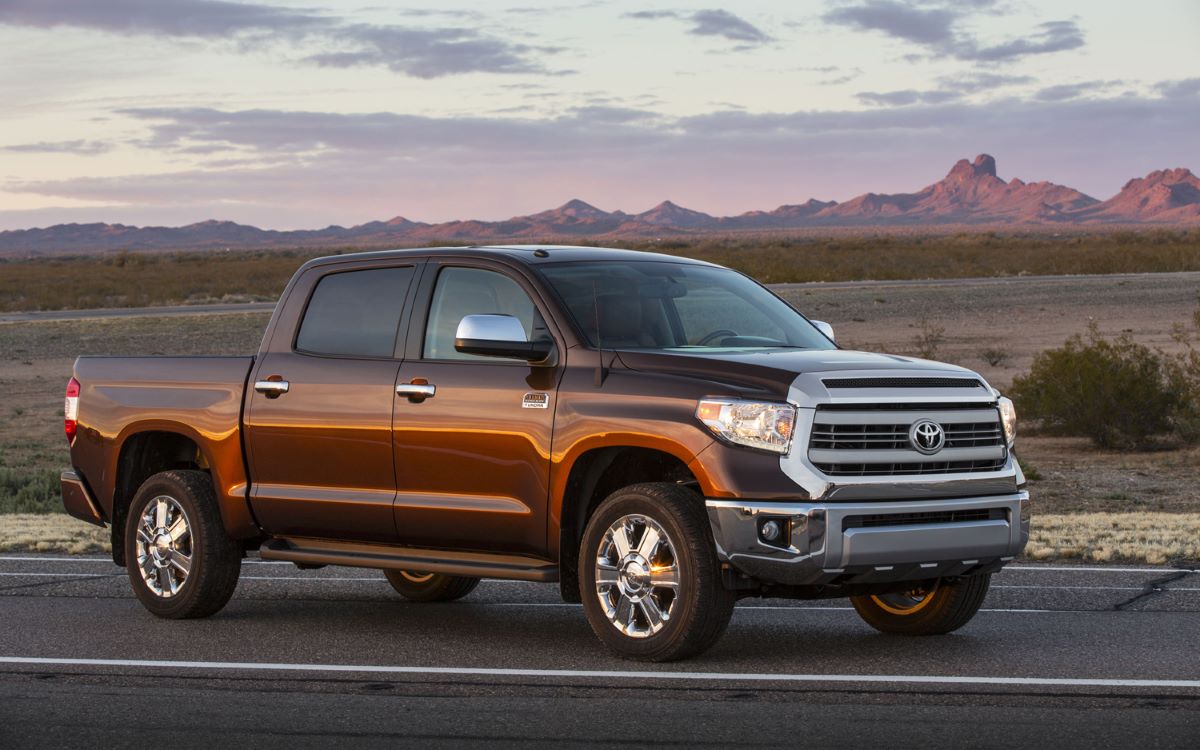
4. Toyota Tundra
The Toyota Tundra is known for its reliability and toughness, which translates to excellent performance in winter conditions. Its four-wheel-drive system ensures traction on icy roads and compacted snow, while a durable suspension system absorbs the shocks of uneven winter streets.
Corrosion-resistant coatings on the underbody and critical components protect the truck from rust caused by road salt. Engine options are designed for consistent performance in sub-zero temperatures, and block heaters are available to ensure reliable starts in extremely cold weather.
Interior features such as heated seats, steering wheels, and mirrors improve comfort and safety during harsh winters. Owners in northern climates often report that the Tundra requires minimal maintenance while performing consistently under severe weather conditions, making it a trustworthy vehicle for snowy streets.
The cabin of the Tundra is both comfortable and practical. Insulation reduces cold air intrusion, keeping passengers warm during long drives or extended periods on icy roads. Storage options allow drivers to carry emergency supplies, groceries, or winter equipment, which is essential when navigating snow-impacted areas.
Advanced traction control systems, stability management, and braking systems enhance safety and reduce the likelihood of accidents on slippery streets. In addition, heated mirrors and wipers maintain visibility during snowfall, making it easier to maneuver safely.
Maintenance for the Tundra is straightforward, with readily available parts and corrosion-resistant materials that prolong the truck’s life. Regular washing, inspections, and preventative rust treatment help maintain structural integrity despite heavy exposure to road salt.
Engine and transmission components are built to withstand cold temperatures and heavy winter use, ensuring long-term reliability. Drivers who follow routine maintenance schedules find the Tundra to be an enduring choice for northern climates.
Versatility is another strength. The Tundra can haul trailers, carry cargo, and navigate unplowed roads with confidence. Its combination of durability, comfort, and winter-specific engineering ensures that it remains reliable in northern conditions.
Whether used for commuting, work, or emergency purposes, the Tundra handles snow, ice, and salt exposure effectively, making it one of the most dependable trucks for St. Paul winters.
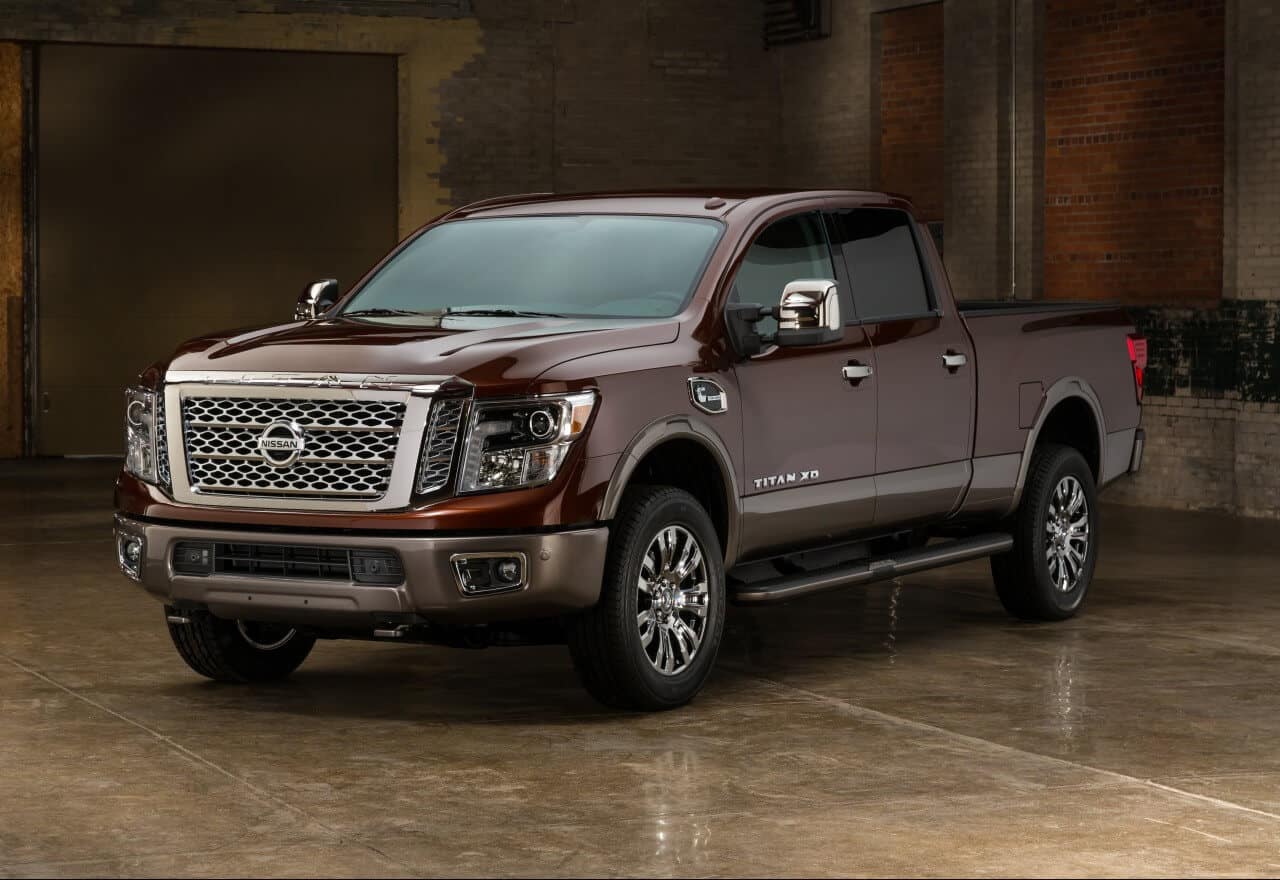
5. Nissan Titan
The Nissan Titan is designed to withstand severe winter conditions, making it suitable for St. Paul streets. Its four-wheel-drive system improves traction on ice and snow, while a durable suspension absorbs impacts from uneven surfaces and potholes.
Corrosion-resistant coatings protect the underbody, frame, and other critical components from the damaging effects of road salt. Engine systems are reliable in sub-zero temperatures, and block heaters assist with cold starts.
Heated seats, steering wheels, and mirrors provide comfort and functionality in extreme conditions, while traction and stability systems enhance safety on slippery surfaces. Drivers in northern climates often praise the Titan for its combination of rugged capability and driver comfort, which makes winter driving more manageable.
The Titan’s interior is spacious, insulated, and designed for practicality. Passengers remain warm even during extended winter drives, while storage compartments accommodate emergency supplies or winter gear.
Visibility is improved with heated mirrors and windshield wipers, which reduce ice and snow accumulation during storms. Safety systems, including traction control and advanced braking, further enhance confidence while driving on slippery roads.
Routine maintenance is straightforward and accessible, with corrosion-resistant materials and widespread parts availability reducing long-term costs.
Regular washing to remove salt, inspections, and preventive care ensure that the truck remains durable despite heavy winter use. Drivers who maintain the Titan properly experience consistent performance, even in areas with harsh winter conditions.
Finally, versatility makes the Titan a valuable winter truck. It can tow trailers, haul cargo, and navigate snow-packed streets efficiently.
Its blend of power, durability, comfort, and winter-specific features ensures that it performs reliably under snow, ice, and salt exposure. For drivers in St. Paul, the Titan provides confidence, safety, and convenience during even the most challenging winter conditions.
5 Trucks That Aren’t Salt-Proof
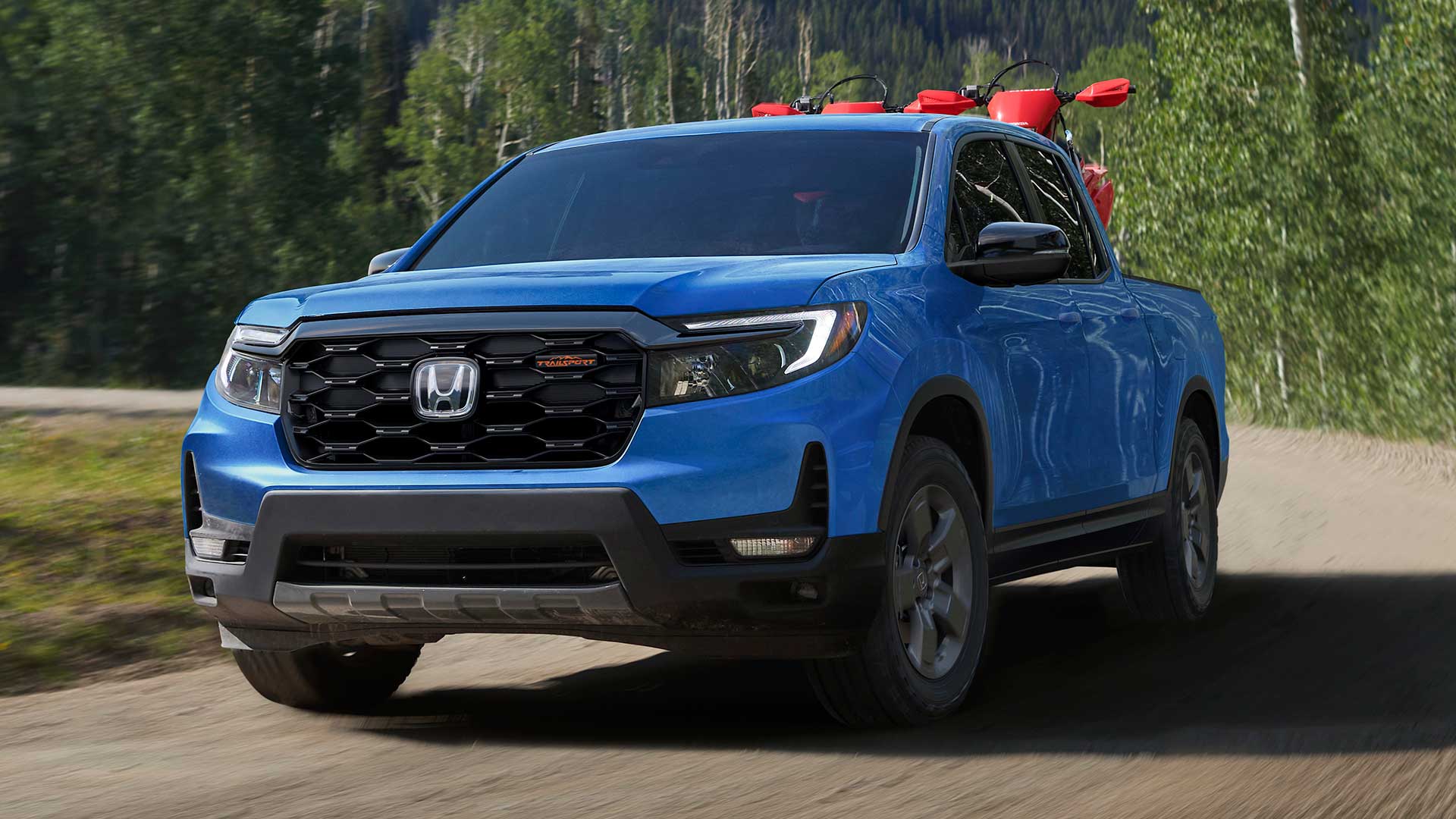
1. Honda Ridgeline
The Honda Ridgeline is widely praised for its smooth ride, fuel efficiency, and car-like handling, but these very qualities make it less suitable for severe winter environments. Unlike more rugged trucks, the Ridgeline’s frame and underbody are not heavily reinforced to resist corrosion caused by road salt.
Over time, repeated exposure to salted streets can cause rust to form on suspension components, the frame, and even critical brake lines.
While the Ridgeline offers all-wheel-drive options, its lower ground clearance makes it more prone to snow accumulation beneath the truck, which can interfere with both drivetrain components and exhaust systems.
In St. Paul, where winter storms can coat streets in several inches of snow within hours, this reduced clearance can lead to situations where the truck struggles to move efficiently or becomes stuck, especially in unplowed residential areas.
The Ridgeline’s design prioritizes comfort and fuel economy over heavy-duty winter durability, making it a less ideal option for regions with consistent road salt use. Drivers may find themselves investing in additional undercoating treatments or frequent rust inspections to keep the vehicle reliable throughout multiple winters.
While these features improve driver comfort during cold weather, the lack of robust winter-oriented systems like reinforced suspension, locking differentials, or advanced traction management limits the truck’s effectiveness on salted, icy roads.
Drivers in northern climates may find themselves relying on snow chains or aftermarket accessories to navigate heavy snowfall safely.
Furthermore, its unibody construction, while excellent for handling and noise reduction, is more prone to corrosion in areas exposed to road salt, as the protective metal layers are thinner and less reinforced than traditional body-on-frame trucks.
Maintenance becomes a significant concern for the Ridgeline in winter. Regular washing and underbody cleaning are essential to prevent rust, but these measures can only partially counteract the effects of continuous exposure to salt and moisture.
Unlike trucks engineered for northern climates, some of the Ridgeline’s key components are more vulnerable, and even small amounts of corrosion can spread quickly if left untreated.
Brake lines, exhaust mounts, and suspension elements are especially at risk, meaning repair costs can accumulate faster than with trucks designed to resist winter wear. Owners who neglect winter maintenance may find themselves facing rust-related issues much sooner than with heavier-duty trucks.
Despite its efficiency and daily usability, the Ridgeline’s limitations in winter performance make it more of a city or mild-climate truck. It excels on dry, paved roads and during occasional snow events, but struggles under the combination of heavy snowfall, ice, and prolonged exposure to road salt.
For residents of St. Paul, where snow and ice are consistent throughout several months, these vulnerabilities mean that the Ridgeline is often less reliable and may require more maintenance and preventive measures to avoid long-term corrosion damage.
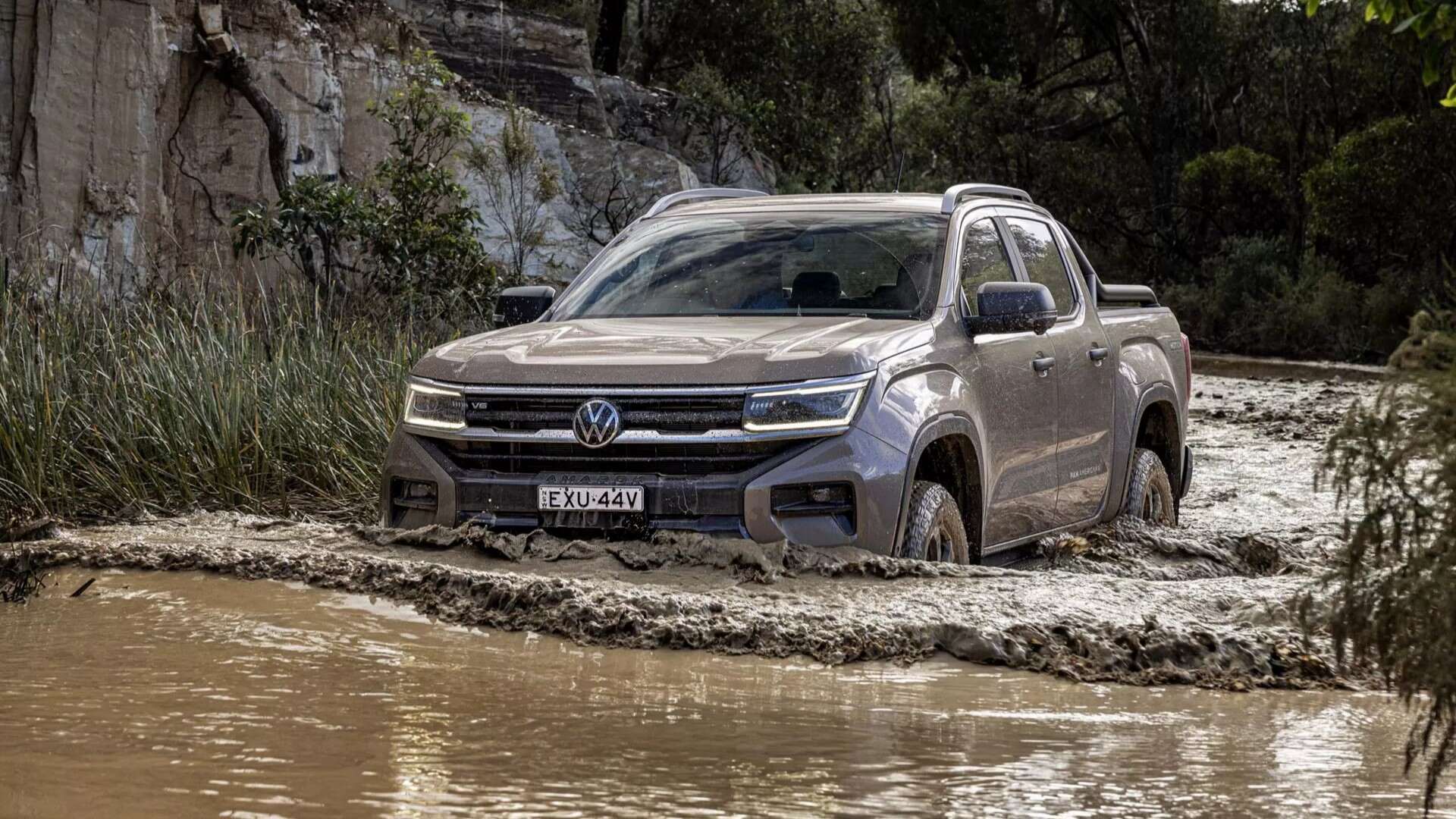
2. Volkswagen Amarok
The Volkswagen Amarok is a versatile midsize truck with European styling and performance, but it is not engineered to endure the harshest winter conditions or prolonged salt exposure.
While the Amarok features all-wheel-drive options and capable engines, its underbody and chassis are more susceptible to corrosion than the larger, heavy-duty trucks designed for northern climates.
Road salt can accumulate in hard-to-reach areas of the undercarriage, leading to rust on suspension mounts, brake components, and frame sections. In cities like St. Paul, where roads are regularly treated with salt and ice-melting chemicals, this corrosion can accelerate rapidly if the vehicle is not meticulously maintained.
The Amarok’s lower ground clearance compared with traditional full-size trucks also increases the likelihood that packed snow will interfere with drivetrain components, limiting mobility during heavy snowstorms. Its design emphasizes comfort, handling, and towing efficiency in mild or moderate climates rather than extreme winter resistance.
Interior features like heated seats and steering wheels may provide comfort, but they cannot compensate for performance limitations in deep snow or icy conditions. Tires designed for European roads often prioritize fuel efficiency and quiet handling over winter grip, which can reduce traction on St. Paul streets.
Maintenance is another concern for the Amarok. While the engine and transmission are generally reliable, corrosion can affect suspension mounts, brake lines, and exhaust systems over time.
European vehicles often have smaller parts availability in the United States, meaning repairs for rust-related damage can be more costly and time-consuming compared with domestic trucks built for northern winters.
Frequent undercarriage inspections, rust-proofing treatments, and careful post-storm washes are necessary to prolong the vehicle’s lifespan, adding both time and expense for owners.
The Amarok is better suited for light-duty winter use or regions with milder snowfall. While it is comfortable and stylish, its susceptibility to corrosion and limited winter durability make it less suitable for St. Paul’s heavily salted streets.
Drivers may enjoy its handling and efficiency in dry or mildly snowy conditions, but over time, road salt exposure can lead to significant maintenance challenges and reduced reliability.
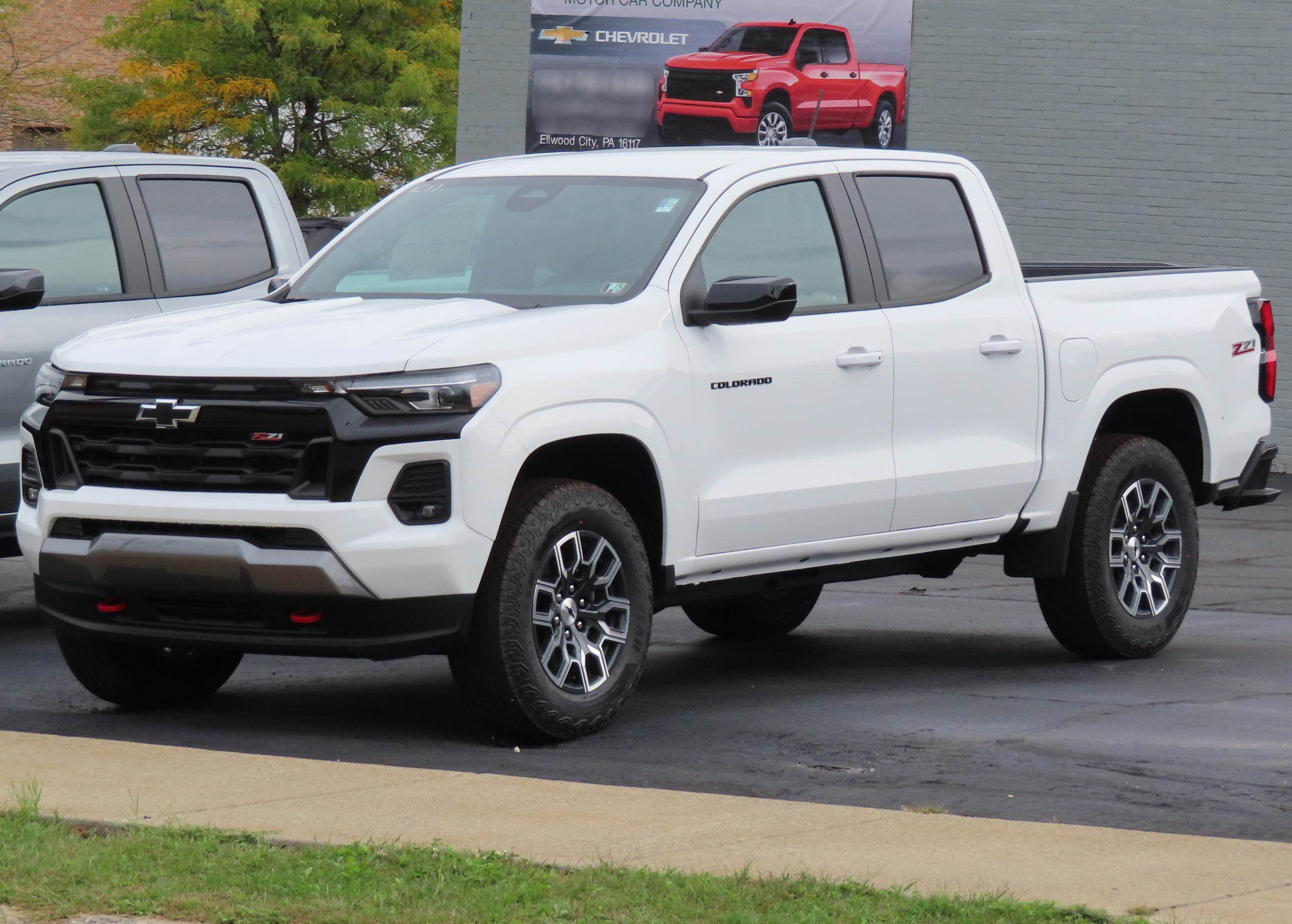
3. Chevrolet Colorado
The Chevrolet Colorado is a midsize truck that offers versatility and fuel efficiency, but it is not fully equipped to handle prolonged exposure to road salt. Unlike its larger sibling, the Silverado, the Colorado has a lighter frame and fewer corrosion-resistant protections on the underbody.
Repeated contact with road salt can lead to rust on the frame, suspension components, and brake lines, particularly in climates like St. Paul where winter roads are heavily treated. While the truck can handle light snow and ice with four-wheel-drive options, deeper snow accumulation or extended exposure to icy streets can challenge its traction and stability.
Colorado owners may find that regular maintenance and undercoating are essential to prevent long-term damage, making it less practical for northern winters compared with full-size trucks designed with corrosion protection as a priority.
The interior is comfortable and modern, often featuring heated seats and steering wheels on higher trims, but these features do not compensate for the truck’s reduced ground clearance and lighter chassis. On icy or slushy streets, the Colorado may experience more wheel spin or reduced stability compared with heavier trucks with reinforced frames.
While it performs well in mild winter conditions or short commutes, drivers in areas with heavy snowfall may find themselves facing increased risk of getting stuck or damaging undercarriage components due to snow accumulation and salt exposure. Traction systems can help, but they cannot fully mitigate the structural vulnerabilities inherent in a midsize, less rugged frame.
Maintenance for the Colorado is more demanding in northern climates. Road salt can corrode suspension components, exhaust systems, and the frame over time, making frequent washing, rust treatment, and inspections necessary.
Replacement parts are generally available, but repeated corrosion repairs can become costly and time-consuming. For drivers who do not maintain the truck meticulously during the winter, the Colorado may experience accelerated wear and reduced reliability compared with full-size trucks built to withstand severe weather.
However, for residents of St. Paul, where heavy snow and road salt are common, Colorado’s susceptibility to corrosion, lighter build, and lower clearance make it less reliable and more prone to maintenance issues during extended winter months. It is more of a truck for convenience and efficiency than for rigorous winter survival.
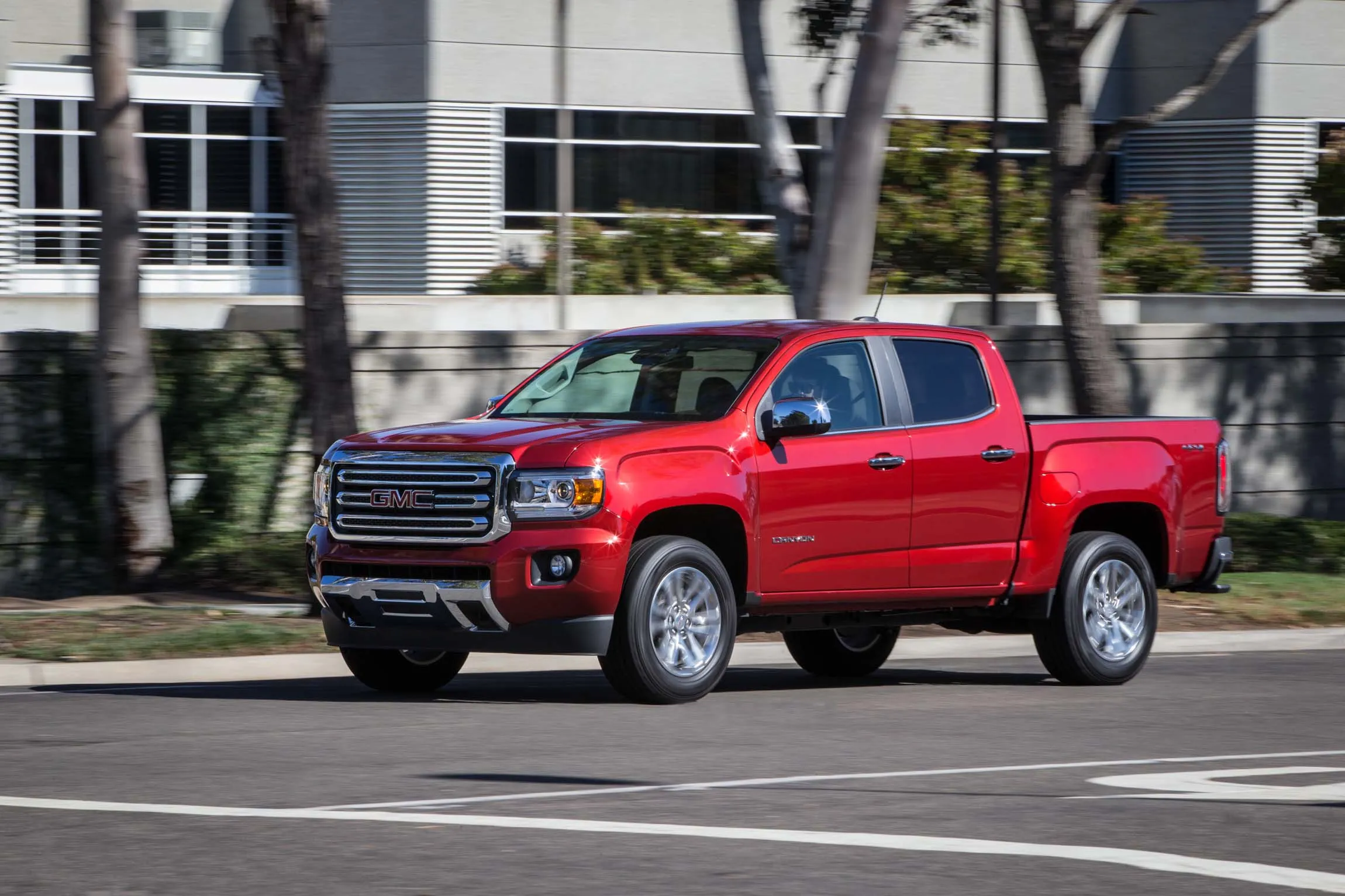
4. GMC Canyon
The GMC Canyon is closely related to the Chevrolet Colorado and shares many of its strengths and weaknesses. While it is a capable midsize truck with four-wheel-drive options and modern safety features, it is not designed to resist prolonged salt exposure.
The Canyon’s underbody lacks the extensive corrosion-resistant coatings found in full-size trucks, meaning suspension components, brake lines, and frame sections are more likely to develop rust over time.
In areas like St. Paul, where winter roads are heavily treated, this can lead to accelerated wear and structural deterioration if proper maintenance is not performed.
The truck can handle light snow and occasional icy conditions, but it struggles with deeper snow or prolonged exposure to heavily salted streets compared with larger, more rugged trucks.
Interior comfort is a highlight of the Canyon, featuring heated seats, heated steering wheels, and modern infotainment systems. However, comfort does not replace traction, stability, or structural durability when driving on icy roads.
The Canyon’s lower ground clearance and lighter frame make it more susceptible to getting stuck in unplowed areas, and traction control systems, while helpful, cannot fully compensate for physical limitations. Drivers may require winter tires or additional equipment to safely navigate northern winters.
Maintenance is more critical for the Canyon due to its susceptibility to corrosion. Frequent washing, underbody cleaning, and inspections are necessary to prevent rust from compromising the frame or suspension.
Over time, road salt can damage critical components and lead to expensive repairs, especially if preventive measures are not consistently applied. Parts are available, but corrosion damage can accumulate faster than in trucks designed specifically for harsh winter climates.
While the GMC Canyon offers comfort, efficiency, and moderate winter capability, it is not fully salt-proof. Northern climates like St. Paul pose long-term challenges for the vehicle, requiring careful maintenance and rust prevention.
Drivers seeking a durable, winter-ready truck may find the Canyon less reliable over multiple winters compared with heavier, corrosion-resistant alternatives.
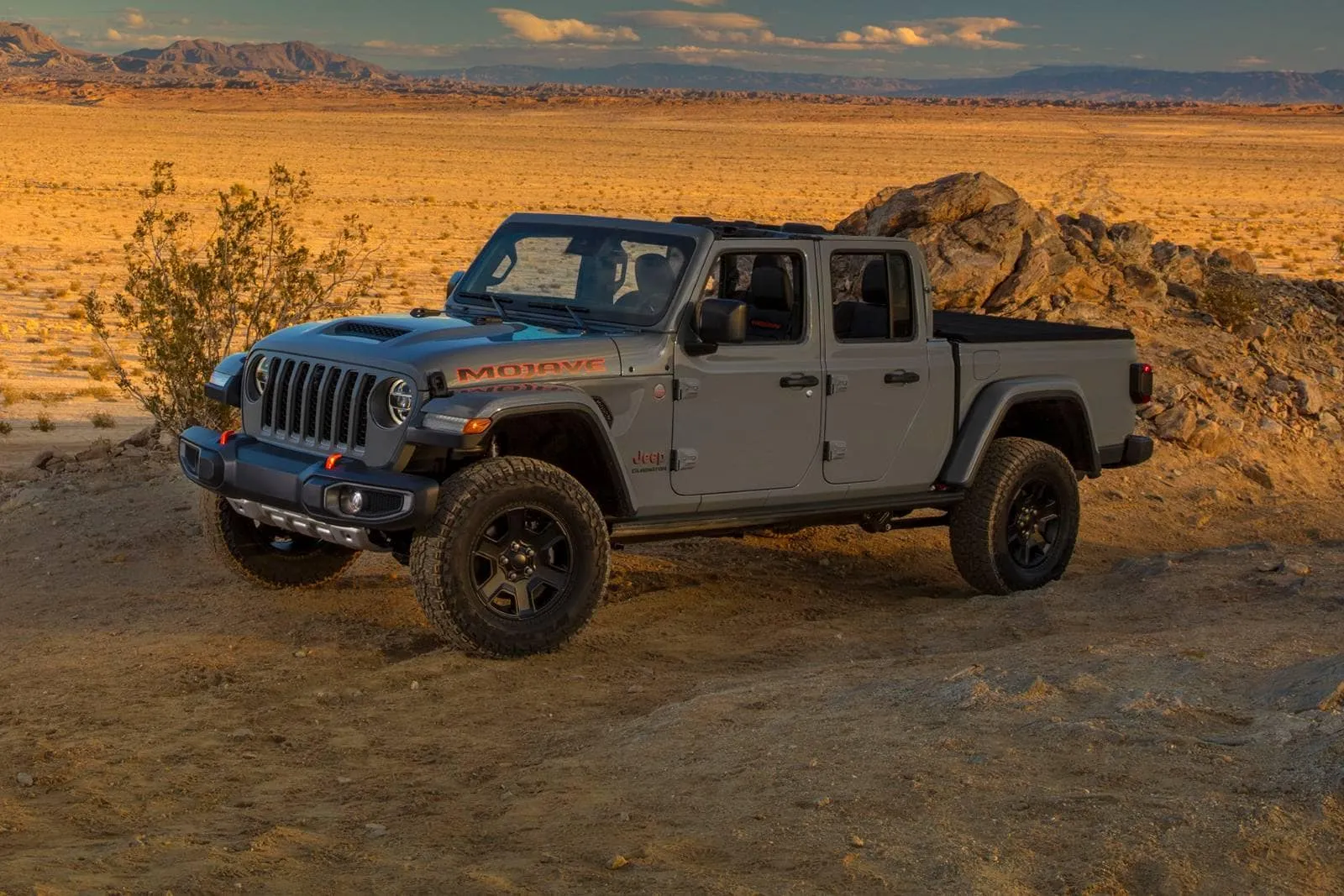
5. Jeep Gladiator
The Jeep Gladiator is a rugged-looking truck that emphasizes off-road performance, but when it comes to road salt and prolonged winter use, it has vulnerabilities.
While the Gladiator excels on trails and loose terrain, its exposed underbody components, frame joints, and suspension mounts are prone to corrosion when frequently exposed to road salt.
In northern climates like St. Paul, where roads are treated heavily throughout the winter, this can result in accelerated rust formation on critical components.
Its combination of a body-on-frame design and open wheel wells can trap salt and moisture, further increasing the risk of corrosion. Drivers may need to invest in undercoating or rust-proofing to protect the vehicle during prolonged winter use.
Despite its off-road capabilities, the Gladiator’s ground clearance and traction systems do not fully compensate for the effects of compacted snow or icy streets. On steep driveways, unplowed roads, or icy intersections, the truck may struggle to maintain stability compared with heavier trucks specifically designed for northern winter conditions.
Heated mirrors and seats are available, but these comfort features cannot prevent mechanical wear caused by prolonged exposure to salt or frozen slush. Winter tires can improve performance, but they do not address the underlying issue of corrosion vulnerability.
Maintenance for the Gladiator is essential in winter. Routine washing, underbody cleaning, and protective rust treatments help prolong the vehicle’s life, but these steps require consistent effort. Brake lines, suspension mounts, and frame sections are all susceptible to rust, and neglected maintenance can lead to expensive repairs.
Unlike trucks engineered for northern climates, corrosion on the Gladiator can progress faster and affect safety-critical components.
