
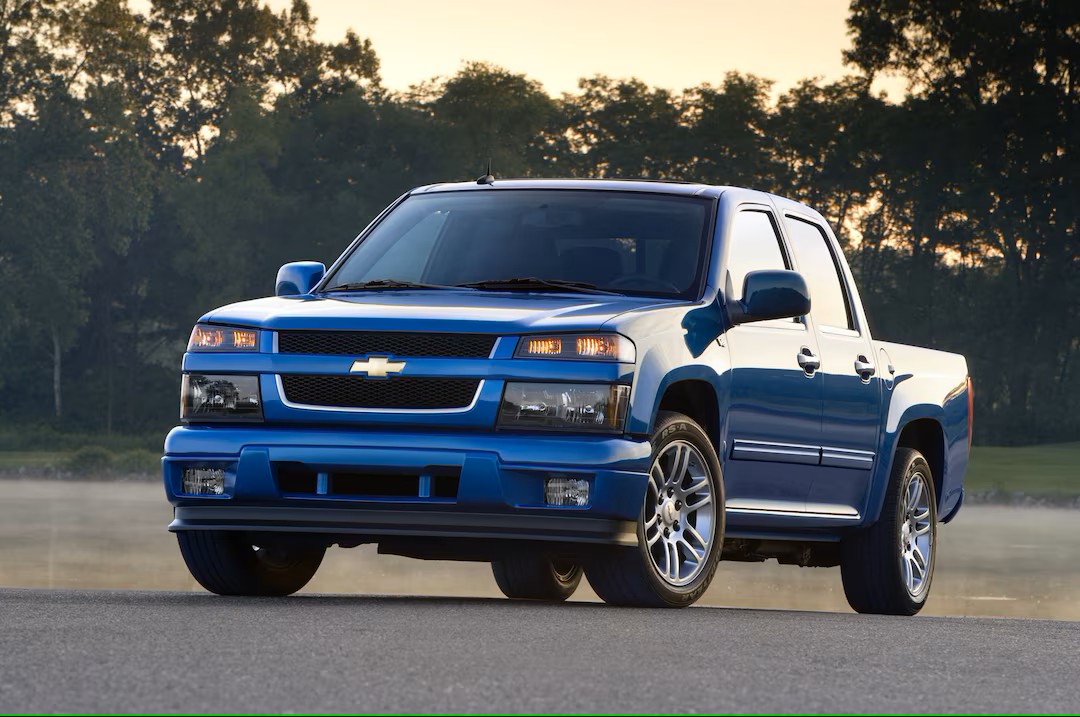
Finding the right truck as a budget-conscious buyer in Rochester can feel like navigating a maze. Trucks are often seen as reliable workhorses, capable of handling heavy loads, tough weather, and long trips, yet choosing one without overspending requires careful consideration.
Budget buyers are usually seeking trucks that balance affordability, dependability, and longevity while maintaining reasonable maintenance costs.
In Rochester, where winters can be harsh and roads can take a toll on vehicles, buyers must pay attention to trucks that offer durability and resilience without demanding extensive repairs. The challenge is not just finding a low-cost truck, but identifying a vehicle that provides confidence on the road for both work and personal use.
At the same time, buyers must be wary of trucks that seem appealing on the surface but conceal significant issues. Some vehicles may have lower purchase prices yet come with hidden problems such as engine trouble, rust, suspension wear, or electrical malfunctions.
These issues can turn a seemingly affordable truck into a financial burden almost immediately after purchase. Recognizing which models have reputations for hiding problems and understanding their warning signs can prevent costly mistakes.
Knowledge of a truck’s history, careful inspection, and attention to common problem areas can help buyers avoid trucks that appear to be bargains but are actually traps for the uninformed.
This guide highlights trucks that are particularly suitable for budget buyers in Rochester while also identifying models that have a tendency to conceal issues. By presenting both categories, the goal is to equip buyers with information that allows them to make confident choices.
The trucks listed for budget buyers combine reliability, availability of parts, and a strong community reputation, making them practical selections for local roads and weather conditions.
Conversely, trucks known to hide issues are vehicles that demand extra scrutiny; they may appear affordable, but can quickly become problematic.
Understanding the differences between these two groups can help buyers protect their investment, reduce maintenance headaches, and enjoy a dependable driving experience.
The following sections break down these two categories, offering insights into specific truck models, their strengths, weaknesses, and the considerations buyers should make before committing to a purchase.
Whether seeking a work-ready truck that can endure Rochester’s climate or avoiding a vehicle with hidden pitfalls, this guide is designed to provide clarity, guidance, and actionable knowledge for budget-conscious truck buyers.
5 Trucks That Aren’t Salt-Proof
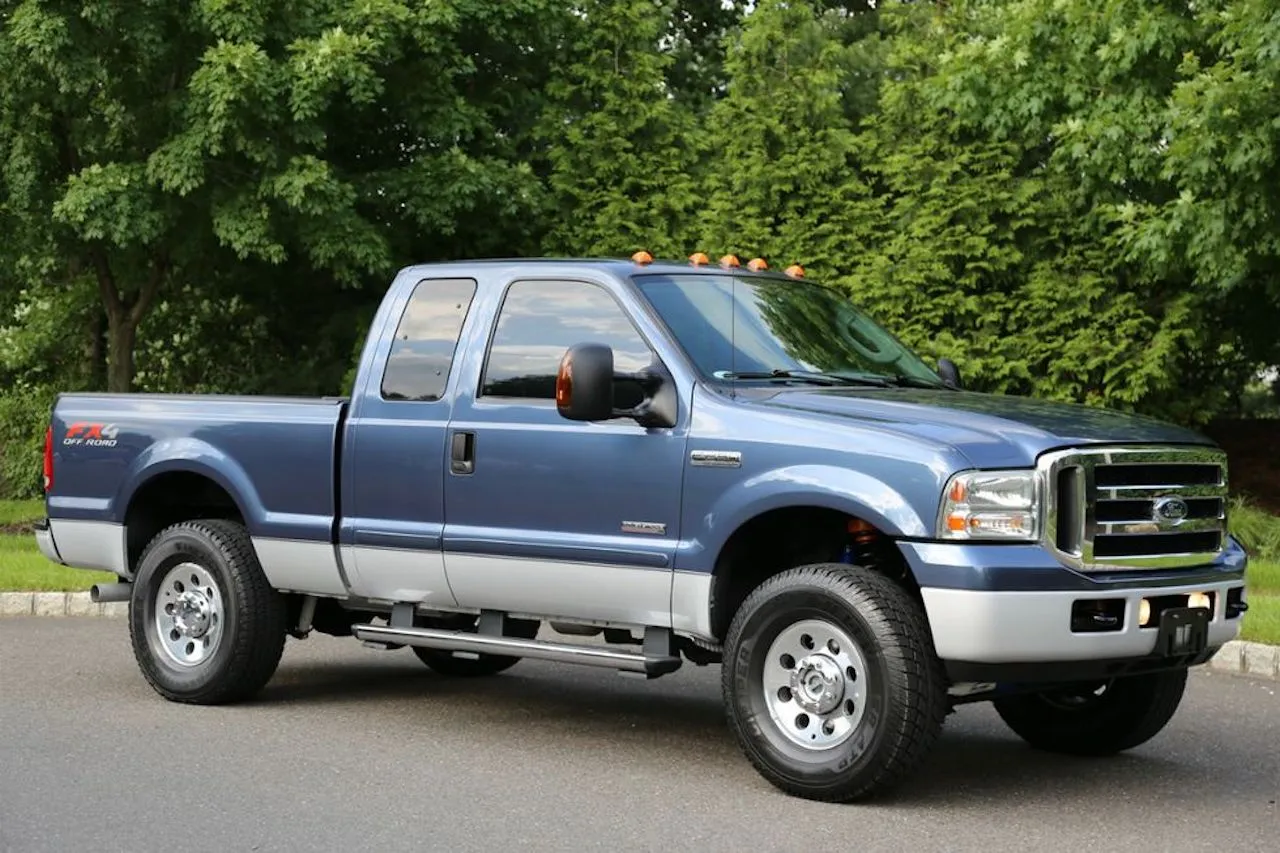
1. Ford F-250 (Super Duty Early 2000s)
The Ford F-250 Super Duty is widely recognized for its heavy-duty performance, yet early 2000s models have vulnerabilities, particularly regarding corrosion and hidden mechanical problems. Many trucks in this range look structurally solid at first glance, but extensive rust can develop on critical areas such as frame rails, suspension mounts, and brake lines.
In northern regions like Rochester, where road salt is heavily used during winter months, this corrosion can accelerate rapidly, compromising safety and structural integrity over time.
Buyers who only perform a cursory visual inspection may miss these concealed areas, assuming the truck is in good condition because the paint and body panels appear intact.
Mechanical issues can also lurk beneath the surface. The turbo diesel engines in some F-250s are known for their durability, but neglect or inconsistent maintenance can lead to problems with fuel injectors, turbo components, or the high-pressure fuel system.
Transmission concerns, including hard shifts or slipping under load, may not present themselves during a short test drive, especially if the truck is unladen.
Electrical wiring harnesses can also degrade quietly over time, creating intermittent failures in lighting, gauges, or engine sensors. These problems are often only revealed under heavier loads or extreme weather conditions, which is when the true cost of ownership begins to appear.
Suspension wear is another issue that can remain hidden for months. Trucks may appear stable during casual city driving but develop uneven tire wear, sagging, or excessive body roll when carrying payloads or towing.
Rust can weaken suspension mounts and control arms, increasing the risk of failure in winter conditions or when the truck is fully loaded.
For budget buyers hoping to find a seemingly solid truck at a reasonable price, the F-250 presents a cautionary tale: exterior appearances are often deceptive, and failure to investigate thoroughly can result in expensive repairs that erase any initial savings.
Potential buyers need to exercise significant diligence. A trusted mechanic should inspect frame integrity, suspension components, and undercarriage rust, while a review of maintenance records is essential for engines, transmissions, and diesel-specific components.
Without careful attention, a truck that seems capable of handling heavy work can quickly become a financial burden. The F-250 Super Duty offers strength and capability, but its vulnerability to salt-related corrosion and hidden mechanical issues makes it a risky option for those unprepared to investigate thoroughly.
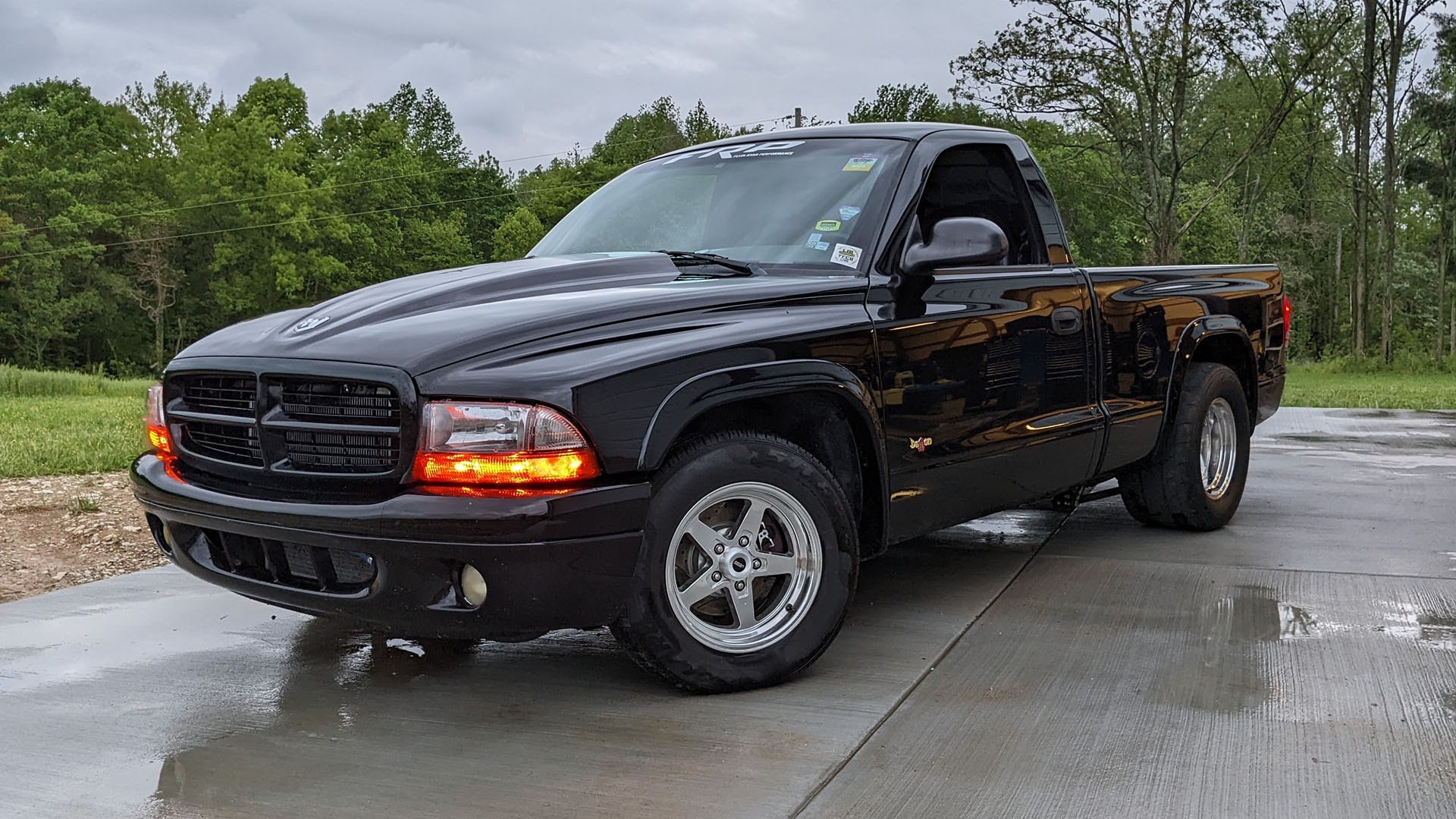
2. Dodge Dakota (Late 1990s to Early 2000s)
The Dodge Dakota is a midsize truck that often hides corrosion and mechanical wear in plain sight. Older models can appear inexpensive and well-maintained on the exterior, yet the undercarriage frequently suffers from rust, especially in regions where roads are treated with salt during winter.
Areas such as the frame, suspension components, wheel wells, and the bed floor are particularly susceptible, and this hidden corrosion can compromise both safety and towing capacity. Even a Dakota that seems structurally sound may have weakened suspension mounts or brake lines, creating hidden hazards that only emerge after months of use in snowy or icy conditions.
Mechanical concerns are also common. Rear suspension components and ball joints may wear prematurely, causing uneven tire wear, poor handling, and vibration issues. Electrical systems in older Dakotas often show intermittent faults, from dashboard gauge errors to ignition and lighting malfunctions.
These issues may not be apparent during a brief test drive, giving the false impression that the truck is fully operational.
Engine and transmission problems can also develop silently; an older V6 or V8 may have internal wear that only becomes noticeable under heavy load, potentially leaving a buyer facing expensive repairs shortly after purchase.
Fuel system problems are another hidden factor. Failing fuel pumps, clogged injectors, or minor leaks can slowly degrade performance while remaining difficult to detect in casual driving. Rust and corrosion can worsen these issues by affecting fuel lines and connections, making the truck unreliable in extreme weather or when carrying heavier loads.
Interior wear can also hide underlying issues; seat frames, controls, and switches may show damage that reflects more extensive neglect elsewhere. Buyers who fail to inspect carefully often discover these latent problems too late, when repair costs are high and difficult to avoid.
Diligent inspection is essential when considering a Dodge Dakota. Checking suspension wear, undercarriage rust, fuel system integrity, and electrical functionality can reveal problems that are otherwise invisible.
Consulting a professional mechanic familiar with Dakotas is advisable, as many issues require specialized knowledge to identify. While the Dakota can be a capable truck in the right circumstances, its susceptibility to rust and concealed mechanical wear makes it a vehicle that requires extra caution for any buyer who wants to avoid costly surprises.
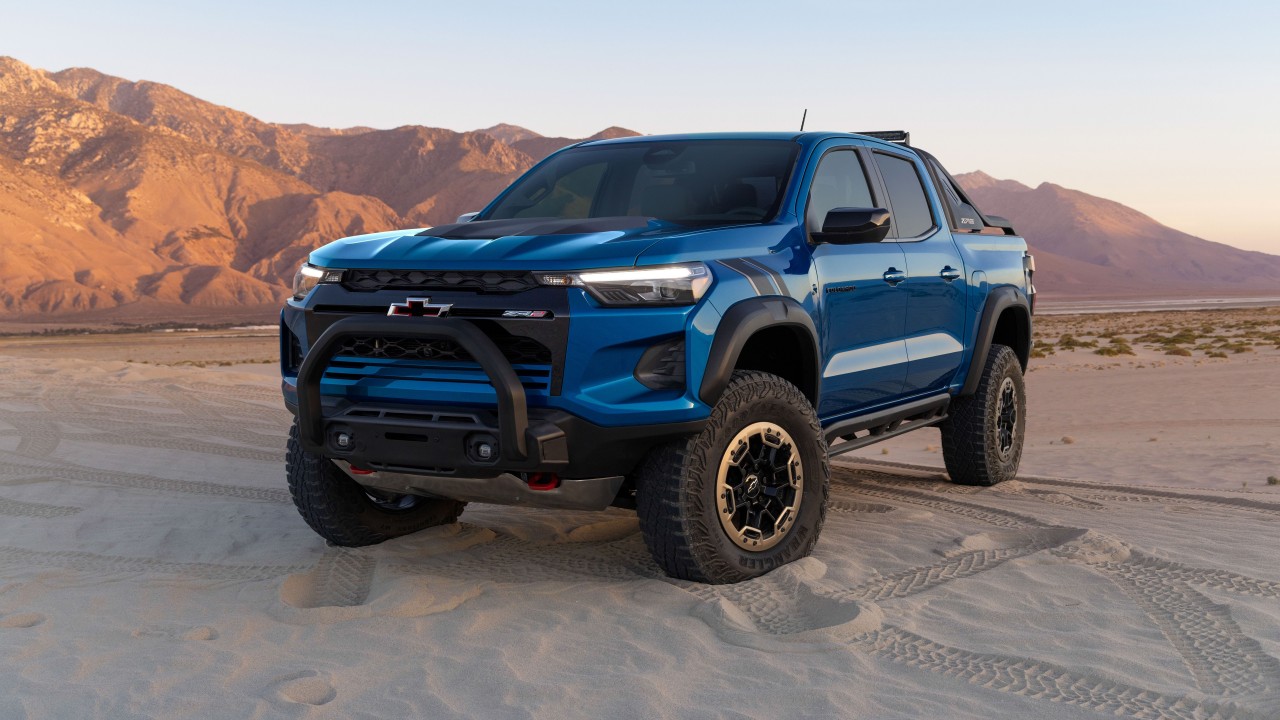
3. Chevrolet Colorado (Early 2000s)
The Chevrolet Colorado is a compact truck that, while affordable and seemingly dependable, hides a number of issues that can escalate rapidly. Many early 2000s models experience corrosion on the frame, suspension, and undercarriage components, particularly in areas where salt is applied to roads.
Rust can form in hard-to-see places, including control arm mounts, crossmembers, and brake lines. Buyers may focus on the exterior body panels, which can appear clean and well-kept, while structural integrity is quietly deteriorating underneath. Over time, this corrosion can compromise both safety and towing ability, making it one of the trickiest issues to assess without a thorough inspection.
Mechanical problems also appear more frequently than buyers expect. Engine oil leaks, timing chain wear, and intermittent transmission issues are common in these trucks, yet they are often concealed during casual observation.
A Colorado may start and run fine during a brief test drive but exhibit problems under sustained load or on hilly terrain. Suspension and steering wear can also remain hidden; the compact truck’s smaller size can mask uneven tire wear, loose control arms, or worn bushings until the vehicle is stressed under heavier payloads.
Electrical issues add another layer of hidden concern. Sensors may fail intermittently, warning lights may appear sporadically, and dashboard gauges can malfunction without an obvious cause. Minor electrical faults can develop into significant expenses, especially when they affect engine management or braking systems.
Rust and corrosion worsen these problems by affecting wiring harnesses, connectors, and other sensitive components. For buyers relying solely on a visual inspection, the Colorado can seem like a great bargain while silently harboring costly defects.
For budget-conscious buyers, a careful, professional inspection is essential. Reviewing maintenance records, checking for hidden rust, and evaluating engine, transmission, and suspension health are critical steps.
Neglecting these areas may result in a truck that appears reliable but quickly becomes a source of ongoing maintenance costs. While the Colorado is practical in many ways, its vulnerability to salt-related damage and hidden mechanical wear means extra caution is necessary to ensure a wise purchase.
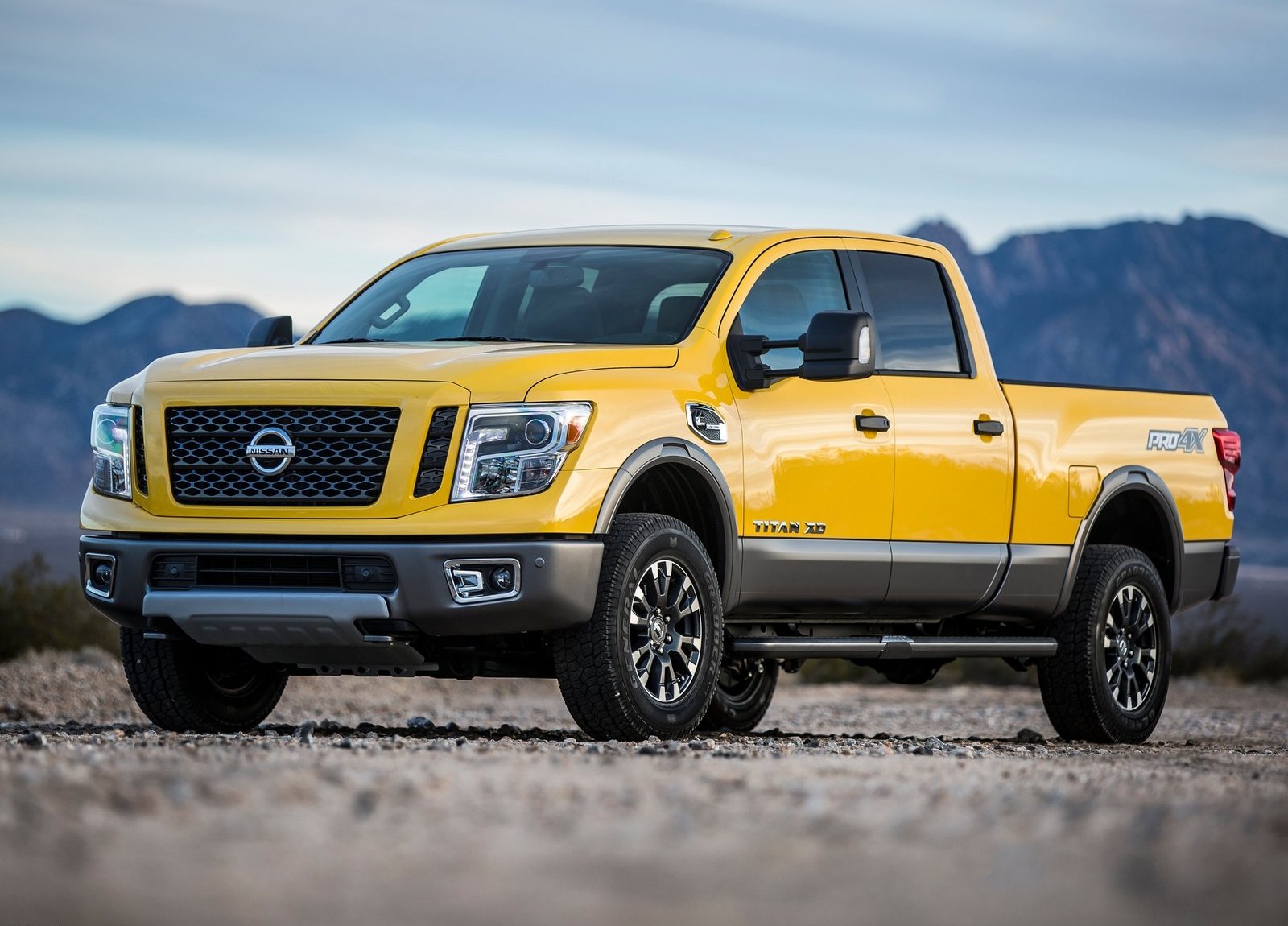
4. Nissan Titan (Mid-2000s)
The Nissan Titan, introduced as a full-size alternative to American trucks, hides a number of problems that can be amplified by harsh weather and road salt. Early models often exhibit premature brake wear, corrosion on frame components, and hidden engine oil leaks.
These trucks are built to handle heavy loads, yet even modest exposure to winter salt can accelerate rust on suspension mounts, brake lines, and the undercarriage. Buyers may focus on the surface condition, overlooking critical areas that compromise long-term durability and safety.
Mechanical vulnerabilities extend beyond visible rust. Engine oil consumption and timing chain wear are common issues that may remain unnoticed until the truck is under heavy use or towing a trailer.
Transmission irregularities, such as delayed engagement or slipping, often emerge gradually and can be missed during a casual test drive. Suspension components can be stressed in trucks that regularly carry weight, and minor corrosion may weaken mounts and control arms, creating hidden risks that are expensive to repair once discovered.
Electrical problems are also an area of concern. Intermittent failures in sensors, dashboard electronics, or lighting may not be immediately obvious but can progressively worsen, leading to unreliable performance or warning lights.
Even minor issues, when combined with salt exposure and mechanical stress, can compound into more serious and costly repairs. Interior components, including seat mechanisms and control switches, can also show hidden wear that signals broader neglect, impacting long-term reliability.
Prospective buyers need a thorough inspection when considering a Titan. Evaluating undercarriage rust, suspension integrity, brake and transmission health, and engine performance is essential.
Without these precautions, what seems like a capable and reliable truck can quickly become a vehicle that demands frequent and costly maintenance. Awareness of these hidden vulnerabilities is key to making a well-informed purchase.
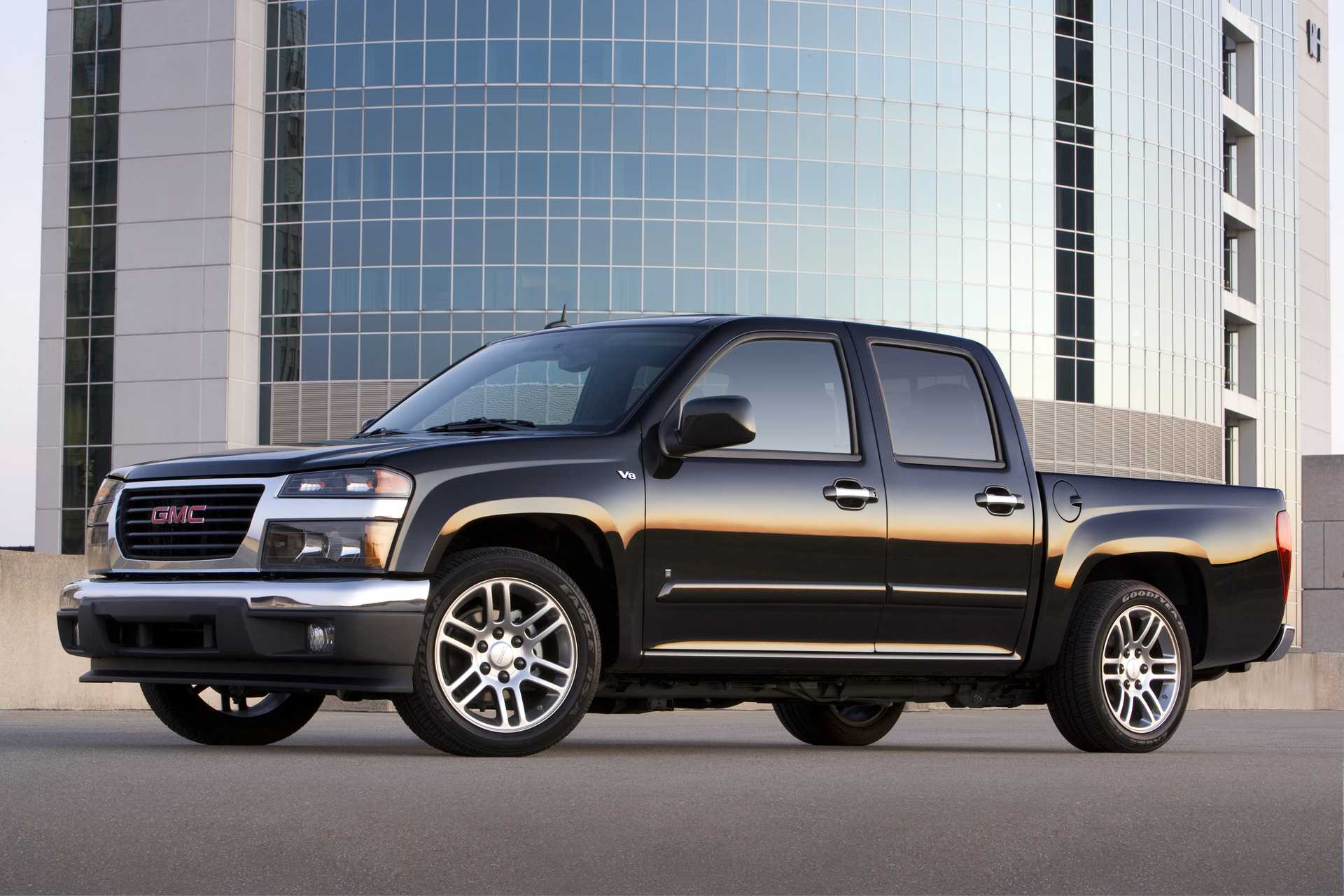
5. GMC Canyon (Early 2000s)
The GMC Canyon is a compact pickup that often masks hidden issues under a clean exterior. Rust is one of the most common problems, particularly on the frame rails, suspension mounts, and undercarriage.
Exposure to road salt, snow, and ice can accelerate corrosion, creating structural weaknesses that are not apparent from a casual visual inspection. Buyers may be drawn to the Canyon’s low price and seemingly well-maintained body panels, unaware of significant hidden damage that could affect handling, safety, and longevity.
Mechanical concerns also remain hidden in many models. Transmission and engine problems, such as slipping gears, fluid leaks, and timing chain wear, often emerge gradually, allowing a truck to appear functional while harboring serious issues.
Suspension components, steering linkages, and bushings may be stressed or corroded, creating uneven tire wear and reduced stability that only become noticeable when the truck is loaded or driven over uneven terrain. Minor problems can escalate into expensive repairs if not addressed promptly.
Electrical and interior components can also conceal hidden defects. Wiring harnesses may deteriorate, causing intermittent lighting or sensor failures, while seats, switches, and control mechanisms may have unseen damage that signals broader neglect.
These concealed issues, combined with the truck’s vulnerability to corrosion, make the GMC Canyon a vehicle that requires careful evaluation and professional inspection before purchase.
For buyers in areas with harsh winters, reviewing service records, inspecting for rust, and performing a detailed mechanical evaluation are crucial.
A truck that looks affordable and mechanically sound may harbor hidden issues that quickly lead to costly repairs. Understanding the Canyon’s susceptibility to salt-related damage and concealed wear ensures that buyers make informed decisions and avoid vehicles that appear reliable but are prone to problems.
5 Trucks That Hide Issues
1. Ford F-250 (Super Duty Early 2000s)
The Ford F-250 Super Duty is widely praised for its heavy-duty capabilities, yet early 2000s models are notorious for hiding multiple issues that often only appear after purchase.
Many trucks seem structurally sound, with clean exteriors and straight body panels, but rust frequently develops on critical areas such as the frame rails, suspension mounts, brake lines, and undercarriage components. In regions like Rochester, where road salt is used heavily during winter, this corrosion accelerates quickly, weakening structural integrity and creating serious safety risks.
Buyers may overlook these hidden rust problems because they are not immediately visible without lifting the truck or removing protective covers, making it easy to assume the vehicle is in good condition when it is not.
Mechanical issues add another layer of concern. Diesel engines, particularly the turbocharged variants, can develop problems with fuel injectors, turbo components, and high-pressure fuel systems if maintenance has been inconsistent.
Transmission issues, such as slipping, hard shifting, or delayed engagement, often only become noticeable under heavy loads or when towing. These problems can remain hidden during a casual test drive, giving the false impression that the truck is reliable.
Electrical issues, including degrading wiring harnesses, faulty sensors, and malfunctioning gauges, can also emerge gradually, creating frustrating and costly problems that are difficult to trace.
The suspension is another area that requires careful attention. On the surface, the truck may drive smoothly on flat roads, but suspension components like control arms, ball joints, and bushings can show hidden wear or stress.
Rust and corrosion can exacerbate these problems, weakening mounting points and leading to uneven tire wear, compromised handling, or even sudden component failure under heavy loads. For buyers hoping to find a capable truck at an affordable price, overlooking these hidden issues can quickly turn a seemingly solid F-250 into a financial burden that exceeds the initial purchase cost.
To protect against these risks, buyers must take extra precautions. A thorough inspection by a mechanic experienced with Ford Super Duty trucks is essential, particularly to assess the frame, suspension, undercarriage, and drivetrain.
Reviewing detailed maintenance records, especially for diesel trucks, can reveal whether the engine and transmission have been cared for properly. Without this diligence, a buyer may encounter unexpected and expensive repairs that overshadow the perceived value of the truck.
While the F-250 Super Duty offers immense capability and strength, it is also a vehicle where hidden problems are common, making informed inspections and careful consideration critical for any potential owner.
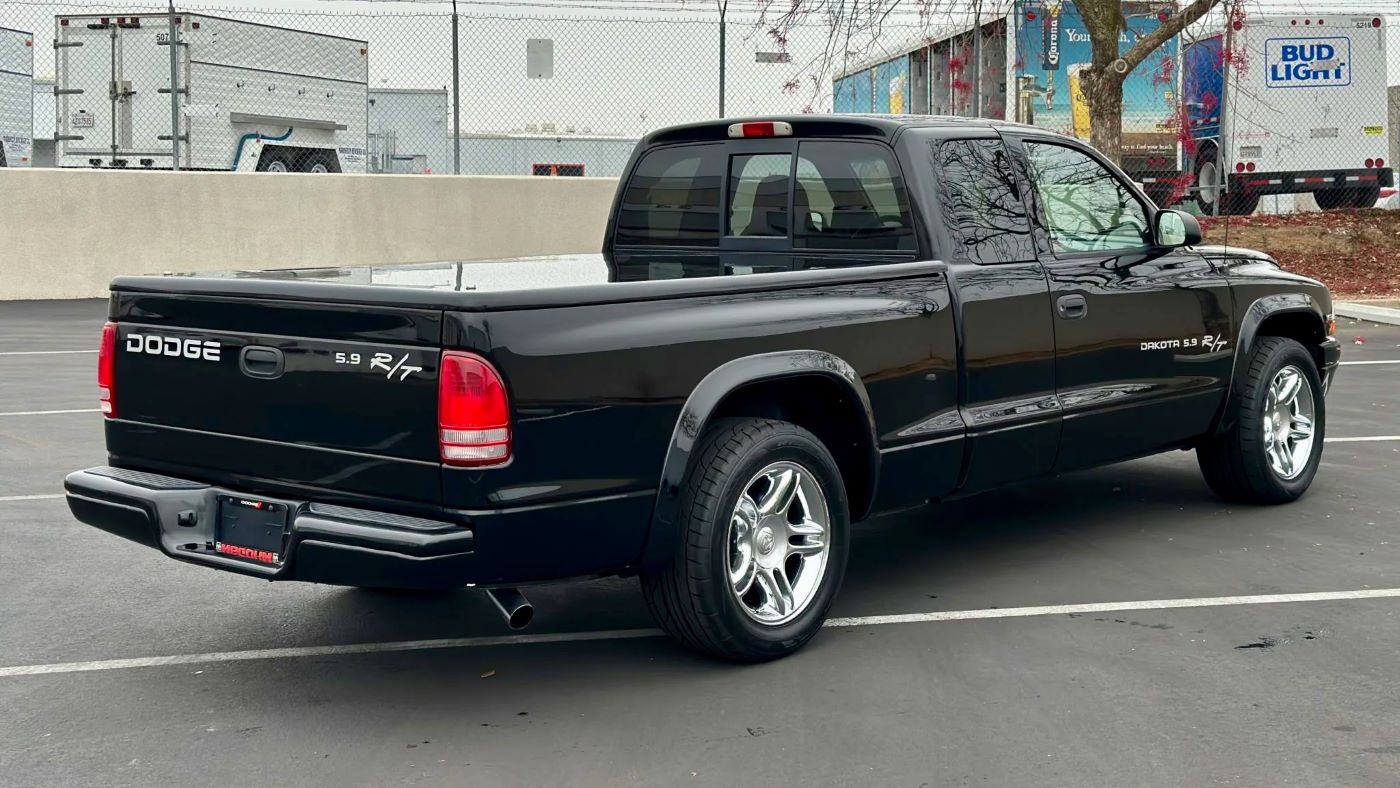
2. Dodge Dakota (Late 1990s to Early 2000s)
The Dodge Dakota is a midsize truck that frequently hides issues beneath a deceptively clean exterior. Rust is a common problem, especially in regions where road salt is used extensively. The undercarriage, suspension components, and frame mounts are particularly vulnerable, and damage in these areas is often hidden by body panels or cosmetic covers.
Even trucks that appear well-maintained on the surface may have weakened suspension mounts or brake lines, creating serious safety concerns that are not obvious during a brief visual inspection. In cold-weather climates like Rochester, this rust can progress quickly, reducing structural integrity and making what seems like a good deal into a costly mistake.
Mechanical problems are also frequently concealed. The rear suspension and ball joints can wear prematurely, leading to uneven tire wear, vibrations, or poor handling that may not be evident on a short test drive. Electrical systems are another weak point in older Dakotas.
Intermittent issues with dashboard gauges, lighting, or ignition components can be difficult to detect until the vehicle is used more extensively. Engine and transmission wear, such as internal oil leaks or clutch problems, may remain unnoticed until the truck is carrying heavy loads, further compounding repair costs.
Fuel system problems add layer of hidden risk. Fuel pumps, clogged injectors, or minor leaks may quietly reduce performance over time, and rust can accelerate these failures by corroding lines or connectors.
Even interior wear, including seat frames and control mechanisms, can indicate neglect that extends to more critical mechanical systems. These hidden problems are often overlooked by buyers attracted to the truck’s low price, only to become expensive issues soon after purchase.
For anyone considering a Dodge Dakota, professional inspection is essential. Mechanics should check the suspension, fuel system, electrical components, and frame integrity, while buyers should also review detailed maintenance history to uncover patterns of neglect or recurring issues.
Without these precautions, this truck may appear to be a budget-friendly option, but hidden issues can quickly transform it into a source of unexpected repairs, reduced safety, and diminished reliability.
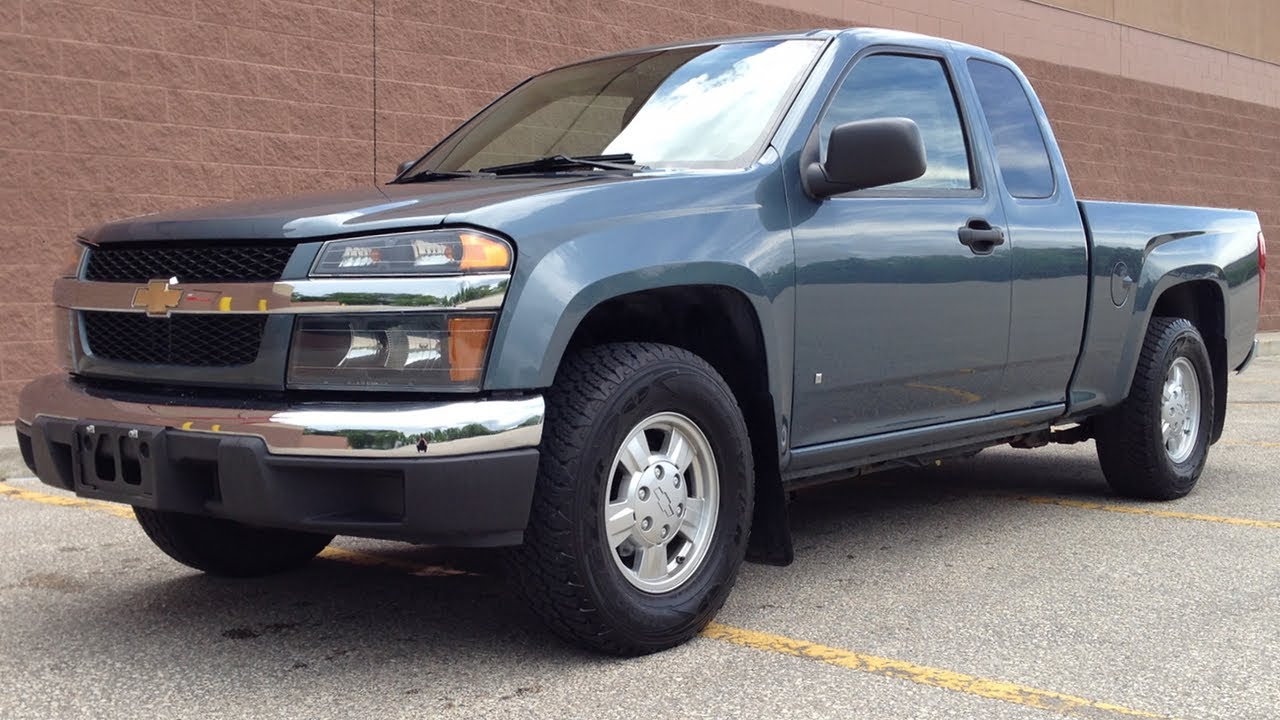
3. Chevrolet Colorado (Early 2000s)
The Chevrolet Colorado is a compact truck that appears affordable and reliable at first glance, but early 2000s models are known to hide several issues. Rust can develop in hard-to-see areas, including the frame rails, suspension mounts, brake lines, and crossmembers.
In northern climates, exposure to road salt accelerates corrosion, undermining the truck’s structural integrity even when the exterior body looks clean.
Buyers may focus on visible parts of the truck, missing hidden corrosion that compromises safety, handling, and towing capacity, all of which can become serious problems over time.
Electrical faults are another hidden concern. Sensors, warning lights, and dashboard gauges may fail intermittently, making troubleshooting difficult.
Rust can exacerbate these problems by corroding wiring harnesses, connectors, and control modules, leading to unexpected failures. Interior wear, including damaged seat frames and control mechanisms, may indicate that the truck has been heavily used or poorly maintained, signaling potential hidden issues in other systems.
For buyers seeking a Chevrolet Colorado, a thorough inspection is vital. Professional evaluation of the undercarriage, frame, suspension, engine, transmission, and electrical systems can reveal problems that are not immediately apparent.
Reviewing service history and checking for rust or water damage can also prevent surprises. While the Colorado offers compact size and versatility, early models’ tendency to hide mechanical and structural issues makes careful evaluation essential to avoid expensive repair costs and safety risks.
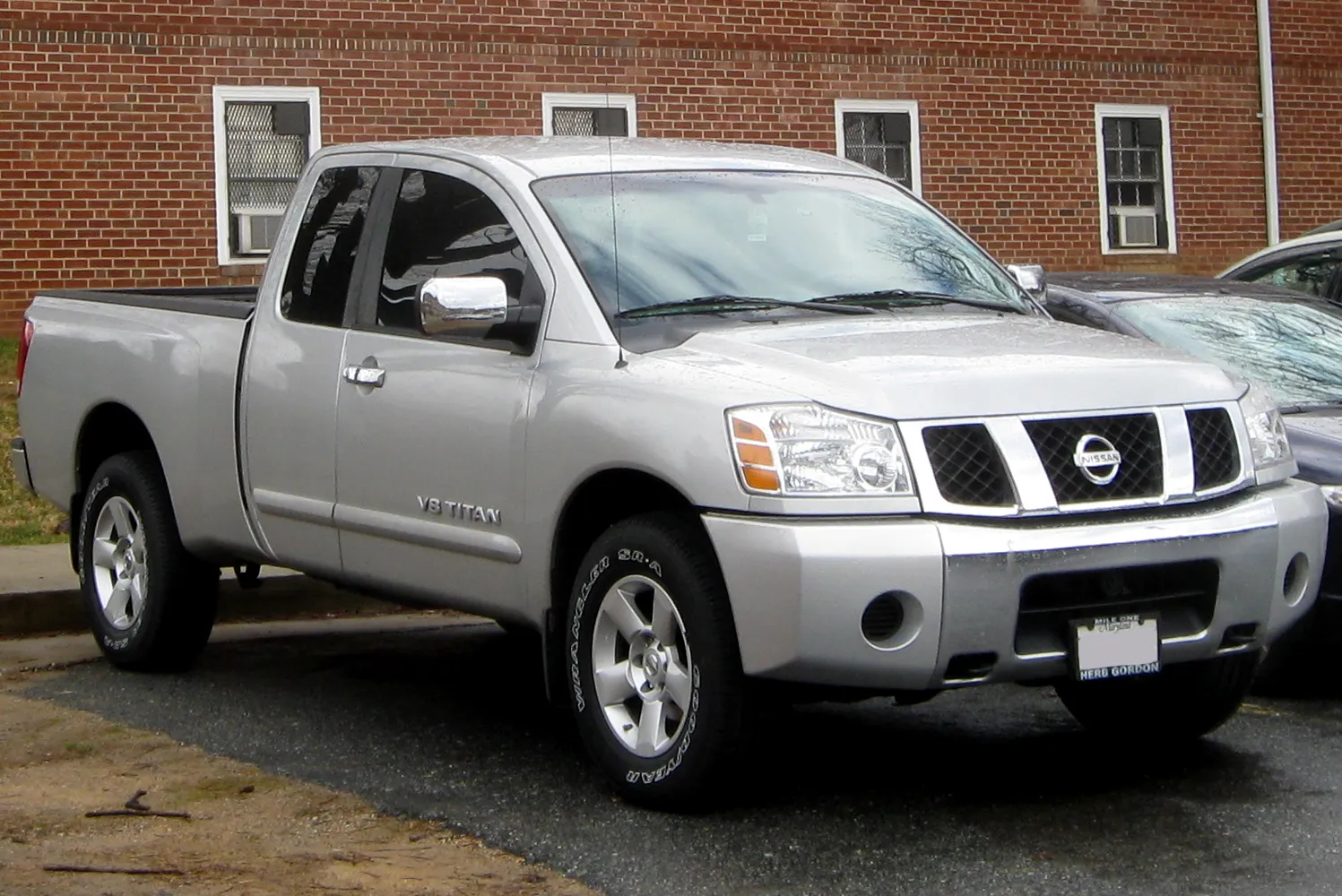
4. Nissan Titan (Mid-2000s)
The Nissan Titan, though marketed as a reliable full-size truck, hides a variety of issues that are especially concerning in winter climates. Rust and corrosion affect frame components, suspension mounts, and brake lines, particularly in regions where road salt is common.
These problems may not be apparent during a casual inspection, as the exterior body can appear clean and intact.
Buyers who fail to inspect the undercarriage carefully may underestimate the extent of corrosion, which can compromise structural integrity and create safety risks when towing or hauling.
Electrical systems in the Titan can also be problematic. Intermittent sensor failures, dashboard electronics malfunctions, and lighting issues may not be immediately apparent, but they often grow worse with age.
Interior wear, including faulty seat adjustments, cracked control panels, or failing switches, can indicate broader maintenance neglect. While these issues might appear minor at first, they can contribute to larger repair costs, particularly if ignored.
To avoid costly mistakes, buyers should conduct a detailed inspection with attention to rust, suspension integrity, brakes, engine and transmission performance, and electrical functionality.
Service history and maintenance records are equally important for identifying recurring issues or previous neglect. Without these precautions, a Nissan Titan can appear to be a reliable truck, but hidden corrosion, mechanical wear, and electrical problems can create an expensive and frustrating ownership experience.
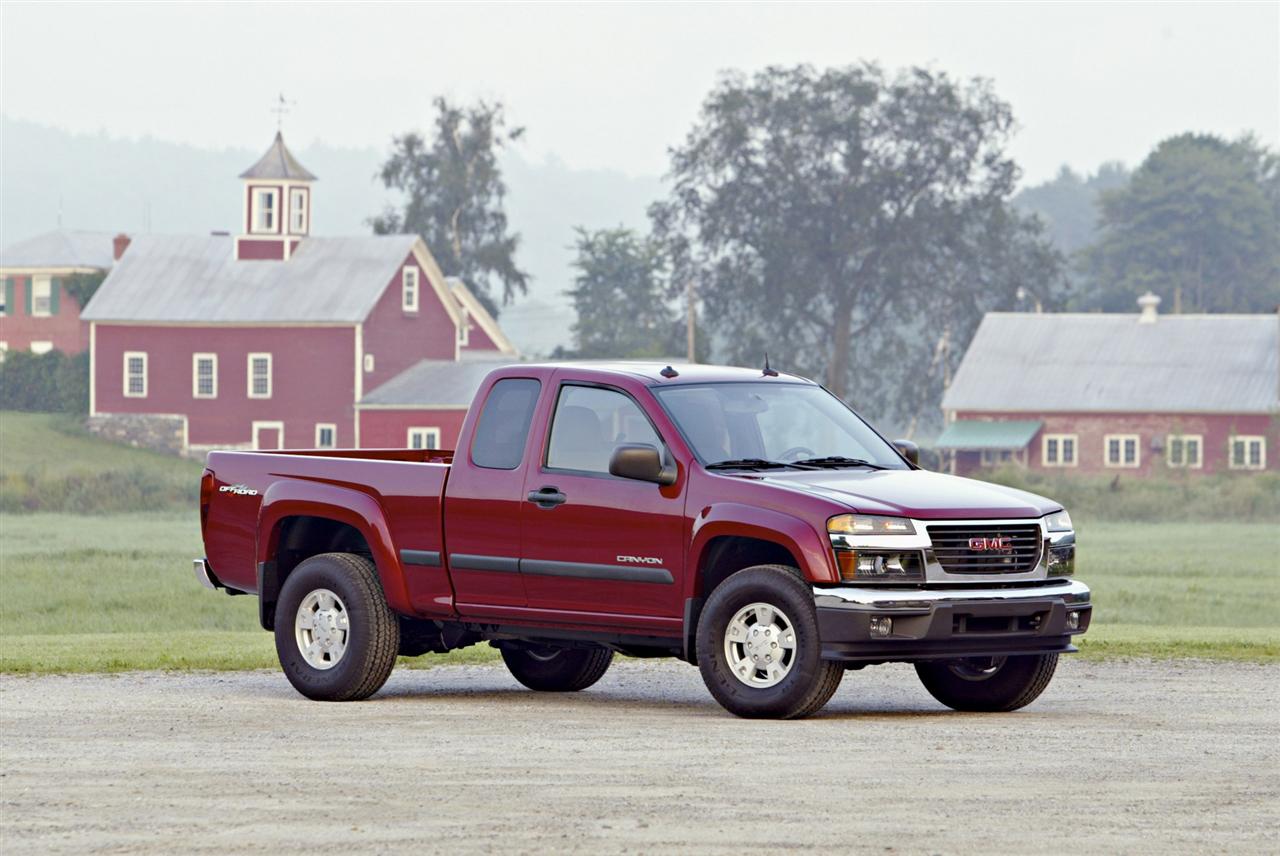
5. GMC Canyon (Early 2000s)
The GMC Canyon is a compact pickup that frequently conceals structural and mechanical issues under a clean exterior. Rust is a particularly insidious problem, affecting frame rails, suspension mounts, brake lines, and the undercarriage.
Northern climates and road salt accelerate this corrosion, which may be completely hidden beneath protective coatings, underbody panels, or cosmetic repairs.
A truck that looks well-maintained on the outside can harbor serious safety risks if these hidden areas are not inspected thoroughly.
Electrical and interior components add another layer of hidden risk. Wiring harnesses may deteriorate over time, causing intermittent failures in lights, sensors, or engine management systems.
Seat frames, controls, and switches may show wear that signals broader neglect, suggesting potential problems with other components. Buyers who ignore these warning signs often encounter expensive repairs shortly after purchase.
Thorough inspection, including undercarriage evaluation, suspension checks, and mechanical assessment, is critical for anyone considering a GMC Canyon. Reviewing service history and checking for previous rust treatment or repairs can also help identify hidden problems.
Without this due diligence, buyers may be drawn to a truck that appears affordable and mechanically sound but conceals significant issues that could result in costly repairs, safety concerns, and reduced reliability.
