
Muscle cars have always held a special place in automotive history, representing raw power, style, and a certain rebellious charm that appeals to enthusiasts of all ages. In 2025, the fascination with discovering hidden gems has only intensified, as collectors and hobbyists hunt for vehicles that time forgot.
Barn finds, the term used to describe cars found in old garages, barns, or storage facilities, have become particularly desirable because they often retain original parts and paint, offering a rare glimpse into the past. Unlike meticulously restored vehicles, these cars carry the authenticity of decades of use, neglect, and, occasionally, serendipity. They tell stories not just of engineering but of personal histories and cultural eras.
This year has been remarkable for the variety and quality of barn finds uncovered. From classic American muscle icons of the late 1960s to the high-performance beasts of the early 1970s, each discovery has generated excitement in the collector community.
Enthusiasts are drawn not just to the monetary value but to the opportunity to preserve a piece of automotive heritage. The thrill of seeing a once-forgotten car emerge from dusty storage, sometimes in surprisingly good condition, connects the modern world with a time when horsepower, style, and mechanical ingenuity defined an era.
The process of finding these cars often involves research, luck, and keen observation, making every barn find a story of discovery in itself.
The barn finds of 2025 reveal trends in both preservation and collector interest. Cars that were considered mundane or even undesirable in their own time are now celebrated for originality and rarity. Many have retained factory specifications that modern restorations often struggle to reproduce, from untouched engines to intact interior materials.
As a result, the value of these finds is not merely financial; it is historical and emotional. Each car represents a chapter in the broader narrative of American automotive culture, where innovation met style, and engineering met expression. The stories behind the owners, the places these vehicles were stored, and the conditions in which they were preserved provide a fascinating window into the past.
Beyond nostalgia, barn finds highlight the ingenuity and resilience of automotive design. The fact that some vehicles survived decades in less-than-ideal conditions speaks to the durability of classic muscle cars.
Enthusiasts and collectors now seek these cars not only for restoration but also as symbols of endurance, representing a mechanical era that valued craftsmanship and performance over digital sophistication.
As the following examples illustrate, the best barn finds of 2025 span a variety of models and histories, each offering unique insight into the evolution of muscle cars. From rare factory options to unusual color schemes, the list captures the essence of discovery, surprise, and preservation, making it an unforgettable year for collectors.
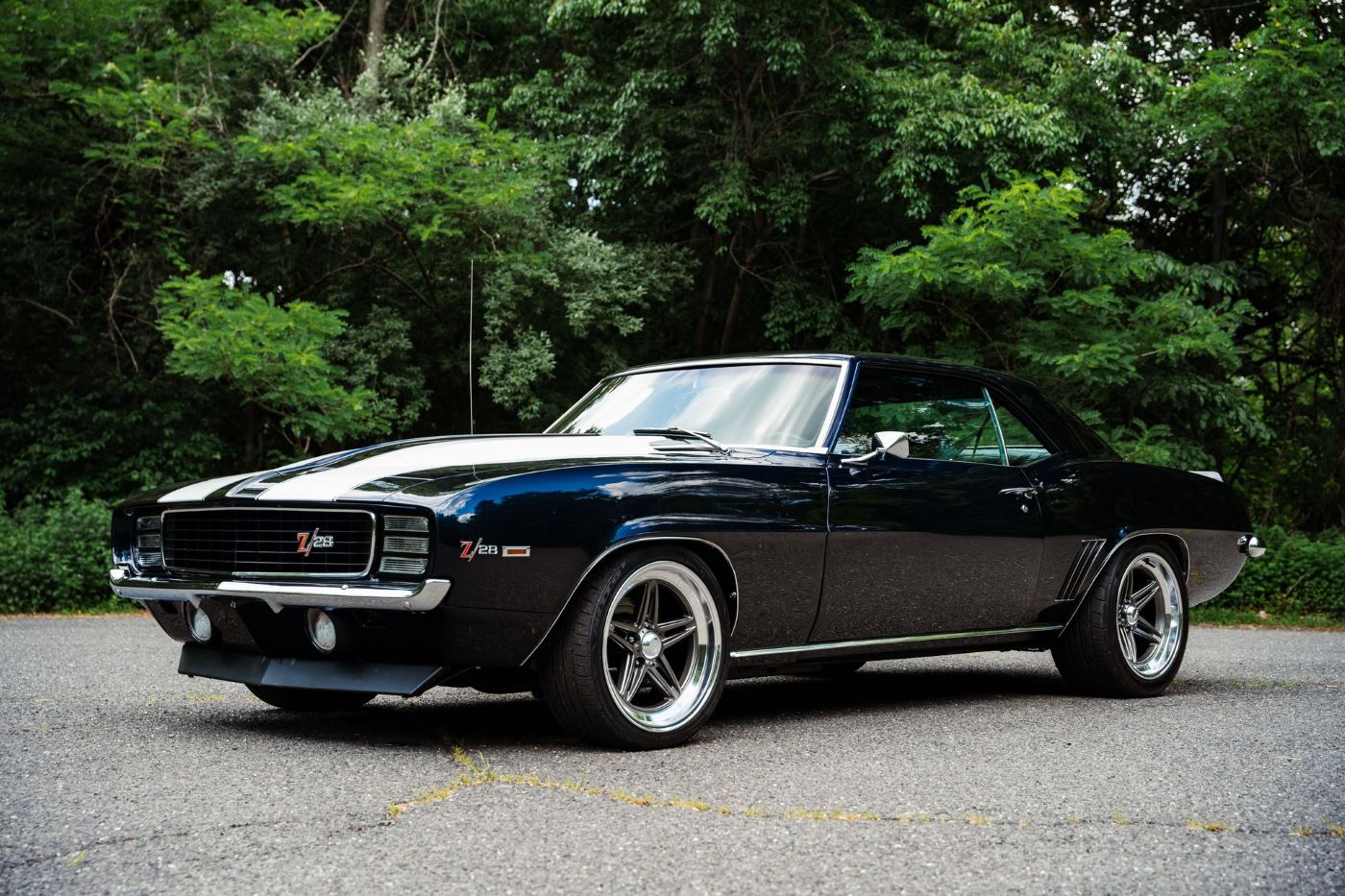
1. 1969 Chevrolet Camaro SS
The 1969 Chevrolet Camaro SS remains one of the most iconic muscle cars of all time, and this year a remarkable barn find emerged from a rural garage in Michigan. The vehicle was largely untouched for decades, with original paint showing the subtle effects of sun exposure and dust accumulation.
While some collectors prefer cars that are fully restored, the condition of this Camaro retained an authenticity that made it particularly attractive. Its 396-cubic-inch V8 engine was surprisingly intact, showing minimal corrosion and no signs of major modifications. For enthusiasts, discovering such an original example is akin to finding a piece of automotive history frozen in time.
The interior of the Camaro was equally noteworthy. Original upholstery, dashboard components, and even the factory AM radio had survived decades of neglect. Small details, such as the wear patterns on the driver’s seat and the patina on the chrome trim, told a story of daily use before the car was put into storage.
Collectors often note that these authentic features can rarely be replicated in restored vehicles, giving barn finds like this one a unique charm. Beyond aesthetics, the mechanical condition of the car indicated careful prior maintenance, which allowed for a relatively straightforward restoration process without losing originality.
The provenance of this Camaro added to its allure. Records indicated that the car was purchased new by a local enthusiast who only occasionally drove it. After a series of life events, the vehicle was tucked away in a barn and forgotten for decades.
The discovery was a combination of luck and diligent research, as the finder had tracked down old ownership records and photographed the barn’s contents over several visits. Such background adds depth to a vehicle’s story and can significantly increase its historical and monetary value. This Camaro, with its documented history and original condition, became a centerpiece of collector interest immediately upon discovery.
Finally, the 1969 Camaro SS exemplified why barn finds remain so thrilling. It was not merely the model itself, but the unexpected preservation of features often lost to time or careless restoration. The car retained its original wheels, badges, and interior trim, making it an exceptionally rare find.
For collectors, barn finds like this Camaro represent more than a restoration project; they are a direct connection to a moment in automotive history when muscle cars symbolized freedom, speed, and personal expression. The excitement generated by this discovery reflected the enduring passion for classic American muscle.
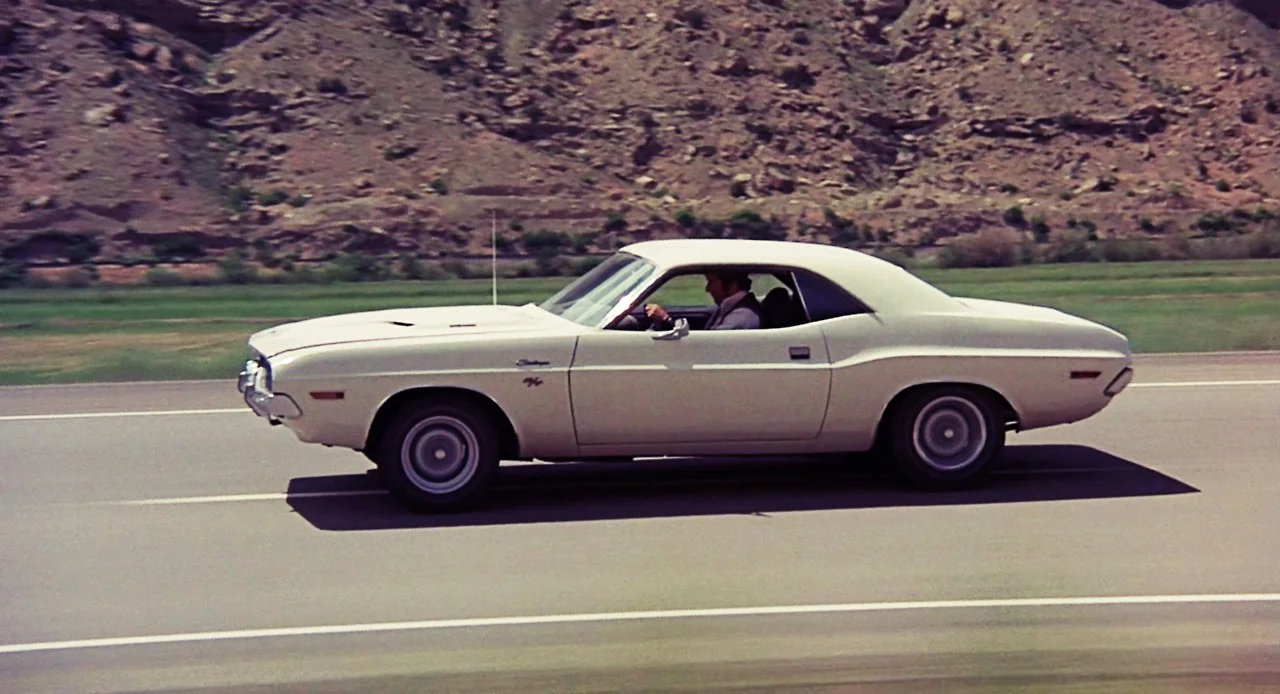
2. 1970 Dodge Challenger R/T
In 2025, a 1970 Dodge Challenger R/T emerged from a forgotten garage in Ohio, astonishing collectors with its originality. The car’s paint, a rare Plum Crazy purple, had dulled over decades but remained largely intact beneath layers of dust.
This Challenger’s HEMI V8 engine was discovered in working condition, a testament to both Chrysler’s engineering and the previous owner’s careful maintenance. Barn finds like this Challenger are particularly valued for factory-option engines, as modifications over the years are common. The fact that this car retained its original performance components made it highly sought after.
The interior provided further insight into its originality. The bucket seats, center console, and even the AM/FM radio were preserved, with only minor damage due to age. Dash instrumentation and door panels maintained their factory appearance, a rarity for a vehicle stored for so long.
Collectors often note that original interiors enhance a car’s value far beyond the mechanical components, as they convey the design aesthetics and material choices of the period. This Challenger’s interior condition made it suitable for careful restoration while preserving its authentic look.
The story of how the car ended up in storage contributed to its mystique. Purchased by a young enthusiast in the early 1970s, it was driven lightly before being retired to a garage after the owner moved away. Over the years, the vehicle became part of the property’s background, hidden from the public eye.
Rediscovering it required a combination of persistence and a keen eye for details that suggested hidden gems might be present. The process highlighted the detective-like nature of barn finds, where every piece of documentation, from license plates to service records, adds to the narrative.
This Dodge Challenger R/T represented the excitement of finding a muscle car in untouched condition. It was a living example of the engineering excellence of the period, with original components that spoke to performance, style, and craftsmanship.
The rarity of the Plum Crazy color and the originality of the drivetrain ensured that this vehicle would be remembered as one of the standout barn finds of 2025. For collectors, it served as both a challenge and a treasure, offering the potential for restoration without erasing decades of history.
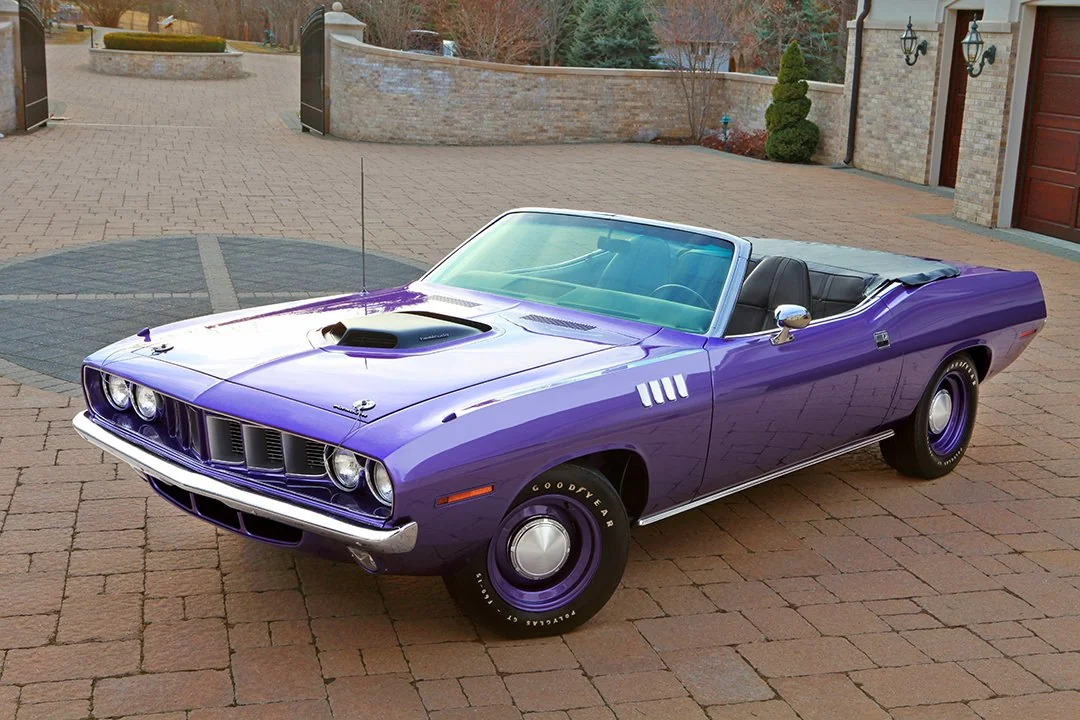
3. 1971 Plymouth Barracuda HEMI
A 1971 Plymouth Barracuda HEMI surfaced this year in a storage shed in rural Pennsylvania, exciting muscle car fans with its pristine originality. Known for its aggressive styling and powerful engine, the Barracuda had been tucked away behind farming equipment, largely untouched for decades.
Its original HEMI engine block showed minimal rust, and the drivetrain components were remarkably well preserved. These elements made it an ideal candidate for a restoration that could maintain the car’s authentic characteristics rather than replacing critical components.
The exterior condition of the Barracuda was particularly compelling. Although the paint had faded slightly, it retained enough of its factory gloss to indicate that the car had been stored carefully.
Chrome trim, badges, and wheels remained intact, showing the attention paid to its preservation. Enthusiasts often emphasize that the survival of original exterior components distinguishes barn finds from cars that have been partially restored or altered, as originality directly influences both historical value and collector interest.
Inside, the Barracuda retained its signature bucket seats and functional instrumentation. The steering wheel, dash trim, and door panels were remarkably preserved, with minor wear consistent with a car driven sparingly.
Barn finds like this allow collectors to appreciate the material choices and craftsmanship of the era, from upholstery stitching to gauge placement. The authenticity of the interior also opens possibilities for restoration approaches that preserve originality rather than replace it, appealing to purists who value historical accuracy.
The discovery of this Barracuda highlighted the detective work often involved in finding barn finds. The shed owner had purchased the car in the early 1970s and stored it with the intent of future use that never materialized.
Tracing the car’s history, including prior ownership and service records, added significant context to the find. The combination of rarity, original drivetrain, and preserved interior made this 1971 Plymouth Barracuda HEMI one of the most remarkable muscle car discoveries of the year, demonstrating the enduring allure of untouched performance machines.
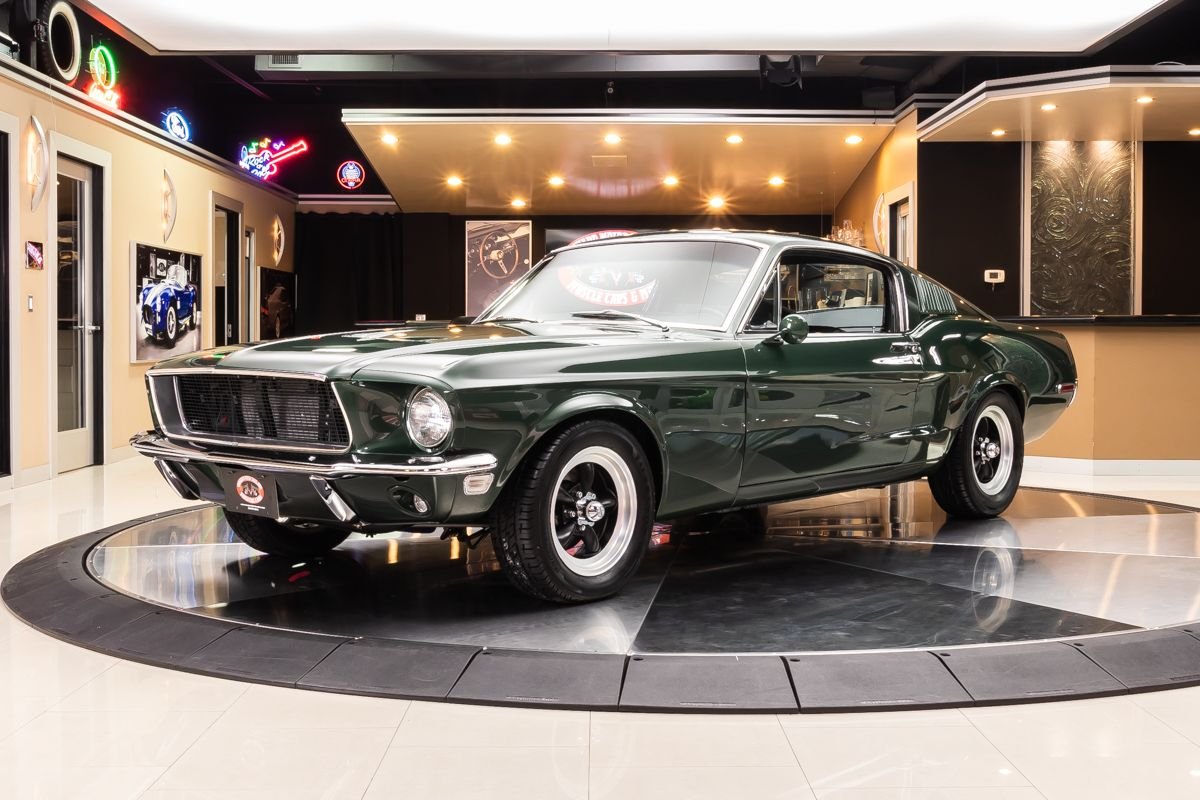
4. 1968 Ford Mustang GT Fastback
The 1968 Ford Mustang GT Fastback discovered in a small barn in Kentucky quickly became one of the most talked-about finds of 2025. This particular example had spent over forty years mostly untouched, shielded from the elements under a tarp in the back corner of the barn.
The original Highland Green paint had dulled but retained a depth that hinted at the car’s former vibrancy. While surface rust appeared in small spots, the frame and undercarriage were remarkably intact, reflecting the durability of the Mustang’s engineering during that era.
Its 390-cubic-inch V8 engine, coupled with a four-speed manual transmission, was found in surprisingly sound mechanical condition, which meant the car could be driven or restored without major replacement of core components. For collectors, the combination of originality, rarity, and visual appeal made this find exceptional.
Inside, the Fastback offered a window into Ford’s design philosophy of the late 1960s. The original black vinyl interior had retained most of its texture and stitching, and the woodgrain dashboard trim, although faded, had not warped or cracked, which is a common issue with cars of this age.
The bucket seats had minor wear consistent with minimal use, and even the original seatbelts, knobs, and gauges were intact. These details made the car an ideal candidate for a restoration that would maintain the historical authenticity of the vehicle while still allowing for modern reliability improvements if desired. Barn finds like this Mustang are particularly exciting because interiors are often the first aspect of a car to deteriorate when left in storage for decades.
The provenance of the Mustang added a fascinating narrative. It was purchased by a local enthusiast in 1968 and was driven sparingly before being put into storage following a relocation. Over the years, the car remained largely forgotten, occasionally glimpsed by neighbors but never actively maintained.
Rediscovery required patience and a keen eye for unusual vehicles in private property. The owner who found it documented every detail, from the condition of the tires to the original factory paperwork still tucked in the glove compartment.
This careful examination highlighted the importance of research in barn find culture, as the backstory can significantly influence both the historical value and the appeal of the car.
Finally, the 1968 Mustang GT Fastback exemplified why collectors cherish barn finds. It was more than just a vehicle; it was a preserved artifact from a time when muscle cars were symbols of freedom, individuality, and innovation.
The combination of rarity, preserved mechanicals, and an authentic interior meant this Mustang had both emotional and financial significance. For enthusiasts, discovering a car like this is akin to uncovering a piece of cultural history, allowing them to experience the charm and thrill of a classic muscle car just as it was meant to be, decades after it was first produced.
5. 1972 Chevrolet Chevelle SS
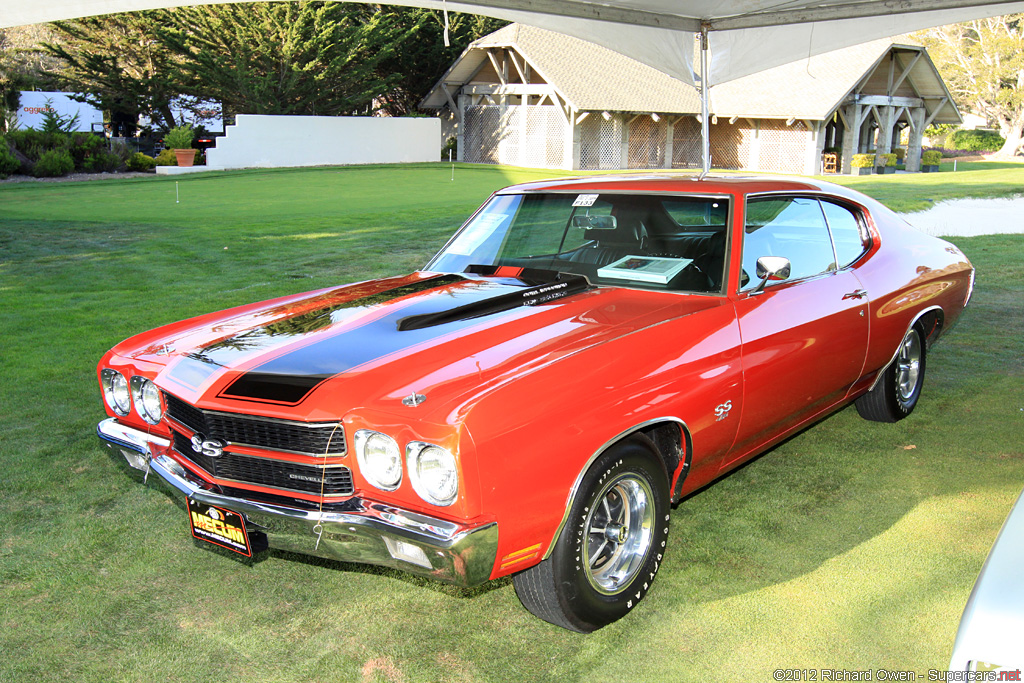
In 2025, a 1972 Chevrolet Chevelle SS surfaced from a dilapidated barn in rural Illinois, stunning collectors with its original L78 454-cubic-inch V8 engine. The car had spent years under a dust-laden tarp, yet remarkably, the body panels remained straight, and the original Hugger Orange paint retained a subtle luster.
While minor surface rust had begun forming around the wheel wells, the frame, suspension, and drivetrain were largely intact. This Chevelle’s originality, particularly the untouched engine and matching numbers, made it a rare find. Barn finds of this caliber allow enthusiasts to engage in restorations that honor the car’s history rather than completely reimagining it, maintaining both mechanical and visual authenticity.
The 1972 Chevelle SS represented the epitome of barn find allure: a powerful, rare muscle car with remarkable originality, preserved both physically and historically. Its untouched drivetrain, authentic interior, and vibrant yet aged paint combined to offer a canvas that could be restored carefully while retaining historical integrity.
For enthusiasts, this find exemplified the excitement of connecting with a piece of automotive heritage that had been preserved in near-original form for over half a century.
6. 1969 Pontiac GTO Judge
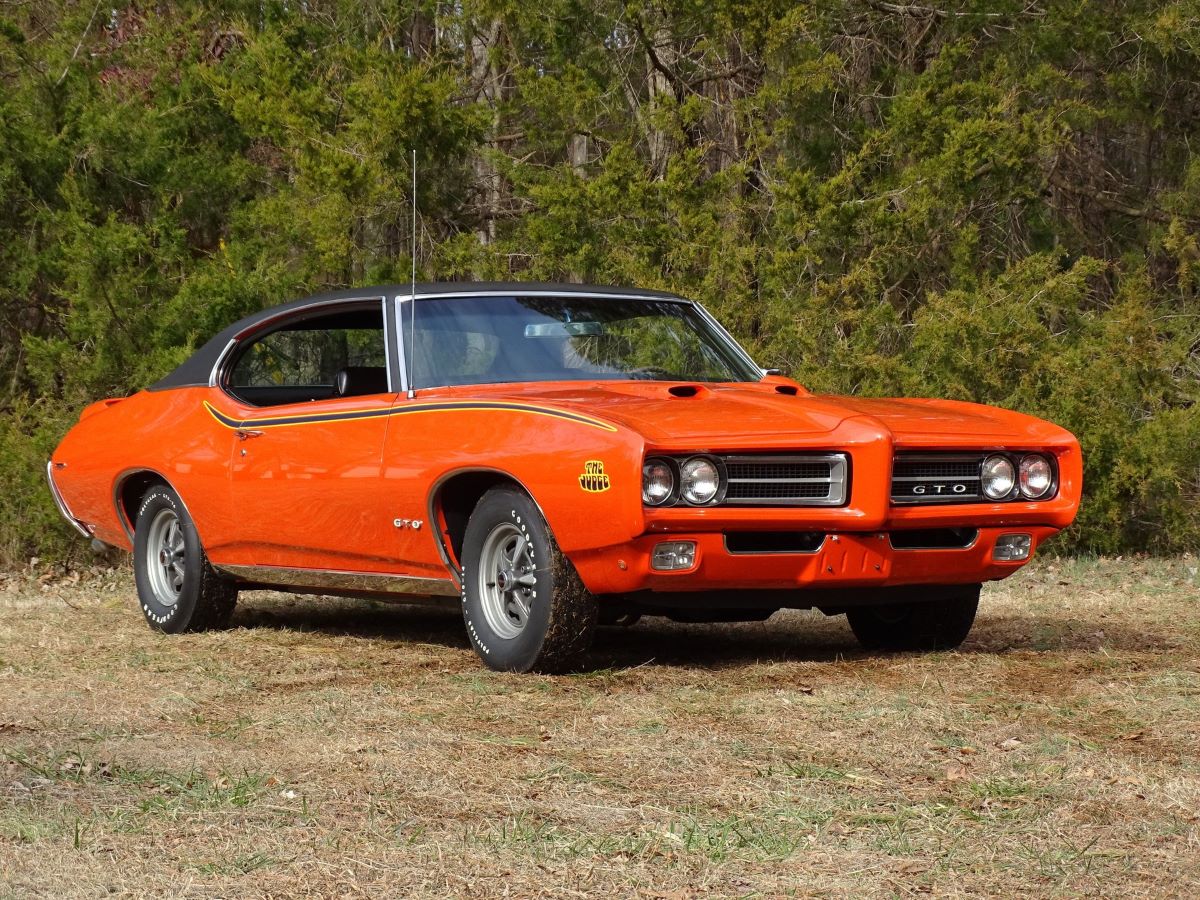
A 1969 Pontiac GTO Judge emerged from a small storage shed in New Jersey, becoming one of the most extraordinary barn finds of the year. Known for its striking styling and potent 400-cubic-inch V8, this particular car had been stored for decades under a dusty cover, with original orange paint and signature stripes showing only minor fading.
The engine and transmission remained largely untouched, offering collectors an opportunity to experience the vehicle’s performance as it was originally intended. The GTO Judge, often regarded as a pinnacle of late 1960s American muscle, attracted attention not only for its rarity but also for its combination of power, style, and authenticity.
The car’s history added to its mystique. Purchased new by a collector in New Jersey, it was driven lightly before being stored following the owner’s retirement. For decades, it sat mostly forgotten, hidden behind tools and equipment
. Rediscovering it required careful exploration and research, including tracing original registration records and documenting its condition. The combination of rarity, original drivetrain, and verified provenance created significant excitement among collectors and enthusiasts, as few GTO Judges survive in such untouched condition.
Finally, this 1969 Pontiac GTO Judge illustrates the thrill of barn finds in preserving history. The car’s unaltered condition, signature styling, and powerful engine embody the essence of late 1960s American muscle.
For collectors, this discovery is a reminder of the value of patience, research, and attention to detail, and it represents an opportunity to restore a vehicle with respect for its original identity while maintaining its historical integrity. Its rarity and condition solidified its position as one of the standout finds of 2025.
7. 1970 Plymouth Road Runner
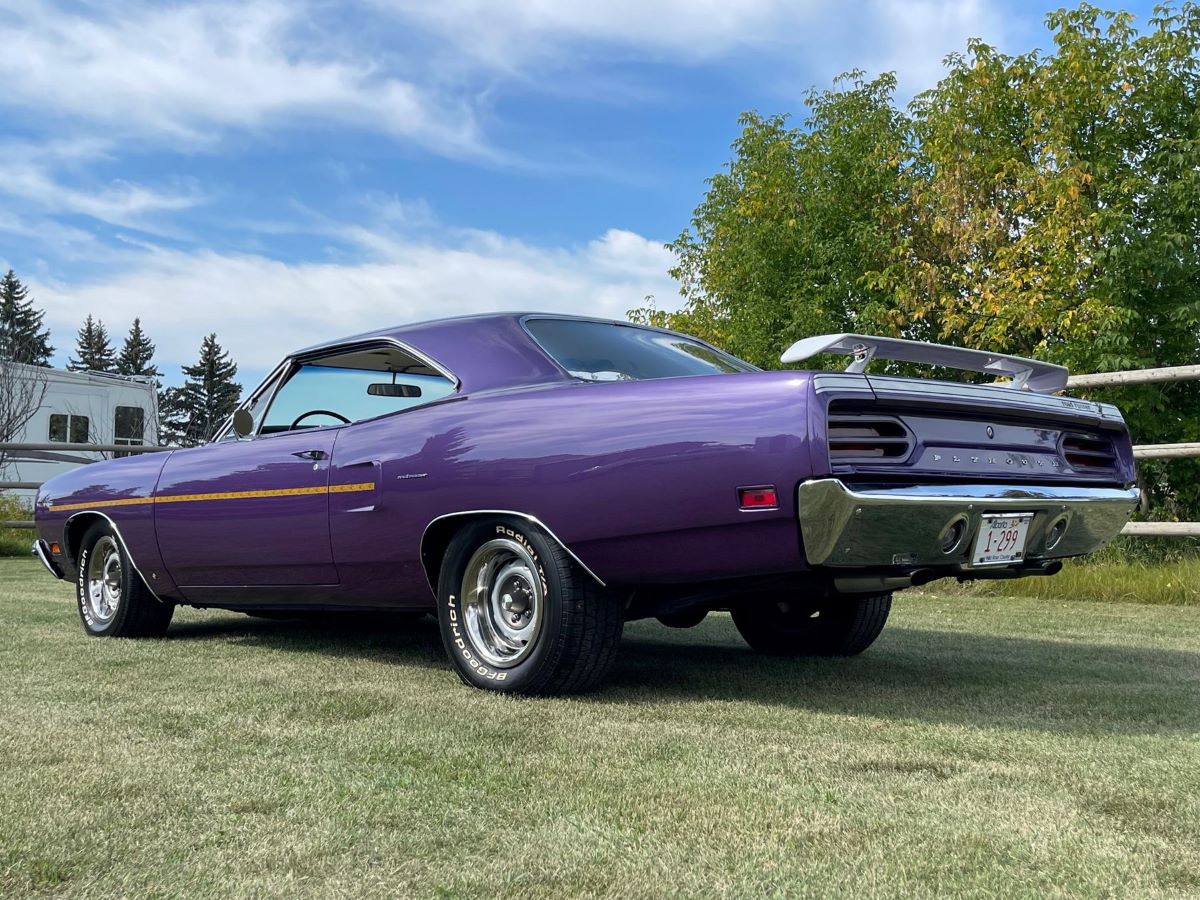
A 1970 Plymouth Road Runner surfaced in a remote barn in upstate New York, capturing attention for its originality and iconic design. Finished in Factory Duster Yellow with a black vinyl roof, the car had been tucked away for decades but showed remarkably little structural damage.
Its 383-cubic-inch V8 engine remained largely untouched, and key mechanical components, including the original four-speed manual transmission, were still functional. This level of preservation is rare for muscle cars of this era, as many were modified or partially restored over time. Collectors value such finds for the opportunity to work with original parts and maintain the car’s historical authenticity.
The interior reflected careful preservation. Seats, dash, and instrumentation had survived decades of storage with minimal fading. Even the floor mats and original vinyl coverings had retained texture, offering insight into Chrysler’s design choices in the early 1970s.
Restoring this interior would allow collectors to maintain an authentic driving experience while refreshing the vehicle for modern use. The tactile quality of factory materials and the layout of controls contribute significantly to the historical significance of such vehicles.
The story behind the Road Runner added a compelling layer to its discovery. Purchased by a local enthusiast for weekend drives, it was stored after the owner’s family obligations prevented further use. The barn where it was kept remained largely untouched for years, shielding the car from exposure and damage.
Rediscovery required not only exploration but also piecing together the car’s history, including ownership records, maintenance receipts, and anecdotal evidence from neighbors. The combination of rarity, originality, and history made this Road Runner a particularly valuable addition to the muscle car community.
8. 1967 Chevrolet Corvette L88
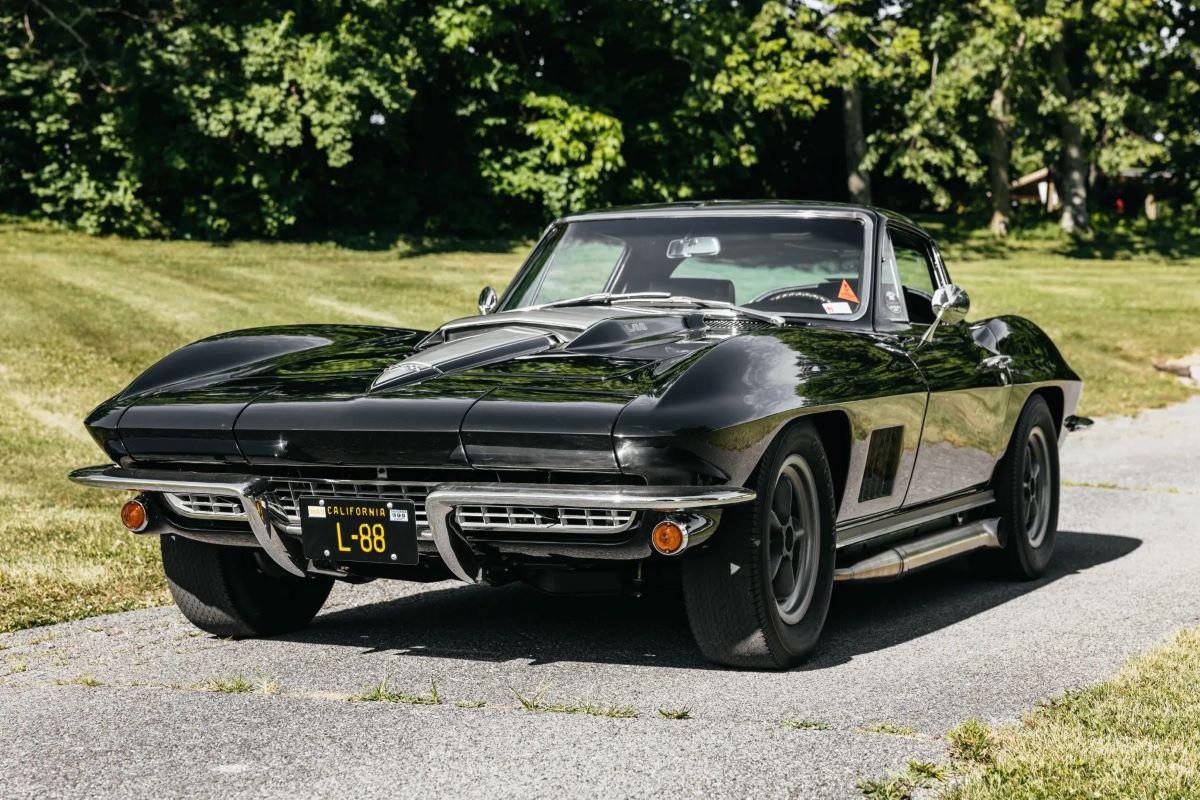
The 1967 Chevrolet Corvette L88 discovered in a small garage in rural Texas stunned the collector community with its near-original condition. Known for its high-performance 427-cubic-inch engine and lightweight construction, the L88 was one of the rarest Corvettes ever produced, with only a handful surviving in such original condition.
This particular car had been stored for decades under a protective cover, with its factory Rally Red paint retaining depth despite minor fading and surface dust. Mechanical components, including the engine, transmission, and suspension, were remarkably intact. For collectors, finding a barn-stored L88 is akin to uncovering a mechanical treasure, as these vehicles are not only powerful but also historically significant in the context of late 1960s American sports cars.
The car’s provenance added a fascinating narrative. Purchased new by a private collector in Texas, it was driven sparingly before being tucked into storage following the owner’s retirement. For years, the car remained largely forgotten, shielded from environmental damage.
Its rediscovery involved careful investigation, including verification of ownership documents and comparison of chassis and engine numbers to factory records. The historical documentation, combined with the vehicle’s rarity, contributed to excitement and significant interest among collectors seeking both investment and authentic driving experiences.
Finally, the 1967 Chevrolet Corvette L88 exemplified the thrill of barn finds at their best. It represented a rare opportunity to experience a high-performance vehicle in nearly untouched condition.
The combination of its potent engine, original interior, and verified history ensured that it was more than just a restoration project; it was a preserved piece of automotive history. For enthusiasts and collectors, such a find is invaluable, demonstrating the enduring appeal of classic American muscle and sports cars alike.
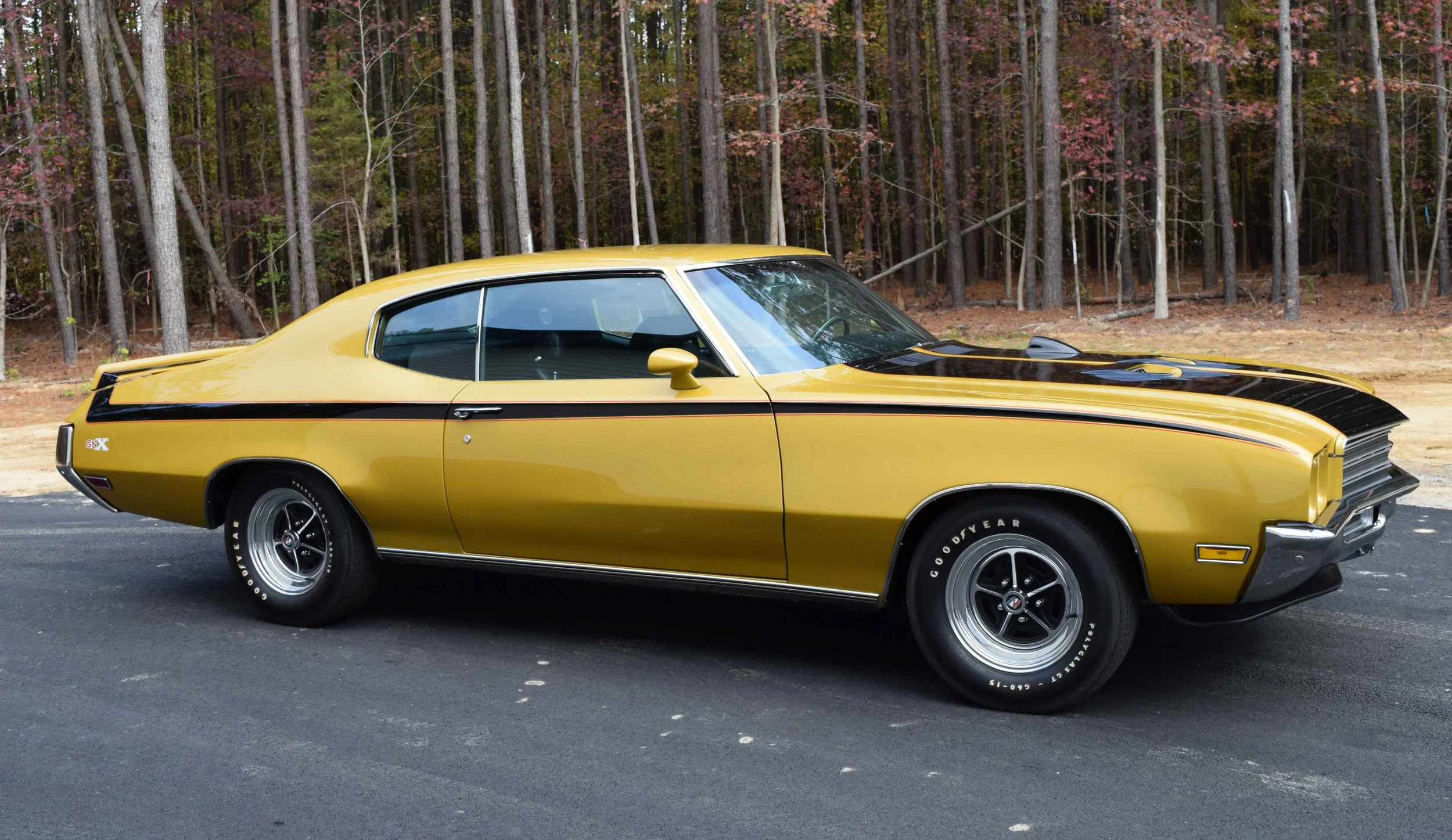
9. 1971 Buick GSX
In 2025, a 1971 Buick GSX surfaced from a barn in rural Georgia, remarkable for its originality and rarity. Finished in Apollo White with bright chrome accents, the car had been stored for decades, accumulating dust but little rust. Its 455-cubic-inch V8 engine and automatic transmission were largely untouched, and factory-installed components like the heavy-duty suspension, Rallye wheels, and dual exhausts remained in excellent condition.
The GSX was known for combining Buick luxury with high-performance muscle, and this particular example had been preserved in a way that maintained both its aesthetic and mechanical qualities, a rarity among surviving examples.
The car’s backstory contributed to its appeal. Originally purchased by a local enthusiast for occasional weekend driving, it was eventually stored after the owner retired. Over the years, it became largely forgotten, hidden among farm equipment and household items.
Rediscovery involved careful exploration, research into ownership records, and detailed documentation of the vehicle’s condition. The rarity of the GSX, combined with its untouched drivetrain and intact interior, made it a prime candidate for careful restoration or preservation, exciting collectors who value authenticity above all else.
The 1971 Buick GSX demonstrated why barn finds continue to capture the imagination of muscle car enthusiasts. Its combination of performance, styling, and originality made it a standout among 2025 discoveries.
The car offered both the opportunity for restoration and a preserved historical artifact, allowing collectors to experience the craftsmanship and engineering of the early 1970s. This GSX reminded enthusiasts that untouched vehicles, especially rare high-performance models, carry an enduring appeal that goes beyond mere horsepower.
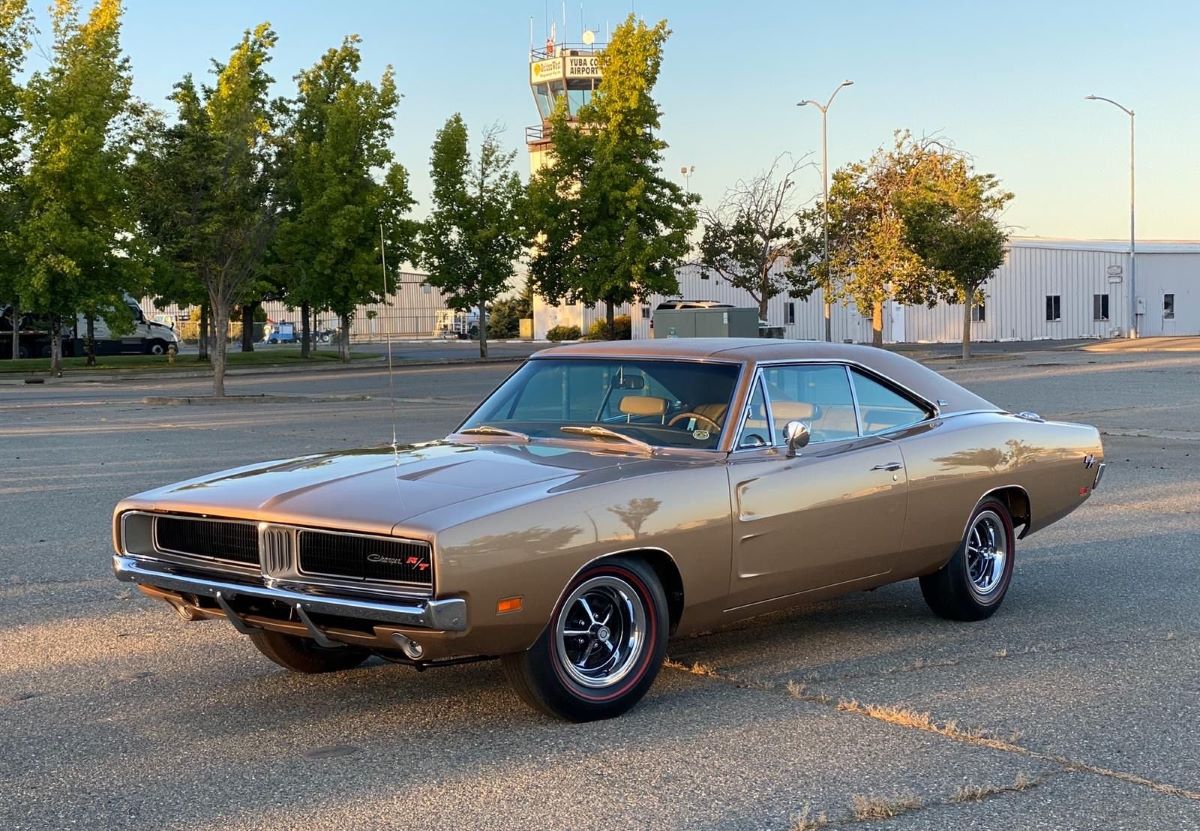
10. 1969 Dodge Charger R/T
The 1969 Dodge Charger R/T found in a rural Alabama barn rounded out the most remarkable barn finds of 2025. Known for its aggressive styling, signature grille, and high-performance 426 HEMI engine, this Charger had spent decades largely untouched, hidden behind tools and agricultural equipment.
The original engine, transmission, and drivetrain were intact and remarkably free of corrosion, providing collectors with an authentic example of Dodge’s engineering at the height of the muscle car era. Its original Charger Red paint showed minor fading but retained depth, while the body panels remained straight, a rare combination for vehicles stored in less-than-ideal conditions.
Inside, the Charger R/T featured a preserved black interior with bucket seats, center console, and functional instrumentation. The dash, steering wheel, and original upholstery had survived decades of storage, reflecting careful use before it was tucked away.
Collector interest in barn finds is often driven by the survival of interiors because they offer a direct connection to the original design and driving experience. In the case of this Charger, the interior allowed enthusiasts to appreciate not only the performance but also the craftsmanship and aesthetic choices of the late 1960s.
Finally, the 1969 Dodge Charger R/T exemplified the excitement and cultural significance of barn finds. It offered collectors an authentic glimpse into a golden era of American automotive design, with powerful performance, bold styling, and a preserved interior that communicated the car’s original character.
Discovering and preserving vehicles like this Charger allows enthusiasts to connect with the history of muscle cars in a way that goes far beyond restoration or replication. The excitement generated by its discovery in 2025 reinforced the timeless appeal of classic American performance cars.
