
The 2025 Corvette ZR1 has set a new benchmark in the automotive world by delivering an astonishing combination of raw power, advanced technology, and aggressive styling, all while remaining remarkably attainable compared to many of the hypercars it now outperforms on paper.
With a power output reportedly surpassing 900 horsepower, the ZR1 has shifted perceptions of what constitutes supercar-level performance. Traditionally, hypercars have represented the absolute pinnacle of automotive engineering, featuring engines producing mind-boggling amounts of horsepower, lightweight construction, and cutting-edge aerodynamics.
Many of these vehicles have long carried price tags that place them well beyond the reach of all but the wealthiest enthusiasts. The emergence of the Corvette ZR1 challenges this hierarchy, showing that a relatively accessible American sports car can compete with, and even exceed, some hypercars in the raw horsepower department.
While horsepower is only one aspect of performance, it is an undeniable metric that draws attention and shapes public perception. Historically, hypercars such as the Bugatti Veyron, Ferrari LaFerrari, or McLaren P1 have been celebrated for their engineering feats and extreme engine outputs.
Yet, despite their legendary status, not every hypercar was built with maximum horsepower as its primary focus. Some were designed for agility, handling, or hybrid efficiency rather than sheer straight-line speed. Consequently, a modern supercar like the Corvette ZR1 can surpass these vehicles in one key area, despite a lower price or more conventional drivetrain layout.
This article highlights twelve hypercars that, while extraordinary in design and engineering, produce less power than the 2025 Corvette ZR1. Each of these vehicles carries its own legacy, from exotic styling to pioneering technologies, and yet they are outpaced in raw engine output by a car that is, in many ways, far more accessible.
Examining these vehicles provides a fascinating look at how the definition of power in the hypercar realm is evolving. The list is not intended to diminish the achievements of these cars but to illustrate the shifting industries of performance metrics in the modern era.
By analyzing each hypercar, we can better understand why power is not the sole factor in evaluating a vehicle’s significance, yet its importance cannot be denied.
This discussion also underscores how automotive engineering has progressed to the point where a mass-produced car like the Corvette can challenge the dominance of vehicles that were once thought untouchable in terms of horsepower. Each car on this list has its own story, unique approach to performance, and engineering philosophy that differentiates it, making the comparison with the ZR1 both intriguing and surprising.
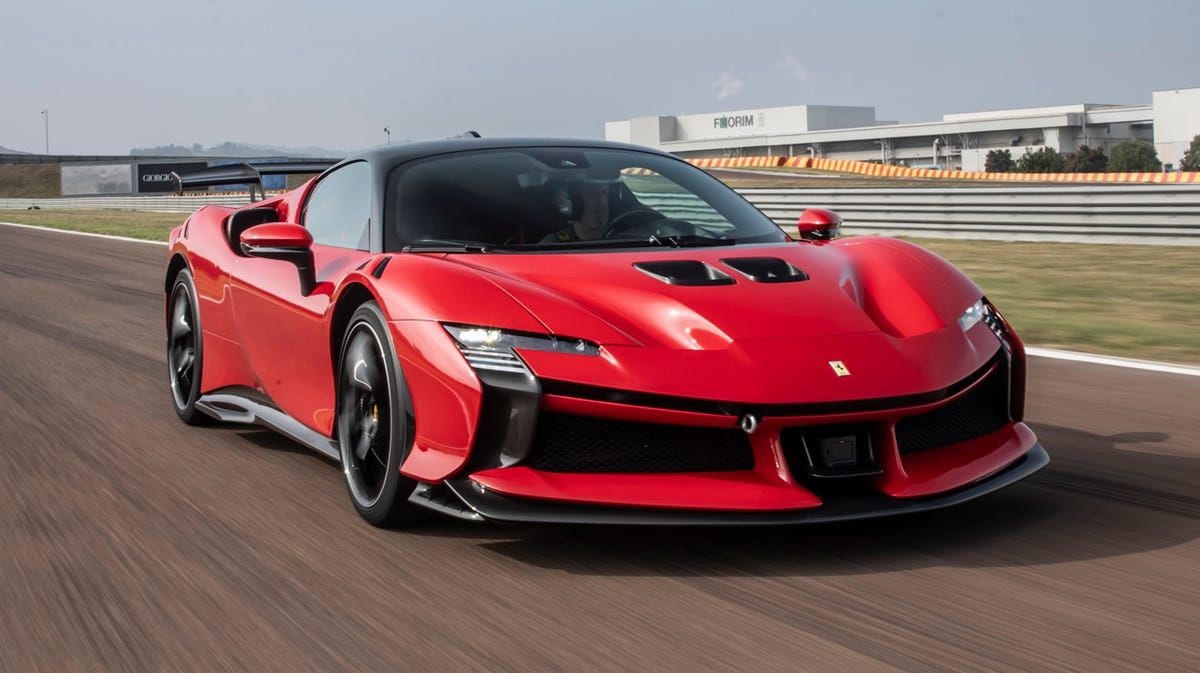
1. Ferrari SF90 Stradale
The Ferrari SF90 Stradale is a groundbreaking hybrid hypercar that combines a twin-turbo V8 with three electric motors. This setup enables incredible acceleration, an advanced all-wheel-drive system, and significant handling benefits. Despite its technological sophistication, the combined output of the SF90 Stradale is slightly lower than the 2025 Corvette ZR1.
Ferrari prioritized the balance between electric and gasoline power, focusing on efficiency, drivability, and hybrid performance, rather than purely chasing maximum horsepower. The result is a vehicle that excels on corners, in traction-limited scenarios, and during high-speed cruising, yet is technically eclipsed in raw engine output by the new ZR1.
The design of the SF90 Stradale reflects Ferrari’s commitment to aerodynamics and high-speed stability. Its aggressive front splitter, sculpted side intakes, and rear diffuser are engineered to maximize downforce while minimizing drag.
The hybrid powertrain allows for instant torque delivery from the electric motors, which enhances acceleration from a standstill or out of corners. However, the combined system’s total power, while impressive, does not surpass the Corvette ZR1’s naturally aspirated or supercharged output.
This contrast highlights the different philosophies of the two manufacturers: Ferrari blends cutting-edge hybrid tech with traditional supercar qualities, while Chevrolet focuses on raw power and mechanical simplicity.
Inside, the SF90 Stradale is a mix of advanced digital interfaces and luxury appointments. The driver-centric cockpit emphasizes ergonomics and visibility, with multiple drive modes that adapt engine and electric motor responses to different conditions.
While the interior reflects Ferrari’s dedication to craftsmanship, the powertrain remains the star of the show. Engineers carefully balanced the output to ensure reliability and responsiveness, which can sometimes limit maximum horsepower in favor of controlled, sustainable performance. This demonstrates that a hypercar’s appeal is not defined solely by its peak power numbers.
Performance-wise, the SF90 Stradale still delivers blistering acceleration, often hitting 60 miles per hour in under three seconds. However, when measured purely in horsepower, the 2025 Corvette ZR1 surpasses it, making it one of the rare occasions where a more affordable sports car outpaces a flagship Ferrari in engine output.
The SF90 Stradale remains an extraordinary vehicle in every other sense, with handling, braking, and cornering performance that few cars can match. This comparison serves as a reminder that raw power, while important, is only one element of hypercar performance.
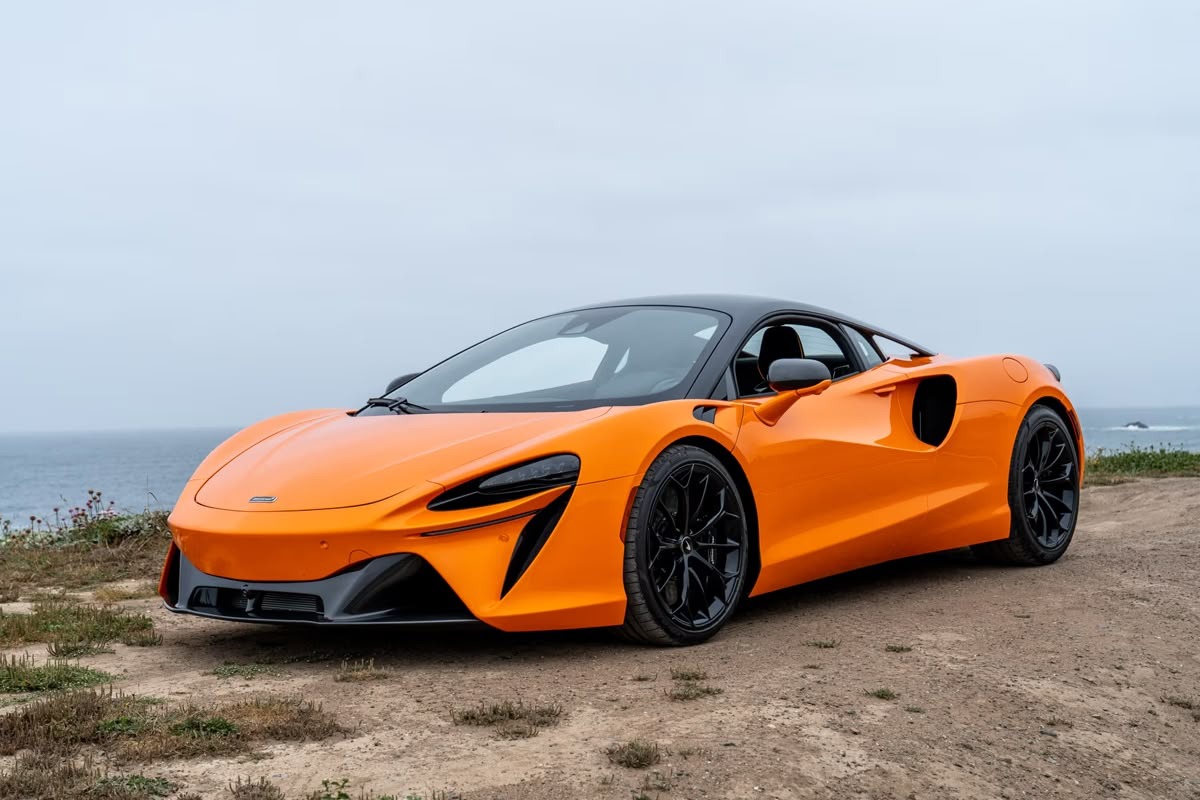
2. McLaren Artura
The McLaren Artura represents the British brand’s commitment to hybrid technology and lightweight engineering. Powered by a twin-turbo V6 paired with an electric motor, the Artura achieves a harmonious balance between performance and efficiency.
The total output is remarkable but still falls short of the Corvette ZR1, emphasizing McLaren’s focus on handling precision and aerodynamic efficiency over peak engine figures. The car’s lightweight carbon fiber chassis and advanced suspension allow it to feel nimble and responsive, particularly on twisty roads where raw horsepower is less impactful than chassis dynamics.
Aerodynamics play a crucial role in the Artura’s performance. Its design is sculpted to channel airflow efficiently, reducing lift while increasing high-speed stability. McLaren’s engineers use advanced simulation tools to fine-tune the car’s shape, ensuring downforce is applied where it matters most.
This focus on balance and control complements the hybrid powertrain, which provides instant torque while maintaining fuel efficiency. The trade-off is that the Artura does not exceed the ZR1’s raw horsepower, though it still offers a hypercar-level experience in every other respect.
Inside, the Artura features a minimalist yet high-tech cabin. The focus is on driver engagement, with intuitive controls and an ergonomically designed cockpit. Unlike some hypercars that prioritize luxury, the Artura emphasizes functionality and weight reduction.
Advanced displays provide real-time performance feedback, helping the driver make the most of the hybrid system. The interior design reflects McLaren’s philosophy: less is more, with a focus on driving purity rather than extravagant appointments.
Performance tests reveal the Artura’s remarkable agility. It accelerates quickly, maintains stability at high speeds, and corners with precision, often outperforming more powerful cars on technical roads.
Despite its lower horsepower relative to the ZR1, the driving experience is thrilling and highly engaging. The Artura demonstrates that modern hypercars do not need extreme power to provide a compelling and dynamic driving experience.
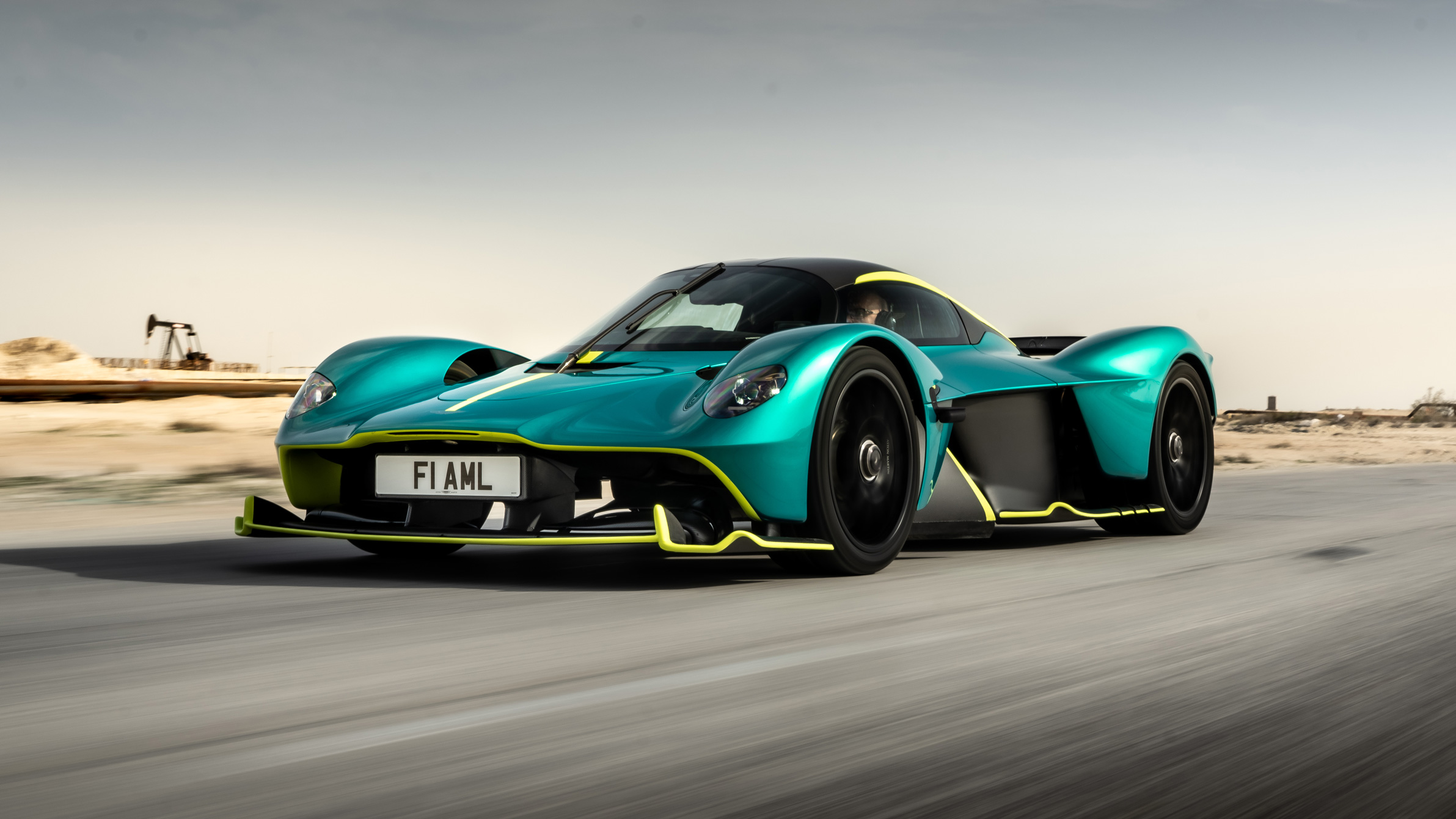
3. Aston Martin Valkyrie
The Aston Martin Valkyrie is a hypercar conceived as a Formula 1 car for the road. It features a naturally aspirated V12 engine paired with hybrid elements to optimize performance and efficiency. While the Valkyrie’s total power output is immense in engineering terms, it still does not surpass the 2025 Corvette ZR1’s peak horsepower.
Aston Martin focused on extreme aerodynamics, lightweight construction, and high-revving engine dynamics rather than chasing peak numbers, resulting in a car that delivers unparalleled driving engagement but slightly less raw power.
Aerodynamic design is central to the Valkyrie’s identity. Its massive front splitter, vented body panels, and elaborate rear diffuser generate downforce levels rarely seen outside of track-focused race cars.
The car’s shape allows it to stick to corners like glue, offering exceptional grip even at high speeds. Unlike vehicles designed purely for straight-line performance, the Valkyrie’s philosophy prioritizes road-hugging stability and aerodynamic efficiency over raw horsepower, which explains why it does not surpass the ZR1 in peak engine output.
The interior of the Valkyrie is focused entirely on driver immersion. Lightweight materials, minimal padding, and a racing-style seating position enhance the sense of speed and control.
Digital displays provide performance data and feedback on the hybrid system, while the steering wheel integrates multiple functions for maximum responsiveness. Aston Martin designed the cabin to minimize distractions and keep the driver connected to the car’s mechanical sensations.
In terms of performance, the Valkyrie accelerates with ferocity, corners with surgical precision, and provides a sensory experience unmatched by most hypercars. Its V12 engine delivers a sound and responsiveness that is almost mythical.
However, the fact that the Corvette ZR1 surpasses it in horsepower demonstrates the evolution of performance metrics: sheer engine output is no longer exclusive to multi-million-dollar hypercars, and modern engineering allows more affordable vehicles to reach astonishing levels of power.
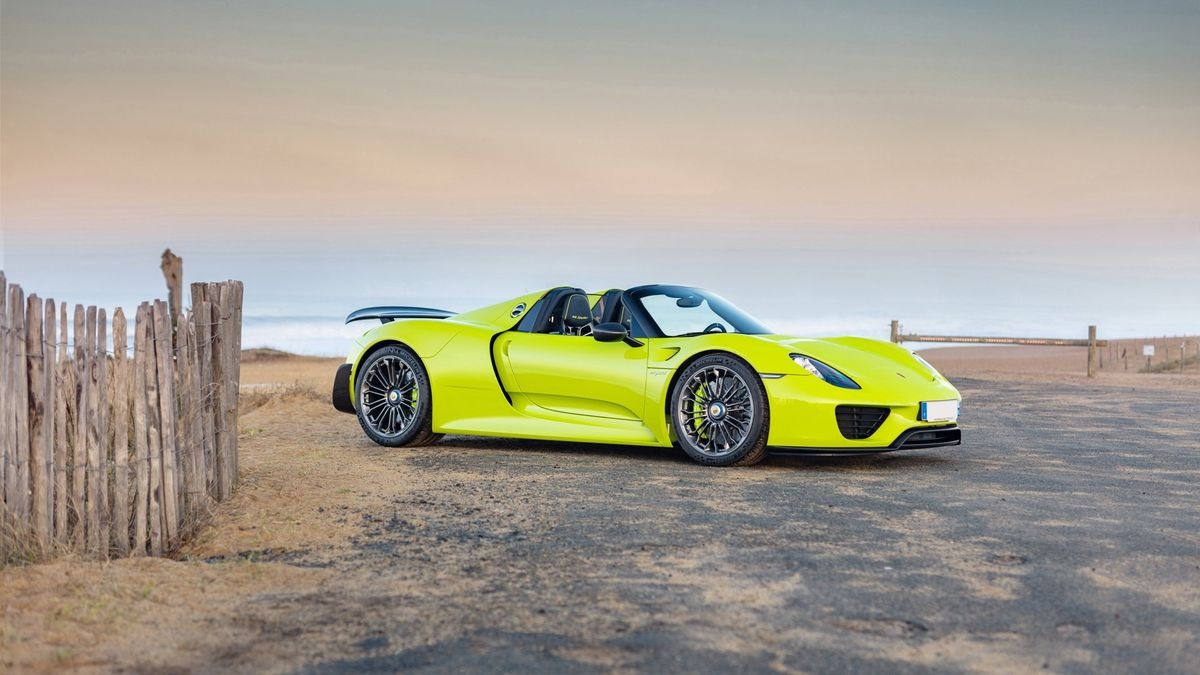
4. Porsche 918 Spyder
The Porsche 918 Spyder is a hybrid hypercar that combined a naturally aspirated V8 with two electric motors to deliver an output that, while impressive, is still slightly below the peak power of the 2025 Corvette ZR1. Introduced as Porsche’s halo car, the 918 emphasized a balance between speed, efficiency, and driver-focused engineering.
Unlike some hypercars that prioritize sheer horsepower above all else, Porsche sought to create a car that excelled in real-world driving conditions, track performance, and handling finesse. Its hybrid system provides instant torque and regenerative braking, enhancing both acceleration and energy efficiency, but its combined output is engineered for precision rather than maximum numbers on paper.
Aerodynamically, the 918 Spyder was ahead of its time. Active aero elements adjust dynamically based on speed and driving mode, optimizing downforce and drag for both straight-line acceleration and high-speed cornering.
The car’s lightweight carbon fiber monocoque ensures that the chassis responds instantly to steering inputs, giving a sense of agility that many more powerful hypercars struggle to match. The integration of hybrid technology was not only for performance but also to lower the weight distribution, which improves handling and ensures the car feels connected to the road under any conditions. These design choices demonstrate that the 918 was built for balance, not solely for horsepower.
Inside, the 918 Spyder strikes a balance between a luxurious cabin and driver-focused ergonomics. High-quality materials, supportive seats, and intuitive controls ensure that the driver can command the car with minimal distraction.
Digital interfaces provide critical feedback on hybrid power deployment, energy regeneration, and torque distribution, allowing for a highly interactive driving experience. Porsche’s design emphasizes the harmony of technology and human input, making the car feel alive and responsive in ways that raw horsepower alone cannot convey.
In terms of performance, the 918 Spyder remains an incredible benchmark for hybrid hypercars. Its 0–60 acceleration is blistering, and its handling is precise even on technical courses.
However, when comparing raw engine output alone, the 2025 Corvette ZR1 surpasses it, demonstrating how modern naturally aspirated or supercharged engines can compete with hybrid hypercars that were once thought untouchable in power figures. This comparison emphasizes the evolution of performance expectations and highlights the ZR1’s remarkable engineering achievement in blending affordability, reliability, and sheer power.
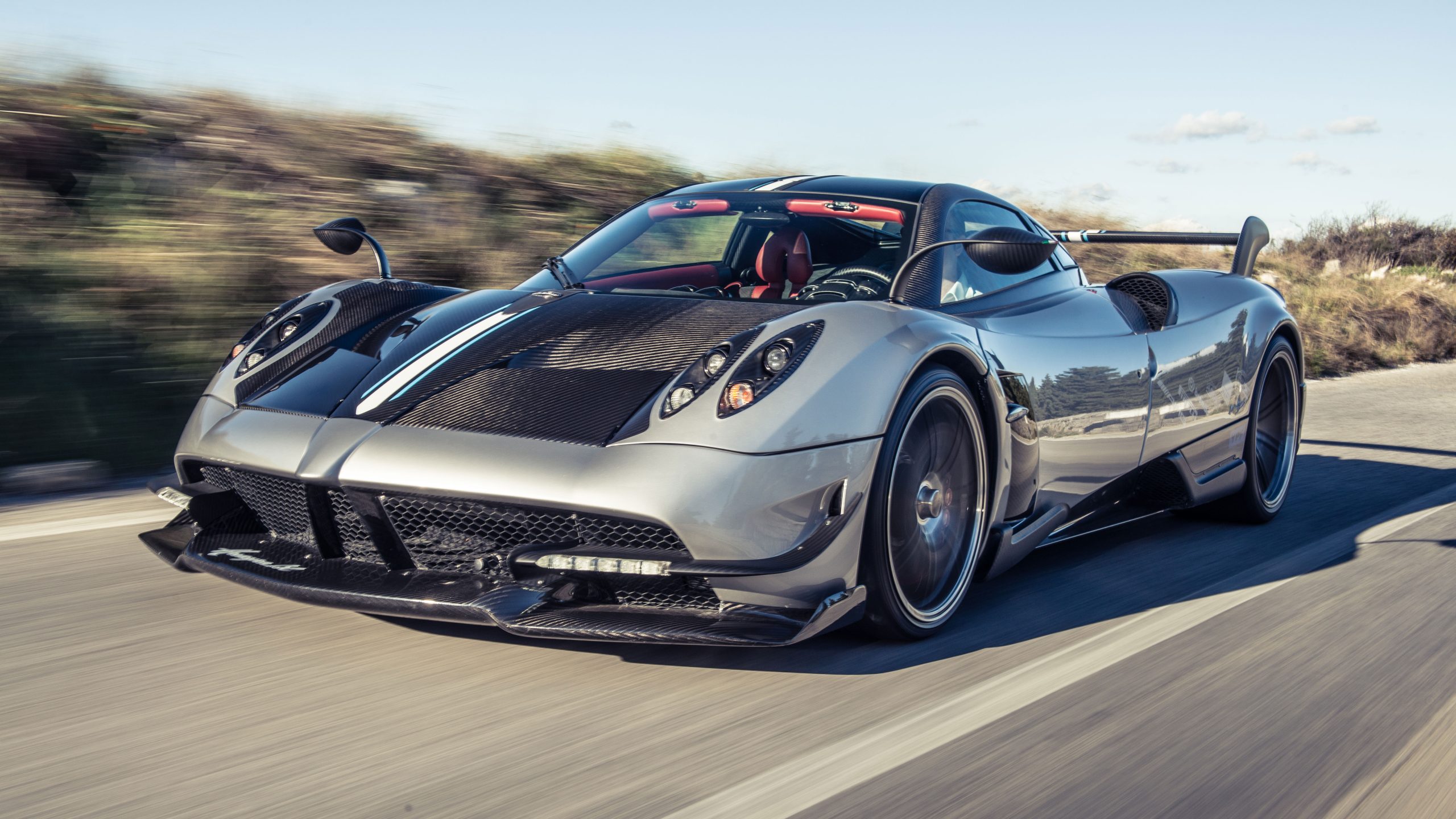
5. Pagani Huayra
The Pagani Huayra is renowned for its artistry, engineering sophistication, and unique approach to hypercar performance. Powered by a twin-turbo V12 sourced from Mercedes-AMG, the Huayra produces tremendous torque and a captivating exhaust note.
Despite its formidable engine, the total horsepower remains slightly lower than the Corvette ZR1. Pagani has always emphasized balance between raw speed, handling, and sensory experience. The Huayra is crafted to deliver a driving sensation that engages all senses, from the tactile feel of the pedals to the roar of the engine, rather than simply chasing numerical supremacy on paper.
Pagani’s dedication to aerodynamics and materials science is evident in every contour of the Huayra. Extensive use of carbon-titanium composites ensures a lightweight structure that enhances agility while maintaining rigidity.
The active aerodynamics, which adjust flaps independently at the front and rear, allow the car to optimize downforce depending on driving conditions. This approach prioritizes high-speed stability, cornering precision, and driver feedback, meaning that even with less horsepower than the ZR1, the Huayra feels astonishingly fast and responsive on any road or track.
Inside, the Huayra is a work of art. Every element, from hand-stitched leather to machined metal controls, is designed for tactile pleasure and visual harmony. Unlike many hypercars that emphasize digital displays and minimalistic interiors, the Huayra embraces mechanical feedback and craftsmanship, making the act of driving an experience that engages all the senses.
The cabin design ensures the driver is fully immersed in the connection between engine, chassis, and road, which often matters more than sheer horsepower in real-world enjoyment.
Performance-wise, the Huayra accelerates with authority and navigates corners with precision thanks to its lightweight construction and active aero systems. However, the ZR1 surpasses it in peak power, emphasizing how modern performance cars can achieve unprecedented output without compromising reliability or accessibility.
This comparison highlights the difference between vehicles designed as mechanical art objects and those optimized for raw speed and measurable horsepower, showing that performance is multidimensional.
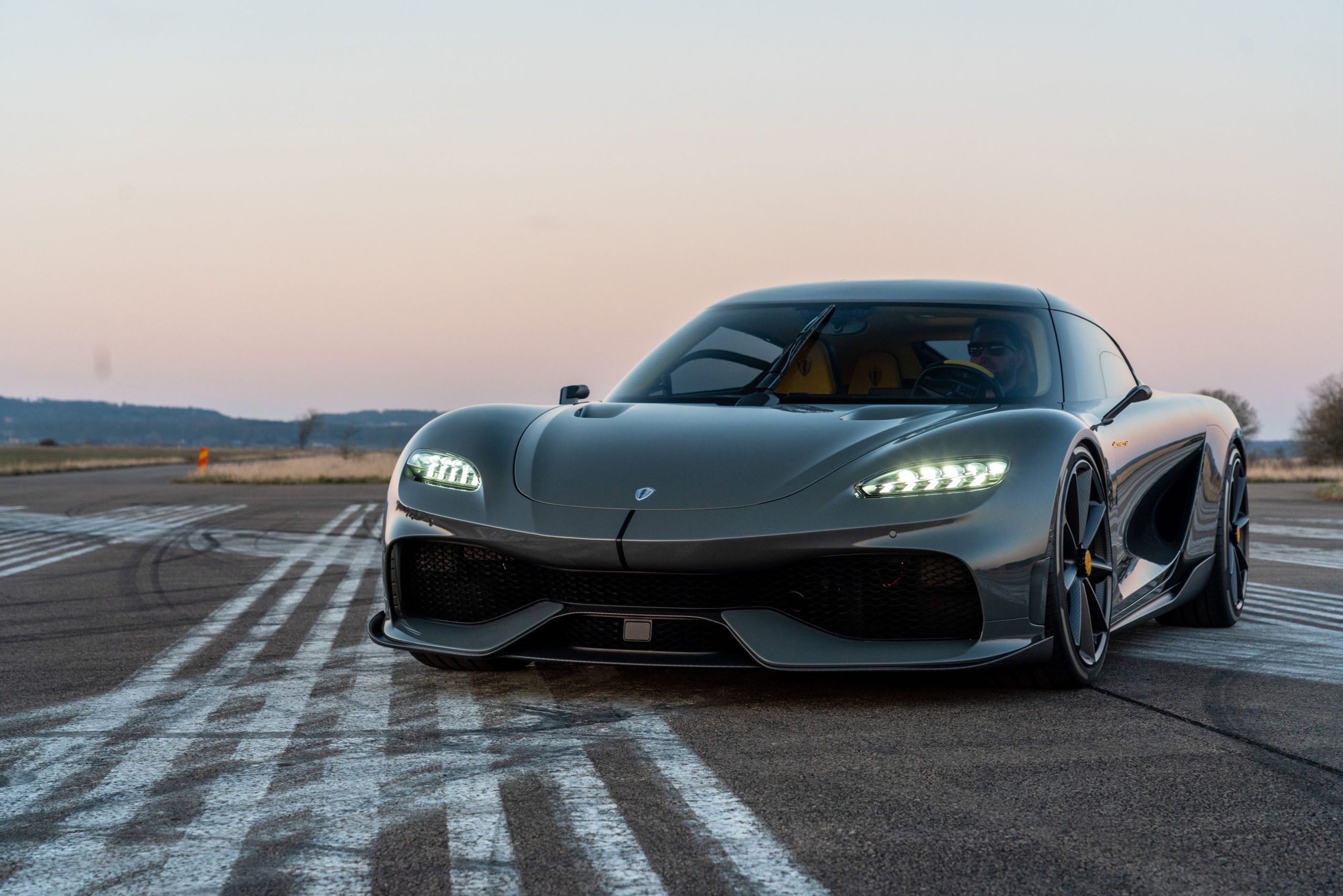
6. Koenigsegg Gemera
The Koenigsegg Gemera represents a unique take on hypercar performance by blending extreme acceleration with practicality. Featuring a compact, high-revving engine paired with three electric motors, the Gemera delivers extraordinary torque and speed.
Despite its hybrid setup and innovative technology, the total horsepower falls slightly below that of the 2025 Corvette ZR1. Koenigsegg focused on creating a four-seat hypercar capable of family usability without sacrificing exhilarating performance, resulting in a powertrain designed for versatility, efficiency, and immediate torque response rather than purely topping peak horsepower charts.
Koenigsegg’s engineering philosophy is evident in the Gemera’s carbon fiber chassis and advanced aerodynamics. Extensive wind tunnel testing ensures minimal drag and optimized airflow over the cabin and body, enhancing both high-speed stability and fuel efficiency.
The hybrid system provides instantaneous torque to all wheels, improving traction during acceleration and cornering. While the car may not lead in pure horsepower, its combination of electric and internal combustion power delivers a unique driving sensation unmatched by many traditional hypercars.
The interior of the Gemera emphasizes usability without compromising the high-tech experience. It features digital interfaces, adjustable seating for four passengers, and a driver-focused cockpit that integrates hybrid performance data in real-time.
Koenigsegg sought to make the car comfortable enough for daily driving while retaining a hypercar essence in terms of engagement, sound, and responsiveness. This combination of usability and performance reflects a different approach than the ZR1, which prioritizes raw speed and horsepower for a two-seat configuration.
On the road, the Gemera performs astonishingly, blending rapid acceleration with controllable handling. While it cannot match the ZR1 in peak horsepower, its hybrid system allows for exceptional torque distribution and immediate response, which compensates for the difference in raw numbers.
The Gemera illustrates how modern hypercars are exploring multi-dimensional performance, proving that driving experience is more than just the sum of horsepower ratings.
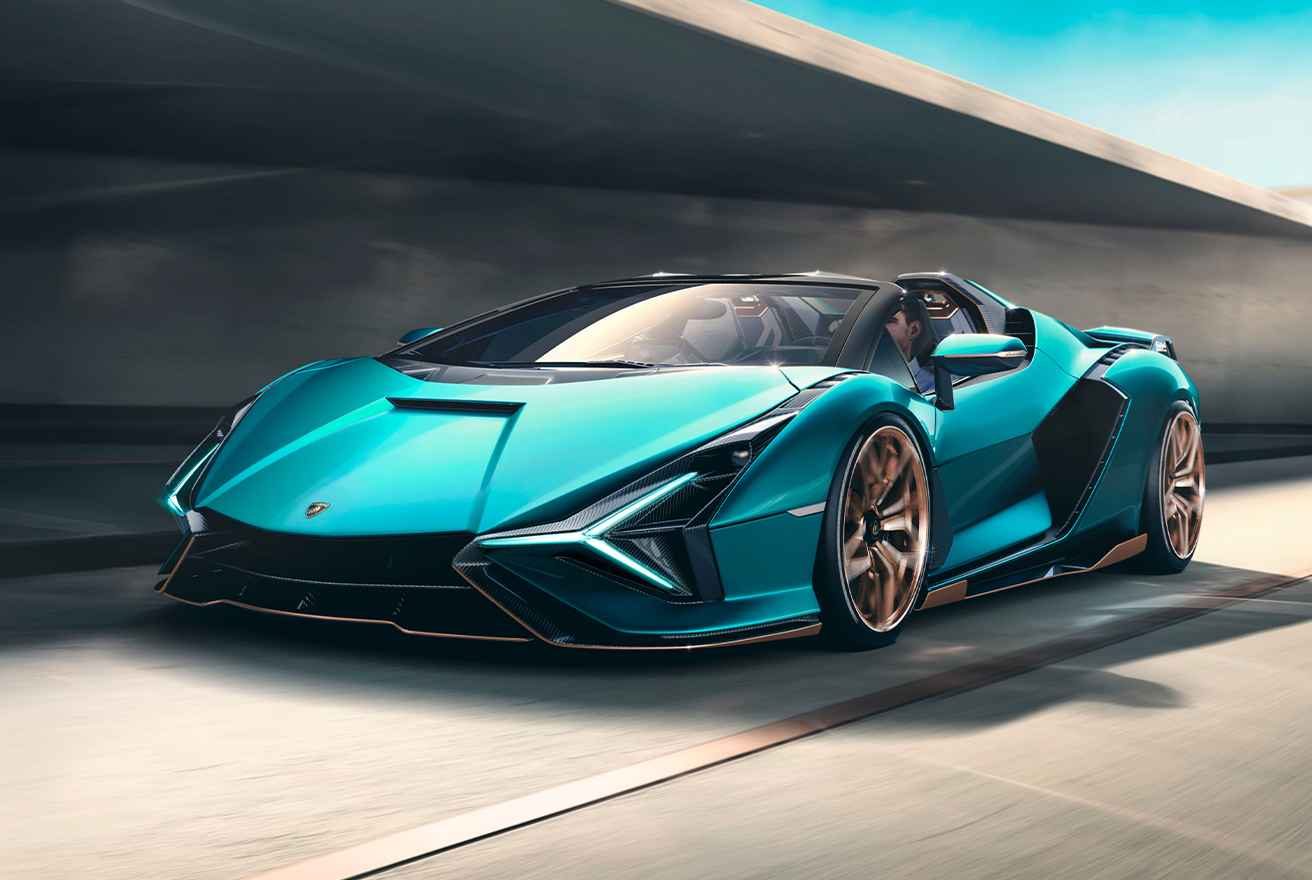
7. Lamborghini Sián
The Lamborghini Sián is Lamborghini’s first hybrid supercar, merging a naturally aspirated V12 with a supercapacitor-based electric motor system. While the total output is extremely high, it remains just below the Corvette ZR1 in raw horsepower.
Lamborghini emphasized instantaneous electric torque and performance alongside the distinctive character of a V12 engine. The Sián was engineered to deliver both futuristic technology and the visceral driving sensations that define the Lamborghini brand, resulting in a car that excels in feel and engagement, even if peak power is slightly lower than a conventional supercharged American muscle car.
Aerodynamic innovation defines the Sián’s design. Its angular bodywork, aggressive rear diffuser, and rear spoiler optimize airflow while ensuring downforce at high speeds. The hybrid system provides torque precisely when needed, enhancing acceleration out of corners without adding significant weight.
Lamborghini prioritized a high-speed, responsive driving experience that maintains brand identity, rather than focusing solely on topping the horsepower charts. This approach results in a car that can outperform more powerful vehicles on technical roads and deliver a thrilling driving experience.
Inside, the Sián combines futuristic design with luxury materials. The cockpit emphasizes the driver, with digital displays showing hybrid system data and performance metrics in real-time.
The integration of the electric system is seamless, providing additional torque without compromising the analog sensation of the V12. Lamborghini succeeded in merging cutting-edge technology with a visceral, analog feel, a balance that is rarely achieved in hypercars.
Performance on the road is breathtaking. The Sián accelerates quickly, handles predictably at high speeds, and maintains Lamborghini’s signature soundtrack. Its hybrid assistance offers a unique advantage in initial torque delivery, although peak horsepower is slightly below the ZR1.
This contrast demonstrates the diversity of hypercar engineering approaches, highlighting how Lamborghini prioritizes engagement, style, and technological innovation alongside raw power.
8. Maserati MC20
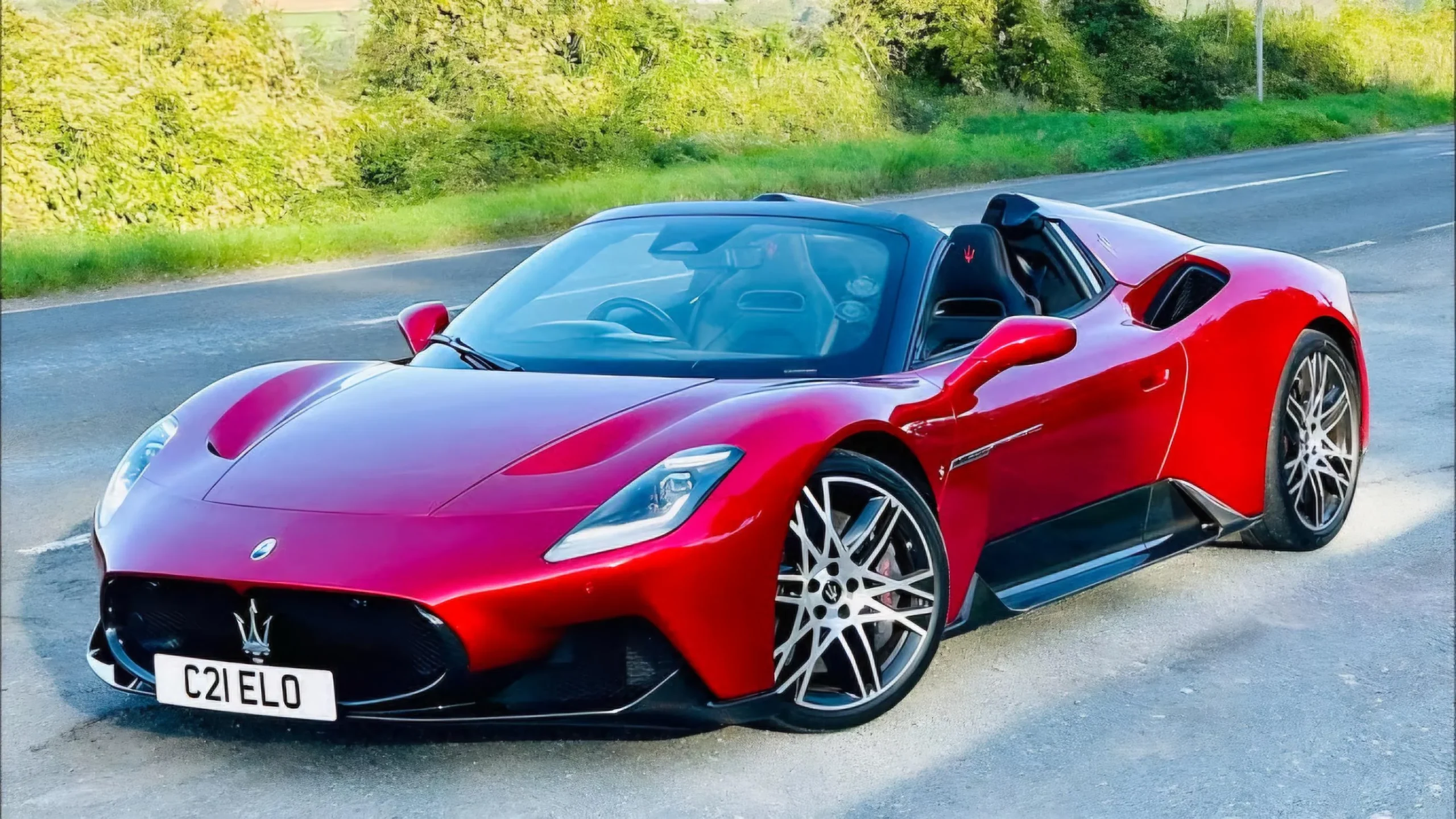
The Maserati MC20 is a high-performance supercar that marks Maserati’s return to the hypercar arena with a focus on precision engineering and driver engagement. Powered by a twin-turbo V6 engine, the MC20 delivers impressive performance but still falls slightly short of the 2025 Corvette ZR1 in terms of raw horsepower.
Maserati engineered the MC20 with a combination of lightweight construction, aerodynamic efficiency, and sophisticated powertrain management, aiming to produce a car that excels in handling and driver connection rather than simply chasing peak numbers. Its twin-turbo V6 produces strong mid-range torque, enabling rapid acceleration in real-world conditions even if it cannot claim the top spot in horsepower.
Aerodynamics are a key component of the MC20’s design. The sleek lines, integrated air intakes, and rear diffuser are carefully shaped to maximize downforce while minimizing drag. Maserati also optimized airflow around the cabin and engine bay to enhance cooling and high-speed stability.
These design choices ensure that the MC20 remains planted and agile, particularly in high-speed cornering, where handling finesse often outweighs raw horsepower. This approach highlights Maserati’s focus on creating a balanced driving experience that delivers excitement beyond numerical power ratings.
Inside, the MC20 balances luxury with functionality. The cabin features high-quality materials, racing-inspired seats, and an intuitive digital interface that provides real-time performance data. T
he driver’s position is designed for maximum engagement, emphasizing control and responsiveness. Unlike some hypercars that prioritize spectacle over ergonomics, Maserati focused on a cockpit that enhances the connection between driver, car, and road, reinforcing the MC20’s identity as a precise and enjoyable supercar.
Performance-wise, the MC20 accelerates impressively, maintains high-speed composure, and delivers a thrilling driving experience across a variety of road conditions. Its twin-turbo V6 allows for rapid torque delivery and dynamic cornering performance, yet in terms of raw horsepower, the ZR1 surpasses it.
This comparison emphasizes how modern supercars can achieve exhilarating performance without necessarily competing with the highest horsepower figures, showcasing the importance of engineering balance and driver-focused design in defining true performance.
9. Rimac Nevera
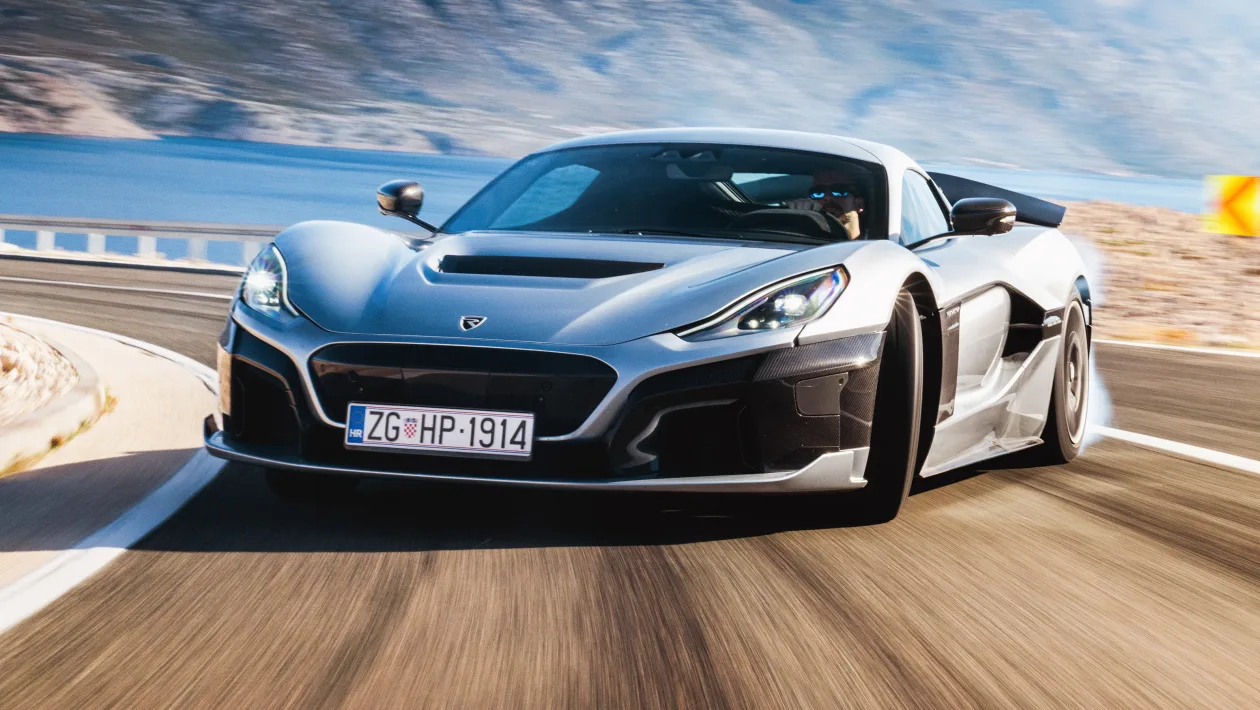
The Rimac Nevera is an all-electric hypercar that represents a new generation of high-performance vehicles, focusing on instantaneous torque and extreme acceleration. Equipped with four electric motors, one for each wheel, the Nevera delivers mind-bending performance and near-perfect torque vectoring.
Despite its staggering capabilities, its total output in traditional horsepower terms is still slightly below the 2025 Corvette ZR1, demonstrating how the measurement of performance is evolving in the age of electrification. Rimac prioritized not only speed but also stability, handling precision, and advanced energy management, allowing the car to deliver record-setting performance without relying solely on conventional peak horsepower figures.
Aerodynamics and cooling are crucial for the Nevera. Its body is sculpted to maximize airflow over the wheels and chassis while maintaining high-speed stability. The cooling system manages the temperature of the high-voltage battery pack and electric motors, ensuring consistent performance over repeated acceleration runs.
The combination of all-wheel-drive torque vectoring and aerodynamic refinement allows the Nevera to achieve blistering lap times, rivaling traditional hypercars in cornering grip and high-speed control, even if its measured peak power is slightly below the ZR1’s.
Inside, the Nevera combines advanced technology with driver-focused ergonomics. The cockpit features multiple digital displays providing battery status, power delivery, and performance metrics.
The layout is designed to maximize focus and control, allowing the driver to harness the full potential of the four electric motors. Despite being an electric car, Rimac has succeeded in maintaining engagement and feedback that makes the driving experience feel visceral, countering the common perception that EVs lack a connection to the road.
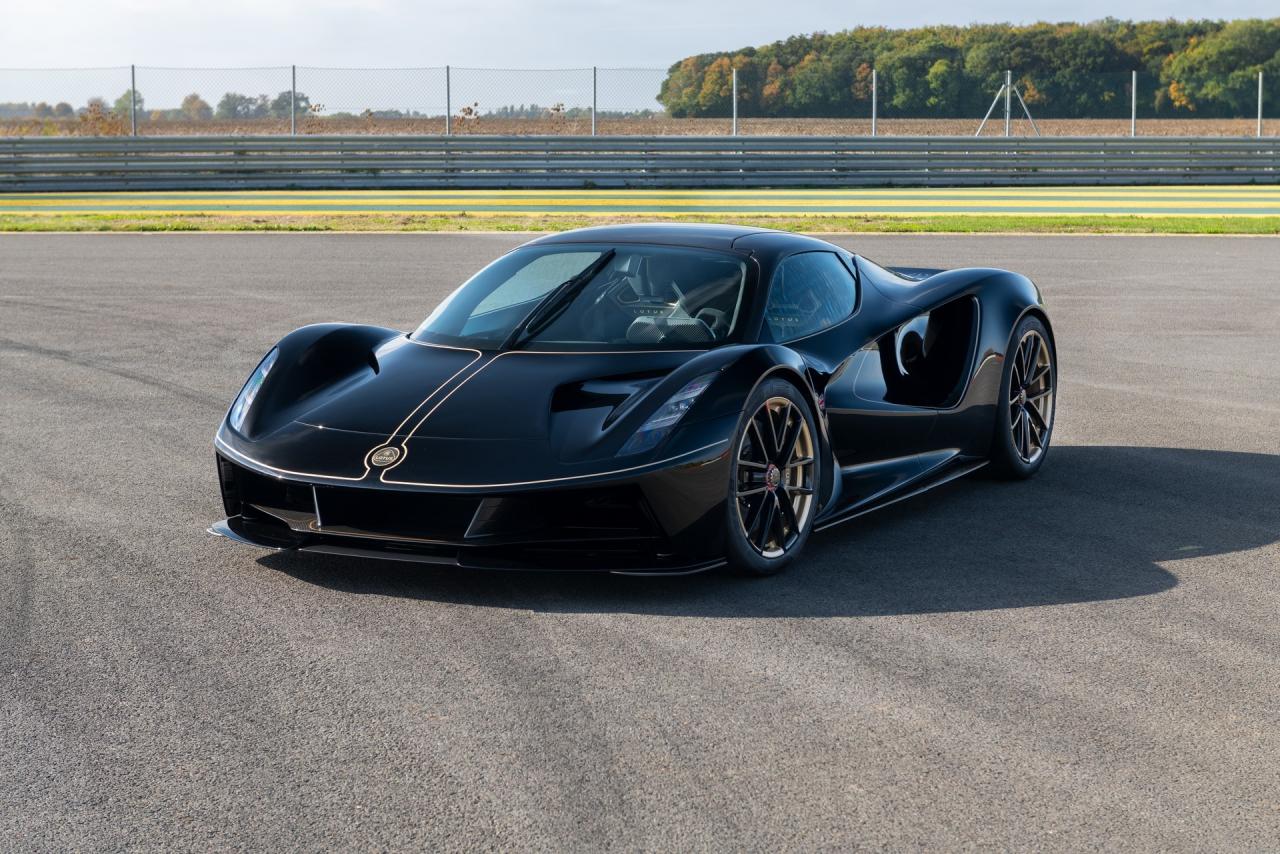
10. Lotus Evija
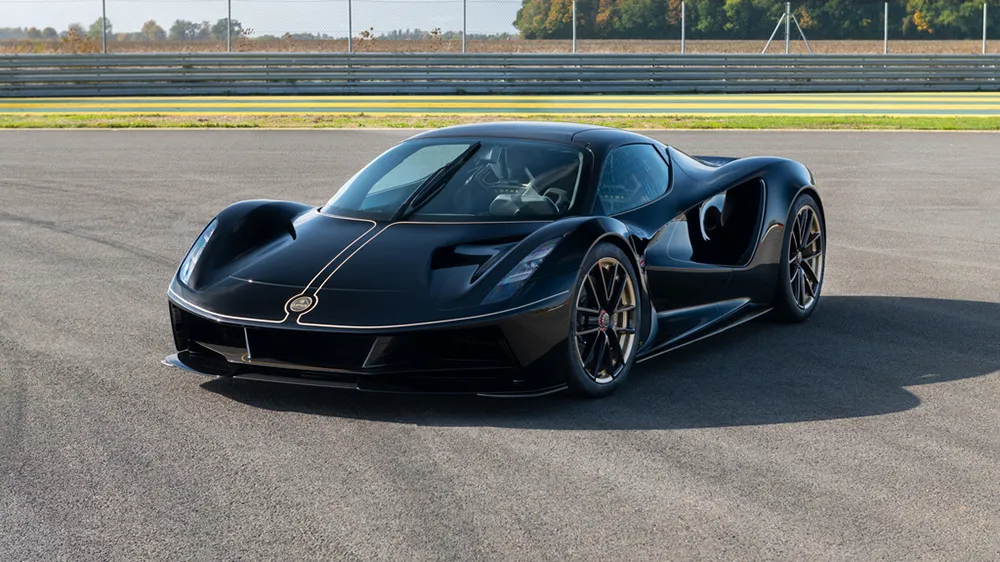
The Lotus Evija is a fully electric hypercar that combines lightweight engineering with extreme power delivery. Lotus focused on reducing weight through the extensive use of carbon fiber and aerodynamically optimized design. While the Evija produces a phenomenal amount of torque and offers rapid acceleration, its official horsepower rating is slightly below the Corvette ZR1.
Aerodynamically, the Evija is aggressive yet functional. Its body channels airflow efficiently, and active aerodynamic elements adjust to maximize downforce while minimizing drag.
Lotus’ focus on weight distribution and chassis rigidity allows the car to maintain high levels of agility and stability, ensuring that corners can be approached at speeds that rival more powerful vehicles. The combination of electric propulsion and lightweight construction makes the Evija exceptionally responsive, despite the slightly lower peak horsepower compared to the ZR1.
Inside, the Evija blends futuristic design with driver-centered functionality. Digital displays monitor battery usage, power delivery, and vehicle dynamics in real time, while the cockpit layout allows full control with minimal distraction.
The seating position and interface ensure that the driver remains fully connected to the car, emphasizing engagement over luxury. Lotus’ interior philosophy prioritizes interaction and control, aligning perfectly with the brand’s history of producing lightweight, responsive, and driver-focused cars.
On the road, the Evija offers explosive acceleration and precise handling, showcasing how an electric hypercar can feel thrilling even without exceeding traditional horsepower metrics.
The car demonstrates that dynamic response, torque delivery, and driver connection can sometimes matter more than peak power alone. While the ZR1 surpasses it in raw horsepower, the Evija remains an extraordinary example of modern hypercar engineering where the driving experience defines performance.
