
Formula 1 is widely regarded as the pinnacle of motorsport, combining speed, strategy, and precision on the world’s most challenging circuits. While the spotlight often shines on the drivers and the cars competing for victory, another crucial vehicle plays a vital role in ensuring safety and maintaining the integrity of the race.
The safety car, sometimes referred to as the pace car, is a high-performance vehicle designed to lead the race field during caution periods, ensuring that drivers slow down safely while track hazards are addressed.
Its presence is indispensable, as it mitigates the risk of accidents during adverse conditions such as heavy rain, debris on the track, or collisions. Over the decades, Formula 1 has seen a wide variety of safety cars, ranging from modified production vehicles to purpose-built supercars, each leaving a mark in the sport’s rich history.
The selection of a safety car is far from arbitrary. It must combine speed, reliability, and handling capable of matching the performance of modern Formula 1 machines, at least during controlled pace conditions. Beyond its functional role, the safety car often reflects the technology and automotive trends of its era.
For example, German manufacturers such as Mercedes-Benz and Porsche have frequently provided vehicles that showcase advanced engineering and performance, while British brands have offered models that combine elegance with capability.
The choice of car can generate excitement among fans who recognize their favorite road-going supercars temporarily transformed into essential motorsport tools. The safety car’s design, liveries, and performance upgrades are carefully considered, with modifications to brakes, suspension, tires, and electronics ensuring it meets the rigorous demands of the F1 environment.
Many of the most memorable safety cars have earned iconic status not only because of their technical attributes but also because of their appearances during dramatic races. Moments when a safety car emerges often shift the dynamics of a Grand Prix, allowing some drivers to regain lost positions or forcing others to reconsider race strategies.
Certain safety cars have become inseparable from specific races or events, their reputations cemented by extraordinary circumstances on the track. Fans often recall these vehicles as much as they remember the winning drivers, recognizing them as silent yet essential contributors to the spectacle of Formula 1.
The evolution of safety cars mirrors broader trends in both motorsport and the automotive industry. Early models were often modified sedans or sports cars capable of keeping pace with the relatively slower F1 cars of the time. As Formula 1 cars grew faster and more technologically advanced, safety cars needed to follow suit, resulting in the introduction of high-performance supercars with state-of-the-art engineering.
Today, the selection of a safety car reflects a balance of speed, style, and reliability, combining modern performance with the heritage and prestige associated with the F1 brand. This article examines ten of the most iconic Formula 1 safety cars of all time, highlighting their design, performance, and the role they played in the history of the sport.
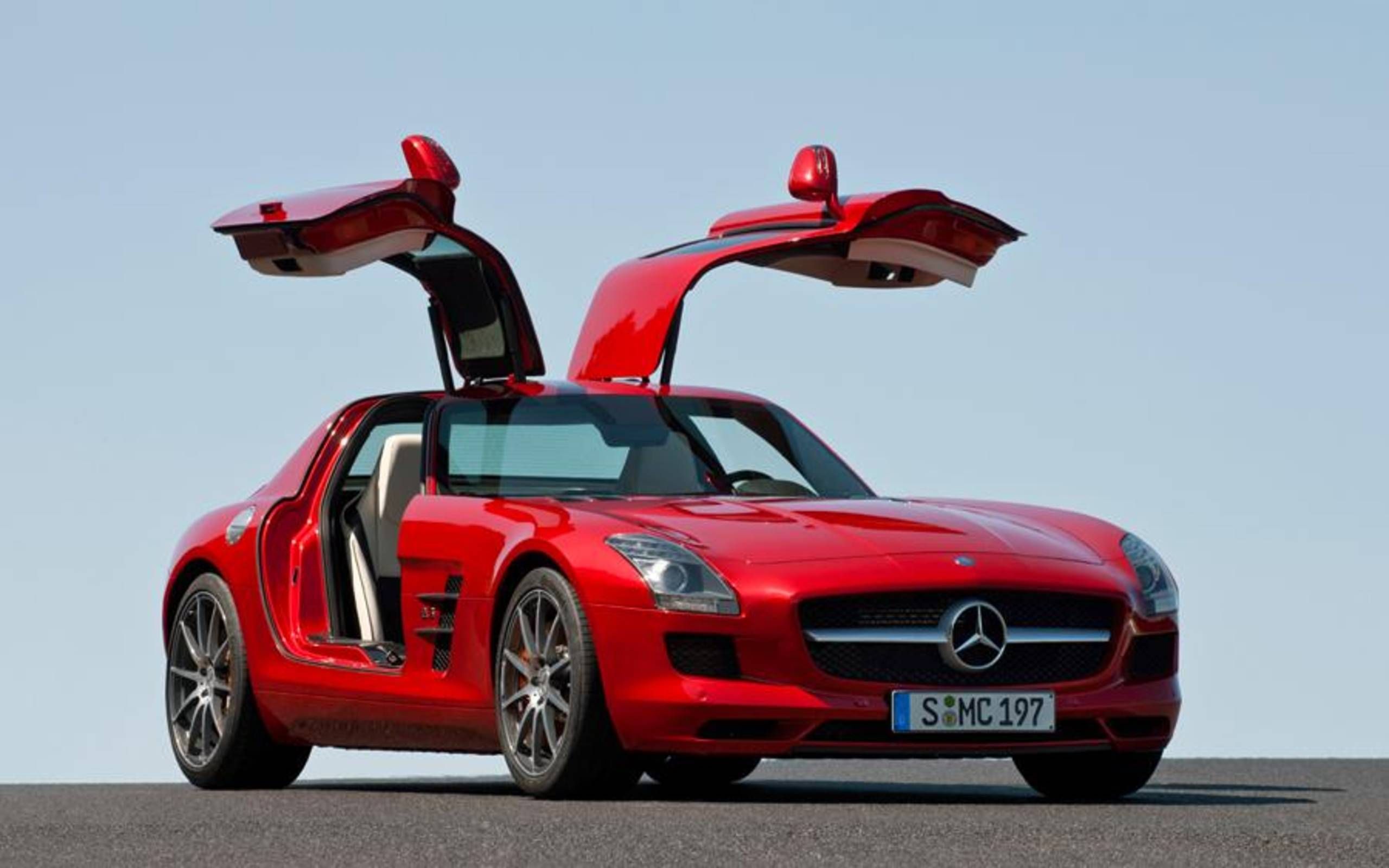
1. Mercedes-Benz SLS AMG
The Mercedes-Benz SLS AMG is widely regarded as one of the most iconic modern Formula 1 safety cars. Introduced in the early 2010s, it served as the primary pace vehicle during a period when Mercedes was asserting dominance both on the track and in automotive innovation.
With its striking gullwing doors and aggressive styling, the SLS AMG instantly captured the attention of fans and drivers alike. Its naturally aspirated 6.2-liter V8 engine delivered over 570 horsepower, providing the power needed to keep pace with the increasingly fast F1 cars during caution periods.
Beyond raw performance, Mercedes equipped the SLS with enhanced suspension and braking systems to handle the rapid accelerations and decelerations demanded on circuits worldwide.
The car’s appearance as a safety vehicle was more than just functional. It symbolized Mercedes’ growing influence in Formula 1, serving as a visual representation of their commitment to engineering excellence. During races, the SLS AMG led the field through tight corners and high-speed straights, demonstrating both agility and stability.
Drivers praised its predictable handling, which was crucial during wet conditions or when navigating through sections of the track littered with debris. The combination of precision engineering and high-performance specifications ensured that the SLS AMG could manage the responsibilities of a safety car without compromising safety or reliability.
Additionally, the SLS AMG was known for its integration of advanced technology aimed at improving visibility and communication during a race. Equipped with high-intensity LED light bars and a communications system linking it directly to race control, the car became an essential tool for maintaining order on track.
These features ensured that drivers could anticipate the safety car’s movements, minimizing the risk of collisions during caution periods. Beyond its technological advantages, the SLS AMG also delivered a sense of spectacle. Its loud exhaust note, combined with sleek styling and distinctive gullwing doors, made it a favorite among fans whenever it appeared on the grid.
The legacy of the Mercedes-Benz SLS AMG as a safety car remains strong. Even after being succeeded by newer models, it is remembered for its combination of elegance, power, and precision.
Its role in high-profile races, often during wet or hazardous conditions, cemented its status as a vehicle capable of managing the most challenging scenarios while maintaining a sense of drama and excitement. The SLS AMG exemplifies how a safety car can become a symbol of both technical mastery and motorsport heritage, bridging the gap between road car performance and Formula 1 requirements.
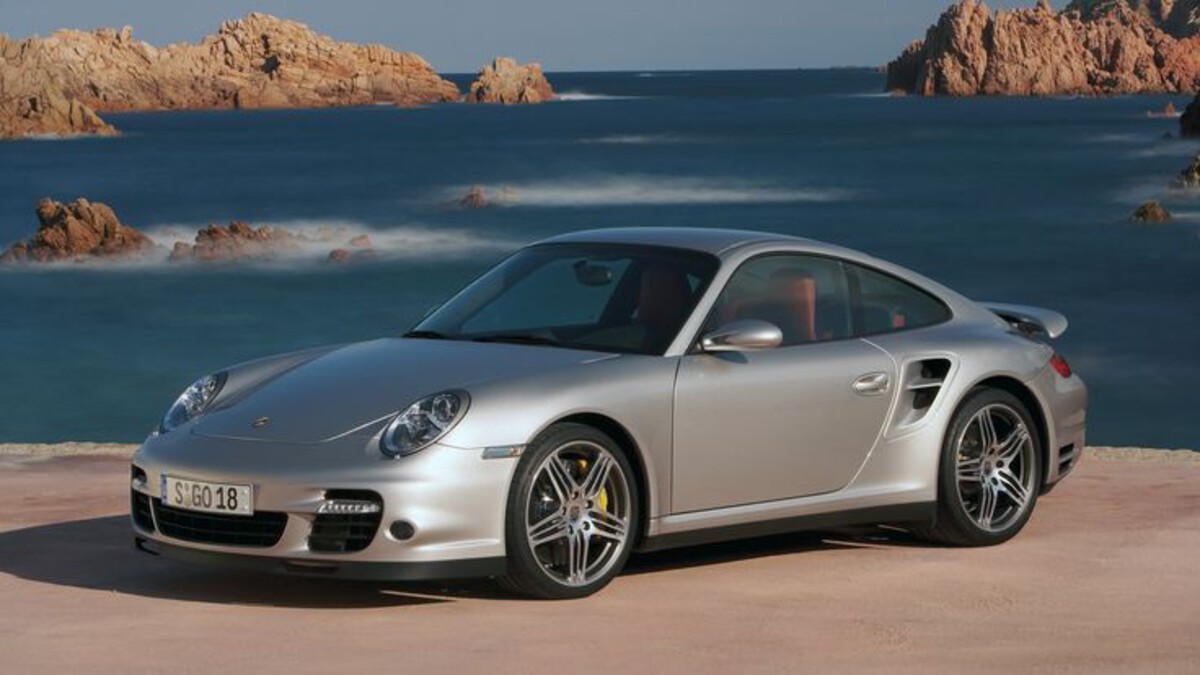
2. Porsche 911 Turbo
The Porsche 911 Turbo has a long-standing reputation for performance and reliability, making it a natural choice for Formula 1 safety car duties. Its all-wheel-drive system and turbocharged flat-six engine offered a unique combination of speed and stability, allowing the car to handle unpredictable track conditions with confidence.
Introduced as a safety car in the mid-1990s, the 911 Turbo demonstrated that vehicles designed for road performance could be adapted to meet the stringent demands of high-speed racing. Its compact design allowed for agility on narrow circuits, while its advanced braking systems provided the necessary control when leading a line of Formula 1 cars during caution periods.
In addition to performance, the 911 Turbo brought a certain prestige to the role of safety car. Porsche’s reputation as a manufacturer of world-class sports cars resonated with fans and drivers, enhancing the spectacle of the race. The 911 Turbo was often equipped with additional lighting and communication tools, ensuring seamless coordination with race control.
These modifications, while subtle, highlighted Porsche’s commitment to safety and precision. Drivers trusted the car to maintain consistent pace and predictable handling, which was essential for avoiding incidents during caution laps.
The 911 Turbo also showcased Porsche’s engineering flexibility. By adapting a road-going sports car to the rigorous demands of Formula 1, engineers demonstrated the car’s capability to perform under extreme conditions.
This included reinforced suspension components, upgraded tires for high temperatures, and enhanced cooling systems to manage prolonged periods of high-speed driving. Its all-wheel-drive system provided superior traction, making it particularly effective in wet or slippery conditions, where the safety car’s ability to control the pace was crucial for preventing accidents. The 911 Turbo’s combination of speed, precision, and reliability made it a benchmark for future safety car selections.
The cultural impact of the Porsche 911 Turbo extends beyond its technical contributions. Fans often recall its appearances during pivotal races, where its presence directly influenced the outcome of key moments.
Its distinct exhaust note and timeless styling made it instantly recognizable on track, while its performance capabilities reassured drivers that they were being guided by a vehicle capable of handling the extremes of Formula 1 circuits. The 911 Turbo remains an enduring symbol of the balance between luxury, speed, and functionality, illustrating how a production car can achieve iconic status within the high-pressure environment of Formula 1.
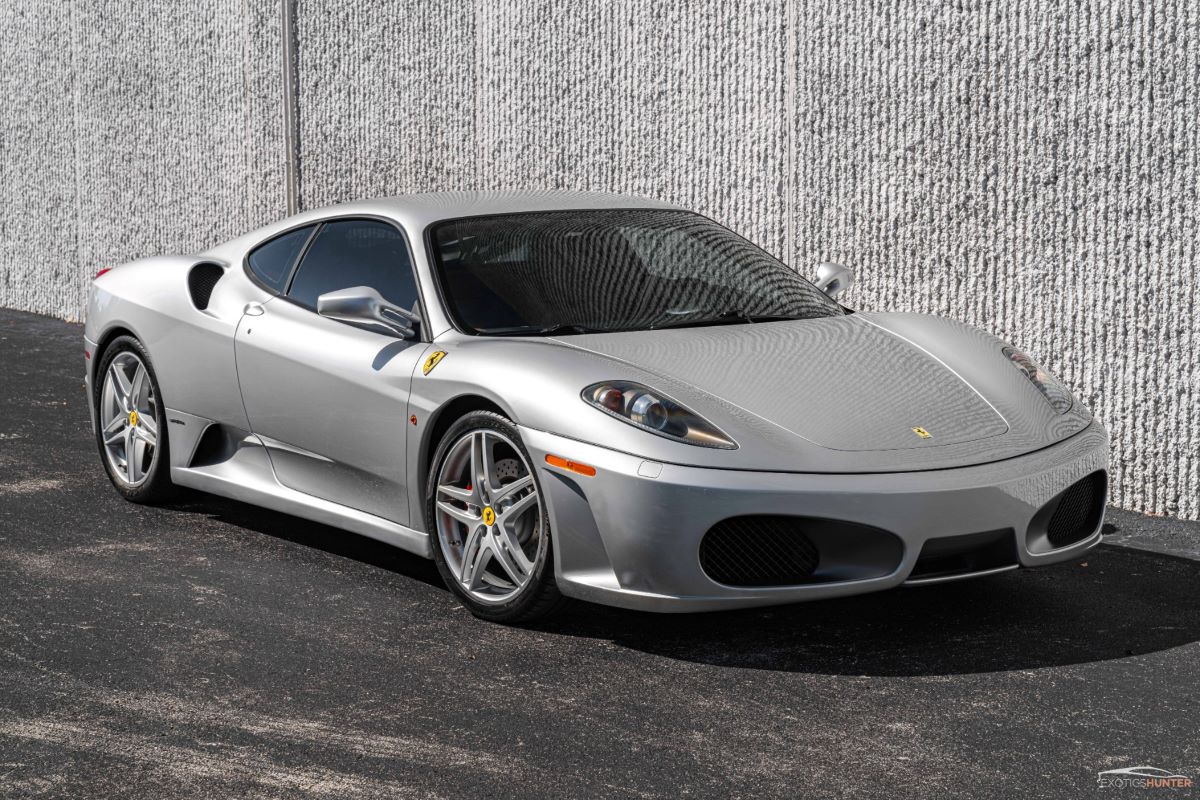
3. Ferrari F430
Ferrari’s involvement in Formula 1 is legendary, and the Ferrari F430 represents one of the most memorable safety cars in the sport’s history. This Italian supercar, powered by a 4.3-liter V8 engine producing over 480 horsepower, was selected to lead races due to its combination of speed, handling, and dramatic styling.
Its presence on the track was particularly during the mid-2000s, when Ferrari’s brand dominance extended beyond the race team itself. The F430 featured cutting-edge suspension and braking systems, allowing it to navigate challenging circuits with precision while keeping pace with the field during caution periods.
The F430’s role as a safety car was not just technical but also symbolic. Ferrari’s participation reinforced the prestige of Formula 1, highlighting the connection between the sport and some of the world’s most desirable road cars.
Drivers often expressed admiration for the car’s responsiveness and agility, particularly on tracks with tight corners or rapid elevation changes. The F430’s naturally aspirated engine delivered a linear and predictable power curve, which was essential for maintaining a controlled pace during safety car deployments.
Beyond its driving dynamics, the F430 incorporated advanced communication and visibility features, including integrated light bars and a race control interface. These systems ensured that the car could safely lead the field while providing clear signals to drivers.
Ferrari engineers also paid attention to reliability, recognizing that a safety car failure during a caution period could have serious consequences. Reinforced cooling systems, upgraded tires, and suspension tuning allowed the F430 to perform consistently, even under the stresses of repeated high-speed runs.
The legacy of the Ferrari F430 as a safety car is closely tied to its appearances during high-profile races in Europe and Asia. Fans remember the thrill of seeing a Ferrari, a symbol of automotive excellence, leading the Formula 1 field through tricky conditions.
Its combination of aesthetic appeal, technical capability, and historical significance has cemented the F430 as one of the most iconic vehicles to ever carry the safety car role, embodying the perfect balance of performance, style, and reliability.
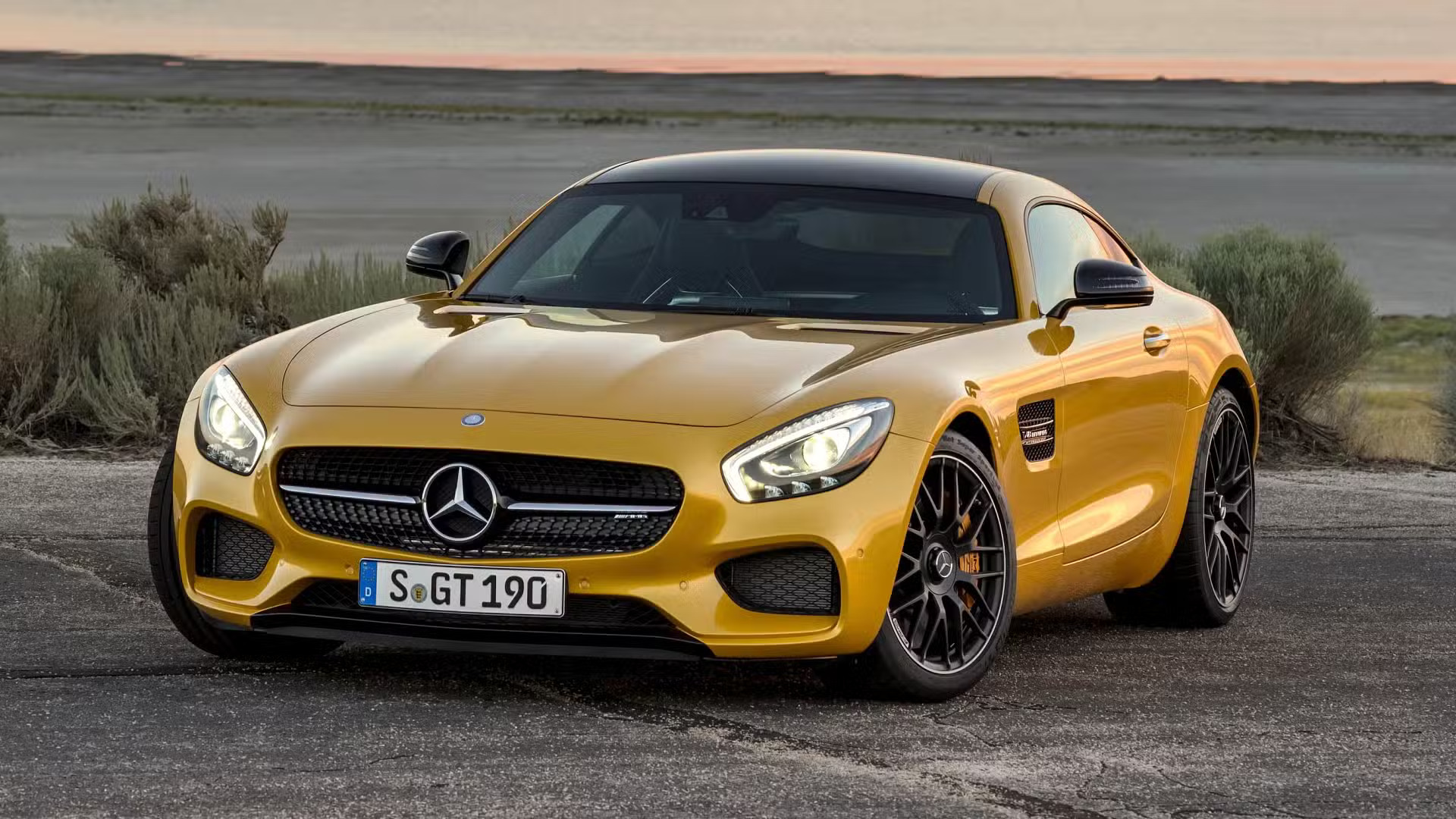
4. Mercedes-AMG GT R
The Mercedes-AMG GT R is one of the more recent and striking examples of a Formula 1 safety car. Introduced in the late 2010s, it represented Mercedes’ evolution in performance and engineering, serving as a bridge between road-going supercars and highly specialized racing vehicles.
The GT R is powered by a 4.0-liter twin-turbo V8 engine producing over 570 horsepower, paired with an advanced seven-speed dual-clutch transmission, which allows rapid acceleration and smooth power delivery.
Its active aerodynamics and lightweight construction make it capable of handling the demands of leading F1 cars, while the AMG-specific chassis ensures stability during high-speed maneuvers. The GT R was frequently seen during European races, where tight corners and high-speed straights tested both its capabilities and those of the drivers it led.
Beyond raw performance, the GT R’s presence on track highlighted the importance of safety, reliability, and visibility. Its advanced braking system, including carbon-ceramic brakes, allowed precise control over speed, which is crucial when guiding F1 drivers in adverse weather or during incidents.
Additionally, the vehicle featured prominent LED light bars, high-visibility liveries, and direct communication links to race control, ensuring that all drivers could anticipate its movements. The GT R’s balance of power and handling made it particularly effective during challenging conditions such as wet circuits or races with heavy debris on the track, where maintaining a controlled pace is critical to preventing further incidents.
The design of the AMG GT R emphasized not only functionality but also spectacle. Its aggressive front fascia, wide stance, and aerodynamic features made it a visually striking presence on the grid. Fans quickly recognized the vehicle as a symbol of Mercedes’ dual identity in Formula 1: a leader in both competition and innovation.
The GT R’s exhaust note and the way it handled corners often drew admiration from spectators, creating a sense of drama even during caution periods. This combination of performance, style, and engineering sophistication reinforced Mercedes’ reputation as a manufacturer capable of producing vehicles that could seamlessly transition from road to race.
The legacy of the AMG GT R as a Formula 1 safety car extends beyond its individual races. Its presence helped establish modern expectations for safety cars, where high-speed performance, reliability, and technological integration are paramount.
The GT R demonstrated that a safety car can be more than just a functional necessity; it can enhance the spectacle of the sport while simultaneously maintaining order and ensuring driver safety. Its role continues to be remembered as a benchmark for modern F1 safety cars, reflecting a blend of German engineering, precision, and performance that few other vehicles have matched in the history of the sport.

5. Aston Martin Vantage
Aston Martin has long been associated with elegance, performance, and British engineering, making the Vantage a natural candidate for Formula 1 safety car duties. The modern Vantage, equipped with a 4.0-liter twin-turbo V8 engine, produces more than 500 horsepower, allowing it to accelerate quickly and maintain a controlled pace while leading Formula 1 cars.
Its adaptive suspension, rear-wheel-drive configuration, and advanced traction systems provide stability on circuits of varying conditions, from fast straights to tight hairpins. The Vantage’s lightweight construction contributes to its agility, enabling it to respond rapidly to changes in track conditions, which is vital when dealing with incidents that require sudden adjustments in pace or maneuvering.
Beyond technical aspects, the Vantage carries a strong visual presence on track. Its sleek lines, low profile, and distinctive grille make it instantly recognizable, while the safety car livery and high-intensity lights ensure visibility for all drivers on the circuit.
The car’s design allows it to handle a variety of weather conditions, which is particularly important during races in Europe or Asia where rain can arrive suddenly and affect multiple corners simultaneously. Drivers trust the Vantage to maintain a steady pace while negotiating challenging sections of the track, giving them confidence to manage their own speeds safely.
The impact of the Aston Martin Vantage extends beyond its technical capabilities. Its involvement in Formula 1 highlights the brand’s connection to motorsport and underscores the importance of combining performance with safety.
Fans often remember the Vantage not just as a functional tool, but as a symbol of craftsmanship, power, and precision. Its appearances during high-profile races have helped cement its status among the most iconic safety cars, demonstrating that a vehicle can achieve recognition both for its role in safeguarding drivers and for its engineering excellence and design appeal.
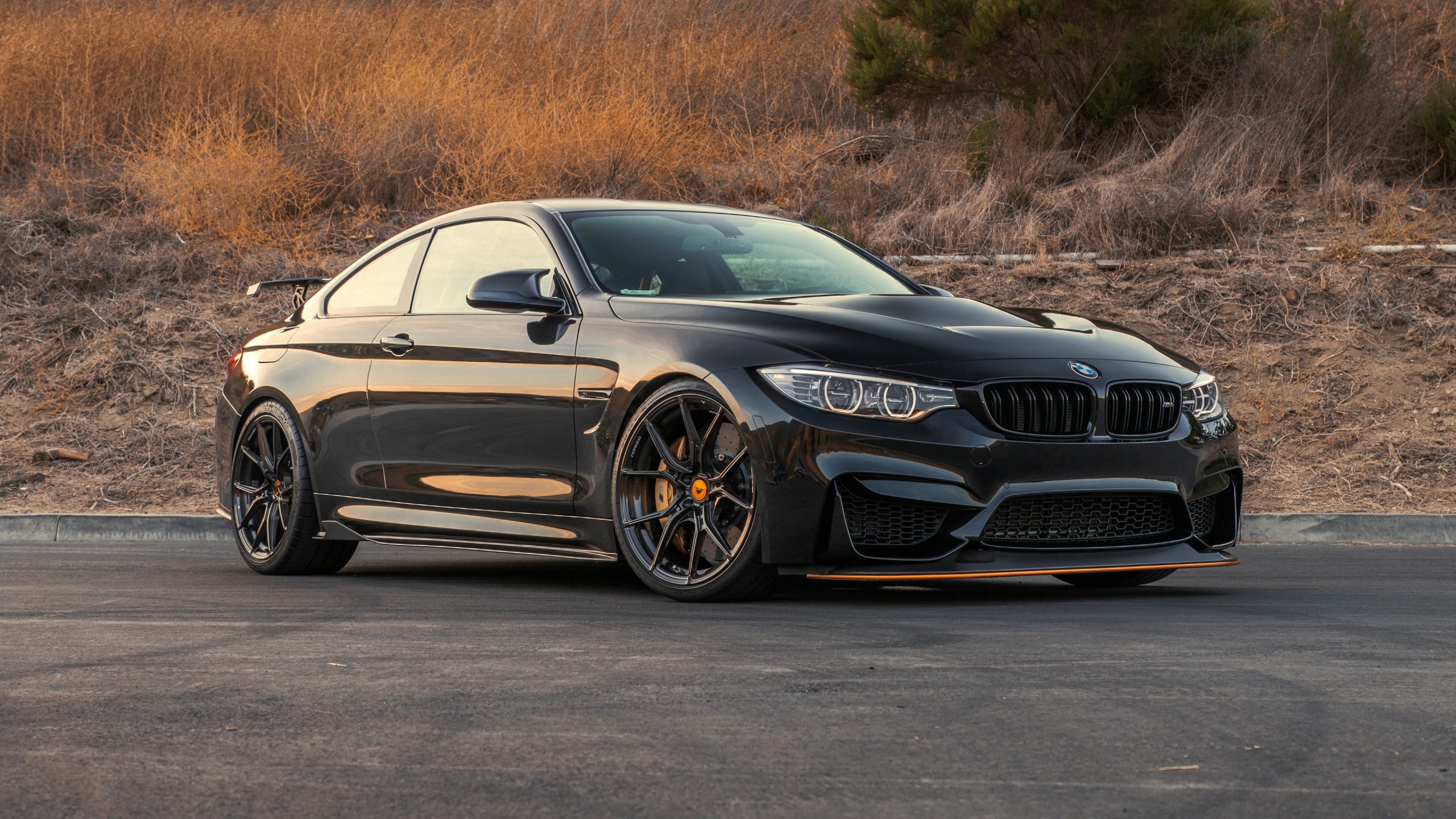
6. BMW M4
The BMW M4, with its combination of sharp handling, powerful engine, and track-focused engineering, has been a standout safety car in Formula 1 history. Its twin-turbocharged inline-six engine produces around 500 horsepower, giving the vehicle the acceleration and top-end speed necessary to guide the field safely during caution periods.
BMW’s engineering ensures a balance between performance and control, with rear-wheel-drive dynamics, adaptive suspension, and electronic stability systems allowing the M4 to respond precisely to the demands of a race circuit. Its lightweight construction and aerodynamics enhance handling at high speeds, ensuring that it can maintain the required pace while protecting drivers on track.
Aesthetic and functional considerations also make the BMW M4 in the history of safety cars. Its aggressive styling, prominent grille, and aerodynamic profile give it a commanding presence on the track, while safety lighting and high-visibility livery ensure that all drivers can clearly see the vehicle during race conditions.
The M4 has proven especially effective in European and Asian circuits, where tight turns, elevation changes, and unpredictable weather require a vehicle capable of precise control. Drivers have praised its predictable handling and ability to maintain consistent speed during long caution periods, highlighting the importance of reliability alongside performance.
The BMW M4’s legacy as a Formula 1 safety car is reinforced by its combination of engineering excellence and visual appeal. Its presence on the track has often coincided with high-profile races where precise control and rapid response were essential.
Beyond its role in maintaining safety, the M4 has become an iconic representation of the synergy between road-going performance vehicles and the rigorous demands of Formula 1. Its balance of agility, speed, and safety has ensured its lasting place in motorsport history as one of the most respected and memorable safety cars of all time.

7. Audi R8
The Audi R8 is a naturally fitting choice for Formula 1 safety car duties, blending speed, precision, and advanced technology in a package that is as functional as it is visually striking. Its mid-mounted V10 engine produces over 500 horsepower, while Audi’s quattro all-wheel-drive system provides exceptional traction and stability.
These characteristics allow the R8 to handle tight corners, rapid accelerations, and sudden decelerations, making it an ideal vehicle to guide Formula 1 drivers safely around the circuit. The car’s lightweight aluminum space frame and aerodynamic enhancements ensure that it remains balanced at high speeds, even under the demanding conditions of repeated safety car deployments.
In addition to technical capabilities, the Audi R8’s design enhances its presence and visibility on track. Its wide stance, low profile, and distinctive LED lighting provide clear signals to all drivers, while the vehicle’s sleek and aggressive lines make it instantly recognizable to fans.
This combination of aesthetics and functionality ensures that the R8 not only performs its duties effectively but also contributes to the spectacle of Formula 1. Its appearances during high-profile events often generate excitement among spectators, demonstrating the appeal of a high-performance supercar in a safety car role.
The legacy of the Audi R8 as a safety car is marked by both technical achievement and cultural significance. It demonstrates how a road-going supercar can be adapted for the rigorous demands of Formula 1, maintaining safety while showcasing exceptional engineering and performance.
Its presence on track has influenced expectations for modern safety cars, emphasizing the need for precision, reliability, and visual impact. The R8 remains a memorable and respected example of a safety car that combines speed, control, and elegance, solidifying its place among the most iconic vehicles in the history of the sport.
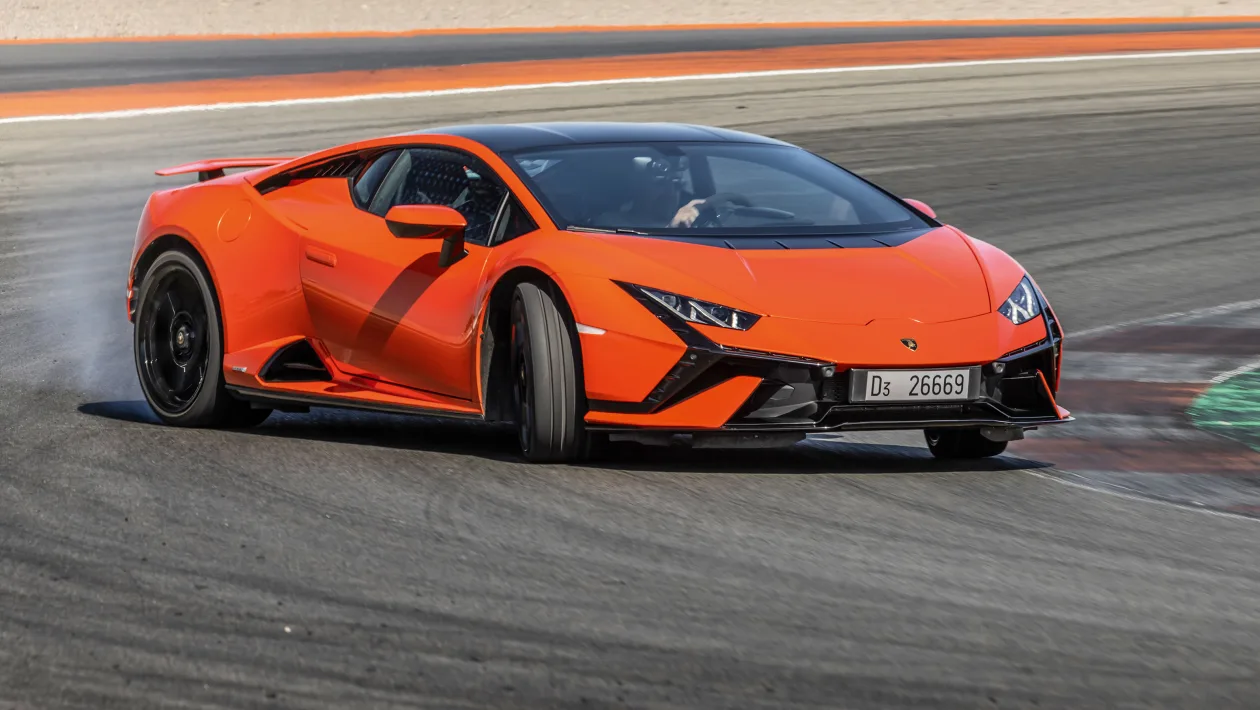
8. Lamborghini Huracán
The Lamborghini Huracán stands out as one of the most visually aggressive and performance-focused safety cars in Formula 1 history. With its naturally aspirated 5.2-liter V10 engine producing over 600 horsepower, the Huracán possesses the raw speed required to keep pace with the world’s fastest racing machines during caution periods.
Its all-wheel-drive system provides exceptional traction, making it particularly effective in wet conditions or on circuits with sharp elevation changes. The vehicle’s lightweight construction and advanced aerodynamics contribute to its stability at high speeds, allowing it to maneuver safely while leading the F1 field.
Lamborghini’s focus on combining extreme performance with precision handling ensures that the Huracán can respond instantly to any situation on track, from sudden debris to challenging corners.
The cultural impact of the Huracán extends beyond its performance. Fans often view it as a symbol of excitement, luxury, and engineering prowess, and its appearances on circuits worldwide create memorable visual moments.
The dramatic sound of its V10 engine, combined with its aggressive design, ensures that it is not just a functional vehicle but a star in its own right. The Lamborghini Huracán has earned its place among the most iconic Formula 1 safety cars, demonstrating that a car can fulfill a critical safety role while simultaneously inspiring awe and admiration from spectators.
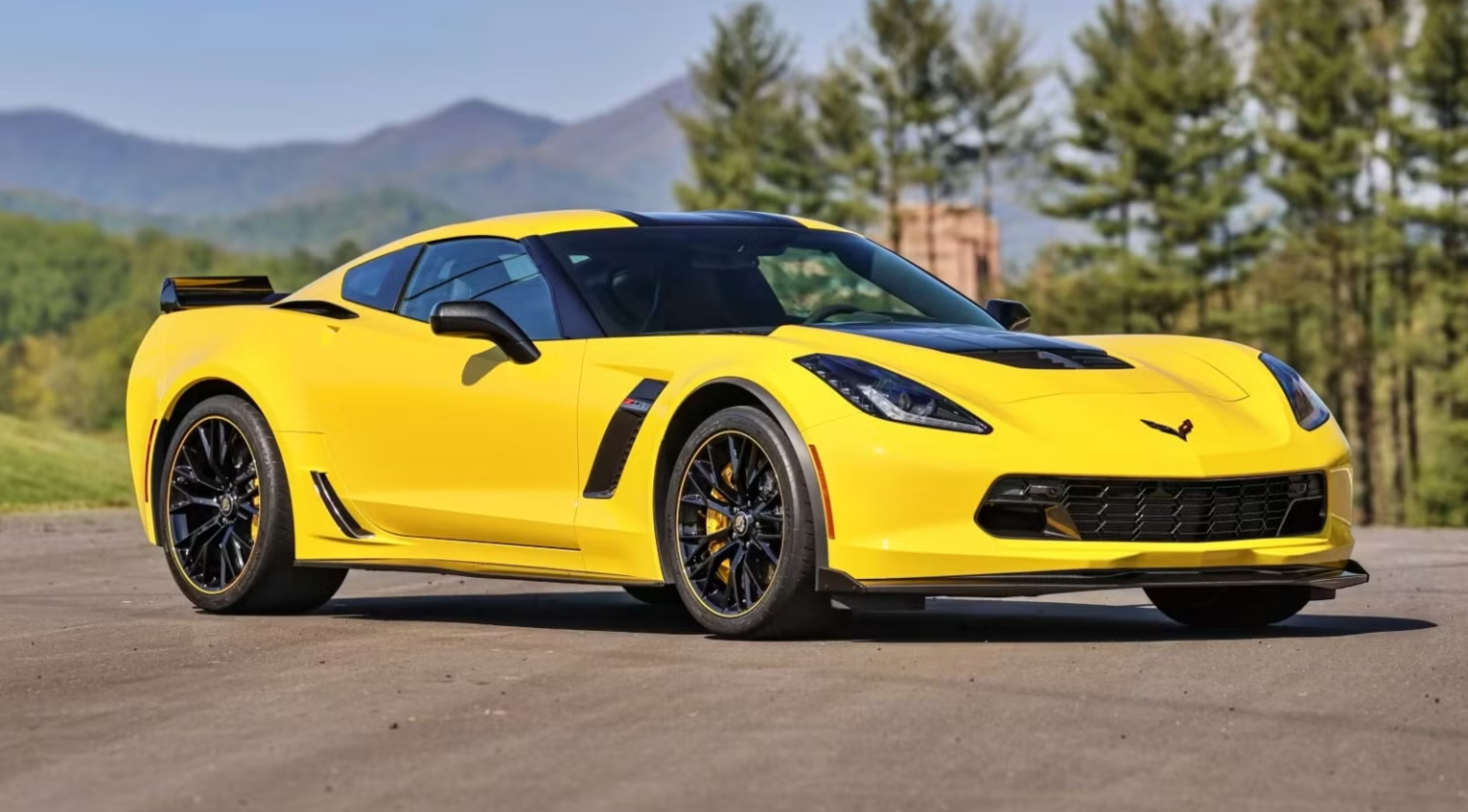
9. Chevrolet Corvette C7
The Chevrolet Corvette C7 is a quintessential example of an American sports car adapted for the demanding role of Formula 1 safety car. Powered by a 6.2-liter naturally aspirated V8 engine producing over 455 horsepower, the Corvette offers impressive acceleration and top-speed capabilities, making it suitable for leading the world’s fastest racing cars safely.
Its rear-wheel-drive setup, combined with a sophisticated suspension system, provides stability and precise handling on a variety of circuit layouts. The C7’s lightweight frame and aerodynamic design contribute to its ability to navigate tight corners and high-speed straights, ensuring a smooth and controlled pace during caution periods.
The legacy of the Corvette C7 as a Formula 1 safety car highlights the importance of blending power, precision, and visual impact. Its appearances on circuits have been memorable due to its performance capabilities and iconic styling.
The C7 demonstrates that a safety car can serve a functional purpose while also becoming a fan favorite, representing both engineering excellence and automotive heritage. Its adaptability to the demanding environment of Formula 1 cements its status as one of the most iconic safety cars of all time, proving that American sports cars can hold their own among the elite supercars chosen for this critical role.
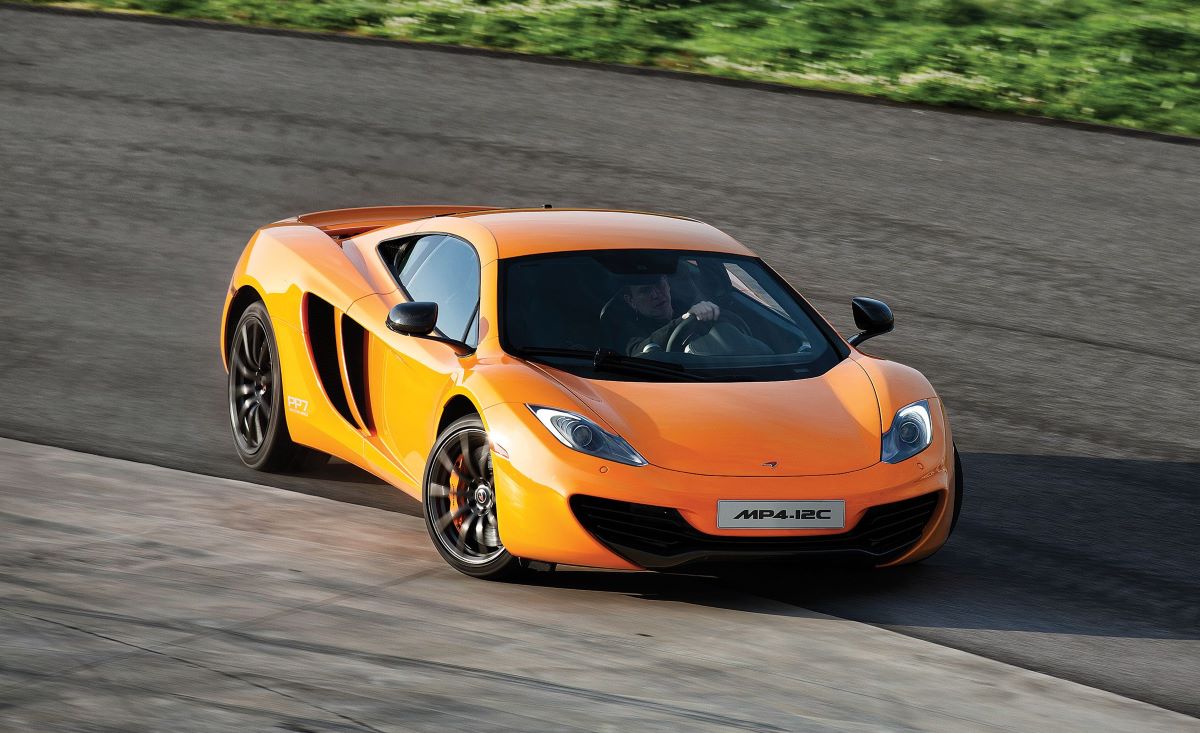
10. McLaren MP4-12C / 650S
McLaren has long been synonymous with high-performance engineering and innovation, and its MP4-12C and later 650S models served as exceptional Formula 1 safety cars. The MP4-12C, powered by a 3.8-liter twin-turbo V8 engine producing over 600 horsepower, offered a combination of blistering speed, precise handling, and advanced aerodynamics.
The later 650S further improved performance with enhanced chassis dynamics, increased power output, and superior braking systems, ensuring that it could manage the demanding role of leading F1 cars through challenging circuits.
Both models benefited from McLaren’s expertise in lightweight construction, carbon fiber technology, and track-focused engineering, making them capable of repeated high-speed stints without compromising reliability.
The McLaren safety cars have left a lasting legacy in Formula 1 history. They exemplify the potential for road-going supercars to perform critical safety functions at the highest level of motorsport. Their combination of speed, handling, technology, and visual appeal set a benchmark for modern safety car standards.
Beyond functionality, the MP4-12C and 650S became symbols of innovation and precision, demonstrating that a safety car can be as thrilling and iconic as the cars competing for the race victory itself. Their contributions to driver safety, reliability, and race management ensure they remain among the most memorable and celebrated vehicles to ever fulfill the safety car role.
