
Japanese sports cars have long been celebrated for their blend of engineering excellence, driving precision, and affordability. While models like the Nissan GT-R, Toyota Supra, and Mazda RX-7 have achieved global fame, the industry of Japanese automotive performance is far richer than these mainstream icons suggest.
Beneath the surface lies a treasure trove of vehicles that offer unique driving experiences, distinctive engineering, and design philosophies that remain relevant even decades after their introduction.
These overlooked machines are often overshadowed by their more famous counterparts, yet they provide enthusiasts with the opportunity to experience raw, unfiltered performance and the subtle joys of driving that are increasingly rare in modern, heavily assisted vehicles.
Many of these hidden gems combine innovation with simplicity, reflecting a period when Japanese automakers were not only experimenting with engine layouts and forced induction but also focusing on driver engagement.
Their rarity is often a result of limited production runs, regional exclusivity, or market trends that favored practical sedans and SUVs over enthusiast-oriented vehicles. For a true gearhead, driving these cars is not merely about speed or lap times.
It is about understanding the philosophy behind each model, appreciating the tactile feedback from the steering wheel, and experiencing how chassis balance and engine character translate directly to road performance. These cars demand attention and reward skill, providing lessons in automotive engineering that remain relevant to anyone passionate about the craft of driving.
The appeal of overlooked Japanese sports cars extends beyond their mechanical traits. They often carry unique styling cues, bold color choices, and interior layouts that tell a story of their era. While some may appear understated, their performance capabilities often surprise, especially when compared to more celebrated models.
Collectors and enthusiasts increasingly recognize the value of these cars, both in terms of financial appreciation and driving satisfaction. Owning and driving such a vehicle is akin to holding a piece of automotive history in your hands, experiencing a moment in time when innovation, passion, and craftsmanship aligned to create something exceptional.
This article will highlight ten Japanese sports cars that deserve more recognition than they currently receive. Each vehicle has been selected for its unique combination of driving experience, engineering innovation, and historical significance.
By exploring these overlooked gems, enthusiasts can broaden their appreciation for Japanese automotive culture and gain insight into vehicles that pushed boundaries without necessarily capturing widespread attention. From nimble roadsters to turbocharged sedans, these cars offer experiences that are both thrilling and educational. For those willing to seek them out, they represent some of the purest expressions of driving enjoyment Japan has ever produced.
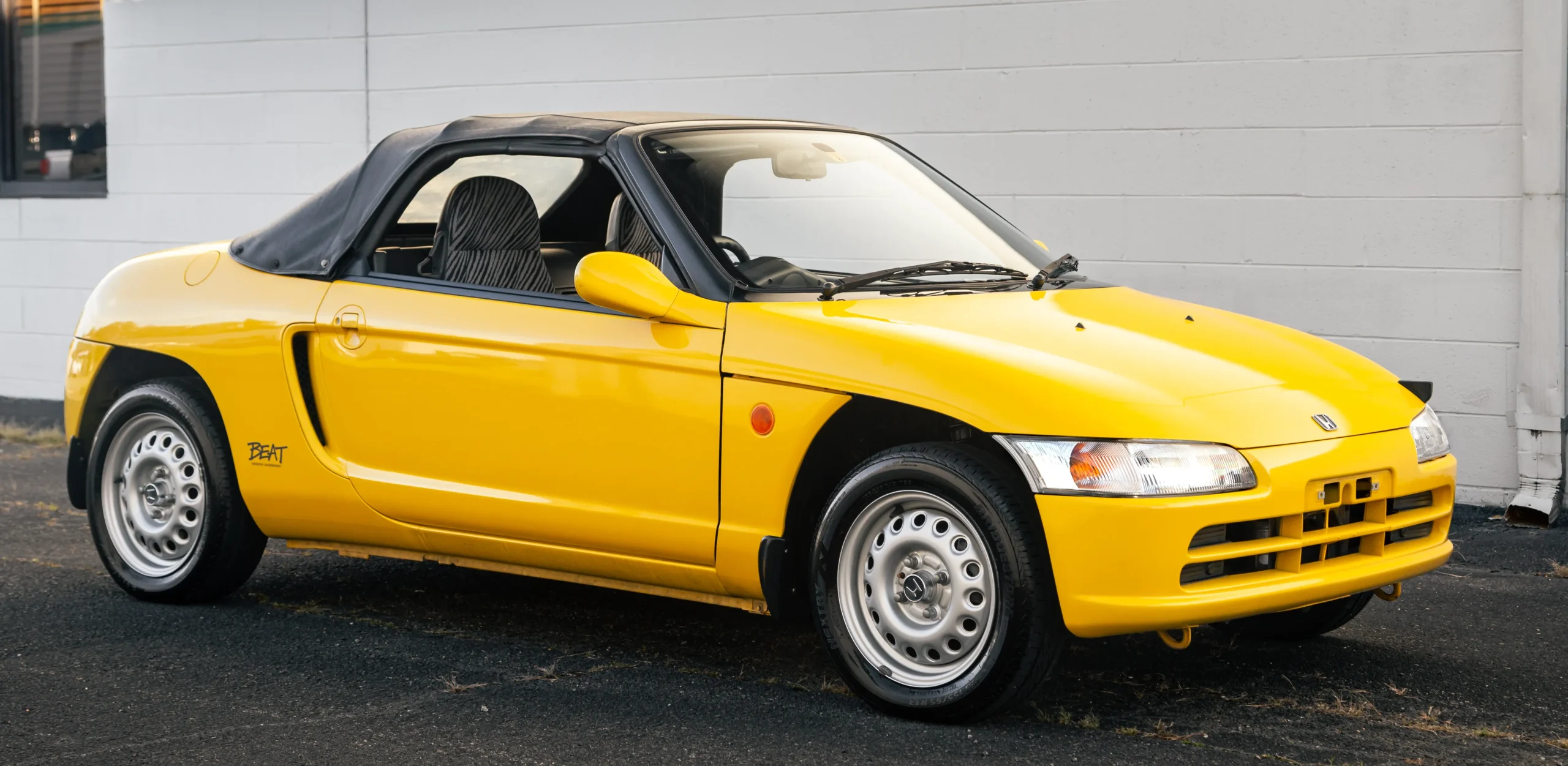
1. Honda Beat
The Honda Beat is a small, two-seat roadster that exemplifies the joy of lightweight sports cars. Introduced in the early 1990s as part of Japan’s kei car regulations, it features a mid-engine, rear-wheel-drive layout that provides remarkable balance for such a compact vehicle.
Its 656cc three-cylinder engine produces less than 65 horsepower, yet the car’s featherweight construction allows it to feel much faster than its specifications suggest. Driving a Beat is an exercise in precision, as the lack of excessive power forces the driver to focus on cornering, weight transfer, and throttle modulation.
The design of the Honda Beat is deceptively simple, with clean lines and a minimalist interior that prioritizes driver engagement over luxury. Despite its size, it offers a surprisingly comfortable cockpit for its intended purpose, with controls that are intuitive and responsive.
The open-top experience enhances the connection between the driver and the environment, making every gear change and steering input feel immediate. This simplicity is part of its charm, as it encourages an appreciation of pure driving mechanics without the distractions of modern electronic aids.
One of the most remarkable aspects of the Beat is its chassis engineering. Honda’s expertise in handling dynamics shines through, as the suspension is tuned to provide agility and responsiveness.
The car feels alive at low speeds, rewarding careful input with a sense of control that larger or more powerful vehicles often cannot replicate. Its diminutive size also makes it ideal for winding roads or tight city streets, where it can navigate corners with a nimbleness that few modern sports cars can match.
Despite being relatively affordable on the collector market, the Honda Beat has gained a cult following among enthusiasts. Its rarity outside Japan, combined with its unique characteristics, makes it a sought-after vehicle for those who value driving purity over headline-grabbing performance numbers. For a gearhead willing to embrace a different kind of challenge, the Honda Beat offers an unforgettable experience that emphasizes technique, awareness, and the simple thrill of motion.
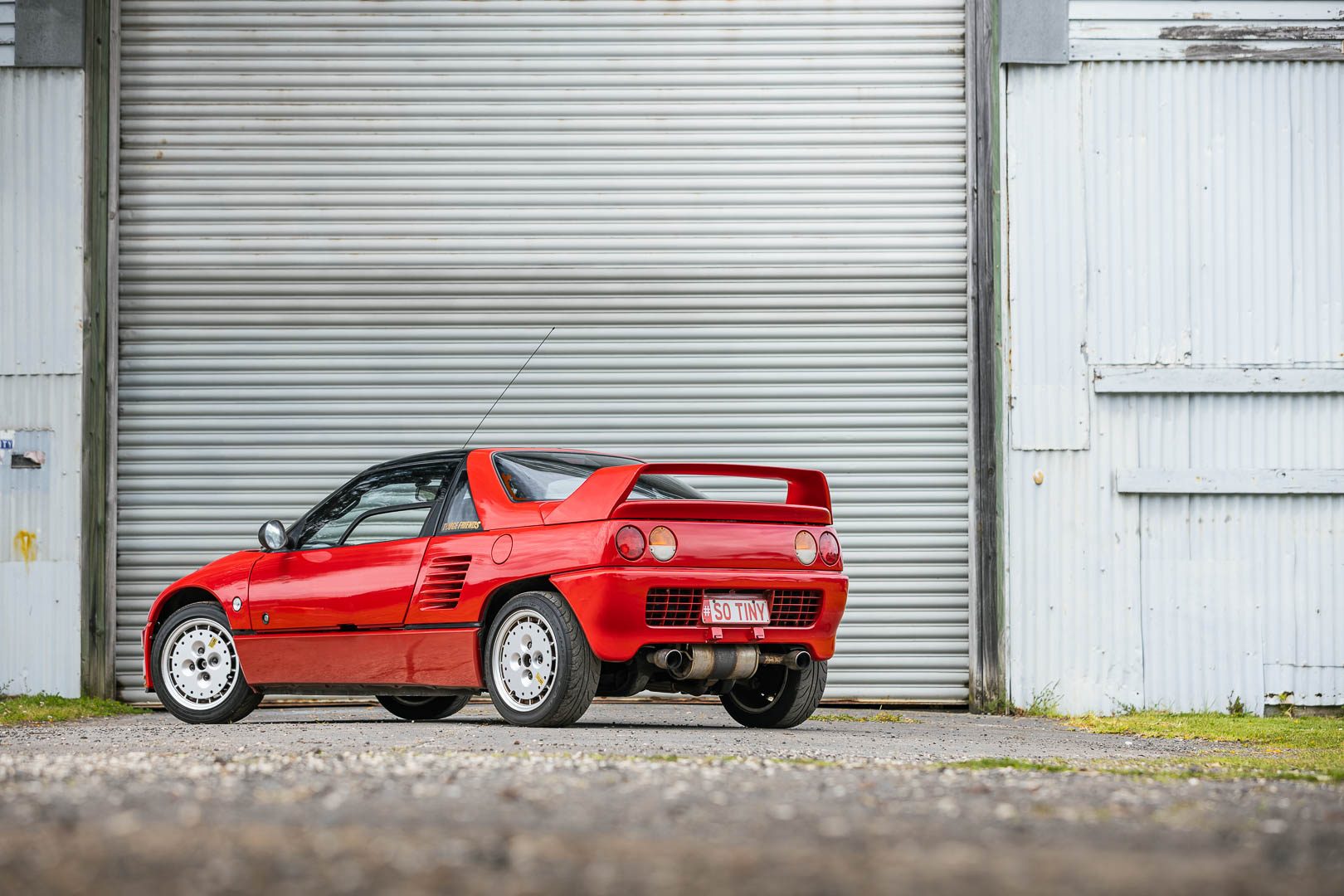
2. Mazda AZ-1
The Mazda AZ-1 is another kei car that defies conventional expectations. Produced in the early 1990s, it features gullwing doors and a mid-engine, rear-wheel-drive layout, making it one of the most visually striking small sports cars ever made.
Its 657cc turbocharged engine produces a modest 63 horsepower, yet the car weighs under 700 kilograms, resulting in a lively and engaging driving experience. Its small size and low weight allow it to accelerate quickly for short bursts and maintain agility in corners, highlighting how engineering efficiency can sometimes outweigh sheer power.
Mazda designed the AZ-1 with driver enjoyment in mind, incorporating precise steering and responsive handling that encourage active participation. Every input has an immediate effect, from throttle modulation to steering corrections, creating a sense of unity between driver and machine.
The suspension, while firm, provides a balance between control and ride comfort, ensuring that the car remains usable for daily driving as well as spirited sessions on twisty roads. Its mid-engine layout also contributes to excellent balance, allowing it to handle predictably at the limit.
The aesthetics of the AZ-1 are undeniably unique, with its gullwing doors adding drama and flair that few other vehicles can match. Despite its compact dimensions, the cabin feels surprisingly cozy, with driver-focused ergonomics that emphasize visibility and control.
The interior materials are basic but functional, reinforcing the car’s purpose as a driver’s toy rather than a luxury item. For those who appreciate quirky design combined with driving excellence, the AZ-1 represents a rare combination of fun and functionality.
Ownership of an AZ-1 is a commitment to originality and mechanical engagement. Due to its limited production, finding replacement parts and maintaining the vehicle requires dedication, but the rewards are significant. Enthusiasts often describe the car as addictive, with its small size, responsive dynamics, and playful character providing a driving experience that larger, more powerful cars struggle to replicate. For anyone seeking a unique Japanese sports car with personality, the Mazda AZ-1 is an unforgettable option.
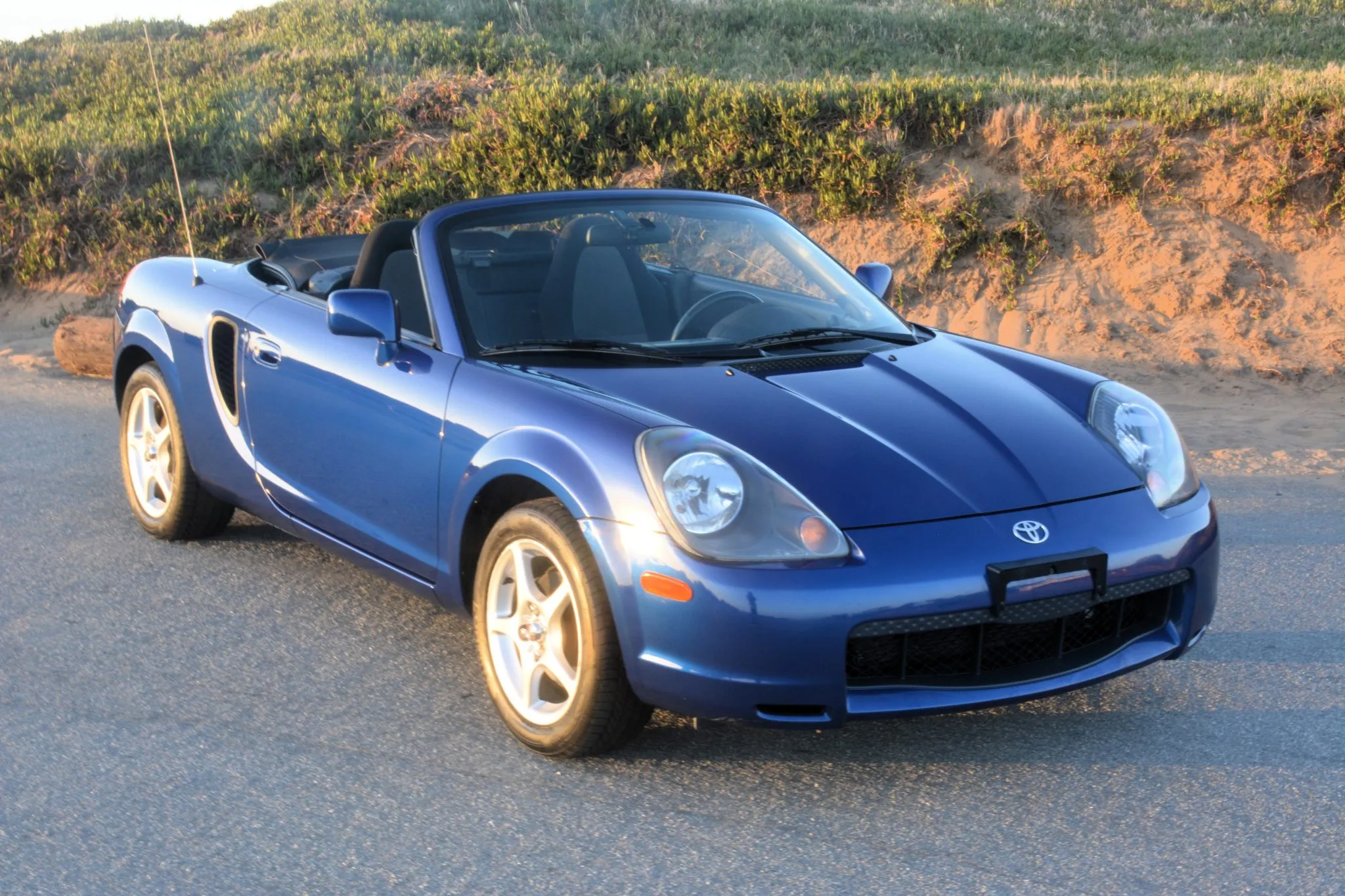
3. Toyota MR2 (AW11)
The first-generation Toyota MR2, known as the AW11, is a mid-engine, rear-wheel-drive sports car that helped establish Toyota’s reputation for creating affordable performance vehicles. Launched in the mid-1980s, it featured a 1.6-liter four-cylinder engine producing around 112 horsepower.
While modest by modern standards, the MR2’s lightweight design and balanced chassis make it remarkably engaging to drive. Its mid-engine layout provides excellent weight distribution, allowing for sharp turn-in, precise cornering, and confidence-inspiring handling.
The AW11’s styling is angular and purposeful, reflecting the design language of the era while maintaining a timeless appeal. The interior is compact but functional, with controls within easy reach and a driver-focused layout that reinforces the connection between human and machine.
The small dimensions and low seating position enhance the sense of involvement, making the driver feel intimately connected to the road surface and vehicle dynamics. This level of engagement is increasingly rare in modern cars, where electronic aids often mediate the driving experience.
From a mechanical standpoint, the MR2 benefits from Toyota’s engineering reliability while offering enthusiasts a platform for modification and tuning. The naturally aspirated engine responds well to light performance upgrades, and the chassis can handle increased power without compromising balance.
Its simplicity and robustness make it an ideal choice for those seeking a sports car that is both practical and enjoyable to drive. The AW11 remains a testament to the idea that driving pleasure does not require extreme horsepower or exotic materials.
Despite being overshadowed by later MR2 generations and other contemporary Japanese sports cars, the AW11 has earned a dedicated following among enthusiasts. Its combination of affordability, handling precision, and mechanical honesty makes it a rewarding car for drivers who appreciate nuance and technique. Experiencing an AW11 on winding roads demonstrates that even with modest power, a well-engineered mid-engine sports car can deliver excitement, engagement, and lasting memories.
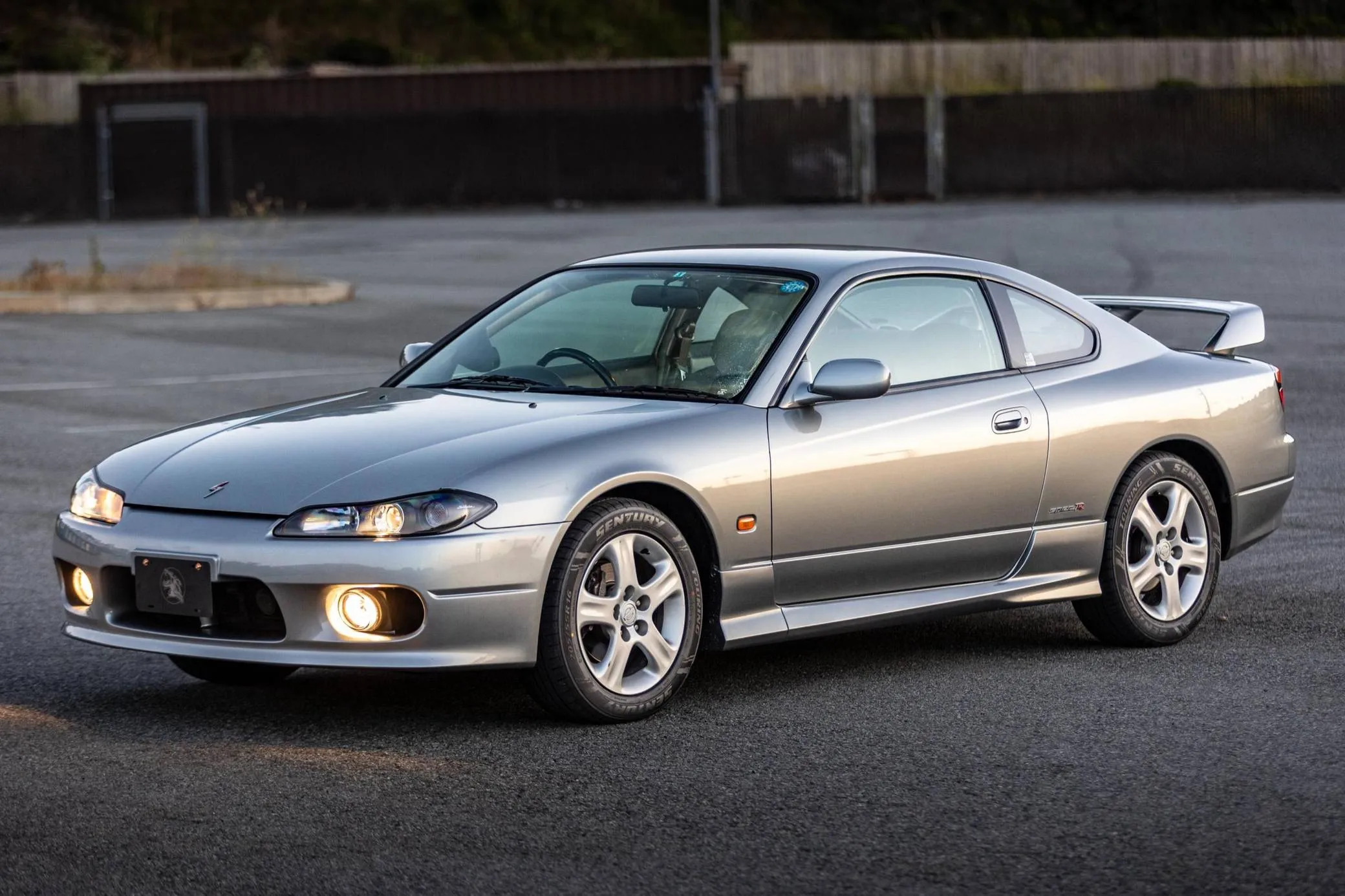
4. Nissan Silvia (S12)
The Nissan Silvia S12, produced in the mid-1980s, represents an era when Japanese sports coupes were becoming more technologically advanced while maintaining driver engagement.
Unlike its turbocharged successors, the S12 often came with naturally aspirated engines, which encouraged smooth throttle control and attention to momentum. Its rear-wheel-drive layout and relatively lightweight construction allow it to handle gracefully, providing an approachable yet rewarding platform for spirited driving.
The S12 features a design that balances elegance with subtle aggression, setting it apart from other coupes of its time. Inside, the cockpit emphasizes simplicity and ergonomics, with a layout that prioritizes driver input and feedback.
Visibility is excellent for a sports coupe, and the seating position places the driver in close contact with the vehicle’s dynamics. Steering and suspension tuning are focused on predictability, making it a car that can teach enthusiasts how to manage balance and weight transfer effectively.
One of the S12’s most compelling features is its versatility. While capable of spirited driving, it also functions as a daily driver, thanks to reasonable comfort and usability. Its engine and transmission are straightforward and durable, allowing owners to maintain or modify the car without excessive complexity.
The S12 also serves as a historical link in the evolution of Nissan’s sports coupes, bridging the gap between earlier mechanical simplicity and the turbocharged performance that would define the S13 and later generations.
Although overshadowed by the S13 Silvia and other more famous contemporaries, the S12 offers a unique driving experience that rewards attention and skill. Enthusiasts who explore the car discover a well-balanced machine that communicates clearly with the driver, providing lessons in momentum, weight distribution, and precision. For those seeking a Japanese sports car that combines charm, usability, and engaging handling, the Nissan Silvia S12 remains an often-overlooked gem.

5. Subaru XT
The Subaru XT, produced in the 1980s, is a distinct offering that combines aerodynamic design with front-wheel-drive performance and turbocharged engines. While it may not fit the traditional mold of a sports car, the XT’s advanced engineering and driver-oriented design make it a unique experience.
The car features a sleek wedge-shaped profile and pop-up headlights, giving it a futuristic appearance that stood out during its era. Its turbocharged flat-four engine provides respectable performance while maintaining Subaru’s reputation for reliability.
Inside, the XT features a driver-focused cockpit with controls that emphasize ergonomics and accessibility. The digital instrumentation, while unusual at the time, offers clear information for managing performance and driving dynamics.
The steering is precise, and the chassis responds well to driver input, making the XT surprisingly engaging despite its unconventional layout. The combination of turbo power and responsive handling allows enthusiasts to enjoy spirited driving on highways or winding roads alike.
The XT’s unique suspension design contributes to a balanced ride, providing both comfort and agility. Its handling characteristics reward smooth inputs and encourage exploration of cornering limits.
While front-wheel-drive vehicles can sometimes feel less predictable, the XT maintains composure and communicates effectively with the driver, offering confidence during spirited maneuvers. The car’s lightweight construction enhances agility and contributes to its enjoyable performance characteristics.
Despite its unconventional nature, the Subaru XT deserves recognition for pushing boundaries in design and engineering. It represents a time when Japanese manufacturers were experimenting with aerodynamics, turbocharging, and driver-focused interiors, resulting in a car that combines style, technology, and performance.
For enthusiasts interested in an unusual yet rewarding sports car experience, the Subaru XT provides a unique and memorable alternative to more conventional Japanese sports vehicles.
6. Mitsubishi Starion
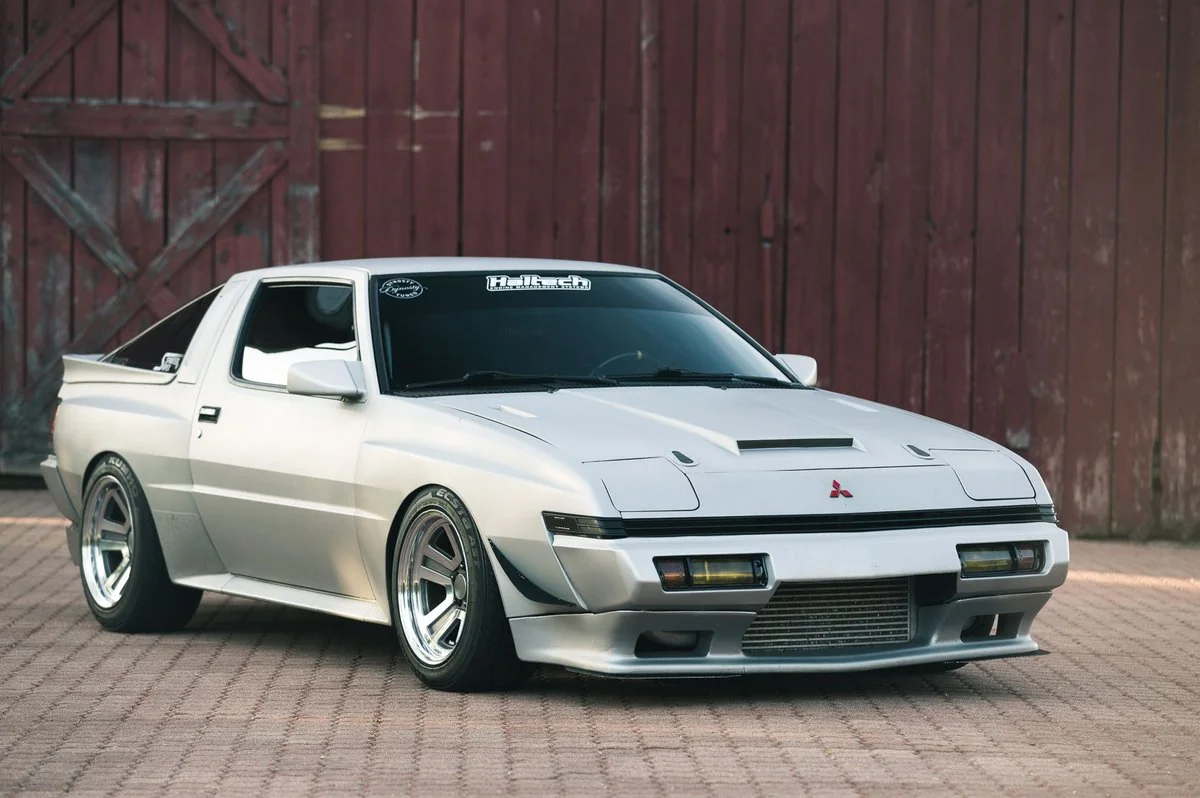
The Mitsubishi Starion is a turbocharged sports coupe from the 1980s that often goes unnoticed in discussions of Japanese performance cars. Marketed as a competitor to the Nissan 300ZX and Toyota Supra, the Starion offered a lightweight body, rear-wheel drive, and a turbocharged four-cylinder engine that provided exhilarating acceleration and torque.
Unlike some contemporaries that relied on brute power, the Starion rewarded careful driving. Its turbo lag was part of the charm, teaching the driver to anticipate power delivery and manage throttle inputs with precision. This interaction creates a connection between car and driver that modern, electronically managed turbo engines rarely replicate.
Design-wise, the Starion embraced the wedge-shaped styling popular during its era, with sharp lines, pop-up headlights, and an aggressive stance that hinted at performance potential. Inside, the cabin was driver-centric, featuring supportive seats and a functional layout where all gauges and controls were within easy reach.
The car’s ergonomics allowed the driver to focus on driving without distraction, fostering a sense of confidence on both tight mountain roads and open highways. While the interior materials may feel dated compared to modern standards, the simplicity of the design contributes to the purity of the driving experience.
The engineering behind the Starion emphasized balance and feedback. Its rear-wheel-drive configuration combined with a relatively short wheelbase made the car agile, though it required skill to manage at the limits.
Suspension tuning provided a compromise between responsive handling and ride comfort, making the Starion usable as a daily driver while still capable of spirited performance. The turbocharged engine responded well to modifications, and the car quickly became a favorite for enthusiasts looking to extract more power without sacrificing reliability.
Collectors and gearheads often overlook the Starion due to its rarity outside Japan and competition from more famous Japanese sports cars of the same era. However, its combination of turbocharged fun, agile handling, and driver engagement make it a rewarding experience for anyone willing to seek it out.
Driving a Starion allows one to appreciate the 1980s era of Japanese performance cars, where innovation and excitement were accessible without the complication of excessive electronics or overly heavy bodies. It is a car that demands involvement and delivers satisfaction to those who embrace its quirks.
7. Toyota Celica GT-Four (ST165)
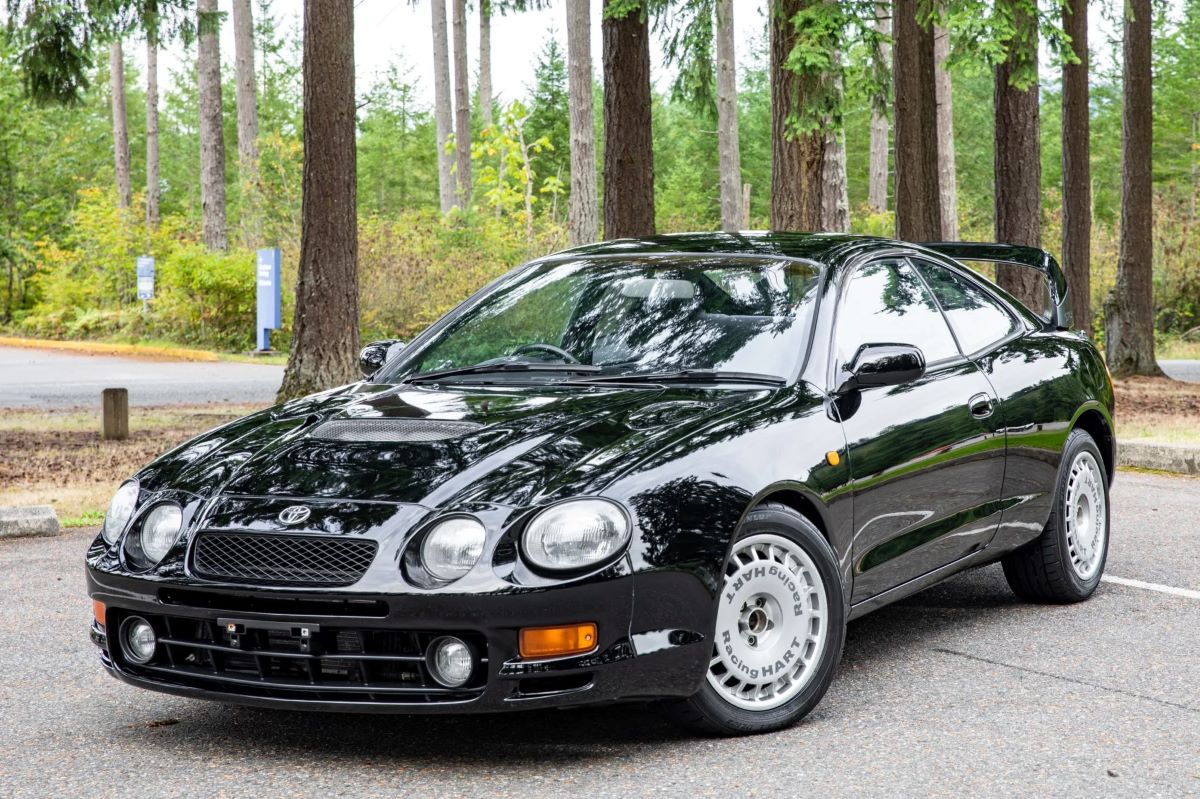
The Toyota Celica GT-Four ST165 was introduced in the late 1980s as a homologation model for rally competition, featuring all-wheel drive, a turbocharged engine, and a chassis designed for precise handling. While the Celica name often evokes images of sporty coupes, the GT-Four distinguished itself with a level of performance and sophistication uncommon in its class.
Its 2.0-liter turbocharged engine produced around 200 horsepower, which may not seem extraordinary today, but the car’s lightweight body and all-wheel-drive system enabled confident acceleration and traction in various driving conditions.
The ST165’s interior was practical yet driver-oriented, with a focus on ergonomics and visibility. Controls were laid out intuitively, allowing the driver to concentrate on cornering and acceleration rather than searching for switches.
The seating position and supportive seats contributed to comfort during long drives, while also providing stability during aggressive maneuvers. Despite being designed for performance, the Celica GT-Four maintained usability as a daily vehicle, balancing practicality with excitement in a way few cars of its era could match.
From a handling perspective, the all-wheel-drive system allowed the ST165 to carve corners with remarkable confidence. Its suspension was tuned to minimize body roll while maintaining responsiveness, creating a driving experience that encouraged precision without being intimidating.
The turbocharged engine, when paired with the gearbox, required the driver to anticipate boost and modulate inputs accordingly, rewarding skill and attentiveness. This dynamic fosters a sense of mastery that many modern sports cars, with their heavy reliance on electronic aids, rarely offer.
Despite the GT-Four’s success in rallying and engineering pedigree, it often receives less attention compared to later Japanese turbocharged icons. Its rarity outside Japan and its understated styling contribute to its overlooked status.
However, for enthusiasts willing to explore its capabilities, the ST165 offers a balance of power, handling, and driver engagement that remains relevant today. Experiencing a Celica GT-Four on twisty roads reveals why it earned a place in rally history and why it should be considered a must-drive for serious gearheads.
8. Mazda RX-3
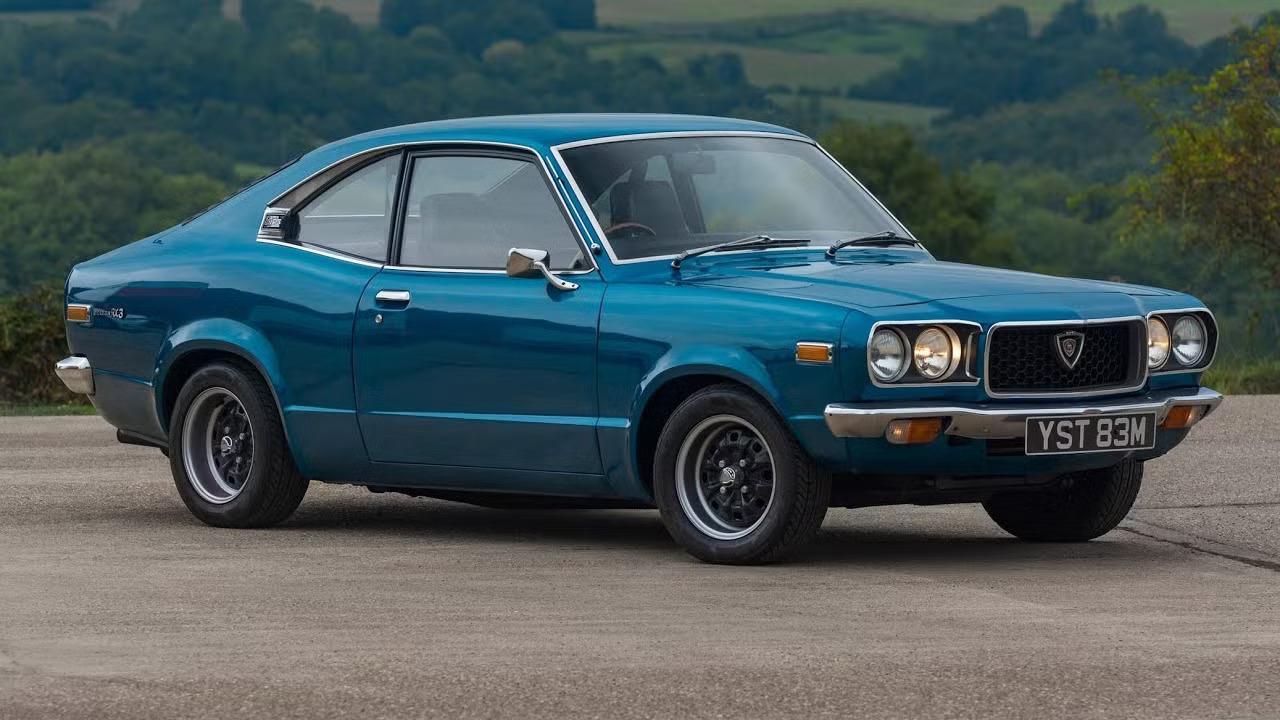
The Mazda RX-3, produced in the 1970s, is a rotary-powered sports coupe that often remains in the shadows of its more famous RX-7 successor. Its 12A or 13B rotary engine provided a unique driving experience, with a high-revving character, smooth power delivery, and a distinctive exhaust note that enthusiasts instantly recognize.
The lightweight body and rear-wheel-drive layout made the RX-3 agile and responsive, offering a driving experience that emphasized finesse over brute force. Its rotary engine, while requiring careful maintenance, delivered a level of engagement that no conventional piston engine could replicate at the time.
Styling for the RX-3 combined classic 1970s coupe proportions with subtle performance cues, such as flared fenders and sporty grille designs. Inside, the cabin was minimalist but functional, with all essential controls positioned for quick access.
Seating and driver positioning enhanced the connection to the road, making it easier to feel subtle changes in traction and weight distribution. Despite its age, the RX-3 provides a tactile and visceral experience that modern cars, with their insulated cabins and electronic filters, cannot match.
The RX-3 remains overlooked in the classic Japanese sports car scene due to its age and the niche appeal of rotary engines. However, those who experience it discover a vehicle that blends performance, precision, and style in a compact package.
It is a car that encourages technique, rewards skill, and offers a direct connection between driver and machine. For gearheads seeking a rotary-powered classic that is both historic and exhilarating, the RX-3 is an essential addition to the list of must-drive Japanese sports cars.
9. Honda Prelude (4th Generation)
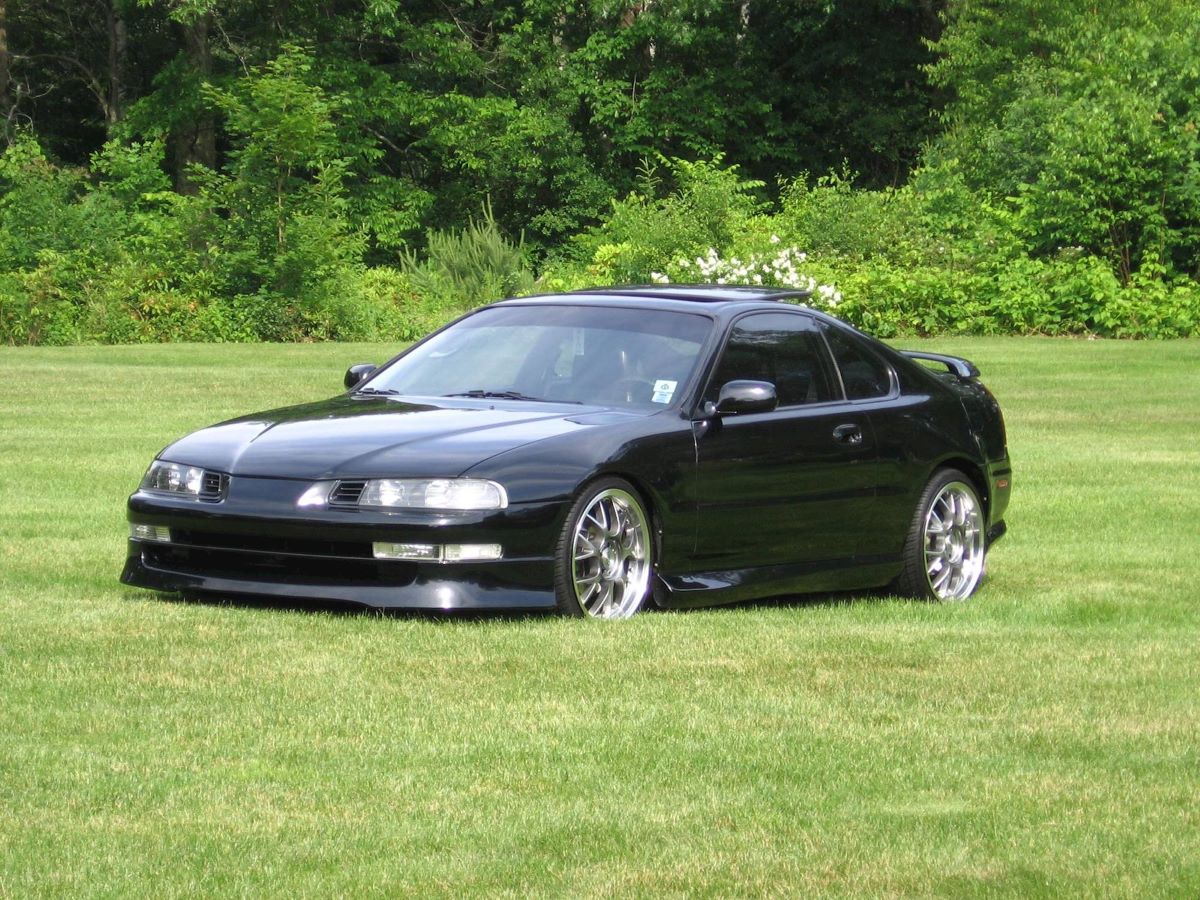
The fourth-generation Honda Prelude, produced in the early 1990s, represents a high point in Honda’s balance between performance and refinement. Equipped with a 2.2-liter four-cylinder engine and Honda’s signature VTEC system, it delivered an engaging driving experience characterized by high-revving responsiveness and smooth power delivery.
The Prelude featured front-wheel drive, but precise steering and suspension tuning allowed it to feel planted and predictable, even during spirited cornering. Its combination of technology and accessibility made it a standout among Japanese sports coupes of its era.
The handling of the Prelude was enhanced by Honda’s attention to chassis rigidity and suspension tuning. The double-wishbone suspension setup allowed for precise control and predictable behavior at high speeds, while the car remained compliant enough for daily driving.
VTEC technology added a thrilling element, with power delivery transforming as the engine crossed the VTEC engagement point, rewarding drivers who understood its dynamics. This interaction created a connection to the car that was both educational and exhilarating, encouraging skill development and attentive driving.
Despite being less celebrated than the NSX or Integra Type R, the fourth-generation Prelude is an overlooked gem for enthusiasts seeking an engaging coupe with modern reliability. Its combination of technology, responsive chassis, and approachable power provides a fulfilling driving experience.
Gearheads who explore the Prelude discover a vehicle that teaches precise driving technique while delivering excitement and satisfaction. It is a car that demonstrates Honda’s commitment to accessible performance and remains relevant to those who value engagement over headline-grabbing horsepower.
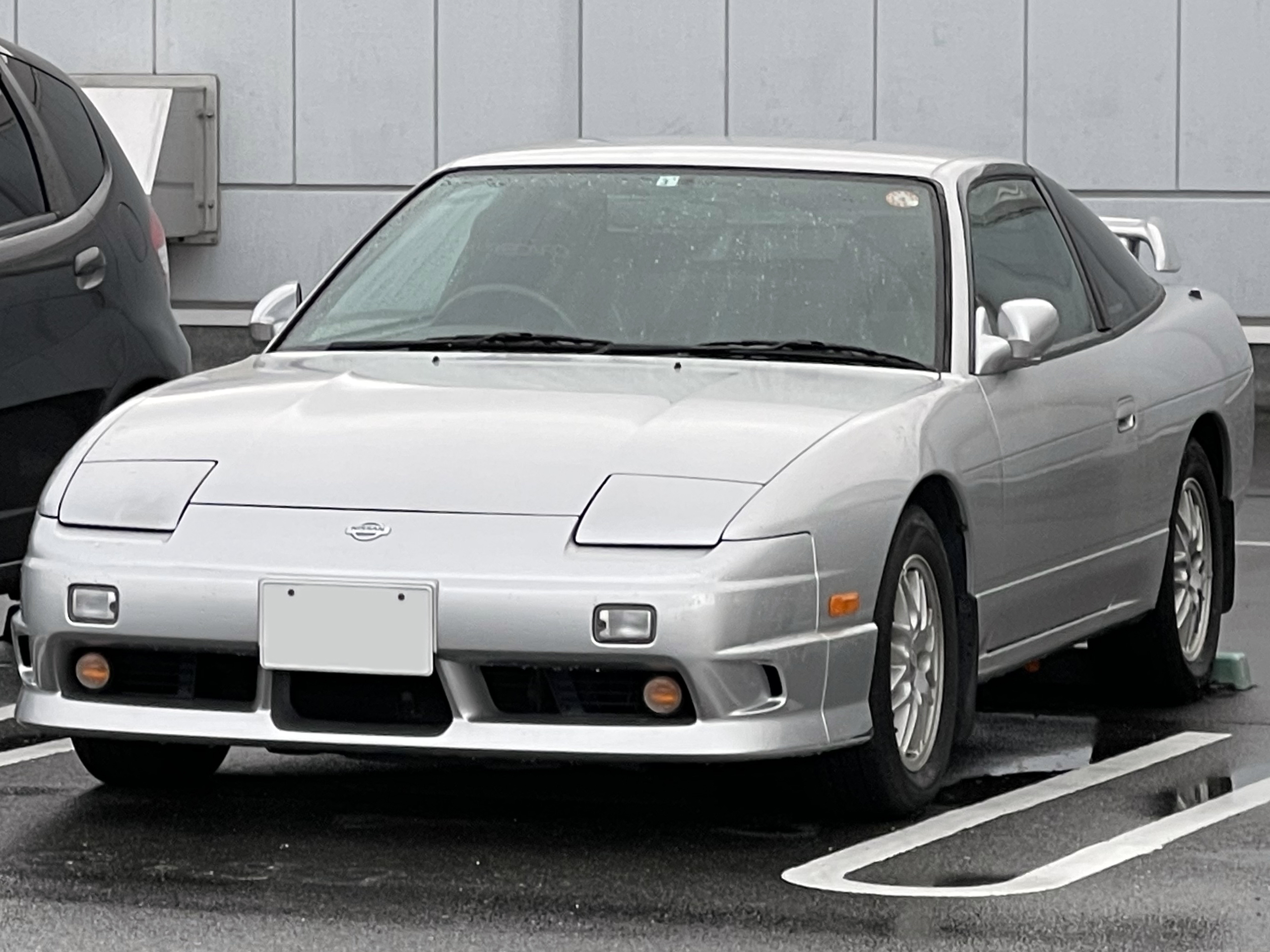
10. Nissan 180SX
The Nissan 180SX, produced from the late 1980s into the 1990s, is a rear-wheel-drive sports coupe that became a cornerstone for drifting culture but remains a rewarding drive even outside the motorsport scene. Powered by Nissan’s SR20DET turbocharged engine, it offered a blend of reliability, tunability, and balanced chassis dynamics.
The lightweight body and precise steering made the 180SX agile in corners, while the turbo engine provided exhilarating acceleration when managed correctly. Its rear-wheel-drive configuration also made it an ideal platform for enthusiasts learning car control and performance driving techniques.
From a performance perspective, the 180SX balanced fun and control. Its suspension, while tuned for spirited driving, maintained comfort and predictability, allowing drivers to push the car confidently. The turbocharged SR20DET engine responded to both skillful driving and modifications, making the 180SX a favorite for tuners and track enthusiasts alike. It provides a direct connection between input and response, highlighting why rear-wheel-drive Japanese sports coupes are so revered in automotive circles.
Despite its popularity in motorsport and tuning communities, the 180SX is often overlooked in broader discussions of classic Japanese sports cars. This is partly due to the focus on more mainstream models like the Supra or RX-7, yet the 180SX offers a complete package for enthusiasts seeking engagement, balance, and adaptability.
Driving it provides insight into the evolution of Japanese sports car engineering, showcasing how chassis design, turbocharging, and rear-wheel-drive dynamics combine to create a rewarding experience for drivers of all skill levels. Its combination of accessibility, performance, and charm makes it a must-drive for any serious gearhead.
