
The idea of a V6 muscle car has always lived in a tense space between tradition and practicality. For decades, muscle cars were defined by large displacement V8 engines, aggressive exhaust notes, and raw straight line dominance. Anything less was often dismissed as a compromise or a cost-cutting exercise.
Yet automotive history rarely stands still, and as engineering evolved, the V6 began to prove itself in ways that even the most stubborn traditionalists could not fully ignore. Advances in metallurgy, forced induction, electronic tuning, and chassis design allowed six cylinder engines to deliver performance figures that once belonged exclusively to bigger engines, while also improving balance, efficiency, and everyday usability.
Purists tend to respect authenticity, intent, and execution more than cylinder count alone. When a V6 muscle car is built with genuine performance goals, a capable drivetrain, and a clear connection to the car’s heritage, it earns credibility.
Some of these cars were born during fuel crises, others during eras of experimentation, and a few arrived as performance-focused answers to modern regulations. What unites them is that they were not designed merely as entry level placeholders. They were engineered to stand on their own merits, offering speed, handling, and character that resonated with serious enthusiasts.
This respect does not come from marketing claims or nostalgia alone. It comes from real world performance, competition success, tunability, and the way these cars feel when driven hard. Some V6 muscle cars surprised critics by outperforming heavier V8 rivals.
Others became cult favorites because of their balance and reliability. A few proved that forced induction could rewrite expectations entirely. These vehicles challenged rigid definitions and forced a reevaluation of what muscle could mean in different eras.
The following list highlights ten V6 muscle cars that earned approval from even hardcore purists. Each one did so for different reasons, whether through racing pedigree, engineering excellence, or sheer performance potential. None of them tried to imitate a V8. Instead, they embraced the strengths of six cylinders and carved out a legitimate place in muscle car history.
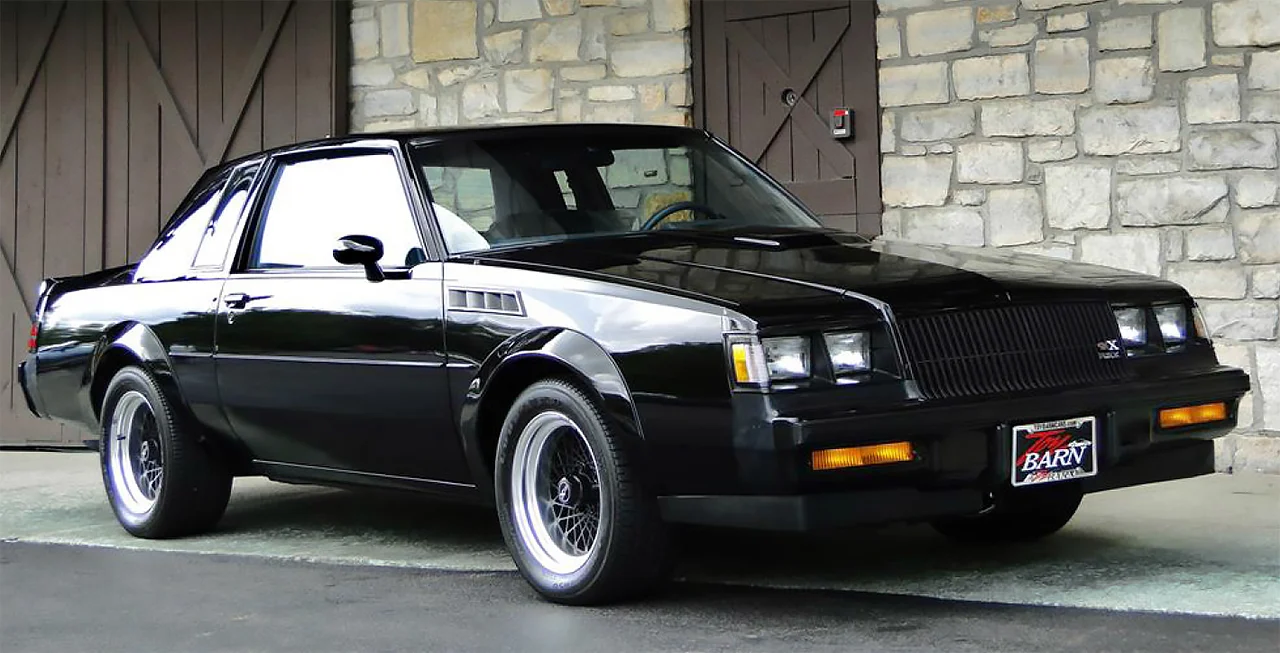
Buick Grand National GNX
The Buick GNX is often cited as one of the most shocking performance cars of the 1980s, and for good reason. At a time when turbocharged engines were still viewed with suspicion, the GNX’s 3.8 liter V6 offered performance that could rival or even surpass many traditional V8 muscle cars of the era.
With a combination of factory tuning and McLaren Performance Technologies engineering, the GNX could produce a staggering 276 horsepower and over 360 lb-ft of torque, allowing it to reach 60 mph in under 5.0 seconds.
These figures were almost unheard of for a six cylinder car, and yet Buick packaged them in a sedan that looked deceptively plain. The understated black exterior belied the ferocity beneath the hood, creating a sense of quiet menace that purists found intoxicating. Unlike many muscle cars, the GNX was not about spectacle; it was about raw, efficient, and repeatable performance.
What truly set the GNX apart was its meticulous integration of powertrain, suspension, and braking systems. Buick engineers worked closely with third-party performance experts to ensure that the turbocharged V6 was not just fast on paper but manageable on the street.
Suspension upgrades, including stiffer springs, revised shocks, and improved anti-roll bars, gave the car composure during high-speed maneuvers. The drivetrain featured a specially tuned automatic transmission with a locking torque converter, ensuring that power was delivered consistently without harshness or surprise.
Every component, from tires to brakes, was calibrated to handle the engine’s torque. This level of engineering refinement earned the GNX credibility among enthusiasts who typically dismissed smaller engines as inadequate or underdeveloped.
The GNX’s limited production run added to its mystique. Only 547 units were built, each one meticulously assembled to strict specifications. This scarcity, combined with its reputation for durability, meant that every car retained value and performance credibility decades later.
The GNX could be driven hard day after day, a trait that was highly prized by traditional muscle car fans who valued both speed and longevity. Unlike many performance vehicles of the era that were prone to overheating or mechanical failure, the GNX demonstrated reliability, giving enthusiasts confidence in its engineering integrity.
Even today, the GNX remains a benchmark for turbocharged six cylinder muscle cars. Its combination of understated design, brutal performance, and engineering excellence continues to influence collectors and tuners alike.
The car proved that a V6, when treated with seriousness and care, could deliver a performance experience that rivaled the most revered V8 machines. For purists, the GNX represents a rare intersection of historical significance, technological achievement, and pure driving enjoyment—a combination that few other V6 muscle cars have managed to match.
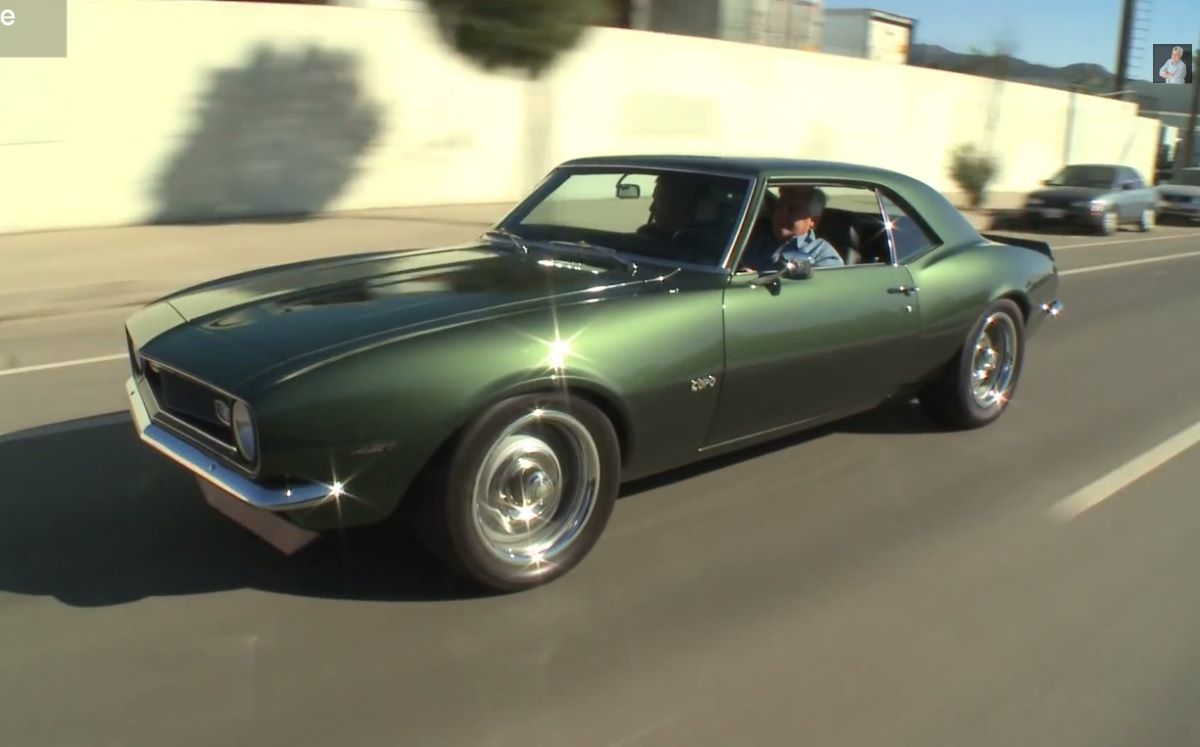
Chevrolet Camaro 3.8 V6 Third Generation
The third generation Camaro 3.8 V6 is often overlooked in favor of its larger, louder V8 siblings, but it earned respect for the balance and drivability it offered. The 3.8 liter engine, while less powerful than the V8, produced a smooth and accessible torque curve, making it easier to manage during spirited driving.
This engine delivered a sense of linear acceleration that made the car feel responsive in a way that some heavier V8 Camaros could not. Purists began to appreciate that the car offered a genuine driving experience without relying solely on engine size, showing that muscle could be about composure and control rather than brute force.
Beyond the engine, the third generation Camaro featured chassis improvements that enhanced handling. Lighter front-end weight compared to V8 models improved steering feel and cornering ability.
Drivers who tackled twisty back roads quickly realized that the V6 Camaro could maintain momentum and balance in a way that surprised many observers. This combination of a capable engine and well-sorted chassis created a sense of harmony between power and handling, something that hardcore enthusiasts value when assessing a car’s performance integrity.
The V6 Camaro also represented accessibility without compromise. Its drivetrain was relatively straightforward, allowing enthusiasts to modify suspension, exhaust, and intake systems without encountering excessive complexity. Owners could achieve meaningful gains in performance without sacrificing reliability.
This modifiability, paired with a dependable engine, encouraged experimentation and personalization, aligning perfectly with the hands-on culture of muscle car purists. Unlike some V8 models, which could be heavy and awkward to tune, the V6 offered a nimble platform for enthusiasts to explore their driving skills and mechanical creativity.
Over time, the reputation of the V6 third generation Camaro improved as enthusiasts revisited its capabilities. While it could not match the raw acceleration of larger V8s, it offered a more approachable, balanced, and consistent driving experience.
Its ability to perform admirably in real-world conditions, coupled with its durable engine and tunable chassis, earned it a quiet but lasting respect. For those who prioritize composure, usability, and technical balance alongside performance, the 3.8 V6 Camaro remains a noteworthy example of how a six cylinder muscle car can exceed expectations.
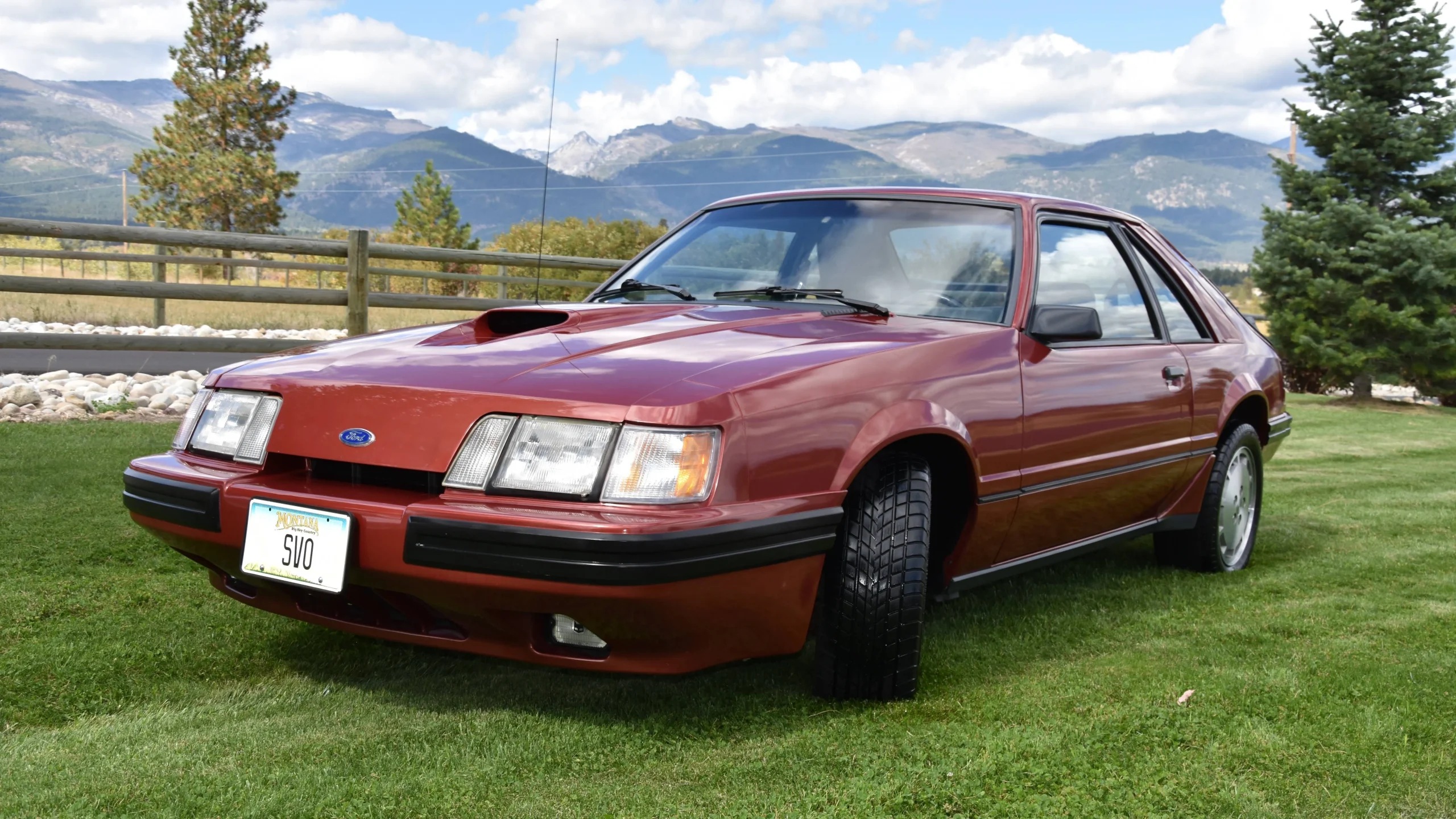
Ford Mustang SVO
The Mustang SVO represented a bold experiment by Ford in the mid-1980s. While the company’s V8 Mustangs dominated the market, the SVO took a different approach by using a turbocharged four cylinder engine combined with a sophisticated suspension setup.
Although it did not feature a V6, its influence on the acceptance of smaller engines in performance Mustangs paved the way for later V6 muscle cars. Purists respected the SVO because it was built with integrity and a serious focus on performance rather than merely cutting costs. It offered high-revving power, sharp handling, and a well-tuned chassis that felt connected to the road in a way few Mustangs had previously achieved.
The SVO’s engineering sophistication extended beyond the engine. It featured adjustable suspension components, upgraded brakes, and aerodynamic enhancements designed to reduce lift at speed.
Unlike traditional muscle cars, which often emphasized straight-line performance over handling, the SVO demanded respect because it could compete in corners and on tracks. Drivers quickly realized that it required skill to extract its full potential, a factor that resonated with enthusiasts who valued driver engagement over sheer horsepower. This attention to detail and focus on balance helped reshape opinions about smaller, forced induction engines in American performance cars.
In addition, the SVO offered technological innovations that were rare for its time. The engine utilized an intercooled turbo setup, while the car’s chassis incorporated anti-roll bars and stiffer bushings for more precise handling.
These features gave it a performance edge on winding roads and in competitive settings, demonstrating that Mustang performance was not limited to displacement. Purists admired the SVO for its willingness to challenge conventions, blending European-inspired dynamics with American muscle car character. Its audacity, combined with practical execution, earned it credibility that extended beyond its initial market reception.
The SVO set a precedent for future V6 and smaller engine Mustangs. It proved that alternative powertrains could be credible if engineered thoughtfully and integrated properly. By emphasizing handling, balance, and driver experience, the SVO earned the respect of enthusiasts who might have otherwise dismissed non-V8 Mustangs.
It became a reference point for serious performance vehicles that prioritize integrity and execution over simply fitting into traditional expectations.
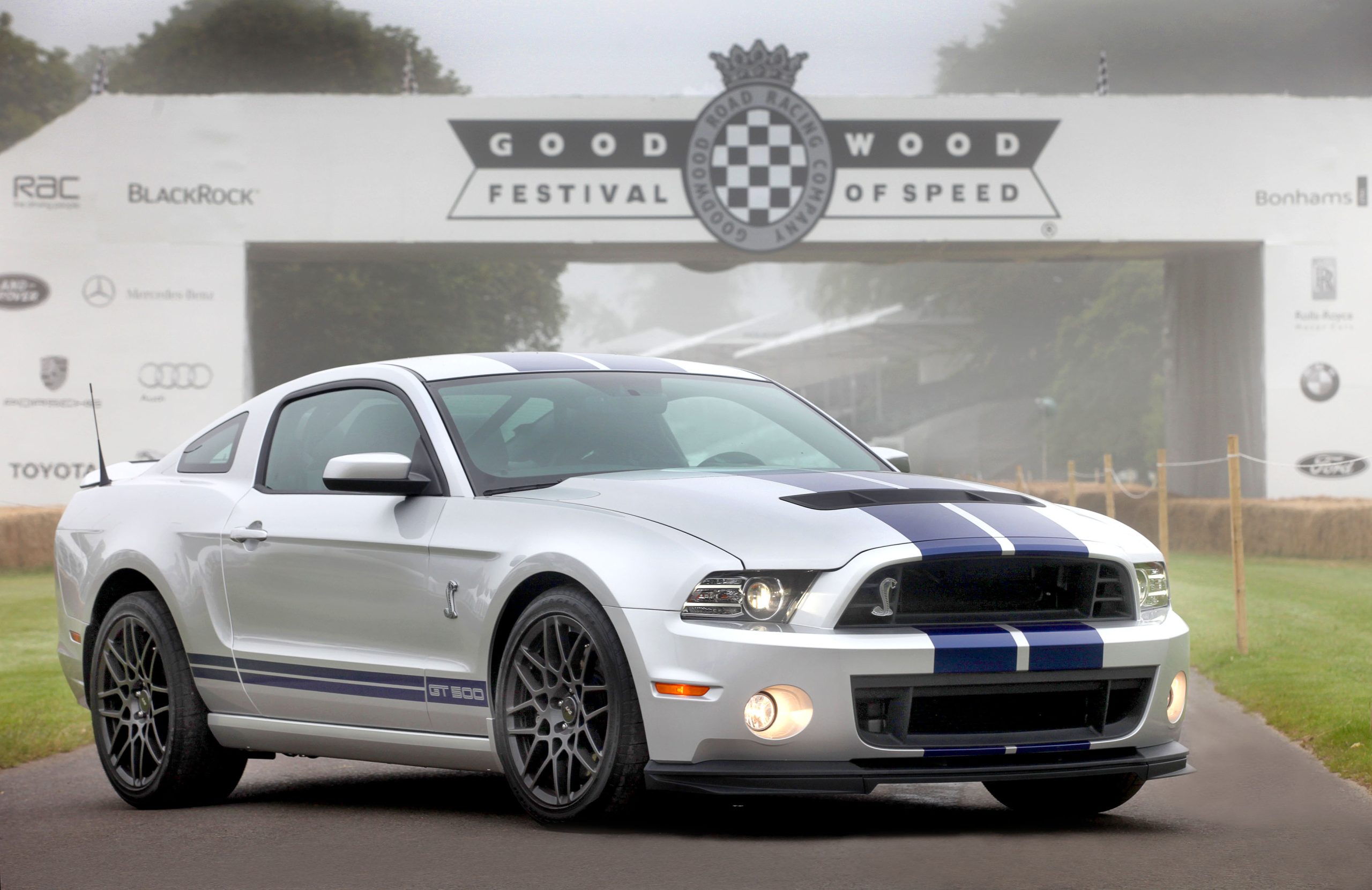
Ford Mustang 3.7 V6 S197
The 3.7 liter V6 Mustang from the S197 generation marked a critical evolution in Mustang performance. With over 300 horsepower, this engine offered acceleration and torque comparable to older V8 models while delivering a lighter front end and better balance.
Purists could no longer dismiss it as a mere entry level option because it provided a real, track-capable performance experience. The combination of modern engine technology, electronic management systems, and thoughtful chassis tuning gave this Mustang a sense of refinement that previous V6 iterations lacked, making it a credible contender in both street and track settings.
The 3.7 V6 engine was smooth and responsive, offering linear power delivery that encouraged spirited driving. Unlike earlier V6 engines, it had the rev-happy nature and sound character that made it feel alive rather than compromised.
The chassis enhancements, including revised suspension geometry, larger brakes, and stability-focused electronics, allowed the car to handle confidently at higher speeds, proving that muscle could be balanced with agility. This combination of performance and control resonated with enthusiasts who valued a car that felt cohesive and well-engineered.
Ford also offered performance packages for the 3.7 V6 Mustang, such as upgraded brakes, sportier suspension components, and limited-slip differentials. These options demonstrated the company’s intent to produce a car that could compete meaningfully rather than simply meet regulatory requirements.
Purists appreciated that this was not a watered-down model; it was an intentional design that provided a legitimate driving experience. Its adaptability and potential for upgrades further reinforced its credibility among serious enthusiasts.
Over time, the 3.7 V6 Mustang developed a reputation for reliability and tunability, making it a favorite among drivers who wanted a practical yet serious muscle car. Owners proved that the engine could handle high-mileage use, track days, and aftermarket modifications without compromising integrity.
Its combination of modern performance, durability, and enthusiast appeal earned it a solid place in Mustang history, illustrating that a V6 could embody the spirit of American muscle while appealing to a broader audience.
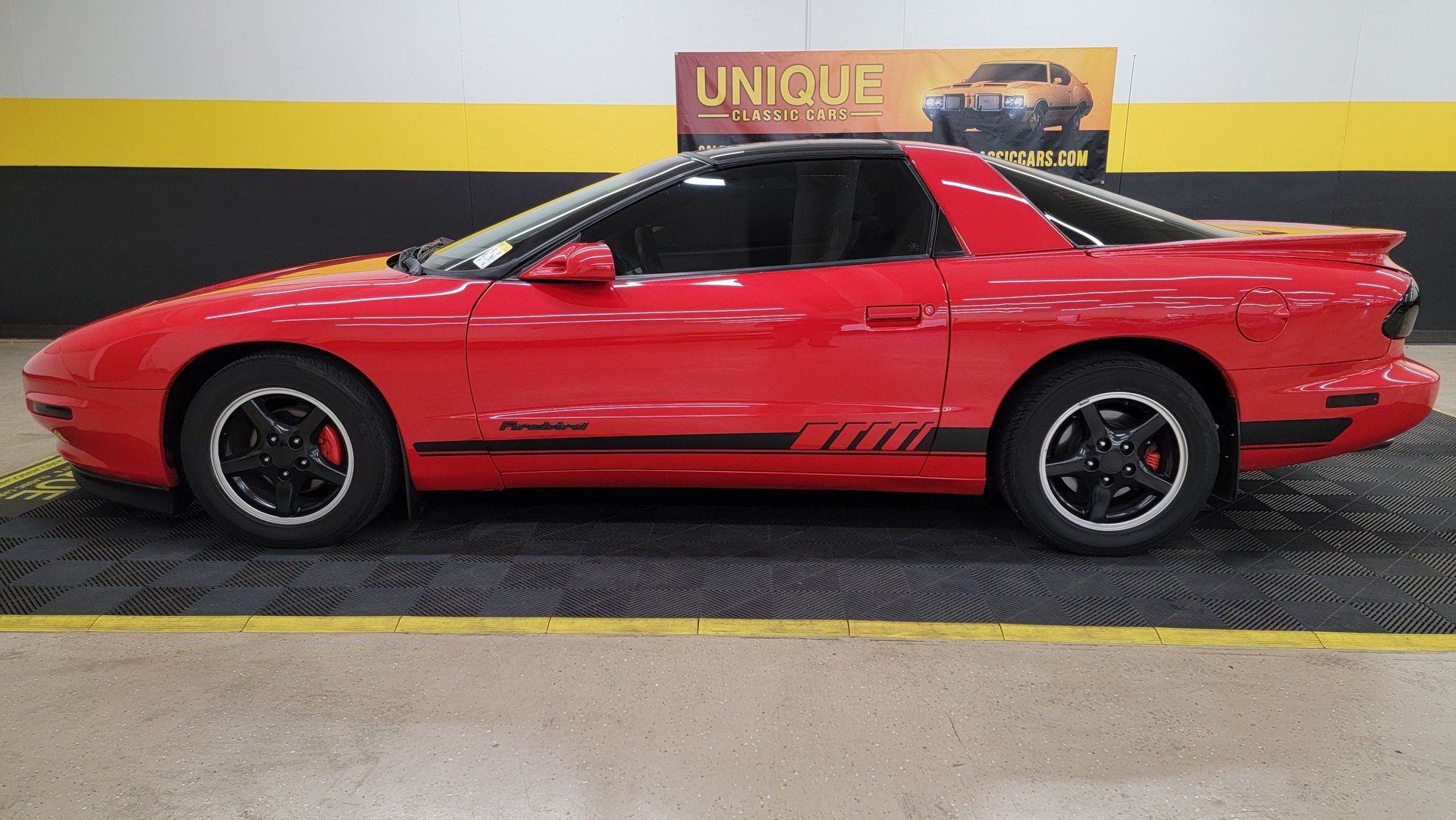
Pontiac Firebird 3800 V6
The Pontiac Firebird equipped with the 3800 V6 offered a unique blend of torque, reliability, and usability that made it respected by muscle car enthusiasts. This engine was one of General Motors’ most celebrated powerplants, known for durability and linear torque delivery.
While it lacked the noise and theatrical presence of a V8, it provided a refined yet powerful performance that emphasized real-world usability. Drivers could experience fast acceleration and consistent performance in both city and highway conditions, proving that muscle car credibility extended beyond sheer sound or size.
One of the key attributes that earned the 3800 V6 Firebird respect was its reliability. This engine could withstand high mileage and stress, a feature that many V8-powered vehicles of the era sometimes struggled with. Its predictable behavior made it ideal for drivers who valued consistency, especially when modifying the car for higher performance. Purists tend to appreciate cars that can be driven hard repeatedly without suffering catastrophic failures, and the 3800 Firebird fit this criterion perfectly.
The Firebird’s chassis complemented the engine’s strengths, providing good handling balance and a low center of gravity. While the car was not designed for outright track dominance, it excelled in spirited driving scenarios, particularly when weight distribution and handling dynamics were considered.
This combination of reliable torque and competent chassis engineering allowed the V6 Firebird to feel agile and engaging, qualities that earned admiration from experienced drivers who were skeptical of smaller displacement muscle cars.
Over time, the 3800 V6 Firebird earned a reputation as a sleeper muscle car. Enthusiasts discovered that with modest tuning, it could outperform larger, heavier competitors in certain situations.
Its understated nature and practical power made it a favorite among drivers who valued substance over spectacle. For purists, the car proved that genuine performance could exist in a six cylinder platform without compromising heritage, balance, or credibility.
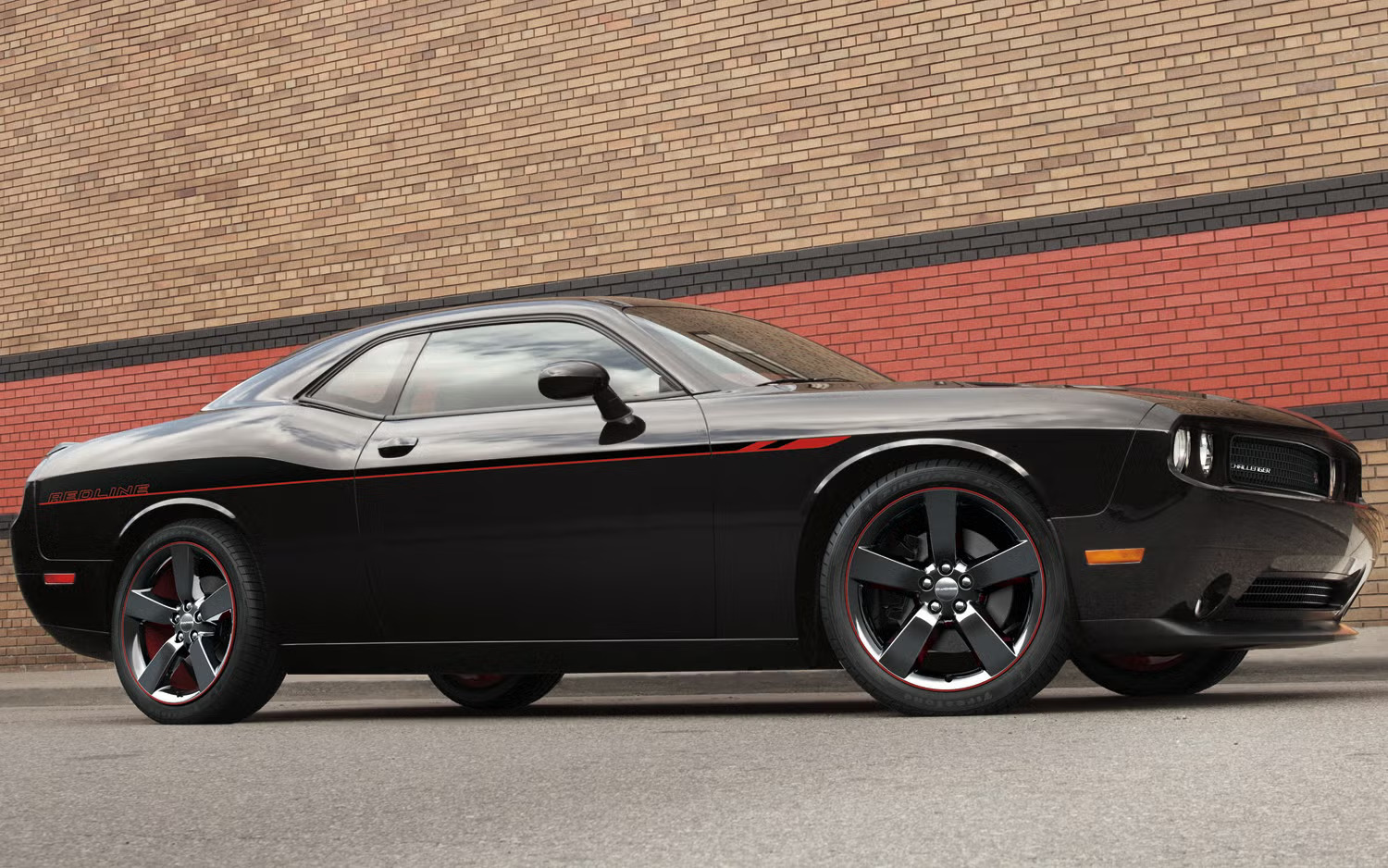
Dodge Challenger 3.6 Pentastar
The modern Dodge Challenger equipped with the 3.6 liter Pentastar V6 represents a shift in muscle car thinking, combining performance, practicality, and classic styling cues. At first glance, purists were skeptical, seeing a six cylinder engine as an underwhelming choice for a car with the Challenger’s bold, retro-inspired appearance.
However, the Pentastar proved itself through robust performance, delivering smooth power and acceleration figures that made it competitive with older V8s in real-world driving. With a naturally aspirated output exceeding 300 horsepower and broad torque availability, the V6 Challenger could comfortably launch from 0 to 60 mph in under six seconds, making it fast enough to earn serious consideration among enthusiasts.
One of the key attributes that elevated respect for the Pentastar V6 was its balance and weight distribution. Unlike the larger HEMI engines, the lighter V6 improved front-end balance, making the car more manageable in corners and easier to drive in everyday conditions.
The engine’s responsiveness, coupled with refined suspension tuning, created a car that felt planted and predictable despite its size. Purists often value composure and mechanical honesty, and the V6 Challenger delivered both in abundance. It demonstrated that accessible performance did not have to come at the cost of driving engagement or character.
Dodge further emphasized the V6 Challenger’s capabilities with optional performance packages, including upgraded suspension, wider tires, and limited-slip differentials. These enhancements allowed the V6 to perform competently in spirited driving or amateur track use, proving that it was more than a base model.
Purists appreciated this level of intent because the V6 variant was treated as a legitimate performance option rather than a budget compromise. Every modification reinforced the car’s potential and showed that the platform could stand alongside V8 counterparts without shame.
Over time, the 3.6 Pentastar Challenger earned a following among enthusiasts seeking a balanced, practical muscle car that could handle daily use while still delivering thrills. Its combination of reliable power, classic styling, and competent chassis engineering allowed it to transcend early skepticism.
The car demonstrated that a V6 could be more than an entry-level choice, it could embody muscle car values such as strength, usability, and driving satisfaction while maintaining respect from hardcore purists.
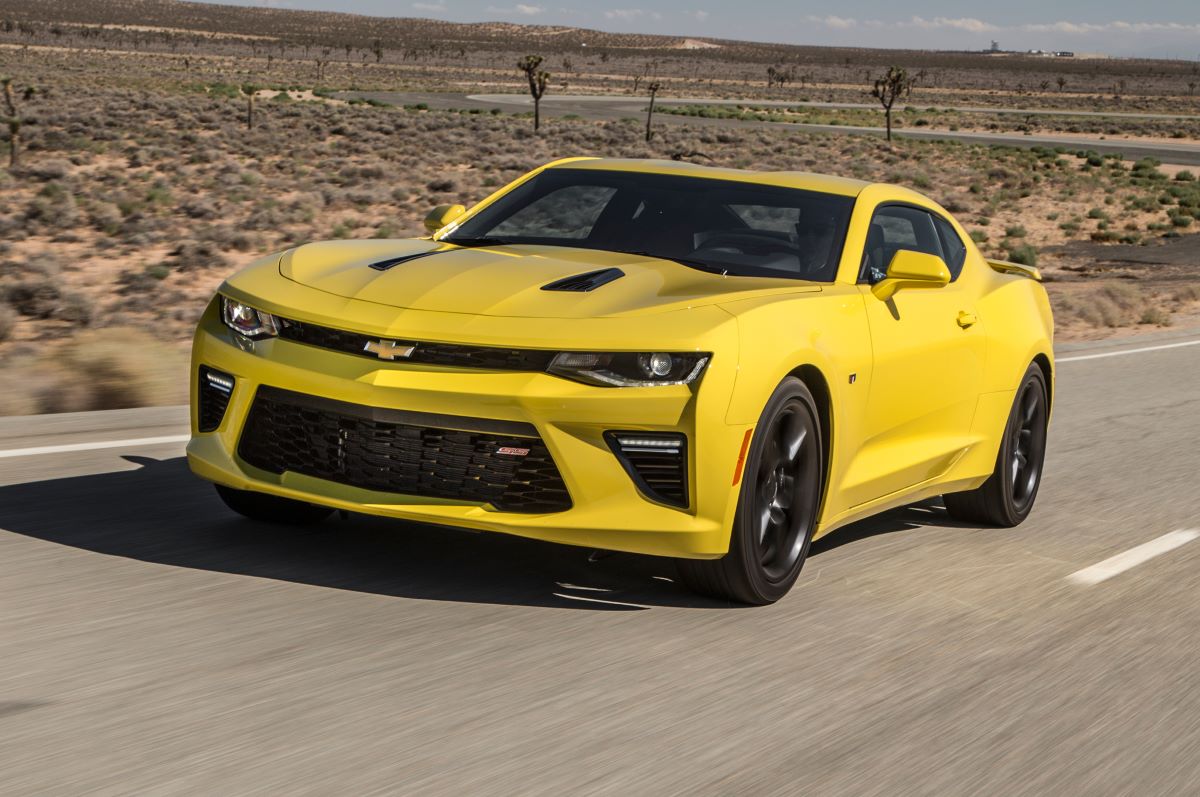
Chevrolet Camaro 3.6 V6 Fifth Generation
The fifth-generation Chevrolet Camaro V6 marked a significant evolution for GM’s muscle car lineup. Its 3.6 liter engine produced over 300 horsepower, allowing it to accelerate quickly, maintain highway performance, and compete with older V8 models in many real-world scenarios.
Unlike previous V6 offerings, this engine was paired with a chassis designed for precision and balance, featuring a fully independent rear suspension, wider tires, and responsive steering. Enthusiasts quickly noticed that the car felt composed in corners, agile despite its size, and capable of spirited driving without being unwieldy. This combination of power and poise earned the Camaro V6 newfound respect among purists.
One reason for its acceptance was the car’s versatility. It could serve as a daily driver, a weekend cruiser, or a track-capable machine with minimal modifications. Purists appreciated that the V6 variant was not merely a stripped-down version of the SS but a complete, competent performance car in its own right.
Its engine offered strong mid-range torque, allowing it to perform well even without constantly revving to high RPMs. The smooth delivery of power, combined with modern electronic management systems, made it a predictable and engaging car to drive, qualities that reinforced trust among serious enthusiasts.
The fifth generation V6 Camaro also demonstrated tunability, a trait highly valued by the muscle car community. Owners discovered that aftermarket upgrades to intake, exhaust, and suspension components could dramatically enhance performance without compromising reliability.
The car’s engineering allowed it to respond well to these modifications, creating a sense of adaptability that purists admired. Unlike some V6 cars that felt limited, this Camaro proved capable of serious performance enhancements while remaining balanced and controllable.
Finally, the V6 Camaro earned respect through its aesthetic presence and attention to detail. With styling cues echoing classic muscle car design, aggressive lines, and modern touches, it projected confidence and performance potential even without a V8 badge.
Purists who valued authenticity alongside capability found this appealing, as the car demonstrated that a six cylinder engine could coexist with traditional muscle car values. The combination of power, chassis sophistication, tunability, and design integrity solidified the fifth generation V6 Camaro as a credible and respected performance machine.

Nissan 300ZX Z32
The Nissan 300ZX Z32, while often classified as a sports car, gained muscle car credibility through its performance and presence on the street. Its V6 engine, available in both naturally aspirated and twin-turbo configurations, delivered strong, linear power with ample torque across the rev range.
The twin-turbo variant, in particular, could accelerate from 0 to 60 mph in under five seconds, rivaling many domestic V8 muscle cars. What impressed purists was that this performance was not built on raw displacement alone but on advanced engineering that balanced reliability, responsiveness, and tunability. The car offered a level of refinement rare among muscle cars while still delivering the thrill of acceleration and speed enthusiasts expected.
The 300ZX’s chassis contributed significantly to its respectability. A sophisticated independent suspension at both the front and rear, combined with a low center of gravity and wide track, allowed the car to handle curves and high-speed corners with precision.
Unlike heavier muscle cars, the Z32 felt planted and controllable even when pushed aggressively, giving the driver confidence in both spirited and everyday driving conditions. Purists appreciated that this car emphasized driver engagement and balance rather than relying solely on brute force.
Durability and aftermarket potential further enhanced the 300ZX’s appeal. Its V6 engine could reliably handle higher boost levels, turbo upgrades, and performance tuning without major mechanical issues. Enthusiasts embraced this adaptability, creating high-power versions that retained driveability and structural integrity.
This robustness allowed the car to compete credibly with traditional muscle cars in performance and tuning communities, solidifying its reputation as a serious contender.
Finally, the 300ZX combined advanced technology with muscular aesthetics. Its sleek, aerodynamic design, aggressive stance, and driver-focused cockpit reinforced its performance identity.
Purists respected the 300ZX not just for its speed but for its integration of engineering, balance, and design. It proved that a V6 could deliver muscle-level performance while pushing the boundaries of technology and drivability, earning a lasting place in the performance car industry.
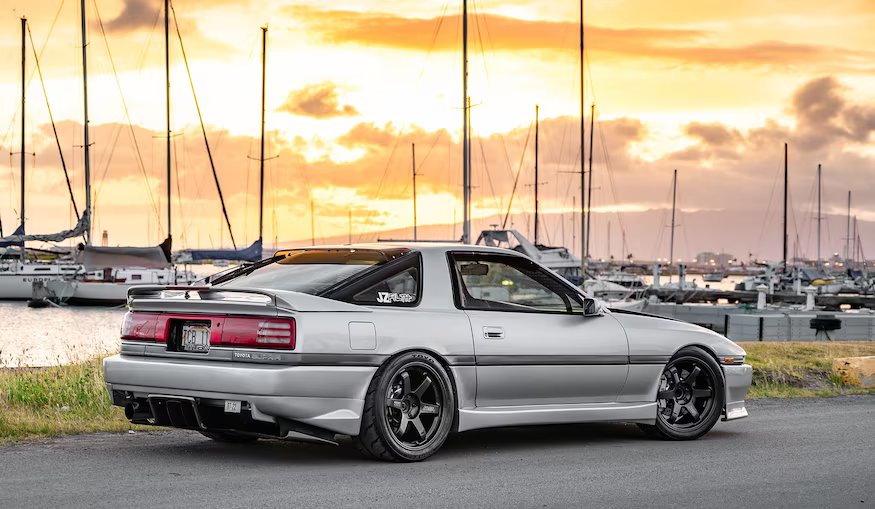
Toyota Supra Mk3
The Mk3 Toyota Supra represented a unique approach to performance with its turbocharged inline six cylinder engine and rear-wheel drive layout. While often overshadowed by its more famous Mk4 successor, the Mk3 offered balanced performance, solid build quality, and strong tuning potential.
The turbocharged engine delivered a broad torque curve that allowed for impressive acceleration and highway performance. Even naturally aspirated models were capable and responsive, offering a refined and manageable driving experience. Purists respected the Supra Mk3 because it combined reliability with genuine performance potential, qualities often missing in other six cylinder muscle cars of the era.
Chassis dynamics were another highlight of the Mk3 Supra. Its suspension was engineered to balance comfort with precision, giving it a stable platform for spirited driving. The car’s handling remained composed through tight corners, with minimal body roll for its weight class.
Unlike some heavier domestic muscle cars, it offered predictability, traction, and agility, which enhanced driver confidence. This level of balance resonated with enthusiasts who prioritized control as much as raw acceleration.
The Mk3 Supra also earned respect due to its tunability and durability. Enthusiasts discovered that the engine could withstand significant modifications, including increased boost levels and upgraded components, without losing reliability. This made it a favorite platform for those looking to extract maximum performance from a V6 configuration. Its mechanical robustness, combined with aftermarket support, created a community of drivers who valued engineering integrity as much as performance.
Finally, the Mk3 Supra combined understated styling with muscular presence. Its long hood, sleek lines, and low stance gave it a visual identity that suggested power without exaggeration. Purists admired that the car remained authentic to its engineering goals while still capable of thrilling performance.
Over time, the Mk3 Supra proved that a turbocharged six cylinder could earn muscle car respect through a combination of balance, adaptability, and mechanical excellence.
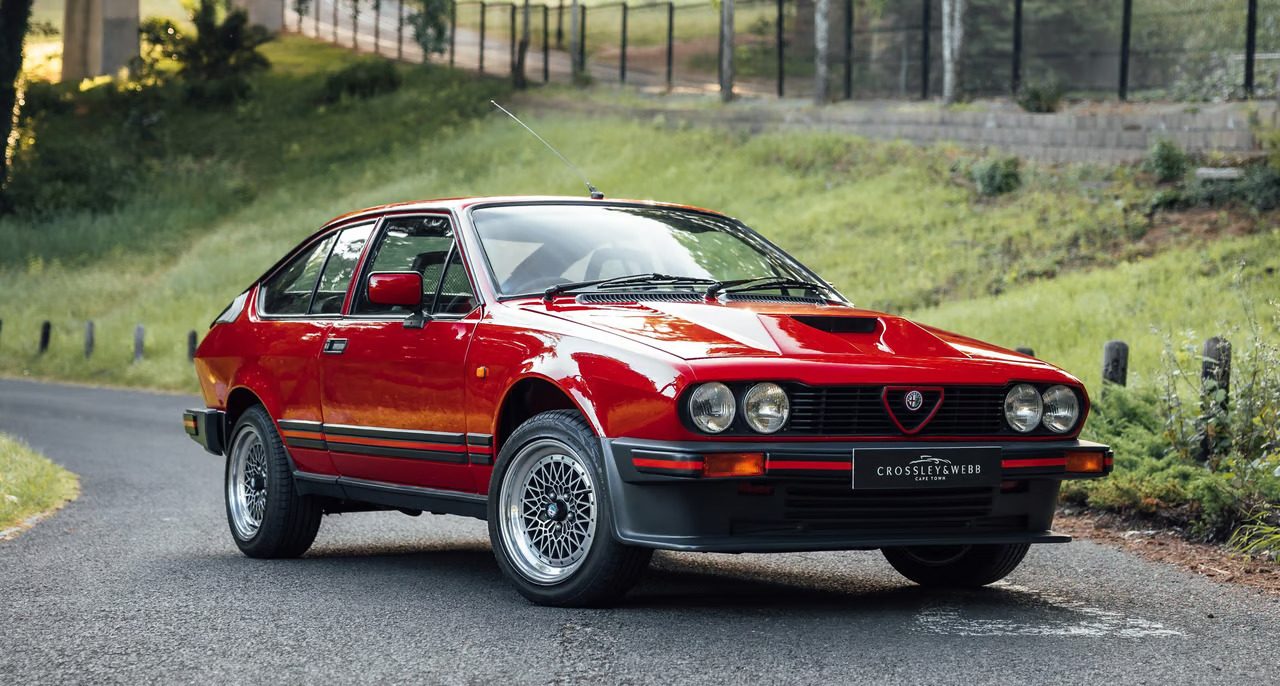
Alfa Romeo GTV6
The Alfa Romeo GTV6 is a distinctive entry in the V6 muscle car category due to its character, engineering philosophy, and racing pedigree. Its 2.5 liter V6 engine produced smooth, responsive power and a memorable exhaust note, emphasizing driver engagement rather than raw displacement.
The engine’s design encouraged revving and offered immediate feedback through the throttle, which created a visceral connection between car and driver. Purists respected the GTV6 because it offered a performance experience that was nuanced, connected, and demanding, rather than simply overwhelming with brute force.
Engineering sophistication extended beyond the engine. The GTV6 featured well-sorted suspension geometry, including independent rear suspension and a balanced chassis, which allowed it to handle corners with agility unusual for its time.
Unlike traditional American muscle cars, which often prioritized straight line acceleration, the GTV6 rewarded precision, skill, and timing. Enthusiasts appreciated that driving the car required active engagement, giving it credibility among purists who valued technique over raw horsepower.
The GTV6 also achieved success in touring car competition, demonstrating that intelligent engineering could overcome disadvantages in displacement. Its racing pedigree reinforced its reputation as a serious performance car, not just a stylish coupe.
This combination of track-proven performance, mechanical reliability, and driver-centric dynamics contributed to its enduring respect within enthusiast circles. Unlike other six cylinder muscle cars that relied on raw numbers, the GTV6 emphasized execution, finesse, and character.
Finally, the GTV6’s unique styling and character made it stand out. Italian design cues, aggressive lines, and a purposeful stance conveyed performance authenticity while reflecting the car’s engineering intent. Purists appreciated that the GTV6 remained true to Alfa Romeo’s performance philosophy, blending elegance, balance, and engagement.
Its enduring reputation demonstrates that a V6 can embody muscle car spirit when engineering integrity, racing pedigree, and character are prioritized above sheer size or noise.
