
The 1960s marked a defining era for American performance cars, characterized by intense competition, engineering innovation, and a rapidly expanding youth culture that prized speed and mechanical prowess.
The Big Three automakers, General Motors, Ford, and Chrysler, responded to this demand with vehicles that emphasized large displacement engines, rear wheel drive platforms, and aggressive styling that communicated strength even at a standstill. These cars were not created for subtlety or efficiency.
They were statements of capability, built during a time when regulations were minimal and experimentation was encouraged across engineering departments. The result was a collection of machines that prioritized straight line acceleration, engine durability, and driver engagement in ways that later decades would no longer allow.
Muscle cars of the 1960s were not uniform in purpose or execution. Some were designed primarily for drag strips, others for homologation in racing series, and many simply for dominance on public roads. What unified them was an emphasis on torque rich engines, often V8s, combined with relatively lightweight intermediate or compact bodies.
The Big Three competed fiercely with one another, often releasing new performance packages in response to rival achievements. This constant pressure pushed horsepower figures higher and led to the development of legendary engines that remain respected today.
Power during this era was not just about raw numbers. It was also about how engines delivered force, how suspensions managed weight transfer, and how drivetrains handled stress. Many of the most respected cars from the decade earned their reputation through consistency and resilience, not just advertised output.
Some models were officially underrated from the factory, leading to real-world performance that exceeded expectations. This culture of understated capability only added to their mystique.
The following selections represent ten of the most powerful muscle cars produced during the 1960s by the Big Three automakers. Each one reflects a specific approach to performance and design, shaped by its manufacturer’s philosophy and competitive goals. Together, they form a snapshot of an era when power was pursued with little compromise and lasting influence.

1969 Chevrolet Camaro ZL1
The 1969 Camaro ZL1 is widely regarded as one of the most extreme factory performance vehicles produced by General Motors during the muscle car era, a time when manufacturers were experimenting boldly to capture the hearts of performance enthusiasts.
Unlike most Camaros, which came with standard cast iron engines, the ZL1 featured an aluminum 427 cubic inch V8 designed primarily for racing applications. The use of aluminum significantly reduced weight, which improved acceleration, handling, and drivability.
Only 69 units were produced with the ZL1 designation, making it one of the rarest and most sought-after models. Its purpose was not merely to impress visually but to dominate drag strips and prove GM’s engineering prowess in performance applications. This combination of rarity, innovation, and sheer power ensured the Camaro ZL1 earned a legendary reputation among collectors and enthusiasts alike.
The engineering behind the Camaro ZL1 extended far beyond its engine. General Motors ensured that the chassis could accommodate the tremendous power while remaining structurally sound. Heavy-duty suspension components, reinforced frame elements, and upgraded drivetrain parts were incorporated to handle the high stress associated with the ZL1’s output.
These upgrades were crucial because the car’s massive torque could easily break lesser components, making the ZL1 not only fast but also robust and reliable in competitive environments. The car was a clear statement that GM was willing to challenge competitors in a no-compromise manner, blending practicality with racetrack intent in a production vehicle.
What truly distinguished the Camaro ZL1 was its performance beyond the spec sheet. Factory ratings understated its capabilities, and in real-world conditions, the car consistently outperformed expectations. The engine’s internal components were designed for extreme durability, capable of withstanding prolonged high RPM operation, which made it suitable for drag racing without major modifications.
This allowed the ZL1 to bridge the gap between street legality and racing functionality, giving owners access to near-professional performance on public roads, a rare trait at the time. Enthusiasts appreciated this combination of extreme power and mechanical intelligence, which solidified its place in muscle car history.
Cultural impact also played a role in the ZL1’s enduring legacy. As a car produced in extremely limited numbers, it became a symbol of exclusivity and engineering audacity. It represented the apex of GM’s performance ambitions in the late 1960s and inspired a generation of drivers who valued raw speed and technical sophistication.
The Camaro ZL1 continues to be celebrated in automotive circles, not merely for its horsepower or rarity, but for its embodiment of a period when American automakers pushed boundaries to produce machines that were unrestrained, uncompromising, and unforgettable.
1969 Ford Mustang Boss 429
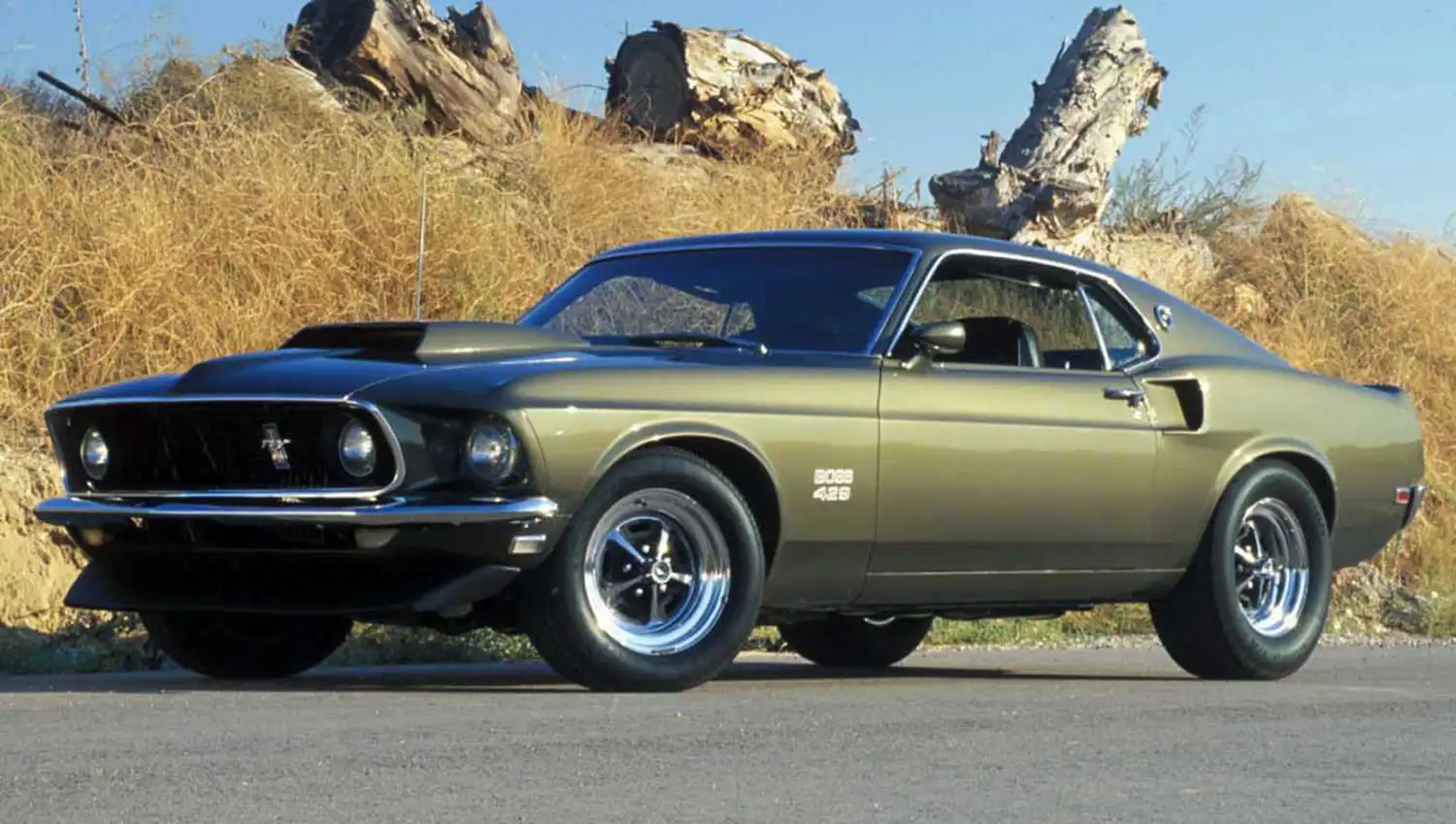
Ford’s Mustang Boss 429 was created for a very specific purpose: to homologate the company’s new 429 cubic inch V8 engine for NASCAR racing. This engine was engineered for maximum airflow, high horsepower, and exceptional torque delivery. To fit the massive engine, Ford redesigned the Mustang’s front end, modifying the engine bay, steering components, and front suspension.
The resulting vehicle looked like a standard Mustang at first glance but was radically different under the skin, reflecting the lengths Ford was willing to go to compete in motorsports. Only a few hundred units were produced, making it one of the rarest and most collectible Mustangs of the era.
The Boss 429 represented a combination of racing technology and street usability that few competitors could match, making it an icon of precision engineering and raw power.
The Boss 429 engine featured oversized cylinder heads, high-flow intake manifolds, and a robust bottom end that allowed it to sustain high RPMs without compromising reliability. Ford intentionally underrated the horsepower ratings, which led to speculation and admiration among enthusiasts who discovered the car’s true performance potential.
This understated approach was part of a deliberate strategy to satisfy homologation requirements while providing a platform capable of extraordinary speed. Driving the Boss 429 was an experience in itself, requiring skill and respect due to its massive power and torque, but offering immense reward for those who could harness it.
Structurally, the Boss 429 Mustang received extensive reinforcements to handle the weight and stress of the new engine. Heavy duty suspension components and upgraded braking systems were implemented to maintain control under hard acceleration.
The car’s balance and stability were also enhanced by careful weight distribution and chassis modifications, which helped manage the large engine’s influence on handling. Despite its focus on raw power, the car was surprisingly predictable for an experienced driver, proving that Ford considered both performance and control when developing this model.
Culturally, the Boss 429 Mustang has become a symbol of Ford’s boldness and engineering prowess. It was a car built not for mass sales, but for serious enthusiasts and racers who understood its capabilities.
Today, it remains one of the most revered muscle cars, admired not only for its rarity and power, but for the story behind its creation. The combination of a monstrous engine, meticulous engineering, and NASCAR roots make the Boss 429 a perfect representation of the 1960s muscle car philosophy at its most extreme.
1969 Dodge Charger R T 426 Hemi
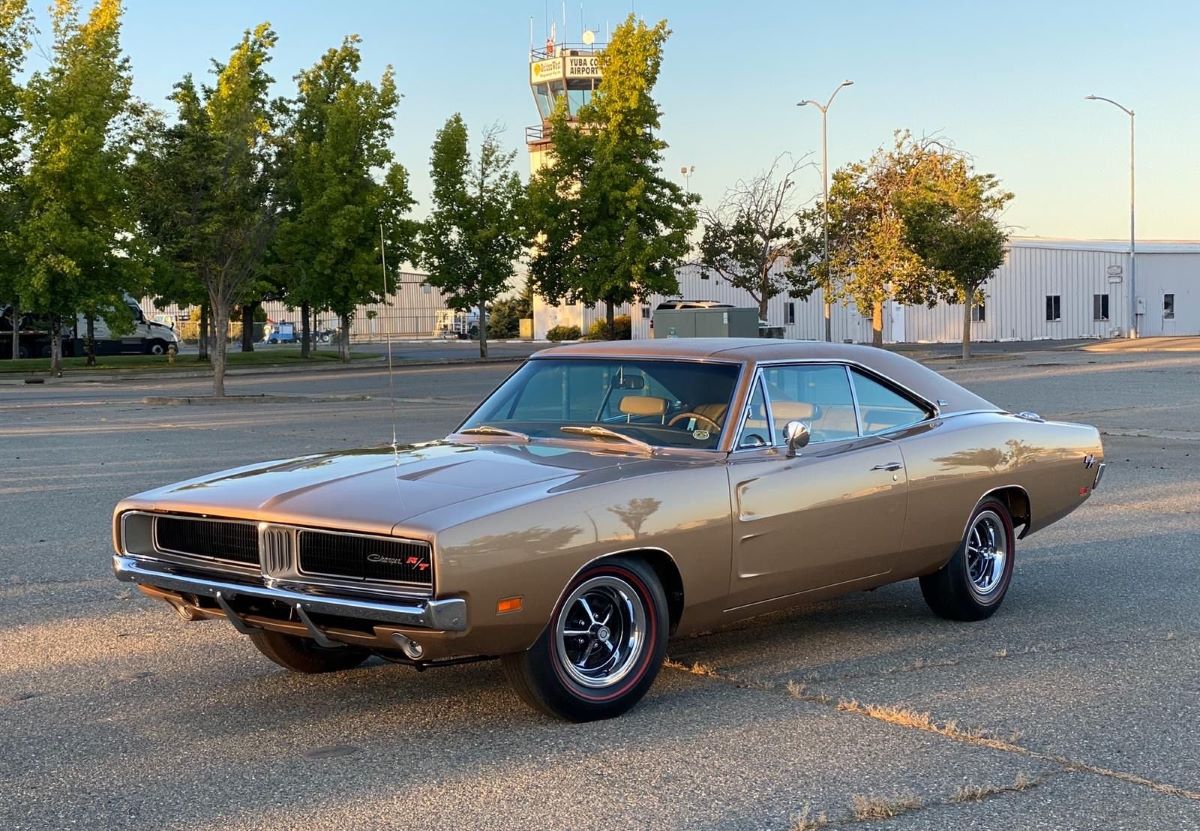
The 1969 Dodge Charger R T with the 426 Hemi engine is one of the most recognizable muscle cars ever produced by Chrysler. The 426 Hemi was a racing engine adapted for street use, known for its hemispherical combustion chambers that improved airflow and combustion efficiency.
This design enabled remarkable power output, making it a legend in drag racing and street performance circles. With a massive 425 horsepower officially rated at the time, though in reality it often exceeded those numbers, the Hemi Charger represented the pinnacle of Chrysler’s muscle car engineering. Its aggressive styling and wide stance reinforced the car’s image as a performance powerhouse capable of overwhelming competitors both on the track and the street.
The Charger’s long wheelbase and broad chassis played a significant role in managing the Hemi’s output. Its frame rigidity prevented excessive flex during hard launches, while the suspension geometry was calibrated to maximize traction and stability.
Chrysler engineers focused on creating a car that could harness the raw power of the Hemi engine without sacrificing drivability entirely. The combination of massive torque and reinforced chassis allowed the Charger to accelerate fiercely while maintaining composure, an attribute that many contemporaries could not match. These engineering solutions demonstrated Chrysler’s attention to both performance and reliability.
Torque delivery was another defining feature of the Hemi Charger. Unlike engines that relied heavily on high RPMs for power, the Hemi produced substantial low-end torque, making it feel explosive from a standing start. This characteristic contributed to its dominance in quarter-mile racing and provided a sense of immediacy that thrilled drivers.
The engine’s durability ensured that repeated high-stress launches did not compromise its performance, which made the car viable for both casual enthusiasts and serious racers. This combination of raw force and mechanical intelligence cemented its reputation as one of the era’s most formidable muscle cars.
The 1969 Dodge Charger R T 426 Hemi left a lasting mark on automotive culture. Its blend of aggressive design, exceptional performance, and racing pedigree captured the imagination of car enthusiasts.
It became a symbol of Chrysler’s willingness to prioritize engineering excellence and high performance over practicality. Even decades later, the Hemi Charger remains a benchmark for power and presence, revered for its ability to combine brute force with refined mechanical design in a production car.
1969 Plymouth Road Runner Hemi
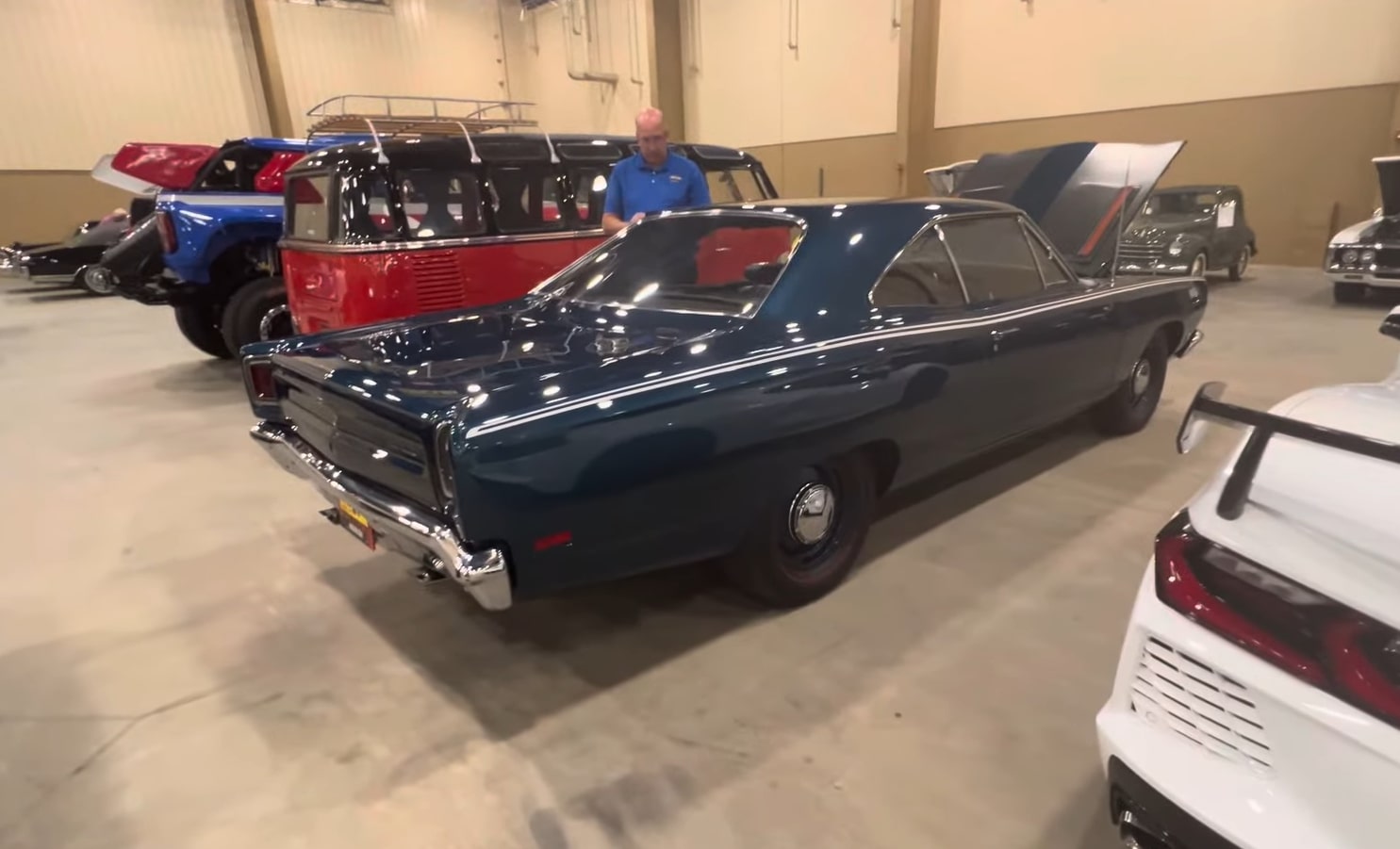
The Plymouth Road Runner Hemi was conceived as a performance machine stripped of unnecessary luxury, focusing purely on power-to-weight efficiency. By minimizing features like heavy interiors, sound insulation, and other non-essential amenities, Plymouth was able to reduce weight, maximizing the impact of its 426 Hemi engine.
The resulting combination delivered remarkable straight-line performance that could rival much more expensive vehicles. The Road Runner also offered a practical price point, making high performance accessible to a wider audience without compromising the thrill of driving. Its simplicity was part of its appeal, emphasizing function over form while still providing one of the most exhilarating experiences of the muscle car era.
The 426 Hemi engine transformed the Road Runner into a formidable competitor on both streets and drag strips. Its internal components were robust, allowing consistent high RPM operation without failure. Combined with the lightweight body, this engine produced acceleration figures that challenged much larger cars and made the Road Runner a favorite among performance enthusiasts.
The engine’s combination of high torque and horsepower ensured that the car was not only fast in a straight line but also capable of impressive launches with minimal wheelspin, reflecting Plymouth’s careful engineering balance.
Chassis and suspension design were integral to the Road Runner’s effectiveness. Its suspension was tuned to accommodate the Hemi’s immense output, providing stability under aggressive acceleration while maintaining predictable handling.
Heavy-duty components were used throughout the driveline, ensuring that the car could withstand repeated stress without compromise. This purposeful approach to design reinforced the Road Runner’s image as a no-nonsense performance car, engineered to deliver results rather than luxury or refinement.
The Plymouth Road Runner Hemi also made a significant cultural impact. Its affordability, combined with serious performance, helped redefine the muscle car segment, proving that power did not require extravagance.
The car’s distinctive “beep beep” horn, paired with the Hemi’s roar, contributed to a playful yet intimidating personality that resonated with enthusiasts. Today, it remains a symbol of what the muscle car era represented: raw power, mechanical efficiency, and a focus on the driving experience above all else.
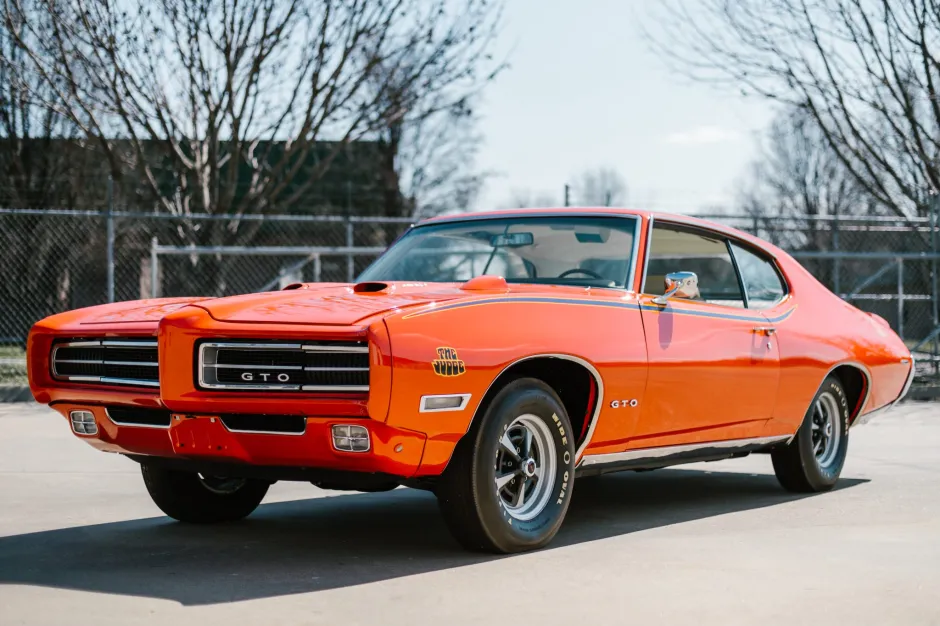
1969 Pontiac GTO Judge Ram Air IV
The Pontiac GTO Judge Ram Air IV represented the apex of Pontiac’s performance strategy during the late 1960s. The Ram Air IV engine featured high-performance cylinder heads, a radical camshaft profile, and optimized intake manifolds designed to maximize airflow at high RPMs.
This made it one of the most potent engines Pontiac produced, capable of extraordinary power in both street and competitive applications. The Judge package added distinctive styling cues, including bold graphics and a striking rear spoiler, giving it a presence that matched its performance. It was a vehicle that demanded attention both on the road and in the showroom, symbolizing Pontiac’s dedication to pushing engineering boundaries.
The GTO platform was an ideal foundation for the Ram Air IV engine. Its intermediate dimensions provided a balance between stability and agility, allowing the car to handle high power outputs effectively.
Pontiac engineers refined the suspension geometry to ensure that the car remained controllable during spirited driving, while braking systems were upgraded to manage the higher speeds. This careful attention to chassis tuning allowed the Judge to excel in acceleration tests while maintaining a level of drivability uncommon among high-horsepower muscle cars of the era.
Performance characteristics of the Ram Air IV GTO extended beyond raw horsepower. The engine was highly responsive to throttle input, rewarding aggressive driving with immediate acceleration.
Its wide powerband allowed drivers to extract strong performance across multiple RPM ranges, rather than relying solely on top-end power. This versatility made the car enjoyable in a variety of driving scenarios, from drag strips to winding roads, and reflected Pontiac’s engineering focus on a more engaging driving experience.
Culturally, the GTO Judge Ram Air IV has become an enduring symbol of muscle car excess and innovation. Its combination of advanced engine technology, aggressive styling, and performance credibility captured the imagination of a generation of enthusiasts.
The car’s name, “Judge,” was a marketing flourish that reinforced its dominant persona, while the engineering substance behind it ensured that the hype was justified. Today, it remains one of the most celebrated muscle cars of the 1960s, embodying Pontiac’s vision of performance with personality.
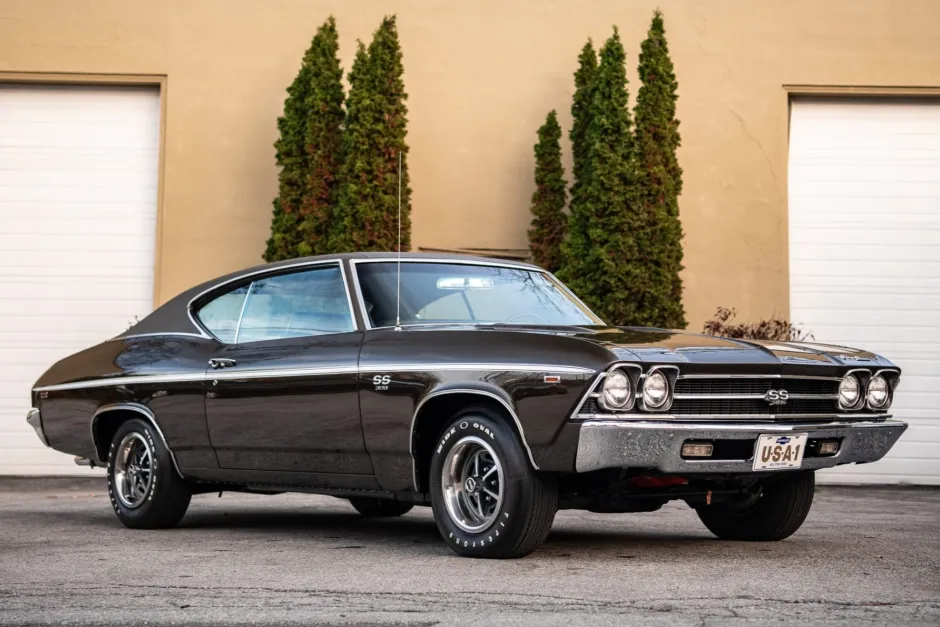
1969 Chevrolet Chevelle SS 427
The 1969 Chevrolet Chevelle SS 427 represented a blend of brute force and practicality, making it one of GM’s most compelling muscle cars of the era. Equipped with a massive 427 cubic inch V8, the Chevelle SS could generate substantial horsepower and torque, enabling rapid acceleration that few competitors could match.
The Chevelle was part of Chevrolet’s intermediate lineup, meaning it offered a larger, more stable platform compared to compact muscle cars, which enhanced its straight-line performance. This combination of size, power, and balance made the SS 427 a popular choice for both drag racers and enthusiasts seeking a car capable of dominating the street without sacrificing comfort.
The Chevelle’s long wheelbase and broad track were essential to its performance. The extended wheelbase helped reduce weight transfer issues during hard launches, while the car’s structural integrity ensured that the frame could handle the engine’s tremendous output.
Heavy-duty suspension components, including upgraded shocks and springs, improved traction and helped the Chevelle maintain composure under acceleration. Engineers paid careful attention to braking performance as well, providing systems capable of handling higher speeds and repeated hard stops, which enhanced safety and confidence for drivers pushing the car to its limits.
A defining feature of the Chevelle SS 427 was its versatility. It could excel in the quarter mile with quick launches and consistent elapsed times, yet it also remained manageable for everyday driving.
This dual-purpose nature broadened its appeal, allowing owners to enjoy performance without committing entirely to a race-oriented lifestyle. The car’s robust drivetrain and carefully tuned suspension also contributed to a sense of solidity and durability, setting it apart from lighter, less stable competitors that struggled to harness similar horsepower.
Culturally, the Chevelle SS 427 reinforced Chevrolet’s reputation for producing powerful, well-engineered muscle cars that balanced performance and usability. It demonstrated that intermediate-sized vehicles could deliver exceptional acceleration and handling, challenging the notion that only compact cars could achieve dominance in drag racing.
Today, the Chevelle SS 427 is celebrated not only for its performance but also for its enduring influence on the muscle car segment, representing a period when raw power and thoughtful engineering coexisted seamlessly.
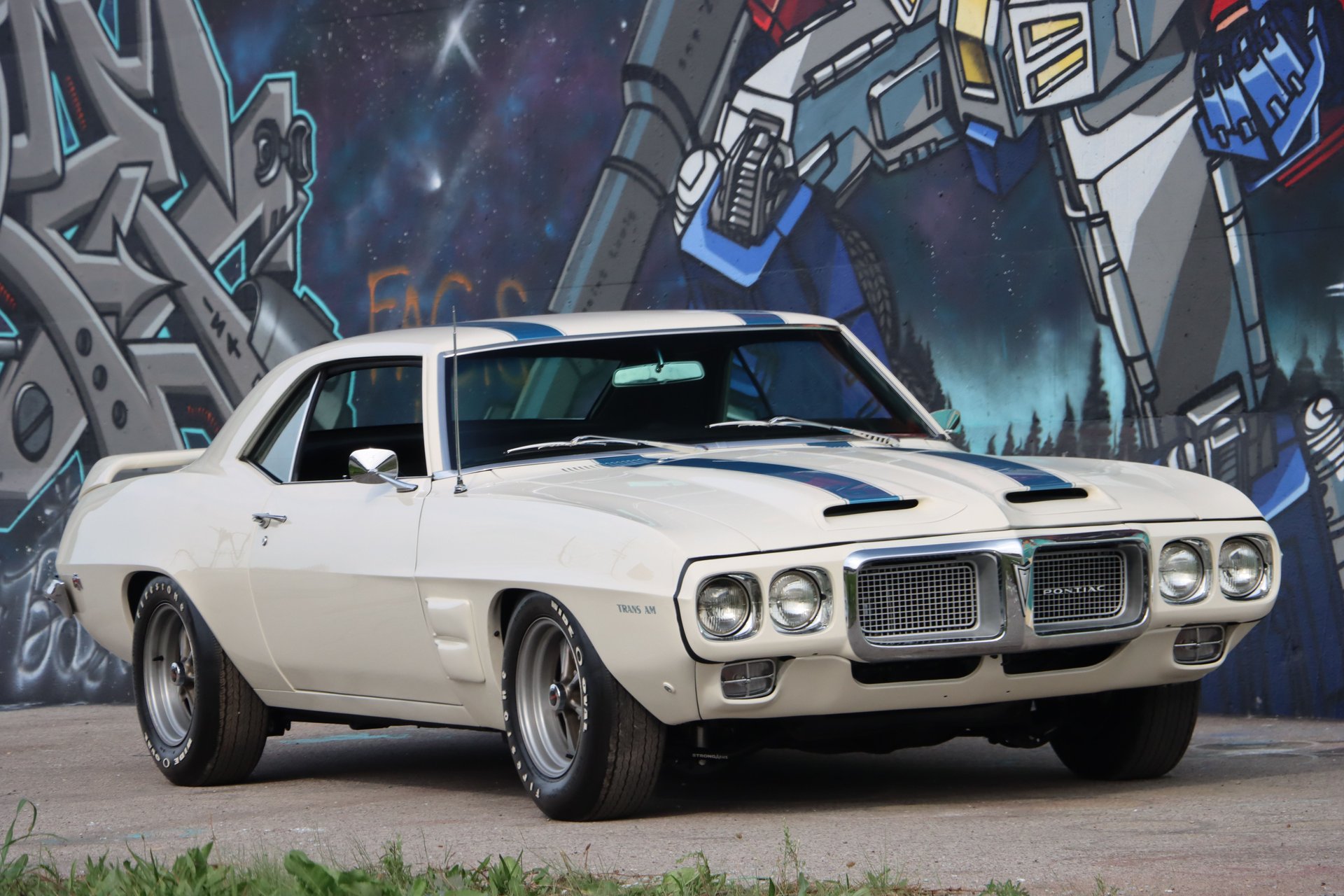
1969 Pontiac Firebird Trans Am Ram Air
The 1969 Pontiac Firebird Trans Am Ram Air was Pontiac’s answer to the growing demand for muscle cars that offered both performance and handling. While the Firebird platform was lighter and more compact than other intermediates, it was engineered to maximize the potential of the Ram Air engine.
This engine utilized a high-flow intake system to increase volumetric efficiency, generating more horsepower than traditional engines of similar displacement. It offered a balance of torque and top-end power, allowing the Trans Am to deliver spirited acceleration while maintaining stability in corners. Pontiac positioned the Trans Am as a performance-oriented alternative to larger, heavier muscle cars, emphasizing agility without sacrificing output.
The car’s lightweight structure played a crucial role in its performance. With reduced mass compared to full-sized muscle cars, the Trans Am could translate engine power into speed more efficiently. The suspension was carefully tuned to support high-speed stability, featuring firmer springs and upgraded shock absorbers to reduce body roll.
Steering responsiveness was also improved, giving the driver a sense of precision that complemented the car’s acceleration capabilities. Together, these characteristics allowed the Firebird to be competitive not only on drag strips but also in handling-focused driving scenarios.
Power delivery in the Ram Air-equipped Trans Am was particularly noteworthy. Unlike some high-output engines that relied on torque spikes, the Ram Air provided consistent, controllable power across a broad RPM range. This made the car feel responsive in a variety of driving situations, from highway passing maneuvers to spirited backroad runs.
Drivers appreciated the engine’s smooth yet aggressive nature, which encouraged confidence without compromising the excitement of performance driving. The synergy between engine, chassis, and weight made the Trans Am a well-rounded performer.
The 1969 Firebird Trans Am Ram Air also had significant cultural resonance. While it was not produced in as large numbers as some competitors, it carved out a niche for drivers who valued handling as much as raw power.
Pontiac’s approach demonstrated that muscle cars did not need to rely solely on straight line acceleration to be effective or desirable. Today, the Trans Am Ram Air is revered as a model that broadened the definition of muscle cars, showing that engineering balance and high performance could coexist in a single package.
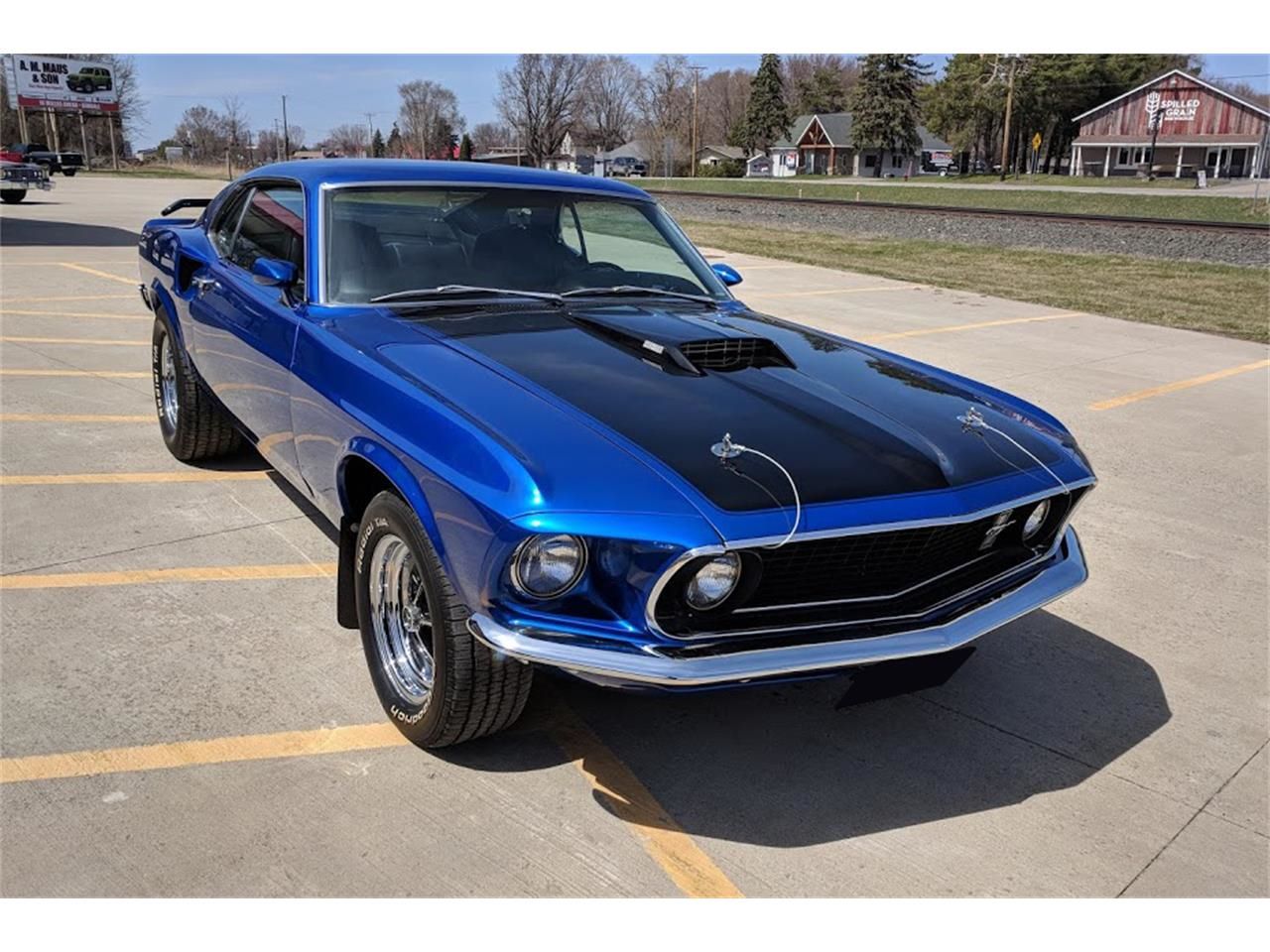
1969 Ford Mustang Mach 1 428 Cobra Jet
The 1969 Ford Mustang Mach 1 with the 428 Cobra Jet engine exemplified the marriage of style, performance, and accessibility. The Mach 1 package offered distinctive design elements, such as hood scoops and racing stripes, that visually communicated performance intentions while incorporating the powerful Cobra Jet V8.
The 428 Cobra Jet engine was engineered to produce high torque and sustained power, making it suitable for both street use and competitive racing. Its versatility allowed enthusiasts to enjoy impressive acceleration without needing extensive modifications, making it one of the most practical high-performance Mustangs of the era.
Engineering enhancements were not limited to the engine. The Mach 1 package included reinforced suspension components, upgraded brakes, and optimized gearing to ensure that the car could handle the 428 Cobra Jet’s output.
Weight distribution was carefully managed to reduce wheel hop during launches and maintain traction under hard acceleration. The combination of engine power, chassis modifications, and braking capability created a Mustang that could perform consistently at high levels while remaining reliable and predictable.
Culturally, the Mach 1 428 Cobra Jet represented Ford’s ability to deliver serious performance within a recognizable and marketable platform. It was not only a competitor to other high-powered muscle cars but also a vehicle that allowed a broader audience to experience extreme speed and power.
Today, it remains an iconic Mustang, revered for its combination of engineering precision, style, and raw performance. Its legacy continues to influence Mustang design and performance philosophy decades later.
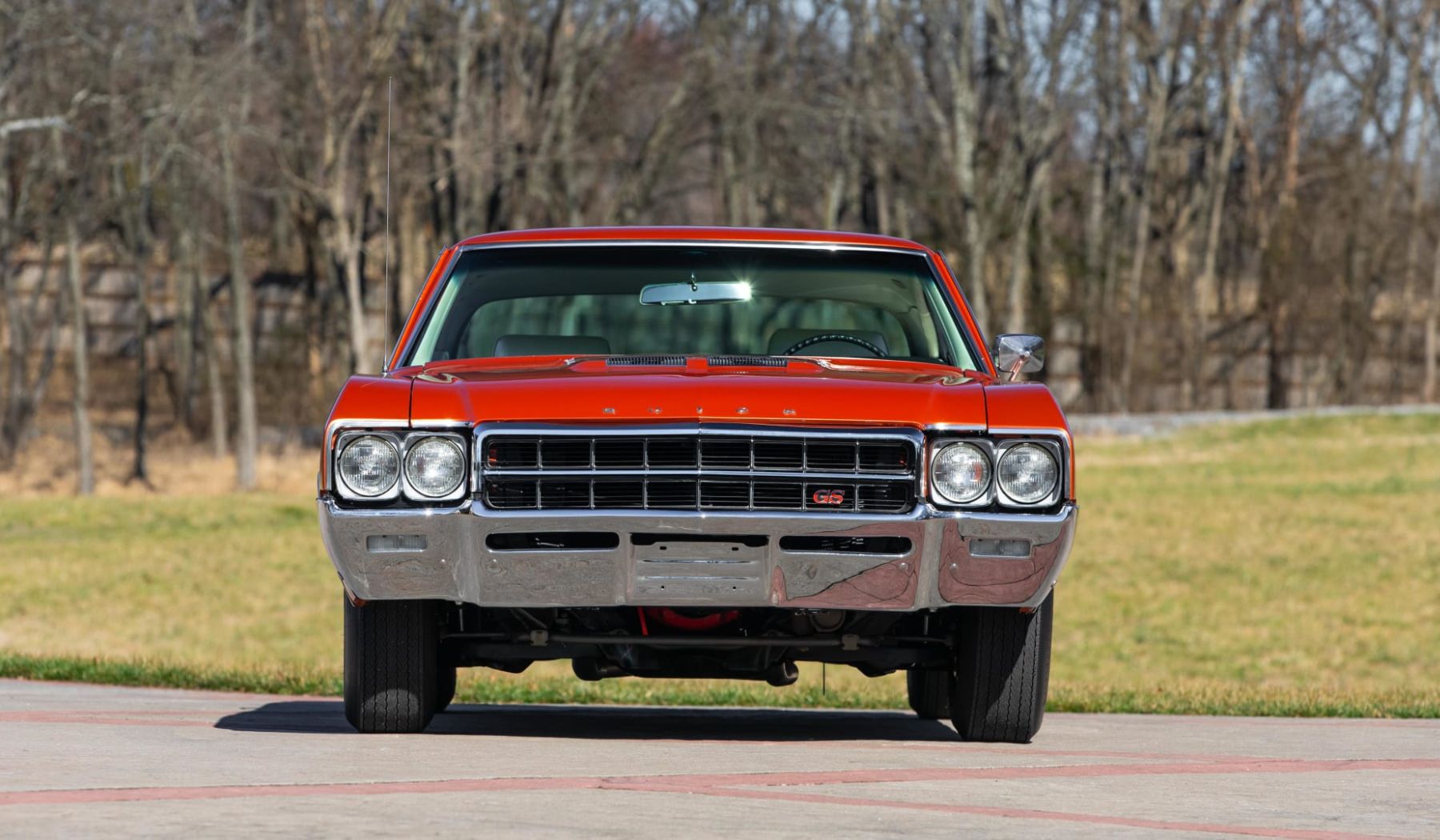
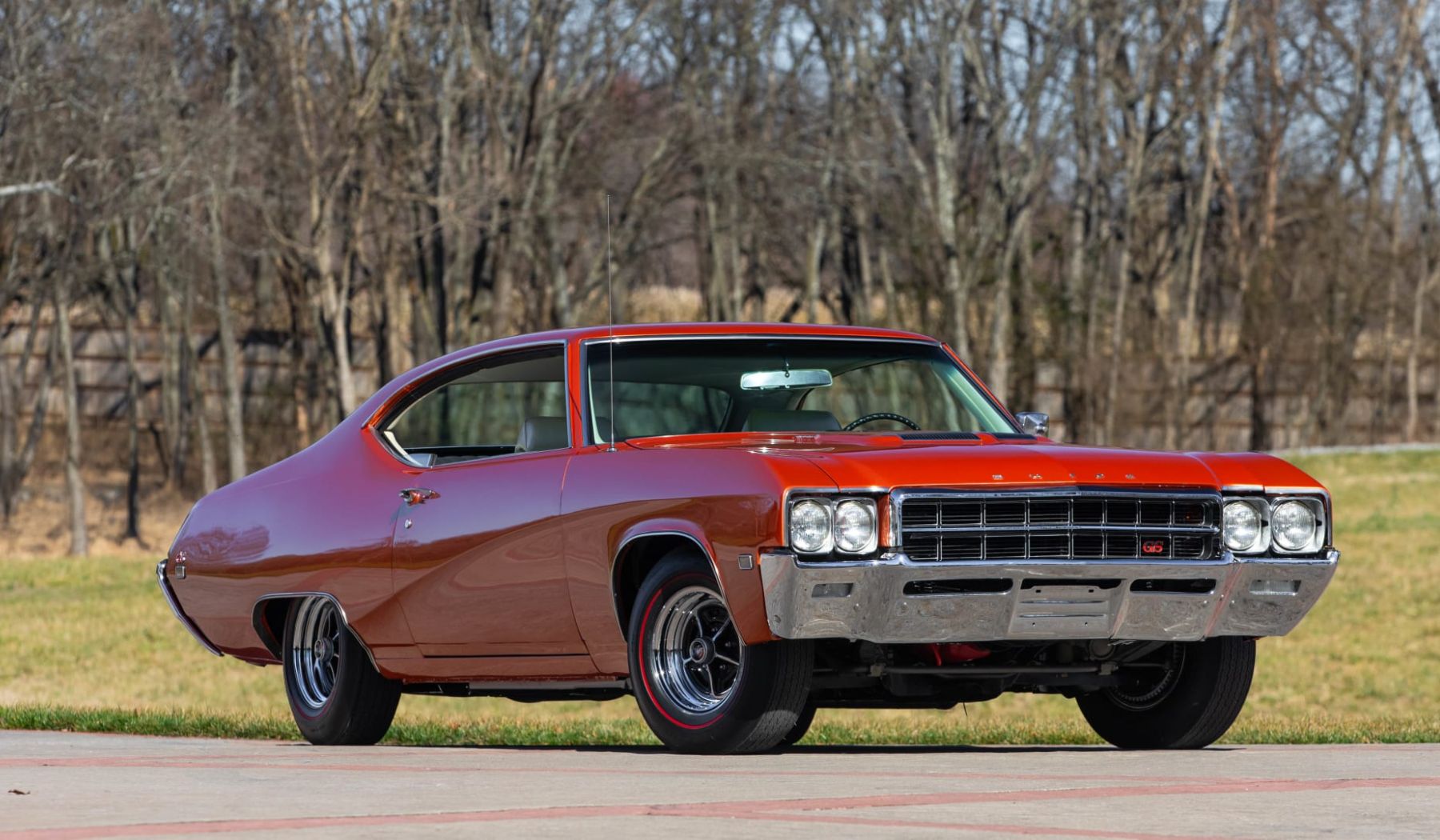
1969 Buick GS 400
Buick’s GS 400 exemplified the brand’s approach to muscle car performance, combining strong power output with a focus on refinement and usability. Powered by a 400 cubic inch V8, the GS 400 delivered substantial torque and horsepower, providing confident acceleration in both street and competitive scenarios.
Unlike some muscle cars that prioritized peak horsepower at the expense of smoothness, Buick designed the GS 400’s engine to deliver usable power across a wide RPM range. This allowed the car to accelerate smoothly, maintain stability under stress, and provide a refined driving experience that set it apart from more aggressive competitors.
Performance characteristics were enhanced by careful attention to engine and drivetrain design. The GS 400 produced a broad torque curve, allowing rapid acceleration from low speeds and sustained power at higher RPMs.
This made the car feel powerful and responsive in nearly any driving situation. Buick’s emphasis on reliability and durability meant that the car could handle repeated hard use without significant wear or compromise, reinforcing its image as a dependable yet thrilling muscle car.
The 1969 Buick GS 400 also played a role in expanding the muscle car segment beyond raw power. It demonstrated that American muscle cars could combine high performance with comfort and everyday usability, appealing to a segment of buyers seeking sophistication alongside speed.
Today, the GS 400 is remembered for its balance of strength, refinement, and engineering thoughtfulness, making it a unique and respected member of the 1960s muscle car pantheon.
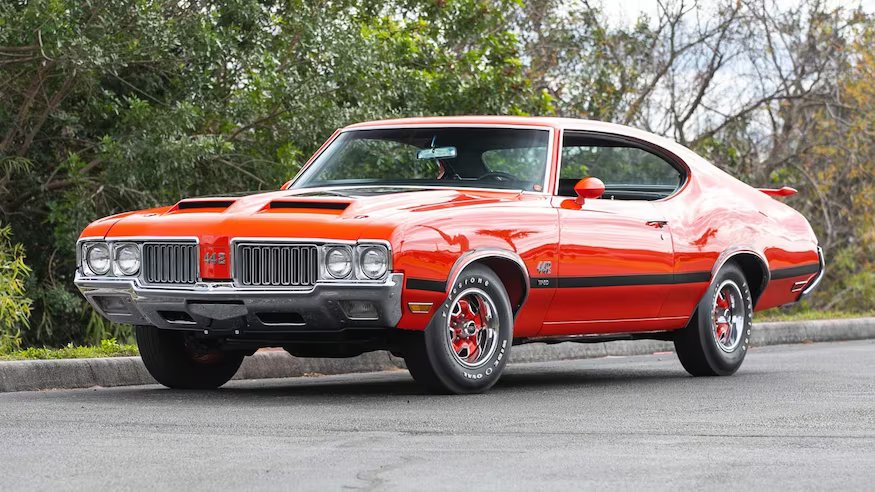
1969 Oldsmobile 442 W30
Oldsmobile’s 1969 442 W30 package represented the company’s most serious effort to compete in the high-performance muscle car arena. The W30 package featured a high-output V8 engine with performance enhancements including improved cylinder heads, a higher compression ratio, and optimized camshaft timing.
These modifications allowed the engine to produce substantial horsepower and torque while maintaining durability for repeated hard use. Combined with the 442’s performance-oriented chassis, the W30 created a vehicle that excelled in straight-line acceleration and provided a commanding driving experience.
Power delivery in the W30 was smooth yet forceful. Unlike some muscle cars that focused exclusively on peak horsepower, the W30 provided a broad powerband, allowing drivers to access strong acceleration across multiple gears.
This made the car effective in various driving scenarios, from city streets to competitive racing. The emphasis on consistency and reliability ensured that performance could be sustained repeatedly without compromise, which contributed to its reputation as a well-engineered muscle car.
Culturally, the Oldsmobile 442 W30 showcased the company’s ability to blend performance, engineering precision, and everyday usability. It stood out as a muscle car that did not rely solely on visual appeal or raw power, but offered a complete performance package.
Today, the 442 W30 is celebrated for its engineering thoughtfulness, power, and influence on subsequent high-performance models, solidifying its place among the most powerful and respected muscle cars of the 1960s.
