
Toyota has long been recognized for its ability to combine reliability, efficiency, and practicality in its vehicles. While many people think of Toyota primarily in terms of durability and hybrid technology, the company has also produced a range of lighter vehicles that focus on ease of driving, fuel efficiency, and affordability.
Lighter vehicles are increasingly significant in today’s automotive industry, as they tend to consume less fuel, produce fewer emissions, and provide more responsive handling. For drivers who navigate congested city streets, park in tight spaces, or simply want a vehicle that is easy to maneuver, a lightweight model can make a difference in everyday life.
Toyota’s commitment to engineering vehicles with different sizes and purposes allows the company to offer options that appeal to a broad spectrum of buyers, from urban commuters to small families seeking practicality without sacrificing quality.
The weight of a vehicle has far-reaching implications beyond fuel economy. Lighter vehicles generally place less strain on brakes and tires, can accelerate more quickly with smaller engines, and often have lower maintenance costs.
For Toyota, achieving this balance means carefully selecting materials, designing efficient body structures, and optimizing engine performance to ensure that light vehicles still meet the company’s rigorous standards for safety and longevity. Customers looking at Toyota’s lighter models are often attracted by the combination of economy and versatility.
A compact hatchback, for example, can serve as a reliable city car while still providing enough cargo space for weekend trips or grocery runs. Similarly, lightweight SUVs and crossovers maintain agility while offering slightly more interior space for passengers.
In addition to practical advantages, lighter vehicles appeal to drivers who appreciate the feel of a car that responds quickly and handles predictably. Weight directly influences cornering, braking distances, and steering feedback, all of which contribute to driving enjoyment.
Toyota’s engineering philosophy emphasizes a balance of attributes, ensuring that lightweight models do not sacrifice comfort or safety. By strategically using lighter materials and employing innovative design techniques, Toyota creates vehicles that feel nimble and efficient without appearing fragile.
This article highlights ten of the lightest vehicles currently built by Toyota, focusing on their defining features, strengths, and suitability for modern drivers. Each vehicle on this list demonstrates Toyota’s ability to craft machines that are practical, efficient, and enjoyable to drive.
From compact hatchbacks to small SUVs, these vehicles reflect a blend of engineering precision and everyday usability that has become a hallmark of the Toyota brand. For buyers considering a lighter vehicle, understanding these models’ specifications and capabilities is essential in making an informed choice.
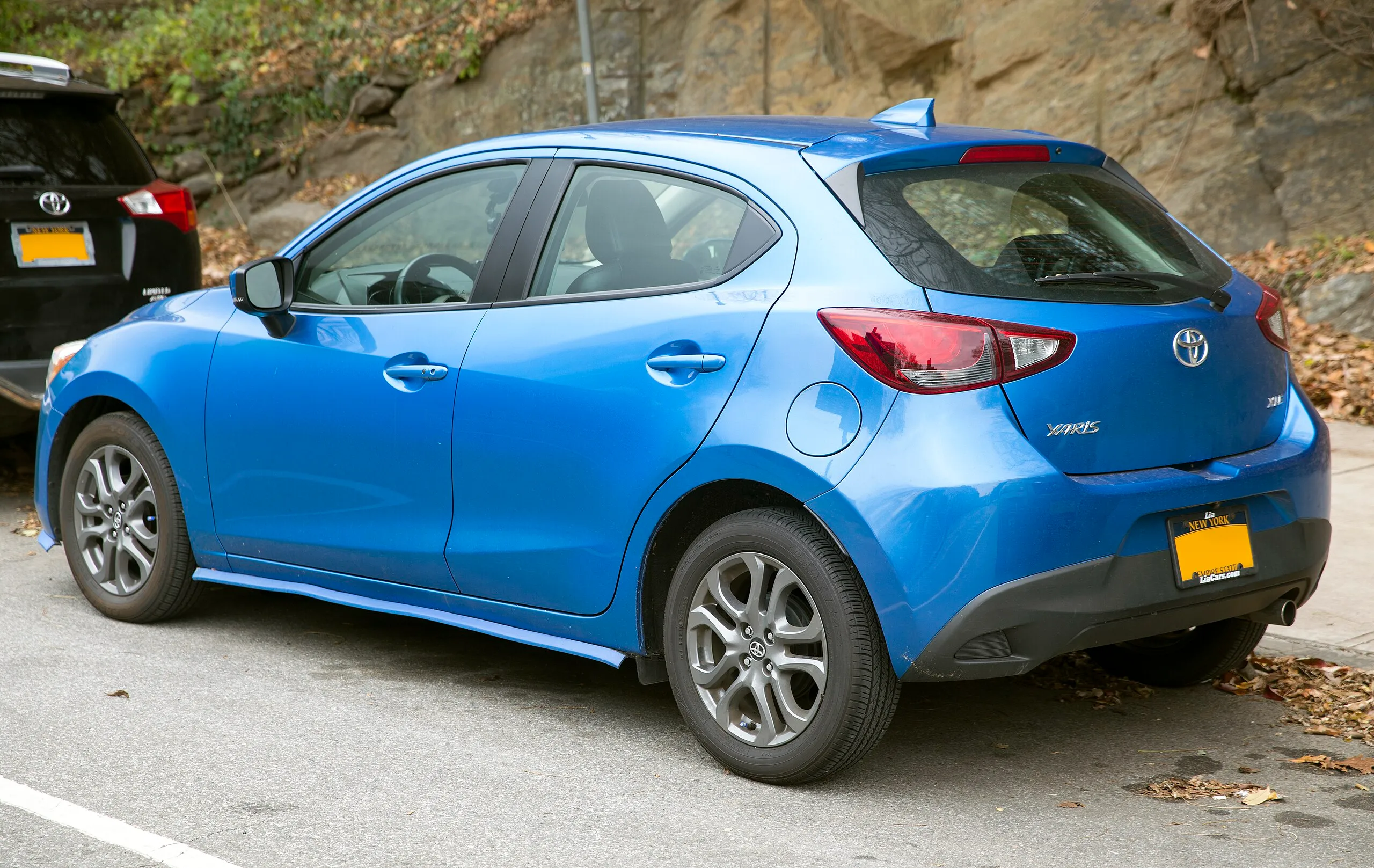
1. Toyota Yaris Hatchback
The Toyota Yaris Hatchback is a compact and lightweight vehicle designed for urban driving. Its smaller size allows for easy navigation through crowded streets and tight parking spaces.
Despite its modest footprint, the Yaris maintains a comfortable interior with adequate legroom for passengers and a surprisingly versatile cargo area. Its weight, which typically falls well below the average for compact cars, contributes to improved fuel efficiency, making it an attractive choice for those seeking lower operating costs.
The Yaris is equipped with a small, efficient engine that complements its lightweight design. The combination of low weight and a responsive powertrain results in a vehicle that accelerates smoothly and handles efficiently in city traffic.
Steering is precise, and the vehicle’s size enhances maneuverability, allowing drivers to feel confident when negotiating narrow streets or crowded parking lots. Toyota has also ensured that the Yaris maintains good safety standards despite its smaller size, with features such as multiple airbags and advanced braking systems.
Another strength of the Yaris is its low cost of ownership. Because it is lightweight and uses smaller components, fuel consumption is minimized, and maintenance demands are generally lower than larger vehicles. Tires and brake components last longer due to the reduced strain caused by lighter weight. Insurance premiums are often lower for compact cars, adding to the affordability of the Yaris.
Finally, the Yaris is popular among drivers who appreciate simplicity and reliability. The lightweight structure does not compromise Toyota’s reputation for durability.
With straightforward controls, intuitive electronics, and a user-friendly interior layout, the Yaris serves as a practical daily driver for individuals and small families. Its combination of lightness, efficiency, and practicality makes it a standout option in Toyota’s lineup.
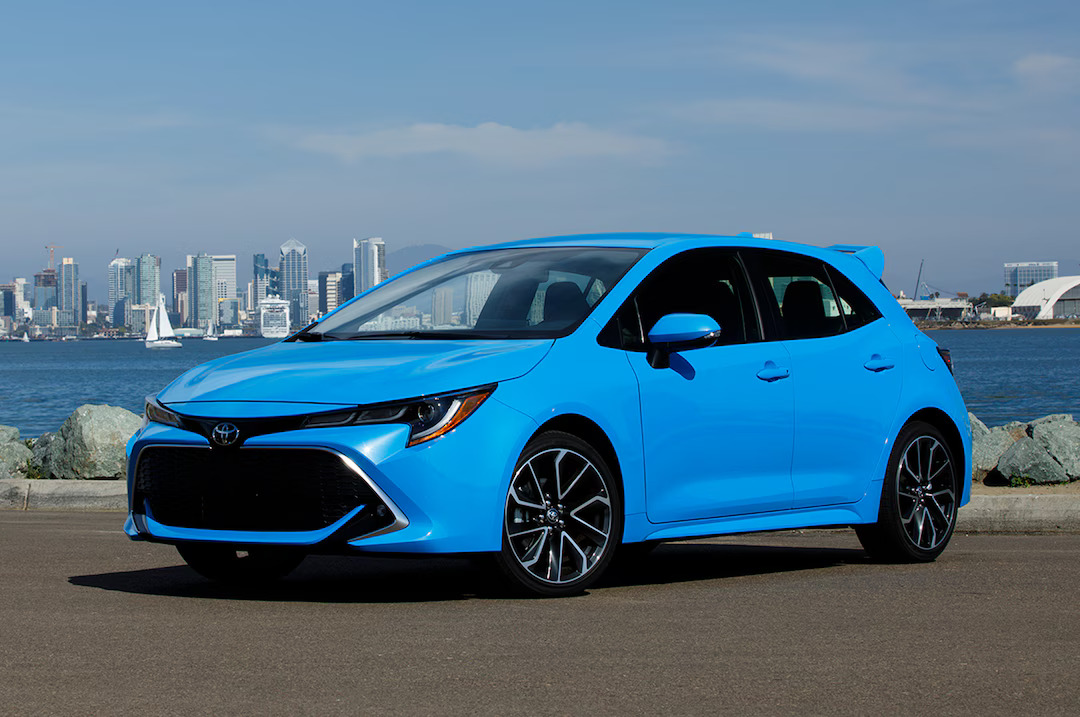
2. Toyota Corolla Hatchback
The Toyota Corolla Hatchback offers a slightly larger alternative to the Yaris while still maintaining a relatively light curb weight.
This model blends sporty design elements with everyday practicality, making it appealing to drivers who desire style without sacrificing efficiency. The hatchback configuration allows for flexible cargo options, providing more utility than a traditional sedan while remaining easy to drive.
Performance is enhanced by the Corolla Hatchback’s careful balance of weight and engine power. The car is equipped with a compact four-cylinder engine that works effectively with its lighter frame.
Acceleration feels responsive, and handling is precise, particularly in urban or suburban settings. The vehicle’s suspension is tuned to provide a comfortable ride while maintaining the stability needed for sharp corners and sudden maneuvers.
Fuel efficiency is a key benefit of the Corolla Hatchback’s lighter design. Its reduced weight allows the engine to operate more efficiently, resulting in lower fuel consumption.
Drivers can expect consistent mileage over city streets and highways, making the vehicle an economical choice for daily commuting or weekend trips. Additionally, maintenance costs are reasonable, as lighter cars generally place less stress on components such as brakes and tires.
Inside, the Corolla Hatchback combines functionality with a modern aesthetic. The cabin layout is intuitive, with accessible controls and comfortable seating for up to five passengers.
Infotainment systems and safety technology are integrated without overwhelming the driver. The Corolla Hatchback demonstrates how a lightweight vehicle can deliver a balance of performance, style, and efficiency in a versatile package.
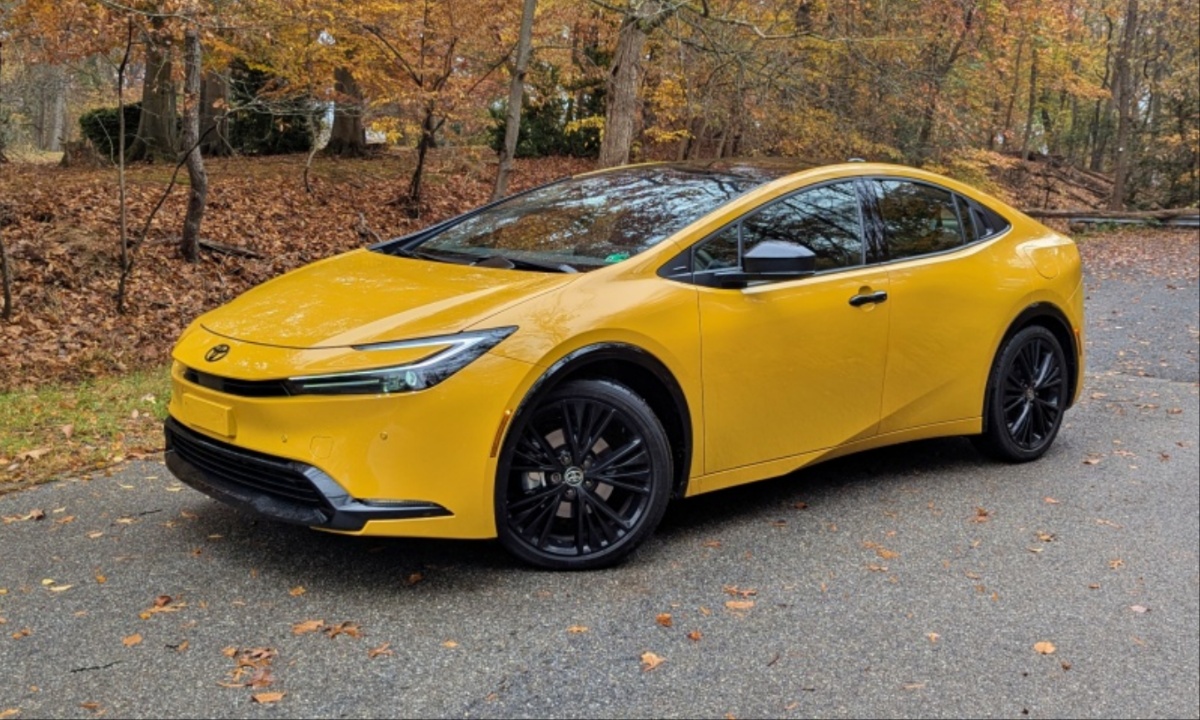
3. Toyota Prius
The Toyota Prius is widely known for its hybrid technology, but it also ranks among the company’s lighter vehicles. Its weight contributes to exceptional fuel economy and allows the hybrid system to function efficiently. The Prius was one of the first mainstream vehicles to popularize hybrid driving, and its lightweight construction remains a key factor in its enduring appeal.
The hybrid powertrain benefits greatly from the vehicle’s relatively low mass. Electric motors can provide significant torque without the need for a heavy battery pack, and the gasoline engine operates efficiently in tandem. Drivers experience smooth acceleration and quiet operation, particularly at lower speeds. Handling is stable and predictable, aided by the car’s weight distribution and aerodynamic design.
In addition to efficiency, the Prius offers versatility in everyday use. The hatchback design allows for easy loading and unloading of cargo, and rear seats fold flat for larger items. Its lightweight frame contributes to easier handling in congested areas, reducing driver fatigue during long commutes. The interior emphasizes practicality, with ample storage compartments and user-friendly controls.
Safety remains a priority in the Prius. Despite being lighter than some larger sedans or SUVs, it is equipped with advanced safety systems, including collision mitigation, lane departure alerts, and adaptive cruise control.
The combination of weight efficiency, hybrid technology, and safety features makes the Prius a compelling choice for environmentally conscious drivers seeking a reliable and practical vehicle.
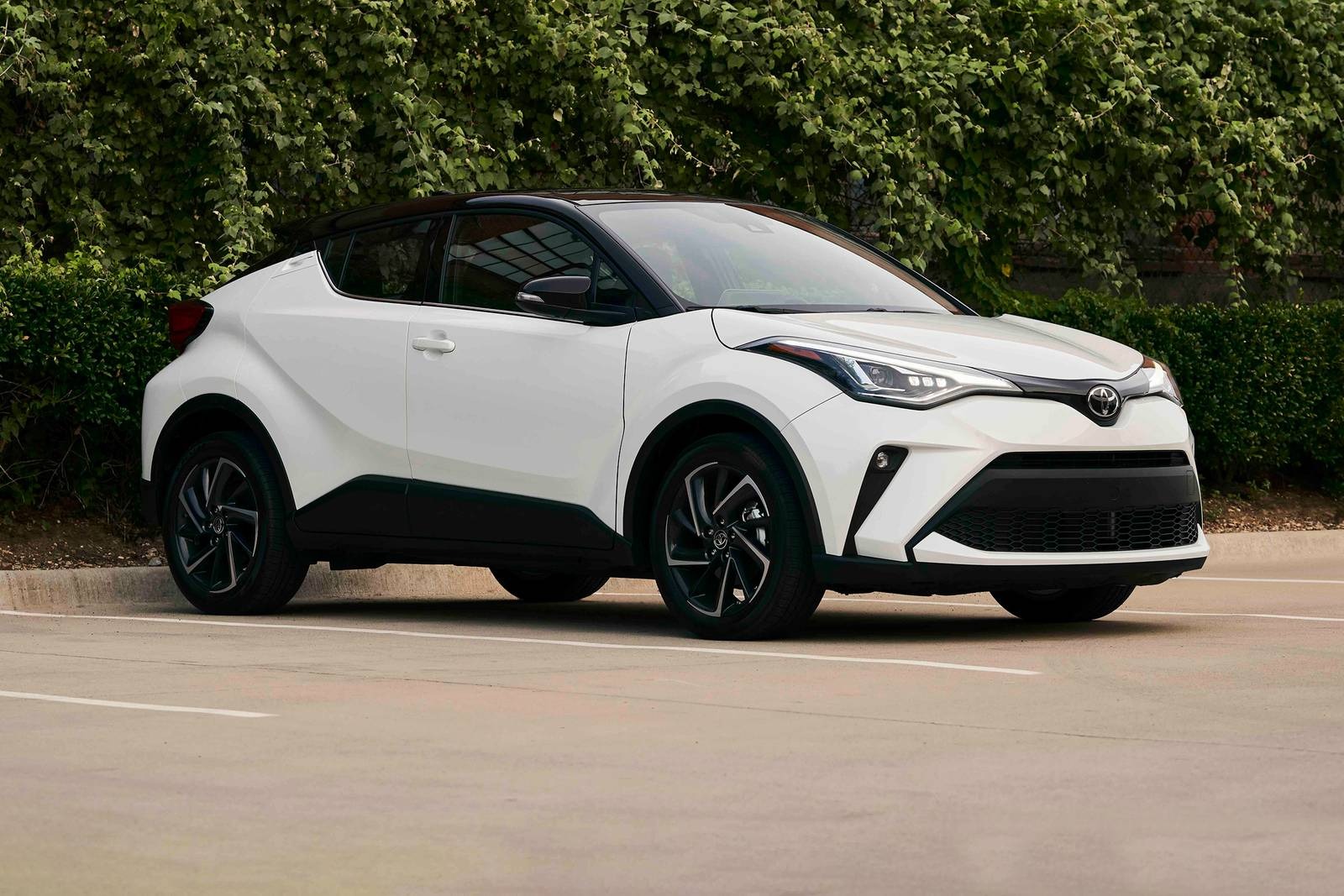
4. Toyota C-HR
The Toyota C-HR is a subcompact crossover that combines lightweight construction with a bold, modern design. Its compact size sets it apart from larger SUVs while still offering elevated seating and additional cargo capacity. The C-HR is ideal for drivers who want a vehicle that is easy to maneuver yet provides a commanding view of the road.
The vehicle’s lighter weight contributes to improved agility and handling. The C-HR feels responsive in city traffic and offers tight turning radii that make parking simpler. Engine options are designed to match the lightweight frame, providing adequate power without excessive fuel consumption. Suspension tuning prioritizes comfort while maintaining stability during turns and sudden stops.
Fuel economy is another advantage of the C-HR. Its weight allows the engine to operate efficiently, and Toyota has incorporated features such as automatic stop-start technology to further reduce fuel consumption. For drivers who travel frequently in urban areas, these attributes translate to noticeable savings at the pump and reduced environmental impact.
Inside, the C-HR emphasizes both style and practicality. Seats are supportive, materials are durable, and technology is accessible. Cargo space is competitive for a vehicle of its size, with folding rear seats providing flexibility for larger items. The C-HR exemplifies how Toyota blends lightweight engineering with design and practicality in a small crossover format.
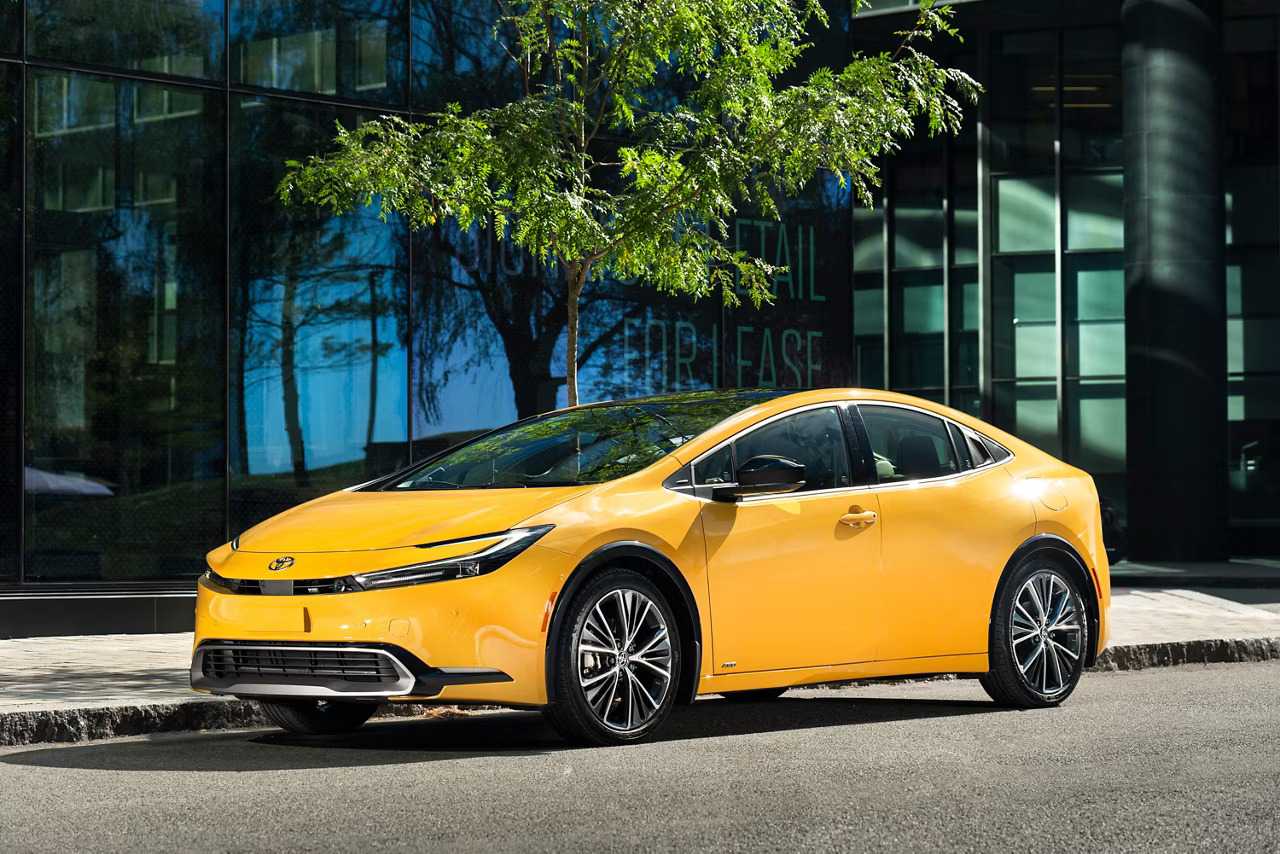
5. Toyota Aqua (Prius c)
The Toyota Aqua, also known in some markets as the Prius c, is one of Toyota’s lightest hybrid vehicles, designed to provide efficiency in a compact form. Its small size and lightweight construction allow it to deliver excellent fuel economy, making it particularly suitable for city driving and short commutes.
Despite its modest dimensions, the Aqua’s interior maximizes space utilization, offering a surprising amount of room for passengers and cargo. The clever arrangement of seats and storage compartments makes it practical for everyday tasks, including grocery shopping, school runs, or carrying small recreational equipment.
The hybrid system in the Aqua takes full advantage of the vehicle’s low weight. The electric motor assists the gasoline engine, producing smooth and responsive acceleration while reducing fuel consumption. Because the car is lighter than traditional sedans or larger hybrids, it requires less energy to move, resulting in higher efficiency across both urban and highway conditions.
Handling is also enhanced by its weight, allowing drivers to navigate sharp corners and traffic congestion with confidence and minimal effort. The suspension system is tuned to provide a balance between ride comfort and agility, giving drivers a composed experience even on uneven roads.
Fuel efficiency in the Aqua is one of its strongest selling points. Lightweight construction combined with hybrid technology allows the vehicle to achieve impressive mileage without sacrificing performance. Owners benefit not only from reduced fuel costs but also from lower carbon emissions, contributing to environmentally conscious driving.
Maintenance and wear-and-tear costs are generally lower due to the smaller and lighter components, including brakes and tires, which experience less strain during operation. This aspect makes the Aqua a very economical choice over the long term.
Inside, the Aqua emphasizes a functional yet modern interior. The dashboard layout is intuitive, controls are easily reachable, and seating is designed for comfort on daily commutes. Cargo space, while limited compared to larger vehicles, is flexible and can be expanded by folding the rear seats.
The Toyota Aqua showcases how a lightweight hybrid vehicle can combine efficiency, practicality, and comfort, appealing to urban drivers who prioritize economy and reliability without compromising on usability.
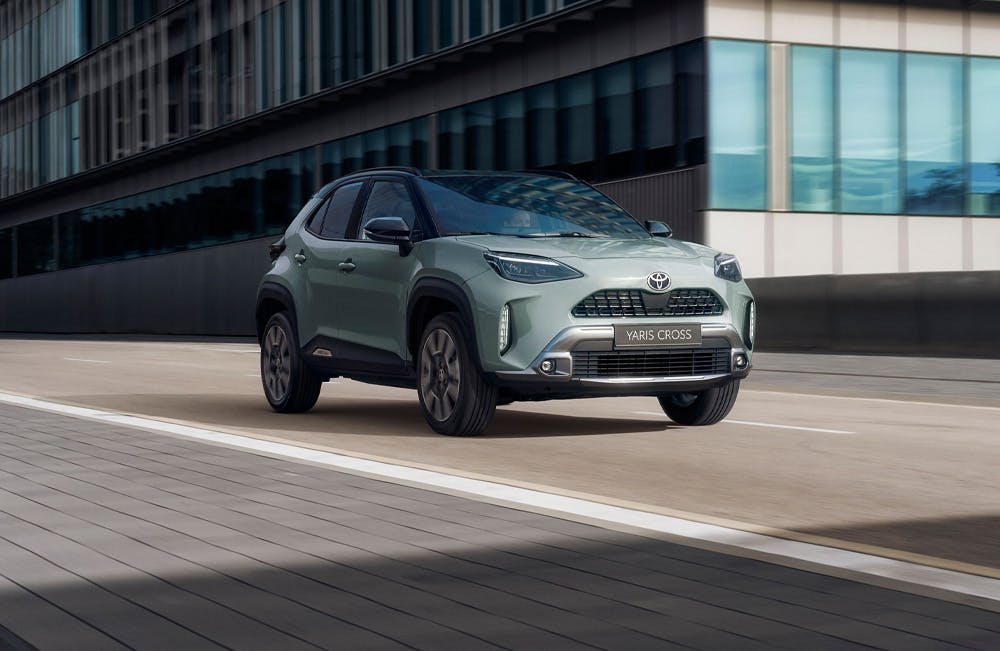
6. Toyota Yaris Cross
The Toyota Yaris Cross is a subcompact crossover that blends the advantages of a lightweight platform with the elevated design and utility of an SUV. It shares some components with the Yaris hatchback but features a taller stance, providing improved visibility and additional cargo space.
Despite its crossover appearance, it maintains a lightweight structure that ensures nimble handling and fuel efficiency. This makes it particularly attractive for those who desire SUV-style practicality without the bulk of a traditional mid-size SUV.
The vehicle’s weight allows it to navigate crowded streets, tight corners, and city parking with relative ease. Its suspension system is carefully tuned to balance comfort with responsiveness, ensuring that passengers enjoy a smooth ride while the driver maintains control and stability.
The compact size does not sacrifice performance, as the vehicle’s efficient engine and lightweight frame work in harmony to produce a lively driving experience.
Fuel efficiency is a hallmark of the Yaris Cross, and it benefits directly from the vehicle’s lightweight engineering. Lighter weight reduces the load on the engine, allowing it to operate more efficiently under both city and highway conditions.
Many models incorporate hybrid technology, which further enhances mileage and reduces emissions. For commuters, this translates to lower operating costs and a smaller environmental footprint, making the Yaris Cross a practical yet responsible choice.
Inside, the Yaris Cross balances comfort and functionality. The interior is designed to accommodate passengers comfortably while maximizing cargo space within its compact footprint. Rear seats fold to create additional room for larger items, and storage compartments are well thought out for everyday convenience.
The Yaris Cross demonstrates that a lightweight crossover can deliver the benefits of an SUV without the challenges of excessive weight or reduced fuel efficiency, making it one of Toyota’s most versatile options.
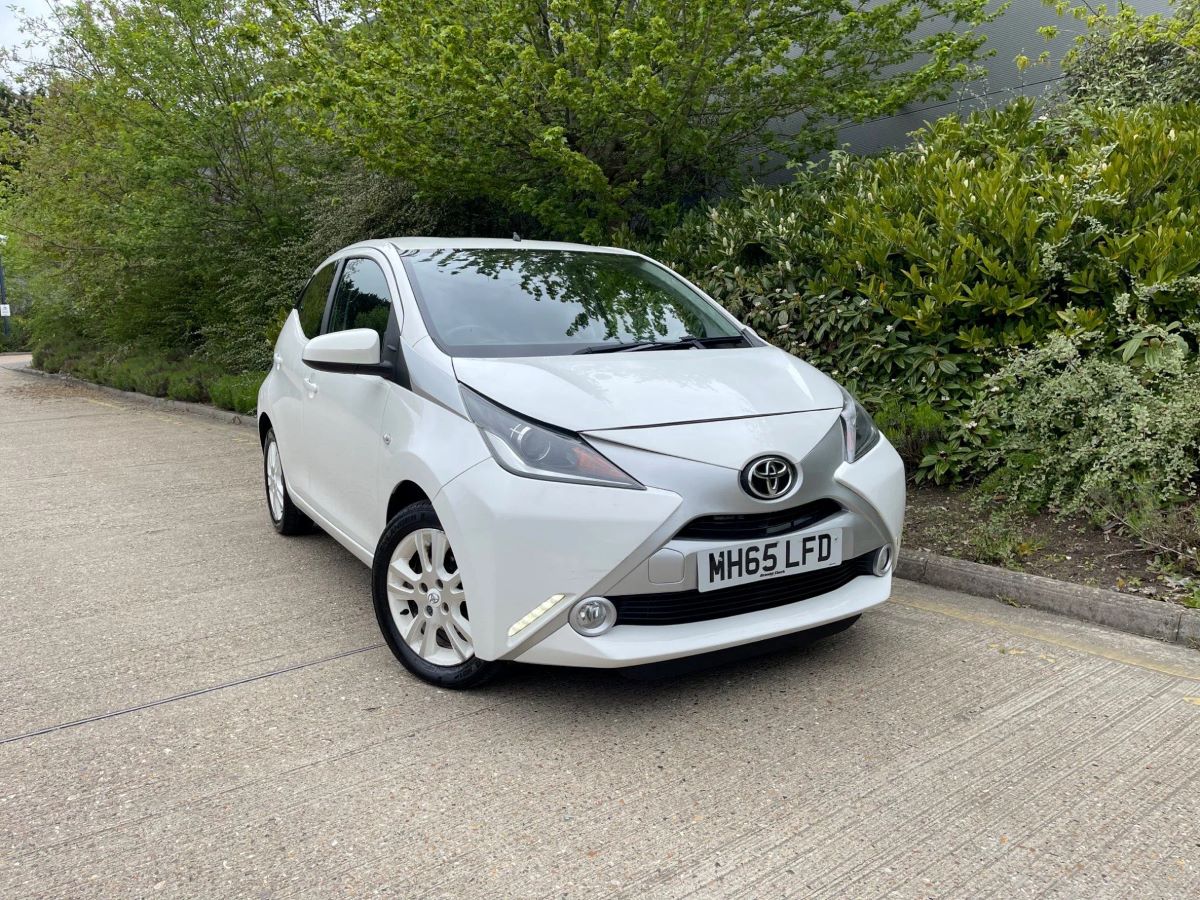
7. Toyota Aygo X
The Toyota Aygo X is a small, urban-oriented vehicle that combines a minimalist design with lightweight construction. Its compact dimensions are perfect for city driving, and the reduced weight enhances maneuverability, acceleration, and fuel efficiency.
The Aygo X is designed to appeal to young drivers or those seeking an economical, easy-to-handle vehicle for urban environments, offering a balance of style, practicality, and efficiency.
The small engine in the Aygo X is optimized for its lightweight body, producing enough power for city commuting while keeping fuel consumption low. Its nimble handling allows drivers to navigate narrow streets, tight corners, and dense traffic with confidence.
The suspension system is tuned to prioritize comfort while remaining firm enough to provide stability during urban driving, which contributes to an enjoyable driving experience despite the vehicle’s compact size.
Fuel efficiency is a key advantage of the Aygo X, largely because of its reduced weight. Less mass means the engine does not have to work as hard, translating to lower fuel consumption and reduced emissions.
Combined with Toyota’s focus on lightweight design, the Aygo X allows drivers to experience economical motoring without compromising performance or safety. Routine maintenance is generally simpler and less costly compared to larger, heavier vehicles.
Inside, the Aygo X offers a surprisingly functional cabin given its small size. Seating is compact but comfortable, and the dashboard and controls are designed for ease of use. Storage compartments are cleverly placed to make the most of the available space, and the hatchback design allows for versatile cargo configurations.
The Aygo X exemplifies how lightweight engineering can be combined with urban practicality, providing a reliable and efficient choice for city dwellers and first-time car buyers.
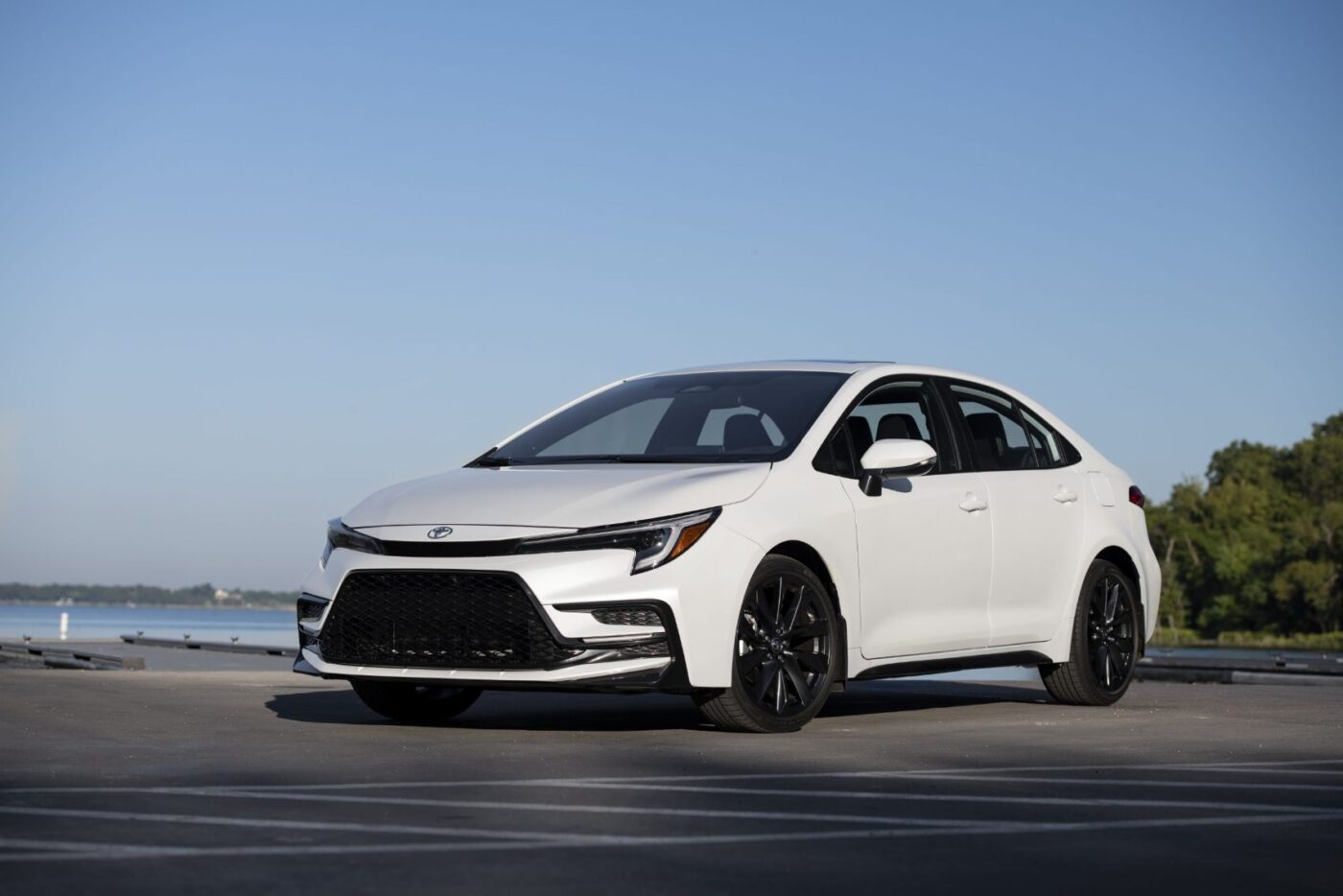
8. Toyota Corolla Sedan (Lightweight Trim)
The Toyota Corolla Sedan, in its lighter trims, combines traditional sedan styling with efficient engineering.
While the Corolla has grown slightly over the years, certain trims are carefully optimized for reduced weight, focusing on fuel economy, maneuverability, and everyday usability. These trims are designed for drivers who desire the comfort and reliability of a sedan without the burden of unnecessary mass.
The Corolla Sedan benefits from a small yet efficient engine that complements its lighter frame. Acceleration is smooth, and the lighter weight allows the car to handle corners and curves with greater agility than heavier sedans.
Steering is responsive, and the suspension system provides a balance between ride comfort and stability, ensuring that passengers enjoy a composed and enjoyable journey even on longer drives.
Fuel economy is enhanced by the reduced weight of these trims. Lower mass means the engine requires less energy to move the vehicle, improving efficiency both in city stop-and-go traffic and on highways.
This contributes to lower fuel expenses and a smaller carbon footprint, making it an appealing choice for environmentally conscious drivers. Additionally, maintenance costs are often lower for lighter trims, as tires, brakes, and other wear-prone components experience less strain.
Inside, the Corolla Sedan maintains a well-designed and comfortable cabin. Controls are intuitive, seating is supportive, and there is sufficient space for passengers in both front and rear seats. The trunk provides practical cargo capacity, and the interior materials are durable enough for daily use.
The lightweight trim exemplifies Toyota’s ability to offer a sedan that is easy to drive, economical, and versatile without compromising on quality or safety.
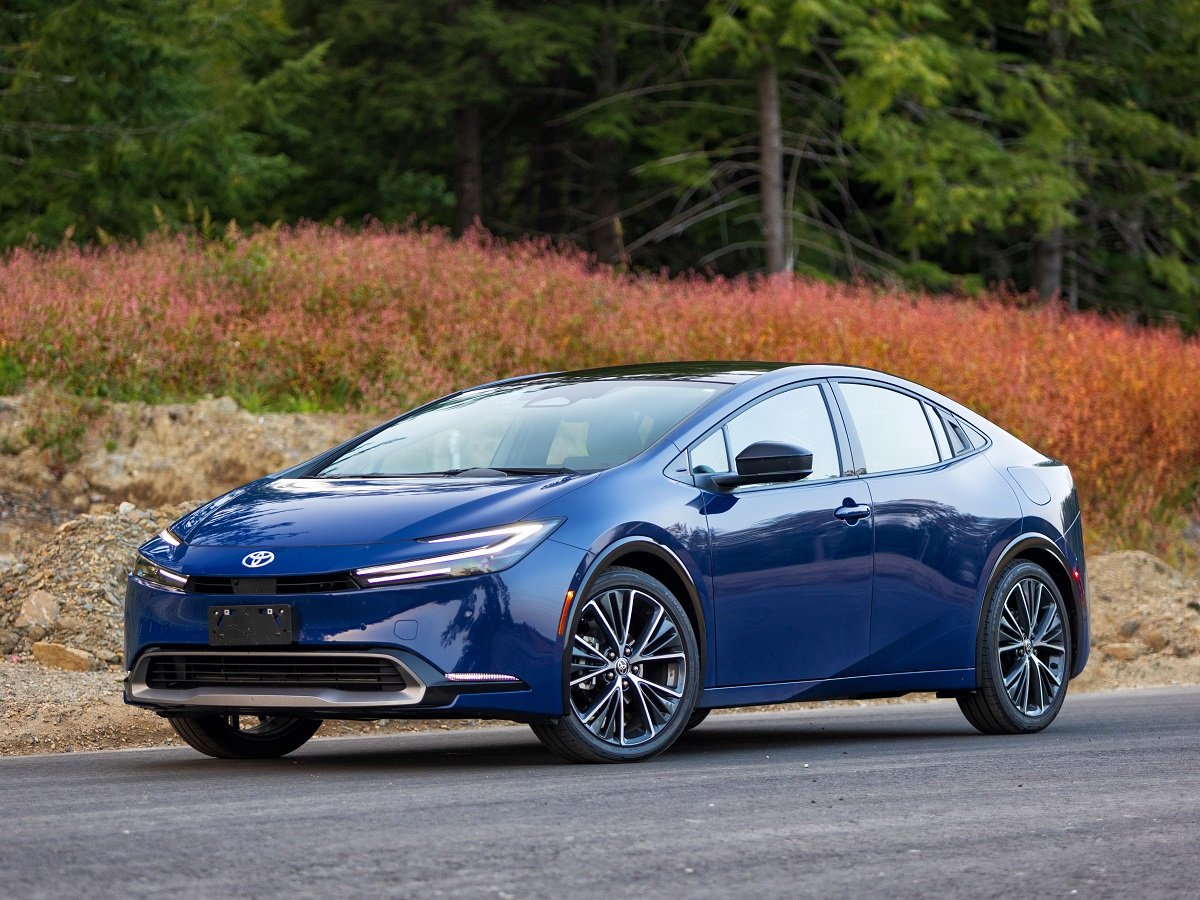
9. Toyota Prius v (Lightweight Variant)
The Toyota Prius v is a slightly larger hybrid compared to the standard Prius, but its lightweight variants demonstrate Toyota’s engineering focus on efficiency. Designed for families or drivers needing more cargo space, the Prius v maintains a relatively low weight for its size. This allows it to deliver strong fuel economy and a smooth, controlled driving experience without feeling cumbersome.
The hybrid powertrain is particularly effective in the lightweight Prius v. Electric motors work in tandem with the gasoline engine, taking advantage of the vehicle’s reduced mass to provide responsive acceleration and effortless cruising.
Handling is predictable, and the suspension is tuned to provide a balance between comfort and road stability. The vehicle remains nimble despite its larger size, a benefit directly linked to its lighter design.
Fuel efficiency is a major advantage of the Prius v’s lighter configuration. Less weight reduces the energy required to move the car, optimizing the hybrid system for both urban and highway driving.
Drivers benefit from lower fuel costs and fewer emissions, making the Prius v a practical and environmentally responsible option for families. Maintenance costs are generally manageable, as brakes, tires, and other components experience less wear than heavier vehicles.
Inside, the Prius v offers a spacious and flexible cabin. Seating for five passengers is comfortable, and the rear cargo area is expandable to accommodate larger items.
Storage compartments are well-designed, and controls are intuitive, allowing drivers to focus on the road. The lightweight Prius v proves that hybrid technology can be combined with practicality and efficiency in a larger vehicle without sacrificing the benefits associated with lower mass.
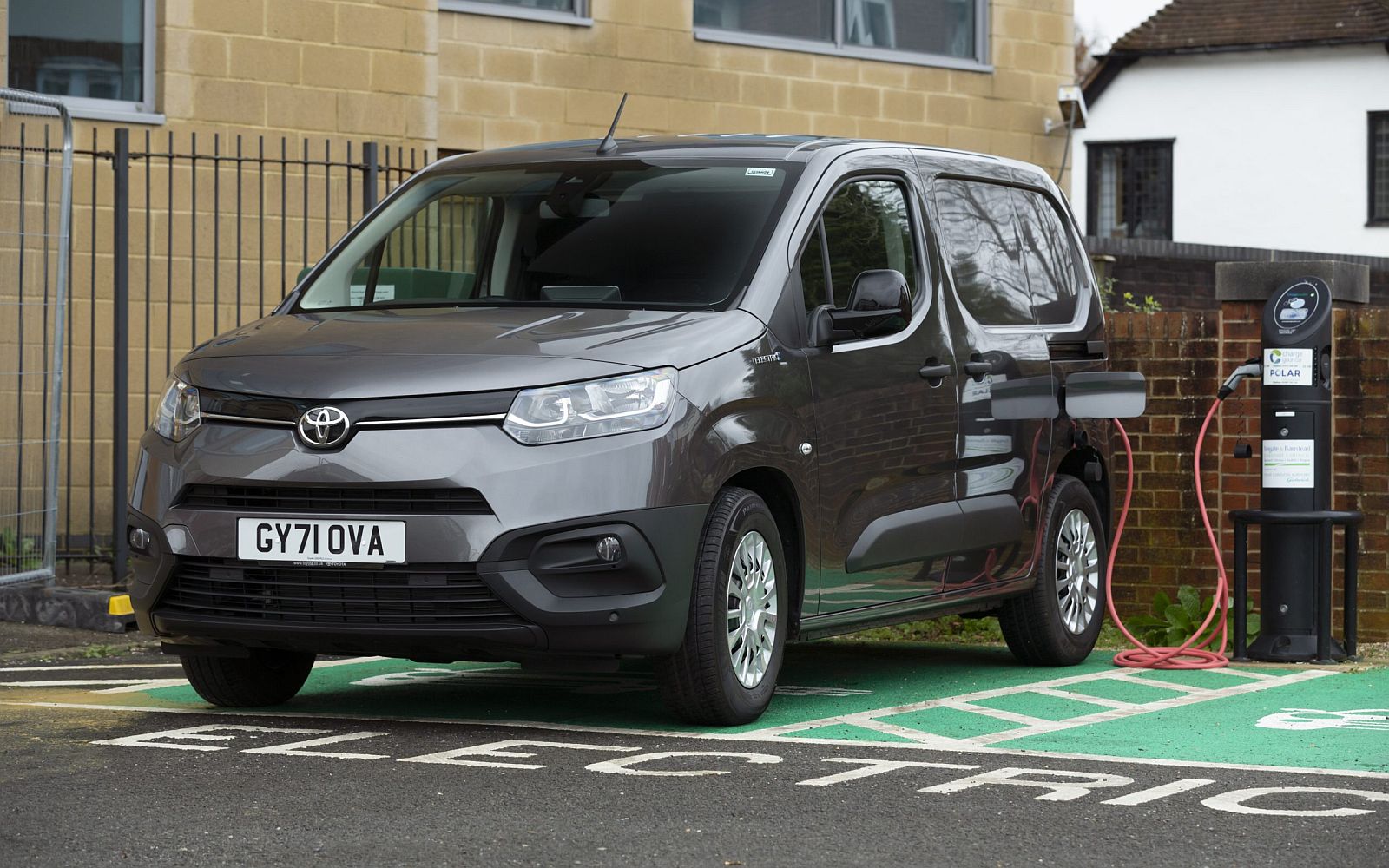
10. Toyota Proace City (Lightweight Model)
The Toyota Proace City, in its lighter configurations, is a compact van designed for urban and small business use. Its lightweight design allows for easier handling, lower fuel consumption, and reduced wear on components, making it suitable for delivery services, tradespeople, or families needing a spacious but manageable vehicle.
While it offers more cargo capacity than standard passenger cars, it retains the agility and responsiveness associated with lighter vehicles.
The Proace City’s lightweight construction contributes to its performance and maneuverability. Steering is precise, and the vehicle’s compact dimensions make navigating tight streets or loading docks less challenging than larger vans.
The suspension system is tuned to maintain comfort under load, ensuring stability whether carrying cargo or passengers. Engine options are optimized for efficiency while providing adequate power for everyday tasks.
Fuel efficiency benefits from the Proace City’s reduced weight, as less energy is required to move the vehicle, particularly when fully loaded. For businesses, this translates to cost savings on fuel and maintenance, as tires and brakes are subjected to less stress. Environmental impact is also minimized, making the lightweight Proace City a responsible choice for commercial use.
Inside, the Proace City balances utility and comfort. Seating configurations can accommodate multiple passengers, while cargo space remains flexible for different types of loads. Storage solutions are practical, and controls are straightforward for ease of use.
The lightweight Proace City demonstrates Toyota’s ability to create a vehicle that is both functional and economical, proving that even compact vans can benefit significantly from weight optimization.
