
Living in or commuting to Thornton Mountain requires vehicles that can handle a variety of driving conditions, from steep inclines to changing weather patterns. For those who rely on trucks for daily transportation, reliability and performance are critical.
Not all big trucks are created equal; some handle mountain roads with ease, maintaining consistent power and traction, while others struggle with engine performance, braking, or transmission under the same conditions. Choosing the right truck can mean the difference between a smooth commute and frequent roadside frustrations.
Thornton Mountain commuters, in particular, face unique challenges that require trucks with strong engine torque, all-wheel or four-wheel drive capabilities, and durable suspension systems that can withstand heavy loads and uneven terrain.
A truck that excels in these conditions often comes equipped with robust safety features and modern technology to assist drivers in navigating winding roads and unpredictable weather.
Equally important is understanding which trucks are less suited for these conditions. Some trucks lose power when climbing steep grades or carrying heavy loads, which can be dangerous and inefficient for those commuting in mountainous regions.
These trucks may have engines that overheat under sustained stress, transmissions that slip, or drivetrains that struggle to maintain traction.
Recognizing the signs of underperformance can help commuters make better decisions when purchasing or leasing a vehicle. Understanding the strengths and weaknesses of each truck allows drivers to align their choice with their commuting needs, ensuring safety, efficiency, and reliability.
This article will provide a comparison between five trucks that are particularly well-suited for Thornton Mountain commuting and five trucks that tend to lose power under demanding conditions. Each truck will be analyzed based on engine performance, drivability on slopes, payload capabilities, and commuter friendliness.
By the end, readers will have a comprehensive guide to make informed decisions, avoiding vehicles that may cause unnecessary stress or require costly repairs. This evaluation is especially valuable for daily commuters, small business owners, or anyone who requires a heavy-duty truck capable of consistent performance in mountainous terrain.
The focus is on practical, everyday use rather than racing performance or luxury appeal. Trucks that maintain power, control, and reliability over time offer the best investment for those navigating the challenges of Thornton Mountain.
Those that lose power may have advantages in other areas, such as affordability or fuel efficiency on flat roads, but they are not ideal for the steep grades and heavy-duty demands that mountain commuters face. The following sections provide an in-depth look at both categories, highlighting the strengths and weaknesses to help readers choose wisely.
5 Big Trucks for Thornton Mountain Commuters
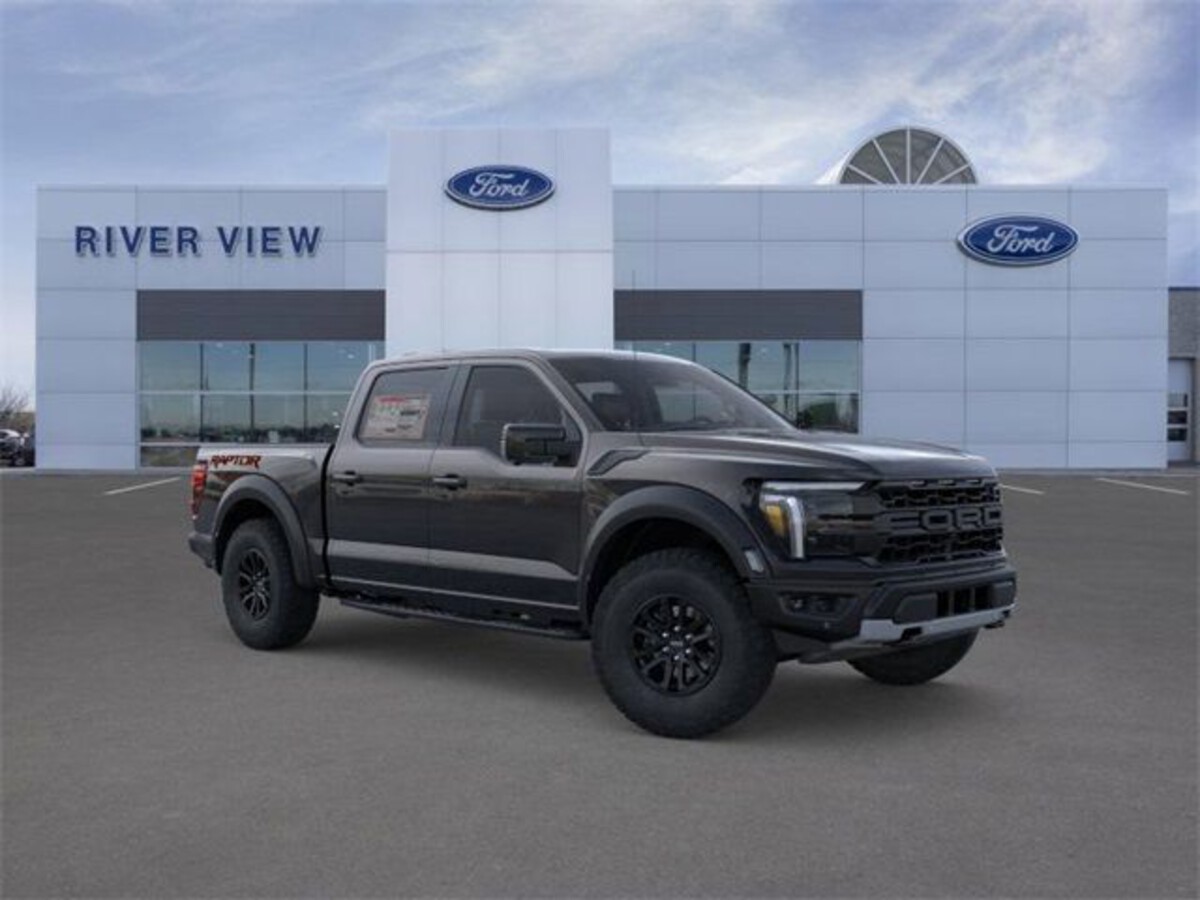
1. Ford F-150 Raptor
The Ford F-150 Raptor is widely regarded as a top choice for those who need a truck that can tackle challenging terrain without compromising comfort or reliability. Its engine delivers an impressive balance of horsepower and torque, providing consistent power even when climbing steep grades or hauling heavy loads.
Unlike standard trucks, the Raptor is built with a high-performance suspension system that absorbs bumps and shocks from uneven mountain roads, giving drivers confidence and reducing fatigue during long commutes.
Its advanced traction control system allows for smooth navigation over gravel, ice, and snow, which is particularly important for Thornton Mountain commuters who may face rapidly changing weather conditions. This combination of power and stability makes the Raptor a strong contender for anyone seeking a dependable truck in mountainous regions.
Inside, the Raptor offers a cabin designed for both comfort and functionality. Seats are supportive, spacious, and designed to reduce fatigue, which is crucial for drivers who spend significant time behind the wheel. The dashboard layout and controls are intuitive, allowing the driver to focus on the road rather than complicated systems.
Technology plays a key role in enhancing safety and convenience, with features such as adaptive cruise control, hill descent assist, and advanced navigation systems that help drivers manage steep inclines and winding roads more safely. The combination of performance, comfort, and technological support ensures that commuters remain alert and in control, regardless of the driving conditions they encounter.
The Raptor is also highly capable when it comes to payload and towing capacity, which is an important consideration for drivers who need to transport equipment, recreational vehicles, or heavy materials. Its bed size, reinforced frame, and towing capabilities make it ideal for both work and recreational applications, allowing for versatility without sacrificing performance.
Unlike some trucks that struggle when fully loaded, the Raptor maintains steady performance and acceleration, reducing wear and tear on the engine and transmission over time. This reliability is especially valuable for commuters who rely on their vehicle daily in demanding conditions.
Maintenance and aftermarket support for the Raptor are extensive, providing peace of mind for drivers who may need quick service or modifications. Parts are widely available, and service centers are well-prepared to handle common repairs or performance upgrades.
This accessibility reduces downtime and ensures that the truck remains dependable for the long term. In addition, its rugged design and durability make it less susceptible to mechanical issues caused by repeated mountain commutes, solidifying its reputation as a vehicle built for both adventure and daily reliability.
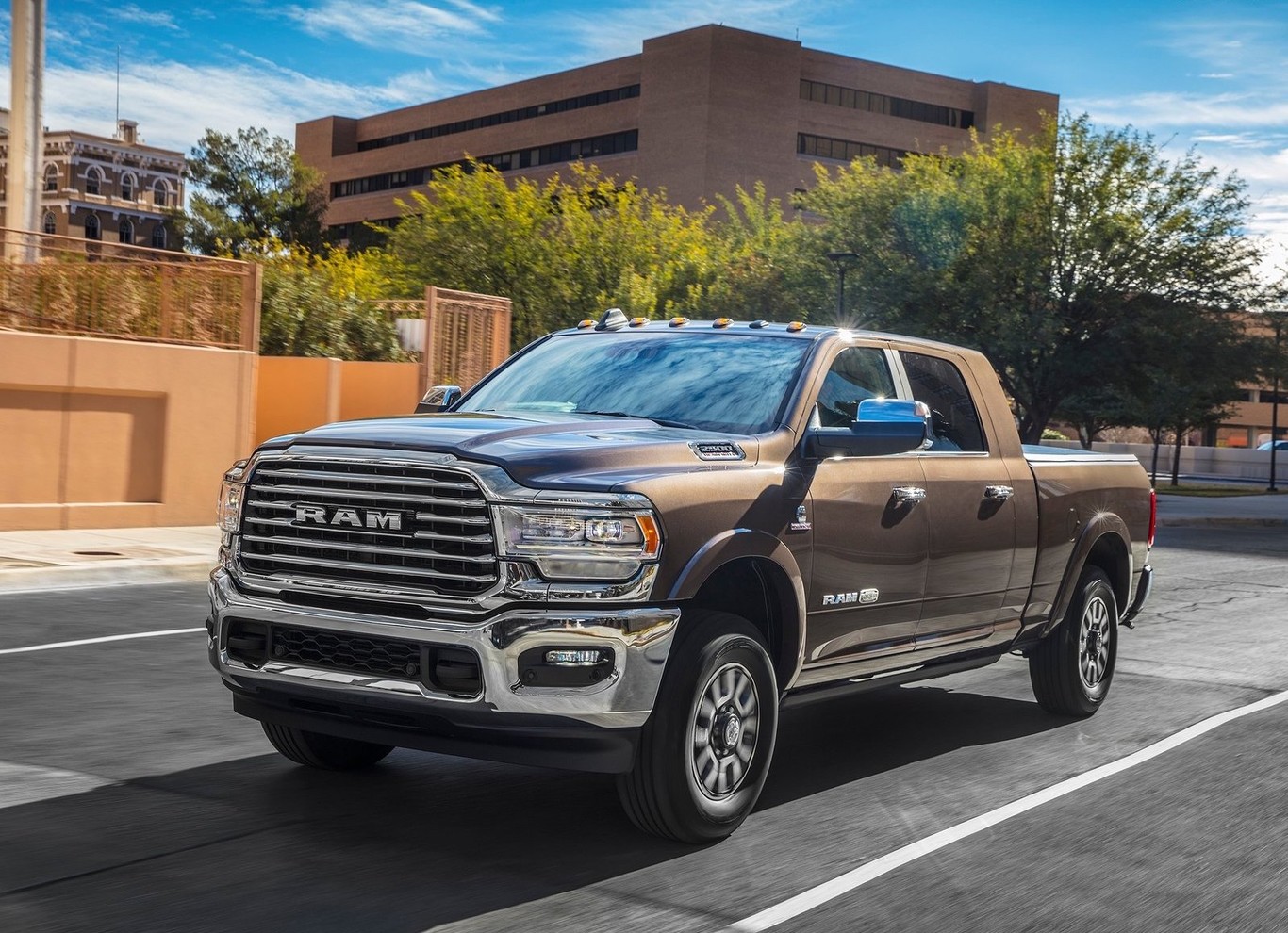
2. Ram 2500 Heavy Duty
The Ram 2500 Heavy Duty is a truck known for its combination of raw strength and refined driving experience. Its diesel engine option is particularly well-suited for mountainous terrain, as it delivers high torque at low RPMs, which allows the truck to maintain a steady speed when climbing steep inclines or carrying heavy loads.
The transmission system is robust, capable of handling repeated stress without slipping or losing efficiency, making it an ideal choice for drivers who frequently tow trailers or haul equipment. In addition, the suspension system is reinforced to handle rough terrain, ensuring stability and reducing the jarring effects of uneven roads, which is essential for long daily commutes in mountainous areas.
Inside the Ram 2500, comfort and technology are carefully balanced with performance needs. The cabin is spacious and quiet, providing a comfortable environment even during long uphill drives. Ergonomic seats reduce fatigue, while the dashboard layout allows the driver to access controls quickly and efficiently.
Advanced safety features, including blind-spot monitoring, electronic stability control, and multiple drive modes, increase confidence when navigating mountain passes. Technology integration, such as parking assist and navigation aids, helps manage challenging terrain without overwhelming the driver. These features combine to make commuting less stressful, even in difficult conditions.
Payload and towing capabilities are major advantages of the Ram 2500. The truck can carry heavy loads or tow large trailers without a noticeable reduction in performance. This allows for versatility, whether the driver is transporting construction materials, recreational equipment, or personal cargo.
Diesel engine variants provide additional torque and reliability, ensuring that mountain commutes remain smooth and predictable even under sustained stress. Unlike lighter trucks, the Ram 2500 maintains consistent performance, reducing the risk of overheating or mechanical strain during long or challenging drives.
Finally, the Ram 2500 is widely regarded for its durability and reliability. Routine maintenance is straightforward, and the truck is designed to withstand heavy use without significant mechanical issues. Parts availability and service support are strong, which is particularly valuable for mountain commuters who may require timely repairs or adjustments.
Its combination of comfort, strength, and long-term reliability makes the Ram 2500 Heavy Duty a practical choice for anyone who needs a truck that can handle the demanding conditions of Thornton Mountain without compromising performance or safety.
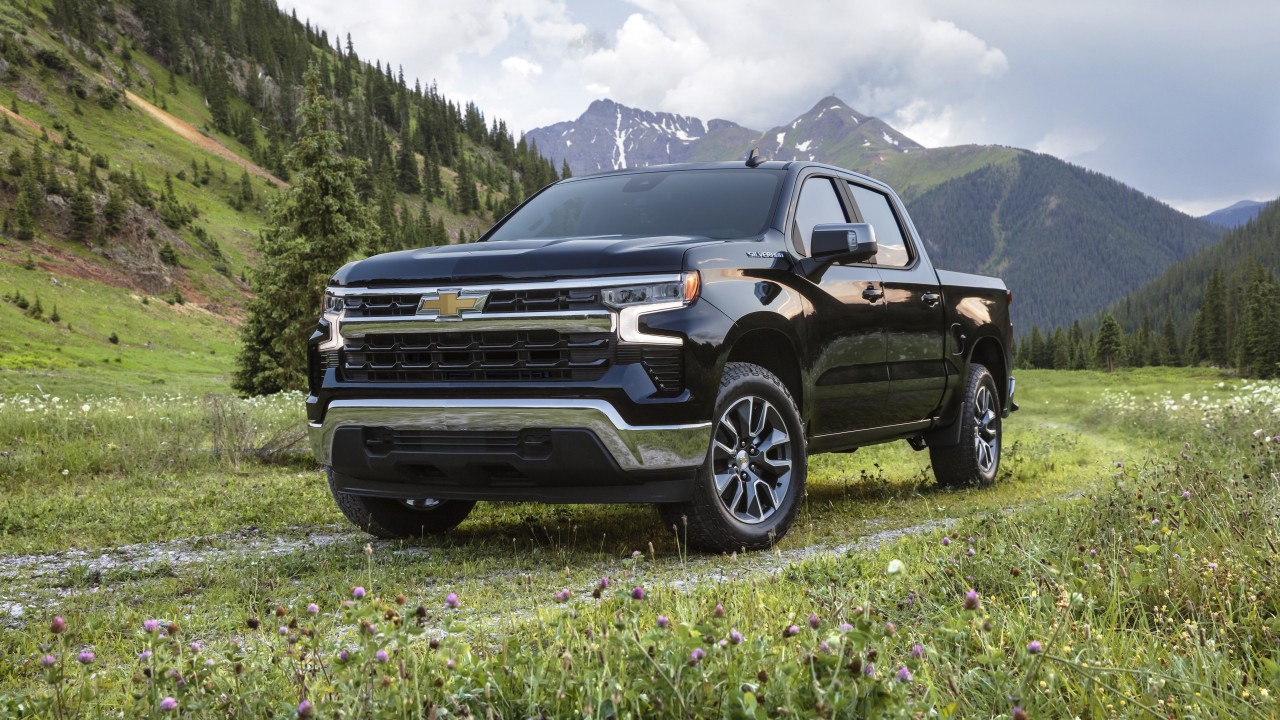
3. Chevrolet Silverado 2500HD
The Chevrolet Silverado 2500HD is a versatile truck that combines strong engine performance with driver-friendly features. Its engine options provide impressive horsepower and torque, allowing the truck to maintain speed on steep grades and carry heavy loads with ease.
Suspension and braking systems are designed to absorb road imperfections and maintain stability, which is especially important for commuters navigating winding mountain roads. Chevrolet’s engineering ensures that the Silverado handles both predictable and unpredictable conditions reliably, providing a smooth driving experience even in challenging terrain.
The cabin of the Silverado 2500HD is designed for comfort and convenience, with large, supportive seats and a thoughtfully organized dashboard. Driver assistance technologies, such as integrated GPS, multiple camera views, and stability control systems, contribute to safer driving by helping manage slopes, curves, and blind spots.
The truck’s braking and traction capabilities are optimized for mountain use, allowing drivers to descend steep roads with confidence and climb inclines without overworking the engine. These features create a balanced driving experience, reducing fatigue and increasing safety.
Towing and payload capacity are standout features of the Silverado 2500HD. The truck is able to carry substantial loads without compromising acceleration or engine performance, which is essential for commuters who transport tools, materials, or recreational vehicles.
Diesel engine options enhance torque and fuel efficiency, providing additional support for extended mountain climbs or heavy-duty tasks. Reliability is further reinforced by the truck’s strong drivetrain and durable construction, ensuring that it continues to perform well over time.
Maintenance and aftermarket support are widely available for the Silverado 2500HD, which is a significant advantage for mountain commuters. Parts, service centers, and repair options are abundant, reducing the risk of long downtime.
The combination of high performance, comfort, and reliability makes the Silverado 2500HD a solid choice for those who need a heavy-duty truck capable of handling steep inclines, heavy loads, and unpredictable weather conditions consistently.
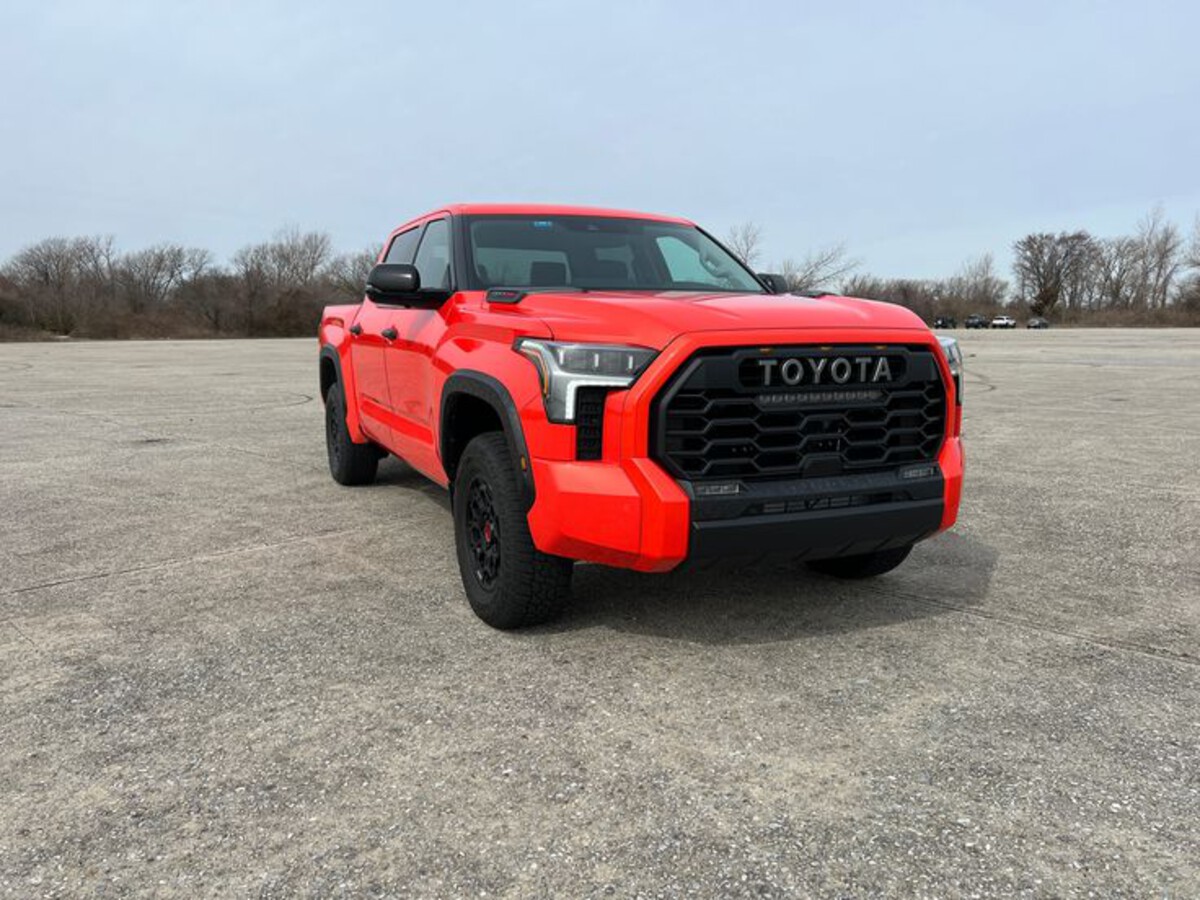
4. Toyota Tundra TRD Pro
The Toyota Tundra TRD Pro offers an effective blend of off-road capability and commuter-friendly design. Its engine delivers consistent torque across a wide range of speeds, allowing for controlled acceleration when climbing steep inclines or navigating winding mountain roads.
The suspension is designed to absorb shocks and vibrations from rough terrain, reducing the impact of uneven surfaces on both vehicle and driver.
Advanced traction control systems enhance stability on loose, wet, or icy surfaces, which is critical for mountain driving where conditions can change quickly and unpredictably. This combination of features ensures that the Tundra TRD Pro remains reliable and responsive even under sustained stress.
The interior is spacious and functional, providing comfort for long commutes. Seats are supportive and ergonomically designed, reducing fatigue on extended drives. The dashboard and controls are designed for ease of use, while technology features, such as navigation and driver-assist systems, enhance safety and convenience.
Noise insulation contributes to a quieter ride, making it easier for the driver to concentrate on the road. Safety features like lane departure alert, pre-collision warning, and adaptive cruise control provide additional layers of protection, which are particularly valuable on steep or winding mountain roads.
Towing and payload capabilities are a strong aspect of the TRD Pro. Its bed and reinforced frame allow drivers to carry heavy cargo or recreational vehicles without sacrificing climbing ability or engine performance.
The truck’s drivetrain ensures that torque is delivered effectively to maintain speed on steep grades, and its durability minimizes the risk of mechanical issues during frequent mountain commutes. Toyota’s reputation for reliability is reflected in the Tundra TRD Pro, which has proven itself capable of consistent performance over time.
Maintenance and aftermarket support for the Tundra TRD Pro are excellent, allowing drivers to perform routine maintenance or install upgrades with relative ease.
This accessibility, combined with strong performance, off-road readiness, and driver-friendly design, makes the Tundra TRD Pro an excellent option for mountain commuters seeking a reliable and versatile truck for both work and recreation.
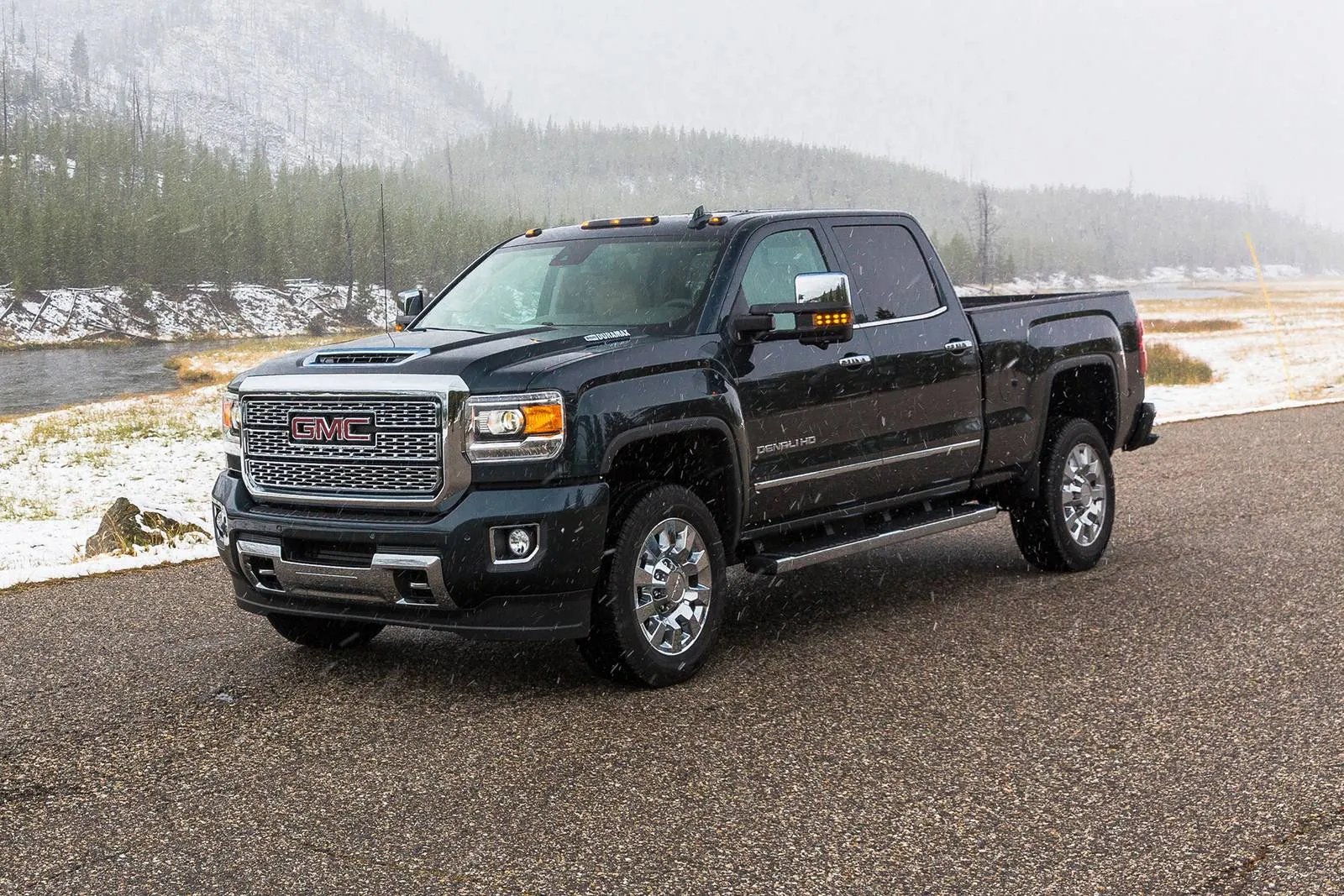
5. GMC Sierra 2500HD
The GMC Sierra 2500HD is a heavy-duty truck known for its strong performance and commuter-friendly attributes. Its engine provides ample torque and horsepower, allowing the truck to climb steep inclines and haul heavy loads without noticeable reduction in power.
Suspension systems are reinforced to absorb bumps and uneven surfaces, maintaining stability and control even under strenuous driving conditions. Traction control and braking systems are enhanced for mountainous terrain, providing the driver with confidence when navigating sharp curves or slippery roads.
Inside, the Sierra 2500HD offers a spacious and comfortable cabin, with seats designed to reduce fatigue on long drives. Controls are user-friendly and accessible, while advanced driver assistance technologies such as blind-spot monitoring, adaptive cruise control, and multiple drive modes provide additional support for navigating mountain passes.
The combination of comfort and technology allows the driver to remain focused and alert, reducing stress and fatigue on demanding commutes.
Payload and towing capacity are major advantages of the Sierra 2500HD. The truck is capable of carrying heavy cargo or towing large trailers without losing performance, making it versatile for both professional and recreational needs.
Diesel engine options enhance torque delivery and engine longevity, allowing for sustained performance even under continuous use. The truck maintains consistent power and reliability, which is crucial for those who rely on it for daily commuting in challenging terrain.
Maintenance and aftermarket support are widely available, making it easier to access repairs, service, or performance upgrades. The Sierra 2500HD’s combination of durability, power, comfort, and driver-focused features makes it an excellent choice for mountain commuters who need a truck that can handle steep grades, heavy loads, and unpredictable conditions without compromise.
5 Big Trucks That Lose Power
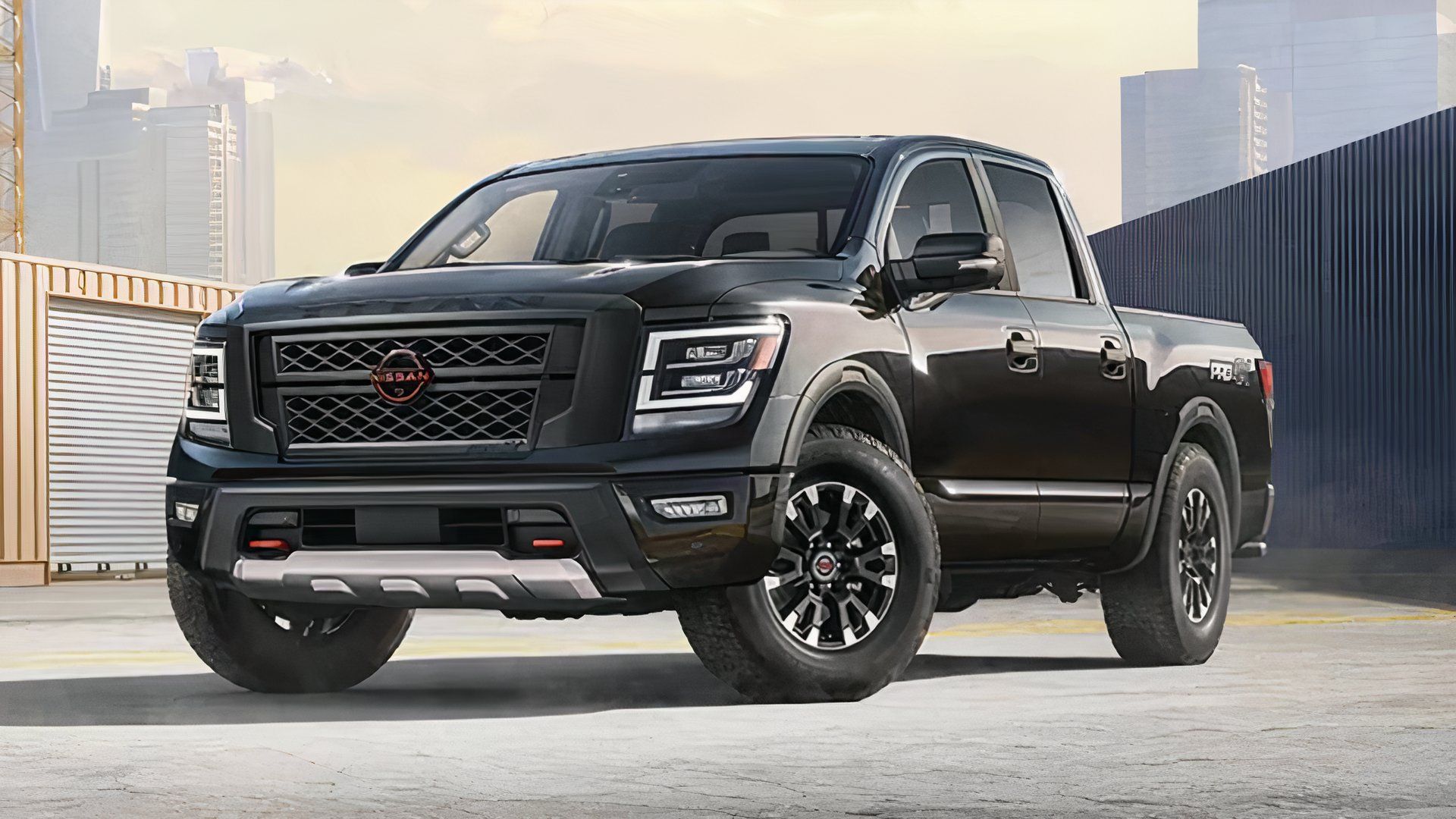
1. Nissan Titan XD
The Nissan Titan XD, while capable on flat roads or light-duty work, tends to struggle when faced with sustained climbs or heavy loads in mountainous terrain. Its standard engine, although sufficient for urban commuting and highway driving, often shows limitations on steep inclines, particularly when carrying cargo or towing a trailer.
The power delivery can feel uneven, and drivers may notice a slower response when accelerating uphill. The transmission, while generally reliable under normal conditions, can occasionally lag under high stress, forcing the engine to work harder and increasing fuel consumption.
For mountain commuters, this can mean longer travel times, more frequent gear changes, and a general sense of underperformance during demanding drives.
The Titan XD’s handling on mountainous terrain is another area of concern. While it maintains control on level roads, the suspension can feel less responsive on steep or uneven surfaces, resulting in more noticeable bumps and vibrations reaching the cabin.
Traction, particularly on loose gravel, snow, or ice, can be inconsistent, making sudden accelerations or sharp turns more challenging and increasing the risk of wheel spin. For drivers navigating winding mountain roads, this lack of stability can make daily commuting more tiring and, in some cases, potentially hazardous.
Cabin comfort and technology features are adequate, but they do not compensate for the truck’s performance limitations in high-demand situations.
Advanced driver-assist features, such as hill descent control or adaptive cruise control, are limited or absent in base models, requiring drivers to manually manage speed and engine output during steep climbs and descents.
Over long commutes, this can contribute to fatigue, as the driver must pay close attention to engine strain, gear selection, and braking to prevent loss of power or traction.
Finally, while the Titan XD is generally reliable for moderate use, extended mountain commuting can place additional strain on its engine and transmission. Parts and service are widely available, but frequent heavy use may lead to accelerated wear and higher maintenance costs.
While it is a capable truck for everyday driving, the Titan XD is prone to losing power and responsiveness under the sustained demands of mountainous terrain, making it less ideal for commuters who rely on consistent performance.
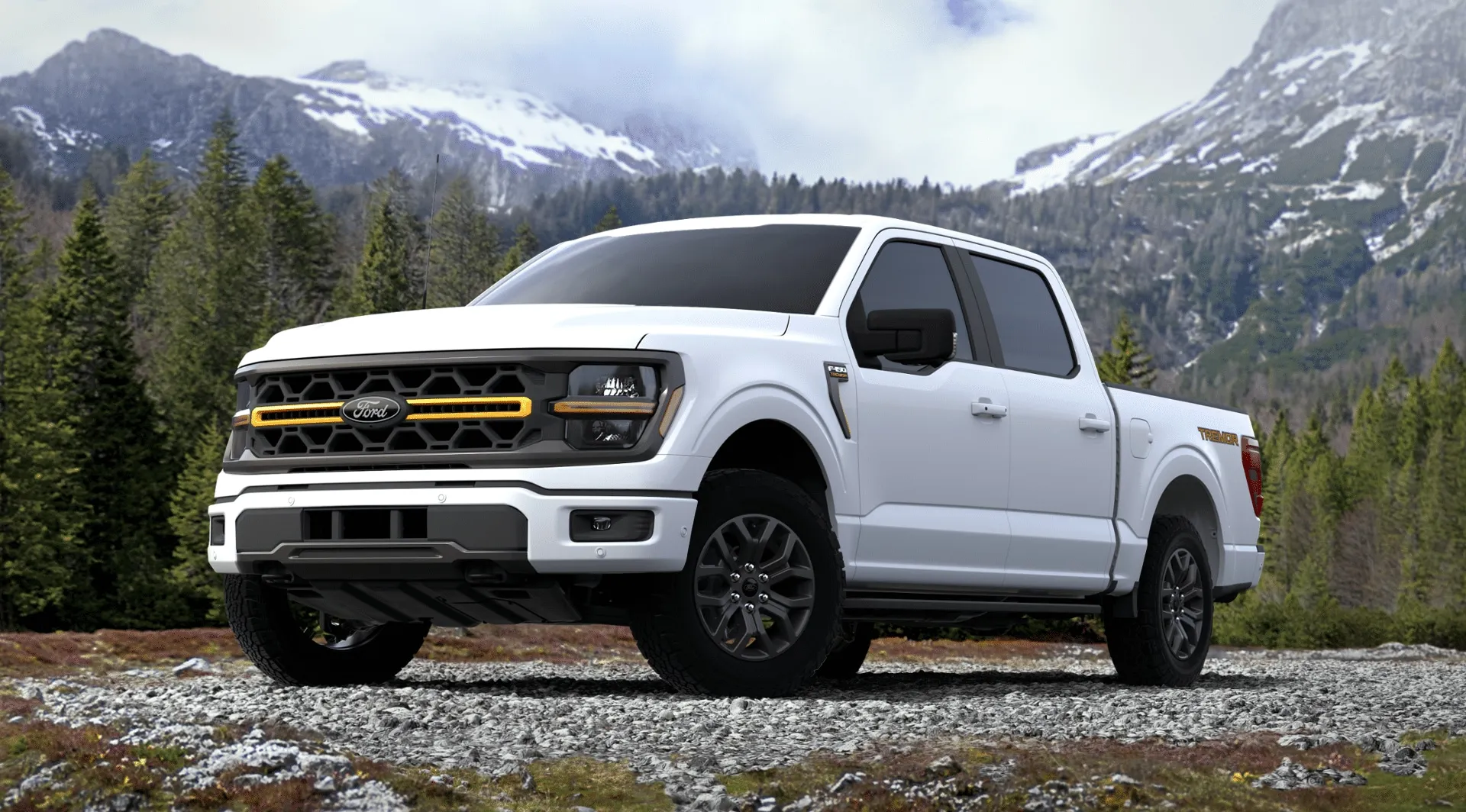
2. Ford F-150 3.3L V6
The base Ford F-150 equipped with a 3.3L V6 engine is designed for fuel efficiency and light-duty work, but its engine output can become a limitation in mountainous regions. While sufficient for city streets and highway cruising, it struggles to maintain speed and torque when climbing steep grades or carrying heavier loads.
The engine’s smaller displacement limits power, causing noticeable lag during acceleration or when towing trailers. For daily commuters in hilly areas, this can translate into longer drive times and a greater need for frequent gear adjustments to keep the truck moving efficiently.
In terms of handling and control, the base F-150 performs adequately on flat terrain but is less capable on uneven or slippery mountain roads. The suspension is tuned more for comfort than for off-road stability, which can result in body roll or uneven weight distribution during climbs and descents.
Traction systems are also basic on lower trims, meaning drivers may experience occasional wheel spin on loose gravel, snow, or wet surfaces. These factors combine to make steep inclines more challenging, requiring careful throttle management and constant attention to engine performance.
Cabin comfort and features are sufficient for short drives, but the lack of advanced assistance systems adds to the workload on the driver. Features that are standard on higher-end trims, such as hill descent control, adaptive cruise, or advanced traction management, are often missing, forcing drivers to manually monitor speed and braking.
Over the course of long commutes, this can lead to fatigue and decreased control, particularly when the truck is under heavy load or navigating winding mountain roads.
Additionally, while the F-150 3.3L V6 has a reputation for reliability in normal driving conditions, extended use in steep or challenging terrain can accelerate wear on the engine, transmission, and brakes. Drivers may also notice higher fuel consumption when the engine is working harder to maintain performance.
While this truck is economical and dependable for light-duty commuting, it is prone to losing power and responsiveness under demanding mountain conditions, making it less suitable for drivers who require consistent uphill performance.
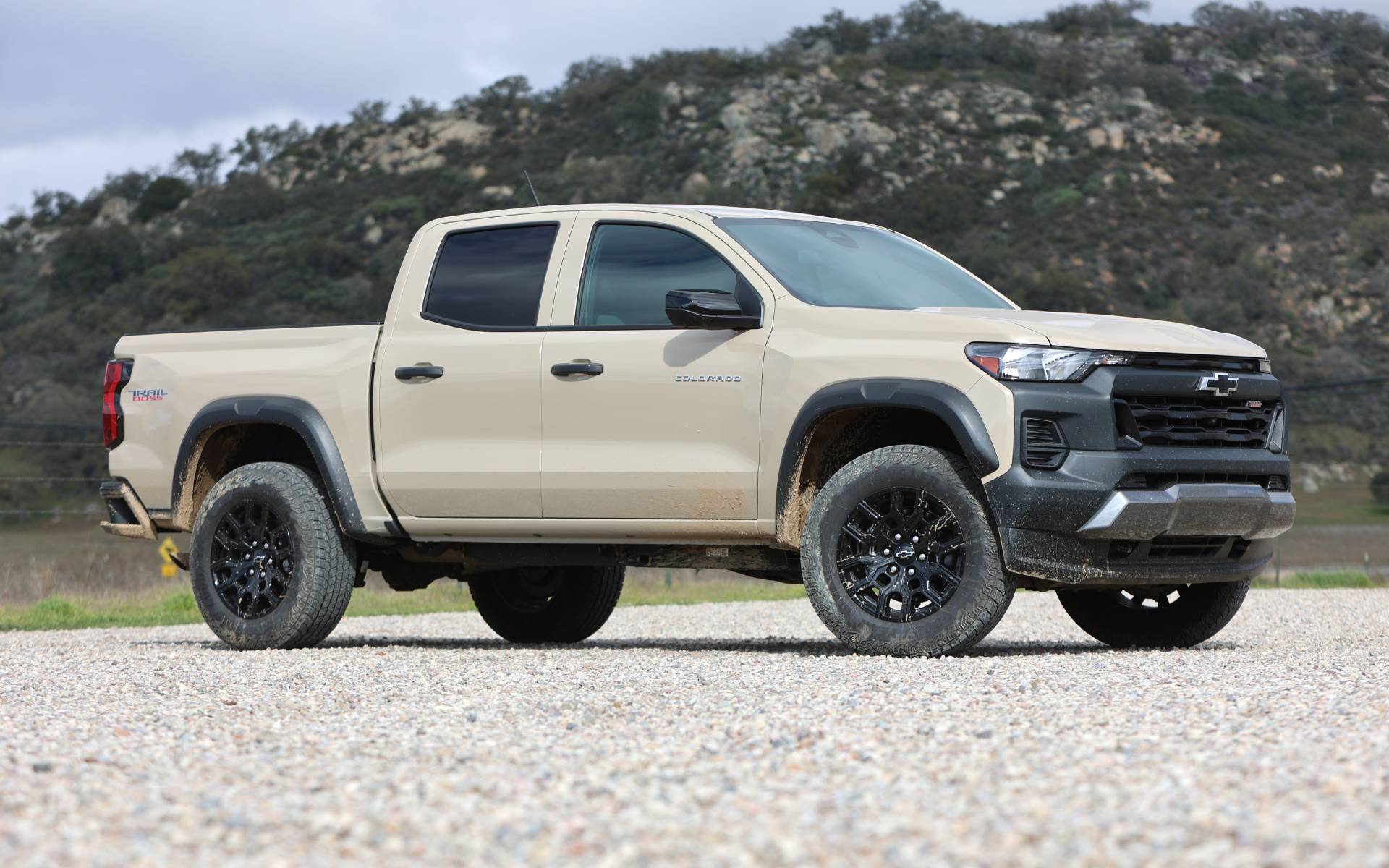
3. Chevrolet Colorado Base
The base Chevrolet Colorado is a mid-size truck that offers convenience and maneuverability but shows limitations when climbing steep grades or carrying significant payloads. Its smaller engine provides adequate power for city driving and moderate highway use, yet the vehicle can feel strained when tackling long inclines or towing trailers.
Drivers often notice slower acceleration and frequent gear shifts, which can become frustrating during mountain commutes. The engine’s torque output may be insufficient for heavy-duty tasks, resulting in a sense of sluggishness and decreased efficiency.
While the cabin is comfortable and well-equipped for short drives, extended mountain commutes may expose weaknesses in the truck’s drivability.
Base trims often lack advanced safety and driver-assistance features, such as hill descent control or adaptive cruise control, which help manage engine strain and braking on steep inclines. Without these systems, drivers must manually regulate speed and power output, increasing fatigue over long distances.
Finally, the base Colorado’s towing and payload capacities are modest, limiting its versatility for mountain commuters who need to transport tools, equipment, or recreational vehicles.
While upgraded engines or higher trims improve performance, the base model is prone to losing power when placed under sustained stress. For those requiring a truck that performs consistently in mountainous terrain, the standard Colorado may not meet the necessary demands.
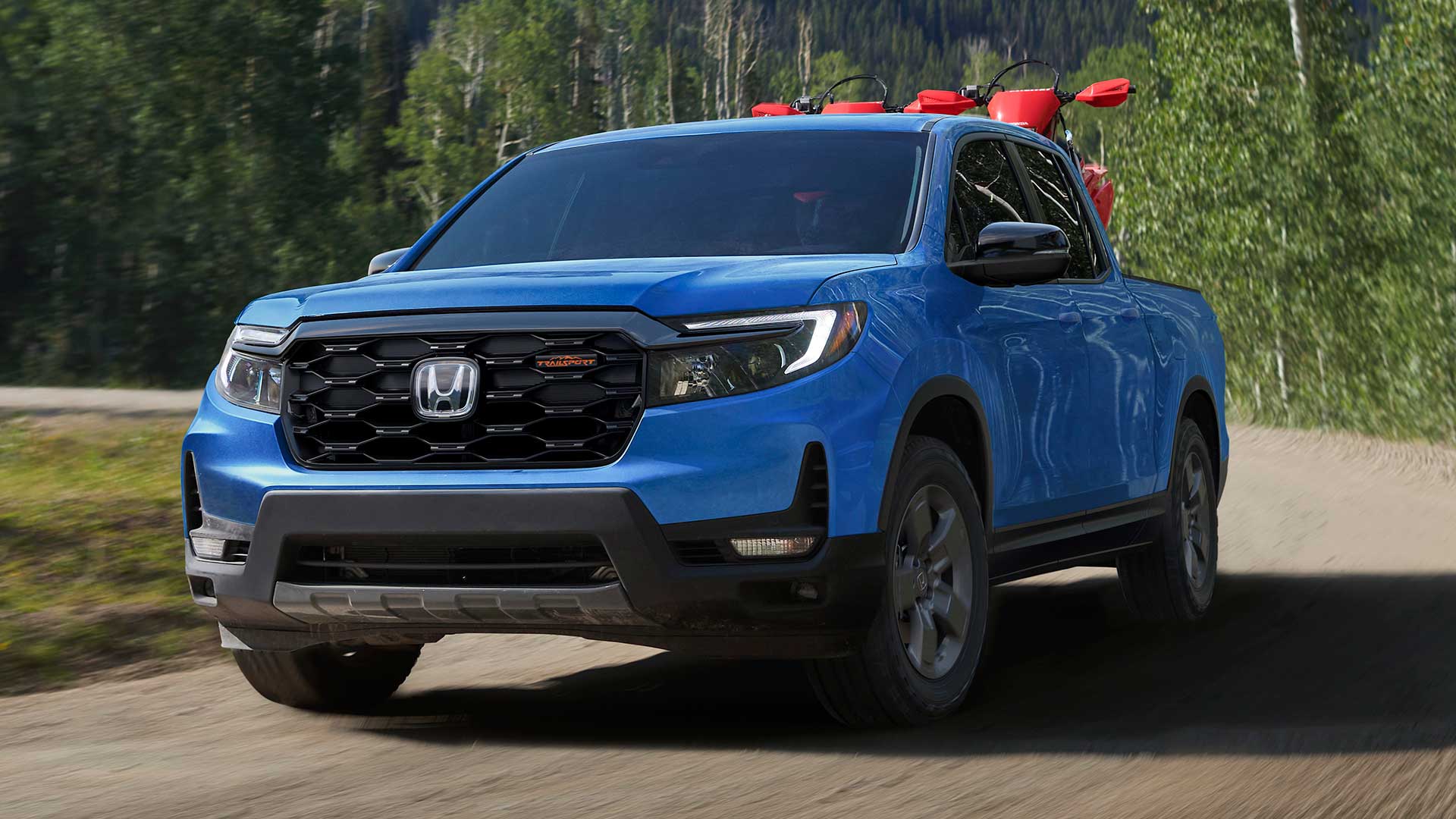
4. Honda Ridgeline
The Honda Ridgeline is engineered primarily for comfort and daily driving, which makes it a strong performer on flat highways but less suitable for sustained climbs or heavy-duty tasks in mountainous regions. Its engine provides moderate power, adequate for city or light highway driving, yet it can feel underwhelming when climbing steep grades with additional weight.
Drivers may notice slower acceleration, frequent gear changes, and a sense of reduced responsiveness, particularly when the truck is loaded with cargo or towing. These limitations can make mountain commutes longer and more taxing, requiring careful attention to throttle management and engine performance.
While the cabin is well-appointed, with supportive seating and modern technology features, these amenities do not offset performance limitations under heavy stress.
Driver-assist systems like hill descent control are minimal or unavailable in many trims, meaning the driver must manually manage speed and braking during steep descents. Over long commutes, this can contribute to fatigue and increased stress on both the driver and the engine.
Additionally, towing and payload capacities are limited compared to traditional heavy-duty trucks. While the Ridgeline excels in comfort and versatility for light loads, it is not designed to handle demanding mountain commutes with frequent inclines or heavy cargo.
Engine performance can drop noticeably under stress, making the Ridgeline less ideal for commuters who require consistent, reliable power during challenging drives.
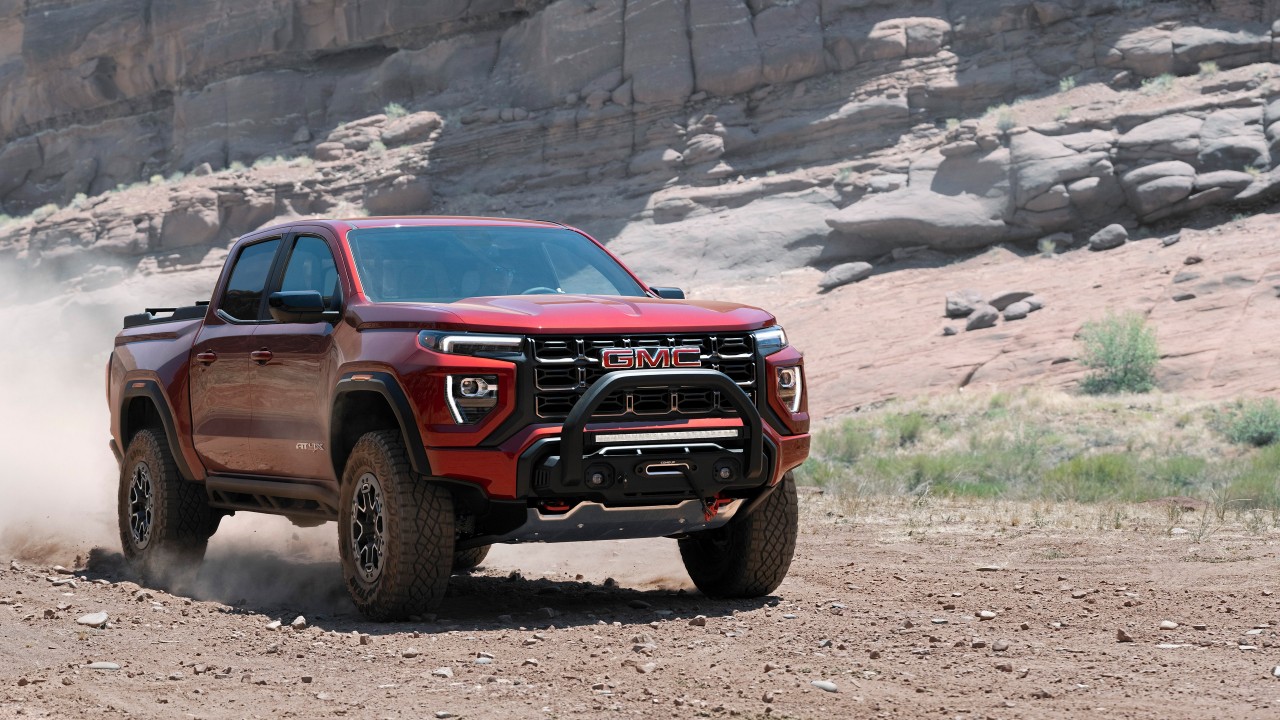
5. GMC Canyon Base
The base GMC Canyon is a mid-size truck that is practical for city driving and light-duty work but tends to lose power in mountainous terrain. Its engine output is sufficient for short commutes and moderate highway driving, but when climbing long grades or carrying heavy loads, the truck can feel underpowered.
Acceleration may be sluggish, and frequent gear shifts are often necessary to maintain speed. Drivers may also notice that the engine works harder than expected, which can lead to increased fuel consumption and strain on the drivetrain.
Handling and stability on steep or uneven mountain roads are not as refined as in heavier-duty trucks. Suspension systems in base models are designed for comfort rather than rugged performance, which can result in more pronounced bumps and vibrations during commutes.
Traction may be inconsistent on loose or slippery surfaces, requiring drivers to carefully manage throttle and braking to maintain control. These handling limitations can make daily mountain commutes more stressful and less predictable.
Finally, towing and payload capacities in the base GMC Canyon are modest, which limits its utility for mountain commuters who need to transport heavy equipment or recreational vehicles. Engine power can drop noticeably under stress, and performance may be inconsistent during extended climbs or when carrying heavy loads.
While the Canyon is a capable mid-size truck for light-duty use, it is prone to losing power under demanding mountain conditions, making it a less reliable option for commuters who require consistent performance.
