
Driving in Fargo, North Dakota, comes with a unique set of challenges. The city is known for its brutally cold winters, heavy snowfall, and icy road conditions that test both vehicles and drivers. A car that performs well in mild climates can struggle significantly in such conditions, making choosing a vehicle critical for safety, reliability, and comfort.
Cold weather affects many aspects of a car’s performance, including engine starting, battery life, tire traction, and the effectiveness of heating systems. Vehicles with advanced all-wheel drive systems, proper insulation, and robust heating are better equipped to handle the extreme cold, while vehicles with small engines, poor traction, and limited winter features can prove hazardous.
Choosing the right car is not just about convenience; it is about ensuring that daily commuting, errands, and long-distance travel remain safe and dependable even in temperatures well below zero.
In Fargo, winter temperatures can easily drop to negative double digits, often accompanied by wind chills that make the air feel even colder. Snow accumulation on the roads can create uneven surfaces, ice patches, and hidden hazards, making traction control, braking systems, and tire quality more important than horsepower or acceleration.
While some vehicles are designed with winter performance in mind, others excel only in fair-weather conditions and struggle when temperatures fall and roads become treacherous. For residents, selecting a reliable winter car is an essential decision that affects not only mobility but also peace of mind during the harshest months of the year.
This article examines five cars that are particularly well-suited for cold-weather driving in Fargo and five cars that tend to fail under the same conditions. The discussion includes factors such as drivetrain design, engine reliability, tire performance, heating systems, and cabin comfort.
By understanding these differences, drivers can make informed choices about which vehicles provide the best winter performance and which might pose risks when faced with ice, snow, and extreme cold.
Additionally, this comparison highlights how vehicle design and engineering influence winter safety and efficiency, offering insight into what makes a car dependable when temperatures drop dramatically.
Driving in Fargo during winter is not just a matter of preference but of necessity. A vehicle that handles ice, snow, and subzero temperatures effectively ensures that commuting, work responsibilities, and family travel remain manageable, even in harsh conditions.
The following sections break down five vehicles that thrive in cold weather and five that struggle, providing a practical guide for anyone navigating the winter roads of Fargo.
Cars that Excel in Fargo Cold-Weather Driving
1. Subaru Outback
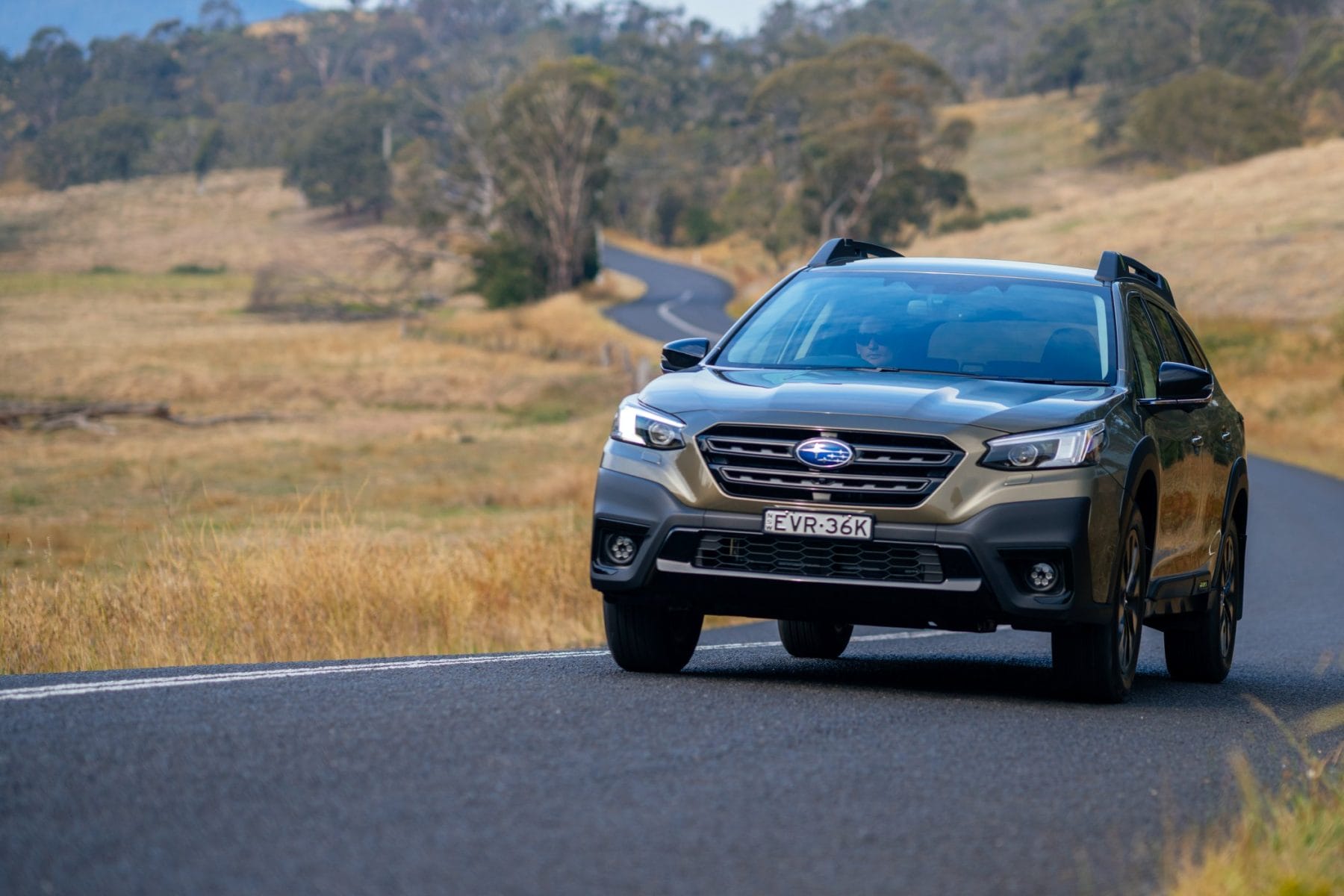
The Subaru Outback has long been regarded as one of the most dependable vehicles for cold-weather conditions. Its standard all-wheel drive system distributes power evenly to all four wheels, enhancing traction on snow and ice.
This feature is particularly important in Fargo, where roads can become slippery within minutes of snowfall. The Outback also has a high ground clearance, allowing it to move through deeper snow without getting stuck. Combined with its sturdy build, it provides drivers with confidence and stability during winter driving.
Another advantage of the Outback is its engine reliability in subzero temperatures. Subaru has designed engines with durable components and oil circulation systems that perform well even when temperatures drop significantly.
Cold starts, which can be problematic for some vehicles, are less of a concern with the Outback, making it easier for drivers to leave early for work or other responsibilities without facing mechanical difficulties. The vehicle’s battery is also designed to withstand colder climates, reducing the risk of failure during critical times.
The interior comfort of the Subaru Outback further enhances its appeal for Fargo winters. Heated seats, a heated steering wheel, and an efficient cabin heating system ensure that drivers and passengers remain warm even during long commutes.
Visibility is another strong point, with headlights designed to cut through fog, snow, and sleet. The combination of heating, visibility, and traction features makes the Outback a reliable choice for those who must navigate icy roads daily.
Finally, the Outback’s safety features are especially relevant in winter conditions. Anti-lock brakes, traction control, and advanced stability systems help prevent skidding and improve handling on slippery surfaces.
Many models also include driver assistance technologies such as adaptive cruise control and lane-keeping systems, which can reduce fatigue and improve safety during long drives in snowy conditions. The Subaru Outback combines practicality, reliability, and winter-specific performance, making it a top choice for Fargo drivers.
2. Toyota 4Runner
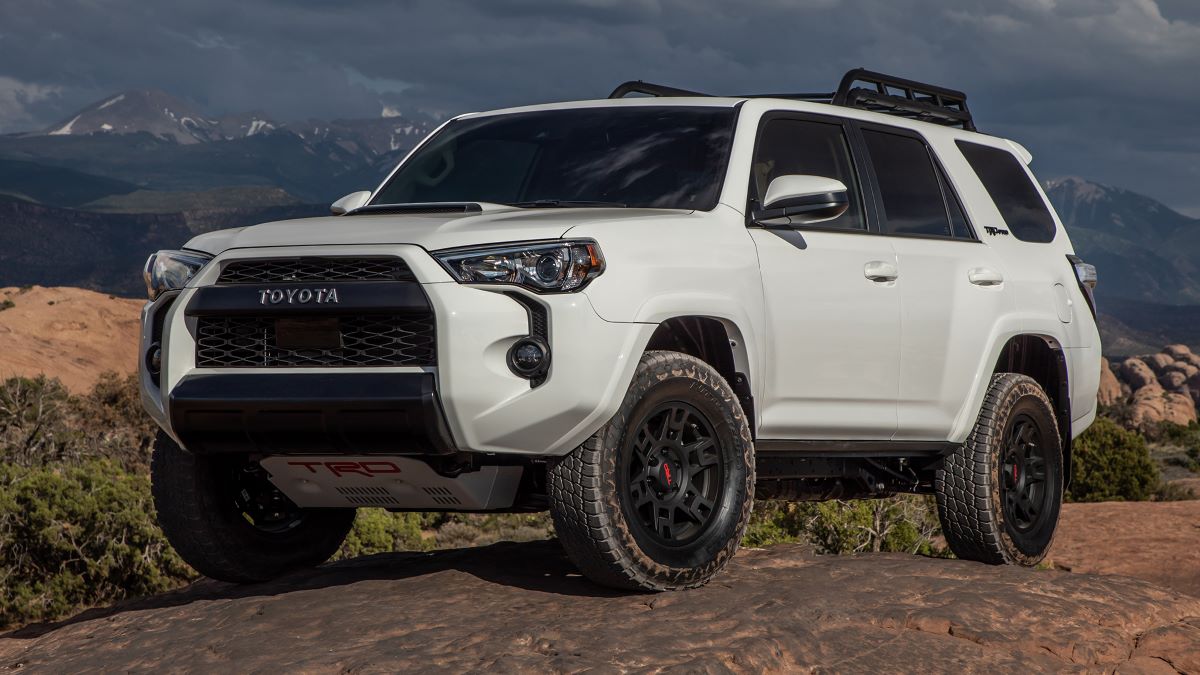
The Toyota 4Runner is another vehicle that performs exceptionally well in cold and snowy conditions. Its body-on-frame construction provides durability and stability, making it resistant to road impacts and rough winter terrain.
With a high ground clearance and available four-wheel drive, the 4Runner can handle deep snow, icy slopes, and uneven surfaces without compromising control or traction. This makes it suitable for both city roads and rural routes around Fargo that may not be plowed as frequently.
Engine performance is a key factor for winter reliability, and the 4Runner delivers consistently. Its V6 engine provides ample torque, which is essential for moving through snow and climbing slippery inclines.
Cold-weather starts are less of a concern due to the engine’s design and Toyota’s focus on reliability. Additionally, the 4Runner’s cooling and heating systems are engineered to function efficiently in subzero temperatures, ensuring that both the engine and cabin remain at optimal operating levels.
Inside the 4Runner, drivers benefit from spacious seating, strong heating capabilities, and durable materials that resist moisture and cold damage. Winter driving often involves mud, slush, and salt, and the 4Runner’s interior is well-equipped to handle these challenges without compromising comfort or cleanliness.
Visibility is also a strength, with large windows, high seating position, and advanced lighting systems improving safety during snowstorms or foggy conditions.
Safety technologies on the 4Runner further enhance its winter capabilities. Features such as traction control, multi-terrain select, and hill start assist provide added confidence when navigating icy inclines or slippery streets.
Anti-lock brakes and stability control contribute to preventing accidents in sudden snow or ice conditions. For those who prioritize rugged reliability combined with cold-weather performance, the Toyota 4Runner remains a strong contender.
3. Ford F-150
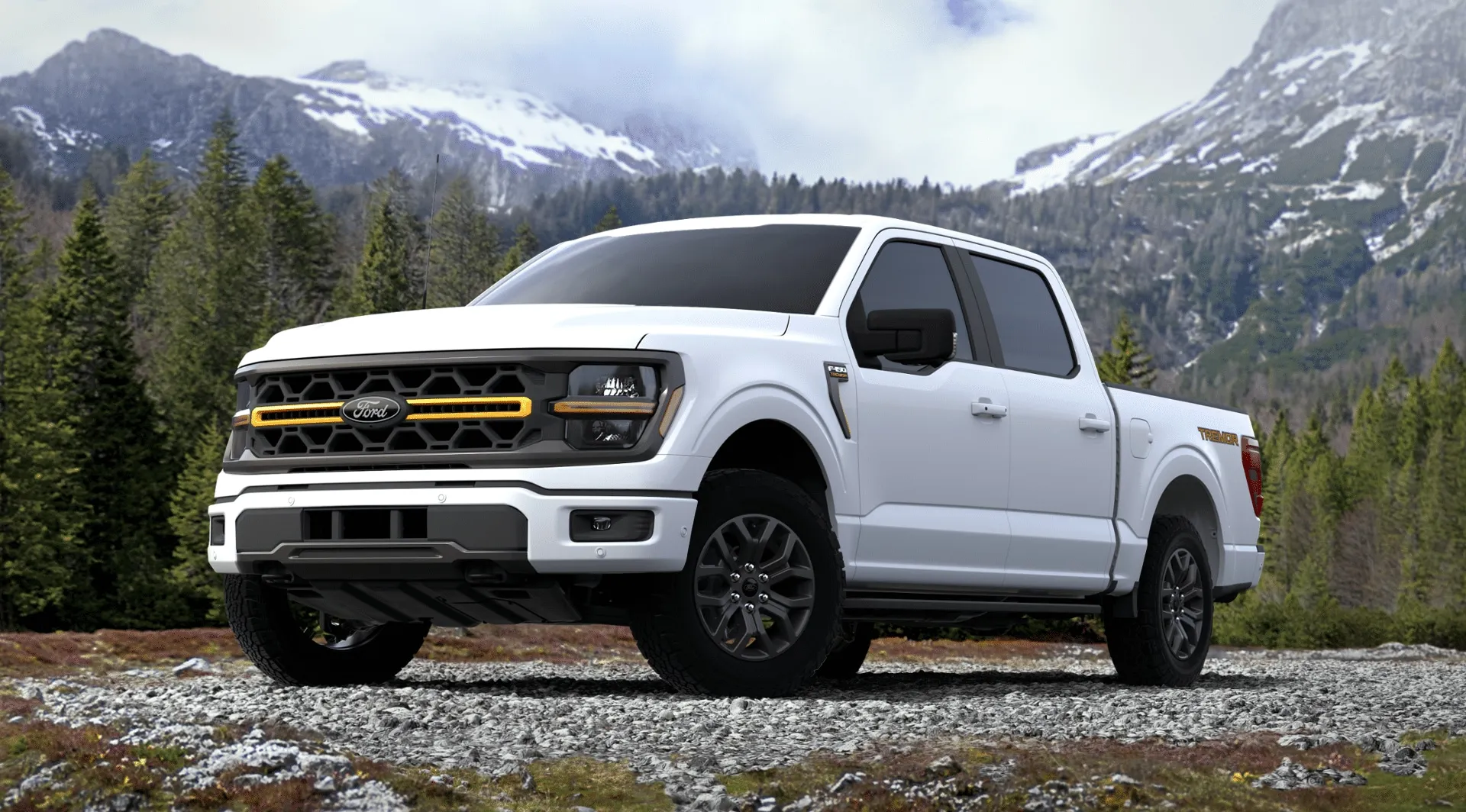
The Ford F-150 is a full-size pickup that excels in cold climates due to its power, durability, and versatility. Available four-wheel drive systems allow for exceptional control on icy or snowy roads, while the truck’s weight and suspension help maintain stability in challenging winter conditions.
The F-150’s high ground clearance ensures that even deep snow does not impede movement, and its towing and hauling capacity remain largely unaffected by winter weather, making it practical for both personal and work-related tasks.
Engine options on the F-150 are designed to perform reliably in cold temperatures. Gasoline and diesel engines are equipped with systems that support cold starts, and newer models feature engine block heaters to further enhance reliability during extreme cold.
Battery performance is also strong, ensuring that the truck remains operational even after prolonged periods of freezing temperatures. This reliability is crucial for Fargo drivers who may need to travel early in the morning before roads have been fully cleared.
The F-150’s interior is tailored for comfort in winter conditions. Heated seats, steering wheel heaters, and climate-controlled cabins make it easier for drivers and passengers to endure long drives in cold weather.
Visibility is enhanced through large mirrors, heated windshield options, and fog-resistant headlights, all of which reduce the risks associated with winter driving. The combination of warmth and control contributes to safer and more comfortable commuting.
Safety features on the F-150 further reinforce its cold-weather advantages. Traction control, stability systems, and anti-lock braking help maintain control on slick surfaces, while driver-assistance technologies, such as blind-spot monitoring and rear-view cameras, provide additional security during snow-covered commutes. The combination of reliability, comfort, and safety makes the Ford F-150 a popular and practical choice for winter driving in Fargo.
4. Chevrolet Tahoe
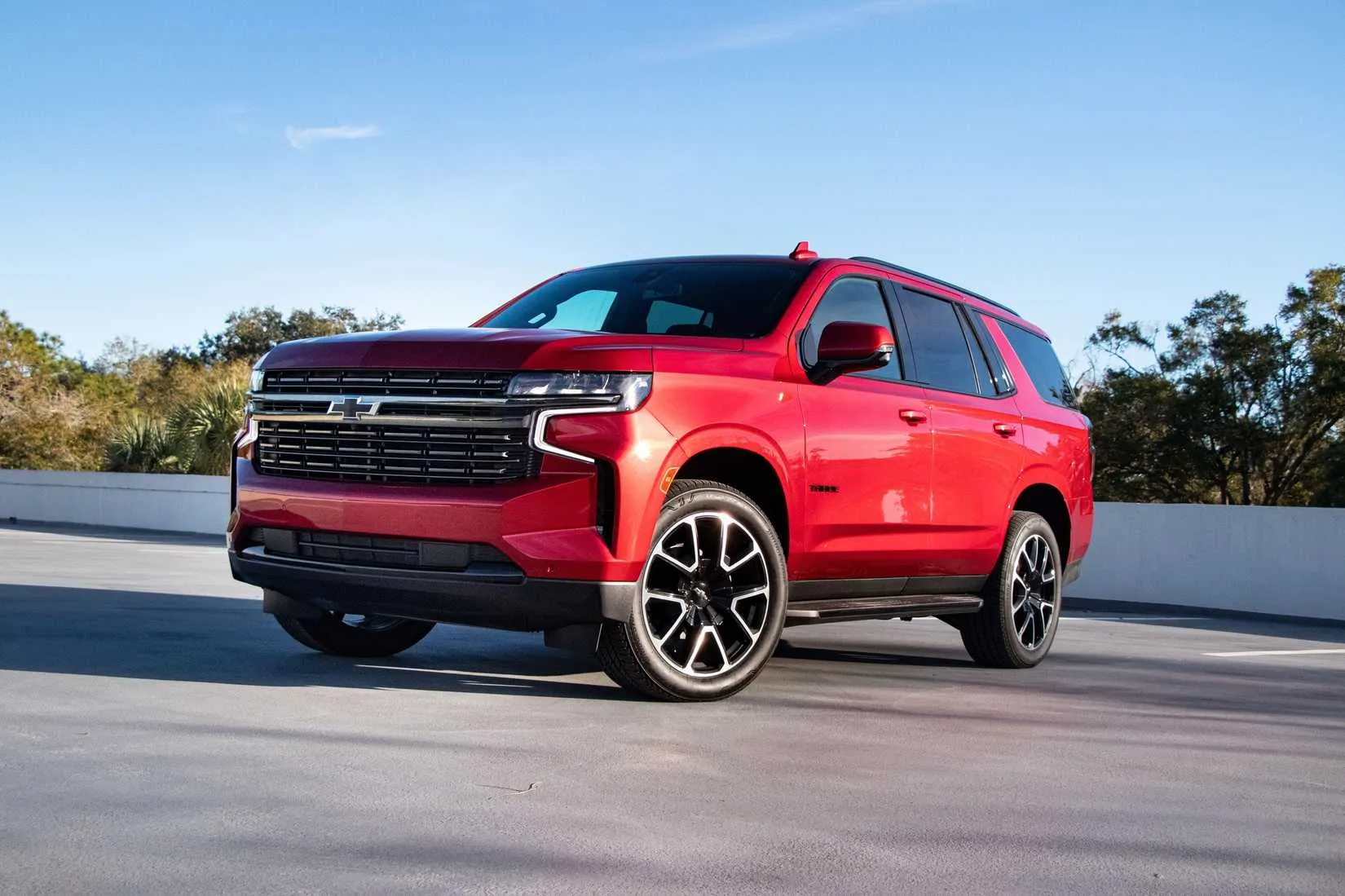
The Chevrolet Tahoe is a large SUV built to handle cold-weather driving with ease. Its full-size frame, powerful engine options, and available four-wheel drive make it capable of traversing icy streets and snow-packed roads.
High ground clearance allows the Tahoe to move through heavy snow without significant difficulty, and its sturdy suspension system provides stability even on uneven winter surfaces. These features make it a reliable vehicle for both urban and rural areas in Fargo.
Engine performance and reliability in cold conditions are key strengths of the Tahoe. Its engines are engineered to maintain consistent performance in low temperatures, reducing the likelihood of stalling or mechanical failure during extreme weather.
The Tahoe also benefits from a robust battery and electrical system, ensuring that heating, lights, and electronic controls remain operational when conditions are harsh. Cold-weather starts are generally smooth, giving drivers confidence when venturing out early in the morning or during sudden winter storms.
Inside the Tahoe, comfort and convenience are prioritized. Heated seating, advanced climate control, and spacious interiors make long winter commutes manageable.
Visibility is improved through large windows, optional heated mirrors, and advanced lighting systems, all critical for safe driving in snow or fog. Interior durability is also important, as winter gear and slushy boots can damage lesser vehicles. The Tahoe’s materials and design ensure that it remains functional and comfortable throughout the season.
Safety features on the Tahoe complement its winter performance. Anti-lock brakes, traction control, and stability assistance help drivers maintain control on icy roads, while airbags and reinforced structures provide added protection in the event of a collision.
Advanced systems such as lane departure warnings and parking assist further enhance winter driving safety. For those needing a capable, comfortable, and reliable SUV, the Chevrolet Tahoe stands out as an ideal option.
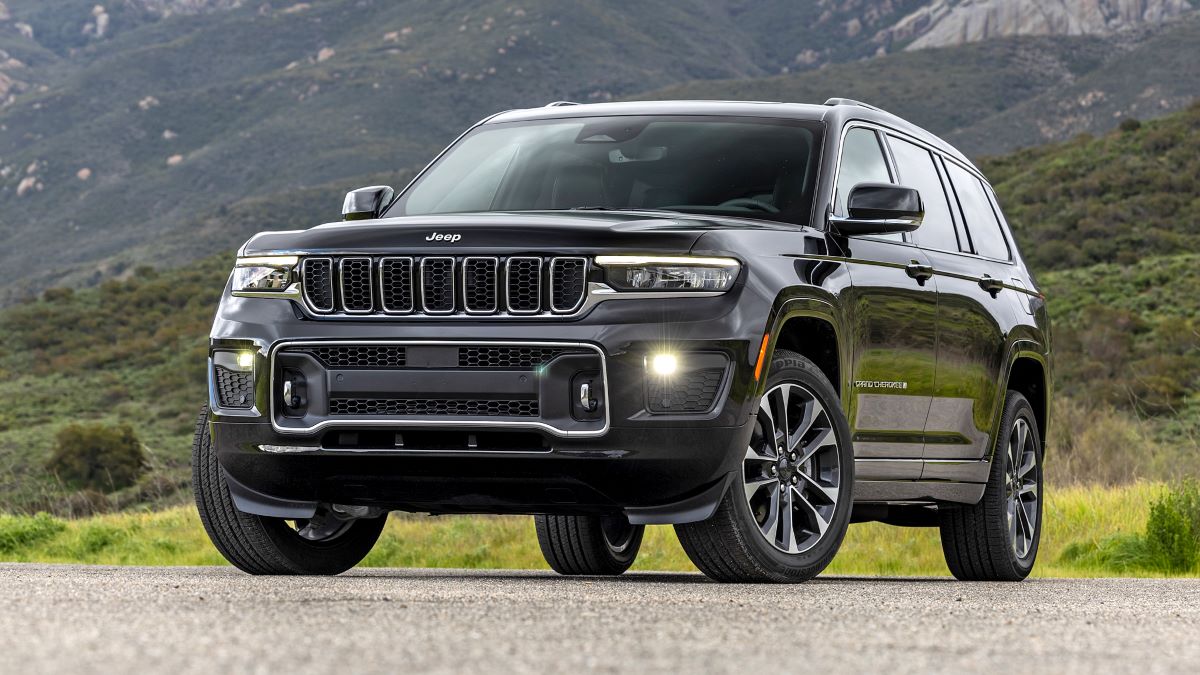
5. Jeep Grand Cherokee
The Jeep Grand Cherokee has long been associated with off-road and all-weather capability, making it suitable for Fargo’s harsh winters. Its four-wheel drive system, combined with selectable terrain modes, allows it to adapt to snow, ice, and slush with relative ease. The Grand Cherokee’s balance of power, traction, and handling provides drivers with confidence on roads that can become unpredictable after a snowfall.
Engine performance is a key asset of the Grand Cherokee in cold weather. Its engines are robust and designed to maintain performance in freezing temperatures, reducing the risk of starting issues or reduced efficiency.
The vehicle also features durable batteries and electrical systems, ensuring that heating, lights, and essential electronics remain functional when temperatures plummet. This reliability is critical for winter commuting and emergencies.
Interior comfort is another strength of the Grand Cherokee. Heated seats, climate control systems, and insulated cabins make winter driving tolerable even on long trips.
Visibility enhancements, such as fog-resistant headlights and heated mirrors, contribute to safer navigation through snowy or icy conditions. The combination of comfort and functional design makes the Grand Cherokee suitable for family use during cold months.
Safety systems on the Grand Cherokee are extensive and tailored to winter driving. Traction control, stability management, and anti-lock brakes all work together to maintain control on slippery roads.
Additional features like forward-collision alerts, blind-spot monitoring, and parking assistance help prevent accidents when visibility or traction is compromised. For drivers seeking a capable SUV that combines winter performance with comfort and safety, the Jeep Grand Cherokee is a reliable choice.
Cars That Fail in Cold Weather
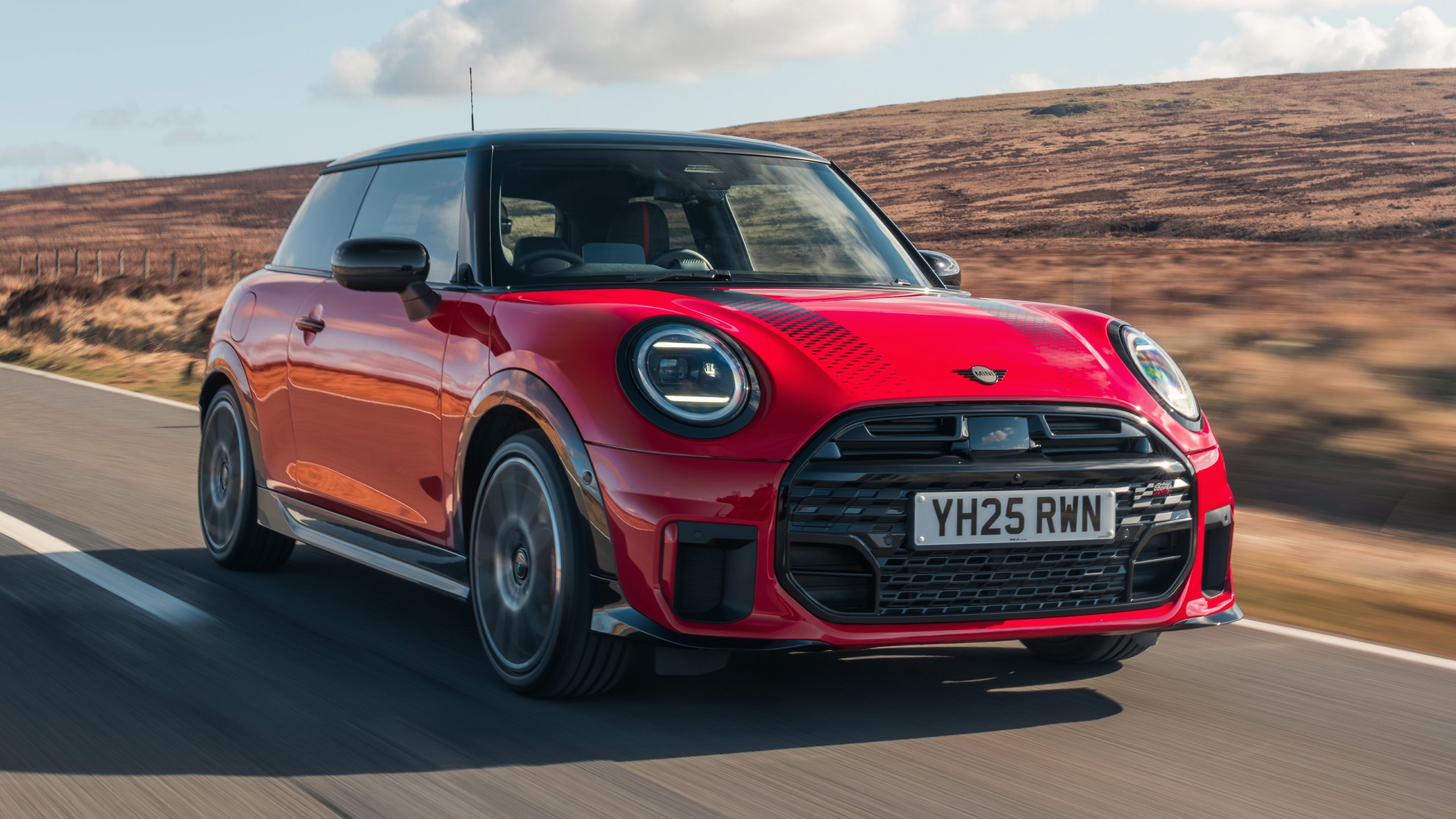
1. Mini Cooper
The Mini Cooper is a fun and nimble vehicle in mild climates, but it struggles significantly in severe cold like that of Fargo winters. Its small size and low ground clearance make it vulnerable to snow accumulation and ice on the roads. Even moderate snowfall can reduce traction, making the Mini prone to slipping or getting stuck.
Unlike larger vehicles with all-wheel drive or robust stability systems, many Mini Cooper models rely on front-wheel drive alone, which often proves insufficient in slippery conditions. Drivers may find themselves needing to wait for roads to be plowed or manually digging out snow around the tires, adding inconvenience and risk to daily commutes.
Engine performance is another challenge for the Mini Cooper in subzero temperatures. Its smaller turbocharged engines can struggle to maintain consistent power during extreme cold starts, particularly when the oil thickens and the battery’s efficiency decreases.
Starting the engine in frigid conditions may require multiple attempts, and heating the cabin quickly can put an additional load on the system. These limitations make the vehicle less reliable for residents of Fargo, where temperatures often fall well below zero for extended periods.
The interior of the Mini Cooper also presents challenges in winter. While higher-end trims may offer heated seats, most models have limited cabin heating capabilities, which can leave drivers and passengers uncomfortable during long drives in extreme cold.
Additionally, its compact size limits space for winter gear such as snow boots, jackets, and equipment needed for emergencies. Visibility is another concern, as the smaller windshield and limited wiper coverage can make driving in snowstorms or icy fog more difficult compared to larger vehicles built for harsh weather.
Safety systems in the Mini Cooper provide basic protection but fall short in winter-specific scenarios. Traction control can only do so much when the vehicle lacks the weight and ground clearance to maintain stability on ice or snow. Anti-lock braking systems may prevent wheel lock, but stopping distances increase significantly on slick roads.
For these reasons, the Mini Cooper is not ideal for regular cold-weather commuting or long-distance travel in Fargo winters, making it better suited to milder climates.
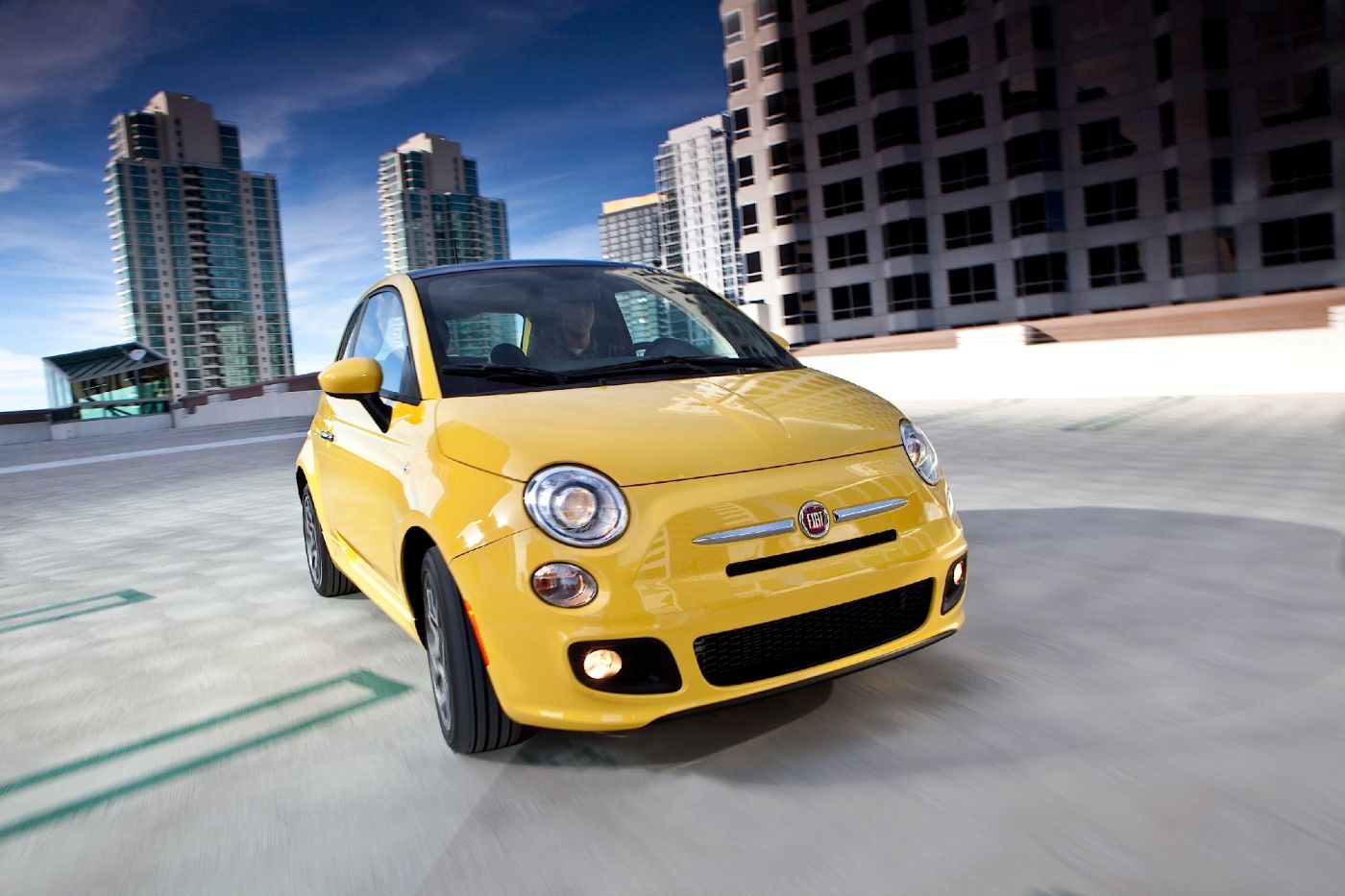
2. Fiat 500
The Fiat 500 is another compact car that struggles in severe cold conditions. Its small footprint and light weight make it highly susceptible to skidding on ice or getting stuck in snow.
The standard front-wheel drive system does not provide the necessary traction for navigating snow-covered roads, especially in neighborhoods where snow plowing is inconsistent. Drivers in Fargo would often find themselves compromising on speed or risk slipping on unexpected icy patches, reducing both confidence and safety.
Engine reliability in cold weather is a concern for the Fiat 500. Its small engine may have difficulty maintaining optimal performance during extreme cold starts.
The vehicle’s electrical system and battery are not designed to handle prolonged freezing temperatures, which can result in failures or sluggish operation. Heating the cabin also requires additional time, which can be frustrating for drivers who need to leave early in the morning or respond to emergencies during winter storms.
The interior of the Fiat 500 is minimalistic and does not provide much protection from the cold. Heated seat options are rare, and the cabin heating system is relatively weak compared to larger vehicles.
During extended drives in below-freezing temperatures, occupants may experience discomfort, which can be distracting or fatiguing for the driver. Space for winter necessities such as boots, coats, and snow removal equipment is extremely limited, further reducing the vehicle’s practicality in harsh winter conditions.
Safety features in the Fiat 500 are adequate for city driving but do not compensate for its fundamental cold-weather limitations. Traction control can mitigate minor skids but cannot prevent loss of control on heavily snow-covered roads.
Anti-lock braking systems extend stopping distance, and the small tires may struggle for grip in icy conditions. The Fiat 500 is better suited for warm weather or short urban trips rather than daily winter commuting in a place like Fargo.
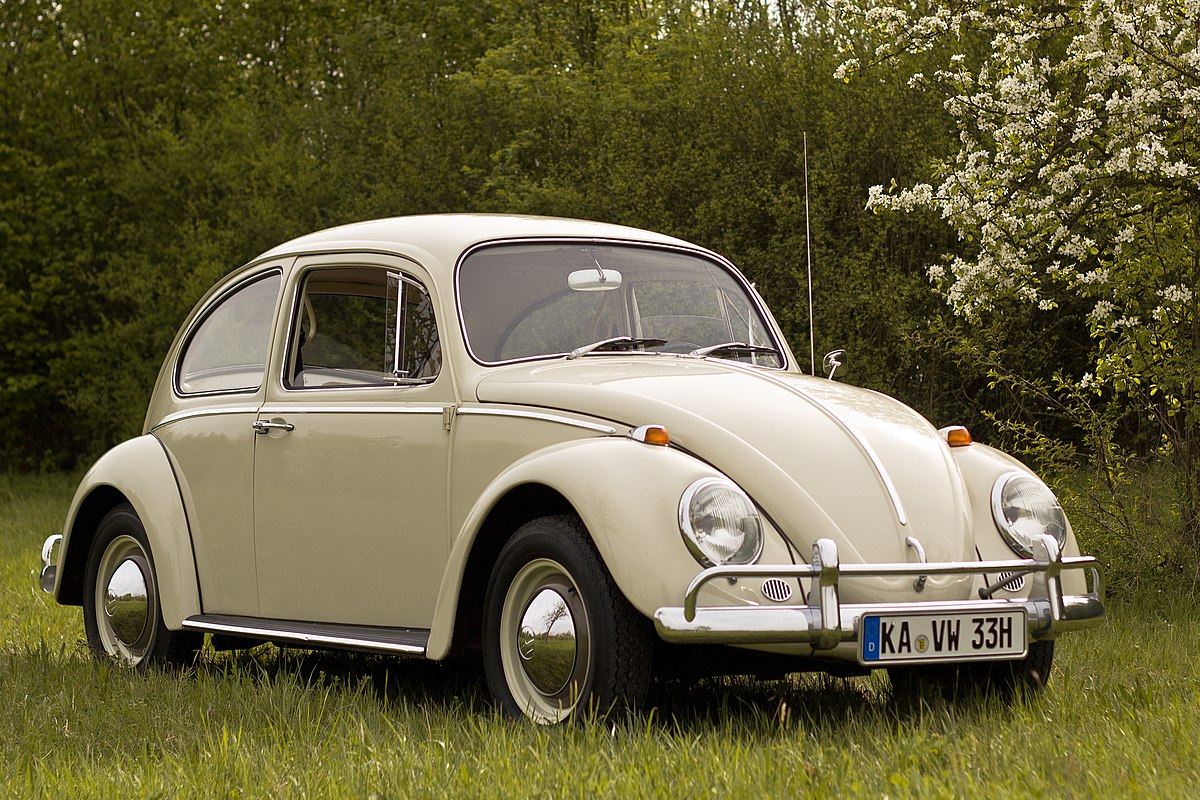
3. Volkswagen Beetle
The Volkswagen Beetle, while iconic and stylish, encounters several challenges in cold climates. Its low ground clearance and compact design limit its ability to move efficiently through snow and slush.
Without all-wheel drive as a standard feature, it relies on front-wheel drive, which provides only modest traction on icy surfaces. Drivers may find themselves losing control on inclines or packed snow roads, and deeper snow can completely immobilize the car. This makes the Beetle a poor option for consistent winter driving in Fargo.
Cold-weather engine performance is another limitation. The Beetle’s smaller engine can have difficulty with cold starts, particularly when temperatures fall well below freezing.
Battery efficiency drops significantly in harsh weather, and the vehicle may experience electrical issues or slow starting. Heating the cabin can also take longer than in larger, more winter-focused vehicles, leaving occupants uncomfortable during daily commuting or long trips.
Interior comfort is constrained by the Beetle’s compact design. Heated seats are not always available, and the heating system is less effective than that of SUVs or trucks designed for winter use.
Space is limited for carrying winter gear, such as boots, coats, and emergency equipment. Visibility is another concern because the smaller windows, short hood, and compact design make navigating snow-covered roads or foggy conditions more difficult.
Safety features provide only partial support in winter conditions. Traction control and stability systems can assist, but the car’s light weight and low traction tires limit their effectiveness.
Stopping distances increase significantly on ice or snow, and the small tires may struggle to maintain grip. For drivers who live in a city with severe winter conditions like Fargo, the Volkswagen Beetle is not reliable as a primary winter vehicle.
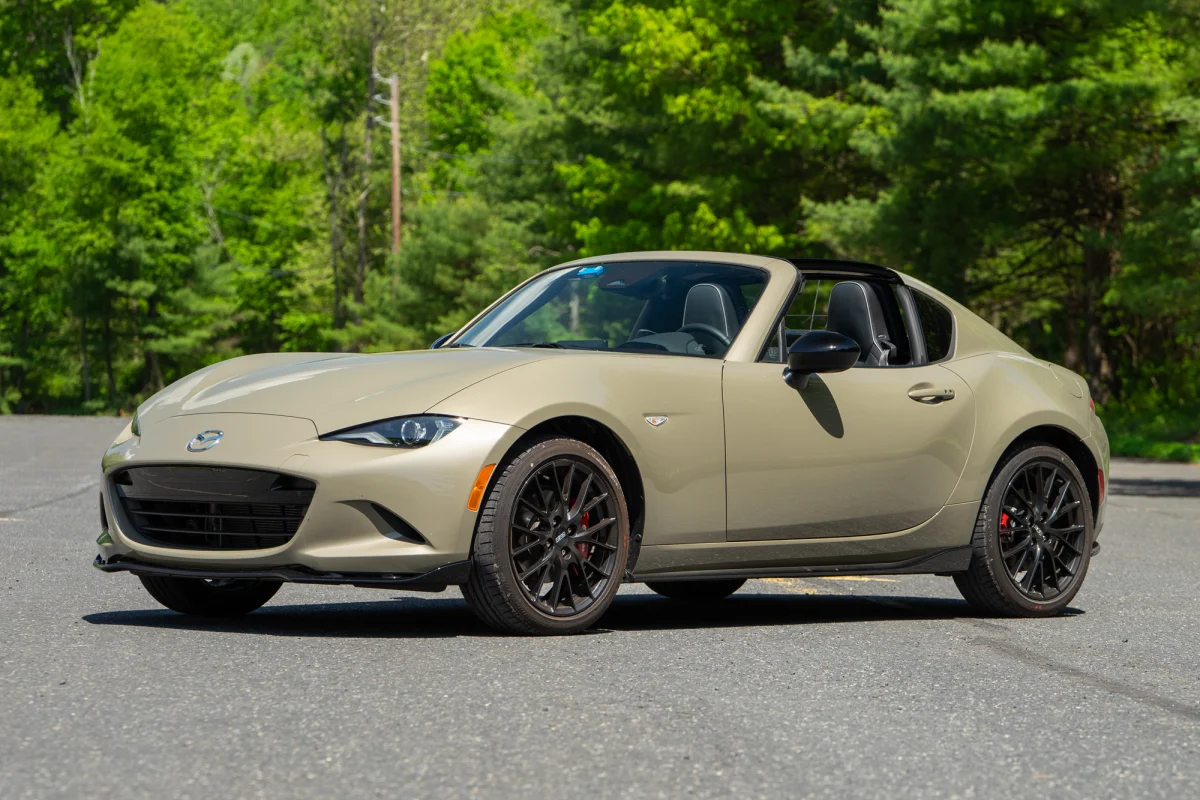
4. Mazda MX-5 Miata
The Mazda MX-5 Miata is widely praised for its sporty handling and driving enjoyment, but it performs poorly in cold climates. Its rear-wheel drive layout makes it particularly prone to slipping and losing control on snow and ice.
Even with careful driving, the Miata cannot match the traction and stability of all-wheel or four-wheel drive vehicles in snowy conditions. Its low weight further reduces grip, causing handling challenges on slick roads. This makes it a risky choice for everyday commuting in Fargo’s winter months.
Cold-weather engine performance in the Miata is also a drawback. The small, lightweight engine may struggle with starting in subzero temperatures, particularly without a block heater. Battery life can be limited in extreme cold, leading to potential reliability issues.
The heating system is less effective than that of larger vehicles, and cabin warmth may take time to reach a comfortable level, which can be uncomfortable for drivers and passengers during long trips or early morning commutes.
The interior is compact and provides limited space for winter essentials. Heated seats may be available only on higher trims, and the cabin insulation is minimal, which can result in cold drafts and reduced comfort during harsh weather.
Storage space for snow gear, boots, and coats is extremely limited, making it difficult to manage winter necessities without compromising passenger comfort. Visibility is another concern, as the low seating position and small windshield may limit sightlines in snowstorms or icy fog.
Safety features on the Miata do little to compensate for its fundamental winter shortcomings. Traction control and stability systems are helpful but cannot overcome the limitations of rear-wheel drive on snow or ice.
Anti-lock brakes extend stopping distances, and light tires provide limited grip, which reduces safety in severe winter conditions. For these reasons, the Mazda MX-5 Miata is unsuitable as a primary winter vehicle in Fargo.
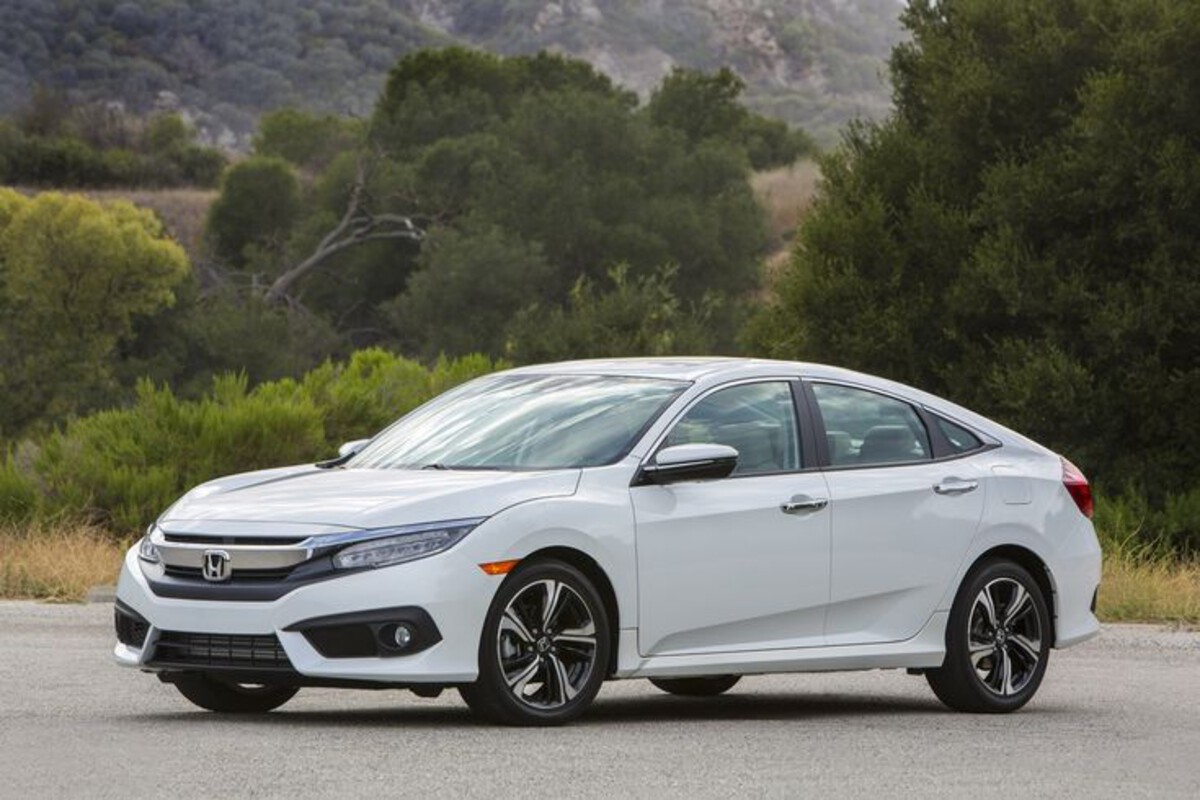
5. Honda Civic (Standard Trim)
The Honda Civic, while reliable in temperate climates, faces challenges in severe cold and snow. Standard trims typically come with front-wheel drive and low ground clearance, which can result in poor traction on icy roads.
Snow accumulation can impede progress, and the lightweight design makes it prone to sliding on packed snow. Driving in Fargo winters may require careful planning to avoid unplowed streets, steep inclines, or areas with heavy ice coverage.
Engine performance in the Civic can also be affected by extreme cold. While Honda engines are generally reliable, cold starts in subzero temperatures can put stress on the battery and oil, making the car slower to start and less responsive initially.
Cabin heating is limited compared to winter-focused vehicles, and extended drives can leave occupants feeling cold and uncomfortable. This makes the vehicle less practical for regular commuting in harsh winter conditions.
The interior design further limits winter usability. Heated seats may not be standard, and the cabin heating system is not optimized for extremely cold climates. Storage space for winter equipment, such as boots, jackets, and emergency supplies, is minimal.
Visibility is adequate for clear conditions but can become a challenge in snowstorms due to smaller mirrors, windshield coverage, and less effective defrosting systems compared to larger winter-focused vehicles.
Safety features provide some assistance, but the Civic’s standard trim does not fully address winter hazards. Traction control and anti-lock brakes are present, but stopping distances increase on ice or snow, and low ground clearance leaves it vulnerable to getting stuck.
The standard Honda Civic is more suitable for mild climates and urban driving than for the severe winter conditions common in Fargo.
