
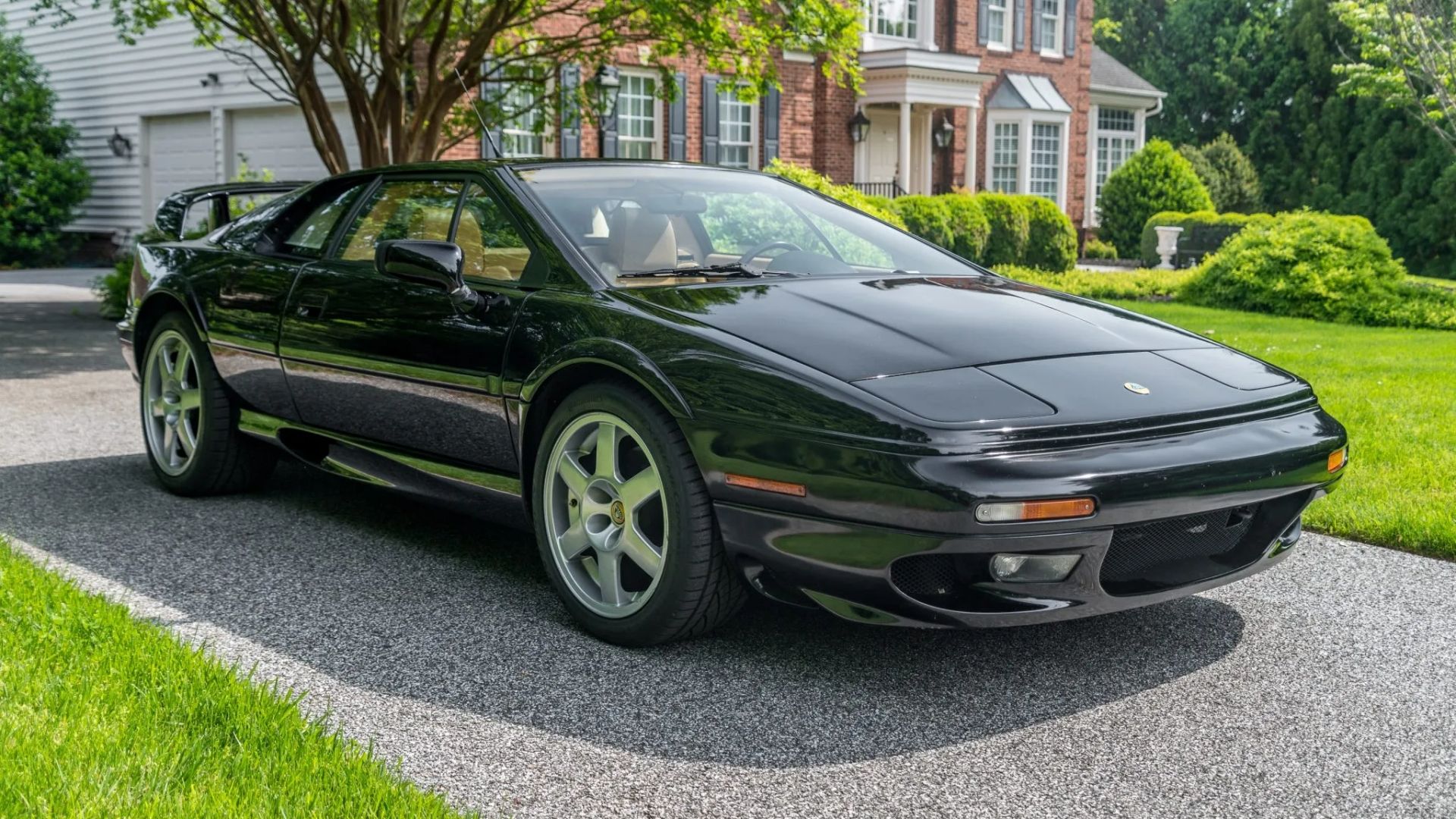
The 1990s produced a generation of supercars that balanced raw mechanical character with emerging modern technology. These machines arrived before widespread driver aids, oversized touchscreens, and heavily computerized driving experiences became standard.
As a result, many of them still deliver a direct connection between driver, engine, and road that is increasingly rare today. In 2025, several of these once unobtainable performance icons have become surprisingly affordable, not because they lack significance, but because the market has shifted its attention toward newer hypercars and electric performance vehicles.
This change has opened the door for enthusiasts who want genuine speed, style, and heritage without seven figure price tags.
During the 1990s, manufacturers experimented boldly with engine layouts, materials, and design language. Turbocharged V8s, high revving naturally aspirated V12s, and advanced all wheel drive systems appeared in road cars that were directly inspired by racing programs.
Many of these models were built in limited numbers, yet they remain usable on public roads today. Their durability, when properly maintained, has allowed them to survive decades of use while retaining their original identity. For buyers in 2025, this means access to authentic supercar experiences at prices that once seemed impossible.
Affordability in this segment does not mean cheap ownership or careless engineering. Most of these cars still demand respect, knowledgeable maintenance, and a serious approach to care. However, compared to their original prices and to modern equivalents, their entry costs are far lower.
This has created a sweet spot where performance, prestige, and historical importance intersect. The appeal lies not only in speed or acceleration figures, but in the emotional satisfaction of driving something built during a time when designers and engineers took greater creative risks.
This article highlights ten of the cheapest 1990s supercars you can buy in 2025. Each represents a unique philosophy, from German precision to Italian passion and Japanese innovation.
These cars are not merely nostalgic collectibles. They remain capable machines that can still surprise modern sports cars while offering an experience rooted in one of the most influential decades of automotive history.
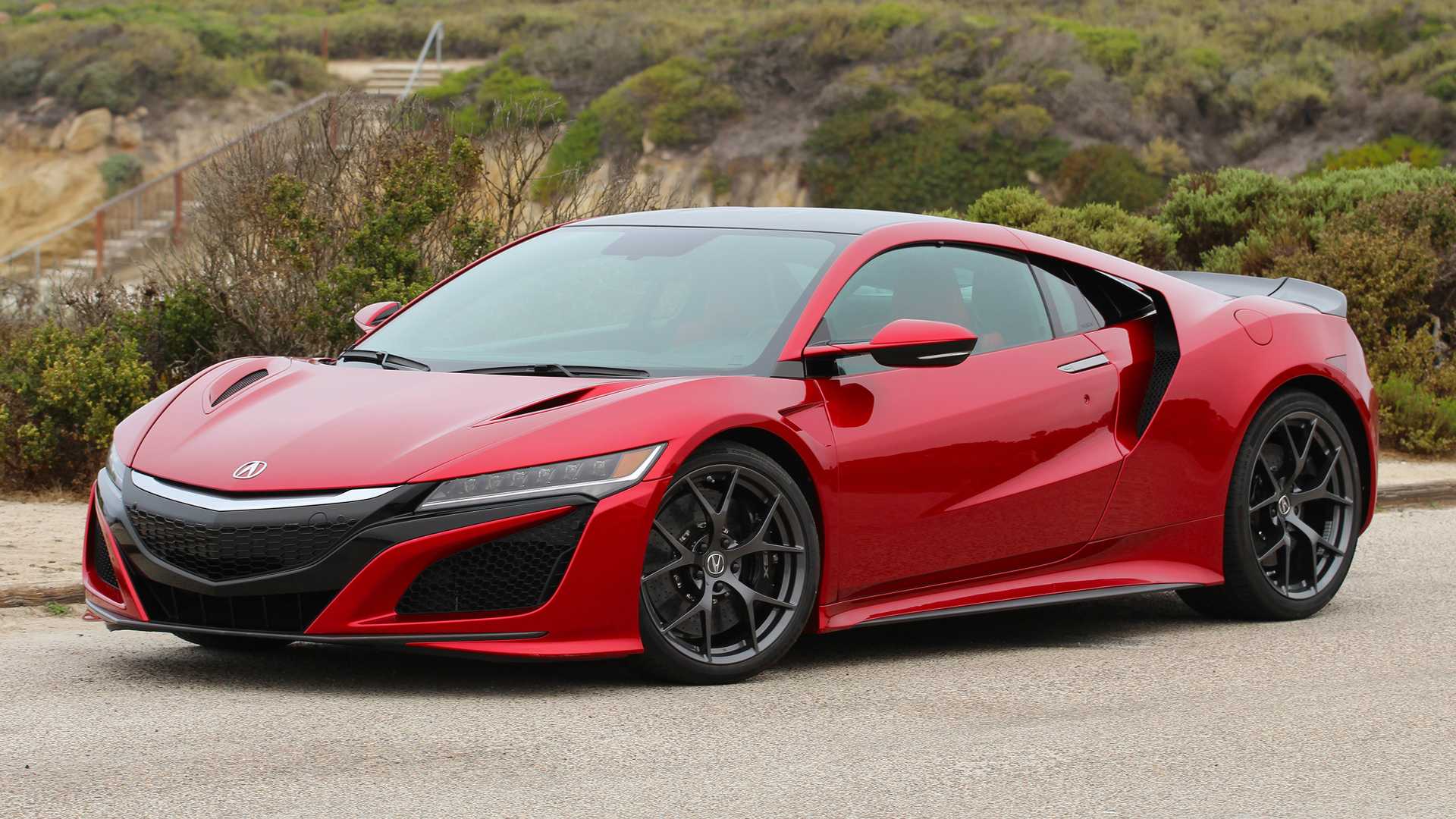
1. Acura NSX
The Acura NSX changed perceptions of what a supercar could be when it debuted in the early 1990s. Unlike many European exotics that were intimidating and fragile, the NSX offered a combination of reliability, balance, and everyday usability that was virtually unheard of in the supercar segment at the time.
Honda’s goal was to create a car that could compete with Ferrari in terms of speed and handling while remaining practical enough to drive daily. The collaboration with Ayrton Senna, one of the greatest Formula One drivers in history, helped refine the car’s chassis, suspension, and steering characteristics.
This combination of engineering expertise and racing insight allowed the NSX to feel precise, stable, and incredibly responsive, setting a new benchmark for performance cars built with driver confidence in mind. Its reputation for handling finesse rather than raw power alone gave it a distinct identity that continues to attract enthusiasts decades later.
The interior of the NSX reflects Honda’s commitment to driver-focused design. Controls are logically arranged, visibility is excellent, and the seats provide ample support without compromising comfort. Unlike many supercars that prioritized flash over function, the NSX interior makes the driver feel integrated with the machine.
Even after decades, the ergonomics remain thoughtful, with materials that have generally aged well. Simple touches like clear instrumentation and intuitive pedal placement enhance the driving experience. The interior, while less flamboyant than Italian competitors, embodies a purity and practicality that adds to the car’s charm and longevity.
Pricing for early NSX models remains relatively accessible in 2025, especially when compared to other vehicles of similar historical and performance significance. Low-mileage examples and early production units attract higher premiums. However, many well-maintained cars can still be purchased at reasonable prices, offering a rare chance to own a reliable supercar without spending the fortune required for Italian or German counterparts.
For enthusiasts willing to accept minor cosmetic imperfections or higher mileage, the NSX provides an exceptionally rewarding balance of price, performance, and daily usability. Its enduring appeal lies in its combination of engineering brilliance, everyday practicality, and engaging driving character, making it a standout choice for anyone looking to experience a true 1990s supercar without compromise.
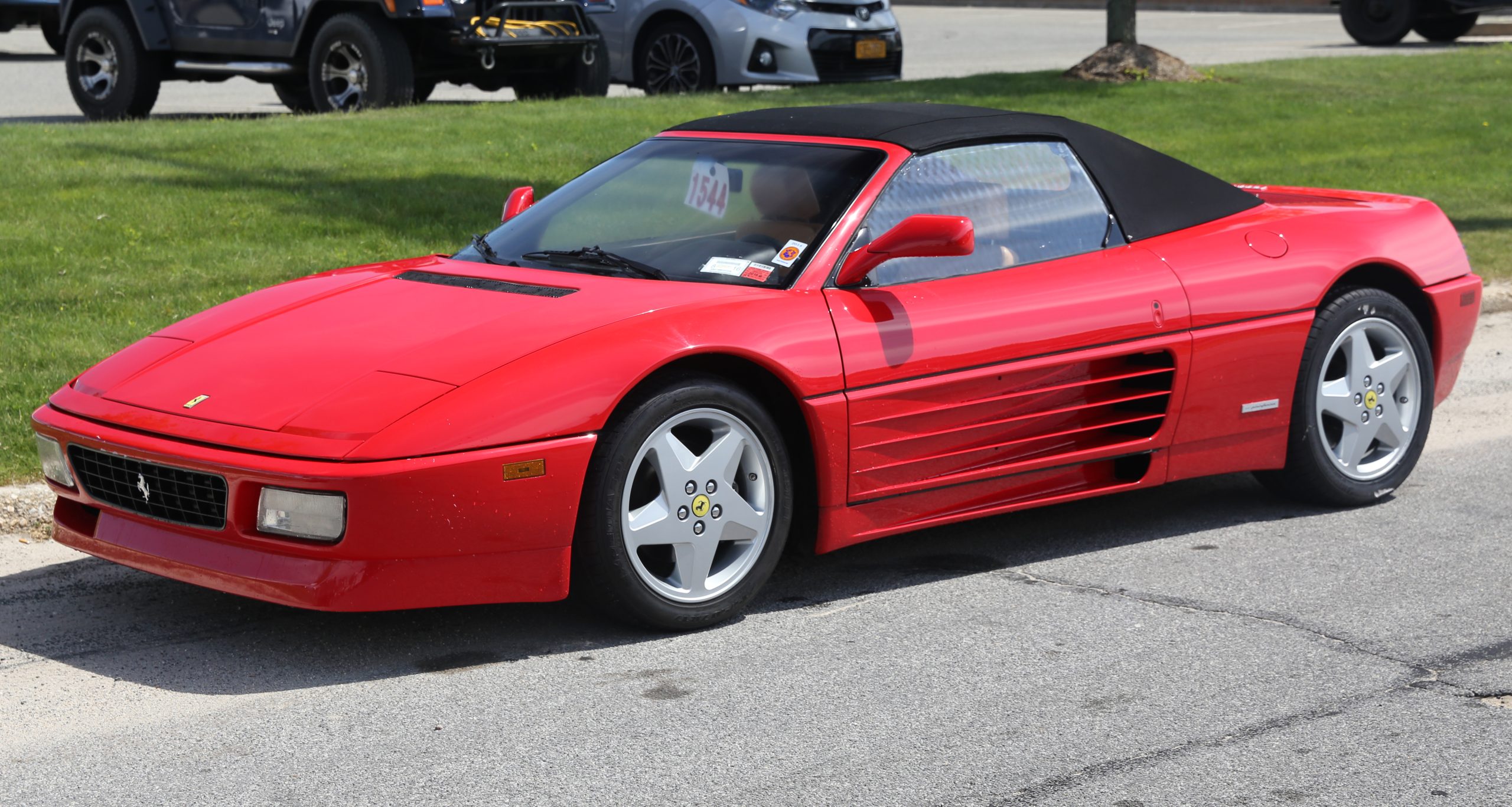
2. Ferrari 348
The Ferrari 348 represented a significant evolution for the Italian marque, bridging the gap between the classic analog sports cars of the 1980s and the more modern, electronically assisted supercars that would follow in the 2000s.
Its wedge-shaped design, prominent side strakes, and aggressive stance reflected the styling trends of the decade, while the mid-mounted V8 allowed for balanced handling and a dynamic driving experience. Initially, the 348 faced criticism for its styling and interior quality, particularly when compared to its predecessor, the 328, but over time, appreciation for its performance-focused character has grown.
Enthusiasts today recognize the 348 as a car that offers an unfiltered Ferrari experience, combining precision, speed, and driver engagement with the unmistakable sound and personality of a naturally aspirated V8.
The engine of the 348 is a 3.4-liter V8 that emphasizes high revs and precise throttle response rather than sheer horsepower. Its sound is distinct and rewarding, and the car’s handling encourages active involvement from the driver.
The gated five-speed manual transmission is one of its most iconic features, offering a tactile and mechanical connection that is increasingly rare in modern vehicles. Drivers must be deliberate with their inputs, particularly through tight corners, as the chassis is unforgiving of sloppy technique.
This requirement for skill and attention enhances the satisfaction of driving, making every twist of the road feel meaningful. Even in 2025, the 348 offers a level of engagement that rivals many contemporary performance cars.
Market values for the 348 have stabilized compared to the highs of Ferrari’s flagship models, making it one of the more affordable ways to experience classic Italian supercar performance.
While top-condition examples can command significant sums, the majority of cars remain accessible to enthusiasts looking for a piece of Ferrari history without stretching their budget excessively. In addition to its driving qualities, the 348 offers historical significance as part of Ferrari’s transition into more modern engineering practices.
This combination of affordability, performance, and heritage ensures the 348 remains a highly desirable option for anyone seeking the raw, mechanical thrill of a 1990s Ferrari.
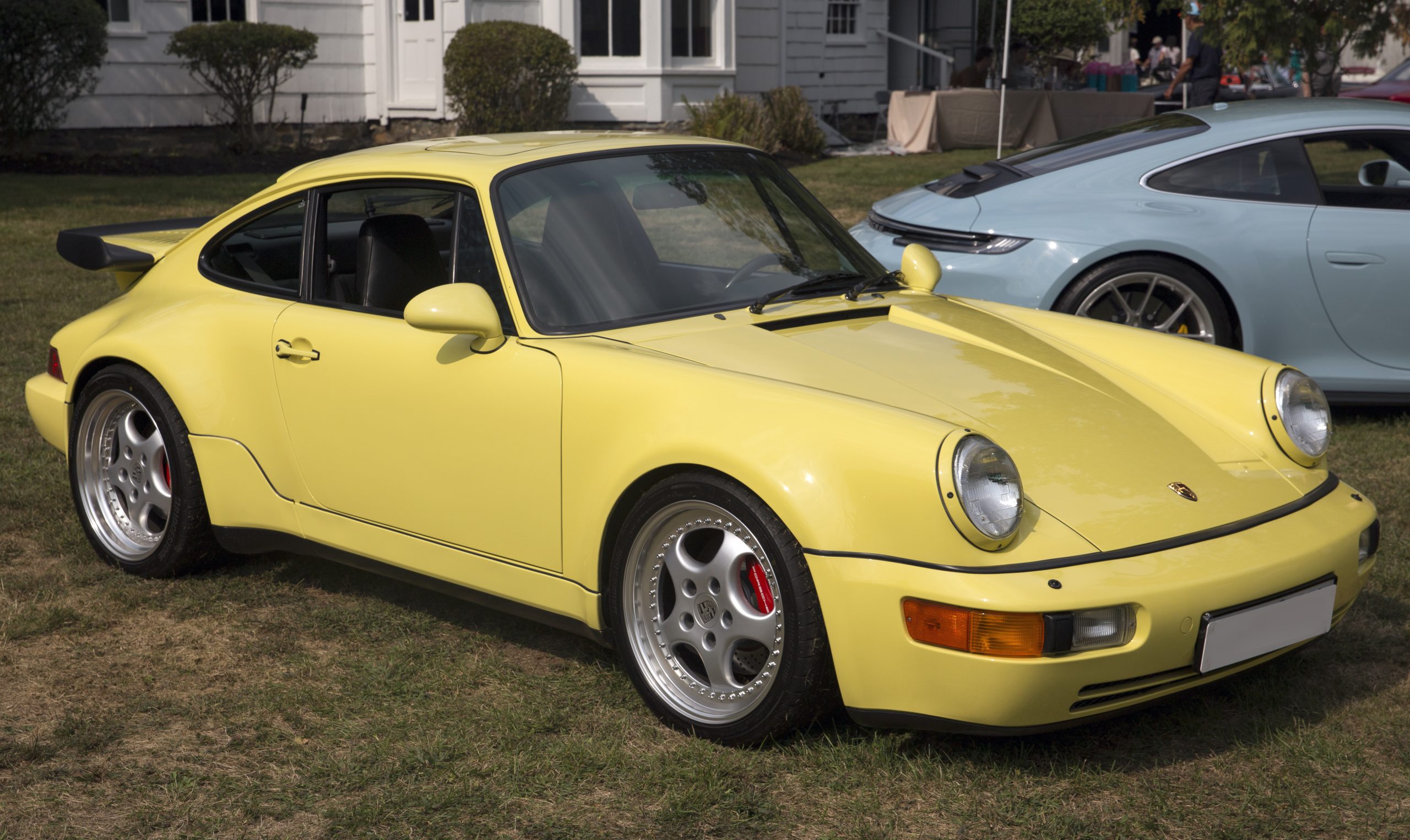
3. Porsche 911 Turbo 964
The Porsche 911 Turbo of the 964 generation represents one of the most refined iterations of the classic 911 platform, combining the brand’s heritage with significant technological improvements. Introduced in the early 1990s, it maintained the iconic rear-engine layout while incorporating modern features such as All Wheel Drive, power steering, and ABS.
Its understated design masks the capability within, giving the car an almost secretive quality that adds to its allure. The 964 Turbo managed to blend comfort, practicality, and explosive performance, which was rare for high-performance vehicles of its era. Its evolution from earlier models enhanced reliability and drivability while retaining the character that enthusiasts loved.
Inside, the 964 Turbo’s interior emphasizes functionality and durability. Controls are well-placed, the seats provide excellent lateral support, and the ergonomics remain suitable for both short bursts of spirited driving and longer journeys.
Unlike trendier modern exotics, there is no unnecessary clutter or distraction; every element serves a purpose. The combination of high-quality materials, logical layout, and durability ensures the interior has aged well, making the cabin as enjoyable today as it was over thirty years ago.
From a financial perspective, the 964 Turbo remains more attainable than later air-cooled 911 Turbos while still offering authentic performance and driving satisfaction. In 2025, it stands out as a practical entry point into collectible Porsches.
While prices have appreciated over time, they remain significantly below newer equivalents, allowing enthusiasts to own a piece of Porsche history without paying an extreme premium. Its combination of heritage, capability, and usability makes it one of the most compelling classic supercars available.
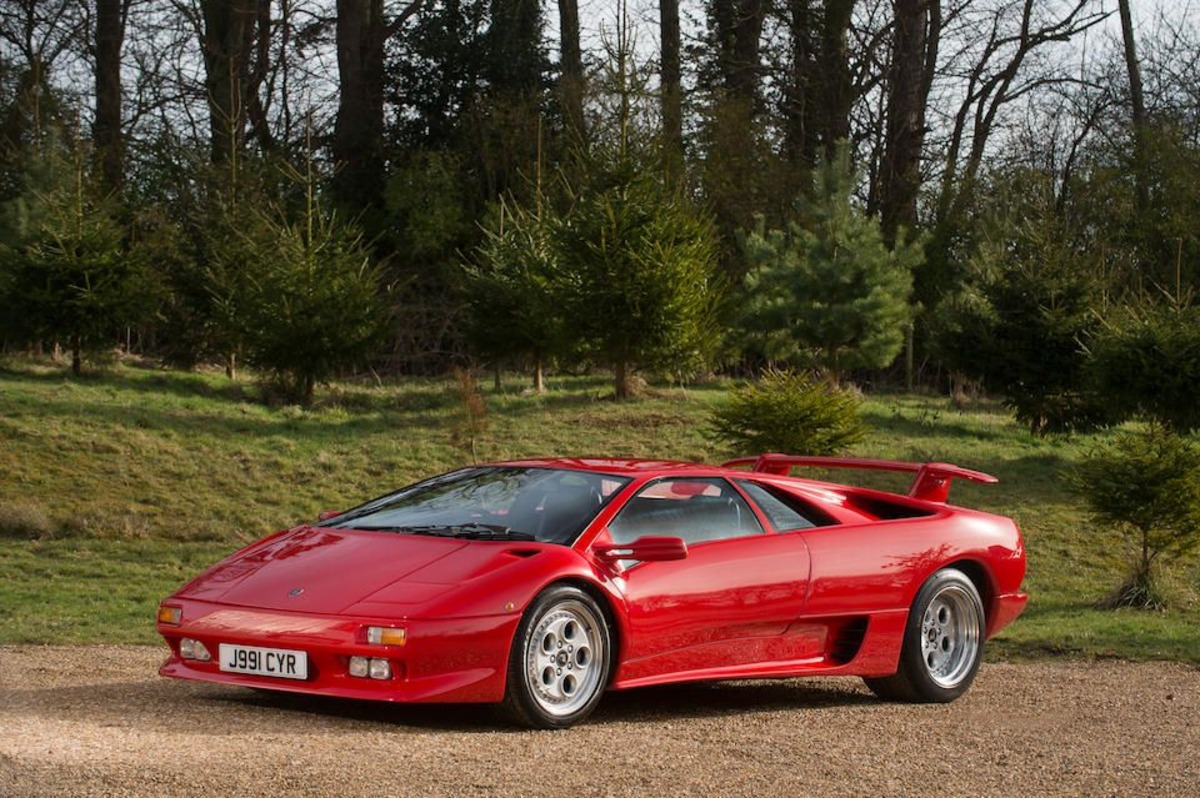
4. Lamborghini Diablo
The Lamborghini Diablo embodies the spirit of the 1990s supercar in a way few other cars can match. With its wide, low stance, aggressive lines, and signature scissor doors, it was designed to grab attention and impress onlookers as much as it performed on the road.
The Diablo’s design was intentionally extreme, capturing the flamboyant and unapologetic ethos of Lamborghini during that era. It was a car meant to be noticed, admired, and feared, serving as a statement of excess and performance that few other manufacturers could replicate at the time.
For enthusiasts in 2025, the Diablo retains this aura, making it one of the most visually striking cars from the decade that remains attainable compared to later Lamborghini models.
The naturally aspirated V12 engine is central to the Diablo’s character, providing immense power and a distinctive soundtrack that few cars can match. Acceleration is relentless, and the car feels planted despite its size and weight, thanks to a well-tuned suspension and chassis.
Driving the Diablo is not for the faint of heart; it demands respect and skill to harness its potential fully. Its mechanical rawness, combined with the absence of modern electronic aids in early models, makes it one of the most engaging cars to drive, offering an experience that modern supercars often dilute through technology.
The interior of the Diablo reflects Lamborghini’s focus on performance and drama rather than luxury or refinement. Ergonomics can be awkward, and visibility is limited due to its low seating position and wide body.
Materials and finish quality vary depending on the model and production year, but this inconsistency adds to the car’s character rather than detracts from it. Driving the Diablo requires a level of commitment that aligns with its extreme design and performance philosophy, reinforcing its status as a true 1990s supercar.
Market availability in 2025 has made early Diablo models relatively more accessible than later, more refined variants. While maintenance remains costly, particularly for the V12 engine and associated components, they represent one of the cheapest ways to own a classic Lamborghini with authentic performance credentials.
The Diablo continues to offer a dramatic and unforgettable ownership experience, making it a standout for collectors and enthusiasts who value presence, sound, and raw driving excitement.
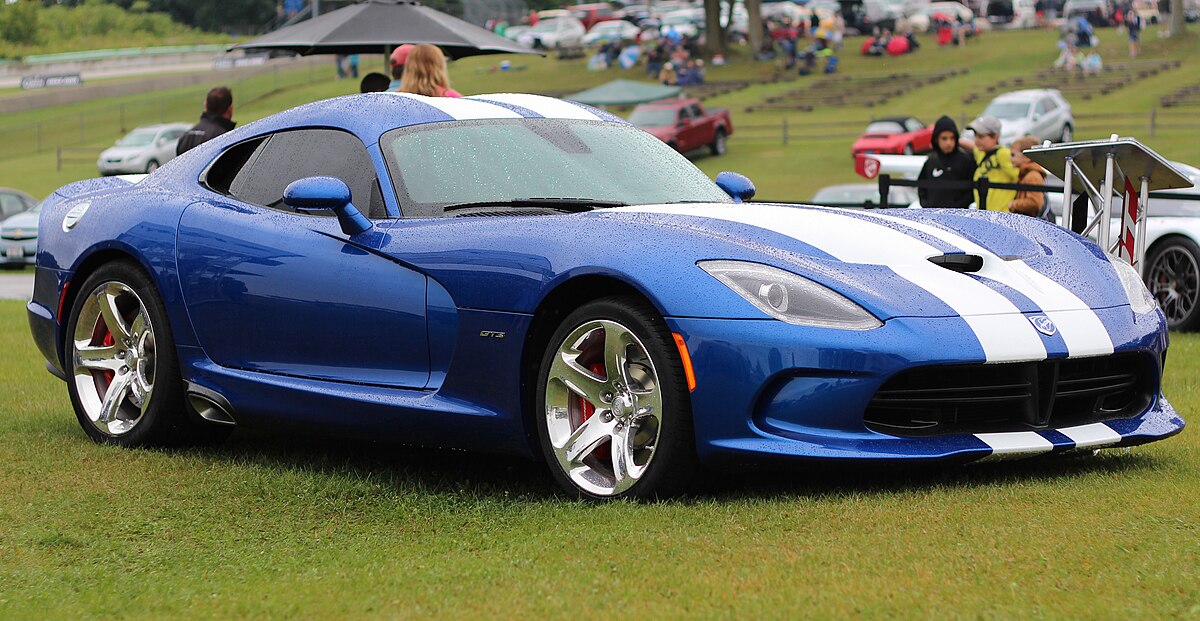
5. Dodge Viper RT 10
The Dodge Viper RT 10 is the embodiment of American performance philosophy during the 1990s, prioritizing raw power and simplicity over refinement or luxury. Introduced in the early 1990s, it immediately stood out for its enormous V10 engine, minimalistic interior, and distinctive road presence.
The V10 engine is the defining feature of the RT 10, delivering immense torque and power that feel almost untamable at first. Acceleration is forceful, and the car responds instantly to throttle inputs, creating a thrilling but sometimes intimidating experience.
Early models came without traction control or stability aids, requiring the driver to manage the power themselves. While this can be challenging, it reinforces the car’s character as a no nonsense, driver-focused machine. Learning to control a Viper RT 10 teaches patience and skill, rewarding those willing to respect its abilities with a profoundly satisfying driving experience.
Inside, the Viper prioritizes function over comfort. The interior is sparse, with basic seats, straightforward controls, and limited amenities. Noise, vibration, and heat are present in abundance, but these are features rather than flaws, emphasizing the visceral nature of the driving experience.
Unlike European supercars that sometimes feel remote, the RT 10 ensures that every sense is engaged during operation. Visibility is good, ergonomics are simple, and the minimalist layout keeps the focus firmly on the road and the engine rather than unnecessary distractions.
Pricing in 2025 has positioned early Viper RT 10 models as one of the most accessible 1990s supercars, particularly given their performance capabilities. Maintenance is relatively straightforward compared to high-end European counterparts, and parts availability remains strong.
For buyers seeking an unfiltered supercar experience without the complexity of modern electronics or the cost of European exotic ownership, the Viper RT 10 offers an authentic, memorable, and extremely rewarding option. Its combination of raw power, simplicity, and personality ensures it remains a standout in the classic supercar market.
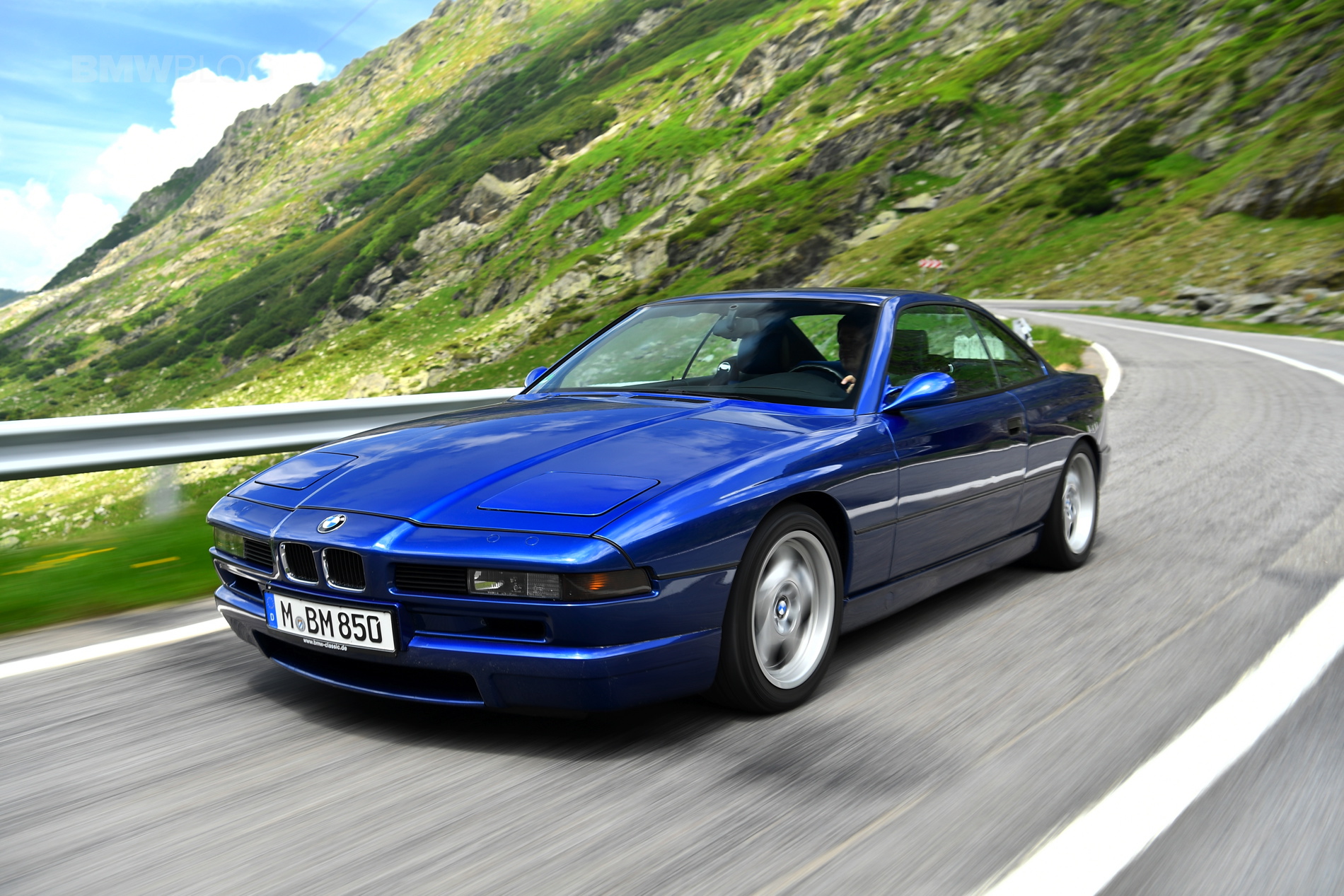
6. BMW 850CSi
The BMW 850CSi was the pinnacle of the E31 8 Series lineup, representing BMW’s attempt to combine supercar performance with grand touring comfort. Produced in limited numbers, it offered a sophisticated alternative to more flamboyant exotics.
At the heart of the 850CSi lies a naturally aspirated V12 engine producing smooth, linear power across a broad rev range. Unlike turbocharged rivals that can feel abrupt or peaky, the V12 delivers a sense of effortless speed, making highway cruising, long road trips, and spirited canyon runs equally satisfying.
Its chassis was engineered with care, offering precise handling while maintaining the comfort expected from a grand tourer. The balance between the engine, suspension, and weight distribution allows drivers to exploit its capabilities without feeling overwhelmed, creating a versatile performance experience. The 850CSi demonstrates that a supercar need not be uncompromising to be thrilling.
Inside, the 850CSi offers a level of refinement rarely found in contemporary supercars. High-quality leather, well-finished surfaces, and supportive ergonomically designed seats ensure comfort even on long drives. Controls are logically arranged, emphasizing intuitive operation and driver focus.
Unlike Italian exotics that often prioritized drama over usability, the 850CSi blends luxury and performance seamlessly. The interior is a reminder that a 1990s supercar could offer both excitement and refinement, providing a driving environment that still feels modern in 2025.
Market values for the 850CSi remain more accessible than many of its performance contemporaries, despite its rarity and status as the top-of-the-line 8 Series. While maintenance can be expensive due to the complexity of the V12, parts are generally available through specialists and BMW networks, and many cars have been carefully preserved.
For enthusiasts seeking a grand touring experience with true supercar performance, the 850CSi offers a unique proposition: it delivers prestige, power, and usability in a package that can still be appreciated every day without the intimidation factor of more extreme exotics.
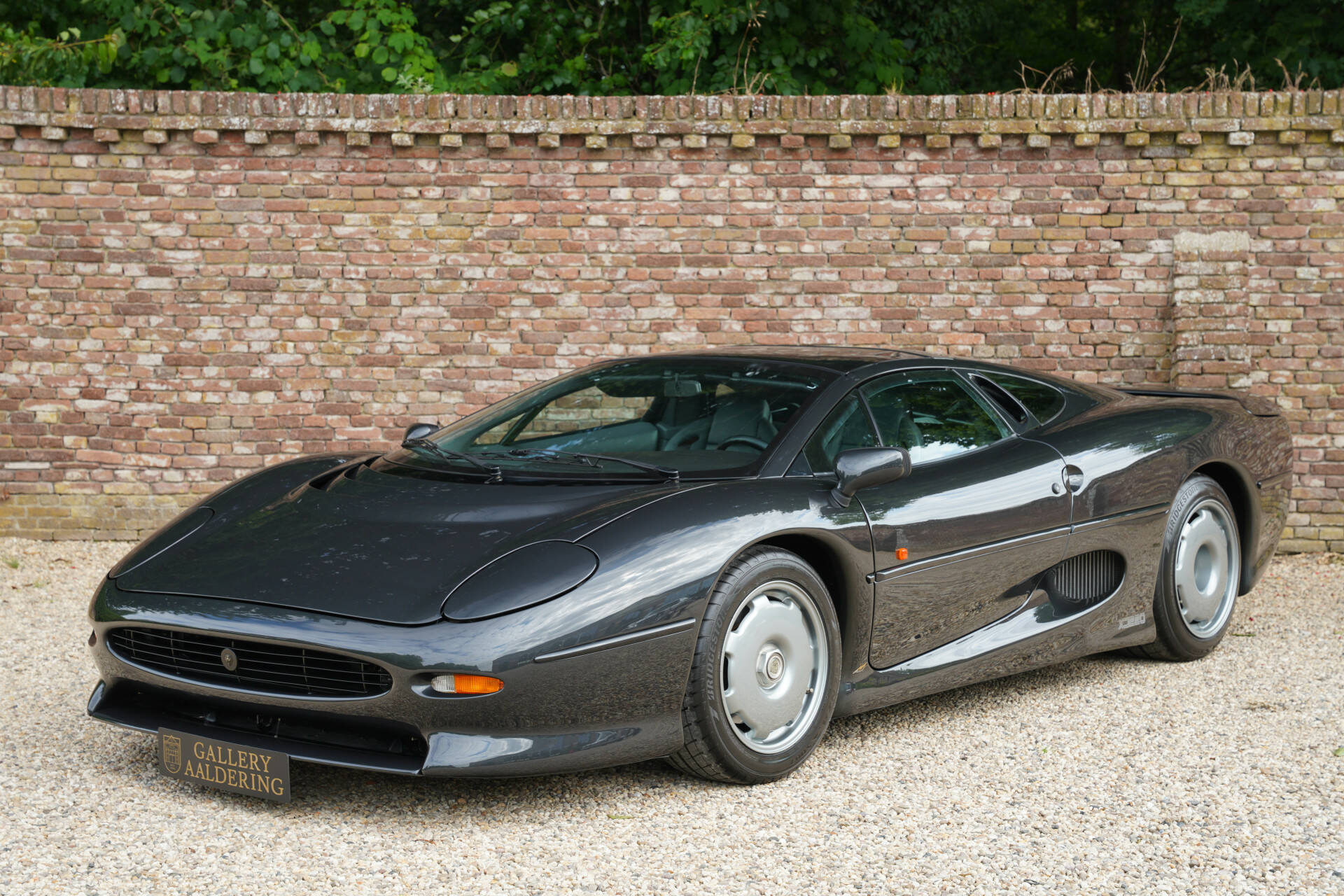
7. Jaguar XJ220
The Jaguar XJ220 was an ambitious project that aimed to position Jaguar as a leader in the supercar segment, and it succeeded in producing one of the fastest production cars of its era. Introduced in the early 1990s, it combined aerodynamic efficiency, lightweight construction, and advanced engineering to achieve its remarkable performance.
The car’s low, flowing body was designed to minimize drag while retaining elegance, creating a silhouette that remains striking decades later. While initial reactions were mixed due to deviations from the original concept, the XJ220 has since been recognized for its engineering achievements and contribution to Jaguar’s performance heritage, making it a compelling option for 2025 buyers seeking a rare and historically significant car.
Under the rear deck, the twin turbocharged V6 engine produces astonishing power for its size, delivering exhilarating straight-line performance. Unlike naturally aspirated rivals, the XJ220 emphasizes speed and stability rather than high revving theatrics.
Handling characteristics focus on composure at velocity, with a chassis designed to remain stable even as the car reaches its upper speed limits. Steering feedback is measured, allowing confidence-inspiring control rather than extreme responsiveness, making the car suitable for those willing to embrace its distinct driving dynamics. In 2025, the XJ220 offers an experience that balances historic significance with genuine performance, rewarding drivers who appreciate engineering sophistication.
The interior of the XJ220 blends minimalism with luxury, prioritizing driver comfort and function. The cabin is equipped with supportive seating, intuitive controls, and enough refinement for longer journeys without sacrificing performance focus.
Unlike some supercars that place extreme emphasis on style at the expense of practicality, the XJ220 maintains a sense of balance that complements its high-speed capabilities. Materials have generally aged well, and the driver’s environment reflects Jaguar’s attention to both performance and usability, providing an engaging and comfortable cockpit.
In the market, the XJ220 has become more accessible compared to other limited production supercars, particularly given its historical importance and speed credentials.
While maintenance requires specialist knowledge due to its complex turbocharged engine and unique construction, the rewards include owning one of the fastest cars of its era with a distinctive character that stands out in any collection.
For enthusiasts who value a rare, high-performance car with historical significance and a unique design identity, the XJ220 remains a compelling choice.
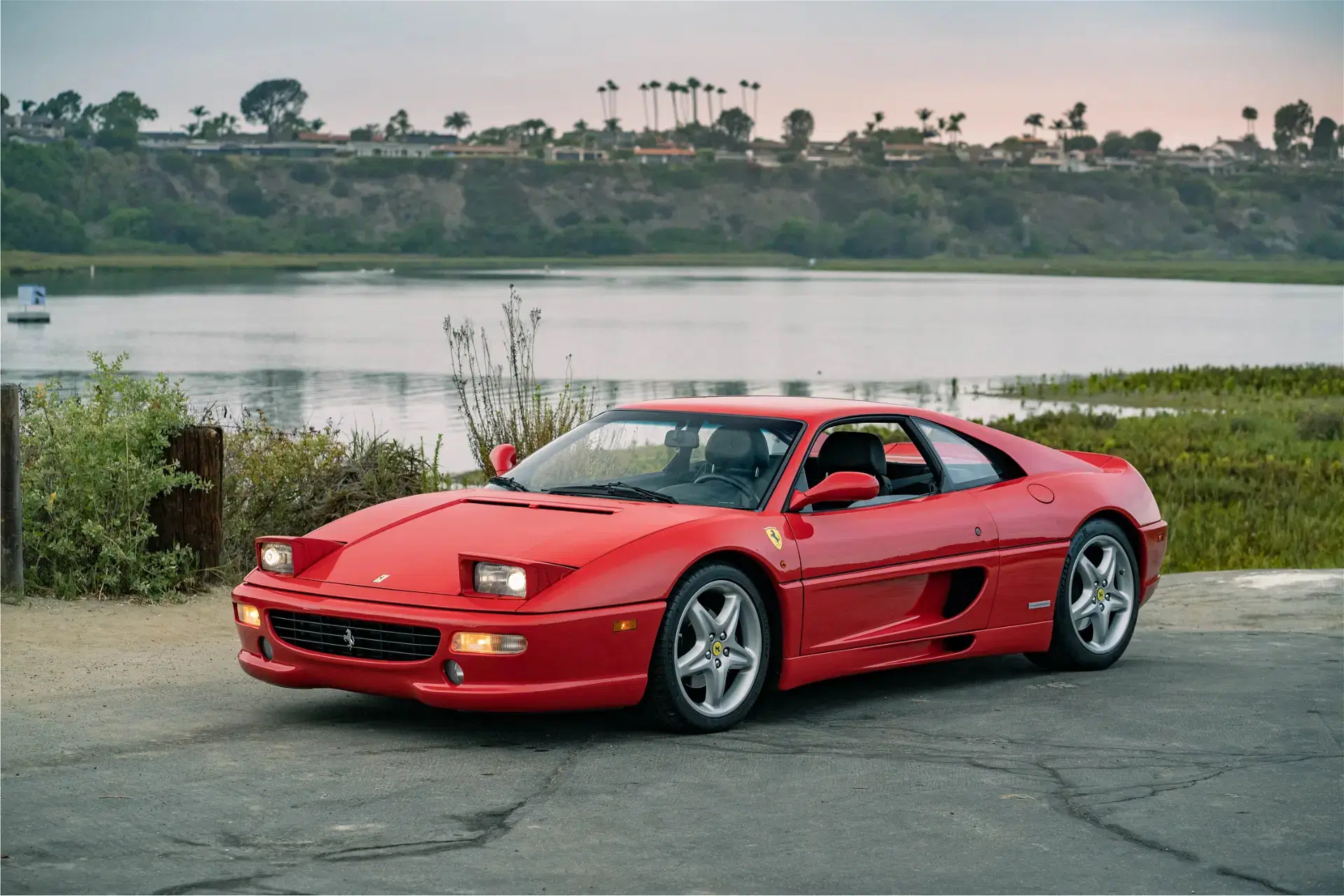
8. Ferrari F355
The Ferrari F355 represents one of the most refined and celebrated V8 models of the 1990s, offering an exceptional combination of performance, sound, and driving enjoyment. Its exterior design, crafted by Pininfarina, achieved a perfect balance between aggression and elegance, with sculpted lines, flared arches, and a distinctive rear end.
The F355 was a benchmark in its time for both aesthetics and technical advancement, incorporating improved aerodynamics, chassis stiffness, and suspension design. Its composition gives it a timeless quality that continues to attract enthusiasts in 2025, making it one of the most desirable and accessible Ferraris from the decade.
At the heart of the F355 is a naturally aspirated V8 engine that encourages high-rev driving and delivers a distinctive, mechanical exhaust note that is iconic in the Ferrari lineage. The car’s handling is precise and communicative, with a chassis that rewards skilled inputs and a suspension setup that balances compliance with agility.
The gated manual transmission provides a tactile and satisfying experience, connecting the driver to the machine in a way that remains rare in modern vehicles. Driving the F355 feels immediate and rewarding, allowing the driver to explore the full range of its performance without the interference of intrusive electronic aids.
The interior of the F355 combines functionality with Ferrari flair, offering improved ergonomics compared to earlier models. Controls are thoughtfully arranged, instrumentation is clear, and seating positions support spirited driving.
While it does not reach the luxury levels of grand tourers, it balances comfort with performance focus, allowing drivers to enjoy longer journeys without fatigue. Materials have aged gracefully, and the cockpit retains the analog feel that appeals to purists, reinforcing the F355’s reputation as one of the most engaging and satisfying Ferraris to drive.
In terms of market positioning, the F355 remains one of the more attainable classic Ferraris, particularly relative to later models such as the 360 or F430. Maintenance is well understood by specialists, and parts availability has improved, making ownership manageable for those who plan accordingly.
Its combination of iconic styling, exhilarating performance, and accessible pricing makes the F355 an ideal entry point into Ferrari ownership, offering the chance to experience one of the most celebrated V8 supercars of the 1990s without the prohibitive costs associated with rarer models.
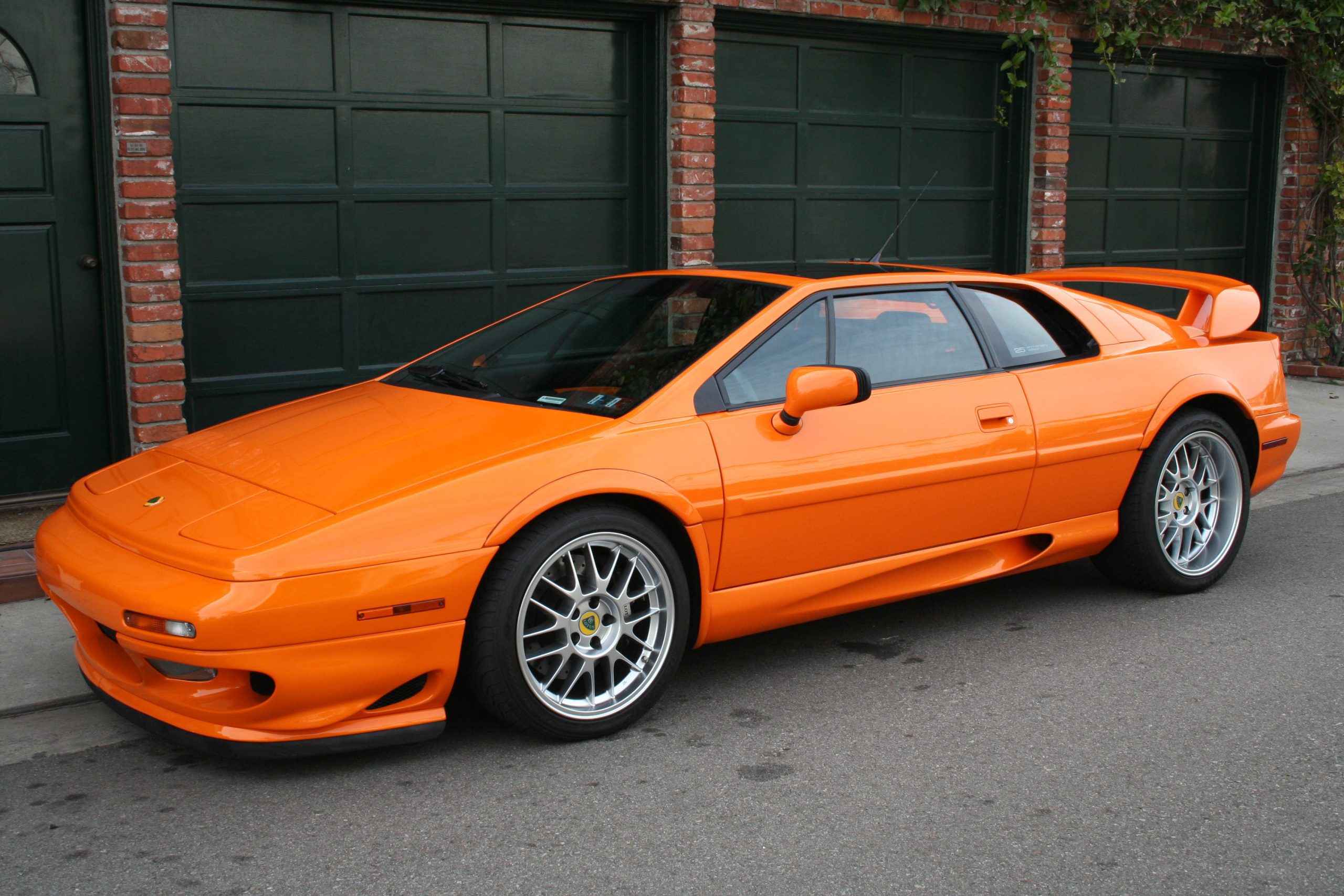
9. Lotus Esprit V8
The Lotus Esprit V8 represents a significant evolution in the Esprit lineage, demonstrating Lotus’s ability to combine lightweight engineering principles with high-performance powertrains. Produced during the late 1990s, the Esprit V8 adopted a twin-turbocharged V8 engine, dramatically increasing performance compared to naturally aspirated predecessors.
Its angular and purposeful design maintained the Esprit’s distinctive identity while subtly refining aerodynamics for higher speeds and improved handling. In 2025, the Esprit V8 remains a unique choice for enthusiasts seeking a British supercar that emphasizes agility, driver involvement, and engineering creativity rather than outright showmanship.
Performance in the Esprit V8 is characterized by nimble handling, precise steering, and the ability to corner with exceptional composure. Despite its relatively modest horsepower compared to Italian rivals, the car’s lightweight construction allows it to punch above its weight, delivering an experience focused on finesse and driver skill.
The twin-turbo engine offers strong acceleration and an engaging response, particularly when explored at higher RPMs. Its chassis balance, combined with sharp turning response, rewards those who prioritize handling and connectivity over raw straight-line speed, reinforcing Lotus’s long-standing philosophy of driving purity.
Inside, the Esprit V8 cabin remains functional and driver-focused. Seating positions are low, visibility is good, and controls are straightforward, reflecting Lotus’s emphasis on engagement over luxury. Materials and fitment have improved compared to earlier models, though the interior still prioritizes weight savings and performance.
Unlike many European exotics, which often overwhelm the driver with complexity, the Esprit provides an intimate connection between occupant and machine, emphasizing control and feedback. This ensures that every drive feels purposeful and connected.
Market values for the Esprit V8 remain more accessible than many contemporary Italian or German supercars, making it a rare British performance alternative for enthusiasts seeking involvement and style.
Maintenance requires specialized knowledge, particularly for the turbocharged engine and complex suspension, but the rewards include one of the most rewarding and communicative supercars of its era. For 2025 buyers who value handling, light weight, and unique British character, the Esprit V8 offers an exceptional combination of performance, individuality, and legacy.
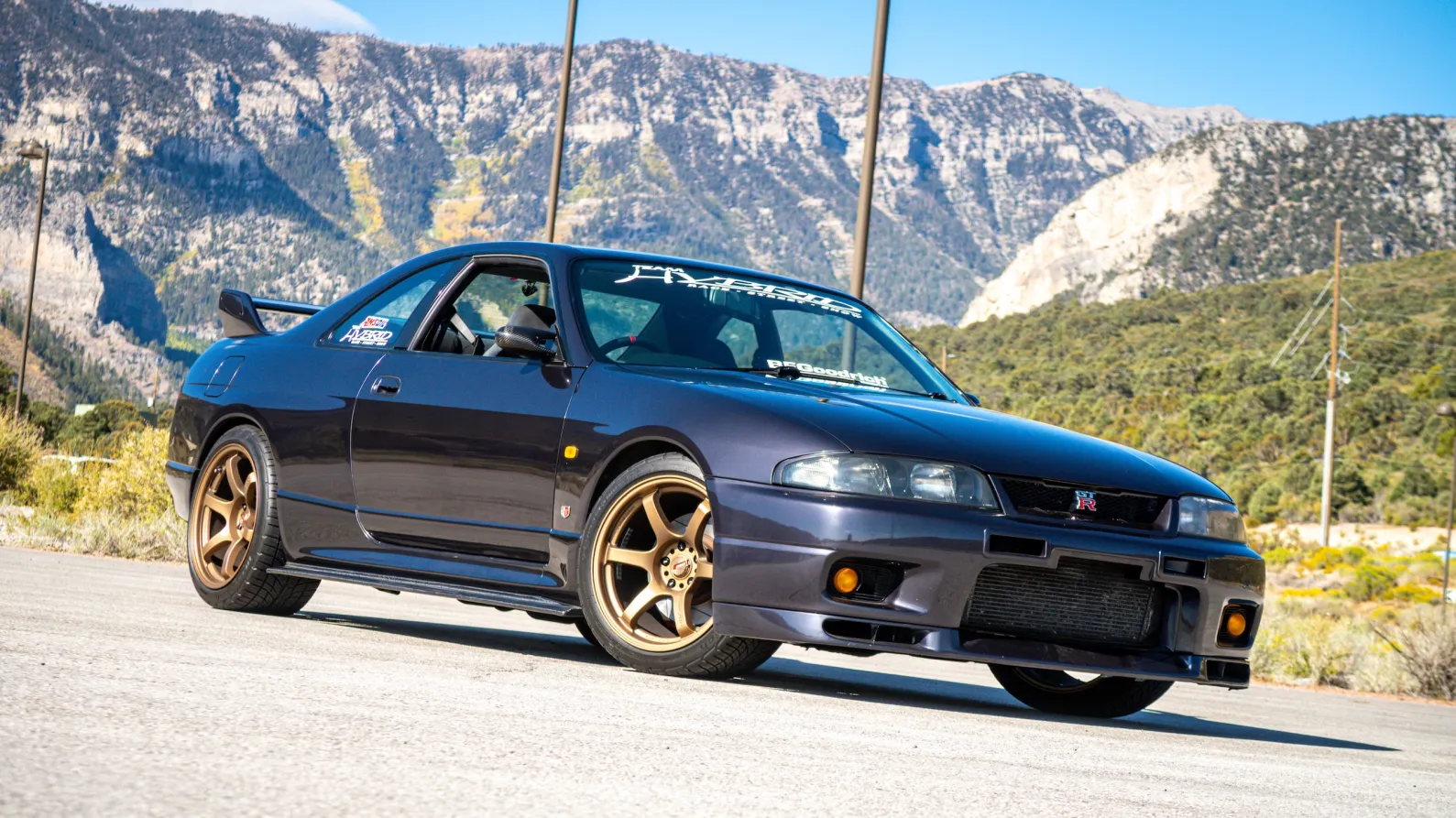
10. Nissan GT R R33
The Nissan GT R R33 is a landmark in Japanese performance engineering, building on the success of the R32 GT R to create a car that excelled in both daily usability and track capability. Introduced in the mid-1990s, it combined twin-turbocharged power, advanced all-wheel-drive technology, and sophisticated aerodynamics to create a supercar that could challenge European competitors while remaining practical for everyday use.
Its understated styling belied the technological sophistication beneath the surface, giving it a subtle presence that contrasted with the flamboyance of Italian or British exotics. In 2025, the R33 offers buyers a performance package that blends reliability, usability, and historical significance.
Inside, the R33 GT R emphasizes practicality without sacrificing driver focus. The interior is simple, durable, and functional, offering intuitive controls and a comfortable seating position. Unlike many European supercars, it is easy to live with on a daily basis, making longer drives and everyday use feasible.
Materials have held up well over time, and the cockpit design emphasizes usability and engagement, giving drivers the information and control necessary to extract the car’s performance.
In terms of market availability, the R33 remains one of the most affordable ways to access genuine supercar performance from the 1990s. Its reputation for reliability, ease of maintenance, and strong enthusiast support make ownership less stressful than European counterparts.
For buyers seeking a technologically advanced, fast, and practical supercar with historical significance, the R33 GT R offers a unique proposition, combining performance, usability, and cultural importance in a package that continues to resonate in 2025.
