
Choosing a car for daily use in a place like Lynchburg is rarely just about looks or brand names. It comes down to practicality, long-term cost, reliability, and how well a vehicle fits into everyday routines such as commuting, errands, school drop-offs, and occasional weekend trips.
Lynchburg drivers deal with a mix of city streets, hills, changing weather, and steady stop-and-go traffic. These conditions can either reward smart vehicle choices or quietly punish poor ones through fuel costs, maintenance surprises, and repair bills that grow month after month.
Many people assume that a newer or more expensive car automatically means fewer problems, but that belief does not always hold up once real-world use begins.
Some vehicles are engineered with simplicity and durability in mind, while others prioritize performance, luxury features, or complex technology that can become costly over time. Insurance rates, fuel efficiency, part availability, and mechanical design all play a role in whether a car remains affordable or slowly drains a budget.
This article separates ten commonly recognized vehicle types into two clear categories. The first group includes five cars that generally make sense for daily use in Lynchburg. These vehicles tend to offer solid reliability, manageable maintenance costs, and practical ownership experiences.
They are the kinds of cars that blend into daily life without demanding constant attention or financial sacrifice. The second group focuses on five cars that often rack up bills over time. These vehicles may look appealing, drive impressively, or carry prestige, but they frequently bring higher fuel costs, complex repairs, and expensive upkeep that can strain owners who rely on them every day.
The goal here is not to criticize specific brands or glorify others, but to highlight patterns that many drivers experience after years of ownership.
Understanding these patterns can help current and future car owners make informed decisions that align with daily needs rather than short-term excitement. Whether buying new, used, or planning a long-term vehicle strategy, knowing what tends to work well and what often becomes costly can make a meaningful difference.
5 Cars for Lynchburg Daily Use
Toyota Corolla
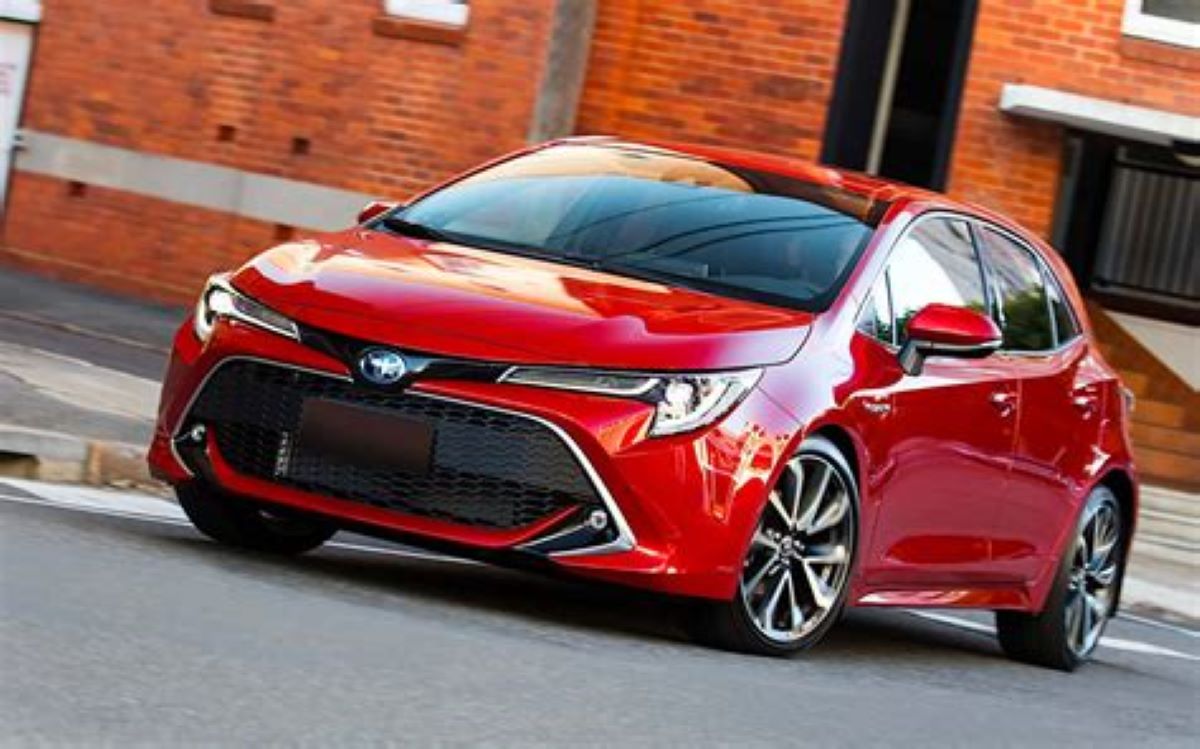
The Toyota Corolla has earned a reputation as a dependable daily vehicle largely because of its straightforward engineering and conservative design philosophy. Its drivetrain is designed for efficiency rather than excitement, which reduces stress on components over time and allows for consistent performance even after years of frequent use.
In Lynchburg, where drivers navigate a combination of city streets, rolling hills, and occasional rural roads, this reliability proves crucial. Drivers can expect minimal surprises, from predictable handling to fewer mechanical quirks, making the Corolla a car that blends into daily routines without requiring constant attention.
Its long track record of consistent performance has made it a favorite among students, families, and professionals alike, ensuring that owners can rely on it for commuting, errands, and weekend travel without the anxiety of unexpected breakdowns.
Fuel efficiency is another reason the Corolla fits daily routines well, providing a tangible benefit for anyone concerned about the cost of daily commuting. On typical city routes, the Corolla maintains impressive mileage, reducing the number of trips to the gas station and allowing drivers to plan their budgets more confidently.
Its engines generally run on regular fuel, which avoids the added expense of premium grades and ensures that minor fluctuations in fuel prices do not heavily impact monthly costs.
In addition, the Corolla’s consistent fuel consumption during both short trips and longer drives supports predictable operating expenses, which is particularly important for households managing multiple vehicles or for individuals who must rely on a single car for daily responsibilities.
Maintenance on the Corolla tends to be simple and widely understood by local mechanics, which is another major advantage for daily use. Common tasks such as oil changes, brake servicing, and tire rotations are straightforward, and the frequency of repairs beyond routine maintenance is lower compared to many other vehicles.
Replacement parts are widely available and relatively inexpensive, which helps owners avoid the stress of dealing with rare components or long lead times for repairs. Over several years, this ease of maintenance translates into lower total ownership costs and fewer interruptions to daily routines.
For drivers who rely on their car for commuting to work or transporting family members, this predictability is invaluable and fosters confidence in the vehicle’s long-term performance.
The interior design of the Corolla also supports daily comfort and practicality. While it may not offer the luxurious touches found in high-end sedans, its layout is functional and user-friendly, with intuitive controls, clear instrumentation, and comfortable seating.
Visibility from the driver’s seat is strong, making city driving and parking in tight spaces more manageable. Storage compartments, trunk space, and passenger accommodations are sufficient for groceries, backpacks, or weekend luggage, allowing owners to carry daily essentials without hassle.
When combined with a smooth ride, dependable handling, and minimal noise, the Corolla’s interior design reinforces its role as a low-stress, reliable vehicle that supports the practical demands of daily life.
Honda Civic
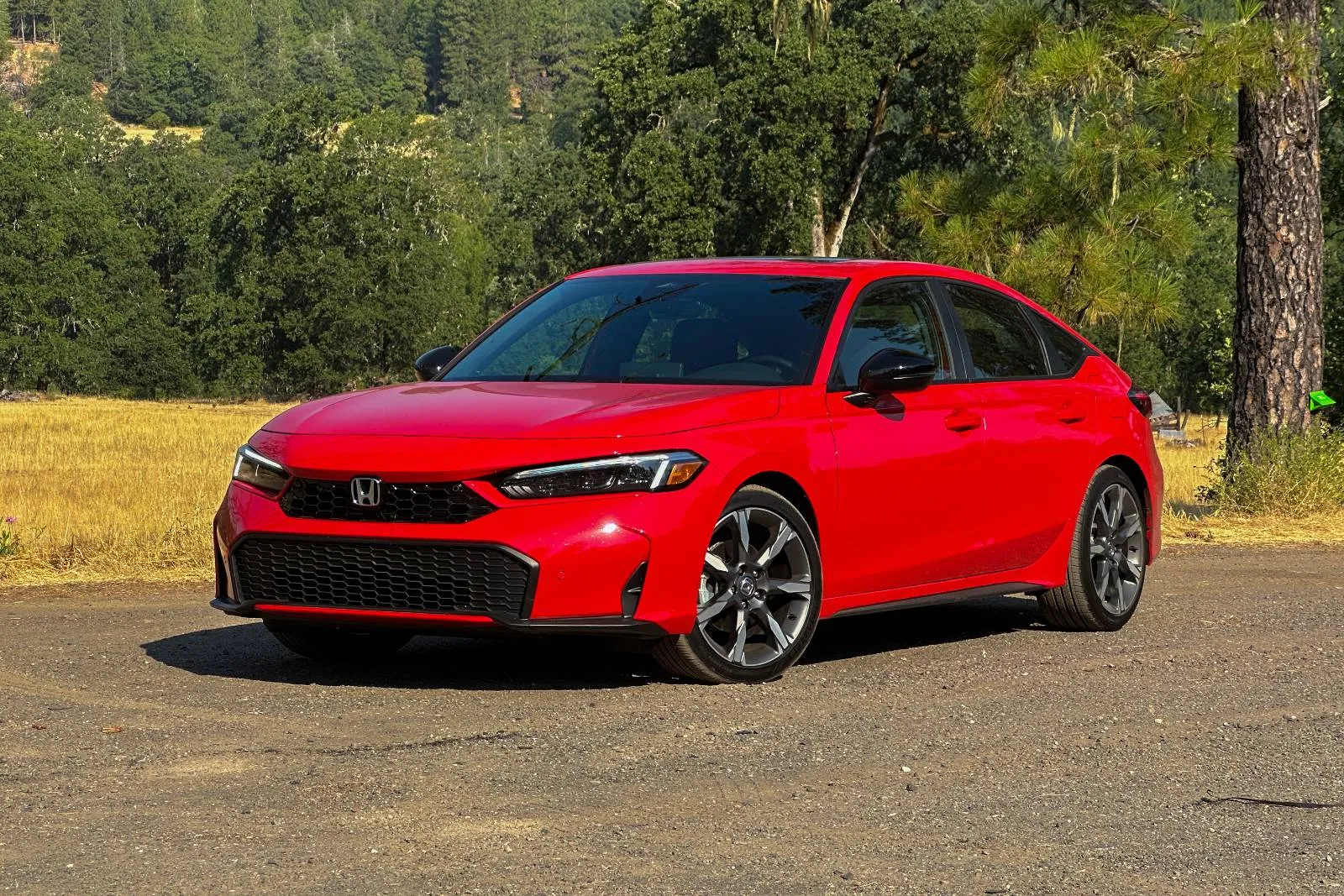
The Honda Civic continues to appeal to daily drivers due to its combination of efficiency, longevity, and slightly more engaging driving dynamics than some of its peers. Its engines are designed to last for many years when properly maintained, and the transmissions handle frequent city stop-and-go traffic with minimal issues.
In Lynchburg, where roads range from tight downtown streets to hilly suburban routes, this balance of durability and performance makes the Civic a practical choice. Its reputation for reliability is well-earned, and many owners report that their vehicles remain trouble-free well beyond 150,000 miles, a testament to the quality of its engineering and the simplicity of its design.
Fuel economy is one of the Civic’s strongest selling points, allowing drivers to manage daily costs with confidence. Even in older models, the Civic can maintain respectable mileage, making it suitable for both short commutes and longer weekend trips without requiring frequent refueling.
Its engines are generally compatible with standard fuel, avoiding the additional expense and hassle associated with premium gasoline. For those driving in mixed traffic conditions, this efficiency translates into predictable monthly expenditures, which is especially useful for families or professionals who rely on their vehicle every day.
Furthermore, its balanced power output allows drivers to navigate hills and highways smoothly without excessive fuel consumption, reinforcing its practical advantages.
Maintenance and repair costs for the Civic tend to stay reasonable thanks to the widespread availability of parts and a large network of knowledgeable mechanics. Independent repair shops are familiar with the Civic’s components, which reduces labor costs and speeds up repair times.
Many routine issues are easily diagnosed and fixed without specialized tools, keeping costs low and minimizing disruptions to daily routines. Owners also benefit from the Civic’s reputation for mechanical simplicity, which helps prevent minor problems from escalating into more expensive repairs. This combination of reliability and affordability makes the Civic a smart choice for drivers seeking a vehicle that is both economical and dependable over the long term.
Comfort and usability add to the Civic’s appeal for daily drivers. The cabin is spacious enough to accommodate passengers comfortably, and its cargo area handles groceries, work materials, or luggage efficiently. Suspension and steering are tuned to provide a smooth ride on uneven pavement, while also maintaining sufficient feedback for confident handling.
Noise insulation is generally good, reducing fatigue on longer drives or during heavy traffic. Controls are logically arranged, and visibility is strong, supporting safer driving in urban or suburban settings. The Civic strikes a practical balance between comfort, efficiency, and reliability, making it an excellent companion for everyday driving.
Toyota Camry
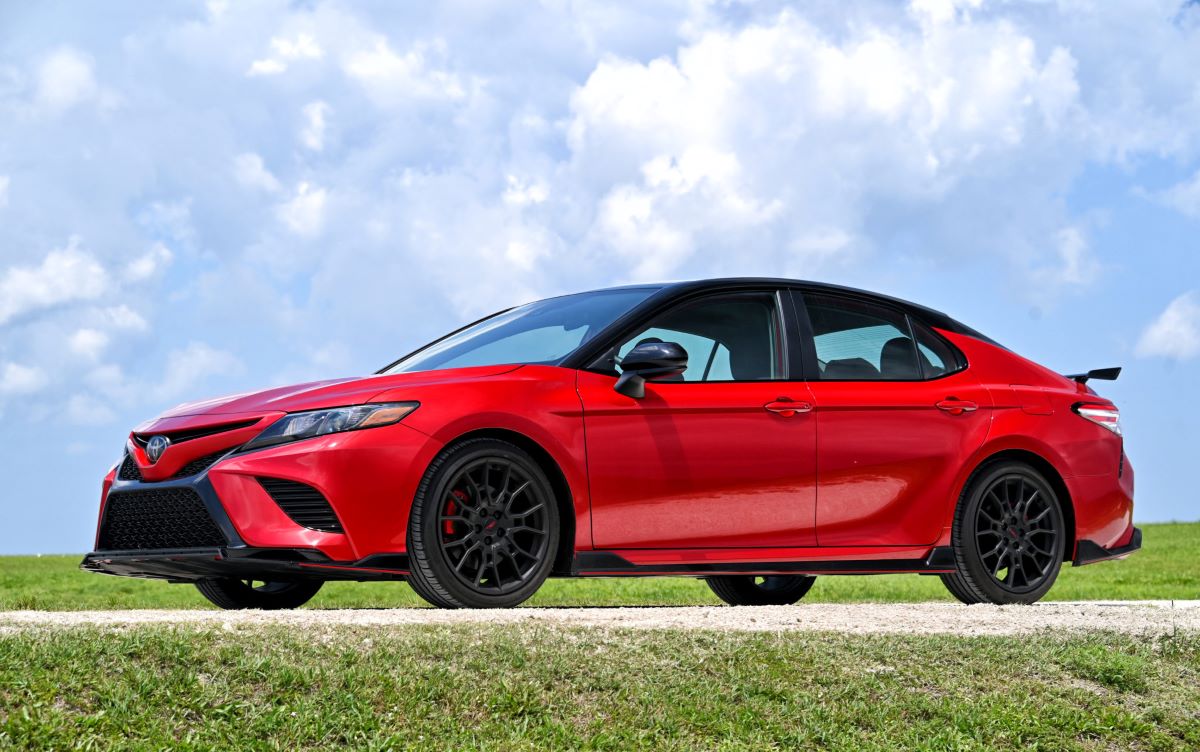
The Toyota Camry offers a slightly larger vehicle footprint than the Corolla while maintaining the reliability and efficiency that daily drivers need. Its engines are robust and durable, designed to withstand the demands of frequent commuting and occasional longer trips without frequent breakdowns.
Families and professionals in Lynchburg appreciate the Camry’s ability to handle city streets, highways, and varying terrain with ease. Many owners report that their Camrys continue running smoothly for well over a decade when proper maintenance schedules are followed, making it a dependable long-term investment for drivers who prioritize consistency and reliability in their daily transportation.
Fuel efficiency remains competitive for a midsize sedan, and the Camry provides a practical balance of power and economy. The engine delivers sufficient acceleration for merging onto highways or overtaking slower traffic while maintaining respectable fuel consumption rates.
This balance is crucial for drivers who commute regularly, as it reduces transportation costs. Additionally, Camry models designed with economy in mind maintain fuel efficiency without sacrificing performance, allowing drivers to enjoy a smooth, confident driving experience without feeling penalized at the gas pump. Over time, this efficiency contributes to lower operating costs and predictable monthly budgets.
Maintenance costs for the Camry are generally predictable and manageable. Routine services such as oil changes, brake inspections, and tire rotations are straightforward, and replacement parts are widely available. Because many components are shared across Toyota models, repair costs are often lower than similar-sized sedans from other brands.
Major repairs are relatively uncommon when recommended maintenance schedules are followed, further enhancing its appeal for daily use. For drivers who prioritize consistency and financial predictability, the Camry’s combination of mechanical reliability and moderate maintenance costs makes it a strong candidate for long-term ownership.
Interior comfort and convenience support the Camry’s daily usability. The cabin provides ample legroom and headroom for passengers, making longer trips less tiring and more enjoyable. Seats are supportive and comfortable, even during extended commutes or weekend drives.
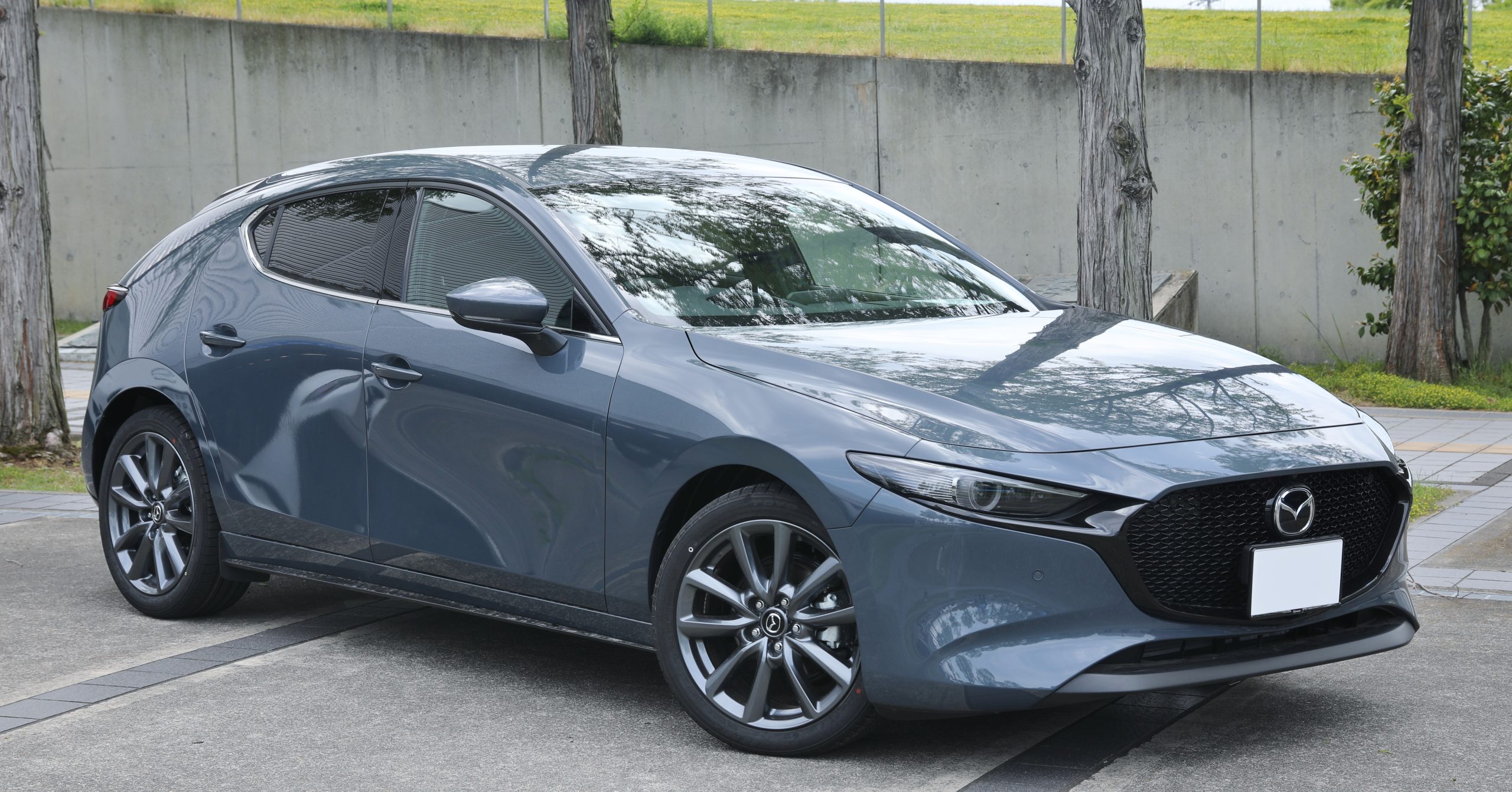
Mazda3
The Mazda3 combines practicality with a more engaging driving experience than many compact sedans, offering both efficiency and responsiveness. Its engines are tuned to provide smooth acceleration and reliable performance without placing unnecessary strain on mechanical components.
For Lynchburg drivers, this balance allows for confident handling on city streets, suburban routes, and occasional highway travel. The Mazda3 appeals to those who want a practical vehicle without sacrificing the enjoyment of driving, creating a versatile option for daily transportation that is both dependable and enjoyable.
Fuel economy remains a strong advantage of the Mazda3, particularly in non-turbocharged versions. Daily commuting, errands, and longer weekend trips can be managed with minimal stops at the gas station, making it easier to budget for transportation costs.
The vehicle performs reliably in varied conditions, from traffic-heavy streets to open highways, which enhances convenience for drivers who use their car every day. Even in older models, Mazda3 engines maintain respectable efficiency, demonstrating the brand’s focus on both reliability and practicality for daily ownership.
Maintenance costs are generally moderate for the Mazda3, thanks to simple yet durable engineering. While some parts may cost slightly more than mainstream competitors, the reliability and limited frequency of major repairs help offset these expenses.
The interior design and ergonomics of the Mazda3 enhance daily comfort and usability. The cabin feels well put together, with intuitive controls and quality materials that reduce the sense of wear over time. Seating is supportive, and driver visibility is generally excellent, which increases confidence in urban or suburban driving situations.
Cargo space is sufficient for everyday needs, whether it involves groceries, sports equipment, or work-related items. Combined with its smooth ride quality and responsive handling, the Mazda3 offers a daily driving experience that is both practical and satisfying, reinforcing its suitability for drivers who need a reliable, efficient, and enjoyable vehicle.
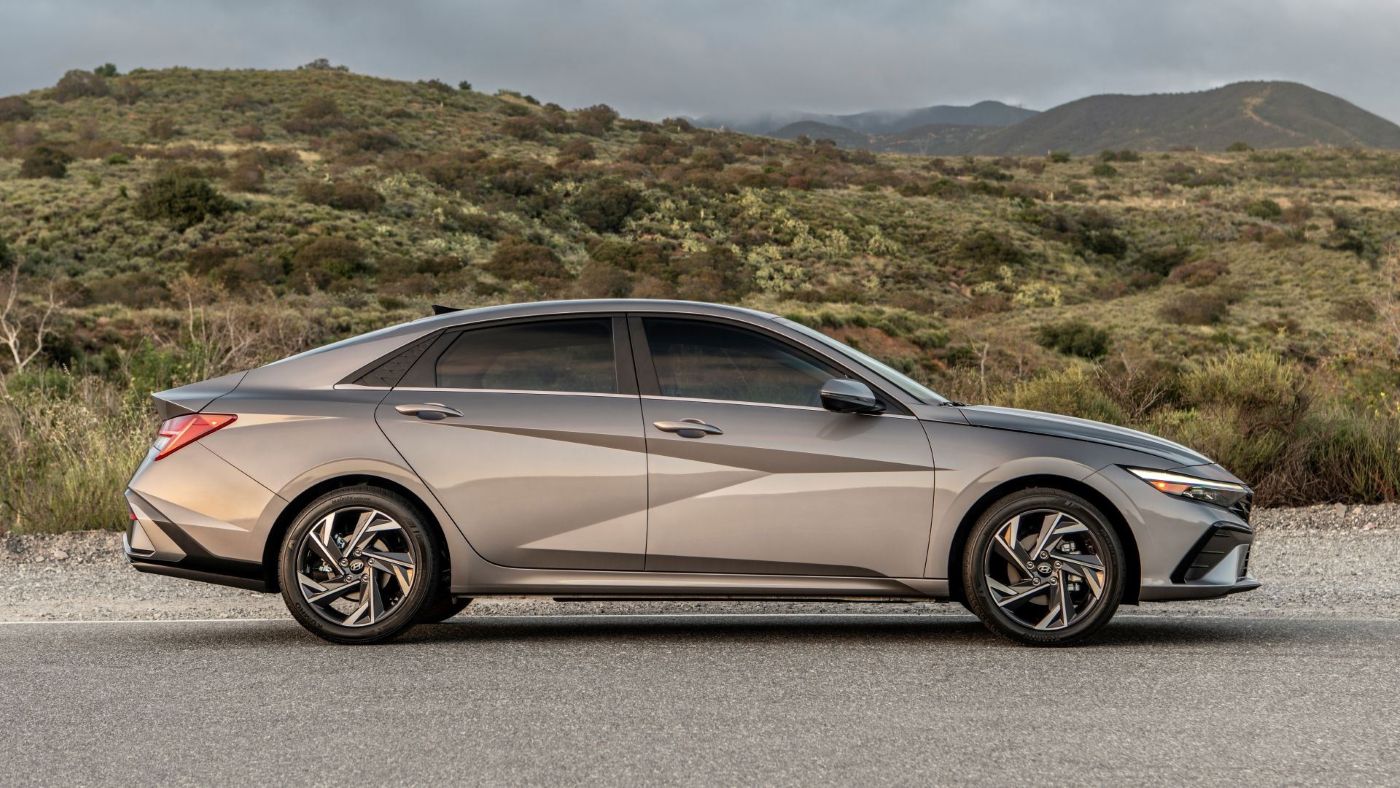
Hyundai Elantra
The Hyundai Elantra is recognized for offering modern features and a well-rounded driving experience while remaining cost-effective for daily use. Its engines are designed to prioritize efficiency and smooth operation, reducing mechanical strain during frequent commutes or city driving.
For drivers in Lynchburg who encounter traffic congestion, rolling hills, and occasional highway travel, this reliability helps ensure that daily transportation remains consistent and stress free. The Elantra’s design emphasizes balance, giving drivers confidence that the car will continue performing reliably even with frequent use.
Fuel efficiency is a consistent advantage of the Elantra, allowing drivers to save money on gas while maintaining convenience for daily routines. It performs well in urban traffic and on open roads alike, reducing the frequency of fuel stops and providing predictable fuel consumption.
The engine’s efficiency also reduces environmental impact, which may be a consideration for drivers conscious of sustainability or long-term resource costs. By keeping fuel expenses predictable, the Elantra helps owners manage monthly budgets without surprises.
The ride quality is generally smooth and controlled, absorbing uneven road surfaces while maintaining handling stability. The Hyundai Elantra combines efficiency, affordability, and practicality, making it a smart choice for drivers who need a reliable vehicle for everyday use.
5 That Racks Up Bills

BMW 5 Series
The BMW 5 Series is widely recognized for its performance, prestige, and luxurious features, but these strengths come with significant long-term financial implications. Its engines are often highly sophisticated, incorporating turbocharging, advanced fuel injection, and electronic management systems designed to maximize performance.
While these technologies enhance driving dynamics, they also increase the likelihood of mechanical issues as the vehicle ages. Regular city commuting, stop-and-go traffic, and frequent highway use place constant stress on the drivetrain and engine components, which can lead to costly repairs if maintenance schedules are not followed meticulously.
Owners who attempt to rely on the 5 Series for everyday use may find themselves facing repeated service visits that are both expensive and time-consuming.
Fuel costs for the BMW 5 Series tend to be higher than average, particularly in models equipped with larger engines or performance packages. Many variants require premium fuel, which adds to the regular expense of ownership. In addition, the engine’s tendency to consume more fuel under normal city driving conditions means that drivers can expect significant monthly expenditures for gasoline.
Even when accounting for the car’s impressive efficiency on highways, daily urban use frequently erodes any potential savings, making this vehicle less practical for drivers who prioritize cost-effectiveness and reliability. The combination of high-performance engineering and fuel requirements often surprises first-time owners who underestimate the ongoing operating expenses.
While the BMW 5 Series delivers excellent driving comfort and performance, the very features that enhance the experience also create long-term challenges. Luxury interior components, adaptive suspension systems, and advanced driver assistance technologies may function flawlessly when new but are prone to wear and failure over time.
Electrical malfunctions in controls, sensors, or infotainment systems are relatively common and typically require expensive replacements. For daily drivers in Lynchburg who need consistent and worry-free transportation, these high maintenance demands, combined with fuel and repair costs, make the BMW 5 Series a vehicle that frequently generates bills rather than savings.
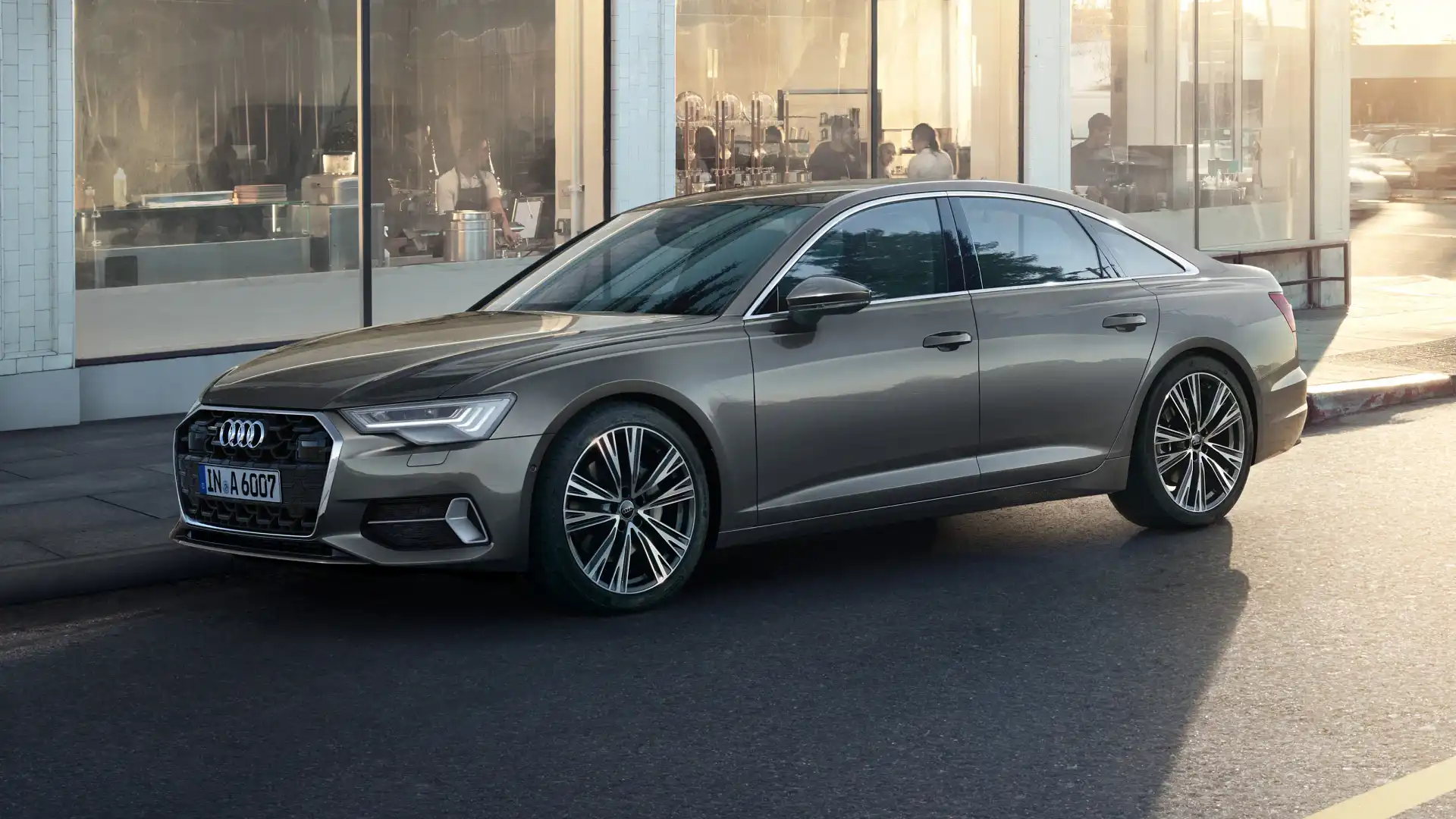
Audi A6
The Audi A6 is celebrated for its sophisticated styling, comfortable cabin, and cutting-edge technology, but its complexity often translates into significant ownership expenses. Its engines, often turbocharged and paired with advanced transmissions, demand careful maintenance to avoid costly breakdowns.
Electronic systems controlling stability, adaptive suspension, and infotainment further increase the likelihood of expensive repairs as the vehicle ages. For daily drivers in Lynchburg, this can lead to frustration when routine commuting turns into multiple trips to the repair shop or unexpected downtime due to malfunctioning components.
While the driving experience is engaging and smooth, it comes with a long-term financial commitment that is frequently underestimated.
Repair and maintenance expenses for the A6 can be substantial due to the intricate engineering and limited parts availability. Its tightly packed engine bay, sophisticated electronics, and all-wheel-drive systems often require extended labor hours, which significantly raises service costs.
While the A6 provides a luxurious interior and smooth driving experience, these features come with hidden costs that increase with age. Infotainment systems, sensors, electronic control modules, and adaptive components are prone to failure after prolonged use, and repairs often require specialized diagnostic tools.
Owners may find that the very features that make the car enjoyable, such as power-adjustable seats, automatic climate control, and navigation systems, gradually turn into sources of expense. For daily use, the Audi A6 is a car that impresses on the road but consistently tests owners financially, particularly when compared to simpler, more practical vehicles.
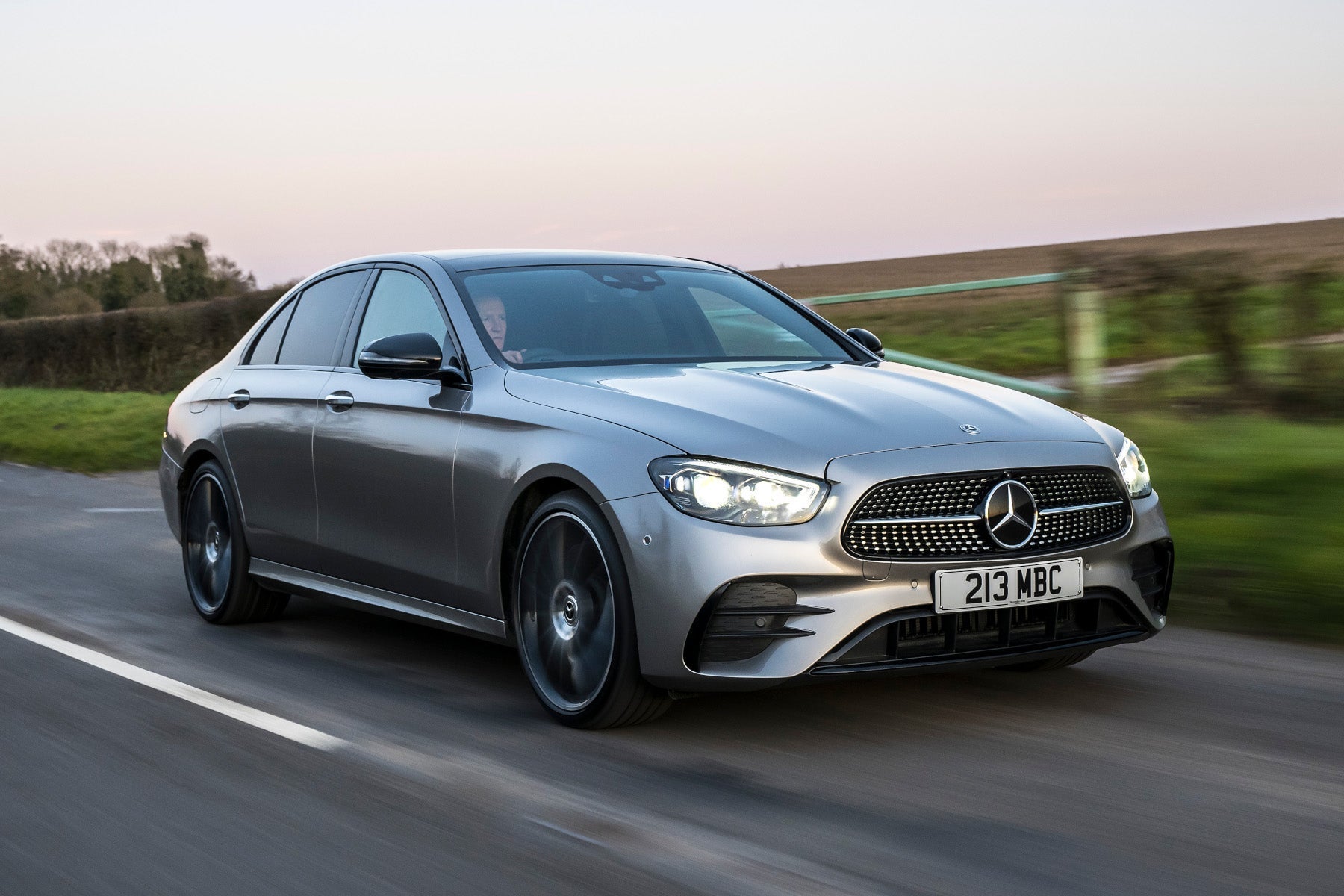
Mercedes Benz E Class
The Mercedes-Benz E-Class offers a refined and comfortable driving experience, blending performance with high-end luxury, but its ownership comes with notable financial demands. Advanced suspension systems, complex drivetrains, and high-tech safety features require meticulous care to prevent failures.
For daily drivers in Lynchburg, where roads include both smooth streets and rolling terrain, these systems experience constant stress, increasing the likelihood of maintenance issues. While the E Class is engineered for sophistication and performance, daily use amplifies wear on critical components, resulting in a vehicle that may perform brilliantly one day and demand expensive repairs the next.
Fuel consumption in the E Class tends to be higher than most midsize sedans, especially in variants equipped with larger engines or all-wheel drive. Premium fuel is often required, and the combination of high consumption and expensive fuel contributes to high monthly operating costs.
Drivers may be surprised by how quickly trips to the pump add up, particularly during daily commuting or short trips that prevent the engine from reaching optimal efficiency. Over time, this constant fuel demand becomes a notable part of the cost of ownership, adding to the vehicle’s reputation for high ongoing expenses.
While the E Class interior is luxurious, the very features that provide comfort and convenience contribute to long-term expenses. Power-adjustable seats, advanced climate control systems, and electronic driver assistance features can fail or require recalibration, and repairs are often expensive due to the complexity of the components.
Owners may find that the E Class, while impressive to drive and ride in, demands constant attention and resources to maintain at a high level. For someone seeking a reliable, cost-effective daily driver, this combination of fuel, maintenance, and repair costs often outweighs the benefits of luxury and performance.
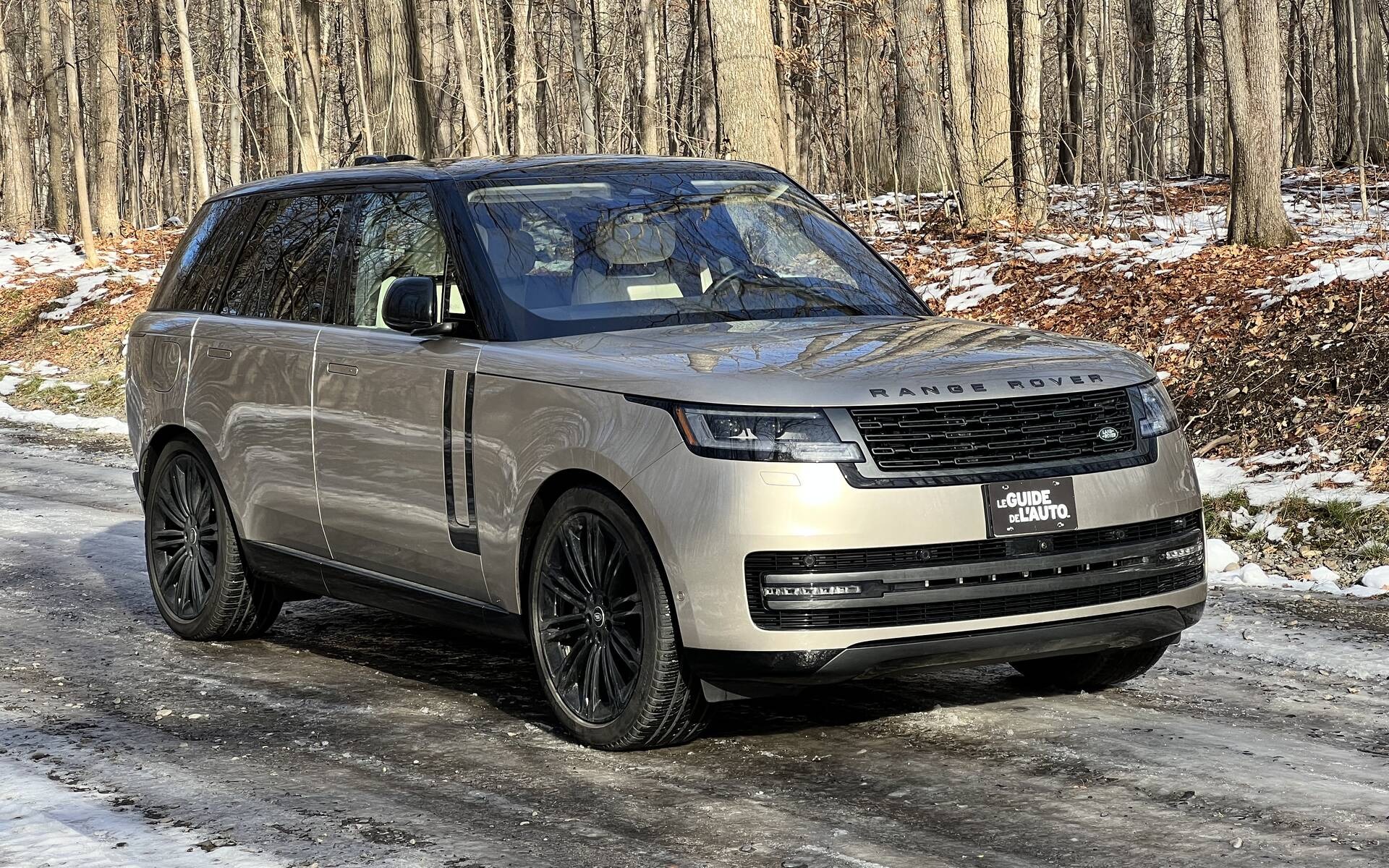
Land Rover Range Rover
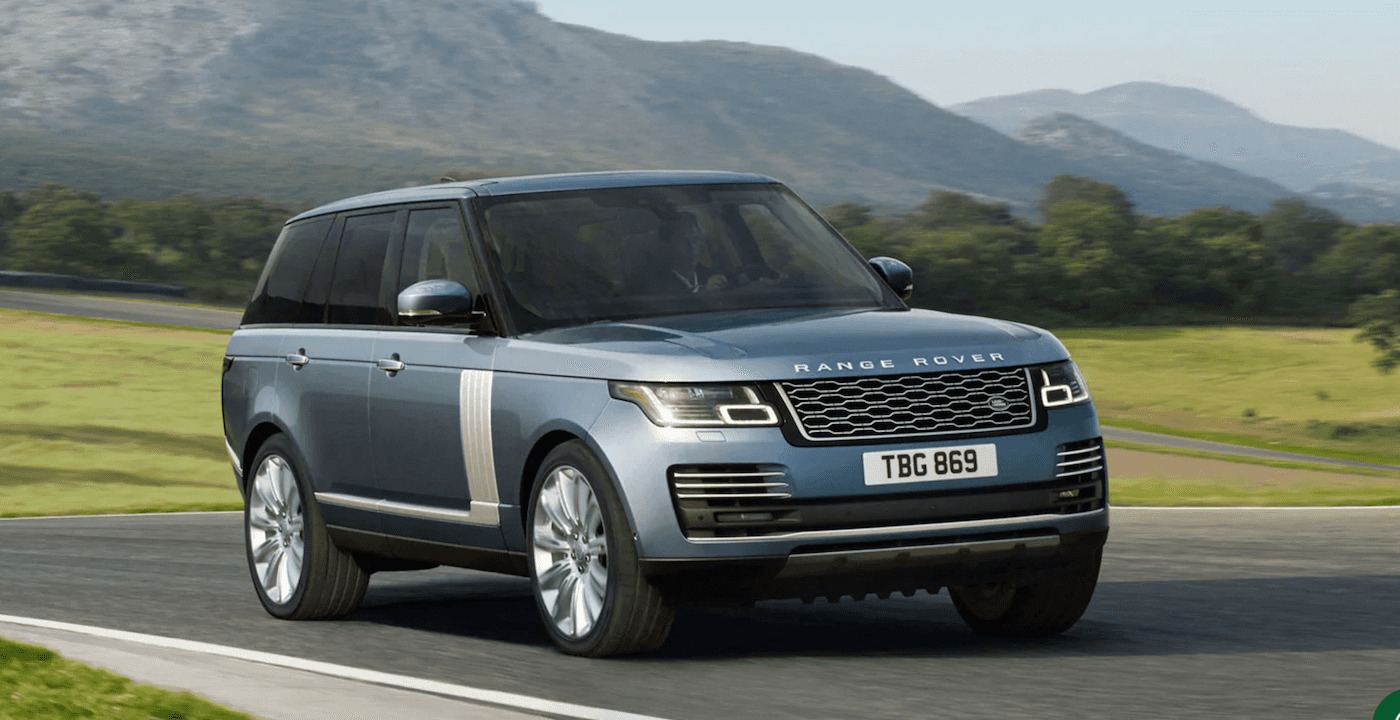
The Land Rover Range Rover is widely admired for its off-road capability, commanding presence, and luxurious interior, but it is infamous for high ownership costs. Its heavy chassis, sophisticated suspension systems, and complex electronic components place continuous stress on mechanical systems, particularly when the vehicle is used for daily commuting or city driving.
Lynchburg drivers may find that the Range Rover’s capabilities far exceed what is needed for routine errands, yet owners still face significant upkeep costs to maintain the vehicle’s performance and reliability over time. Its engineering emphasizes capability and refinement, but this often comes at the cost of predictable, affordable ownership.
Fuel efficiency in the Range Rover is among the lowest in its class, particularly for models equipped with larger engines or all-wheel drive. Daily driving in city traffic exacerbates this issue, leading to frequent stops at the gas station and high fuel bills.
Premium fuel is almost always required, further increasing monthly operating costs. Over time, this fuel demand alone can eclipse what owners might spend on smaller, more efficient vehicles, creating a financial burden that continues for every mile driven.
Although the Range Rover excels in off-road ability and luxury features, these strengths do not translate into practical daily advantages for most drivers. Features such as adaptive terrain response systems, air suspension, and advanced infotainment enhance the driving experience but can quickly become sources of mechanical frustration and financial strain.
For daily use in a city or suburban environment, the vehicle’s complexity, high fuel consumption, and expensive maintenance make it one of the costliest options, despite its appeal in design and capability.
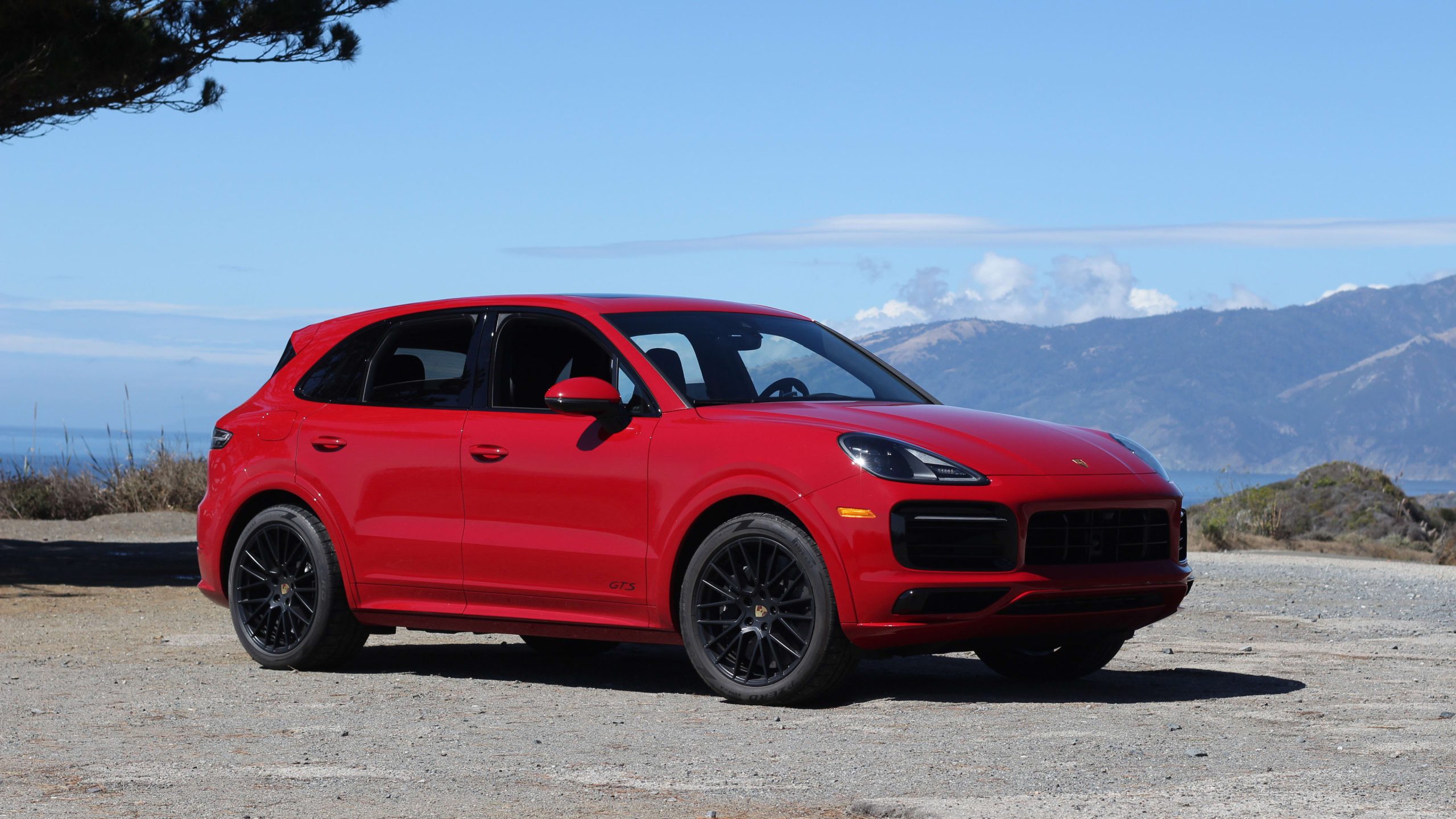
Porsche Cayenne
The Porsche Cayenne is known for blending high-performance driving with SUV utility, offering strong acceleration, handling, and luxury interior features. However, its performance-oriented engineering comes at a cost that is felt most acutely by daily drivers.
Components such as turbocharged engines, adaptive suspension, and electronic control systems experience accelerated wear under frequent city and highway use. Lynchburg drivers relying on the Cayenne for routine commuting may find that even short daily trips add up to significant mechanical strain over time, resulting in repeated service visits and elevated maintenance expenses.
Maintenance and repair costs for the Cayenne are substantial due to the specialized nature of its engineering. Engine repairs, suspension maintenance, and electronic system replacements often require Porsche-certified parts and trained technicians, which significantly raises labor and parts costs.
Routine services like brake replacements, oil changes, or fluid inspections are already more expensive than on mainstream vehicles, and major repairs can run into several thousands of dollars. This makes the Cayenne an expensive choice to maintain for any driver who intends to use it every day.
Despite its driving excitement and luxurious features, the Cayenne’s daily practicality is undermined by its ongoing financial demands. Infotainment systems, climate control modules, adaptive suspension, and high-performance engine components frequently require attention, and repairs are rarely inexpensive.
Owners who purchase the Cayenne for everyday driving may enjoy a premium experience behind the wheel, but the combination of fuel costs, maintenance, and repair bills ensures that the vehicle consistently racks up expenses rather than saving money, creating a long-term financial challenge for routine ownership.
